
MWC 2026
TECNO showcases cool concepts at MWC 2026
Modular hardware tech, new ecosystem, unique phone designs

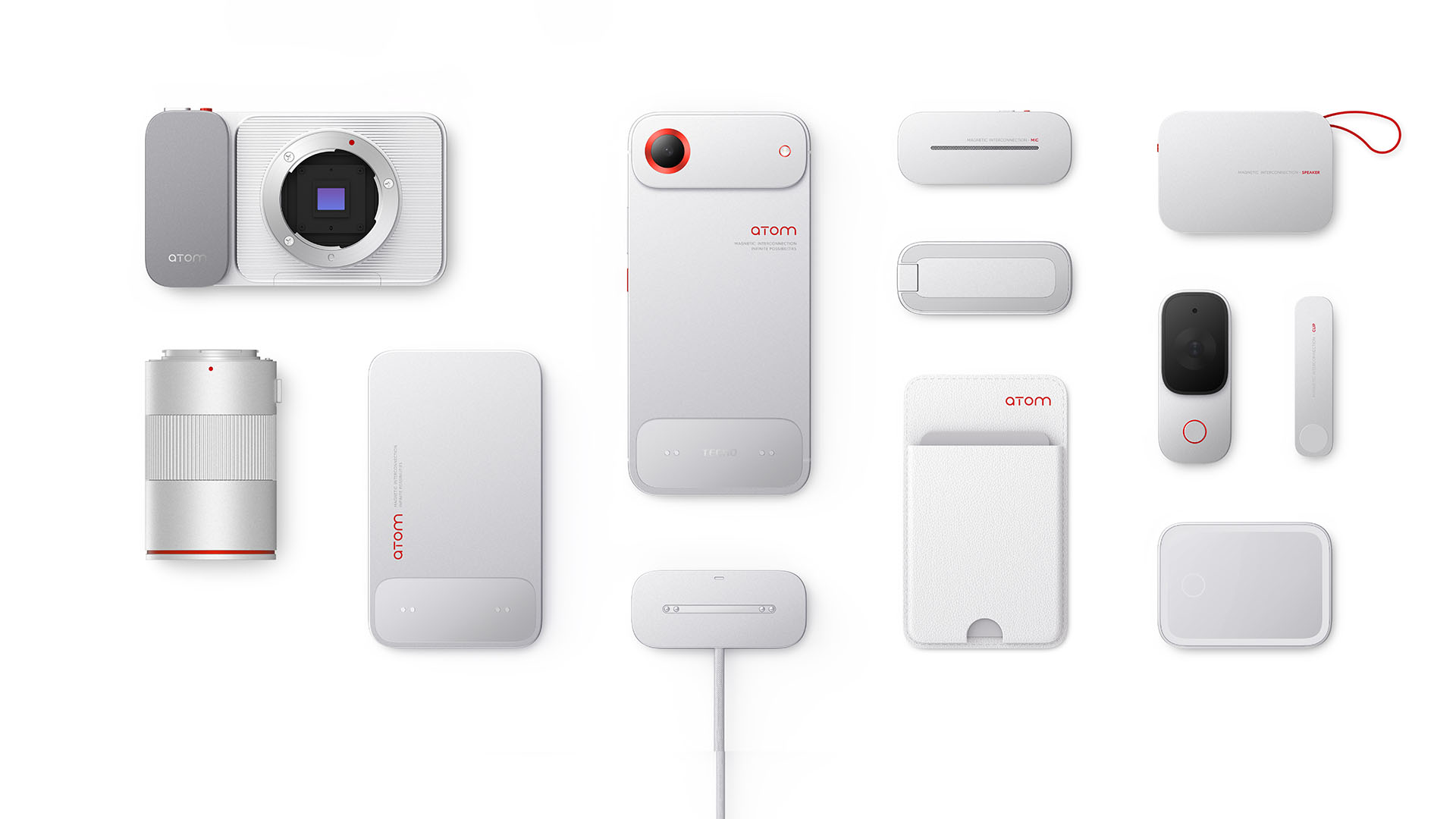
At MWC 2026 Barcelona, TECNO showcased not just its readily available products but also interesting concepts ranging from new designs to modular hardware tech.
These explorations seek to push the boundaries of what’s possible in terms of AI integration and the overall evolution of device ecosystems.
Modular Magnetic Interconnection Technology
On top of over 10 concepts and an absolute headliner is the Modular Magnetic Interconnection Technology. It does sound like a mouthful but in essence, it’s a collection of hardware pieces that can be easily attached to address the gap between expanding AI capabilities and physical space.
From stackable battery modules to action cameras to dedicated telephoto lenses, TECNO has over a dozen components comprising its Customizable Modular Suite. Basically, users can add or remove modules as needed, rather than concentrating all capabilities within the device itself.
From the looks of it, it seems the suite is compatible with the TECNO POVA series. But who knows.
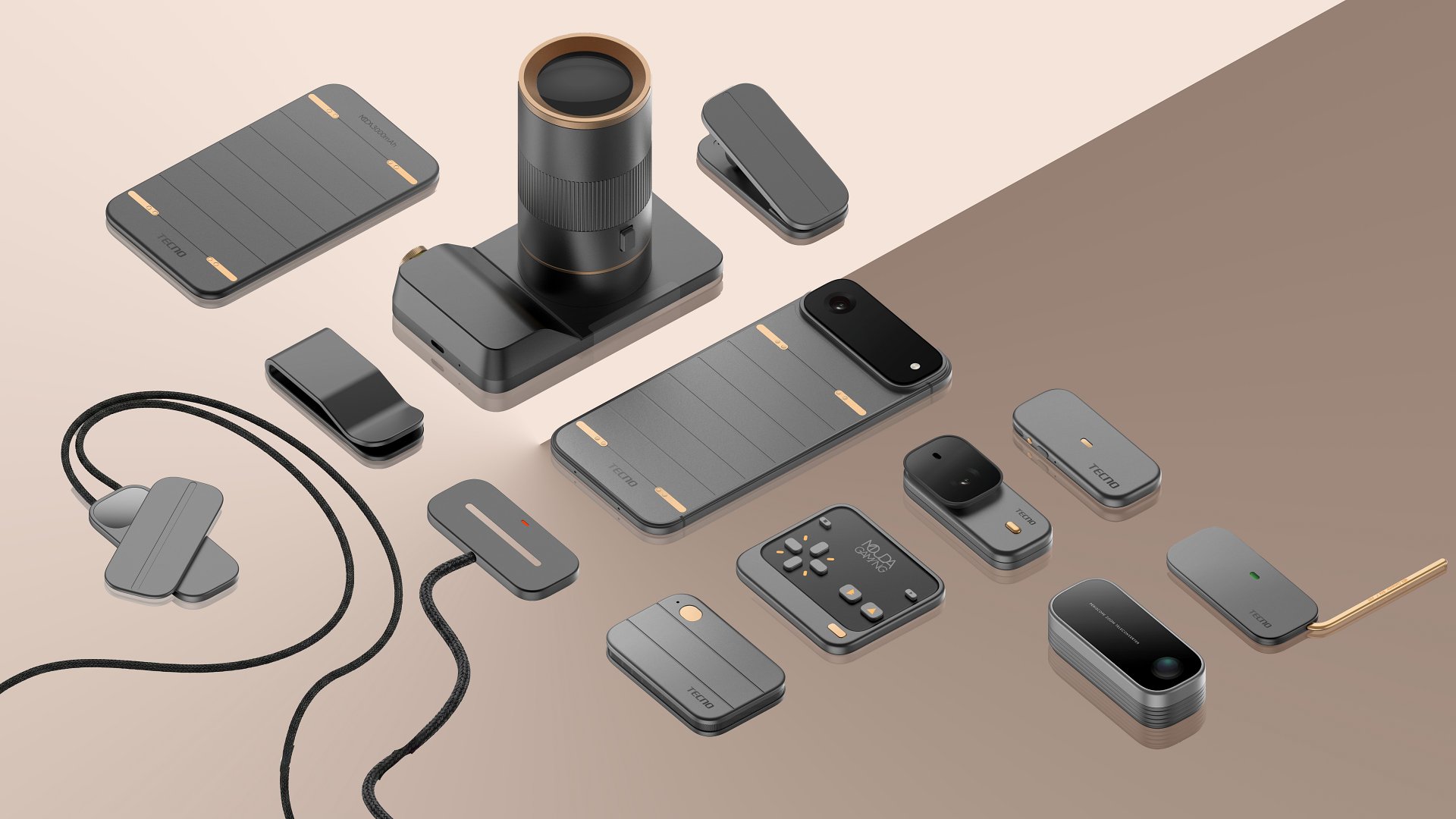
Graphics by Vincenz Lee | GadgetMatch
POVA Ecosystem
TECNO is also working on the POVA Ecosystem, comprised of the POVA Metal, POVA Controller Slide, and POVA Earphone.
The POVA Metal is the world’s first full-metal unibody 5G phone. It has a futuristic all-metal construction and a Snapdragon processor.
Complementing this is the Controller Slide, which is set to become the first controller that supports targeted aiming in MOBA titles. It supports a 0 to 25-degree adjustable viewing angle.
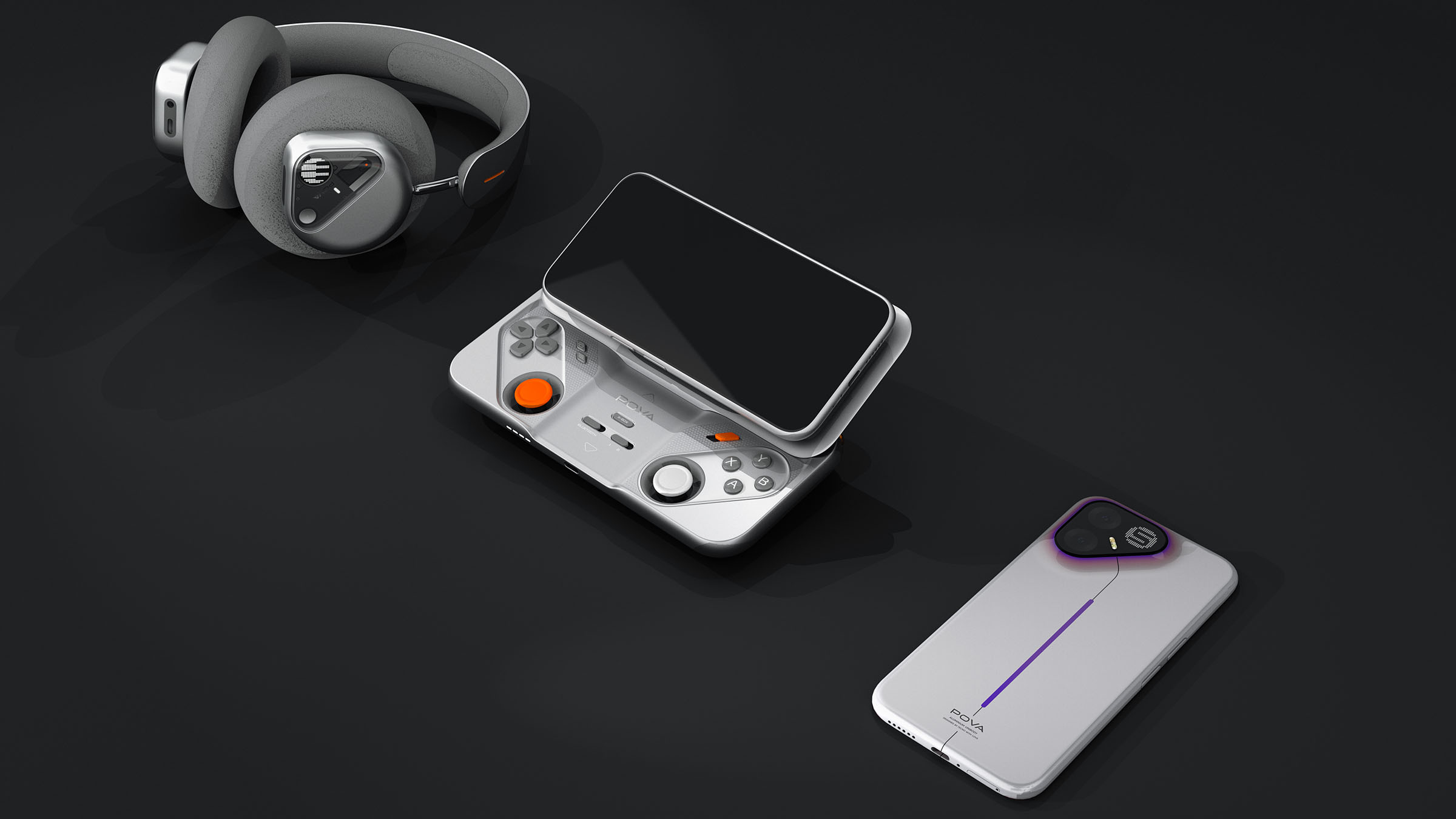
This physical controller is both FPS and MOBA-optimized, and allows wireless charging.
Lastly, the POVA Earphone comes with a futuristic design and signature dot-matrix light elements.
Together, the ecosystem’s devices allow users to reconfigure their digital experience based on context.
Edge-Side AIGC Preview Concept Technology
Moreover, the Edge-Side AI is part of TECNO’s broader AI strategy. It tries to resolve key barriers in popularizing generative AI, which are connectivity, latency, and compute density.
The concept is the brand’s latest edge-side AI achievement which could also potentially popularize AI across device tiers.
In partnership with Arm, TECNO developed a customized Style Transfer Preview technology that uses algorithmic optimization to decrease screen flickering and jitters.
The result is real-time preview at 30fps and a fluid split-screen viewfinder experience. TECNO has also compressed models to run fully offline on smartphones while preserving artistic fidelity and ensuring stable performance ready for everyday use.
More concepts
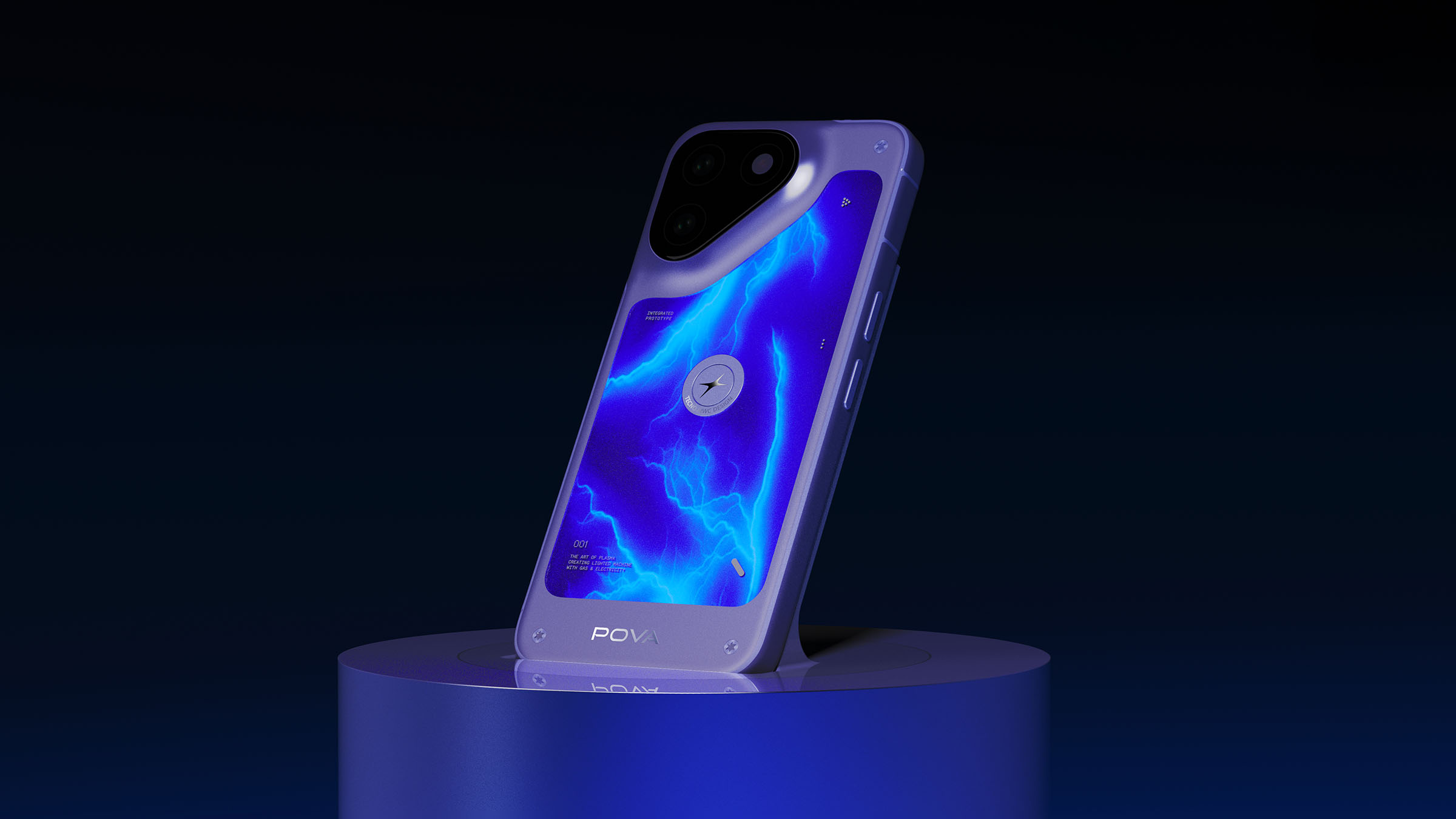
At their booth, TECNO has also presented multiple other explorations into product design and user experience.
There’s the POVA Neon which is the first to adopt ionized inert gas lighting technology in a smartphone form. This results in a distinct glowing effect on the back of the phone.
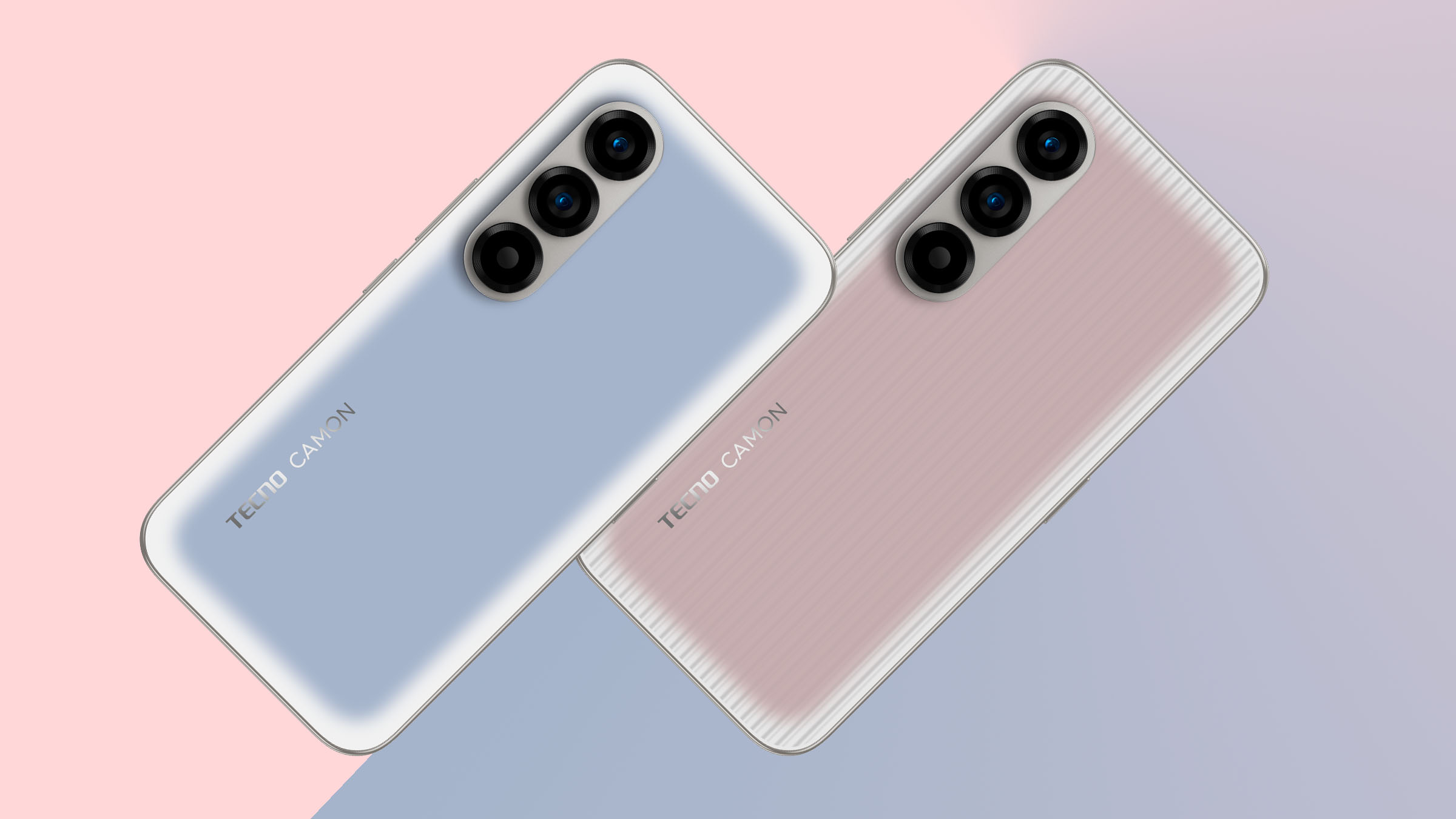
Graphics by Vincenz Lee | GadgetMatch
AI EINK, on the other hand, offers a paper-like visual experience. Through AI recognition, TECNO devices will analyze colors captured by the camera to match the back panel. Further customization and personalization shall be enabled through a dedicated app.
TECNO will eventually try to roll out a reimagined design language for an entire suite of devices, including a laptop, tablet, earbuds, smartwatch, smart glasses, and power bank. Themed “Music in Motion”, the collection provides a fresh, modular twist in design.
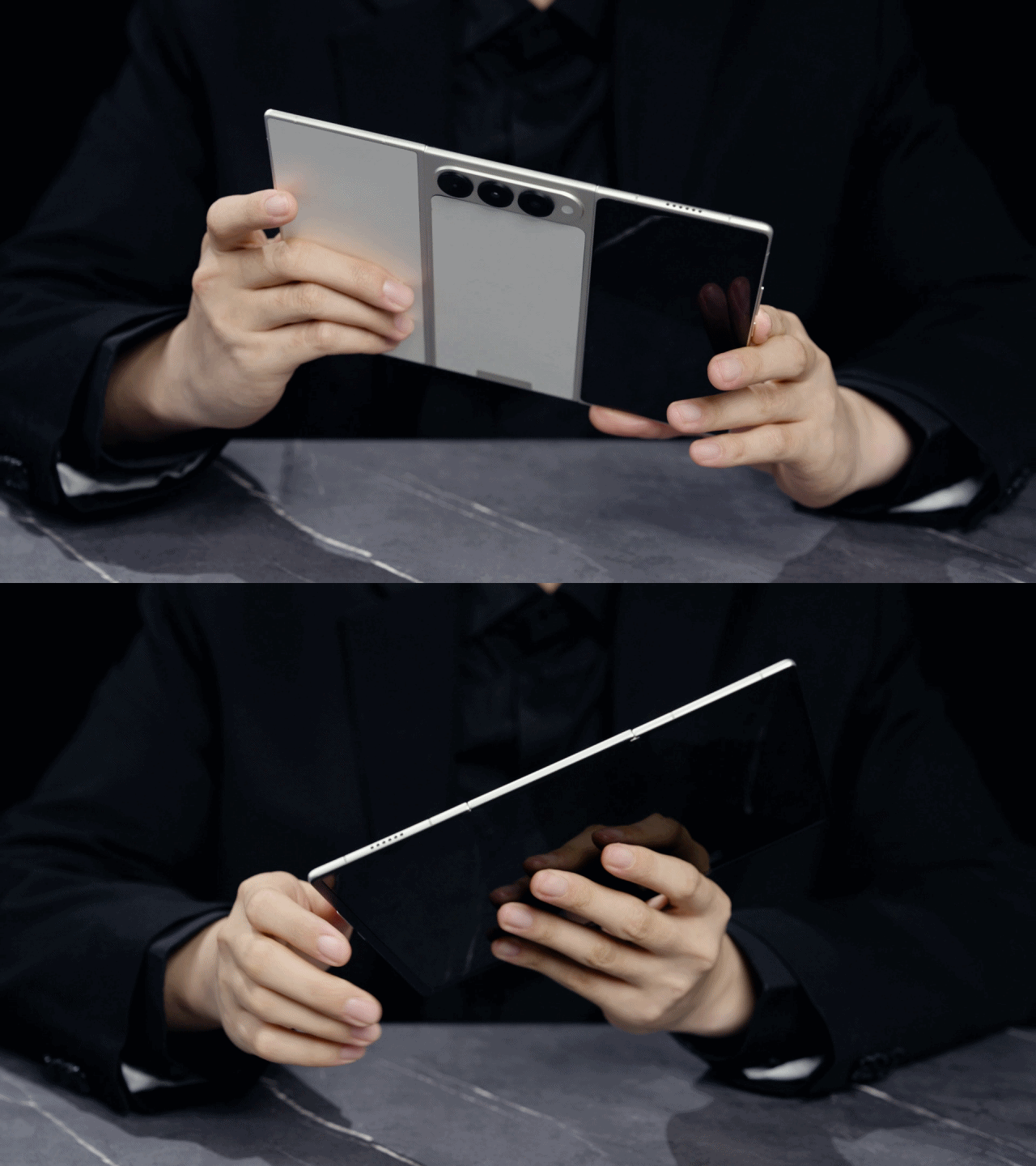
GIF by Vincenz Lee | GadgetMatch
Lastly, the PHANTOM Ultimate G Tri-Fold Concept, first introduced in July last year, also made an appearance at MWC 2026.
The TECNO booth is located at Stand 7A40, Hall 7, Fira Gran Via. It is available to visit from March 2 to 5.






MWC 2026
vivo X300 Ultra officially unveiled at MWC 2026
vivo showcases flagship’s Telephoto Extender, Camera Cage
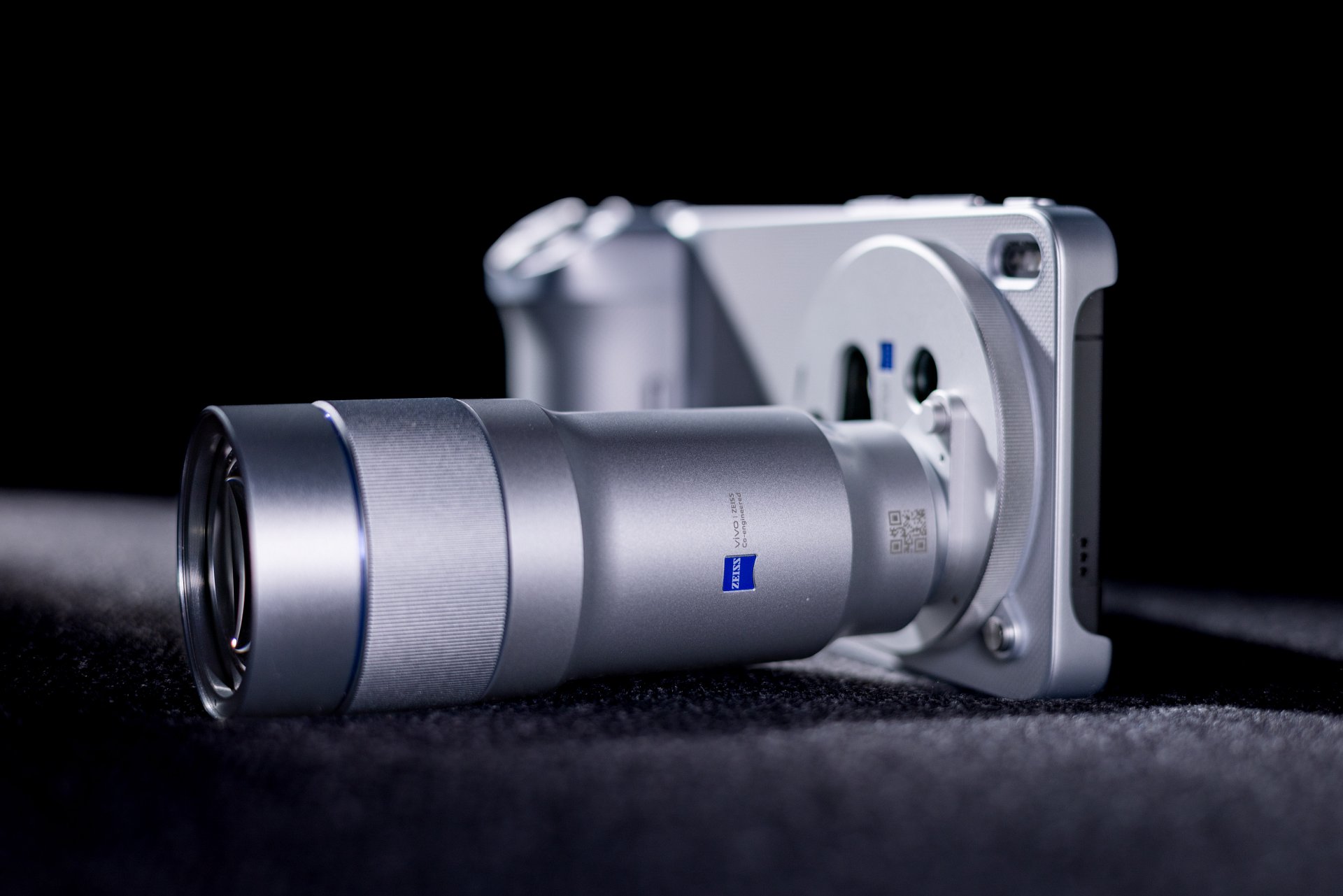
vivo offered a massive first look at its upcoming top-tier imaging flagship, the vivo X300 Ultra, at MWC 2026 Barcelona.
The company showcased the flagship smartphone’s design, along with its 400mm equivalent vivo ZEISS Telephoto Extender Gen 2 Ultra.
In addition, the flagship device is confirmed for launch in global markets later this year.
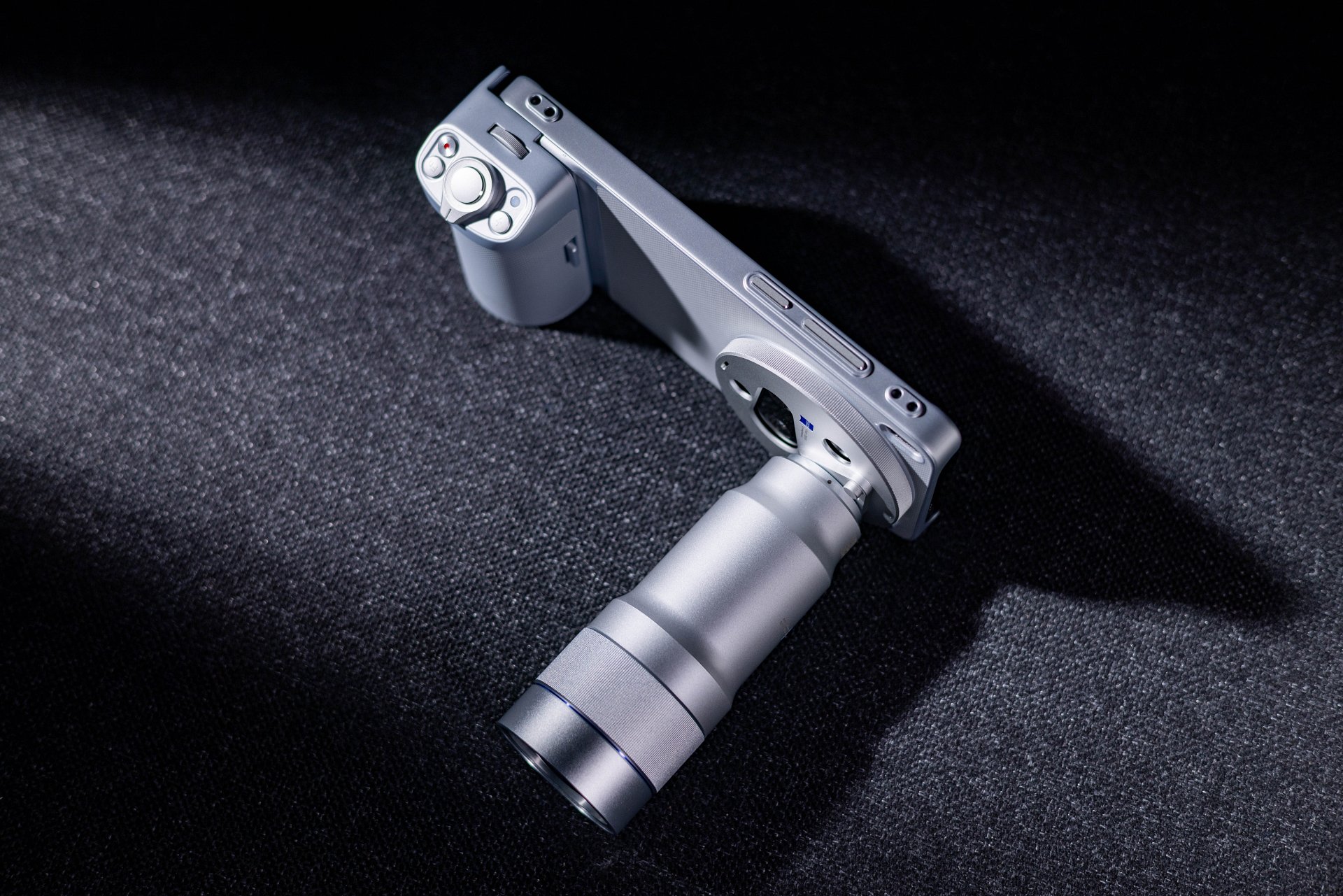
As the industry’s only 400mm telephoto extender, the add-on hardware pushes the boundaries of mobile imaging with pro-grade optical performance.
With a 400mm equivalent, it achieves excellent balance between powerful zoom capabilities and a body structured.
Co-engineered with ZEISS, the lens is designed to meet APO imaging standards. It also supports a full 200MP optical output, delivering sharp image quality even at 1600mm image crop.
Moreover, it delivers an exceptionally stable and precise telephoto experience. The flagship solution drives powerful momentum for professional creators, setting a new bar for ultra long-range captures.
To complement the telephoto extender, vivo also introduced a pro-grade Camera Cage. This expandable cage features an array of cold shoe mounts and quick-release ports for seamless integration.
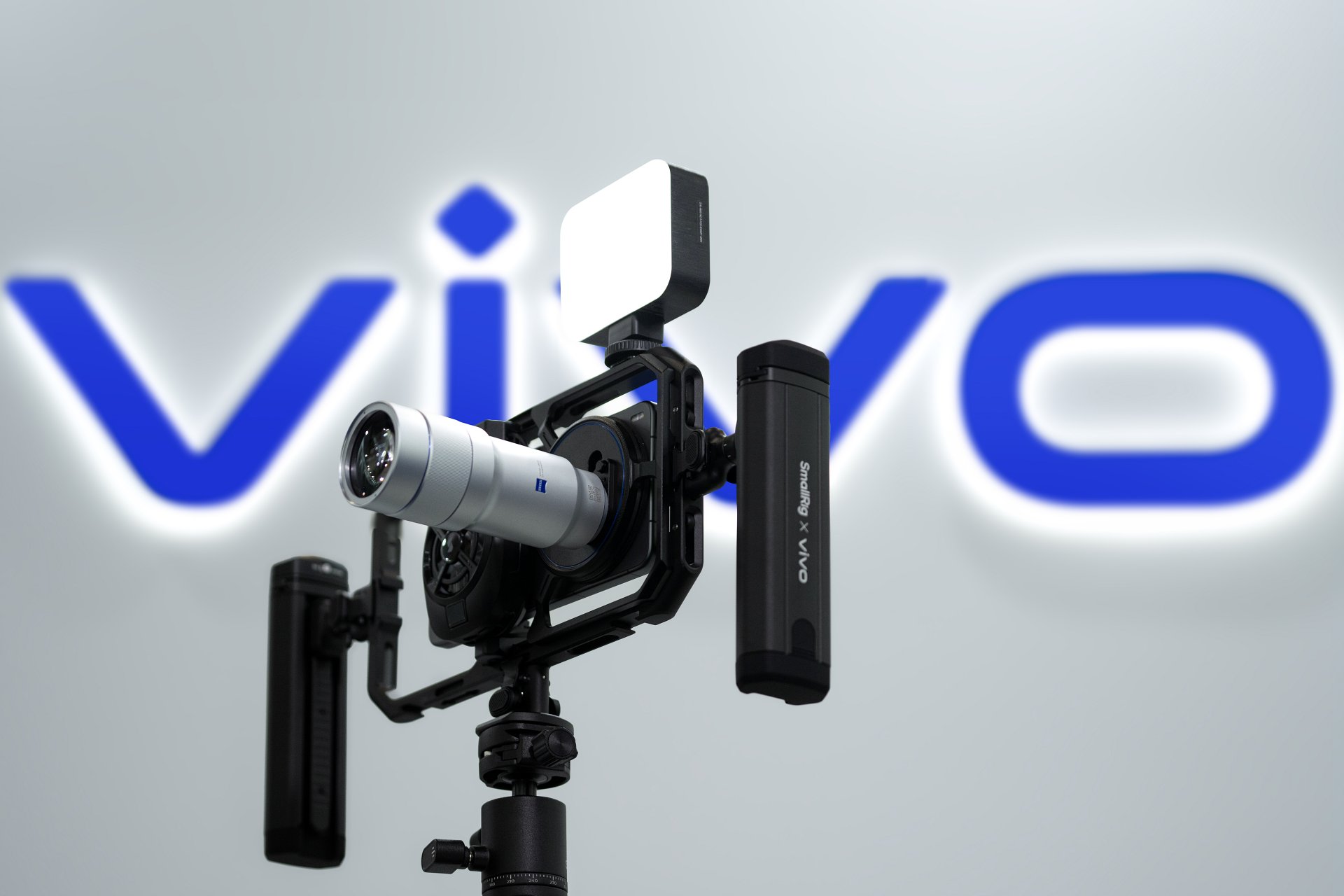
It is paired with a dual-hand grip for outstanding stability during handheld shoots. And for precise creative control, the cage also incorporates dedicated physical buttons for shutter and zoom adjustment.
A multi-level cooling fan also maintains peak performance during prolonged recording sessions. Completing the setup is an External Lens Expansion Frame which is compatible with the telephoto extender.
Led by the vivo X300 Ultra, the company’s showcase at MWC 2026 underscores its commitment to pioneering imaging innovation.

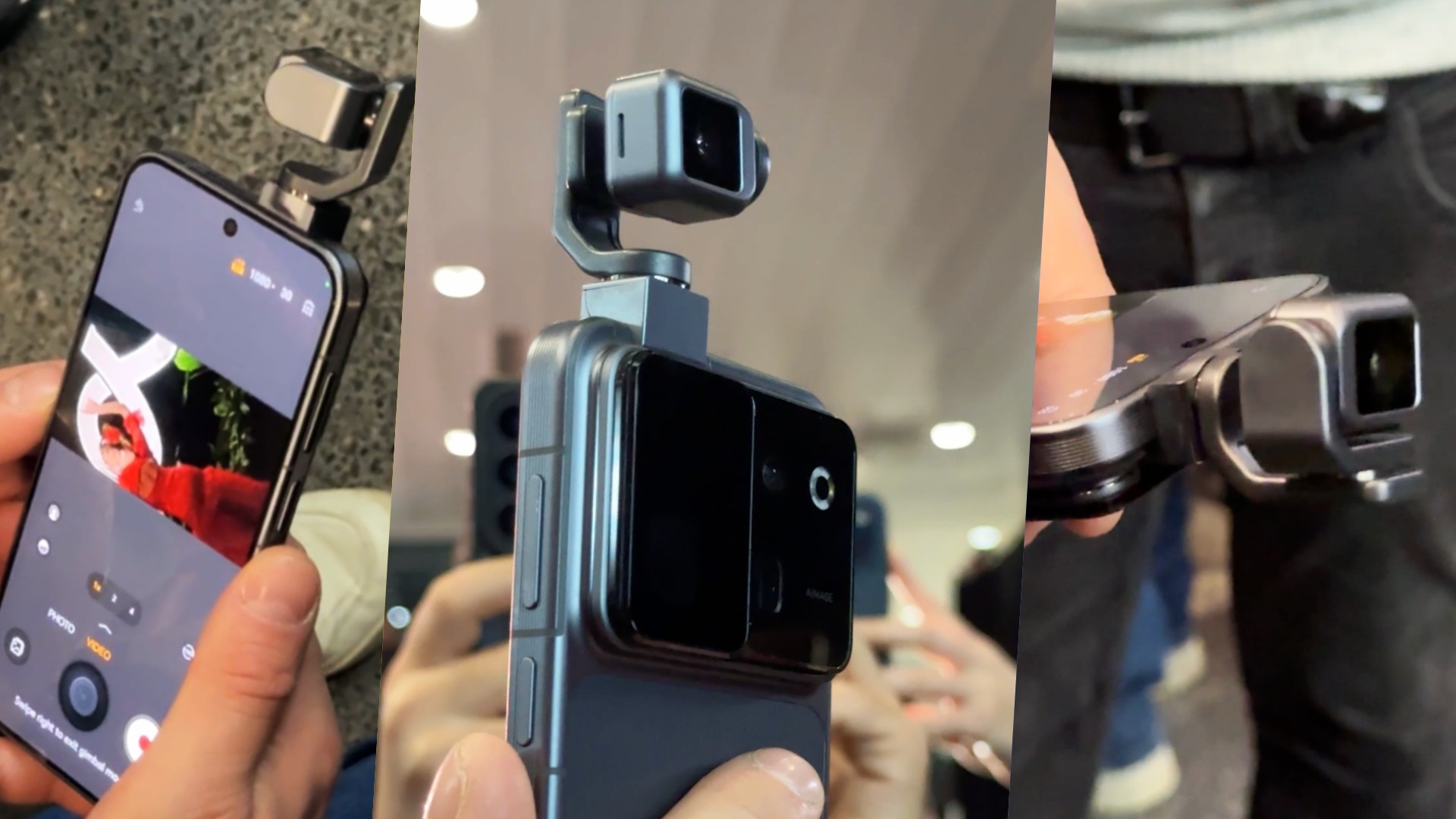
At Mobile World Congress 2026, HONOR offered a first look at its boldest concept yet: the HONOR Robot Phone, a device the company describes as a “new species” of smartphone built around embodied AI.
Unlike traditional smartphones that rely purely on touch and voice, the Robot Phone integrates robot-grade motion control with multimodal AI perception. The idea is simple but ambitious — give AI not just a brain, but physical expressiveness through motion and spatial awareness.
Embodied AI interaction
At the heart of the Robot Phone is a self-developed micro motor paired with an ultra-compact 4DoF gimbal system. By significantly reducing motor size, HONOR managed to fit a mechanical architecture capable of controlled physical movement inside a smartphone form factor.
This enables what HONOR calls embodied AI interaction. The device supports all-angle AI video calling that physically follows the user through robot-grade motion control. It can respond with expressive gestures such as nodding or shaking its “head,” and even move rhythmically to music for a more lifelike presence.
Through multimodal perception, the Robot Phone can identify sounds, track motion, and maintain visual awareness in real time, creating a more natural and intuitive interaction model compared to static devices.
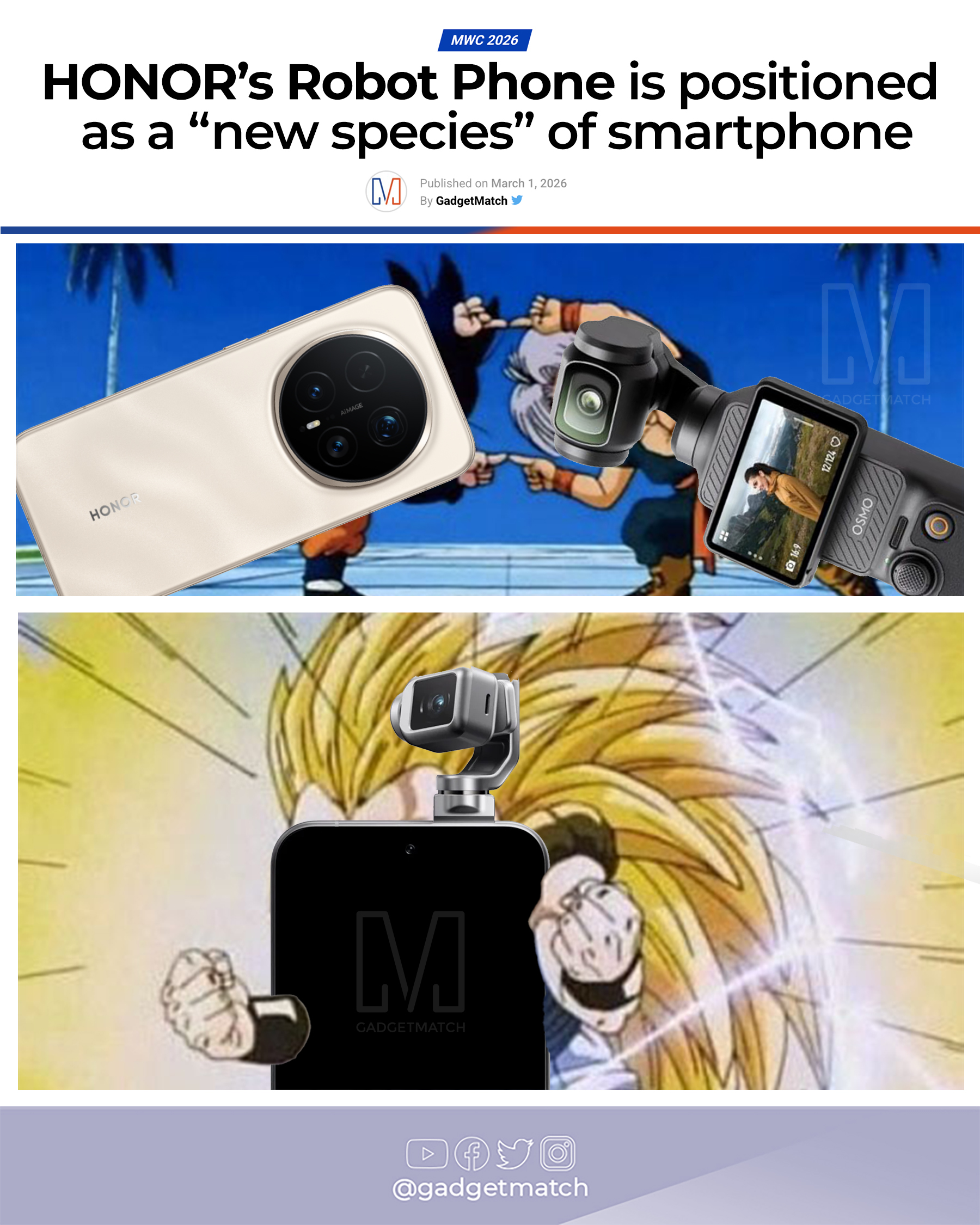
Cheekily, it also kind of looks like an HONOR Magic Phone fused with a DJI Osmo Pocket 3.
Cinematic capture with motion control
The Robot Phone is also built around a 200MP sensor integrated into a stabilized gimbal camera system. A three-axis stabilization setup supports smooth motion even in dynamic scenarios.
Super Steady Video mode enhances stability during high-movement shooting, while AI Object Tracking allows the device to intelligently follow subjects. AI SpinShot enables 90° and 180° rotational movements, creating fluid, cinematic transitions — even when shooting one-handed.
By combining stabilization, intelligent tracking, and controlled physical motion, HONOR aims to narrow the gap between smartphone video and professional-style storytelling.
A glimpse into HONOR’s AI future
The Robot Phone forms part of HONOR’s broader Augmented Human Intelligence vision and ALPHA PLAN strategy. While still positioned as a concept, the device demonstrates how embodied intelligence could shape the next generation of AI hardware — blending digital processing with physical responsiveness.
As HONOR expands beyond traditional smartphones into robotics and connected AI devices, the Robot Phone serves as an early preview of how future mobile technology might move, react, and interact more like a living companion rather than a static tool.
MWC 2026
HONOR partners with ARRI to bring cinematic image science to smartphones
First debut on HONOR ROBOT PHONE

HONOR has announced a strategic technical collaboration with ARRI, a global leader in professional cinema camera technology.
The partnership aims to bring established cinematic imaging standards into the fast-growing world of mobile content creation. HONOR will combine its mobile imaging systems with ARRI’s century-long expertise in defining cinematic image quality.
HONOR CEO James Li said the company wants to inspire creativity through technology. He added that ARRI has shaped the visual language of cinema for generations. Through this collaboration, HONOR plans to integrate professional imaging standards and workflows into its smartphones.
ARRI also sees smartphones as serious creative tools. David Bermbach, Managing Director at ARRI, said consumer phones already appear in blockbuster productions around the world. He said the time has come to bring cinema and mobile imaging even closer together. For the first time, core elements of ARRI Image Science will be integrated directly into a consumer device.
A century of cinematic standards
ARRI has shaped filmmaking for more than 100 years. The company supported cinema from early film cameras to today’s advanced digital systems.
Its work earned 20 Scientific and Technical Awards from the Academy of Motion Picture Arts and Sciences. That legacy now serves as the foundation for this new mobile-focused effort.
At the center of the collaboration is ARRI’s Image Science. In cinema, image science forms the backbone of image creation. It governs how colors render, how highlights roll off, and how shadows retain detail. It also ensures consistency from capture to final screen.
HONOR will apply these principles to its mobile imaging architecture. The goal is not to replicate large cinema hardware inside a phone. Instead, the companies will translate core cinematic principles into compact, real-time mobile systems.
Dr. Benedikt von Lindeiner, ARRI Vice President overseeing the collaboration, said smartphones operate under different constraints. They use smaller sensors, integrated chipsets, and compact optical stacks. Despite these limits, ARRI aims to deliver natural color, gentle highlight transitions, and authentic depth on mobile devices.
He added that creators should move seamlessly from mobile capture into professional post-production workflows.
The first results of the collaboration will debut on the upcoming HONOR ROBOT PHONE later this year.






Apple announces the iPad Air with the M4 chip

Apple unveils the iPhone 17e

Xiaomi launches latest ecosystem devices: Watch 5, Redmi Buds 8 Pro, more

Xiaomi 17, Xiaomi Pad 8 series price, availability in PH

TECNO showcases cool concepts at MWC 2026

Xiaomi 17 Ultra is now available outside China

TECNO will showcase the CAMON 50 and POVA 8 series at MWC 2026

PlayStation, LE SSERAFIM Chaewon team for the ‘Love of Play’ campaign

The art of being in and behind the frame

HUAWEI MatePad 11.5 S 2026: The better-than-ever 4-in-1 productivity tablet


-
 News2 days ago
Xiaomi 17 Ultra is now available outside China
-

 Camera Walkthrough1 week ago
OPPO Reno15 Pro: Camera Review
-
 First Look2 weeks ago
Match Pulse: Infinix NOTE 60 Pro
-

 Cameras2 weeks ago
Osmo Pocket 4 makes a surprising appearance in public
-

 Gaming2 weeks ago
LG unveils UltraGear evo, redefines 5K gaming with AI Upscaling
-

 News2 weeks ago
iPhone 17 Pro Max is somehow the most traded-in phone today
-

 News2 weeks ago
HUAWEI launches Mate X7, MatePad 11.5 S 2026, FreeClip 2
-

 Gaming2 weeks ago
PlayStation 6 reportedly delayed to 2029 because of RAM shortage