
Drones
How the tech world helped in the Notre Dame fire incident
Modern technology isn’t our foe at all


In light of the recent news about the fire incident that happened in the Notre Dame Cathedral in Paris, France, several companies, including those from the tech sector, have shown how much they care for the ruined 856-year-old historic landmark.
DJI
When the flames broke out, firefighters used Mavic Pro and Matrice M210 drones. The cathedral was severely damaged but thankfully, the drones helped in distinguishing where the fire had spread out. Several tweets show how helpful drones are, even during unexpected disasters like this one.
— Alexandre Fremont (@alex_fremont) April 15, 2019
People from DJI talked about how their drones helped Paris’ Emergency Response Team in determining the fire inside the cathedral.
Learning that Emergency Response for Notre Dame also included the use of drones, made me feel good. Then seeing a female operator made me proud. Both individually are not common, both together even less. Such a difficult incident to deal with, done with exemplary. pic.twitter.com/Qdh3UIwmer
— Romeo Durscher (@romeoch) April 16, 2019
Craftsmen built Notre Dame eight centuries ago. Now it may be up to robots to save it.https://t.co/zyfMU1lEuI
— Brendan Schulman (@dronelaws) April 17, 2019
Apple
After the incident, many people, including popular icons all around the globe, have shown their distress about the destruction of the cathedral. Tim Cook, the CEO of Apple, is one among those people. He even promised Apple would help in the progress of rebuilding Notre Dame’s ruined architectural landscape.
We are heartbroken for the French people and those around the world for whom Notre Dame is a symbol of hope. Relieved that everyone is safe. Apple will be donating to the rebuilding efforts to help restore Notre Dame’s precious heritage for future generations.🇫🇷
— Tim Cook (@tim_cook) April 16, 2019
Ubisoft
Most gamers can tell that the Notre Dame Cathedral is found in the gameplay of Assassin’s Creed: Unity. Ubisoft, which is also a French company, said that the infrastructure was scanned using their state-of-the-art 3D mapping technology. Using data preserved for the game may help architects and builders in restoring the cathedral. As an addition, the game is for free at the Ubisoft store to honor the fallen landmark.

Image credit: Ubisoft
It may be insignificant for most people but these all prove that companies and their existing technologies can still help in times of global incidents like this.



Drones
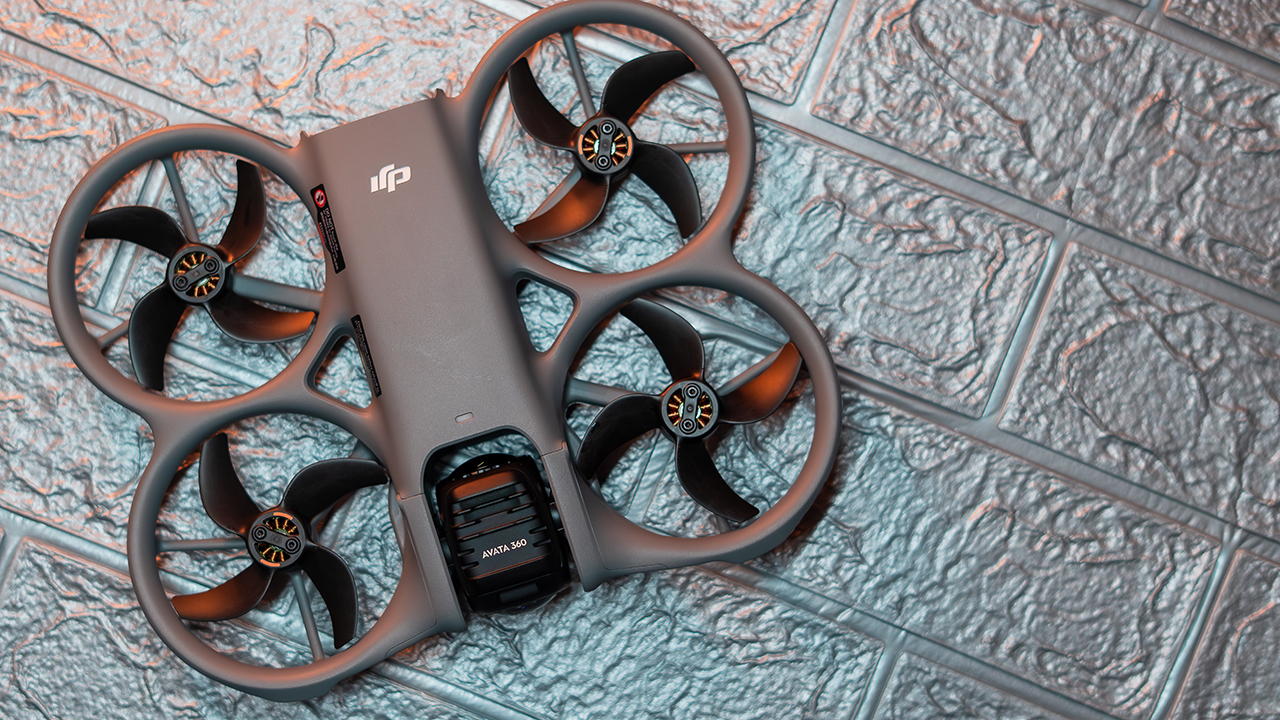
DJI officially launches the Avata 360 with 8K immersive imaging
The new flagship drone introduces 1-inch sensors and 360-degree capture to the FPV world.

DJI just redefined the “single take.”
The new DJI Avata 360 combines the raw thrill of FPV flight with a flagship 8K 360° camera system. It effectively gives creators a flying virtual camera that sees everything at once.
This means you no longer have to worry about pointing a gimbal while flying at high speeds. You can simply record the entire environment and choose your favorite angles later in post-production.
Brilliant imaging, post-flight freedom
The headline feature is the imaging, which utilizes dual 1-inch-equivalent sensors capable of 8K/60fps HDR video and 120MP stills.
These massive 2.4 μm pixels handle low light and high dynamic range like a pro, ensuring light and shadow are captured with exquisite clarity.
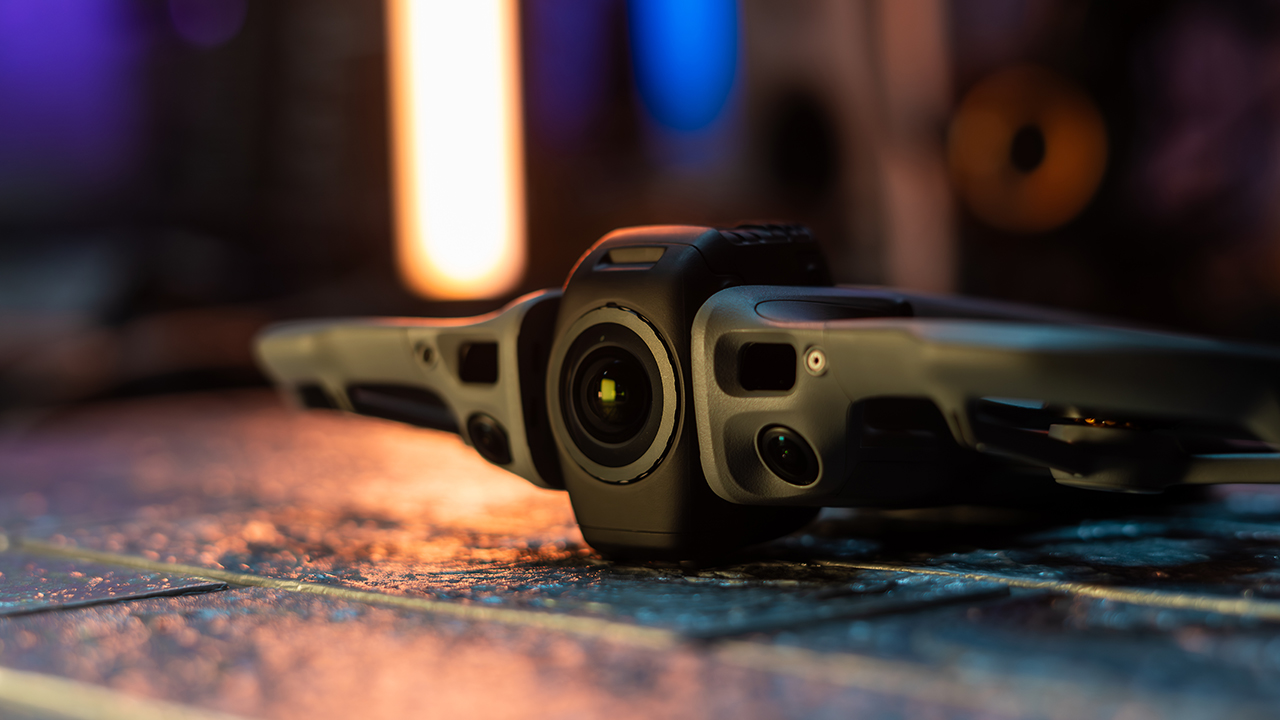
If you prefer a more traditional look, you can switch to Single Lens mode to capture classic Avata-style cinematic lines in 4K/60fps.
Because the drone records in a full sphere, the Virtual Gimbal feature allows for infinite rotation and tilt during editing.
You can fly in one direction while digitally rotating the horizon or shifting the perspective to look directly behind the drone without ever changing your actual flight path.
Flagship transmission, smarter safety
DJI didn’t just slap a new camera on the old frame. They beefed up the internals to ensure the flight experience is as stable as the footage.
The drone leverages the flagship O4+ video transmission system to deliver crystal-clear 1080p/60fps feeds with a massive 20 km range and strong anti-interference capabilities.
Safety has also seen a major upgrade with Nightscape omnidirectional obstacle sensing. This makes sunset and low-light flights significantly less stressful.
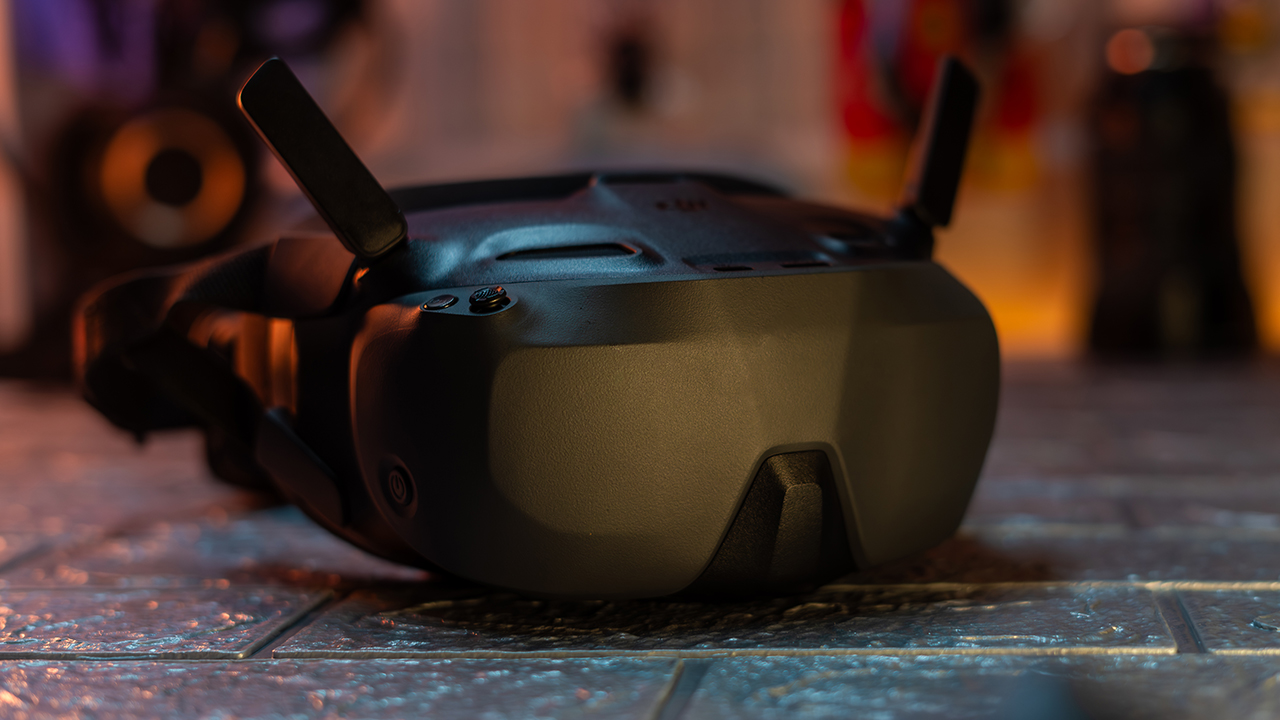
Plus, the front lens element now features a user-replaceable design. If you push a gap a little too hard and scratch the glass, you can swap it out yourself instead of shipping the whole unit back for repairs.
Intelligent tracking, high-speed workflow
The magic continues once the drone is back on the ground through the DJI Fly and Studio apps.
Features like ActiveTrack 360° and Spotlight Free allow the drone to lock onto subjects and replicate sophisticated camera movements that usually require a professional dual-operator setup.
With 42GB of internal storage and high-speed Wi-Fi 6 transfer, you can capture 30 minutes of 8K footage without an SD card and beam it to your phone at up to 100 MB/s.
Price, availability
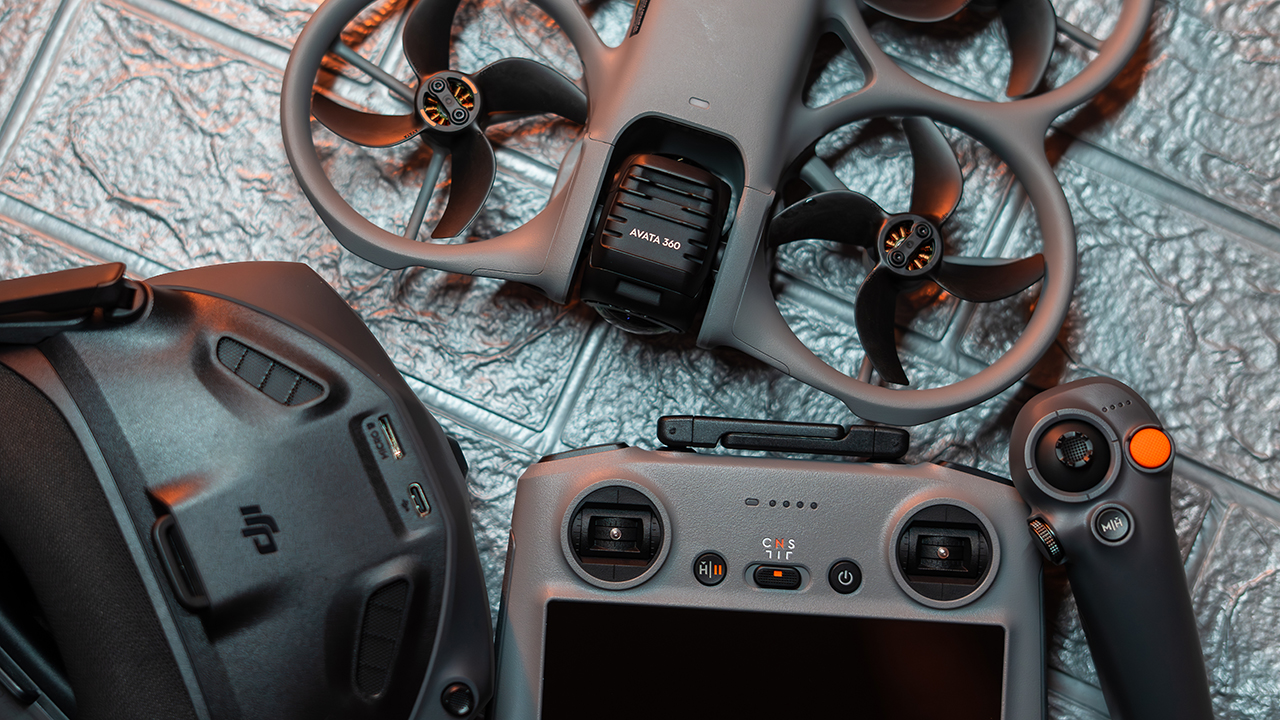
The DJI Avata 360 is compatible with DJI Goggles, the RC Motion 3, and standard RC 2 controllers, with pre-orders live today and shipping starting in April 2026.
- DJI Avata 360 (DJI RC 2): PhP 38,290
- DJI Avata 360 Fly More Combo (DJI RC 2): PhP 47,890
- DJI Avata 360 Motion Fly More Combo (Goggles N3): PhP 47,890

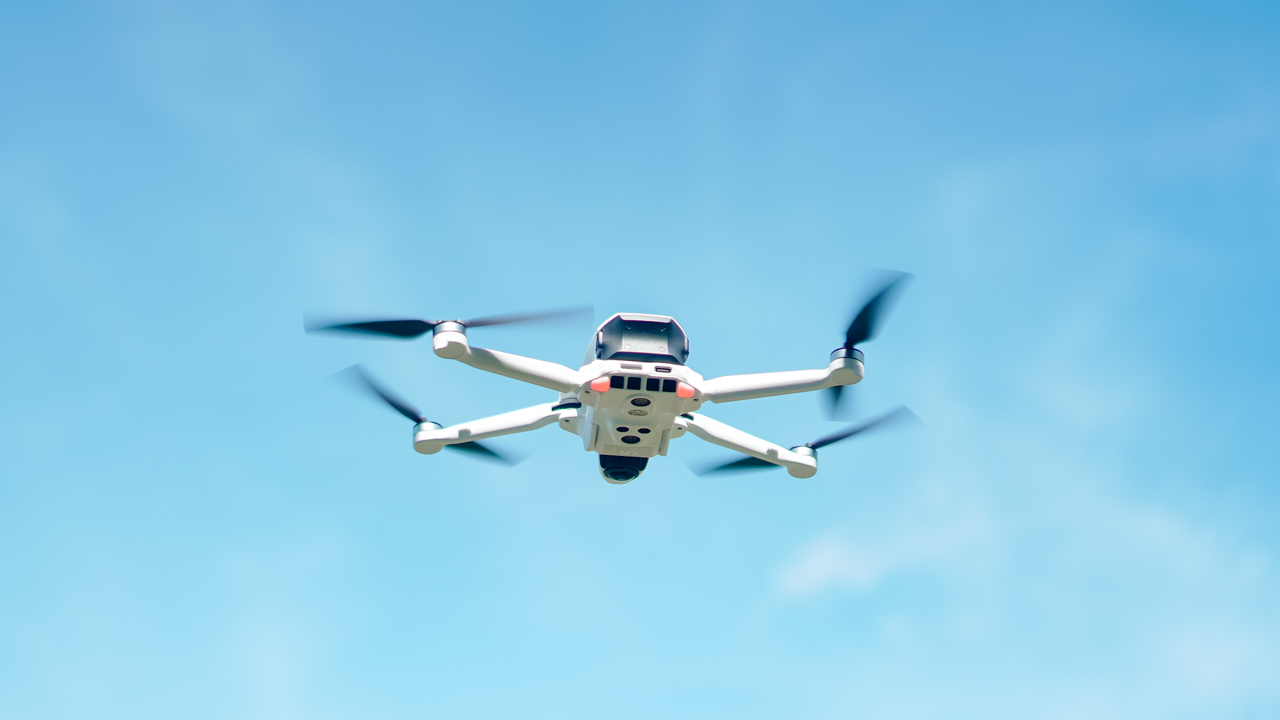
Antigravity A1’s Philippine debut at BGC High Street on December 13 signaled a shift towards a more intuitive and immersive drone flight experience, making it easier for new users while still offering depth for seasoned creators.
Billed as the world’s first all-in-one 8K 360 drone, the Antigravity A1 made its Philippine debut through a one-day pop-up showcase attended by members of the media, filmmakers, and creators. Instead of focusing solely on raw specs, the event focused on the actual experience of flying, filming, and storytelling. How it powers creativity through an immersive and intuitive experience.
EZ, VR-like piloting
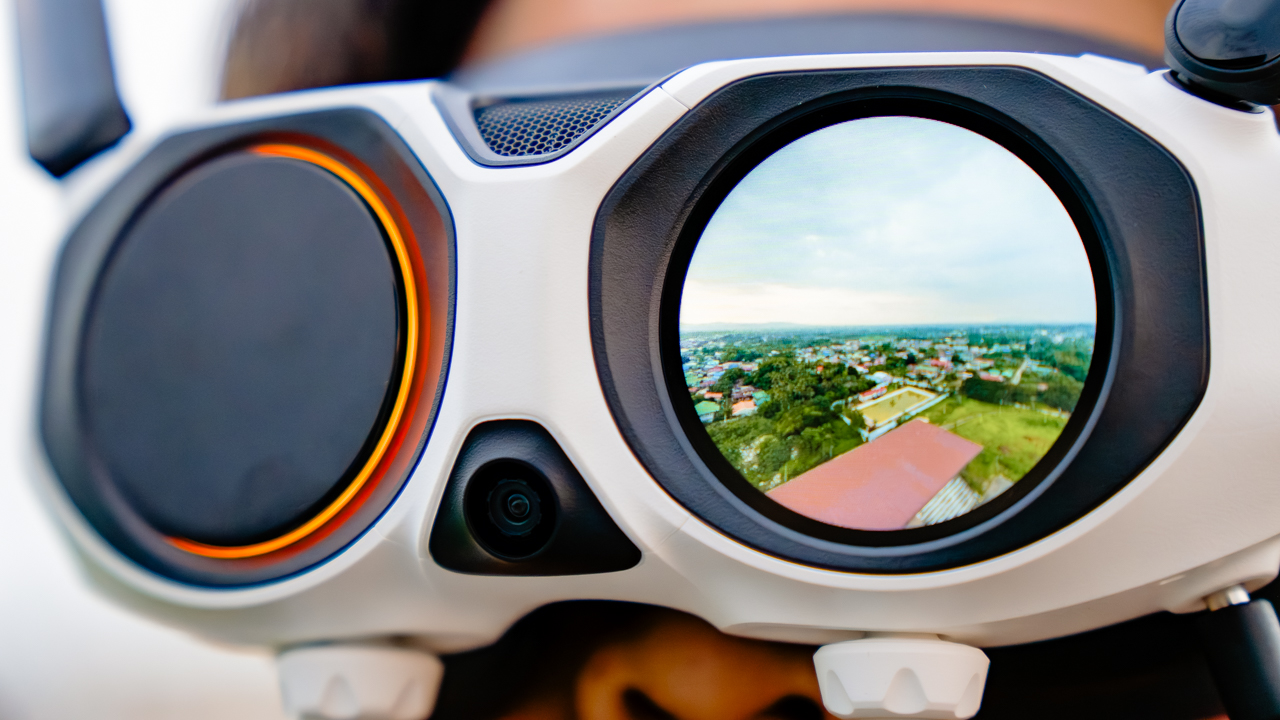
Most drones are built around precise piloting and careful camera framing. The A1 takes a different, revolutionary approach. At the heart of the A1 is its dual-lens camera system, capable of capturing 8K 360-degree video. Instead of committing to a single angle mid-flight, creators can record the entire environment in one pass, then choose the best framing later in post-production.
Rather than relying solely on traditional joysticks, the Antigravity A1 is designed for a headset-first flying experience. Using Vision Goggles paired with a motion-controlled grip, pilots steer the drone by pointing where they want to go. The experience almost feels like a VR video game. High-resolution Micro-OLED displays and real-time head tracking add to the immersion. For experienced pilots, classic FPV controls will become available. This demonstrates that the Antigravity A1 adapts precisely to the user’s skillset.
Compact & Travel friendly
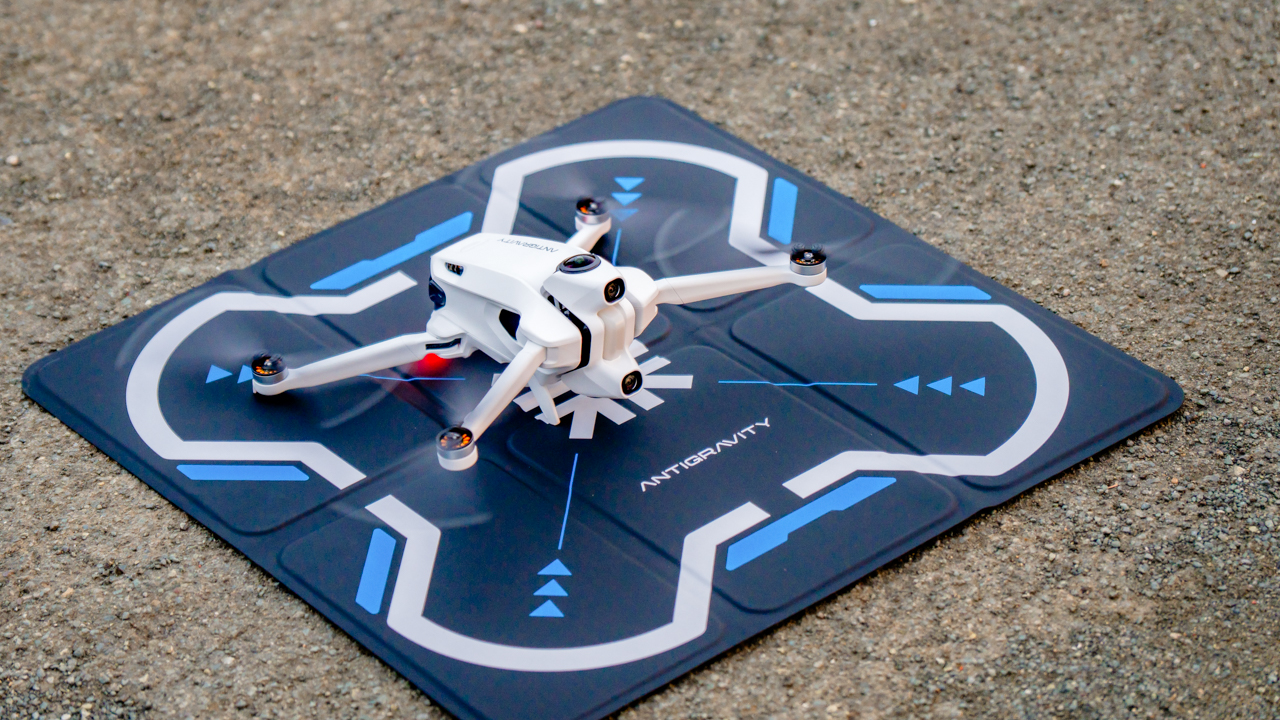
Weighing 249 grams, it fits within sub-250g drone regulations in many regions, making it easier to travel with and operate responsibly.
Battery life reaches up to 24 minutes, with optional high-capacity batteries available for longer sessions. A retractable landing gear protects the camera lenses during takeoff and landing while keeping the view unobstructed.
First live flight in the Philippines
The BGC High Street pop-up featured the first live demo flight of the Antigravity A1 in the Philippines, led by brandfilmmaker Sid Maderazo. The demonstration gave attendees a firsthand look at how the drone performs in real-world conditions, highlighting its intuitive controls and immersive flight experience.
The demo also showed how the A1 lowers the barrier to entry for newcomers, while still offering enough creative depth for experienced pilots and filmmakers.
The event concluded with a celebratory toast, marking Antigravity’s official entry into the local market and signaling its ambitions for a new chapter in aerial creativity.
Price and availability in the Philippines
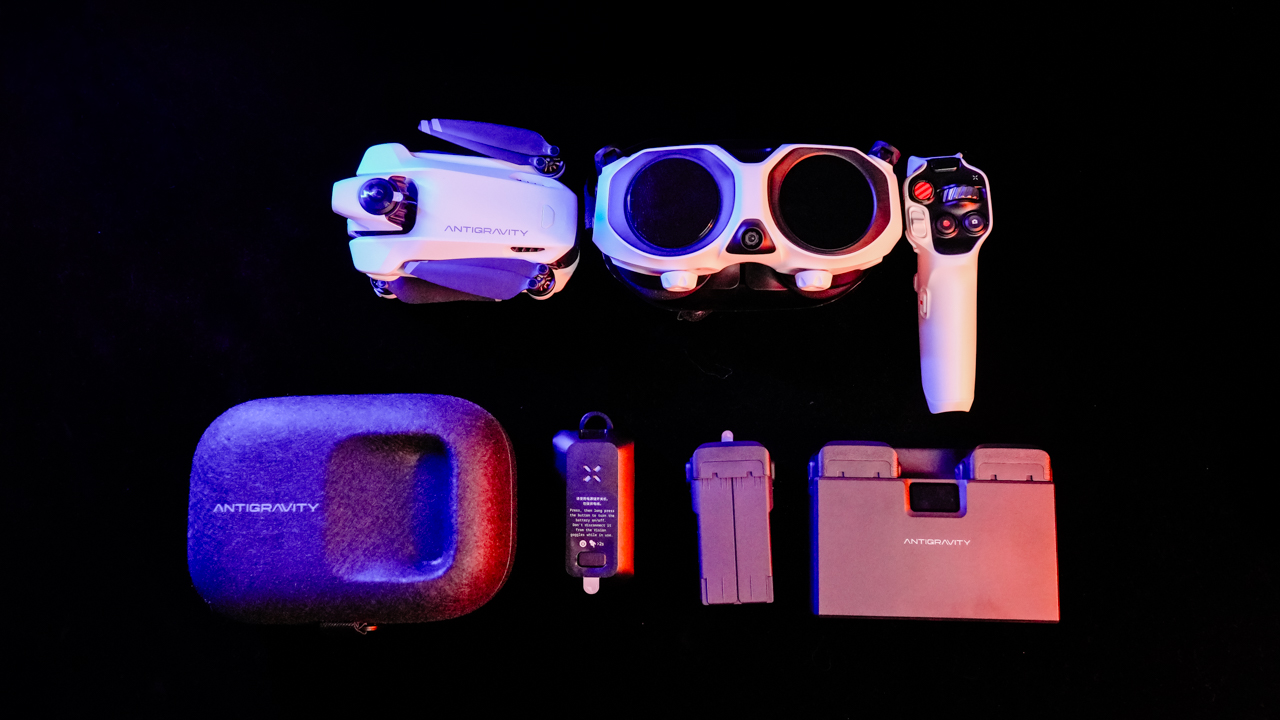
The Antigravity A1 is now available nationwide through authorized Insta360 retail stores in the Philippines. It comes in three bundles:
- Standard Bundle – ₱84,990
- Explorer Bundle – ₱97,990
- Infinity Bundle – ₱104,990
Each bundle includes the Antigravity A1 drone, Vision Goggles, and Grip Controller, with additional accessories varying by package.
You can also shop online through official e-commerce platforms:
- Shopee: Insta360 PH
- Lazada: Insta360 Philippines
- TikTok Shop: Insta360 Philippines


When a drone removes the pressure of framing your shot, something shifts. Instead of thinking like a cameraman in mid-air, you start feeling like a passenger—gliding, peeking, drifting wherever curiosity points. That’s the Antigravity A1’s biggest trick. It frees you from the usual anxiety of lining up subjects and horizons, and instead hands you a 360° canvas where everything is the shot.
You’re not just flying a drone here. You’re capturing possibilities.
A learning curve that feels worth it
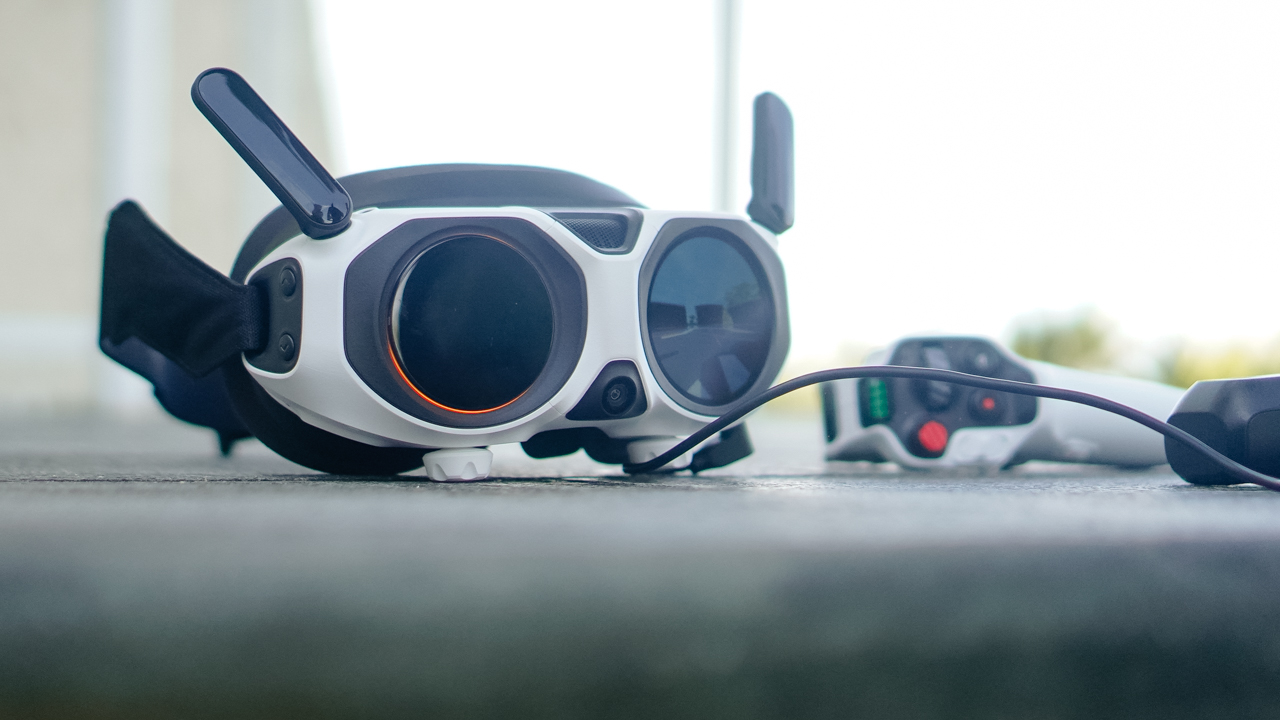
Our first encounter with the A1 wasn’t graceful. The whole kit—the drone, the motion controller, the goggles—looked like more gear than we’d ever want to carry. And honestly, it’s not light. The carrying case helps, but if you’re a creator who travels with limited space, you’ll feel the bulk.
But something changes after you watch Antigravity’s tutorial videos. The setup starts making sense. The workflow becomes clearer. And suddenly this intimidating kit clicks into a system that feels thoughtfully built.
Yes, the A1 demands more commitment than a typical foldable drone. But once everything is running, it also rewards you in ways those drones simply can’t.
Because the moment you let go of traditional framing, the experience opens up.
Flying feels different — and surprisingly freeing

The first few minutes gave us honest-to-goodness vertigo. The goggles trick your brain for a moment, and we had to remind ourselves that we weren’t the ones flying… only the drone was. But after that initial adjustment, the A1 became one of the easiest drones we’ve flown.
This is coming from a team used to a standard RC controller.
The motion controller does have a tiny millisecond delay, but nothing deal-breaking. Once you start moving with it, the A1 responds fast enough to match your intent. The result: a strange but enjoyable combination of freedom and precision.
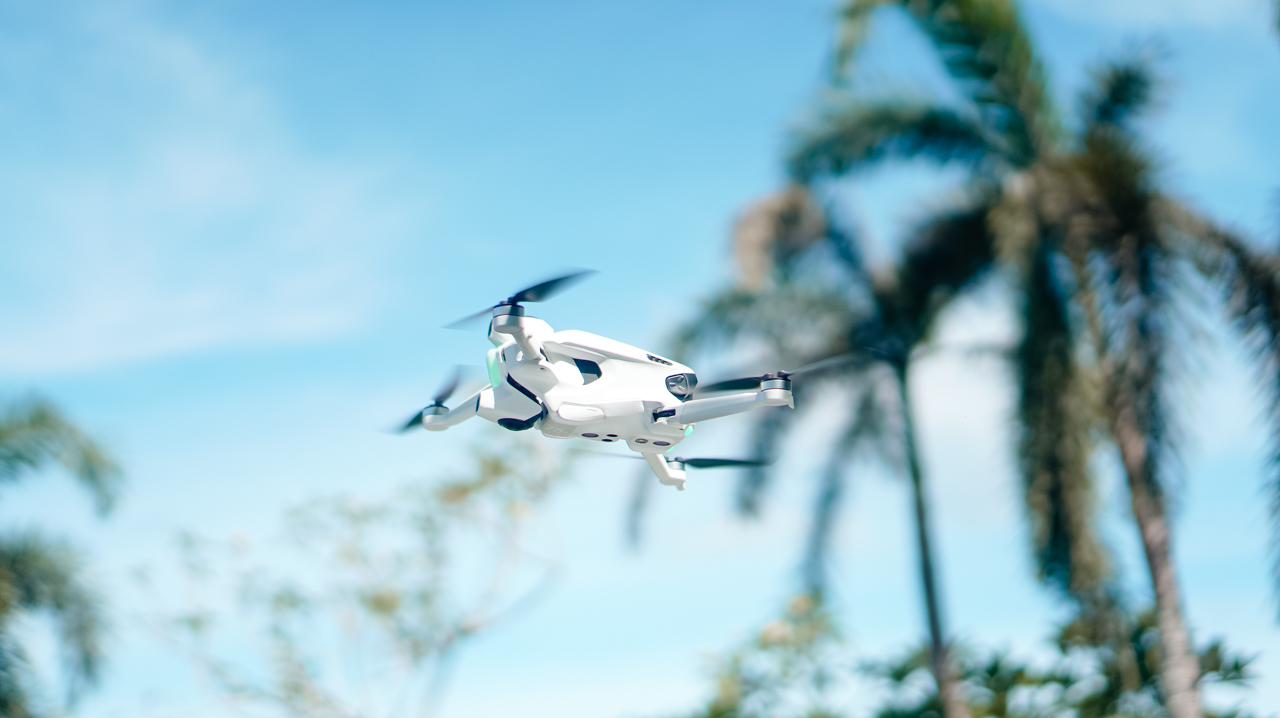
Range is a bit trickier. The spec sheet promises up to 5km, but real-world conditions paint a very different picture. In our subdivision, we managed only about 500–800 meters before warnings popped up.
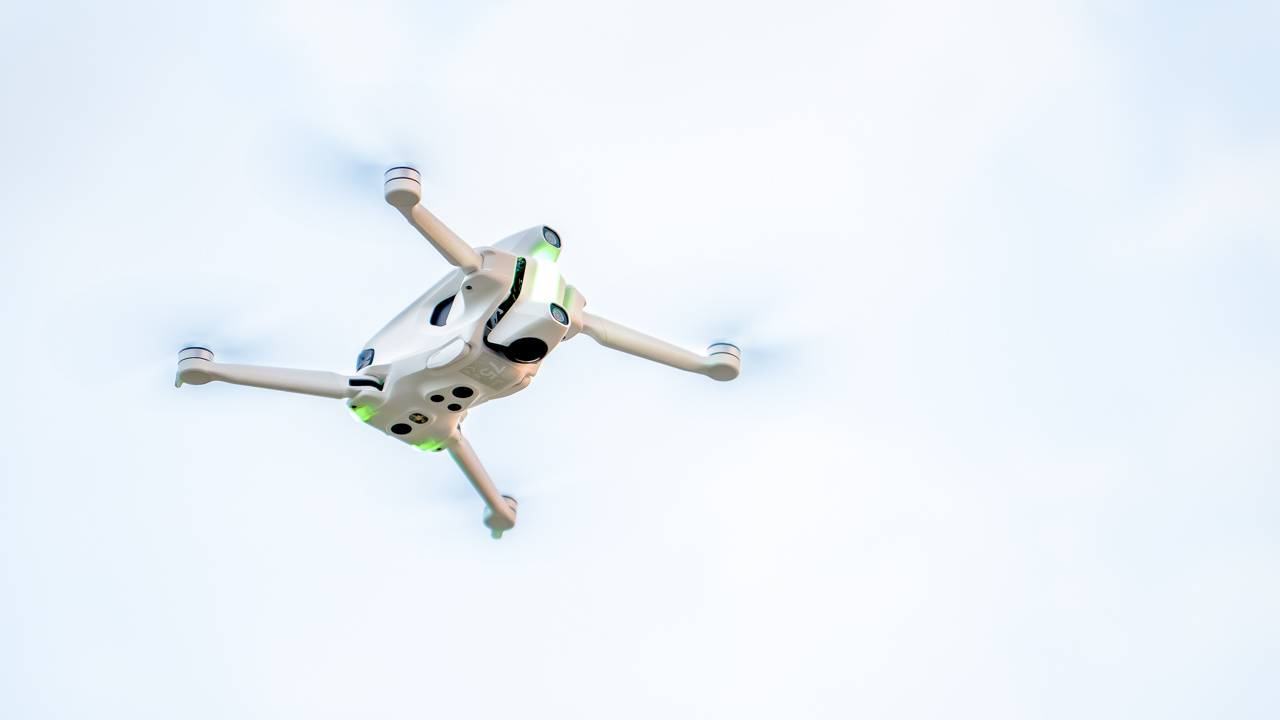
In a more open field, we pushed farther—around 1.5km—before the connection dropped again. We’re guessing interference, but it’s a reminder that real-world flight always has variables.
Still, when it’s in the air, the A1 feels smooth, confident, and ready for creativity.
A camera that encourages imagination
This is where the A1 shines the most.
The 8K 360° camera is excellent in well-lit environments. Stitching between lenses is clean, and the lack of blind spots means you can essentially treat the entire sky as a playground. Missed your subject? Reframe later. Didn’t tilt fast enough? Fix it in post.
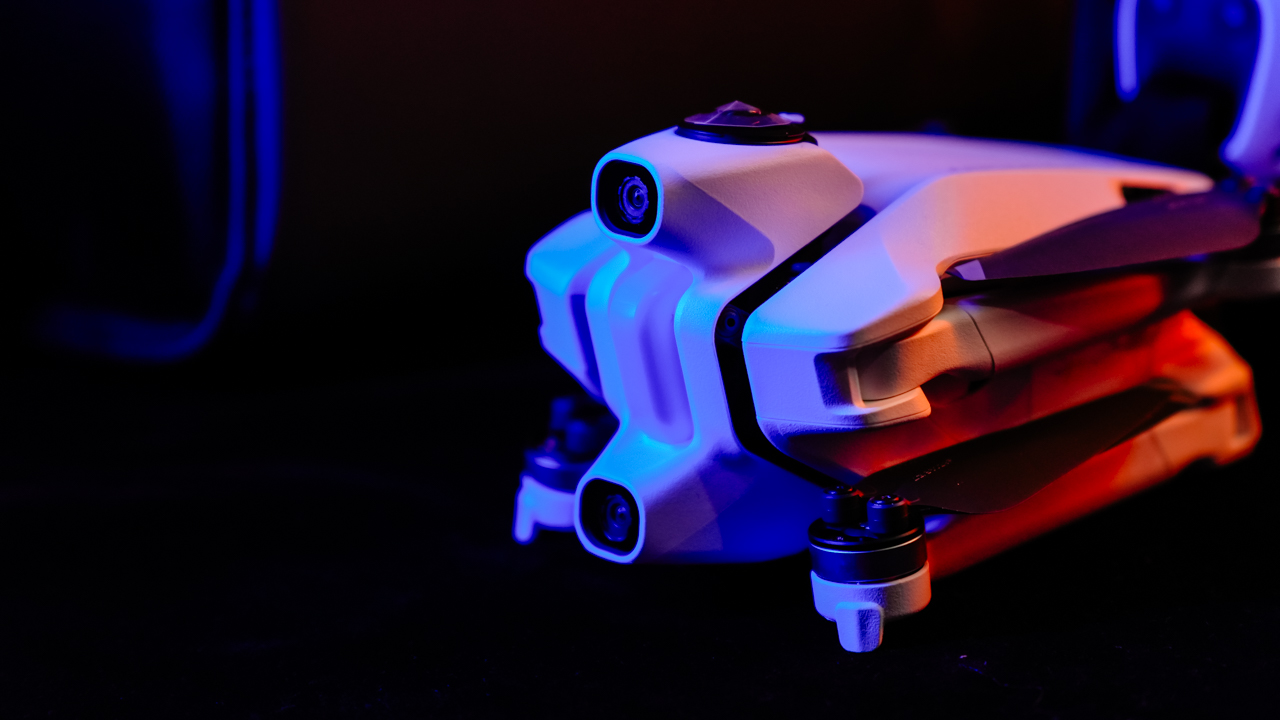
The camera encourages experimentation because it removes punishment. It lets you fly for fun—and edit with intention later.
Obstacle avoidance also works well, at least in proper lighting. The goggles flash colors and beep based on distance: yellow at around 2.5–5 meters, red when you’re close—around 1–1.5 meters. Just remember: this system does not work in the dark. If visibility is low, the sensors won’t save you.

Return-to-Home, on the other hand, is rock solid. We unplugged the goggles by accident and the drone immediately started flying back. Same thing happened when the signal dropped. It’s reassuring, especially for a drone that encourages bold flights.
The workflow is both smooth… and frustrating
Antigravity’s card reader is great. Plug it into your phone and the app picks it up right away. It reads, writes, and lets you edit without transferring files into internal storage. It’s efficient, and it saves so much time and space.
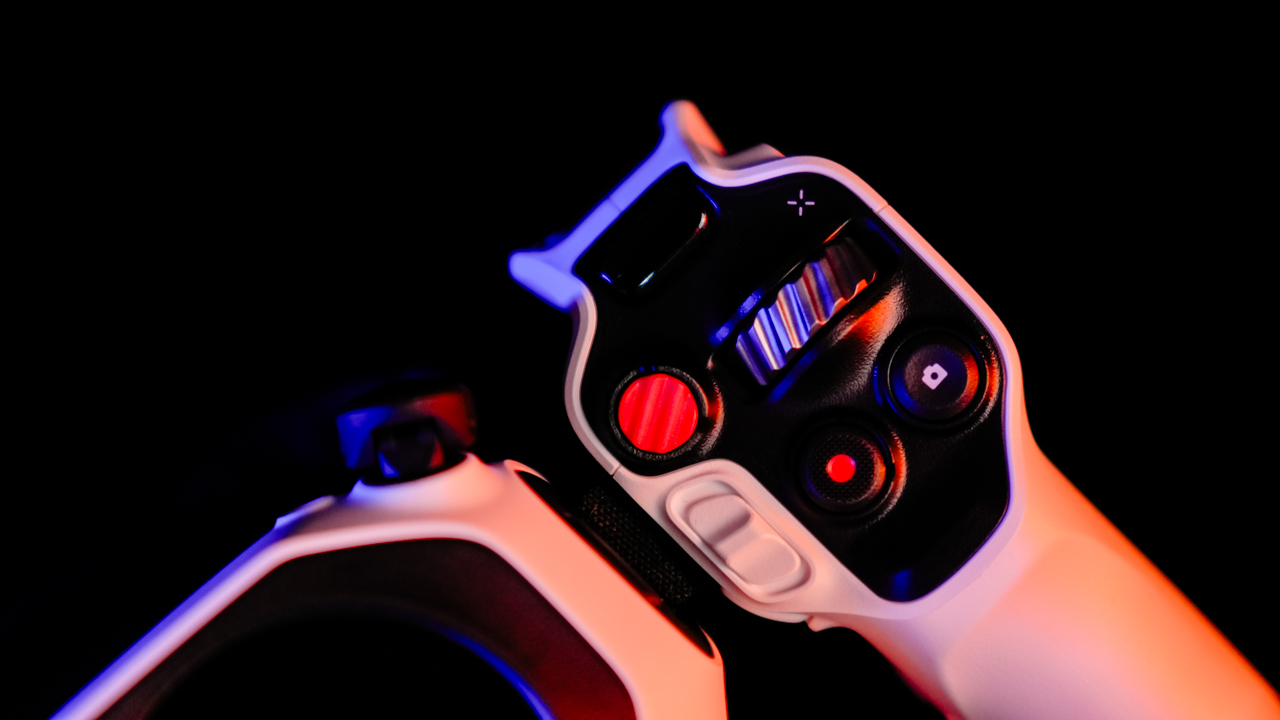
Wireless transfer, however, needs work. Our phone refused to connect to the drone directly. No wireless transfers, no visibility, just repeated errors. For a product aimed at fast social-ready workflows, this is a weak spot.
Antigravity Studio—the brand’s own editing app—feels familiar if you’ve used CapCut or similar tools. Layout is intuitive, and even if it has its own style, newcomers won’t get lost. You can start editing almost immediately.
Is the Antigravity A1 your GadgetMatch?
The Antigravity A1 isn’t trying to compete with traditional drones. It’s trying to change the way we capture the world from above. And in many ways, it succeeds.
It’s not the smallest setup. It’s not the easiest to pack. And its wireless transfer issues are frustrating.

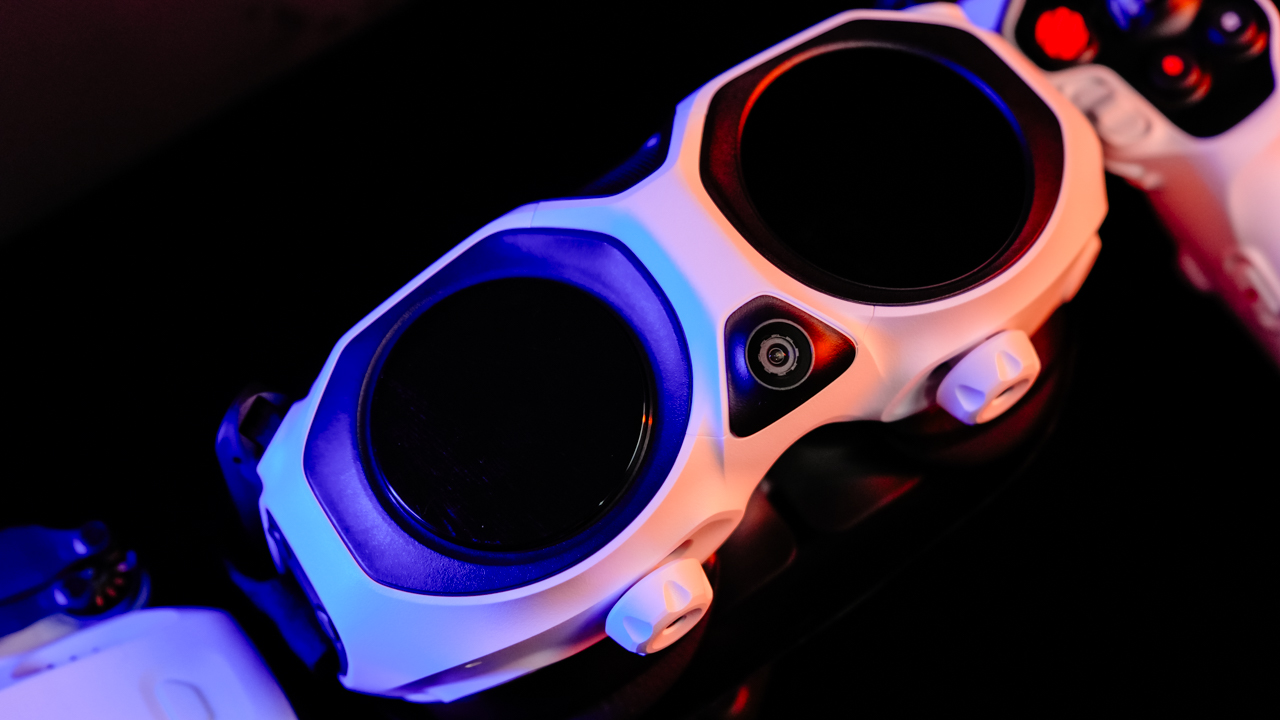
But once you’re in the air, flying through its goggles, seeing a spherical 8K world you can reframe later—it becomes an entirely different creative experience. The kind that makes the weight worth carrying. The kind that makes you want to go out and try something new.
If you’re a creator who’s tired of shooting the same angles and the same predictable drone footage, the Antigravity A1 opens up a new lane.
One that feels a little wild, a little experimental, and a lot of fun.


Galaxy Buds4 Pro review: I thought I was done with in-ears
This Buds4 you


WWE 2K26 lets you live out all the fantasy matches you could want
But you have to play for hours and hours to unlock everyone.

The HONOR X8d is serviceable
Steady but slow?

Life is Strange: Reunion now available on consoles and PC

Why this AI-powered eye health exam is the only reading you need this season

DJI officially launches the Avata 360 with 8K immersive imaging

The Changan Eado Plus officially lands in the Philippines

PLDT Home, Samsung team up for exclusive entertainment deals


-
 Reviews2 weeks ago
POCO X8 Pro Max review: A new beast from the far east
-

 News2 weeks ago
POCO X8 Pro Series: Price, availability in the Philippines
-
 Reviews2 weeks ago
POCO X8 Pro Iron Man Edition review: Midrange phone in superhero armor
-

 Automotive2 weeks ago
VinFast extends free unlimited charging in 3 markets amid rising fuel prices
-
Philippines1 week ago
The HONOR X8d is serviceable
-
 Reviews2 weeks ago
Samsung Galaxy S26 Ultra review: A phone you live with
-
 News2 weeks ago
POCO introduces X8 Pro Series with Dimensity 9500s
-
 Gaming2 weeks ago
NVIDIA’s DLSS 5 can turn your favorite AAA game into AI slop