


Accessories
Uperfect X14 Pro Wireless Lapdock Review
AKA The untapped potential of the modern smartphone

Whether you’re aware of it or not, we have long passed the line where mobile devices have enough horsepower to be viable laptop or desktop replacements.
Apple’s “What’s a Computer?” campaign has shown that the iPad was way closer to a Macbook than ever before. Samsung, on the other hand, already has its DeX desktop interface software. It has been baked-in with its flagship phones since the Galaxy S8. Other major smartphone manufacturers have followed suit with similar software since then.
Hell, even Google has been developing a native “Desktop Mode” since Android 10. It’s yet to receive an official release as of Android 13. However, it still speaks a lot about the capacity and the potential of mobile devices to make the jump toward the big-screen leagues. With all of that happening, here comes Uperfect with a lapdock that promises to take advantage of all that untapped power.
Long time coming
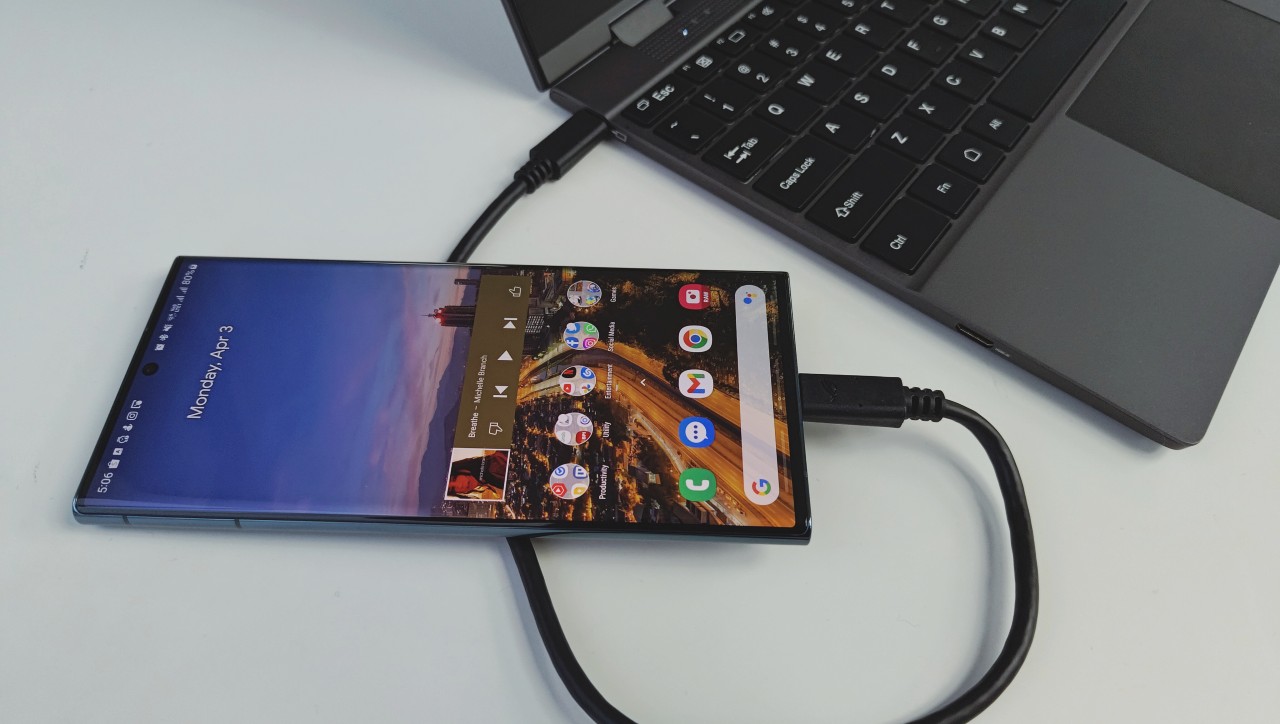
Before everything else, let me say that I’ve been asking for something like this from smartphone brands and third-party accessory developers for a long time now. More lapdocks, please. As an incredibly busy person who relies on my phone for my daily tasks– there are days when I live off of my Samsung Galaxy S22 Ultra entirely. I work within Samsung DeX via a USB-C to HDMI cable hooked up to a monitor.
I’ve used both the Samsung DeX Station and DeX Pad extensively in the past. I’ve even extended my home setup to accommodate space for an extra monitor hooked up to the DeX pad. This way, I can access my phone working interface at home. So for this review, I will primarily be using the Samsung DeX environment for my usage experience with the Uperfect X14 Pro.
Why the lack of lapdocks?
Back to the topic at hand: 2023 smartphones are strong enough to be laptop substitutes, but they don’t see widespread use for a few reasons. First, there is a lack in the market at large for viable laptop or desktop form factor substitutes. And more importantly, we as consumers just haven’t collectively decided on an acceptable and ergonomic solution to run our overpowered smartphones as mid-level laptops and desktops. There is still much innovation required in this space to be fully mainstream.
This is where Uperfect comes in, with a form factor that not only looks viable, but also straightforward enough to be understood even by the most tech-averse luddite. Their X14 Pro Wireless Lapdock looks, feels, and works like a laptop. But with two big twists: it’s a fraction of the cost of a proper laptop, and it needs your phone to power it.
Old parts, new tricks

If you think about it, there is technically nothing revolutionary about the hardware of the Uperfect X14 Pro. Its the combination of two technologies that has existed for a long time now– portable touchscreen monitors, and a wireless keyboard and trackpad.
But the way they’re implemented is much more unique. It extracts a desktop experience from your phone and presents it in a familiar, intuitive, and expanded laptop interface.
A laptop on a diet
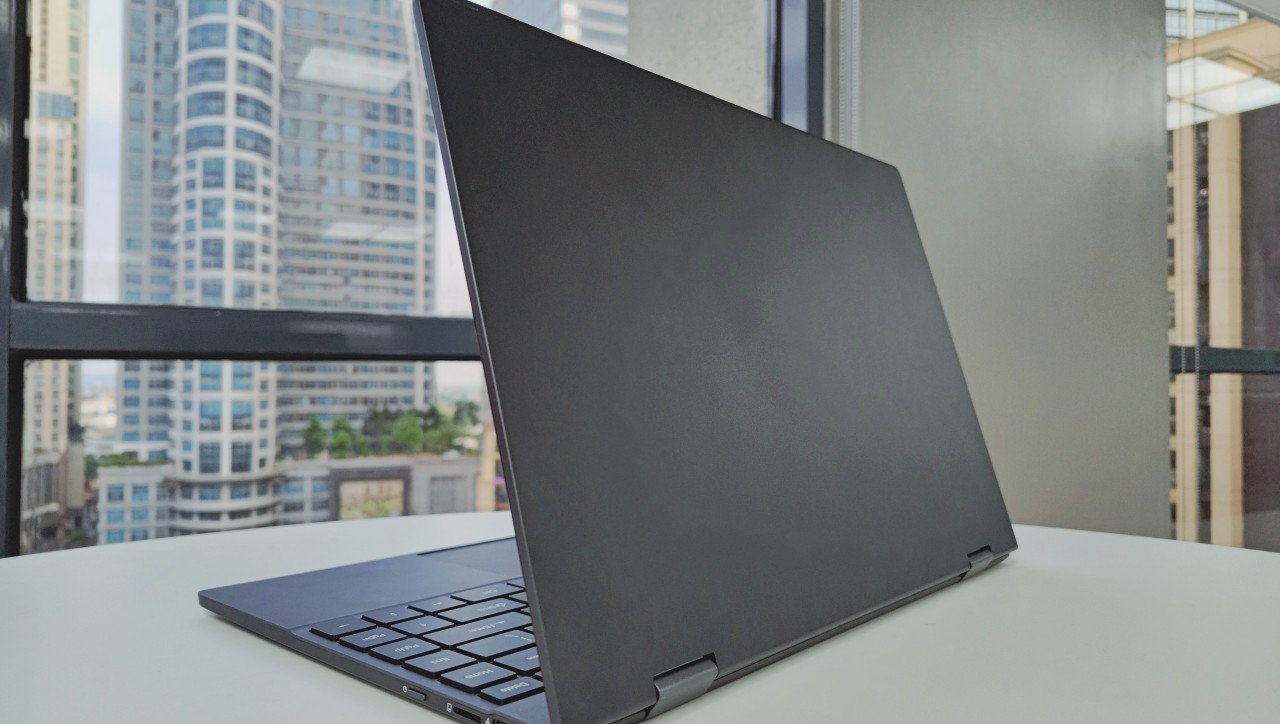
Starting with the outside, the Uperfect X14 Pro is solidly built. Its 2.76lb weight feels sturdy in the hand, and you can instinctively feel there are no empty chambers inside. The hinges are strong enough to combat display wobble, and there’s barely any deck flex.
It’s got the workings of a premium laptop; an all-aluminum build, all edges are finely chamfered, no pointed corners, and a pristine grippy finish. Its svelte housing is improved by the fact that there are no branding nor legal and industry compliance logos printed on its body. The most you get are port labels, and that’s it.
Yeah, it’s a sleek and stealthy device, measuring at 323mm across, 218mm deep, and 15mm thick. Since it doesn’t have much in the way of computing boards in its internals, it can be made almost impossibly thin. It also lacks vents, because there is no processor, GPU, or RAM inside to produce any heat.
The Uperfect X14 Pro’s slim frame houses a 10,800mAh battery. It charges at a max of 20W through USB-C. Uperfect claims it can get a maximum of six hours of usage after three hours of charging. This aligns with our findings.
While a six-hour screen-on time is impressive for a small laptop, a three-hour charging time can be considered slow by modern standards. That’s especially true when laptops of this size are starting to standardize a 65-100W charging through USB-C. This maxes out batteries within 30 minutes. If you’re using the X14 Pro as a daily driver, there’s no going around it– you’re plugging this in at the end of every day. At least, it’ll look good on your nightstand.
It’s got the right ports, but not the ones you expect

Speaking of plugging stuff in, all of the ports are well-machined and placed ergonomically. But while technically lacking in the context of a laptop, it’s abundant in the context of a lapdock.
It’s got a USB-C port that supports display throughput, as well as a mini HDMI. There is a separate USB-C charging port that supports 15W charging, right beside a 3.5mm audio out, and a microSD card slot.
This port selection is fine for me for the most part. If there’s anything I would like to see added or improved in future versions of the product is the addition of data passthrough to the charging USB-C port. Or hell, even just add another USB-C port for data, so users can connect an expansion dock to plug in external hard drives or wireless peripherals.
Audio apprehension

Also, upon first look at its I/O, I was immediately worried that placing the 3.5mm port right beside a power input port would result in powerline noise when using wired audio. And that worry rings true, as the powerline and the 3.5mm are not shielded properly from each other, and as such have audible(albeit low-level) high-frequency noise.
It’ll be fine for most, but for people looking to sit back and relax with some music in a quiet cafe somewhere, this ain’t the device to do it with, chief.
And while we’re on the topic of audio, don’t expect the Uperfect X14 Pro to impress you with its pair of 1W speakers. They sound thin and weak, which is to be expected of laptops of the same size, but it’s worsened by the fact that there are no vents on the laptop.
Remember, sound is vibration propagated through air, and the more air a speaker has access to, the better and louder it generally sounds. Unfortunately, the air access afforded by the perforated holes at the front of the keyboard is not enough for the Uperfect X14 Pro speakers to perform properly.
A delight to work on
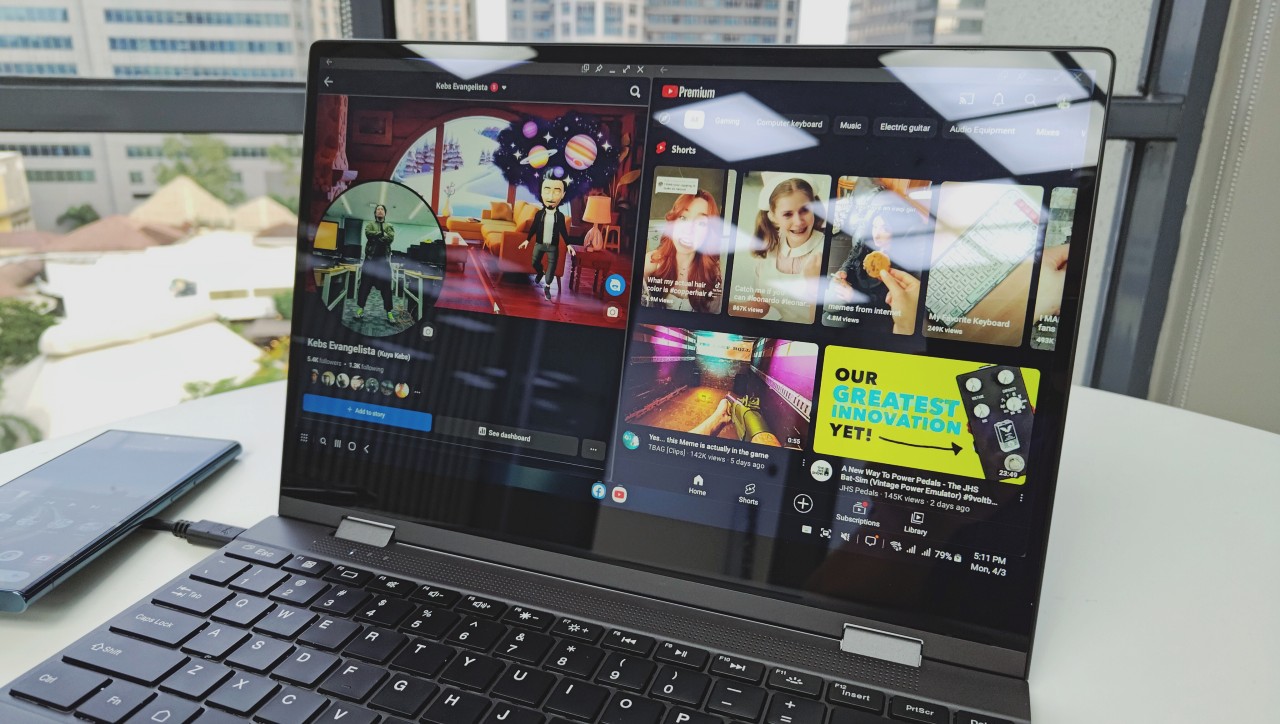
Moving down from the speakers, the Uperfect X14 Pro comes with a solid white-backlit keyboard with full-scale keys that offer comfortable key travel and response. I typed out this whole article on it, and the ergonomics are on par with some of the best slim and light keyboards out there. The trackpad feels great too. While it’s a bit too sensitive for my taste and lacks functional palm rejection, it is of a good size, has a satisfying tactile click, and is comfortably responsive.
Not quite the looker, but it’s a good one nonetheless
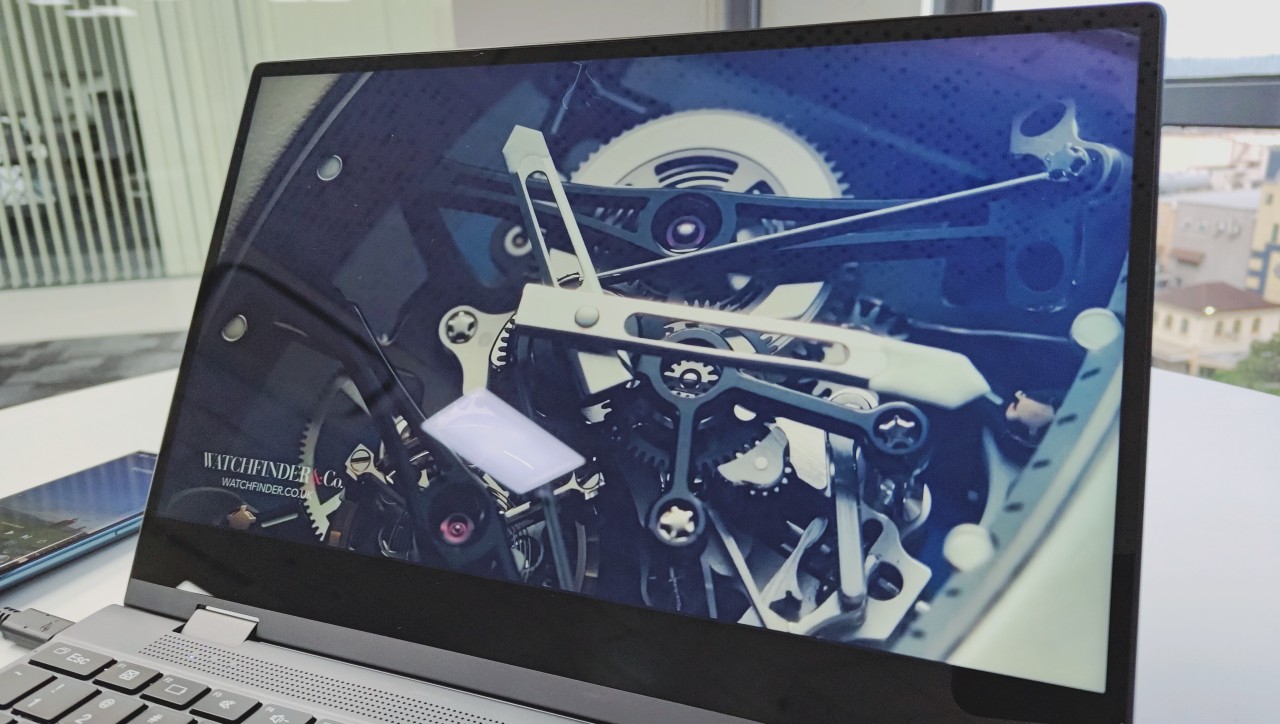
And lastly for outside features, the screen. The Uperfect X14 Pro has a 14-inch 1080p IPS 10-point touchscreen that runs at a 60Hz refresh rate. It does have some thick bezels and a chin on it, but it’s not enough to be distracting.
It covers 100% of the sRGB color spectrum and even has a dedicated sRGB mode for those who need to work with a color-neutral screen. This seems to be right on par with the needs of users that I expect this product to be for. It’s a modest screen with great color reproduction and response times.
Brightness might be a bit lacking for some, especially the crowd that would prefer to use this lapdock in a bright cafe or under direct sunlight. But for every other situation, the screen can function pretty well.
One other feature of the panel is it has a 360-degree hinge, meaning it can also be used in tent mode, display mode, or in tablet mode. All these uses have their times when they can be maximized, but this feature could’ve been served better if it also had stylus support. If it had that, it would’ve been the perfect companion piece to my S22 Ultra and its S-pen.
Last thing to note about the screen: unlike regular laptops, it does not have a webcam in its top bezel. But then again, you are going to be connecting this to your phone, so just use the camera on that.
Is it time to cut the cord?

So far in this article I’ve only written about my (mostly) great experience on the Uperfect X14 Pro. While they are all valid, those praises only apply when I have my phone plugged in via USB-C.
Availing of the wireless mode, sadly, just downgrades every bullet point of the experience to ‘meh’ status. When wireless, the screen I’ve praised now has blocky compression artifacts. There’s also a huge input delay for both typing and touchpad control– not to mention the fact that in wired mode, the touchscreen functions as expected; but when using the touchscreen in wireless mode, the screen struggles with locating the exact point of the touch and just ‘approximates’ all your touches and gestures, leading to a whole lot of misclicks and accidental drags. So you’re going to be stuck using the trackpad anyways.
Even audio is affected when forgoing the wire; wired and speaker audio gets compressed to all hell in wireless mode. So yeah, objectively the best usage experience for the Uperfect X14 Pro Wireless is when you don’t use it in Wireless mode.
So you might be thinking, ‘alright, so I’ll just use it in wired mode all of the time then’. Well, that’s the thing– when we’re using laptops outside of the comforts of our desks, we usually don’t connect anything to it, not even the charger. It’s hard to prop it up on your lap in bed to watch media off of it. It’s hard to use it while in the back of a moving vehicle, because you’ve got this fragile, semi-hard USB-C cable coming off the side of it, connected to a heavy phone with a fragile USB-C port as well.
Wired vs wireless
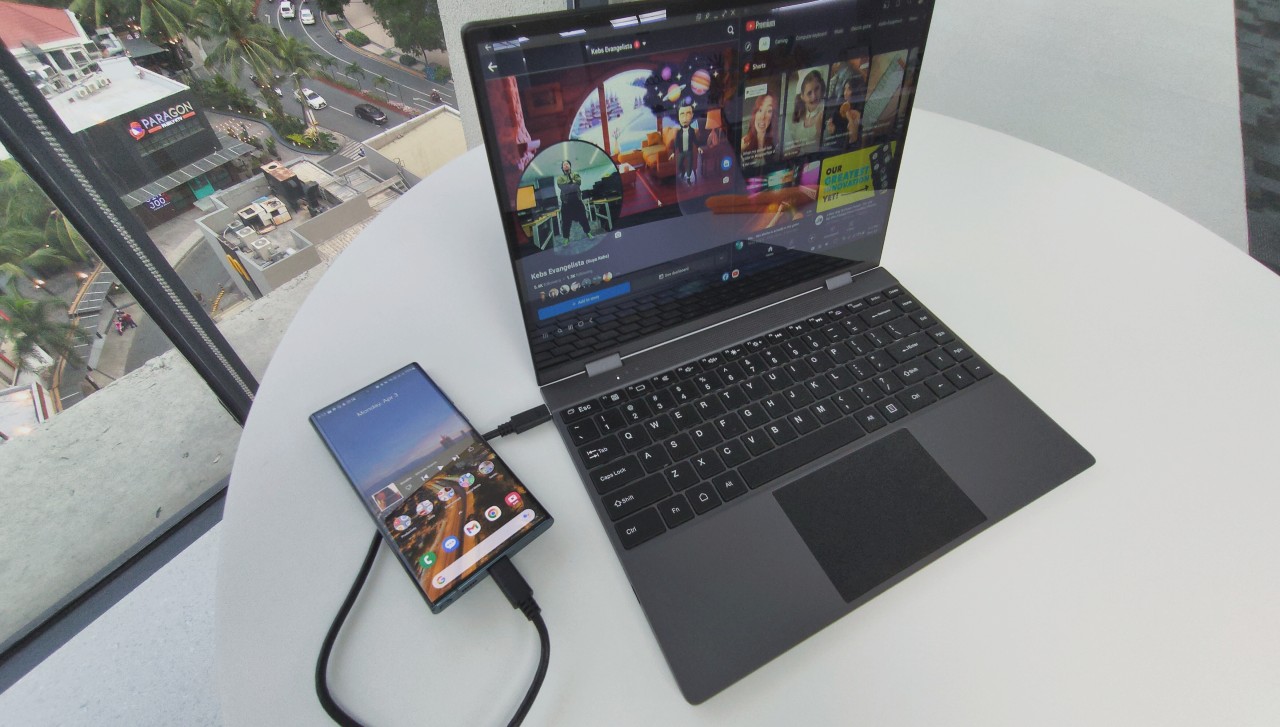
Wired vs wireless — It’s always an active choice. Do you stand the cable coming off the side in the name of better performance? Or do you use it in wireless mode, keep the phone in your pocket, and settle for not getting the best performance or responsiveness? For me, I’d always take the wired option.
Apart from that, there are some more major changes to the Uperfect X14 Pro experience compared to using a laptop. The glaring one would probably be the heat. Since there are no actual processing components inside the body, it doesn’t heat up like a normal laptop. You can keep it propped up on your lap the entire day and it’s not going to cook your nether regions.
However, since all the computing power is served by the phone, you might want to take your phone out of your pocket. It’s prudent to set it on the table while using it with the lapdock because it’s going to get toasty.
You also have to watch the battery of both your phone and the Uperfect X14 Pro. It does come with passthrough charging so you can charge both the lapdock and your phone just by hooking up one charger. But at 20W, you’re going to be slow charging most of the time, and just keeping their batteries at current levels during heavy use.
Is the Uperfect X14 Pro Lapdock your GadgetMatch?
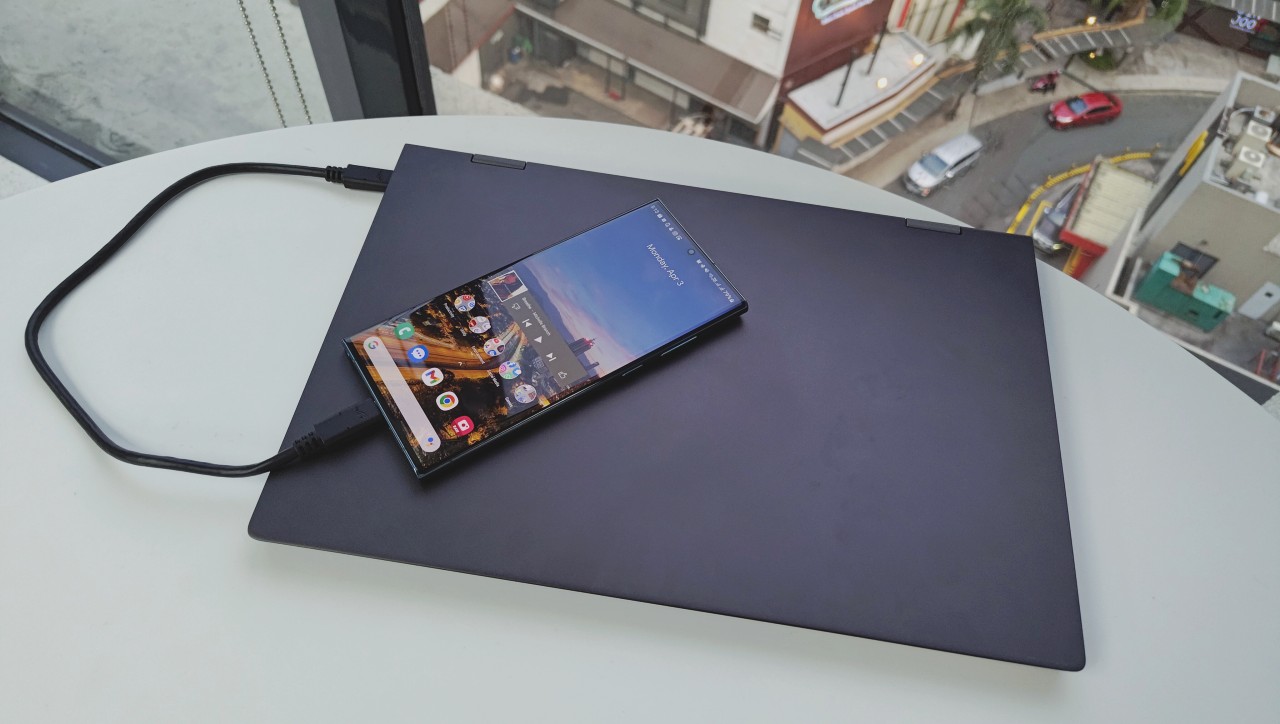
If you ignore the phon hanging around the side of the Uperfect X14 Pro all the time, you would think that this was a pretty expensive and high-performance laptop. Of course, the reality of that assumption highly hinges on you having to connect a flagship phone to get a flagship experience.
But let’s say you want to plug in an older-model Samsung S phone that can’t really promise snappy 2023 flagship phone performance. Take that software goodness away, and you’re still left with the premium-feeling hardware of the Uperfect X14 Pro. It’ll make your user experience still somewhat palatable.
I can wholly recommend this product for people who, like myself, like to live off of their phones as their main computing gadget. It gets the job done, usage is just like using any laptop you’ve ever used before.
At US$ 390 right now on the Uperfect website, it’s not much of a spend for great hardware. It gives you a new dimension to your smartphone experience. But before buying, please check if your smartphone has a desktop interface option. Oh, and please use it in wired mode. Wireless lapdocks still have some ways to go before they can be considered the ‘true’ experience for these products.
Interested in buying any of Uperfect’s monitors? Use our code upon checkout: GadgetMatch50.




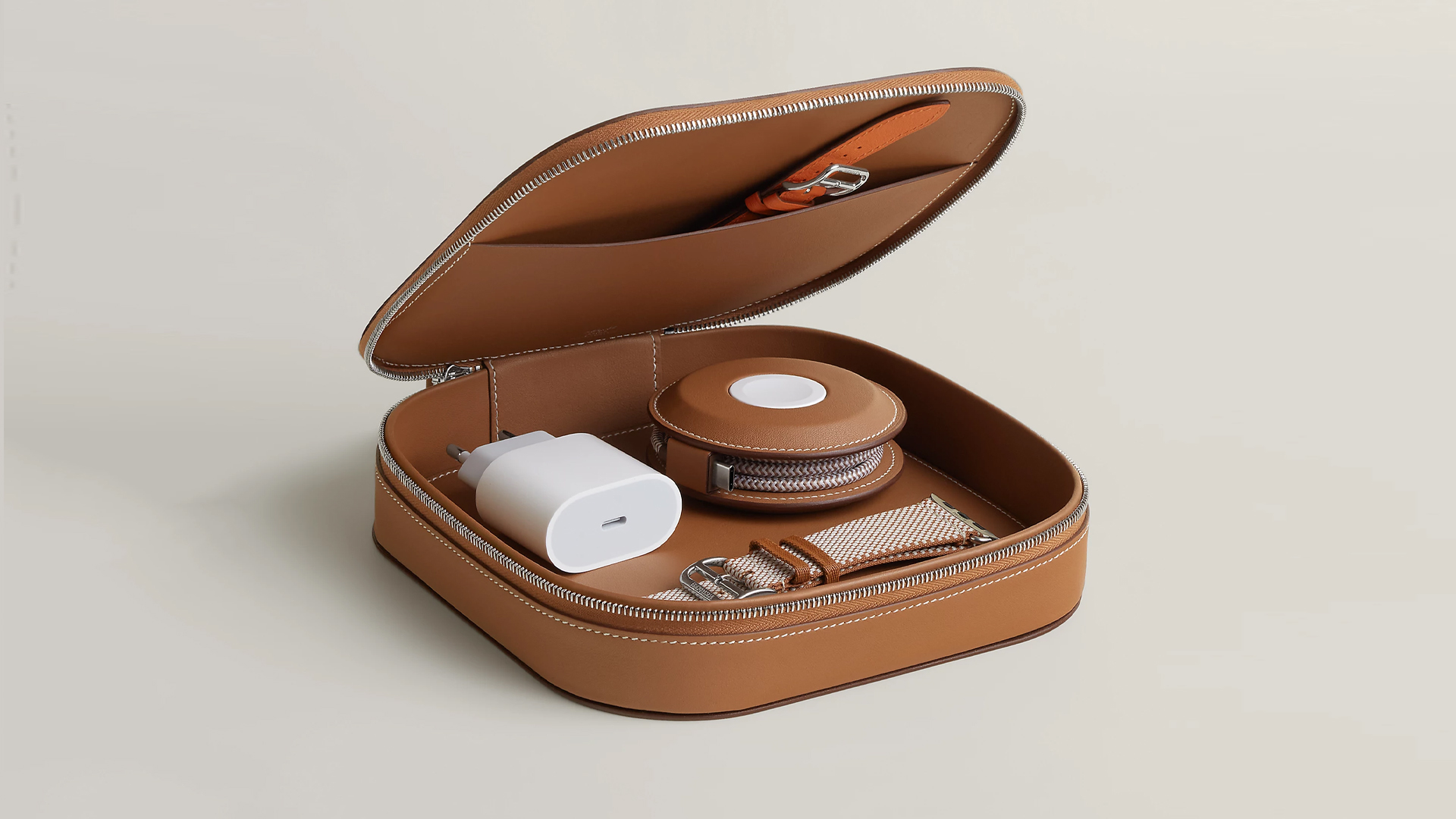
How extra are you as an Apple fan? No matter what you say, you’ll probably never be as extra as someone who buys a US$ 5,000 MagSafe charging case for their iPhone and Apple Watch. Hermès has just launched a series of leather chargers and cases specifically made for Apple fans.
Available now, Hermès has three types of MagSafe chargers for iPhone users. The cheapest one, the Paddock Solo, is a simple leather-bound puck that can charge a single device. The charger also has a braided 3.3ft USB cable. It costs an eye-watering US$ 1,250.
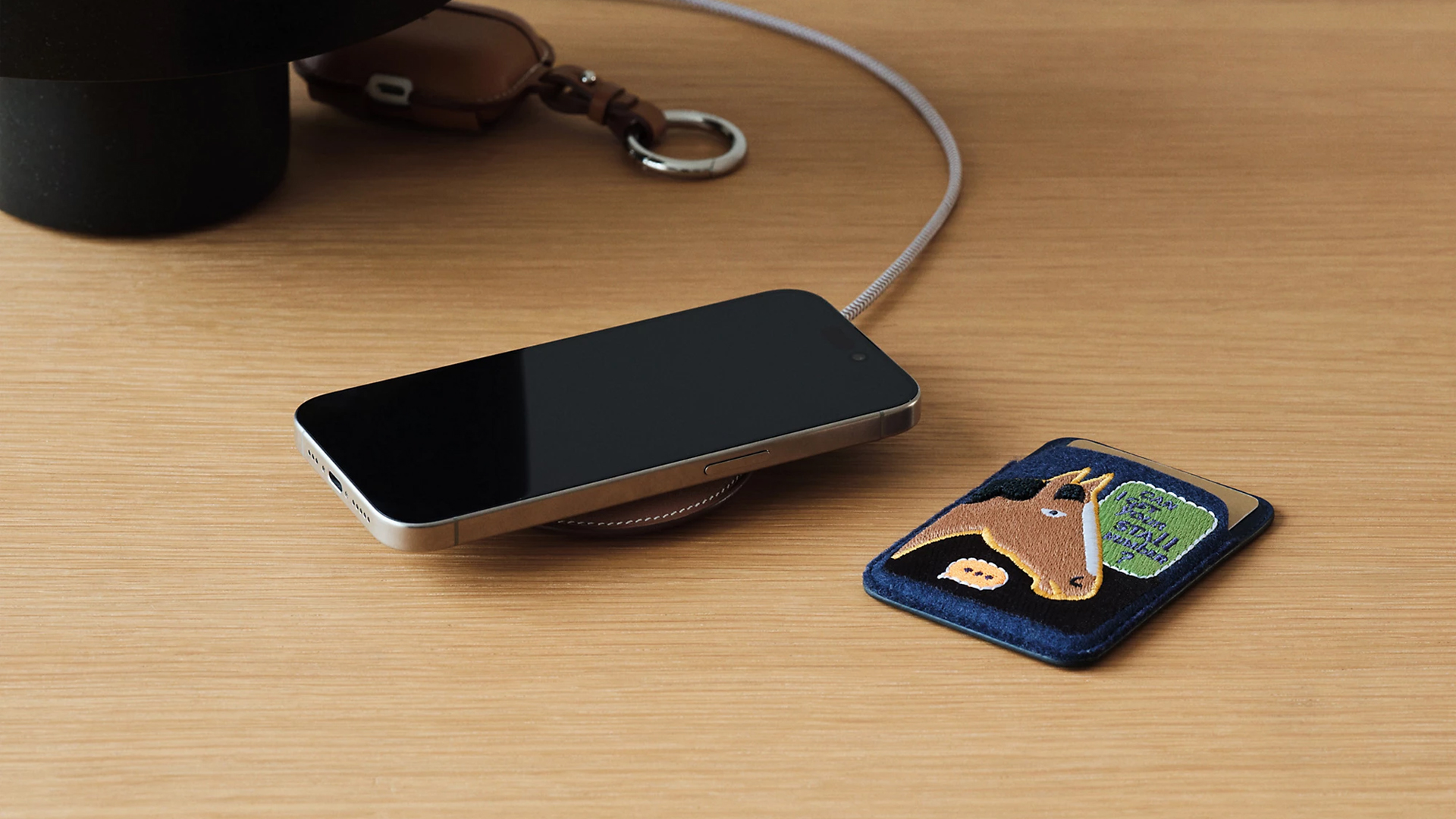
Paddock Solo charger
On the other hand, the Paddock Yoyo charger offers two charging zones for two devices simultaneously. Shaped like a yoyo (hence, the name), it allows users to roll the cable into a convenient stack. It costs US$ 1,750.
Finally, the Paddock Duo is a charging pad that allows for two devices simultaneously. It just doesn’t have a pocket for the cable. It likewise costs US$ 1,750.
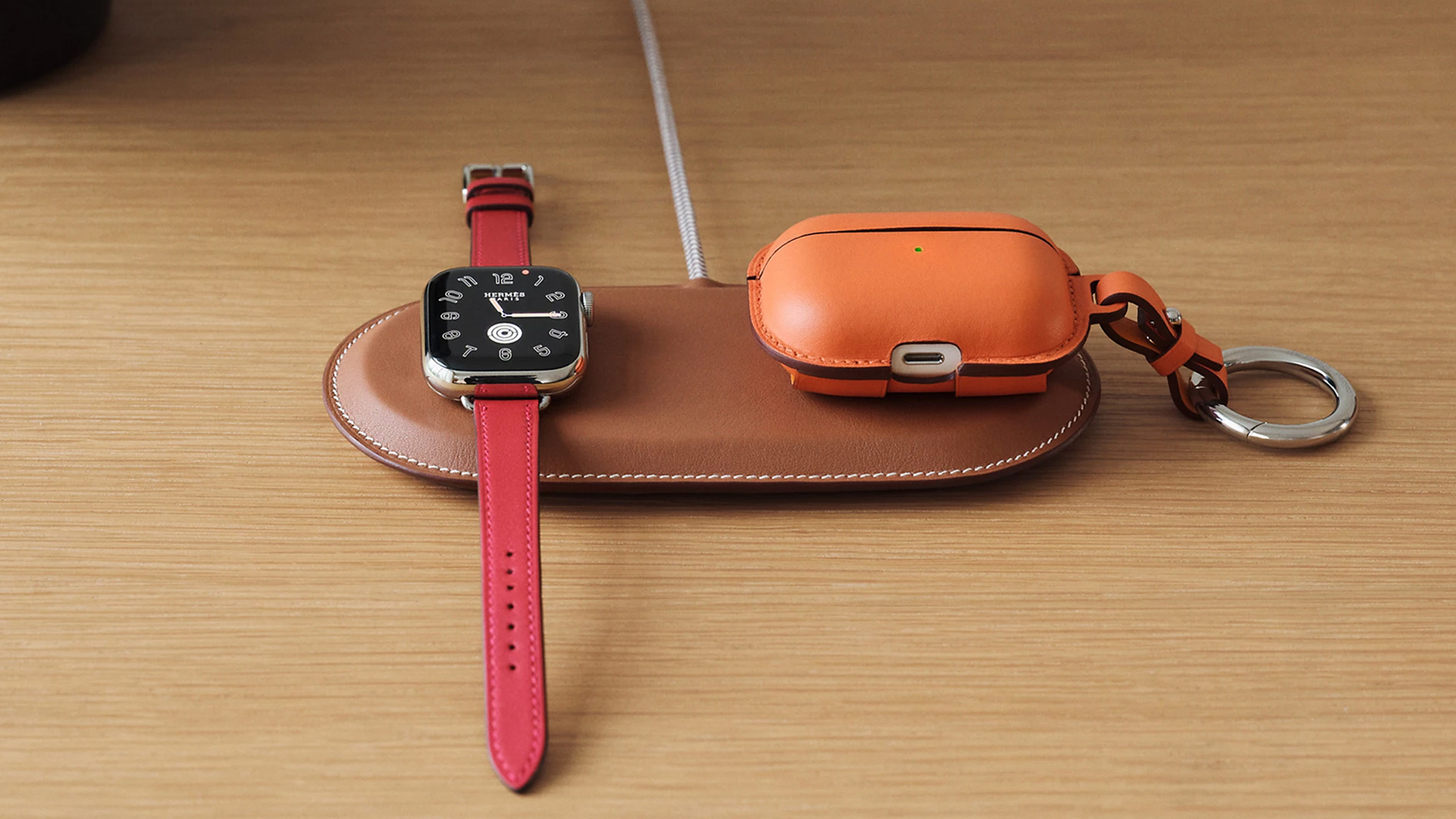
Paddock Duo charger
Now, if you want to upgrade your pricey charging kit even further, Hermès has two cases for them: the Petit Paddock case and the Grand Paddock case.
The Petit Paddock case, as the name suggest, is a snug leather case that fits only the charger (and a brick, if bundled with the Yoyo). The charger and case combo will set you back by US$ 3,725 for the Solo, and US$ 4,225 for either the Duo or the Yoyo.
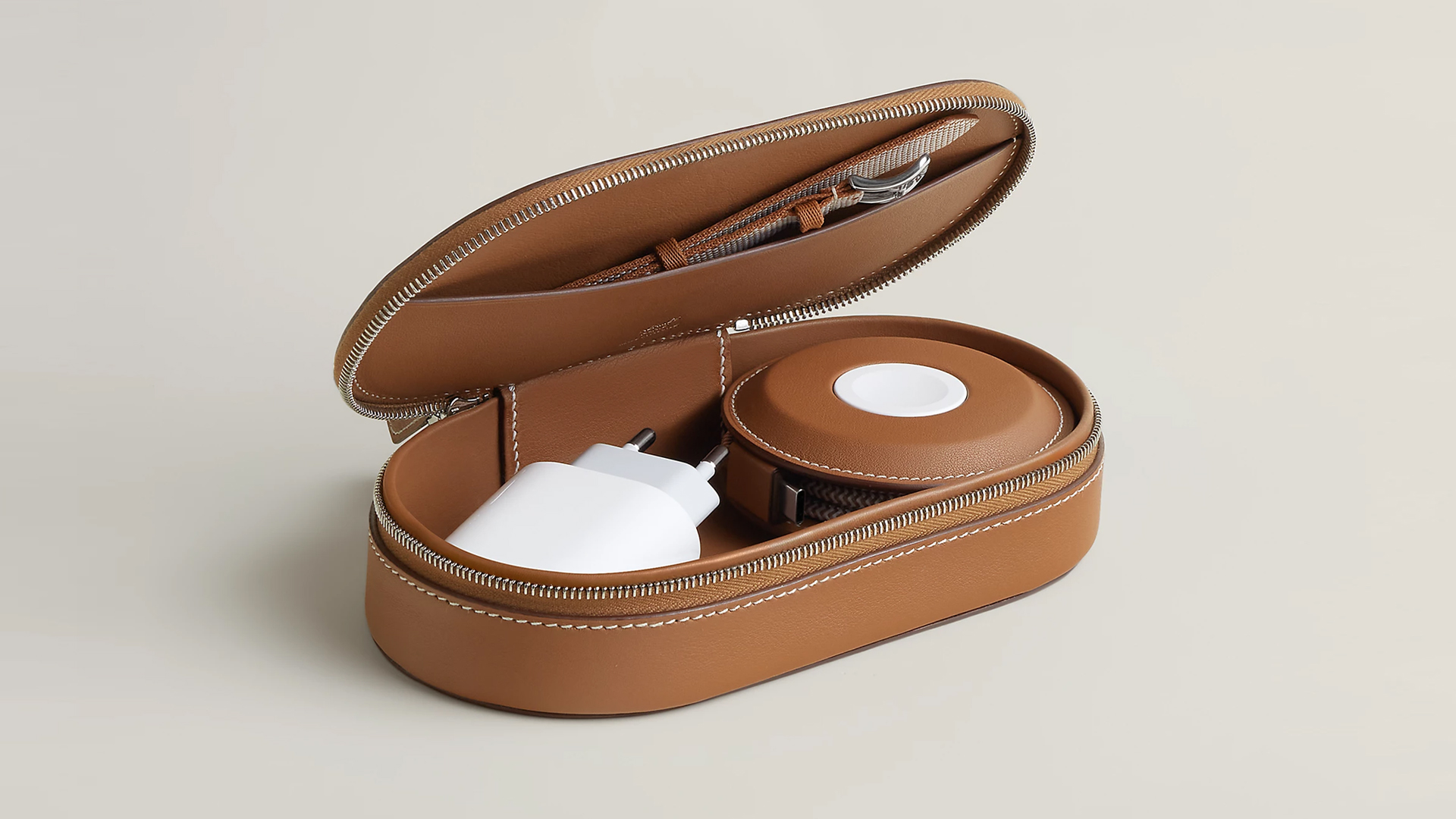
Paddock Yoyo + Petit Paddock
Alternatively, the Grand Paddock can fit much more but also costs a lot more. It costs US$ 4,650 for the Solo, and US$ 5,150 for the Duo or the Yoyo.
Of note, none of these come with a charging brick, so you’ll have to shell out a bit more to maximize the kit.
SEE ALSO: Apple unveils the iPhone 17e
Accessories
Bringing Care-a-Lot to my daily carry
This is why my gizmos and workspace finally feel like a warm hug!


Growing up, the Care Bears taught us that sharing was a superpower and that every emotion had a color.
For many of us, the Care Bears weren’t just characters on a screen; they represented a language of kindness and colorful dreams.
Bringing the CASETiFY x Care Bears collection into my daily rotation feels like carrying a small piece of that “Care-a-Lot” magic wherever I go.
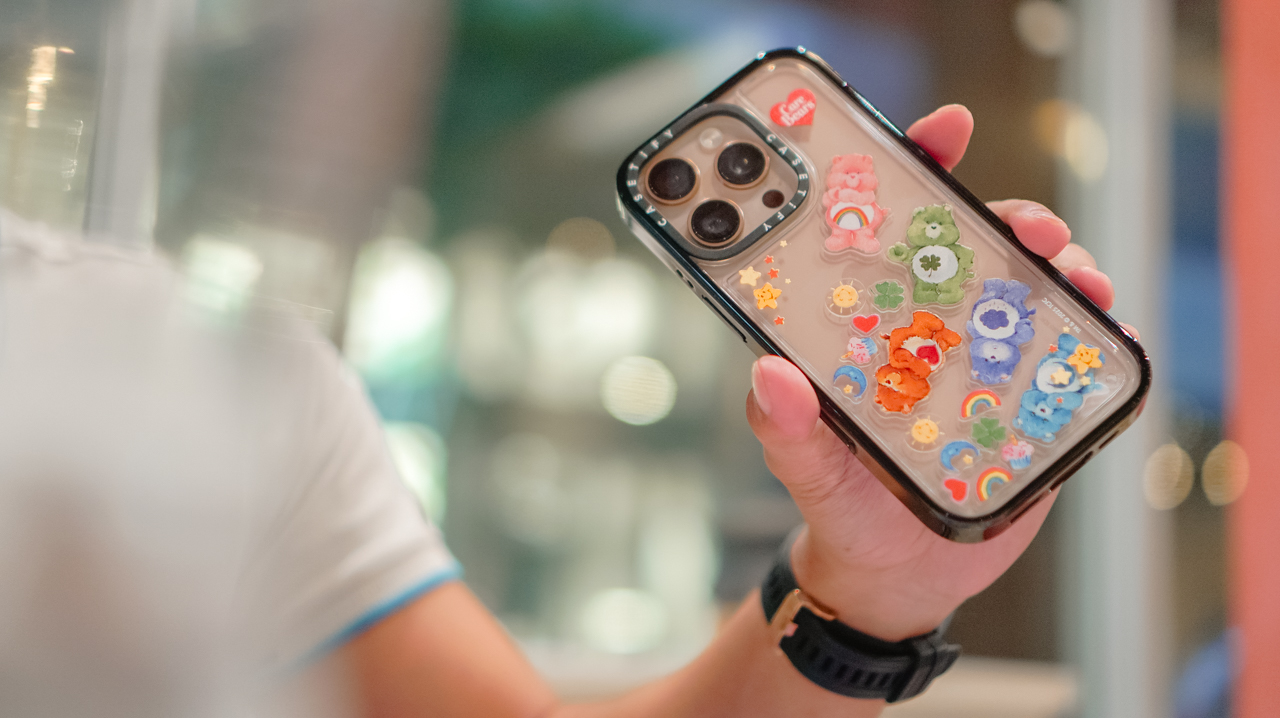
My iPhone 16 Pro now lives in the Care Bears Shake Shake Case (PhP 3,990). It’s a tactile reminder of playfulness in the middle of a busy workday.

When I’m heading out, the Share Bear Earbuds Pouch (PhP 2,990) clips onto my bag. It keeps my music close while reminding me of the value of sharing. It’s surprisingly versatile, too, fitting my Shokz OpenFit 2+ or even the bulkier case of the JBL Sense Pro.

When I switch to a different MagSafe case, the Starry Night Snappy Cardholder Stand (PhP 2,490) magnetically attaches to the back of my phone, adding a bit of celestial whimsy to my day

Even my workspace has a new glow. The Twilight Dreams Laptop Sleeve (PhP 3,090) fits my 13-inch MacBook perfectly, wrapping my most important work tool in nostalgic, soft-toned illustrations.
We often look for tech that performs, but we rarely look for accessories that hugs back. This collection does both.
It turns my everyday essentials into a canvas for positivity, proving that even in a digital world, there’s always room for a little more care.
Accessories
CASETiFY relaunches Evangelion collab for 30th anniversary
Fans can now customize their own NERV-ready cases


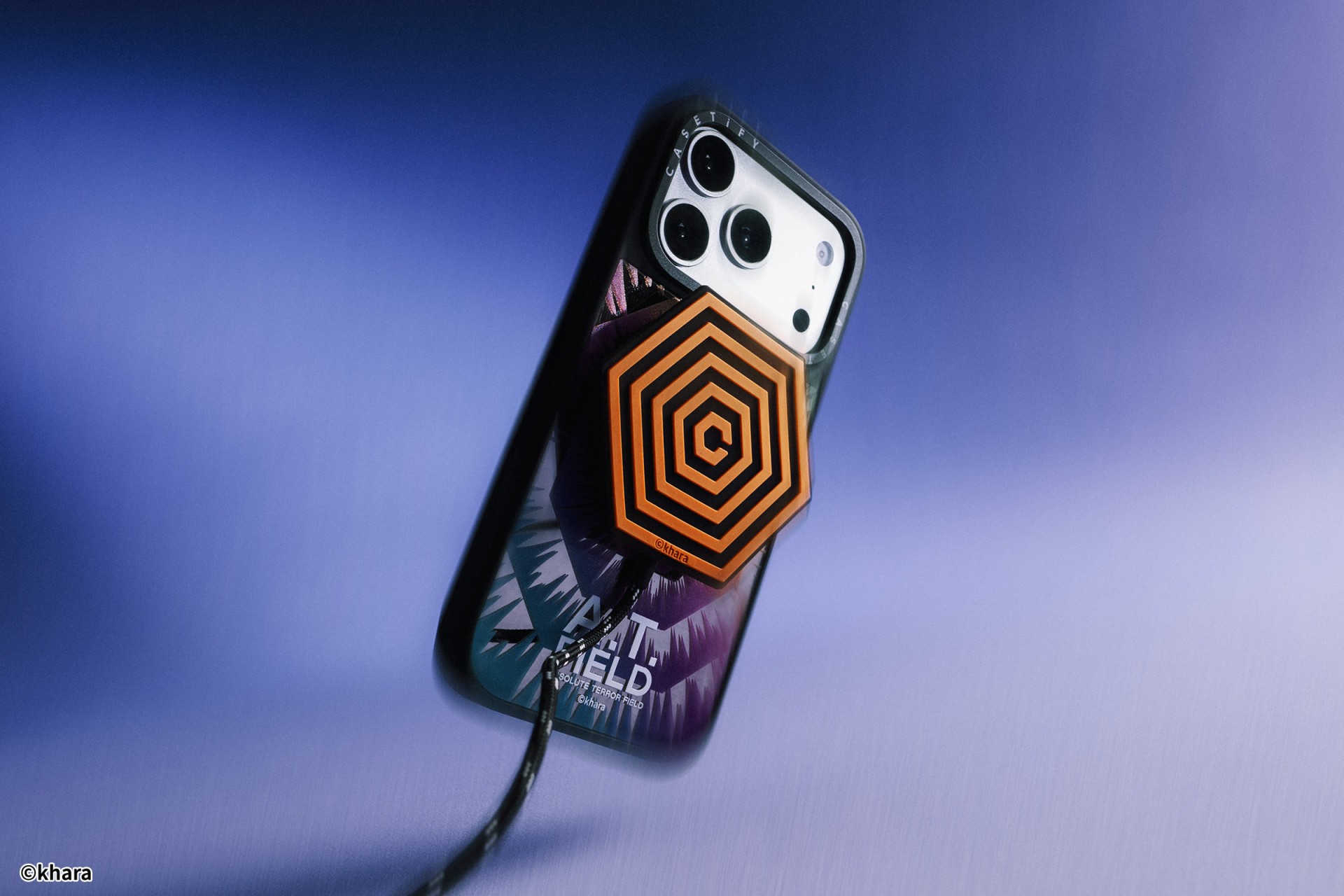
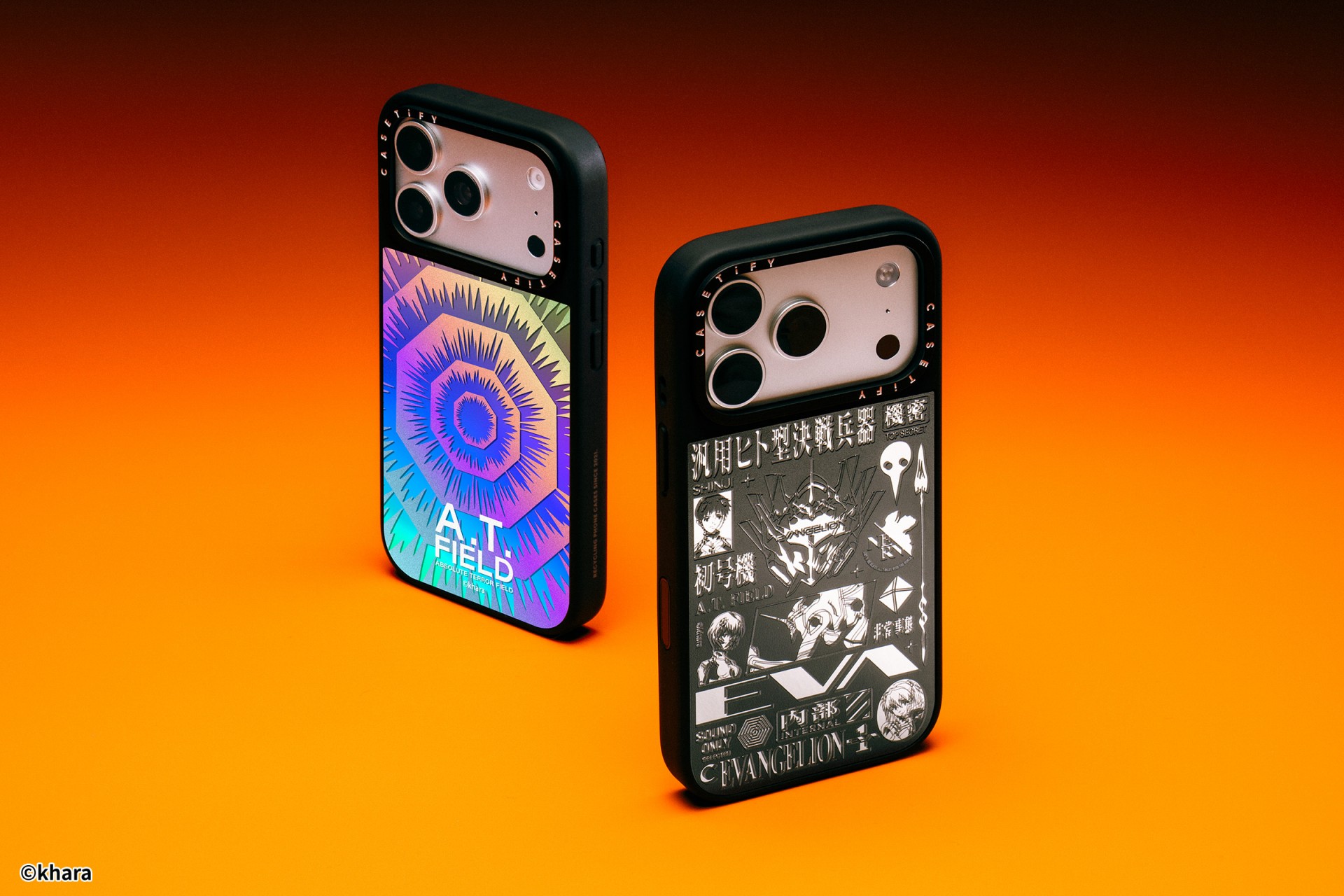
The A.T. Field is activated. To mark 30 years of Neon Genesis Evangelion, CASETiFY has relaunched its highly popular Evangelion collaboration. This time, fans control the sync rate.
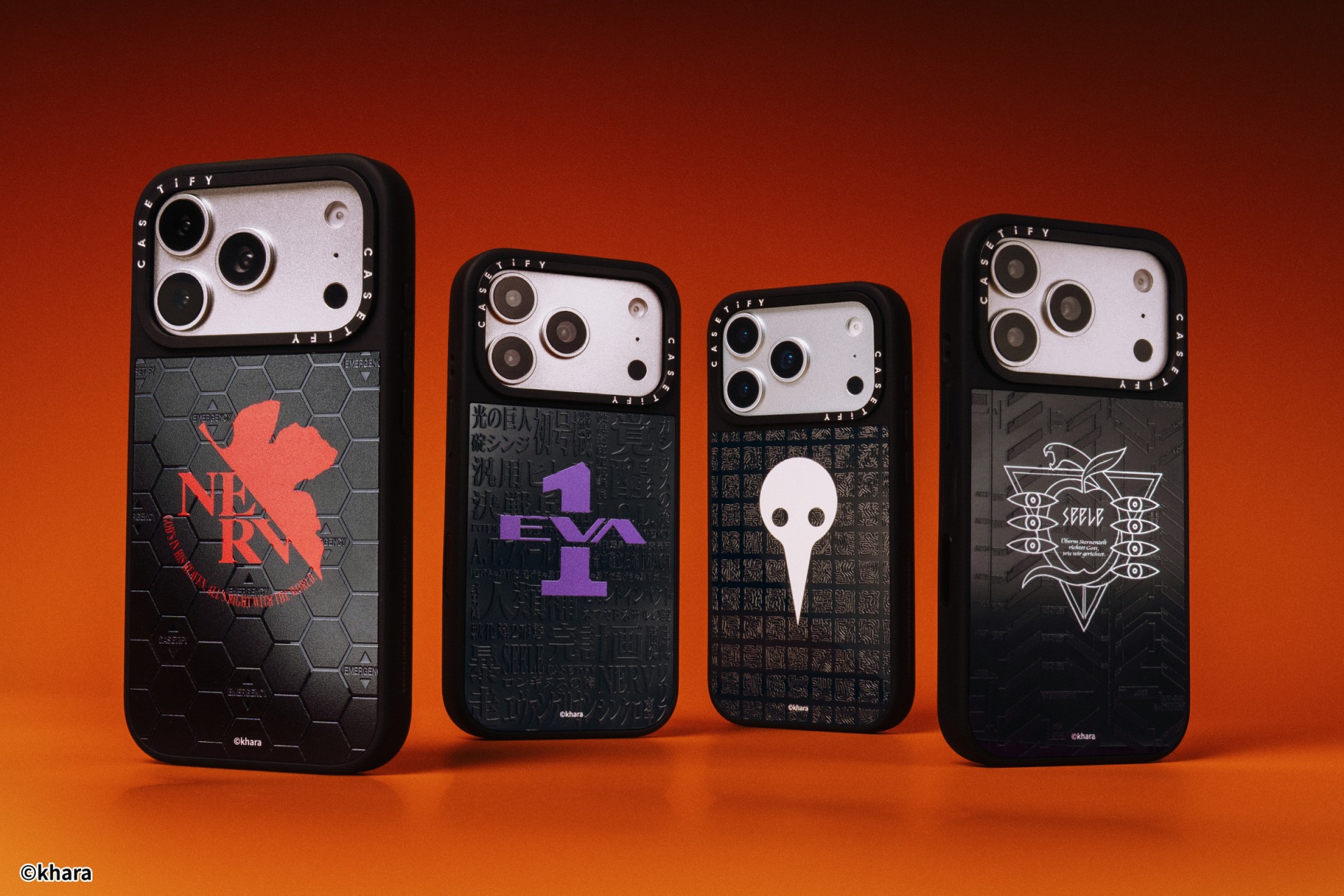
For the first time, buyers can fully customize their Evangelion cases. The drop lets fans mix and match NERV logos, the 4th Angel, character art featuring Shinji Ikari and Rei Ayanami, and bold background graphics. The result is a case that feels like a personal unit build, straight out of the series’ control room.

The lineup pulls directly from Evangelion iconography. Designs include classic NERV insignias, holographic “A.T. Field” defense graphics, “Active Time Limit” warnings, and the official 30th Anniversary emblem. Each case uses CASETiFY’s signature impact protection, turning your device into a pocket-sized defensive barrier.
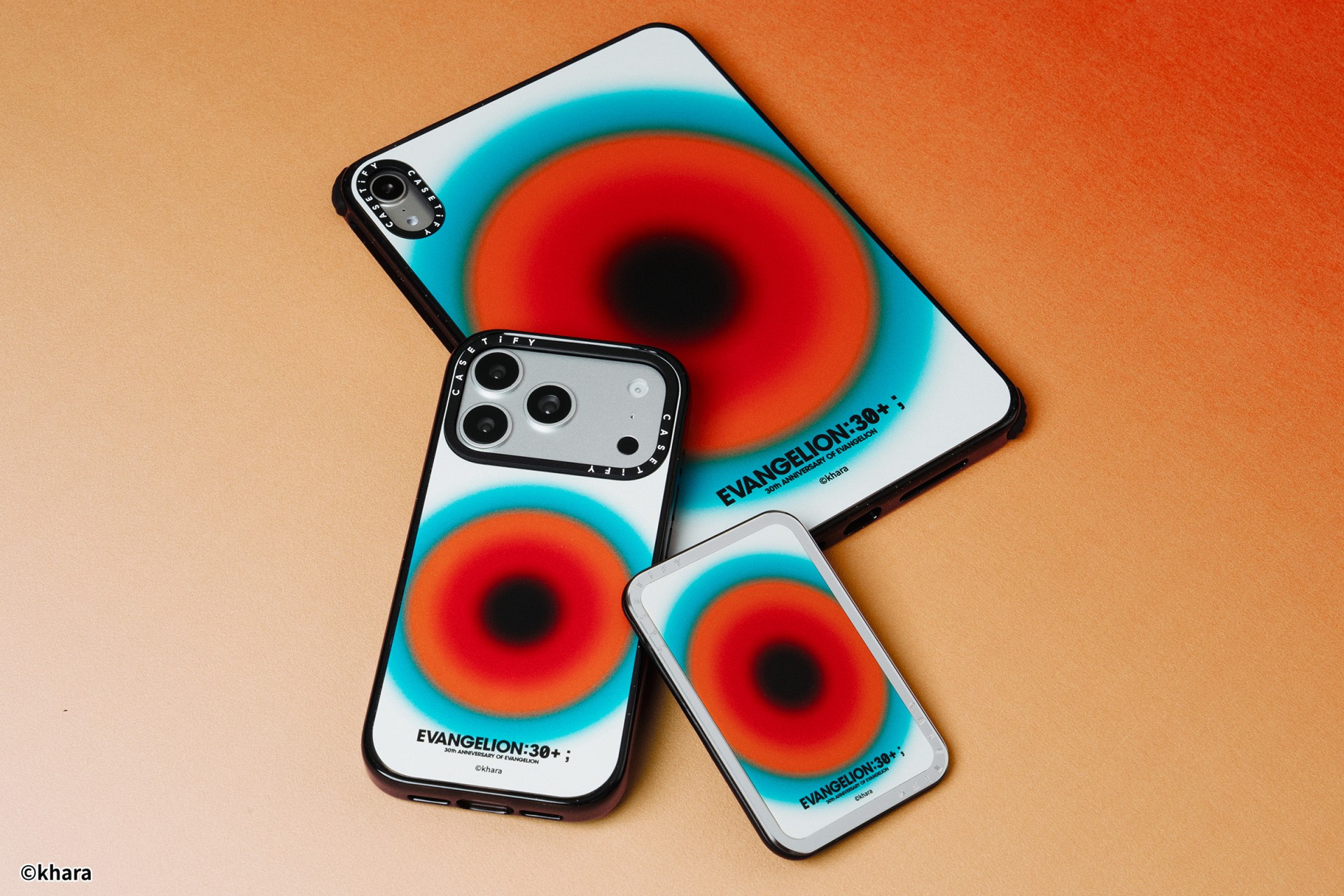
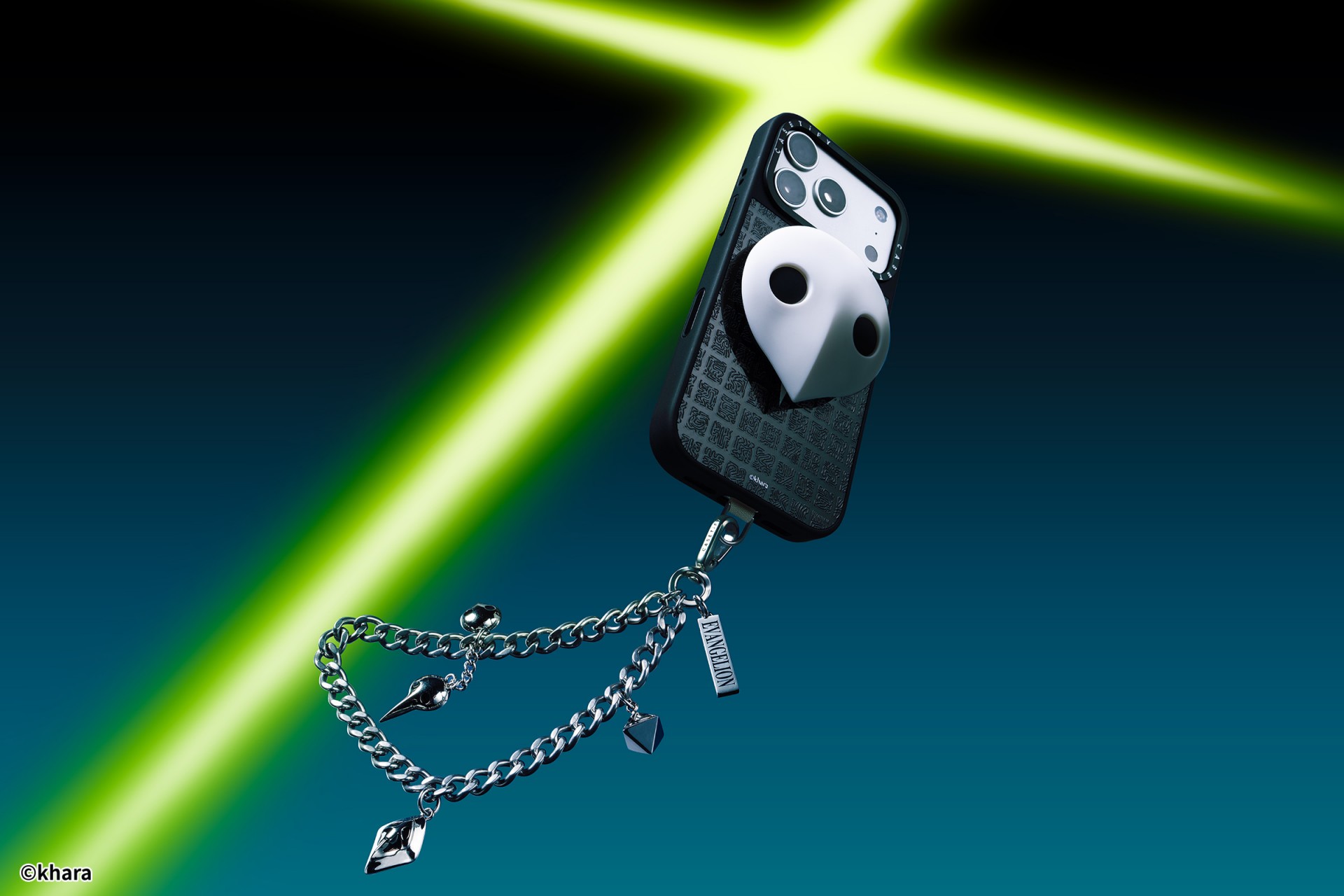
The collection goes beyond phone cases. Fans can also pick up matching AirPods cases, MagSafe wallets, watch bands, and laptop and tablet sleeves to complete their everyday tech setup.
Android users are included in the rollout. The collection supports devices like the newly released Samsung Galaxy S26 series, making it a timely drop for those looking to suit up their latest flagship.
The Evangelion collection is now available via the official CASETiFY website.




Hermès launches a $5,000 MagSafe charger

REDMI Note 15 Series named Presenting Partner for Spartan Race Philippines 2026 season

Stylish, student-friendly HONOR X8d launches

The HONOR X8d is serviceable

Why the OPPO Reno15 5G series is a creator’s essential


-

 Reviews2 weeks ago
The Xiaomi 17 shoots Leica dream
-

 Hands-On2 weeks ago
OPPO Reno15 F 5G hands-on
-
 Reviews3 days ago
POCO X8 Pro Max review: A new beast from the far east
-

 News3 days ago
POCO X8 Pro Series: Price, availability in the Philippines
-

 Computers2 weeks ago
GIGABYTE collaborates with Capcom for RE Requiem custom PC
-

 Laptops1 week ago
Apple MacBook Neo Review
-

 Entertainment1 week ago
The internet is thirsting over the One Piece Season 2 cast
-

 Apps1 week ago
Google Maps is finally getting a 3D mode