
News
Vivo Y51 now available in PH


We previously wrote about Vivo, one of China’s top-selling OEMs and a recent addition to the growing number of foreign companies that have set up shop in the Philippines. And you may recall that the Vivo Y51 has been teased on Facebook as one of the first, if not the first smartphone the company puts on offer in the country.
Well, it is, according to a press release from Vivo.
The Y51 is yet another Android-based, 4G LTE phone, albeit from a relatively unknown Chinese brand, that combines decent specs with an attractive design and an even more attractive price. It sounds like the kind of phone Huawei or OPPO or Xiaomi makes these days, sure, but don’t tell the folks at Vivo.

As for the device itself, the boxy Y51 features a thick, metallic frame with rounded edges and a glossy plastic back that’s likely prone to fingerprints and smudges. The overall design is a mix of OPPO’s current design language for its budget phones and Sony’s previous releases. In any case, it looks better than what we’re used to seeing – the white with gold trim may be a hit among certain demographics.
Up front, you’re looking at a 5-inch IPS display that supports a modest 540 x 960 resolution. The rear and front cameras take 8- and 5-megapixel photos, respectively. A quad-core Qualcomm Snapdragon 410 processor with 2GB of RAM powers the entire assembly, and should have no problem running Vivo’s Funtouch OS on top of Android 5.0 Lollipop.
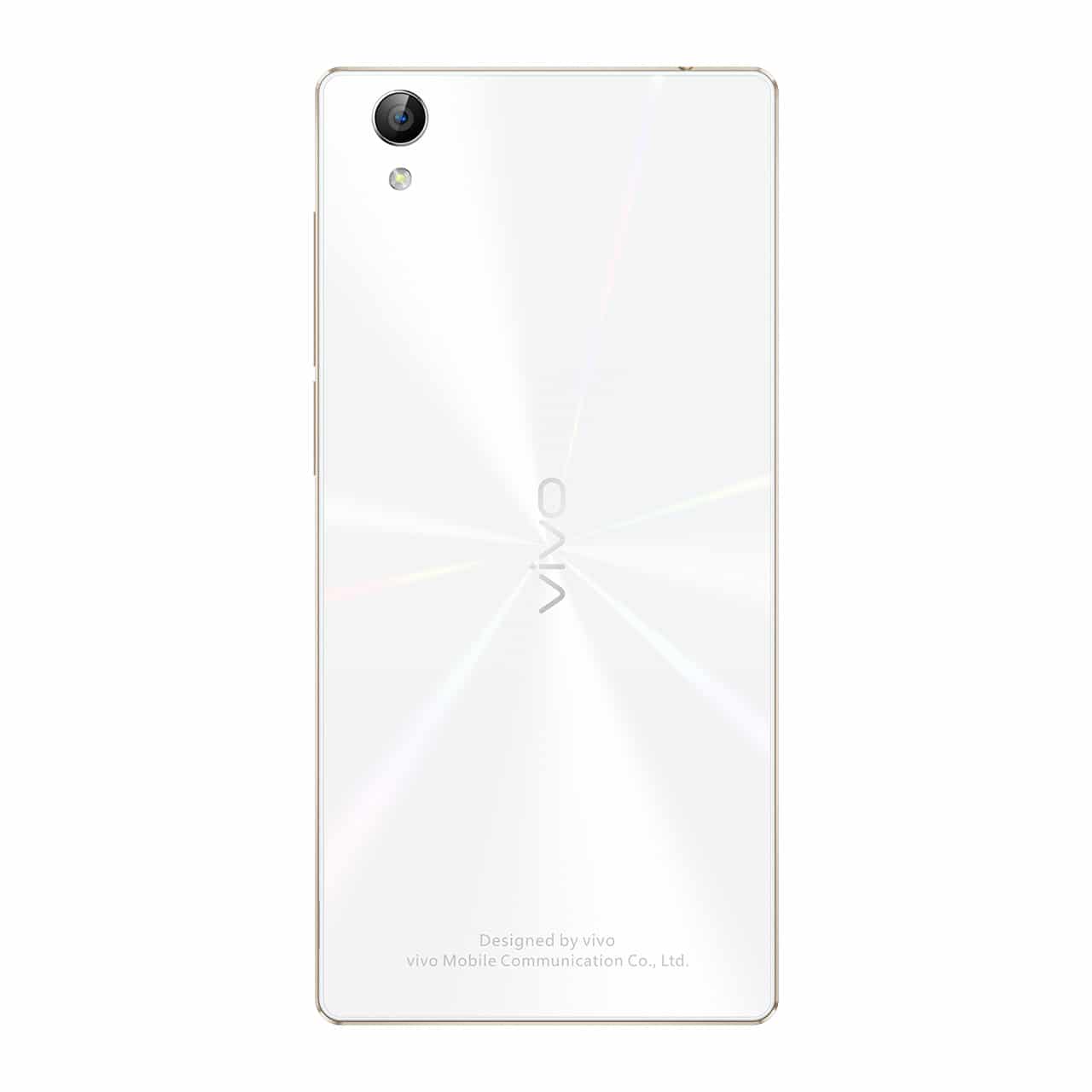
The Vivo Y51 retails for Php7,990 (around $US170) in select stores across the Philippines. More Vivo phones are expected to be available in the country later this year.
[irp posts=”9707″ name=”Vivo V5 Plus Hands-On Review”]




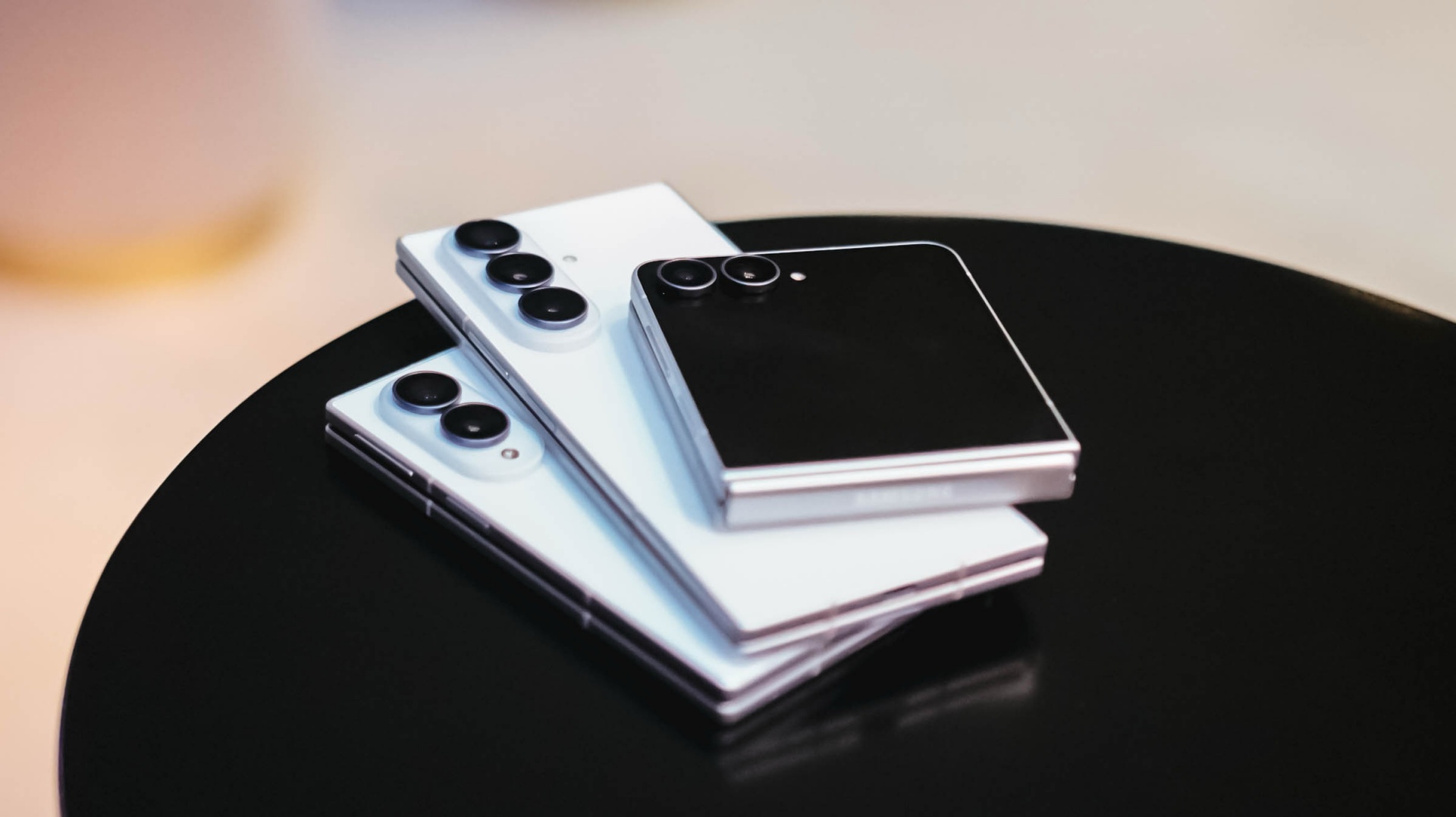
Is it safe to say that the foldable wars are finally on? After Apple unveiled the iPhone Duo, more eyes are looking towards foldables, and Apple’s foldable isn’t even out yet. Despite still being in the iPhone Duo’s preorder phase, Samsung has already laid a bold claim over the market. According to the South Korean brand, demand for the Galaxy Z Fold8 family has increased since the debut of the Duo.
As reported by Forbes, Richard Chang, Corporate Vice President for the Mobile Division, said, “Customer demand for the Galaxy Z Fold8 family has increased 16 percent since launch, and with a 300 percent increase in active Google searches for Samsung foldables in the last month alone.”
To be fair, Chang did not attribute the recent spike to Apple. However, the timing is more than just a coincidence. A few weeks ago, Apple unveiled the iPhone Duo, the company’s first foray into the foldable market. Almost immediately, the Duo turned heads for its novel approach to its foldable interface. Unlike its competitors, it transitions seamlessly when folding between the two modes.
However, Apple’s efforts might not be enough, at least not before the Duo actually launches. Samsung is still on an upward trend, thanks to the more convenient passport-style form factor of the Galaxy Z Fold8. Still, regardless of which side of the fence you’re on, it’s a win for consumers that the two biggest names in the smartphone space are finally feuding over foldable supremacy. We might be in for a golden age of foldables in the next few years.
SEE ALSO: Apple iPhone 18 Pro Series review
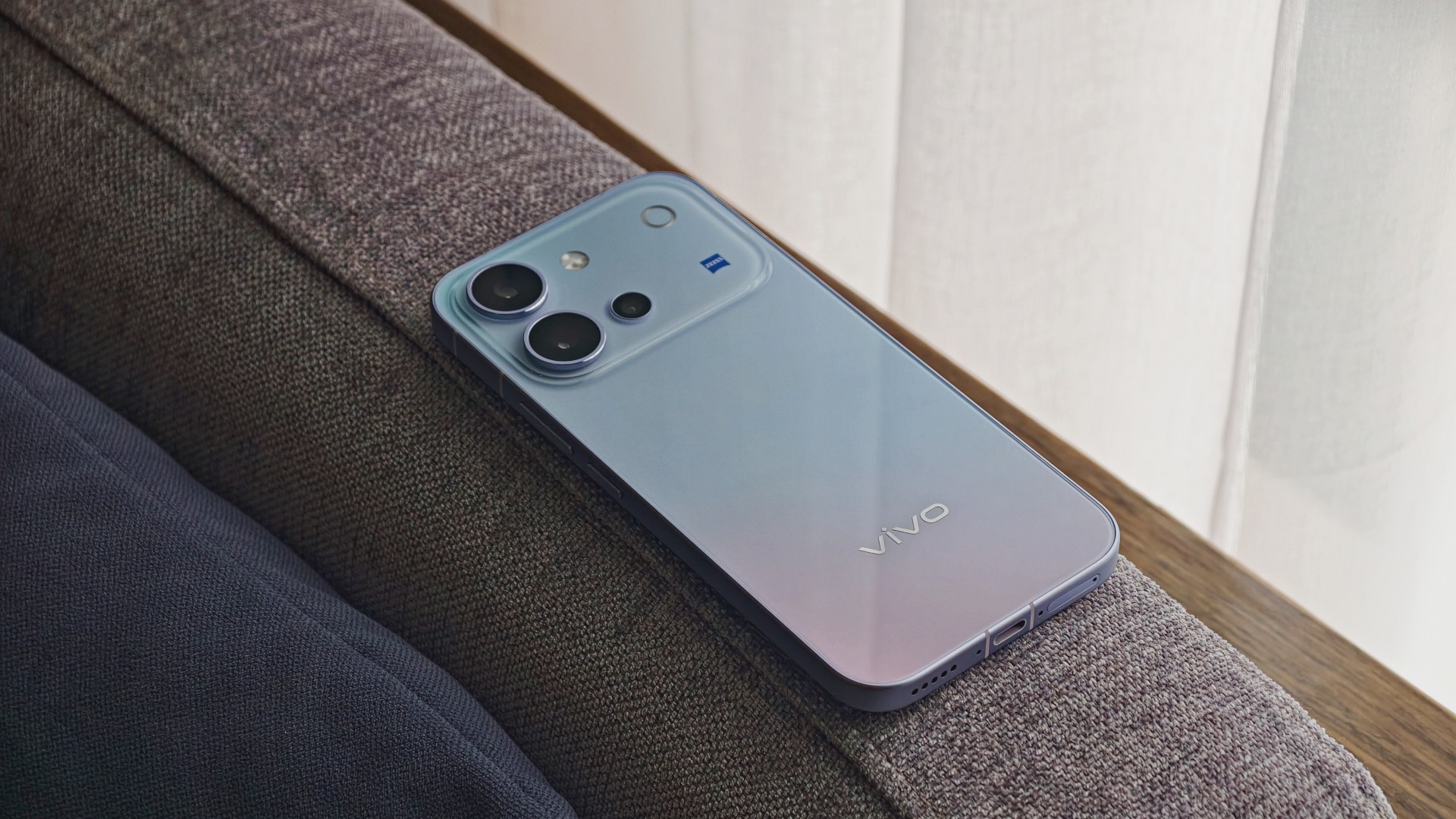
vivo has introduced the vivo V80, a smartphone featuring a 50-megapixel ZEISS telephoto camera, a 7,200mAh battery, and a 144Hz display. The device also introduces a cold-carved glass design and OriginOS 7, with new AI-powered photography and productivity features.
ZEISS cameras take center stage
The vivo V80 features a 50-megapixel ZEISS Super Telephoto Camera with 3x optical zoom and up to 10x digital zoom. It uses a 1/1.95-inch Sony IMX882 sensor and optical image stabilization to capture detailed photos while reducing blur from hand movements.
The camera supports ZEISS 100mm Center-Stage Portrait, which uses ZEISS Planar Style Bokeh and a low-saturation platinum tone to emphasize subjects. The phone also offers ZEISS 85mm Portrait with Sonnar Style Bokeh and warmer cinematic tones.
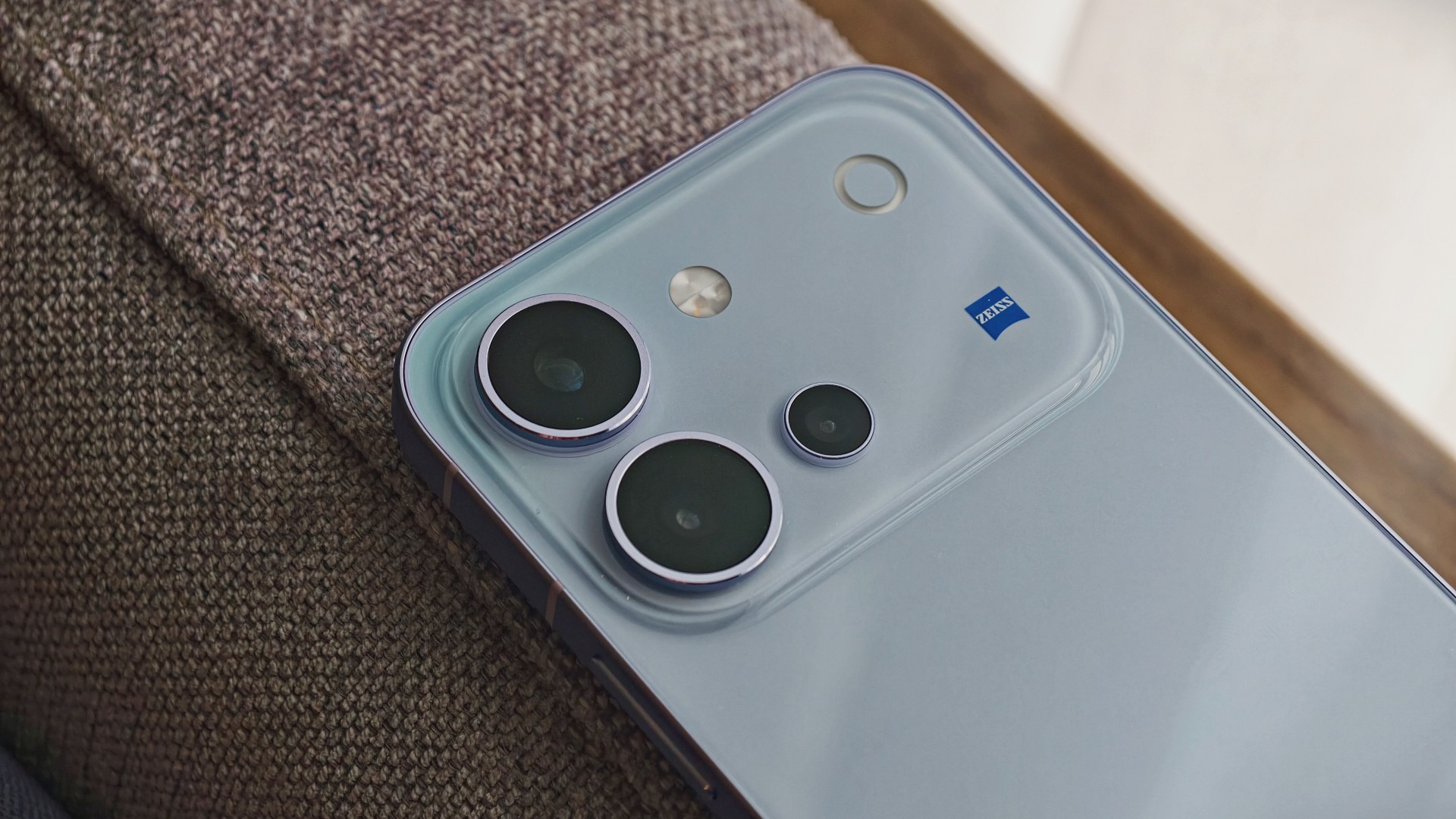
For night photography, CCD Flash Portrait combines flash illumination with CCD-inspired color processing.
The main camera uses a 50-megapixel Sony LYTIA 700V sensor with optical image stabilization. Meanwhile, the 50-megapixel front camera features autofocus and a wide-angle lens for group selfies.
AI Best Face lets users change individual expressions in photos captured using Live Photo. The AI Creative Camera also offers lighting effects such as Glow, Sunlight, and Top Lighting. Other editing tools include AI Erase, AI Magic Move, AI Image Expander, and Creative Sticker Collage.
The vivo V80 supports 4K video recording at 60 frames per second on both its front and rear cameras.
Cold-carved glass design and durable construction
The vivo V80 features a one-piece cold-carved glass back that integrates the rear cover with the floating camera module. It also uses an aerospace-grade metal frame and reinforced glass for additional durability.
The device passed SGS drop and impact resistance tests and carries IP68 and IP69 dust and water resistance ratings.

vivo offers the V80 in Starwish Purple, Wander Green, Sunrise Orange, and Vast Gray. The Starwish Purple variant uses Laser Holographic Lithography to create a three-dimensional stellar pattern on the back cover.
Large battery and 144Hz display
The vivo V80 packs a 7,200mAh BlueVolt battery that uses fourth-generation silicon anode technology. Its 90W FlashCharge system can charge the battery to 50% in 30 minutes, according to vivo.
The phone also supports Multi-Scenario Bypass Charging, which manages heat during charging while users stream videos or play games.
A Qualcomm Snapdragon 7-series processor powers the device. vivo also lists support for up to 144fps high-frame-rate gaming and 8GB of RAM with an additional 16GB of software-based Extended RAM.
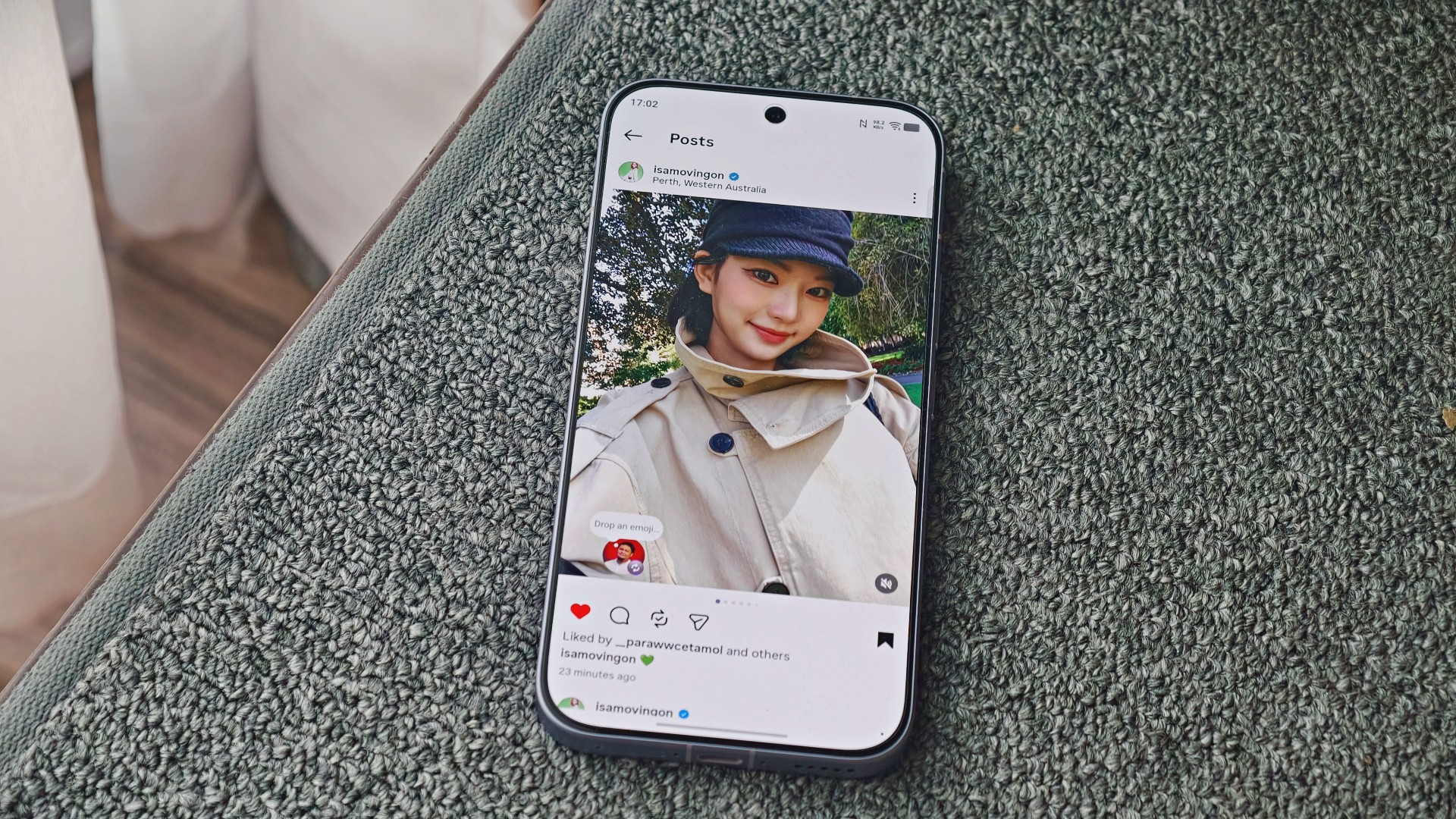
The display features 1.5K resolution, a refresh rate of up to 144Hz, and local peak brightness of up to 5,000 nits. It supports 1.07 billion colors and a minimum brightness of 1 nit. The phone also includes dual stereo speakers, Gaming Hypersense Audio, and Signal Boost technology.
OriginOS 7 adds AI tools and cross-device features
The vivo V80 runs OriginOS 7, which introduces AI-powered productivity tools and expanded personalization options.
Snap Note converts photos of whiteboards or handwritten notes into editable documents. AI Recorder provides meeting transcriptions and six types of smart summaries for lectures, interviews, and calls.
Users can also customize their phones with StickIt stickers, the motion-responsive Wiggle Theme, and Pet Pals animated companions.

OriginOS 7 adds cross-device features through vivo Office Kit, including phone-to-iPad screen mirroring and note synchronization. It also supports Apple Watch health and notification synchronization, Spatial Audio with AirPods, and photo transfers through Shake & Share.
For security, the system includes Security Shield, which helps block sideloading threats, identify malicious USB connections, screen spam calls, and detect unsafe browser URLs. vivo says the V80 will receive six years of annual security updates.
Availability
vivo says the V80 will gradually launch in India, Southeast Asia, the Middle East, and other regions. Pricing, availability, and specifications may vary by market.
The company has not announced local pricing or a confirmed Philippine release date in the provided press release.
News
NBA experimenting with smart basketballs, wrist wearables
Bluetooth chips integrated into smart basketballs can provide information for officiating


The NBA is experimenting with the use of smart basketballs and official wrist wearables ahead of its 2026-2027 regular season — two technologies which NBA Commissioner Adam Silver has mentioned can potentially be used officially in games as early as next season.
Per the Associated Press, select preseason games have included a smart basketball that has a Bluetooth sensor, manufactured with the league’s official provider Wilson. This can collect data for future use in real-time officiating decisions.
In a later interview with CNBC, Silver detailed that the smart chip integrated into the basketball weighs “roughly a gram” and does not affect the players’ feel or perception of the ball — at least in their tests.
“We A/B tested the ball with the chip, without the chip, and nobody could tell the difference, so that’s a good sign,” Silver said.
Both the official wearables and the smart basketballs underwent pilot testing during the summer league. The G-League also participated in the testing.
The NBA mentioned information from the Wilson-developed connected balls will be “for research only” for now. As such, the technology will not be used throughout the regular season and playoffs through mid-2027.
But Silver already sees the practical applications of the smart basketball, including determining out-of-bounds and goal-tending calls.
These can be based on whether the ball changed its arc, spin, or direction, as well as whether a finger touched it or not.
As such, the league could adapt its use as early as the 2027-2028 season.
Furthermore, the information the chip can provide can also be processed by players, as in the case of shooters observing which spin is most optimal for accuracy.
Wilson has not shied away from innovations, having introduced an airless basketball in the past.



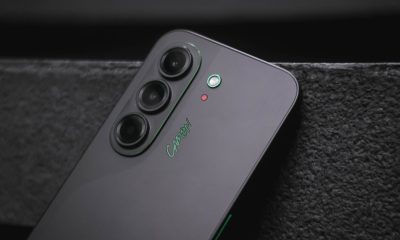

iPhone Duo Philippines: Prices, installments, and where to buy
![KINGDOM HEARTS Collection [I-III]](https://www.gadgetmatch.com/wp-content/uploads/2026/10/kingdom-hearts-colletion-I-III-202610-80x80.png)
KINGDOM HEARTS Collection [I–III] now available on PS5, Switch 2

TECNO CAMON Slim 5G gets launch discounts, free MagBadge

LE SSERAFIM Sakura recommends this game to a fan

Smart opens iPhone Duo pre-orders today

vivo X500 Series launches with major imaging upgrades

OPPO Find X10 Pro Max is the first phone with a triple 200MP camera system

TECNO CAMON Slim 5G: Price, availability in the Philippines

TECNO CAMON Slim 5G review: Slim on size, big on surprise

HONOR Magic9 Pro Max launches in China with ARRI-powered imaging


-
 News1 week ago
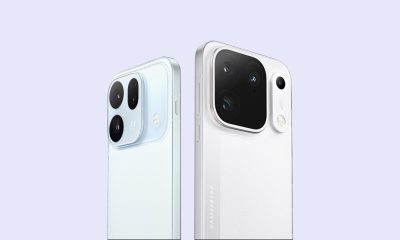
OPPO Find X10 Series launches globally October 21
-

 Philippines2 weeks ago
Bambu Lab opens first Authorized Store in the Philippines
-
 Features2 weeks ago
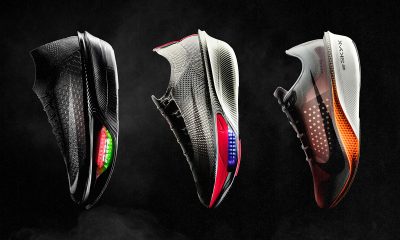
Nike’s new race-day system, explained
-

 News2 weeks ago
Sony teams up with Hello Kitty for exclusive limited-edition collection
-
 Wearables1 week ago
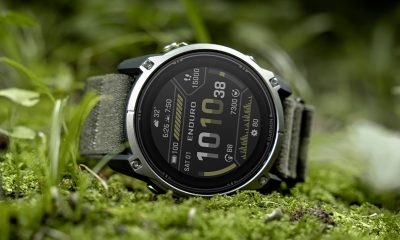
Garmin Enduro 4 promises up to 320 hours of battery life
-

 Gaming2 weeks ago
The Ace Combat 8: Wings of Theve launch event is happening this week
-
 News2 weeks ago
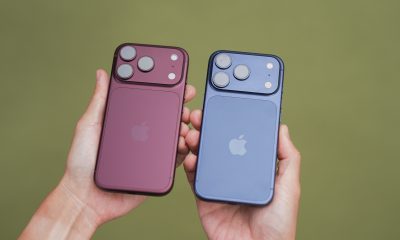
iPhone 18 series breaks records in Vietnam as pre-orders triple
-

 Gaming5 days ago
Dragon’s Dogma 2: Dark Arisen launches with new Official Pawns