
Enterprise
Why is Amazon starting a $250 million venture fund in India?
Aims to bring 1 million offline stores online by 2025

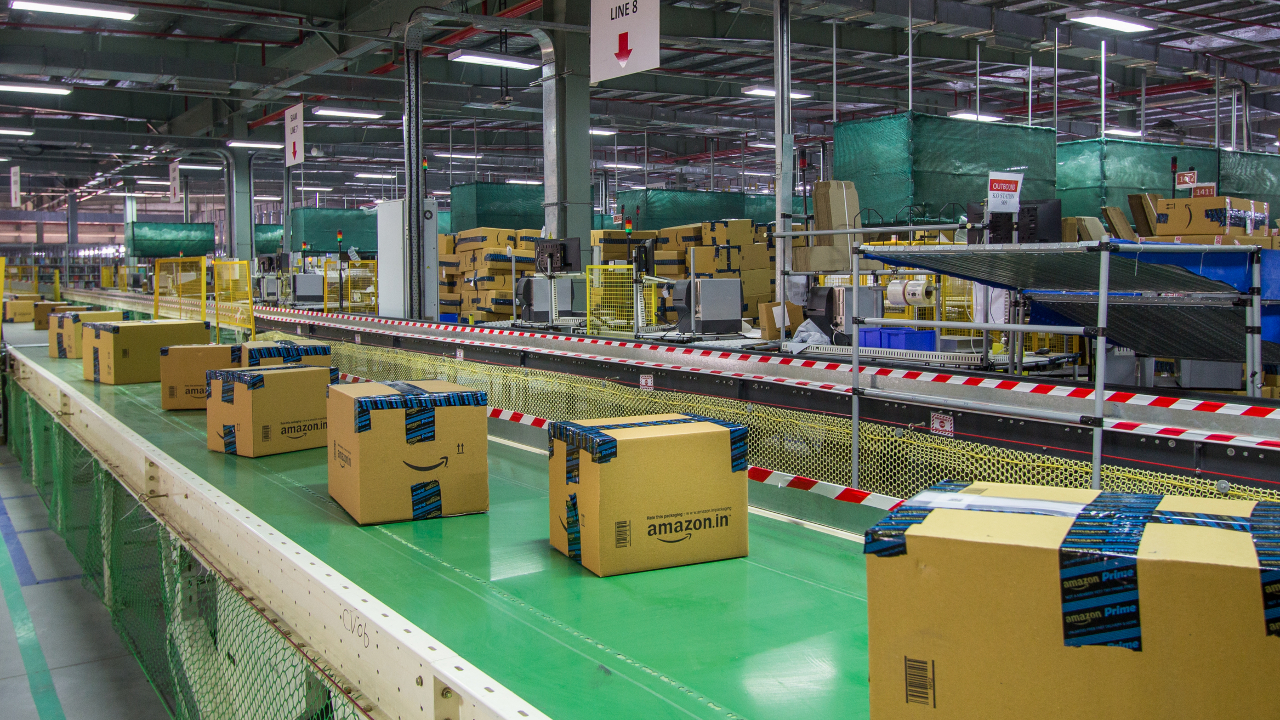
Amazon has announced a US$ 250 million venture fund called Amazon Smbhav Venture Fund that’ll invest in small and medium-sized businesses. The goal is to boost India’s export by using technology and the marketplace’s reach.
Amazon Smbhav will be focusing on the digitization of small businesses, agri-tech innovations to raise farmer productivity, and health tech for quality universal healthcare. The fund was announced at Amazon India’s annual Smbhav Summit.
It intends to tap offline sellers and professionals via the fund and on onboarding a million shops by 2025. Another initiative is “Spotlight NorthEast,” which will bring 50,000 artisans, weavers, and small businesses online from India’s North-Eastern states. The region is known for its local produce like honey, tea, and spices.
The announcement came at a fireside chat at the summit between Andy Jassy, incoming CEO of Amazon and Amit Agarwal, Global Senior VP and Country Head, Amazon India. They also revealed the first bet Amazon was making through the new fund — invoice discounting platform M1xchange, in which it has led a $10 million investment.
Amazon said it created close to 300,000 jobs since January 2020 and one million in total. It also boasted of having almost 70,000 sellers, exporting Indian goods to other markets totaling US$ 3 billion in sales.
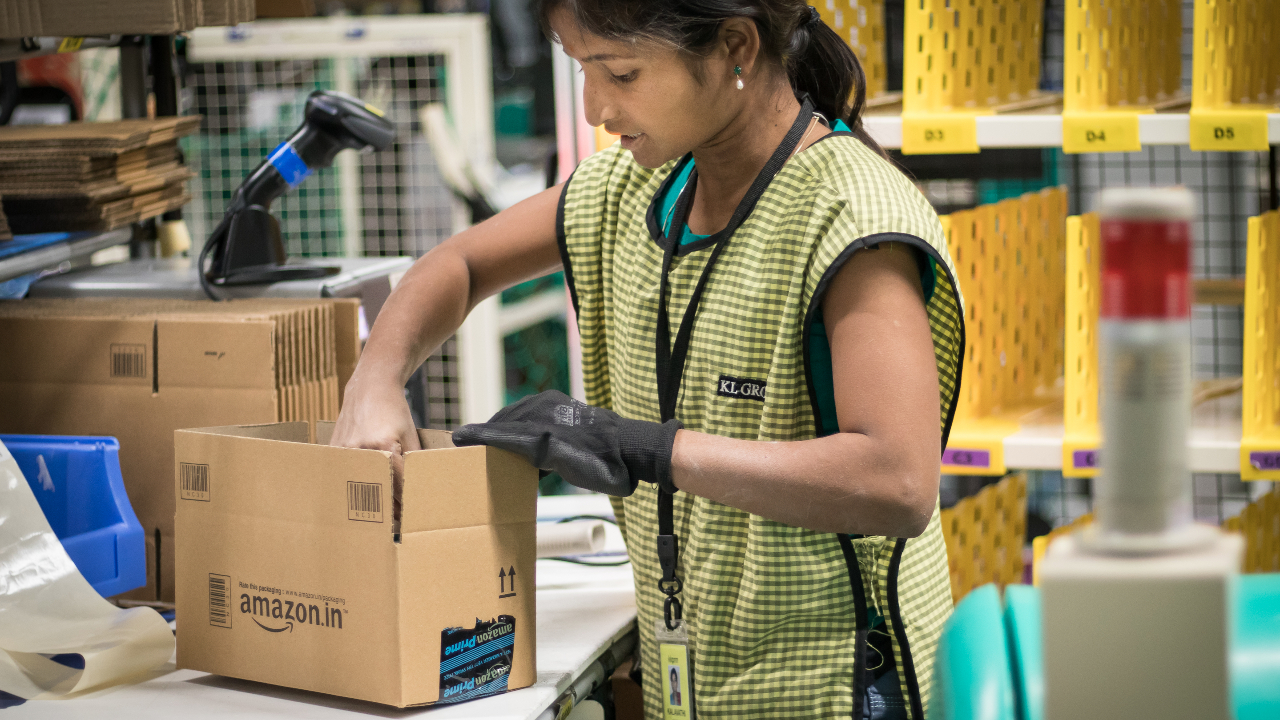
The timing of Amazon India’s announcement is key because the e-commerce companies have been barred from delivering in the state of Maharashtra amid a Coronavirus-led curfew. While the restrictions are regional, businesses are unable to get necessary and basic supplies. In a work-from-home world, getting an emergency mice/keyboard or mattress should be easy via digitization, but there are antitrust concerns.
Due to a lockdown, offline sellers cannot operate and thus, don’t want online businesses to eat their share. The Narendra Modi-led government has historically sided with the offline traders since they constitute a majority of India’s market. The offline market is still the king, and the gap between the two is very substantial.
If online players operate exclusively for too long, they’ll start gobbling up market share gradually, killing the smaller businesses. While the aim is to maintain a level-playing field, the current rules aren’t helping anybody at the end of the day. The region also fails to collect indirect taxes over the possible transactions, leading to a cash crunch while the pandemic rages.
The FDI (Foreign Direct Investment) rules for the retail market were changed in 2019, meaning Amazon India could no longer directly sell its products. It had to act like a marketplace to maintain healthy competition since 100 percent FDI is allowed in e-commerce as a tech platform, but not as a retailer.
Thanks to the fund, Amazon can show its commitment to India and its initiatives to encourage online trade. India’s new farm laws also make it easier for private companies to invest in agriculture or partner with farmers for contracts.
Amazon had announced an investment of US$1 billion in January 2020 and its purpose was also the same — digitizing India’s small and medium businesses. Founder Jeff Bezos had said back then, “We are doing this now because it is working. And when something works you should double down on it.”
For now, the concerns of a monopoly are diminished because Amazon is going up against India’s homegrown Flipkart, which Walmart now backs. Reliance is also eyeing this segment and has already kicked off a hyperlocal service called JioMart. Lastly, many other retailers like Dmart, Tata CliQ + Bigbasket, and Grofers are available.



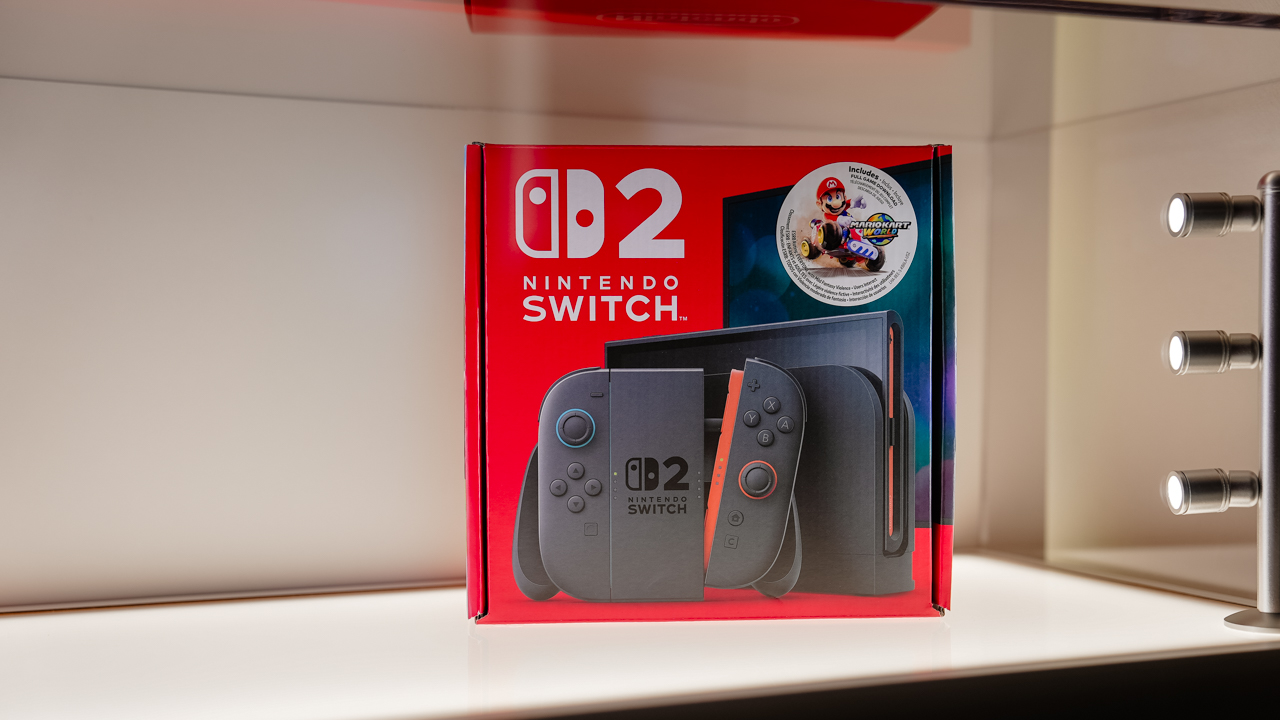
What happens when an unstoppable force meets an immovable object? After a year of wrestling through tariffs from the current American administration, Nintendo has decided to sue the United States.
Last year, the Trump administration was trigger-happy with implement tariffs on countries everywhere. Though the controversy mostly circulated around geopolitics, major corporations also found themselves on the receiving end of Trump’s ire. All over the world, the tariffs sparked product delays and price hikes.
Nintendo is no exception. As a result of the fiasco, the company had to delay the launch of the Switch 2, in anticipation of disruptions caused by the tariffs. First reported by Aftermath, the Japanese gaming giant is now going after the American government over refunds associated with the tariffs.
Now, the tariffs aren’t a big issue anymore. Notably, the Supreme Court scratched off the White House’s implementations that the former found illegal. While a big sigh of relief for future business, corporations like Nintendo have already paid duties and deposits in the past. As a result, Nintendo is now looking for recompense for what they paid before.
Nintendo isn’t the first company to seek restitution over the illegal tariffs. Others, including FedEx and Revlon, are also asking for refunds. However, the Japanese giant is certainly one of the biggest names to cross the government’s path. After all, the company is notoriously litigious over anything it considers as an affront to its business, including small streamers using Pokémon on their broadcasts.
With all its global resources, Nintendo likely won’t just give up without a fight.
SEE ALSO: The Nintendo Switch is now Nintendo’s best-selling console ever
Enterprise
Paramount wins bid for HBO Max, plans to merge streaming apps
It’s all part of the deal to acquire the Warner Bros. library.


Last year ended with the bombshell announcement that Netflix might buy the entire Warner Bros. library. However, after some finagling and a rocky start, Paramount has now emerged as the main suitor for the lucrative library.
At the end of last year, it seemed all but confirmed that the gigantic Warner Bros. library was coming to Netflix as part of a huge buyout deal. This became even clearer when Warner Bros. Discovery rejected Paramount’s initial bid to counter Netflix. However, Paramount recently revised its offer to an astounding US$ 110 billion, or US$ 31 per share, which Warner Bros. Discovery signed off on. Netflix passed on the opportunity for a counteroffer, making Paramount the sole bidder.
Today, Paramount has announced that, if the deal pushes through, they will merge Paramount+ and HBO Max into one streaming service. This means that Paramount’s CBS, Comedy Central, and MTV will be under the same roof as DC, Game of Thrones, Harry Potter, and Mission: Impossible.
The value of the above names alone makes this into one of the most lucrative deals for Paramount. However, it’s not without its drawbacks. The combined entity will reportedly carry US$ 79 billion in net debt for both purchasing Warner Bros. and refinancing the newly purchased property.
Currently, the deal is expected to go through regulatory approval ending in the second half of 2026.
Enterprise
ACMobility Launches ChargeFleet: Seamless solution for businesses
B2B solution for corporate fleets and transport groups


Ayala Group’s ACMobility has launched ChargeFleet, a new B2B digital solution for corporate fleets and transport groups.
The new service introduces a shareable digital wallet that streamlines charging expenses, reduces manual tracking, and improves cost control.
As more organizations explore electrifying their mobility operations, many continue to face operational challenges — including fragmented payment systems, reimbursement delays, and limited visibility over charging usage.
ChargeFleet addresses these gaps by introducing a centralized, shareable digital wallet. Here, fleet managers can allocate and monitor charging credits across multiple drivers across a single platform.
The system is a seamless process designed for long-term usage and easy deployment across any organization.
Once integrated, ACMobility assigns charging credits to the client’s fleet manager. The manager then can distribute these to multiple drivers. Meanwhile, the latter will be able to see and use their assigned credits via the Evro app.
ChargeFleet is available as a prepaid product through the ChargeFleet Store. Users can buy offers via GCash or credit card. No application process is required.
Looking ahead, ACMobility will continue to enhance the ChargeFleet experience with exclusive value-added perks integrated through Evro and Power on Wheels.
The upcoming features highlight ACMobility’s ongoing push to provide a future-proof support system for the evolving needs of their customers’ businesses.


POCO X8 Pro Max review: A new beast from the far east
That "Pro Max" naming superlative is more than justified


POCO X8 Pro Iron Man Edition review: Midrange phone in superhero armor
POCO x MK15


Now Playing: Project Hail Mary
It's a treat for those who loved the original book.

Spider-Man: Brand New Day first trailer hits hard — and gets weird

TUMI’s “Mediterranean Escape” brings vacation energy to Spring 2026 lineup

Switch 2 now lets you play old games in 1080p

OPPO Find N6 launches globally with near crease-free foldable display
POCO X8 Pro Max review: A new beast from the far east


-

 MWC 20262 weeks ago
Infinix NOTE 60 Ultra makes a motorsport-inspired debut
-

 Reviews2 weeks ago
The Xiaomi 17 shoots Leica dream
-

 Gaming2 weeks ago
Ubisoft confirms Assassin’s Creed: Black Flag remake
-

 Gaming2 weeks ago
PlayStation will stop releasing its games on PC
-

 Hands-On2 weeks ago
OPPO Reno15 F 5G hands-on
-
 Gaming2 weeks ago
Project Helix is Xbox’s next console, and it plays PC games
-

 Hands-On2 weeks ago
Apple MacBook Neo Hands-on
-

 Computers1 week ago
GIGABYTE collaborates with Capcom for RE Requiem custom PC