
Gaming
Wolfenstein II: The New Colossus Review — Propulsive pulp classic


With fascist figures influencing the world, Wolfenstein II: The New Colossus is as timely as a first-person shooter video game about fighting Nazis can be. How effective is its message conveyed through story and gameplay?
There is an important legacy to the Wolfenstein name. Wolfenstein 3D basically started the 3D first-person shooter genre in 1992. That name, however, had become irrelevant since then, as its World War II setting and white-bread protagonist BJ Blazkowicz were used as a template for a lot of FPS games for years. It wasn’t until Wolfenstein: The New Order came out in 2014 and surprised gamers that Wolfenstein mattered again.
It wasn’t because of innovative gameplay, although The New Order was certainly solid in that department. What wowed fans was its nuanced narrative.

As a direct sequel to The New Order, Wolfenstein II: The New Colossus was then burdened with the challenge of being as good or even better than its sleeper hit predecessor. Its marketing that capitalized on the political climate in the US only served to raise the stakes.
The New Colossus wields its storytelling and gunplay like dual shotguns to blow away those expectations and then some.

Horrifying alternate history
The New Colossus picks up right where The New Order left off. There’s a short video recap for the events of the previous game for players who missed it. It’s 1961 and the Nazis are at the height of their power. They won World War II and have taken over the United States of America after dropping a nuke on Manhattan, forcing the US government to surrender. Protagonist BJ Blazkowicz is with his ragtag resistance group from Europe. On board a captured high-tech German U-boat, they’re sailing to American soil to start a revolution and liberate the nation from Nazi rule.
Sounds like a hopeful premise to start with, no?
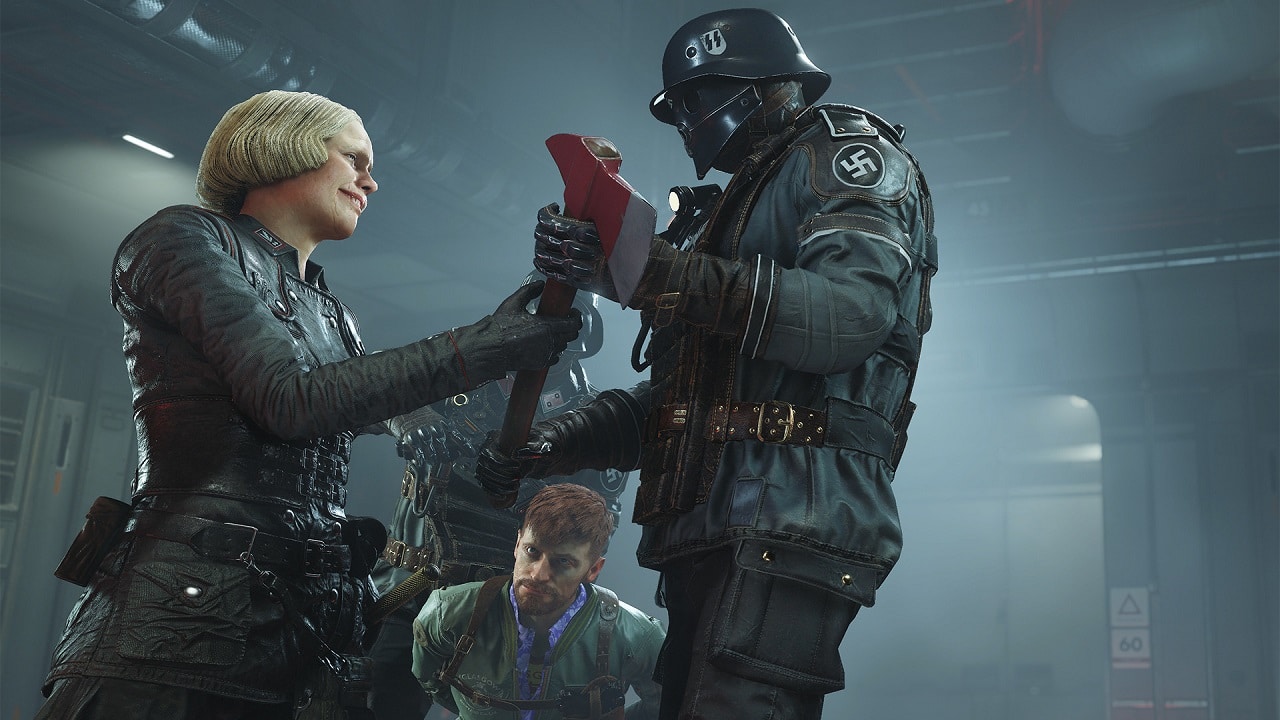
The New Colossus hacks that hope with a hatchet in the most shocking intro to a video game I’ve ever seen. In the first half hour alone, it features extreme graphic violence, domestic abuse, animal cruelty, racial and homophobic slurs, aggressive sexually suggestive behavior, and body shaming.
It’s understandable that some might find all this immediately off-putting and done for cheap shock value. However, considering the atrocities that the Nazi party, the Ku Klux Klan, and other racial supremacist factions committed throughout history, it’s critical for a game that has those groups in power to depict them for what they truly are: evil people who hold beliefs that cannot be reasoned with yet are rooted in very real human frailty.

Brutal combat for brutal difficulty
The game establishes its villains in the beginning so effectively that you can’t help but want to bring them down. Fortunately, you build up a small arsenal to do so in supremely bloody fashion. You get throwable axes, machine guns, explosives, and lasers to maim and murder Nazis. There are upgrade systems to improve your weapons as well as your character’s base abilities like movement speed and health regeneration.
You’ll need to take full advantage of these mechanics to beat these virtual fascists. The New Colossus is unforgiving in its difficulty. Most levels begin with you in stealth, but sneaking around is tough because of how most levels are structured. You’re either going through narrow hallways with just a couple of paths or wide open arenas with very little cover.

Like in The New Order, there are commanders that you’ll have to eliminate to keep them from calling in reinforcements. Unlike in its predecessor, these commanders are almost always hidden away at the very end of the sections you’re traversing. So what usually happens is you get spotted after taking out a couple of guards, the commanders sound the alarm, and waves of heavily armored soldiers swarm in for a gunfight.
Seconds of sustained gunfire will kill you. Making matters worse is there’s little feedback to indicate you’re taking damage. It’s very easy to get gunned down without you expecting it. Recovering health is finicky, too. While you can walk over health packs on the ground to restore your life, most of these items blend in the background and are up on shelves and desks. You have to manually look at these pickups and press a button to use them, and the seconds you take to do so can be enough to eat bullets from all sides.

The answer is to never stop moving and always pull out two firearms. Only through relentless mobility and ferocity can you reliably overcome these encounters. It helps that sprinting and shooting in The New Colossus looks and feels good. You can blitz across rooms while carrying an automatic shotgun in one hand and a grenade launcher in the other. Every blast from your guns explodes in a rhythmic song of righteous fury.
Momentum-driven human drama
This philosophy of constant, confident movement rings resoundingly in the cinematics. The New Colossus rarely lets up on dropping atomic plot bombs. The entire cast crackles with character in every cutscene. The dialogue and delivery pop and snap like a Quentin Tarantino flick, with motion capture rivaling the Uncharted games for expressiveness. The industrial metal soundtrack, courtesy of DOOM (2016) composer Mick Gordon, rips and tears to hype you the hell up.
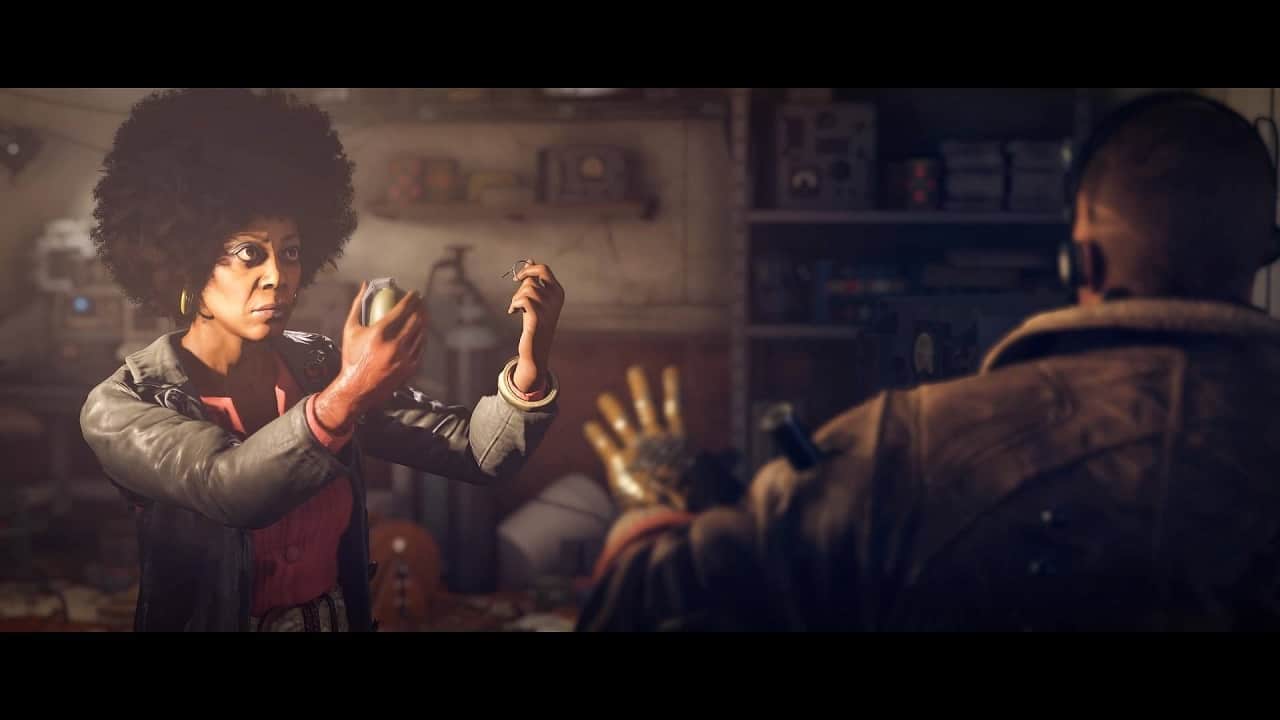
It’s not just bluster, either. You take commands from the leader of a militant African-American organization and partner with a socialist armed rebel group. Both parties holler at the social injustices that are deeply ingrained in America’s racist and hyper-capitalist culture, long before the Nazis came along. In fact, The New Colossus reveals just how poised pockets of American society are to fully embrace white supremacist authority, which apparently isn’t so different from reality.

What is most impressive though is the game’s deep dive into protagonist BJ Blazkowicz’s psyche and personal history. He cuts the perfect Aryan figure; a white, blonde, blue-eyed, square-jawed, deep-voiced, musclebound manly man. But The New Colossus takes the time to explore his emotional vulnerabilities, his sources of inner strength, and how his core values differentiate him from the insecure, paranoid, and destructive narcissism of Nazi oppressors.
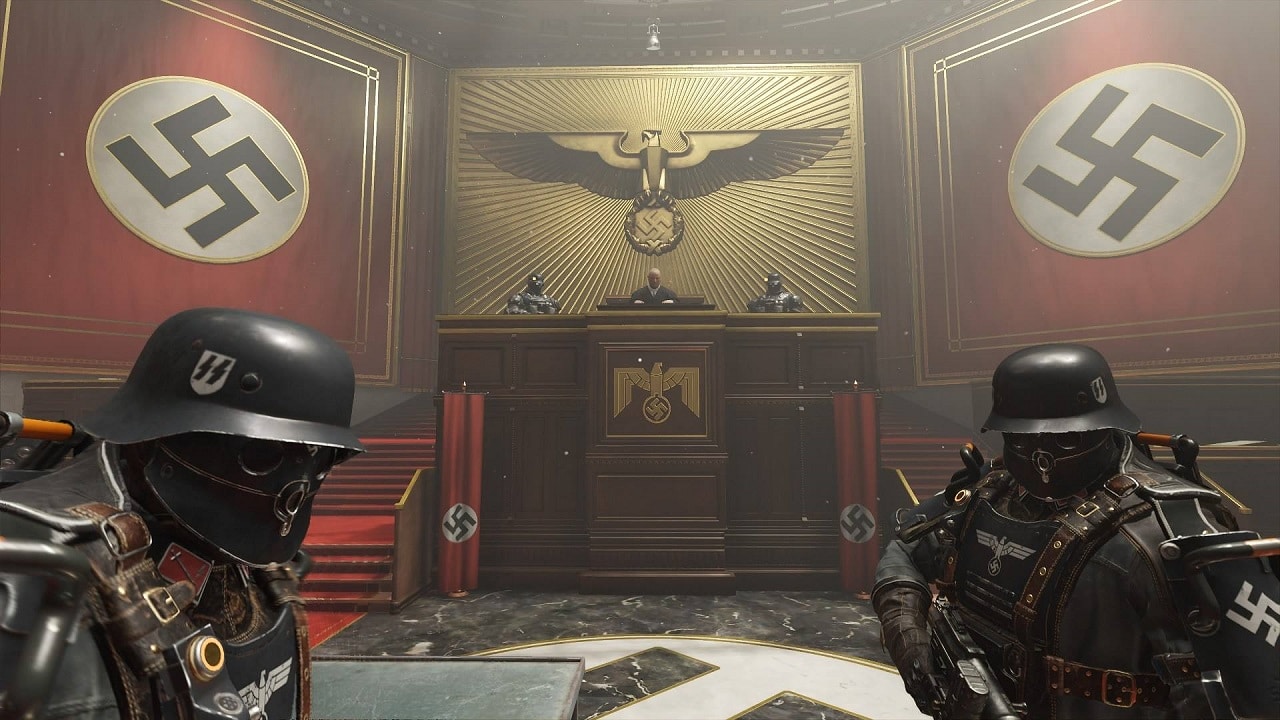
Wolfenstein II: The New Colossus is a double threat of ultraviolent action and ballistic fiction. It swings from hilarity to horror with rockstar swagger while maintaining pitch-perfect solemnity in its soliloquies. 25 years since the series debut, Wolfenstein proves that it’s always relevant to resist.

SEE ALSO: Doki Doki Literature Club: It’s all fun and games until it’s not
[irp posts=”23802″ name=”Doki Doki Literature Club: It’s all fun and games until it’s not”]


Gaming
SHINOBI: Art of Vengeance’s SEGA Villains Stage out on April 3
Face off against legendary SEGA bosses from different franchises

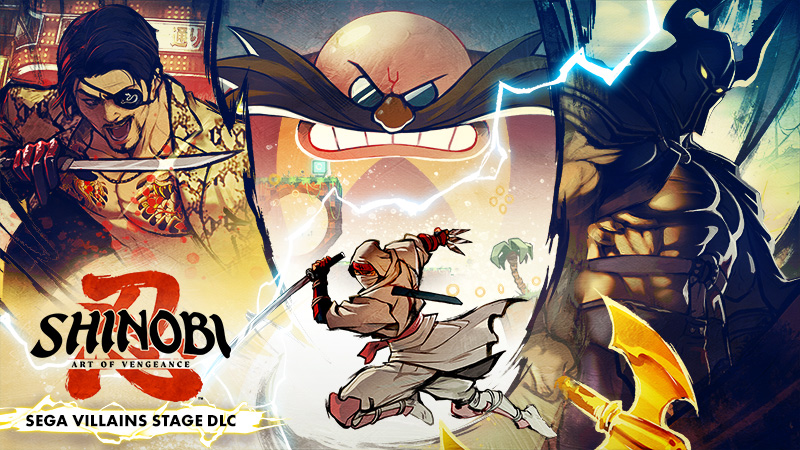
The SEGA Villains Stage DLC for SHINOBI: Art of Vengeance will release on April 3 for PlayStation 4 and 5, Xbox Series X|S, XBox One, Nintendo Switch, and Steam.
The DLC lets players face off against legendary SEGA bosses from different franchises: Like a Dragon and Yakuza, Golden Axe, and Sonic.
An animated trailer has been unveiled as part of the announcement. It features those franchises’ characters, Goro Majima, Death Adder, and Dr. Eggman.
There will be a total of five crossover stages, three bosses, and two Boss Rush modes featuring the bosses for the DLC.
In addition, there will be three more Ninpo, three new outfits, and six new music tracks. The SEGA Villains Stage DLC is a free update for all players.
Aside from the crossover, players can also try out a new Hardcore Mode which features changes in enemy placement and stronger boss attacks.
Additional combat settings also lets players adjust recovery frames, the flash effect, and camera shake. Various quality-of-life improvements are also planned for the 2D action-platformer.
Gaming
The hunt begins: The Witcher in Concert hits Manila with surprises in tow
The Continent comes alive
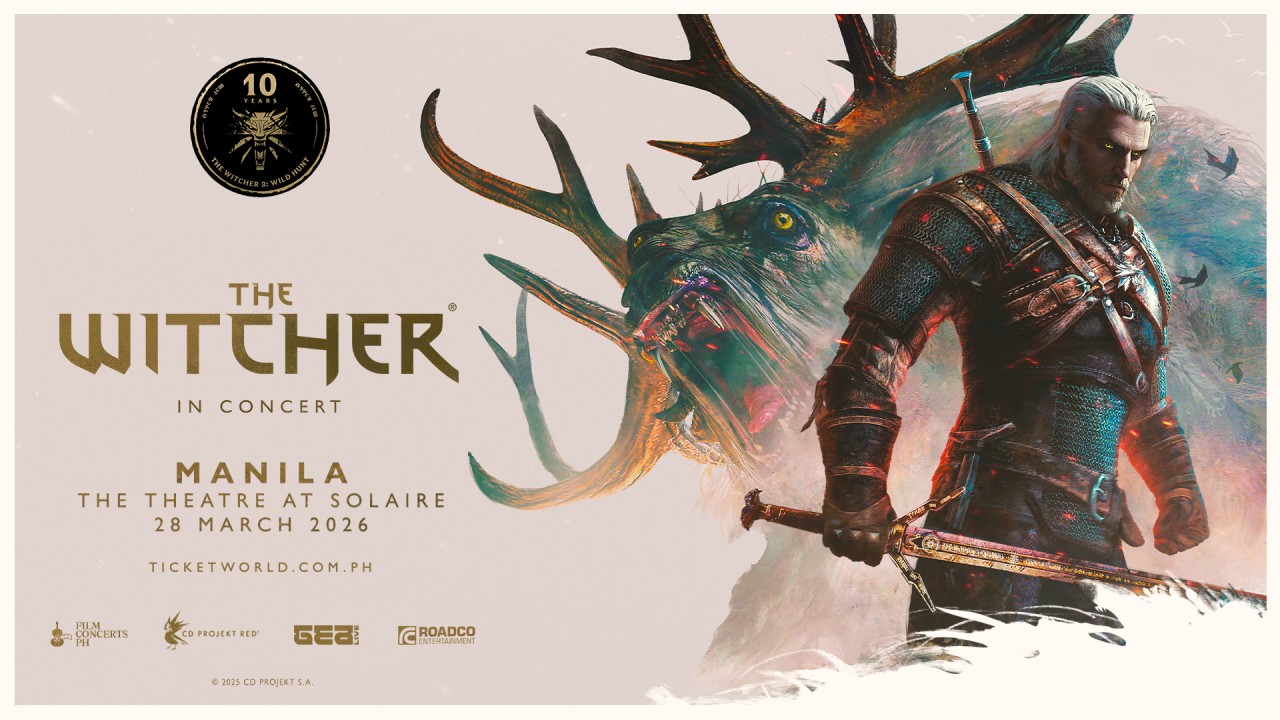
If you’ve ever heard a haunting chant echo through a battlefield or felt the weight of a choice that isn’t as simple as good or evil, then you already know—the Path has a way of calling you back.
And if you haven’t stepped into that world just yet, consider this your invitation.
With less than two weeks to go, The Witcher in Concert is set to take over Manila for a one-night-only performance. It’s happening on March 28, 2026 at The Theatre at Solaire—bringing with it not just the music of a beloved RPG, but a full-on return to the Continent.
Celebrating the 10th anniversary of The Witcher 3: Wild Hunt, the concert transforms one of gaming’s most iconic soundtracks into a live experience. Expect performances from selected musicians of the Filharmonika Orchestra alongside Percival Schuttenbach—the Polish folk-metal band whose distinct sound helped define the game’s identity. Paired with in-game visuals, it’s a show designed to feel both nostalgic and entirely new.
As the night draws closer, here are three things fans can look forward to:
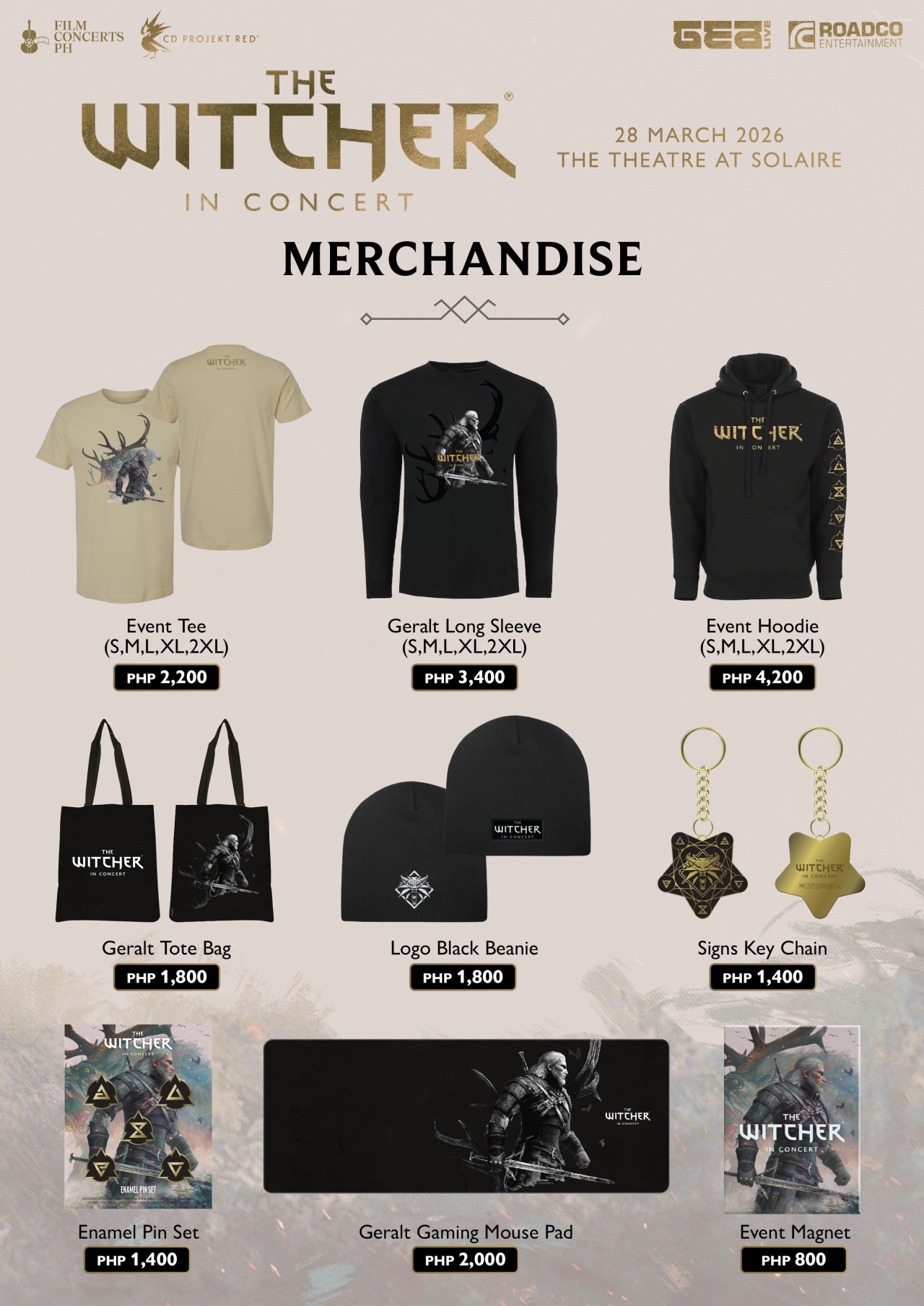
Relics from the Continent: official merchandise
For those who want to take a piece of the experience home, exclusive event merchandise will be available in limited quantities.
This includes the following:
- Event Tee (PhP2,200)
- Geralt Long Sleeve (PhP3,400)
- Event Hoodie (PhP4,200)
- Beanie (PhP1,800)
- Tote bag (PhP1,800)
- Key chain (PhP1,400)
- Enamel pin set (PhP1,400)
- Event magnet (PhP800)
- Geralt gaming mouse pad (PhP2,000)
It’s the kind of loot drop fans won’t want to miss.
The path to Solaire: getting there made easier
Getting to the venue is part of the journey—and this time, it’s a little easier. Attendees can use the Grab code FCPH2026 to get 20% off rides (up to PhP75). With the condition of a minimum fare of PhP250. The promo is valid for two rides per user and applies to trips to and from Solaire Entertainment City.
A rare encounter: meet Percival Schuttenbach
For a handful of lucky fans, the experience goes beyond the stage. Ten winners will get the chance to meet Percival Schuttenbach and receive an autographed CD.
To join, ticket holders need to share any official The Witcher in Concert post on their Instagram Story. They need to write what they’re most excited to hear live and tag @filmconcerts.ph. They need to submit their entry before March 24, 2026 at 5:00 PM. Winners will be announced on March 25.
Answer the call
As the Continent arrives in Manila, fans are encouraged to lean all the way in—whether that means coming in cosplay as a monster hunter, mage, bard, or something far more dangerous.
Tickets are available via TicketWorld and participating outlets nationwide.
The Path is open. The question is—will you answer the call?
Gaming
Monopoly: Star Wars Heroes vs. Villains launching on June 11
Introducing a team-based, cinematic twist to the classic board game
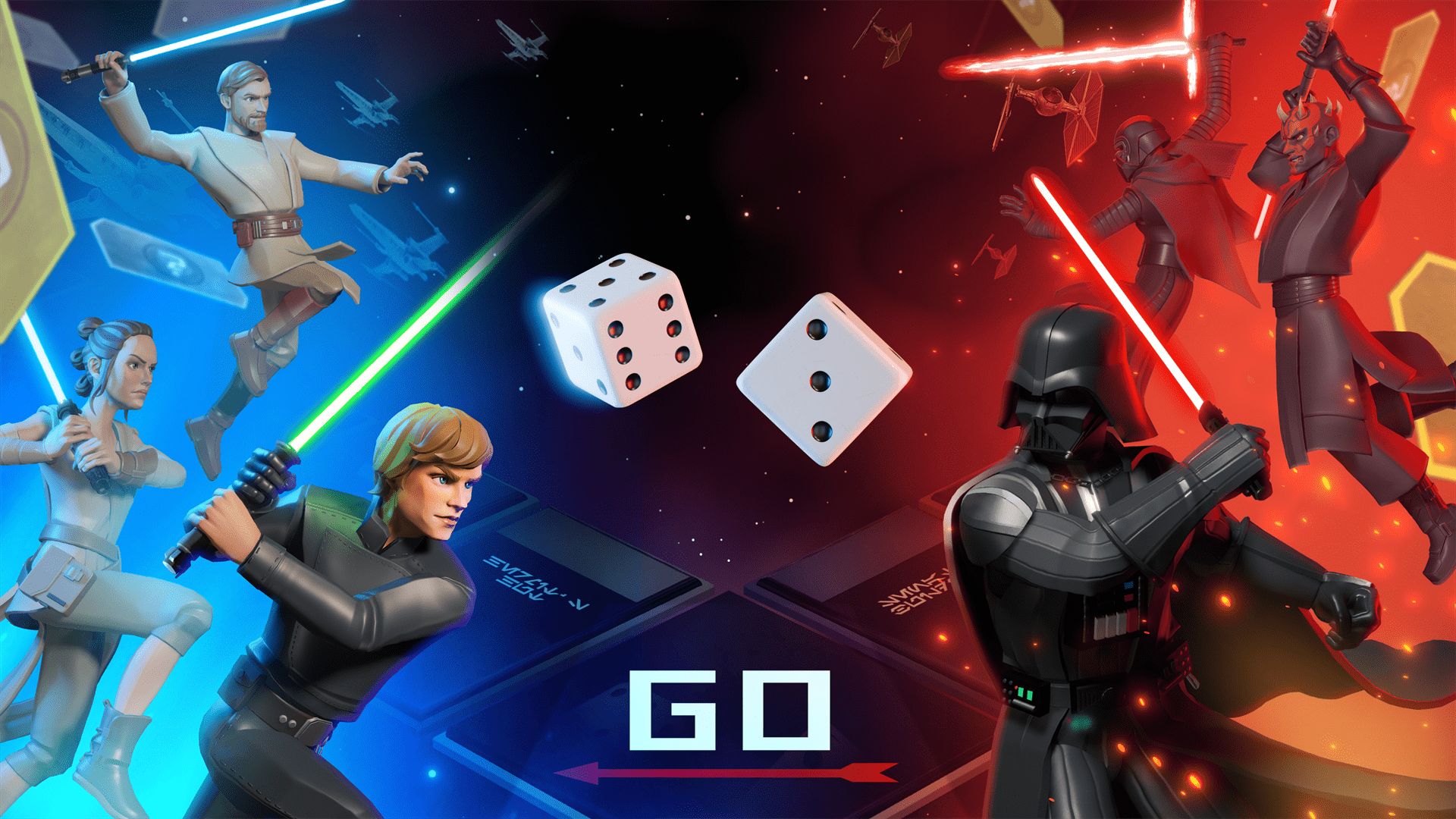
Monopoly: Star Wars Heroes vs. Villains will launch on June 11, Ubisoft has announced. It will debut on PlayStation 5, Xbox Series X|S, Nintendo Switch 1 and 2, GeForce Now, and PC through Steam, Epic Games, and the Ubisoft Store.
The Behavior Interactive title introduces a team-based combat twist to the traditional real estate board game. It includes competitive 2v2 and 3v3 modes, available online and through couch co-op.
This transforms the classic Monopoly gameplay into an action-packed, strategic showdown where teamwork and hero combinations matter.
Every turn carries high stakes as properties change hands in an instant. Dynamic GO events also introduce game-altering twists.
The full reveal will be on April 29.
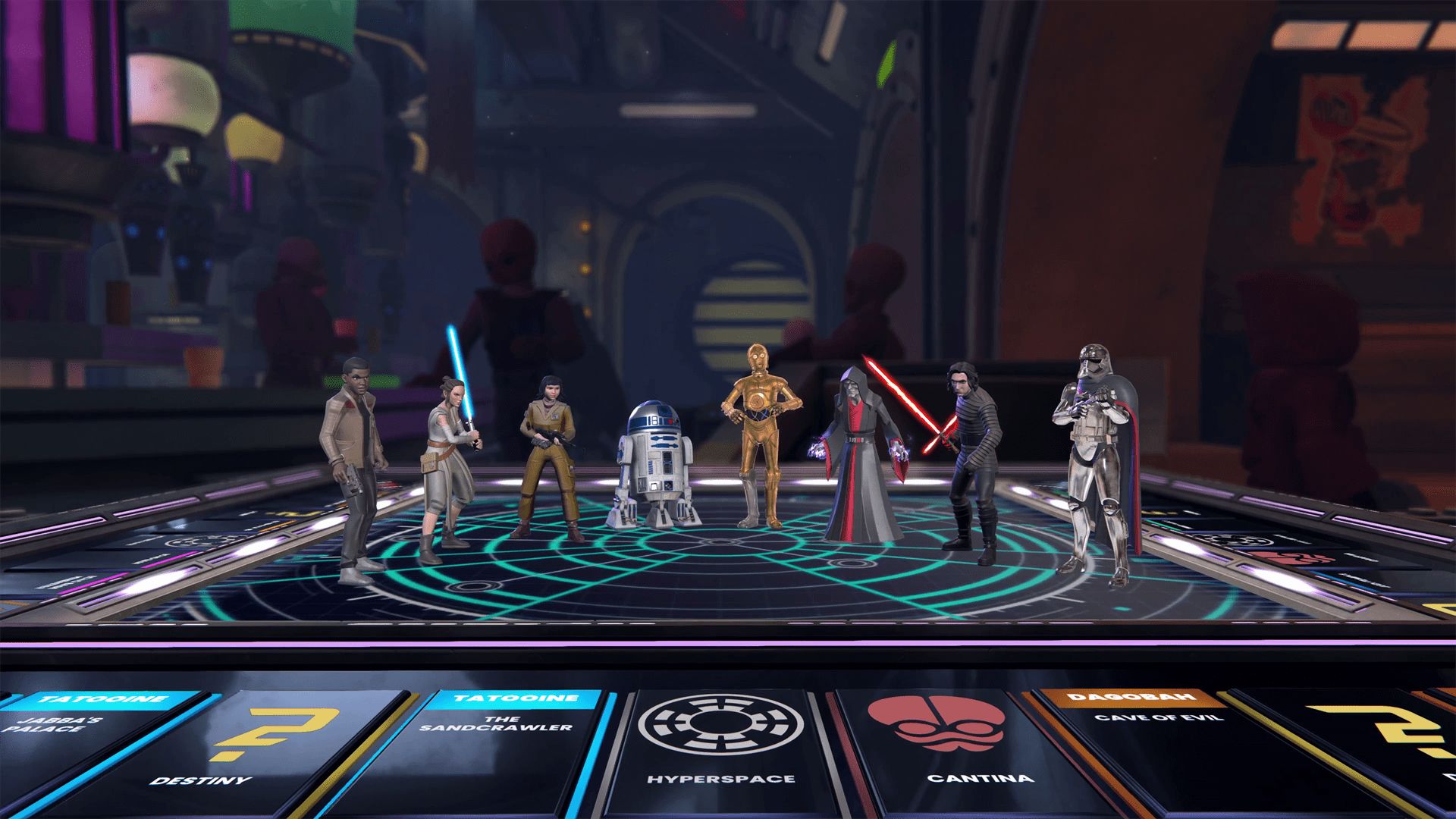
Monopoly: Star Wars Heroes vs. Villains transports players into the Star Wars galaxy with a custom Monopoly board, packed with iconic locations from across the saga.
The gameplay is reimagined with thrilling cinematic moments, themed spaces, and dynamic elements. These make up for a refreshed experience from start to finish.
Players can choose from a wide roster of Star Wars heroes and villains. There’s plenty of options, from Luke Skywalker and Princess Leia to Darth Vader and Darth Maul.
Each character brings unique abilities to shape the team’s strategy and affect the match’s complexion with every roll of the dice.





Now Playing: Hoppers

Jackery SolarSaga series: Free power for small devices

UGREEN adds new Nexode Pro power bank, charger to lineup

nubia to launch new Neo 5 series gaming phones on March 28

SHINOBI: Art of Vengeance’s SEGA Villains Stage out on April 3


-

 Reviews5 days ago
POCO X8 Pro Max review: A new beast from the far east
-

 News5 days ago
POCO X8 Pro Series: Price, availability in the Philippines
-

 Laptops2 weeks ago
Apple MacBook Neo Review
-

 Computers2 weeks ago
GIGABYTE collaborates with Capcom for RE Requiem custom PC
-

 Apps1 week ago
Google Maps is finally getting a 3D mode
-

 Entertainment2 weeks ago
The internet is thirsting over the One Piece Season 2 cast
-

 Features1 week ago
Galaxy AI on the Samsung Galaxy S26 Ultra
-

 Automotive2 weeks ago
BYD is reportedly considering an F1 team