
News
Xiaomi launches their first Leica smartphone with the 12S Ultra
Paired with a mirrorless-like 1-inch camera sensor


A short time ago, Xiaomi launched the 12 Series as the world’s first Snapdragon 8 Gen 1-touting smartphones. Just after several months, we’re already getting an update — including Xiaomi’s first set of phones with Leica-engineered cameras.
S means Super Flagship
Sitting at the throne is none other than the Xiaomi 12S Ultra. It’s the company’s best flagship to date. On its front, there’s a huge 6.73-inch LTPO2 AMOLED E5 Quad HD+ display. It has an adaptive 1-120Hz refresh rate as well as 1500 nits of maximum brightness with a pixel density of 522 ppi.

Image by GadgetMatch
For a full-on entertainment experience, it has an advanced Dolby Vision TrueColor Display as well as support for Dolby Vision, HDR10+, HDR, and even HLG. And just like previous Xiaomi phones, it has a set of Harman Kardon speakers with Dolby Atmos support.

Image by GadgetMatch
Going inside, the 12S Ultra has a 4860mAh battery that supports Xiaomi’s proprietary 67W Turbo Charging (sadly, not the blazing fast 120W one from the 12 Pro and 11T Pro line) plus 50W if you’ll use the wireless one. Paired with the P1 charging chip and G1 battery management chip, charging should be fast enough without compromising the phone’s battery health.
It’s also one among the first smartphones to ship with the updated Snapdragon 8+ Gen 1 chipset with either 8 or 12GB of LPDDR5 memory and 256 or 512GB UFS 3.1 storage. It was also mentioned that it has a whole new heat dissipation system that further improves cooling. As reported by a lot of users, overheating is a problem among Snapdragon 8 Gen 1 flagships.
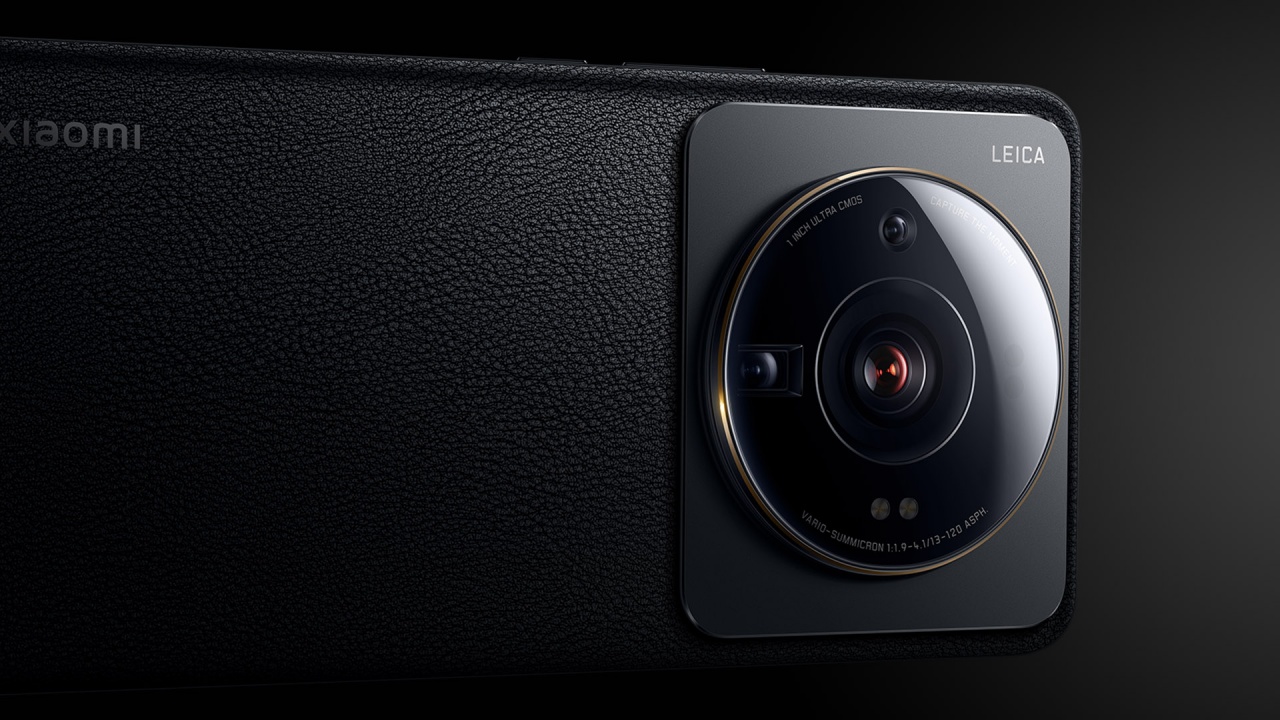
Image by GadgetMatch
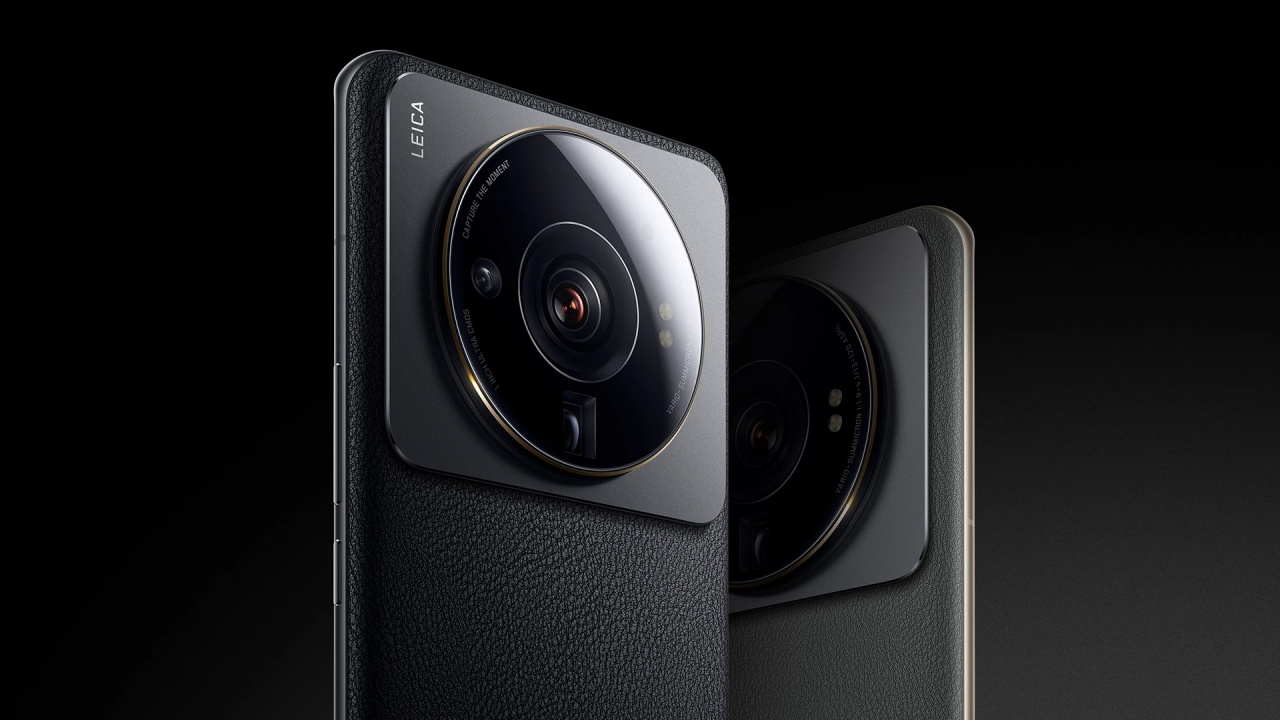
But the biggest star of the show can be seen at its back. With a huge Leica-like camera module and a “leather-like” back, Xiaomi has decided to take cues from the camera design language of many Leica cameras — although it’s not there just for the aesthetics.
The Xiaomi 12S Ultra is one among the many few smartphones that ships a gigantic 1-inch sensor beneath it. For comparison, last year’s Mi 11 Ultra had a “smaller” 1/1.12-inch sensor. The Xiaomi 12S Ultra can definitely sit alongside the 1-incher club, namely Sony’s Xperia PRO-I and the Sharp AQUOS R6 — which also bears the Leica branding and optics.
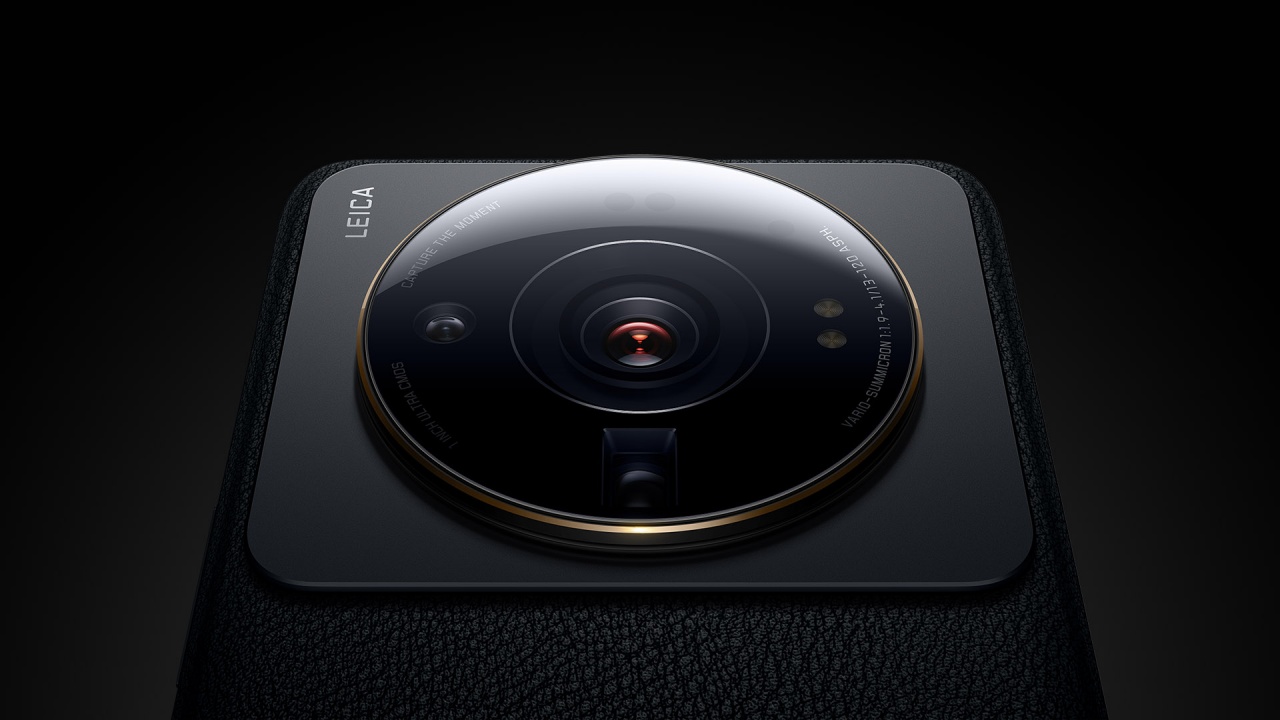
Image by GadgetMatch
For the ultimate camera geeks, here are the specifics of Xiaomi 12S Ultra’s gigantic camera hump:
- 50.3MP f/1.9 main/wide (Sony IMX989 1-inch sensor) with octa-PDAF
- 48MP f/2.2 ultra-wide (Sony IMX586 1/2-inch sensor) with dual-PDAF
- 48MP f/4.1 periscope (Sony IMX586 1/2-inch sensor) with dual PDAF
- Leica Summicron 1:1.9-4.1 / 13-120 ASPH. camera system
- 32MP RGBW front camera
To make it even more photography-centric, it has some nifty features like the main camera’s 8P aspheric lens with Multi-layer ALD ultra-low reflectance coating, HyperOIS, Leica filters, and two Leica photographic styles. Aside from being able to shoot in JPEG and HEIF file formats, the 12S Ultra also lets you shoot 10-bit Adobe RGB RAW through DNG.
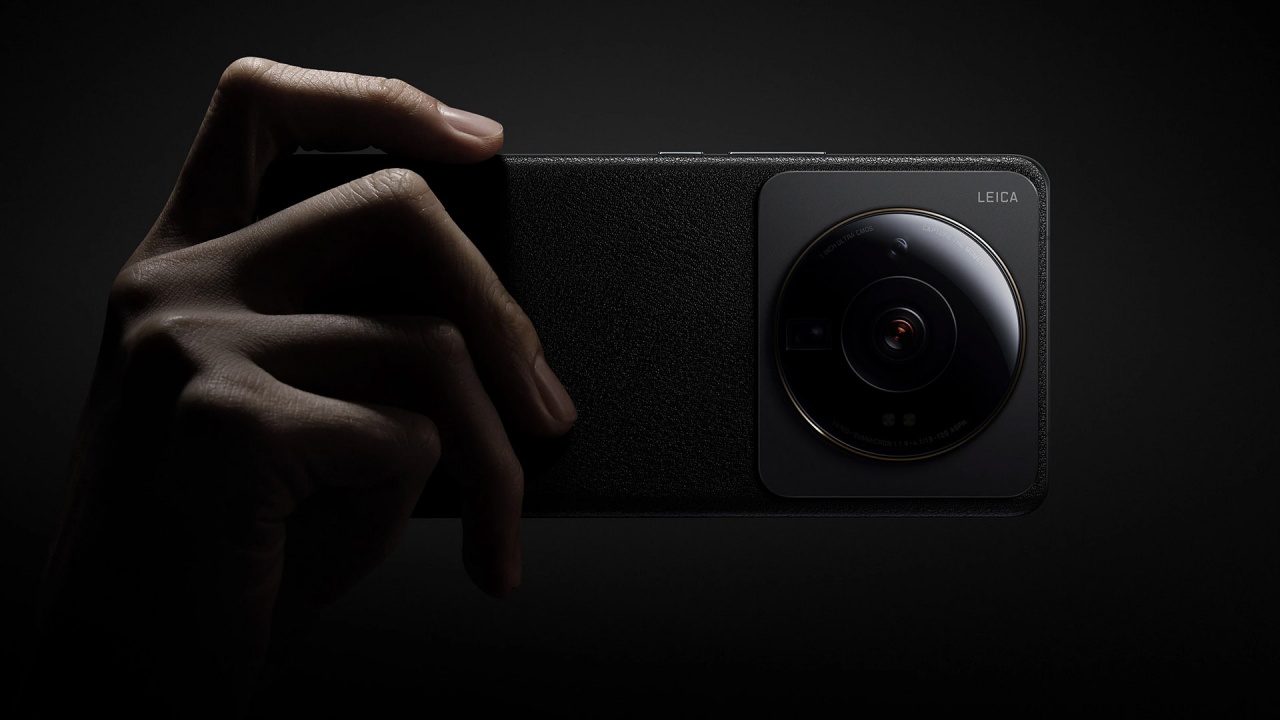
If you’re into mobile videography, the 12S Ultra can shoot in several resolutions. From 720p, 1080p in 30/60/120/240/480fps slow-motion, 4K in 30/60fps, and as extreme as an 8K/24fps footage. Default file formats are in H.264 or H.265 but you can now record HDR videos through 10-bit Dolby Vision Rec.2020 HLG.

If you’re worried about shooting in wet conditions, the Xiaomi 12S Ultra has an IP68 water and dust resistance rating.
S also means Slightly upgraded
Other than the flagship bearer, Xiaomi has also announced two smartphones in the 12S lineup: the 12S and 12S Pro.
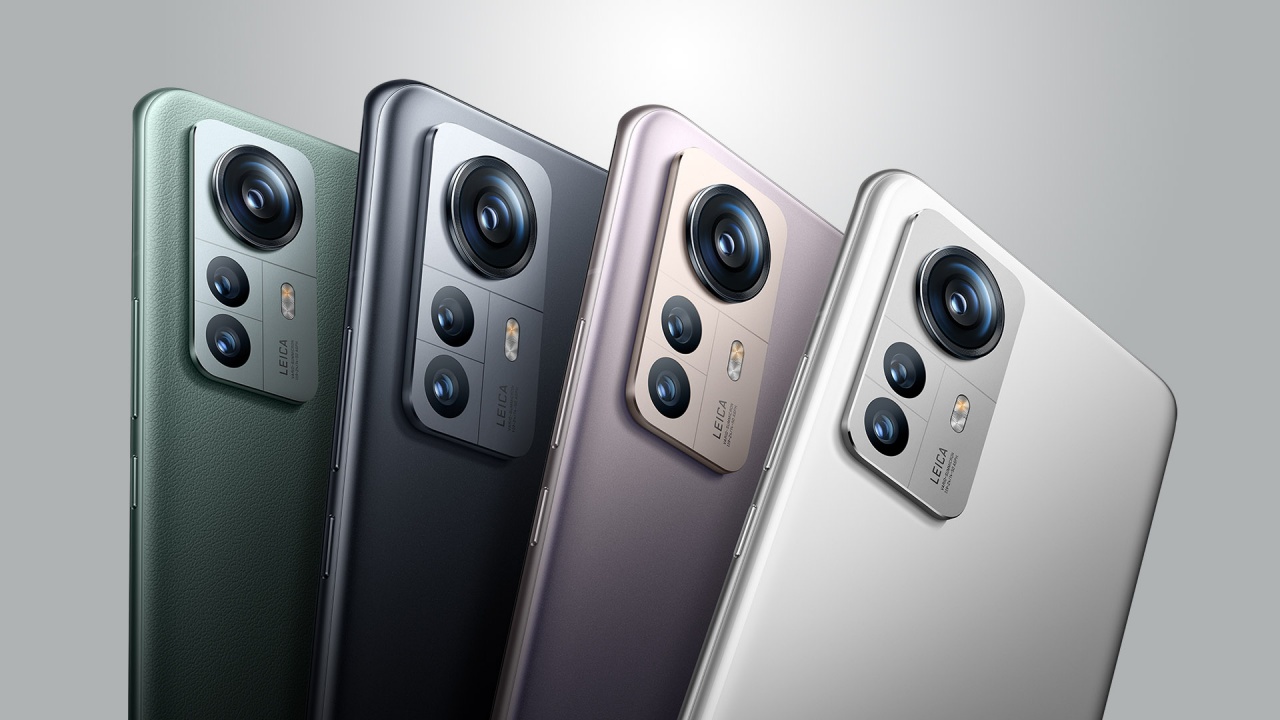
Image by GadgetMatch
The design of the new 12S series hasn’t changed from the preceding models of 2021. The 12S sports the same 6.28-inch AMOLED display as Xiaomi 12, while the 12S Pro and 12 Pro are equipped with the bigger 6.73-inch LTPO AMOLED panel. The cameras are neither different. Heck! Even the batteries are the same with 4500mAh and 4600mAh capacities respectively.
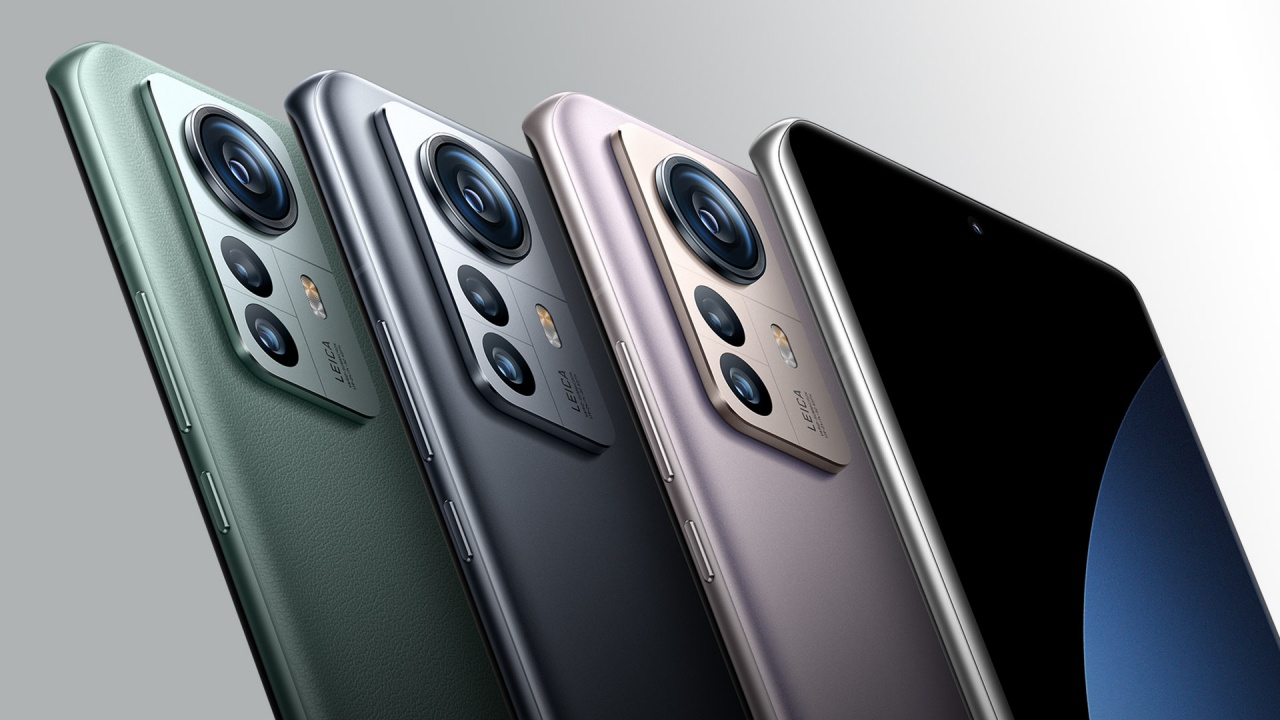
Image by GadgetMatch
So what’s changed? Well, apart from the new Leica-branded cameras at the back, it’s now powered with the newest Snapdragon 8+ Gen 1 that should make performance better and battery consumption more efficient. Also, both phones now have a 12GB + 512GB configuration that the 12 series never had.
S as a Substitute
To complete the list, the Chinese company has also announced a MediaTek version of their Snapdragon 8 Gen 1-powered 12 Pro, dubbed the Xiaomi 12 Pro Dimensity Edition. Very obvious from its mouthful name, it has MediaTek’s latest Dimensity 9000+ 5G chipset that’s based on a 4nm process.

Xiaomi 12 Pro Dimensity Edition
Just like its Snapdragon counterpart, it’s also the first smartphone in the world to feature Dimensity 9000+. Other than that, all the specs are similar to the Xiaomi 12 Pro — including the same set of display, battery, charging technology, cameras, and even the absence of Leica branding on its camera hardware and software.
Pricing and Availability
Currently, the new flagship series of Xiaomi is now available for pre-order in China. The SRP in Chinese Yuan (Renminbi) are as follows:
Xiaomi 12S Ultra (Classic Black/Verdant Green)
- 8GB + 256GB — CNY 5999 (US$ 895 / SG$ 1250 / ₱49,330)
- 12GB + 256GB — CNY 6499 (US$ 970 / SG$ 1354 / ₱53,390)
- 12GB + 512GB — CNY 6999 (US$ 1045 / SG$ 1459 / ₱57,495)
Xiaomi 12S Pro (White/Black for all models, Wild Green/Purple only for 256GB models)
- 8GB + 128GB — CNY 4699 (US$ 701 / SG$ 980 / ₱38,598)
- 8GB + 256GB — CNY 4999 (US$ 746 / SG$ 1042 / ₱41,065)
- 12GB + 256GB — CNY 5399 (US$ 806 / SG$ 1126 / ₱44,351)
- 12GB + 512GB — CNY 5899 (US$ 880 / SG$ 1230 / ₱48,459)
Xiaomi 12S (White/Black for all models, Wild Green/Purple only for 256GB models)
- 8GB + 128GB — CNY 3999 (US$ 597 / SG$ 834 / ₱32,848)
- 8GB + 256GB — CNY 4299 (US$ 642 / SG$ 896 / ₱35,313)
- 12GB + 256GB — CNY 4699 (US$ 701 / SG$ 980 / ₱38,598)
- 12GB + 512GB — CNY 5199 (US$ 776 / SG$ 1084 / ₱42,705)
Xiaomi 12 Pro Dimensity Edition (Black/Blue)
- 8GB + 128GB — CNY 3999 (US$ 597 / SG$ 834 / ₱32,848)
- 12GB + 256GB — CNY 4499 (US$ 672 / SG$ 938 / ₱36,955)
Pricing and availability in other regions have yet to be announced.






News
nubia to launch new Neo 5 series gaming phones on March 28
Head to SM Megamall for activities, guest appearances, surprises


nubia Philippines will officially launch the nubia Neo 5 series gaming smartphone on March 28 at their “Enter The NEOVerse: Born To Win” event. It will be held at the SM Megamall Fashion Hall in Metro Manila.
The nubia Neo 5 series’ design and details will be unveiled during the event. It is inspired by the REDMAGIC Gaming Lab, which is behind the REDMAGIC’s high-performance gaming ecosystem.
The nubia Neo 5 series will introduce a bold gaming-centric aesthetic, paired with performance-driven specs.
Customers can expect a sleek, futuristic styling, as well as powerful hardware engineered to elevate everyday mobile gameplay.
Across the lineup, users can expect high refresh rate displays, powerful processors, advanced cooling systems, and the familiar gaming triggers from the previous series.
It does look like nubia is adding AI-powered gaming optimization to give players an extra edge for every competitive match.
All these, of course, minus the flagship price tag.
Enter the NEOverse
At nubia’s launch event, the activity area will be transformed into a gaming-inspired universe.
Guests can explore interactive zones, participate in challenges, and experience the nubia Neo 5 series firsthand. They can also unlock exclusive rewards and prizes.
Moreover, the event will feature appearances from nubia ambassadors Sanya Lopez and ONIC Philippines.
From there, there will be 1v1 gaming sessions with ONIC PH players, as well as a special “Play” segment featuring a yet-to-be-revealed cosplayer.
nubia will also offer event-exclusive deals for early shoppers during the launch. Customers can enjoy up to seven premium freebies per nubia Neo 5 model. This is available for the first 100 customers.
Furthermore, nubia will officially announce its TikTok Super Brand Week, as well as partnerships with Yanlala and Geely.
News
REDMI Note 15 Series named Presenting Partner for Spartan Race Philippines 2026 season
Titan Toughness takes center stage!

Being a Spartan athlete for five years has taught me that endurance isn’t just about physical strength; it’s about the mental grit to keep moving when your body begs you to stop.
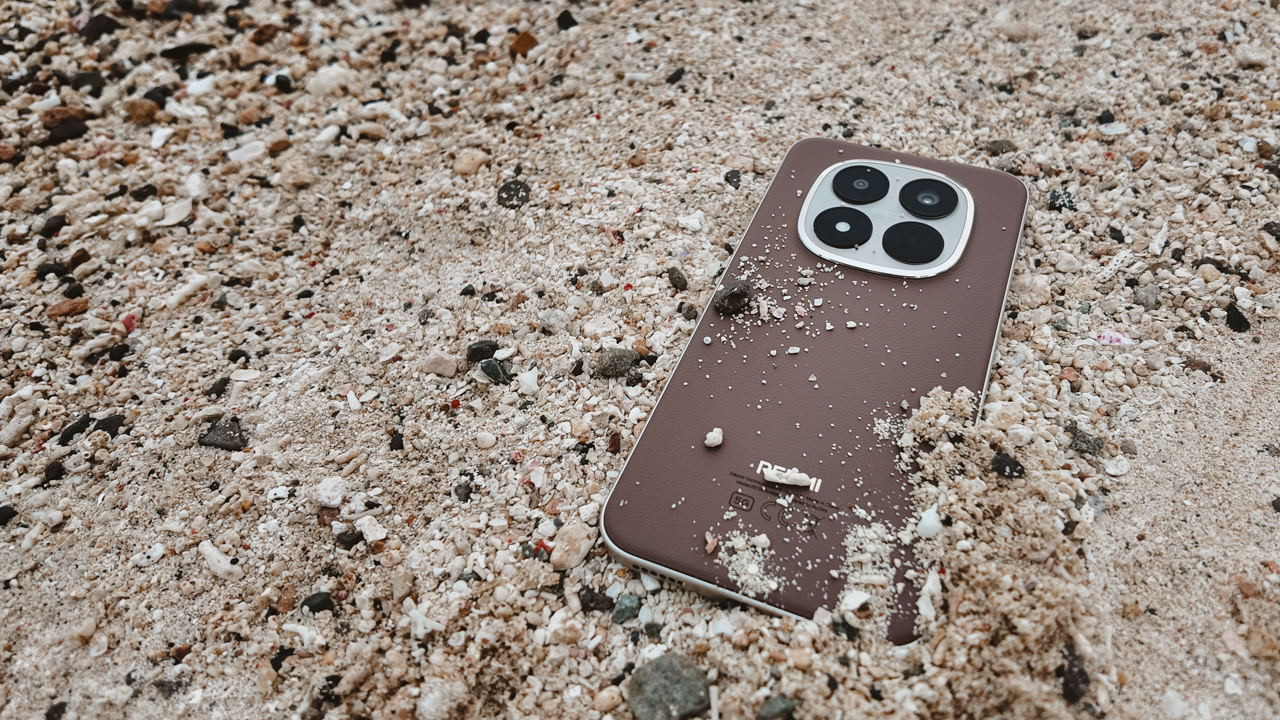
In this world, “toughness” becomes more than just a marketing buzzword. Now, it’s a requirement for survival. That’s why the partnership between Spartan Race Philippines and the REDMI Note 15 Series feels like a shared philosophy.
Partner for a tough course
Starting March 21, 2026, at Parklinks, Pasig City, the REDMI Note 15 Series officially joins the Spartan circuit.
For someone who has navigated these obstacles for years, I know that technology usually doesn’t belong in the mud. But the “Titan Tough” promise of the REDMI Note 15 is built for this exact routine.
It’s designed to be there for the moments that matter. For capturing the raw, unpolished triumph of the finish line; for surviving the grit of the course so you can focus on the next hurdle; and for finding the device at the heart of the festival area and the winner’s circle, mirroring the resilience of the athletes themselves.
Join the journey
Whether you are a seasoned elite racer or stepping into your first Open heat, this season is about testing your limits.
To help you get to that starting line, you can use the discount code REDMINOTE15 to get 10% OFF on all Spartan Race OCR, Spartan Kids Race, and Hurricane Heat events.
See you at the starting line. AROO!

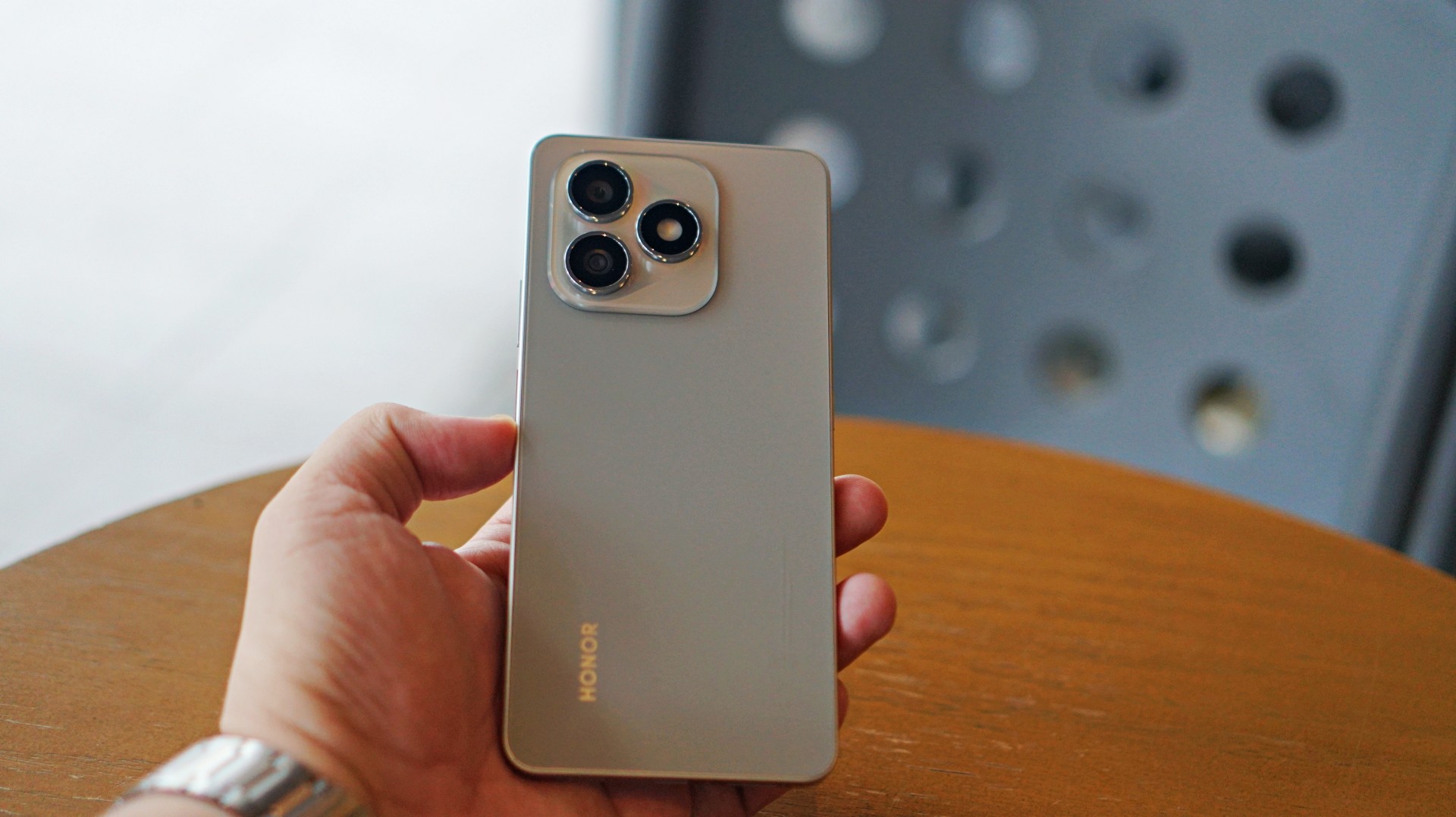
HONOR Philippines has launched its latest mass-market smartphone entry that caters to students and the youthful market in general: the HONOR X8d.
The budget smartphone is priced at PhP 15,999 and is available in Blue, Velvet Black, and Velvet Grey colors.
As part of launch offers, those who pre-order until March 27 can get a free accessory and can also avail of 0% installment plans via credit cards and Home Credit.
Customers can get the device through Lazada, Shopee, and HONOR stores.
REVIEW: The HONOR X8d is serviceable
The HONOR X8d is powered by a Snapdragon 6s 4G Gen 2 processor and comes with 8GB of RAM (plus 8GB expansion) and 256GB of storage.
It has a large 7,000mAh battery which supports 45W charging, making it a very long-lasting daily value companion.
The device features a 6.77-inch 120Hz display which has up to 3,000 nits of brightness, making it useful for practical situations.
The handset comes with usual display certifications and protections, including 3840Hz PWM dimming, E-Book mode, SGS drop resistance, and an IP65 rating.
For its cameras, the X8d has a 108MP main camera, plus a 16MP front camera. The main shooter can capture decent quality at 1x, 2x, and 3x zoom ranges.
There are also handy AI editing tools like AI Eraser, AI Cutout, and AI Upscale.
Out of the box, the HONOR X8d runs on MagicOS 10 based on Android 16. It also has staple productivity tools like AI Translate, AI Writing, AI Notes, and AI Recorder, alongside features such as Magic Portal and Circle to Search.




Now Playing: Hoppers

Jackery SolarSaga series: Free power for small devices

UGREEN adds new Nexode Pro power bank, charger to lineup

nubia to launch new Neo 5 series gaming phones on March 28

SHINOBI: Art of Vengeance’s SEGA Villains Stage out on April 3


-

 Reviews5 days ago
POCO X8 Pro Max review: A new beast from the far east
-

 News5 days ago
POCO X8 Pro Series: Price, availability in the Philippines
-

 Laptops2 weeks ago
Apple MacBook Neo Review
-

 Computers2 weeks ago
GIGABYTE collaborates with Capcom for RE Requiem custom PC
-

 Apps1 week ago
Google Maps is finally getting a 3D mode
-

 Entertainment2 weeks ago
The internet is thirsting over the One Piece Season 2 cast
-

 Features1 week ago
Galaxy AI on the Samsung Galaxy S26 Ultra
-

 Automotive2 weeks ago
BYD is reportedly considering an F1 team