
Philippines
Xiaomi 15, more launched in the Philippines
Local pricing, availability

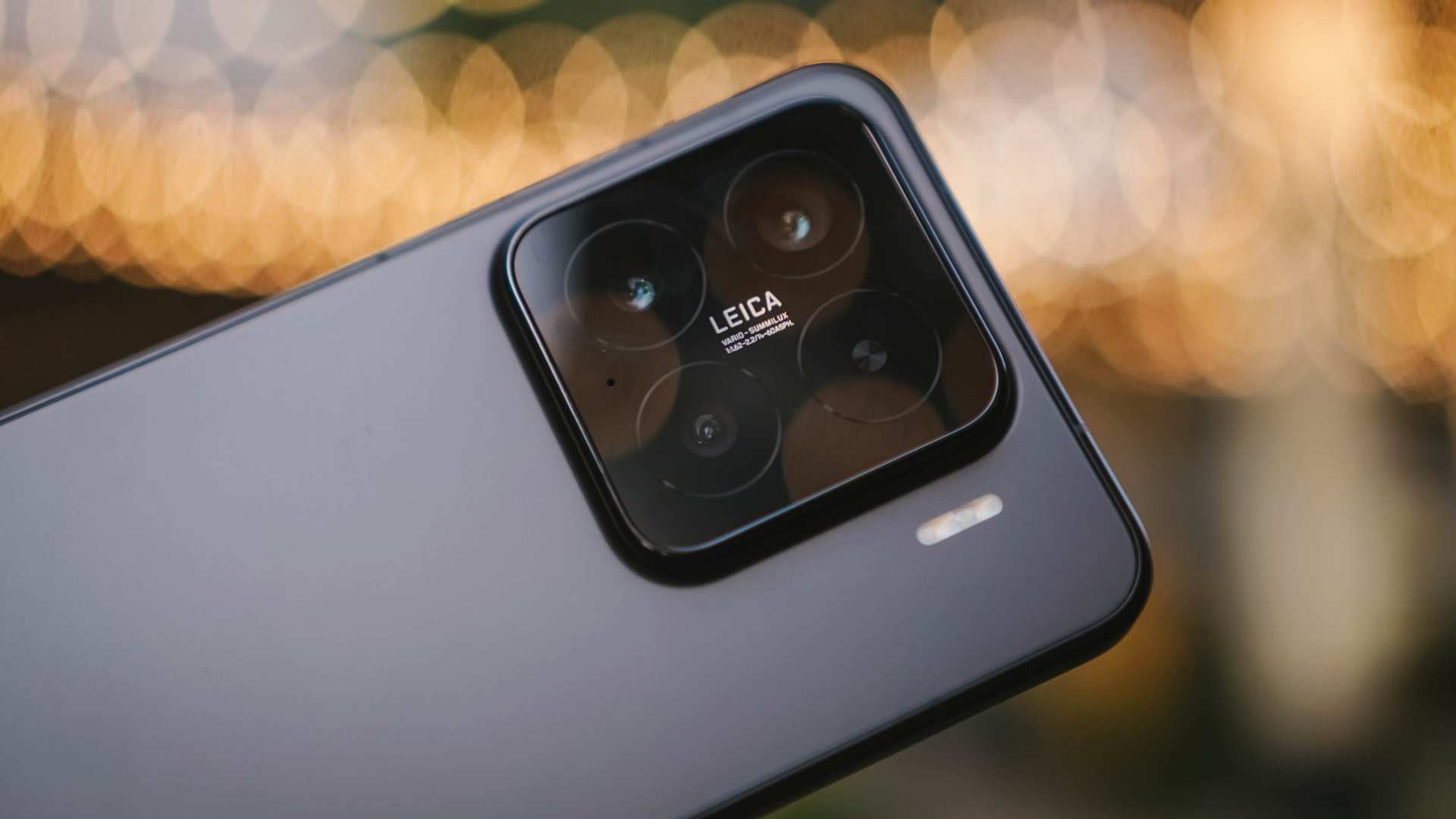
Xiaomi has made the Xiaomi 15 series available in the Philippines on Thursday, just a few days after the flagship smartphones were launched globally at the MWC 2025 in Barcelona.
Like Xiaomi Philippines did with the Xiaomi 14, only the Xiaomi 15 variant has been made available locally.
There are two storage configurations: the 12GB+256GB retails for PhP 45,999 while those who want to get twice the storage will have to shell out PhP 49,999.
Customers can choose from green, white, and black colorways. The phones will include a free Redmi Pad SE 8.7″ when customers preorder via Lazada or Shopee.
The 512GB variant, meanwhile, comes with the following when preordered from March 7 to 13:
- 1+1 year extended warranty
- VIP Service in Exclusive Service Centers
- 6 months of Google One (100GB storage)
- 4 months of Spotify Premium
- Xiaomi Gift Box
- Instant Photo Printer
The Xiaomi 15 series continues Xiaomi’s partnership with Leica, offering customers pinnacle-level mobile photography and even videography.
It also introduces Xiaomi HyperOS 2, and a slew of AI-powered features to elevate the usage experience further, like AI Writing, AI Search, AI Art, real-time subtitles, and more.
Xiaomi 15 specs and features
Unveiled during an exclusive event, the Xiaomi 15 features three Leica Summilux cameras on the rear:
- 50MP f/1.62 Leica Light Fusion 900 main camera (23mm), OIS
- 50MP f/2.0 Leica floating telephoto camera (60mm), OIS
- 50MP f/2.2 Leica ultra-wide camera (14mm), 115-degree POV
A 32MP selfie camera in front completes the camera package. The telephoto camera can double as a macro shooter for subjects as close as 10cm.
For those into filming or content creation, the Xiaomi 15 can record up to 8K quality at 30fps, and up to 4K at 60fps. They can also shoot in log format or HDR Dolby Vision.
The Xiaomi 15, like its Ultra counterpart, is powered by a Snapdragon 8 Elite mobile platform. They are the first Xiaomi flagships to sport the aforementioned processor. The phones support Wi-Fi 7 and Bluetooth 6 connectivity.
The phone also equipped with the company’s IceLoop cooling system. In addition, it has a 5,240mAh battery which supports 90W wired HyperCharge and 50W wireless charging.
In front, the device sports a 6.36-inch AMOLED display with dynamic 1-120Hz refresh rate. This panel supports Dolby Vision and HDR10+. It also has a maximum brightness of 3,200nits, and comes with various eye comfort-related certifications.
Design wise, the IP68-rated Xiaomi 15 has a slightly-curved frame, with the volcano-inspired camera deco protruding slightly. It also has a narrower bezel on all four sides for better immersion.
Xiaomi HyperOS 2
Making the Xiaomi 15 a lot better than its predecessor is the latest Xiaomi HyperOS 2 platform, which introduces Xiaomi HyperCore, HyperConnect, and HyperAI.
These give users an enhanced mobile experience in functionality, system fluidity, cross-platform connectivity, security, privacy, and access to next-generation AI interactions and productivity tools.
Under HyperAI are AI Writing and AI Speech Recognition to boost efficiency. The AI Creativity Assistant, meanwhile, offers next-generation photographic and videography tools, like AI Image Enhancement, AI Eraser Pro, AI Film, and more.
And as part of a collaboration with Google, Xiaomi’s latest handsets come with Google Gemini, which can find and take actions across Xiaomi apps. Users can utilize Gemini for Xiaomi Notes, Calendar, and Clock for the first time.
Private Cloud Connect powered by Google Cloud also ensures security with multiple layers of encryption whenever using the Xiaomi 15.
New Xiaomi wearables, more
In addition to the Xiaomi 15, Xiaomi also unveiled new wearables now available for purchase in the Philippines: the Xiaomi Buds 5 Pro, Xiaomi Watch S4 and Smart Band 9 Pro.
They come with the following price tags:
- Buds 5 Pro: PhP 9,599
- Watch S4 (White, Rainbow, Black): Starts at PhP 7,799 (Starting March 14)
- Smart Band 9 Pro (Silver, Black, Rose Gold): Starts at PhP 4,299
The Xiaomi Pad 7 Series was also unveiled, together with its Focus Pro Keyboard and Focus Pen.
The Pad 7 retails for the following discounted prices until March 16 via Lazada and Shopee:
- 8GB+128GB: PhP 17,999 (from 19,999)
- 8GB+256GB: PhP 21,499 (from 22,499)
On the other hand, the Pad 7 Pro is priced at:
- 8GB+128GB: PhP 27,999 (from 29,999)
- 8GB+256GB: PhP 23,999 (from 33,999)
The accessories, meanwhile, can be purchased for 30% off until March 16 as well.
REVIEW: The Xiaomi Pad 7 Pro is an 11-inch treat
Lastly, the Xiaomi Electric Scooter 5 Max and a new 212W HyperCharge Power Bank were both rolled out as well.
The e-scooter will be available for PhP 32,999 while the 24,500mAh power bank is priced at PhP 4,599.






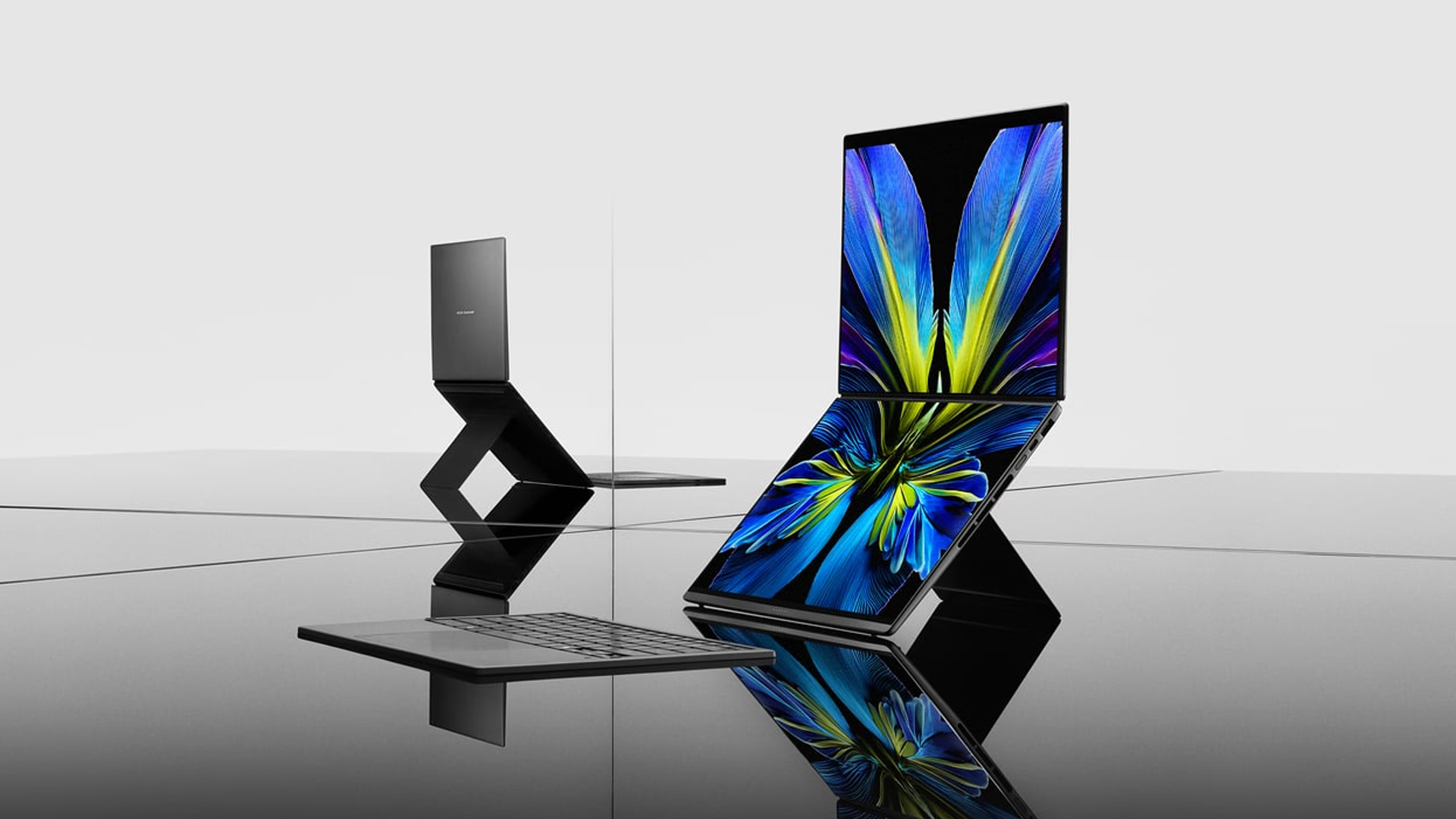
At CES 2026, ASUS unveiled an exciting lineup of notebooks headed for launch throughout the year. Earlier this month, the brand finally launched the latest Zenbooks built for maximum portability. Now, ASUS has released the new Zenbook S16 and S14, plus the new Zenbook DUO, in the Philippines.
Zenbook S16, S14
Much like its predecessor, the latest Zenbook S16 is designed for ultra portability. In terms of thinness, the notebook measures only 1.1 centimeters. Plus, it weighs only 1.5 kilograms, making it a perfect addition to your daily kit. The Zenbook S14, on the other hand, weighs only 1.1 kilograms.
As is always expected from the Zenbook S lineup, both laptops will have a tactile Ceraluminum lid, bolstered by an EasyLift hinge for ease of use. It will also have an ErgoSense keyboard with dished keycaps.
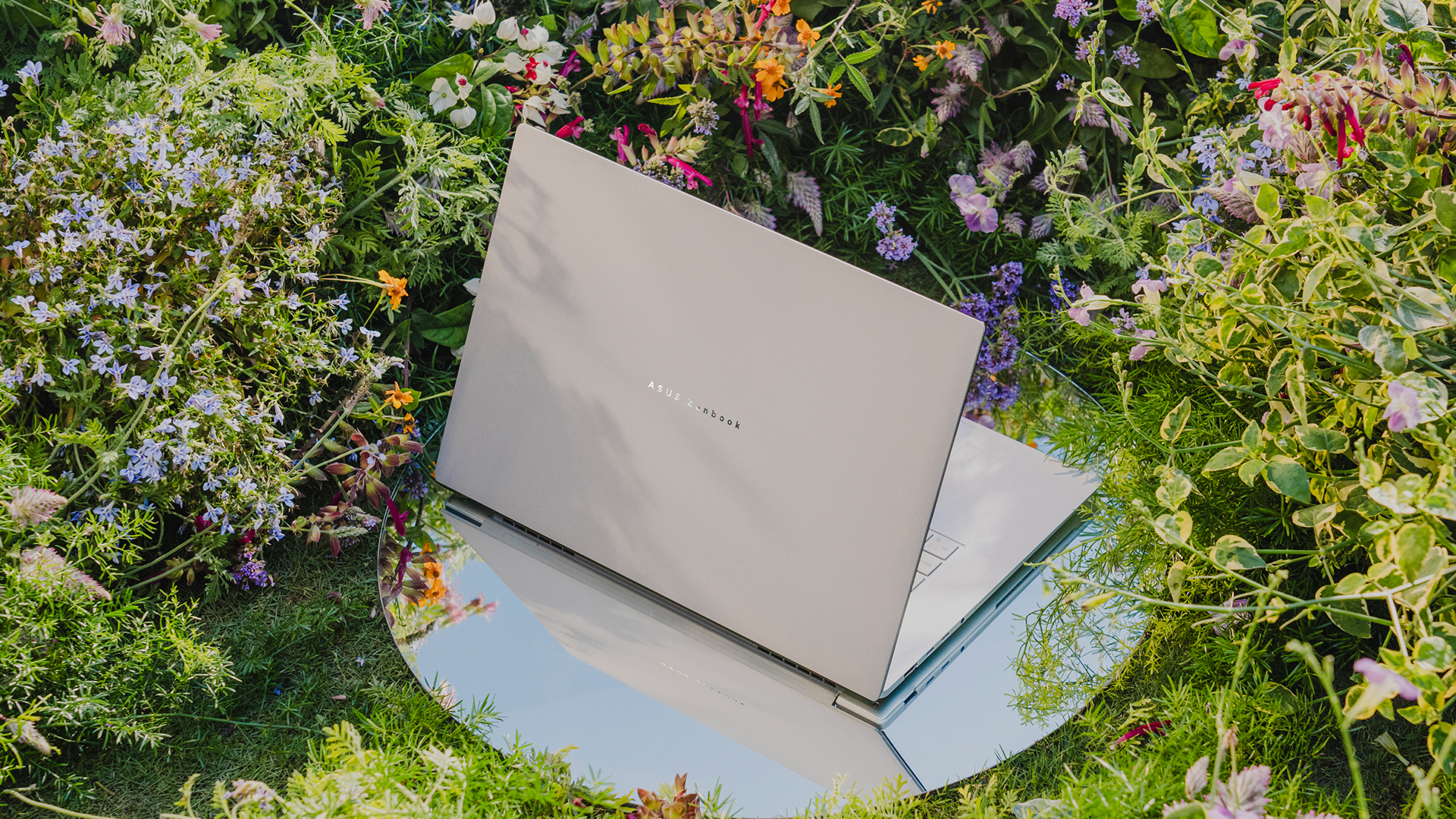
The 16- and 14-inch 3K ASUS Lumina OLED screen has touchscreen capabilities and a refresh rate of 120Hz. For audio, the S16 has a six-speaker Dolby Atmos system, including four front-firing tweeters and dual woofers. The S14 has four speakers.
Under the hood, the Zenbook S16 will sport an AMD Ryzen AI 9 465 chipset, while the Zenbook S14 has an Intel Core Ultra 9 Series 3 processor.
For battery, the S16 will have an 83 Wh battery, which can reportedly last over 21 hours, and the S14 has a 77 Wh battery.
Zenbook DUO
If portability isn’t your main focus, the new Zenbook DUO packs in two screens in one device. Though it packs a bit more punch the Zenbook S series, the dual-screen notebook still weighs only 1.65 kilograms.
The Zenbook DUO features the newest Intel Core Ultra 9 Series 3 processor, up to 32GB of memory, and up to 1TB of internal storage. This time, both screens have anti-reflective coating for a better viewing experience.
As with the previous generations of the DUO, this iteration comes with a detachable keyboard and a four different use cases including dual screen, laptop, desktop, and sharing modes.
Powering the beast is a huge 99Wh battery. ASUS says that this is the most they can pack inside without getting users in trouble at the airport.
Zenbook 14
To be clear, this is different from the Zenbook S14, but it bears a striking resemblance to that previous notebook, both in terms of design and hardware. For one, the new Zenbook 14 is 14.9mm thin and only 1.2kg light.
The 14-inch screen carries a WUXGA ASUS Lumina OLED display, putting out images in a 16:10 aspect ratio. The notebook also has an Ergosense keyboard and touchpad for more comfortable typing and more precise controls.
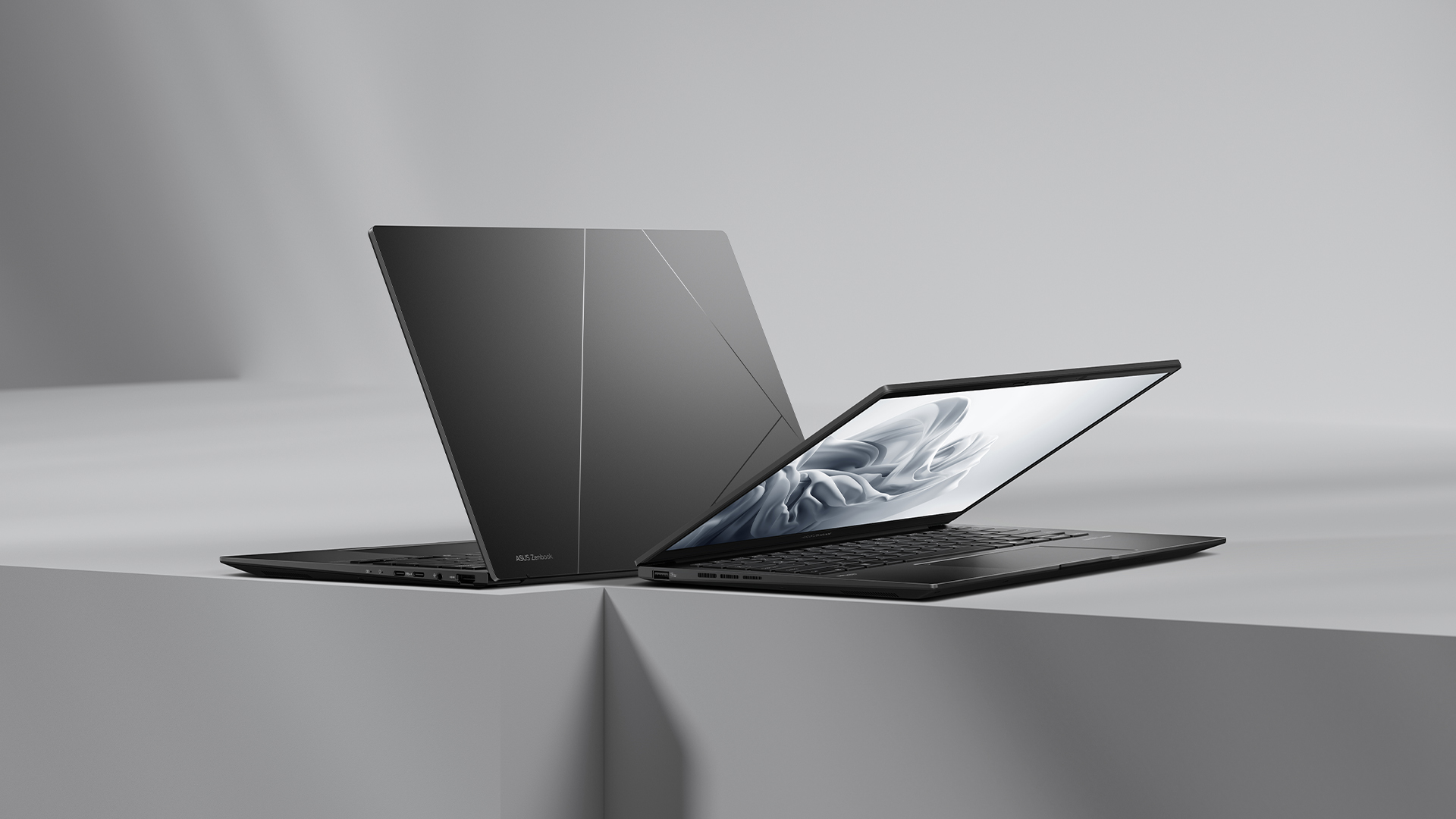
Under the hood, the Zenbook 14 trades the S14’s Intel chip for an AMD Ryzen AI 7 445 processor, capable of up to 50 TOPS. It will also have 16GB of RAM and 1TB of storage.
For battery, the notebook will have a 75 Wh battery, reportedly capable of lasting over 15 hours of unplugged use.
Zenbook A16
Embodying the spirit of “if it ain’t broke, don’t fix it,” the brand is also introducing a modest upgrade to the Zenbook A series.
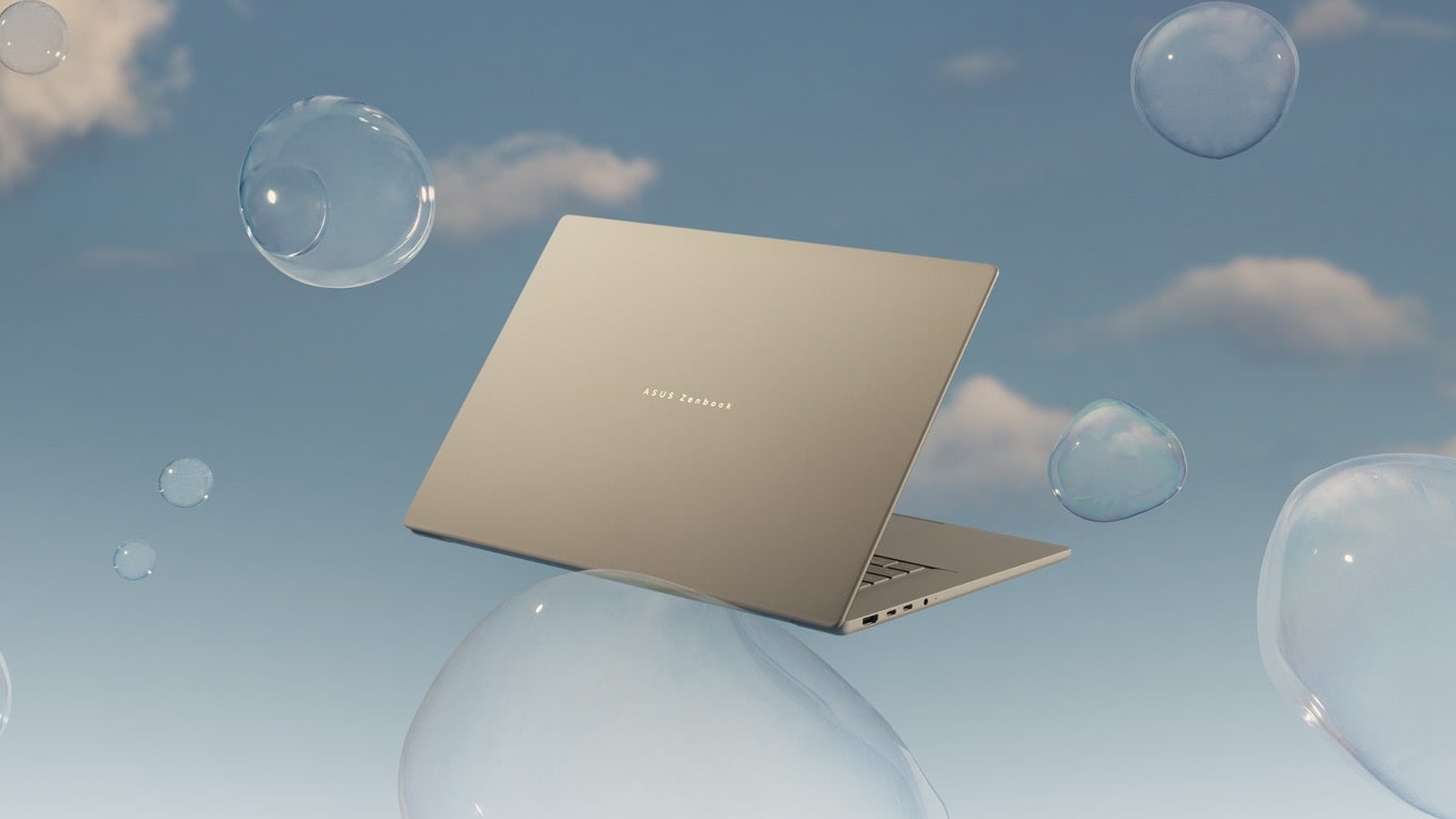
The new Zenbook A16 is only 1.2 kilograms in weight. Plus, with a 70Wh battery, the notebook can remain unplugged and outside for an entire day. The A16 comes with a 16-inch 3K 120Hz OLED screen and the Snapdragon X2 Elite Extreme.
Price, availability in the Philippines
The Zenbook S16 comes in Scandinavian White and starts at PhP 134,995. Meanwhile, the Zenbook S14 comes in Antrim Gray and sells for PhP 129,995.
The Zenbook DUO comes in Moher Gray and starts at PhP 179,995.
Meanwhile, the Zenbook 14 comes in Jade Black and sells for PhP 79,995.
Finally, the Zenbook A16 is coming soon.
News
Shokz OpenFit Pro launches at Power Mac Center, brings open-ear noise reduction
Open-ear, now quieter

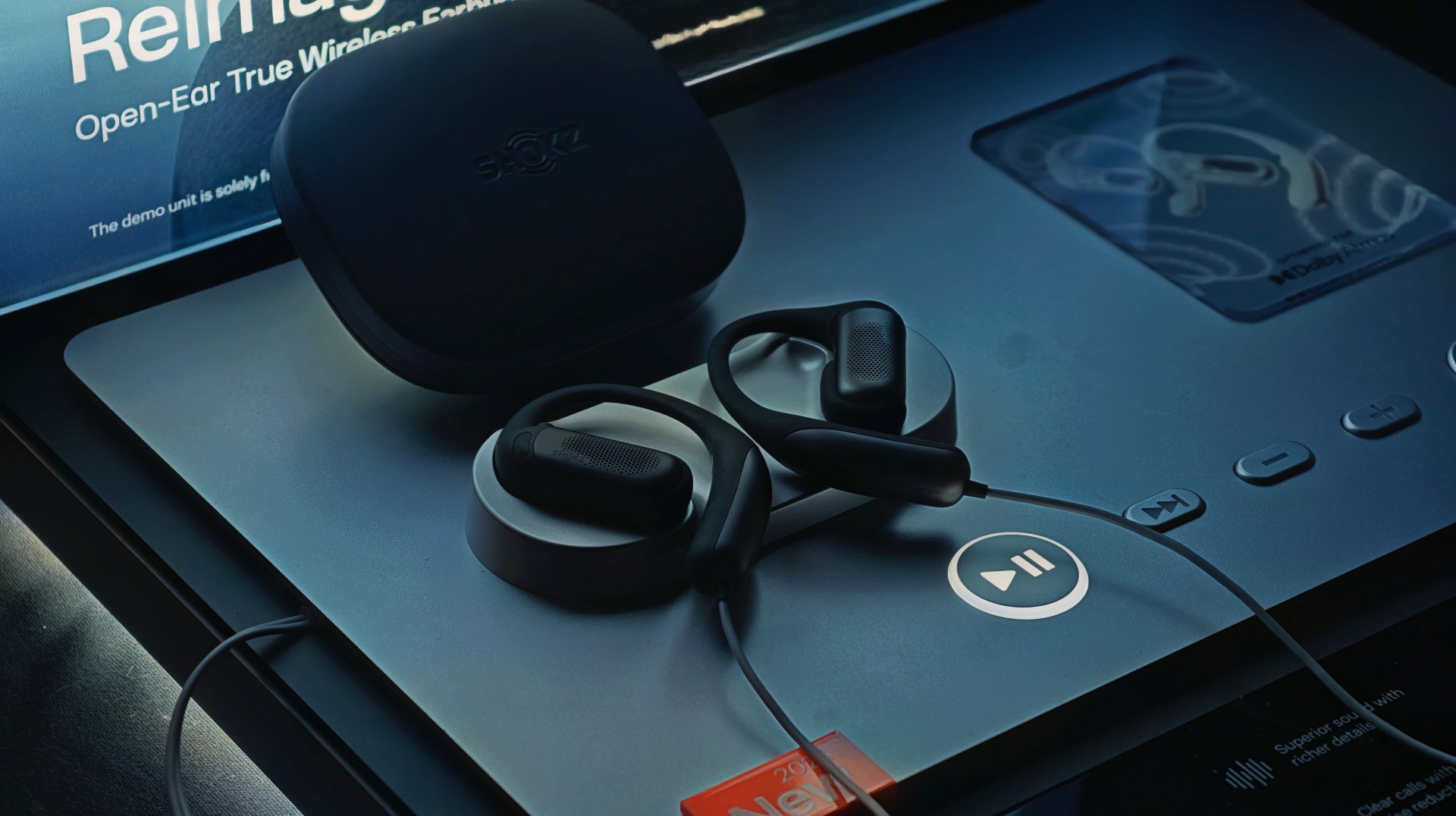
There’s a certain kind of listener this is built for. The kind who wants music on, but not the world off.
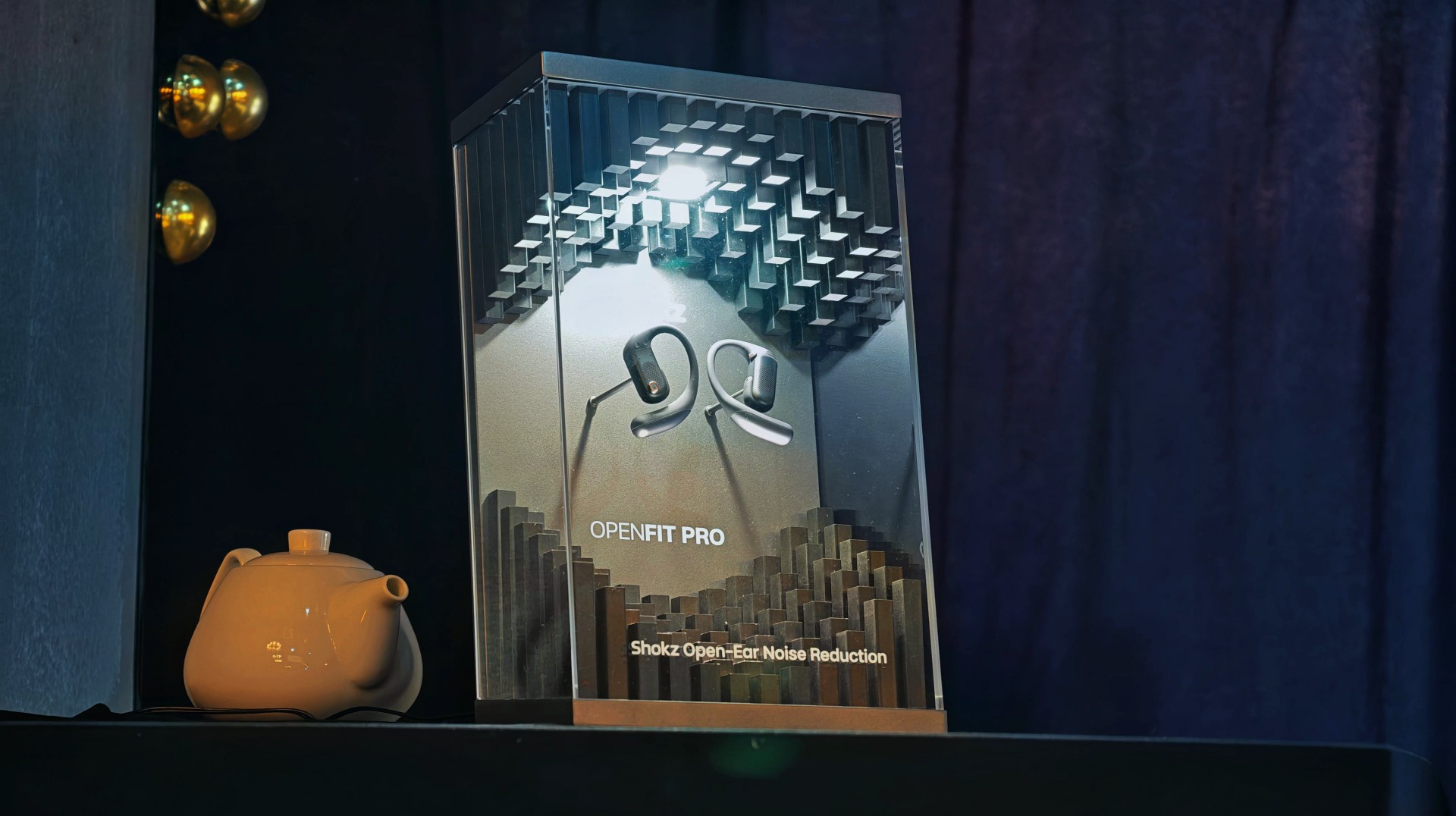
That’s exactly where the new Shokz OpenFit Pro steps in. Now officially available at Power Mac Center, the latest from Shokz pushes open-ear audio further with a feature that feels almost contradictory at first: noise reduction—without shutting you out.
It’s a balancing act. And from what we’ve seen at the launch, it’s one Shokz is leaning into hard.
Open-ear, but with focus when you need it

The headline feature here is Open-Ear Noise Reduction—a first for Shokz.
Instead of sealing your ears like traditional ANC earbuds, the OpenFit Pro keeps its signature open design. You still hear your surroundings, but now you can dial in a “focus mode” when things get too noisy.
It works through a triple-mic system paired with an ear-adaptive algorithm, which predicts in-ear noise and counters it with reverse sound waves. The result isn’t total silence, but a cleaner listening experience in places like offices, gyms, or busy streets.
It’s not about isolation. It’s about control.
Bigger sound, richer detail
Shokz is also going after better sound this time.
The OpenFit Pro uses a new Shokz SuperBoost™ dual-diaphragm driver, designed to deliver deeper bass and more detailed highs while keeping distortion low. The 11 × 20 mm driver performs like a larger speaker, giving it more room to breathe compared to typical open-ear buds.
There’s also Dolby Atmos support with head tracking, adding a more immersive layer—especially for supported content.
Built to stay on, all day
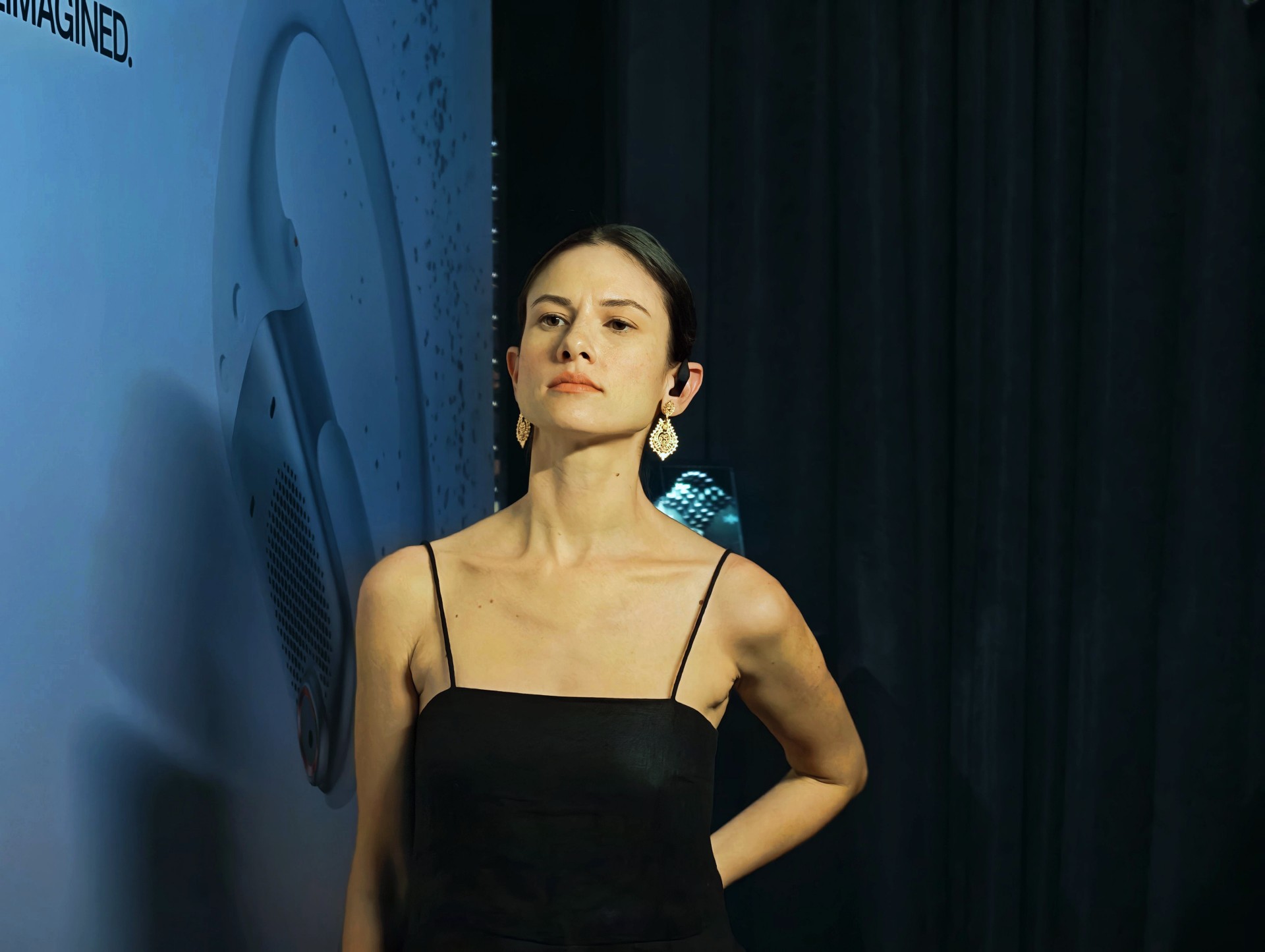
Comfort is still a big part of the pitch.
The earbuds use Ultra-Soft Silicone 2.0 and a flexible nickel-titanium ear hook that adapts to different ear shapes. They’re designed to stay secure whether you’re working out, walking, or just going through your day.
The build leans premium too, with an ultra-slim aluminum unibody design that keeps things lightweight and clean.
Calls, battery, and everyday extras

On the practical side, the OpenFit Pro checks a lot of boxes:
- AI-powered triple-mic system for clearer calls (with wind resistance up to 25 km/h)
- Up to 50 hours total battery with the case
- Up to 12 hours listening time (6 hours with noise reduction on)
- 10-minute quick charge = up to 4 hours playback
- Qi wireless charging support
- Multipoint pairing, smart wear detection, and Bluetooth 6.1
It’s also IP55-rated, making it suitable for workouts and light rain.
A different take on listening
Open-ear audio has always been about awareness and comfort.
With the OpenFit Pro, Shokz is trying to add a third layer: focus on demand.
It doesn’t replace traditional noise-cancelling earbuds. It doesn’t try to. Instead, it gives you the option to stay present—while still tuning the noise down when it matters. And for a lot of people, that might be the better everyday choice.
Price and availability
The Shokz OpenFit Pro retails for Php 14,990 or PhP 2498.33/mo for six months with select credit cards. It’s available in Power Mac Center locations nationwide.
Gaming
God of War: Sons of Sparta takes a more contained approach to Kratos
Filipino devs were part of it.

There’s a version of God of War that lives in most people’s heads. It’s loud. Cinematic. Heavy with consequence. The kind of game that feels bigger than you.
God of War: Sons of Sparta isn’t that. At least, not in the way you expect.
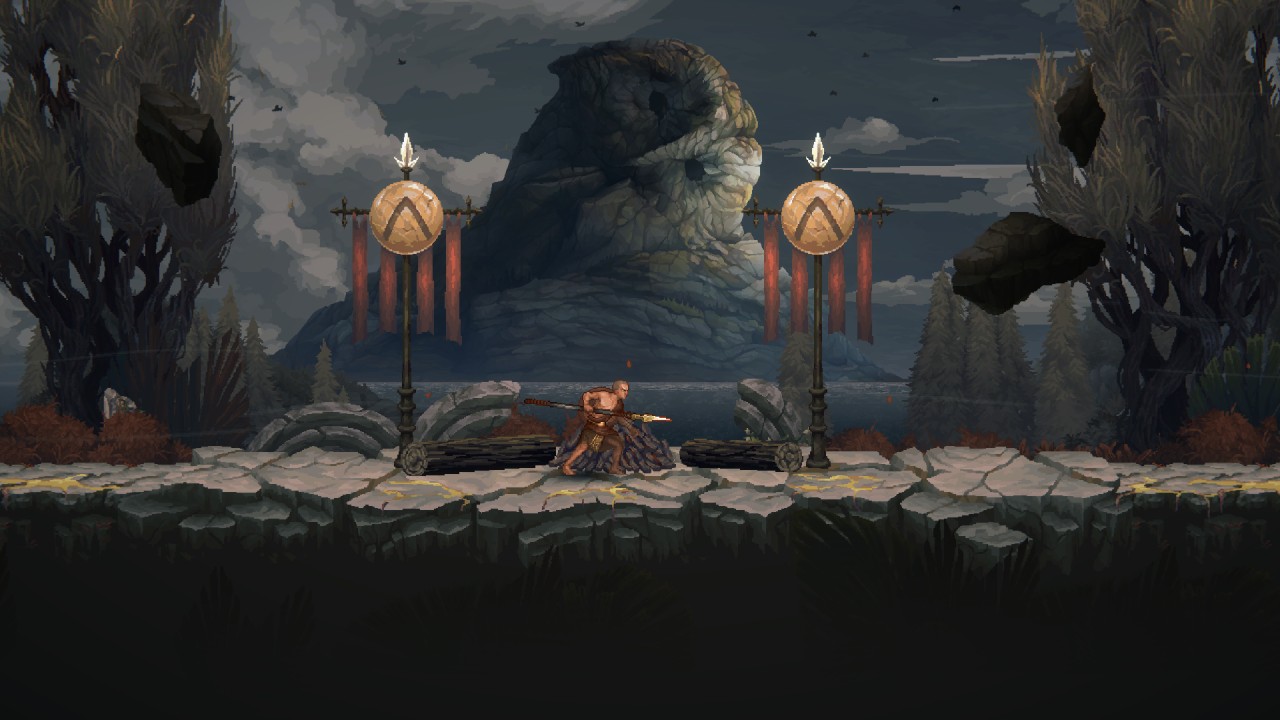
It’s more contained. 2D. Pixel art. But spend a little time with it, and you start to see what it’s trying to do. Not replace the modern games. Not outdo them.
Just… revisit something familiar from a different angle.
A different take on Kratos
Instead of gods and world-ending stakes, Sons of Sparta focuses on Kratos earlier in his life, training as a Spartan alongside Deimos. It’s more contained. More personal.
You’re still fighting through brutal encounters. But the framing feels different. Less about destiny, more about who Kratos was before everything spiraled. And somehow, even in pixel form, it still feels like God of War.
Where Filipino developers come in
One of the more interesting parts of this project is how it came together.
Mega Cat Studios worked closely with Santa Monica Studio to build the game. That includes a strong presence from their Philippine team.
But it’s not framed as a separate unit.
“There is no separation between Mega Cat Pittsburgh and Mega Cat Philippines,” says Art Director Janley Clavio.
“We operate as one phalanx, and were part of the game from the beginning.”
That last part shifts the narrative from “support work” to actual collaboration.

The kind of work you feel more than you see
The team contributed to environment art, asset production, and overall polish across different areas of the game. Not the flashy headline stuff. But the kind that shapes how the game feels moment to moment.
“Our work supports the player experience without pulling attention away from the story,” Clavio explains.
Think temple interiors and ruined battlefields. Small details that hint at what happened in a place before you got there. It’s subtle. But it adds up.
Staying true to God of War—even in 2D
Working on God of War comes with a certain weight. Fans know how this world is supposed to look and feel. So, even if Sons of Sparta shifts genres, the expectation doesn’t really change.
“We had to make sure it wasn’t just any retro pixel art game—it had to be a God of War pixel art game,” Clavio says.
That meant studying the details. How materials look. How lighting behaves. How environments guide you. And then translating all of that into something simpler—but still recognizable.
A team that knows when to hold back
One thing that stands out from the conversation is restraint. There’s an understanding that when you’re working on something like God of War, you don’t need to reinvent everything. You just need to get it right.
“When you’re working on something fans already love, your job is to enhance it—not reinvent it.”
That mindset shows up across the game. It respects what came before, but still finds space to do its own thing.

Small details, personal touches
There are also a few quiet nods tucked into the game. Nothing too obvious. Nothing that breaks immersion. But enough for the team to leave their mark.
“For our Filipino artists, it’s a point of pride knowing that a little piece of our culture helped shape a world millions of players will explore.”
It’s not something the game calls attention to. But it’s there.
Not just another spin-off
Sons of Sparta is easy to label as a side project. And sure, it kind of is.
But it’s also a good example of what happens when different teams come together with a clear understanding of what they’re building.
A more contained God of War game that still feels like it belongs. A different perspective on a familiar story. And a project where Filipino developers weren’t just involved. They were part of the process from the start.
It doesn’t try to be the biggest entry in the series. And honestly, it doesn’t need to be.


Galaxy Buds4 Pro review: I thought I was done with in-ears
This Buds4 you


WWE 2K26 lets you live out all the fantasy matches you could want
But you have to play for hours and hours to unlock everyone.

The HONOR X8d is serviceable
Steady but slow?

ASUS launches Zenbook DUO and S14 in the Philippines

Logitech G debuts PRO X2 SUPERSTRIKE with faster click tech

More iPhone switchers this year than Android switchers, report says

Marvel’s Wonder Man greenlit for a rare second season

Apple’s WWDC 2026 will be from June 8 to 12


-

 Reviews1 week ago
POCO X8 Pro Max review: A new beast from the far east
-

 News1 week ago
POCO X8 Pro Series: Price, availability in the Philippines
-

 Laptops2 weeks ago
Apple MacBook Neo Review
-

 Features2 weeks ago
Galaxy AI on the Samsung Galaxy S26 Ultra
-

 Apps2 weeks ago
Google Maps is finally getting a 3D mode
-

 Entertainment2 weeks ago
The internet is thirsting over the One Piece Season 2 cast
-

 Reviews1 week ago
POCO X8 Pro Iron Man Edition review: Midrange phone in superhero armor
-
 Reviews1 week ago
Samsung Galaxy S26 Ultra review: A phone you live with