
News
Xiaomi debuts the XRING O1, their self-developed 3nm silicon chip
Powering both the Xiaomi 15S Pro and Xiaomi Pad 7 Ultra

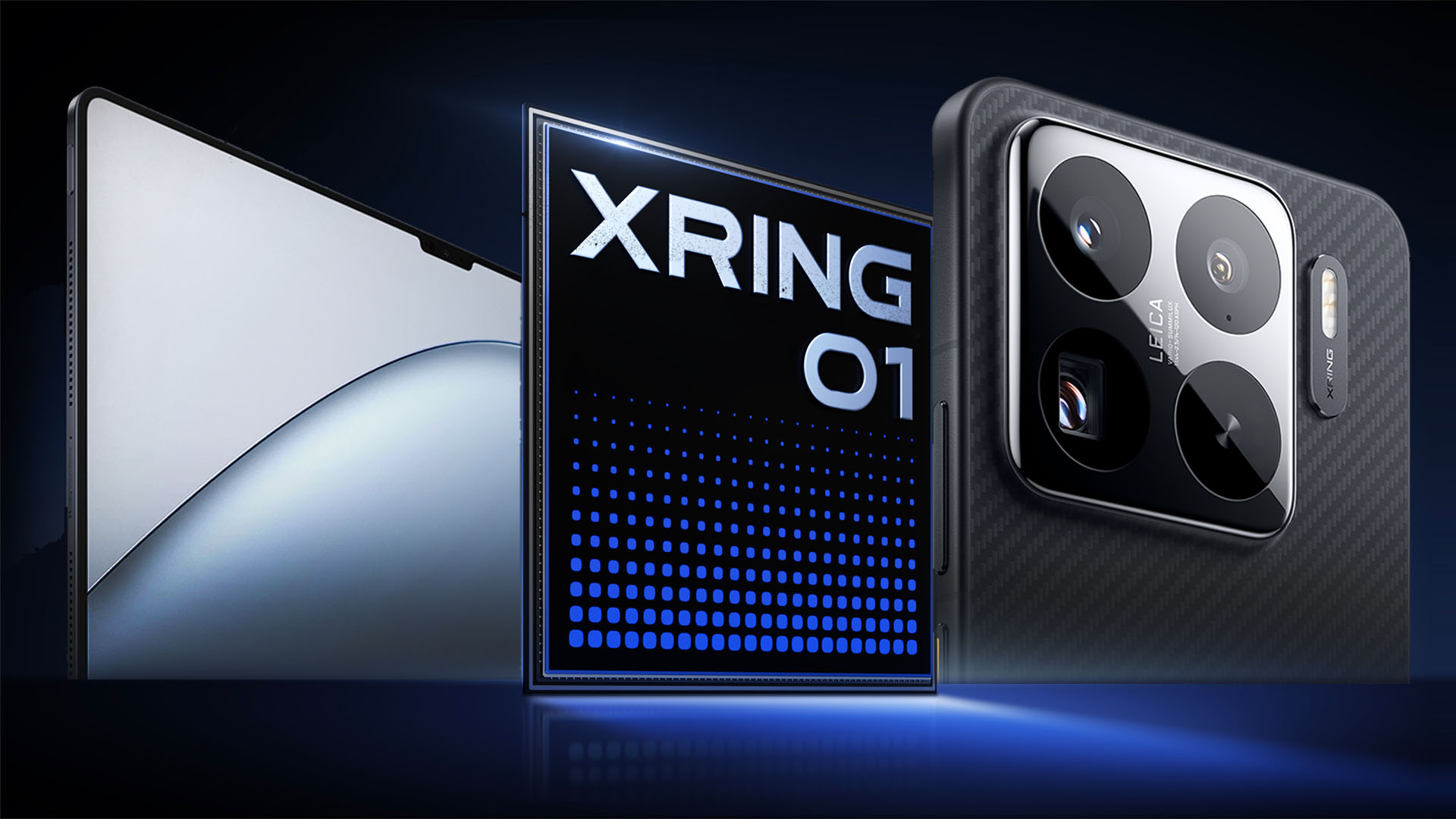
As the world continues to revolve, tech innovations evolve further. This is where Xiaomi has decided to take all the guts against all odds.
From having a plethora of smart appliances to manufacturing their own EVs, the homegrown brand has finally made their very first self-developed Silicon chips for their new devices. Meet the Xiaomi XRING.
First take: Xiaomi Silicon
We know by now that Xiaomi isn’t the first-ever Chinese brand to develop their own chips. The crown definitely goes to its closest rival, HUAWEI with its Kirin chips. However, it’s still a great milestone for the Chinese giant to bring in their own Silicon chip for mass production.
The XRING O1 is the brand’s first-ever SoC that’s based on a 2nd-gen 3nm process — even powerful than what its Chinese competitor offers.

That makes the XRING O1 stand in the same league as Apple’s A18 Pro equipped in the latest iPhone 16 Pro series, as well as Qualcomm’s Snapdragon 8 Elite chip found on most Android flagships — the Xiaomi 15 Pro not an exemption.
Xiaomi’s new Silicon SoC features a 10-core CPU with dual Cortex-X925 cores at 3.9GHz, 16-core Immortalis-G925 GPU, 6-core NPU, and 19 billion transistors offering 44 TOPS for an enhanced and advanced AI processing. The brand’s 4th-generation ISP (Image Signal Processing) is also included.

Other than that, Xiaomi has also introduced the XRING T1 that enables eSIM support in future smartwatches. This self-developed chip also provides 35% better 4G performance with reduced power consumption when using the watch for voice calls and data.
There are also more features such as remote camera preview and smartphone-free control of Xiaomi EVs.
This will power Xiaomi’s 15th Anniversary Edition of the Watch S4 15th Anniversary Edition.
Rebadged: Xiaomi 15S Pro
The Xiaomi 15S Pro is the first-ever smartphone to run the XRING O1 SoC. The new cooling design, four dynamic low-power modes, and a dedicated micro-control unit all make for a boosted heat dissipation by 30%.
In a nutshell, it’s just a rebadged Xiaomi 15 Pro with the XRING chip. But to spice things up more than its in-house chipset, the 15S Pro is offered in two new finishes.

There’s the Composite Fiber Edition made with aramid fiber in a carbon fiber-like texture. Meanwhile, there’s the Sky Blue colorway that incorporates a matte fiberglass back. It also adds more premium embellishments such as the “XRING” nameplate, gold-accented CNC power key, and an exclusive packaging.
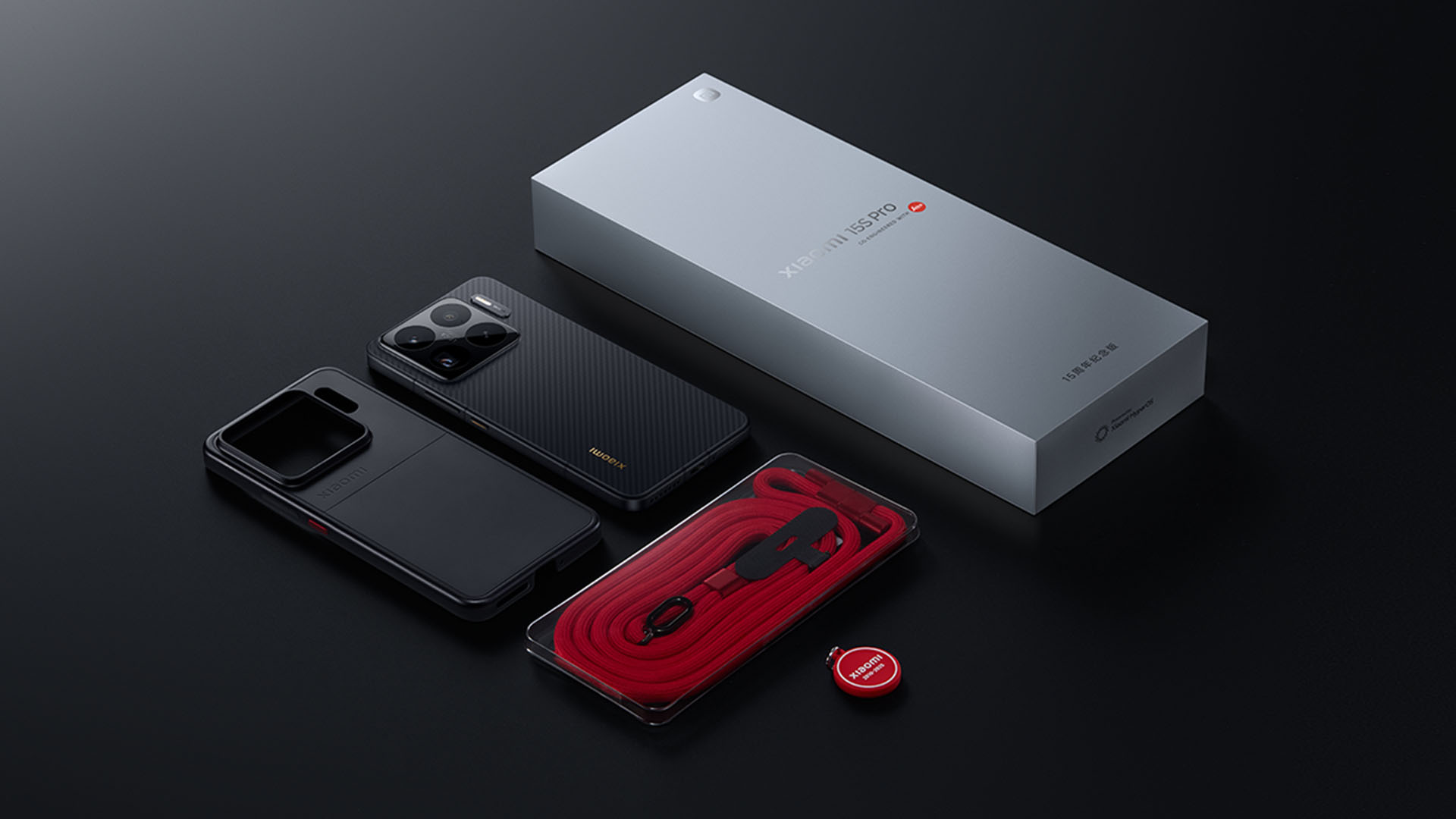
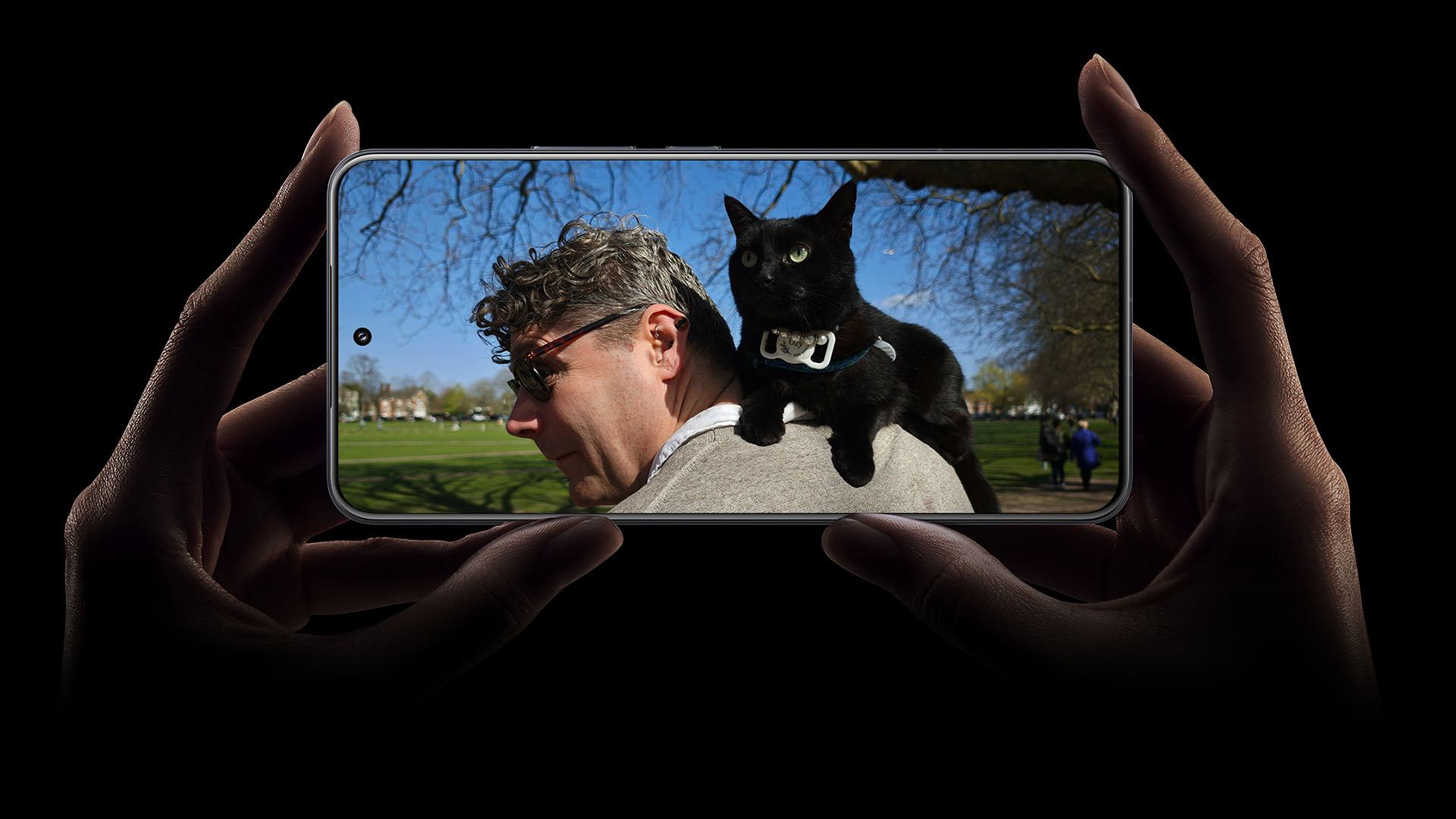
All the great things from the Xiaomi 15 Pro still remain such as the class-leading imaging with Leica Summilux triple-lens system, micro-curved 6.73-inch LTPO AMOLED 2K display, 6,100 mAh battery. Lastly, the speedy 90W wired HyperCharge and 50W wireless charging with Surge G1 battery management chip and a Surge P3 charging chip for better battery longevity.
The Xiaomi 15S Pro is being sold in China in two configurations:
- 16 + 512GB = CNY 5499 (US$ 765 / EUR 675 / GBP 570 / SG$ 985 / PhP 42,430 / INR 65,285)
- 16 + 1TB = CNY 5999 (US$ 835 / EUR 740 / GBP 620 / SG$ 1075 / PhP 46,290 / INR 71,220)
All-new: Xiaomi Pad 7 Ultra
Other than rocking Xiaomi’s first ever Silicon chip, the Xiaomi Pad 7 Ultra is also the company’s first “Ultra” tablet — and their first OLED tablet as well.
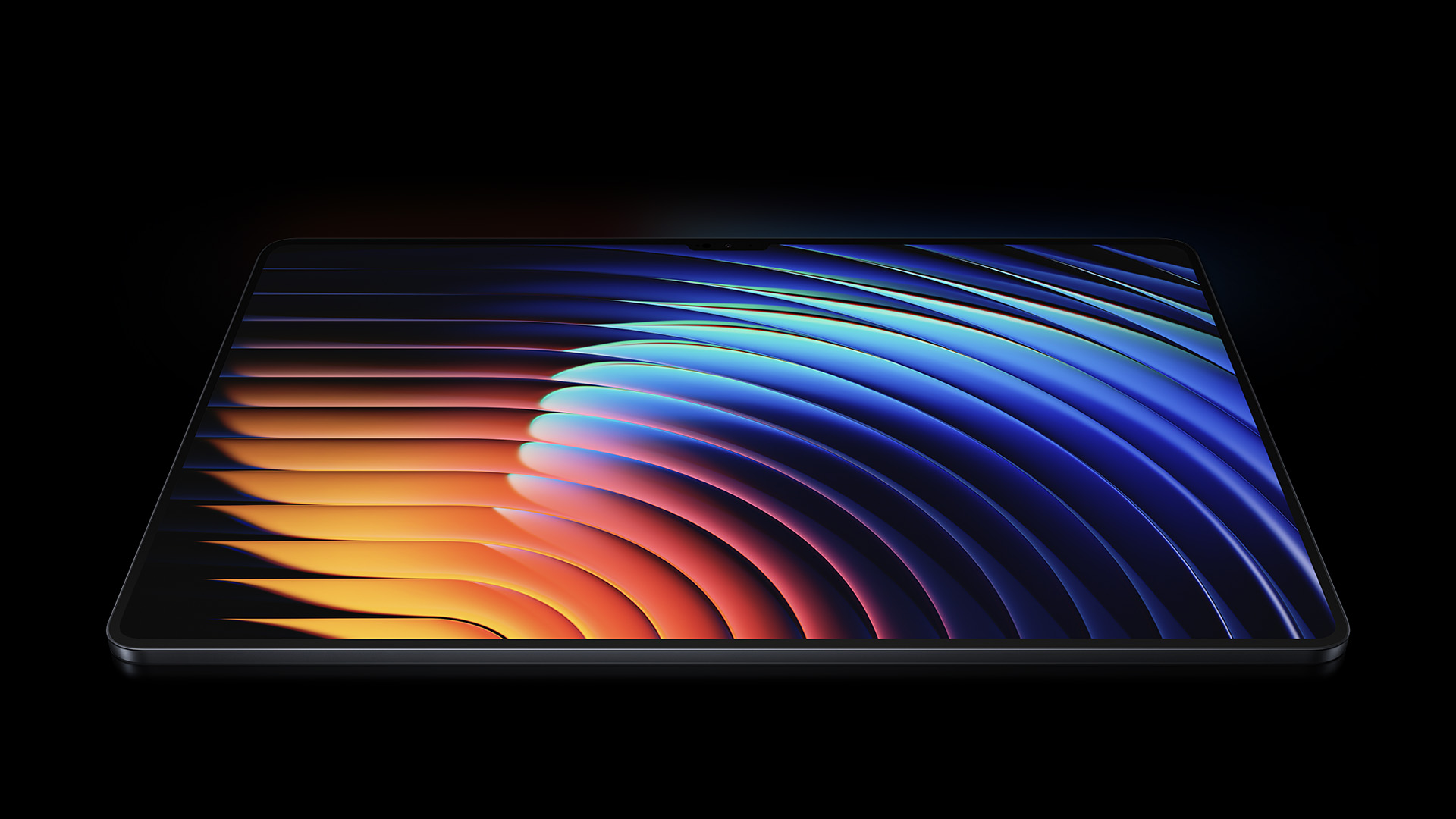
The first Xiaomi Ultra tablet boasts a massive 14-inch 3.2K OLED display with 1600 nits of peak brightness. Shockingly, its ultra-slim metal unibody is also 5.1 mm thin — much like the latest M4 iPad Pro 13-inch — and weighs just 609 grams with promised durability with its aerospace-grade structural reinforcement.
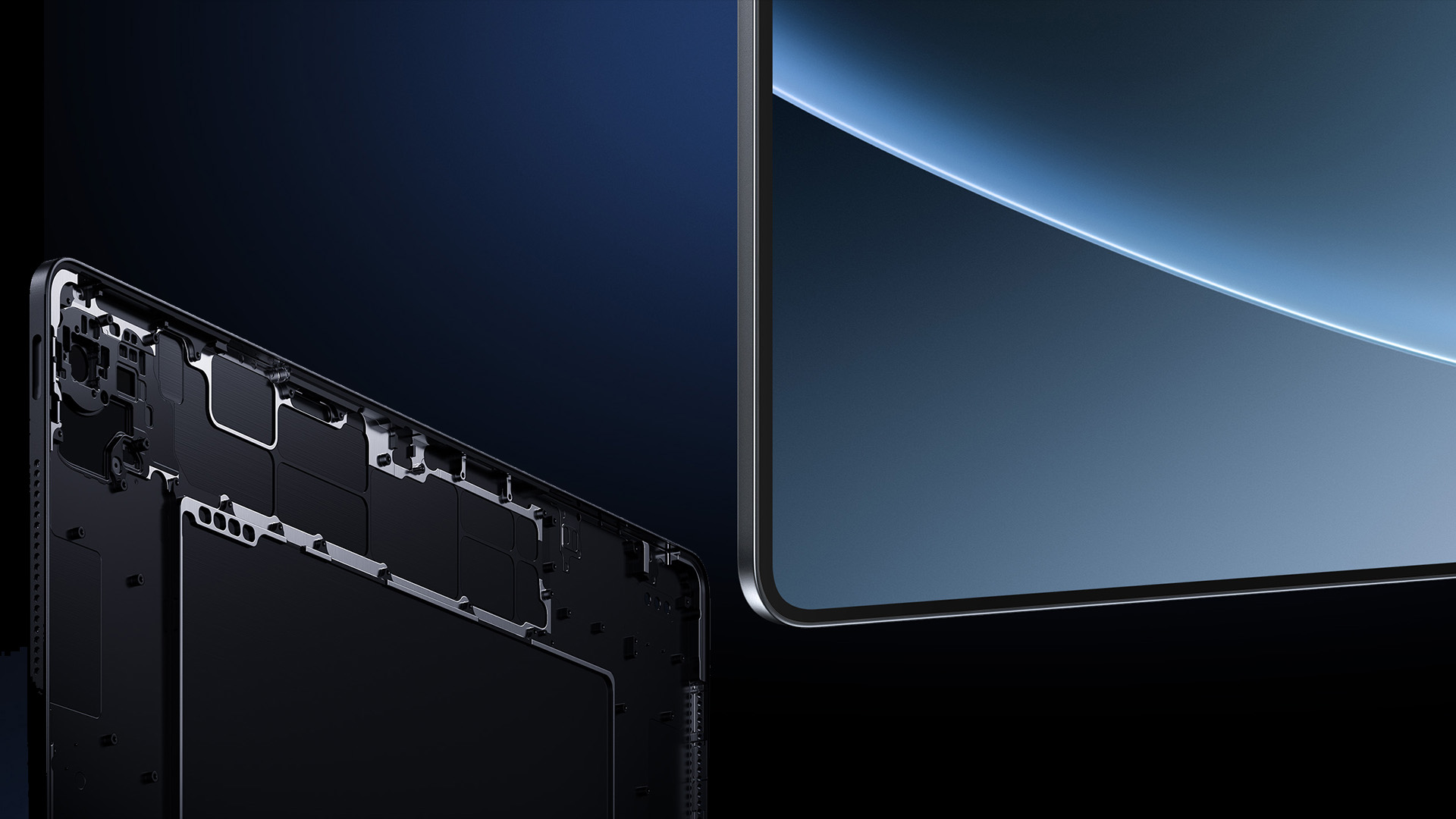
For the fullest entertainment, the Pad 7 Ultra has an eight-speaker sound system with 150W peak output. It also has a 32MP ultra-wide front camera and a 50MP rear camera.
Moreover, it has a 12,000mAh battery, 120W HyperCharge speeds, and Wi-Fi 7 support. Xiaomi’s Lab test says full charge enables up to 18.95 hours of continuous video playback. Meanwhile, standby time reaches 61 days and up to 528 days in ultra-power-saving standby mode.

All of these are backed by Xiaomi’s HyperOS 2. The revamped OS is even more optimized for tablets with better multitasking, cross-device integration, and a smoother, more seamless AI capabilities.

Lastly, there’s a special keyboard for the Xiaomi Pad 7 Ultra that is crafted from premium magnesium alloy. Angle adjustments are possible between 0 to 124-degrees all thanks to its smooth, precision-tuned hinge.
For a full-on PC-like experience, it has full-size backlit keys and an oversized haptic touchpad paired with multi-touch gestures and edge rejection.
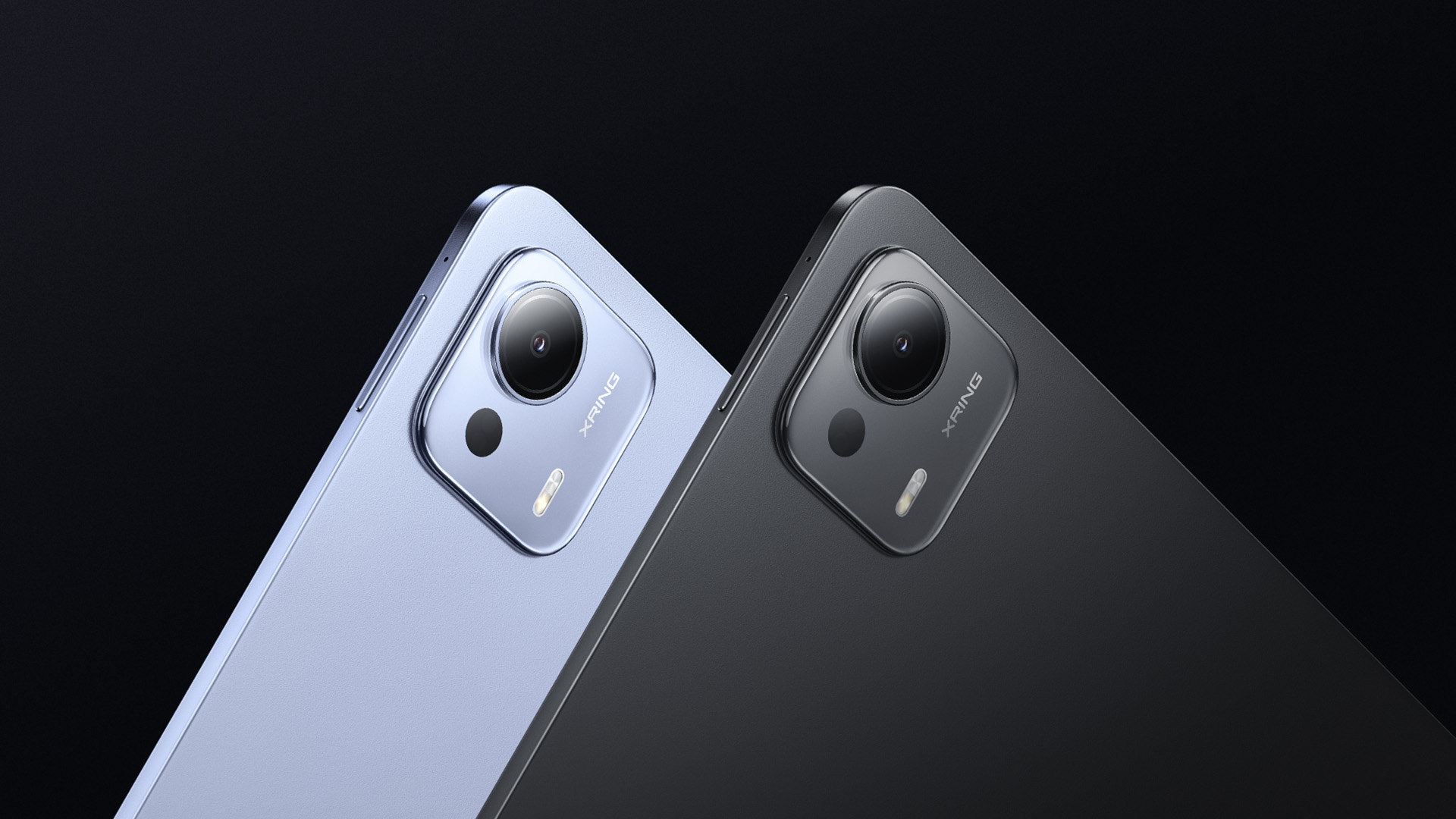
The Xiaomi Pad 7 Ultra is available in Misty Purple and Classic Black variants, alongside these configurations:
- 12 + 256GB = CNY 5699 (US$ 795 / EUR 700 / GBP 590 / SG$ 1020 / PhP 43,970 / INR 67,670)
- 12 + 512GB = CNY 5999 (US$ 835 / EUR 740 / GBP 620 / SG$ 1075 / PhP 46,290 / INR 71,220)
- 12 + 512GB Soft Light Edition = CNY 6599 (US$ 920 / EUR 810 / GBP 680 / SG$ 1185 / PhP 50,915 / INR 78,340)
- 16 + 1TB = CNY 6799 (US$ 945 / EUR 835 / GBP 700 / SG$ 1220 / PhP 52,460 / INR 80,715)
- 16 + 1TB Soft Light Edition = CNY 7399 (US$ 1030 / EUR 910 / GBP 765 / SG$ 1325 / PhP 57,090 / INR 87,840)
More & More: Ecosystem
Other than the groundbreaking announcements, Xiaomi has also announced a barrage of AIoT products in Beijing, China.
Mijia Fresh Air Conditioner Pro Dual-Outlet Vertical 3HP = CNY 8999 (US$ 1250 / EUR 1105 / GBP 930 / SG$ 1620 / PhP 69,440 / INR 106,840)
This is one of the two Mijia-branded air conditioners by Xiaomi. advanced dual-outlet, four-zone airflow system powered by dual millimeter-wave radar and intelligent algorithms.
It detects up to six people in the room and can adjust wind direction in real time with modes like “wind-follows-person” and “wind-avoids-person” for maximized comfort.

There’s also multi-directional zone control that eliminates the discomfort of direct airflow. Even so, a wide-angle air delivery of 160-degrees.
Health benefits wise, Xiaomi integrates its negative ion purification alongside a high-grade HEPA filter. This air conditioner can remove 99 percent of pollutants like PM2.5, bacteria, and even unwanted viruses.
Mijia Air Conditioner Pro SkyFlow 1.5HP = CNY 3999 (US$ 555 / EUR 490 / GBP 415 / SG$ 720 / PhP 30,860 / INR 47,480)
This is another new air conditioner in the lineup that features a radar-based human perception system through Xiaomi’s AI engine and mmWave arrays that can actively detect user movement within a 180-degree range. From there, it can automatically switch between gentle and direct airflow modes.
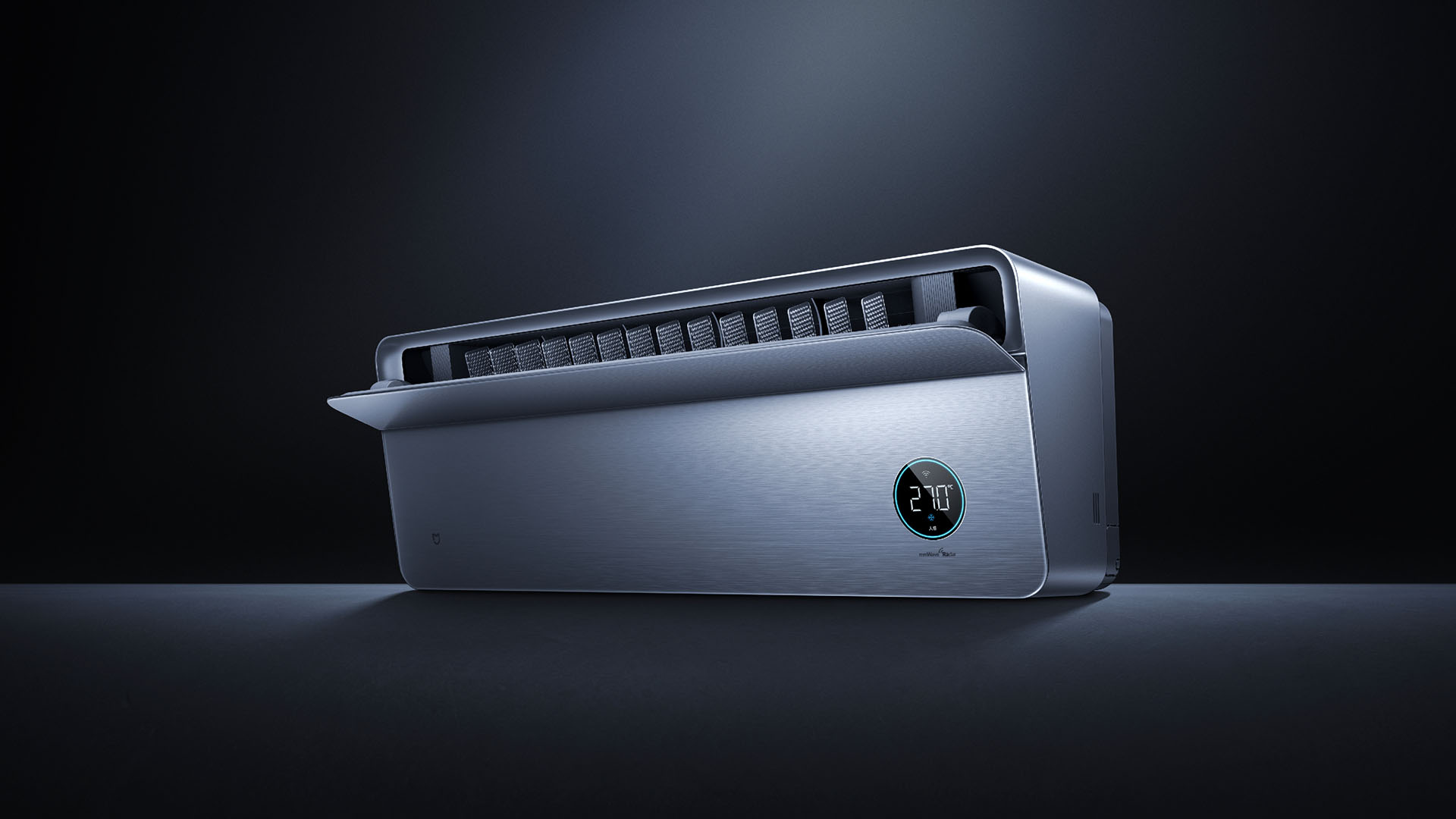
Moreover, it’s also energy-efficient that can save over 360 kWh of power consumption annually. In China, it has an APF of 5.65 — that’s already above the national Grade 1 standards.
In terms of hygiene, it meets China’s Mother & Baby certification, integrating HEPA filtration, 56 °C high-temp cleaning, and smart reminders via the Mi Home app for long-term peace of mind. With an elegant silver finish, slim 2 cm install gap, and central AC-inspired design, it blends aesthetic appeal with practical innovation for the modern home.
Mijia Refrigerator Pro Dual-System French Door Built-In 508L = CNY 4999 (US$ 695 / EUR 615 / GBP 515 / SG$ 895 / PhP 38,570 / INR 59,350)
Another new product by Xiaomi is this pro-grade French Door refrigerator. Its exterior exudes a glass panel and built-in hinges. Even if you place it near a wall, its doors open a full 90-degree angle for easier access.
But aside from its looks, what makes it even more special is its independent dual-system design.

There are separate evaporators for both the fridge and freezer to prevent odor mixing. Additionally, a humidity-controlled drawer with molecular sieve tech can keep produce fresh. Another adjustable drawer offers multiple modes for meat, baby food, or 0-degree (bing) chilling. (Sorry, pun-intended)
Speaking of, the freezer can deep freeze as low as -30 degrees.
An ultra-thin fan also ensures no waste of precious fridge space. Active ion and silver-ion sterilization are also present to ensure purification of the entire storage space
Mijia Dual-Drum Washer Dryer Pro 10kg = CNY 5499 (US$ 765 / EUR 675 / GBP 570 / SG$ 985 / PhP 42,430 / INR 65,285)
Miji’s all-new washer-dryer combo features Blue Oxygen cleaning tech focusing in hygiene. This electrochemical system breaks down stains and deep-cleans whites without the incoporation of harsh chemicals that are harmful for sensitive skin and disrupts long-term fabric care.
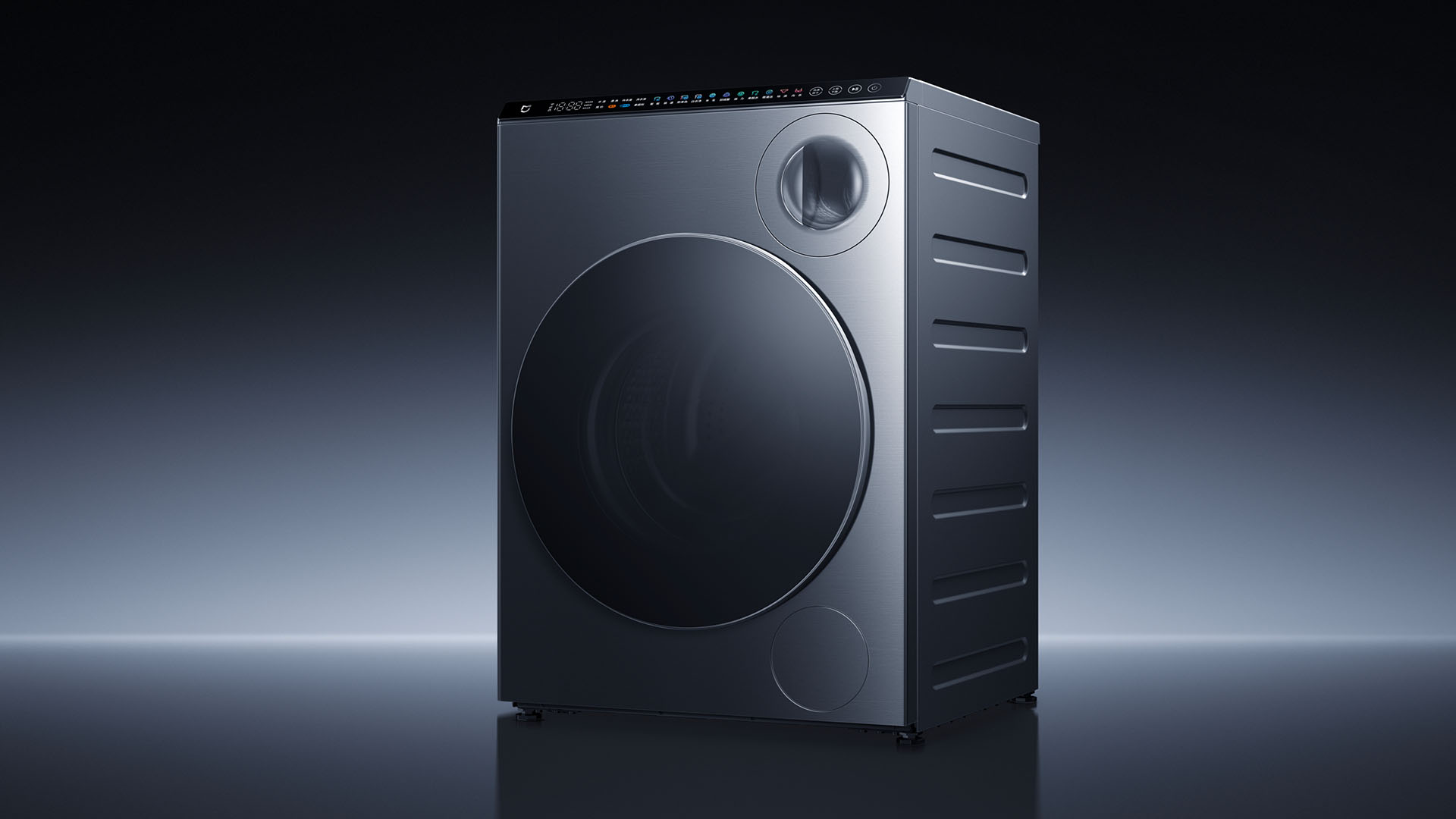
Dual-zone washing also allows simultaneous washing and drying with a dedicated small drum for delicates, preventing cross-contamination.
In addition, the Mijia Washer Dryer Pro also includes additional features like triple smart detergent dispensing, steam sterilization, stain-specific modes, as well as dual quick-wash modes. To make it even smarter, there’s Smart Scheduling and app integration for added convenience.
Mijia Smart Dual-tap Water Purifier Pro 1600G = CNY 2999 (US$ 420 / EUR 370 / GBP 310 / SG$ 540 / PhP 23,140 / INR 35,600)
This smart water purifier has an intelligent, dual-outlet design that separates purified drinking water from household water. It can also fill a standard water glass in under two seconds and supports sustained output up to 25 tons — very ideal for big families.
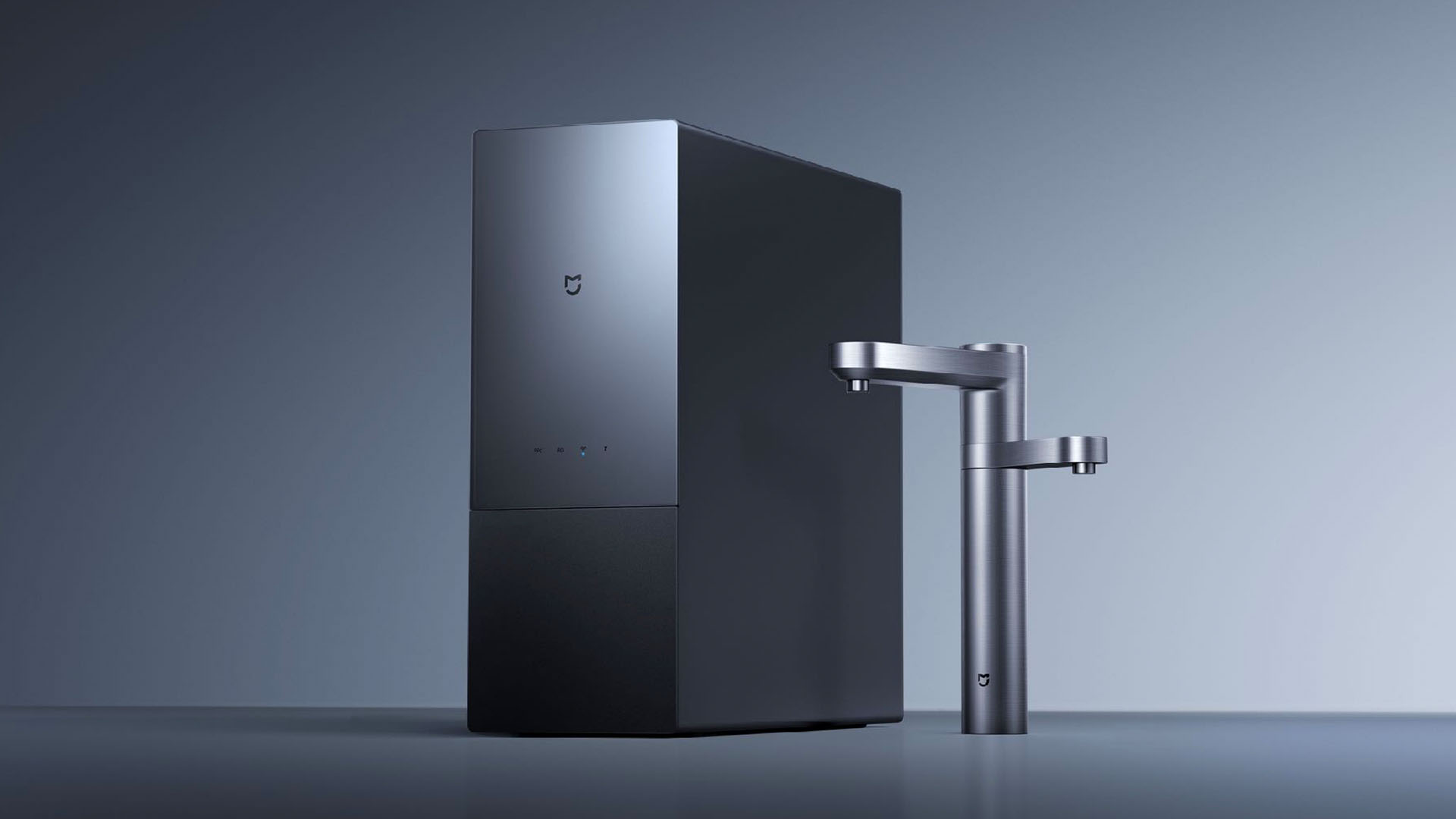
Thanks to Xiaomi’s Zero Stale Water 3.0, it ensures fresh water with every use. Operation is also quiet with its six-chamber low-noise pump. Worried about technical issues? Well, the smart faucet has IPX7 waterproofing and a luxurious electroplated finish.
The advanced PPC filter also removes over 99.5% residual chlorine. Meanwhile, the premium Toray RO filter offers a six-year lifespan.
It won’t be “smart” without app integration via the Mi Home app. It’s where users can check TDS levels, track filter life, and customize four dispensing modes.
Xiaomi TV S Mini LED 2025
Last but definitely not the least, the only Xiaomi-branded product in this new product line.
Instead of the usual LCD offerings, the new Xiaomi TV S brings a better quality Mini LED display with advanced backlight control and an anti-reflective coating with only 1.8 percent of reflectivity — better than standard TVs around.
The 98-inch model has 1092 local dimming zones and can achieve up to 1700 nits of peak brightness. There’s also a fluid 144Hz refresh rate meant for gamers and sports enthusiasts.

And with Xiaomi’s in-house picture engine and color management system, expect vivid visuals with utmost color accuracy.
This new TV series also runs Xiaomi HyperOS 2 with personalized lock screens and an improved user interface.
The Xiaomi TV S Mini LED 2025 comes in four sizes:
- 55-inch = CNY 2999 (US$ 420 / EUR 370 / GBP 310 / SG$ 540 / PhP 23,140 / INR 35,600)
- 65-inch CNY 3999 (US$ 555 / EUR 490 / GBP 415 / SG$ 720 / PhP 30,860 / INR 47,480)
- 75-inch = CNY 4999 (US$ 695 / EUR 615 / GBP 515 / SG$ 895 / PhP 38,570 / INR 59,350)
- 85-inch = CNY 6799(US$ 945 / EUR 835 / GBP 700 / SG$ 1220 / PhP 52,460 / INR 80,715)
- 98-inch = CNY 9999 (US$ 1390 / EUR 1230 / GBP 1032 / SG$ 1790 / PhP 77,150 / INR 118,710)




Deals
GoTyme Bank, Visa partner for FIFA World Cup 2026 raffle giveaway
Win an all-expense-paid trip to the World Cup with your GoTyme Visa Debit Card

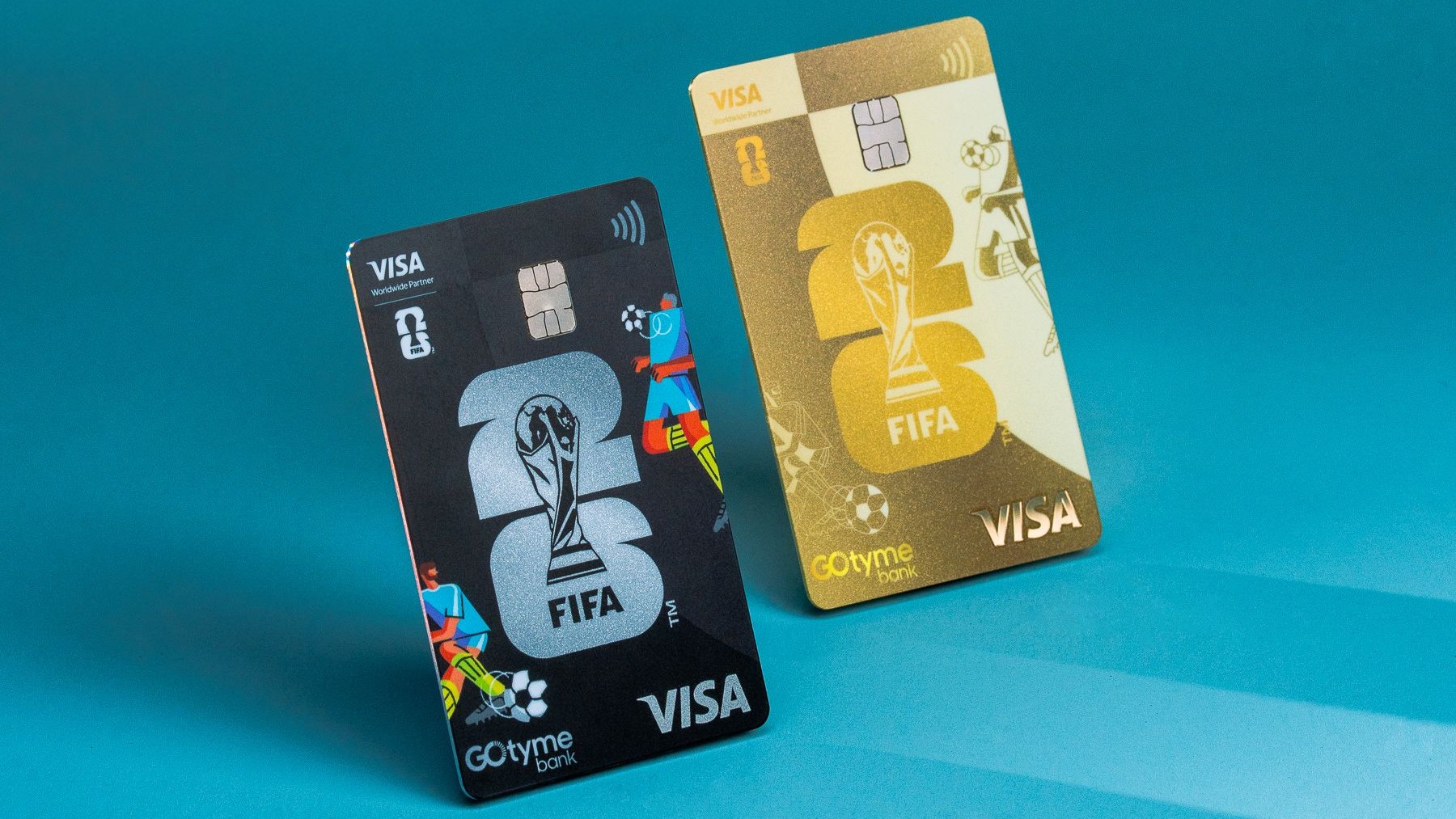
GoTyme Bank and Visa have officially teamed up for a FIFA World Cup 2026 raffle giveaway.
This gives Filipino football fans the chance to win an all-expense-paid trip to attend either the World Cup Group Stage or Final in the United States.
The partnership marks GoTyme Bank’s growing presence not only in the market but also in the global stage. Recently, the digital bank has grown to over 9 million customers in the Philippines, and 20 million worldwide.
Under the partnership, GoTyme Bank and Visa have released new limited-edition FIFA World Cup 2026-themed Visa Debit Cards.
These are available in two designs: Pitch Black and Trophy Gold. Both are designed by Filipino artist Ross Du, who incorporated the iconic tournament’s iconic trophy.
The latter, in particular, has some rarity as there will only be 20,000 copies printed in GoTyme Bank kiosks nationwide. Customers can have them printed starting March 23.
Print, Spend, Score
To join the raffle, cardholders simply have to spend at least PhP 1,000 for a raffle entry. That’s using the Classic or Pitch Black card.
Overseas spending also comes with a 3x multiplier, meaning three entries for every PhP 1,000 spent abroad.
Two winners — one Classic and one Pitch Black cardholder — will each win an all-expense-paid trip for two to attend the FIFA World Cup 2026 Group Stage in Los Angeles.
But even better, those who get the exceptionally rare Trophy Gold card will automatically get a raffle entry for the grand prize raffle draw — with no minimum spend required.
One Trophy Gold cardholder will win an all-expense-paid trip for two to attend the World Cup Final in New York City. This includes roundtrip business class seats as well.
In addition to the major prizes, 10 customers will receive exclusive FIFA World Cup 2026 Visa Premium merchandise.
The fly-off promo runs until May 7 for the Classic and Pitch Black cardholders and until June 10 for the Trophy Gold cardholders.
Gaming
Switch 2 now lets you play old games in 1080p
It tricks old games into thinking that the console is docked.

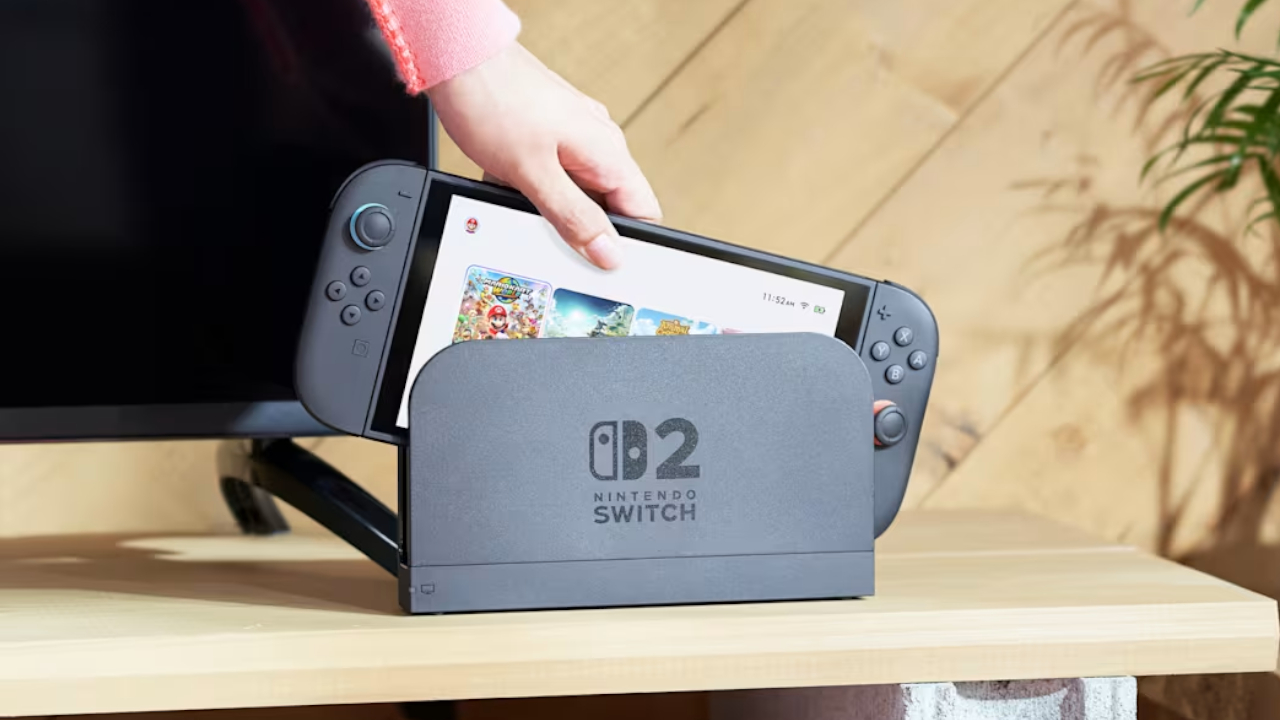
The Switch 2’s popularity is astonishing, to say the least. Just recently, a single game, Pokémon Pokopia, was responsible for taking the free times of over two million players on the Switch 2. Now, Nintendo has released a new feature which should make the console much more playable, especially for those who already had the original Switch.
Today, the Switch 2 received the 22.0.0 system update. Though the update is mostly a variety of smaller updates, one feature, called the Handheld Mode Boost, stands out among the rest. As per the patch notes, “Handheld Mode Boost will cause compatible Nintendo Switch software to run as if the console is being played in TV mode.” Put simply, the feature will unlock 1080p resolution for older games.
For gamers who had the original Switch, game resolution was a huge problem. The first console lived on a 720p screen, so the early games supported only lower resolutions. The only exception is when the console was docked, which allows 1080p resolution.
Now, the Switch 2 supports backwards compatibility. Players can access their older Switch games on the new console. The catch, however, is that these games are still stuck in 720p. Some titles, at least, have released an update to increase resolution on the new console.
Handheld Mode Boost tricks the console into thinking that it’s hooked up to the dock. In effect, the game will play in 1080p. The catch, however, is that it also thinks that the Joy-Cons are a single Pro controller, so players might lose some game features. It’s still a decent price to pay, though.
In other news, the update has also updated the naming of the “Hong Kong/Taiwan/South Korea” to “Hong Kong/Taiwan/South Korea/Southeast Asia,” potentially hinting that Southeast Asia might finally get an online store.
SEE ALSO: Now Playing: Yakuza 0 on Switch 2

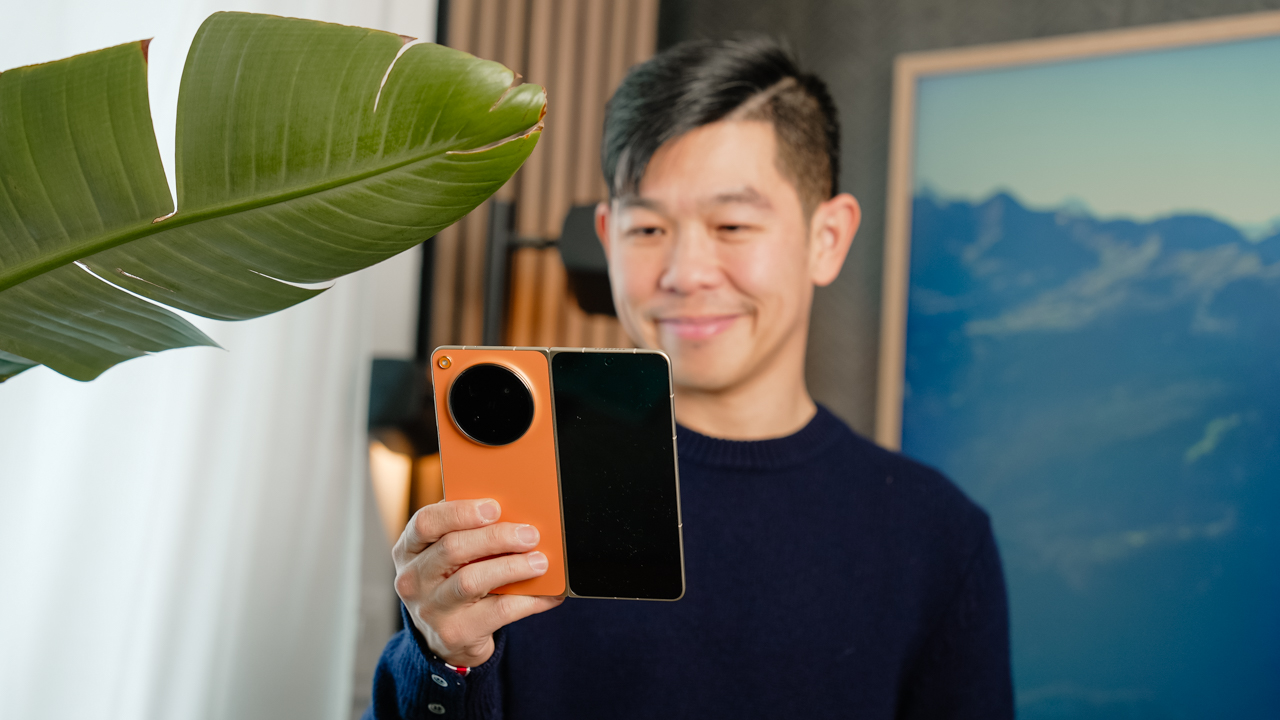
OPPO has officially unveiled the Find N6, its latest foldable flagship designed to push the category further with a near crease-free display, powerful hardware, and productivity features tailored for large screens.
The device introduces what OPPO calls a “Zero-Feel Crease,” a new hinge and display structure designed to minimize the visible fold line and deliver a flatter inner screen experience over time.
The foldable was introduced at OPPO’s Binhai Bay Campus in China and will become globally available starting March 20, 2026.
Design and durability upgrades
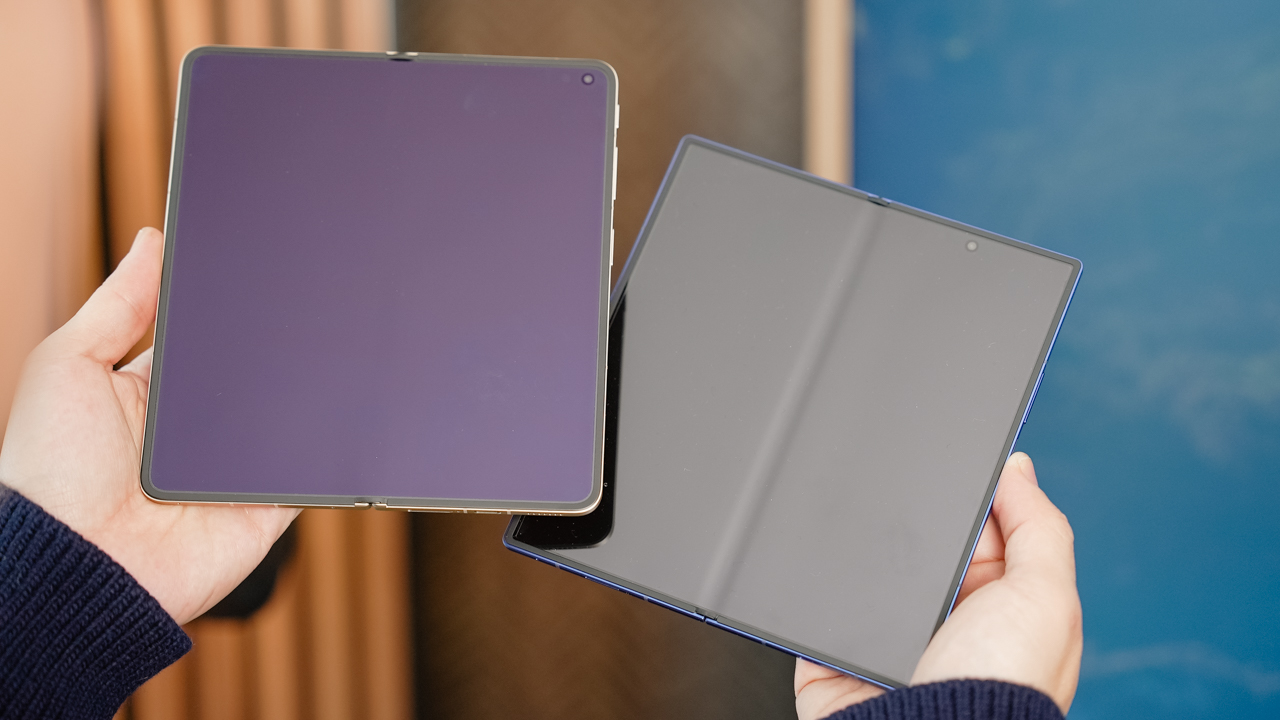
Left: OPPO Find N6. Right: Galaxy Z Fold7
The Find N6 continues OPPO’s push for thinner and more ergonomic foldables. Despite its book-style design, the company says the device maintains a comfortable grip comparable to conventional bar-style smartphones.
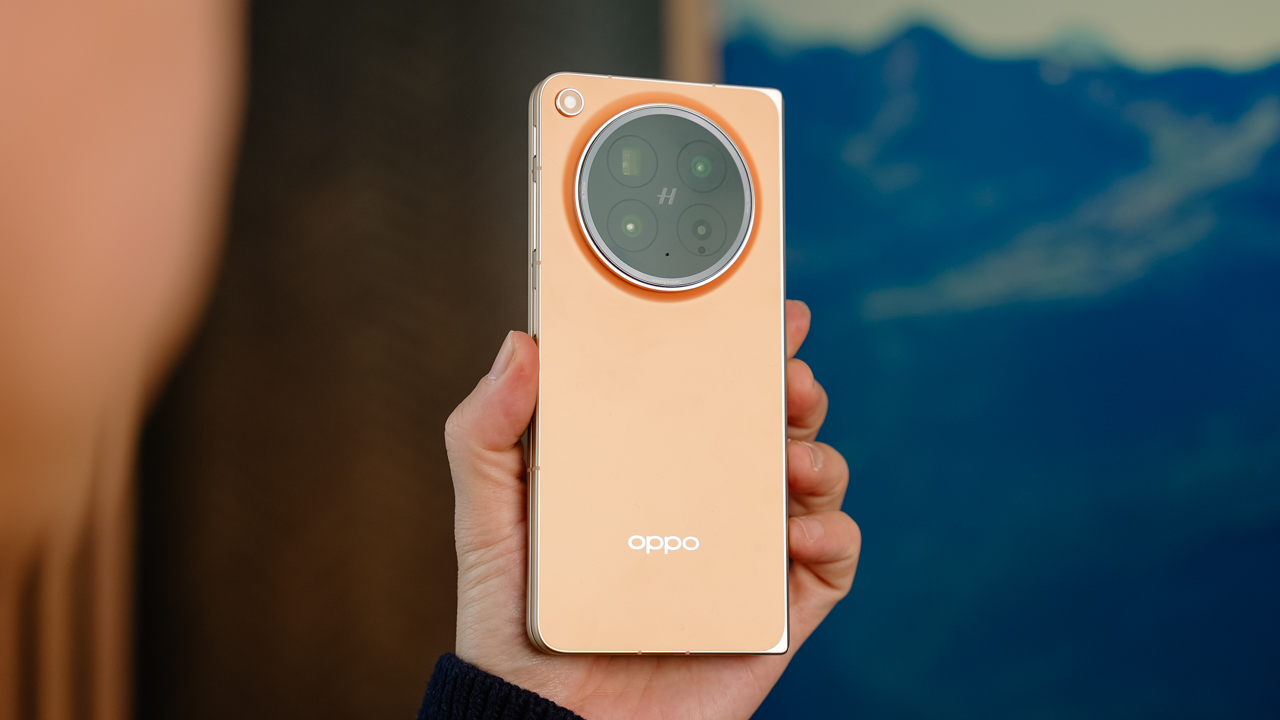
It comes in two colourways: Stellar Titanium and Blossom Orange. The latter stands out with genuine gold accents integrated into the hinge casing made of titanium alloy.
Underneath its premium exterior, the Find N6 also adds stronger durability credentials. It carries IP56, IP58, and IP59 ratings for dust and water resistance, allowing it to withstand everyday splashes as well as high-temperature and high-pressure water jets.
Multitasking powered by ColorOS 16
On the software side, the Find N6 runs ColorOS 16 optimized for foldables, designed to take advantage of its larger inner display.
One of the key features is Free-Flow Window, a multitasking tool that allows up to four apps to run simultaneously. Users can freely adjust window sizes and aspect ratios, enabling flexible workflows for productivity or content creation.
The feature integrates with OPPO’s Boundless View interface, allowing users to transition smoothly between intensive multitasking layouts and a focused single-app experience.
ColorOS 16 also brings a set of AI-driven tools, including AI Mind Space, AI Recording, and AI Motion Photo Popout.
For cross-device functionality, O+ Connect enables file transfers between the Find N6 and Mac or Windows computers. The system also supports screen mirroring and remote control functions.
AI Pen turns foldable into a workstation
Complementing the large display is the OPPO AI Pen, a stylus designed to enhance productivity on the foldable device.
The stylus supports 4,096 levels of pressure sensitivity and works on both the inner and outer displays.
OPPO positions it as more than a standard stylus. The AI Pen enables features like Quick Note and Global Annotation, while also functioning as a laser pointer for presentations.
It also supports AI-powered tools such as Circle to Capture, AI Chart, and AI Image. These tools can capture on-screen content, convert rough notes into structured tables, or transform hand-drawn sketches into polished artwork.
Flagship performance and imaging
Powering the Find N6 is the Snapdragon 8 Elite Gen 5 Mobile Platform paired with a 6,000mAh silicon-carbon battery.
The device supports 80W SUPERVOOC wired charging and 50W AIRVOOC wireless charging, designed to provide all-day endurance even with extended use of the foldable display.
For imaging, OPPO introduces its new Hasselblad Master Camera System on the Find N6.
The system is led by a 200MP Hasselblad Ultra-Clear main camera. It is joined by a 50MP ultra-wide camera capable of capturing 50 percent more light than the previous generation, and a 50MP 3x periscope telephoto lens with tele-macro capabilities.
The phone also includes a dedicated True Color Camera sensor, first introduced with the Find X9 series, designed to improve white balance accuracy and produce more natural color reproduction.
Camera features developed with Hasselblad include Hasselblad Portrait Mode for DSLR-style bokeh, Hasselblad Master Mode with manual controls tuned to match the Hasselblad X2D camera, and XPAN mode that captures cinematic photos in a wide 65:24 aspect ratio.
The Find N6 also supports professional-grade video features. All three rear cameras can record 4K video at 60fps in Dolby Vision, while the main camera can capture 4K 120fps Dolby Vision footage. Log video support is also included for advanced color grading workflows.
Price and availability
OPPO Find N6 will be globally available starting March 20, 2026 through official OPPO stores, authorized retailers, and partner carriers worldwide.
The foldable will be available in two colourways: Stellar Titanium and Blossom Orange.
Pricing in China is as follows:
- 12GB + 256GB: ¥9,999
- 16GB + 512GB: ¥10,999
- 16GB + 1TB: ¥11,999
The OPPO AI Pen Kit will retail for ¥499.
For regional pricing and availability, OPPO advises consumers to check with their respective regional teams or official OPPO channels.

POCO X8 Pro Max review: A new beast from the far east
That "Pro Max" naming superlative is more than justified


POCO X8 Pro Iron Man Edition review: Midrange phone in superhero armor
POCO x MK15


Now Playing: Project Hail Mary
It's a treat for those who loved the original book.

The hunt begins: The Witcher in Concert hits Manila with surprises in tow

WATCH: The Super Mario Galaxy Movie final trailer

Monopoly: Star Wars Heroes vs. Villains launching on June 11

GoTyme Bank, Visa partner for FIFA World Cup 2026 raffle giveaway

Spider-Man: Brand New Day first trailer hits hard — and gets weird


-

 Reviews2 weeks ago
The Xiaomi 17 shoots Leica dream
-

 Hands-On2 weeks ago
OPPO Reno15 F 5G hands-on
-

 Gaming2 weeks ago
Project Helix is Xbox’s next console, and it plays PC games
-

 Computers1 week ago
GIGABYTE collaborates with Capcom for RE Requiem custom PC
-

 Entertainment1 week ago
The internet is thirsting over the One Piece Season 2 cast
-
 News2 weeks ago
Globe postpaid opens pre-orders for Samsung Galaxy S26 series
-

 Laptops1 week ago
Apple MacBook Neo Review
-

 Apps6 days ago
Google Maps is finally getting a 3D mode