
Automotive
The Xiaomi YU7 is the company’s first Electric SUV
Up to 835km in total range!

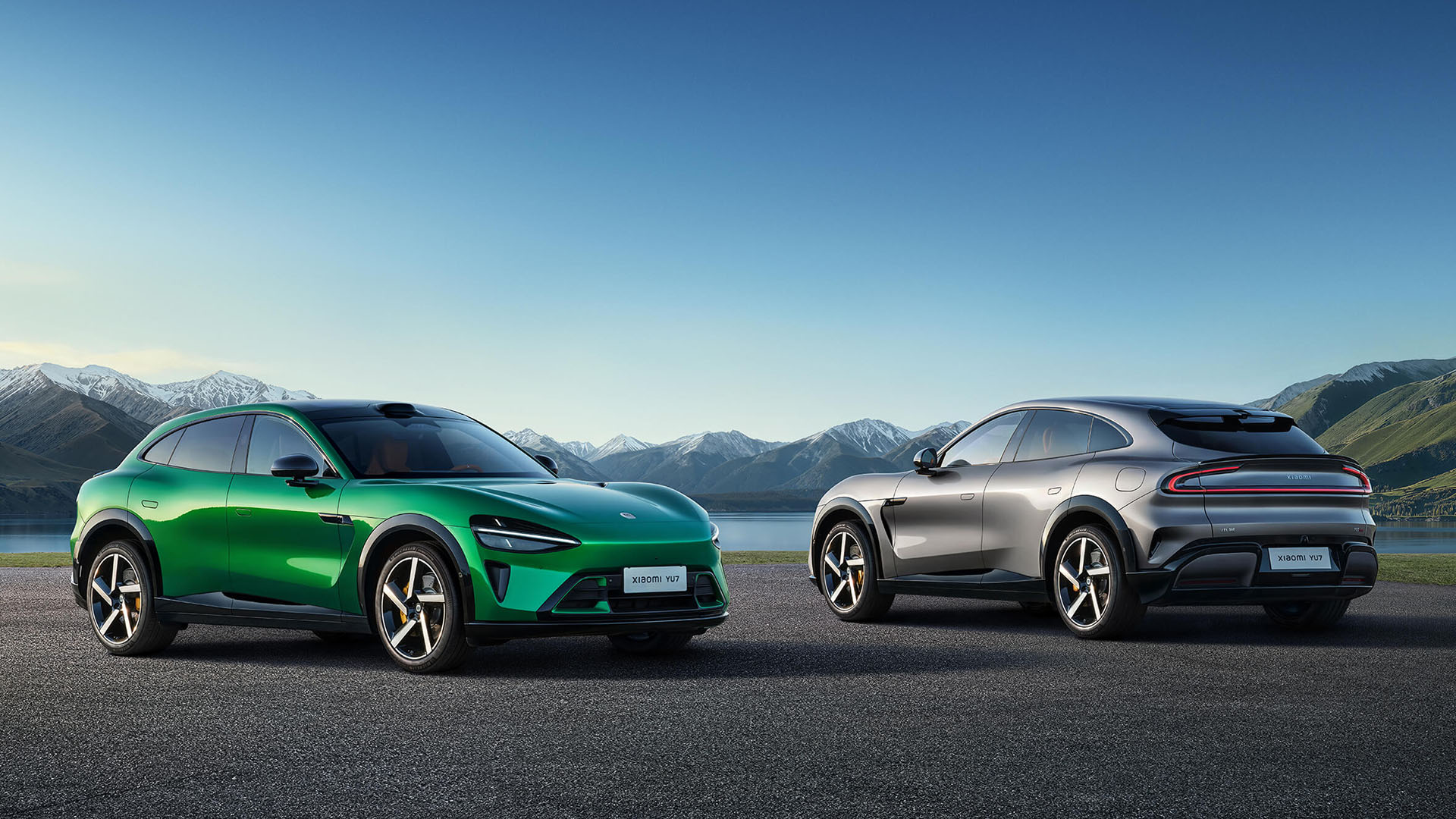
It’s been more than a year ever since Xiaomi unveiled their first EV to the world — and seven months less with its Ultra variant.
This May 2025, aside from announcing their first self-made 3nm Silicon chip, they’re also here to bring another first in their record book.
Lo and behold, the Xiaomi YU7, the first EV SUV by the Chinese electronics giant — with the official sales launch scheduled by July 2025 (at least in China).
* Just an FYI, it’s pronounced as YU (yoo) — a name derived from the Chinese term “御风而行“ that means “riding the wind”.
Striking Outside
The Xiaomi YU7 acquires SU7’s luxurious design language into its genes. But it’s more than just a “taller version” of its sedan cousin.
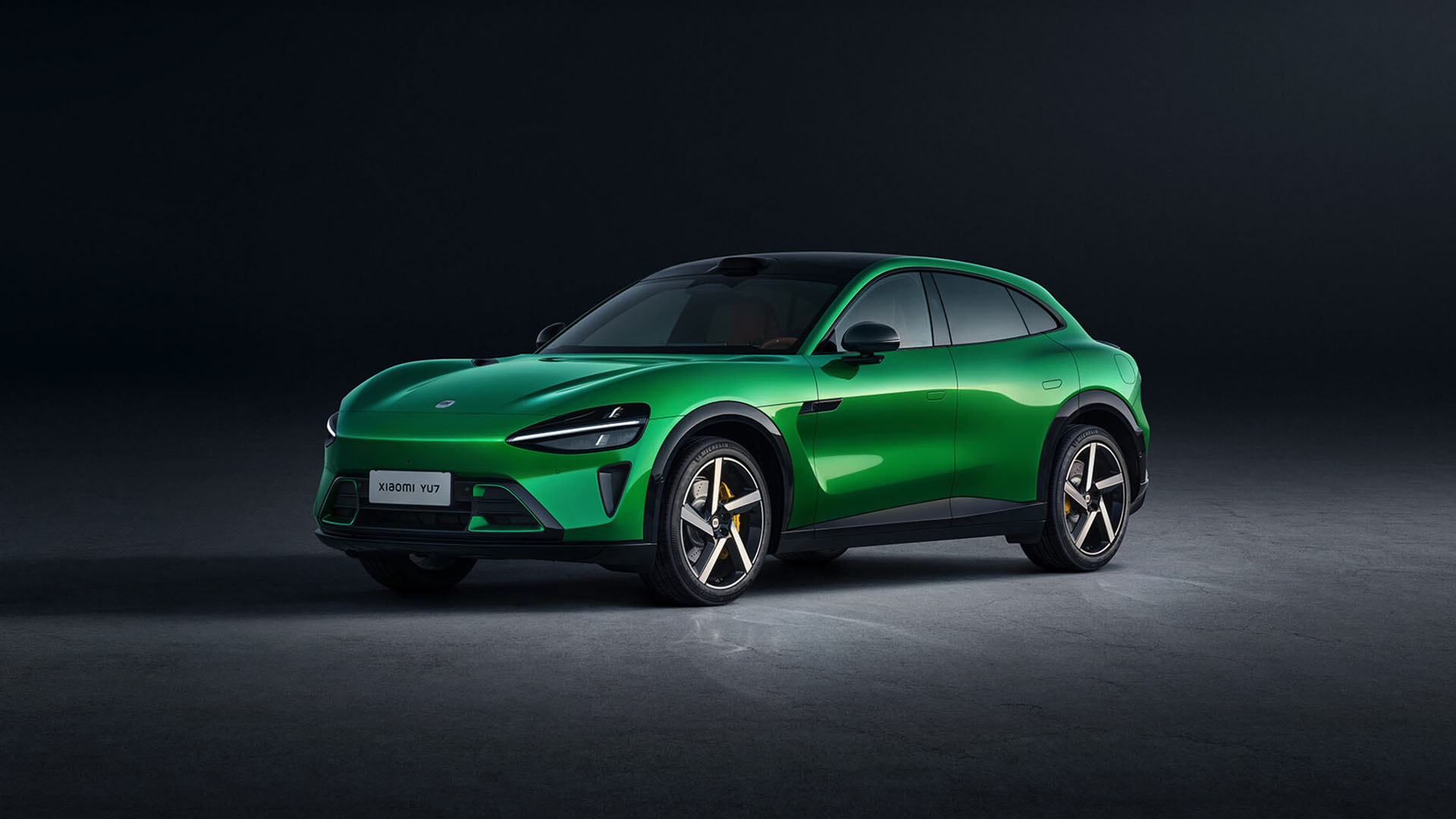
Aside from its sleek and stylish silhouette, the model has a revamped waterdrop headlights with a new hollowed-out design. These headlights aren’t only for style as it also enhances illumination with 180-degree ultra-wide angle lighting.

At that, its halo taillight has redesigned clusters and features downward-angled corners that enhances the SUV’s overall look. Alongside that is the implementation of a premium ultra-red lighting for undistracted night visibility.
There’s also an all-new electric-flush door handle system where the handles remain seamlessly recessed whether stationary or in motion. This not only enhances aesthetics with its alignment to the car’s body, it further reduces aerodynamic drag.
The infotainment system also features an Auto-Flush Door Handle function. When enabled, it extends the handles as users approach with keys — eliminating the need for manual operation. The handles then smoothly retract after passengers board inside the Xiaomi YU7.
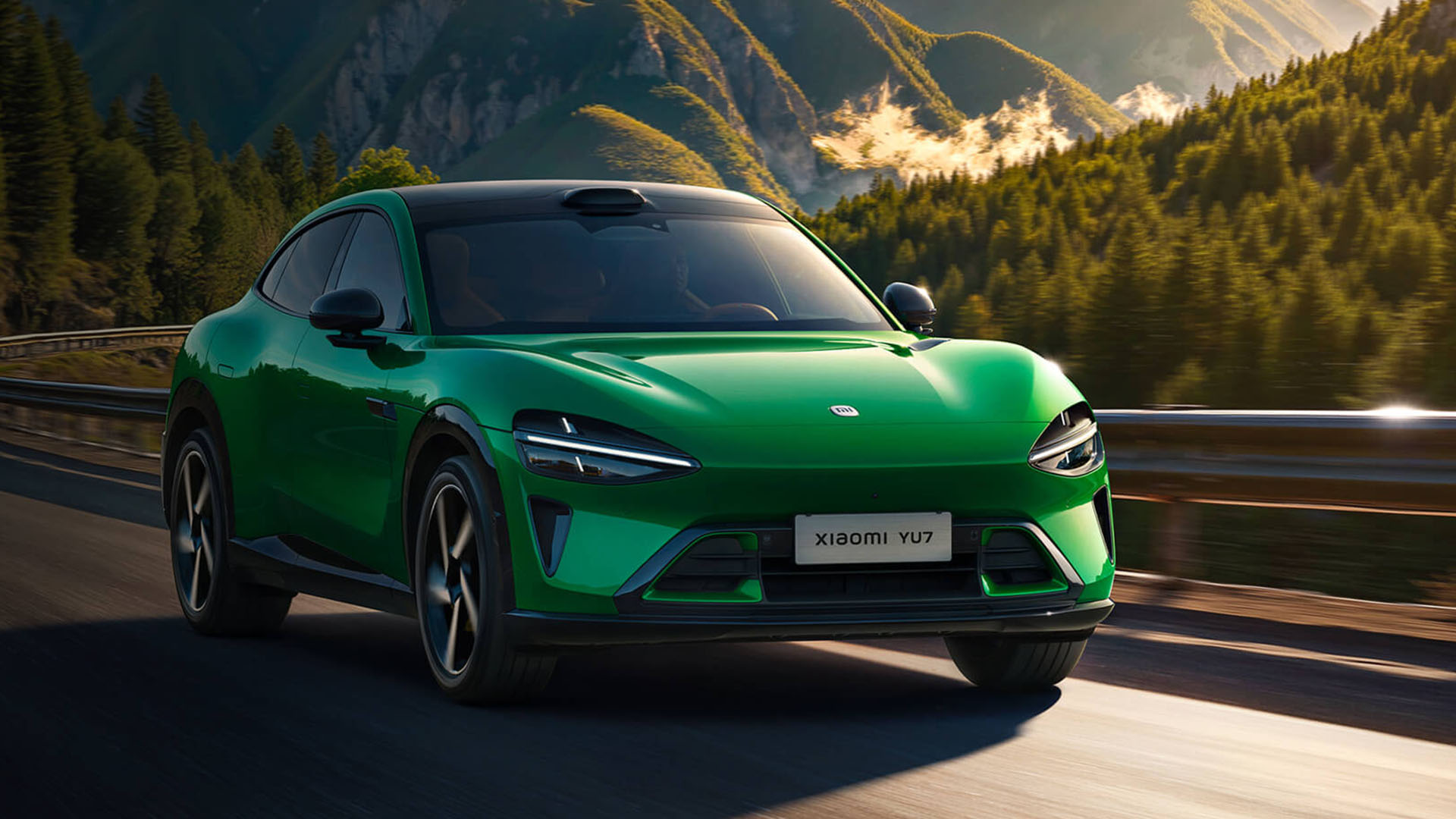
Speaking of aerodynamics, Xiaomi YU7 inherits Xiaomi SU7’s advanced multi-duct architecture. It incorporates 10 through-flow air channels and 19 optimized vents to precisely manage airflow.
The hollowed spoiler then has 10 counts of drag reduction while the clamshell aluminum hood in a seamless unibody construction reduces drag by 2 counts.
If you’re curious about its colors, the Xiaomi YU7 comes in three striking choices:
Emerald Green

Titanium Silver

Lava Orange

Elegance Inside
A stylish exterior should be paired with an even more luxe interior.
Fortunately, the Xiaomi YU7 has a very spacious Dual-Zone Luxury Cabin which gives generous accommodations for all sides: 100mm front headroom, 77mm rear headroom, and 73mm in rear legroom.
These are all possible thanks to Xiaomi’s advanced CTB integrated battery tech and minimized floor thickness.
The layout is also optimized to create a slimmer dashboard with hidden air vents in contrast to bulky and suffocating dashboards of other competitors — but not totally compromising the integration of safety airbags.

The Xiaomi YU7 also has a total storage capacity of 1970L. That includes the 141L front trunk plus 678L main cargo area — which can be expanded further to 1758L when rear seats are folded.
Additionally, it also has a clever storage design with 71L more in interior storage compartments. The front trunk can store a 24-inch suitcase while the rear area accommodates three more 24-inch suitcases aside from putting multiple backpacks and travel essentials.
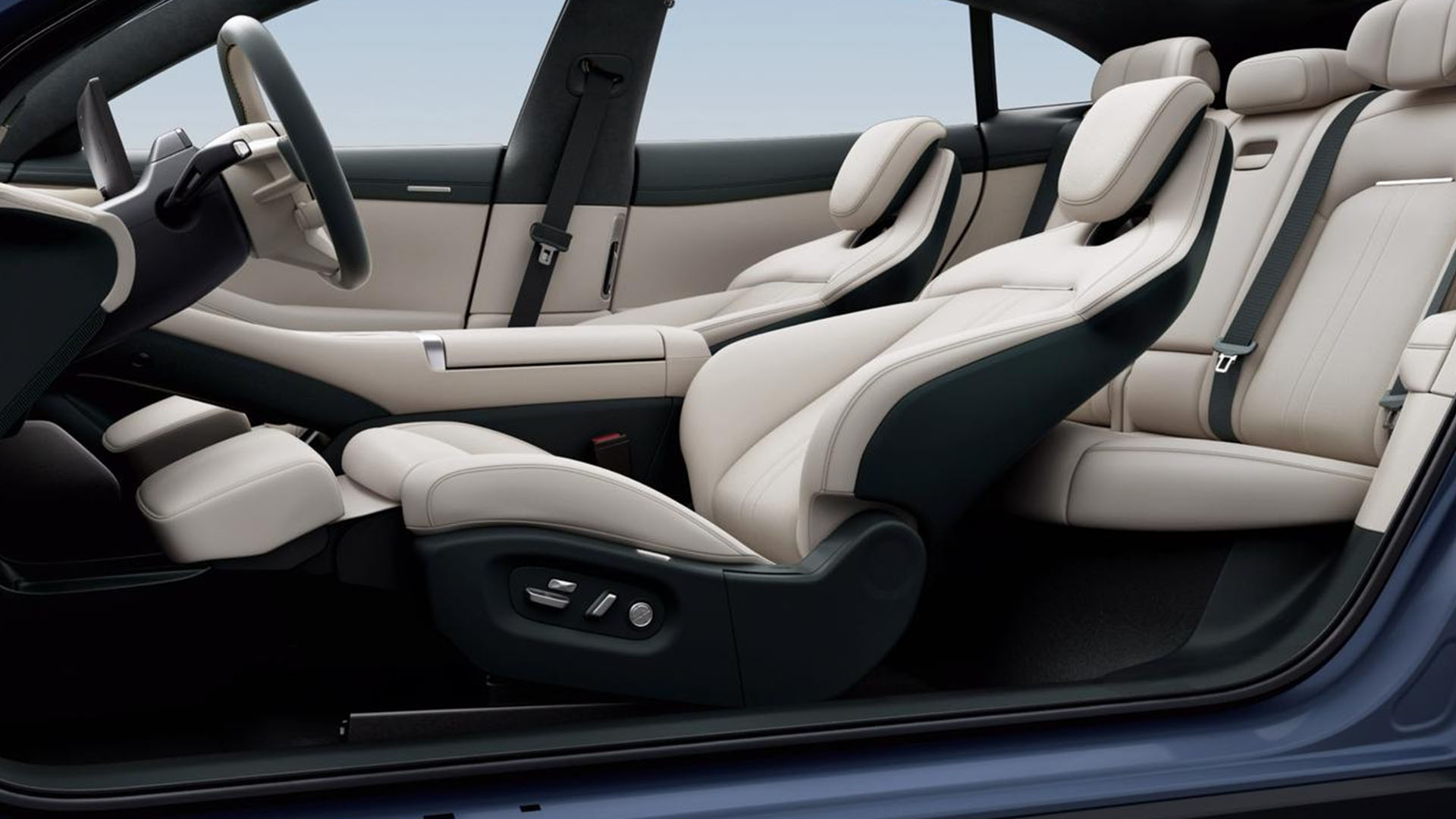
Moreover, this lux cabin includes dual zero-gravity front seats for both the driver and passengers. This features one-touch reclining and 10-point massage that targets the acupressure points of the body’s back.
The driver’s zero-gravity seat incorporates a 12-layer structure with pressure-relieving foam plus a high-density memory foam for firmer support and fatigue-free trips.

The rear seats also have electric recliners that adjusts between 100-degree upright and 135-degree in lounge position.
They are all upholstered in Nappa leather alongside OEKO-TEX® certification that guarantees hypoallergenic safety for infants and allergy-sensitive individuals.
And just like the outside, the Xiaomi YU7 also offers three interior shades depending on the color you choose: Pine Gray in a light tone, Coral Orange, and Twilight Blue in deeper hues.
Visionary HyperVision
The main highlight of the Xiaomi YU7 can be seen across the whole dashboard.
The all-new Xiaomi HyperVision Panoramic Display combines a trio of Mini LED displays. This is more than just a conventional screen as it intelligently adapts to different user scenarios — be that drivers seeing speed and navigation projections or front passengers trying to skip songs in their own favor.
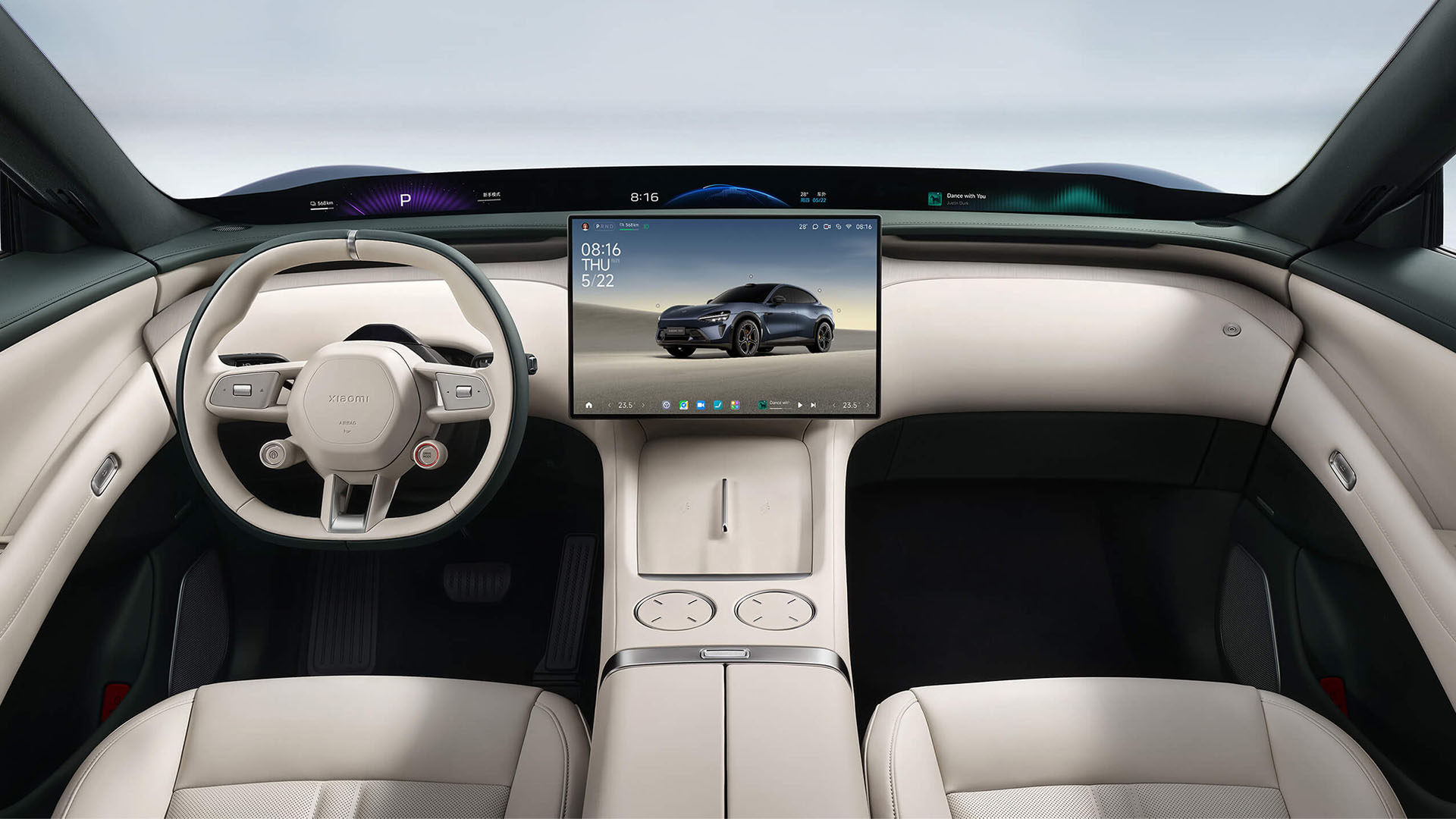
During maneuvers, the system dynamically displays turn-by-turn guidance and assistance in the driver’s most comfortable viewing zone.
When driver assistance systems are fired up, they switch to Simulate Reality road mapping. This gives drivers additional information regarding real-time traffic conditions.
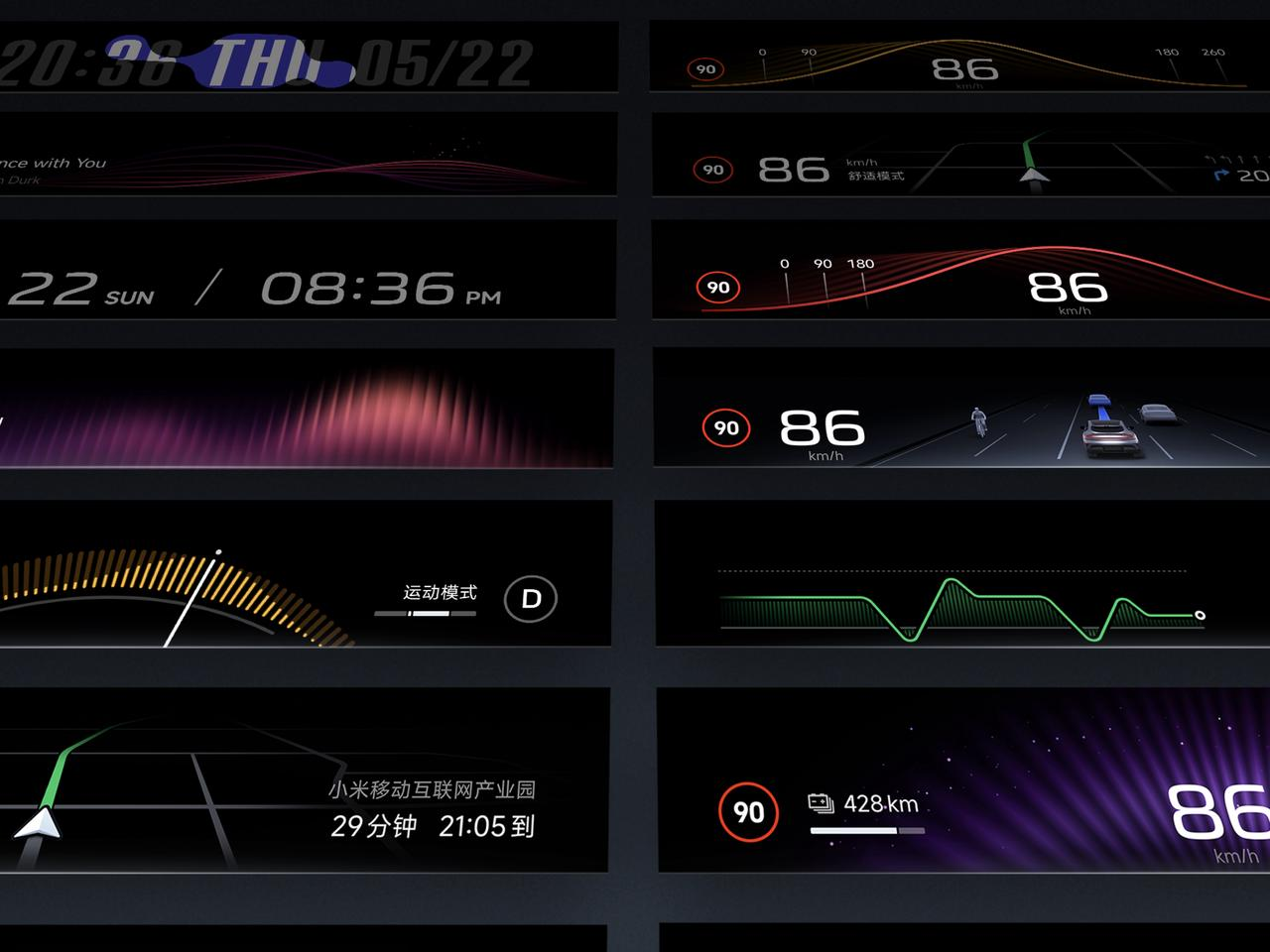
And when in comes to choosing various drive modes, the Xiaomi HyperVision Panoramic Display provides synchronized visualizations of powertrain and air suspension adjustments. This gives a more comprehensive understanding of their vehicle’s configuration.
The interface offers five modular information categories that are all freely configurable based on user’s preferences:
- instrument readouts
- media controls
- time zones
- weather updates
- navigation

The Xiaomi YU7 also utilizes the Panoramic Curved Projection Technology that projects information onto the lower windshield area.
The system incorporates an ultra-black coating with distortion-correction algorithms that eliminate glare and ghosting while ensuring perfect legibility in direct sunlight. And with that in mind, it can achieve up to 1200 nits of peak brightness under harsh sunlight.
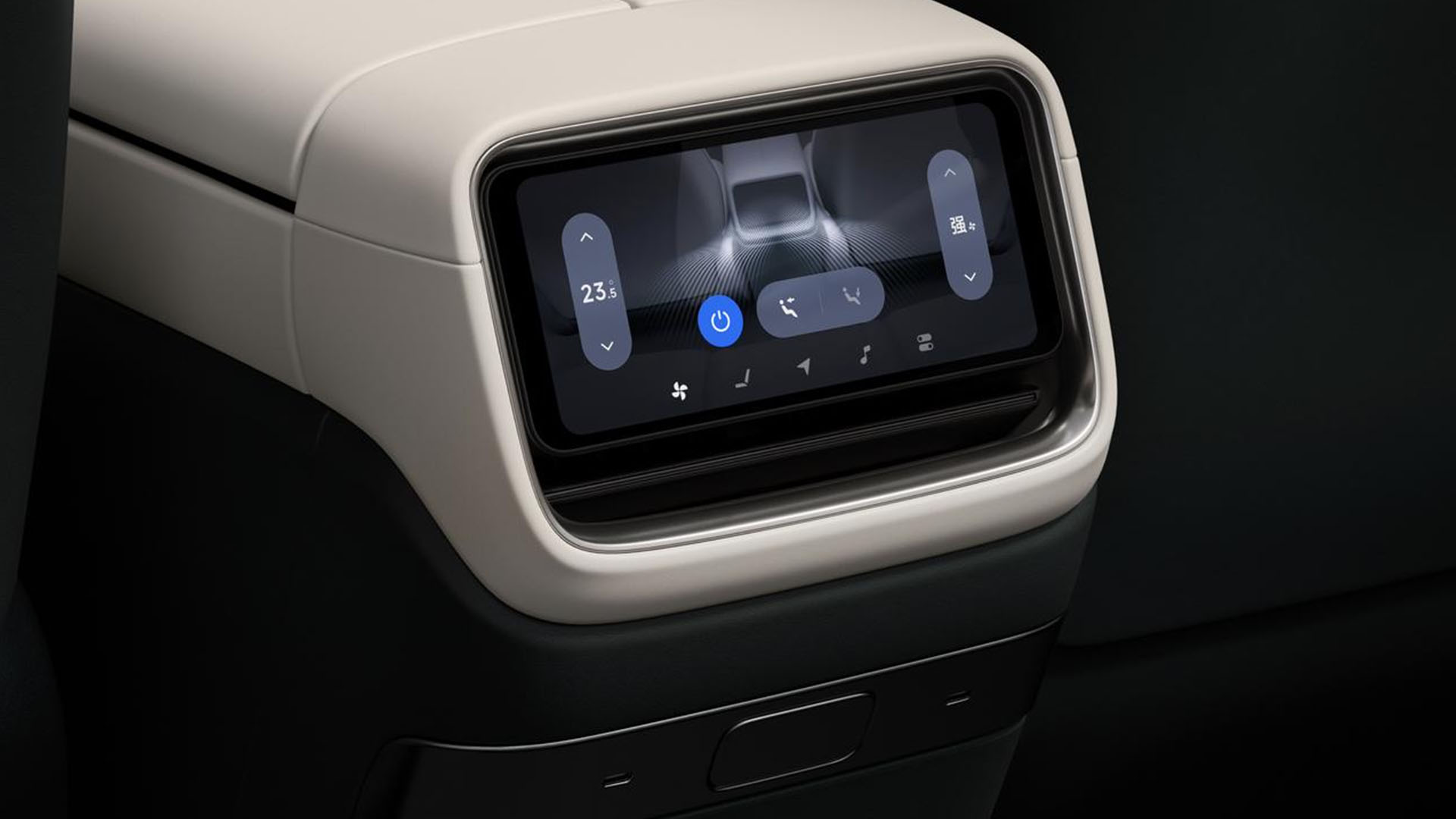
Aside from its visionary display, there’s also a remote control panel at the back. This enables other passengers to do car control, navigation, and entertainment management without disturbing the driver.
More than meets the eye
The Xiaomi YU7 isn’t just about being a stylish SUV. It’s powered by HyperEngine V6s Plus.
This brand new SUV EV promises a max horsepower of 690 PS, acceleration time from 0–100 km/h time of 3.23 seconds, and a top speed of 253 km/h.
Depending on the model you choose, the total drive range on a 96.3 kWh battery may vary.
- YU7 Standard: 835km range
- YU7 Pro: 760km range (AWD)
- YU7 Max: 770km range (AWD, top performance)
Regardless, the Xiaomi YU7 provides the longest range for any sub-100 kWh EV SUV.

In addition, the entire Xiaomi YU7 series is equipped with an 800V silicon carbide high-voltage platform with a peak voltage of 897V. The maximum charging rate reaches 5.2C, achieving a 10% to 80% charge in 12 minutes and a 620 km charge in 15 minutes, the fastest charging time.
The Xiaomi YU7 also features a performance chassis with air suspension, adaptive dampers, and Brembo brakes.

Upgraded power modules and optimized algorithms also make up for its high performance — with a maximum revolution of 22,000 rpm, peak torque of 528 N·m, and peak power of 288 kW—or 508 kW for the dual-motor AWD variant.
And with its quadruple braking safety mechanism, the Xiaomi YU7 has a braking system that can stop the car completely from 100km/h in just 33.9 meters.
Smarter than ever
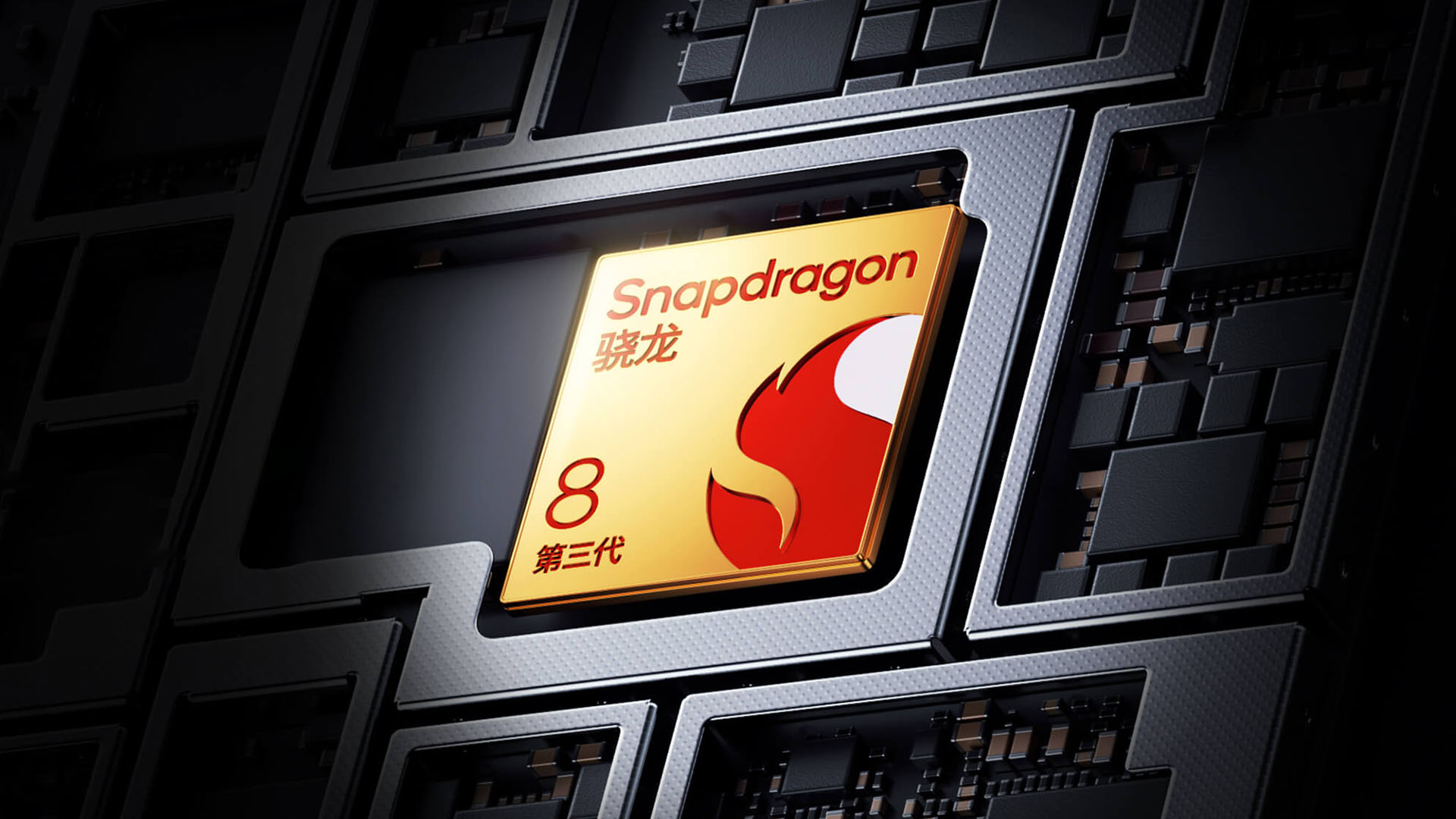
The cockpit chip found in the Xiaomi YU7 is powered by none other than Qualcomm’s Snapdragon 8 Gen 3 4nm SoC. It’s responsible for system booting, fast app launches, and touch responsiveness. This also means fast OTA upgrades by 15 minutes — which is fast in today’s EV standards.
Meanwhile, NVIDIA’s DRIVE AGX Thor 4nm chip (based on NVIDIA Blackwell architecture) is responsible for assistance driving with 700 TOPS of computing power.
With assistance driving already in the topic, the Xiaomi YU7 is capable of doing it through LiDAR, a single 4D mmWave radar, 12 ultrasonic radars, and 11 HD anti-glare cameras — seven of which have ALD coating technology.
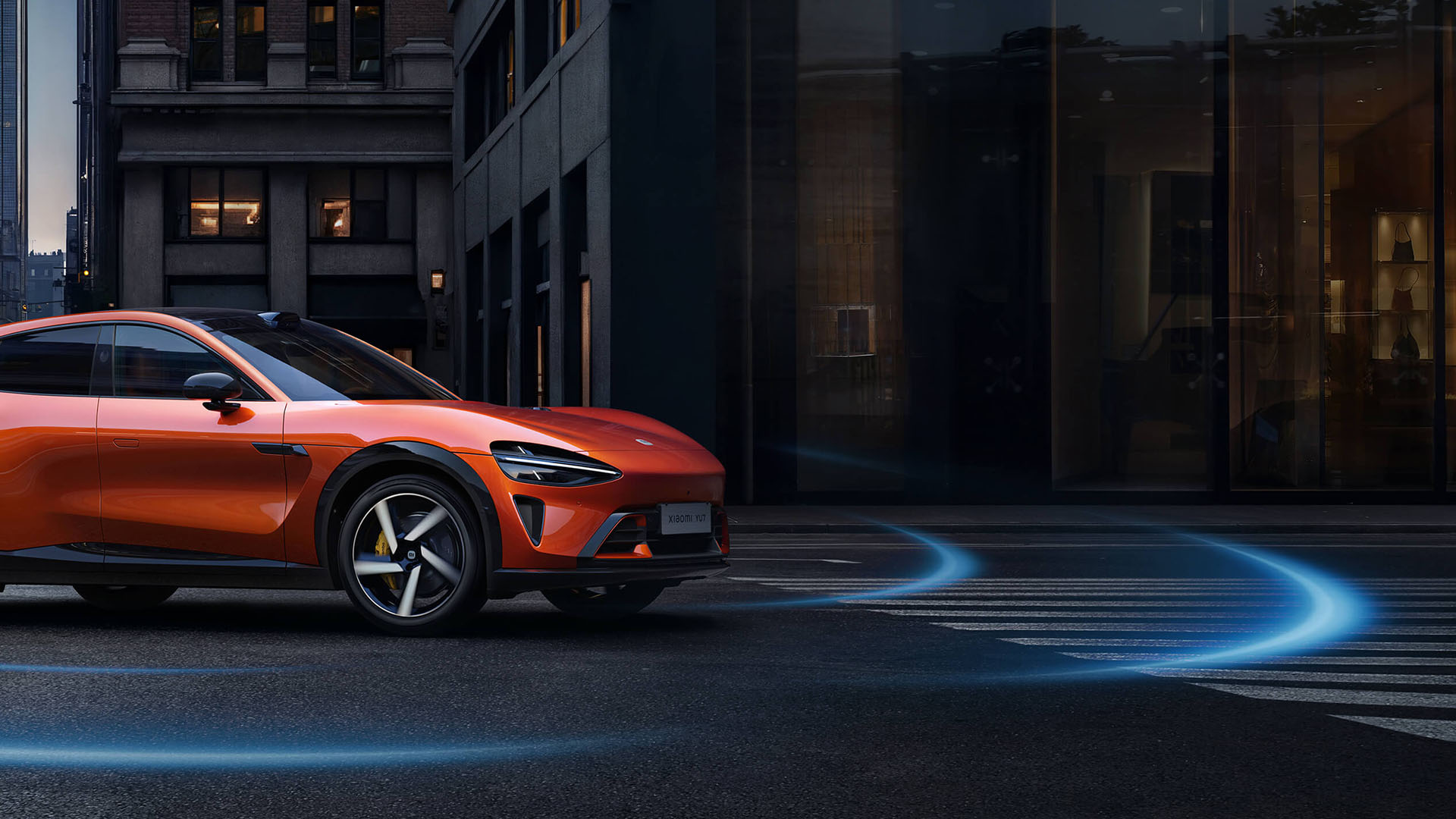
Other smart stuff include dual 5G network, dual Wi-Fi with faster onboard hotspot, Wi-Fi 7 support, updated Bluetooth modules, and a new UWB key.
The new EV SUV also integrates 4-in-1 Domain Control Module with four key controllers.
It has a reduced size of 75 percent and optimizes energy efficiency with an increased range of 16km. Sentinel Mode even minimizes power consumption down to 40% — which is another added 5km in range.
Safety is of utmost priority
With safety concerns among EVs, Xiaomi keeps the YU7 as safe as possible by undergoing extensive and rigorous safety tests and crash scenarios that passed above standards.
It won’t be possible though just by sheer luck. The Xiaomi YU7 was engineered with Armor-Cage Steel-Aluminum Hybrid Framework — consisting of 90.2 percent High-Strength Steel & Aluminum Alloys.
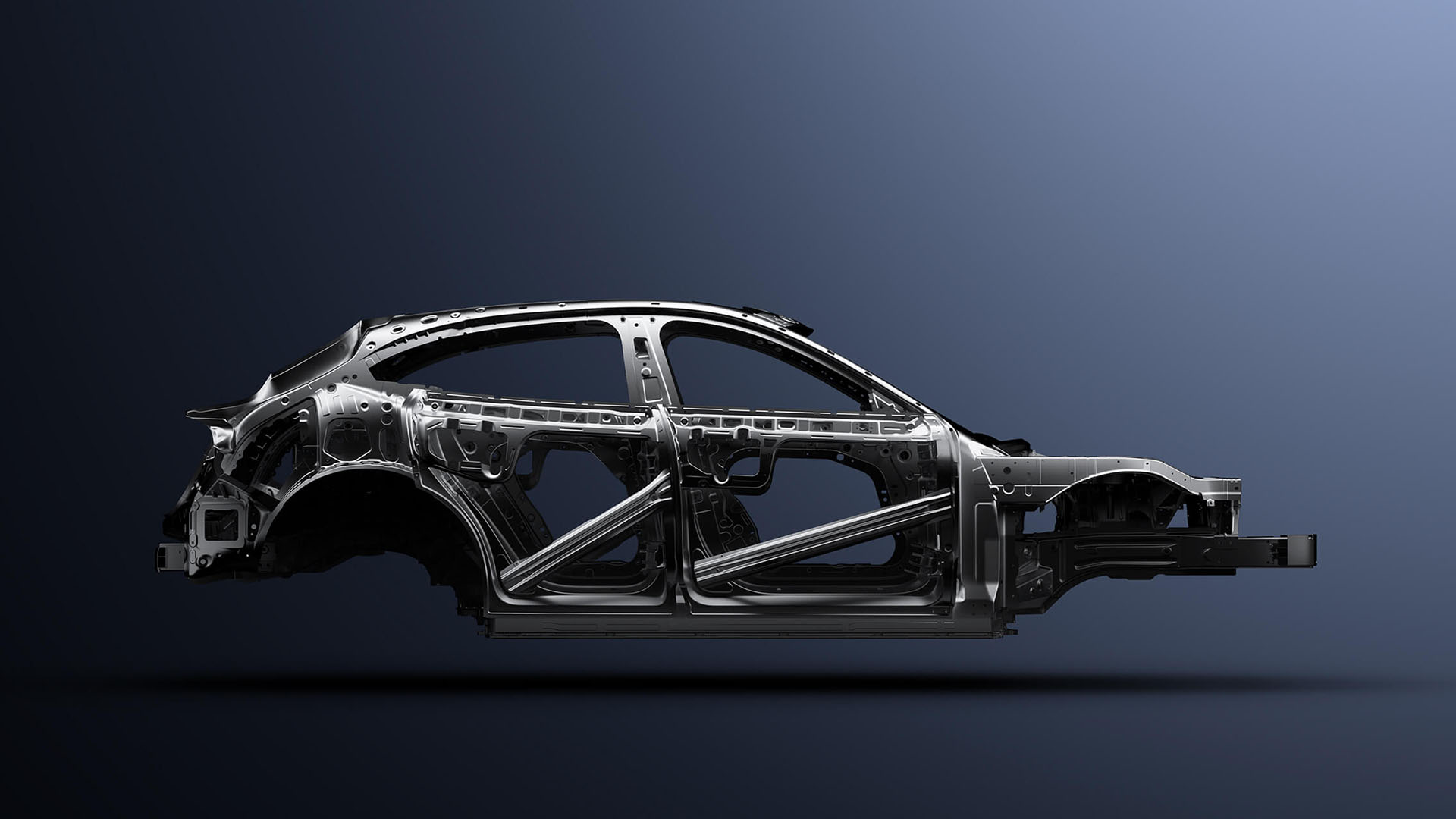
On top of that, it features a 2200MPa ultra-high strength steel that was developed in collaboration with other tech companies, research institutions, and even universities.
Underneath, there’s a 1500MPa high-strength crossbeam that reduces battery damage against any road debris.
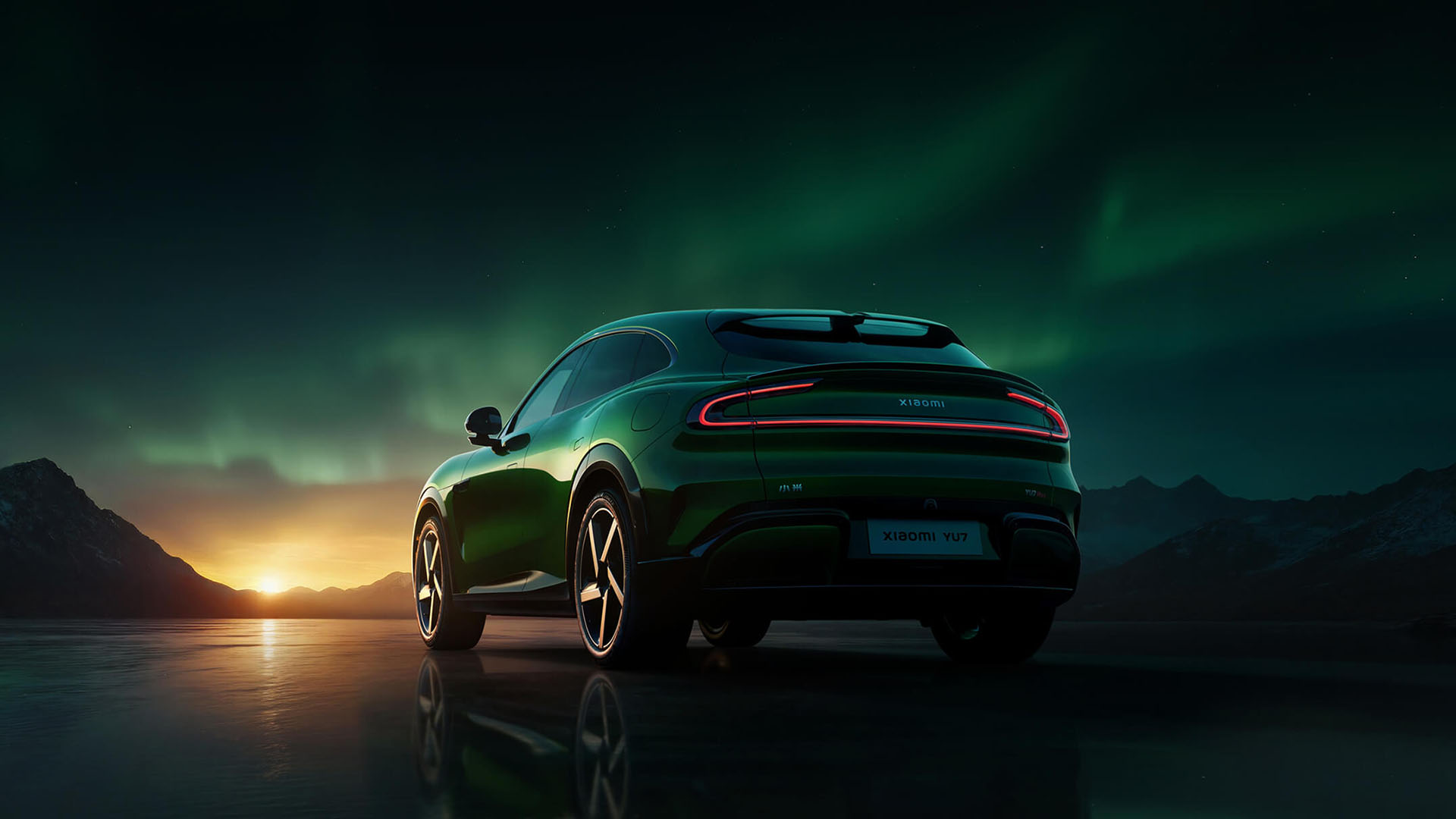
Collision zone up front has been increased to 659mm. Meanwhile, its rear has a collision resilience of up to 90 km/h.
Also, front and rear doors have an increased load-bearing capacity and energy absorption.
Lastly, there’s bulletproof coating with better resistance to tear, scratch, and punctures. This also ensures battery safety.




Automotive
VinFast extends free unlimited charging in 3 markets amid rising fuel prices
Customers in India, Indonesia, and the Philippines to enjoy 3 years of free unlimited charging

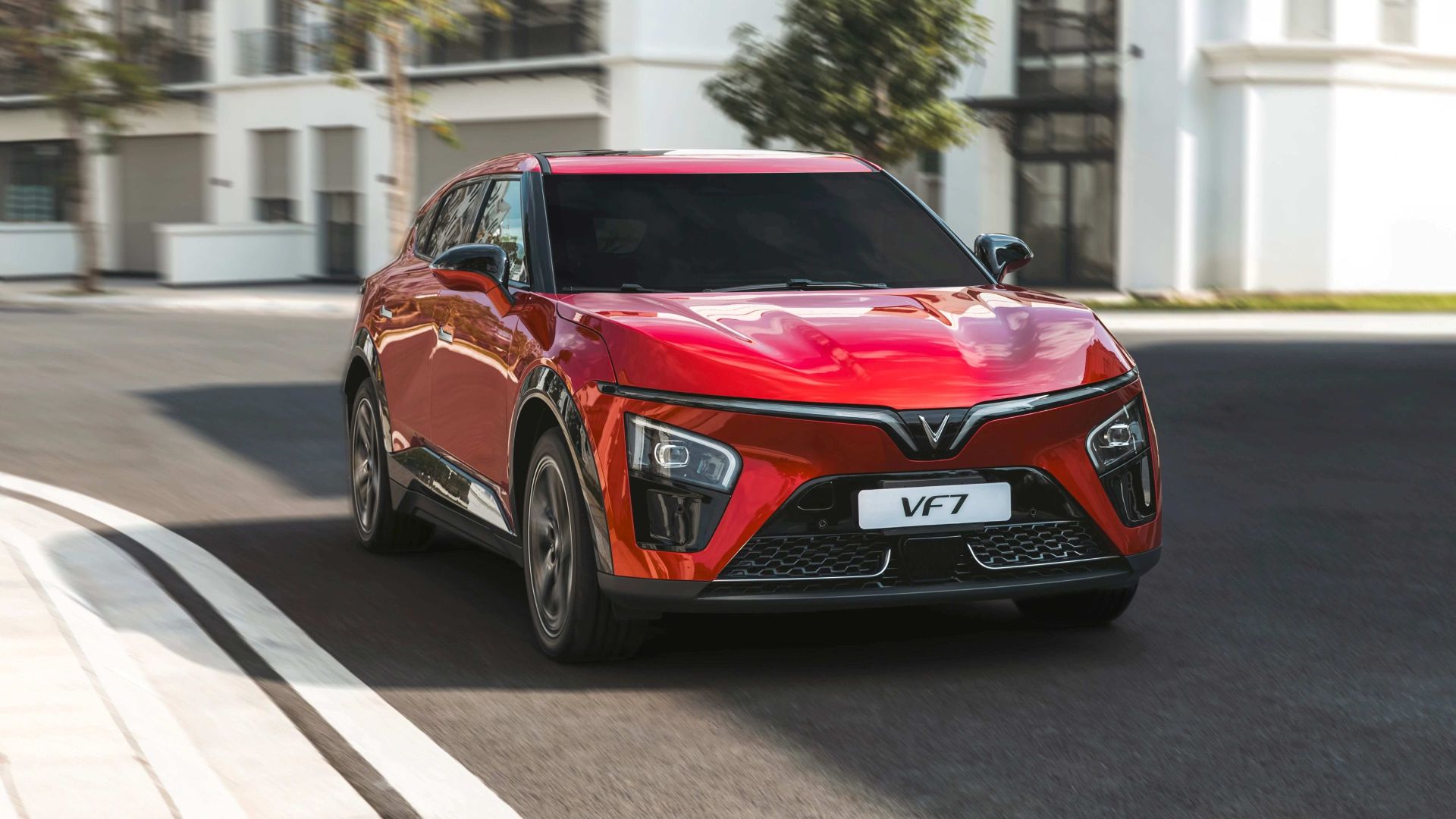
VinFast has announced the extension of its free unlimited charging program in three key Asian markets: India, Indonesia, and the Philippines.
Customers purchasing electric vehicles (EVs) in these countries (or currently own a VinFast EV) can enjoy the zero-fuel-cost advantage for three years, or until March 31, 2029.
This is amid the rising fuel costs in these countries, primarily due to the U.S./Israel-Iran war. Under the new policy, customers can charge for free at authorized V-Green charging stations.
By removing one of the largest operating costs of driving, VinFast aims to help motorists experience the economic advantages of electric vehicles (EVs) while supporting the countries’ transitions toward more sustainable mobility.
The program will be extended broadly to all customers, including both existing owners and future buyers. It will cover both private customers as well as those using their vehicles for transportation services, like the Green GSM EV taxi service network.
Alongside the free charging policy, the charging network developed and operated by V-Green is continuously expanding across the markets where VinFast operates.
This expansion helps create favorable conditions for consumers to confidently transition to greener and more sustainable transportation.
In addition to the free charging incentive, VinFast is already implementing multiple policies to promote the green transition in key Asian markets.
These include a battery subscription program that lowers upfront investment cost, a resale value guarantee policy, flexible payment options, and market-leading warranty coverage.

BYD is lighting up the electric vehicle segment. For a while now, the Chinese automotive brand has been offering affordable alternatives to the so-called giants of the market, in turn becoming a giant itself. The company has since entered other segments, including the luxury market, through its sub-brands Denza and Yangwang. Now, it’s reportedly considering an all-new venture: the world of Formula One.
The new Formula One season saw the debuts of Audi and Cadillac to the racing grid, proving that the sport isn’t averse to expanding beyond the usual ten teams. Naturally, entering the sport is not an easy process, but for the right brand, it could be a very lucrative opportunity.
According to a source from Bloomberg, BYD is currently evaluating an entry into Formula 1. Right now, the Chinese company has not made a decision, but it is an idea floating around.
Besides the rigorous entry process, owning an independent racing team can cost BYD hundreds of millions of dollars per year. It’s not a cheap sport.
That said, there are other ways for the brand to enter the grid. One of the more cost-effective options is to become a title sponsor of an existing team by providing funding and technical expertise without the stress of managing a team directly.
Alternatively, the brand can also skip the red tape by buying an existing team. Audi, for example, entered the current grid by buying the team from Sauber. Of the current grid, Alpine is reportedly considering putting the team up for sale, making it a potential target for newcomers.
Outside of F1, BYD might also have an easier time entering other competitions including the FIA World Endurance Championship.
SEE ALSO: This BYD car is now the world’s fastest car in the market
Automotive
Xiaomi Vision Gran Turismo makes global debut at MWC 2026
Tech giant becomes first technology brand in Vision GT program

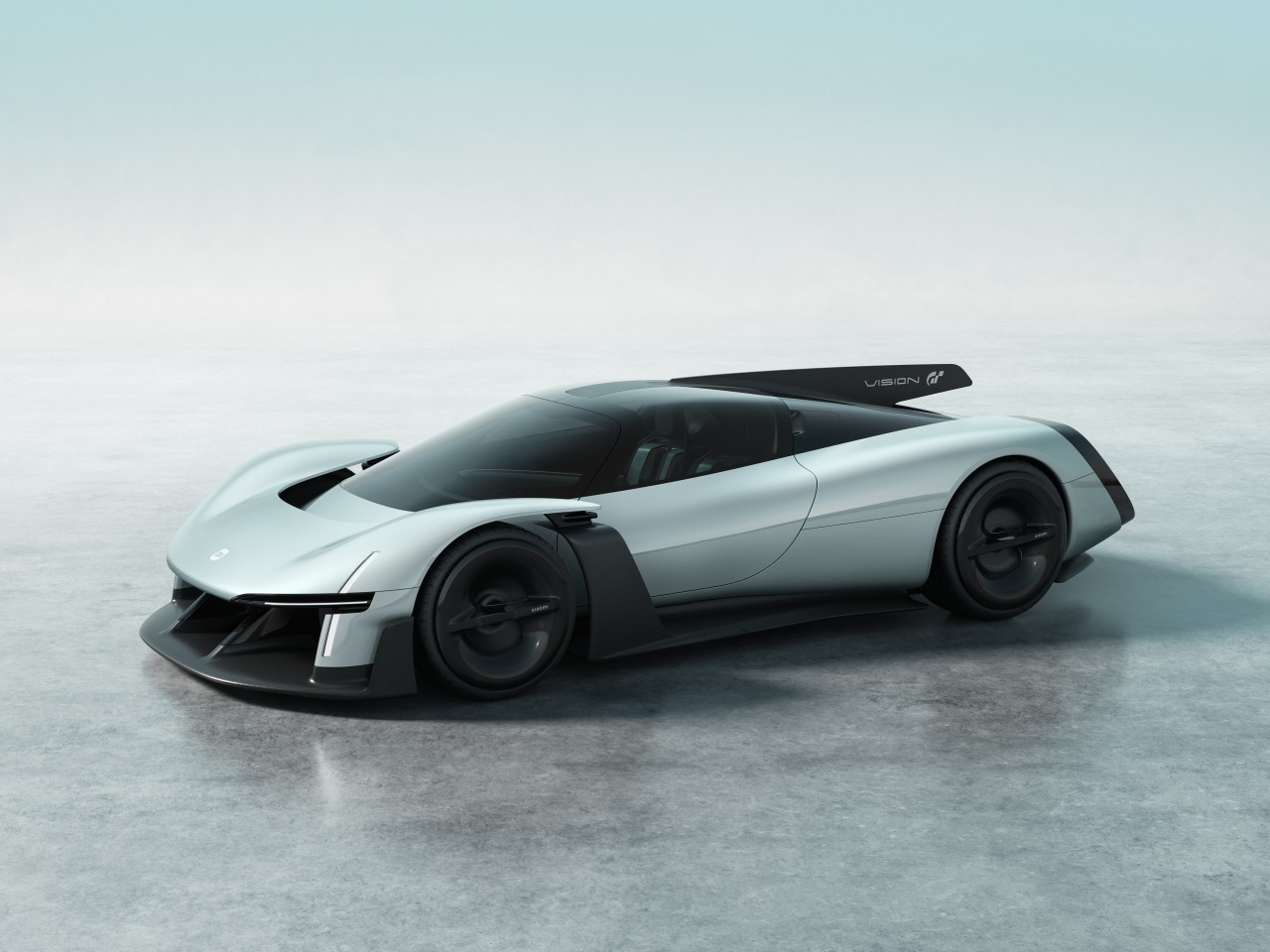
Xiaomi has unveiled the full-scale concept model of the Xiaomi Vision Gran Turismo or Xiaomi Vision GT at MWC 2026 in Barcelona, Spain. This marks the company’s official entry into the elite Vision Gran Turismo project.
Created for the legendary Gran Turismo franchise, the electric hypercar concept represents the first time a technology company has been invited to participate in the Vision GT program. Xiaomi now joins a select group of global automakers, becoming the 36th brand to take part and the creator of the 51st Vision Gran Turismo concept overall.
The project began at the GT World Series in London, where series producer Kazunori Yamauchi personally invited Xiaomi to design its own Vision GT car. For Xiaomi’s global EV design team, the opportunity meant rethinking hypercar development from a technology-first perspective, blending advanced aerodynamics with AI-driven intelligence.
Sculpted by the wind
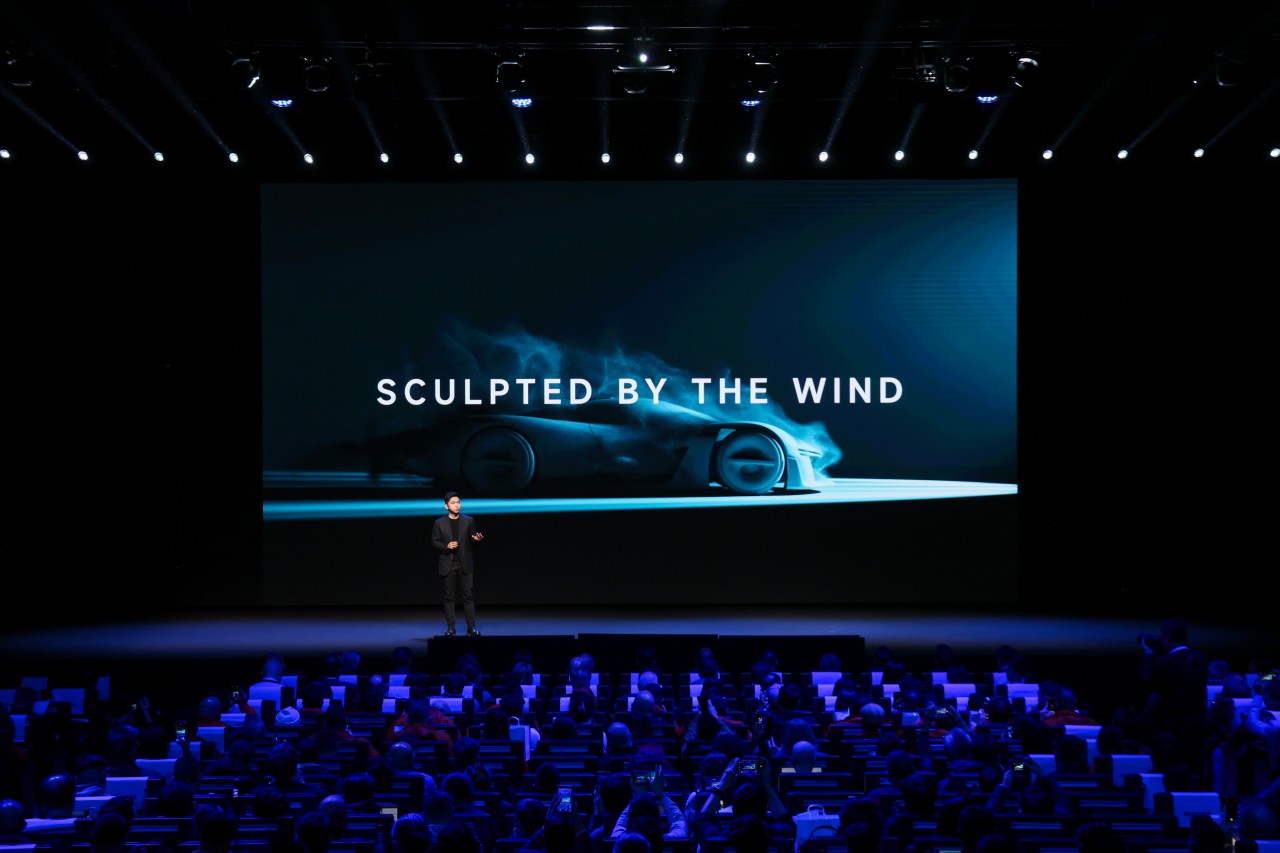
At the core of Xiaomi Vision Gran Turismo is aerodynamic balance. Instead of chasing extreme low drag or maximum downforce alone, Xiaomi pursued efficiency between the two.
The concept follows a “Sculpted by the Wind” philosophy. Its teardrop cockpit silhouette, integrated air ducts, and airfoil-shaped structural elements guide airflow seamlessly from front to rear. The body avoids excessive add-ons, relying instead on built-in aerodynamic solutions.
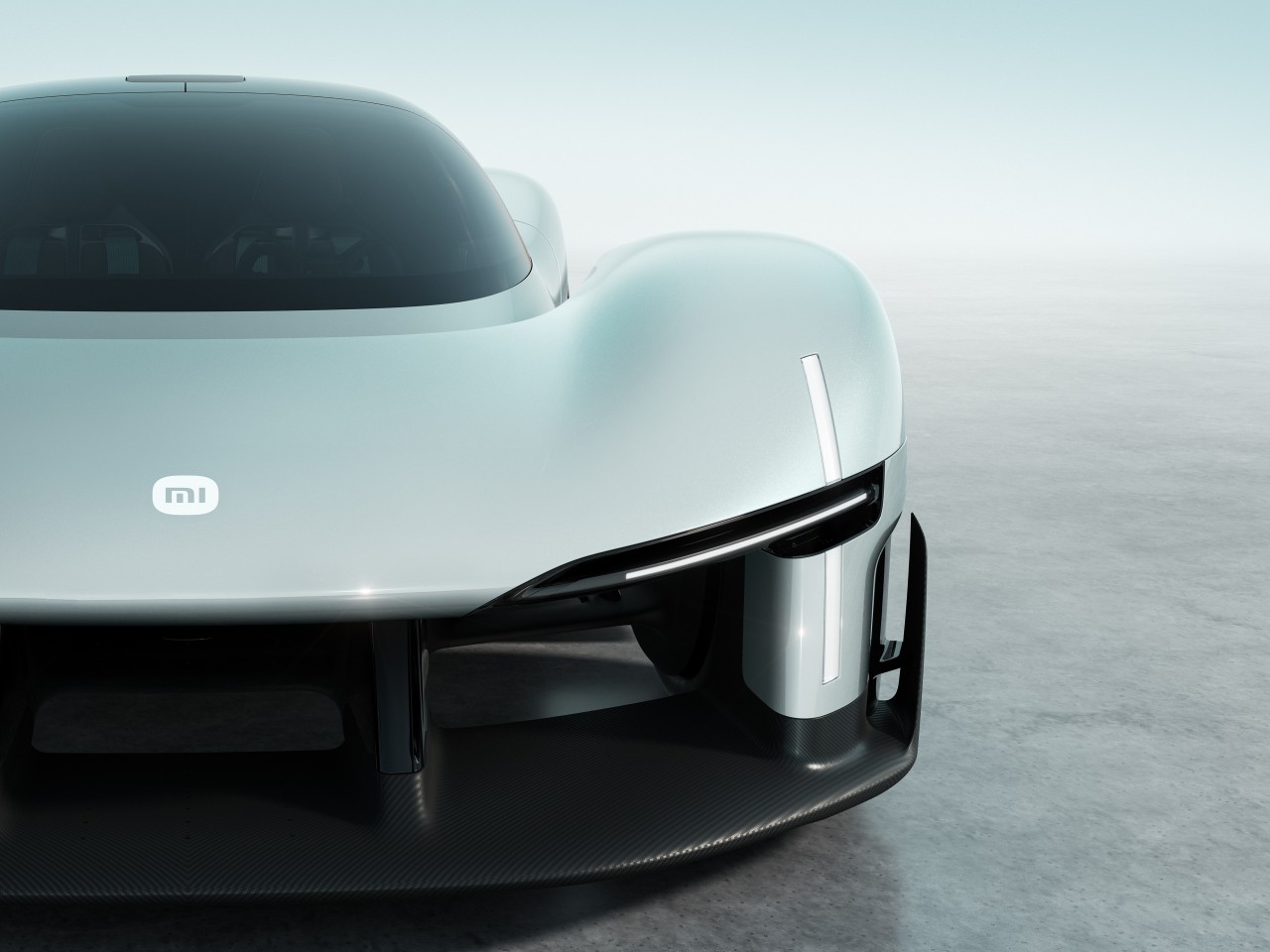
Signature design elements serve dual purposes. Cross-shaped headlights integrate into the airflow system, while the halo-shaped taillight sits within a massive rear air outlet. An Active Wake Control System surrounds the rear with micro-perforations that manage turbulent air using real-time speed and angle data.
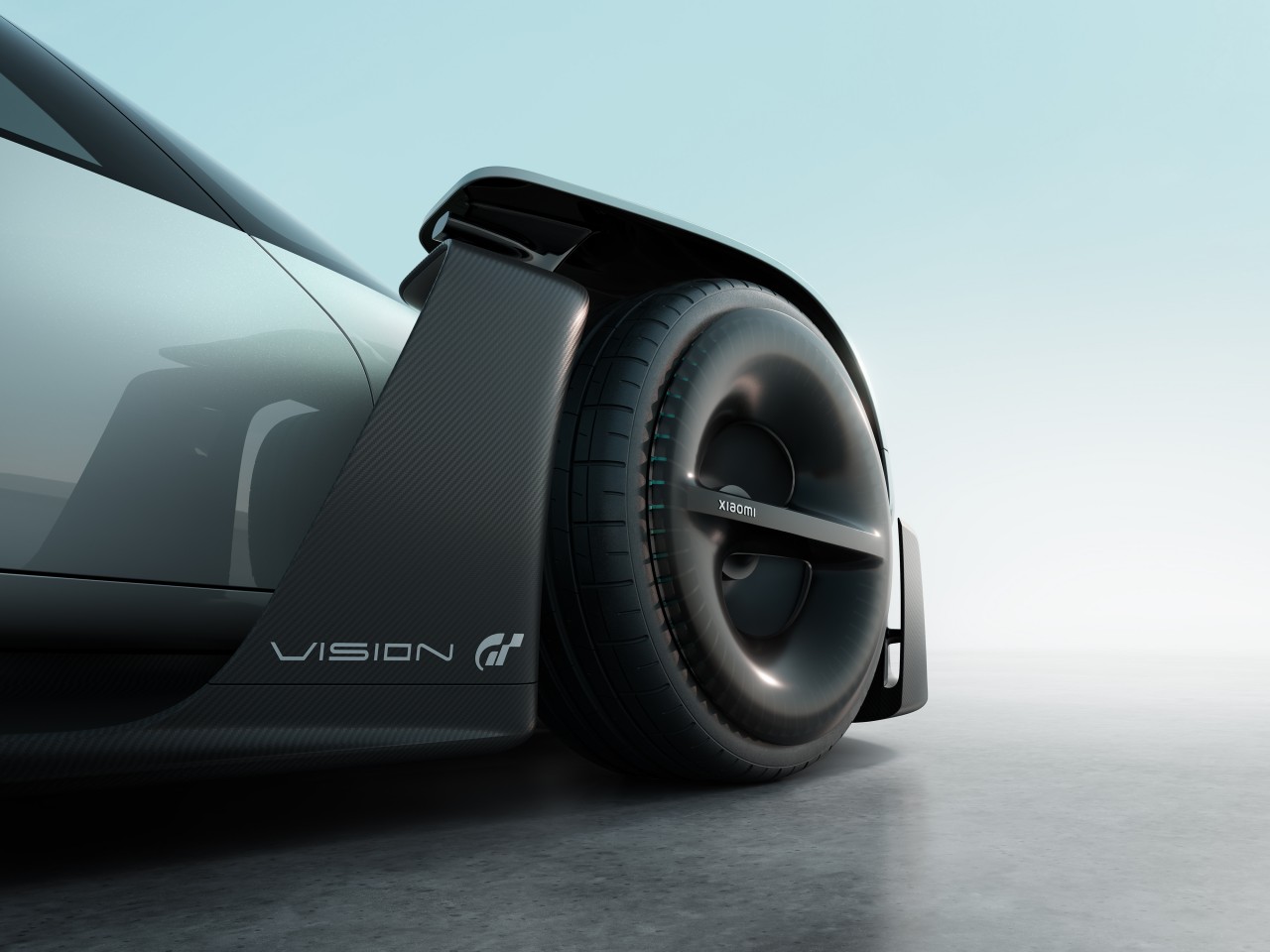
The Accretion Rims feature vortex-style wheel covers that remain visually stationary while the car is in motion, reducing drag from rotating surfaces. Internal turbine fins help cool the brakes during operation.
Through iterative simulation testing, Xiaomi says the concept achieves a drag coefficient of 0.29, downforce of negative 1.2, and an aerodynamic efficiency rating of 4.1 — figures that highlight balance rather than extremes.
A “sofa racer” interior
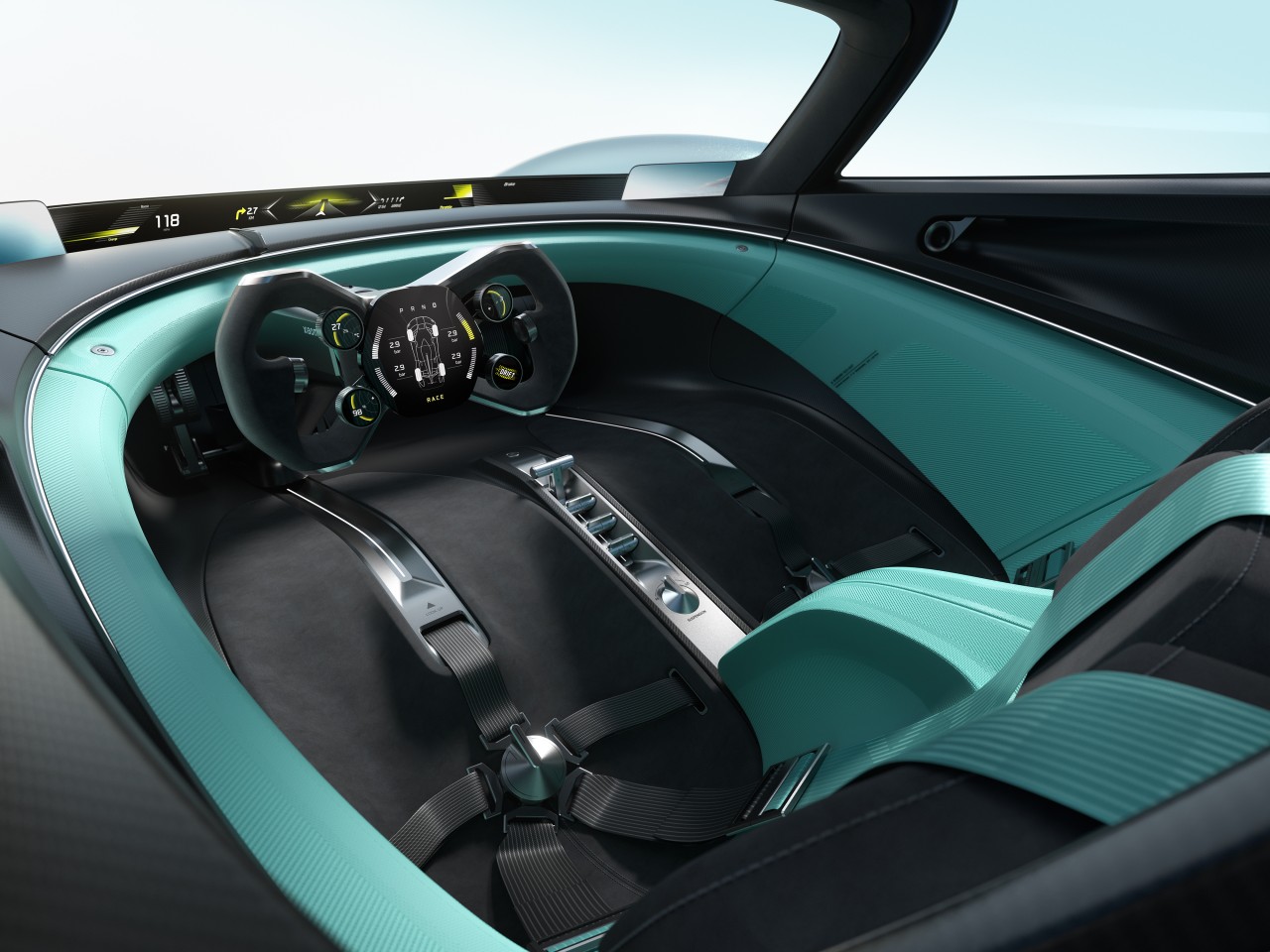
Inside, Xiaomi departs from the rigid, track-focused cabins typical of hypercars. The “Sofa Racer” concept emphasizes comfort without sacrificing control.
A ring-shaped cockpit architecture wraps around the driver, blending dashboard, doors, and seats into one continuous structure. Breathable 3D-knitted fabric materials aim to provide both support and warmth.
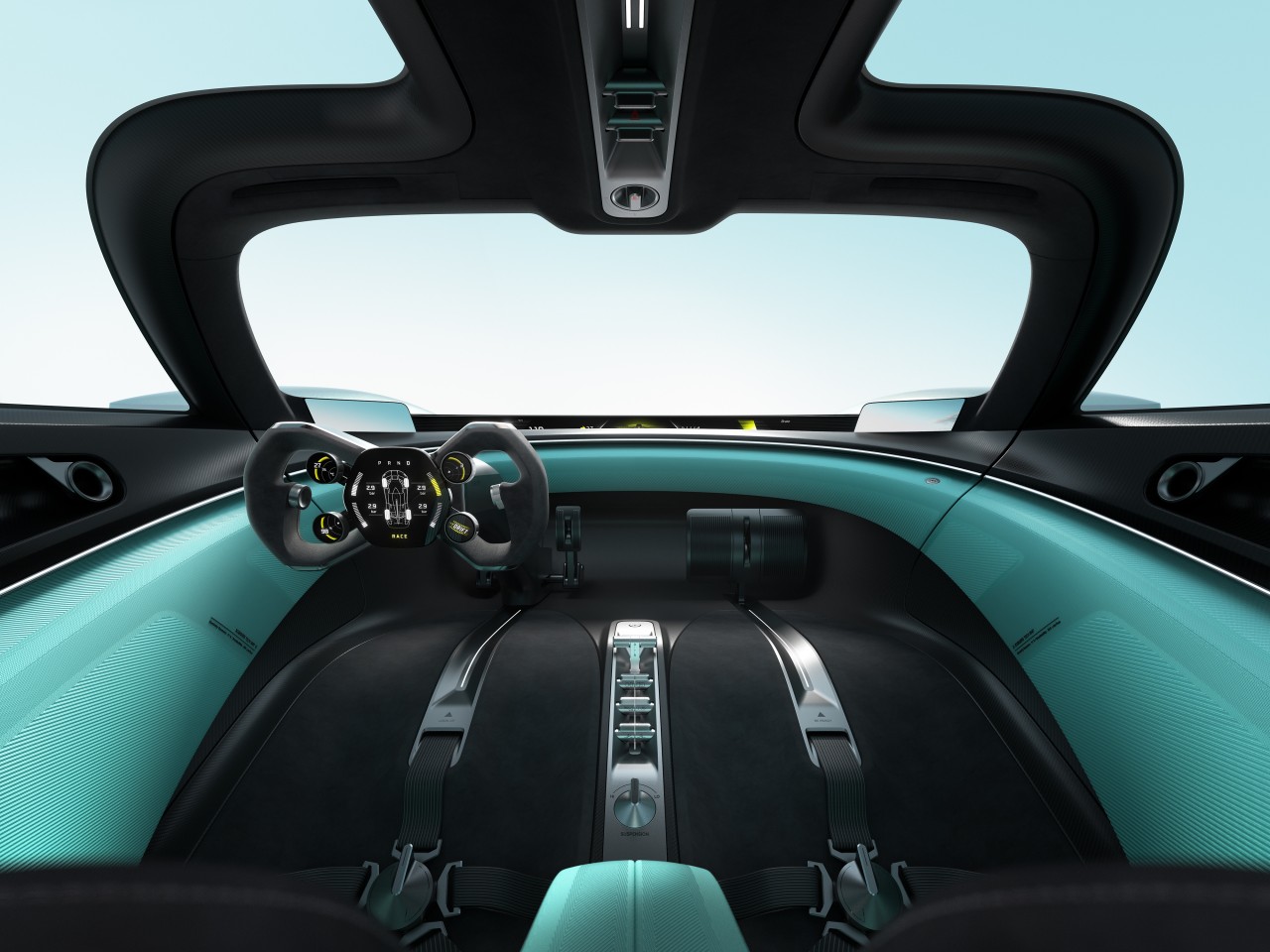
At the center is Xiaomi Pulse, an intelligent assistant integrated into the dashboard. Working alongside Xiaomi HyperVision and the company’s HyperOS platform, the system adapts displays and interactions based on driving mode and environmental data. Physical controls remain tactile and precise, including an infinite-shaped steer-by-wire wheel.
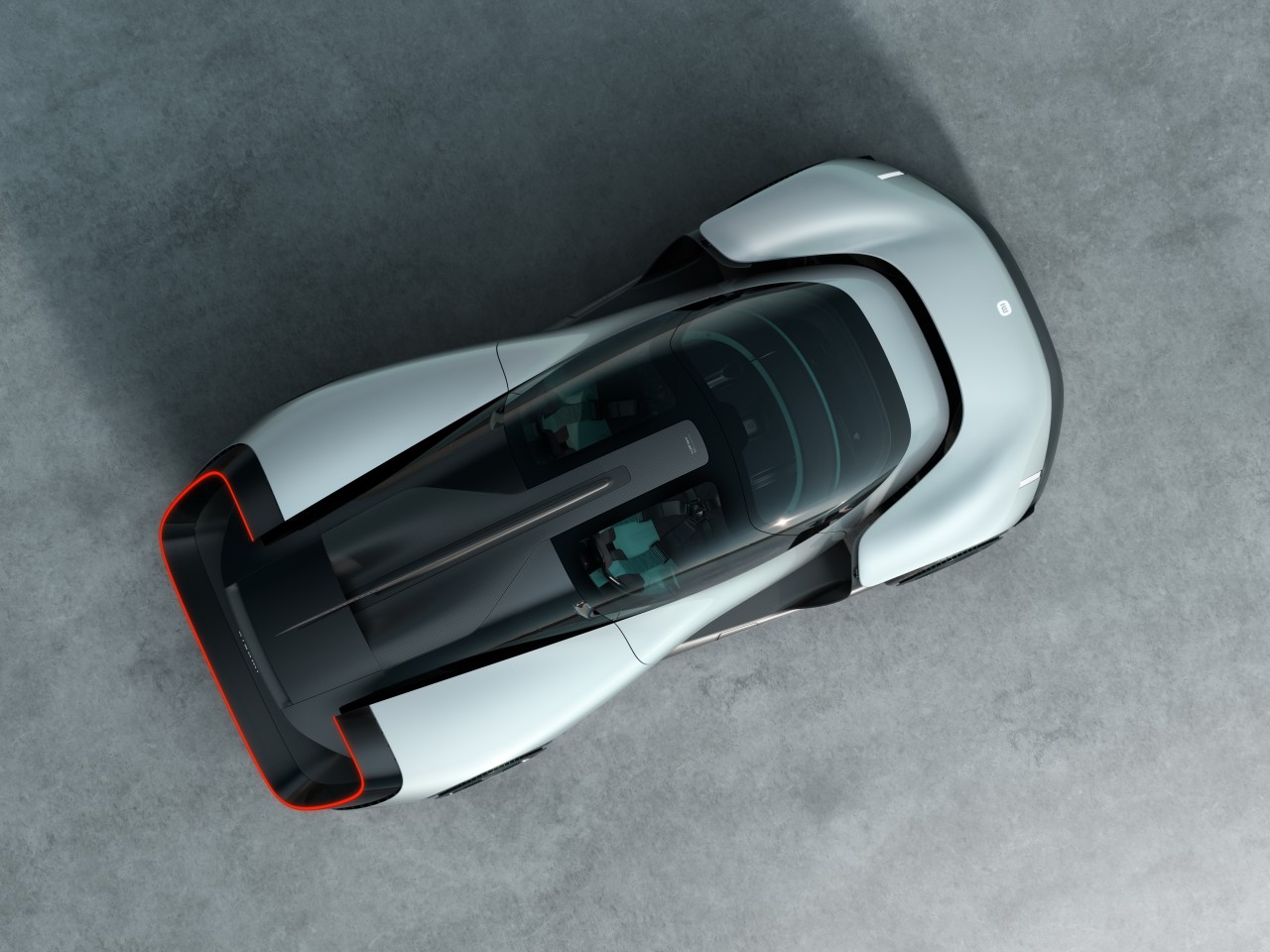
The concept also integrates into Xiaomi’s broader “Human × Car × Home” ecosystem. Powered by XiaoAi AI Assistant and the Xiaomi MiMo foundational model, the car connects with personal devices and smart home products, positioning itself as part of a unified digital lifestyle.
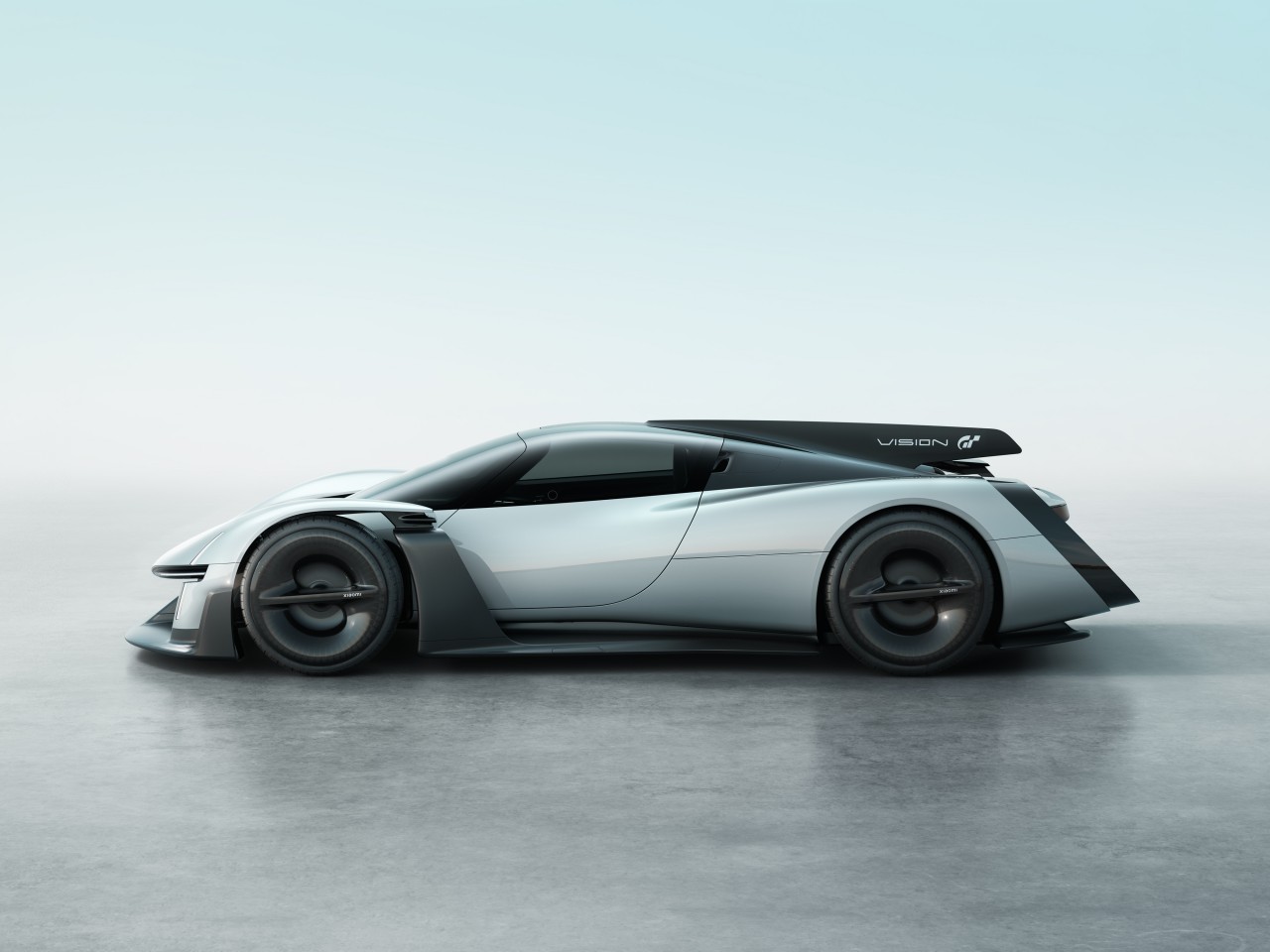
Xiaomi has also envisioned a companion driving simulator designed as furniture for the home, extending the Vision Gran Turismo experience beyond the vehicle itself.
Yamauchi praised the project, noting how the design successfully resolves the tension between low drag and high downforce. Further details about the car’s arrival in Gran Turismo 7 will be announced at a later date.
With its Vision Gran Turismo debut, Xiaomi signals a broader ambition: redefining the electric hypercar through AI integration, ecosystem connectivity, and aerodynamic precision.


POCO X8 Pro Max review: A new beast from the far east
That "Pro Max" naming superlative is more than justified


POCO X8 Pro Iron Man Edition review: Midrange phone in superhero armor
POCO x MK15


Now Playing: Project Hail Mary
It's a treat for those who loved the original book.

OPPO Find N6 launches globally with near crease-free foldable display
POCO X8 Pro Max review: A new beast from the far east
POCO X8 Pro Iron Man Edition review: Midrange phone in superhero armor

POCO X8 Pro Series launches in Singapore with early bird prices

POCO X8 Pro Series: Price, availability in the Philippines


-
 MWC 20262 weeks ago
Infinix NOTE 60 Ultra makes a motorsport-inspired debut
-

 Computers2 weeks ago
AMD announces Ryzen AI 400, AI 400 PRO series at MWC 2026
-

 Reviews2 weeks ago
The Xiaomi 17 shoots Leica dream
-

 Gaming2 weeks ago
Ubisoft confirms Assassin’s Creed: Black Flag remake
-

 Gaming2 weeks ago
PlayStation will stop releasing its games on PC
-

 Hands-On2 weeks ago
OPPO Reno15 F 5G hands-on
-

 Gaming2 weeks ago
Project Helix is Xbox’s next console, and it plays PC games
-

 Laptops2 weeks ago
Apple accidentally revealed something called the MacBook Neo