
Gaming
Persona 5 review: Can style override substance?


Persona 5, the biggest JRPG release of 2017, has been out for weeks. Clear of the game’s launch hype, is it deserving of stealing the public’s heart or is it merely a bombastic masked pretender that needs exposing?

Art design is aces
Bold red, black, and white serve as its visual foundation. This arresting palette kip-ups to life and sweeps you off your feet with the gentleman thief/punk rock/latex fetish design of the main cast. It bumps and bounces in the menus, shaking up the UI when you button through. All-out attacks culminate in wallpaper-worthy graphics, and it’s never not satisfying.

There’s elegance to every transition. From winning battles to navigating between areas, the colors slink and slide across the screen, and you can’t help but smile at every context-sensitive swipe of the display.
Smooth-grooving audio
Pressing O or X to cancel or confirm actions gives a satisfying squee. That precision glass shatter of a critical hit jolts of excitement. Every gunshot crackles staccato.
Series composer Shoji Meguro matches the rebel imagery with a super-slick soundtrack. The music effortlessly switches from sweeping jazzy strings and keys to grinding hard guitar riffs, all the while riding funky bass licks and finger-snapping percussion.
Criminally good opening animation:
Rebellious spirit restricted
It’s technically not part of Persona 5’s overall design, and I wrote about it in an earlier article, but the irrationality of Atlus in restricting capturing footage of the game bears repeating. I enjoy archiving my playthroughs on the PS4 with screenshots and videos. Atlus denies me and millions of other players that simple pleasure of keeping our own memories of an enjoyable experience. It’s harsh and petty, and I pray that future installments aren’t shackled by this backwards mentality.
Atlus has softened its stance on streaming since the game’s release, but the restrictions on the sharing features of the PS4 still stand.
Regressive representation
Persona 4 took on the issue of gender identity head on with two of its main characters, shining a light on the struggles teens go through when reconciling their sexuality with society’s expectations on masculinity and femininity. It wasn’t perfect, but at least it had some nuance.
Persona 5’s “contribution” to the issue? A homophobic scene showing an age old stereotype of gay men as predatory pedophiles played solely for laughs. It’s one moment in a 100+ hour journey, and that might make it easy for some to wave off, but it only stands out even more to me as an inexcusable stain on an otherwise inspiring epic adventure of resistance.

Heavy topics done halfway right
While previous titles focused on personal turmoil, this latest entry serves up larger social issues like institutionalized abuse, labor exploitation, and political corruption for the good guys to take down.
It’s admirable and reflective of the large-scale “wokeness” we’re seeing in the youth now, but the shonen anime trappings, which Persona 5 indulges a little too much in, hamper the serious messages with long-winded exposition and, at times, clunky English translations from the original Japanese text. The always impressive voice acting performances do manage to carry most scenes, but not all of them.
The old-school, turn-based battles are now layered with shooting, enemy negotiation, and more team synergy that allow you to combo more attacks for quicker ends to fights. The year-long slice of high school life where you bond with schoolmates and strangers is as rewarding as ever with its weird, wacky, and intimate tales, while also being more exploratory as you can hang out with your friends all over Tokyo, too.

The most significant improvement is in the dungeons, or as the game calls them, the Palaces, that your gang of Phantom Thieves have to infiltrate and steal the treasures within to overcome the main antagonists. Each one is a fantastical psychological tableau that comes alive through unique puzzles and ways of navigation. What felt like a chore in the earlier Personas plays like a dream in Persona 5.

That is until you hit the last couple of areas that feel like they just go on forever for no reason other than to pad length and difficulty, which is especially egregious in the last couple of dungeons.
Supreme style and stunted substance
If you’re up for committing around 70 to 120 hours to complete one game, I do think Persona 5 is worth the time for its cool creativity, thematic ambitions, and irresistible gameplay hooks. Just steel your heart for the obnoxious narrative failings, and don’t expect to have much of a shared experience with your friends.
SEE ALSO: Persona 5’s developer doesn’t want you doing this — it’s nonsense
[irp posts=”13247″ name=”Persona 5’s developer doesn’t want you doing this — it’s nonsense”]




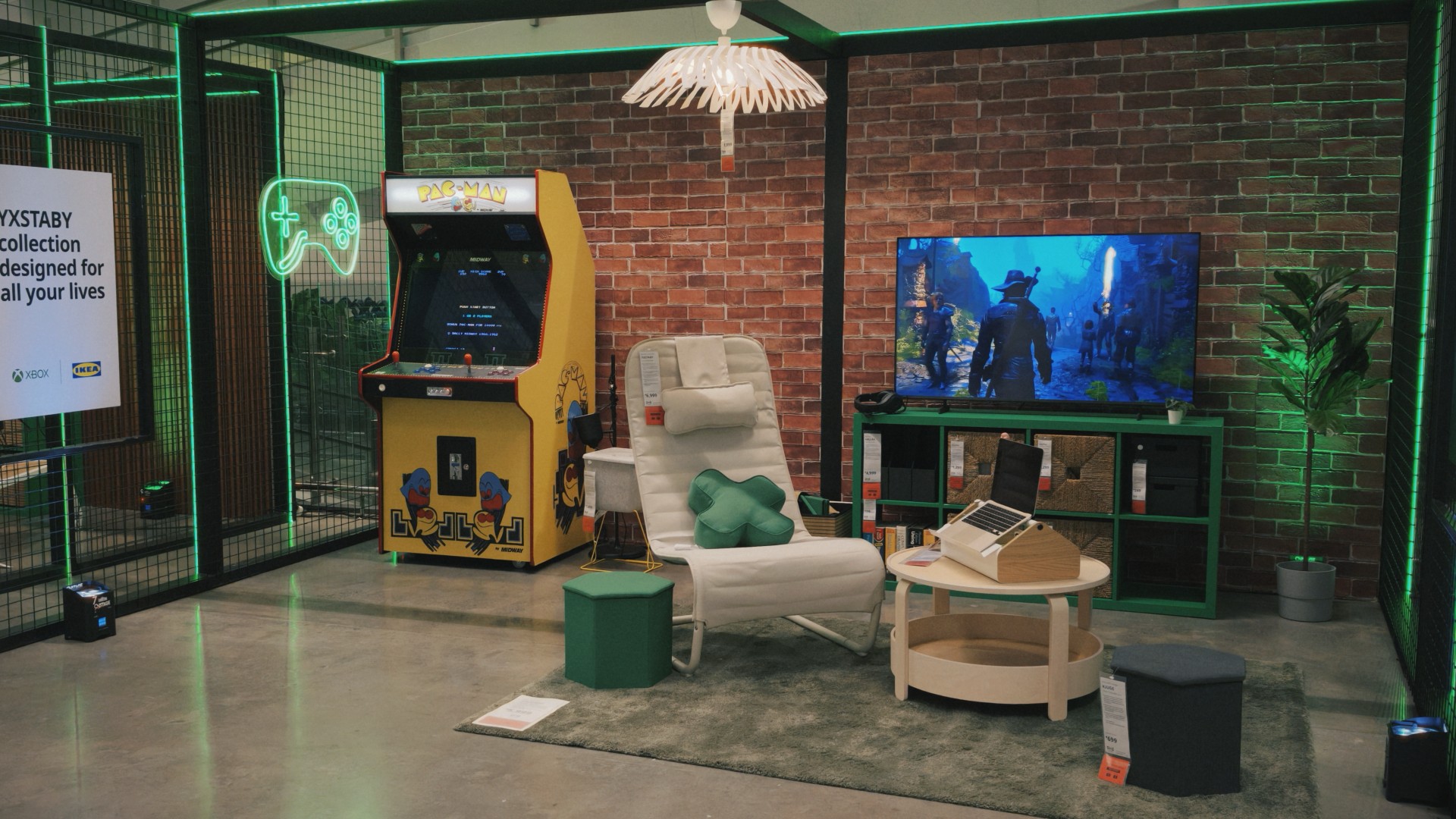
Gaming setups don’t have to look like dedicated gaming rooms. IKEA and Xbox are making that easier with their new YXSTABY collection.
The nine-piece collection combines IKEA’s furniture design expertise with Xbox’s understanding of gaming. It brings together functional furniture and playful accessories inspired by Xbox controllers.
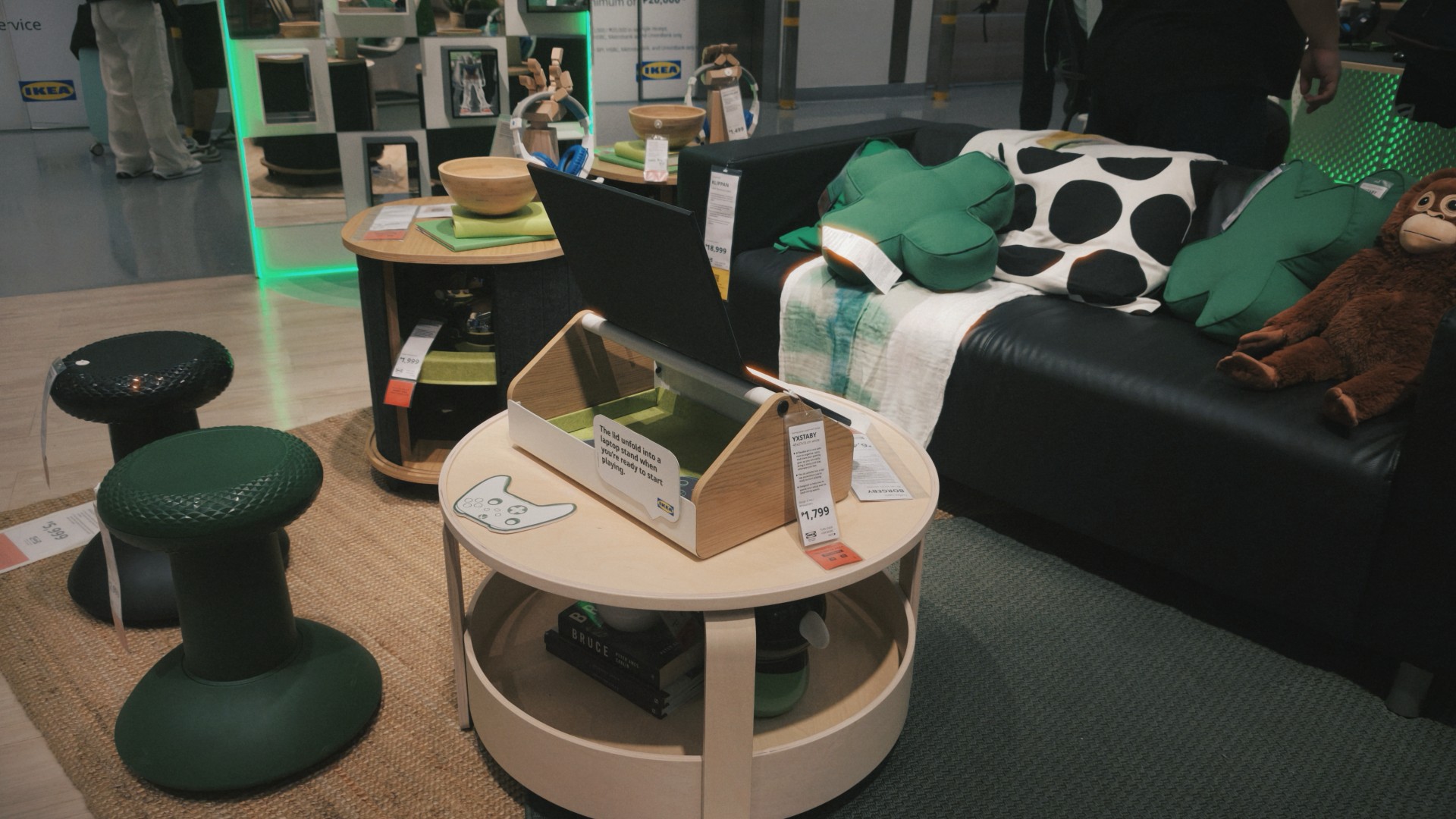
IKEA launched the collection in the Philippines on November 4 at its Pasay showroom. The event featured interactive room setups that demonstrated how the furniture fits into everyday homes.
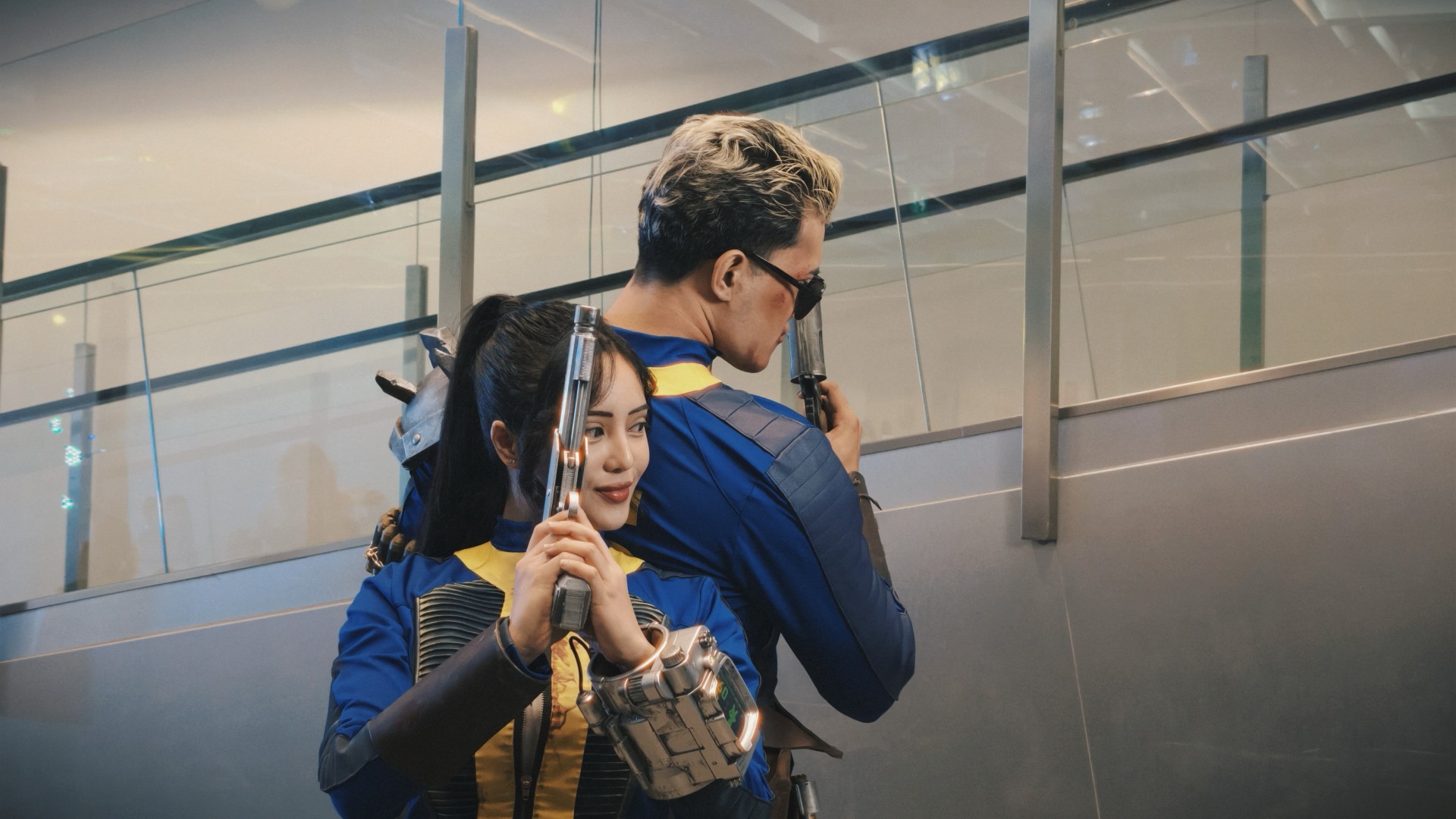
The launch also included a cosplay runway inspired by IKEA’s iconic blue and yellow FRAKTA bag. Guests explored immersive gaming stations and experienced the collection firsthand.
Gaming furniture designed for everyday homes
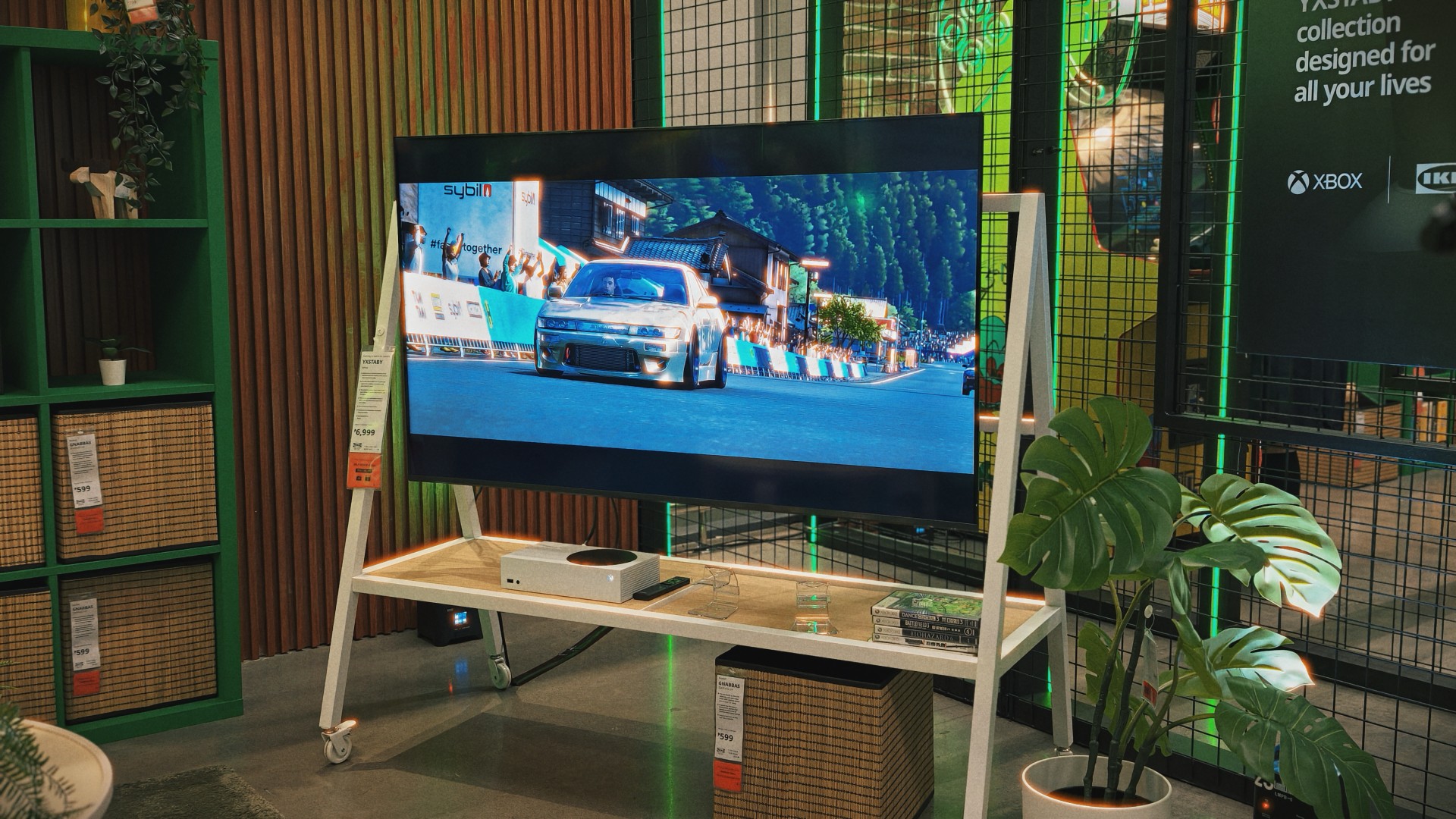
YXSTABY addresses the challenges of fitting gaming setups into shared living spaces. Its furniture supports different gaming positions while keeping accessories organized.
The gaming lounge chair accommodates both forward-leaning gameplay and relaxed reclining positions. A rolling side table keeps gaming accessories within reach.
The collection also includes flexible storage for cables and accessories. Its felt inserts protect stored items, while its foldable design doubles as a laptop stand.
Families can also move their gaming setups between rooms. A TV stand with castors makes it easier to relocate equipment without dedicating an entire room to gaming.
Xbox controller-inspired accessories

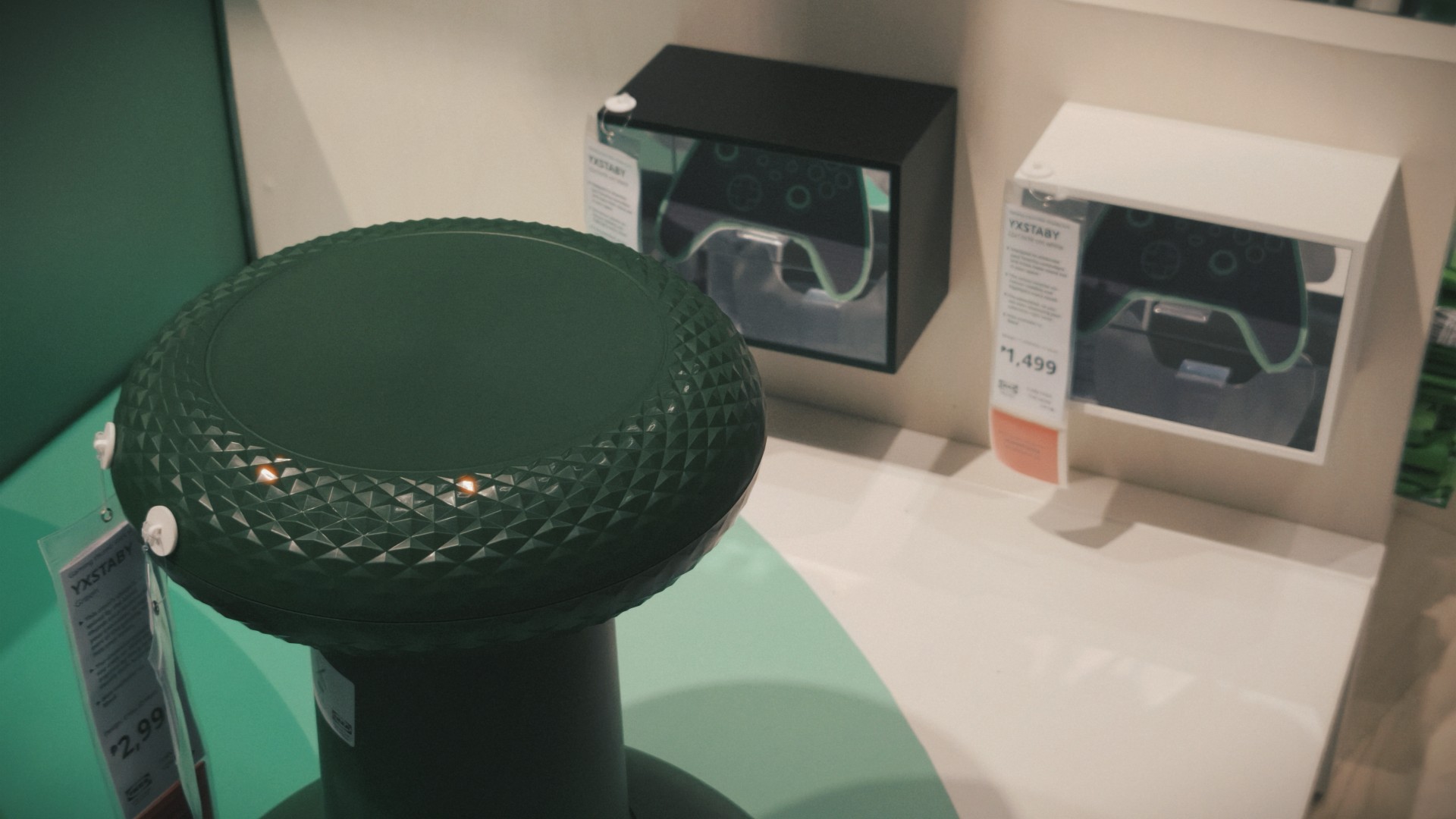
Xbox’s influence extends beyond the collection’s gaming furniture. Several accessories take inspiration from familiar controller elements.
The Gaming D-pad cushion recreates the controller’s distinctive directional button. A stainless steel platter also borrows its design from the D-pad.
Another standout is the tilting thumbstick stool, which takes inspiration from an Xbox controller’s analog stick. A mirrored display box gives collectors a dedicated space for controllers and other gaming memorabilia.
Bringing gaming into Filipino homes

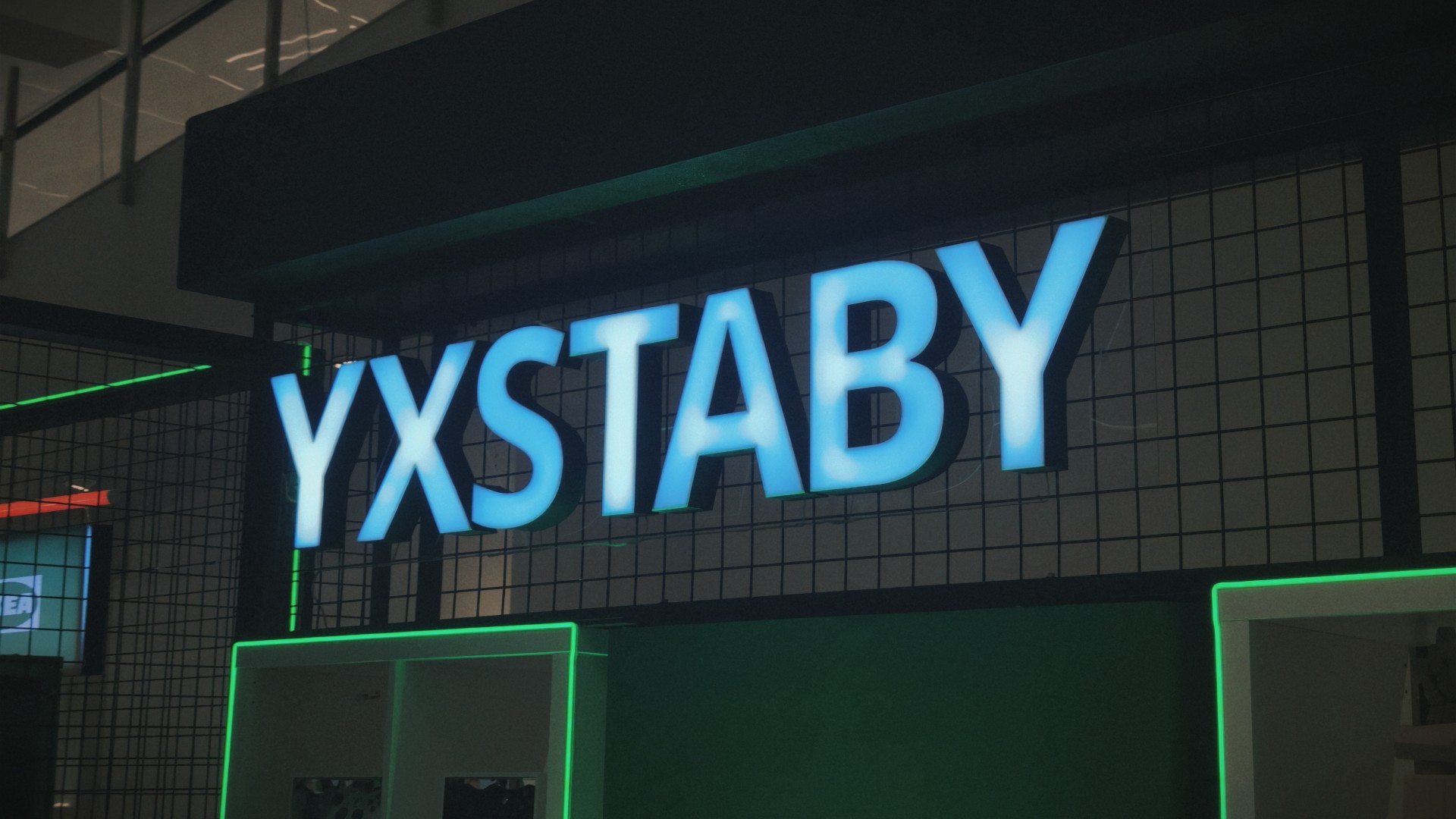
IKEA Philippines Sales Leader May Castillo highlighted the collection’s relevance to local households.
She pointed to the Philippines’ strong gaming culture and the country’s high engagement with video games across different devices.
IKEA Philippines Selling Manager Sarah Cox said the collection draws inspiration from Xbox controllers and how gamers actually play. It also incorporates IKEA’s playful approach to furniture design.
The collaboration brings together two brands with different strengths. IKEA understands how people use their living spaces, while Xbox understands what players need from their gaming setups.
The result is furniture that makes gaming more convenient without making the rest of the home feel like a gaming room.

Can you believe that it’s been over eight years since Bethesda announced The Elder Scrolls VI. Since then, we’ve seen neither hide nor hair of the upcoming title. Today, the studio has mercifully revealed a tiny bit more about the game including its title and setting.
Historically, the Elder Scrolls franchise is not known for its numbering. It’s not The Elder Scrolls III, IV, and V; it’s Morrowind, Oblivion, and Skyrim. Now, we know what The Elder Scrolls VI will be called — Sentinel.
The name is also a huge clue as to where the game will take place. Besides being the name of the game itself, Sentinel is also the capital of Hammerfell, a region in northwest Tamriel. The teaser, which shows a sword being uncovered from a pile of sand, confirms this. After all, the Alik’r Desert is one of the region’s highlights.
Now, Hammerfell is not a new region for players. The region, especially the titular Sentinel, was previously featured in The Elder Scrolls II: Daggerfall. Obviously, not a lot of gamers would have played this classic game before, so a return will introduce the region to a lot more modern players.
Unfortunately, despite throwing us a bone with the name and the setting, Bethesda did not reveal when the title is coming. Given that Grand Theft Auto VI is launching very soon, the time is ripe for the launch of another much-awaited title.
SEE ALSO: The Elder Scrolls IV: Oblivion Remastered is out now


Riot Games is celebrating the return of virtual K-pop group K/DA with new music, exclusive skins, and major gameplay updates in League of Legends: Wild Rift Patch 7.3.
After a six-year hiatus, K/DA returns with FIRESTARTER, the group’s newest track and the title track of an EP featuring three additional songs. The release marks a new chapter for the virtual group, which brings its latest musical era to the mobile MOBA through the new HEATBRINGER skinline.
To celebrate the comeback, Riot Games hosted FIRE IT UP: The K/DA Comeback Party in the Philippines. The event brought fans together for a listening party featuring music from across Riot Games’ virtual acts, live Wild Rift gameplay, community activities, and exclusive photo opportunities.
Attendees also experienced live AAA ARAM matches featuring gameplay disruptions and augments inspired by Riot Games’ musical universe, including HEARTSTEEL, Pentakill, and TRUE DAMAGE.
K/DA returns with new HEATBRINGER skins
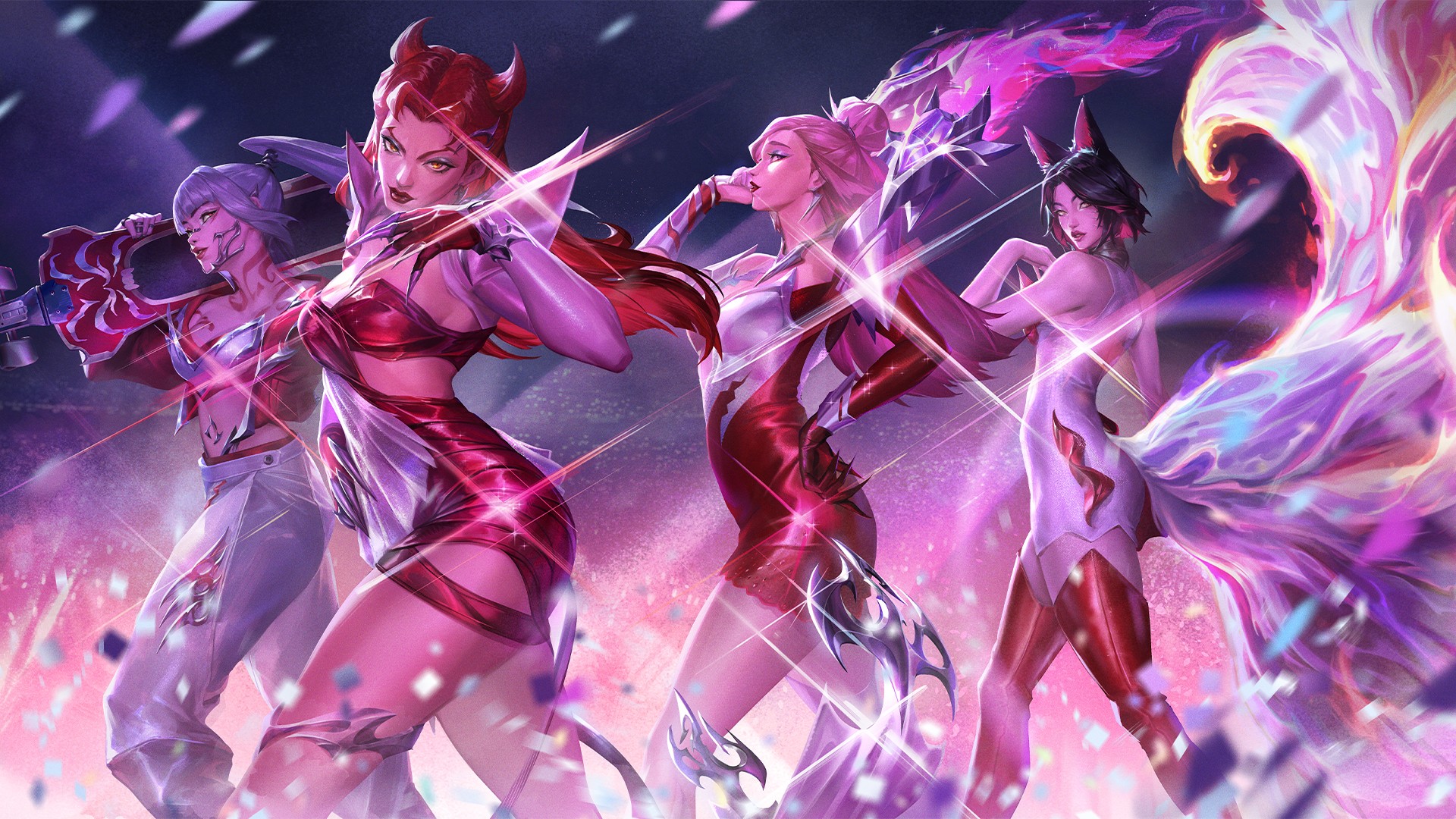
The K/DA comeback introduces the HEATBRINGER skinline, featuring new looks for the group’s four original members: Ahri, Akali, Evelynn, and Kai’Sa.
The skins give the champions a new visual identity inspired by K/DA’s latest musical era, with fiery red and white elements that bring their stage presence to the Rift.
The collection also includes Prestige K/DA HEATBRINGER Evelynn.
The new skins are exclusive to Wild Rift and are scheduled to launch on November 4, 2026.
The comeback extends beyond the cosmetics. With FIRESTARTER and its accompanying EP now available on major music streaming platforms, K/DA’s return brings together Riot Games’ music and gaming communities.
Wild Rift Patch 7.3 overhauls marksmen and item builds
Beyond the K/DA celebration, Patch 7.3 introduces significant gameplay changes that reshape champion builds, jungle strategies, and objective control.
One of the biggest changes targets marksmen, giving critical-strike builds more room to scale. Base critical-strike damage increases from 175% to 200%, while the attack-speed cap rises from 2.5 to 3 attacks per second.
Several marksmen also receive individual adjustments, including Ezreal, Kai’Sa, Twitch, Lucian, Caitlyn, Draven, Miss Fortune, Samira, Zeri, Jinx, Vayne, and Ashe.
The item system gets an overhaul to support these changes. Players can explore new or redesigned options, including Hexoptics, Yun Tal Wildarrows, Fiendhuler Bolts, Stormrazor, Rapid Firecannon, and Immortal Shieldbow.
Lifesteal also receives changes intended to support basic attacks, on-hit damage, and abilities treated as basic attacks.
Support items are part of the update, too. Echoes of Helia is positioned toward offensive supports who want to convert damage into healing, while Ardent Censer, Staff of Flowing Water, and Harmonic Echo also receive changes.
Jungle changes reward efficient farming
Patch 7.3 also changes how junglers approach the early and mid-game.
The updated jungle system rewards consistent camp clearing with bonus gold and introduces a catch-up mechanic for junglers who fall behind. This reduces the pressure to constantly gank and encourages players to balance farming with opportunities to assist their teammates.
Clearing camps also progresses Ecosystem Protection stacks, allowing Smite to scale from 600 to 1,000 and eventually 1,400 true damage.
These changes make efficient farming more important when preparing to secure major objectives such as Baron Nashor, Rift Herald, and Dragons.
Epic monsters also adjust to the pace of each match, scaling according to the average player level rather than simply growing stronger as time passes.
Turrets receive substantial changes as well. Plating now extends to outer, inner, and inhibitor turrets and remains permanently. The new Crystalline Overgrowth mechanic lets turrets accumulate crystals that champions can detonate with their first basic attack.
Together, these changes place greater emphasis on lane pressure, defensive positioning, and coordinated pushes. Winning team fights remains important, but teams must also turn their advantages into meaningful objective damage.
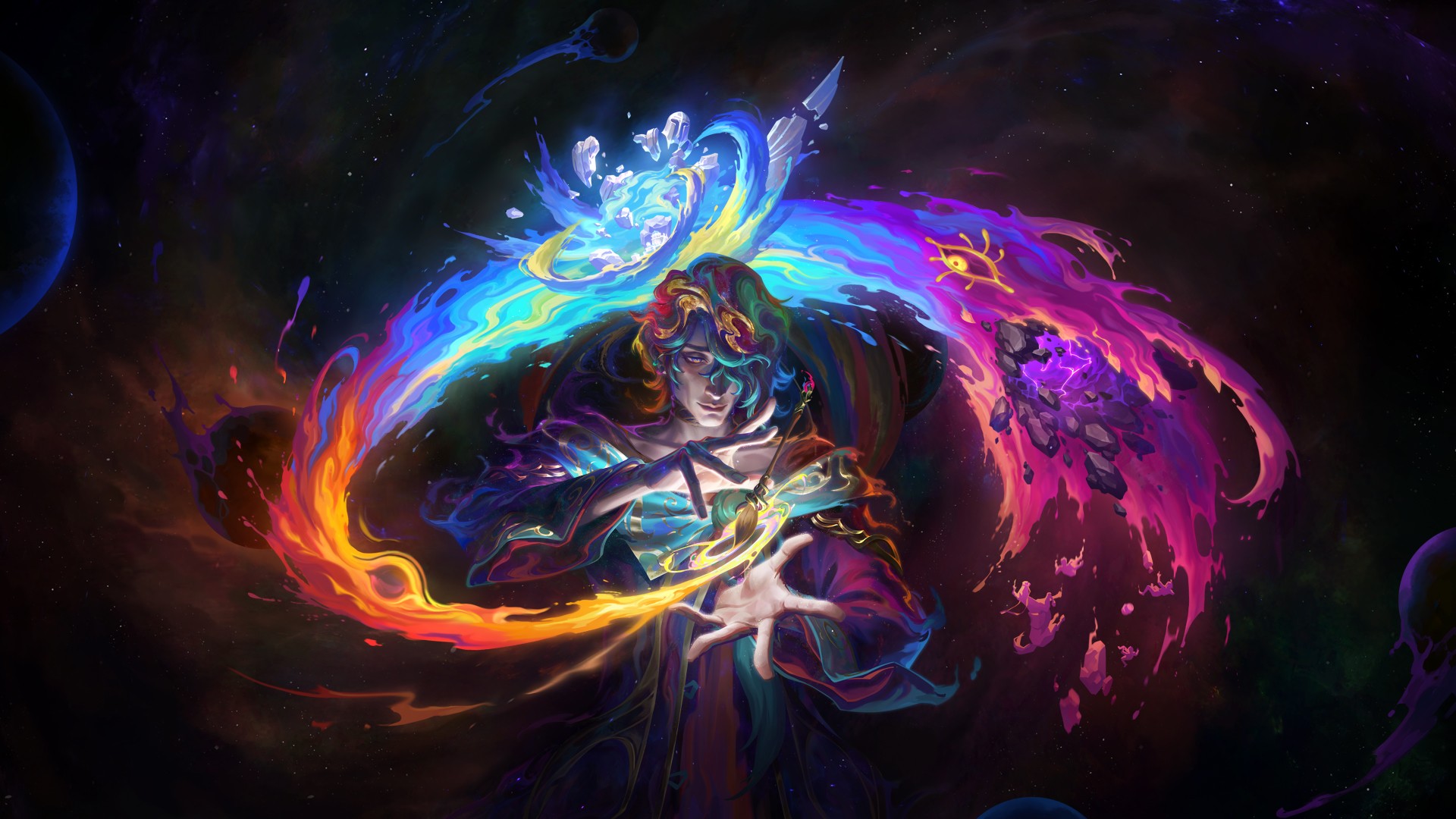
Hwei, Sylas, and Rek’Sai join the roster
Patch 7.3 expands the champion roster with three additions: Hwei, Sylas, and Rek’Sai.
Hwei, the Visionary, brings a flexible set of abilities to the mid lane. His Subject: Disaster, Subject: Serenity, and Subject: Torment ability groups give him tools for dealing damage, supporting allies, and controlling opponents.
Sylas offers explosive damage and crowd control. His kit includes an ability that pulls enemies into a stun-to-knock-up combination, while Kingslayer restores health based on his missing health. His ultimate lets him steal an enemy champion’s ultimate ability.
Rek’Sai brings another approach to initiating team fights. Her Unburrow ability knocks up nearby champions, while her ultimate helps her track nearby enemies before striking.
These additions give players more options for adapting their team compositions and strategies.
Ranked play and game modes get updates
Competitive players also get changes to Ranked and Legendary Ranked.
The S/A and MVP scoring systems now evaluate performance according to a player’s lane and champion role instead of relying on a single universal metric. Strong performances can also yield more Ranked energy.
Legendary Ranked receives adjustments to its seasonal entry requirements for former Grand Masters, alongside a new trial format designed to help top performers advance from Legendary Commander Rank.
Players looking for something different can also try Rift Rumble, a new 3v3 mode played on a symmetrical map. Teams battle for kills and compete to capture ultimate stones that can change how their champions secure eliminations.
Meanwhile, AAA Realm continues to evolve with a music-themed season and new augment cards. These include Sonic Waves, which draws inspiration from Riot Games’ musical acts, including HEARTSTEEL, Pentakill, and TRUE DAMAGE.

A new era for K/DA and Wild Rift
With FIRESTARTER, the HEATBRINGER skins, and a sweeping gameplay update, Patch 7.3 connects Riot Games’ music and gaming communities through a shared celebration.
K/DA’s return gives fans a new soundtrack and fresh looks for their favorite champions, while the gameplay changes introduce new ways to approach champion builds, jungle farming, and map control.
Players can follow Wild Rift Philippines’ official social media channels for updates on the latest patch, champion releases, and in-game content.
K/DA returns with FIRESTARTER.


Apple iPad mini OLED review
Has the mini gone PRO?!


ROG G700 review: The best prebuilt PC you can get off the shelf
This PC will make you stop worrying about specs.


HP OMEN Max 16 review: Gamer-maxxing in deep black
Peripherals deemed necessary to max this out

Sony revives classic Walkman headphones with USB-C MDR-3R

IKEA, Xbox launch nine-piece YXSTABY gaming collection

Smart Infinity launches PureVoice

The Fellowship of the Ring in Concert finally arrives in Manila
Apple iPad mini OLED review

OPPO Find X10 Series launches globally October 21

vivo V80 debuts with ZEISS cameras

Your coffee nook is getting a makeover with Starbucks’ holiday collections

Garmin Enduro 4 promises up to 320 hours of battery life

Dragon’s Dogma 2: Dark Arisen launches with new Official Pawns


-
 Lifestyle5 days ago
Your coffee nook is getting a makeover with Starbucks’ holiday collections
-

 Lifestyle7 days ago
Sticker season is back, and so is the planner your ~friends~ might fill in for you
-

 Gaming5 days ago
Wild Rift Patch 7.3, celebrates K/DA comeback
-
Gaming1 week ago
ROG G700 review: The best prebuilt PC you can get off the shelf
-

 Gaming1 week ago
PlayStation unveils Prism Collection
-

 News2 weeks ago
Apple unveils its biggest iPad mini update yet
-

 Laptops1 week ago
Apple unveils MacBook Pro with PROLED XDR display and Touch
-
 Gaming1 week ago
FromSoftware’s The Duskbloods delayed to 2027