

India
Xiaomi has a limited window to fix MIUI amid Chinese app ban
Brand perception matters the most right now

Xiaomi is India’s top smartphone maker and it has been leading for a couple of years now. The brand is credited for revolutionizing affordable 4G smartphones in the country and since then, it has expanded to smart homes, wearables, IoT, and even luggage. However, the brand faces a fresh challenge unlike any other. Anti-China calls are at an all-time high and Chinese app makers are already facing the brunt. How long can a brand like Xiaomi survive?
In a recent interview with The Economic Times, Xiaomi India CEO, Manu Kumar Jain said, “Once or twice in the past one week or 10 days, there have been one or two episodes when people have come outside our stores and raised slogans… we haven’t seen any major episodes till now. But this, to us, appears more like Twitter reaction.”
India and China have radically increased their troop deployment in the bordering region of Ladakh. The skirmish has escalated severely after clashes broke out and both sides suffered casualties. The spread of Coronavirus had already seeded anti-China sentiments and the recent border crisis has watered them further.
India has already banned 59 Chinese origin apps in the country. Buyers are inclined to avoid Chinese goods and even companies are scrambling to reduce their dependence on Chinese imports.

In the middle of all the chaos is Xiaomi, the brand with a Chinese name. So far, the company hasn’t faced any drastic issues and phones continue to sell like hotcakes.
Thanks to local sourcing, marketing, and perception of the company, it has become a household name in India. Adding to this, its affordable offerings are unmatchable, giving it a natural edge over the others. But all of this could soon tumble like a house of cards.
MIUI — the elephant in the room
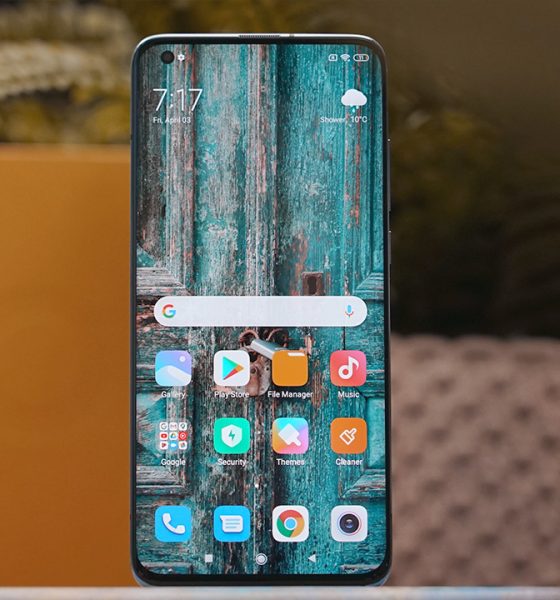
Every time I review a Xiaomi phone, a few points are always common. The phone has a solid design, cameras are usually above average, and battery backup is spot-on. Performance depends on the processor and we’ve seen top-notch results in most phones. However, everyone, including me, has one complaint — MIUI and its ads.
MIUI is a mature skin and has been crucial for Xiaomi’s rise as a phone maker. With a new iteration coming every year, it has developed a fan following equivalent to Google’s stock Android releases. Filled to the brim with features, it’s perfect for everyone. But, it incorporates a very complex web of apps that are supposed to be an extension of MIUI.
Apps like Mi Video are notorious for pushing ads in the UI. Furthermore, apps like GetApps and Themes will constantly recommend content that you can download. These too, are essentially ads.

On a normal day, the notifications tab is filled with ads and bloatware suggestions. Keep in mind, the phone already ships with a ton of bloatware and is now asking you to install more.
Users have often complained about “indecent” or “inappropriate” ads showing up on their phone. Xiaomi announced last year it’s working on fixing the issue.
This year, two apps by Xiaomi — Mi Browser Pro and Mint Browser, were caught collecting a huge amount of data about any website a user visits, even in incognito mode. The data was sent to remote servers, sparking a fresh controversy on Xiaomi’s reliability. These apps often ship by default on MIUI phones.
MIUI 12 incorporates a host of new features that focus on improving the privacy and overall security of the phone and its data. However, MIUI 12 roll-out is still in the early stages and won’t act as an immediate stop-gap measure that’s required right now.
Xiaomi’s brand perception is on the line now
India banned 59 apps including TikTok for safety concerns. These apps have a notorious history of collecting too much user data without clear consent.
Many of them are serial offenders who’ve built their business models around data collection and ad targeting. Adding to this, their Chinese origin adds a layer of opaque international bureaucracy and practically impossible enforcement.
Alibaba backed UC Browser and UC News feed on your information and thrive by delivering ads. Irrespective of whether they’re relevant or not. The apps are a security researcher’s nightmare.
When I compare the behavior of UC Browser against Xiaomi’s stock apps, the difference isn’t big enough. Both push cheap and desperate ads in my notifications area.
Wouldn’t any average Joe feel the same? Pretty much every app included in India’s ban list has a strong history of flouting basic moral conduct. Xiaomi, being a respected brand in the hardware space, cannot afford to be included in this list.
I’m not saying ads are bad. Google is the world’s largest advertising company and it operates with transparency. The company is liable for privacy lapses and laws like GDPR (European Union) exert a moral responsibility on the company’s management. This accountability is lost as soon as we reach China.
Safe vs affordable: which side will you choose?
Xiaomi started integrating ads in the user interface because it helped in making the actual phone cheaper. A considerable chunk of Xiaomi’s revenue is dependent on bloatware (pre-installed apps) and ads.
In the short-term, the brand is able to sell more phones thanks to aggressive pricing and earn ad revenue in the longer run. But, times are changing and geopolitical forces exert more pressure than ever.
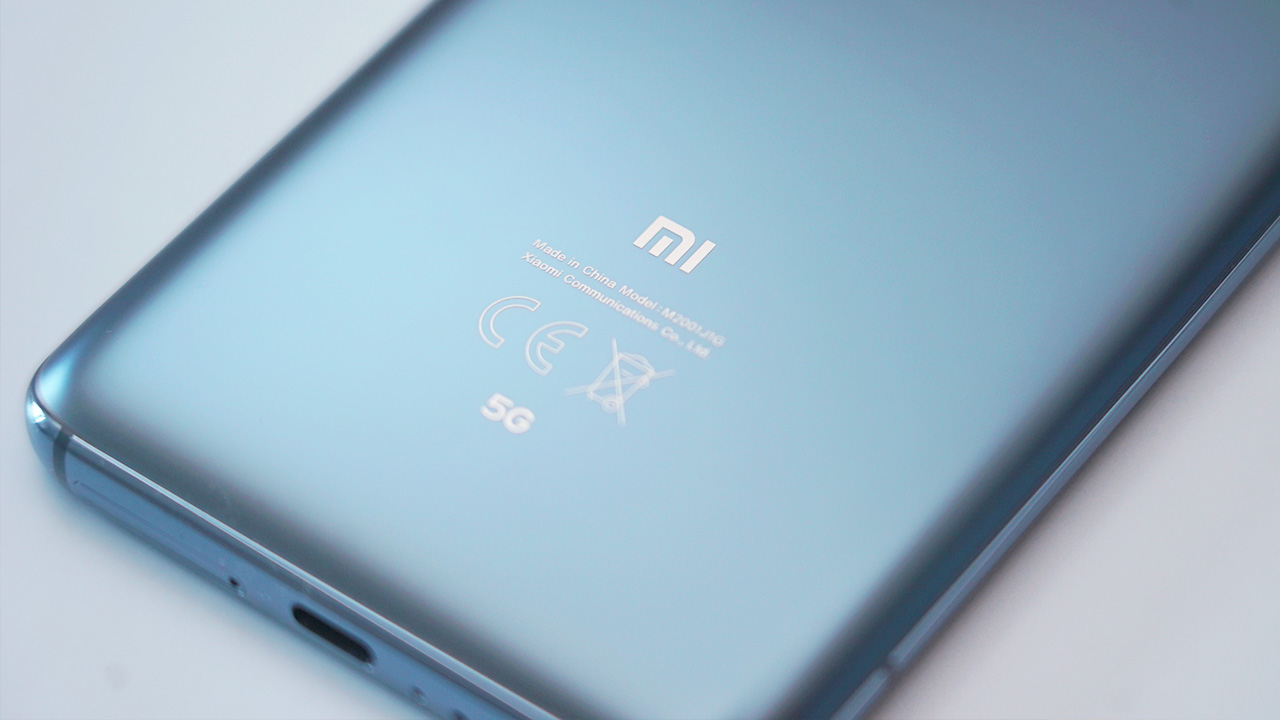
Now’s the time for Xiaomi to decide — can it let go of some revenue in exchange for long-term brand perception? These ads are clearly not helping the company make a point and users are gradually understanding the value of their data.
With the recent app ban, a Chinese app or software that delivers ads is inherently assumed to be compromised or risky.
The company may have to rework their product pricing or could move away from ads in a phased mnner with new phones. It can also offer a monthly subscription wherein users can opt-out of ads and data collection. But selling privacy after selling you a device may not go down well for many users. Amazon has tried this subscription model with its Fire tablet lineup that targets the entry-level segment.
If Chinese phone makers want to sell units anywhere in the world, one thing’s for sure — they need to focus on privacy as a fundamental right and not a privilege. The Huawei ban has proved that getting in the bad books of non-allied nations could mean doom for them.




India
TECNO’s POVA 8 5G is both futuristic and future-ready
8000mAh battery, Sony LYTIA 600 camera, Alive Matrix display, and more

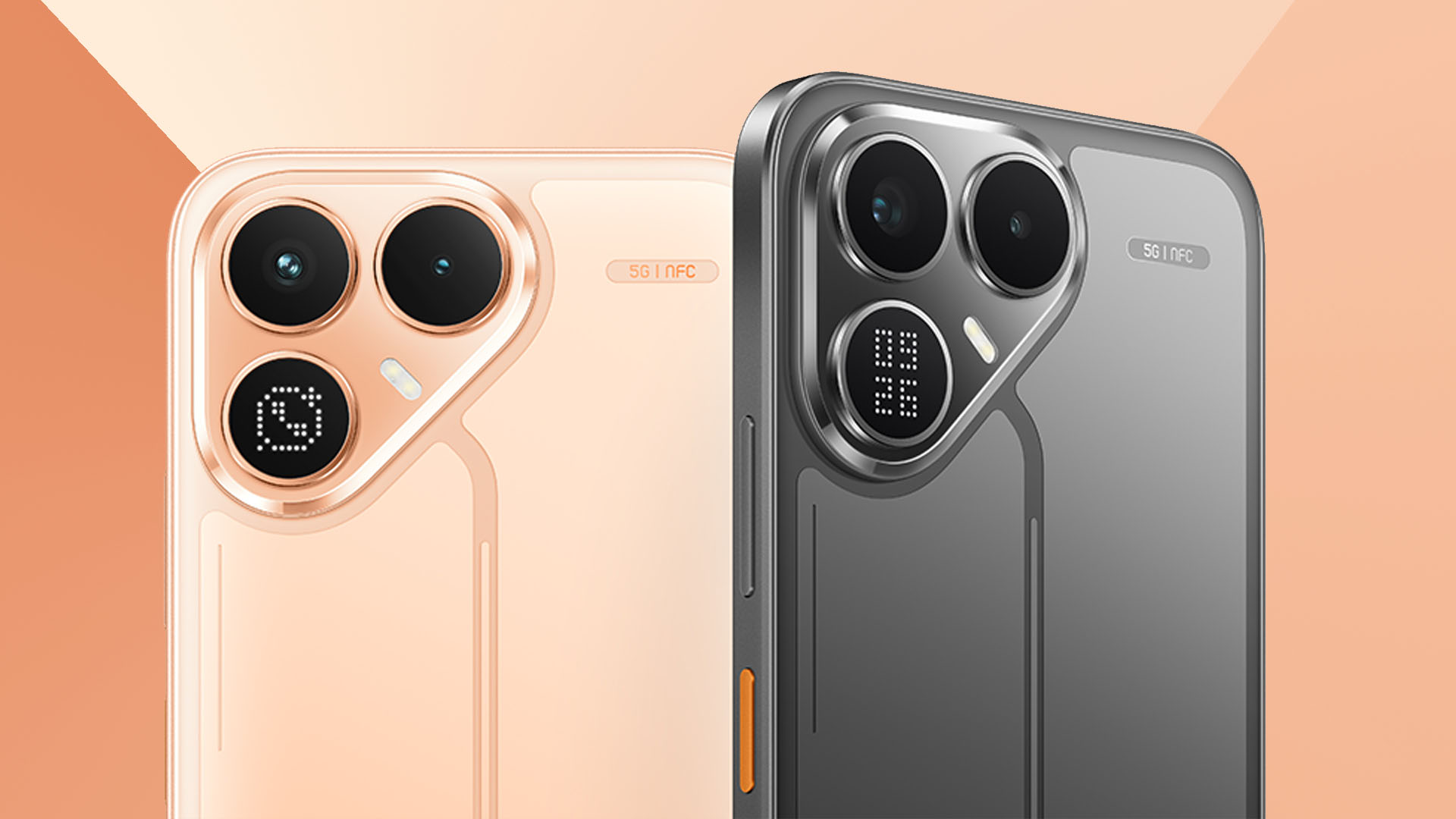
Four months after the POVA Curve 2 5G, TECNO adds the POVA 8 5G to their performance-focused arsenal.
Futuristic vibe
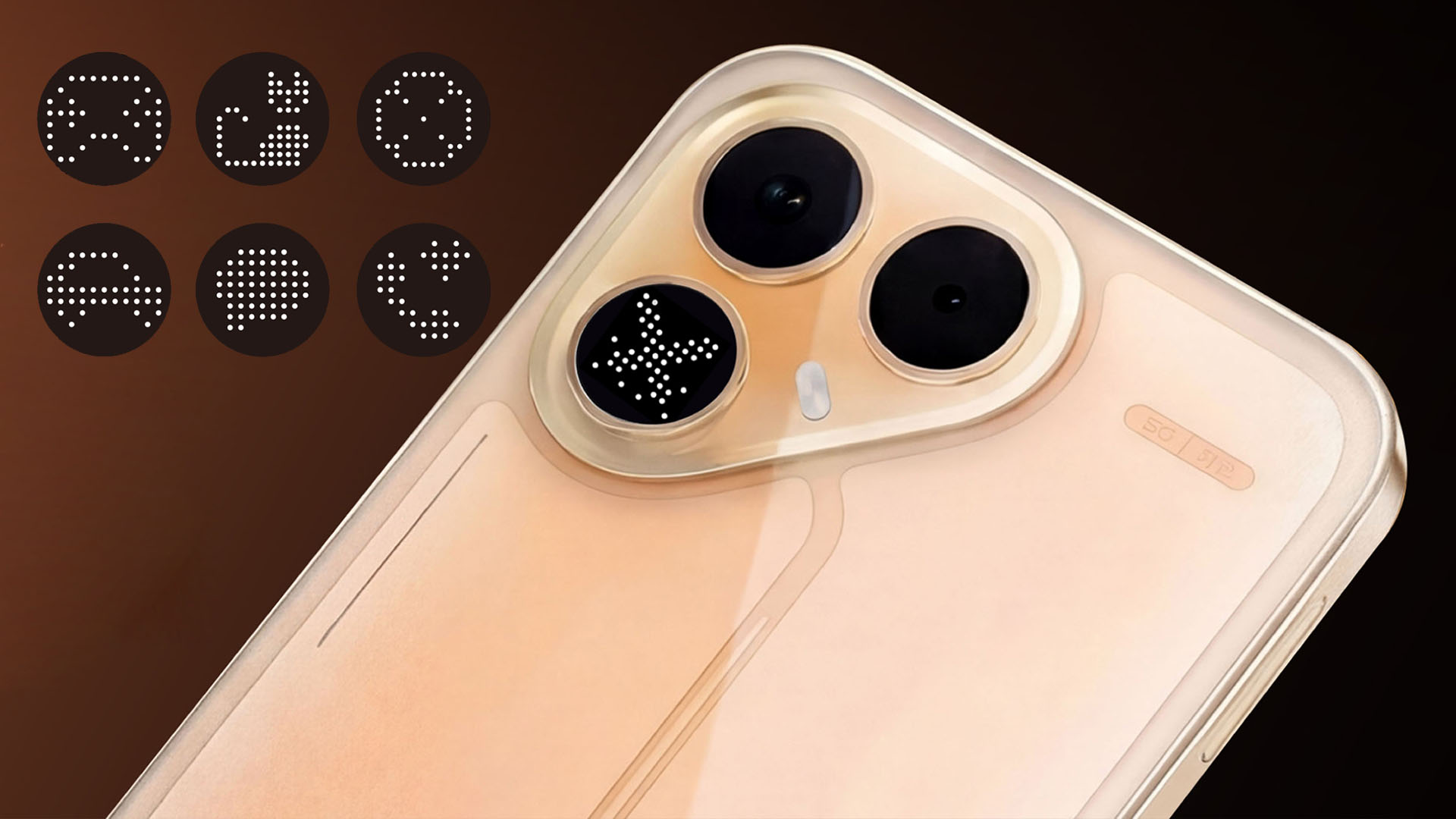
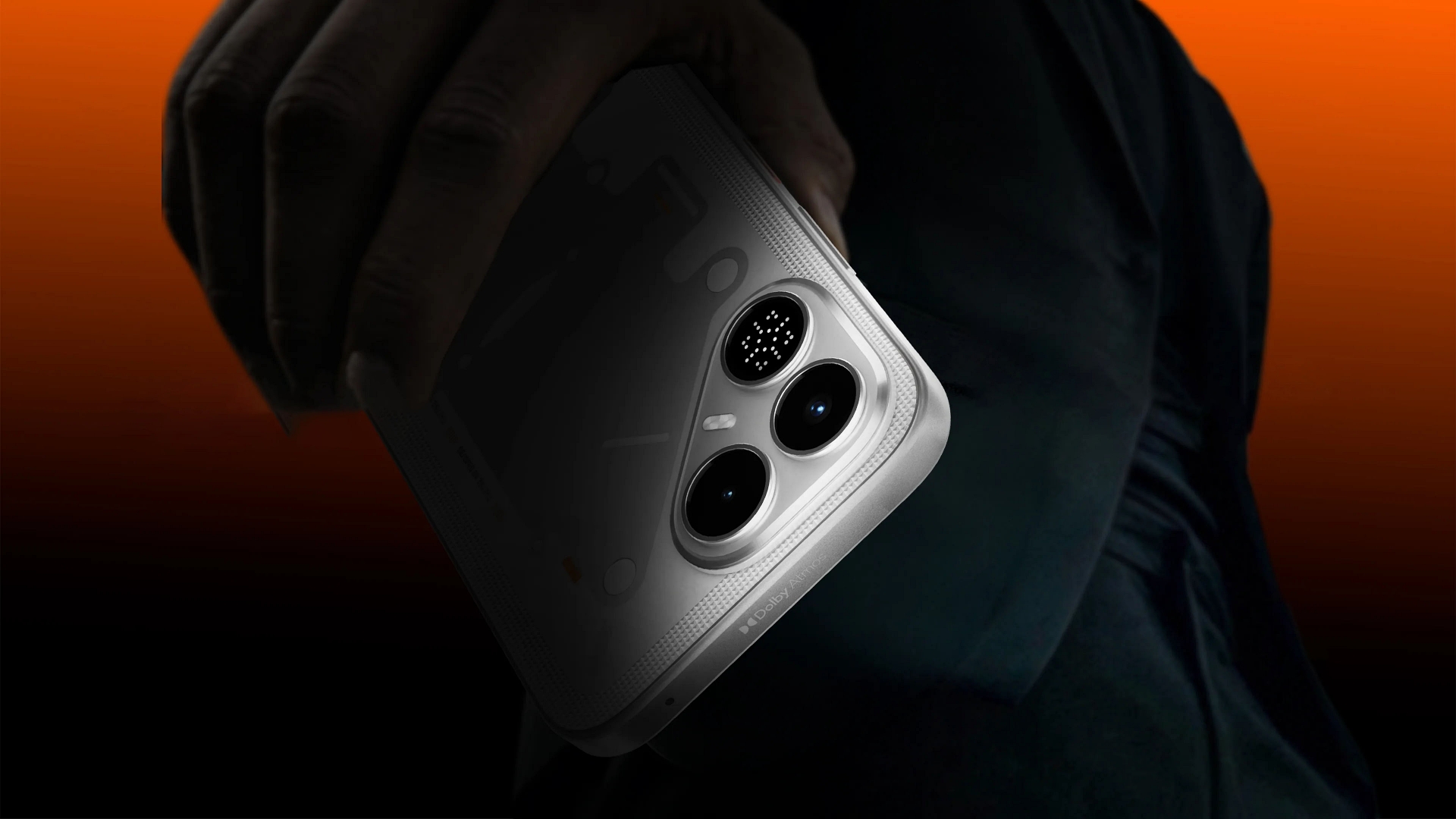
TECNO’s POVA 8 5G continues the series’ signature sci-fi-inspired design language. The latest smartphone features sharp geometric elements and a semi-transparent rear panel.
Graphics by Vincenz Lee | GadgetMatch
One of its standout features is none other than the new Alive Matrix Display. It’s a customizable light panel on the back that can display 49 pre-loaded lighting effects for incoming calls, notifications, charging status, gaming sessions, and more. Prospective users can also personalize scenarios to match their style and could actually store many more customized effects aside from the pre-loaded ones.
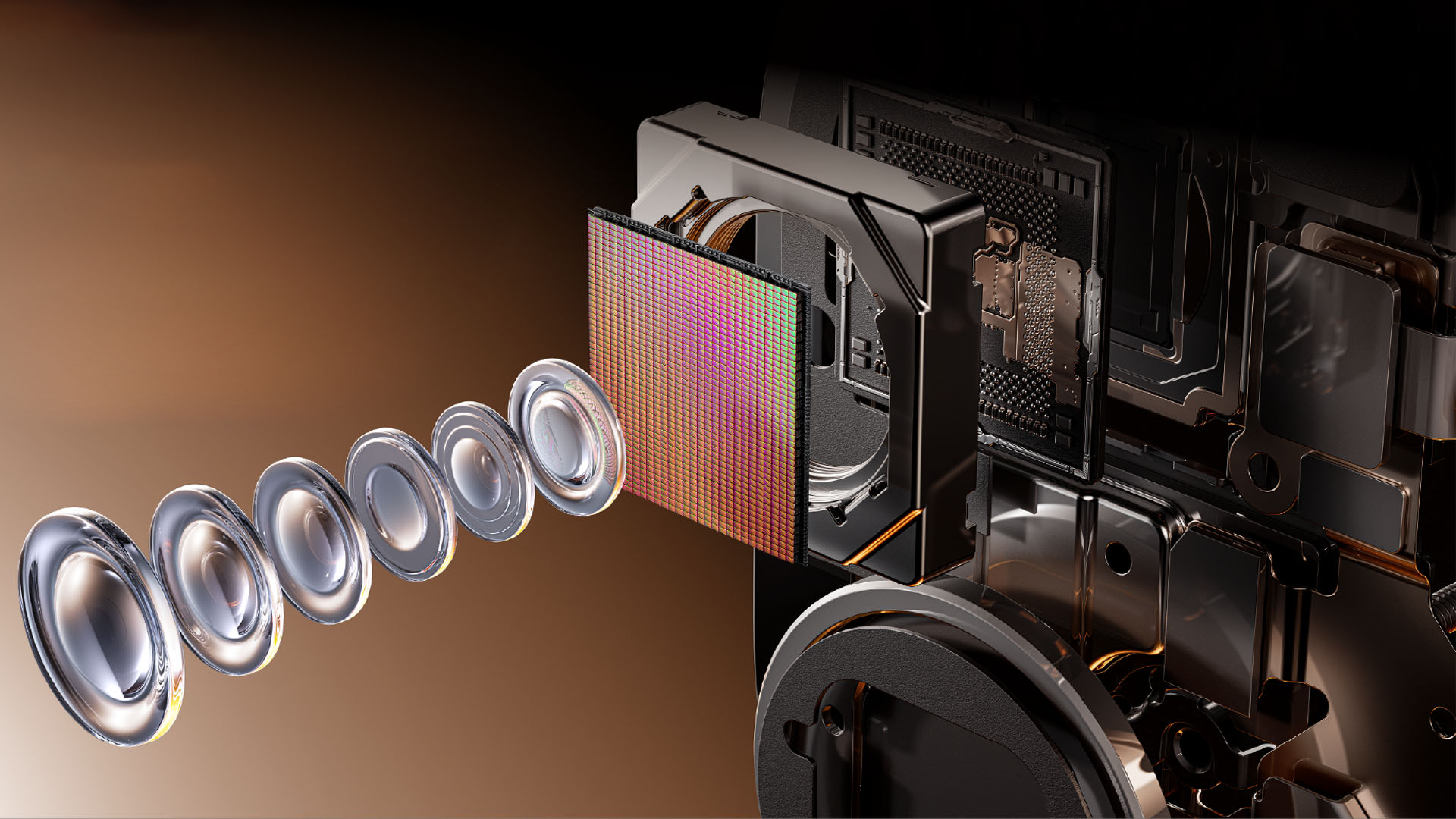
Beside that LED display lies the 50MP main rear camera based on Sony’s LYTIA 600 (or LYT-600) sensor. The said sensor offers improved light capture for brighter and more detailed photos. It also supports 2x lossless zoom. Up front, you’ll get a 13MP front-facing shooter.
Graphics by Vincenz Lee | GadgetMatch
Powering the device is MediaTek’s Dimensity 7100 SoC. That’s paired together with TECNO’s in-house G1 Signal Enhancement Chip and SE1 Wi-Fi Enhancement Chip — making it a triple chipset smartphone.
TECNO says these chips help improve connectivity in challenging environments such as elevators and basements while boosting Wi-Fi reception.
The phone also features a 144Hz display with TÜV Rheinland Low Blue Light Certification and military-grade durability.
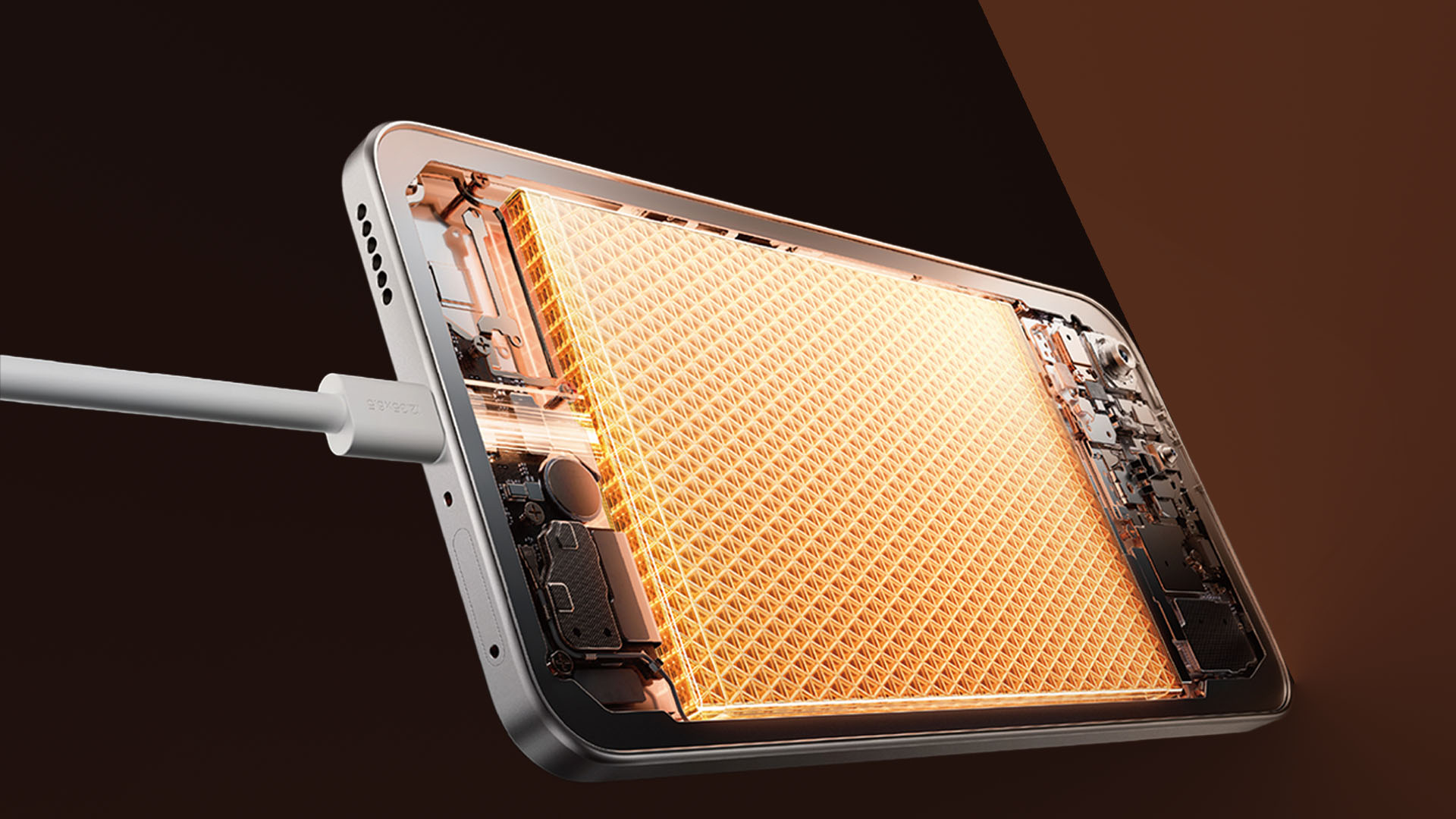
Last but definitely not the least, its 8000mAh battery that can last as much as two days. For some measure, TECNO says the phone can last up to 85+ hours of music playback, 29+ hours of YouTube streaming, 26+ hours of WhatsApp, or 14+ hours of playing Mobile Legends: Bang Bang (MLBB).
Future-ready
Aside from the beastly battery packed inside, TECNO is also bringing several practical AI tools to the POVA 8 5G.
Among them is AI YouTube Summary. This turns lengthy videos into concise notes with key points and timestamps. The device also features AI-powered noise cancellation that helps isolate the speaker’s voice during calls, recordings, and meetings.
Graphics by Vincenz Lee | GadgetMatch
For photography, AI LightMaster 2.0 can remove unwanted reflections, lens flare, and shadows. The phone also supports uploading Live Photos directly to Instagram as Boomerang.
In select markets, users can even access AI Health features that estimate metrics such as heart rate, blood oxygen levels, and respiration through facial scanning technology.
Graphics by Vincenz Lee | GadgetMatch
Further solidifying its future readiness, TECNO promises two major Android OS upgrades and three years of security updates.
The company is also bundling three years of FREE 256GB cloud storage for POVA 8 5G users. Eligible markets can also receive a 3-month Google AI Plus trial which includes 2TB of cloud storage.
Pricing and Availability
The TECNO POVA 8 5G debuts first in India and is available in 16-Bit White, Terminal Green, and Plasma Orange colorways.
UPDATE: In India, the POVA 8 5G is currently offered in 6+128GB and 8+128GB configurations for INR 29,999 and INR 31,999 respectively.
Specific pricing and availability in global markets are yet to follow along these four color choices: Arc White, Graphite Black, Echo Green, and Helios Orange.
India
Nothing opens first India store in Bengaluru
New retail space blends self-expression, creator culture, and community play.

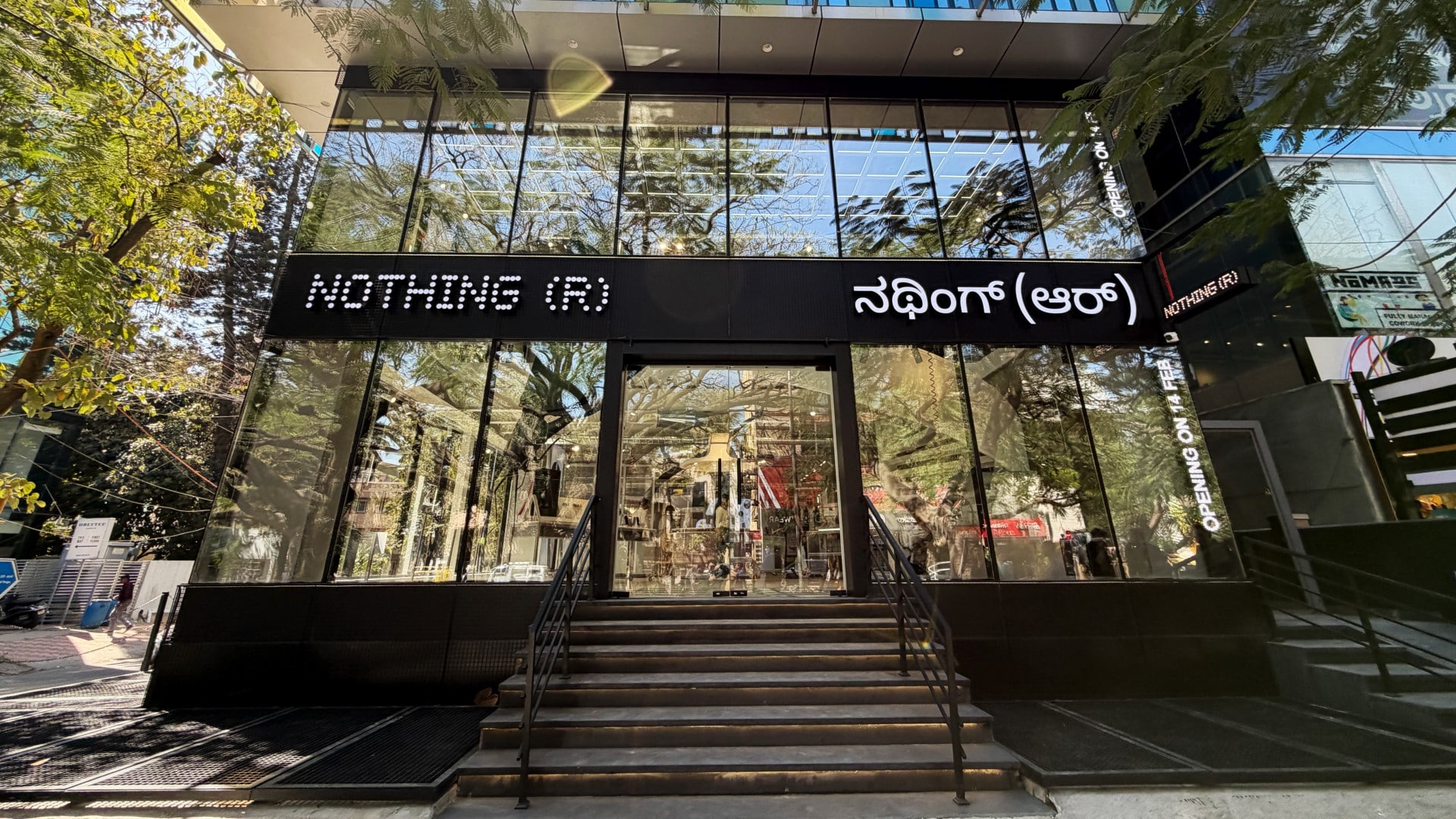
Nothing has officially opened its first India store in Bengaluru, marking a major step in the brand’s global retail expansion.
Located in Indiranagar, Nothing Store Bengaluru spans 5,032 square feet across two floors. The space draws inspiration from 1970s assembly lines and workshops, translating Nothing’s rebellious design language into an interactive, hands-on environment built for the local community.

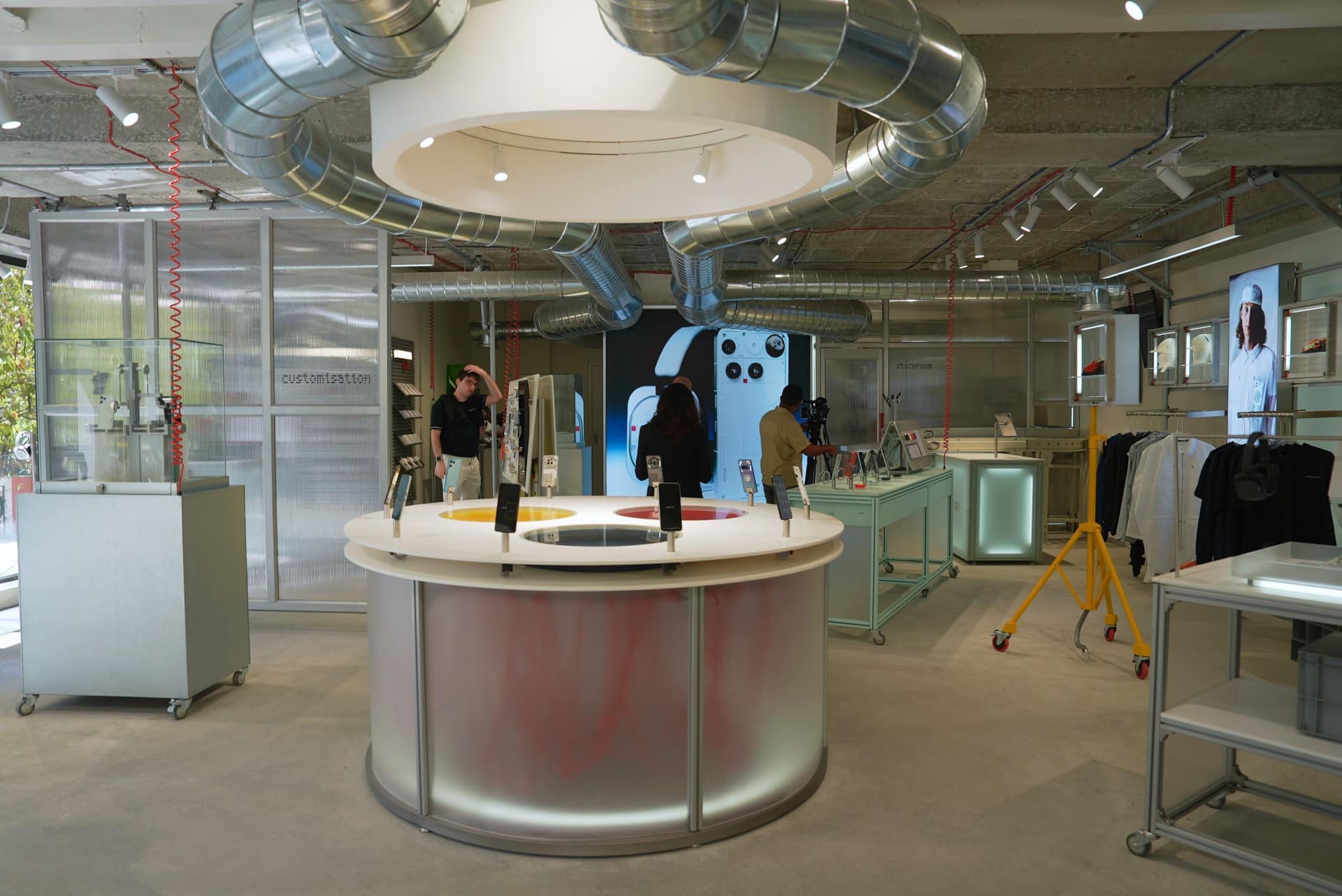
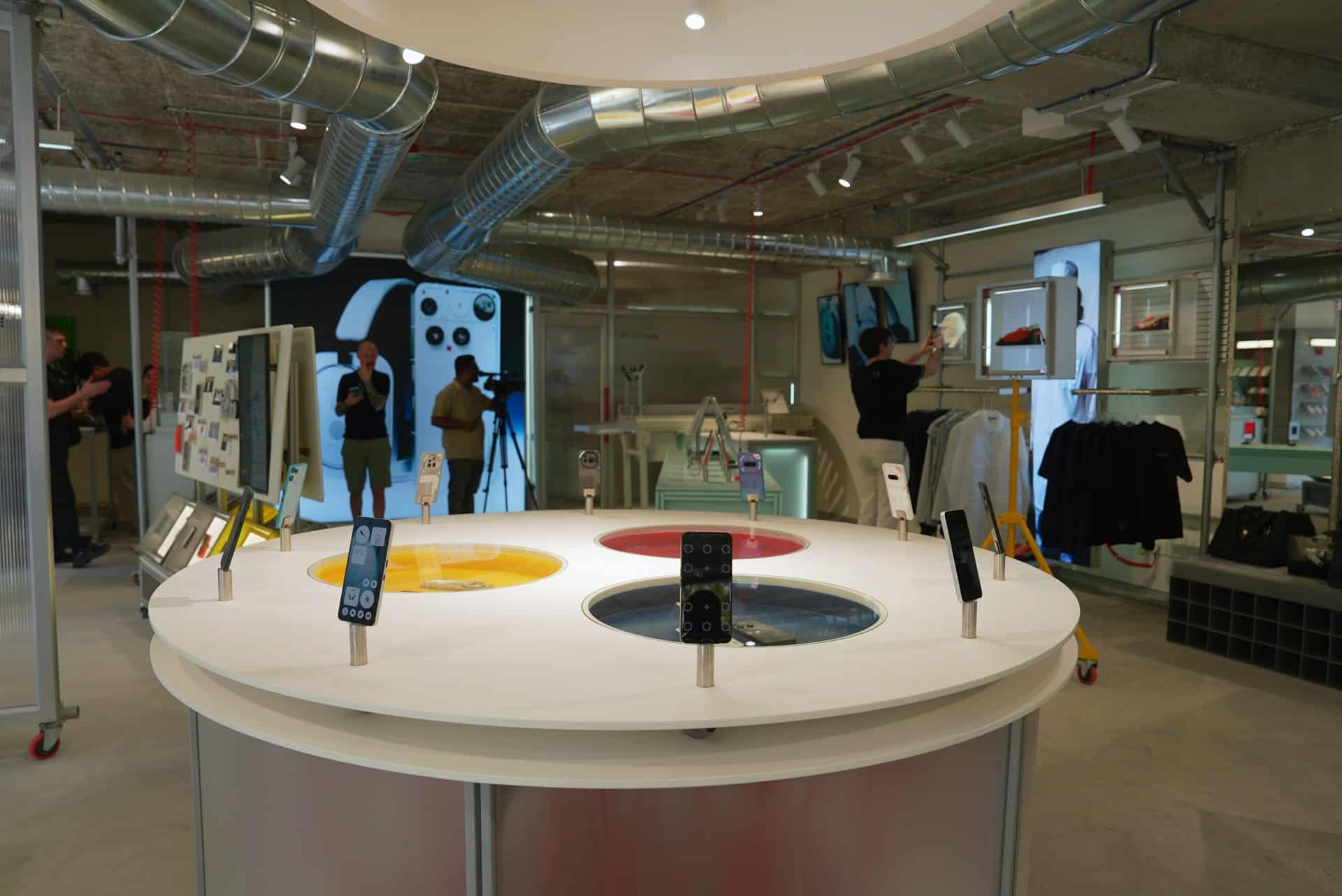

The store puts self-expression at its core. It is the only Nothing location worldwide where customers can personalise their products. A dedicated studio also supports creator unboxings and hands-on content, reinforcing the brand’s focus on co-creation.
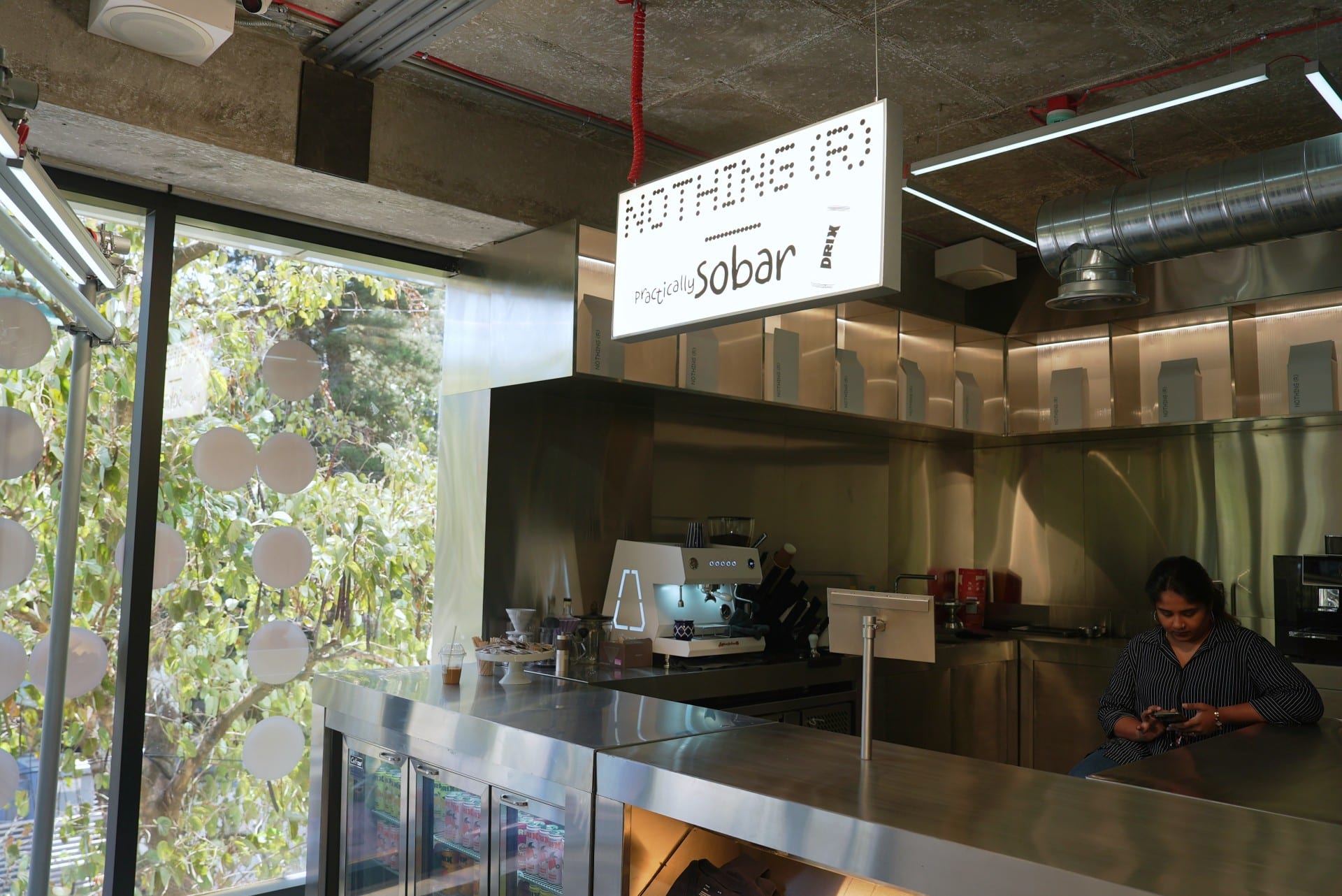
The space includes a community hangout zone for events and meetups, alongside playful elements such as vending machines, claw games, and conveyor-belt displays. An in-house coffee shop, seating areas, and workshop spaces position the store as a cultural hub rather than a traditional retail outlet.
View this post on Instagram
Nothing and CMF products are available in store, alongside official Nothing merchandise. The brand says the location will evolve over time through collaborations, workshops, and limited-run installations by local creators, reflecting the rhythm and voices of the city.
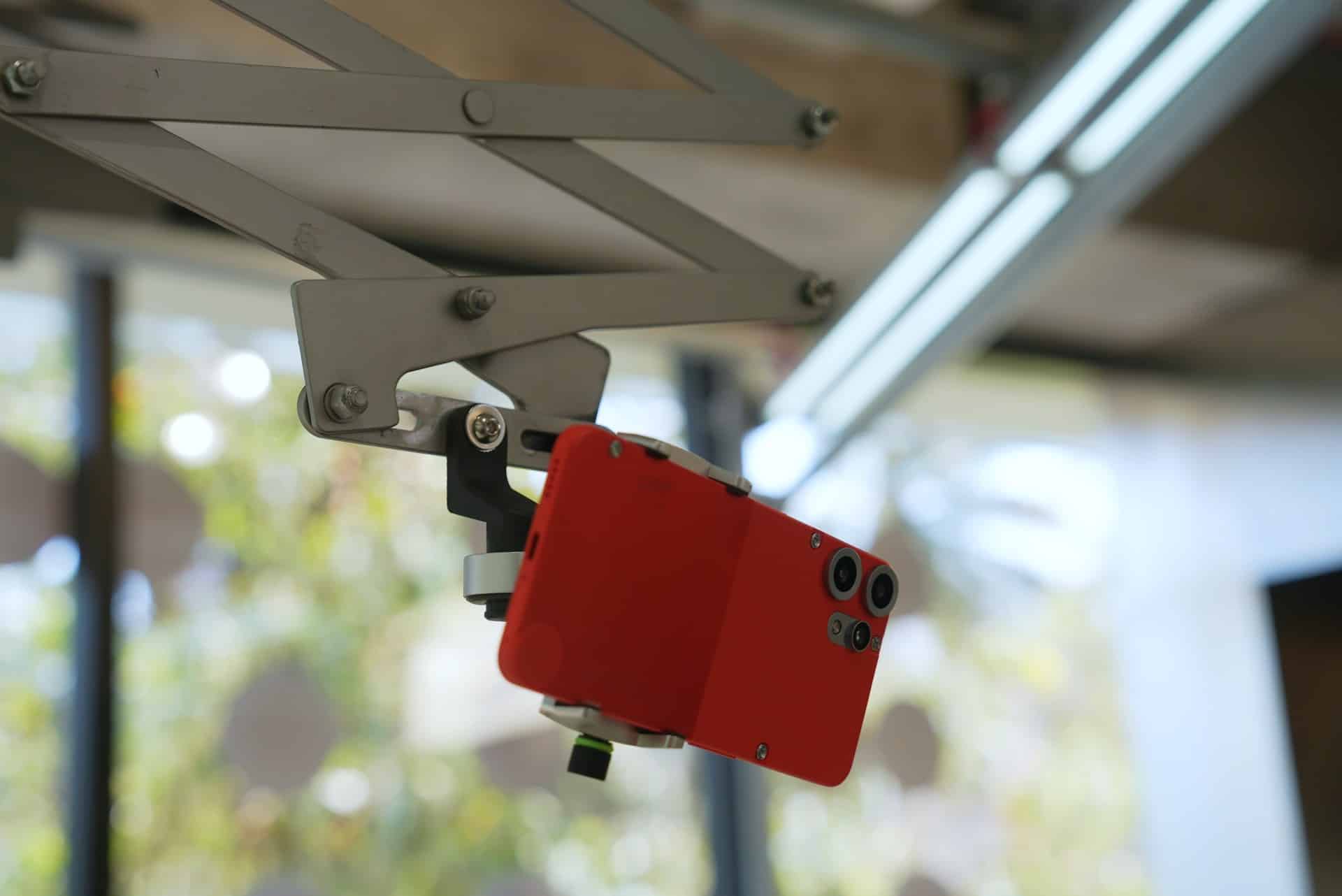
Bengaluru was chosen for its role as India’s innovation capital and its community of early adopters, creators, and cultural tastemakers. Indiranagar’s creative energy and lifestyle focus made it a natural home for Nothing’s first physical store in the country.
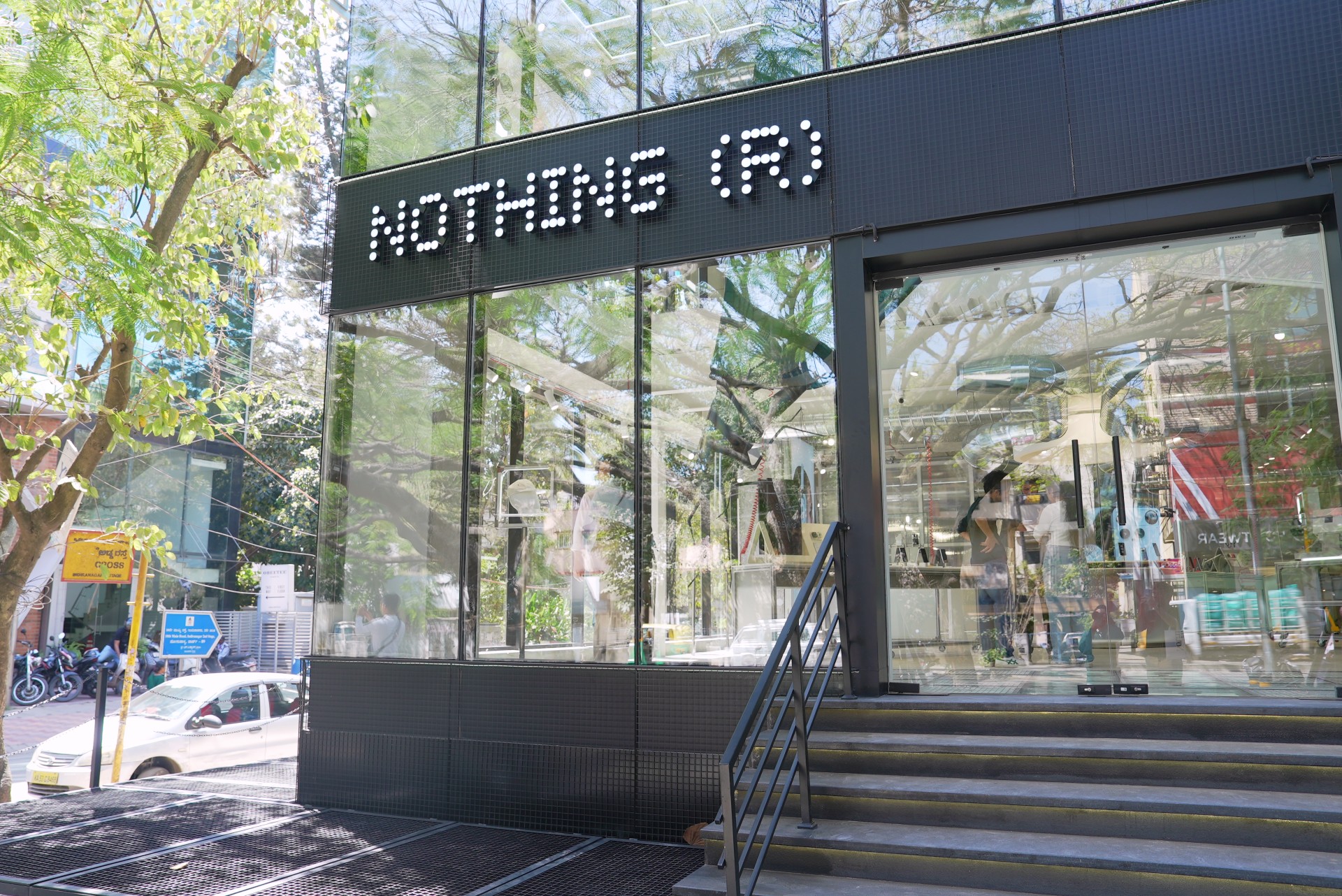
The Bengaluru opening builds on Nothing’s first store in Soho. The company has confirmed plans to open additional locations in New York and Japan.
Nothing Store Bengaluru opens on February 14, 2026, at 12:00 PM IST. It is located at 660/1, 100 Feet Road, 1st Stage, Indiranagar, Bengaluru. Regular store hours are 10:00 AM to 9:00 PM daily.
India
TECNO POVA Curve 2 5G packs an 8000mAh battery
The brand’s biggest battery in a smartphone yet
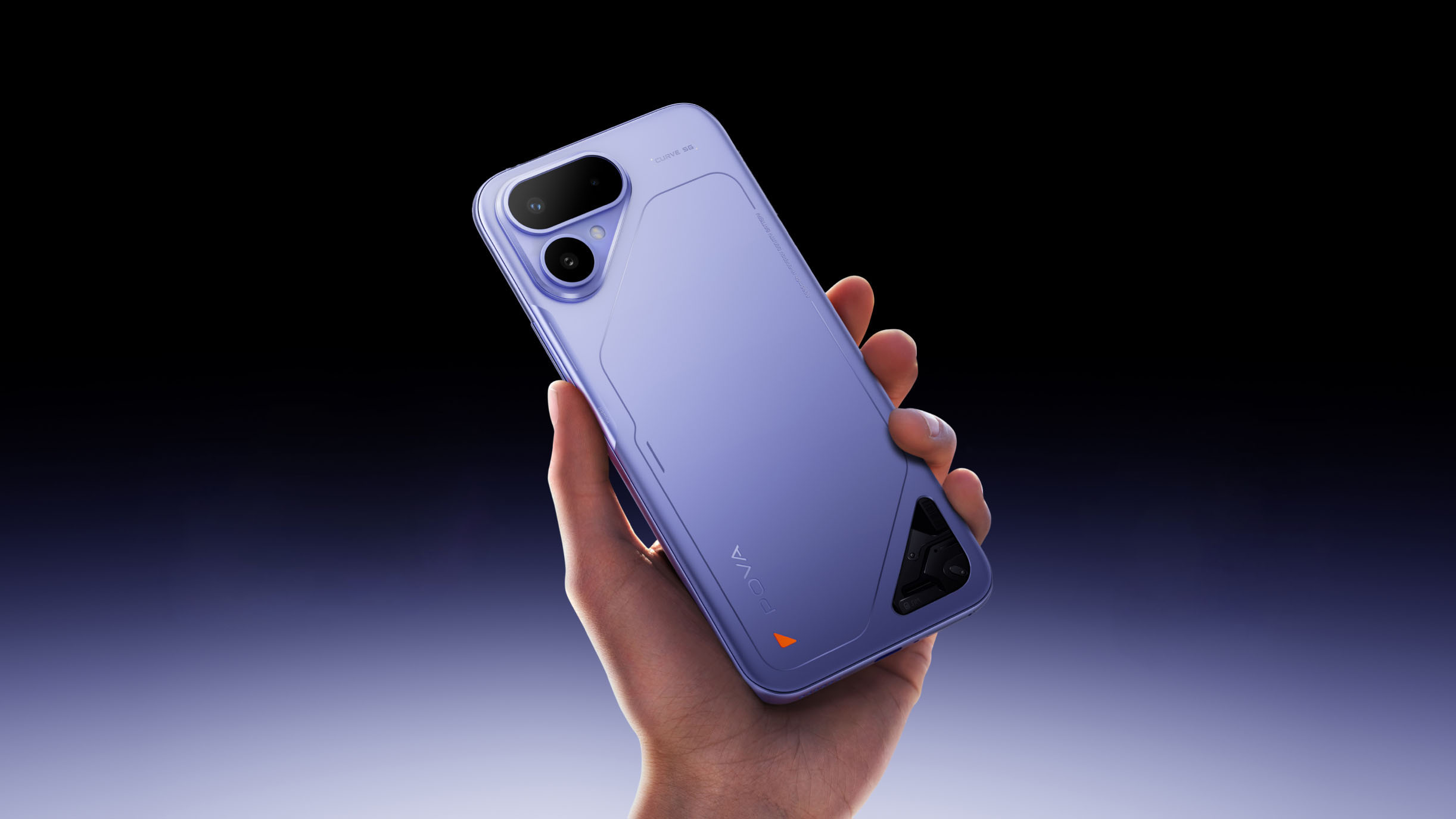
This 2026, TECNO is refreshing its performance-focused POVA lineup by adding a new member in it.
Big power without the bulk
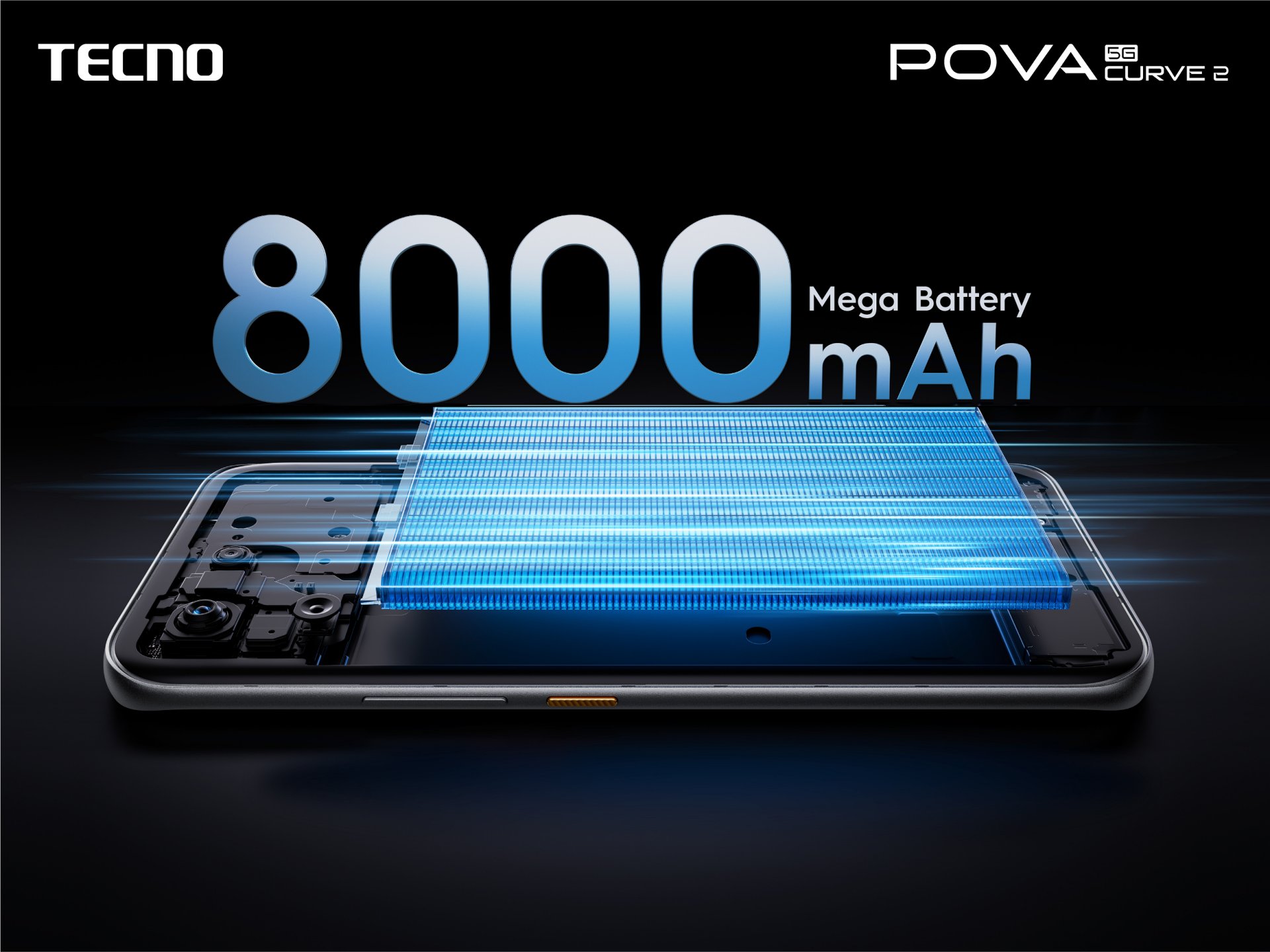
Despite its slim and curved 7.42mm design (and weight of only 195g), the POVA Curve 2 5G arrives with TECNO’s largest battery yet — 8000mAh battery to be precise.
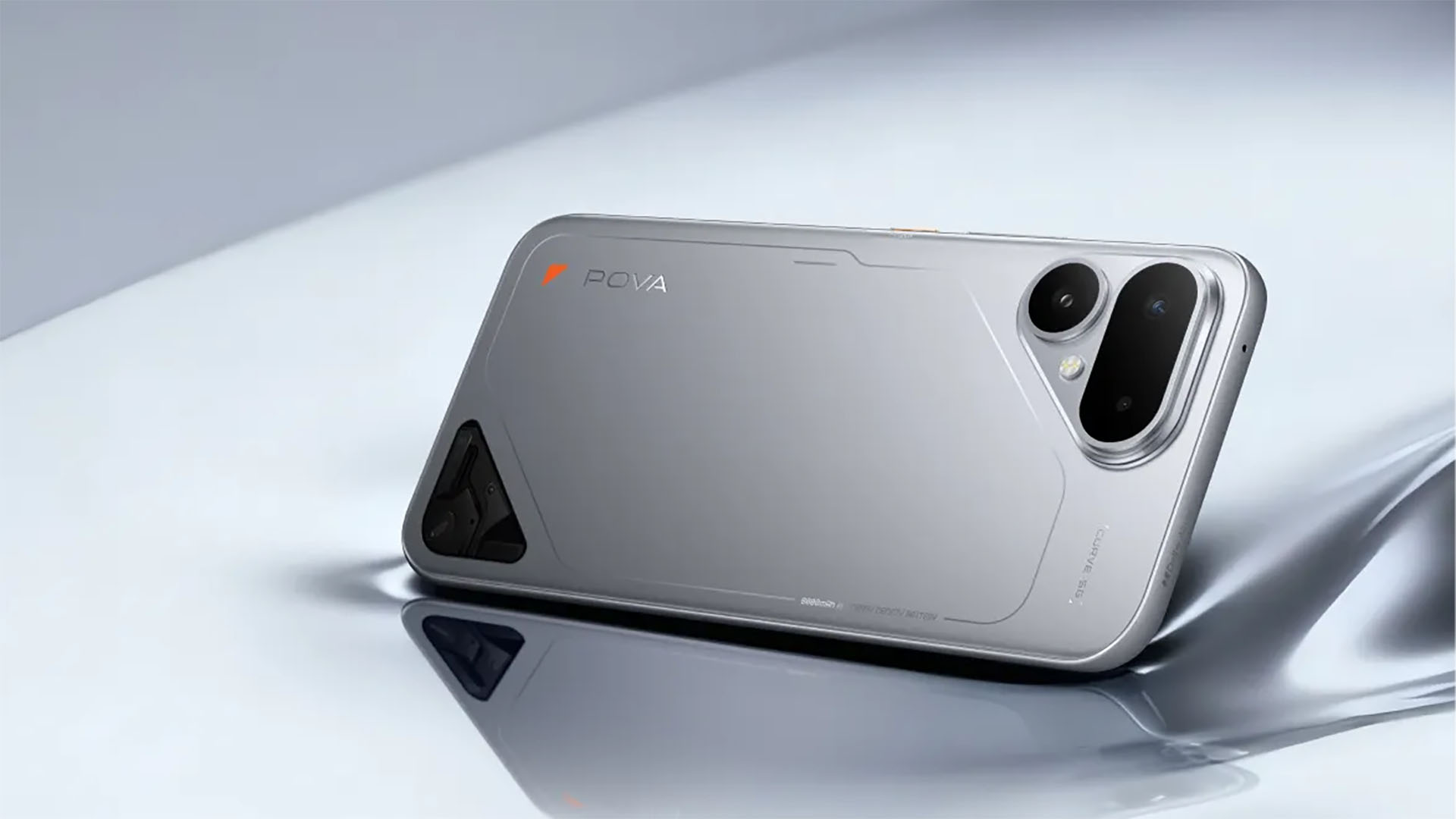
TECNO says the battery is TÜV SÜD-certified for long lifespan and is engineered to last up to six years. It’s also rated to operate in extreme temperatures ranging between as hot as 60°C (140ºF) or as cold as -20ºC (-4ºF).
If you’re already in a pinch, there’s the 45W fast charging with Bypass charging support in tow.
Durability was not compromised as it has a Corning Gorilla Glass 7i Front Glass protection, IP64 water and dust resistance rating, even SGS-certification for 1.5m drop protection.
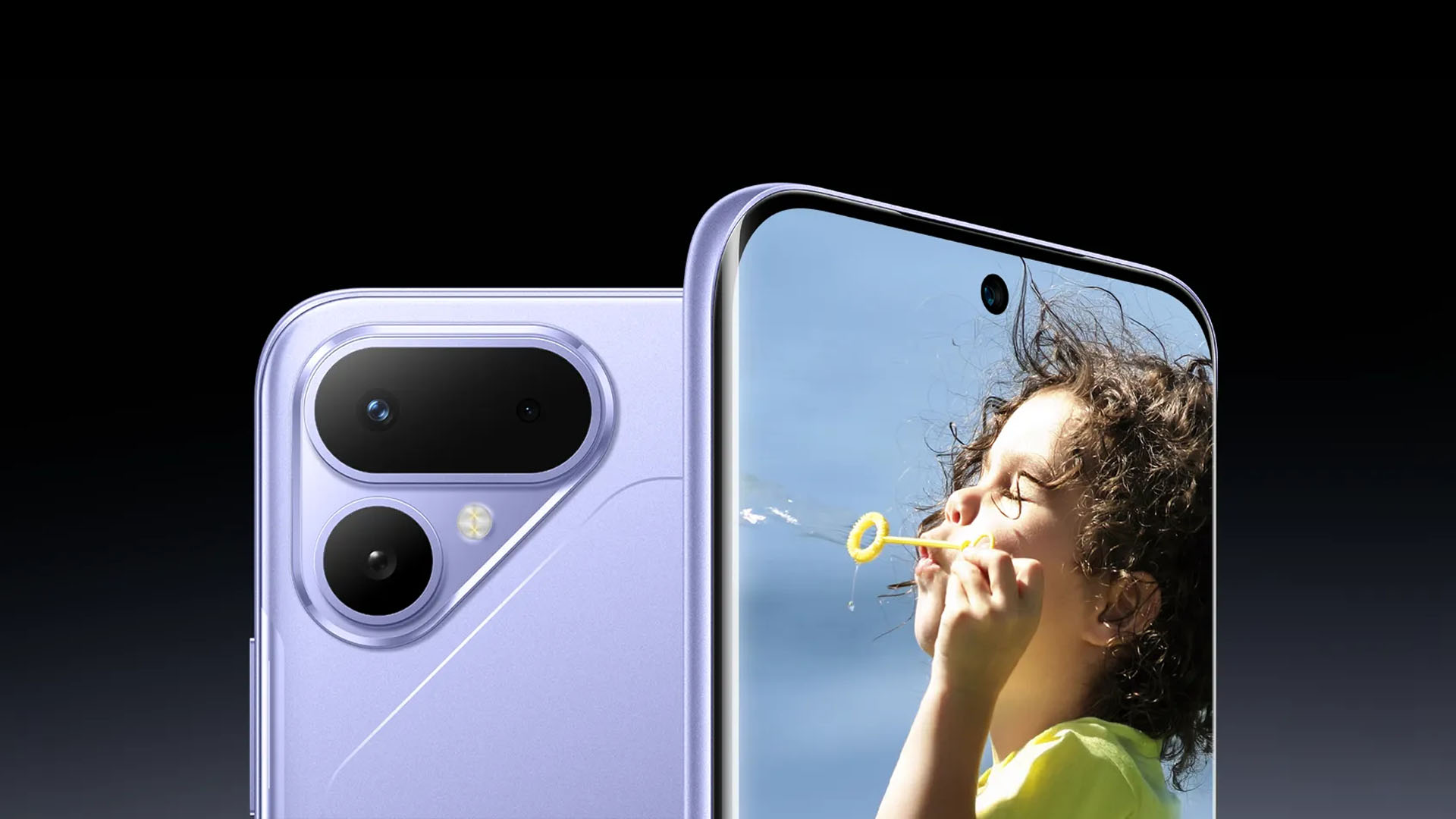
Speaking of front, it features a curved 6.78-inch AMOLED display with a 144Hz refresh rate. Beneath that glass lies MediaTek’s Dimensity 7100 5G SoC.
On the software side, it runs the latest HiOS 16 (based on Android 16) with integrated AI tools in mind. That means AI-powered content summaries, writing assistance, call noise reduction, and automatic photo enhancements.
TECNO’s Ella AI Assistant has also been improved with more personalized interactions across the system. One-tap FlashMemo also exists for instantly capturing on-screen information. Moreover, Mind Hub organizes notes and AI-generated content in one place.

Lastly, connectivity gets a boost, too. With POVA Curve 2 5G’s dual-signal enhancement, it has an improved cellular and Wi-Fi performance in crowded or weak-signal environments. Interestingly, it also supports offline voice, text, and image communication up to 1.5km in open areas.
With all these in mind, TECNO promises two major Android OS upgrades.
Pricing and Availability
The TECNO POVA Curve 2 5G comes in three colorways: Melting Silver, Storm Titanium, and Mystic Purple.
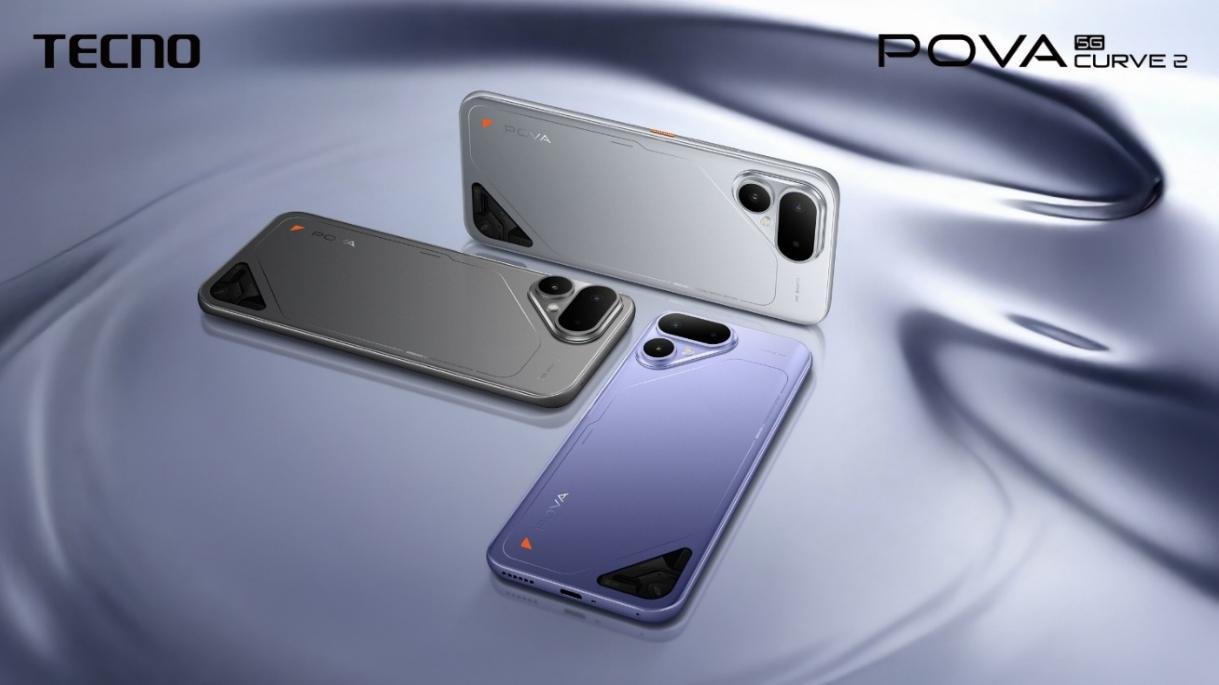
It launches first in India this February 2026. Pricing is between INR 31,999 and INR 34,999 for the 8+128GB and 8+256GB configurations respectively.
It will also make an appearance at MWC 2026 this upcoming March 2 until March 5, 2026.

TECNO POVA 8 Pro Tonino Lamborghini review
Truly a rare gem in 2026


DJI Lito X1 review: Is this the best lightweight drone for creators?
Making a strong case as a travel companion and a capable B-cam!


REDMI Note 17 Pro Max review: A new breed born from AI greed
Welcome to the new normal
TECNO POVA 8 Pro Tonino Lamborghini review

When TECNO-logy meets Tonino Lamborghini legacy

Spotlight: Amazon Kindle Scribe Colorsoft

Chimelong’s newest attraction might be the robots themselves

Xiaomi 18 Pro series is launching globally, Xiaomi confirms

realme 16T 5G with 8000mAh battery, IP69 Pro rating launches in PH

HUAWEI Pura X View is 2026’s first WIDE slab-type smartphone

The CAMON Slim 5G is TECNO’s latest ultra-slim smartphone

iPhone 18 Pro series: Price, availability in the Philippines

DJI Osmo 360 II review: Going all-in on the ecosystem


-

 News6 days ago
vivo X500 Series launches with major imaging upgrades
-

 News5 days ago
OPPO Find X10 Pro Max is the first phone with a triple 200MP camera system
-

 Gaming2 weeks ago
BlizzCon 2026 announces World of Warcraft: Forever and Diablo V
-
Reviews2 weeks ago
REDMI Note 17 Pro Max review: A new breed born from AI greed
-

 Singapore1 week ago
Epson Lifestudio Grand Plus EH-LS970B with 4K projection, more launches
-

 News6 days ago
vivo introduces OriginOS 7 with smarter multitasking and AI features
-
Drones2 weeks ago
DJI Lito X1 review: Is this the best lightweight drone for creators?
-

 Gaming2 weeks ago
Valve unveils price of the Steam Frame