
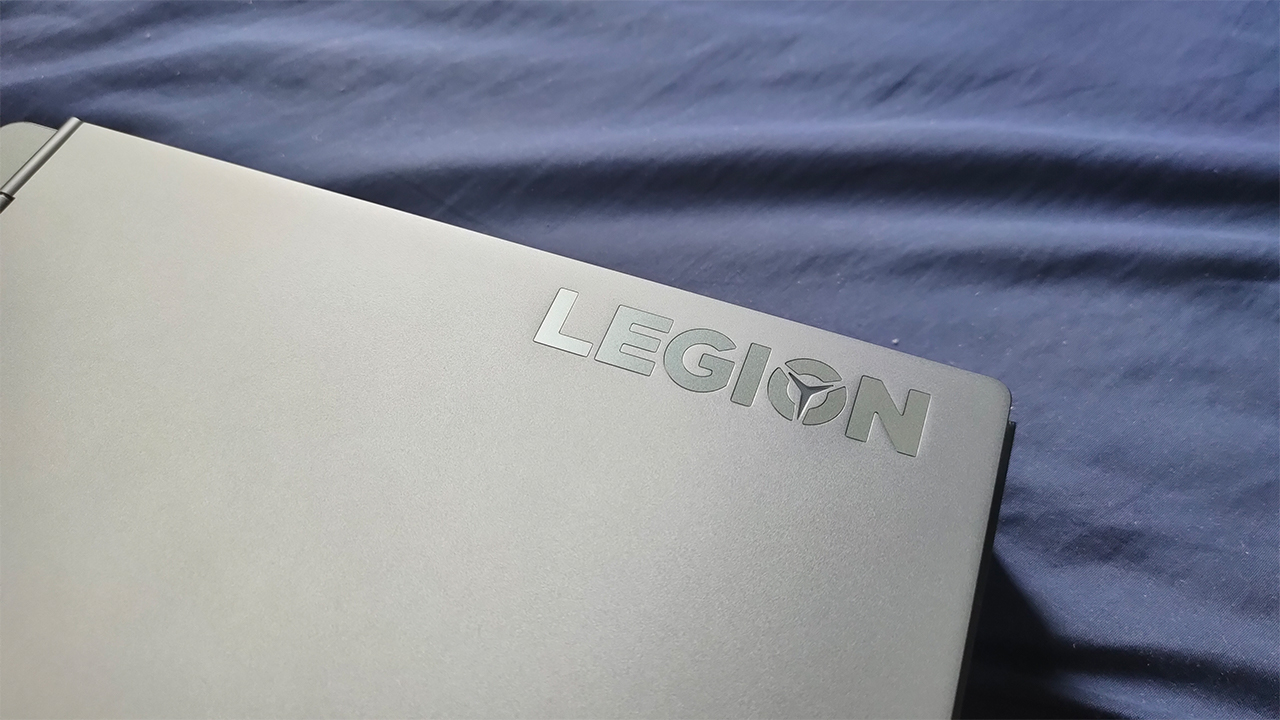


A few months ago, I took a look at the Lenovo Legion 7i, which was one of Legion’s top gaming laptops when it was released. In my opinion, it had the hardware to rival its contemporaries — even in the RGB department, but some things got in the way. A few months later, a slimmer option arrived into the market.
The Lenovo Legion Slim 7i, on paper, doesn’t particularly change a lot of things from its bulkier counterpart. It still comes in a similar build design, roughly the same set of hardware (with a GPU change), and less RGB. Even on this device, there are less ports to plug in your peripherals and it has the same cooling setup.
So, is this laptop really any different? For starters, here’s what you’re getting with the Legion Slim 7i:
It has a 15.6-inch FHD, anti-glare display with a 144Hz refresh rate

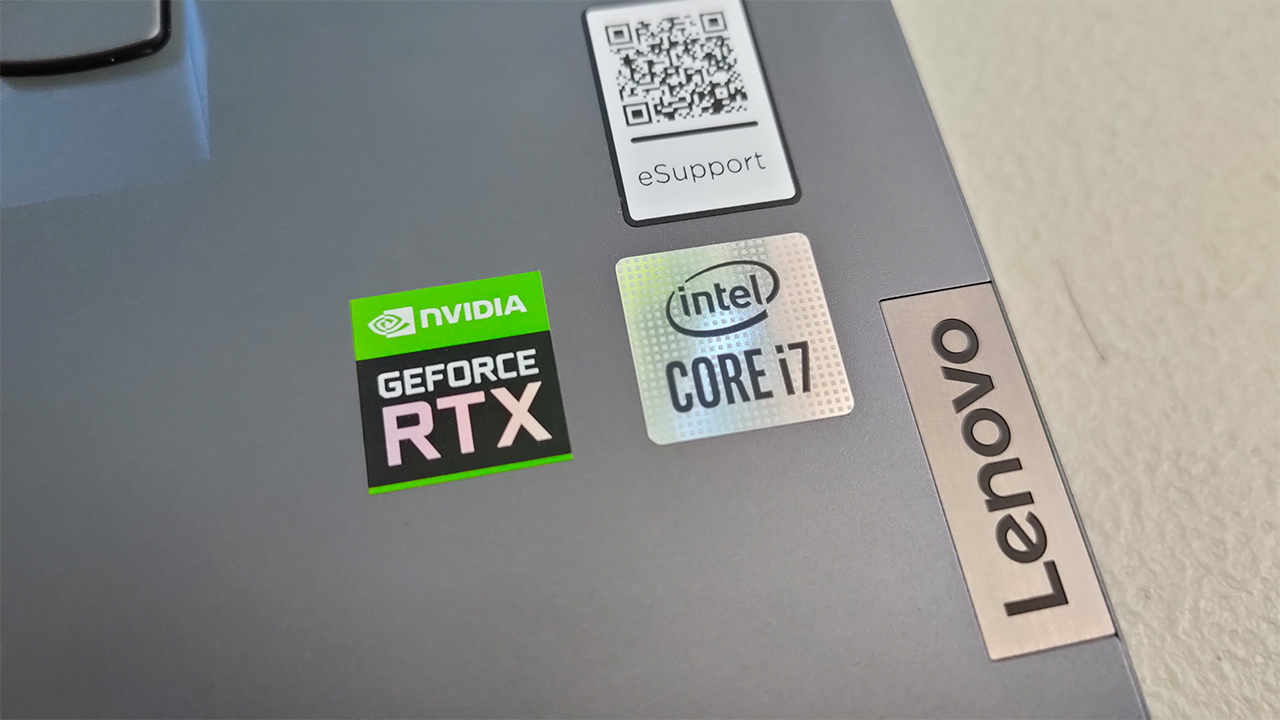
It comes with an NVIDIA RTX 2060 Max-Q inside
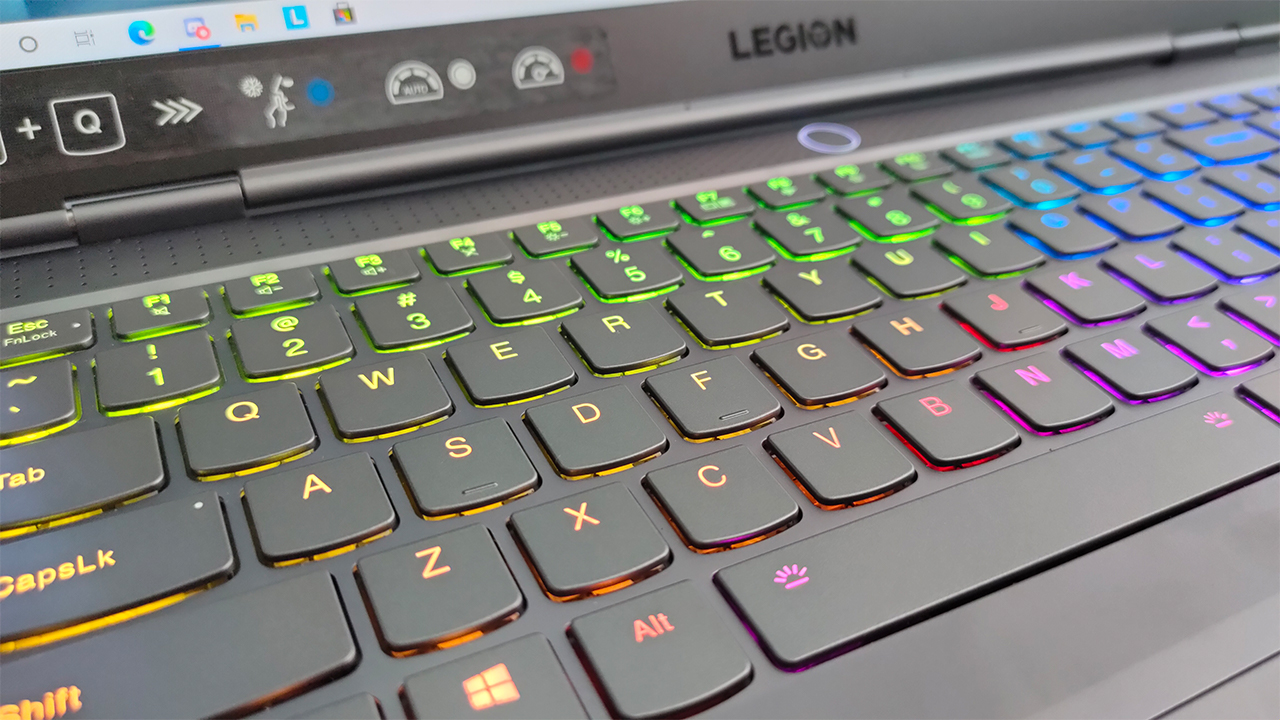
The device features a full-size RGB-backlit keyboard
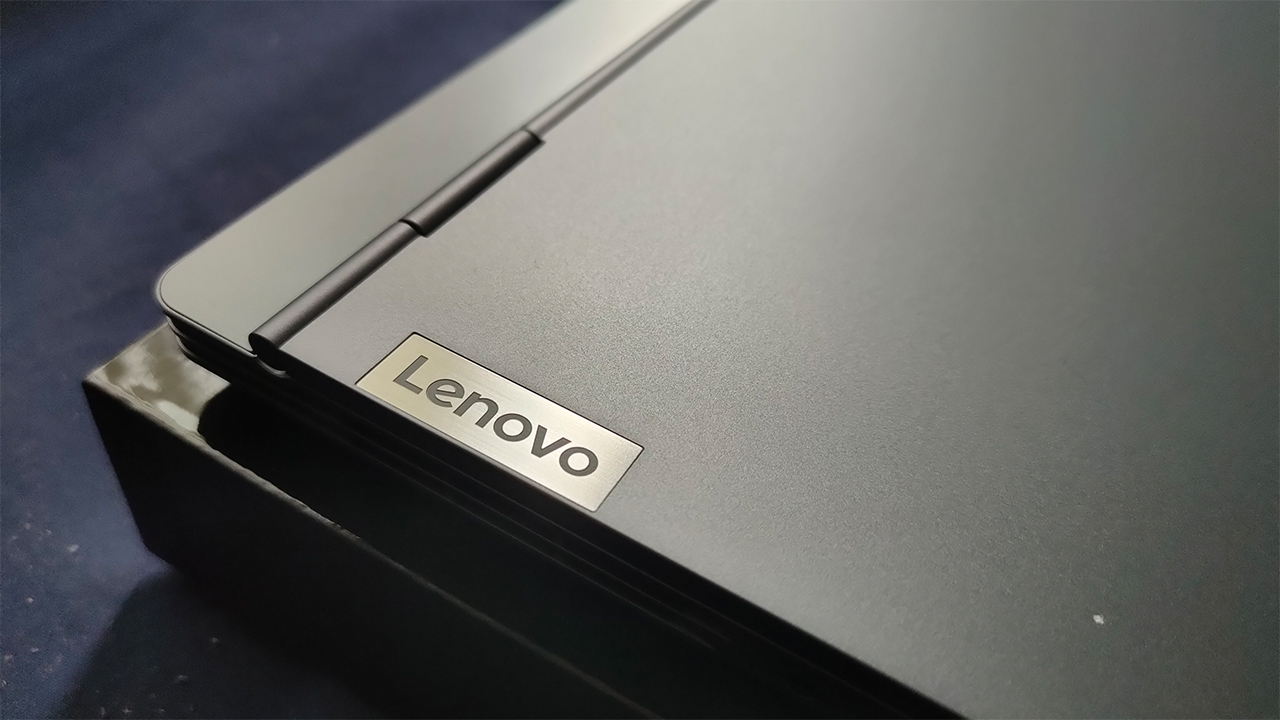
It only comes in a Metal Gray colorway
Handy-dandy performance for the chill times
This device comes with a 10th generation, Intel Core i7-H processor inside, with 16GB of RAM to boot. For every other thing you can possibly do with this device, it obviously stacks up pretty well. From social media browsing and doing some presentations to watching True Beauty and playing games casually, it just worked smoothly.

As far as photo and video editing goes, the NVIDIA RTX 2060 Max-Q helps out quite a lot. Along with a 144Hz refresh rate, anti-glare display, I was able to take the work outdoors without having to reach for shade. Render times were just around how I expected them to, clocking in at around 40-50 minutes for 5 minutes of gameplay.
Now that I’m looking back at how the Legion 7i was, I couldn’t see or feel any difference in this regard — and that’s a good thing. Even in a much slimmer chassis and less RGB, the hardware held up pretty well for anything you throw at it. Honestly, it’s something I love to see when brands scale it down without sacrificing performance.
Gaming performance meant for competition
Much like the Legion 7i, this is a gaming machine after all, and the hardware certainly had its work cut out for it. While I threw some casual games in there, I also wanted to see how well it handles competitive titles especially for 2021. Surely, the Legion Slim 7i didn’t disappoint even with an RTX 2060 Max-Q:
| Title and Settings | Avg. Frame Rate |
| VALORANT (Max. Settings) | 223 FPS |
| Fortnite: Battle Royale (Epic w/ DLSS) | 103 FPS |
| Apex Legends (High) | 99 FPS |
| Star Wars Battlefront II (Max. Settings) | 95 FPS |
| Counter-Strike: Global Offensive (Max. Settings) | 255 FPS |
| Cyberpunk 2077 (High, DLSS at Quality, RTX on) | 42 FPS |
Now to be fair, I wasn’t expecting full 60 FPS when trying to run Cyberpunk 2077 on this GPU. However, with RTX on, it was a great lighting experience to have through and through. For the rest of the games, I honestly felt no drops in frame rates even with longer play times. If there were any drops, it’s probably my internet’s fault.
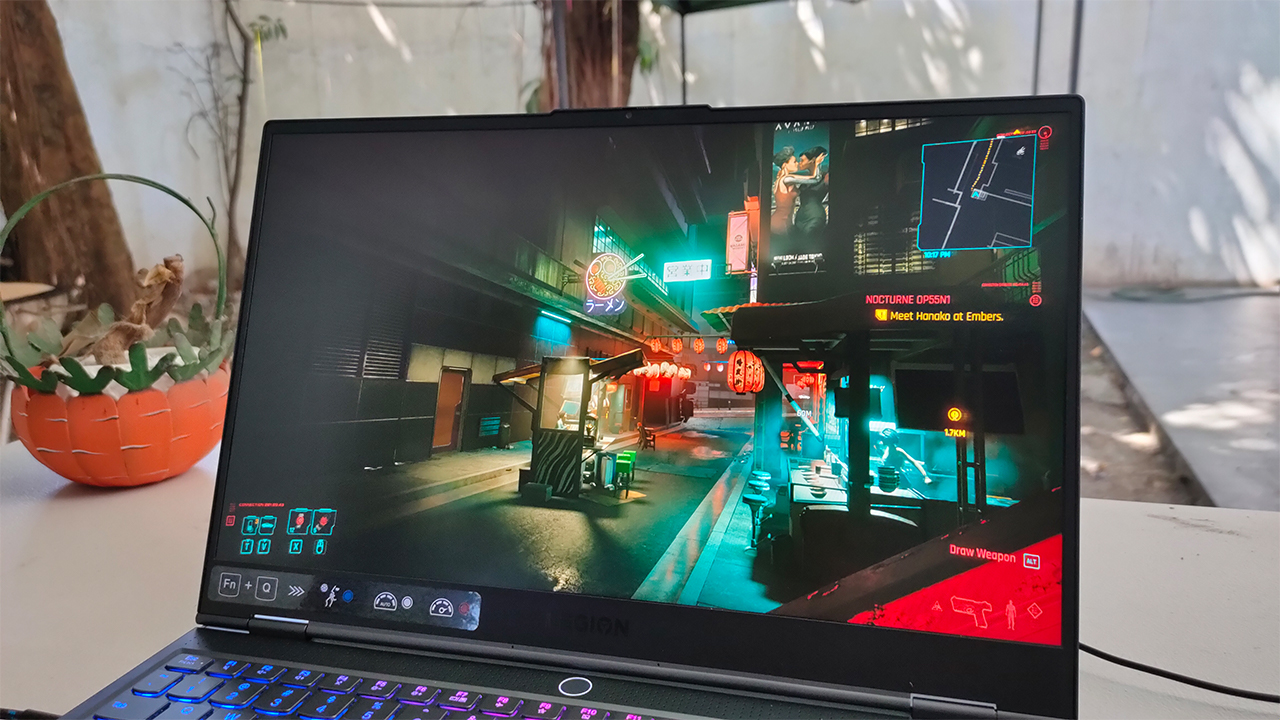
For more competitive titles, it brings a ton of power to the table. I’m seeing above 200 FPS for games like VALORANT, CS:GO, and even Rocket League (given the frame rate cap at 259 FPS). I felt that this device surely provides the performance necessary for Esports players to compete at a high level.
Improved cooling in some areas
Another improvement I noticed between the Legion 7i and Legion Slim 7i was in how the device remained cooled down. Unlike the Legion 7i, this device doesn’t come with a Vapor Chamber cooling system. Instead, it makes use of Lenovo’s Coldfront cooling system with the four exhaust points at the rear end of the laptop.
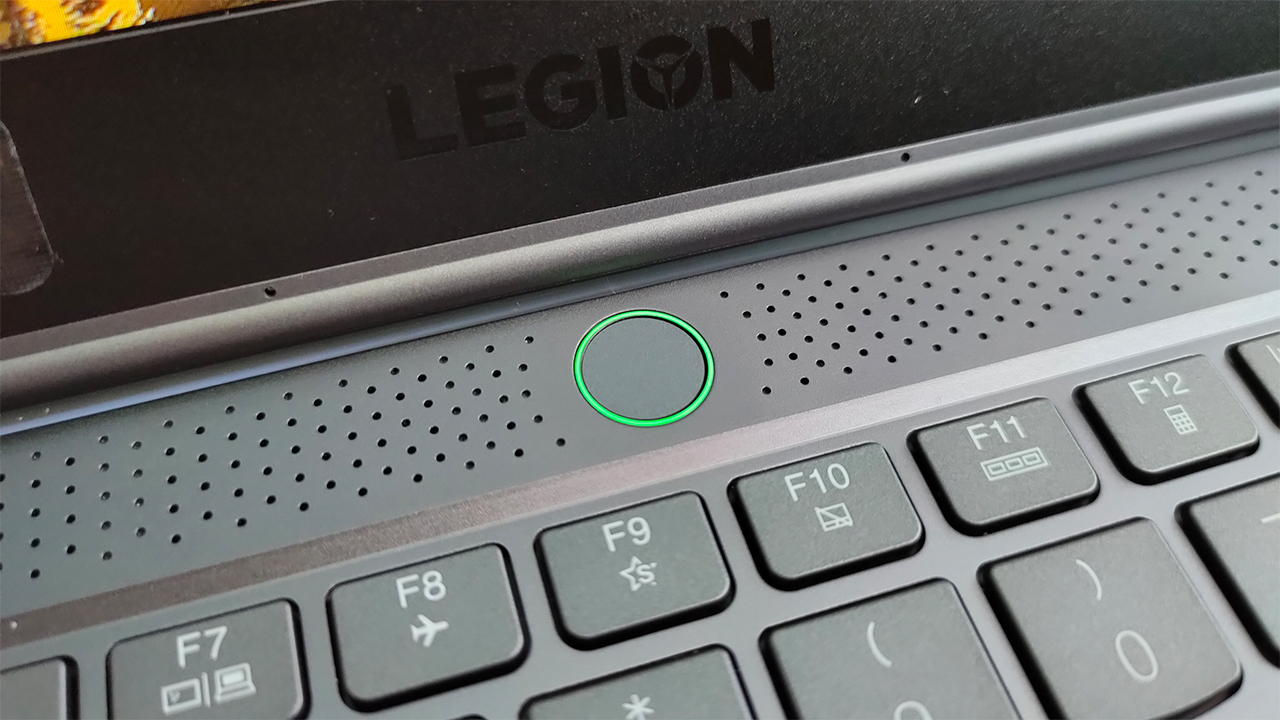
Power button with an LED indicator for different fan modes; usually, the first part that feels a ton of heat during gameplay
Throughout my entire usage of the device, I still felt some uncomfortable levels of heat when playing for longer hours. However, it takes a little longer to warm up unlike the Legion 7i, which is a big improvement all things considered. Plus, it cools down a little faster after you exit the game so you can proceed with work as you please.
However, it doesn’t necessarily reduce the amount of noise the fans produce under Performance Mode. In fact, during gameplay, I felt the fans blasting out more air on this device than the Legion 7i. So, I honestly believe it would have helped to ship this device with a dedicated set of headphones to cancel out the noise. Trust me, the fan noise is a little distracting.
Alas, performance that doesn’t last long
Of course, one of the expected disappointments with gaming laptops involves the battery life. With the Legion Slim 7i, I got about six hours using it normally — you know, social media, Netflix, and just gaming on it casually. When you game full time (and you want frame rates above 60 FPS), I was looking at about an hour and 45 minutes before it lost all power.
Charging the laptop didn’t take too long, as it took me about an hour and 35 minutes with Rapid Charge on. Obviously, the upside here is that you can get back to your work or your game quickly. Still, with such an abysmal battery life, I’d rather bring the charging brick around.
Is this your GadgetMatch?
For PhP 99,995, the Lenovo Legion Slim 7i poses nothing spectacularly different from its bulkier predecessor. It manages to provide highly effective and flexible performance for work and play. Plus, it manages to remain a little cooler than the bulkier Legion 7i. If you think it’s a bad thing that it’s not that different, it isn’t.

Of course, there are things that would drive you away from this gaming device like the short battery life. I could even argue that the loud fans blasting out air is a nuisance when trying to play well. Looking past these, however, you still get a gaming device that’s certainly worth your hard-earned money
It isn’t as flashy, nor as colorful, but the Legion Slim 7i gives you power in a lighter form factor. How light can this device go? Apparently, just light enough but just as powerful!






Gaming
Ghost of Yotei gets a story expansion in October
The Complete Edition comes with the expansion and a roguelike mode.

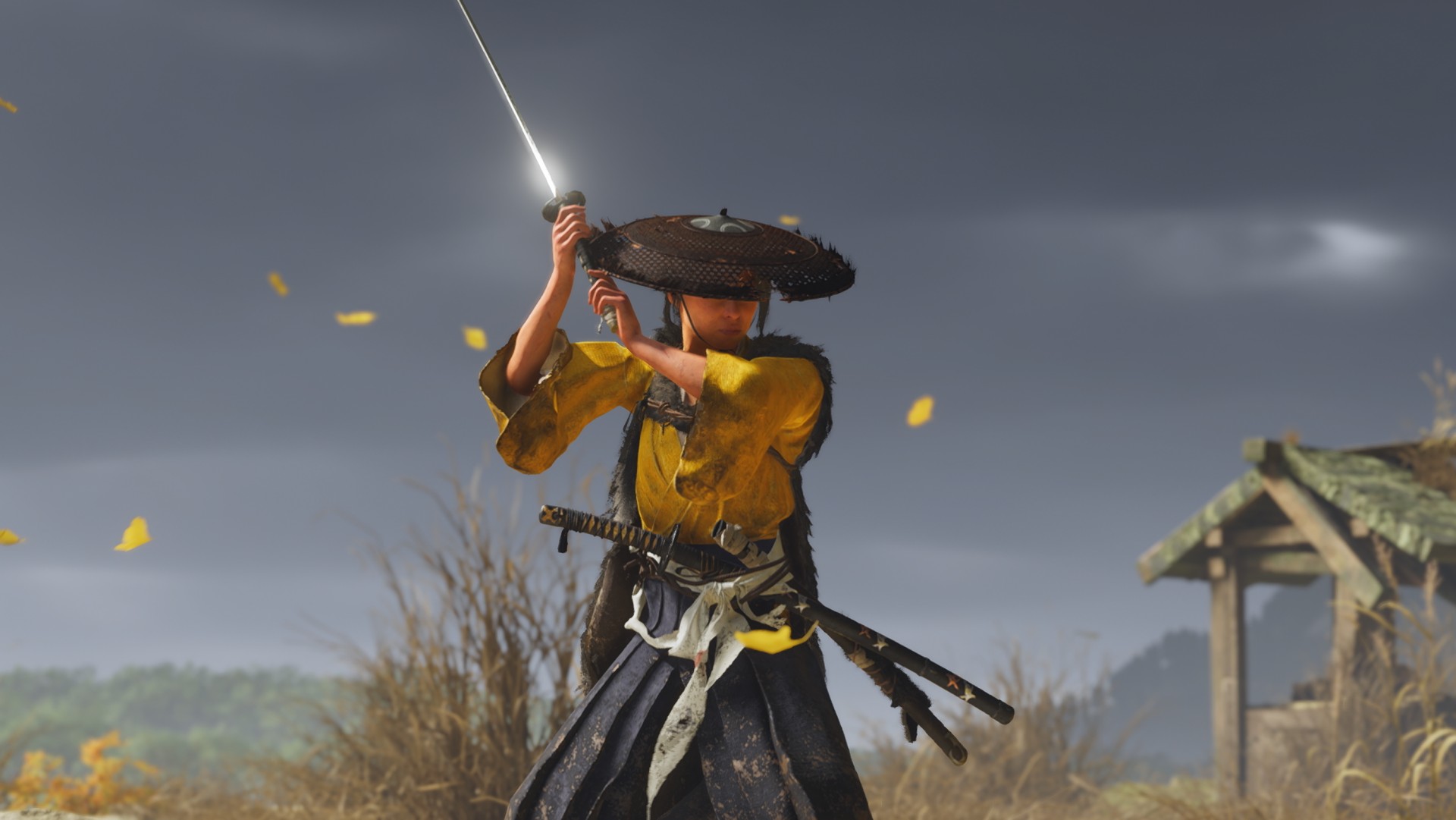
Ghost of Yotei is a classic RPG experience set in the same universe as its predecessor, Ghost of Tsushima. In my opinion, Atsu’s journey of revenge feels a lot more fun than Jin’s battle to save his homeland. If you’re in the same boat, Ghost of Yotei is coming back on October 1 with brand-new content.
Without delving too much into spoiler territory, Ghost of Yotei has a conclusive ending. Rather than shoehorning a forced epilogue, Echoes of Sekigahara, the title of the upcoming story expansion, explores Atsu’s past.
As with Tsushima’s expansion, Echoes of Sekigahara features a new map with new enemies, weapons, and collectibles. It will be set in two different time periods.
Besides the story expansion, the upcoming update also has a new mode called Most Wanted, which Sucker Punch Production describes as their “spin on a roguelike.” The mode explores Atsu’s experience as a headhunter, feeding her with bounties and earnable perks.
The two new content expansions will come with in the upcoming Ghost of Yotei Complete Edition. The new edition, coming on October 1, will also come with the co-op Legends mode. It also has a few perks and customization options. The edition will sell for US$ 70.
If you already have the base edition, you can grab an upgrade for only US$ 15. If you don’t want to pay for the upgrade, the game is still getting a few minor tweaks.
SEE ALSO: Ghost of Yotei review: A tale sharpened by vengeance
Gaming
Marvel Wolverine Limited Edition PS5 bundle SEA pricing
Available in Battle Yellow and Adamantium Limited Editions

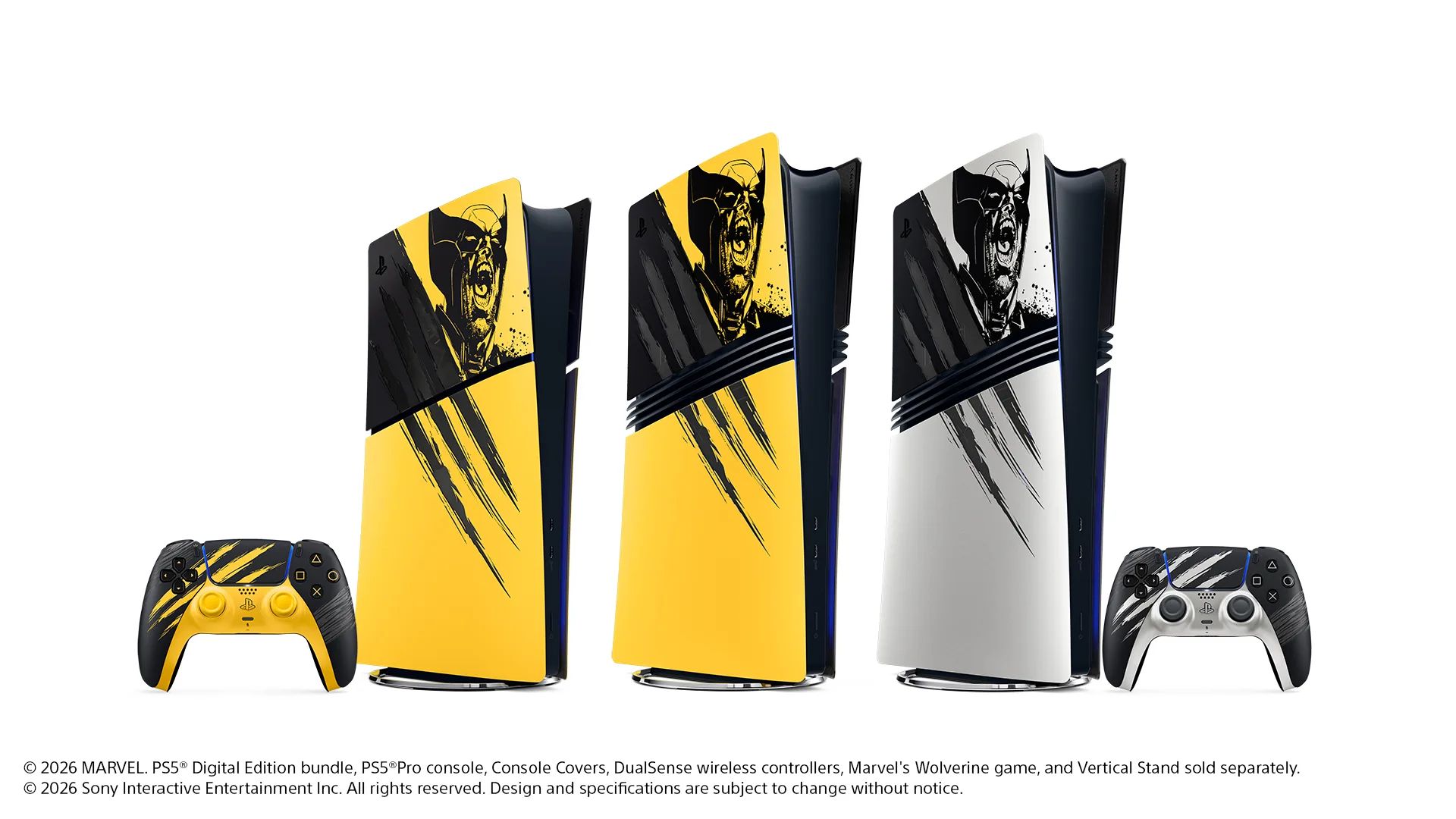
The first look for the Marvel Wolverine Limited Edition PlayStation 5 Console bundle and accessories have just released.
The console inspired by the raw power of Wolverine and Insomniac’s Battle Reborn suit (Battle Yellow) and claws (Adamantium).
Along with its preview, here are the suggested retail price (SRP) details for markets in Southeast Asia:
PlayStation 5 Digital Edition – Marvel’s Wolverine Battle Yellow Limited Edition Bundle
- SG$ 849
- MYR 2,799
- IDR 11,399,000
- THB 20,990
DualSense Wireless Controller – Marvel’s Wolverine Battle Yellow Limited Edition and Adamantium Limited Edition
- SG$ 115
- MYR 419
- IDR 1,549,000
- THB 2,890
- PhP 5,411
- VND 2,399,000
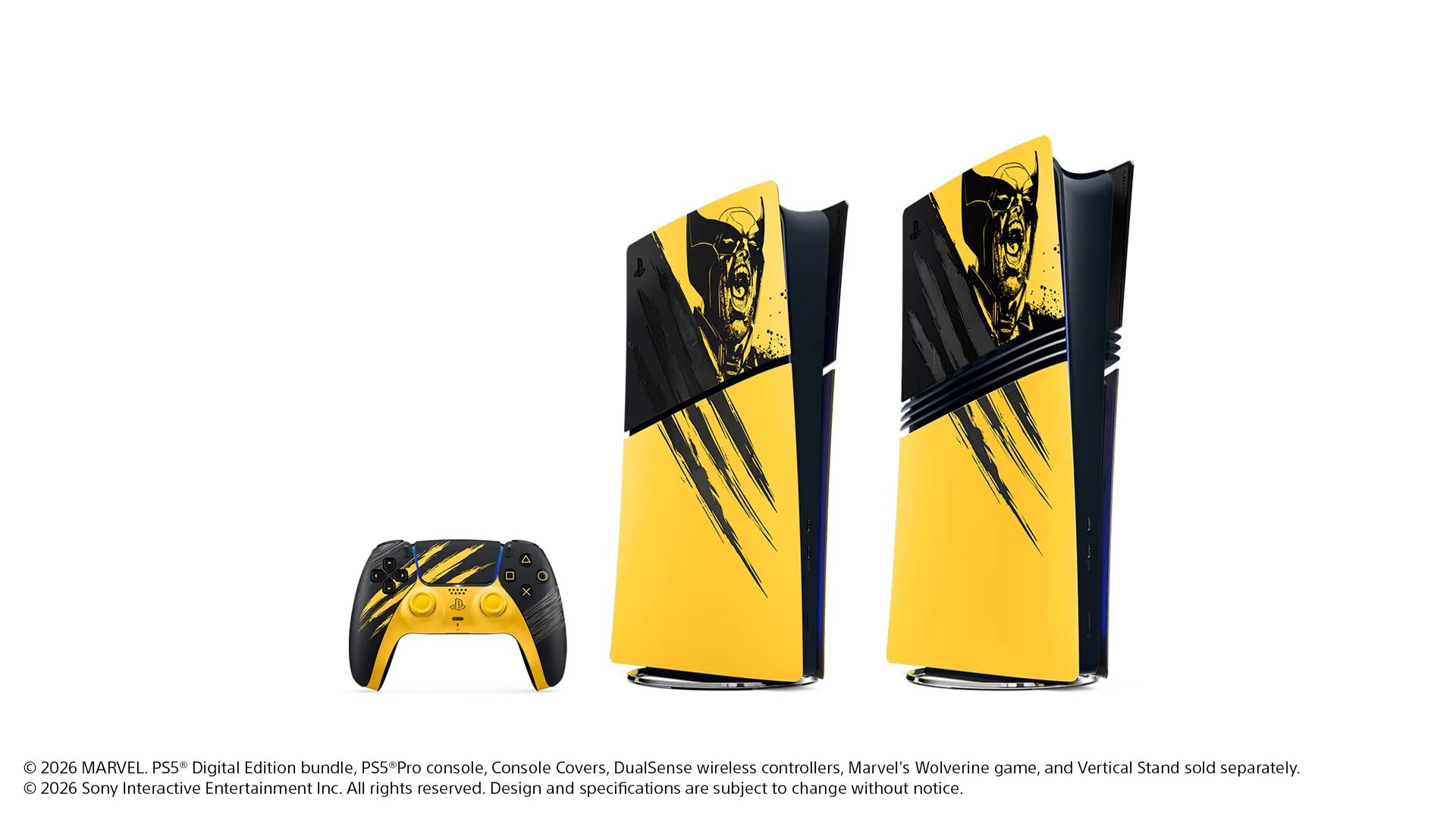
PlayStation 5 and PlayStation 5 Pro Console Covers – Battle Yellow Limited Edition and Adamantium Limited Edition
- SG$ 101
- MYR 369
- IDR 1,359,000
- THB 2,590
- PhP 4,767 (Battle Yellow only)
- VND 2,099,000 (Battle Yellow only)
The bundle and accessories will be available beginning September 15 in limited quantities. Pre-order will start from August 19 in local retailers, save for the PS5 and PS5 Pro console covers.
In Singapore, DualSense Wireless Controller – Marvel’s Wolverine Adamantium Limited Edition will be available exclusively through select retailer channels in limited quantity.
Marvel’s Wolverine releases on September 15 for PlayStation 5 consoles.
Gaming
Ghost Recon 25th anniversary: Free major Wildlands update, Predator returns, more
Wildlands: Last Rites introduces new mission; Predator update gets 4K/60 FPS support
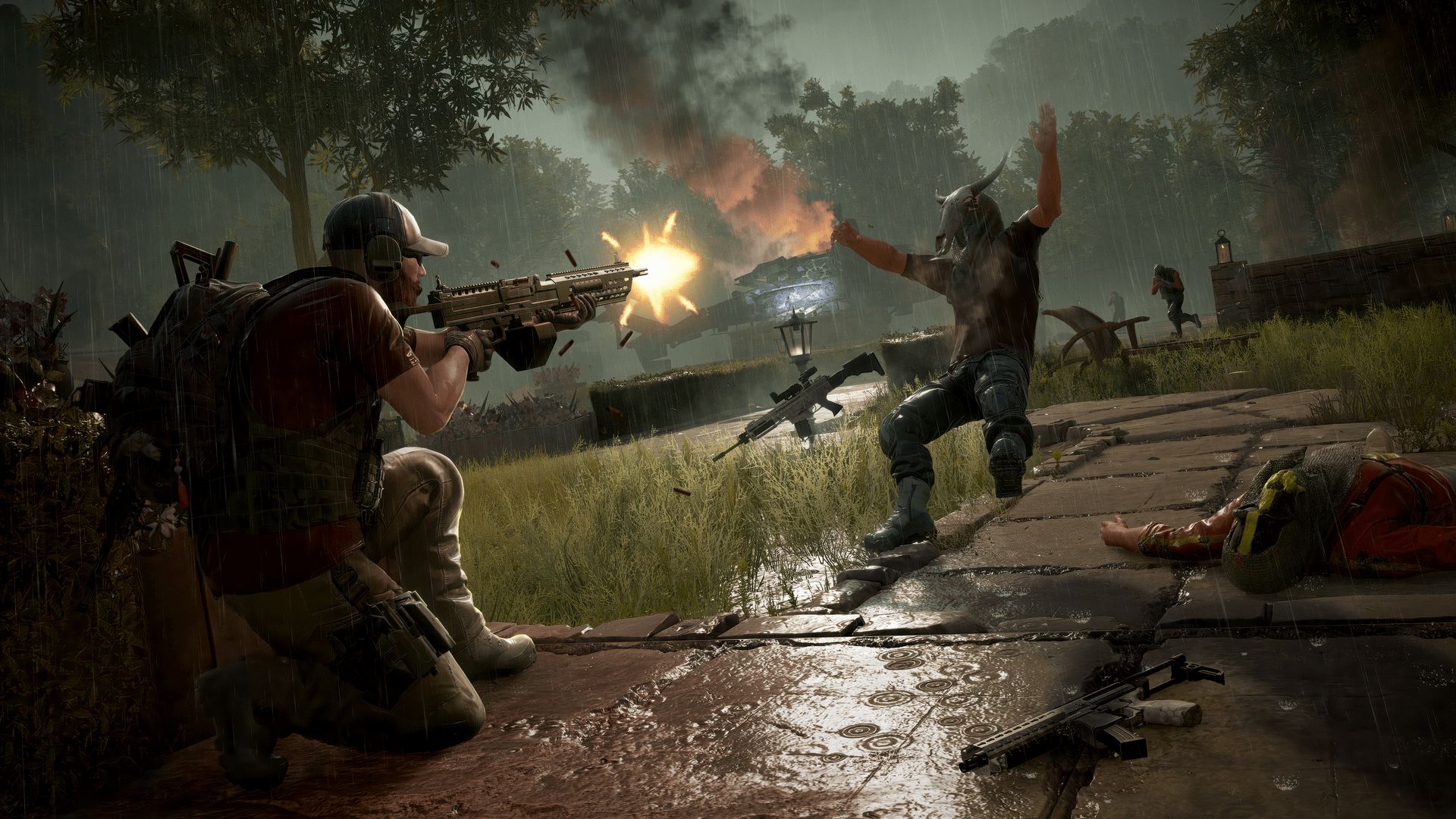
Ubisoft is celebrating the 25th anniversary of Tom Clancy’s Ghost Recon franchise with a free title update to Ghost Recon Wildlands, as well as a return of the fan-favorite Predator event and more.
The major free update, Ghost Recon Wildlands: Last Rites, is now available for free on the following platforms:
- Ubisoft+
- PlayStation 5
- PlayStation 4
- Xbox Series X|S
- Xbox One
- Windows PC (Ubisoft, Epic Games, Steam)
Last Rites features a brand-new standalone mission set in a darker, more oppressive Bolivia. The Ghosts enter a region controlled by Los Penitentes, a fanatical cult united by faith, sacrifice, and violent justice.
Players must hunt down La Llorona, the cult leader, by navigating dangerous swamps and dense forests where visibility is low and danger is lurking.

In addition, the Predator Mission update modernizes the Wildlands experience by adding 60 FPS gameplay and visual upgrades to current-gen consoles and PC.
Players can enjoy smoother combat, improved distance rendering, enhanced lighting and shadows, and a sharper image targeting 4K resolution.
Moreover, players can deeply customize and define their own Ghost Recon experience using extensive gameplay, difficulty, environment, and UI parameters.
They can also adjust enemy behavior, damage values, weapon restrictions, friendly fire, weather, and HUD elements to tailor realism, challenge, and immersion.
Lastly, they can relive the iconic Predator event and take on a deadly extraterrestrial threat, now back once again.
Play Ghost Recon’s iconic titles for free for a limited time

To celebrate the anniversary, players can also jump into three of the franchise’s most iconic titles at no cost.
From August 6 to 10, players can try Ghost Recon Wildlands and Ghost Recon Breakpoint for them to experience the ultimate tactical military shooter.
Meanwhile, Ghost Recon: Future Soldier will be free to redeem on PC via Ubisoft Connect until August 13.
This lets players step into the role of Kozak and Team Hunter in a vision of the future of war.
In September, the Ghost Recon Breakpoint 25th Anniversary Bundle will also be available. This shall include free items such as the M4A1 Tactical Brown, Wolf Enhanced Helmet, and Opheis Mk.II Hunter.


30 days later with the ASUS ExpertBook Ultra: Like seeing an ex
Felt exactly as I remembered.

ROG STRIX G16 Review: Building for the moment
Setting it up however you want to make the most out of it


realme C100: Enduring and durable in spite of entry-level realities
Enough power but needs more agility

Ghost of Yotei gets a story expansion in October

Pixel 11 Pro Fold brings an improved foldable experience

The Pixel 11 series is official!

HONOR isn’t taking the Robot Phone global — yet

HONOR Robot Phone’s camera can move on its own

Hands-on: Samsung Galaxy Z Fold8, Flip8, Ultra

VinFast debuts two-wheeler models, opens 21 e-motorcycle showrooms

Garmin launches its first screenless fitness band

Samsung releases teaser with Spider-Man: Brand New Day Easter eggs

Most of the world’s PlayStations will be officially useless by 2028


-
 Automotive1 week ago
VinFast debuts two-wheeler models, opens 21 e-motorcycle showrooms
-

 Automotive2 weeks ago
Xiaomi debuts SkyNomad Series featuring new Kunlun platform
-

 News1 week ago
OnePlus officially leaves the United States and Canada
-

 Computers2 weeks ago
AMD launches Radeon RX 9050 graphics card
-

 Gaming2 weeks ago
Call of Duty: Modern Warfare 4 clip shows Losing Ground 1st look
-

 Automotive2 weeks ago
GAC launches new trio of MPVs
-

 News2 weeks ago
TECNO unveils the world’s first 0mm bezel-less phone
-

 Gaming1 week ago
Genshin Impact opens Snezhnaya in Version 7.0 this August 12