

Gaming
Lenovo Legion 7i review: Flagship with trade-offs
Everything is great, until some things get in your way

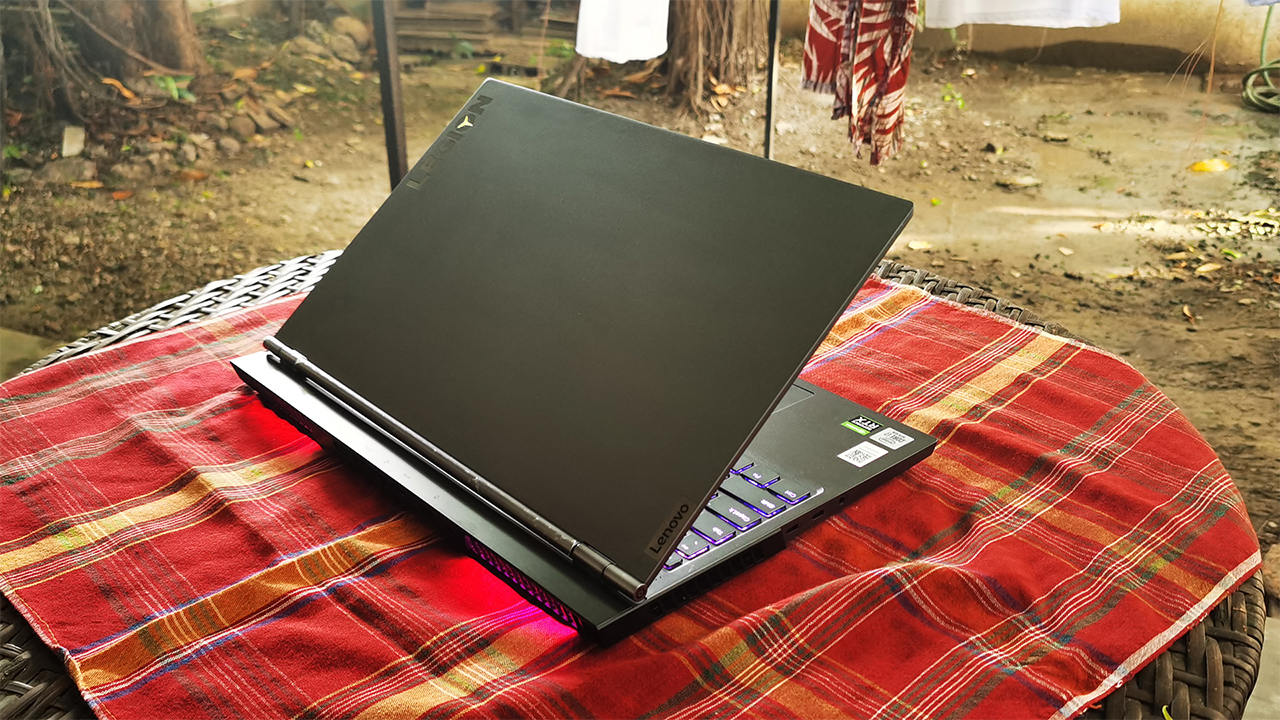
After writing the hands-on for the Lenovo Legion 7i, I came to the conclusion that this device has upside. It wasn’t the most powerful configuration you could get for the device, but initially the whole thing just fits well. It was even a welcome surprise to me that the build quality is great, and has RGB!
But much like NBA prospects, one must see them in action to truly assess their worth. While my initial impressions of the device were positive, I wanted to see if this device truly stacks against the best of them.
To recap, here’s what the Lenovo Legion 7i offers:
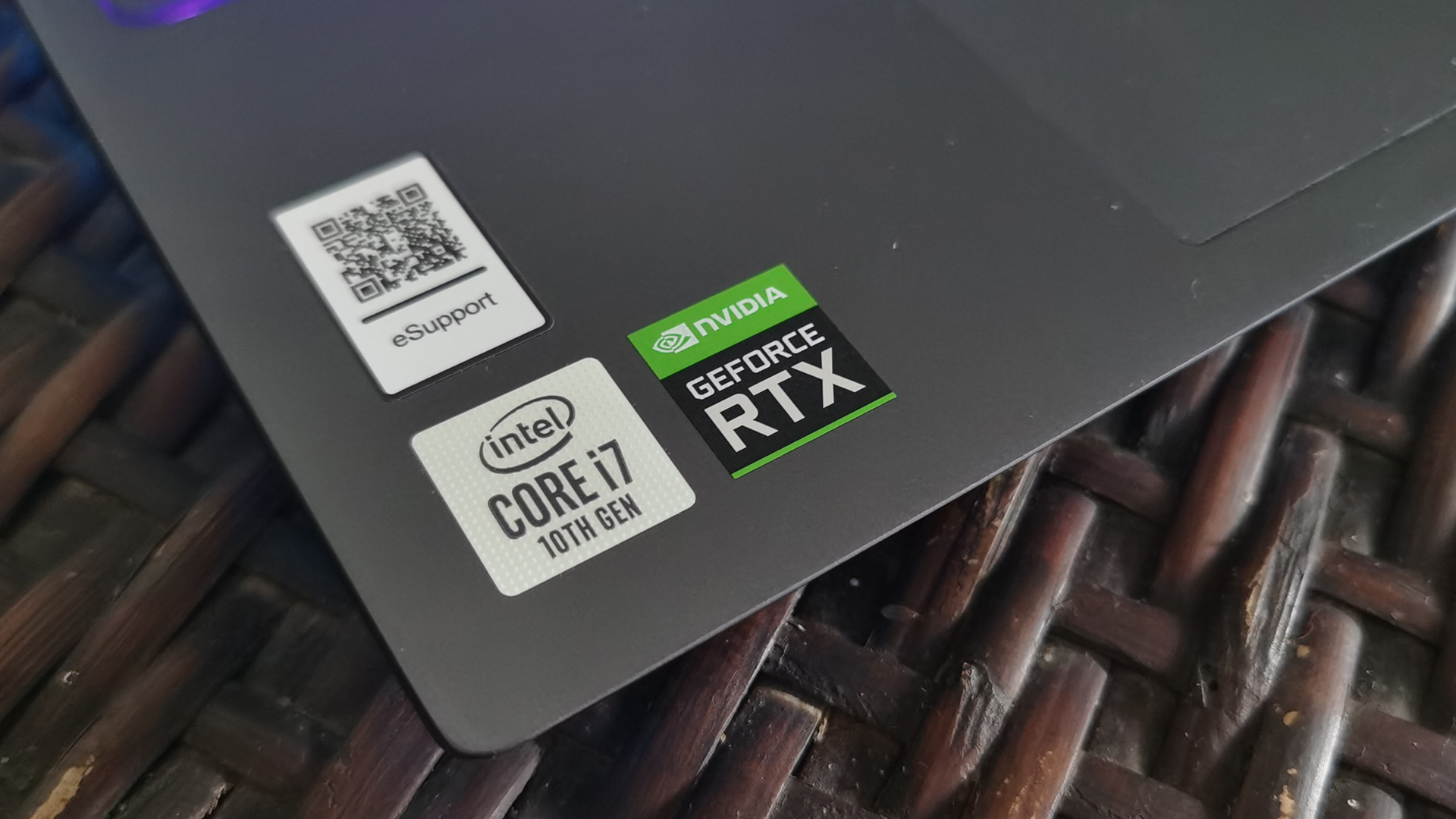
It comes with an Intel Core i7 processor and an NVIDIA RTX 2070 SUPER Max-Q
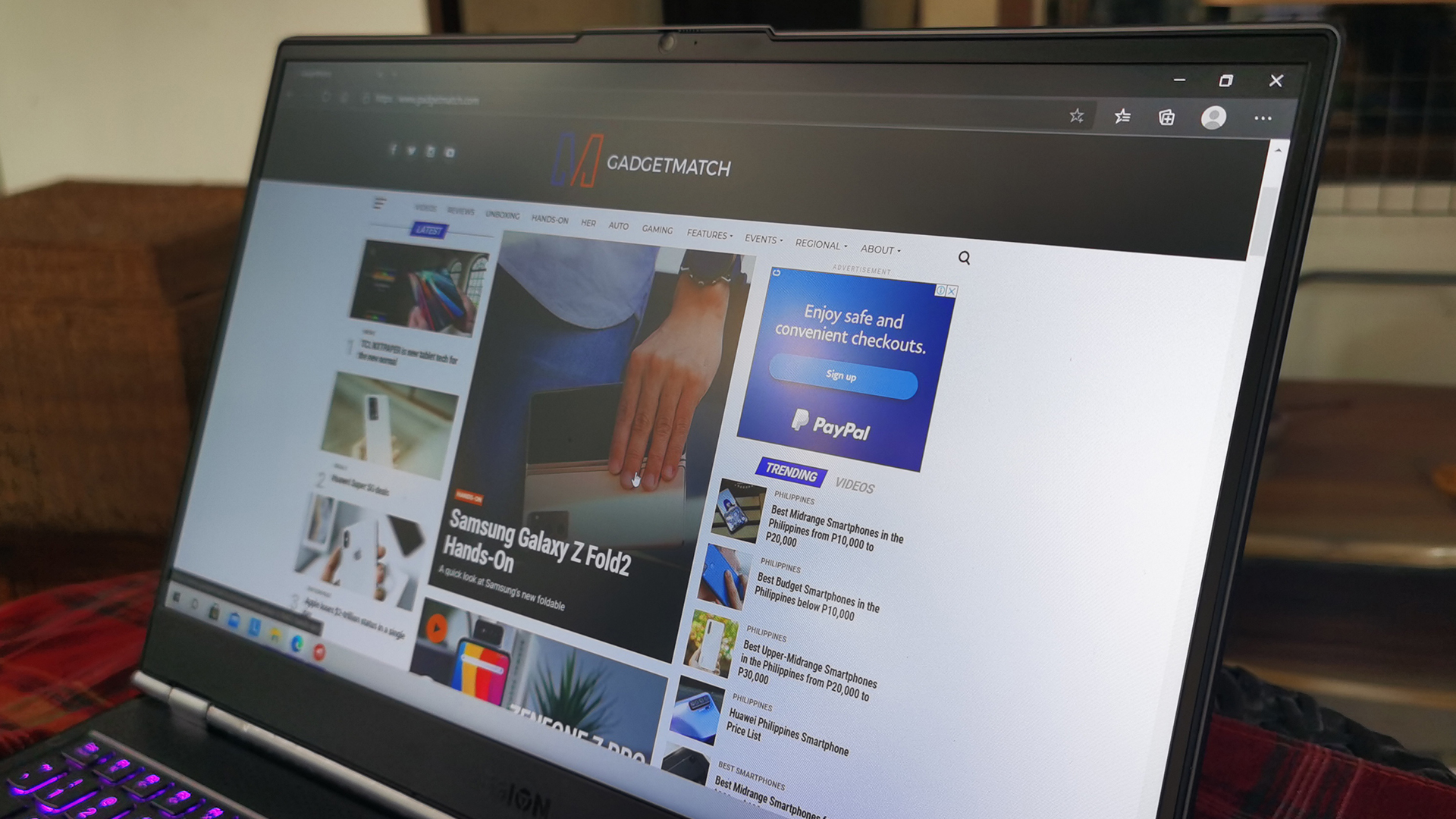
It has a 240Hz FHD anti-glare display with 100% Adobe sRGB
It features a full-size keyboard with RGB lighting even at the back

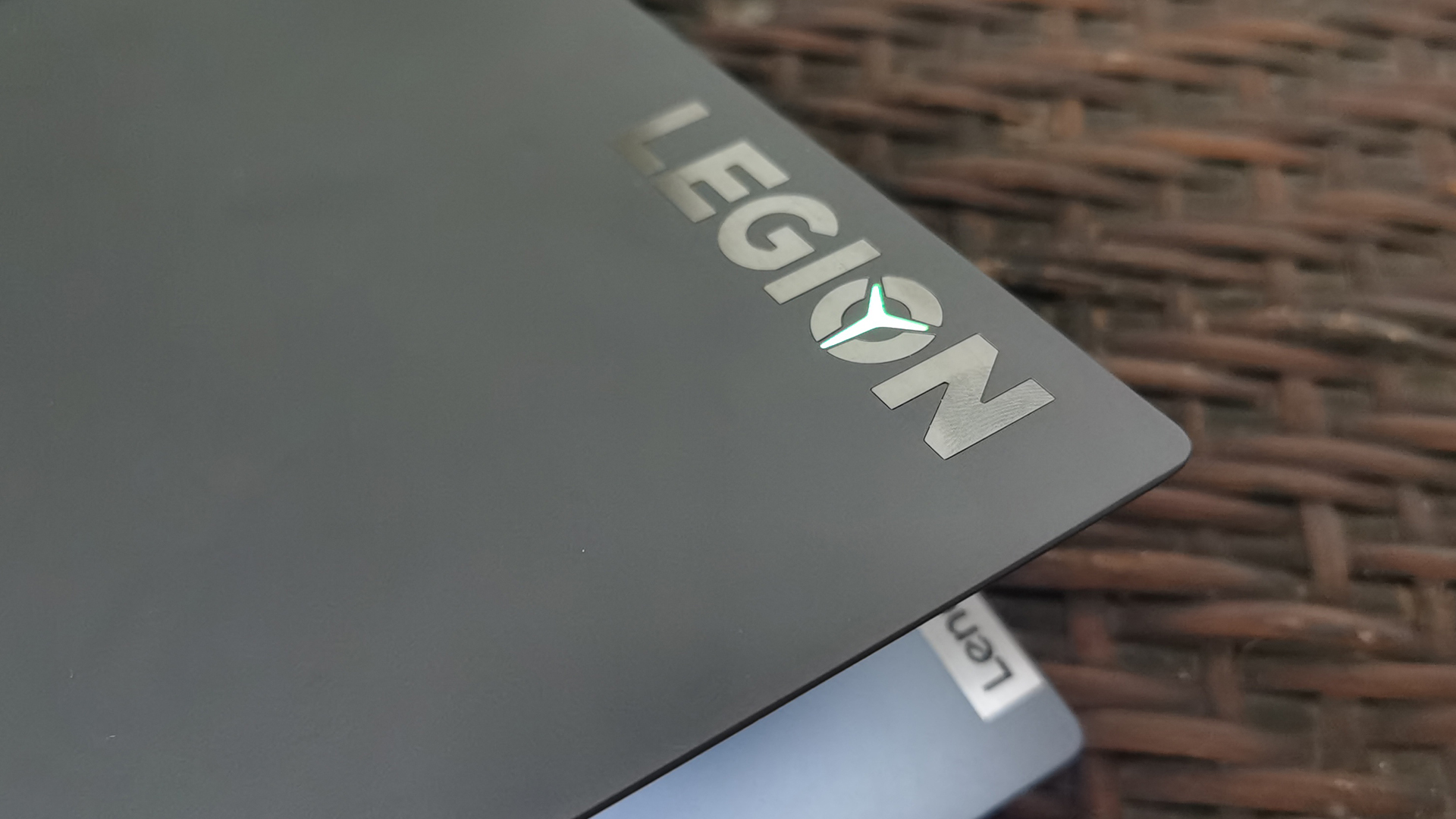
It comes in an all-metal finish, with the metal Legion logo
Great performance for the most part
The unit I received came with the 6-core, Intel Core i7-10750H processor and the NVIDIA RTX 2070 SUPER Max-Q. It’s not the most powerful configuration you can get for this device, but it brings a lot to the table. Performance across the board was great the more applications I threw at it.

Whether it was for work or simply gaming my heart out, the Legion 7i kept me going through and through. I still haven’t won a game of Fall Guys while testing this machine out. But in terms of its raw power, this device definitely competes with the best of them.
My only issues with the device’s performance actually isn’t with the hardware. See, Lenovo always ships its devices with Vantage installed. Obviously, this should aid in the main operations of the device and should tick the important settings during certain activities. I don’t know why Vantage doesn’t automatically switch some of these, but it gets in the way.
Gaming on it feels like a breeze… for the most part
I’ve touched on how well this thing can game, and it still met my initial impression of it. Trying out a variety of titles for this laptop felt relatively easy, as I managed to play most games properly. Even heavy titles like Call of Duty: Warzone clocked in close to 60-70 FPS at near max settings during my tests.

Also, because the unit I came with has a 240Hz refresh rate display, I almost experienced no image tearing. Gameplay felt almost buttery smooth, especially in shooter games such as VALORANT. I kept up with everything that was happening around me with such ease, it almost felt natural.
Yet again, my issues with this wasn’t with the RTX 2070 SUPER Max-Q. Rather, there were two things that I somehow couldn’t understand how they got in there. First, for some reason Vantage doesn’t automatically turn on Performance Mode. Second, even while the laptop was on Performance Mode and plugged in to the charger, I experienced some level of FPS drops.
Even though these might not be the case for you, I’d still watch out for these down the road.
Battery’s what you expect, but the thermals were off
Upon initial use, I got about 5-6 hours just doing the normal routine. Compared to most gaming laptops, this is just what you would expect even from a 80Wh battery. Strictly gaming on the device only registered 2-3 hours, which is disappointing but expected. I guess that’s your payoff for siding with Intel, instead of going for the new AMD chips.
Charging the device didn’t take too long, especially with Rapid Charge turned on. Without it, it took me about 2-3 hours for a full charge. Honestly, I feel like you will need to bring the charger at all times for prolonged play. At least, it brings you back to the action and your work.
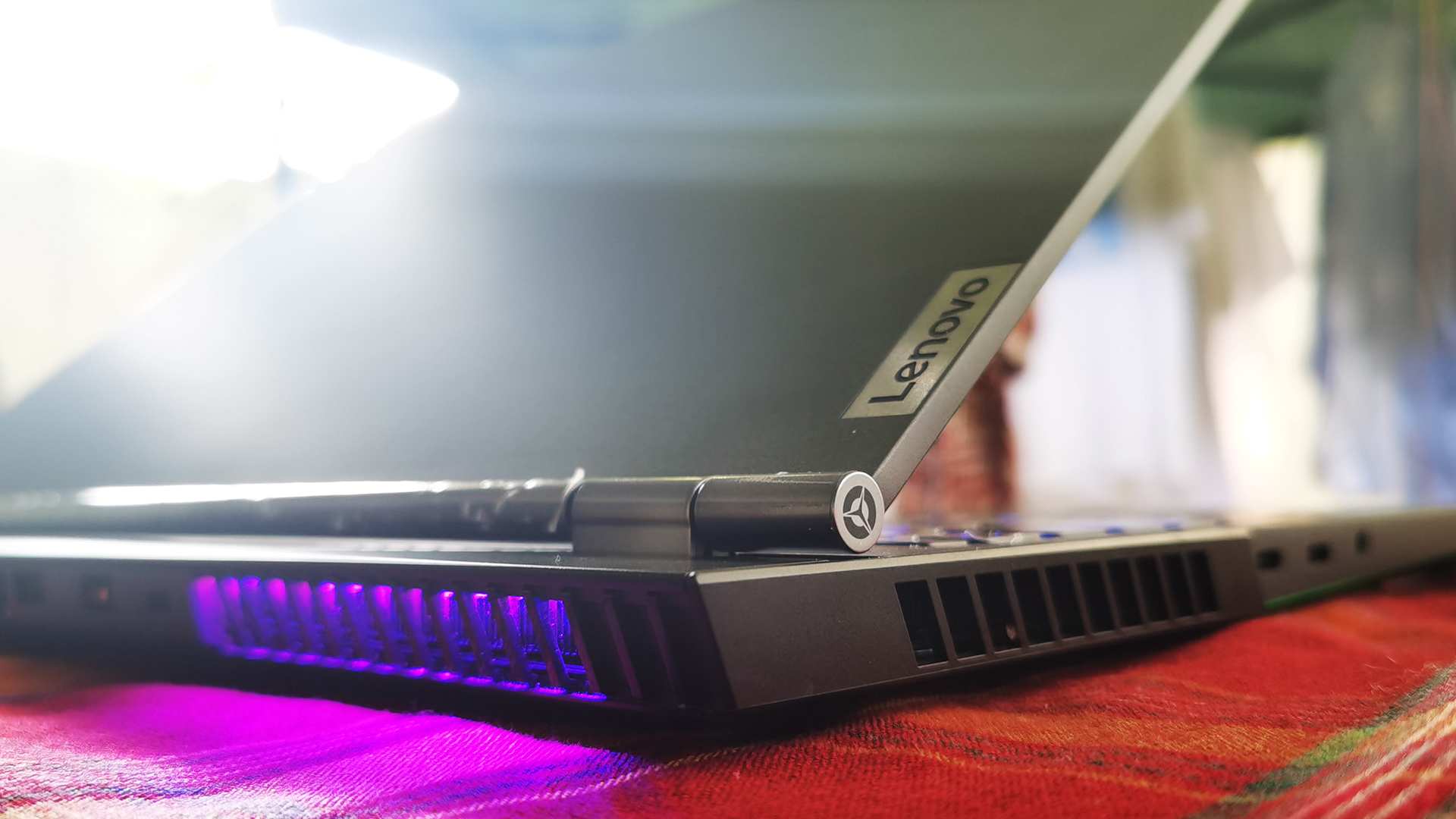
However, the bottleneck truly lies in the device’s Vapor Chamber cooling system. Don’t get me wrong: I appreciate the fact that there are four exhaust vents for all that hot air. Ideally, it’s supposed to keep things relatively less warm than usual. But alas, the device still felt too warm to touch and the fans were super loud.
The laptop’s saving graces?
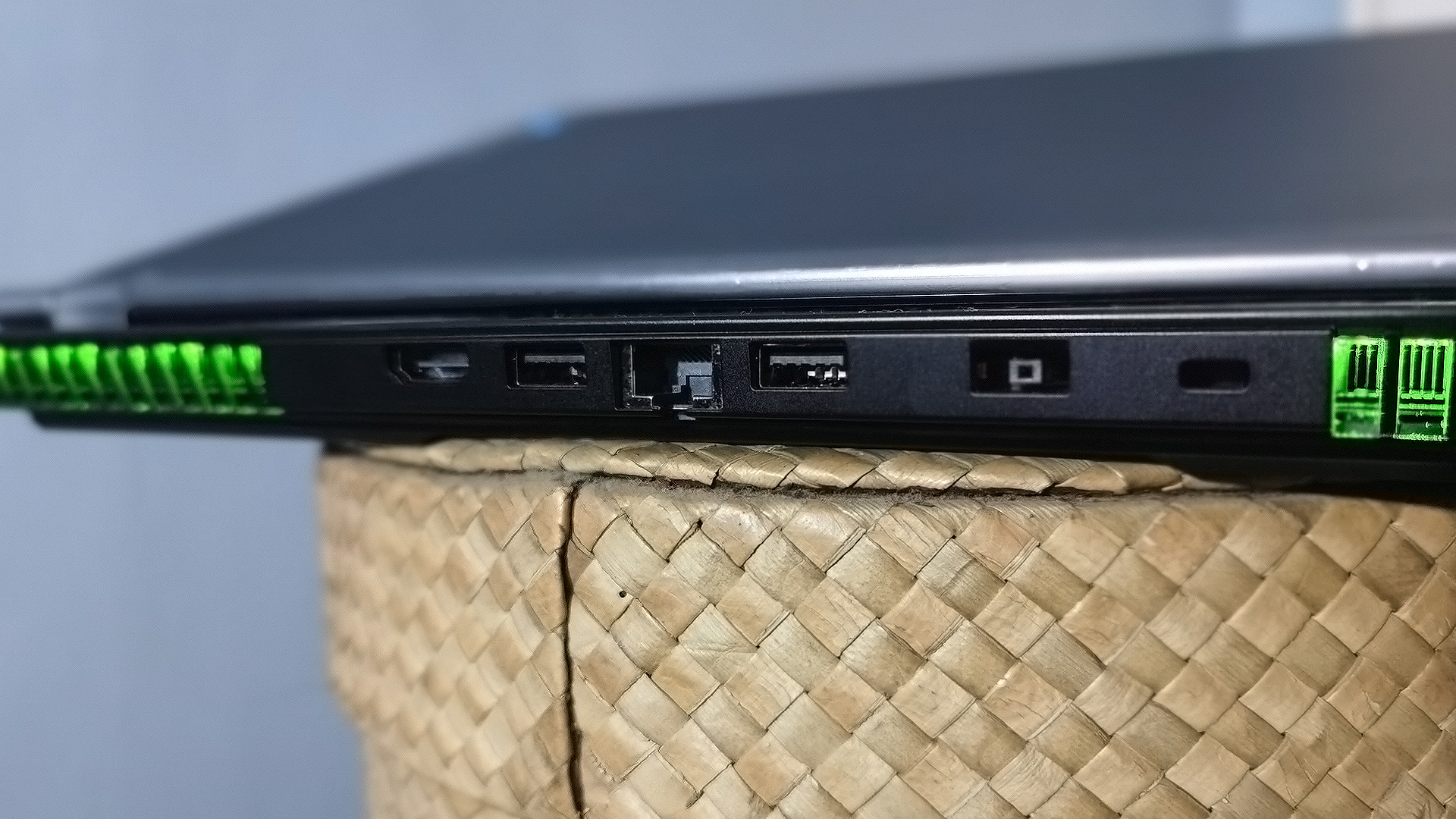
Although, the device had some other good features that I felt made the experience a little better. First was the variety of ports available on this device, and where they’re all placed. Specifically, I found it a nice touch that high-usage ports for charging and all your peripherals were at the back. It makes cable management easier, and nothing gets in the way.
I also loved the way the keyboard felt as I was typing and playing. Lenovo’s TrueStrike keys have a certain smooth feeling every time I press them. Honestly, I didn’t feel any lag input especially while gaming. Also, the privacy webcam shutter was always a nice touch.
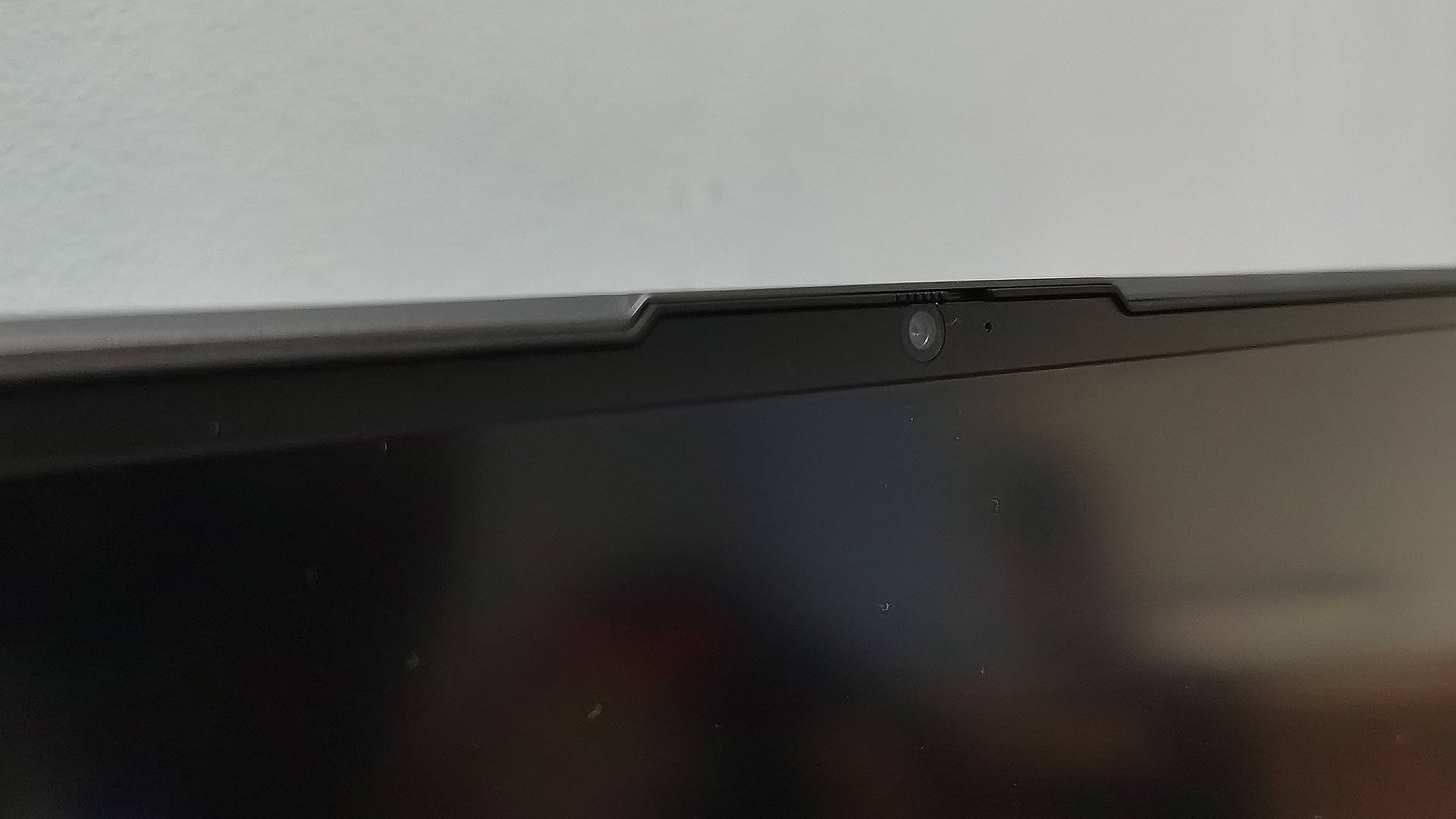
But alas, there are some things that just didn’t sit well with me. One was the webcam itself, which only stood at 720p. The images turn out a little grainy, and you can’t really use it at night unless under well-lit conditions. Next were the bottom-facing speakers, which I honestly felt would have been better with an elevated hinge.
Is this your GadgetMatch?
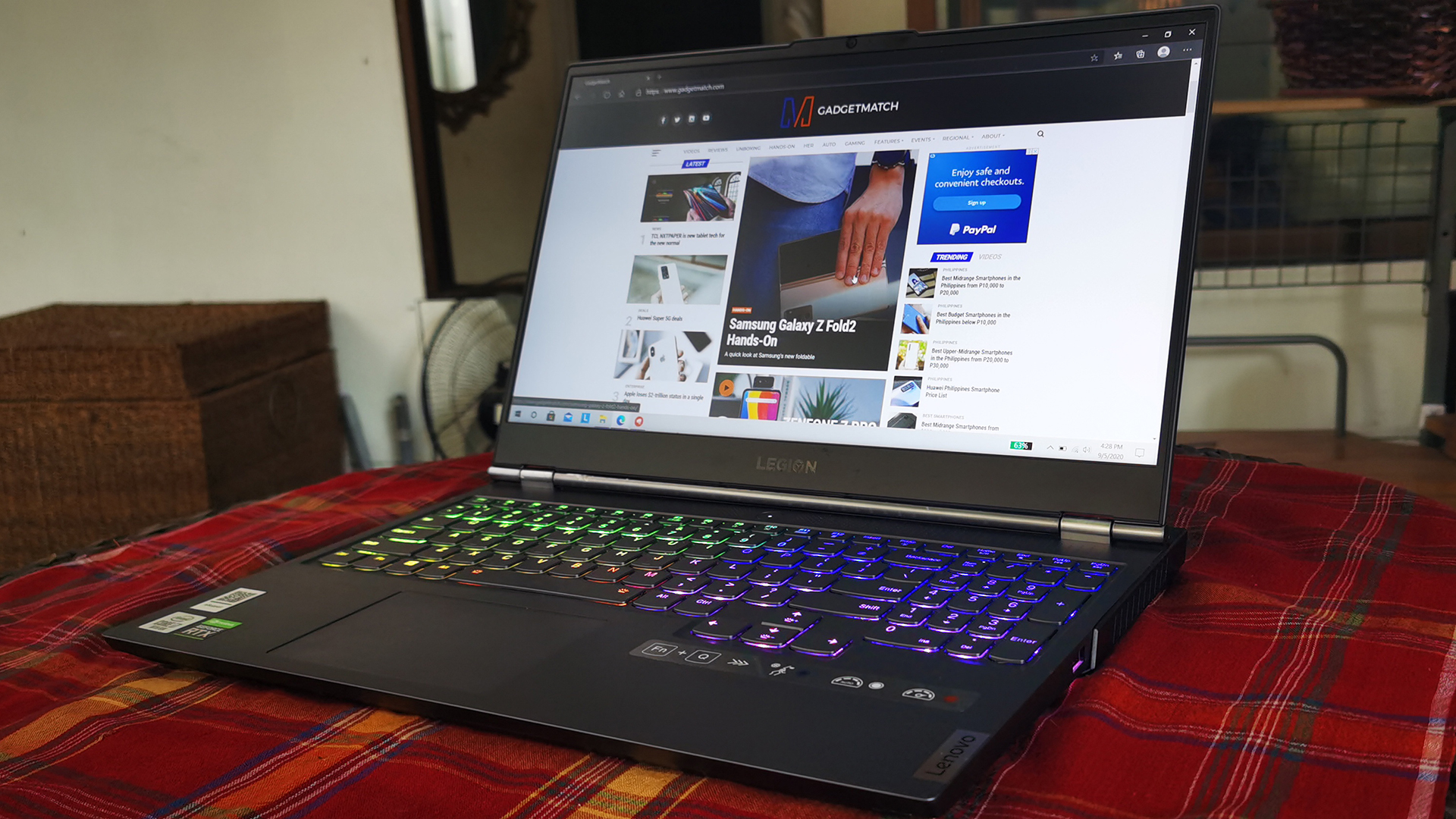
At Php 134,995, the Lenovo Legion 7i fits the mold of the usual gaming laptop. You get the power and performance from all the internal hardware. Also, you get a high refresh rate display to complement and elevate your gaming experience. Along with some great additional features, it’s a solid piece of hardware.
Of course, you really can’t get past the things that are bad about it. The obvious ones include the subpar battery life and the thermals that don’t cool down effectively. For the rest, it’s all up to your personal preference and what you intend to use this laptop for.
For what it’s worth, you actually get a great gaming machine that competes with the flagships. Just be wary of what you’re trading off to get all that power.







Gaming
CRISIS CORE -FINAL FANTASY VII- REUNION physical edition now available for Switch 2
Zack Fair’s story comes to Switch 2.


Bandai Namco Entertainment Asia and SQUARE ENIX have released the physical edition of CRISIS CORE -FINAL FANTASY VII- REUNION for Nintendo Switch 2 in Southeast Asia.
Players can also purchase the game digitally on the platform. Availability may vary by region and retailer.
Zack Fair’s story returns
Set in the mako-powered metropolis of Midgar, CRISIS CORE -FINAL FANTASY VII- REUNION follows Zack Fair, a young operative in Shinra’s elite SOLDIER unit.
Zack investigates the mysterious disappearance of SOLDIER operatives alongside his mentor, Angeal, and the legendary Sephiroth. His journey reveals the events that shaped the world of FINAL FANTASY VII and his connection to Cloud Strife.
The game revisits Zack’s story with an HD graphical overhaul of its character models, user interface, and environments. It also features fully voiced dialogue in English and Japanese, alongside an updated action-combat system.
Players can trigger Limit Breaks and Summons as they battle their way through the story. The game also supports handheld and docked play on Nintendo Switch 2.
A look back at Zack’s legacy
Originally released as a remaster of the PSP classic, CRISIS CORE -FINAL FANTASY VII- REUNION offers a refreshed take on one of the franchise’s most significant prequel stories.
In our GadgetMatch review, we explored how the remaster brings Zack Fair’s journey to modern platforms while preserving the emotional core of his story.
The release also gives players another way to experience the events leading into FINAL FANTASY VII, ahead of the upcoming FINAL FANTASY VII REVELATION, the third and final entry in the FINAL FANTASY VII Remake series.
For more information about CRISIS CORE -FINAL FANTASY VII- REUNION and other Bandai Namco Entertainment Asia titles, visit the official website.
Gaming
Dune: Awakening makes it way to the PS5 and Xbox Series X
Surviving the harsh land of Arrakis one sandstorm and bloodlust at a time

Back in June of 2025, Funcom released its multi-nominated open world survival game, Dune: Awakening. Inspired by the renowned movie franchise, the game takes place within the deserts of Arrakis as players survive and thrive through intense combat and strategic decision making. Now, in the big 2026, Funcom is finally bringing that experience to PlayStation 5 and Xbox Series X|S players as Dune: Awakening officially launches on console!
For the newbies finally getting it on console, here’s all you need to know:
Take the lead or do it together
Dune: Awakening takes you into the desolate land of Arrakis, and gives you the option to do it on Single Player or Multiplayer upfront. Through your own bidding in strategy, combat, and resource management, your goals are simple: survive the terrain, make more allies than enemies, and conquer the land through your affiliation to the powers that be.
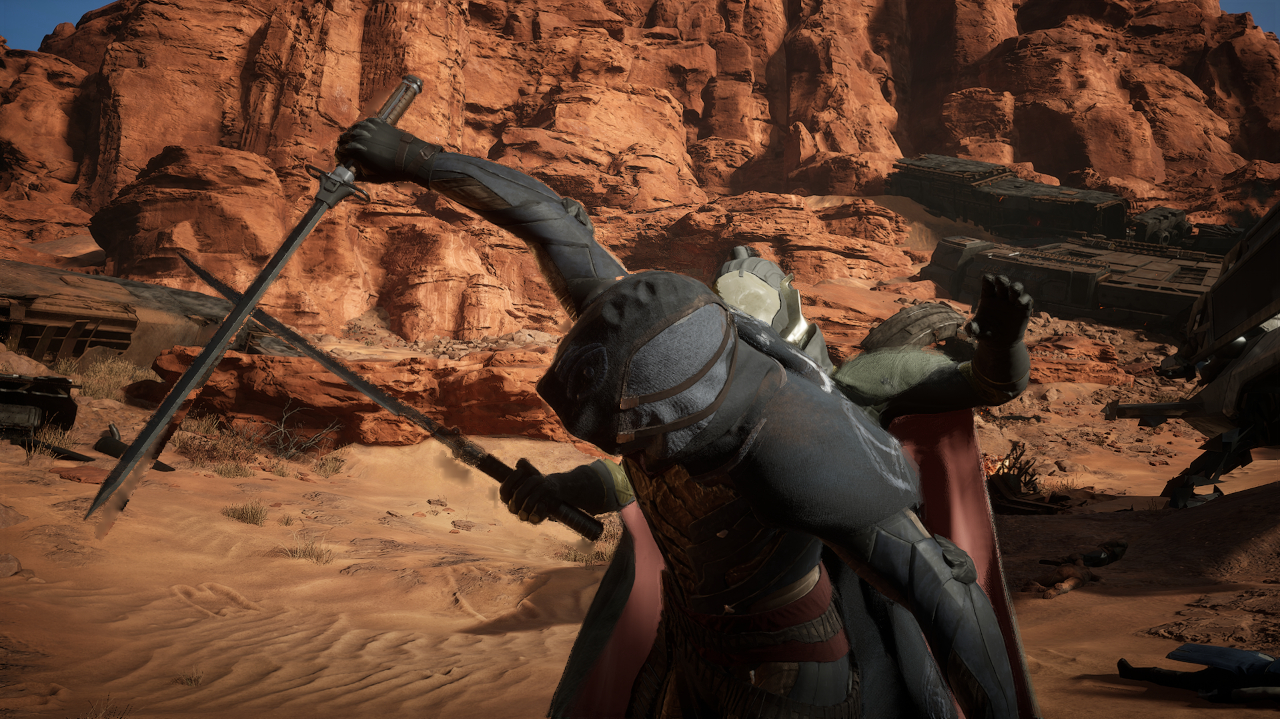
This version of the game is as exact and as one-to-one as it possibly could with the PC version released last year, down to the story arcs, quests, and PvE/PvP areas you take on. Since launch, Funcom has introduced new weapons, areas, and cosmetics through DLCs that will be available to console players, as well. Also, several key features in story and mission progression that have changed on the PC version will take into effect.
If you want to engage with multiplayer, it is still a viable option when you want to gather more resources and reinforce your bases against other players and the natural elements. However, you still won’t be able to host your own server on a console just yet, as it is more stable to do so on the PC version.
Become whoever and whatever to survive
Character customization became the game’s bread and butter through its extensively library of features and unique take on story progression. As you begin your journey, Lady Jessica welcomes you in and asks you on your origin story, mentorship, and initial skill set — all of which are to your choosing based on your play style. Honestly, none of these completely influence the difficulty in progressing the story too much but it will give you full control of the experience.
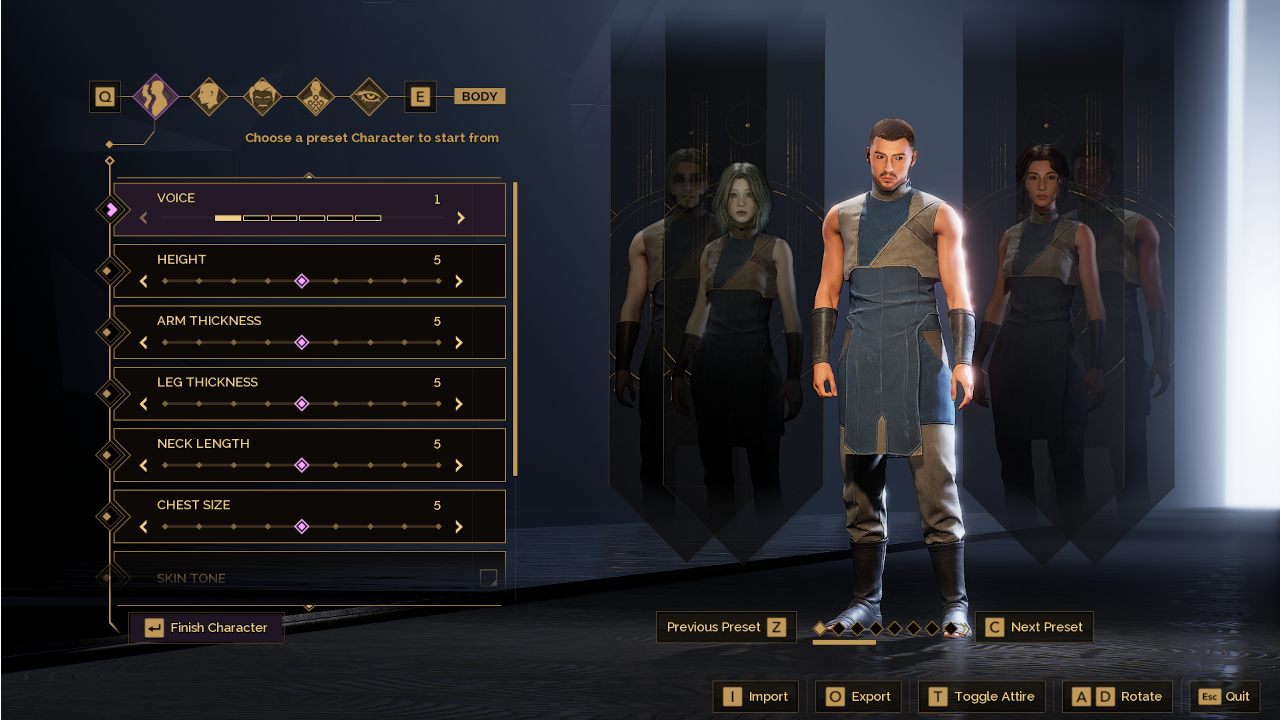
As you progress further into the game, you will unlock more skills and abilities to aid you in your quest for power and survival. These will help you earn XP, along with accomplishing tasks, gathering resources and researching newer technologies, plus engaging in combat both within the PvE and PvP areas. Ultimately, you and, potentially, other players must build enough rapport and influence to shape the world of Arrakis to your liking.

Consistent visual expectations
For most players on the PC version, graphical fidelity relied heavily on the hardware of choice. When transitioning the game into a console-friendly environment, Funcom worked out the details seamlessly by adding a Performance and Quality mode. In this fashion, you can opt for crystal-clear graphics at a decent 30 FPS or go for a constant 60 FPS to keep up with the action.
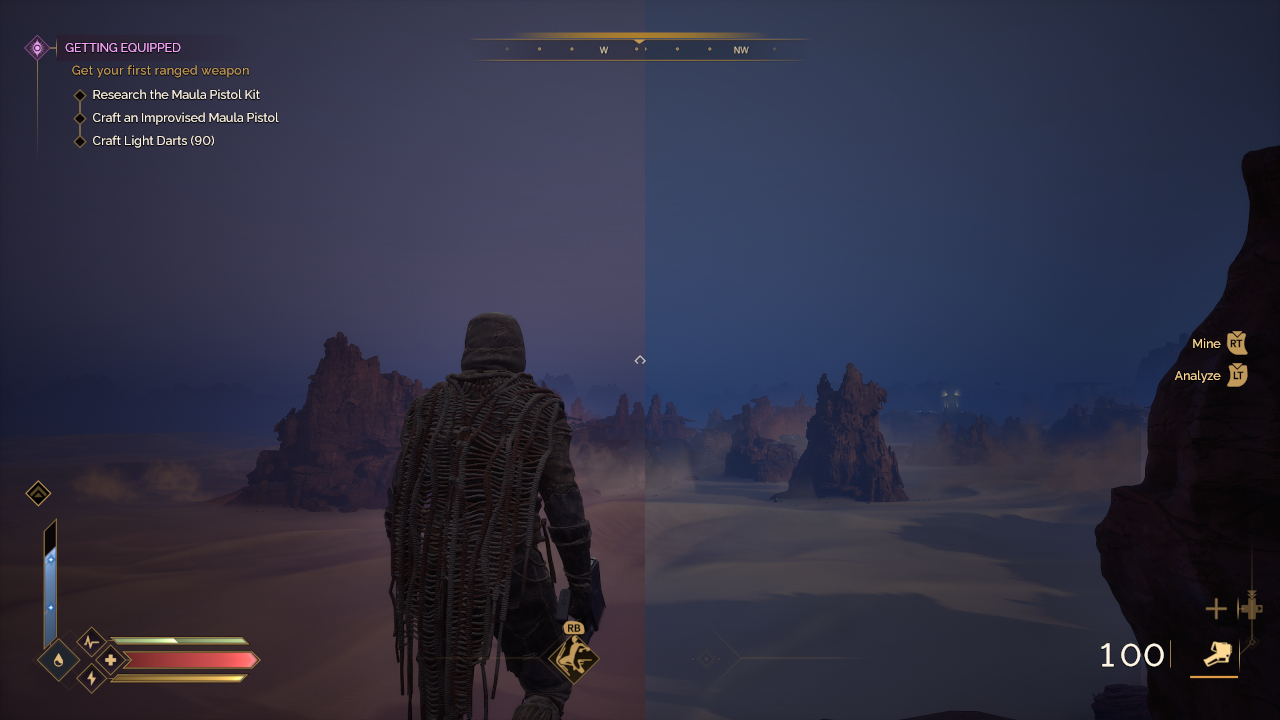
Left: Performance | Right: Quality
No matter which mode you choose, the overall visual identity of the game doesn’t change drastically. Environments look rich and vibrant, while the tiniest of details within character models are preserved. Although, given frame rate differences, rendering of background elements also reflects that but it won’t ruin the gaming experience.
Dune: Awakening will be available on the PlayStation 5 and Xbox Series X|S on September 22. For Xbox Game Pass owners, this will also be a Day One release with Play Anywhere support and cross-play within Xbox and PC players upon launch.
Funcom has also planned an exciting map update later this year plus potential DLC tie-ins to the upcoming Dune: Part Three theatrical release in December.

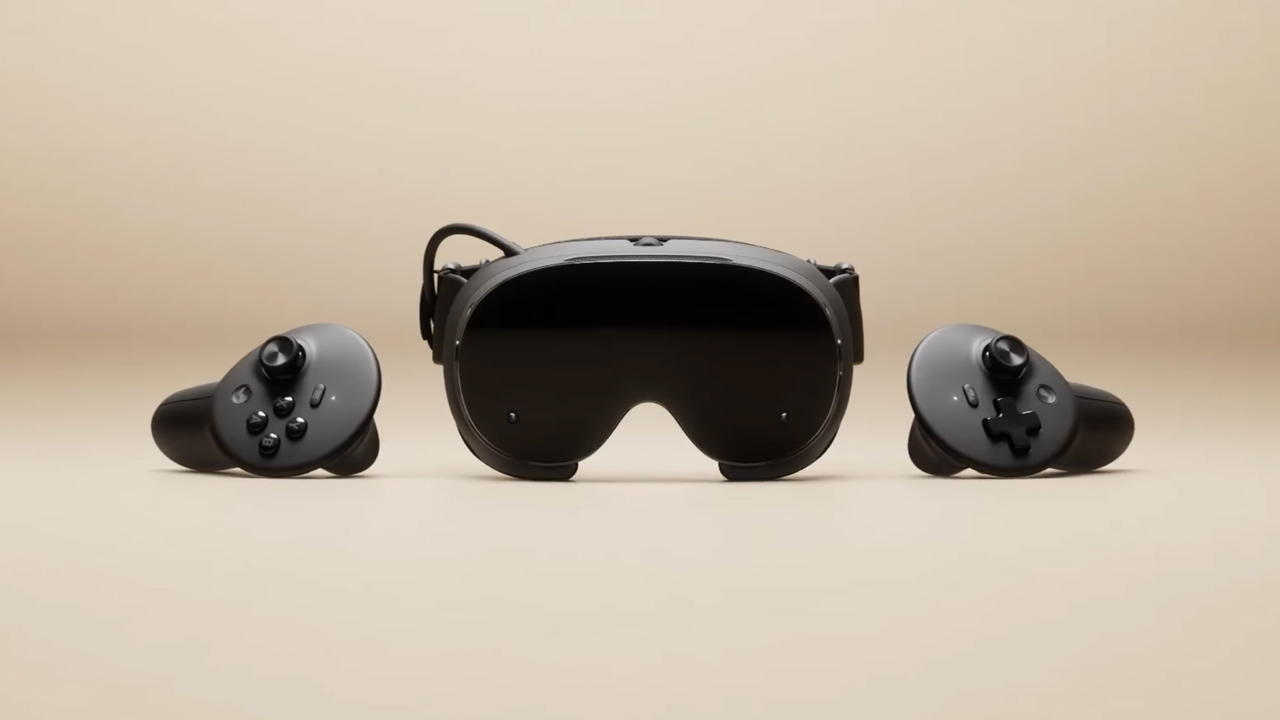
The trifecta is complete. Almost a year after announcing their new hardware, Valve has finally unveiled the price tag of the Steam Frame, complementing the Steam Machine and Steam Controller revealed a few months ago.
Whereas the Steam Machine is a console of its own, the Steam Frame is a traditional VR headset with a pair of controllers for both hands. Unfortunately, despite being in a different segment, the headset is not immune to the rising prices of technology. The Steam Frame will start at US$ 1,059 for a 256GB model and can go up to US$ 1,299 for the 1TB model. On the plus side, each box will come Half-Life: Alyx packaged along with the headset.
Here’s a more detailed rundown of what you’re getting. The Steam Frame will ship with the Snapdragon 8 Gen 3 chipset, paired with 16GB of RAM. Each eye comes with a 2160 x 2160 LCD screen, putting out images at up t0 a 144Hz experimental refresh rate. As mentioned above, the headset will start with 256GB of storage but can go up to 2TB. It will come packaged with SteamOS 3 and a rechargeable 21.6Wh battery.
This might be a hard buy for some. The industry currently has more affordable options, for one. Also, virtual reality isn’t the most thriving segment of gaming today.
If you’re still decided on buying one, however, Valve is using its lottery system. Interested customers can sign up from now until September 17. The company will then randomize the purchasing order. Those who draw the first ones in the lottery can get a purchase email as soon as September 18. Meanwhile, anyone who registers after September 17 will automatically be put at the back of the queue.
SEE ALSO: Valve announces its own console called the Steam Machine


TECNO POVA 8 Pro Tonino Lamborghini review
Truly a rare gem in 2026


DJI Lito X1 review: Is this the best lightweight drone for creators?
Making a strong case as a travel companion and a capable B-cam!


REDMI Note 17 Pro Max review: A new breed born from AI greed
Welcome to the new normal
TECNO POVA 8 Pro Tonino Lamborghini review

When TECNO-logy meets Tonino Lamborghini legacy

Spotlight: Amazon Kindle Scribe Colorsoft

Chimelong’s newest attraction might be the robots themselves

Xiaomi 18 Pro series is launching globally, Xiaomi confirms

realme 16T 5G with 8000mAh battery, IP69 Pro rating launches in PH

HUAWEI Pura X View is 2026’s first WIDE slab-type smartphone

The CAMON Slim 5G is TECNO’s latest ultra-slim smartphone

iPhone 18 Pro series: Price, availability in the Philippines

DJI Osmo 360 II review: Going all-in on the ecosystem


-

 News6 days ago
vivo X500 Series launches with major imaging upgrades
-

 Hands-On2 weeks ago
Apple iPhone 18 Pro Series Hands-on
-

 News5 days ago
OPPO Find X10 Pro Max is the first phone with a triple 200MP camera system
-

 Gaming2 weeks ago
BlizzCon 2026 announces World of Warcraft: Forever and Diablo V
-
Reviews2 weeks ago
REDMI Note 17 Pro Max review: A new breed born from AI greed
-

 Singapore1 week ago
Epson Lifestudio Grand Plus EH-LS970B with 4K projection, more launches
-

 News6 days ago
vivo introduces OriginOS 7 with smarter multitasking and AI features
-

 Gaming2 weeks ago
Valve unveils price of the Steam Frame