


India
Redmi Note 10 Pro Max review: When great becomes greater
A balanced phone that’s made for everyone

Xiaomi launched the most-awaited Redmi Note 10 Pro Max a few weeks ago in India and it’s now available in many other markets across the world.
The Redmi Note series has been a best-seller for the last couple of years. It has played a pivotal role in getting Xiaomi to the number one position in a competitive market like India. It has also cultivated a solid reputation as a brand, and despite numerous anti-China waves, Xiaomi has remained unaffected.
India is a very price-sensitive market that genuinely testes a company’s supply chain. In fact, phone makers started including a case and screen guard with their phones because the buyer saw immense value in a pre-boxed accessories. This practice was largely unheard of in the West and has only recently gained prominence thanks to Chinese phone makers.
My point is, even a hundred rupee difference, which translates to US$ 1.38, is enough to change the buyers’ minds. The Redmi Note 9 Pro series was a near-perfect phone that quenched our thirst for new phones amid the pandemic. Now, Xiaomi is expected to out-do itself. A cycle it has been through many times, always coming out more powerful than ever.
Does the Redmi Note 10 Pro Max continue the legacy? The phone is INR 2,500 (US$ 35) pricier than the predecessor, slightly venturing out in the midrange segment. Is the base price hike worth it? And Xiaomi’s Mi 10i isn’t far away either. Can the new gadget match its expectations? Let’s find out.
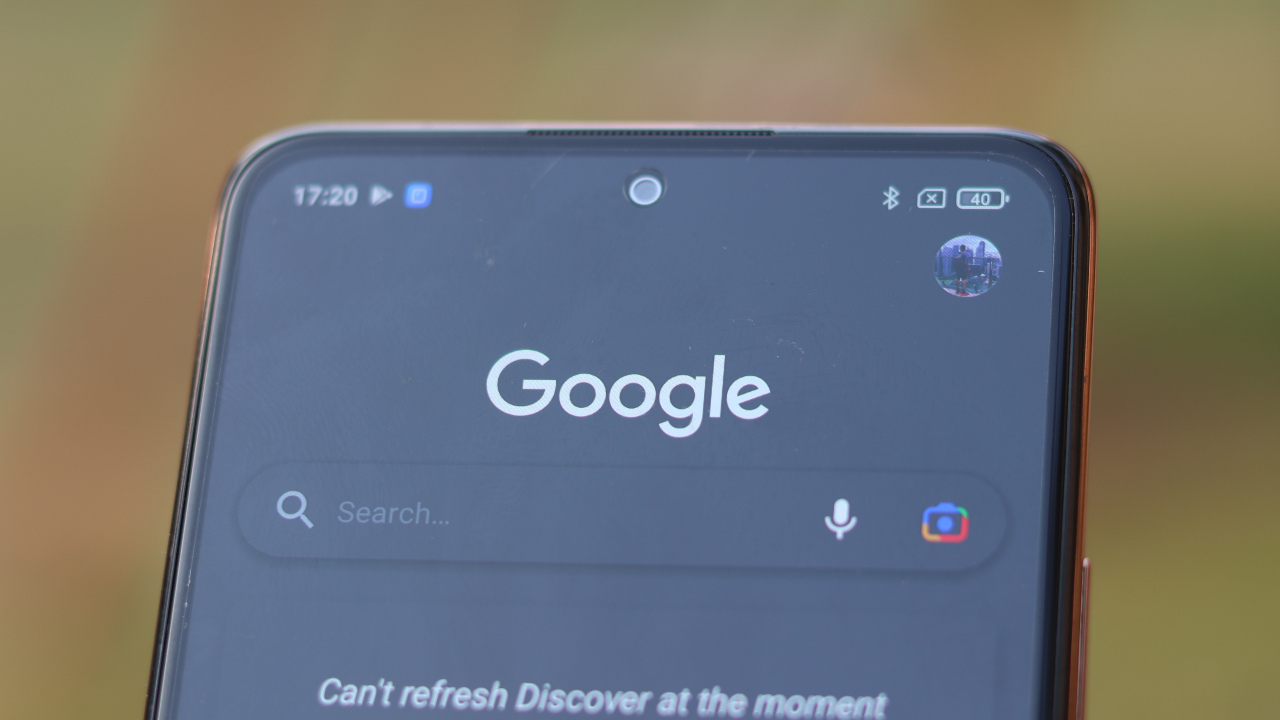
It has a 6.7-inch AMOLED display with a 120Hz refresh rate
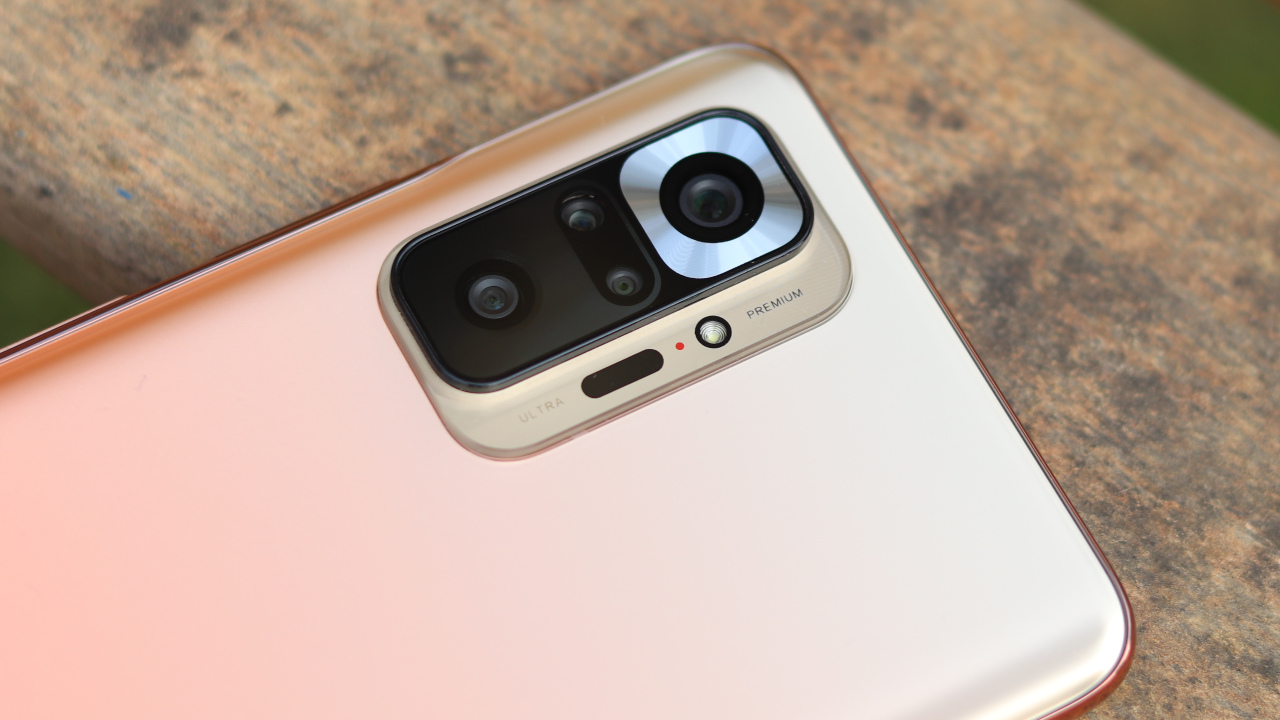
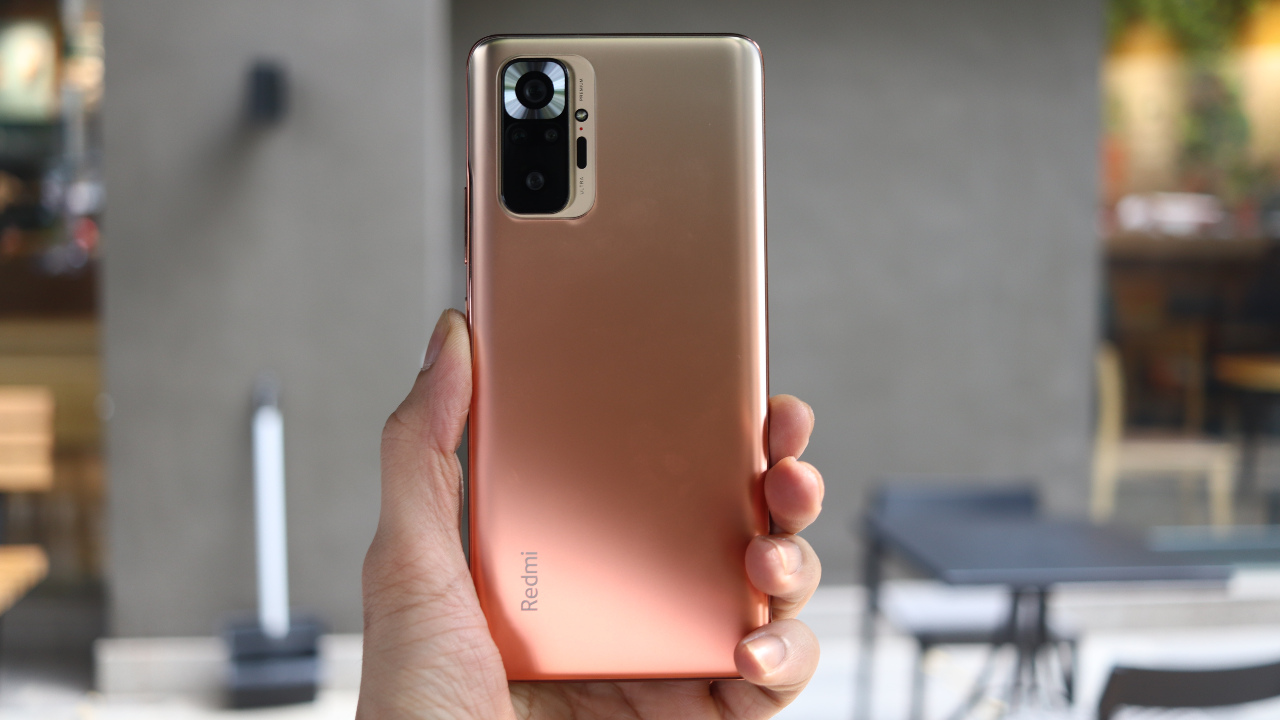
The camera bump is massive due to the bigger sensor
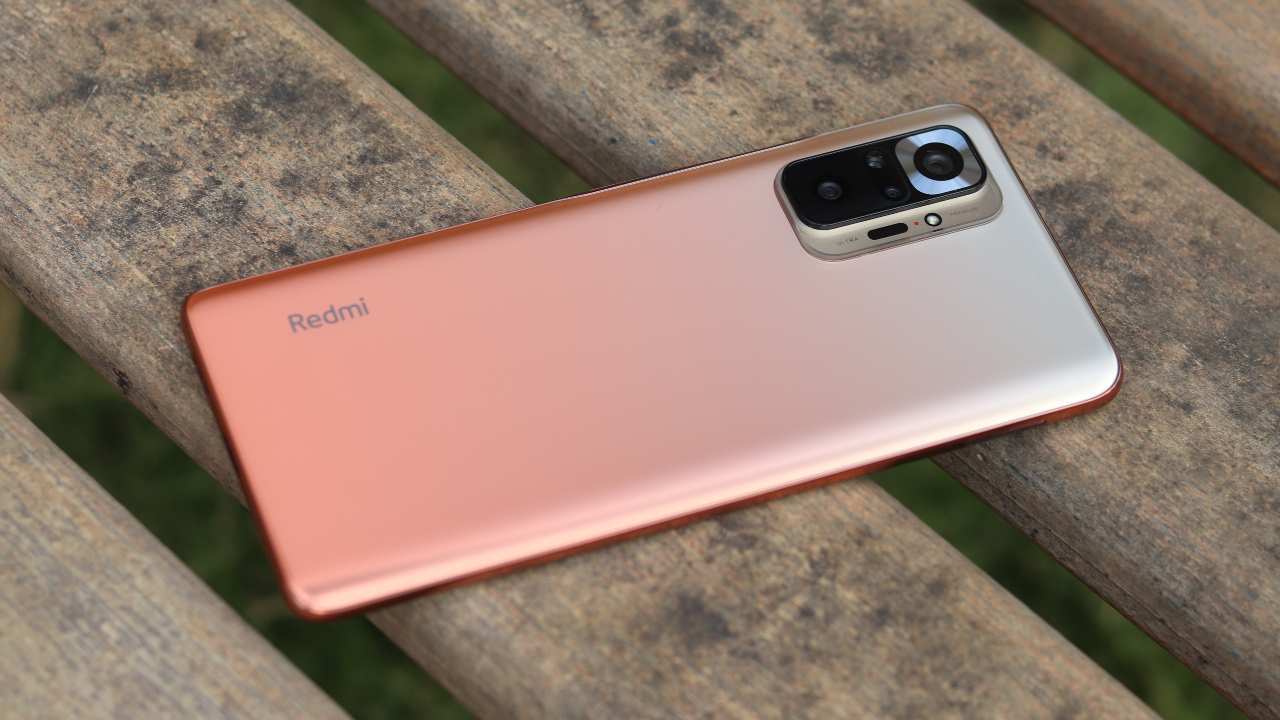
But the phone is thinner and has a very premium aesthetic
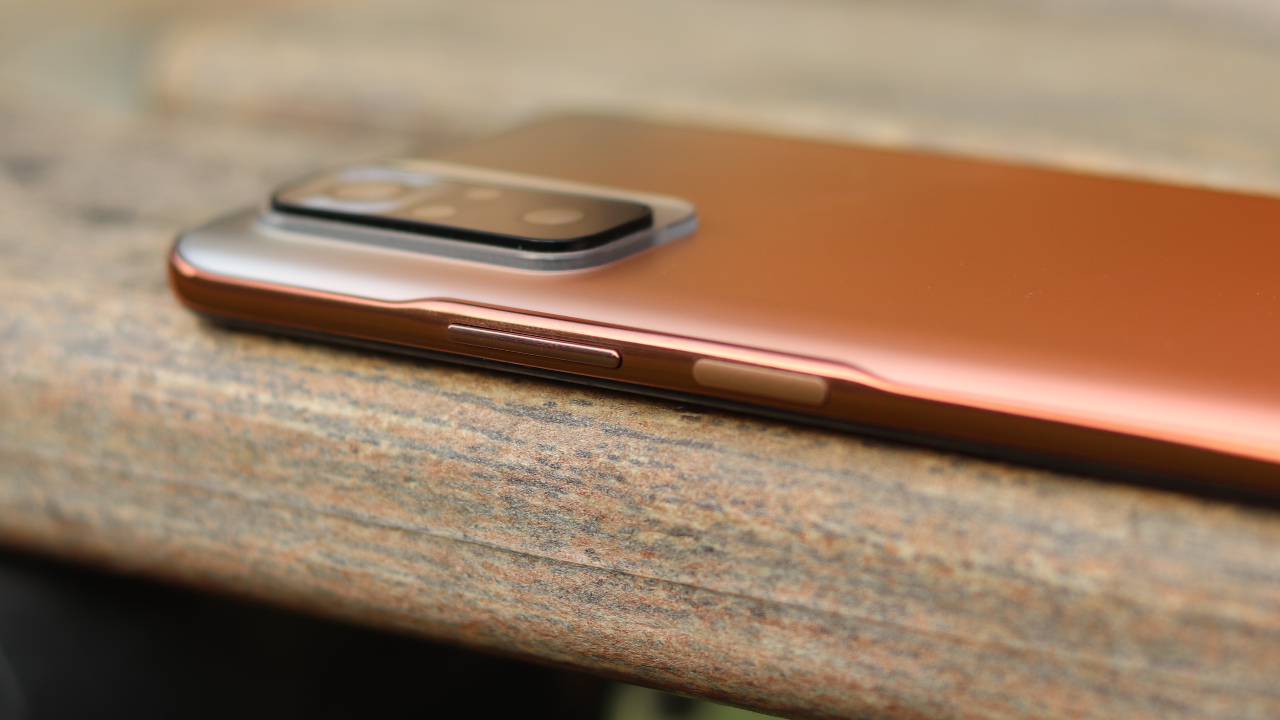
The attention to detail is closer than usual. And, you can feel the difference in your hands.
The Note series has never looked so beautiful
The new design language is called Evol, and the first thing you’ll notice about the phone is its weight. Despite a massive battery, Xiaomi has managed to cut down the phone’s weight by a whopping 17 grams. And, the phone is also thinner, coming in at 8.1mm instead of 8.8mm. We don’t usually consider numbers in our reviews because they can’t convey the real experience. I’ll make an exception here because the compactness really does change the experience.
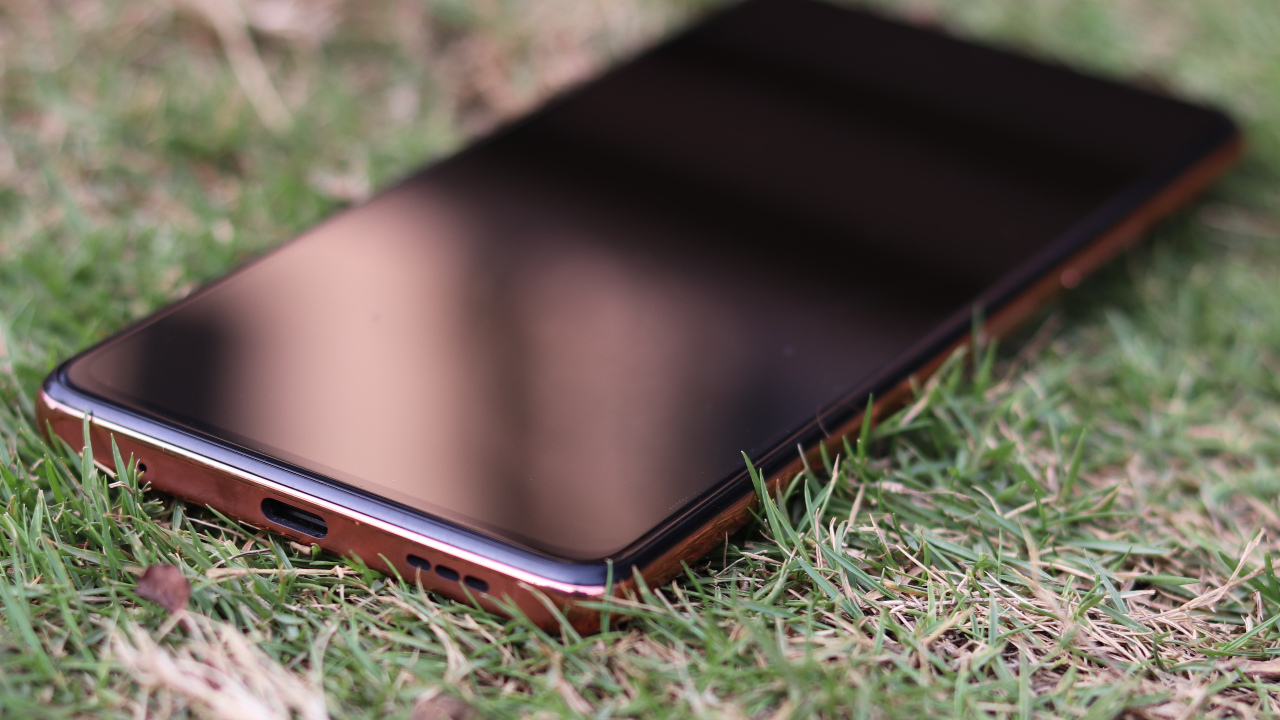
When the Note series made its debut, the phones were larger than the usual norm. Now, we’re going slightly in the opposite direction, but in a good way. I got the Vintage Bronze variant, and it has a matte finish on the rear. The Dark Night option is the only one to get a glossy back. I personally prefer the black variant, but there’s no doubt that the golden phone looks very enticing.
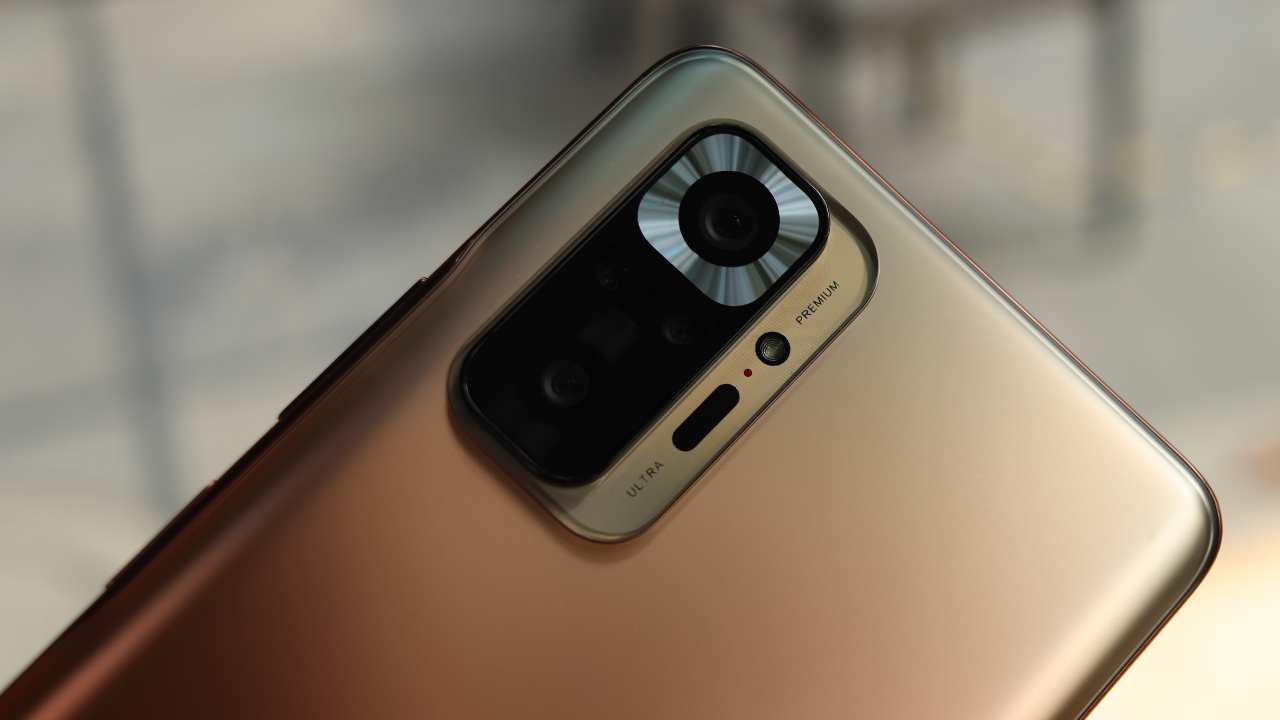
The camera bump tries to be the main focal point of the phone, and Xiaomi wants you to fall in love with it. And we don’t blame them. The cameras are one of the phone’s prime features and easily attract attention.
One of my favorite phone elements is the subtle cavity that the back offers to the volume rockers and the fingerprint scanner. It looks very pleasing and adds a touch that’s rarely found in this price segment.
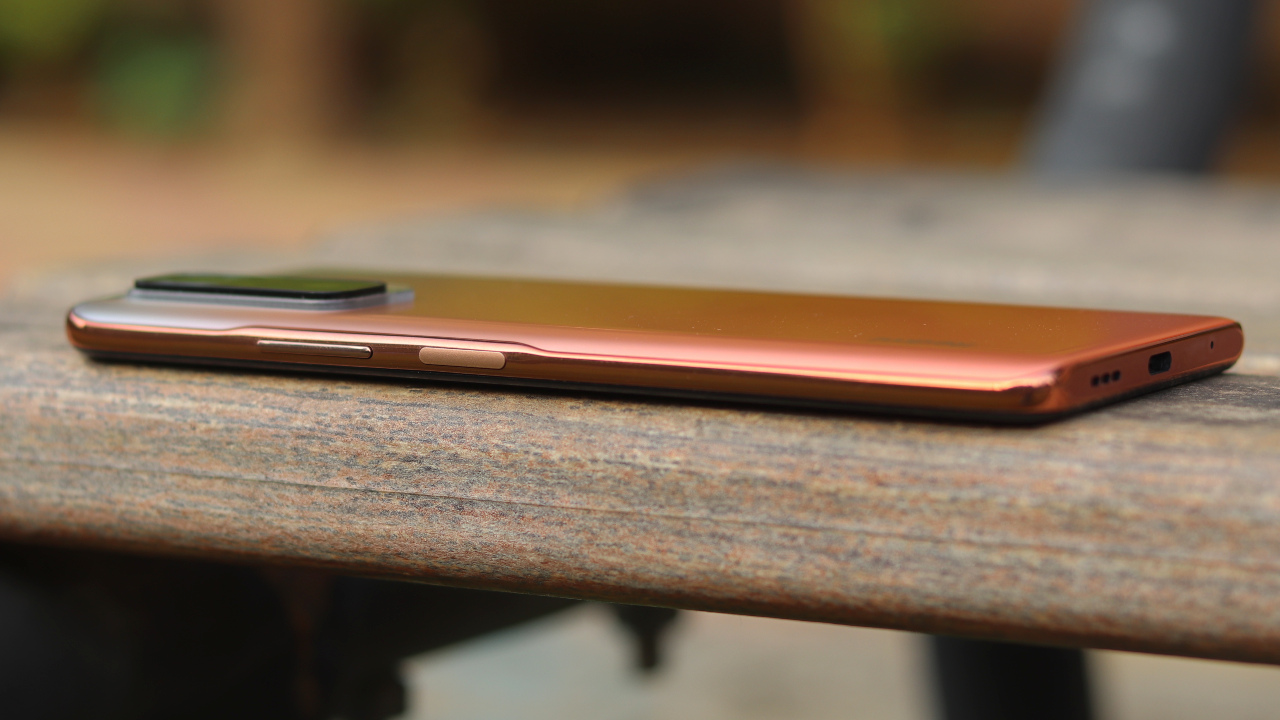
The front and back of the Redmi Note 10 Pro Max are protected by Gorilla Glass 5 but the phone isn’t made of metal. The chassis is plastic, and it does an excellent job of trying to be aluminum. Considering the price, I’m not going to crib about a polycarbonate construction. It’s one of the best ways to cut costs, and the end experience remains unhindered.
Streaming, gaming, or reading on an AMOLED display
No matter how good an LCD panel is, you’ll always want an AMOLED. The blacks created by the latter are far more superior and feel natural. The color production is on point, and looking into the screen is always a feast. The best part is, it has a 120Hz refresh rate.
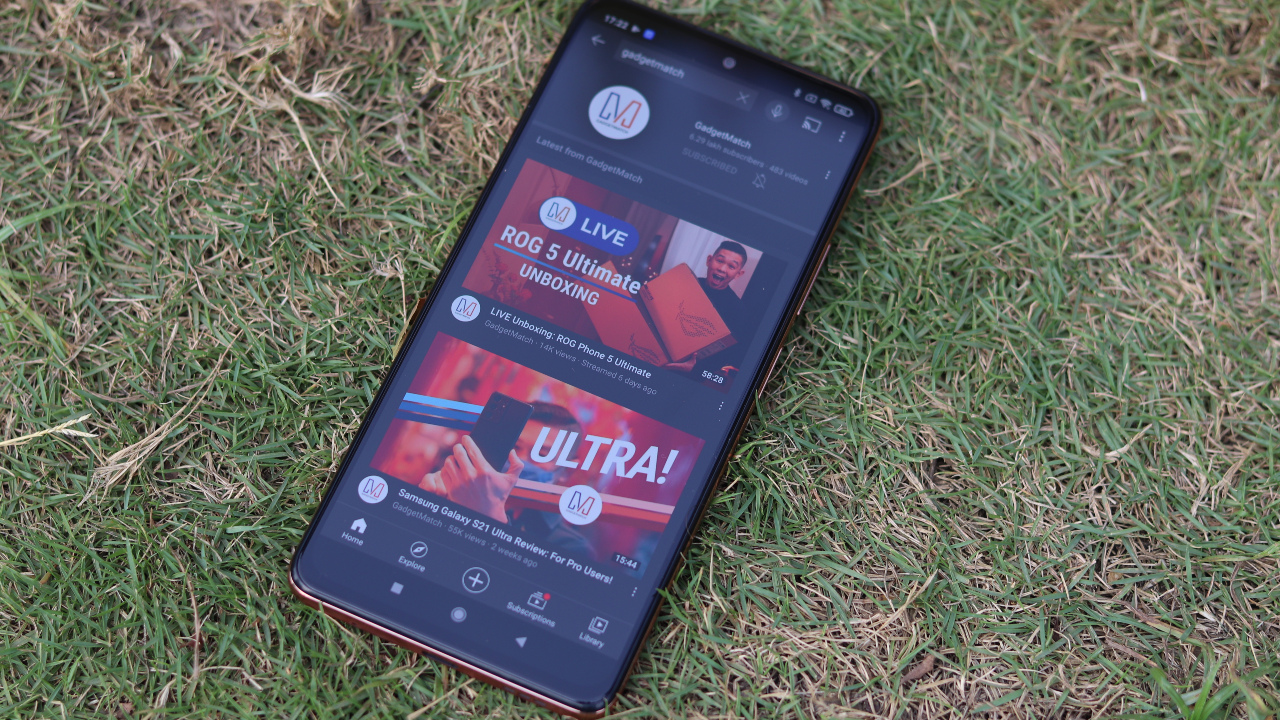
The phone is kept on 60Hz by default, and you can change this from the settings menu. Most importantly, the peak brightness is excellent, and you can see the tiniest of details under direct sunlight. This is a crucial requirement in a hot and sunny country like India, where summers can cross 40 degrees. The phone also gets an IP52 rating for water and dust resistance. So, you’re sorted for the monsoon season as well.
Along with support for HDR10, the display’s color can also be customized as per your liking, ranging from very natural tones to richer, more saturated hues. The punch-hole cut-out is tiny and never distracts you. My key takeaway is, there’s nothing to complain about in the display department, and it’ll be perfect for all types of use.
But… can it game?
Powering the phone is a Snapdragon 732G processor, a top mid-range 4G processor from Qualcomm. Made on the 8nm process, it also powers the POCO X3. It’s more than enough to handle day-to-day tasks, multiple apps, and intensive work.
However, it starts lagging when you throw heavy games like Call of Duty: Mobile. You can feel the phone is struggling to keep up. Genshin Impact was an underwhelming experience, and frame drops are often too common. Considering the on-paper specifications of the phone, I’m confident there’s a lot of space for software-based optimization.
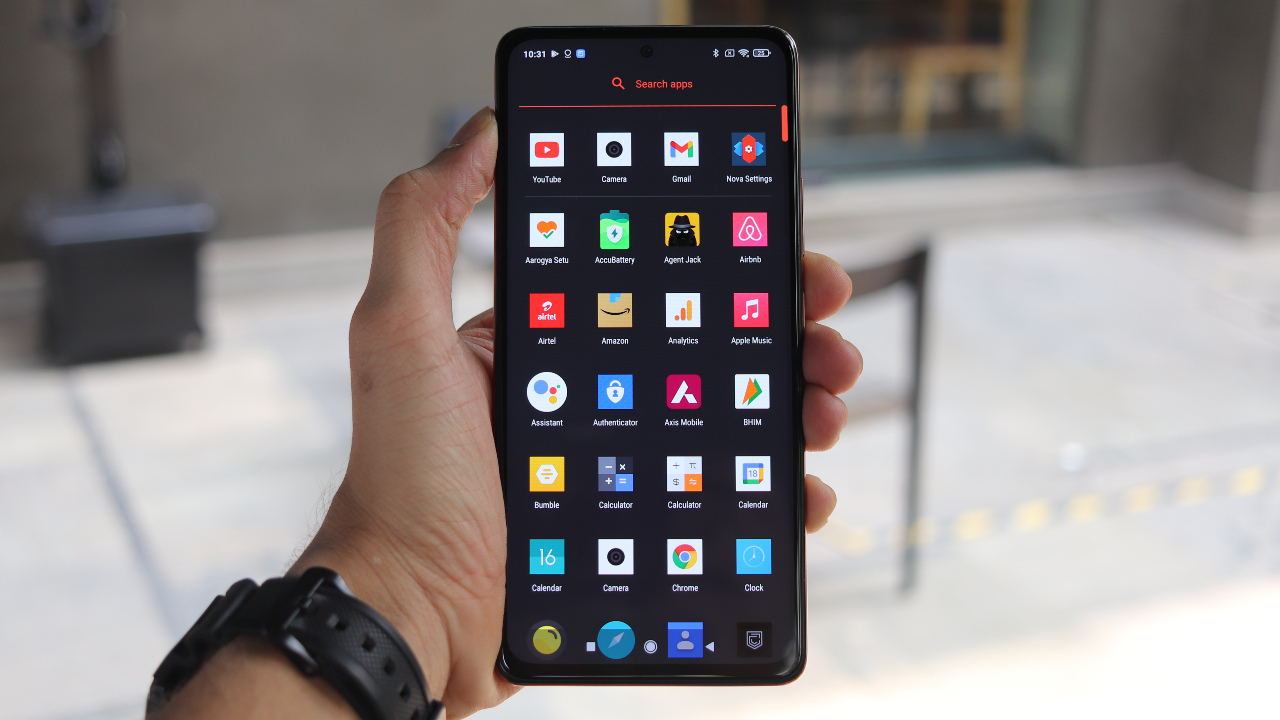
My unit had 8GB RAM, which is supposed to be sufficient. But I did notice something weird — RAM management is unpredictable.
Some heavy apps are loaded without any effort, but basic apps like Facebook, YouTube, and Twitter would often require a fresh start. This can get annoying when you’re in the middle of a workday, and the phone struggles to keep up with basic tasks.
Don’t get me wrong, this is a fairly isolated phenomenon, but it does happen at least a handful of times during the day. Again, I’m sure future OTA updates can fix this, and I hope Xiaomi’s working on it at full throttle.
In a nutshell, I wouldn’t recommend this phone to a hardcore gamer. It can game, but you shouldn’t push it to its limits. Smaller games like Pokemon Go, Zombie Gunship, Alto’s Adventure, and Subway Surfers are extremely smooth and never-ending.

The Redmi Note 10 Pro Max runs on MIUI 12 based on Android 11 out-of-the-box and is filled to the brim with customizations. A lot has been said about the skin and whether you like it or not is a very subjective choice. Although, I did notice lesser notifications from adware like GetApps. The overall experience is far cleaner than before but not as clean as stock Android.
I know this is a flawed comparison, but my point is, Xiaomi is consistently trying to improve the overall experience, and they’re succeeding at it in a way. Bloatware is extremely common now, and instead of marking it as a con, I’d just wish it’s in a controlled manner that doesn’t entirely damage the end-experience.
Is the 108-megapixel camera a gimmick?
Phone makers are in a race to achieve the highest number. Whether it’s the processor benchmarks, camera megapixels, screen-to-body ratio, or even the number of cameras a phone has. In this ongoing race, it’s natural to feel cheated or manipulated. So, how does the Redmi Note 10 Pro Max perform?
Before we proceed, it’s worth pointing out that this phone has a Samsung ISOCELL HM2 sensor, which isn’t the same as the ones found on flagship phones. However, this barely stops the camera from taking stunning images that feel as if they’re indeed from a flagship phone. Thanks to 9-to-1 pixel binning, each pixel is significantly large at 2.1µm.
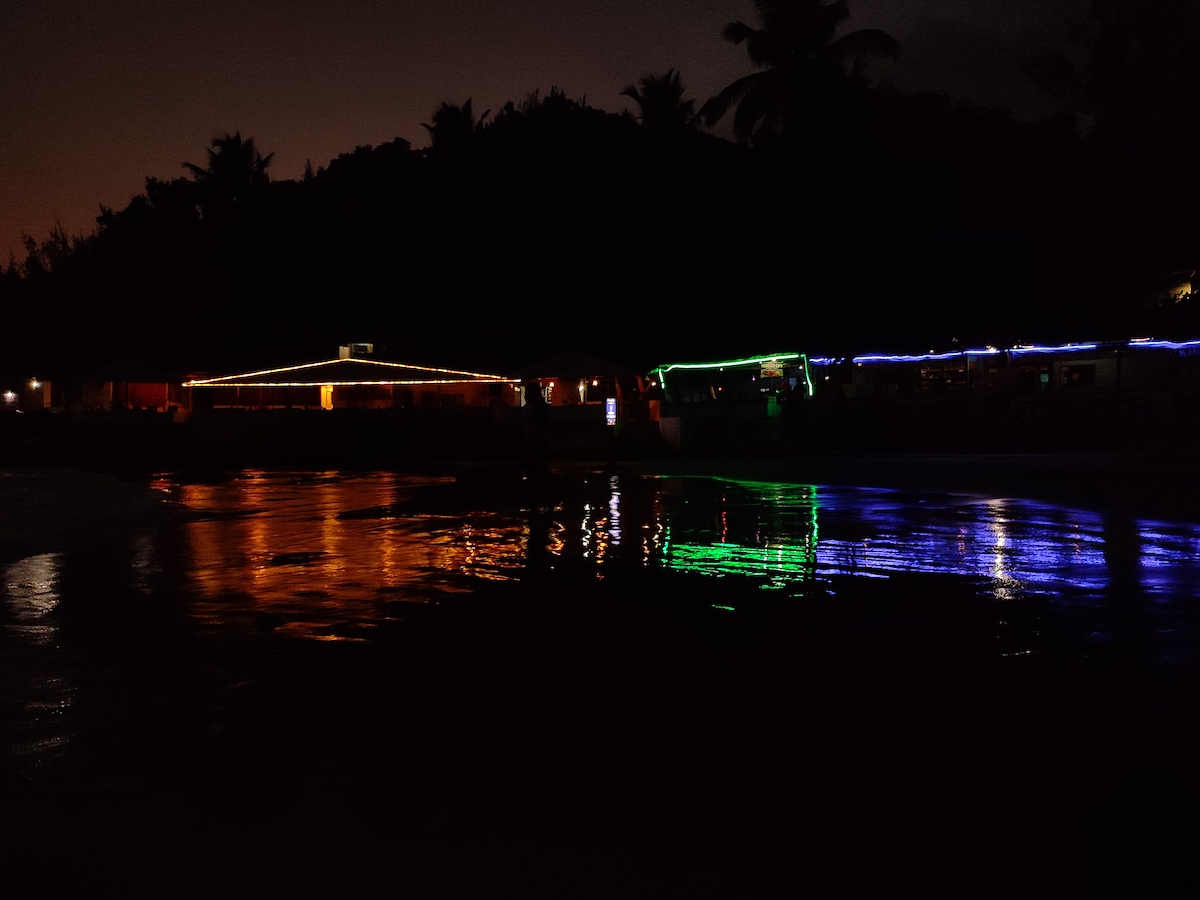
Pictures during the day are detailed, well saturated, and the auto-exposure is accurate. You may lose some details in varied lighting situations, but this is rarely visible. It tends to struggle slightly in a low-light environment, but that’s expected and isn’t too severe. You can easily zoom up to 2x without any considerable loss, and anything further isn’t recommended. Though, you can just shift to the 108MP mode and collect a lot more information. Honestly, I wouldn’t say the massive megapixels are a gimmick here because it does offer something that nobody else does at this price point.
The wide-angle lens is pretty standard and gets the job done, but it could’ve been better.

Primarily, the pictures often look faded and lack saturation.

And, there’s no dedicated night mode option. So, you’ll be able to use it only during the day.

Surprisingly, the 5-megapixel macro lens gets the most attention on this phone. Xiaomi has finally added a decent sensor that genuinely clicks good pictures and isn’t just sitting there to be a brochure feature. It even offers 2x zoom, and the results are gratifying.

Xiaomi has packed a lot of soft-features like AI Sky Replacement, Clone, and Pro Video modes for casual users. And for the pro-user, there’s the ultimate pro mode. Overall, I can say this phone is Pro Max about photography.

Lastly, can it last a full day on a single charge?
Yes, it can. The AMOLED display really helps push battery life, and you can get even more if you switch to 60Hz. At 120Hz, I’d regularly get a screen-on-time of at least six hours with moderate or usual usage. Go hard on it, and it’ll still last five and a half hours. It managed to get me through the weekdays without having to worry about an electric socket.
The 5020mAh battery takes a little more than an hour to charge fully. 33W fast charging is supported, and the phone ships along with the charging brick. There are better options available, but practically, this is sufficient for pretty much most users.
Is this your GadgetMatch?

The answer is simple. Yes. If you’re looking for a phone that can click excellent pictures, work non-stop during the weekdays, entertain you on-the-go, and have a sleek and elegant design, the Redmi Note 10 Pro Max is for you. The Note series was always about making balanced phones that can do anything, and this phone continues that legacy.
It’s actually a crazy phone because who else is providing a 120Hz AMOLED display, a 108-megapixel camera, and top-notch design for a starting price of INR 19,999 (US$ 275)? Nobody. I don’t suggest this phone to gamers because it has a slightly inferior processor, which may constrain you in the future. But that shouldn’t be an issue for most because if you’re looking for gaming specifically, the market is filled with options. The Redmi Note 10 Pro Max was designed for a wider audience.







India
TECNO’s POVA 8 5G is both futuristic and future-ready
8000mAh battery, Sony LYTIA 600 camera, Alive Matrix display, and more

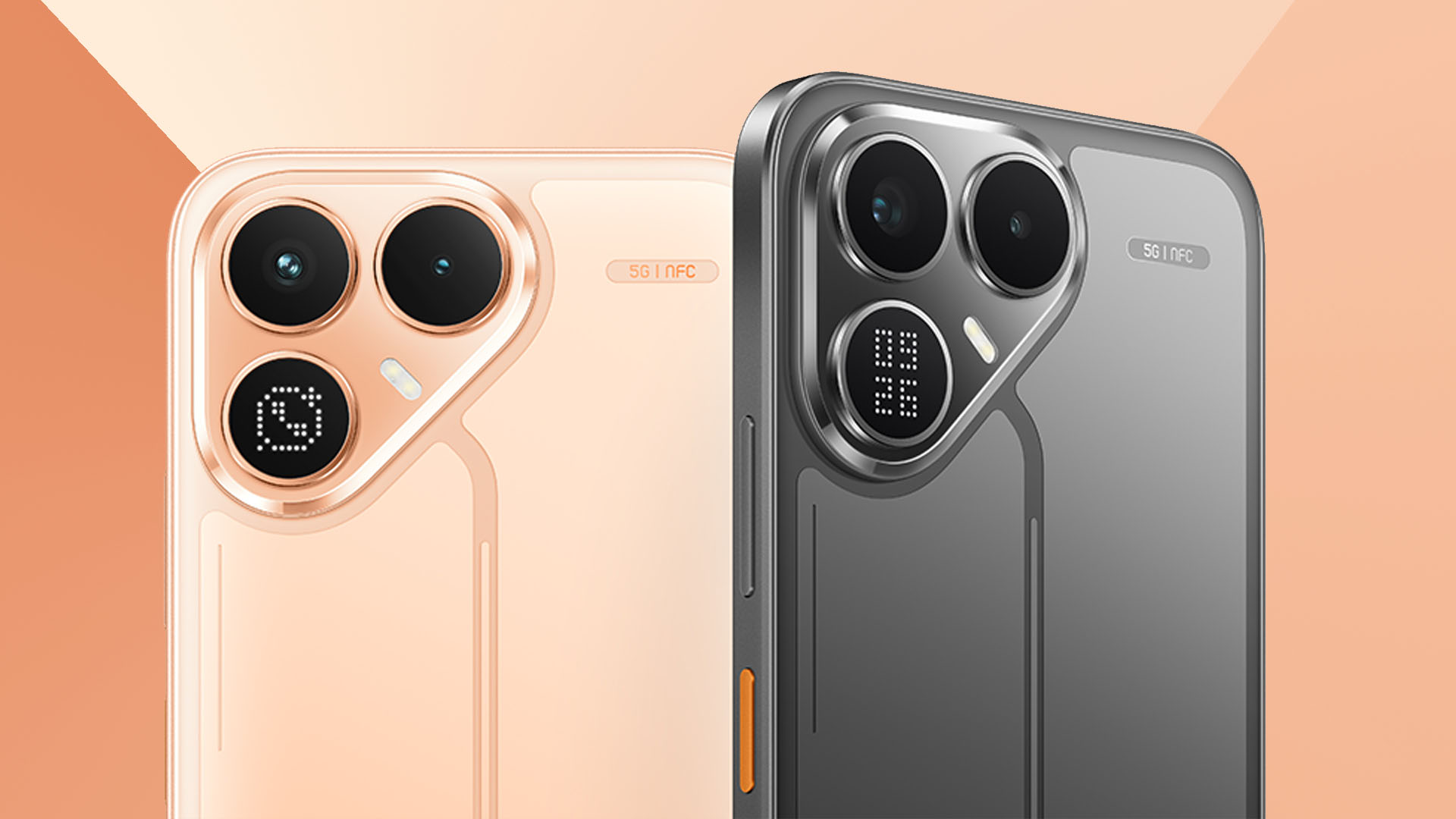
Four months after the POVA Curve 2 5G, TECNO adds the POVA 8 5G to their performance-focused arsenal.
Futuristic vibe
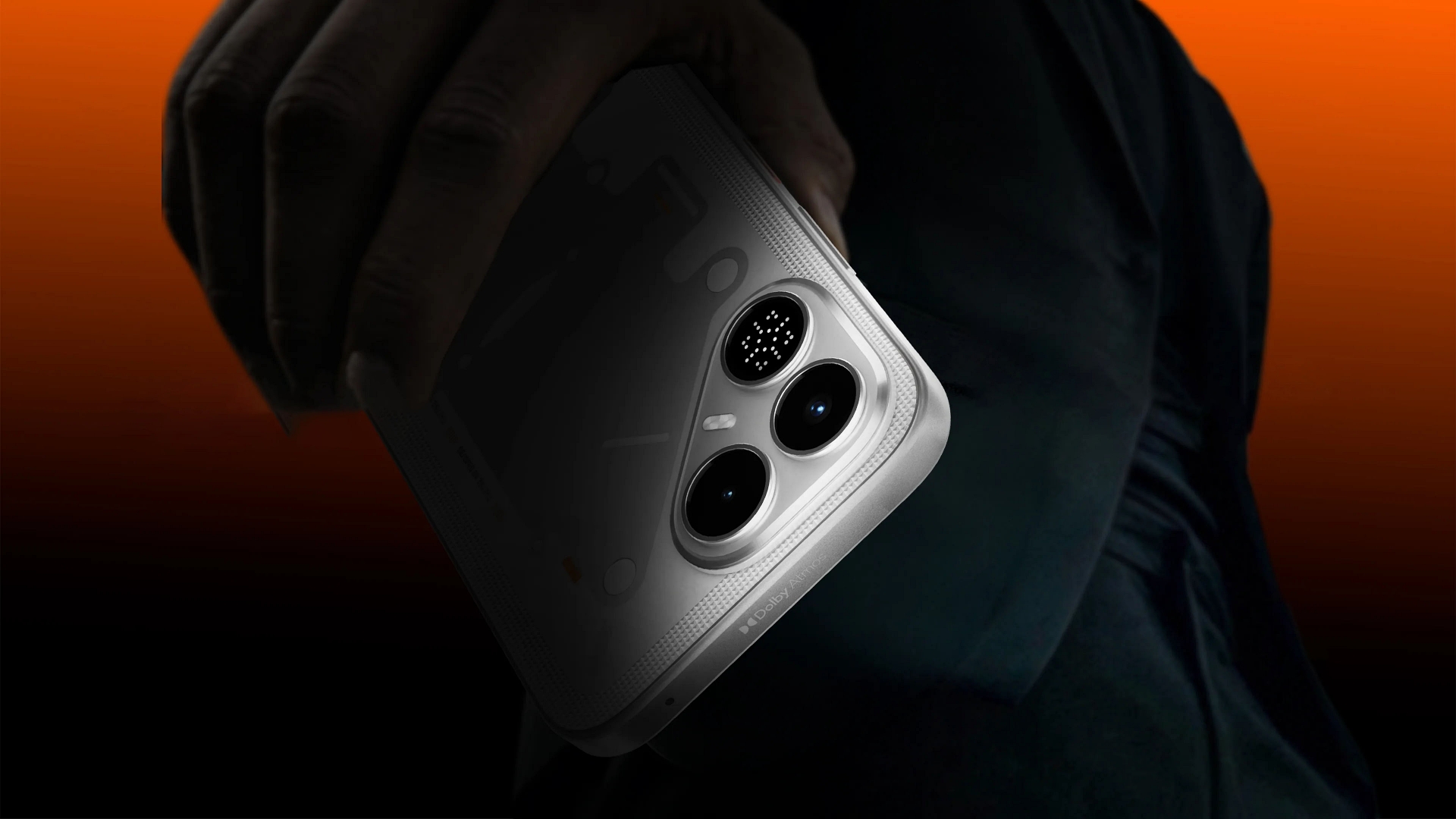
TECNO’s POVA 8 5G continues the series’ signature sci-fi-inspired design language. The latest smartphone features sharp geometric elements and a semi-transparent rear panel.
Graphics by Vincenz Lee | GadgetMatch
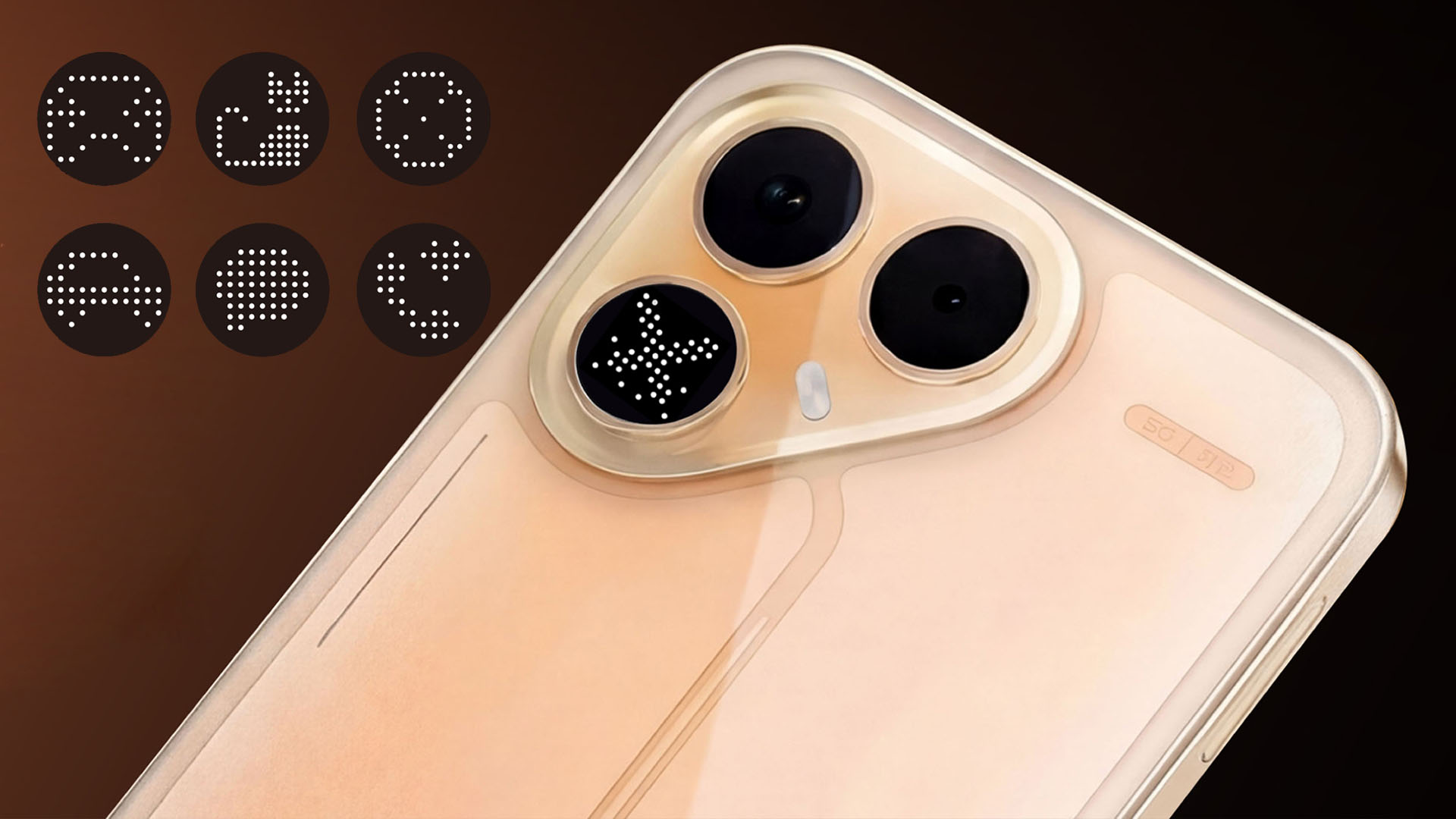
One of its standout features is none other than the new Alive Matrix Display. It’s a customizable light panel on the back that can display 49 pre-loaded lighting effects for incoming calls, notifications, charging status, gaming sessions, and more. Prospective users can also personalize scenarios to match their style and could actually store many more customized effects aside from the pre-loaded ones.
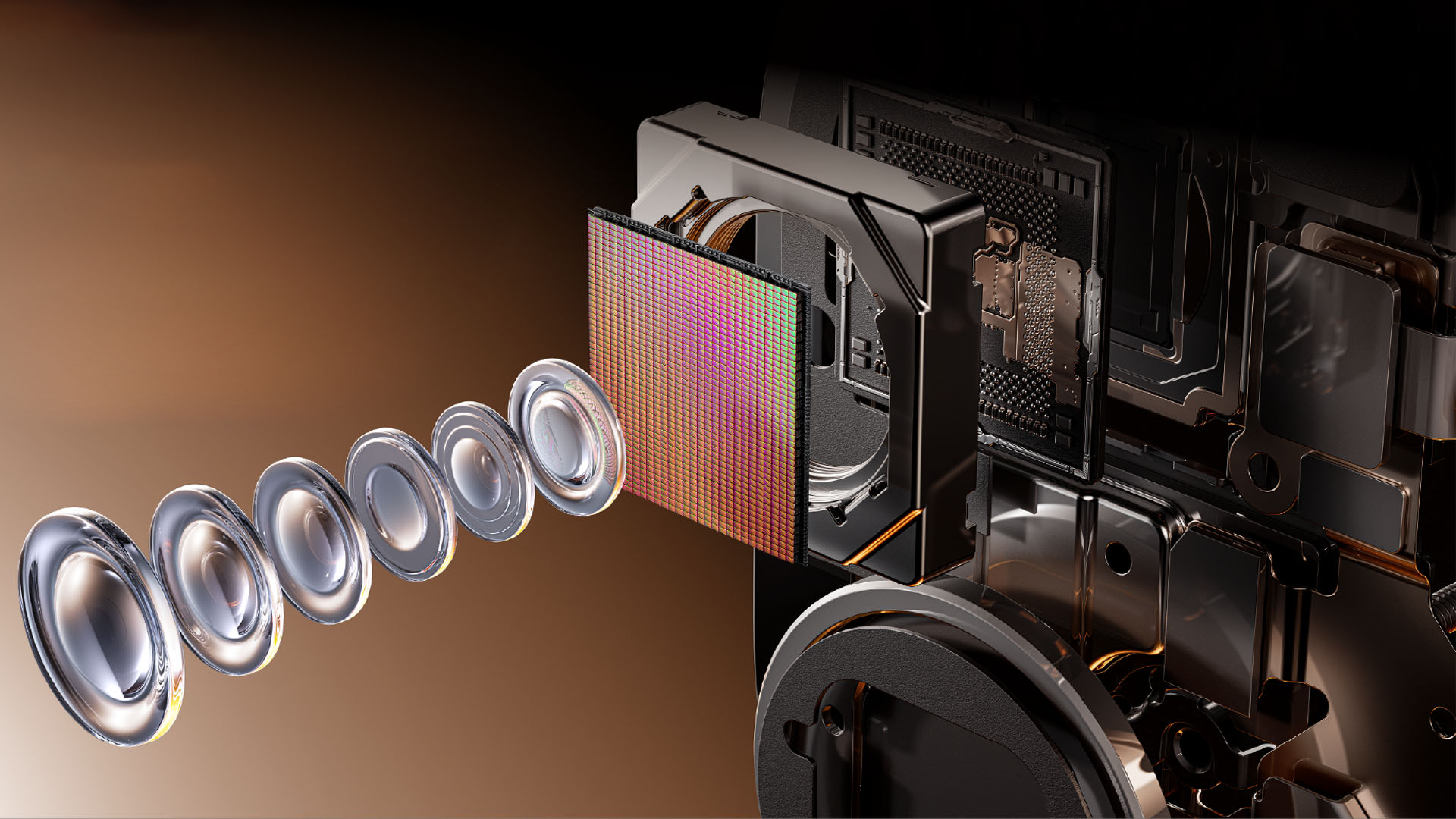
Beside that LED display lies the 50MP main rear camera based on Sony’s LYTIA 600 (or LYT-600) sensor. The said sensor offers improved light capture for brighter and more detailed photos. It also supports 2x lossless zoom. Up front, you’ll get a 13MP front-facing shooter.
Graphics by Vincenz Lee | GadgetMatch
Powering the device is MediaTek’s Dimensity 7100 SoC. That’s paired together with TECNO’s in-house G1 Signal Enhancement Chip and SE1 Wi-Fi Enhancement Chip — making it a triple chipset smartphone.
TECNO says these chips help improve connectivity in challenging environments such as elevators and basements while boosting Wi-Fi reception.
The phone also features a 144Hz display with TÜV Rheinland Low Blue Light Certification and military-grade durability.
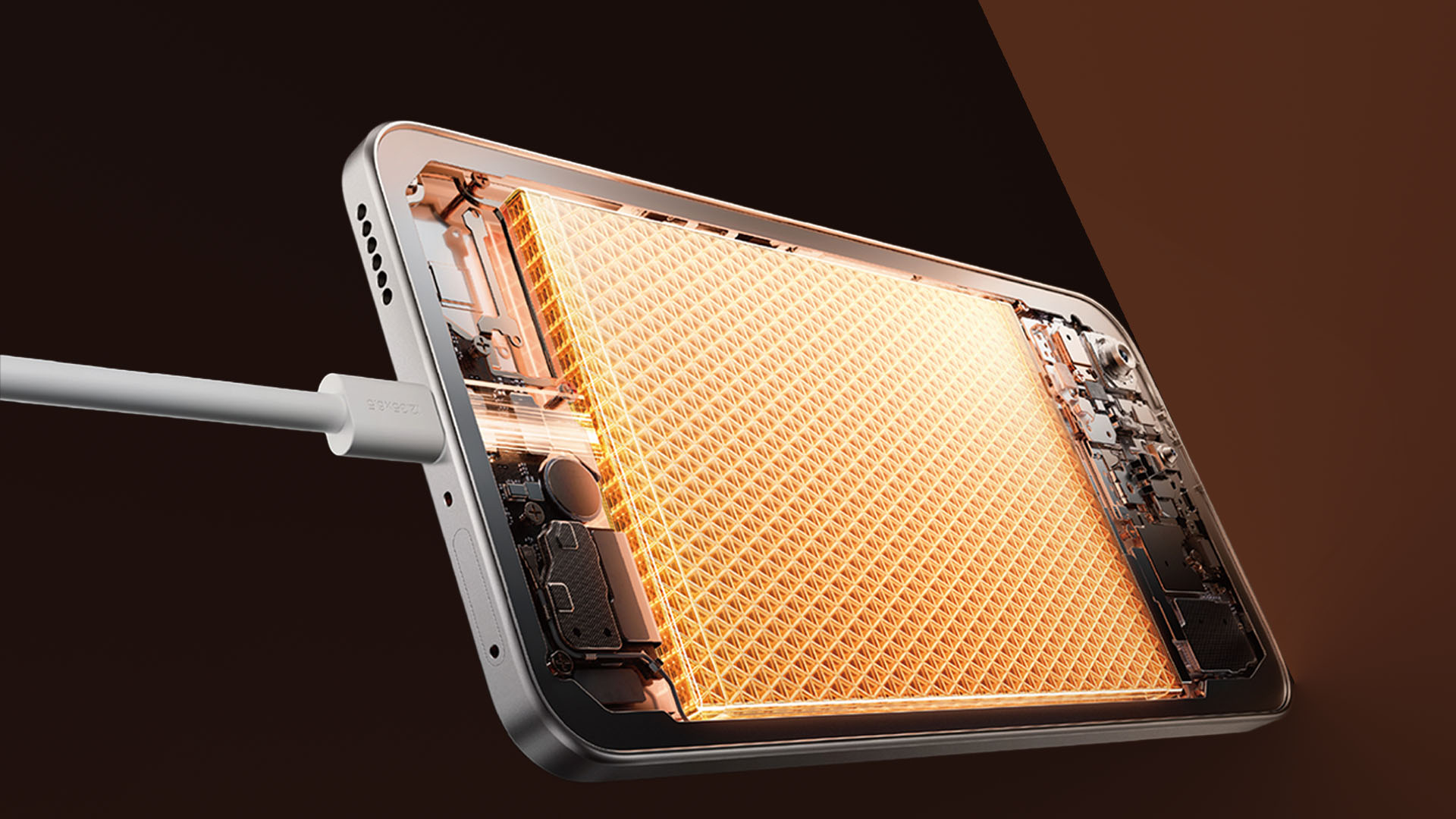
Last but definitely not the least, its 8000mAh battery that can last as much as two days. For some measure, TECNO says the phone can last up to 85+ hours of music playback, 29+ hours of YouTube streaming, 26+ hours of WhatsApp, or 14+ hours of playing Mobile Legends: Bang Bang (MLBB).
Future-ready
Aside from the beastly battery packed inside, TECNO is also bringing several practical AI tools to the POVA 8 5G.
Among them is AI YouTube Summary. This turns lengthy videos into concise notes with key points and timestamps. The device also features AI-powered noise cancellation that helps isolate the speaker’s voice during calls, recordings, and meetings.
Graphics by Vincenz Lee | GadgetMatch
For photography, AI LightMaster 2.0 can remove unwanted reflections, lens flare, and shadows. The phone also supports uploading Live Photos directly to Instagram as Boomerang.
In select markets, users can even access AI Health features that estimate metrics such as heart rate, blood oxygen levels, and respiration through facial scanning technology.
Graphics by Vincenz Lee | GadgetMatch
Further solidifying its future readiness, TECNO promises two major Android OS upgrades and three years of security updates.
The company is also bundling three years of FREE 256GB cloud storage for POVA 8 5G users. Eligible markets can also receive a 3-month Google AI Plus trial which includes 2TB of cloud storage.
Pricing and Availability
The TECNO POVA 8 5G debuts first in India and is available in 16-Bit White, Terminal Green, and Plasma Orange colorways.
UPDATE: In India, the POVA 8 5G is currently offered in 6+128GB and 8+128GB configurations for INR 29,999 and INR 31,999 respectively.
Specific pricing and availability in global markets are yet to follow along these four color choices: Arc White, Graphite Black, Echo Green, and Helios Orange.
India
Nothing opens first India store in Bengaluru
New retail space blends self-expression, creator culture, and community play.

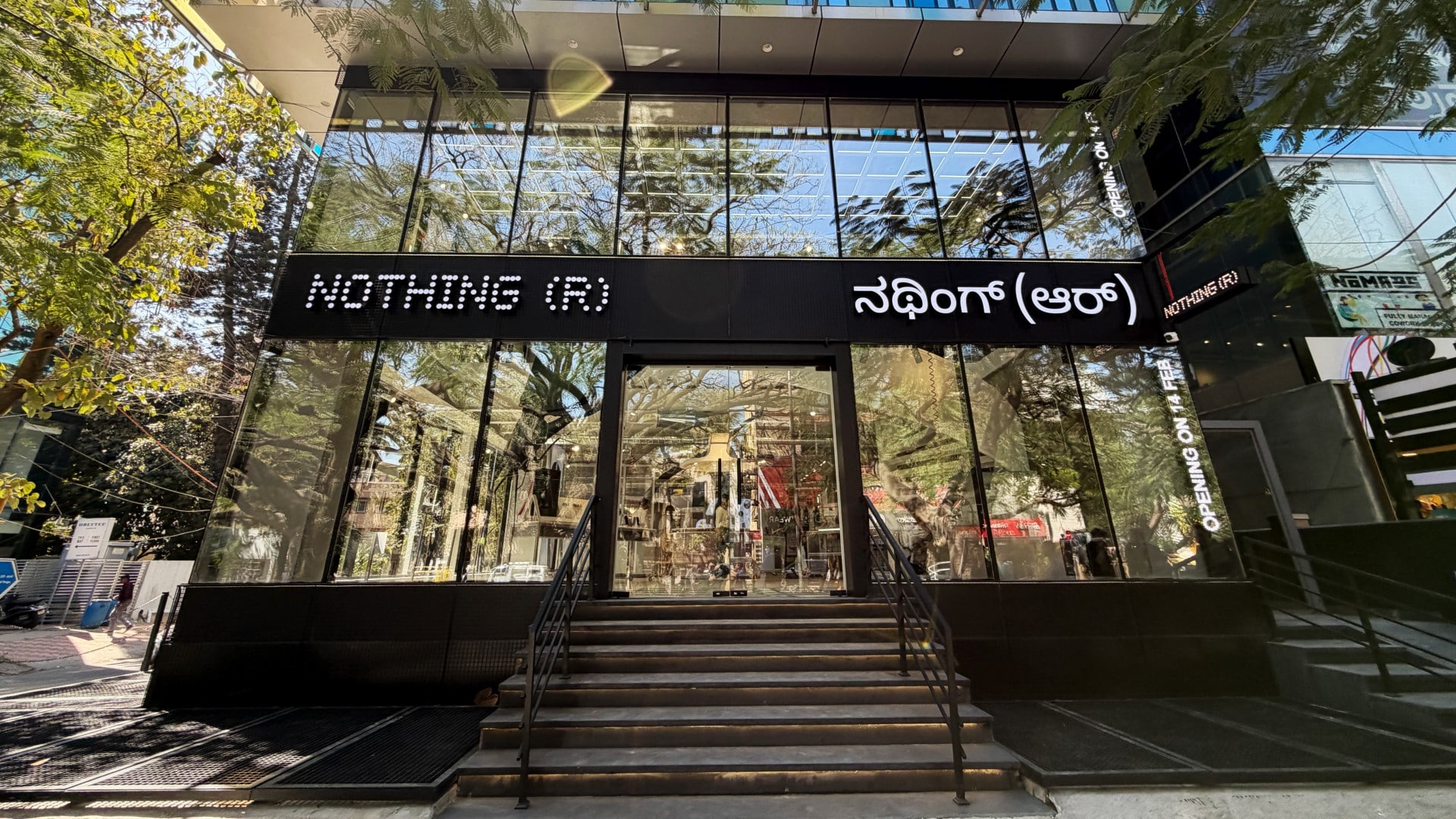
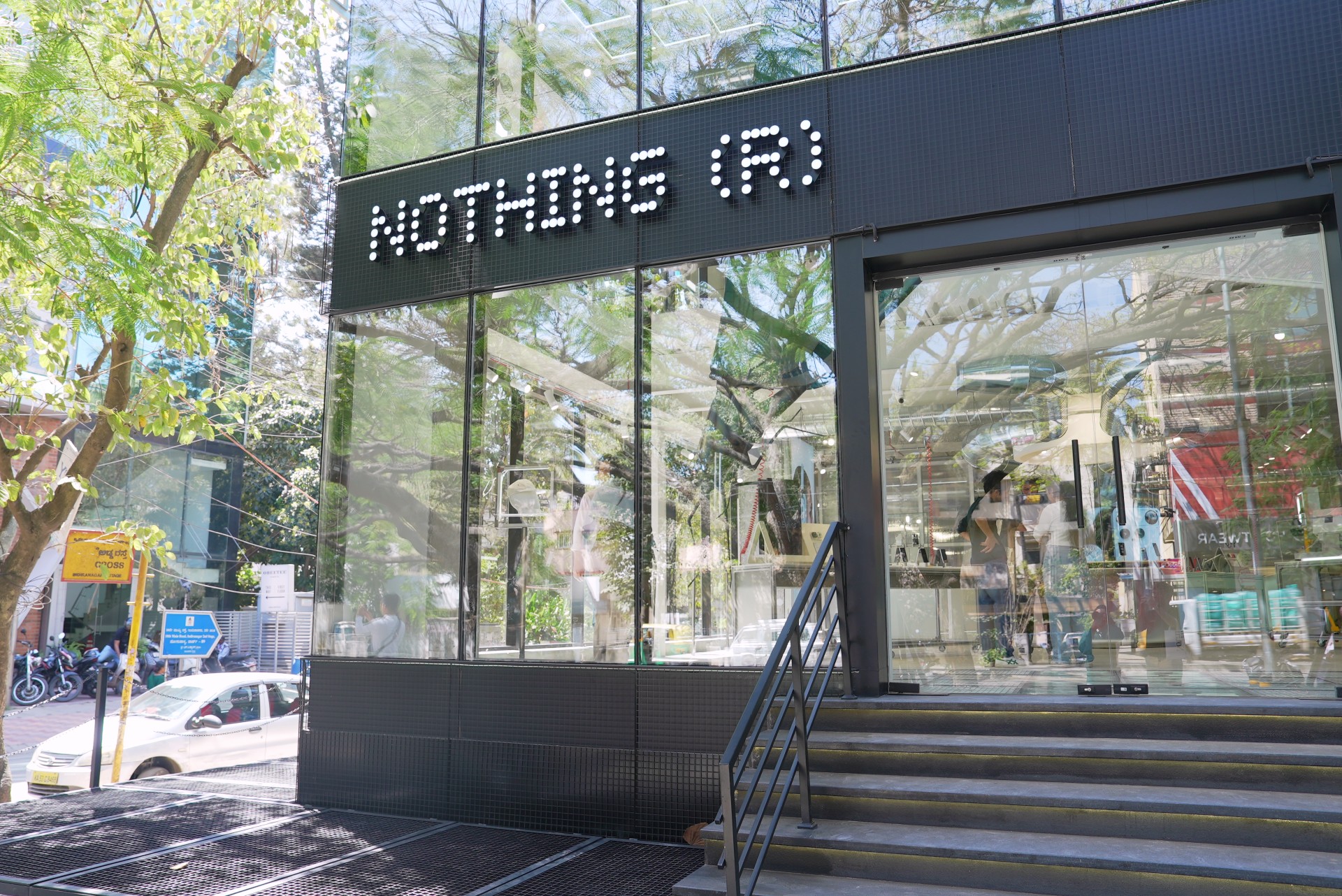
Nothing has officially opened its first India store in Bengaluru, marking a major step in the brand’s global retail expansion.
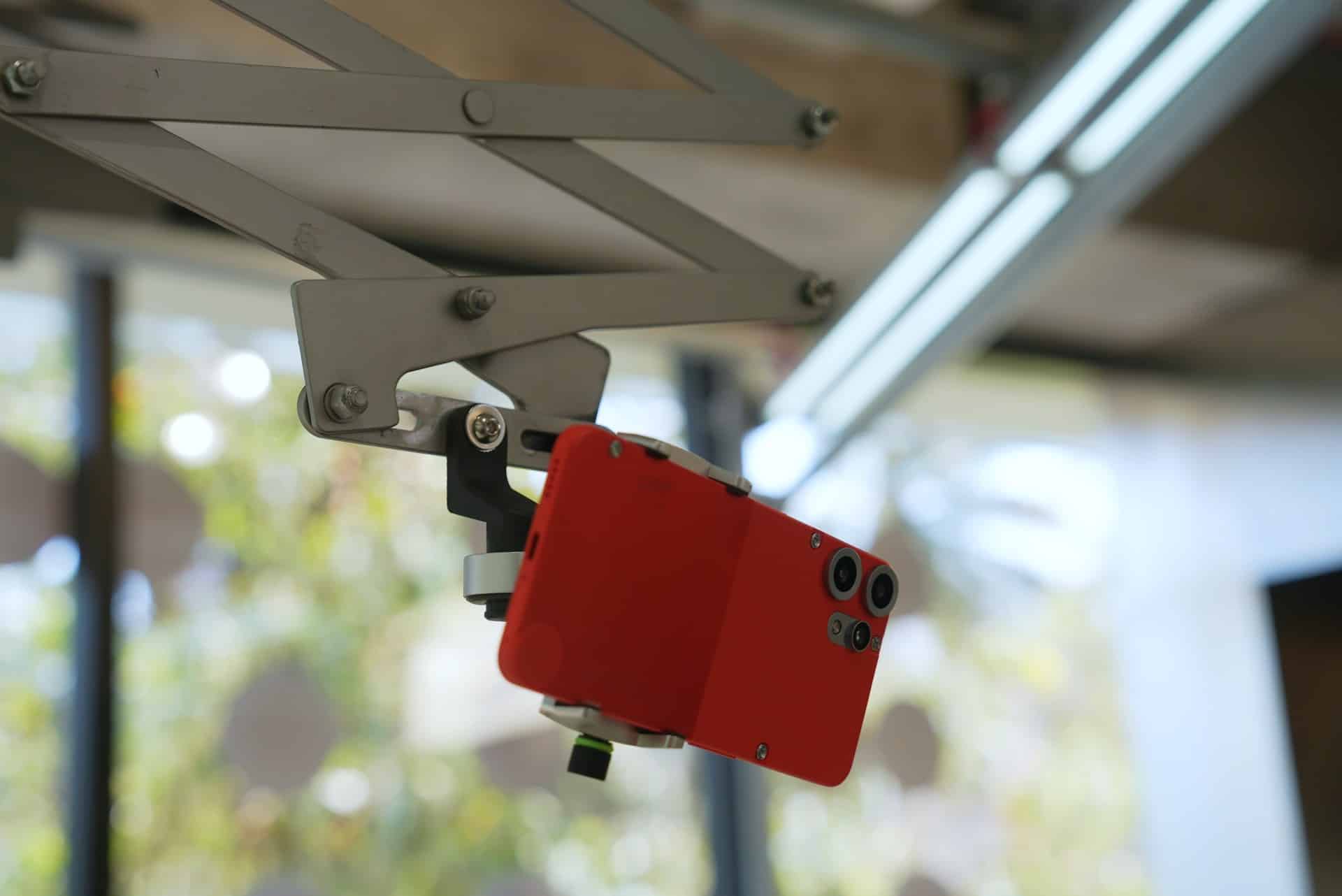
Located in Indiranagar, Nothing Store Bengaluru spans 5,032 square feet across two floors. The space draws inspiration from 1970s assembly lines and workshops, translating Nothing’s rebellious design language into an interactive, hands-on environment built for the local community.


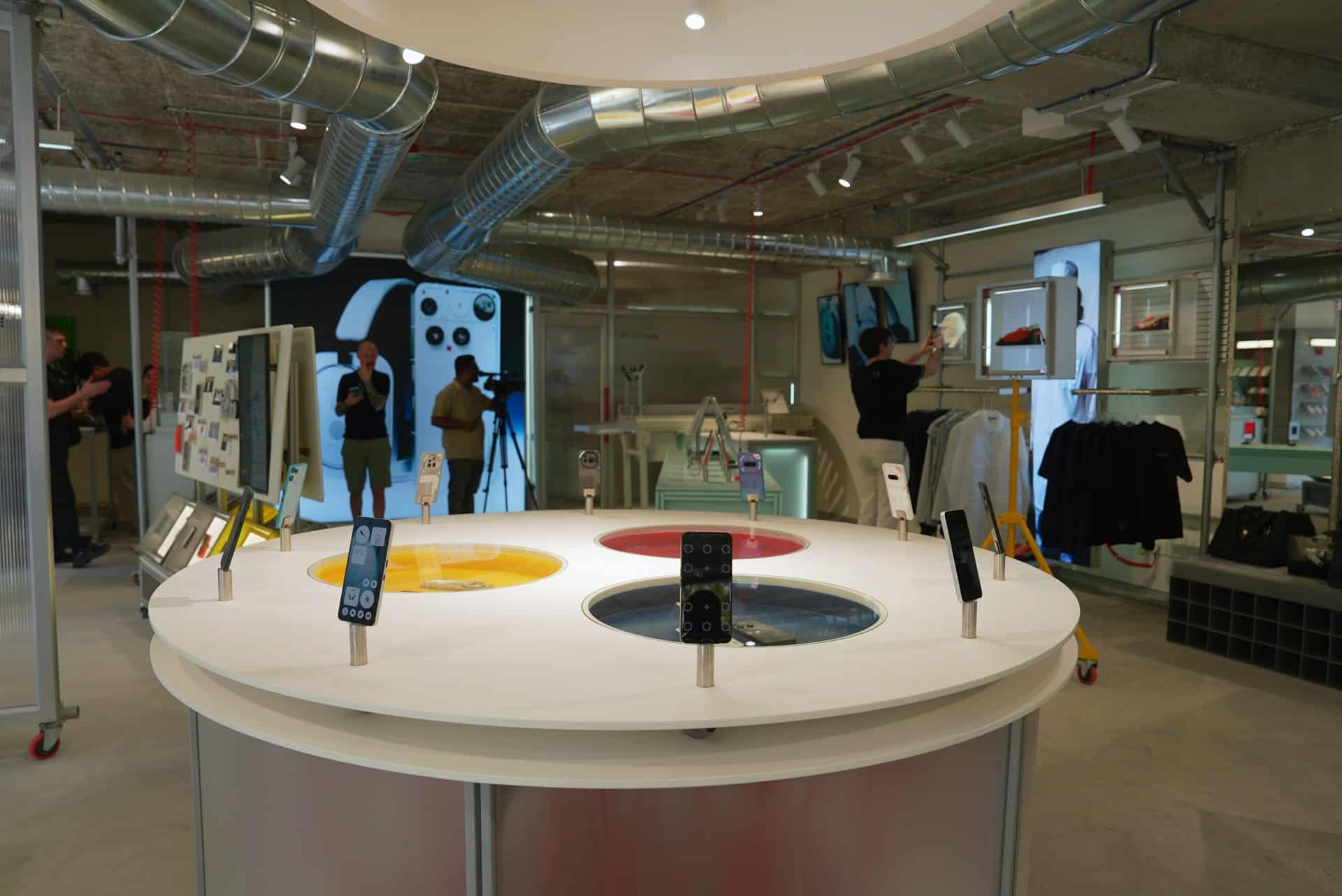

The store puts self-expression at its core. It is the only Nothing location worldwide where customers can personalise their products. A dedicated studio also supports creator unboxings and hands-on content, reinforcing the brand’s focus on co-creation.
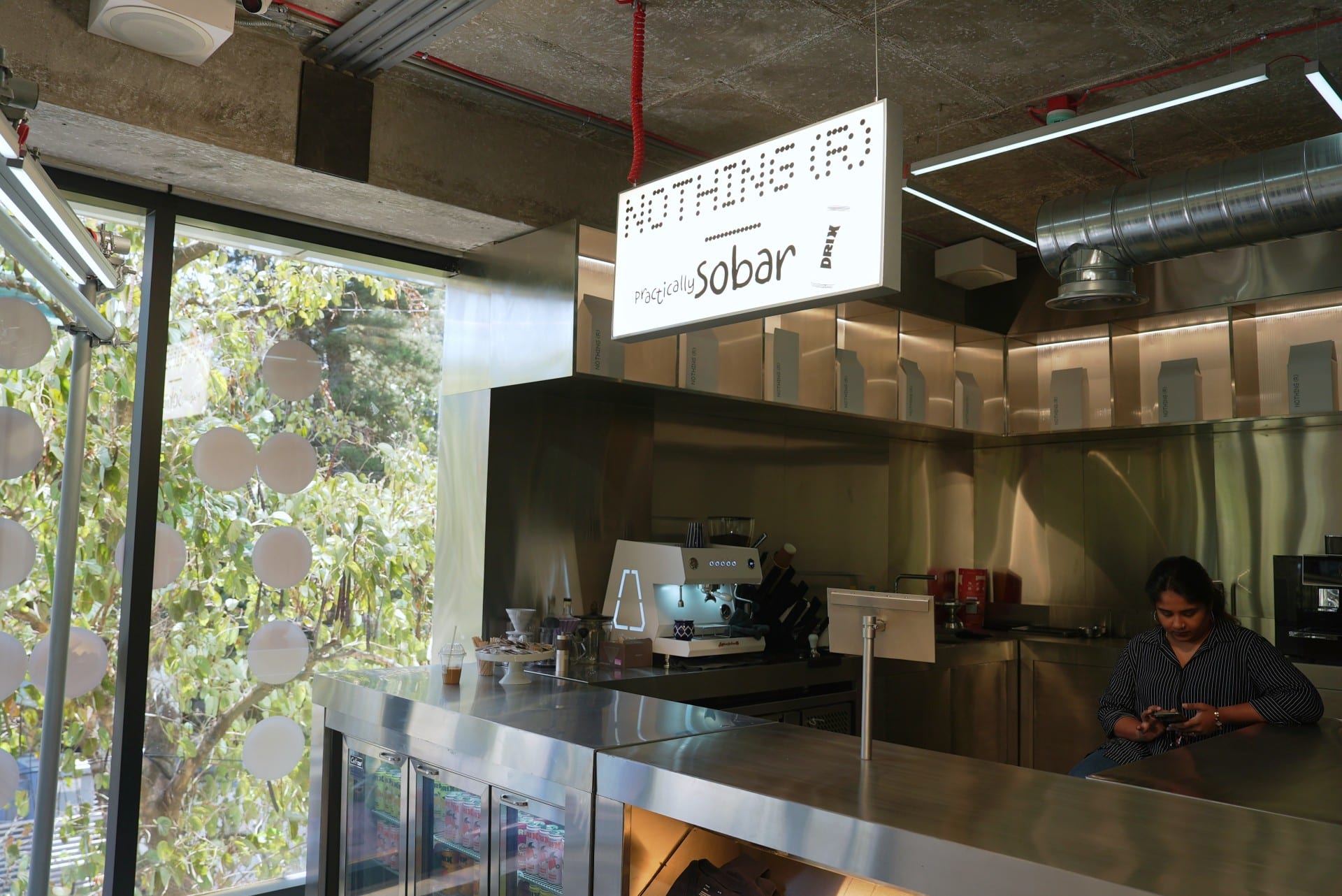
The space includes a community hangout zone for events and meetups, alongside playful elements such as vending machines, claw games, and conveyor-belt displays. An in-house coffee shop, seating areas, and workshop spaces position the store as a cultural hub rather than a traditional retail outlet.
View this post on Instagram
Nothing and CMF products are available in store, alongside official Nothing merchandise. The brand says the location will evolve over time through collaborations, workshops, and limited-run installations by local creators, reflecting the rhythm and voices of the city.
Bengaluru was chosen for its role as India’s innovation capital and its community of early adopters, creators, and cultural tastemakers. Indiranagar’s creative energy and lifestyle focus made it a natural home for Nothing’s first physical store in the country.
The Bengaluru opening builds on Nothing’s first store in Soho. The company has confirmed plans to open additional locations in New York and Japan.
Nothing Store Bengaluru opens on February 14, 2026, at 12:00 PM IST. It is located at 660/1, 100 Feet Road, 1st Stage, Indiranagar, Bengaluru. Regular store hours are 10:00 AM to 9:00 PM daily.
India
TECNO POVA Curve 2 5G packs an 8000mAh battery
The brand’s biggest battery in a smartphone yet
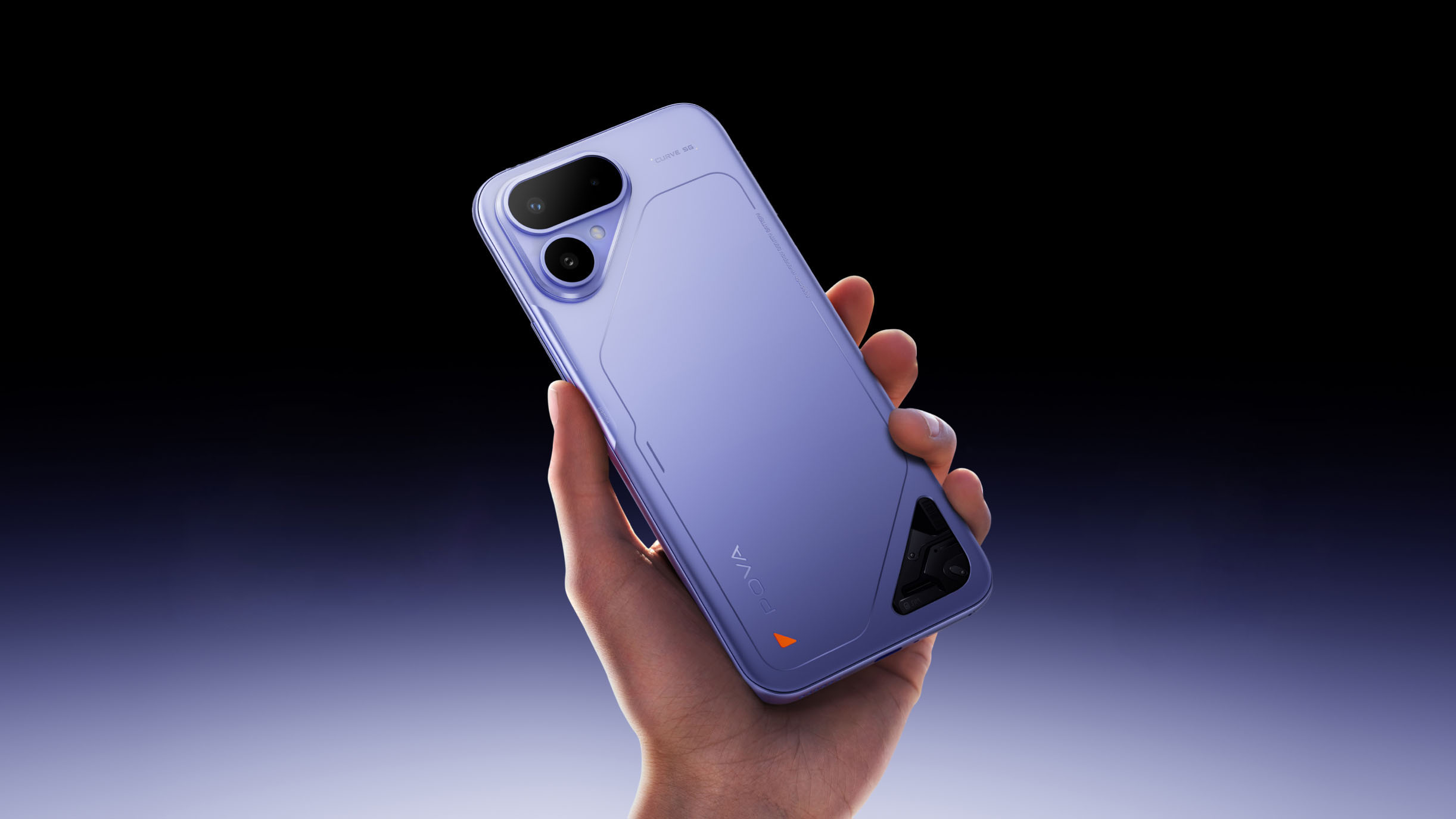
This 2026, TECNO is refreshing its performance-focused POVA lineup by adding a new member in it.
Big power without the bulk
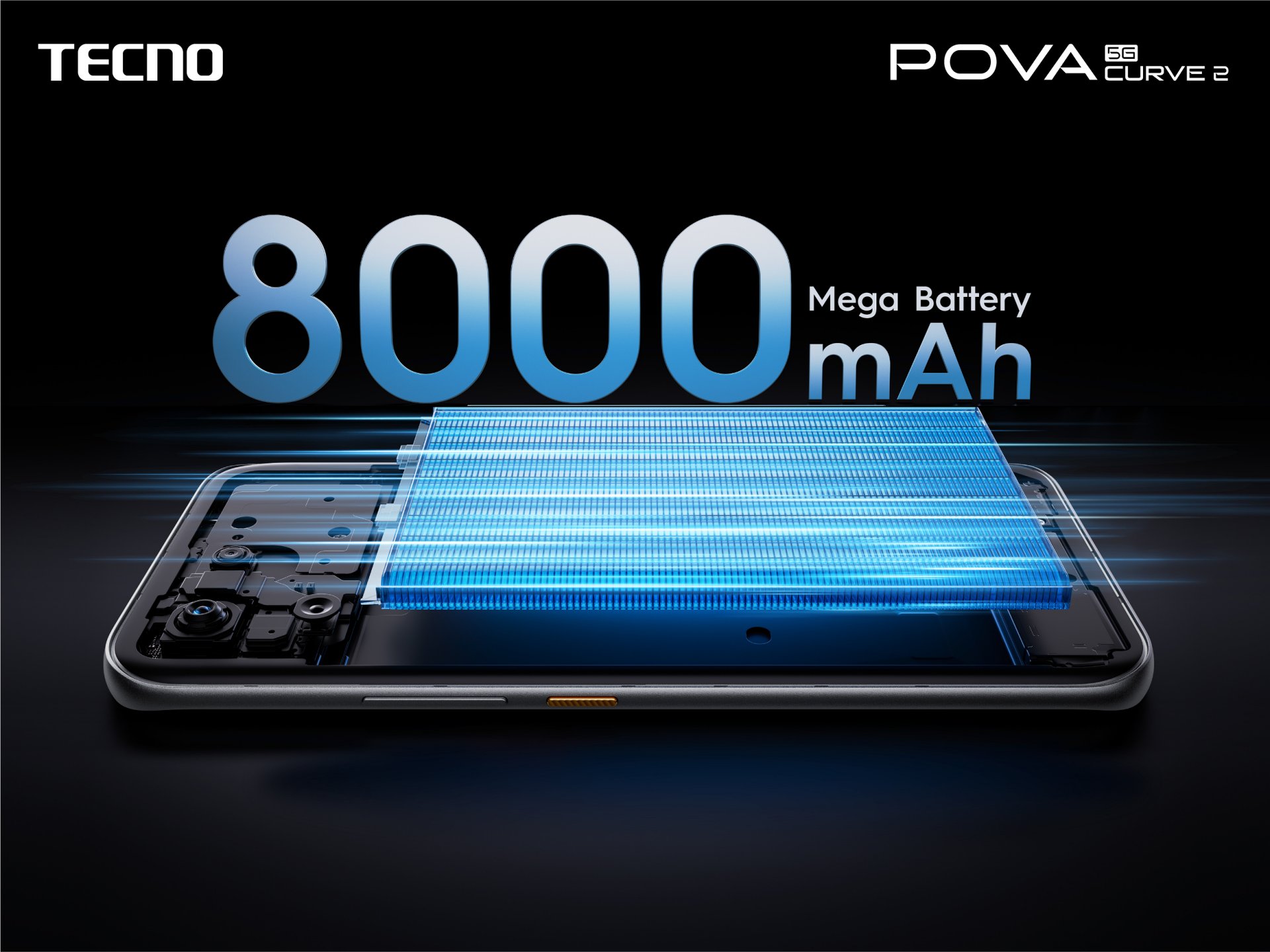
Despite its slim and curved 7.42mm design (and weight of only 195g), the POVA Curve 2 5G arrives with TECNO’s largest battery yet — 8000mAh battery to be precise.

TECNO says the battery is TÜV SÜD-certified for long lifespan and is engineered to last up to six years. It’s also rated to operate in extreme temperatures ranging between as hot as 60°C (140ºF) or as cold as -20ºC (-4ºF).
If you’re already in a pinch, there’s the 45W fast charging with Bypass charging support in tow.
Durability was not compromised as it has a Corning Gorilla Glass 7i Front Glass protection, IP64 water and dust resistance rating, even SGS-certification for 1.5m drop protection.
Speaking of front, it features a curved 6.78-inch AMOLED display with a 144Hz refresh rate. Beneath that glass lies MediaTek’s Dimensity 7100 5G SoC.

On the software side, it runs the latest HiOS 16 (based on Android 16) with integrated AI tools in mind. That means AI-powered content summaries, writing assistance, call noise reduction, and automatic photo enhancements.
TECNO’s Ella AI Assistant has also been improved with more personalized interactions across the system. One-tap FlashMemo also exists for instantly capturing on-screen information. Moreover, Mind Hub organizes notes and AI-generated content in one place.

Lastly, connectivity gets a boost, too. With POVA Curve 2 5G’s dual-signal enhancement, it has an improved cellular and Wi-Fi performance in crowded or weak-signal environments. Interestingly, it also supports offline voice, text, and image communication up to 1.5km in open areas.
With all these in mind, TECNO promises two major Android OS upgrades.
Pricing and Availability
The TECNO POVA Curve 2 5G comes in three colorways: Melting Silver, Storm Titanium, and Mystic Purple.

It launches first in India this February 2026. Pricing is between INR 31,999 and INR 34,999 for the 8+128GB and 8+256GB configurations respectively.
It will also make an appearance at MWC 2026 this upcoming March 2 until March 5, 2026.

Setting your bedsheets ablaze with the Lovense Solace Pro
The closest proxy I could find where I'm guilty as sin


Now Playing: Elden Ring Tarnished Edition
Is the Switch 2 port worth the price?


NBA 2K27 review: A two-way All-Star
Better ball game, same 2K?

The keyword for the Apple Watch Series 12 is heartrate variability

iPhone Duo: Price, availability in the Philippines

iPhone 18 Pro series: Price, availability in the Philippines

AirPods 5 boasts better ANC and sound quality for the same price

iPhone Duo: Price, availability in Singapore

TECNO MEGAPAD 2 review: Eyes on the size

realme 16T 5G with 8000mAh battery, IP69 Pro rating launches in PH

HUAWEI Pura X View is 2026’s first WIDE slab-type smartphone

REDMI Note 17 Series focuses on long-term reliability

realme 16T to come with 8,000mAh battery, 7-year battery health guarantee


-
 News2 weeks ago
realme 16T 5G with 8000mAh battery, IP69 Pro rating launches in PH
-
 News3 days ago
HUAWEI Pura X View is 2026’s first WIDE slab-type smartphone
-

 News2 weeks ago
REDMI reveals the refreshed Note 17 and Note 17 Pro series
-

 Singapore2 weeks ago
REDMI Note 17 Series: Price, availability in Singapore
-

 Reviews2 weeks ago
REDMI Note 17 Pro review: What a rollercoaster ride!
-

 Features2 weeks ago
The designated photographer’s new favorite phone: OPPO Reno16 Series 5G
-
 Cameras1 week ago
DJI Osmo 360 II review: Going all-in on the ecosystem
-

 IFA 20266 days ago
TECNO MEGABOOK T15 360 unveiled at IFA 2026