
Smartphones
95 percent of iPhone users have serious FOMO
Only 44 percent for Android users


How long can you go without your phone? Most of us are already so attached to our phones that we can’t imagine a few hours — let alone an entire day — without them. However, even if nomophobia or FOMO is already a fact of life, we’re still curious how much of an addict we all are. A new study has hinted at just how much we can’t be separated from our beloved smartphones.
According to a study from MoneySuperMarket, we’re all already a victim of nomophobia (a simplification of “no-mobile-phone-phobia”), or the anxiety associated with being separated from our phones. A separate study reports that 53 percent of people have the anxiety in some form or other.
Going more in depth into the phenomenon, the study separates iOS users from Android users. And Apple users took the cake. After an hour, a whopping 95 percent of iOS users — with 27 percent experiencing “serious anxiety” — already have nomophobia. Meanwhile, only 44 percent of Android users — and 7 percent of users getting serious attacks — suffered from it.
The study took 1,600 volunteers and ran them through three tests. Firstly, the Time Test separates users from their phones and sees how long they can last. iOS users lasted only 42 minutes on average, while Samsung, the closest Android brand, lasted 126 minutes.
The second test, a selfie counter, measured how much users took selfies in a year. Apple users took 1,467 selfies, while Samsung, once again the second-place brand, took only 763 selfies.
Finally, the Movie Test. The report measured how many times users checked their phone during a movie, a pet peeve for some audience members. iPhone users checked their phones 19 times during a movie, while Android users checked their phones only 9.6 times.
It’s hard to know why there’s a distinct separation of FOMO between the two. However, the report speculates that those who paid more for their phones have a stronger sense of attachment for them. Regardless, you might want to keep an eye out for iPhone users while on an Netflix and chill date.
SEE ALSO: Android 12 comes with added privacy features, almost like Apple






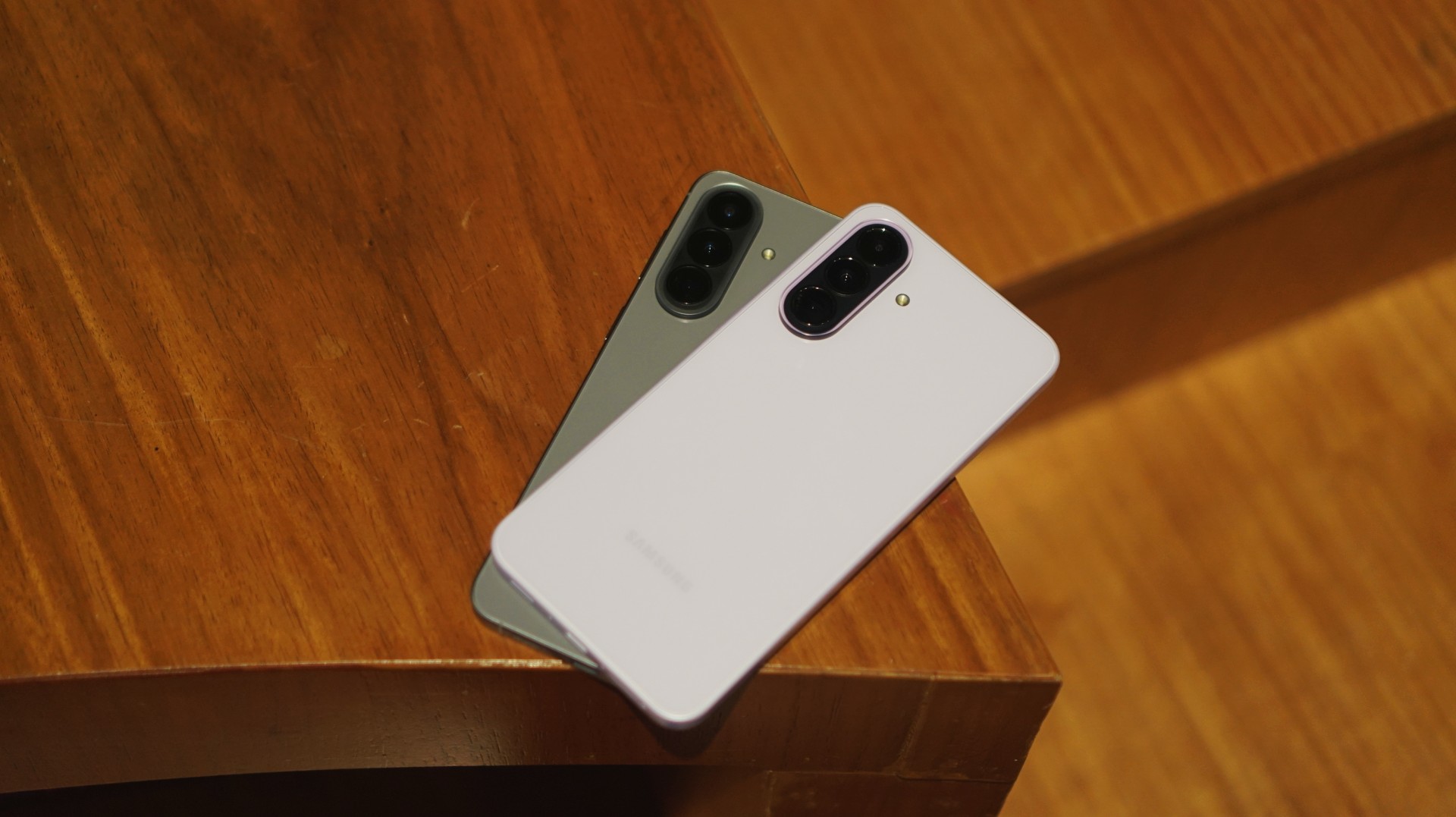
Samsung is expanding its AI push beyond flagships with the launch of the Galaxy A57 and Galaxy A37 — two devices positioned as accessible entry points into the broader Galaxy ecosystem.
These new Galaxy A Series smartphones don’t just refresh specs. They carry over a growing part of what Samsung now considers core to the Galaxy experience: AI-powered tools, long-term software support, and tighter ecosystem integration.
For users who aren’t quite ready to commit to a flagship Galaxy S device, this is Samsung making its case: you can start here.
A softer entry into Galaxy AI
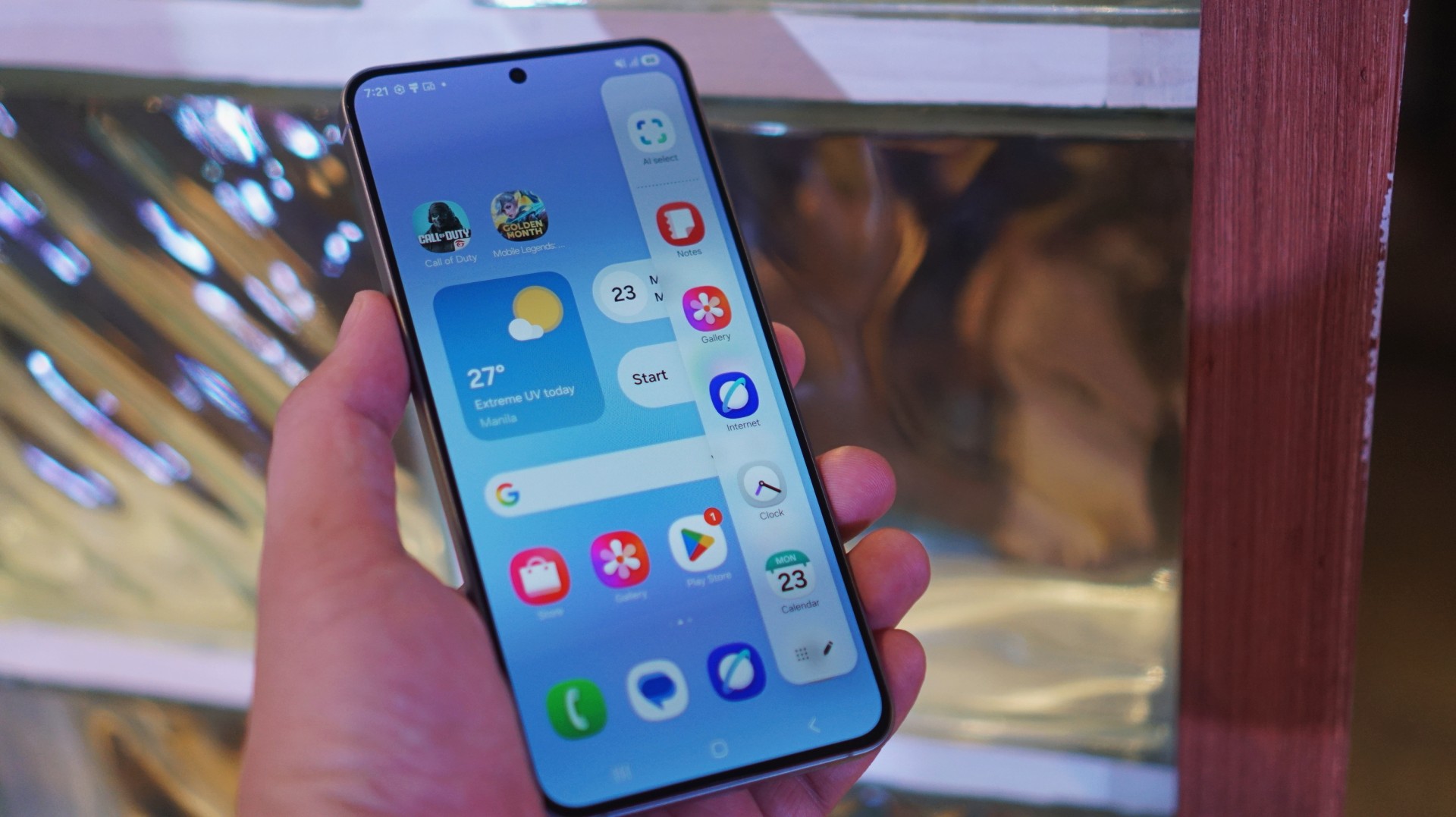
The headline feature here is what Samsung calls “Awesome Intelligence,” its midrange-friendly take on Galaxy AI.
Running on One UI 8.5, both devices bring features that feel familiar if you’ve seen Samsung’s recent flagships — just scaled for a wider audience.
There’s Voice Transcription baked into the Voice Recorder, letting you convert recordings into text. AI Select surfaces contextual actions directly from the screen, making it easier to grab text, images, or snippets without jumping between apps. And yes, Circle to Search with Google is here too, now with multi-object recognition.
Even Samsung’s voice assistant gets a boost. Bixby becomes more conversational, while Google’s Gemini is integrated to handle more complex, cross-app tasks.
It’s not the full flagship AI suite, but it’s enough to give you a taste of how Samsung sees everyday interactions evolving.
And that’s really the pitch: not everything, but enough to get you started.
Cameras that lean on AI, not just megapixels
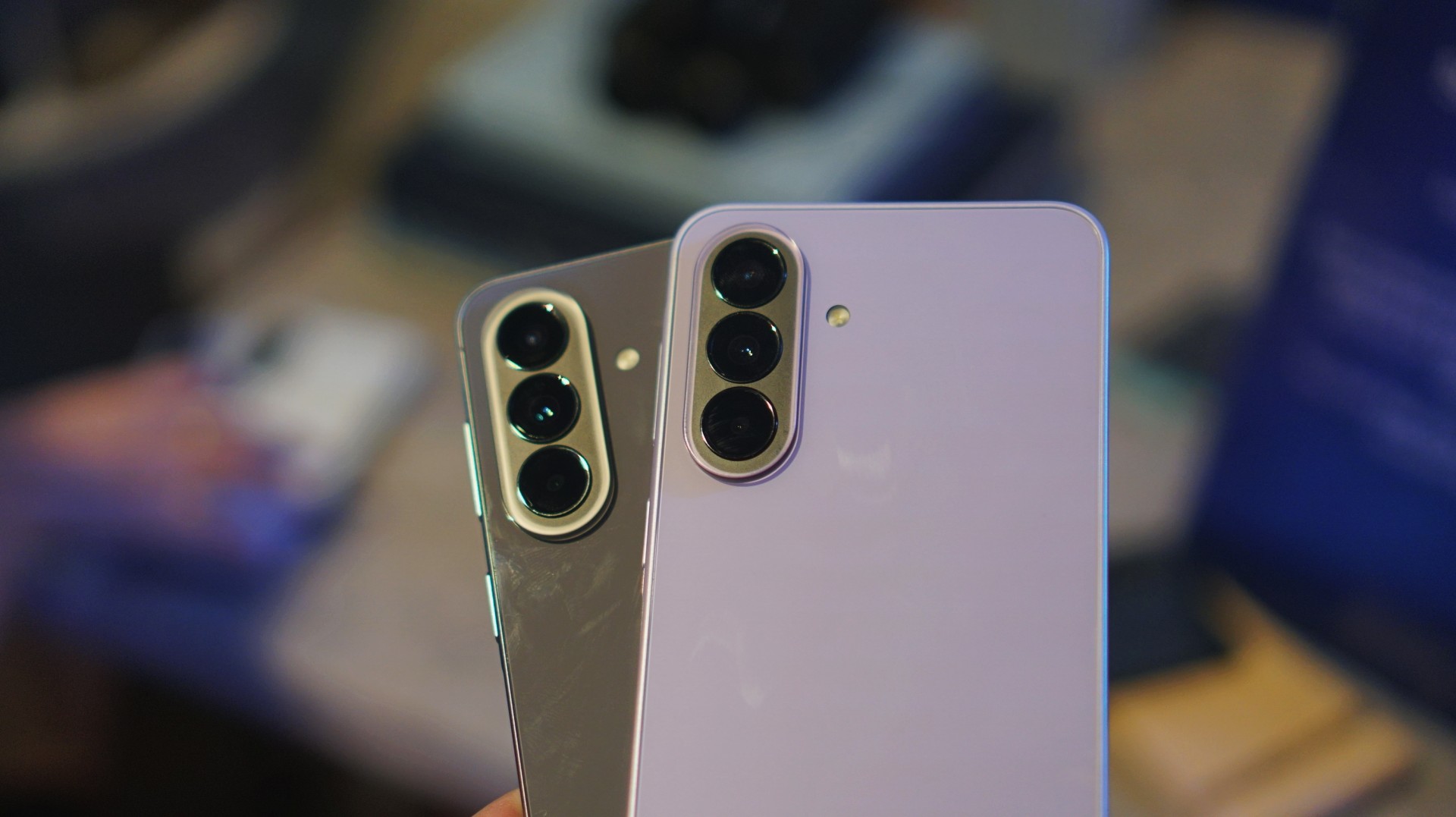
Both phones pack a familiar but reliable triple-camera setup, anchored by a 50MP main sensor.
On paper, it’s straightforward. In practice, Samsung is leaning heavily on AI to elevate the experience.
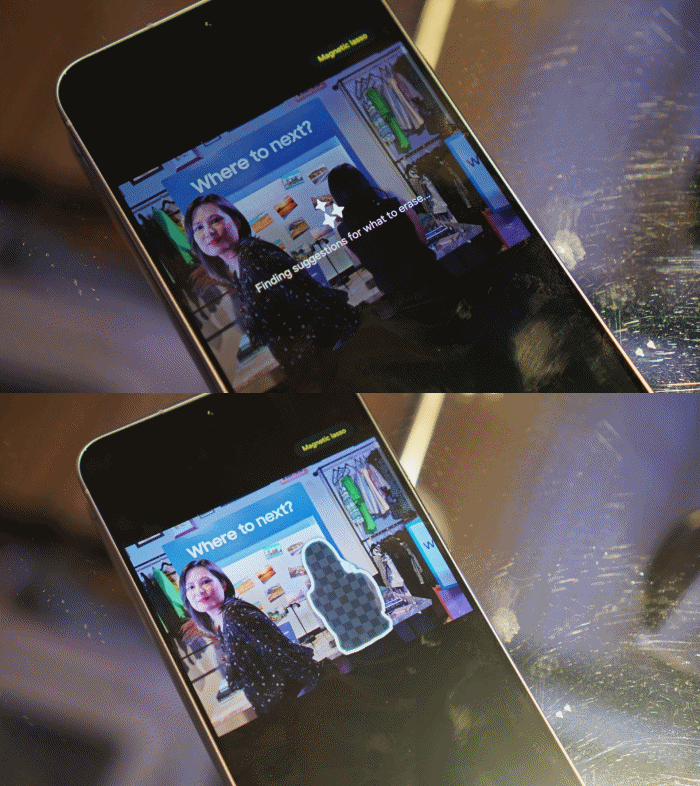
Object Eraser now produces more natural edits. Best Face (on the Galaxy A57 5G) helps salvage group shots. And scene optimization works in the background to balance exposure, skin tones, and detail.
Low-light photography also gets a boost with improved Nightography, aiming for clearer shots without needing manual tweaks.
The Galaxy A57 pulls slightly ahead here, with better image processing, faster shutter speeds, and more refined detail handling — the kind of upgrades you’ll notice when shooting moving subjects or tricky lighting conditions.
For most users, though, both cameras aim to do the same thing: remove friction. Point, shoot, fix — all within seconds.
Built for everyday use (and long-term ownership)
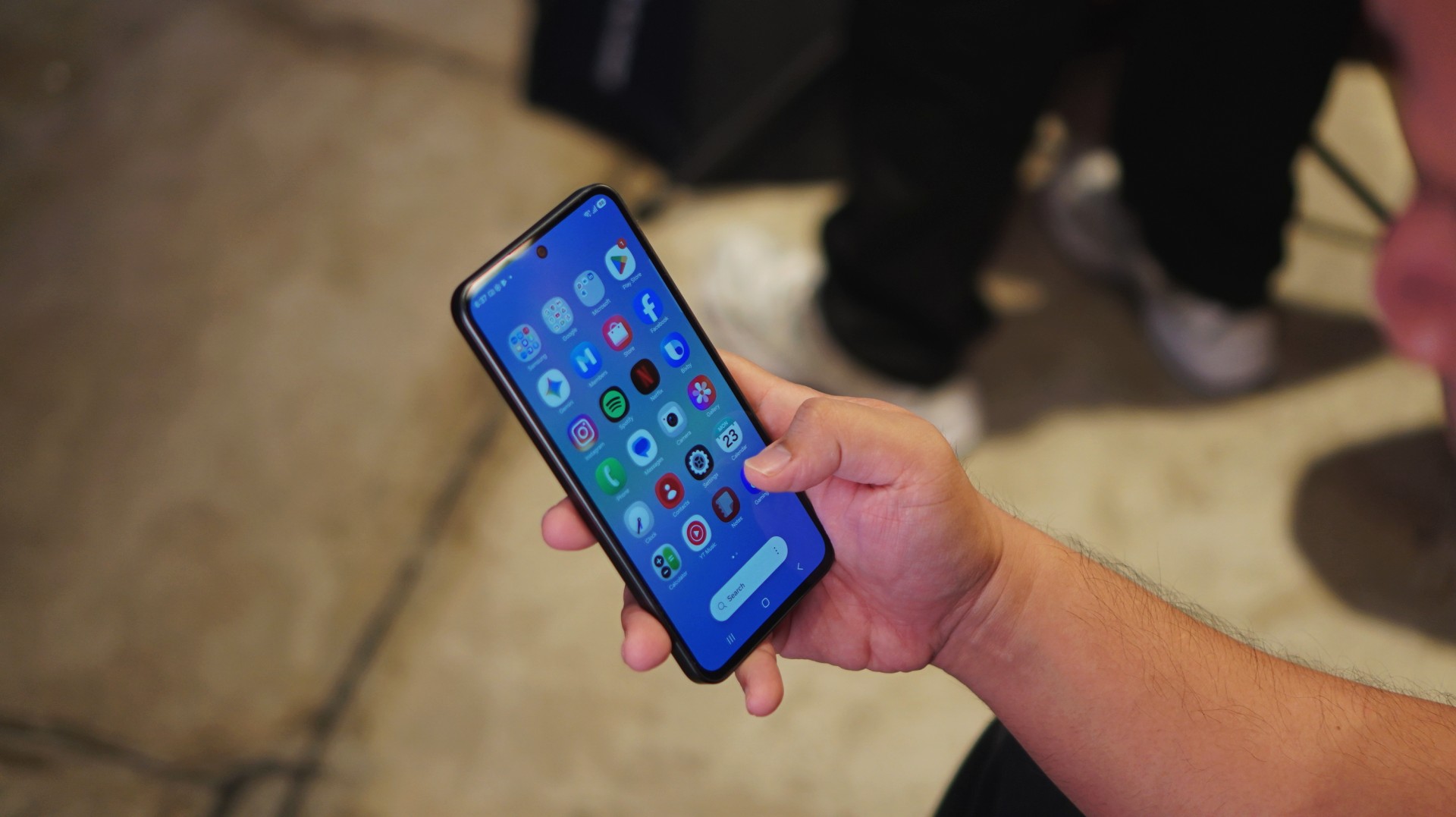
Where the Galaxy A Series continues to shine is in longevity.
Both the Galaxy A57 5G and Galaxy A37 5G promise up to six generations of Android and One UI updates, plus six years of security patches — a commitment that used to be reserved for premium devices.
That’s paired with practical hardware choices:
- 6.7-inch FHD+ AMOLED displays with up to 120Hz refresh rate
- 5,000mAh battery on both models
- IP68 water and dust resistance
- Samsung Knox security with features like Private Album and Privacy Alerts
The Galaxy A57 5G adds a bit more headroom for performance, with upgraded CPU, GPU, and NPU, along with a larger vapor chamber to keep things stable during longer sessions. That’s true whether it’s for gaming, recording, or just heavy multitasking.
It’s also slimmer and lighter, with a more refined finish that pushes the Galaxy A Series closer to flagship territory, at least in-hand.
The ecosystem play
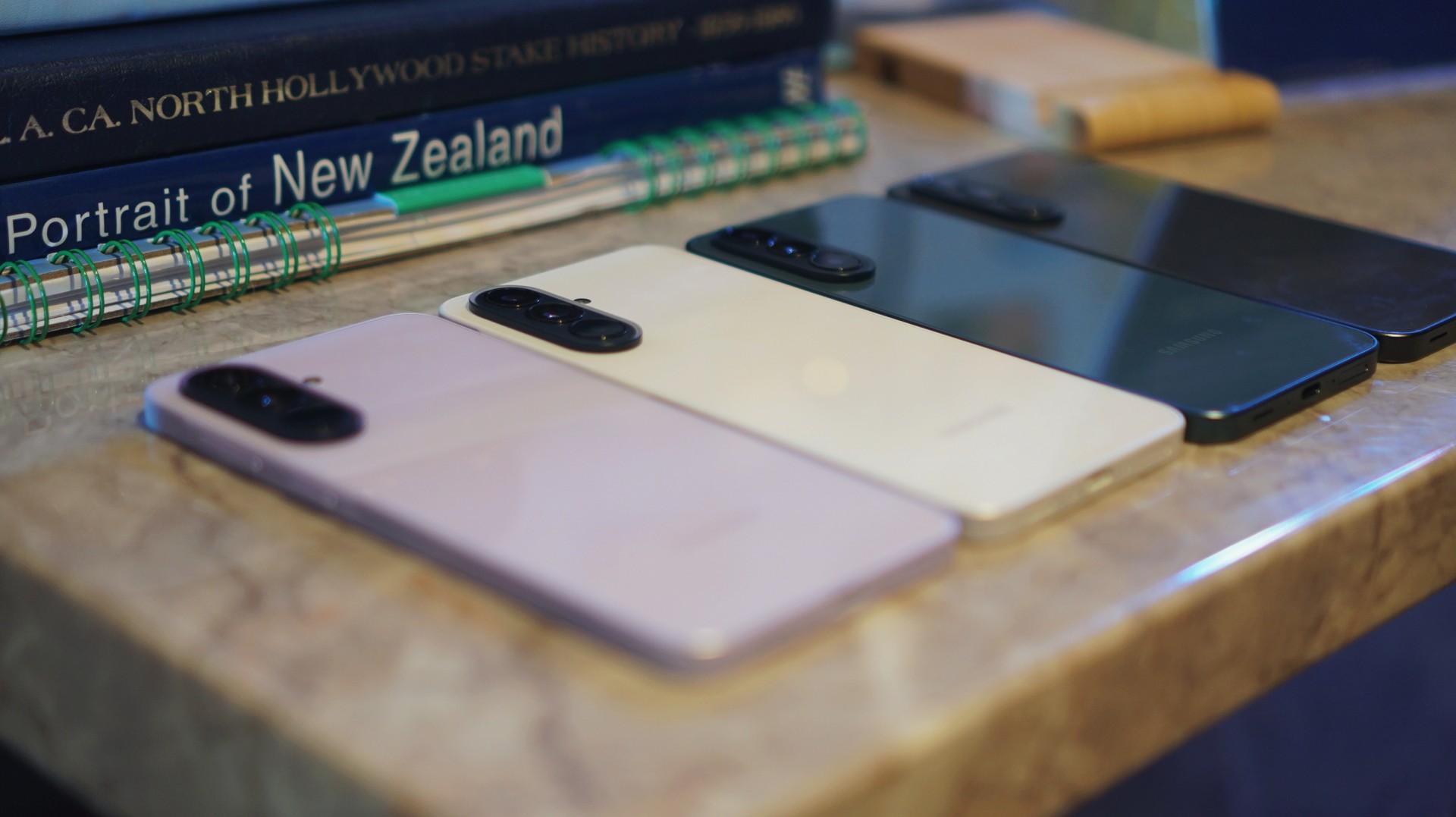
More than anything, the Galaxy A57 and Galaxy A37 feel like onboarding devices.
They’re not trying to outshine the Galaxy S lineup. Instead, they introduce you to how Samsung wants everything to work together — from AI tools to SmartThings to cross-device workflows.
It’s the kind of phone you get when you’re curious about Galaxy, but not fully committed yet.
You get a preview of the experience. The AI tools. The software longevity. The ecosystem hooks.
And if it clicks, Samsung is betting you’ll eventually move deeper into its lineup.
Pricing and availability
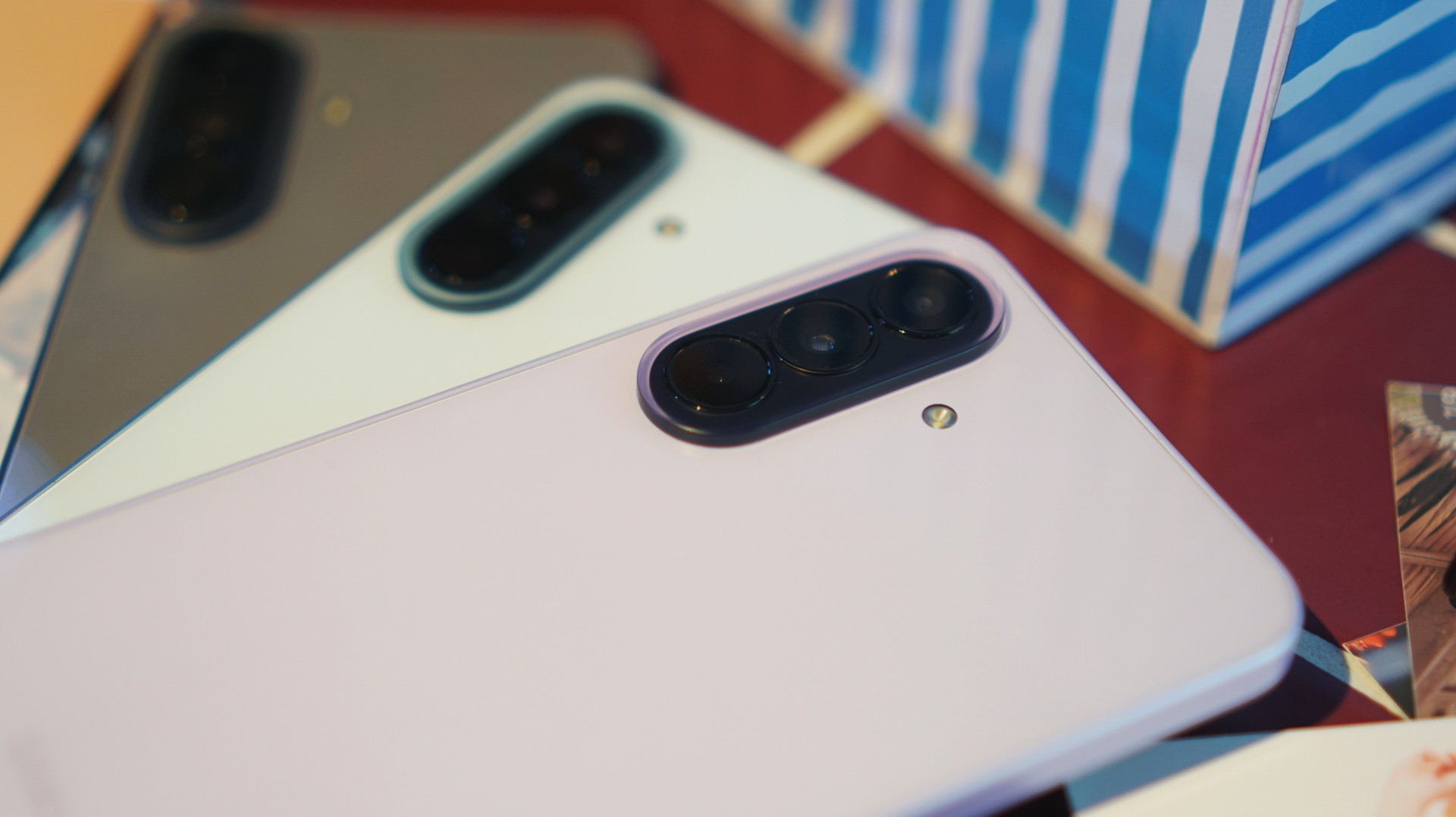
Philippine pricing and availability
The Galaxy A57 5G and Galaxy A37 5G are now available in Samsung Authorized Stores nationwide.
For pricing, the Galaxy A57 5G comes in three configurations:
- 128GB – PhP28,990
- 256GB – PhP30,990
- 512GB – PhP37,990
Meanwhile, the Galaxy A37 5G is available in:
- 128GB – PhP25,990
- 256GB – PhP27,990
Color options vary per model. The Galaxy A57 5G is offered in Awesome Navy, Awesome Gray, Awesome Icyblue, and Awesome Lilac. The Galaxy A37 5G, on the other hand, comes in Awesome Lavender, Awesome Charcoal, Awesome Graygreen, and Awesome White.
For added peace of mind, Samsung Care+ is also available, offering coverage options designed to help protect the device’s value over time.
In the US, the Galaxy A57 5G starts at $549.99, while the Galaxy A37 5G starts at $449.99.
Context matters here.
In the US, these price points sit firmly in the midrange — not quite “entry-level,” but still more accessible than flagship devices that typically start at $799 and above. They’re often positioned as practical upgrades for users coming from older devices or prepaid/carrier plans.
But when directly converted to Philippine pesos, that’s roughly around PhP30,000+ and PhP25,000+, respectively — a range that already overlaps with aggressively priced upper midrange and even some near-flagship alternatives locally.
For comparison, what many would consider a true “entry point” in the Philippines usually starts closer to PhP12,000 to PhP15,000 ($200–$250).
Which makes the positioning interesting.
These may be “entry points” into the Galaxy ecosystem — but not necessarily entry-level in terms of price, especially in markets like the Philippines. That’s a distinction that matters.
Early take
On paper, the Galaxy A57 5G and Galaxy A37 5G check a lot of boxes: modern design, capable cameras, meaningful AI features, and long-term support.
As much as these feel like “entry points,” they’re also creeping closer to premium territory. And that balance will ultimately decide how compelling they really are.
News
More iPhone switchers this year than Android switchers, report says
Only the Google Pixel might be exempt from a global Android dip.
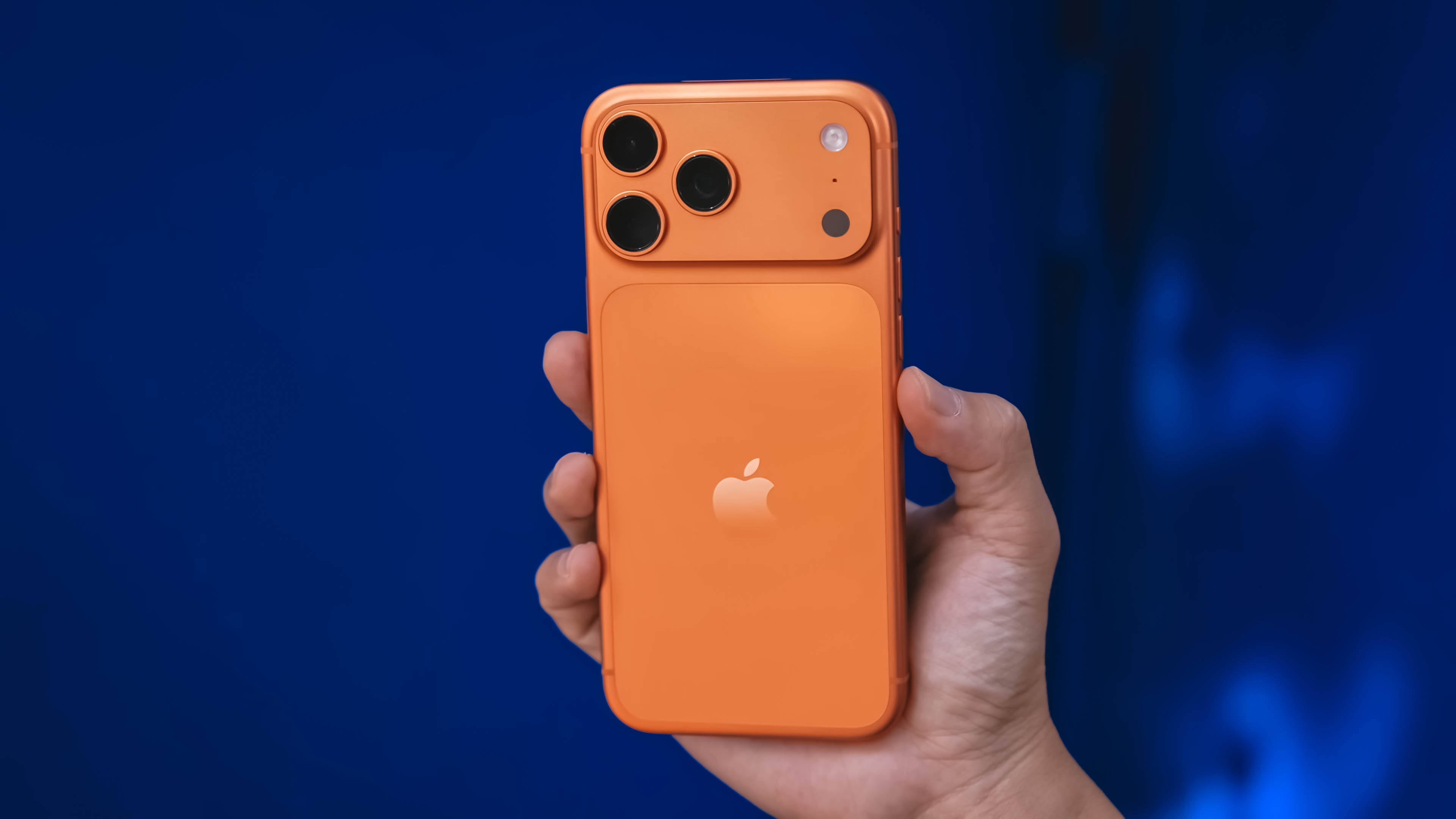
With the prices of chips skyrocketing this year, the commonly held rule of thumb is to hold on to your devices for as long as possible. Of course, the dip in demand will also translate to a dip in supply. According to new reports, users this year might favor switching to an iPhone over an Android phone.
As early as late last year, smartphone makers have already warned consumers that the prices of new devices might go up to anticipate the rising prices of RAM. For now, the prices are still manageable, but forecasts don’t look too kindly on the future.
According to a Morgan Stanley report via Investing.com, the shipments of Android phones might drop by as much as 15 percent this year, compared to the last. This encompasses all brands using the platform.
However, there is one notable holdout: the Google Pixel. According to the same report, the lineup will still enjoy some modicum of growth heading into their release schedule this year.
More notably, though, Apple might be the biggest winner this year. Though iPhone shipments might still drop by 2 percent, it’s nothing compared to the former’s 15 percent drop. When comparing the two, that should translate to a growth in Apple’s share of the pie this year. In other words, more people might switch to Apple, compared to people switching to any phone running on Android.
Now, to be fair, these are all just predictions. Anything can still happen, but it looks like Apple might be heading to a stellar performance later this year.
SEE ALSO: Hands-on: NEW iPhone 17e, iPad Air, MacBooks, Studio Displays
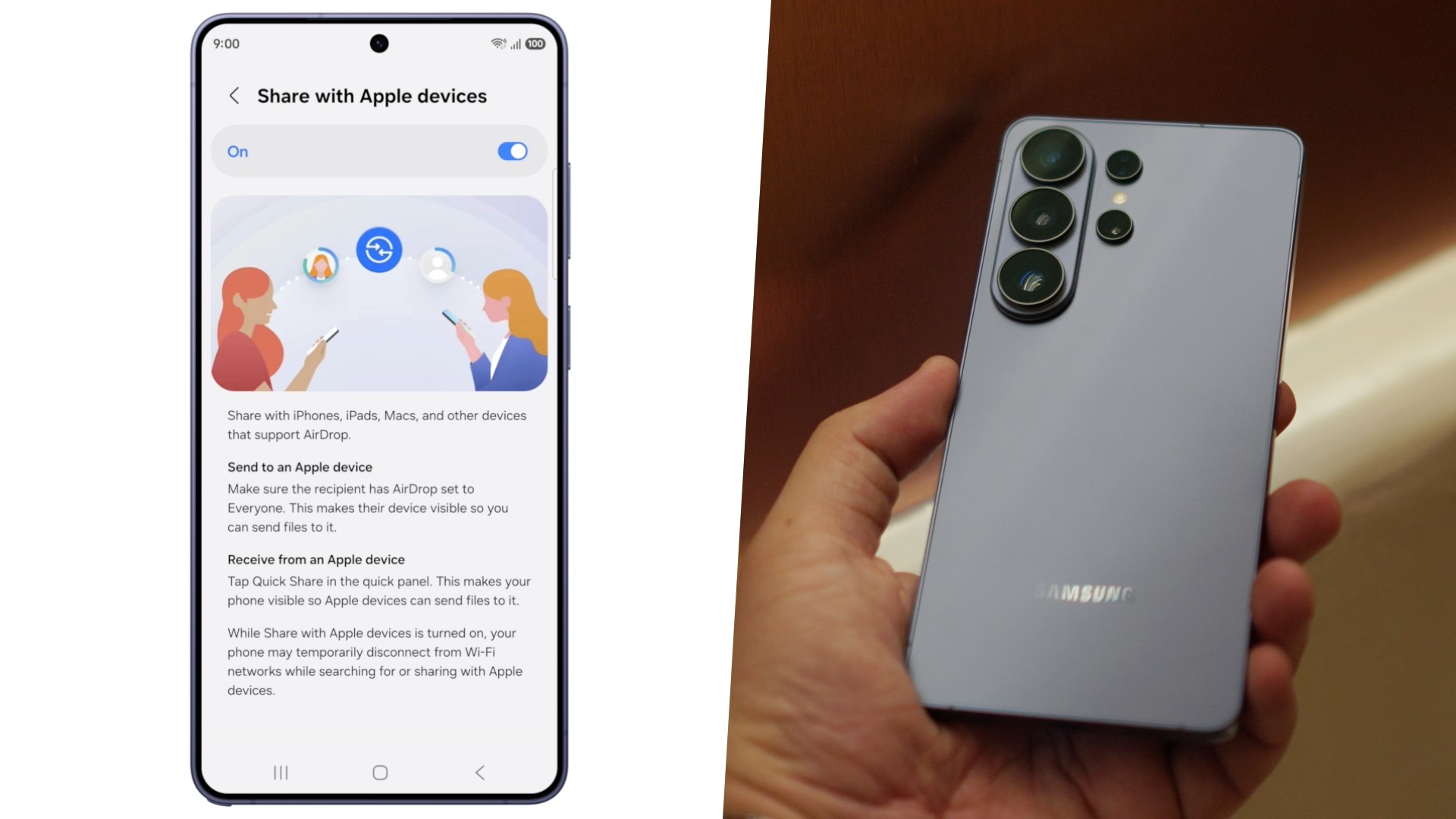
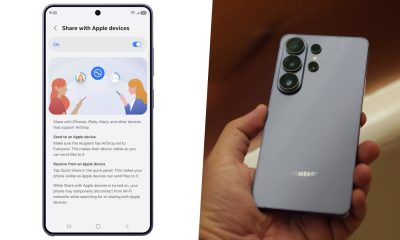
Samsung is making it easier for Galaxy users to share files across devices with the introduction of AirDrop support to Quick Share on the Galaxy S26 series.
The update allows Galaxy S26 users to send and receive files more seamlessly, expanding Quick Share’s functionality beyond Samsung’s own ecosystem. It’s a notable step toward improving interoperability, especially for users who frequently interact with devices outside the Galaxy lineup.
The feature begins rolling out on March 23, starting in Korea. Samsung says availability will expand to additional markets including Europe, Hong Kong, Japan, Latin America, North America, Southeast Asia, and Taiwan. As with most rollouts, timing may vary depending on the region.
For now, AirDrop support is exclusive to the Galaxy S26 series. Samsung notes that support for other devices will be announced at a later date.
Expanding what Quick Share can do
Quick Share has long been Samsung’s answer to Apple’s AirDrop — offering fast, wireless file transfers between Galaxy devices. Over time, Samsung has expanded compatibility to include Windows PCs and select Android devices.
With this update, the experience becomes more flexible. Users can expect fewer limitations when sharing photos, videos, and documents, particularly in mixed-device environments.
While Samsung has not detailed the exact technical implementation, the move signals a broader push toward making Galaxy devices easier to use alongside other platforms.
A software-driven upgrade for the S26
The addition of AirDrop support reinforces one of the key themes behind the Galaxy S26 series: improving everyday usability through software.
Launched in February, the Galaxy S26 lineup — consisting of the Galaxy S26, Galaxy S26+, and Galaxy S26 Ultra — focuses on refinement rather than dramatic hardware changes. Samsung has leaned heavily into what it calls “effortless intelligence,” with features powered by Galaxy AI designed to simplify daily tasks.
These include tools like Now Brief and Now Nudge, which surface contextual suggestions, as well as AI-powered editing features such as Photo Assist and Audio Eraser. Privacy also plays a bigger role this year, with the Galaxy S26 Ultra introducing a built-in Privacy Display that limits viewing angles in public spaces.
On the hardware side, the Galaxy S26 Ultra is powered by the Snapdragon 8 Elite Gen 5 for Galaxy processor, paired with a redesigned vapor chamber for improved thermal performance. It also introduces faster 60W charging, a bump from the previous generation.
Making sharing more seamless
With AirDrop support coming to Quick Share, Samsung is addressing a common friction point for users: moving files between different ecosystems.
It may not be the most headline-grabbing feature, but it’s one that could have a meaningful impact on day-to-day use — especially for users who regularly share content across devices.
As the feature rolls out globally, it further positions the Galaxy S26 series as a device focused on practical improvements that make the overall experience smoother and more connected.


Galaxy Buds4 Pro review: I thought I was done with in-ears
This Buds4 you


WWE 2K26 lets you live out all the fantasy matches you could want
But you have to play for hours and hours to unlock everyone.

The HONOR X8d is serviceable
Steady but slow?

Life is Strange: Reunion now available on consoles and PC

Why this AI-powered eye health exam is the only reading you need this season

DJI officially launches the Avata 360 with 8K immersive imaging

The Changan Eado Plus officially lands in the Philippines

PLDT Home, Samsung team up for exclusive entertainment deals


-
 Reviews1 week ago
POCO X8 Pro Max review: A new beast from the far east
-

 News1 week ago
POCO X8 Pro Series: Price, availability in the Philippines
-

 Reviews1 week ago
POCO X8 Pro Iron Man Edition review: Midrange phone in superhero armor
-

 Automotive2 weeks ago
VinFast extends free unlimited charging in 3 markets amid rising fuel prices
-
Philippines1 week ago
The HONOR X8d is serviceable
-
 Reviews2 weeks ago
Samsung Galaxy S26 Ultra review: A phone you live with
-
 News1 week ago
POCO introduces X8 Pro Series with Dimensity 9500s
-

 Gaming2 weeks ago
NVIDIA’s DLSS 5 can turn your favorite AAA game into AI slop