
Features
Vivo V5 Plus camera hands-on: Another perfect selfie?

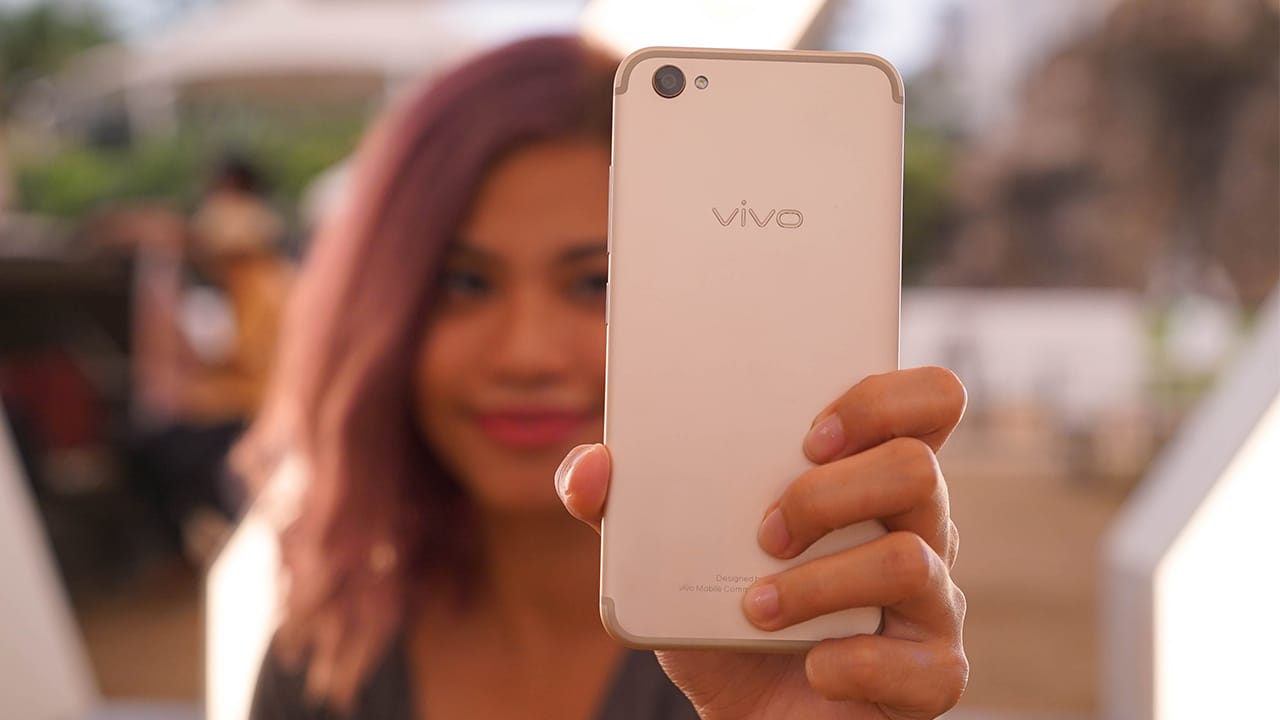
With the advent of Snapchat and cute doggie stickers that become instant face filters (sorely needed on days I’m not feeling a hundred percent), simple photo selfies have become a rarity in my camera roll — I mean, who has time to airbrush and edit said selfies after shooting?
The Vivo V5 Plus may just be a game changer. Dubbed the “Perfect Selfie” phone, Vivo promises a photo experience that optimizes, well, your face.
For two weeks, I used the Vivo V5 Plus (because you never know when you’re going to need a good selfie ??) and here are my thoughts.
First things first…
Look and feel
The Vivo V5 Plus is a familiar-looking phone. There’s no beating around the bush: It looks like an iPhone 7 and is roughly the same size as the iPhone 7 Plus.
This means that the phone is slightly bigger than the phone I’m used to.

The two things that occupied my hands for most of last week: the Vivo V5 Plus and my iPhone 6s
The Vivo V5 Plus is a literal handful. But if there’s one thing that my phone-toting experience has taught me, it’s really not the size but the performance that matters.

For a good few days, the V5 Plus remained untouched until I discovered the wonders it could do to my face.
Beauty mode: ON
The Vivo V5 Plus has two cameras in front for better selfies. Combined with its beautification mode, this becomes the true winning function of this smartphone.
[sciba leftsrc=”http://www.gadgetmatch.com/wp-content/uploads/2017/04/GadgetMatch-VivoV5Plus-2017-04-21-1.jpg” leftlabel=”The perfect selfie” rightsrc=”http://www.gadgetmatch.com/wp-content/uploads/2017/04/GadgetMatch-VivoV5Plus-2017-04-21.jpg” rightlabel=”Almost perfect in my imperfections” mode=”horizontal” width=””]
The phone’s “Face Beauty” mode allows you to adjust the camera settings for “Buffing,” “Skin tone,” and “Whitening.” Armed with this precious knowledge, I set out to try using the cameras. Time for a shootout!
The rear camera
At 16 megapixels, the Vivo V5 Plus’ rear camera is less powerful than its front cams, but it does the job for your OOTDs:

Or those glorious food shots:

The brownie that I probably should not have eaten
And if you’re feeling artsy, those macro shots:

Perfect to show off your #tita hobbies like gardening
We now move on to this smartphone’s crowning glory (and my favorite feature).
The front-facing cameras
Now, this is where the Vivo V5 Plus shines; it has a dual front-facing camera setup that features a 20-megapixel and 8-megapixel pair of sensors. Since those numbers never meant anything to me (and I shall assume the same for you, dear reader), let me put that into perspective: The newly released Samsung Galaxy S8 has an 8-megapixel front-facing camera and my iPhone 6s, 5 measly megapixels.
I put the cameras to the test. (Fair warning: There will be a lot of selfies ahead, all taken in the interest of writing a fair and unbiased camera review.)
First up, a quick selfie indoors with minimal buffing.
[sciba leftsrc=”http://www.gadgetmatch.com/wp-content/uploads/2017/04/GadgetMatch-VivoV5Plus-indoor-filtered-2017-04-21-1.jpg” leftlabel=”Vivo V5 Plus working its wonders” rightsrc=”http://www.gadgetmatch.com/wp-content/uploads/2017/04/GadgetMatch-VivoV5Plus-indoor-unfiltered-2017-04-21.jpg” rightlabel=”Au naturel” mode=”horizontal” width=””]
And since the best place to take photos is an area with natural light (as per me in this previous article), I had to snap a photo outdoors, too.

Also with minimal buffing because we can’t all be perfect all the time.
The Vivo V5 Plus’ camera also adjusts depending on the lighting situation. Going against the light (a cardinal no-no in any photo taking endeavour) still resulted in good photos.

I liked this photo so much, it’s now my primary Facebook photo.
Not even nighttime can stop your selfie taking. Even with minimal light, the Vivo V5 Plus takes acceptable photos. The front-facing flash also acts as a fill light for when you need light in your life — specifically on your face, for selfies.
[sciba leftsrc=”http://www.gadgetmatch.com/wp-content/uploads/2017/04/GadgetMatch-VivoV5Plus-outdoor-filllight2017-04-21.jpg” leftlabel=”With fill lighting” rightsrc=”http://www.gadgetmatch.com/wp-content/uploads/2017/04/GadgetMatch-VivoV5Plus-outdoor-2017-04-21.jpg” rightlabel=”Without fill lighting” mode=”horizontal” width=””]
After two weeks of constant use, I have grown accustomed to great selfies with my face automatically beautified by this phone. My camera roll now houses selfies at an alarming number, and I’ve changed my Facebook display photo twice, both times with selfies from this smartphone’s camera. Honestly, I don’t know how I’m ever going back to life without the Vivo V5 Plus’ beauty mode.
Take your doggie filters; 200+ likes on my new profile photos say a lot.
This feature was produced in collaboration between GadgetMatch and Vivo.
SEE ALSO: How to take the perfect selfie
[irp posts=”12138″ name=”How to take the perfect selfie”]




Apple Pay is officially in the Philippines!
Pushing the country forward into a cashless and cardless future, Apple has now brought its contactless payment system to the Philippines. As with other countries, Apply Pay will work seamlessly and easily even for those who have problems with technology.
Now, despite how easy it is, sometimes we need to be pointed in the right direction. Here’s how you can set up Apple Pay on your iPhone:
Everything starts with the Wallet app. First, open your Wallet app. Tap the “+” button on the top and select “Debit or Credit Card.”
Normally, this is where you can input your card details (which you can still do, by the way), but the default method now is to just tap your card on the back of your iPhone. Your phone does the rest. You might need to confirm with your bank, but it’s as easy as a single tap.
Pick which cards to use. Once you have your cards online, you might need to change which one is the default card. Again, it’s easy. Just drag your preferred card to the front.
Afterwards, you can tap to pay in supported stores by priming the Wallet app for use. Tapping to pay is also available for Apple Watch. Meanwhile, online transactions can also work on MacBook.
Secure, all the time. If you’re worried about your security especially with online transactions, Apple keeps your information only between you and the seller. They don’t store your data.
Also, it’s not easy to make a transaction without your consent. You need Face ID, Touch ID, or your password. If you lose your phone, you can easily shut your phone down with the Find My app to prevent malicious parties from making transactions.

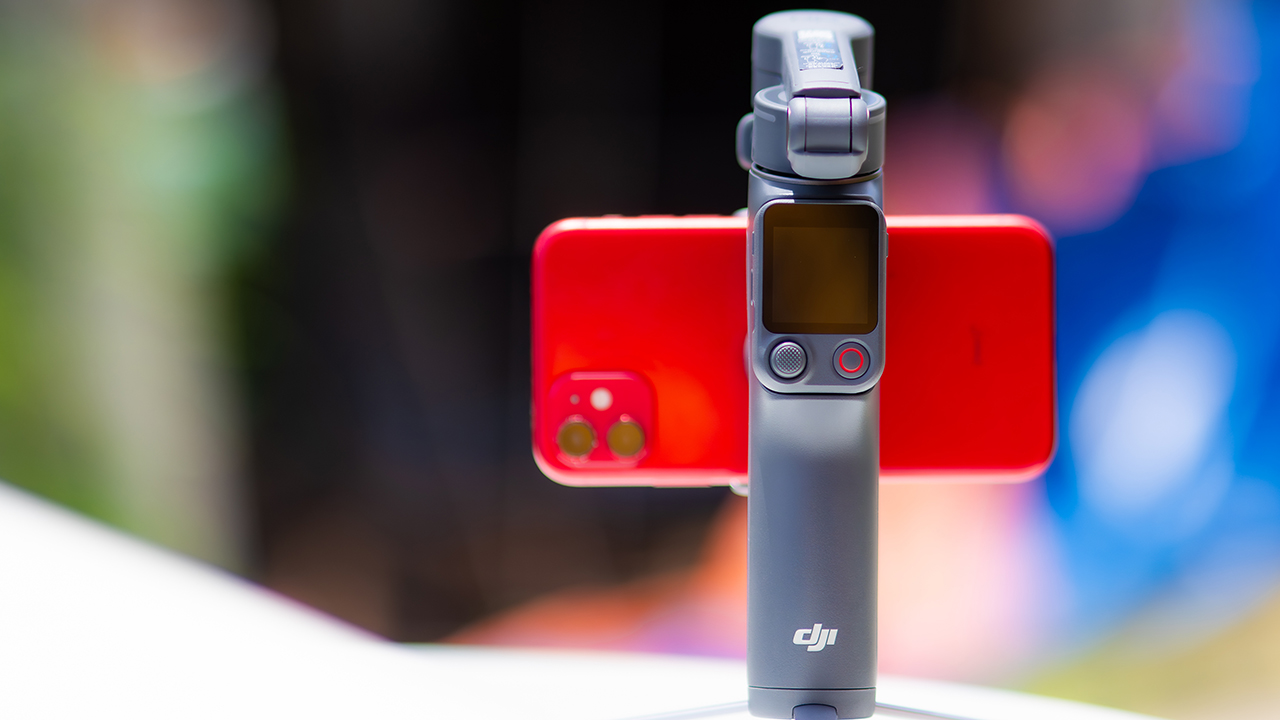
DJI’s smartphone gimbals have always chased one goal: delivering cinema-smooth footage without forcing you to carry a heavy rig.
The Osmo Mobile 8P (OM 8P) makes its priorities clear right out of the box. This is not a simple refresh. DJI rebuilt how you control the gimbal, and that decision shapes the entire shooting experience.
Freedom behind the lens
The biggest change is the FrameTap remote, and it’s the kind of upgrade that fixes a problem you didn’t realize was slowing you down until it’s gone.
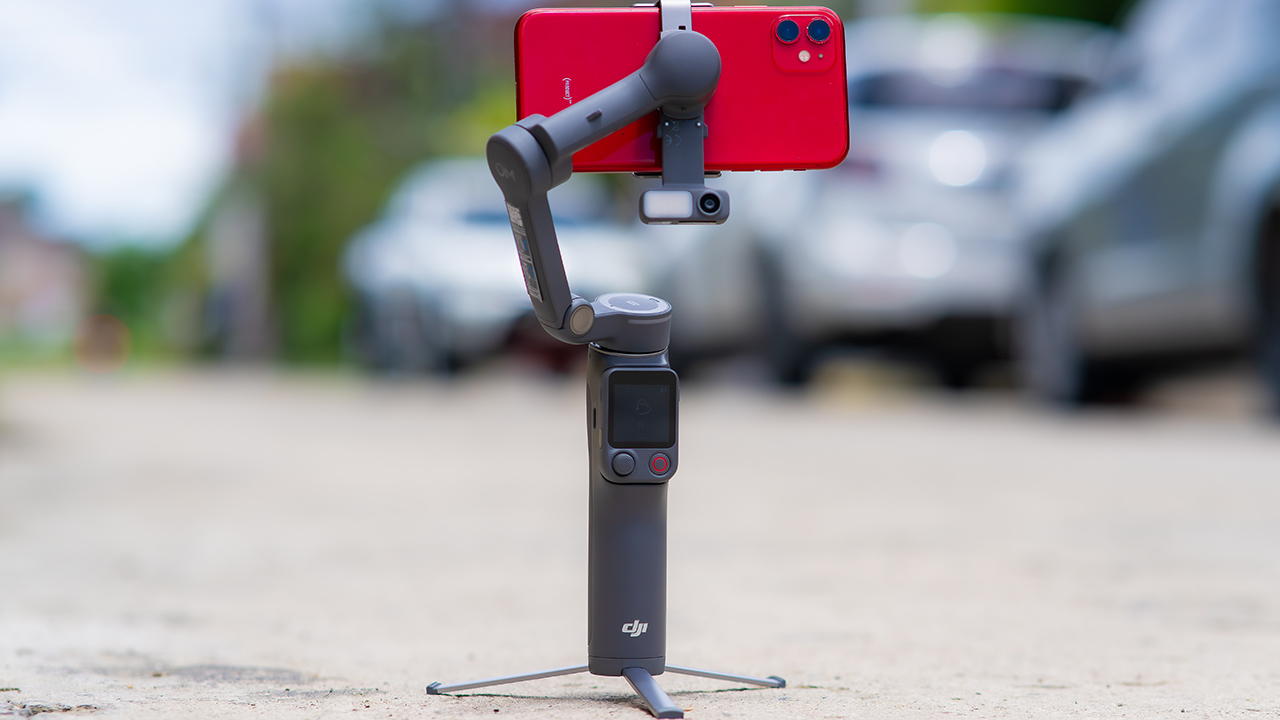
On the standard OM 8, adjusting your framing meant reaching for your phone every time, which broke the flow of shooting and pulled you out of the moment.
FrameTap puts that control back in your hand. You can reframe shots and manage the gimbal without touching your phone at all, and for anyone shooting solo, that alone changes how usable the whole setup feels. Tracking has taken a real step forward too.
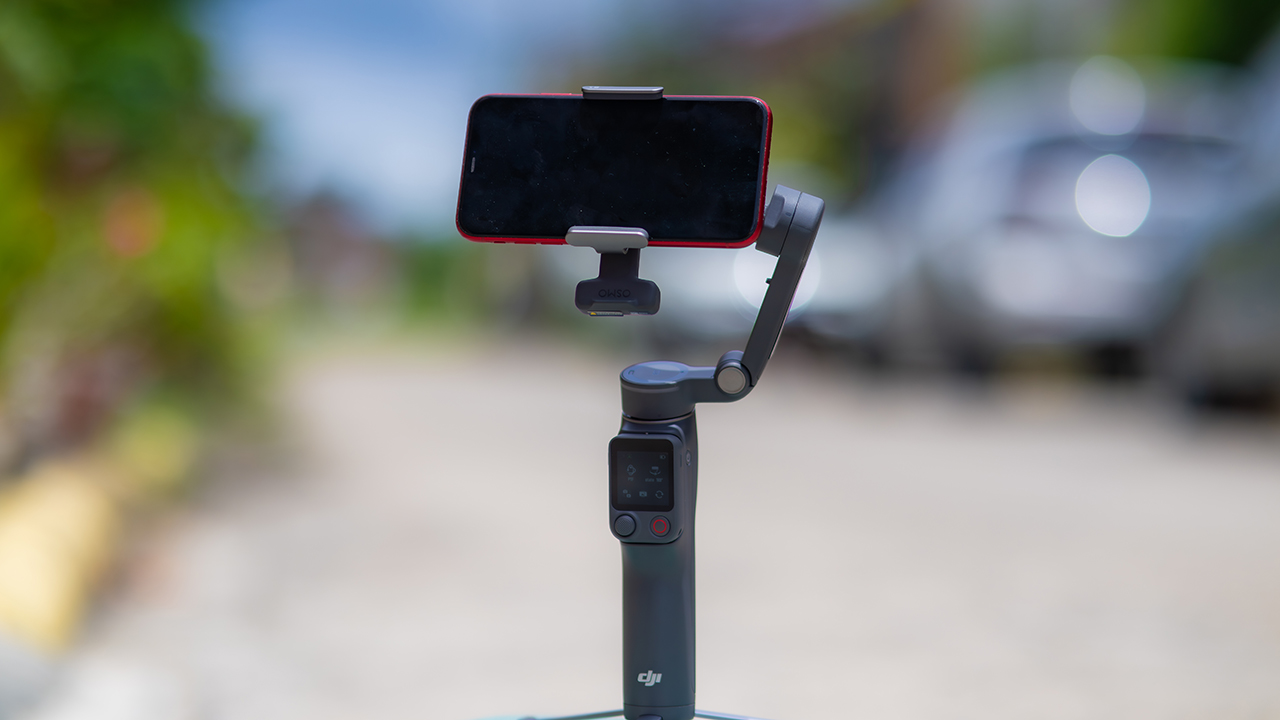
ActiveTrack 8.0, paired with Module 2, held onto its subject even after they stepped out of frame for a moment, then picked them back up without much fuss.
It also lets you sit off-center in the shot instead of forcing you into the middle every time, which gives you more room to compose something that doesn’t look like every other gimbal video.
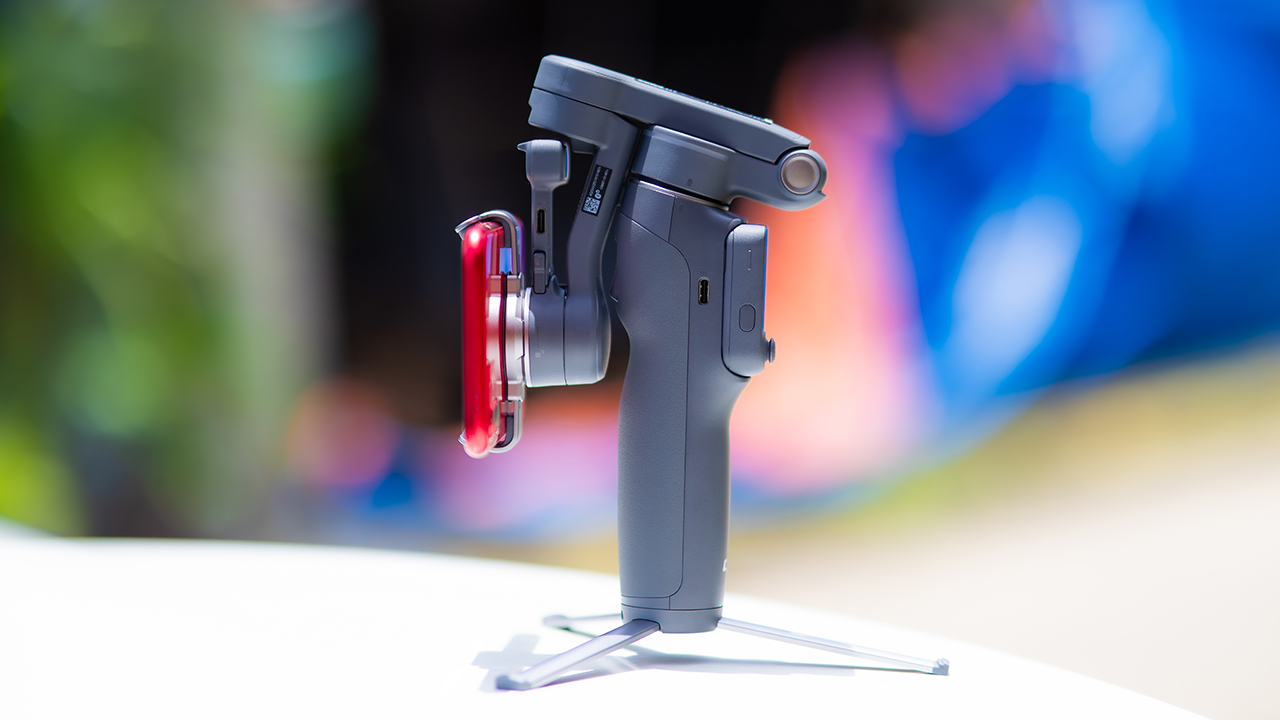
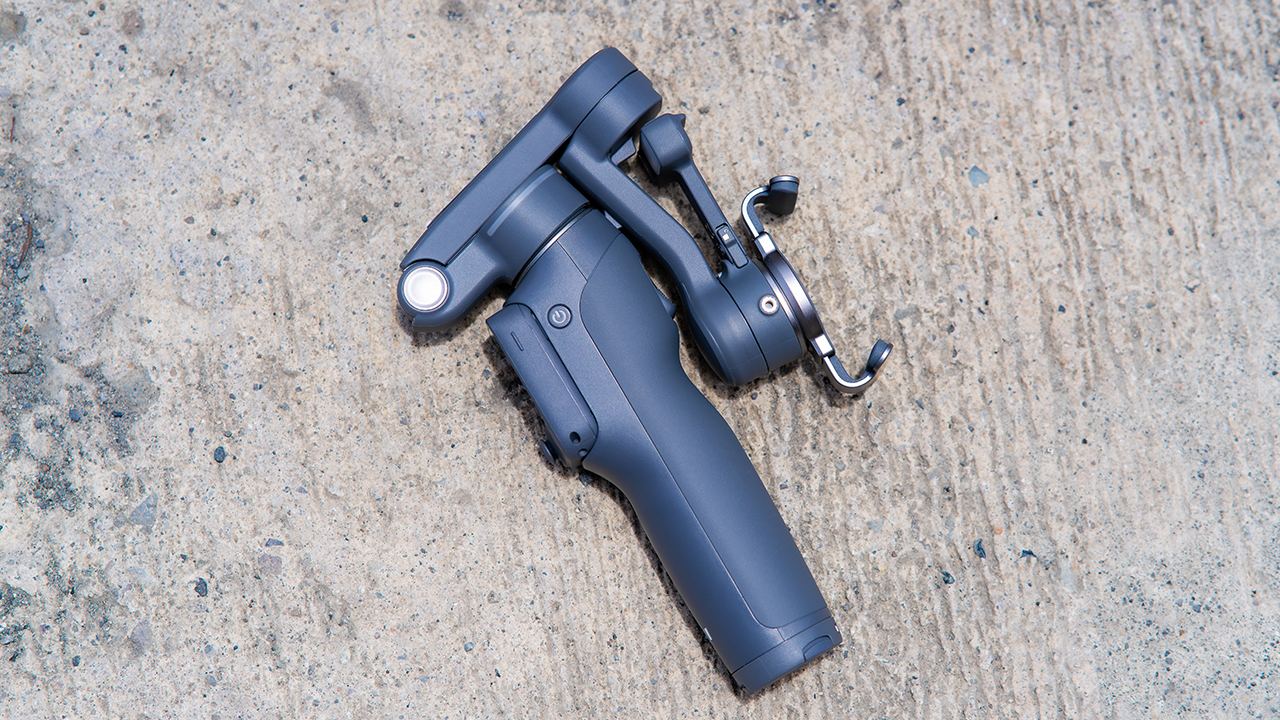
None of that would matter much if the gimbal itself wasn’t solid, and it still is. The OM 8P holds onto the same foldable design, magnetic phone clamp, and built-in tripod that made the OM 8 easy to live with.
And it remains one of the better compact options for stabilization, tracking, and portability in one package.
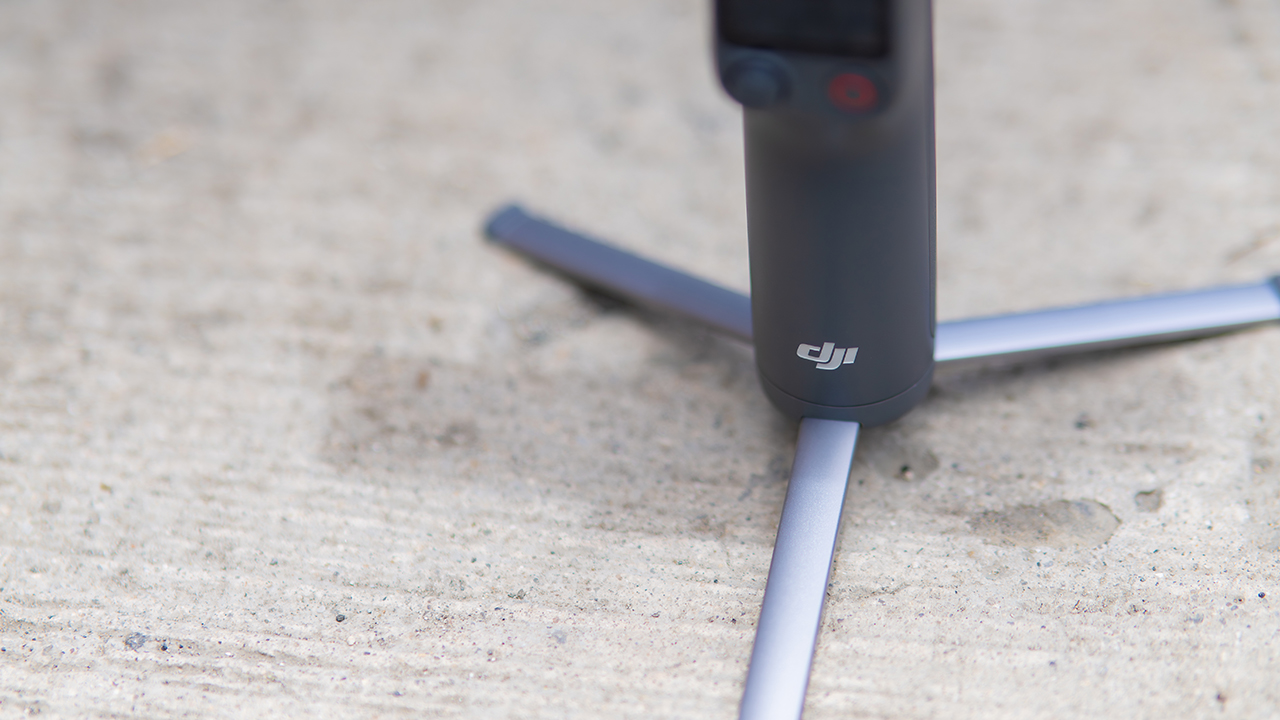
The tripod legs are a touch wider this time, and that extra width does make a noticeable difference on uneven ground.
The trade-offs in touch
The trade-off for all that new remote functionality is a control scheme that takes more getting used to. More of the gimbal’s functions now live on the FrameTap touchscreen, the joystick is smaller, and switching between shooting modes takes a few extra taps compared to the OM 8. It’s not a dealbreaker, but it’s a learning curve you’ll need to budget time for.
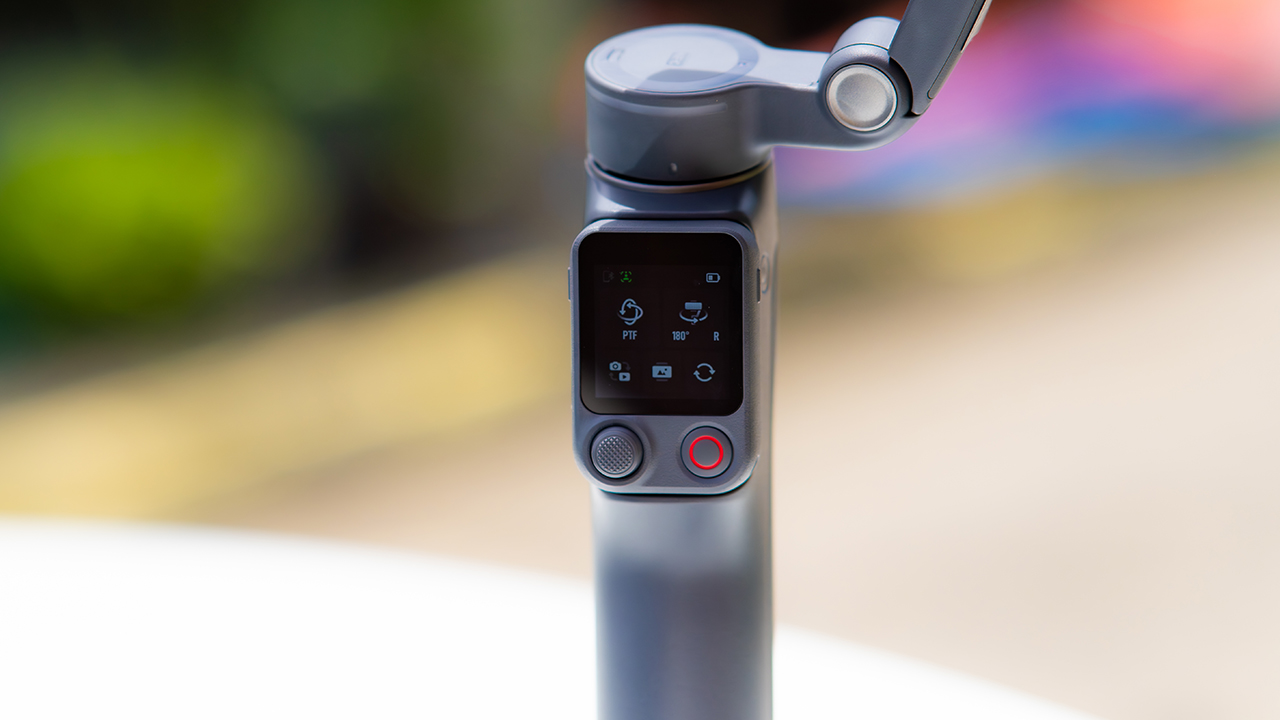
DJI also removed the zoom and focus wheel, so if you leaned on that dial for quick adjustments, you’ll feel its absence here. Module 2 no longer lets you plug a DJI wireless mic in directly either.
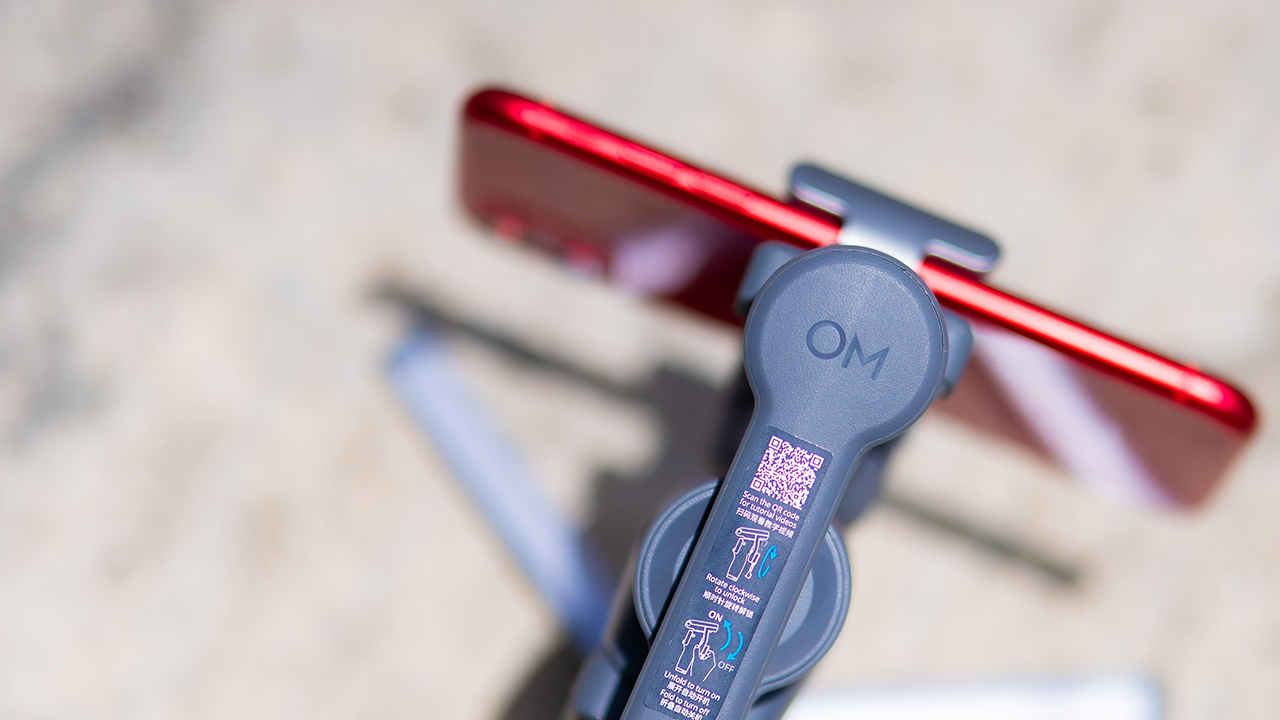
You’ll need to connect it to your phone instead, which adds a step to a setup that used to be simpler. Phone compatibility is still a limiting factor as well. DJI lists support for phones up to around 300g and 11mm thick, so bigger phones or ones in chunky cases may not clamp in properly.
Finding your ideal workflow
The OM 8P makes the most sense for solo creators who want dependable tracking and the freedom of remote framing without stepping up to a dedicated camera like the DJI Osmo Pocket.
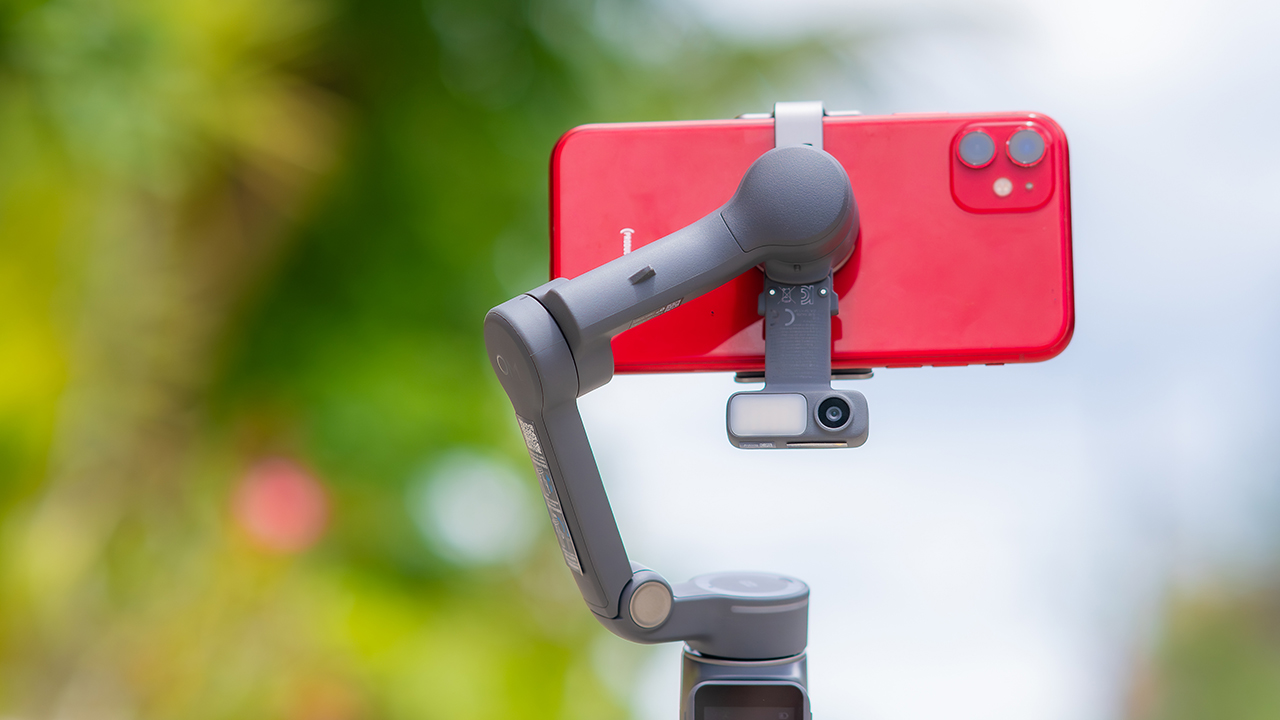
If you’re already shooting on a phone with a solid camera, this fills the gap nicely. It’s a tougher sell if you prefer physical buttons over touchscreen menus, or if your phone runs on the larger and heavier side, since fitting it onto the clamp might be a problem before you even get to shooting.
Price, availability
DJI is offering the OM 8P in three combos, so how much you pay depends on how much of the ecosystem you actually need.
- Standard Combo (PhP 7,499): the gimbal itself, with 8th-gen stabilization and the detachable FrameTap remote included.
- Advanced Tracking Combo (PhP 9,199): adds the Multifunctional Module 2 for the improved subject tracking we tested.
- Creator Combo (PhP 11,099): the full kit, built for creators who want everything DJI bundles in from the start.
Is the DJI Osmo Mobile 8P your GadgetMatch?
The DJI Osmo Mobile 8P asks you to relearn a few habits in exchange for a gimbal that finally lets go of your phone. If hands-free framing and steadier tracking matter more to you than a dedicated zoom dial, this is worth the adjustment.
If you’d rather keep things exactly as they were on the OM 8, that learning curve might be the deciding factor.
Swipe right if you shoot alone often and have been waiting for a gimbal remote that actually works. The FrameTap remote alone justifies the upgrade if reaching for your phone mid-shot has been slowing you down.
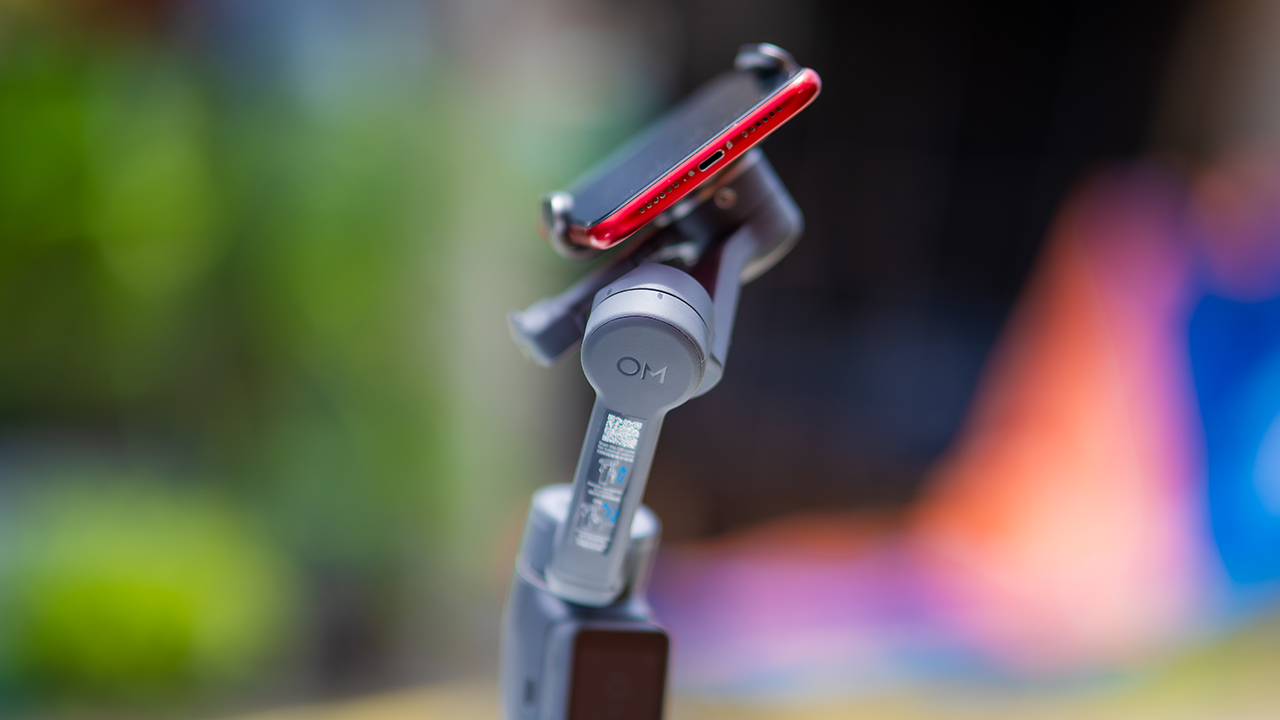
Consider this if reliable tracking matters to you, especially if you’ve had a subject wander out of frame and stay lost on older gimbals.
And of course, get this if you already own a capable phone under the weight and thickness limits, and you’d rather invest in a smartphone rig than jump to a dedicated camera like the Osmo Pocket.
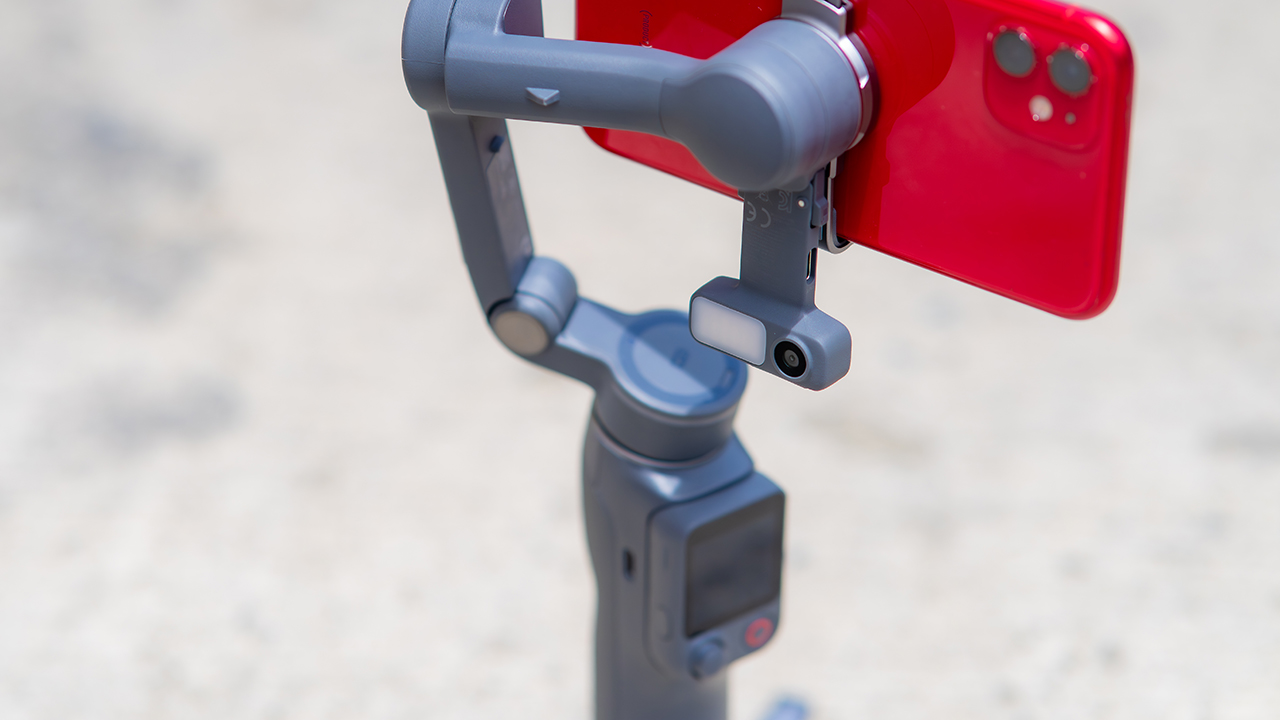
Swipe left if you lean on physical dials for zoom and focus, and moving those functions to a touchscreen sounds like a downgrade rather than an upgrade.
This is not for you if you use a DJI wireless mic and want it plugged directly into the module without routing through your phone first. Or, your phone runs heavier or bulkier than DJI’s limits allow, since no amount of enthusiasm fixes a clamp that won’t close.
Features
GadgetSnaps: Westminster Abbey
A thousand years of history, unfolded with the Samsung Galaxy Z Fold8 Ultra

Westminster Abbey isn’t just another stop on the London tourist trail.
It’s the stage for coronations, royal weddings, and burials that span nearly a thousand years, all still playing out under the same vaulted ceilings that have been standing since before most countries had names.
Once you get past the crowds and the audio guides, a quieter version of the abbey starts to show itself: worn stone steps, poets resting a few feet from kings, light that shifts across the nave like it’s in on the performance too.
While losing track of time in Poets’ Corner (yes, me, playing amateur historian for an afternoon), I unfolded the Samsung Galaxy Z Fold8 Ultra and decided the abbey deserved more than a quick tourist snap.







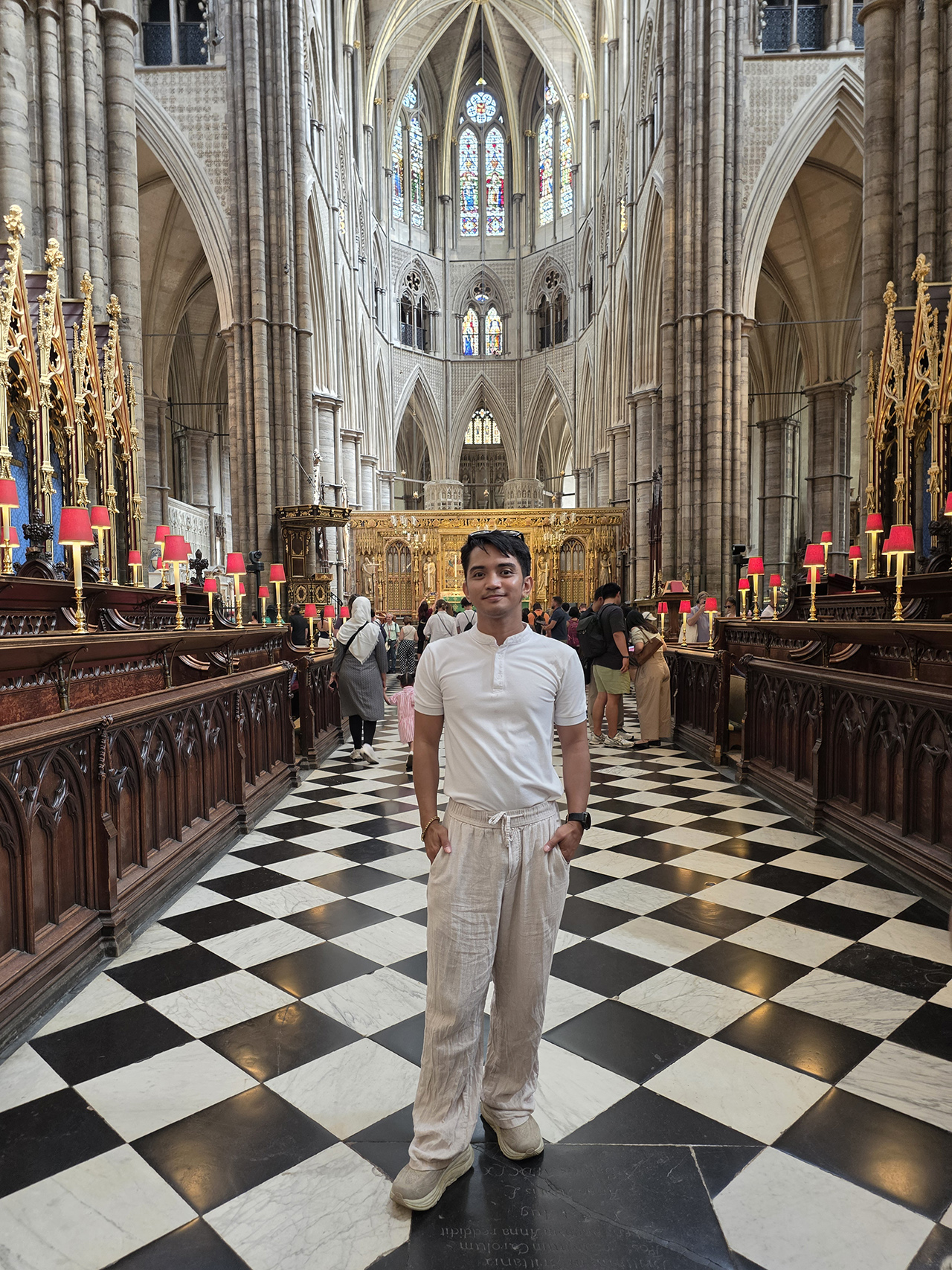

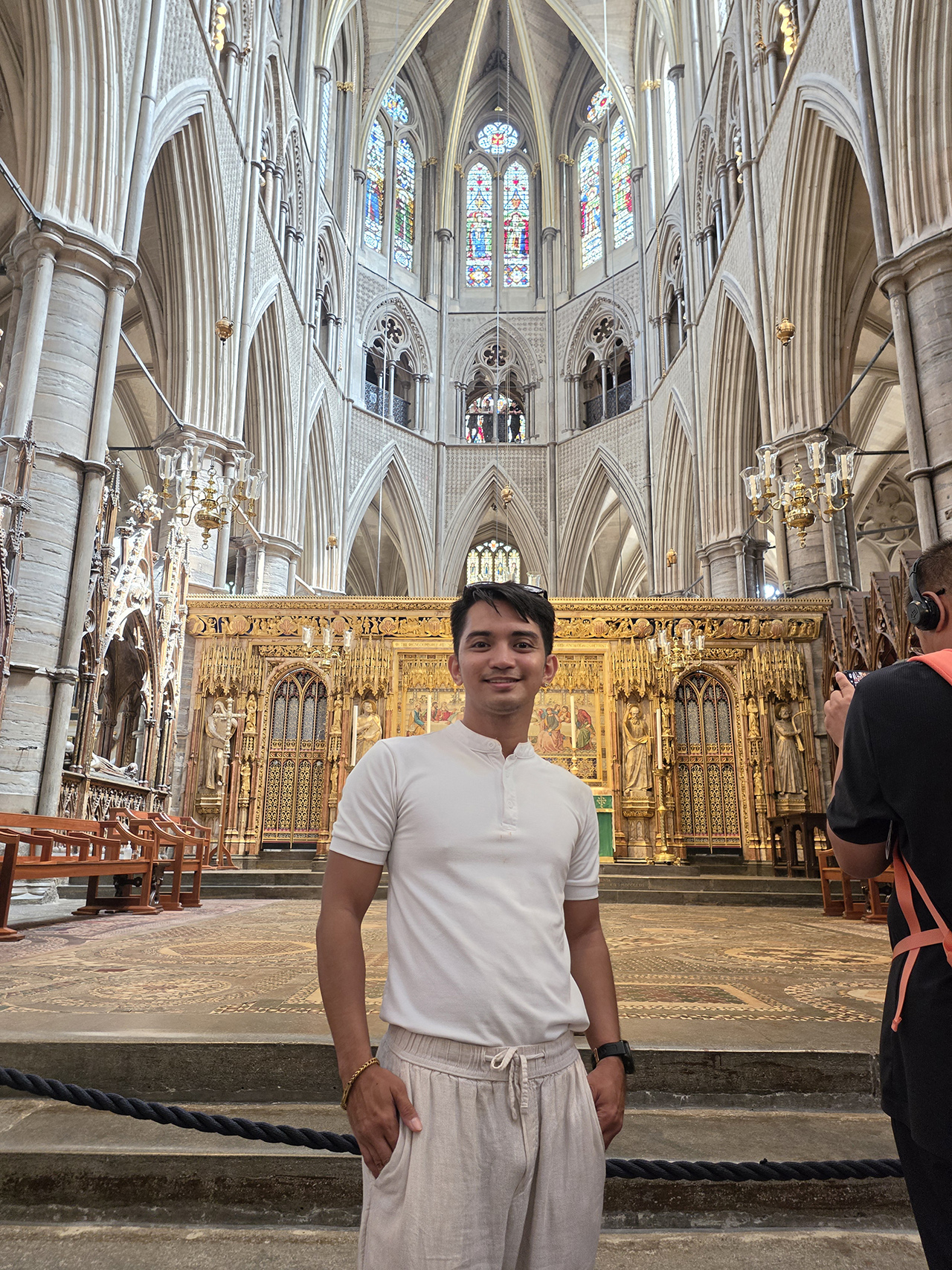













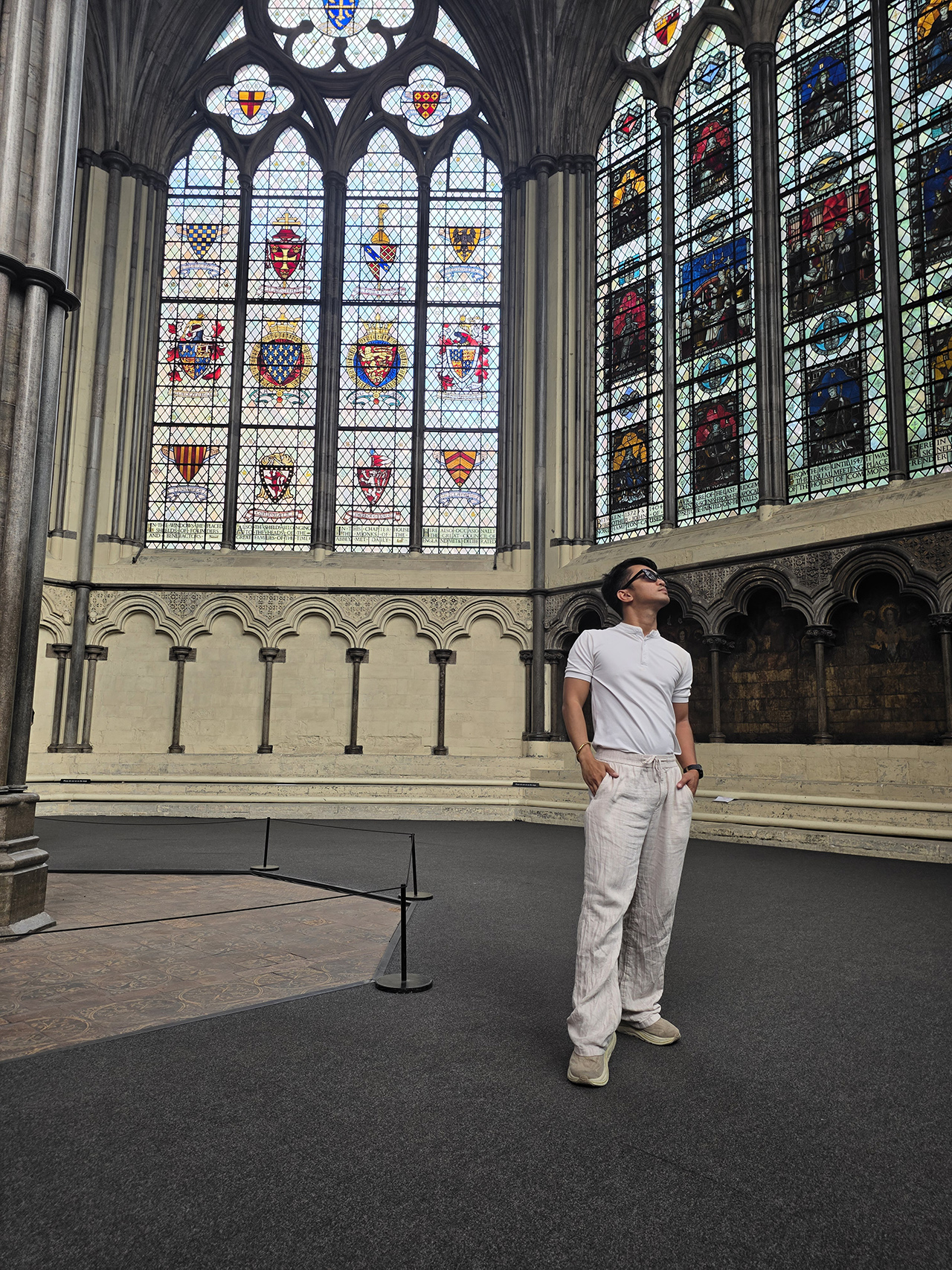





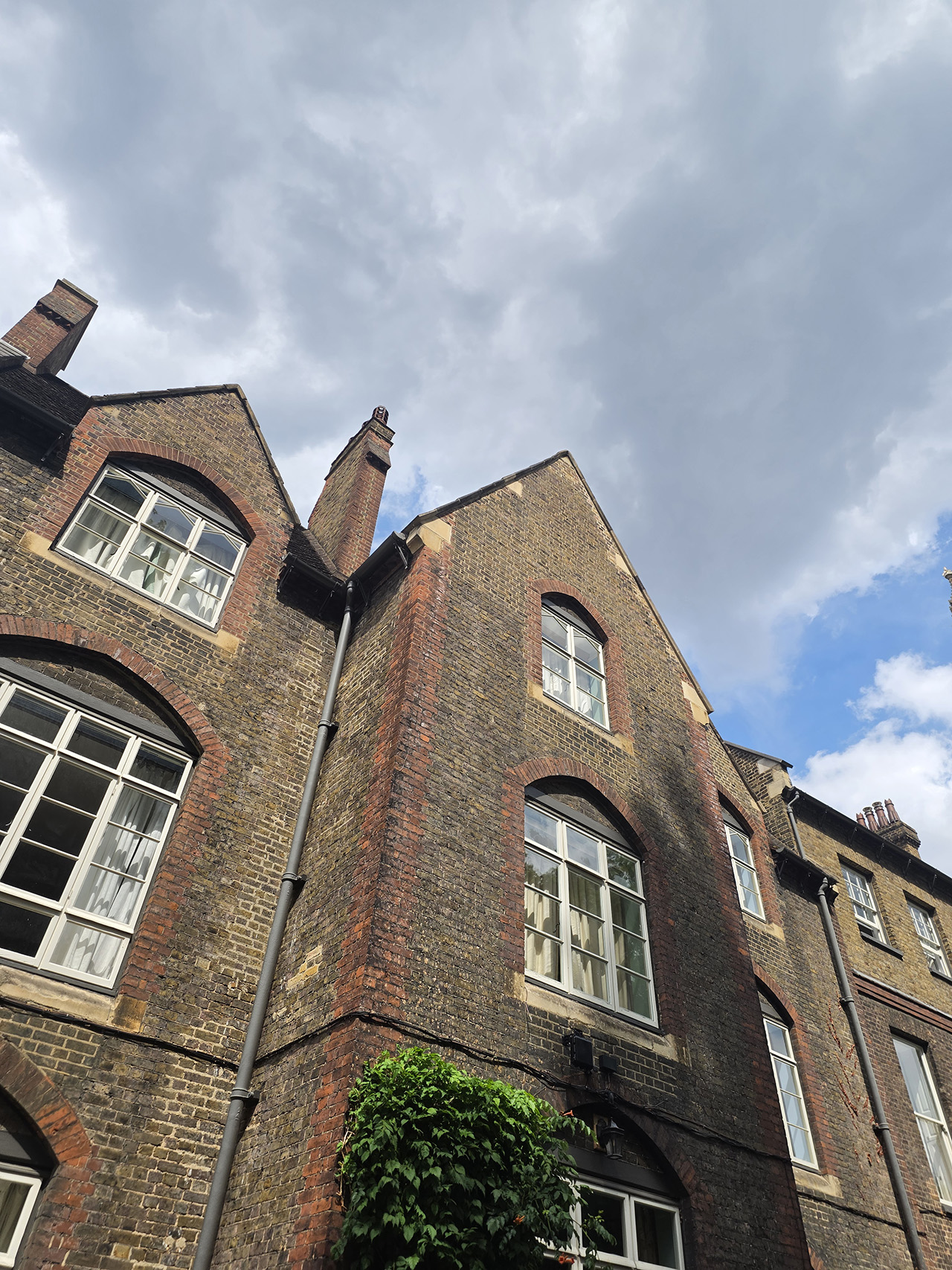






All photos captured using the Samsung Galaxy Z Fold8 Ultra.

realme C100: Enduring and durable in spite of entry-level realities
Enough power but needs more agility


The ASUS ExpertBook Ultra wins you over
The laptop sneaks up on you


Nexal Watch Sport review: A rugged watch for small budgets
I couldn't believe that watches this good could come for this cheap.

Apple Watch, AirPods get exclusive offers via Beyond the Box

Canva teams up with SB19 to turn A’TIN’s passion into creativity

SQUARE ENIX STORE Plus expands presence in Asia, Oceania

Maya: Convert purchases to 0% interest Mini Payment plans

Netflix: Kris Aquino makes on-screen comeback with fictional role


-

 Automotive5 days ago
VinFast debuts two-wheeler models, opens 21 e-motorcycle showrooms
-

 Computers1 week ago
AMD launches Radeon RX 9050 graphics card
-

 Computers2 weeks ago
AORUS MASTER 16 Gen 2 2026 AI gaming laptop launches
-

 Gaming2 weeks ago
God of War Laufey finally confirms its highly anticipated launch date
-

 Automotive1 week ago
Xiaomi debuts SkyNomad Series featuring new Kunlun platform
-

 News4 days ago
OnePlus officially leaves the United States and Canada
-

 Gaming2 weeks ago
NBA 2K27 gameplay trailer showcases new dunk mechanics, Rucker Park, and more
-

 Gaming7 days ago
Call of Duty: Modern Warfare 4 clip shows Losing Ground 1st look