
Automotive
Next-gen Ford Everest, Ranger now official in the Philippines
Reserve yours now


After a long wait, the next-generation Ford Everest and Ford Ranger have finally arrived in the Philippines.
Alongside the local launch, Ford Philippines also announced that both the Everest and Ranger will come with a 5-year warranty, offering owners coverage for up to 150,000 kilometers of mileage.
Both the new Everest and Ranger come with a wider track and longer wheelbase, complementing their powerful 2.0L Bi-Turbo or 2.0L Single Turbo engines which are capable of up to a 210PS maximum power and 500Nm maximum torque.
Depending on the variant, customers can enjoy either an 8- or 12-inch digital instrument cluster, and high-resolution infotainment touchscreen with the latest SYNC 4A which can be linked to a 360-degree camera display to help drivers in various situations.
The SUV and pick-up also have selectable drive modes such as Normal, Eco, Tow Haul, Slippery, Mud/Ruts, and Sand, giving owners a reliable vehicle even for off-road driving.
Smarter, safer than ever
As previously reported, the new Everest and Ranger variants sport an impressive list of safety features and driver assist technologies, making them the smartest and safest models yet for the SUV and pick-up.
These includes:
- Active Park Assist
- Adaptive Cruise Control (with Stop and Go and Lane Centering)
- Lane Keeping System with Road Edge Detection
- Forward Collision Warning
- Evasive Steer Assist
- Reverse Brake Assist
- Front and Rear Parking Sensors
- Security Alarm System
- Child Seat ISOFIX Anchor Points
- Seven airbags across all variants
They also both have an Intelligent Oil Life Monitor (IOLM), a smart new feature that tells the owner when to have an oil change based on actual engine data, operating conditions, and driving habits.
Pricing, availability
For the full list of next-gen Ford Everest and Ford Ranger models and prices, refer to the lists below.
| Variant | Price |
| Everest 2.0L Bi-Turbo Titanium+ 4×4 AT | PhP 2,495,000 |
| Everest 2.0L Turbo Titanium+ 4×2 AT | PhP 2,179,000 |
| Everest 2.0L Turbo Sport 4×2 AT | PhP 2,089,000 |
| Everest 2.0L Turbo Limited 4×2 AT | PhP 1,999,000 |
| Everest 2.0L Turbo Trend 4×2 AT | PhP 1,799,000 |
| Ranger 2.0L Bi-Turbo Wildtrak 4×4 AT | PhP 1,875,000 |
| Ranger 2.0L Turbo Wildtrak 4×2 AT | PhP 1,569,000 |
| Ranger 2.0L Turbo Sport 4×4 AT | PhP 1,594,000 |
| Ranger 2.0L Turbo Sport 4×2 AT | PhP 1,474,000 |
| Ranger 2.0L Turbo XLT 4×2 AT | PhP 1,374,000 |
| Ranger 2.0L Turbo XLS 4×2 AT | PhP 1,273,000 |
| Ranger 2.0L Turbo XLS 4×2 MT | PhP 1,198,000 |
| Ranger 2.0L Turbo XL 4×4 MT | PhP 1,198,000 |
Depending on the model, the available colors for each new vehicle include:
- Ford Everest: Absolute Black, Aluminum Metallic, Arctic White, Equinox Bronze, Meteor Gray, Sedona Orange, Snowflake White Pearl, Blue Lightning
- Ford Ranger: Arctic White, Absolute Black, Luxe Yellow, Snowflake White Pearl, Aluminum Metallic, Meteor Gray, Blue Lightning, Sedona Orange
Customers may visit the Ford website to reserve. A Ford Island Conquest test drive event is also happening from July 29 to 31, 2022 at Arcovia City in Pasig.
Over PhP 3 million worth of cash discounts and prizes are up for grabs for customers reserving personally at the three-day event.






Automotive
VinFast VF MPV 7 positioned as practical choice for families
Strong performance, lower maintenance costs, comfortable driving experience

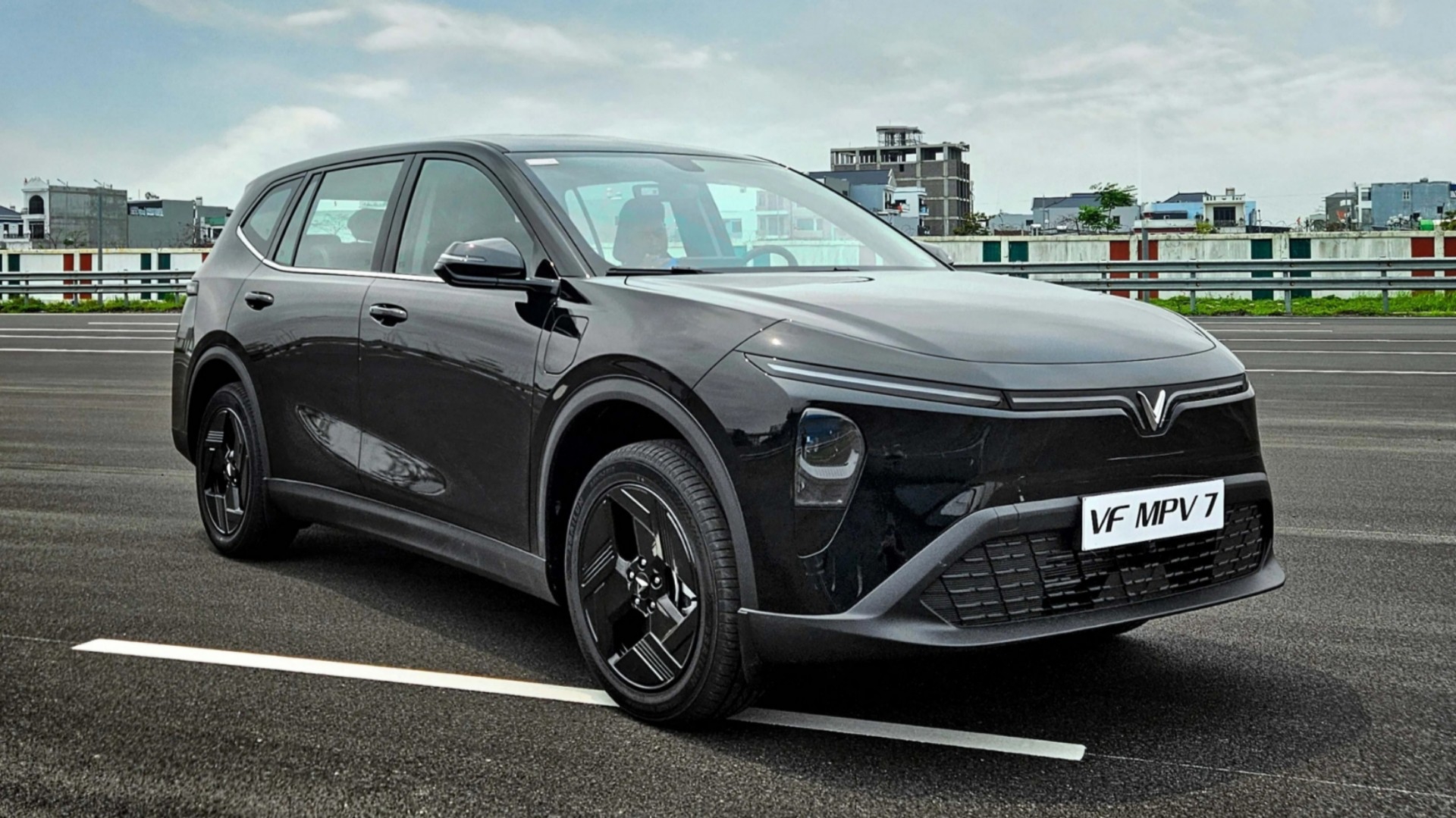
VinFast is pushing its all-electric seven-seater SUV, the VF MPV 7, as family-centric choice for modern practicality.
The EV manufacturer has just launched the EV in the Philippines, one of its key markets, as it continues to push for more accessible electric mobility.
Locally, the VinFast VF MPV 7 is priced starting at PhP 1,239,000 (~ US$ 20,096) if you avail of the flexible battery subscription program.
Alternatively, customers can get it for PhP 1,518,000 (US$ 24,621.27) if they opt for the battery-included model.
The launch comes at the heels of VinFast being the top battery EV brand in the market as of early 2026. The Vietnam-based manufacturer also projects that EV penetration will double by the second quarter of the year.
Among the VF MPV 7’s features are:
- 19-inch alloy wheels
- VinFast signature V-shaped LED daytime running lights
- R-cut wrapped steering wheel
- 10.1-inch display
- USB-A and USB-C ports
- Automatic climate control
- PM2.5 air filter
- Rear air vents
- Up to 1,240 liters cargo capacity
- 150 kW power, 280 Nm torque
Owners are promised up to 450 kilometers of range on a full charge. The VF MPV 7 has a 60.13kWh battery which can charge from 10% to 70% in just 30 minutes via 80kW fast charging.
VinFast is also throwing in either a 7-year/160,000-km or 10-year/200,000-km battery warranty for those who avail of the EV. Owners can also charge for free at V-Green stations nationwide through March 2029.
Automotive
The VinFast VF6 is perfect for urban travelers
It can handle a Caloocan-Laguna trip easily.

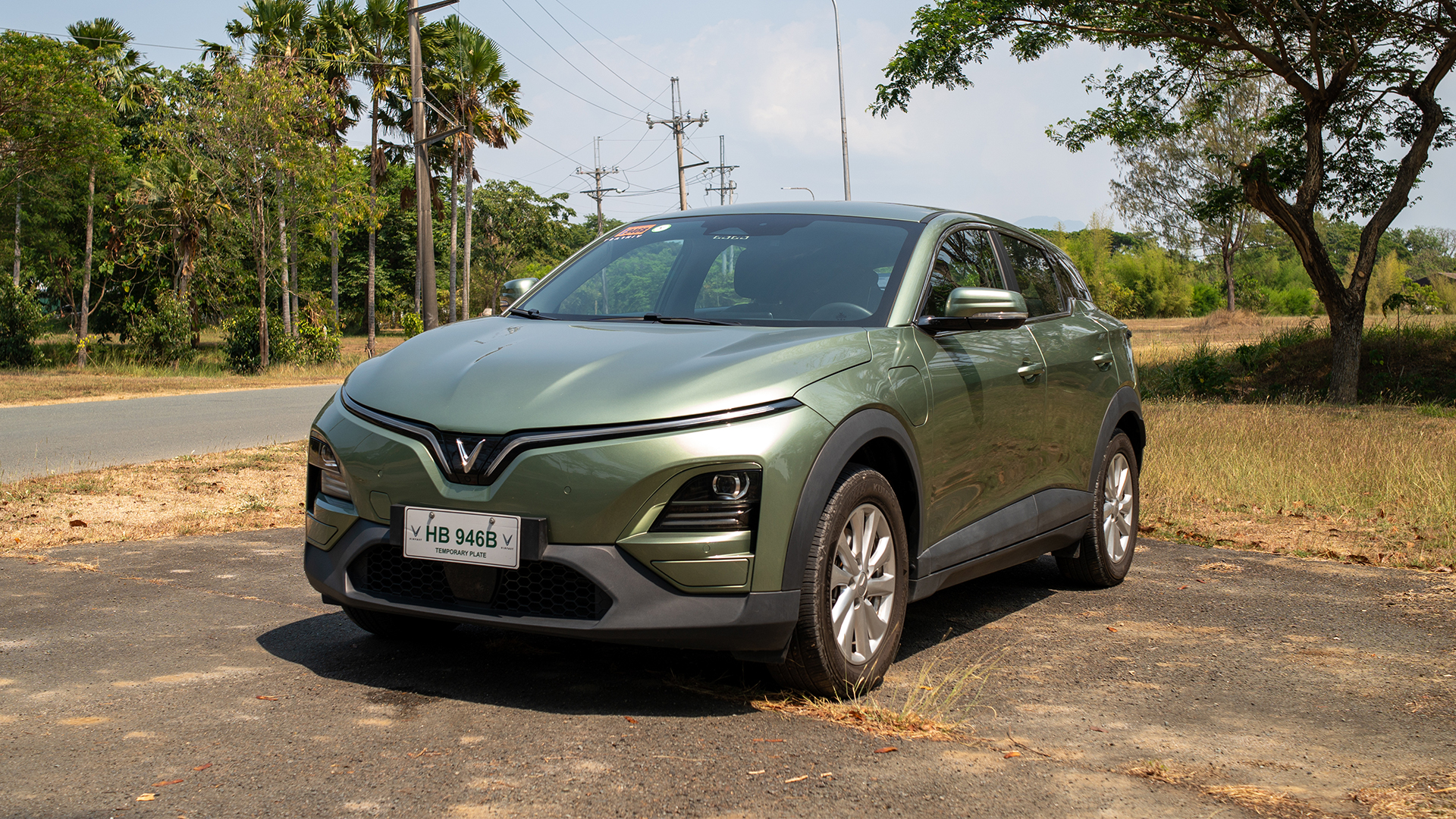
The photo above shows a VinFast VF6 in Mint Green. Today, if you hear about the VinFast brand, you might be more familiar with a different shade of green: the striking turquoise of Green GSM, a local electric taxi-hailing app that primarily uses vehicles from VinFast. But did you know that VinFast offers more than just taxi cars?
The VinFast VF6 is a midsize crossover electric SUV perfect for urban travelers. One look at the car is enough to tell you that it means business. The car’s front profile looks simple enough but still exudes that premium feeling. The rear is just as sharp as the front with strong horizontal lines that give that feeling of width on the road.
A short drive to Laguna
It’s not just pure looks, either. To test out the VF6, we took the crossover for a spin from VinFast Caloocan to Lakehall in Laguna. The 60km trip felt like a breeze with the 210hp electric engine. Add to that, the trip lasted from morning to late afternoon, giving the best of smooth highways and adverse traffic conditions.
The power felt just enough to soldier through the long drive, regardless of the condition. Handling was smooth. It has just enough give for maximum control when turning through tough Metro Manila traffic. But the acceleration unleashed the beast inside for those long and smooth straights.
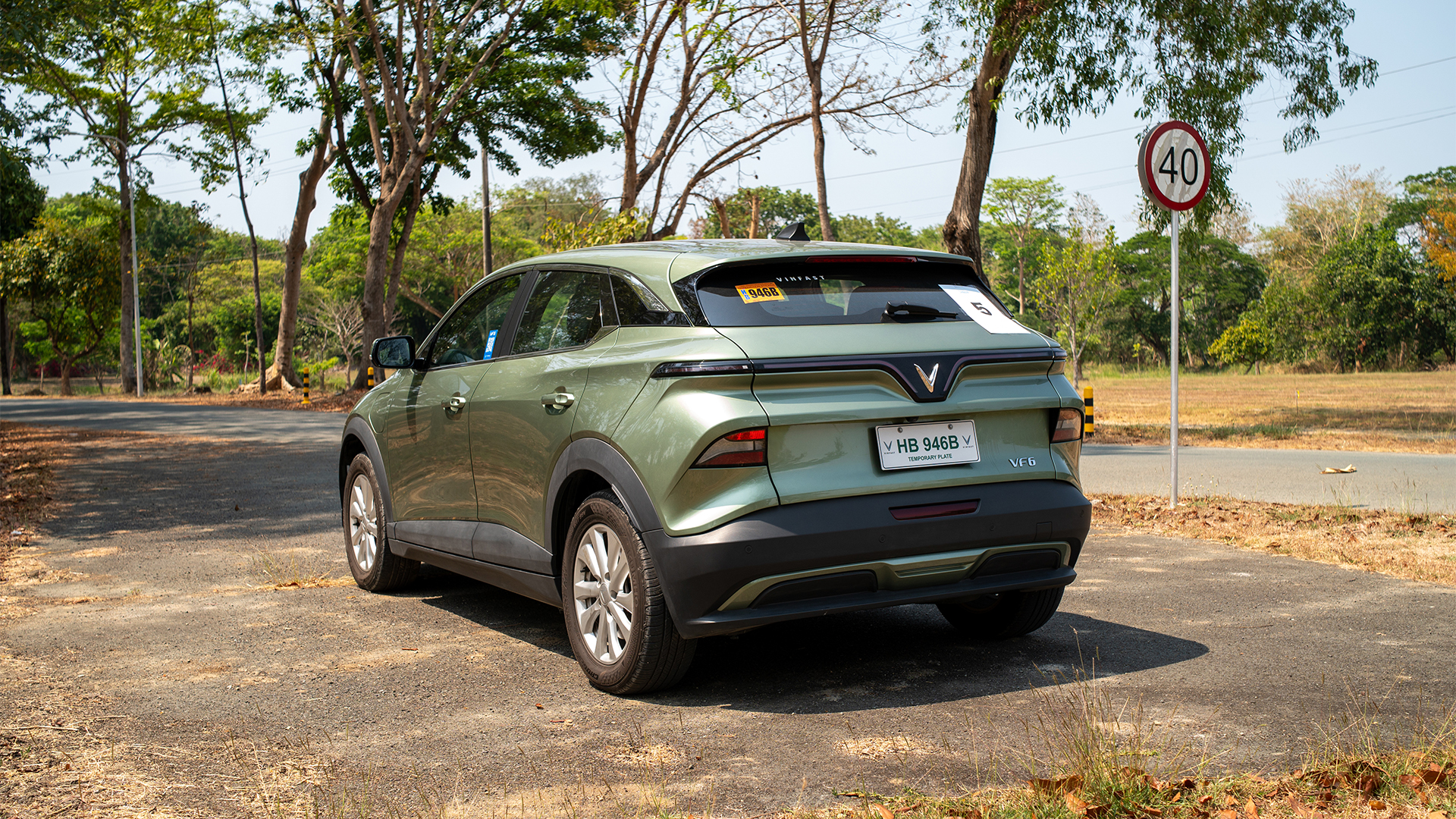
Range anxiety is also a thing of the past. Despite being a long drive, the engine consumed only 15 percent of the battery each way. In total, the battery can supposedly last 480 kilometers on a full charge, and the results prove it.
Even if you get caught out with a low battery, the VinFast VF6 can juice up to 70 percent (from 10 percent) in only 25 minutes. With gas prices still wreaking havoc on every fuel powered car owner’s budgets, having a vehicle that can charge up at a cheaper price per kilowatt and at a quicker rate is an absolute must.
Driving in comfort
Inside, the VinFast VF6 offers a spacious cabin for driver and passenger alike. Both trips going to and from were luxurious.
First of all, the air-conditioning system hid an insane amount of power behind the car’s vents. Being under the sun, the car was naturally hot before use. However, after only being on for a few minutes, the air-conditioning cooled this inferno to much more comfortable levels. By the end, my companion and I were freezing.
Both the front and backseats had enough legroom to help drivers and passengers stretch out their legs. I didn’t feel the crippling claustrophobia of staying inside a car for hours.
The car also had a sizable 12.9-inch infotainment system angled towards the driver. Though the angle seemed too obtrusive if you’re a passenger princess, the system itself connected seamlessly to our phones for that entertainment so crucial to long drives.
Keeping safe in dangerous streets
Comfort should go hand in hand with safety. True enough, the VinFast VF6 comes with a vast suite of ADAS conveniences for safer trips. Of course, you’re getting the standard fixings present every car today, including airbags, but the beauty also lies in those tech-infused features.
First up: cruise control. Normally, I don’t use cruise control because I prefer having maximum control over a drive. However, the VF6’s system is easy to use even when on the go.

For lengthy highways drives, it also has lane departure warnings, which can jerk you back to the right lane if you drift too much onto the next lane. Forward collision warnings and automatic emergency braking keeps your car safe from accidentally rear-ending cars in front.
Finally, the VF6 can automatically detect if you’re too drowsy or tired to drive. The system detects both your behavior inside the cabin and how you drive. For example, if you’re starting to drive erratically, the car will sound an alarm to hopefully prod you for a driver change or a short nap. Thankfully, we didn’t need this feature during our trip, but it’s nice to have.
Price, availability
The VinFast VF6 does not cost too much. The Plus version, which comes with 150kW of max power, sells for only PhP 1,699,000. Meanwhile, a competitively priced Eco version, which has 130kW of max power, sells for PhP 1,499,00.
Both models will come in Jet Black, Infinity Blanc, and Crimson Red.
Automotive
DENZA expands the electrified market with the all-new B5 and B8
Redefining the SUV experience through refined comfort.

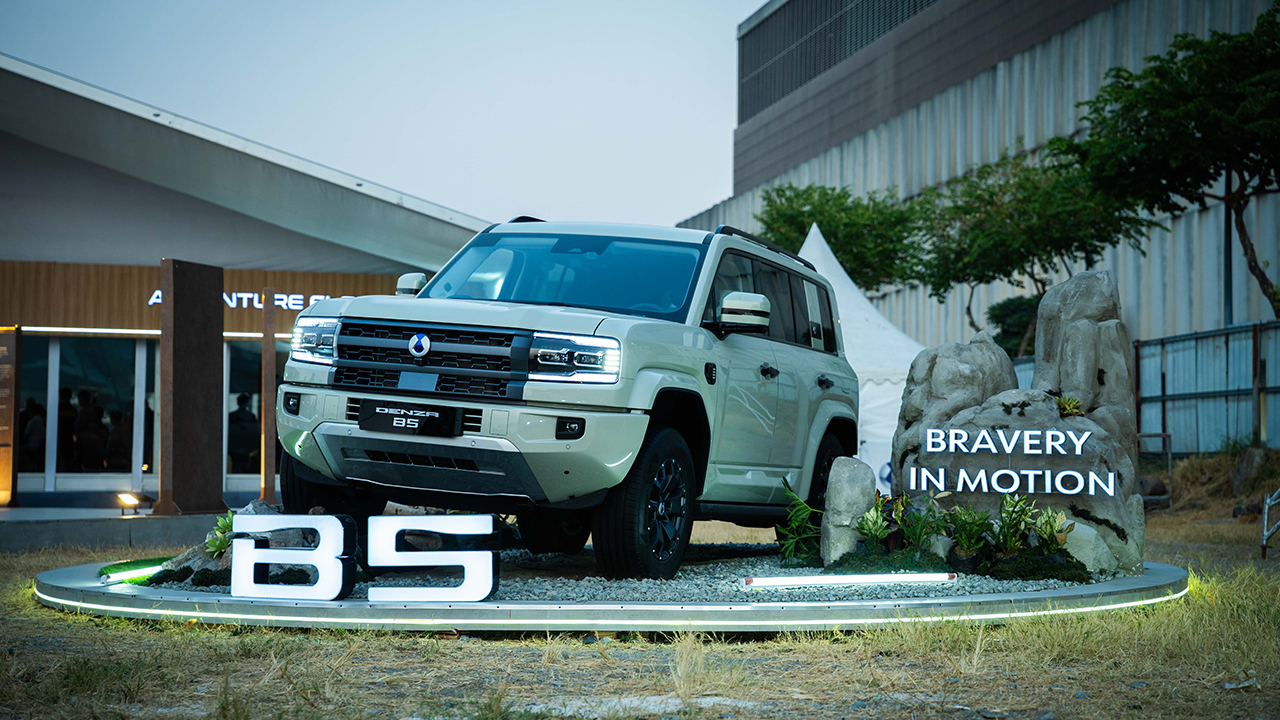
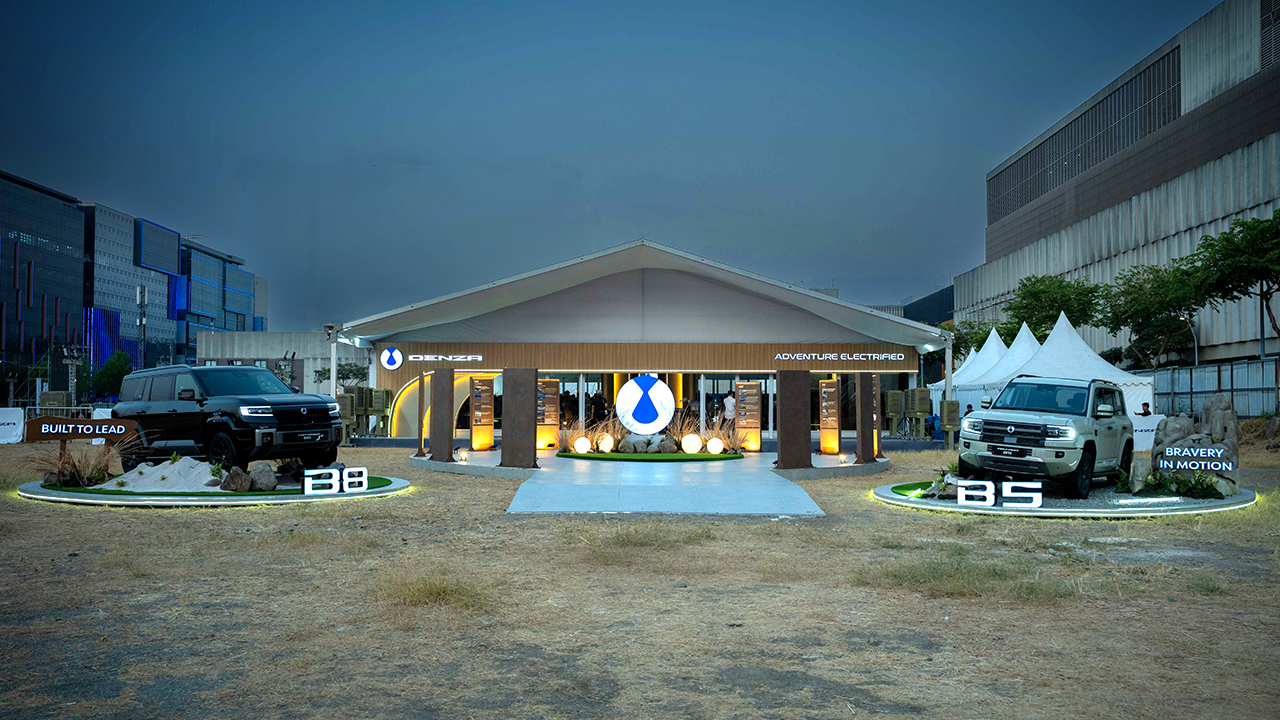
Following a successful preview at the Manila International Auto Show 2026, DENZA Philippines has officially launched the all-new DENZA B5 and B8.
These electrified SUVs represent a significant step in the brand’s expansion, offering modern drivers a blend of efficiency and real-world capability designed for the complexities of modern life.
DENZA B5
The DENZA B5 is a midsize plug-in hybrid that addresses the common anxieties of transitioning to electrified driving.
It utilizes DMO Super Hybrid technology, pairing a 1.5-liter turbocharged engine with a dual-motor system. This setup delivers 425 kW and 760 Nm of torque, providing plenty of power for both city streets and open highways.
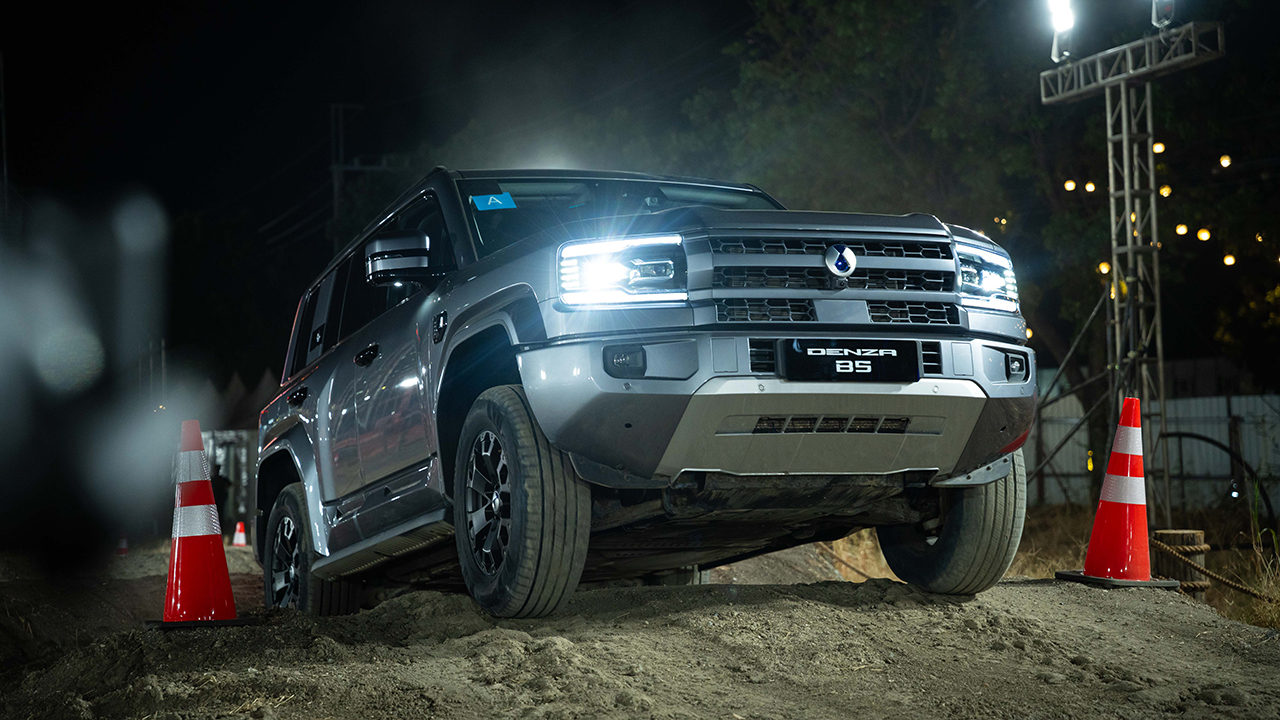
Range is often a concern but the B5 offers a combined NEDC range of up to 975 kilometers. This capacity allows for a full week of commuting without the constant need to recharge or refuel.
Inside, the cabin serves as a sanctuary, featuring massage and ventilated seats. It also has a panoramic sunroof and a 360-degree camera system that makes navigating tight spaces feel intuitive and safe.
DENZA B8
For those who require more presence and capability, the DENZA B8 arrives as a full-size SUV available in Dynamic and Premium variants.
It’s built for extended journeys, offering a combined NEDC range of up to 1,040 kilometers. This allows drivers to focus on the road ahead rather than the nearest charging station.
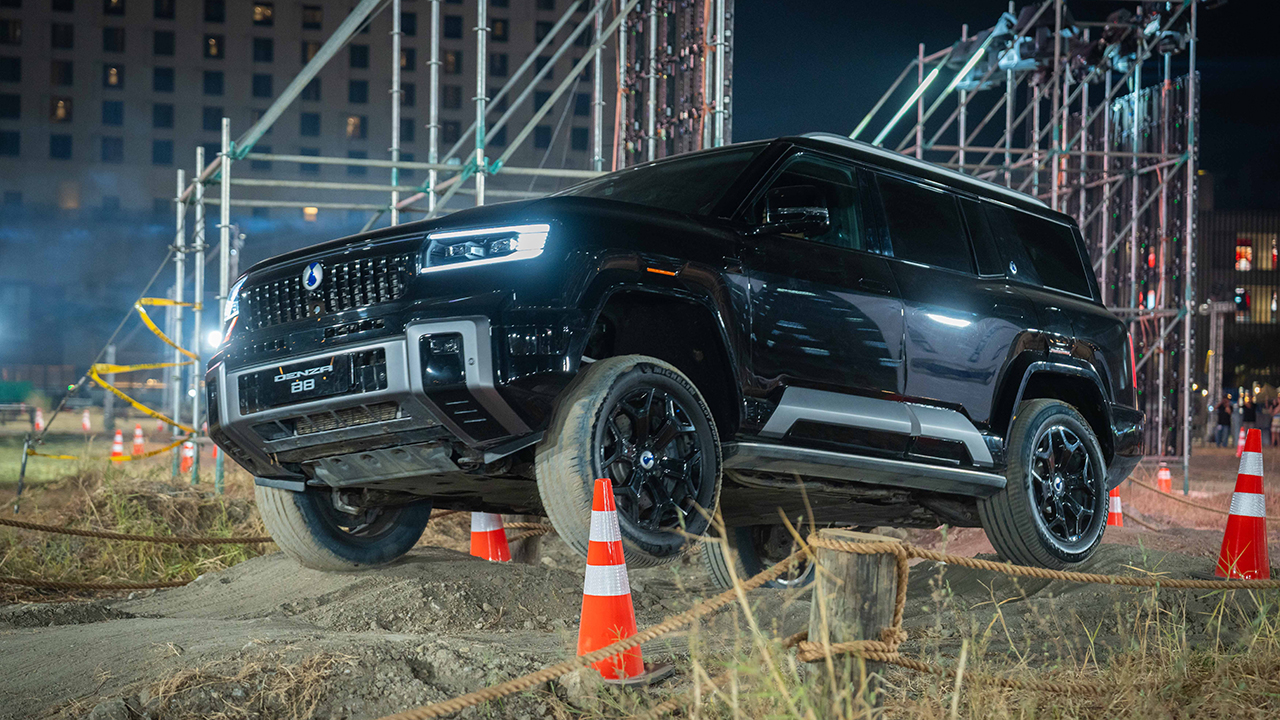
The standout feature of the B8 is the DiSus-P Intelligent Damping Suspension. This system continuously monitors the road and adjusts the stiffness of the ride in real time.
The technology works in the background to ensure the ride remains composed and stable.
Inside, the B8 leans into luxury with dual wireless chargers and a built-in refrigerator.
Confidence across any terrain
Both the B5 and B8 are engineered for real-world off-road capability.
They feature four-wheel drive and front and rear electronically controlled locking differentials. Specialized modes for mud, sand, rock, and water wading give drivers the confidence to handle unpredictable conditions.
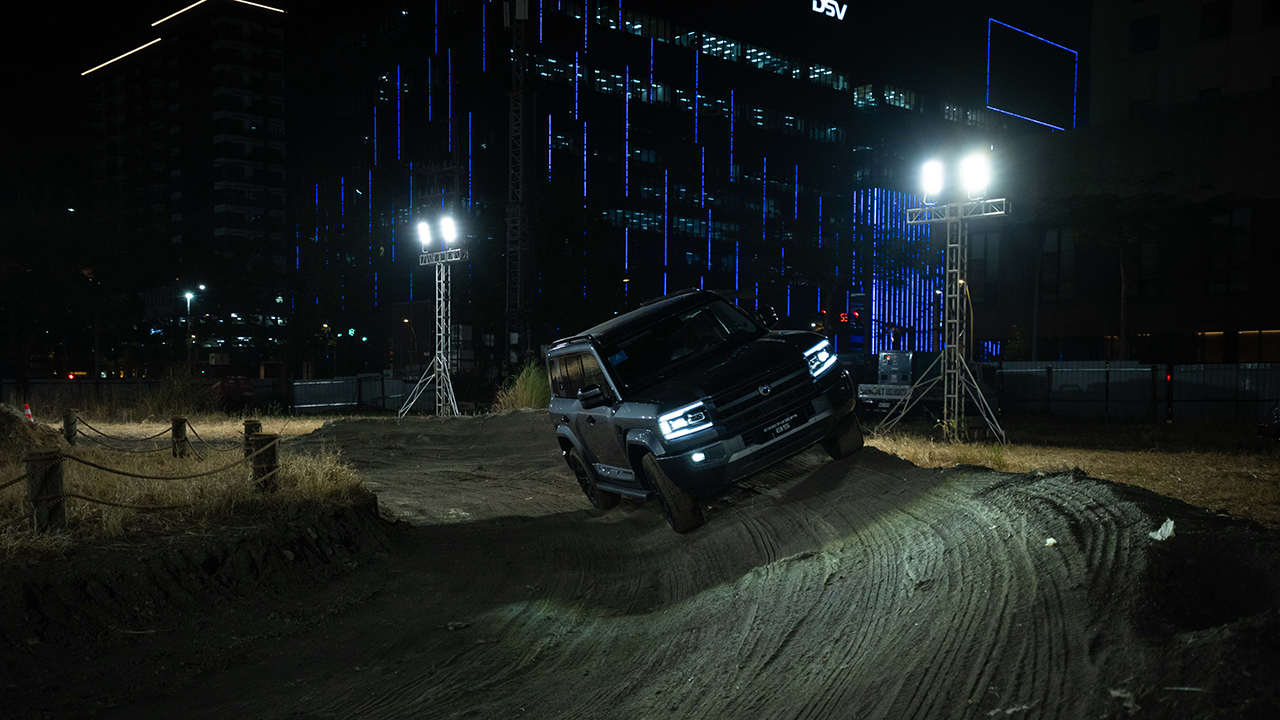
The inclusion of “Leopard Turn” technology allows for sharper maneuvering in narrow trails or tight U-turns.
The experience is completed by the DENZA App. This tool allows owners to monitor fuel levels, charging status, and location from their smartphones, ensuring that the vehicle is always ready for the next adventure.

HONOR 600 Pro review
For the visionaries who want a flagship experience without the premium price tag.


vivo X300 FE review: Don’t judge the camera by its cutout
A midrange-sized camera bar doesn't mean mid camera performance


PRAGMATA is not for the faint of heart
Already a Game of the Year contender for all the feels
HONOR 600 Pro review

Infinix NOTE 60 series sweeps 2026 design awards, including Red Dot, iF

Select GIGABYTE Intel motherboards now support HUDIMM

Netflix expands its cheaper ad-supported tier to Southeast Asia

Google might limit free storage to only 5GB

DJI Osmo Pocket 4 review: A solo creator’s production crew

HONOR 600 review: A taste of more

ASUS Zenbook S14 (2026) review: The perfect portable buddy

Luxury you can ride: The Vespa 180cc Collection

OPPO Find X9 Ultra lands in PH: Price, availability, pre-order perks


-

 Singapore2 weeks ago
vivo Y Series launches in Singapore with bigger battery, durability upgrades
-
Gaming2 weeks ago
PRAGMATA is not for the faint of heart
-

 Laptops1 week ago
Spotlight: ASUS Zenbook A16
-

 News1 week ago
iPhone 17 is the best-selling phone of 2026 so far
-

 Gaming1 week ago
Stranger Than Heaven is a Yakuza prequel with Snoop Dogg
-

 Gaming2 weeks ago
Star Wars: Galactic Racer launches October 6
-
 Automotive1 week ago
VinFast VF MPV 7 positioned as practical choice for families
-
Reviews4 days ago
vivo X300 FE review: Don’t judge the camera by its cutout