


What makes for a good horror title? More than a smattering of jump scares, critically acclaimed titles are often smooth assemblages of grotesque imagery, chill-inducing sound design, and foreboding background storytelling. By themselves, these elements can create an amazing film or series. However, a horror game needs so much more to be effectively scary.
Today, a lot of games rely on a bag of tricks — sparse resources, brutishly overpowered enemies, emphasis on sneaking — to keep players on their toes throughout the entire playthrough. Branching from a long tradition of similar games, The Callisto Protocol is the latest title to take on the genre. Can it leverage horrifying storytelling with tense gameplay?
Back to sci-fi basics
The sci-fi horror genre needs no introduction. Over the years, it has spawned several notable titles like Alien: Isolation, Prey, and Dead Space. Besides waving the flag of the genre, The Callisto Protocol also comes from Glen Schofield, the co-creator of the Dead Space series. With that distinction, the title should be primed for success. Or so one thinks.
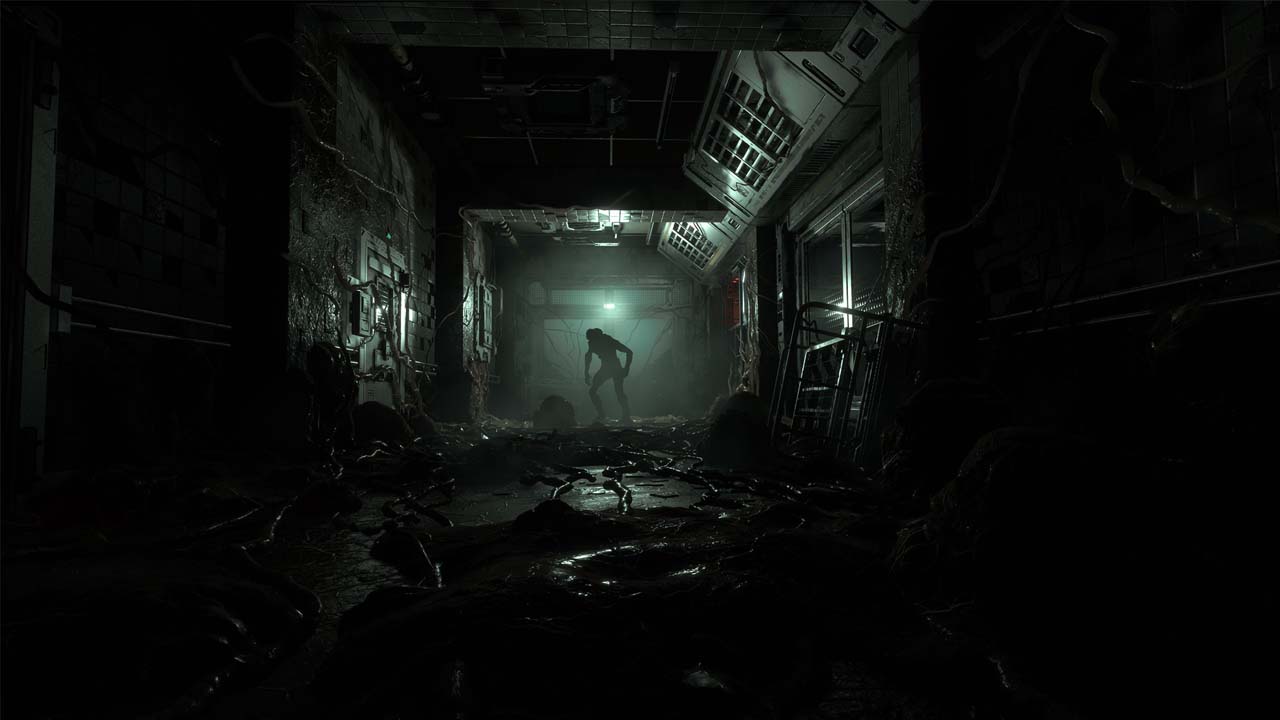
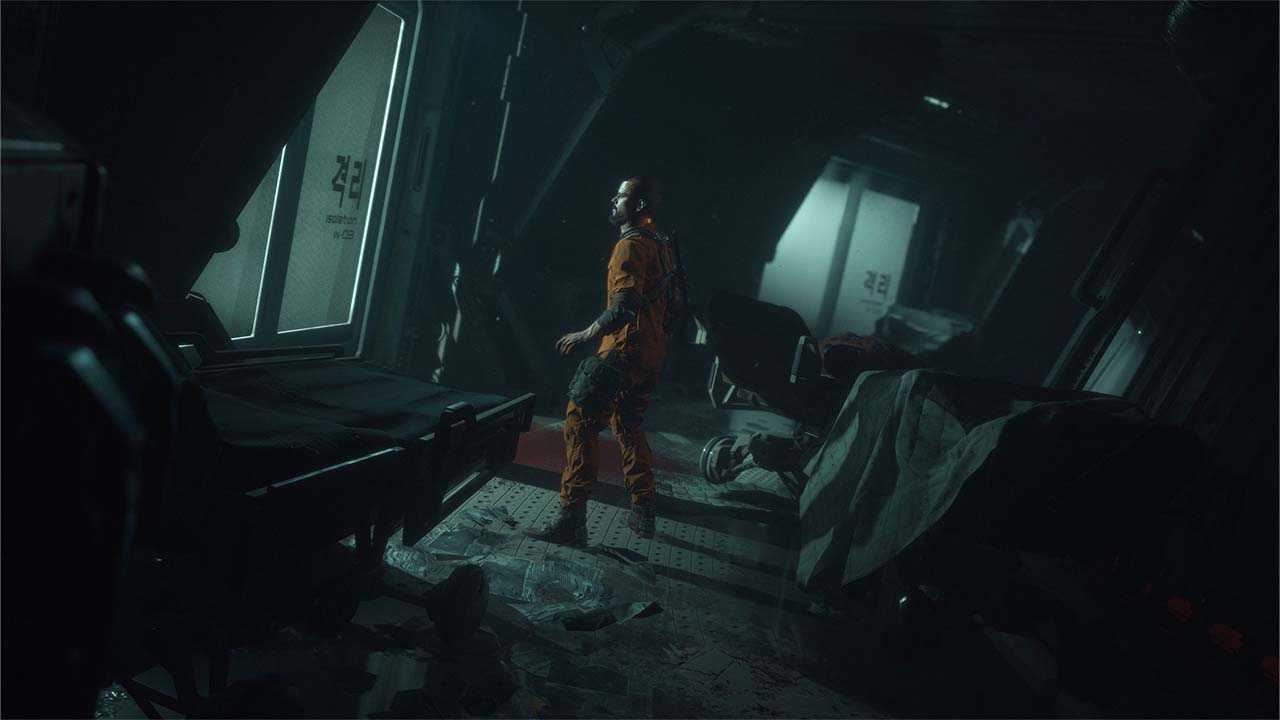
As the name implies, the title takes players to the frozen climes of Jupiter’s moon, Callisto. Jacob Lee, played by Josh Duhamel, finds himself trapped inside Callisto’s Black Iron Prison. Coincidentally, both inmates and guards alike are getting infected by an unknown virus, turning them into mutating zombies. Like other survival horror games, the title features dark hallways and a limited array of resources to fight monsters.

A feast of viscera
Given its creator, The Callisto Protocol successfully recreates the dark and ominous atmosphere of its spiritual predecessor. The game is as creepy as its gory. Claustrophobic, unlit hallways open into veritable museums of the human anatomy in various states of disfigurement. Entrails splayed out, entire torsos chopped off, naked bodies dangling on alien cobwebs. Even if you’re already used to the gore of the horror genre, there’s something in Callisto that can still inspire awe and disgust.
The same goes for the game’s limited-but-adequately-spaced out enemy design. Though most of the monsters you’ll face in Callisto are humanoid, there are a few enemies that escape comprehension including a human body contorted into a spidery crawler and another squeezed into a snake-like form. The game can always use more enemy types; however, it adequately spaces out special monster types, ensuring that the limited number we see keep their scare factor.

Clunk
The Callisto Protocol deserves praise for its excellent environmental storytelling. However, a game needs more than just an environment. It also needs a complementarily scary gameplay system. Unfortunately, the title does little to deliver.
Though the game takes scarcity of resources to heart, The Callisto Protocol’s combat system is clunky. Instead of two dedicated buttons to dodge and block, the game asks players to use the left thumbstick, the same one you use for movement. Players have to accurately predict which side an enemy is attacking from and counter with the opposite direction on the thumbstick. Otherwise, players can block attacks by holding down on the stick. It’s certainly a chore to get used to, especially when most games these days use either the X or the O button to dodge.
Once you do get dodging down to a rhythm, the game doesn’t offer much variation for attacking. There are light and strong attacks, but it’s ultimately a spam of the right trigger then an occasional burst of gunfire. There are a variety of guns available, but a lot of the latter enemies are bullet sponges so it doesn’t matter much.
It also doesn’t help that the targeting system freaks out in scenarios with more than one monster. Most of the time, a strike just fails to land or mistakenly lands on an entirely different target, often leading to the player getting hit instead.
The game’s horror finds itself tied so much into the foreignness of its gameplay and the controls. As such, the fear factor quickly dissipates after mastering the system. A couple of hours into the game, the monsters stopped being scary. Whenever the game told me to sneak past enemies, I still got into fights intentionally just to quicken the pace. Fighting just became an inconvenience, rather than a death sentence.
A problem of pacing
In between fighting, players traipse through dark hallways and cramped vents. The game also offers divergent paths, adding a bit of choice as to where players explore first. In moderation, these elements can help build tension and reward players for exploring beyond the main path. The Callisto Protocol’s take, however, is problematic.
Though framed as a way to increase tension, the game also uses empty hallways and vents as cleverly disguised loading screens. Jacob crawls through at a snail’s pace so the game can load the next area. While other games use this moment to build lore or continue the dialogue, a lot of Callisto’s loading screens offer nothing but silence or the same, reused set pieces of monsters running offscreen to parts unknown. One segment even had a vent, an empty room, and another vent follow each other — basically, three loading zones in quick succession. It’s just a tax on time.
The divergent paths aren’t as effective either. There are several times when exploring a hidden room ends up with nothing, a battle, a middling reward, or just an audio recording. It’s hardly rewarding enough to explore unbeaten paths.

Is The Callisto Protocol your GameMatch?
For what it’s worth, The Callisto Protocol is still a masterclass in depicting virtual gore. Schofield knows how to make space terrifying. If you’re looking for a quick fix to tide over a hunger for horror, this title might be for you.
Unfortunately, the title’s lackluster gameplay keeps The Callisto Protocol from hanging with other masterpieces in the genre. However, if it’s any consolation, the title still has a post-launch roadmap to follow including story-focused DLC. The game might be more worth its price tag once the DLC comes out.




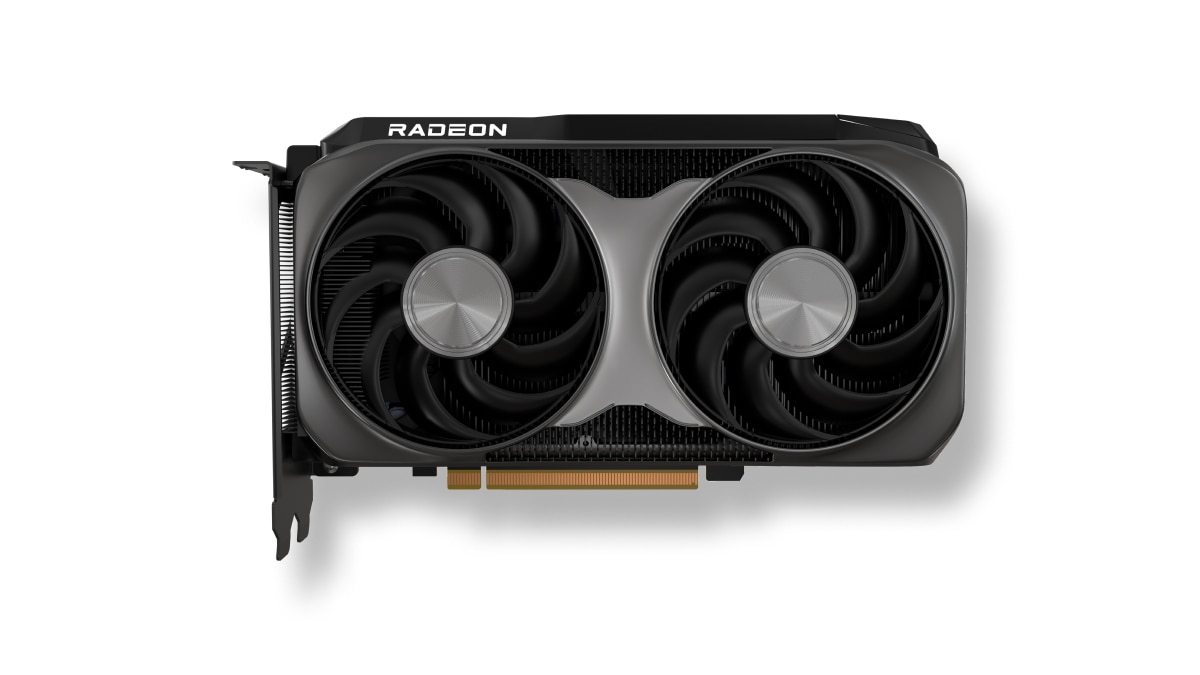
AMD has launched the new AMD Radeon RX 9050 graphics card, expanding the Radeon RX 9000 series with an affordable option.
This brings AMD RDNA 4 gaming technologies to mainstream gamers with a retail price of US$ 279.
The particular GPU is designed for responsive gameplay at 1080p. That’s for esports and modern AAA titles.
Some popular titles it can run at high frame rates on a 1080p resolution include: Cyberpunk 2077, Forza Horizon 6, Pragmata, Call of Duty: Black Ops 7, Valorant, and Tom Clancy’s Rainbow Six Siege, to name a few.
This highly efficient, drop-in upgrade features a 92W TBP and fully supports the latest AMD FSR technologies, next-gen raytracing, and high-quality AV1 video streaming.
Key specs:
- Architecture: AMD RDNA 4
- Compute Units: 16
- VRAM: 8GB GDDR6
- Game Clock / Boost Clock: 1.92 GHz / Up to 2.60 GHz
- TBP: 92W
In line with the Radeon RX 9050 launch, AMD has also released AMD Software: Adrenalin Edition 26.7.1.
This driver introduces official day-one support for Radeon RX 9050, alongside early multiplayer access for Gears of War: E-Day.
Users can download the software here.
Gaming
NBA 2K27 gameplay trailer showcases new dunk mechanics, Rucker Park, and more
First gameplay details revealed


NBA 2K27 is giving fans their first look at this year’s gameplay.
2K has released the official gameplay trailer for NBA 2K27, showcasing enhanced visuals and several gameplay updates ahead of the game’s September 4 launch. The trailer also features cover athletes Victor Wembanyama, Caitlin Clark, and Derrick Rose while teasing changes across Gameplay, MyCAREER, MyTEAM, MyNBA, and the MyPLAYER Builder.
The publisher also confirmed the Preseason Breakdown: NBA 2K27 Game Reveal, which streams on August 18 at 10:00 AM PT. During the presentation, 2K will reveal this year’s biggest gameplay innovations and mode updates before Early Access begins on August 28 for Deluxe Edition and Ultra Edition owners.
Smarter AI and a new Dunk Meter headline gameplay changes
NBA 2K27 introduces several gameplay refinements based on community feedback.
AI defenders now contest shots more effectively and hold their defensive positioning better, especially in online modes like The REC. The changes aim to create a more balanced experience on both ends of the floor.
The game also introduces a fully dynamic Dunk Meter. Instead of locking in the timing at takeoff, the meter continuously evaluates defensive positioning throughout the dunk attempt. Open driving lanes create a larger green window, while late defensive rotations shrink it, making each dunk attempt feel more responsive to the action on the court.
MyPLAYER Builder expands with more Badges
The MyPLAYER Builder now features 53 total Badges, up from 40 in last year’s game. Players can also experiment with 19 brand-new Badges designed to support more specialized builds.
Cap Breakers are also making a return. This time, players can preview attribute boosts directly inside the Builder before finalizing their character.
MyTEAM and MyNBA receive community-requested updates
MyTEAM introduces the franchise’s first unified Auction House across PlayStation 5, Xbox Series X|S, and Nintendo Switch 2. The shared marketplace creates the largest pool of community-listed cards in the mode’s history. It should also make card prices more consistent across supported platforms.
Winning an auction is now faster, too. Purchased cards go straight into your collection without a verification delay.
MyNBA also receives several franchise management updates that reflect today’s NBA. These include second apron salary cap rules from the league’s latest collective bargaining agreement and the ability to offer No-Trade Clauses to free agents.
Rucker Park comes to MyCAREER
The City returns with the same centralized layout introduced last year. This time, however, it gets a new nighttime look filled with neon lights.
NBA 2K27 also recreates the legendary Rucker Park. The iconic streetball court serves as the setting for this year’s MyCAREER prelude story, Fire & Concrete, and also appears in the Street Kings mode.
NBA 2K27 launches on September 4 for PlayStation 5, Xbox Series X|S, PC via Steam, and Nintendo Switch 2. Players who purchase the Deluxe Edition or Ultra Edition can jump in early starting August 28 through Early Access.
Gaming
God of War Laufey finally confirms its highly anticipated launch date
Set your calendars next year.
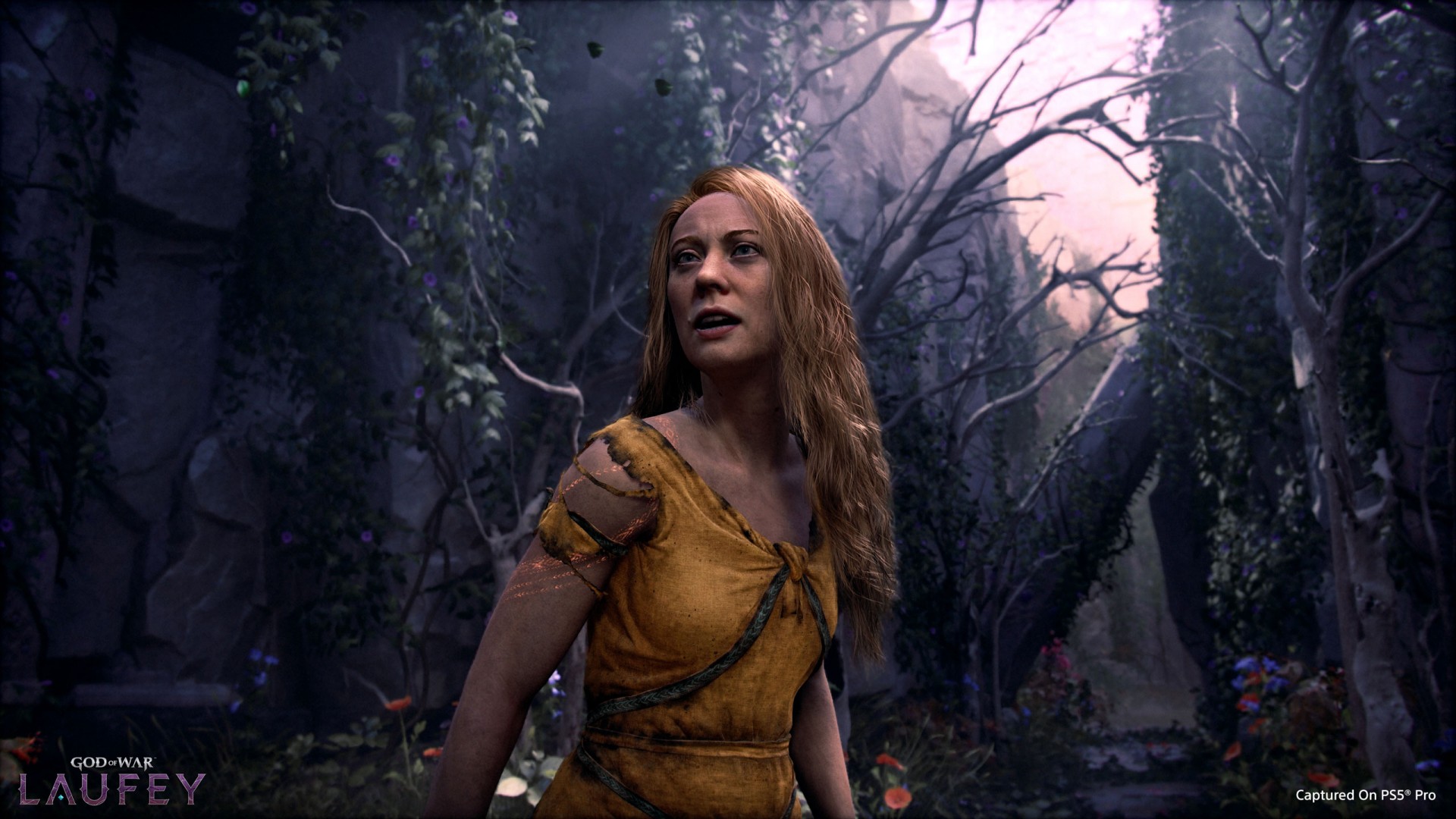
It’s about time we get excited for God of War Laufey. The upcoming entry into the acclaimed franchise takes off on a tangent as it follows Faye, Kratos’s late wife, as she traverses an afterlife filled with similarly deceased gods. It’s a different perspective but with still the same action we’ve come to expect from the series. Now, we know when to expect it: February 16.
In the ongoing Norse saga, Faye’s death is everything. Her passing pushes Kratos and Atreus towards a path that eventually led to Ragnarok. In Laufey, a deceased Faye wakes up in Everywhen, an afterlife where gods from different mythologies converge. She then discovers that the carefully laid plans she made to help her husband and her son are unravelling, so she has to find a way to save the living world from past the veil.
Laufey will still have the iconic battles that the God of War series is known for. However, because Faye is nimbler than the burly Kratos, fighting is more fast-paced with a mix of grounded and air-based fighting. All in all, there’s a lot to be excited about for Laufey, despite its different take on the series.
Over the weekend, during San Diego Comic Con, PlayStation confirmed when the title is launching. Thankfully, it’s not a long wait. God of War Laufey is launching for the PlayStation 5 on February 16 next year.
Additionally, Santa Monica Studio has also confirmed that Kratos will lead another entry after Laufey.


realme C100: Enduring and durable in spite of entry-level realities
Enough power but needs more agility


The ASUS ExpertBook Ultra wins you over
The laptop sneaks up on you


Nexal Watch Sport review: A rugged watch for small budgets
I couldn't believe that watches this good could come for this cheap.

TECNO unveils the world’s first 0mm bezel-less phone

We hosted a Spider-Man block screening with Samsung — here’s what went down

Apple introduces Apple Upgrade leasing program

AMD launches Radeon RX 9050 graphics card

Spartan Philippines brings DEKA to local athletes


-

 Wearables1 week ago
Garmin launches its first screenless fitness band
-

 Hands-On1 week ago
Hands-on: Samsung Galaxy Z Fold8, Flip8, Ultra
-

 Accessories1 week ago
CASETiFY revives Spider-Man collection for Brand New Day
-

 Gaming2 weeks ago
Call of Duty, Aston Martin unveil Dreadnought for Modern Warfare 4
-

 Gaming1 week ago
NBA 2K27 cover athletes unveiled: Wemby, Clark, DRose
-

 Cameras1 week ago
Sony announces new FX5 full-frame camera
-

 Gaming1 week ago
FINAL FANTASY X | X-2 HD Remaster launches on Nintendo Switch 2
-

 Entertainment2 weeks ago
Avengers: Doomsday trailer assembles Marvel’s biggest heroes against Doctor Doom