
Computers
24-inch iMac gets the M3 chip treatment
With 4.5K Retina Display


MacBook Pros aren’t the only Macs getting the M3 family of chips upgrade. Apple is also bringing its new hyper-powered silicon chips to the 24-inch iMac.
Supercharged by M3
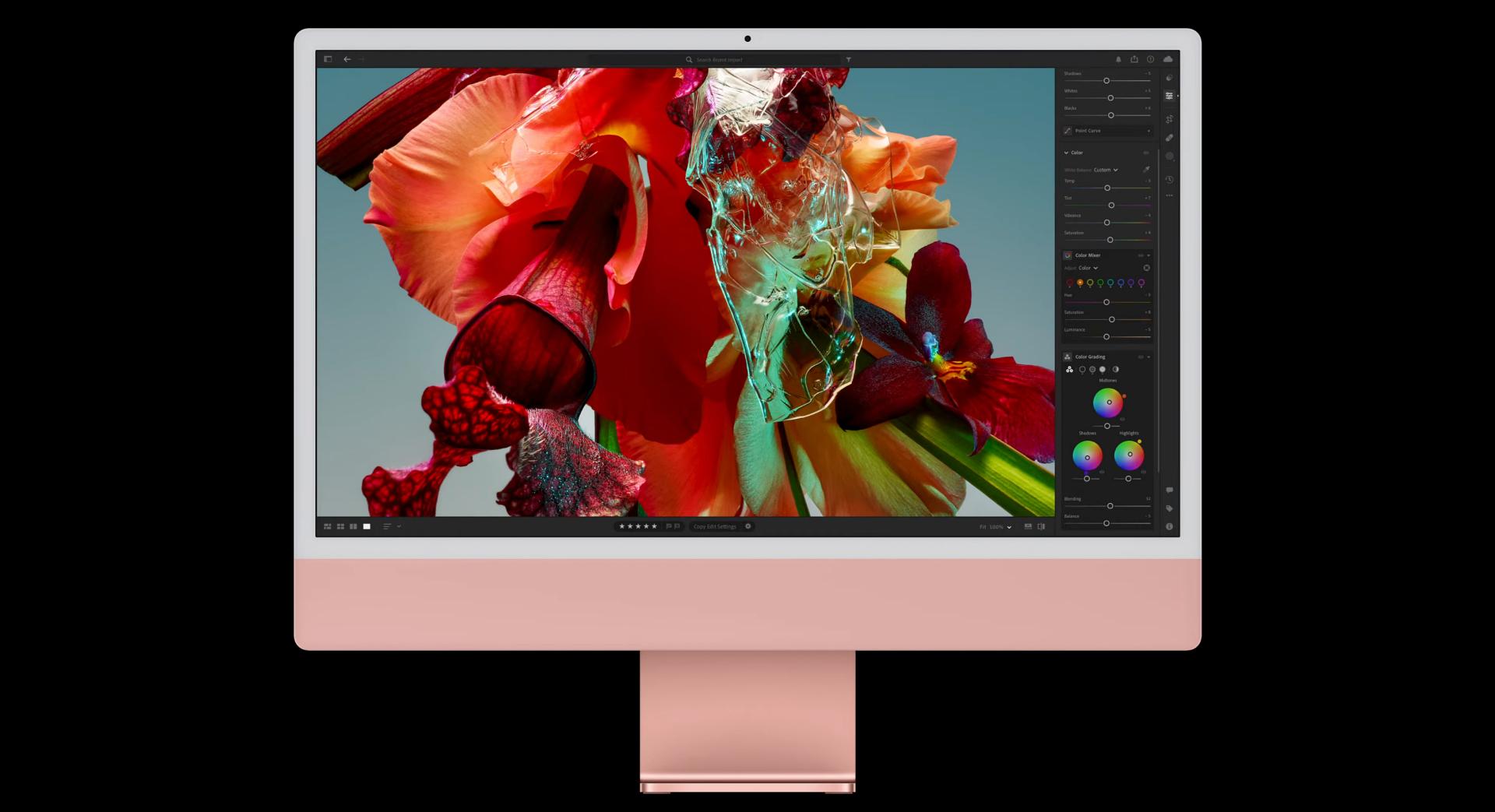
The M3 chip features an 8-core CPU, up to a 10-core GPU, and support for up to 24GB of unified memory. It’s up to 2x faster than the previous generation with M1. Users will feel the speed and power of M3 in everything they do, from multitasking across everyday productivity apps to exploring creative passions like editing high-resolution photos or multiple streams of 4K video.
Featuring the next-generation GPU of M3, iMac supports hardware-accelerated mesh shading and ray tracing. This provides more accurate lighting, reflections, and shadows for extremely realistic gaming experiences. This also makes three-dimensional design and creation even faster.
With a 16-core Neural Engine and the latest media engine, iMac also delivers blazing machine learning and video performance.
The iMac delivers phenomenal productivity to small businesses, students, gamers, and everyday consumers. The M3-powered iMacs enables the following:
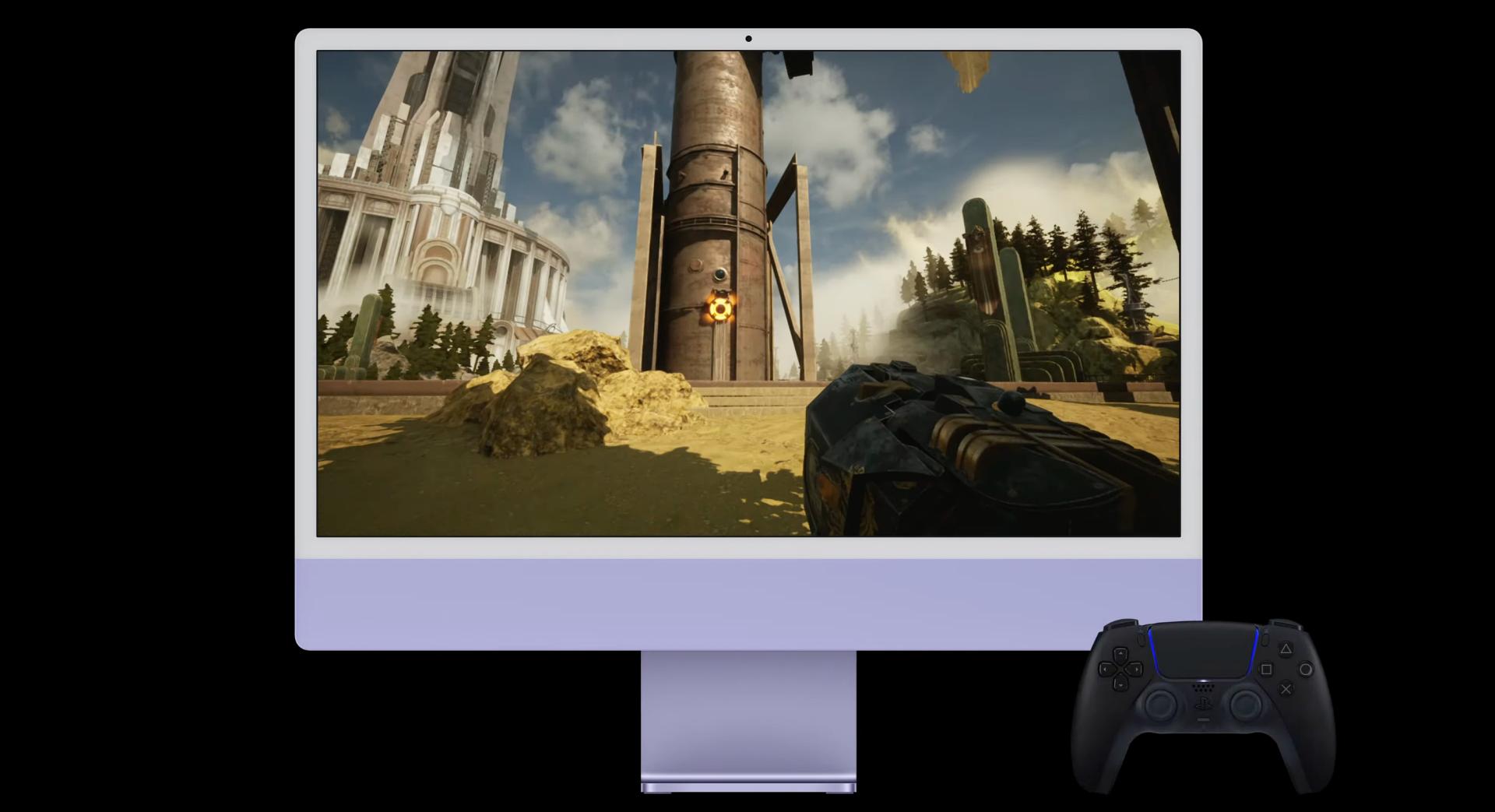
- Safari, the world’s fastest browser, performs up to 30 percent faster.
- Productivity apps like Microsoft Excel perform up to 30 percent faster.
- Games load even faster, and users will experience up to 50 percent faster frame rates.
From content creation to video editing or photography, iMac is perfect for aspiring creatives.
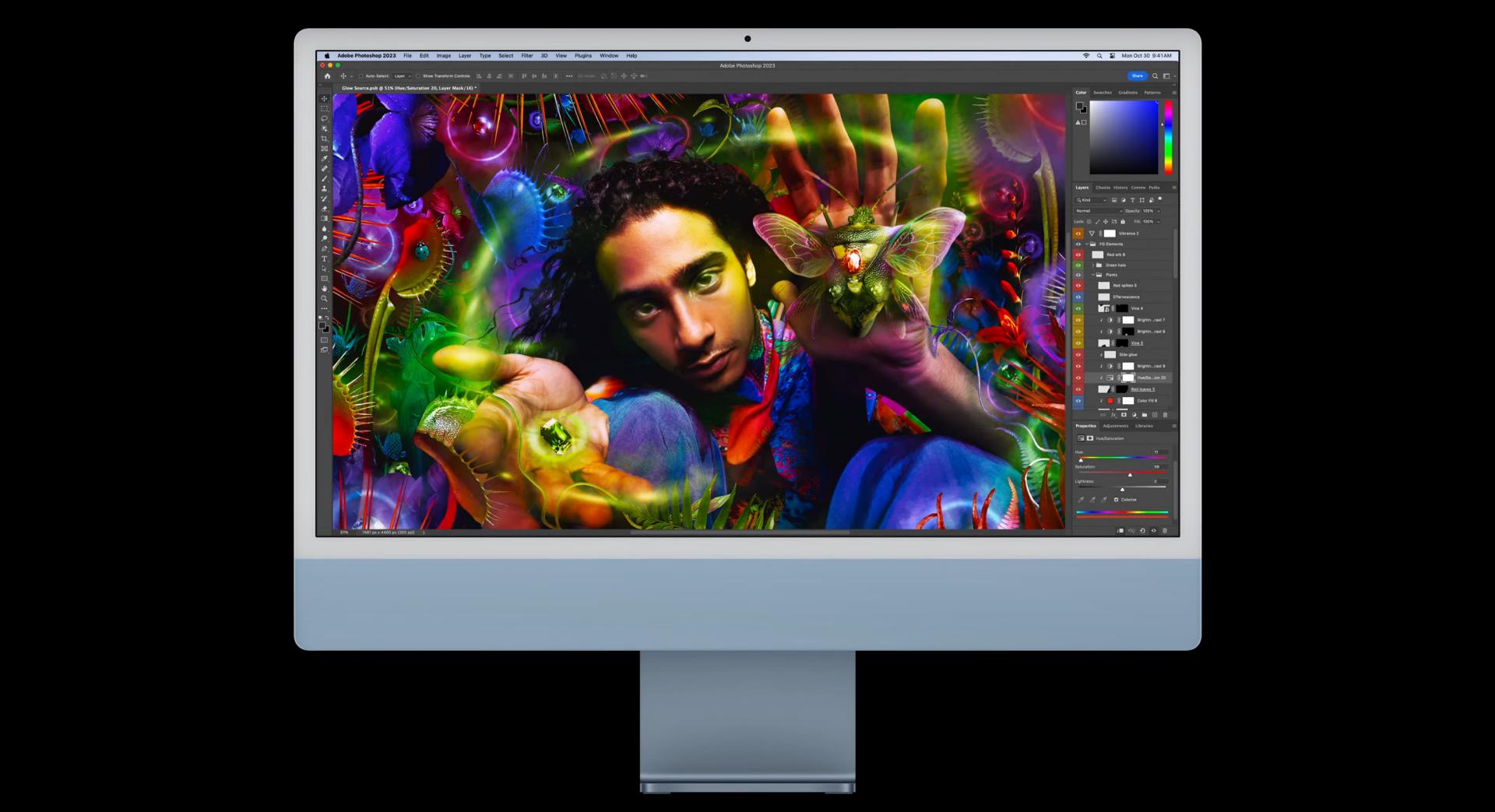
- Edit and play back up to 12 streams of 4K video, which is 3x more than before.
- Produce video projects in Final Cut Pro and Adobe Premiere Pro up to 2x faster.
- Process photos in apps like Adobe Photoshop up to 2x faster.
Everything you love from the iMac is still here
Standout features from this Apple All-in-one are still present.
Expansive Retina display — 24-inch, 4.5K Retina display with 11.3 million pixels, a P3 wide colour gamut, over a billion colors, and 500 nits of brightness.
Advanced connectivity — Wi-Fi 6E, Bluetooth 5.3, four (4) USB‑C ports, including two Thunderbolt ports, and support for Gigabit Ethernet standard on select models; and up to a 6K display.
Camera, mics, and speakers — 1080p FaceTime camera and studio-quality mics. It also has a six-speaker sound system with support for Spatial Audio when playing music or video with Dolby Atmos.
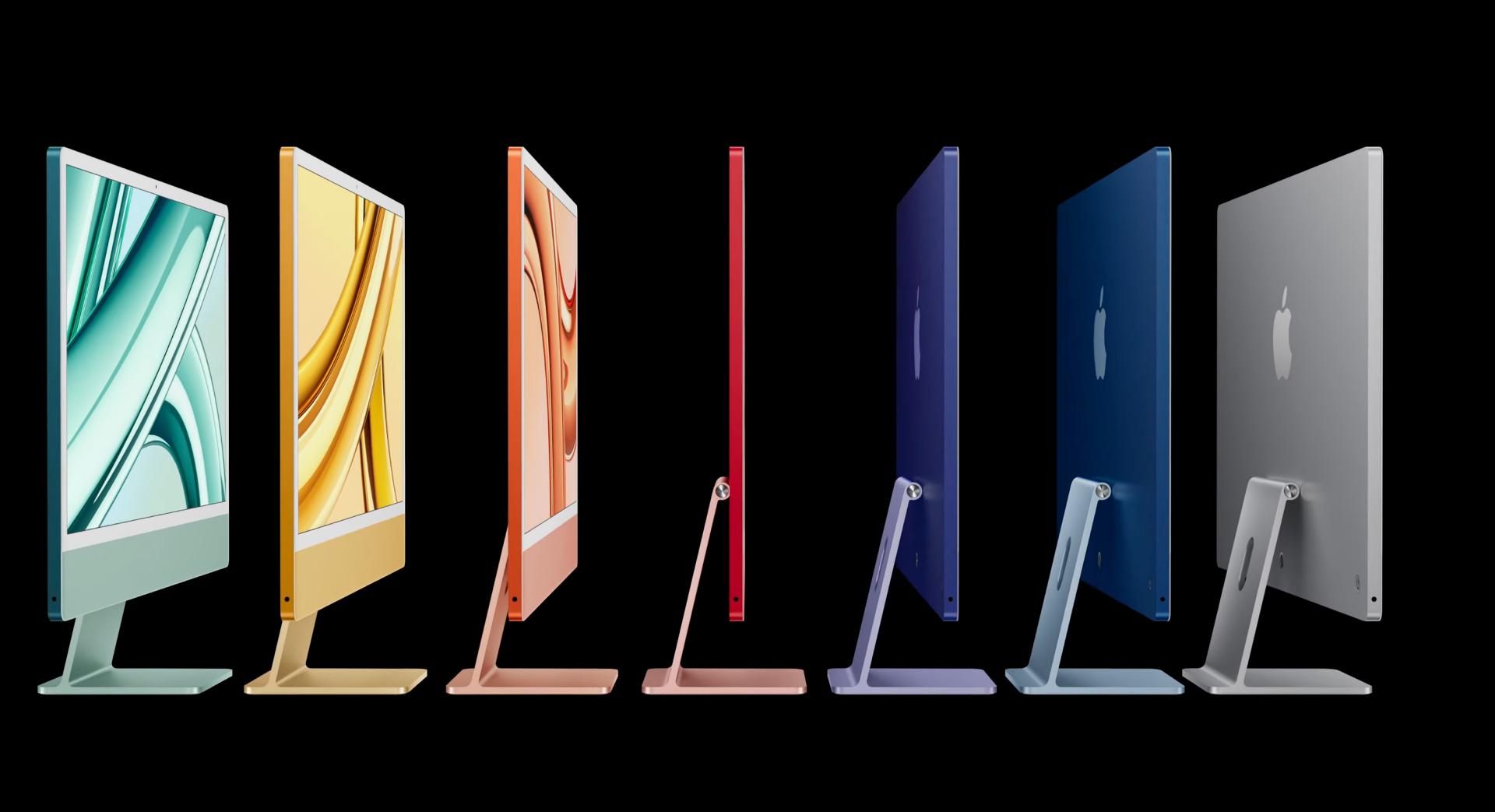
Standout design — Still in green, yellow, orange, pink, purple, blue, and silver. Still strikingly thin at just 11.5 millimetres.
macOS Sonoma
macOS Sonoma brings a rich set of features to the Mac for work and play. Watch our video.
Price and availability
The new 24-inch iMac with M3 is available to order Wednesday, November 1, on apple.com/store and in the Apple Store app in 27 countries and regions, including the U.S. It will begin arriving to customers and will be in Apple Store locations and Apple Authorised Resellers starting Tuesday, November 7.
iMac with 8-core GPU starts at US$1,299/ SG$1,899 and US$ 1,249/ SG$ 1,829 for education. It is available in green, pink, blue, and silver.
iMac with 10-core GPU starts at US$ 1,499/ SG $2,199 and US$ 1,399/ SG$ 2,049 for education. It is available in green, yellow, orange, pink, purple, blue, and silver.
Both feature an 8-core CPU, 8GB of unified memory, 256GB SSD, two Thunderbolt ports, two additional USB 3 ports, Magic Keyboard with Touch ID, Magic Mouse, and Gigabit Ethernet.






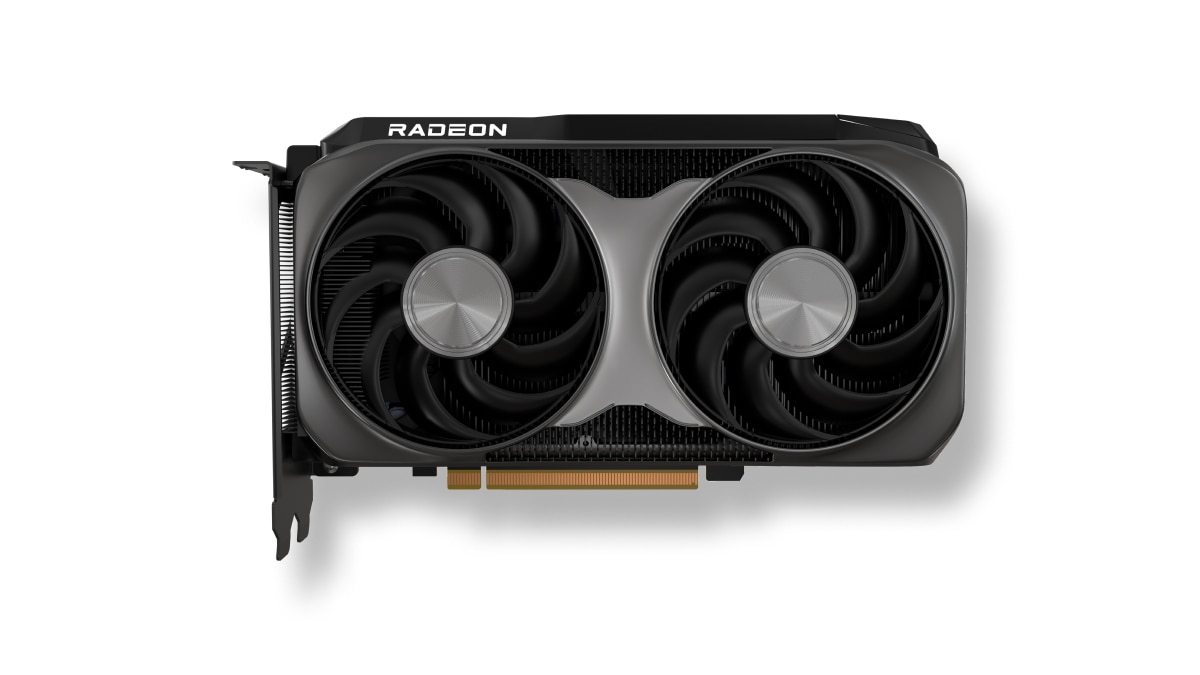
AMD has launched the new AMD Radeon RX 9050 graphics card, expanding the Radeon RX 9000 series with an affordable option.
This brings AMD RDNA 4 gaming technologies to mainstream gamers with a retail price of US$ 279.
The particular GPU is designed for responsive gameplay at 1080p. That’s for esports and modern AAA titles.
Some popular titles it can run at high frame rates on a 1080p resolution include: Cyberpunk 2077, Forza Horizon 6, Pragmata, Call of Duty: Black Ops 7, Valorant, and Tom Clancy’s Rainbow Six Siege, to name a few.
This highly efficient, drop-in upgrade features a 92W TBP and fully supports the latest AMD FSR technologies, next-gen raytracing, and high-quality AV1 video streaming.
Key specs:
- Architecture: AMD RDNA 4
- Compute Units: 16
- VRAM: 8GB GDDR6
- Game Clock / Boost Clock: 1.92 GHz / Up to 2.60 GHz
- TBP: 92W
In line with the Radeon RX 9050 launch, AMD has also released AMD Software: Adrenalin Edition 26.7.1.
This driver introduces official day-one support for Radeon RX 9050, alongside early multiplayer access for Gears of War: E-Day.
Users can download the software here.
Accessories
OBSBOT’s Meet Flip is your next best pocketable 4K webcam
Fold the Flip for further protection

Several months ago, you might remember that OBSBOT revealed the Tiny 3 series of web cameras.
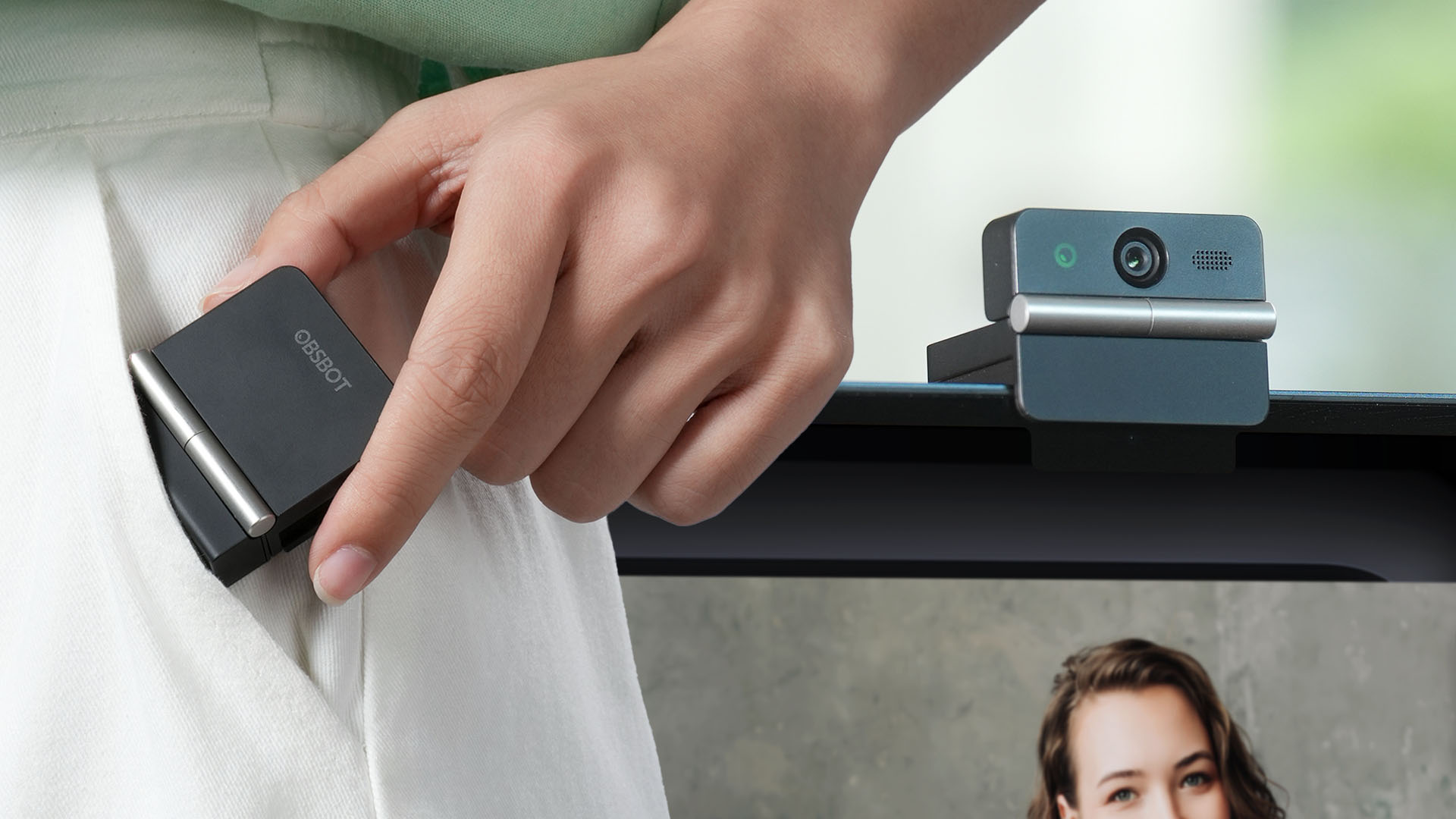
Six months after, they also unveil the all-new Meet Flip. From the name itself, it’s the company’s latest foldable 4K webcam that puts hardware privacy front and center.
Foldable and pocketable
Despite weighing just 37.7 grams, the Meet Flip aims to deliver premium webcam features for all types of users. Be it remote workers, professionals, or content creators.
Graphics by Vincenz Lee | GadgetMatch
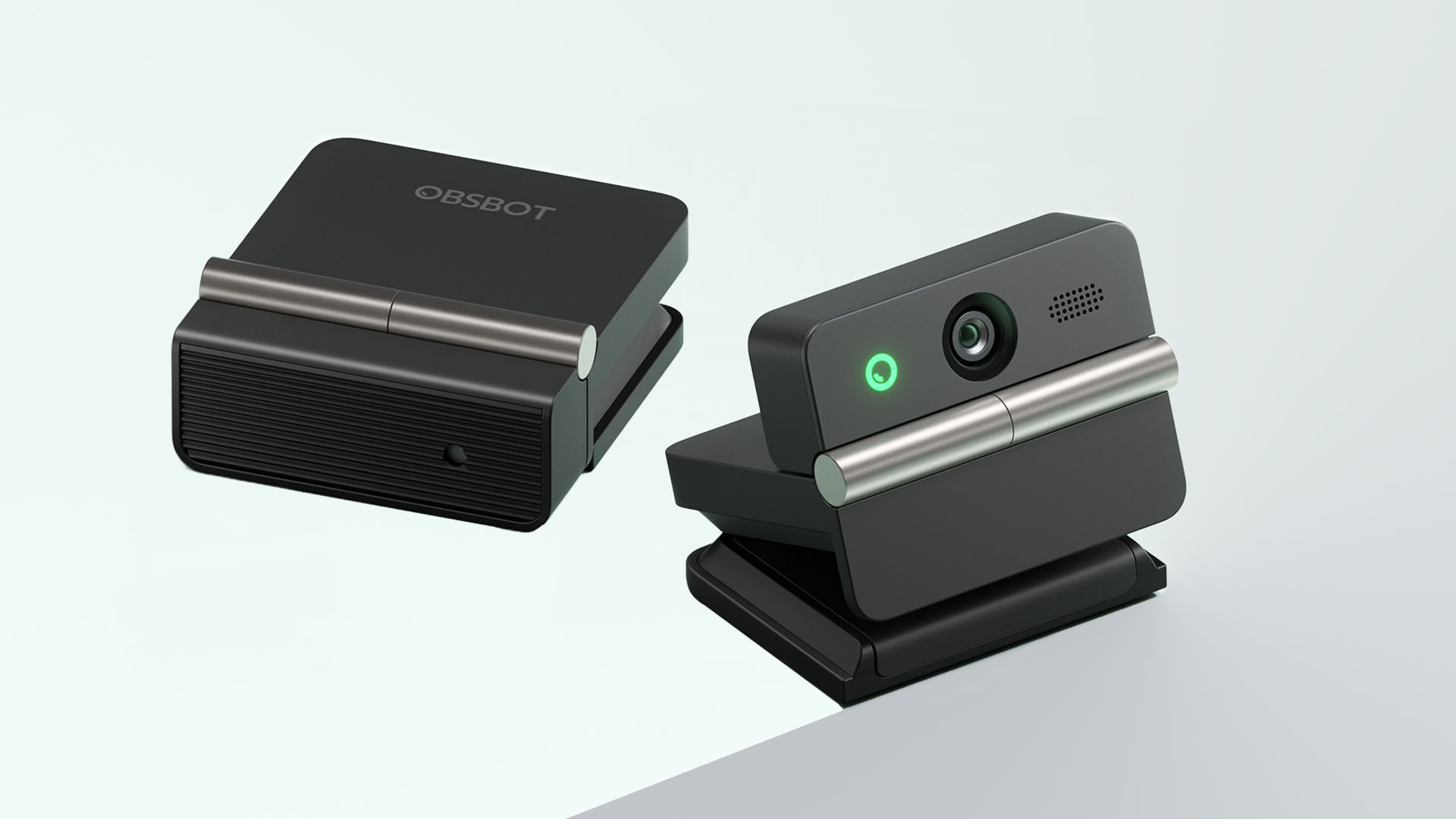
Undoubtedly, the biggest highlight has got to be the webcam’s folding design. Not only it’s portable, it protects your privacy too.
Closing the device physically blocks the lens, giving users a visual confirmation that the camera is no longer active. When it’s time for a meeting, simply unfold it and it’s ready to go.
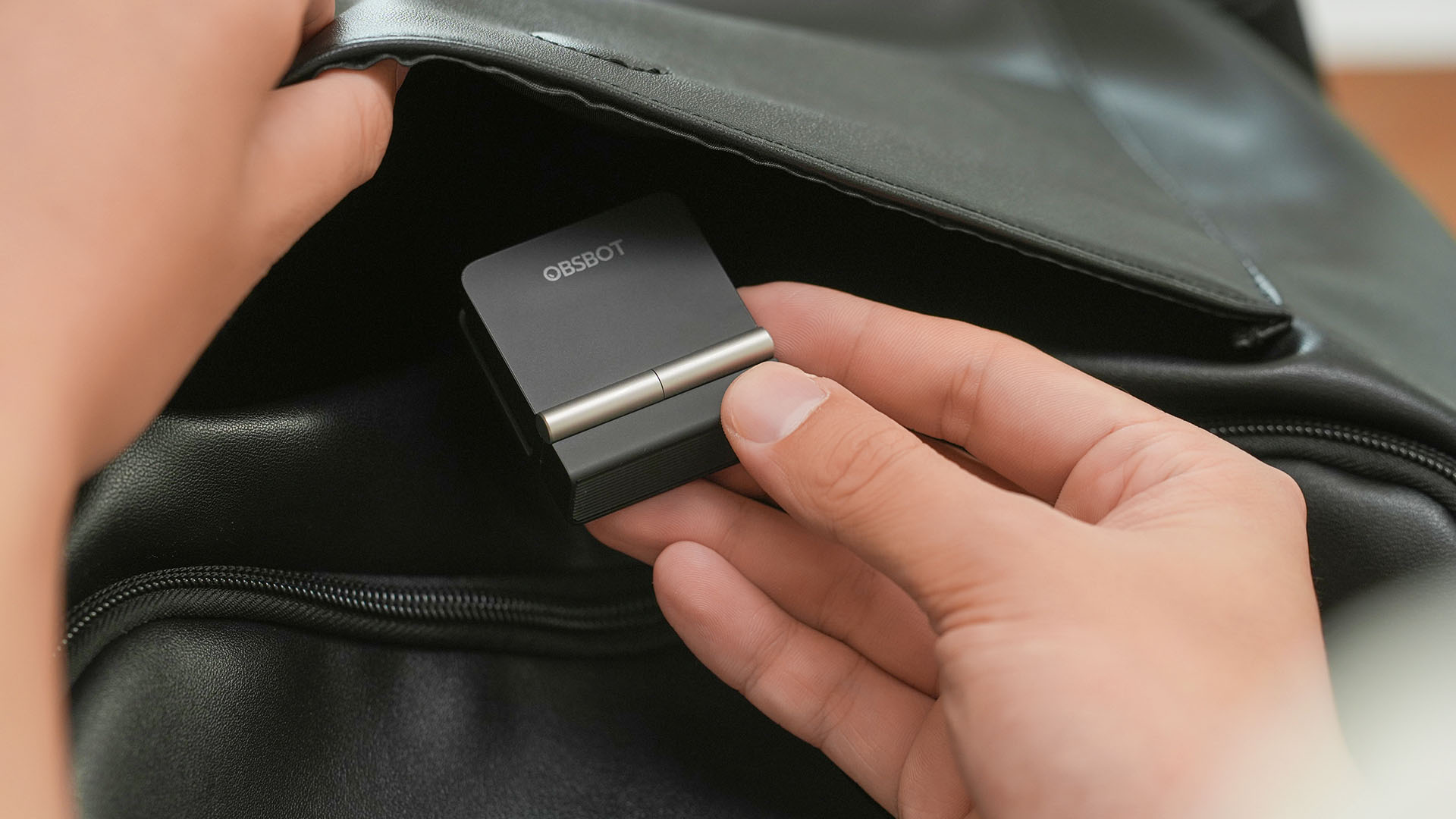
That lightweight body also features a built-in mounting clip that works with laptops, monitors, and tripods. Users can mount it in landscape, portrait, or even upside-down orientations depending on their setup.
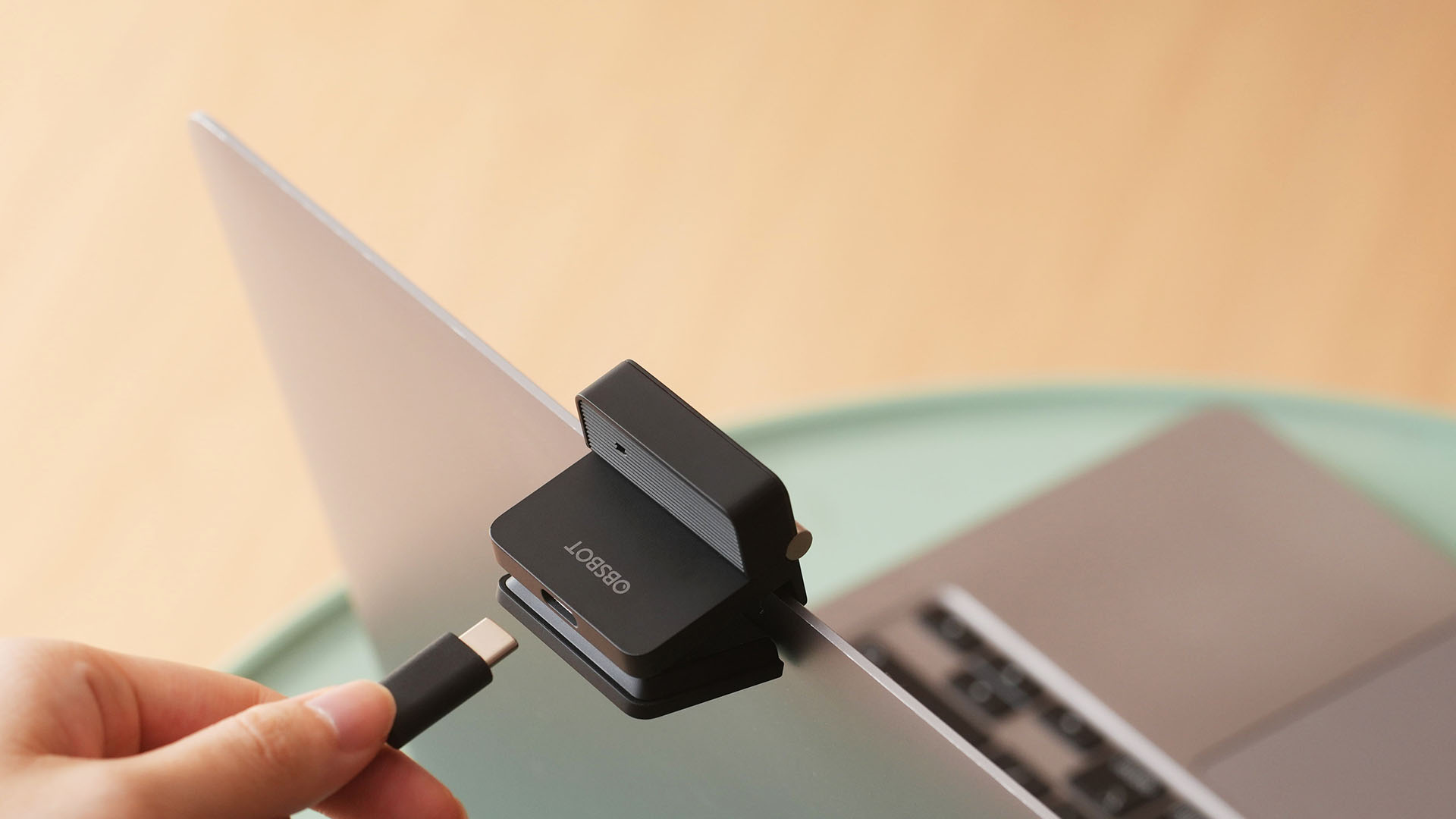
Despite that absurd amount of lightweightness, the OBSBOT Meet Flip is still able to house a 1/2-inch Exmor RS stacked CMOS sensor with Quad Bayer technology. That’s something more commonly found among bigger and higher-end web cameras.
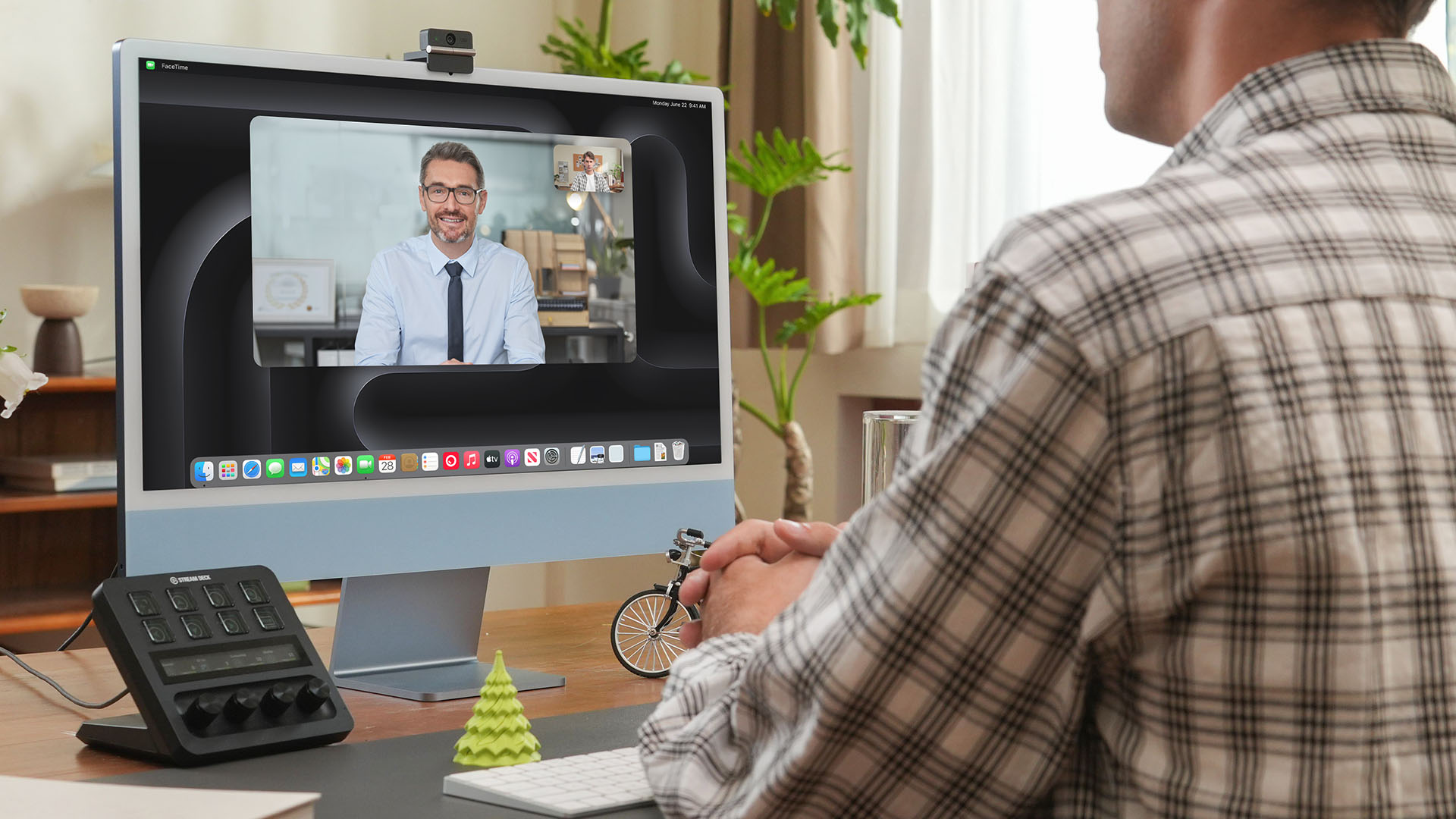
Other camera features include:
- 4K video recording / 30fps
- 1080p recording / up to 60fps
- HDR support for challenging lighting
- Phase Detection Autofocus (PDAF)
- 4x digital zoom
- f/1.8 aperture with ISO 100-6400 support for low-light environments
Beyond just video calls
The OBSBOT Meet Flip isn’t just packed with serious camera hardware, it’s seriously intelligent as well.
The Meet Flip supports AI Auto Framing. This automatically keeps users centered during meetings — regardless if they are presenting alone or with a group. Gesture controls also let users activate framing or adjust zoom without touching the keyboard or mouse.
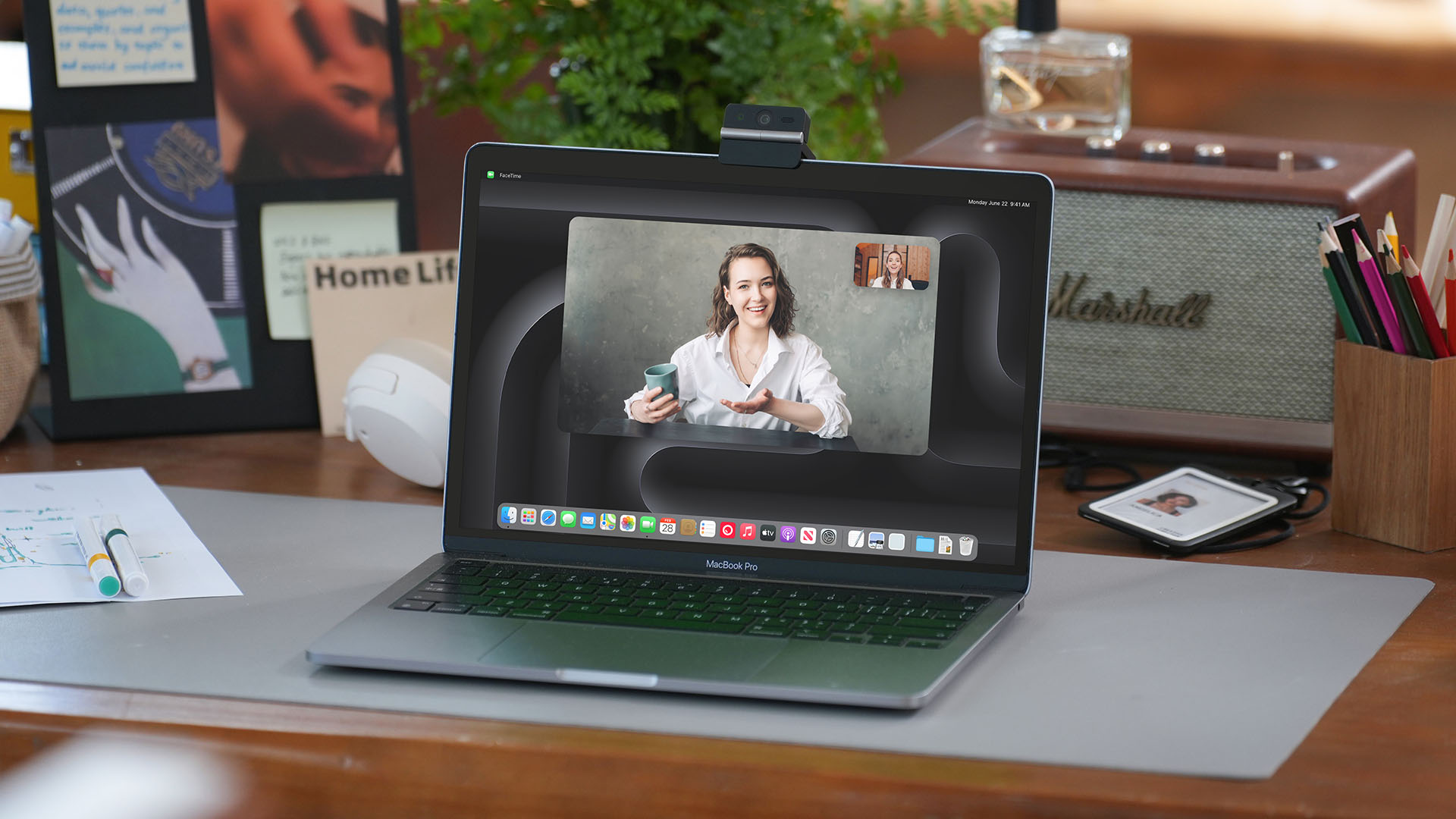
Another standout feature is AI Magic Notes which provides real-time meeting transcription and automatically generates summaries, action items, and key discussion points.
The feature works with Google Meet, Zoom, and Microsoft Teams through OBSBOT Center. Every webcam includes complimentary transcription of 120 minutes.

With that being mentioned, OBSBOT Center also makes users gain access to software features such as background blur, virtual backgrounds, beauty mode, and picture-in-picture overlays for presentations.
Those who want more advanced controls can enable Smart Eye Tracking, teleprompter support, and manual image adjustments.
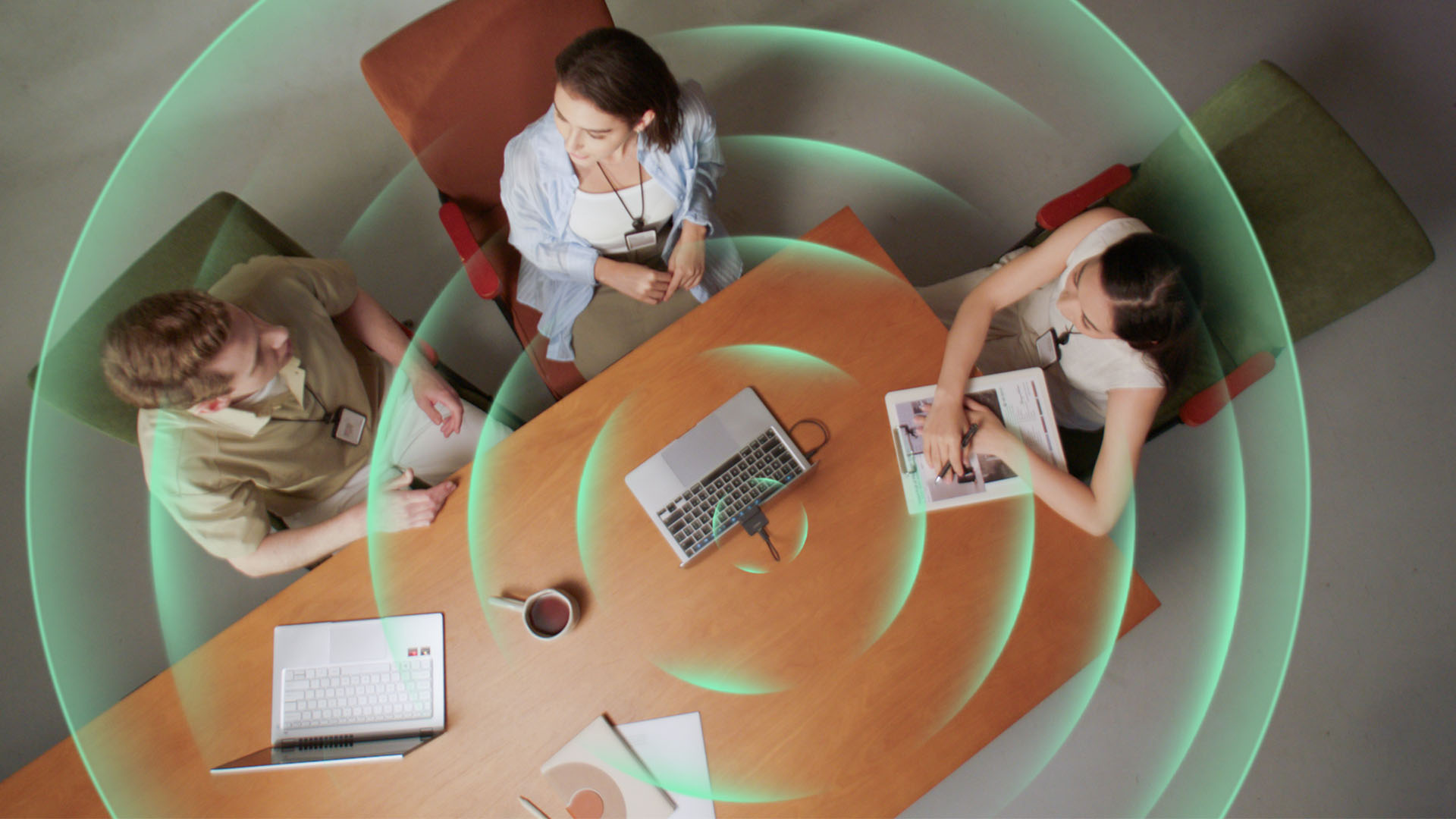
Audio also gets an upgrade through an intelligent dual-microphone system that offers four recording modes:
- Directional Mode / solo calls
- Dual-Directional Mode / interviews
- Smart Omni Mode / group meetings
- Pure Audio Mode / unprocessed stereo recording
AI Noise Reduction and Automatic Gain Control are also available across most modes to help improve voice clarity.
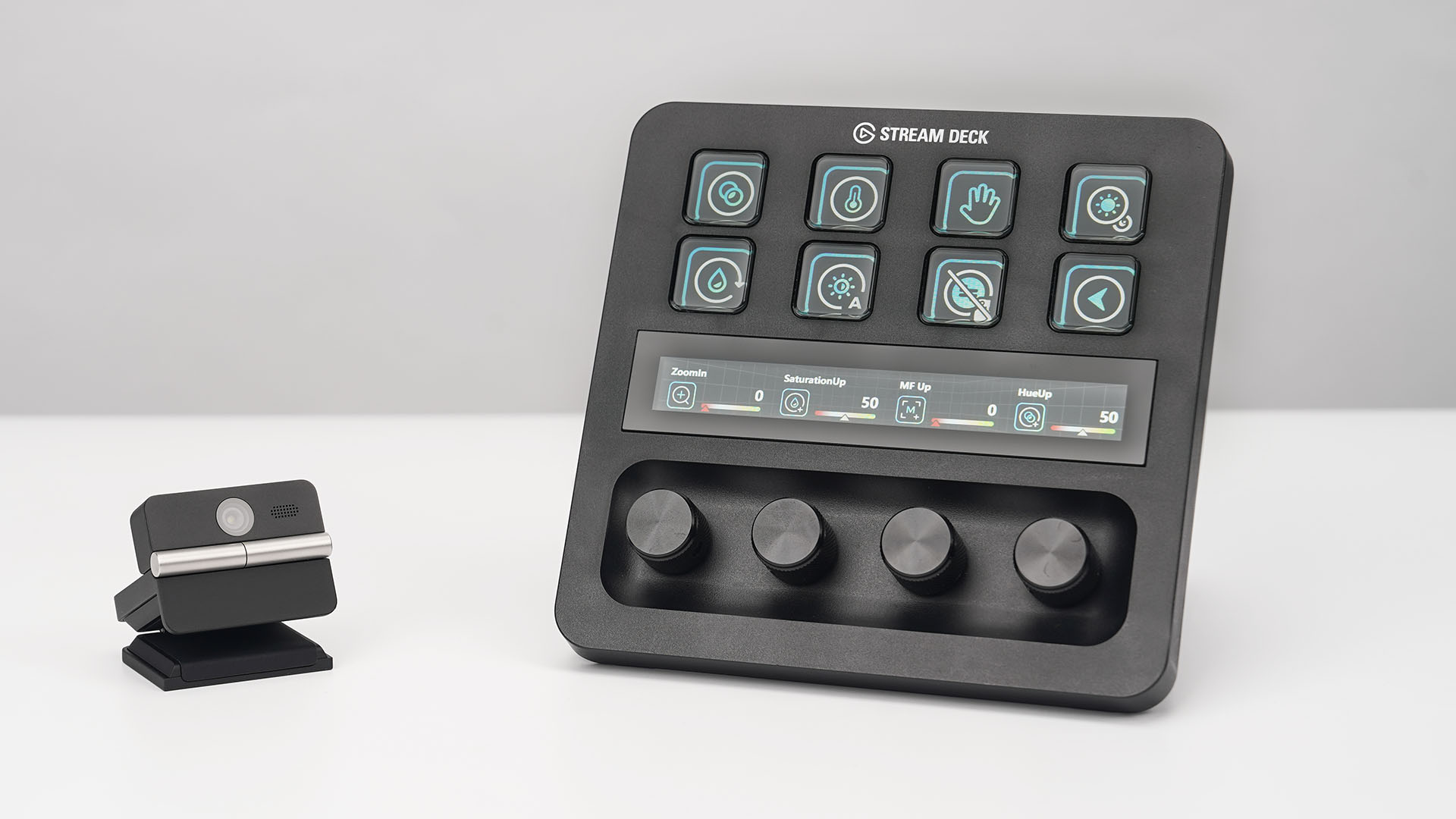
OBSBOT’s Meet Flip is also compatible with mobile devices through the OBSBOT Live app and supports integrations with accessories including Elgato Stream Deck, Nintendo Switch 2, and UVC-to-NDI/HDMI adapters.
Pricing and Availability
The OBSBOT Meet Flip is available starting today for US$119 through OBSBOT’s online store, Amazon US, and select retailers worldwide. Regional pricing may vary.
Computers
AORUS MASTER 16 Gen 2 2026 AI gaming laptop launches
For AI-powered performance, immersive gameplay
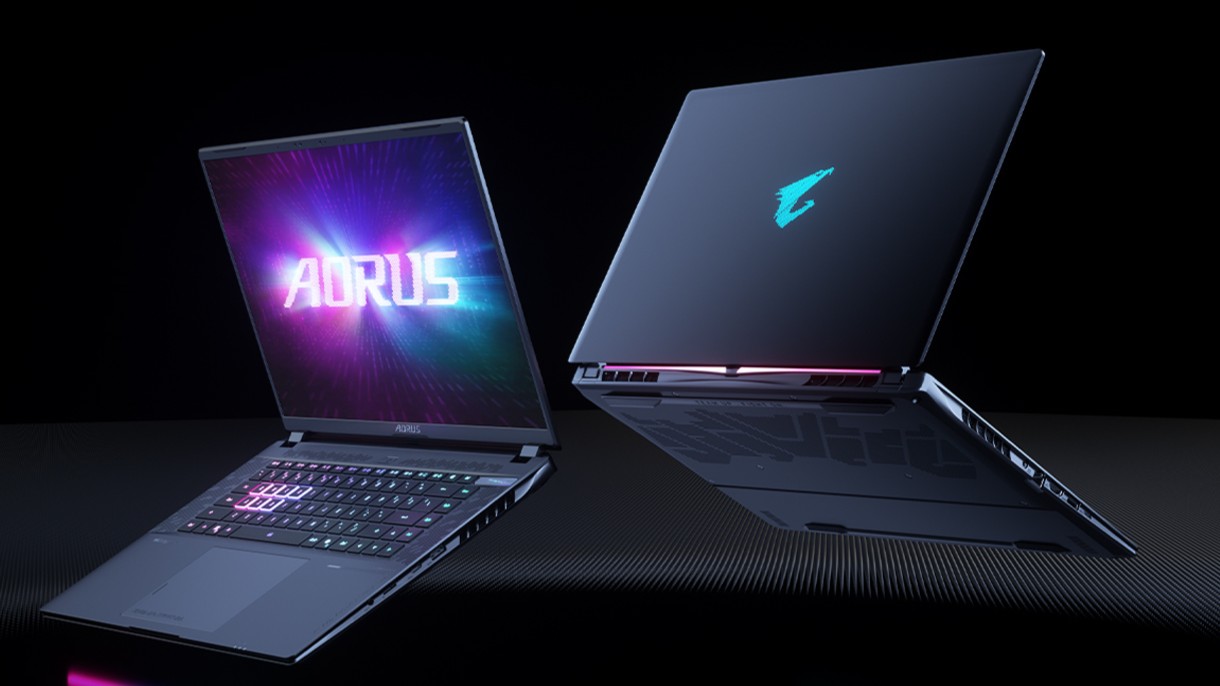
GIGABYTE has announced the availability of the AORUS MASTER 16 Gen 2 2026 flagship AI gaming laptop.
This machine combines desktop-class performance, advanced cooling, and an exclusive AI agent in an ultra-thin 19mm portable design.
It is configurable up to an AMD Ryzen 9 9955HX3D processor and up to an NVIDIA GeForce RTX 5090 laptop GPU. Together, these work to provide close to desktop-level power.
The model also supports MUX Switch to simplify integrated GPU or discrete GPU selection with fast mode.
Beyond gaming, with an advanced GPU AI capability of up to 1824 AI TOPS, the AORUS MASTER 16 Gen 2 2026 is built for next-gen AI-assisted creation and accelerated workflow.
The entire system also leverages the flagship WINDFORCE INFINITY EX thermal solution, featuring a vapor chamber design and the integrated Frost Fan 2.0.
In front is a 16-inch 16:10 2.5K 240Hz OLED display with creator-grade color accuracy. It has up to a 0.2ms response time, 100% DCI-P3, and a 1,000,000:1 contrast ratio.
Furthermore, it is Pantone Validated, TÜV Rheinland Certified, and VESA DisplayHDR 1000. Complementing this is Dolby Atmos and four dual-force speakers with Smart Amplifier.
At the center of the experience is the GiMATE exclusive AI agent. It is designed for more flexible and intelligent system control, streamlining performance management and introducing tools for modern workflow.
For instance, GiMATE Creator integrates generative image models into a manageable local workflow.
Meanwhile, GiMATE Coder supports natural-language code generation, correction, and optimization with Visual Studio Code auto-completion.


realme C100: Enduring and durable in spite of entry-level realities
Enough power but needs more agility


The ASUS ExpertBook Ultra wins you over
The laptop sneaks up on you


Nexal Watch Sport review: A rugged watch for small budgets
I couldn't believe that watches this good could come for this cheap.

Apple Watch, AirPods get exclusive offers via Beyond the Box

Canva teams up with SB19 to turn A’TIN’s passion into creativity

SQUARE ENIX STORE Plus expands presence in Asia, Oceania

Maya: Convert purchases to 0% interest Mini Payment plans

Netflix: Kris Aquino makes on-screen comeback with fictional role


-

 Automotive5 days ago
VinFast debuts two-wheeler models, opens 21 e-motorcycle showrooms
-
 Computers1 week ago
AMD launches Radeon RX 9050 graphics card
-

 Computers2 weeks ago
AORUS MASTER 16 Gen 2 2026 AI gaming laptop launches
-

 Gaming2 weeks ago
God of War Laufey finally confirms its highly anticipated launch date
-

 Automotive1 week ago
Xiaomi debuts SkyNomad Series featuring new Kunlun platform
-

 News4 days ago
OnePlus officially leaves the United States and Canada
-

 Gaming2 weeks ago
NBA 2K27 gameplay trailer showcases new dunk mechanics, Rucker Park, and more
-

 Gaming6 days ago
Call of Duty: Modern Warfare 4 clip shows Losing Ground 1st look