


Gaming
Baldur’s Gate 3: Why you should play the 2023 Game of the Year
Now is the best time to try it out

Last night, Baldur’s Gate 3 won the coveted Game of the Year award at the annual Game Awards for 2023. Though the title rightfully got millions of players this year, getting into the 2023 Game of the Year is still a daunting challenge, especially for those who don’t have experience with the turn-based RPG genre. If you’re also scared to commit to a genre you’re not familiar with, I’m here to tell you that you still absolutely should.
Who am I?
When the year started, Baldur’s Gate 3 was not on my radar at all. In fact, I wasn’t a fan of turn-based games. My only experience with the genre was through Sid Meier’s Civilization VI. Though a turn-based game, it’s hardly similar to Baldur’s Gate 3. And at the end of the day, I’d still prefer a quicker-paced action-adventure over a turn-based slog.
I am, however, a fan of roleplaying games. There’s just something appealing about putting myself in the shoes of a game’s protagonist and taking them through their story. Now, most of the big RPGs today have turned into giant collect-a-thons. Playing through them was a chore. That, and modern games just doesn’t allow for a lot of roleplaying.
When I saw people playing Baldur’s Gate 3, I was captivated. You could play as anything you want. You could roleplay however you choose. Every decision and dice roll absolutely mattered. Even if it was still at full price, I had to get it.
Creating a character
Steam has a two-hour policy for refunds. If you’ve played a game for less than two hours, the platform will grant you a refund automatically if you ask for it, no questions asked. As the logic goes, two hours is enough for players to tell if a game is worth keeping. Two hours, however, is not enough to get to the meat of Baldur’s Gate 3. It’s just enough to dip your toes in and get a feel for the game’s mechanics.
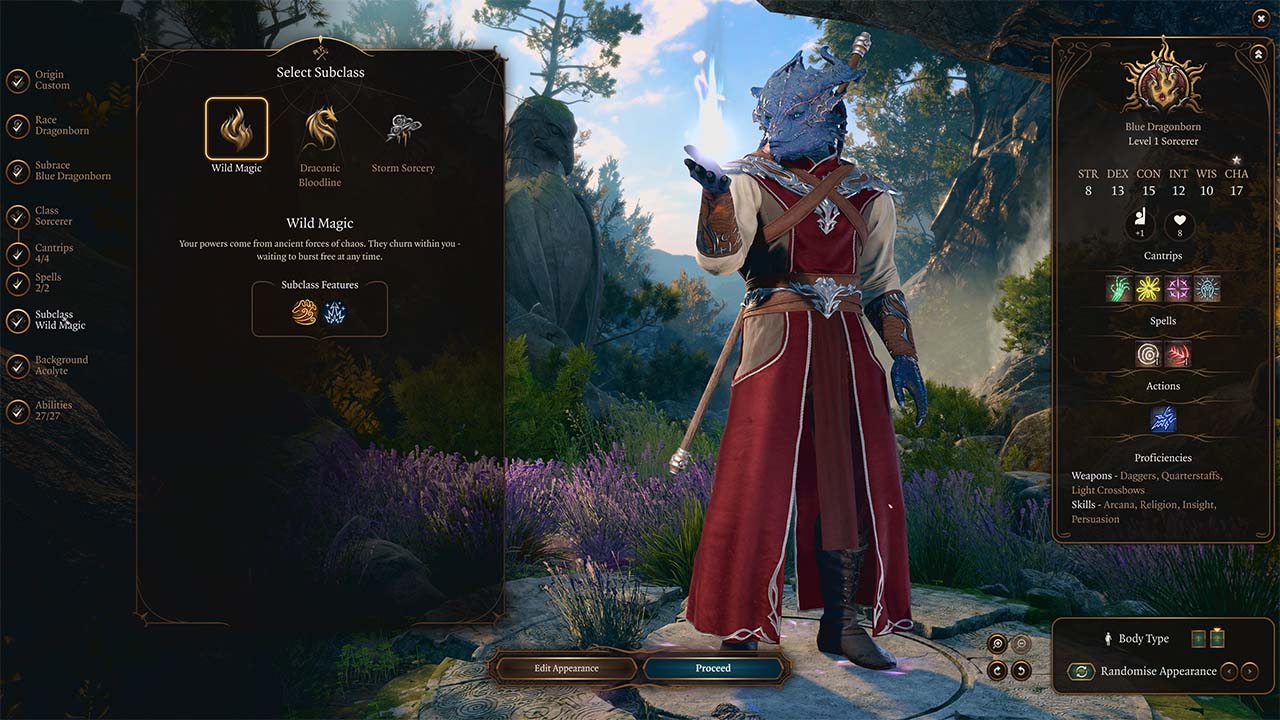
I used to laugh at RPG players who spent hours on the character creation menu. I never fiddled around with sliders and customization options. I wanted to get into the game as soon as possible. That changed with Baldur’s Gate 3.
While the game still has a lot of options to change how your character will look (including, yes, genital size), the character creation screen focuses a lot on how you want your character to be. I spent a good chunk of time figuring out the best race and class for me. Should I be an evil monk or a goody-two-shoes bard? Oh, and do these black horns go well with how I want my tiefling’s junk to be?

The prologue
Right after creating a character, the game quickly catapults you into the fire. A mind flayer — a tentacled humanoid that looks like child of Cthulhu — abducts your character and infects you with a parasitic worm that can turn you into a mind flayer like them. Your first job is to escape the mind flayer’s spaceship.
The introductory prologue teaches players the basics of Baldur’s Gate 3 — moving, fighting, and talking. However, one of the biggest aspects of the prologue is the introduction of two vital characters you can add to your party: Shadowheart, a selfish half-elf cleric, and Lae’zel, a brash githyanki fighter. From the beginning, these two characters are at each other’s throats. Unlike a lot of games that immediately portray teams as well-oiled machines, Baldur’s Gate 3 thrives on conflict. Party members are often at odds with one another. A lot of times, you’ll find yourself playing a mediator. Sometimes, you might even do something that causes them to leave your camp for good.
The focus on character-driven actions makes it so compelling to follow everyone’s stories to their conclusion. Every player will have favorite characters and interesting ways to deal with their conflict. They’re not just warm bodies you can throw at enemies. It also helps that Baldur’s Gate 3 has the best voice action and motion capture I’ve ever seen in a game. After you play the game, every other game will pale in comparison.

The moment everything clicked
After the prologue, the game drops you into the meatiest part of the game. The first act is a vast playground. Though there are goals, players are invited to tackle the game however they want — peacefully or with a sword in hand. This is also when the most important part of the game rears its head: the dice roll.
As with the traditional Dungeons and Dragons experience, everything is determined by the roll of the dice. In battle, the swing of a sword is determined by a dice roll. Planning before engaging is important just to account for the randomness. More importantly, dialogue and actions away from battle are determined by the same dice. Want to pick that locked door? Roll for dexterity. Want to talk down a rampaging barbarian from attacking you? Roll for persuasion.

The moment this is all clicked for me was a moment shortly after the start of the first act. My party runs into a dying mind flayer. The game asks me if I want to explore the monster’s mind. Since it was dying (and I felt that I had enough intelligence), I said yes.
Cue the dice roll.
I rolled a natural 20, the best possible roll because it’s an automatic win. However, this encounter was one of the rare moments when the game asks for a second, more difficult roll right after passing the first.
Cue the next dice roll. I went for it. After all, I rolled a 20 beforehand.
I rolled a 1, the worst possible roll because it’s an automatic failure. Unbeknownst to me, this was a death-saving roll. If you pass, you live. If you fail, you die. And I failed spectacularly.
The mind flayer took control and killed me. Fade to black.
Game over.
Aghast, I could do nothing but applaud. I wasn’t even two hours into the game. Though it was a kick to the gut, I was amazed at how willing the game was to let go of your hand. This isn’t an easy traipse through a fantasy land. It’s a complicated maze that will take you through a lot of unexpected twists and turns. I knew I was in for a good time.
Randomness defines the community
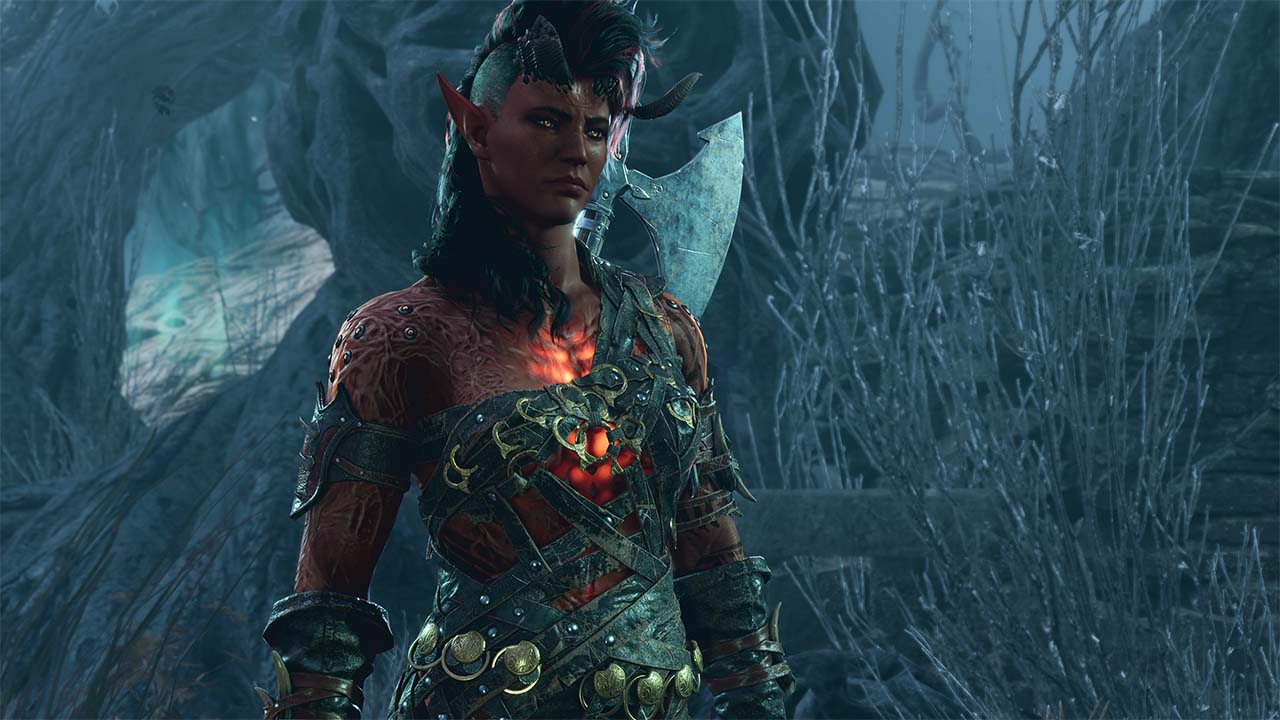
It’s understandable that making randomness a feature might turn some players off. If you can’t rely on pure skill, what’s the point?
However, the concept of failure does not mean an end to the game. Yes, my particular experience ended in a game over screen. Most don’t, though. A lot of times, failing a dice roll often means the opportunity to tackle a problem in a different way. Failed to persuade an enemy to lay down their arms? Maybe you can sneak past them. Failed that? Well, time for a battle.
Baldur’s Gate 3 makes failure fun. Every playthrough is automatically unique. It also adds to the community aspect of the game.
After a lengthy session, my first instinct is to go to the game’s subreddit and read what other players did in their playthroughs. Every single time, I would find an encounter I’ve never seen before or a result I haven’t tried yet. I’d immediately want to hop back on to see if I can replicate how they did with my character.
Outside of the actual game, Baldur’s Gate 3’s biggest appeal is its community. It’s almost like sharing war stories around the campfire. Every experience is valid, no matter how good or evil a playthrough can be.

A generational game
The game’s six awards should speak for themselves. Larian Studios created a once-in-a-lifetime experience. Baldur’s Gate 3 offers a fresh gaming experience, near infinite replayability, unmatched acting, and a supportive community.
Even at full price, the game is worth every penny. If you haven’t tried this year’s Game of the Year yet, there are so many reasons to go for it. It’s one of the best games I’ve ever played.



Gaming
CRISIS CORE -FINAL FANTASY VII- REUNION physical edition now available for Switch 2
Zack Fair’s story comes to Switch 2.

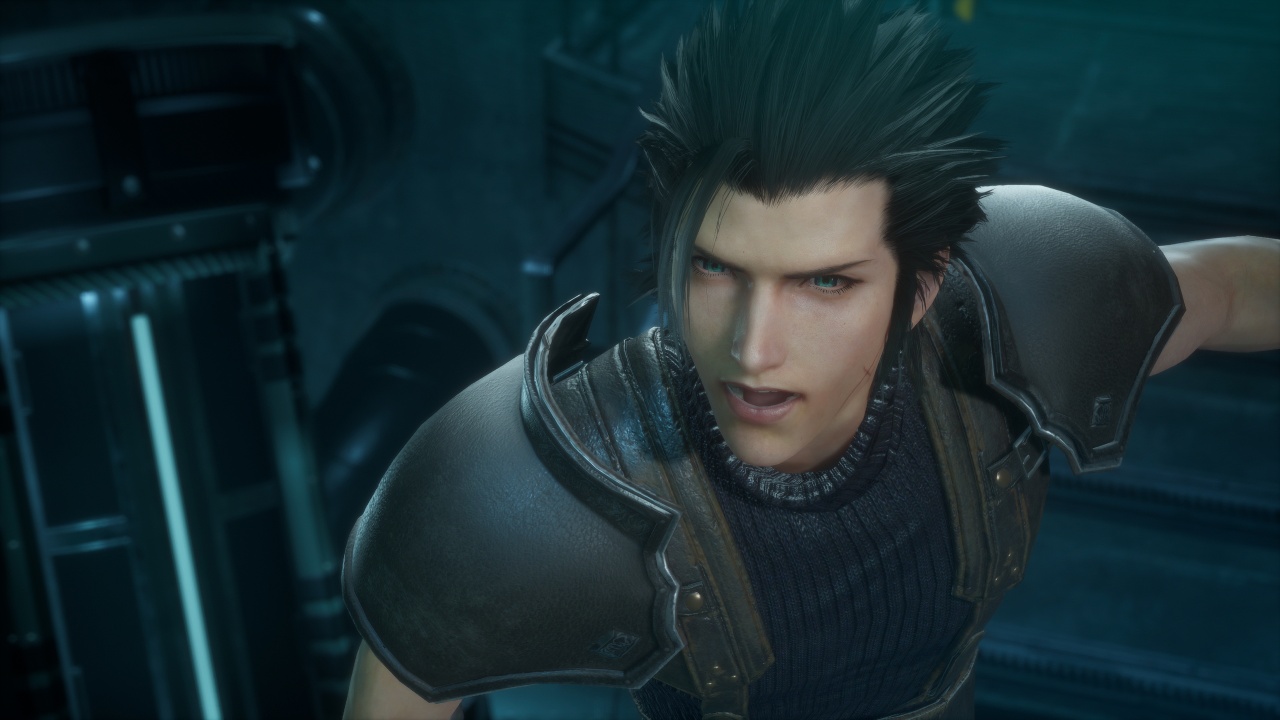
Bandai Namco Entertainment Asia and SQUARE ENIX have released the physical edition of CRISIS CORE -FINAL FANTASY VII- REUNION for Nintendo Switch 2 in Southeast Asia.
Players can also purchase the game digitally on the platform. Availability may vary by region and retailer.
Zack Fair’s story returns
Set in the mako-powered metropolis of Midgar, CRISIS CORE -FINAL FANTASY VII- REUNION follows Zack Fair, a young operative in Shinra’s elite SOLDIER unit.
Zack investigates the mysterious disappearance of SOLDIER operatives alongside his mentor, Angeal, and the legendary Sephiroth. His journey reveals the events that shaped the world of FINAL FANTASY VII and his connection to Cloud Strife.
The game revisits Zack’s story with an HD graphical overhaul of its character models, user interface, and environments. It also features fully voiced dialogue in English and Japanese, alongside an updated action-combat system.
Players can trigger Limit Breaks and Summons as they battle their way through the story. The game also supports handheld and docked play on Nintendo Switch 2.
A look back at Zack’s legacy
Originally released as a remaster of the PSP classic, CRISIS CORE -FINAL FANTASY VII- REUNION offers a refreshed take on one of the franchise’s most significant prequel stories.
In our GadgetMatch review, we explored how the remaster brings Zack Fair’s journey to modern platforms while preserving the emotional core of his story.
The release also gives players another way to experience the events leading into FINAL FANTASY VII, ahead of the upcoming FINAL FANTASY VII REVELATION, the third and final entry in the FINAL FANTASY VII Remake series.
For more information about CRISIS CORE -FINAL FANTASY VII- REUNION and other Bandai Namco Entertainment Asia titles, visit the official website.
Gaming
Dune: Awakening makes it way to the PS5 and Xbox Series X
Surviving the harsh land of Arrakis one sandstorm and bloodlust at a time

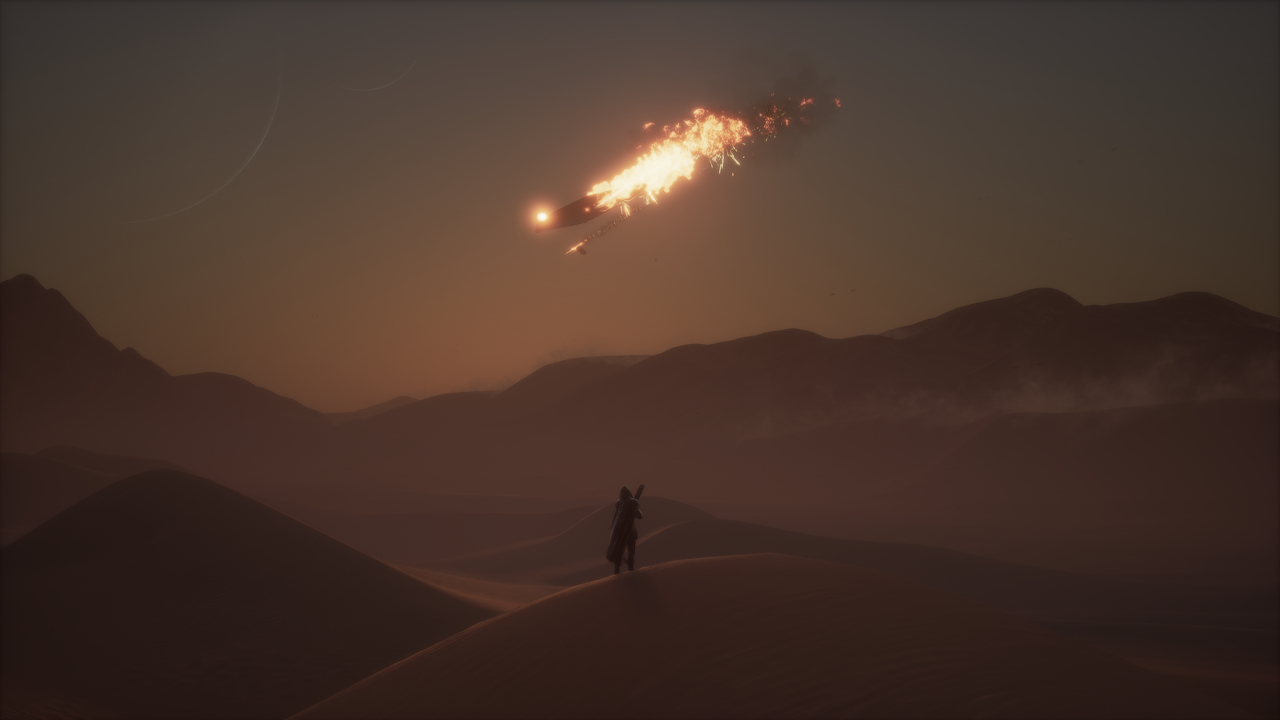
Back in June of 2025, Funcom released its multi-nominated open world survival game, Dune: Awakening. Inspired by the renowned movie franchise, the game takes place within the deserts of Arrakis as players survive and thrive through intense combat and strategic decision making. Now, in the big 2026, Funcom is finally bringing that experience to PlayStation 5 and Xbox Series X|S players as Dune: Awakening officially launches on console!
For the newbies finally getting it on console, here’s all you need to know:
Take the lead or do it together
Dune: Awakening takes you into the desolate land of Arrakis, and gives you the option to do it on Single Player or Multiplayer upfront. Through your own bidding in strategy, combat, and resource management, your goals are simple: survive the terrain, make more allies than enemies, and conquer the land through your affiliation to the powers that be.
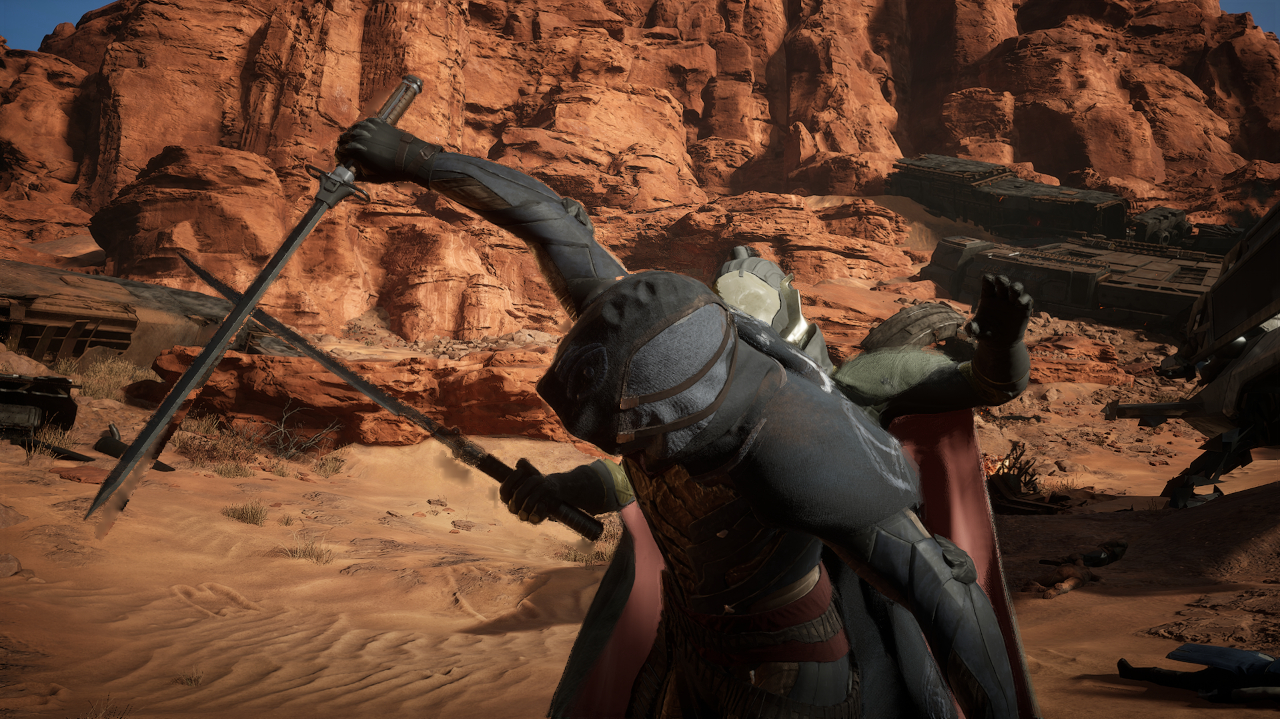
This version of the game is as exact and as one-to-one as it possibly could with the PC version released last year, down to the story arcs, quests, and PvE/PvP areas you take on. Since launch, Funcom has introduced new weapons, areas, and cosmetics through DLCs that will be available to console players, as well. Also, several key features in story and mission progression that have changed on the PC version will take into effect.
If you want to engage with multiplayer, it is still a viable option when you want to gather more resources and reinforce your bases against other players and the natural elements. However, you still won’t be able to host your own server on a console just yet, as it is more stable to do so on the PC version.
Become whoever and whatever to survive
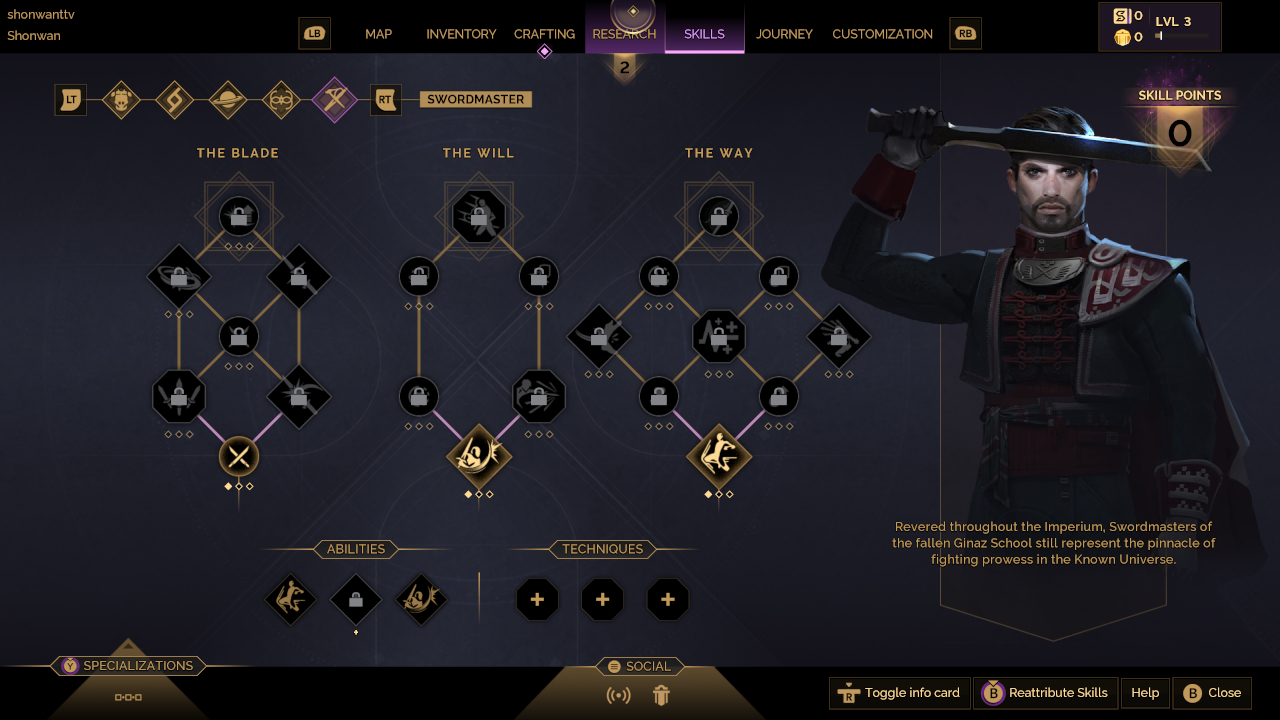
Character customization became the game’s bread and butter through its extensively library of features and unique take on story progression. As you begin your journey, Lady Jessica welcomes you in and asks you on your origin story, mentorship, and initial skill set — all of which are to your choosing based on your play style. Honestly, none of these completely influence the difficulty in progressing the story too much but it will give you full control of the experience.
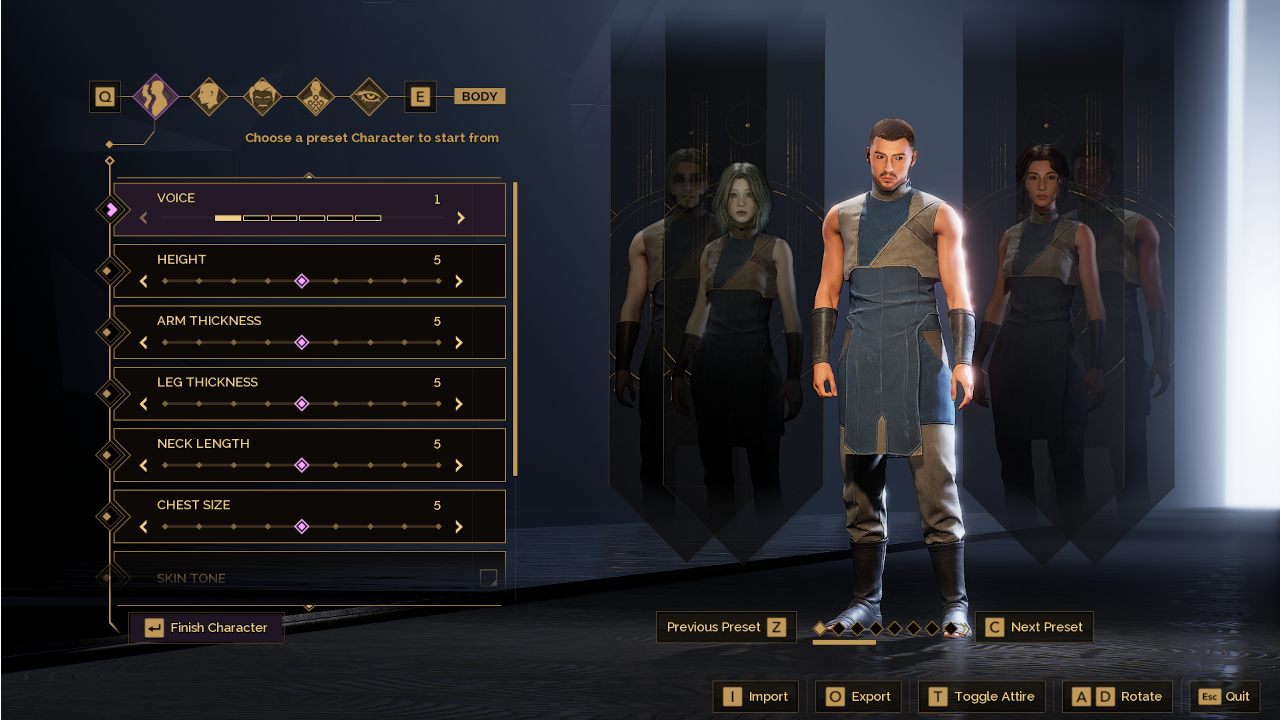
As you progress further into the game, you will unlock more skills and abilities to aid you in your quest for power and survival. These will help you earn XP, along with accomplishing tasks, gathering resources and researching newer technologies, plus engaging in combat both within the PvE and PvP areas. Ultimately, you and, potentially, other players must build enough rapport and influence to shape the world of Arrakis to your liking.
Consistent visual expectations
For most players on the PC version, graphical fidelity relied heavily on the hardware of choice. When transitioning the game into a console-friendly environment, Funcom worked out the details seamlessly by adding a Performance and Quality mode. In this fashion, you can opt for crystal-clear graphics at a decent 30 FPS or go for a constant 60 FPS to keep up with the action.
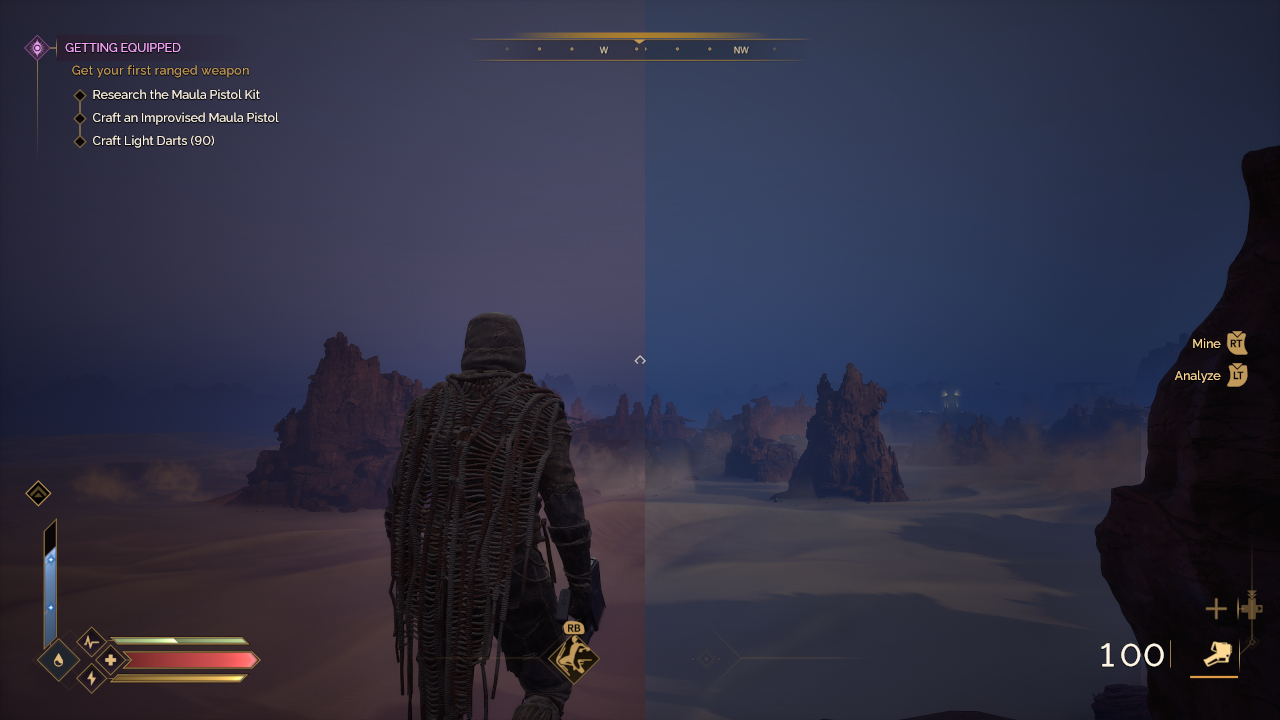
Left: Performance | Right: Quality
No matter which mode you choose, the overall visual identity of the game doesn’t change drastically. Environments look rich and vibrant, while the tiniest of details within character models are preserved. Although, given frame rate differences, rendering of background elements also reflects that but it won’t ruin the gaming experience.
Dune: Awakening will be available on the PlayStation 5 and Xbox Series X|S on September 22. For Xbox Game Pass owners, this will also be a Day One release with Play Anywhere support and cross-play within Xbox and PC players upon launch.
Funcom has also planned an exciting map update later this year plus potential DLC tie-ins to the upcoming Dune: Part Three theatrical release in December.
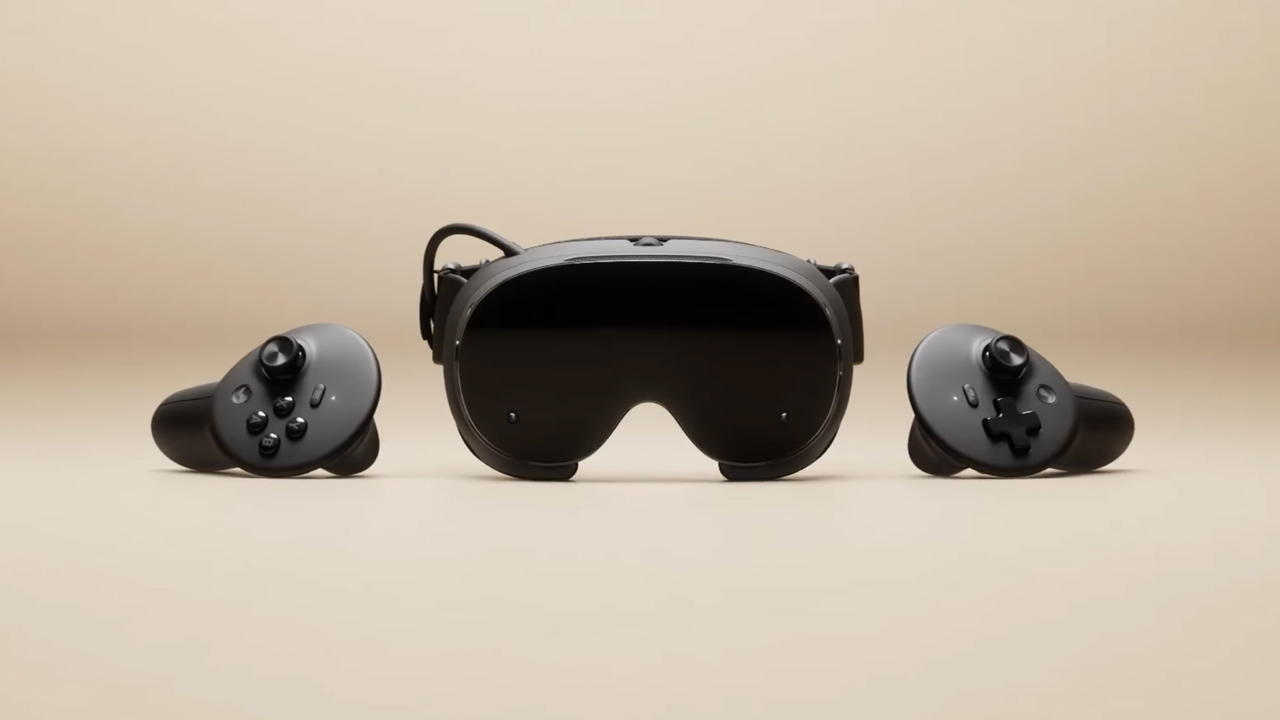
The trifecta is complete. Almost a year after announcing their new hardware, Valve has finally unveiled the price tag of the Steam Frame, complementing the Steam Machine and Steam Controller revealed a few months ago.
Whereas the Steam Machine is a console of its own, the Steam Frame is a traditional VR headset with a pair of controllers for both hands. Unfortunately, despite being in a different segment, the headset is not immune to the rising prices of technology. The Steam Frame will start at US$ 1,059 for a 256GB model and can go up to US$ 1,299 for the 1TB model. On the plus side, each box will come Half-Life: Alyx packaged along with the headset.
Here’s a more detailed rundown of what you’re getting. The Steam Frame will ship with the Snapdragon 8 Gen 3 chipset, paired with 16GB of RAM. Each eye comes with a 2160 x 2160 LCD screen, putting out images at up t0 a 144Hz experimental refresh rate. As mentioned above, the headset will start with 256GB of storage but can go up to 2TB. It will come packaged with SteamOS 3 and a rechargeable 21.6Wh battery.
This might be a hard buy for some. The industry currently has more affordable options, for one. Also, virtual reality isn’t the most thriving segment of gaming today.
If you’re still decided on buying one, however, Valve is using its lottery system. Interested customers can sign up from now until September 17. The company will then randomize the purchasing order. Those who draw the first ones in the lottery can get a purchase email as soon as September 18. Meanwhile, anyone who registers after September 17 will automatically be put at the back of the queue.
SEE ALSO: Valve announces its own console called the Steam Machine


DJI Lito X1 review: Is this the best lightweight drone for creators?
Making a strong case as a travel companion and a capable B-cam!


REDMI Note 17 Pro Max review: A new breed born from AI greed
Welcome to the new normal


Marvel’s Wolverine review: When the claws come out
A brutal, cinematic superhero adventure

CRISIS CORE -FINAL FANTASY VII- REUNION physical edition now available for Switch 2

Smart launches AI.Smart, an affordable AI workspace

A Discord ban won’t save your kids

When your body talks, the Galaxy ecosystem listens

Power Mac Center SM Aura is now an Apple Premium Partner store

realme 16T 5G with 8000mAh battery, IP69 Pro rating launches in PH

HUAWEI Pura X View is 2026’s first WIDE slab-type smartphone

REDMI reveals the refreshed Note 17 and Note 17 Pro series

REDMI Note 17 Series: Price, availability in Singapore

The CAMON Slim 5G is TECNO’s latest ultra-slim smartphone


-

 Hands-On2 weeks ago
Apple iPhone 18 Pro Series Hands-on
-

 News3 days ago
vivo X500 Series launches with major imaging upgrades
-
Gaming2 weeks ago
Marvel’s Wolverine review: When the claws come out
-

 Gaming1 week ago
BlizzCon 2026 announces World of Warcraft: Forever and Diablo V
-

 Singapore5 days ago
Epson Lifestudio Grand Plus EH-LS970B with 4K projection, more launches
-
Reviews1 week ago
REDMI Note 17 Pro Max review: A new breed born from AI greed
-

 First Look2 weeks ago
First Look: Apple iPhone Duo
-

 Entertainment2 weeks ago
PH to celebrate 1st ever National Cinema Day; movies start at less than $2