
Virtual Reality
Play for Dream announces the first Apple Vision Pro competitor
It’s the Play for Dream MR


The Vision Pro introduced a new product segment to the entire world. For the first time, mixed-reality headsets are available for the general public — that is, if you have more than three grand to spare. Now, the race is on to create a more affordable headset. Today, Play for Dream is crossing that finish line with the world’s first competitor to Apple’s headset.
Compared to more traditional virtual-reality headsets, a mixed-reality headset combines the virtual world with the real world. As such, the segment can realize a lot of uses for a person’s day-to-day life including watching movies and doing office work.
With its new device, Play for Dream is building on the segment even more. The company, founded in Shanghai, has years of experience in virtual-reality headsets. Now, spatial computing is the name of the game.
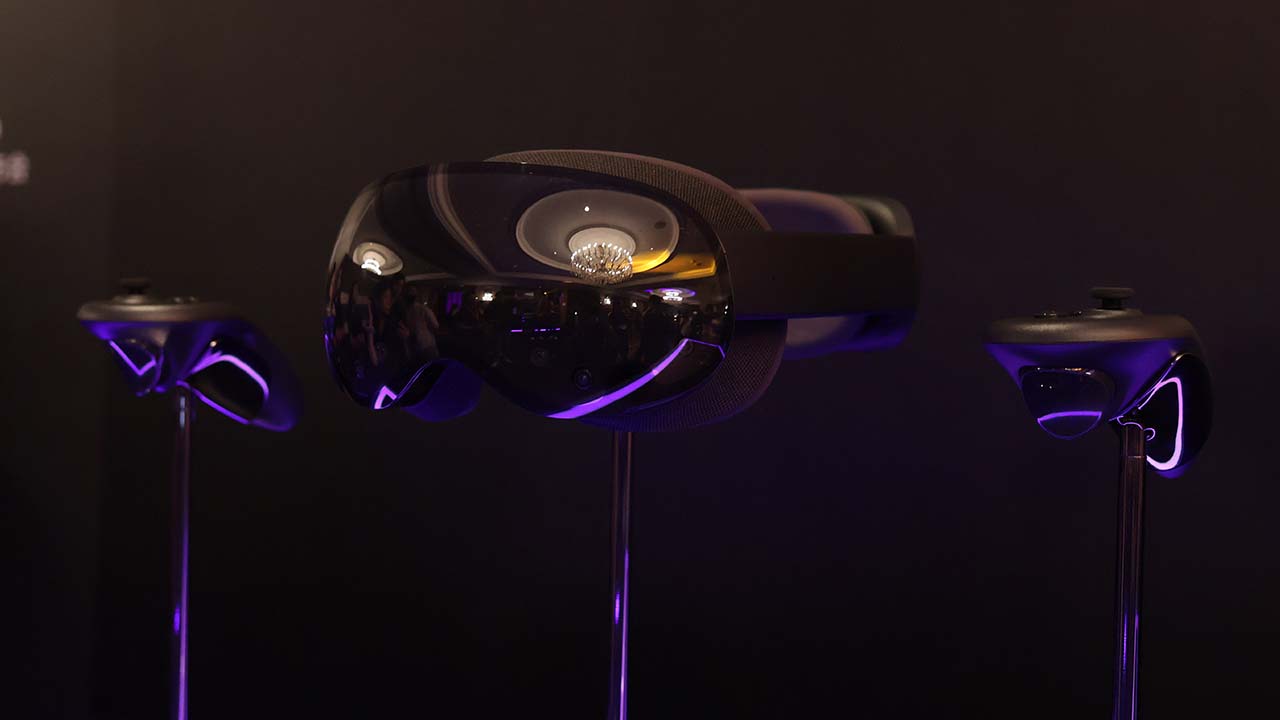
Introducing the Play for Dream MR
The Play for Dream MR augments the world around you with a flurry of technologies. The first device to rock the Snapdragon XR2+ Gen 2, the headset brings spatial computing to a whole new level. Underneath, it has 11 high-performance cameras, 7 sensors, and 22 LEDs. A 32-megapixel camera can shoot immersive memories for future perusal. It also has 1TB of internal storage.
Plus, even when seen through a camera, the real world is just as crisp. The headset comes with two 4K Micro OLED screens, totaling its capabilities to 8K resolution. Both will deliver images at 3882ppi and 45ppd. IMAX and DTS are also lending their technologies to the headset for the most immersive media viewing experience.
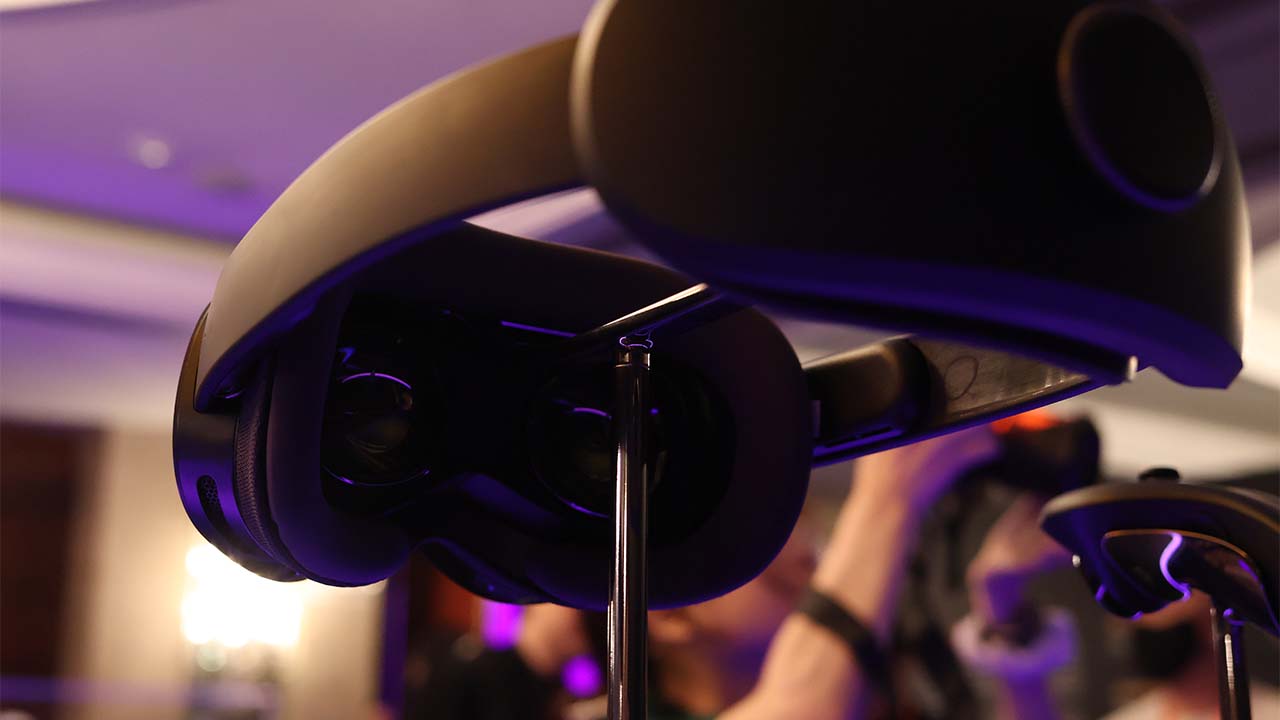
For comfort, the Play for Dream MR is around 21 percent thinner than the company’s other headsets. It has also been engineered to put minimal pressure around the user’s head.
Oh, and it’s a lot cheaper than the Vision Pro. It’s only set for a US$ 1,X99 tag. (Play for Dream is still hiding the third digit ahead of its projected launch later this year.)
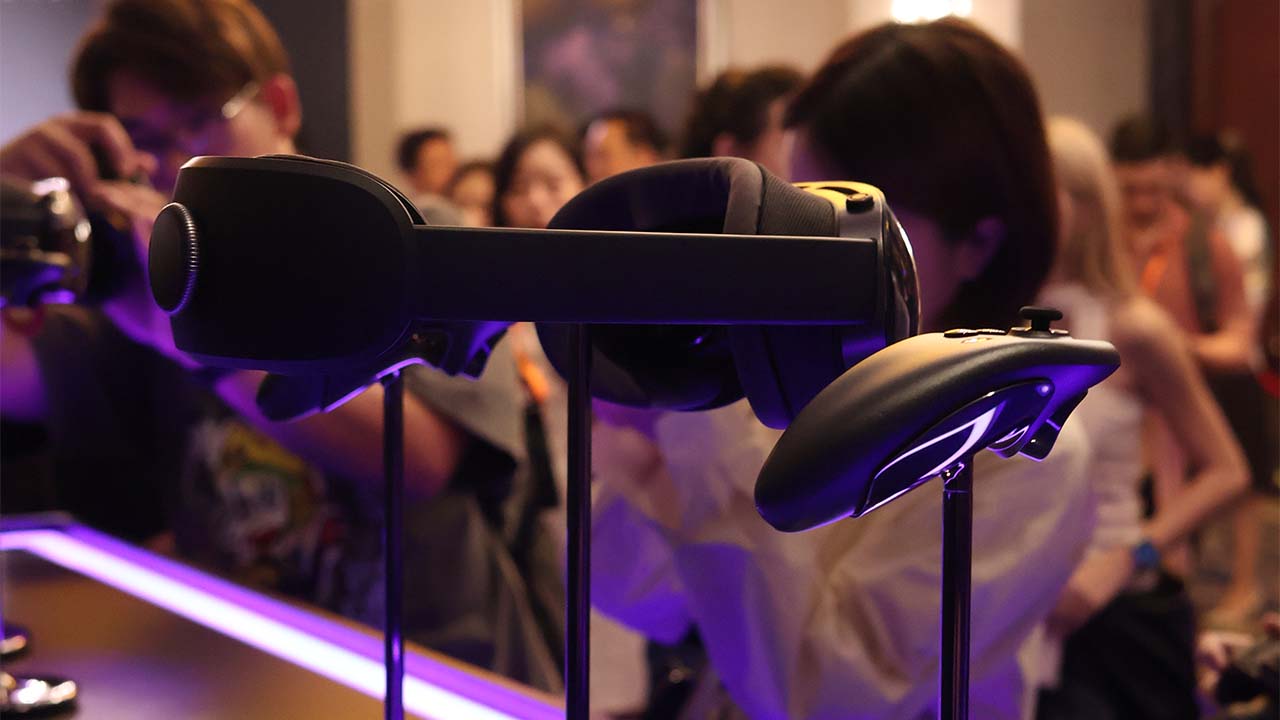
What can it do?
The Play for Dream MR is more than just a collection of different technologies. It can put in the work.
Obviously, the most prominent use for the headset is for entertainment. It can project a 1000-inch screen right in front of you. Even during transit, you can watch in style. Plus, the headset can simulate another location. Instead of projecting a screen out in the real world, you can watch a whole movie under a simulated night sky.
Users can also take and watch immersive videos with the headset. These videos can make you feel as if you’re reliving memories from the past.
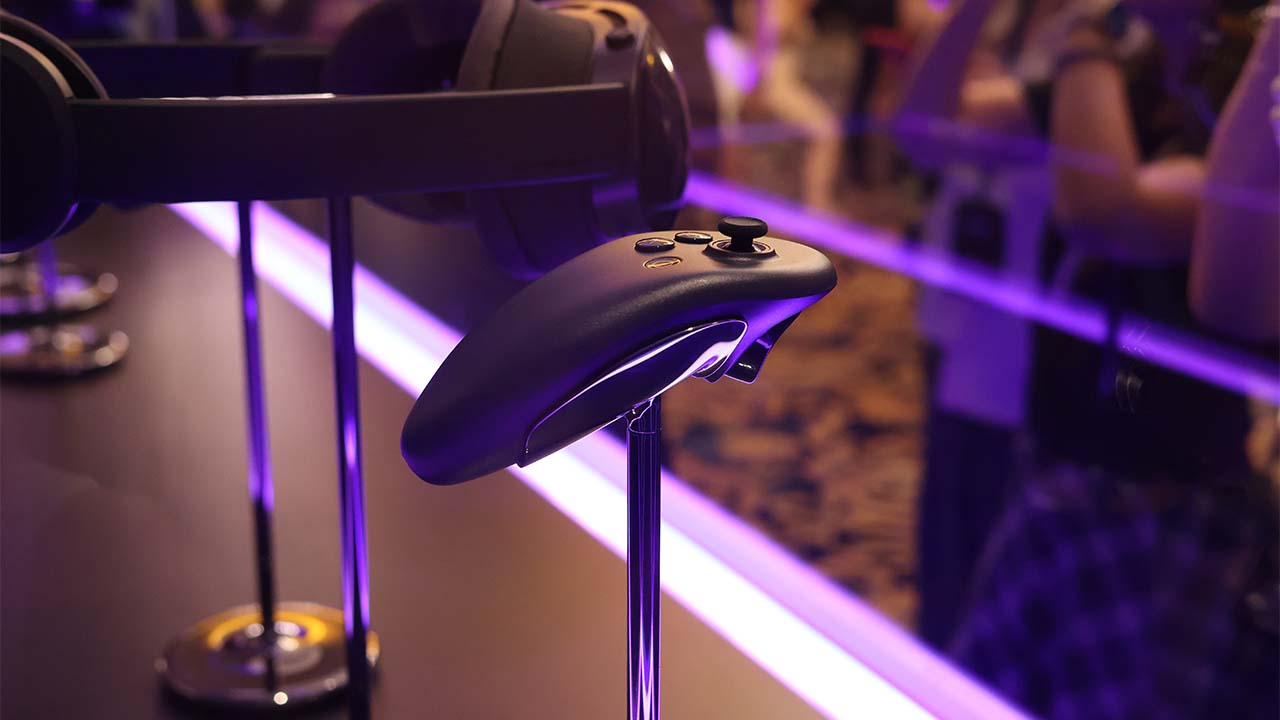
Another natural use of the headset is gaming. Besides how immersive the display is, the two controllers are ergonomically designed for comfort. Whether you’re playing a fighting or a sports game, the Play for Dream MR introduces a more immersive way to play.
Finally, the headset can do basic office work. By projecting screens on the screen, users can continue their work even while using the headset.
Taking it for a spin
During the headset’s reveal in Singapore, Play for Dream brought out a prototype for me to try. The first thing I noticed was how comfortable it fits on my face. Unlike other headsets, it doesn’t feel clunky. Though seeing the world through a camera is jarring at first, my eyes quickly adjusted to the augmented reality. Latency wasn’t an issue, either. The screen showed what was in front of me in real time.
The first demonstration involved an immersive video set at a convention with several cosplayers. The feature instantly transported me away from the demo room. The resolution was crisp, enhancing the immersion further.
They also showed how the headset can project a huge screen in front of me. Although the sample video (a trailer for Avatar: The Way of Water) had less resolution, I’m still interested to see how the headset can handle videos in 4K and 8K resolution.
The second thing they showed was how the Play for Dream MR can project virtual objects as if they were right in front of me. The sample showed a virtual aquarium set right into the room’s wall. It also showed jellyfish floating around the room. In terms of use, it’s difficult to see what it can be used for, but it was great technology, nonetheless.
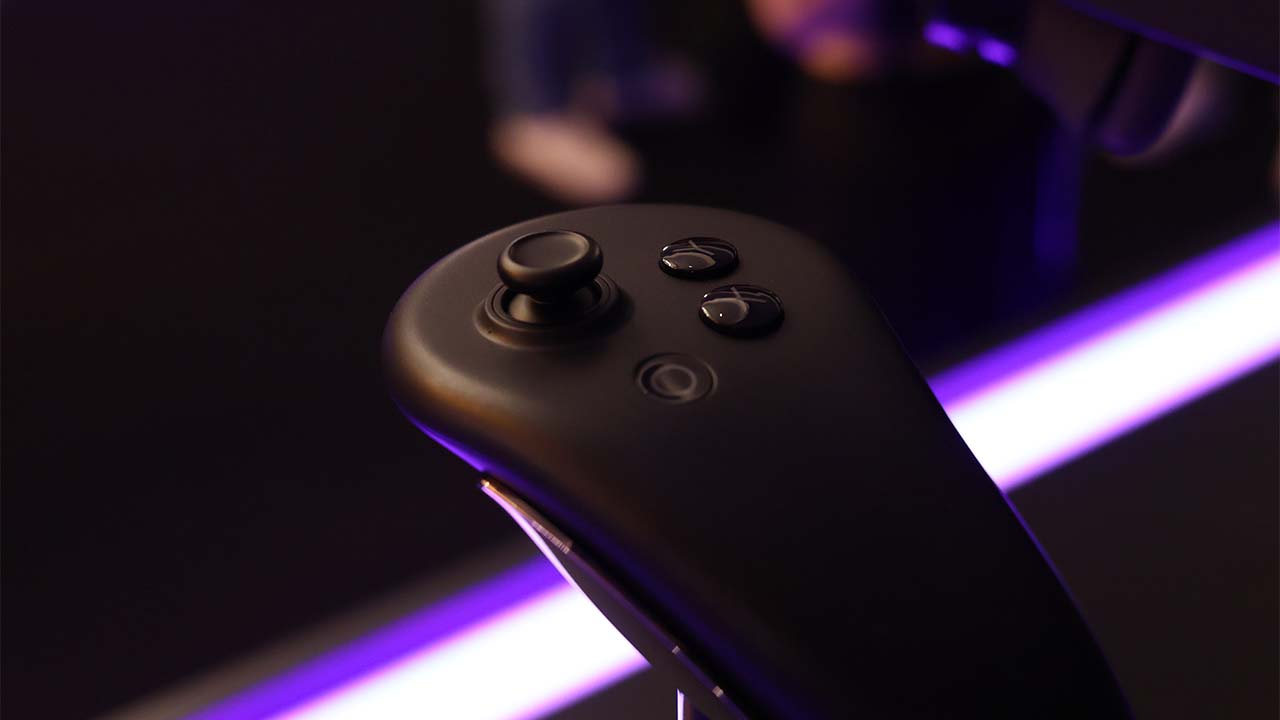
Also, the demo showed off how the headset plays games. I played a short fighting game and a table tennis match. The fight game, pitting me against a series of tall robots, was fun. It got me moving, and it’s obviously fun to beat up a bunch of tall hustlers.
The table tennis game was a bit harder, though. It was difficult to measure how hard to hit the ball. Regardless, it was still immersive to have a virtual board in front of me.
Finally, the demonstration showed off the headset’s office capabilities. Even without a monitor, it can project multiple screens for me to focus on. I had two when I tried it, but I imagine it can handle more. It’s perfect if you don’t have space for a multi-monitor setup.
The verdict
Especially because of its price tag, I always though that the Vision Pro was a product reserved only for dedicated early adopters. We’re still far away from Apple’s dream of replacing a smartphone with a mixed-reality headset.
That said, the Play for Dream MR shows a lot of promise. It’s a lot more affordable and can offer much of the same capabilities as the Vision Pro. While there’s still room for improvement, this is a first salvo in an eventual race for mixed-reality headsets.

Virtual Reality
Samsung Display showcases new RGB OLEDoS tech at AWE 2026
Simpler, brighter display built for the next generation platforms

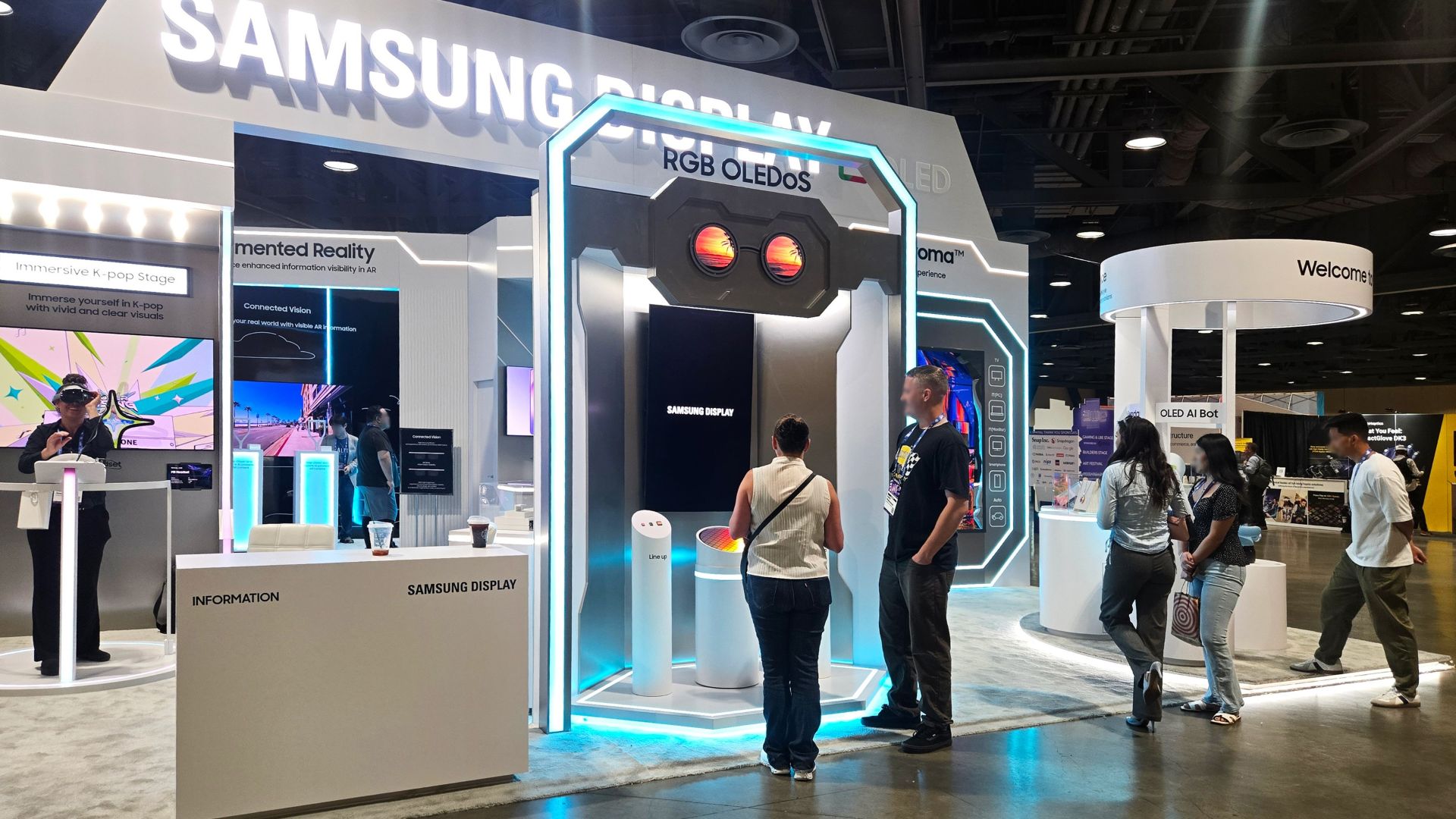
Samsung Display is making a major power move into the next-generation extended reality market as it showcased its cutting-edge RGB OLEDoS technology at AWE 2026.
At the world’s largest XR-focused exhibition, Samsung Display presented this cutting-edge display innovation designed for XR devices like mixed reality headsets and AR smart glasses.
Samsung Display has prepared a variety of interactive experiences at the gathering, allowing visitors to experience the superior image quality of RGB OLEDoS firsthand.
Among the highlights are a dark-room installation designed to demonstrated the brightness of a 1.3-inch, 40,000-nit RGB OLEDoS.
This space is named “The Big Dipper”, with only seven display panels arranged to recreate the constellation. Of the seven, two feature Samsung Display’s latest tech, highlighting the dramatic contrast in brightness.
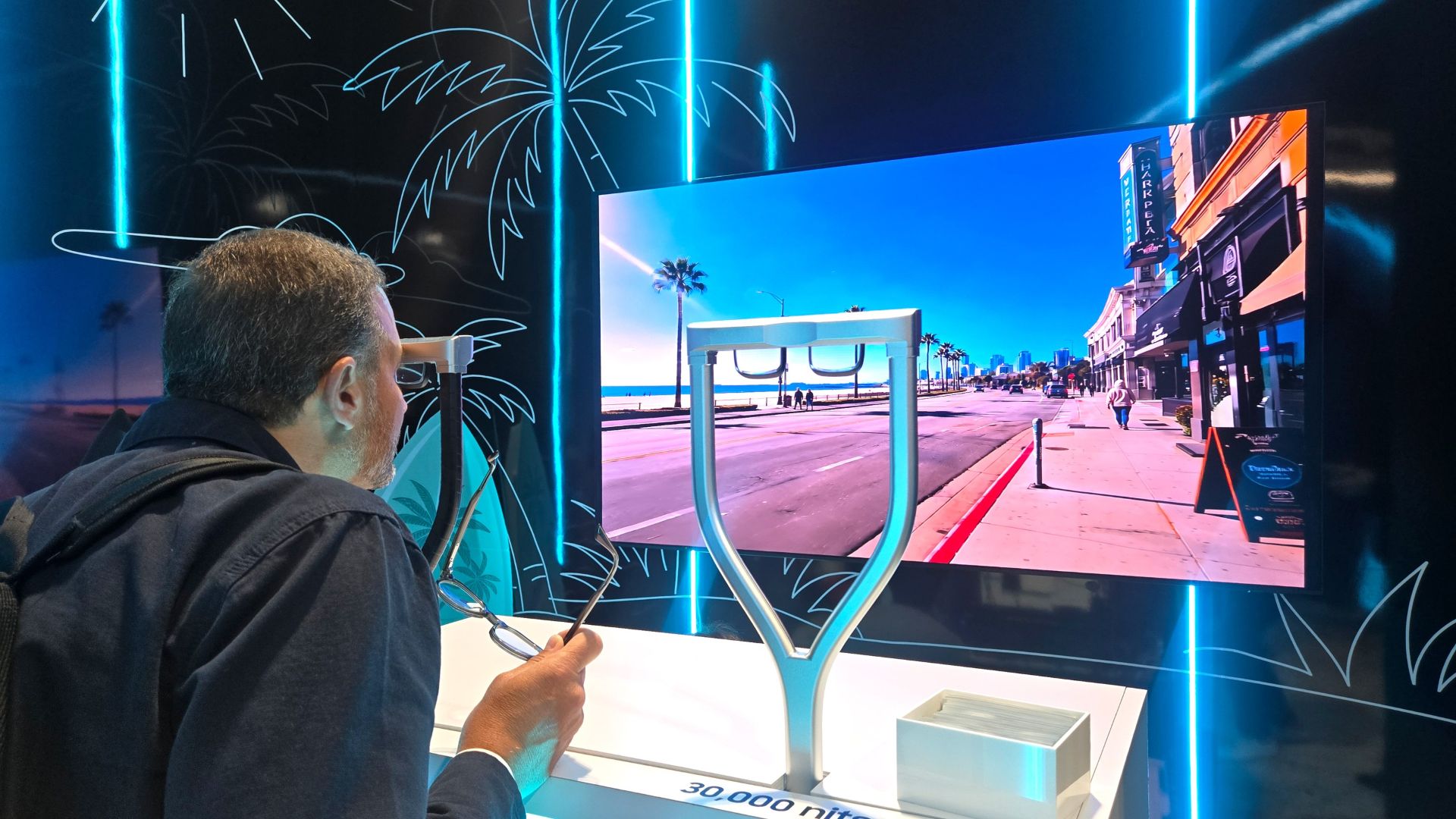
Meanwhile, at the “Connected Vision” zone, Samsung Display also demonstrated the possibilities enabled by combining the panel with AR smart glasses.
Against a large-screen backdrop featuring the Long Beach coastline, visitors can access a variety of AR-based information. This includes real-time translation, navigation, and weather updates — through a prototype smart glasses device equipped with a high-brightness 0.62-inch RGB OLEDoS.
Beyond XR technologies, Samsung Display is also unveiling a range of next-generation concept products.
These demonstrate how displays can evolve into spatial interfaces with the integration of AI technologies.
Among them is a stretchable display that can dynamically change its form, remaining flat under normal conditions while protruding from the surface depending on the usage environment.
Moreover, the Light Field Display (LFD), creates three-dimensional visuals that appear to exist in physical space without requiring glasses or a headset.
Virtual Reality
Zero Latency VR is opening its first local venue this July
Free-roam multiplayer VR experiences
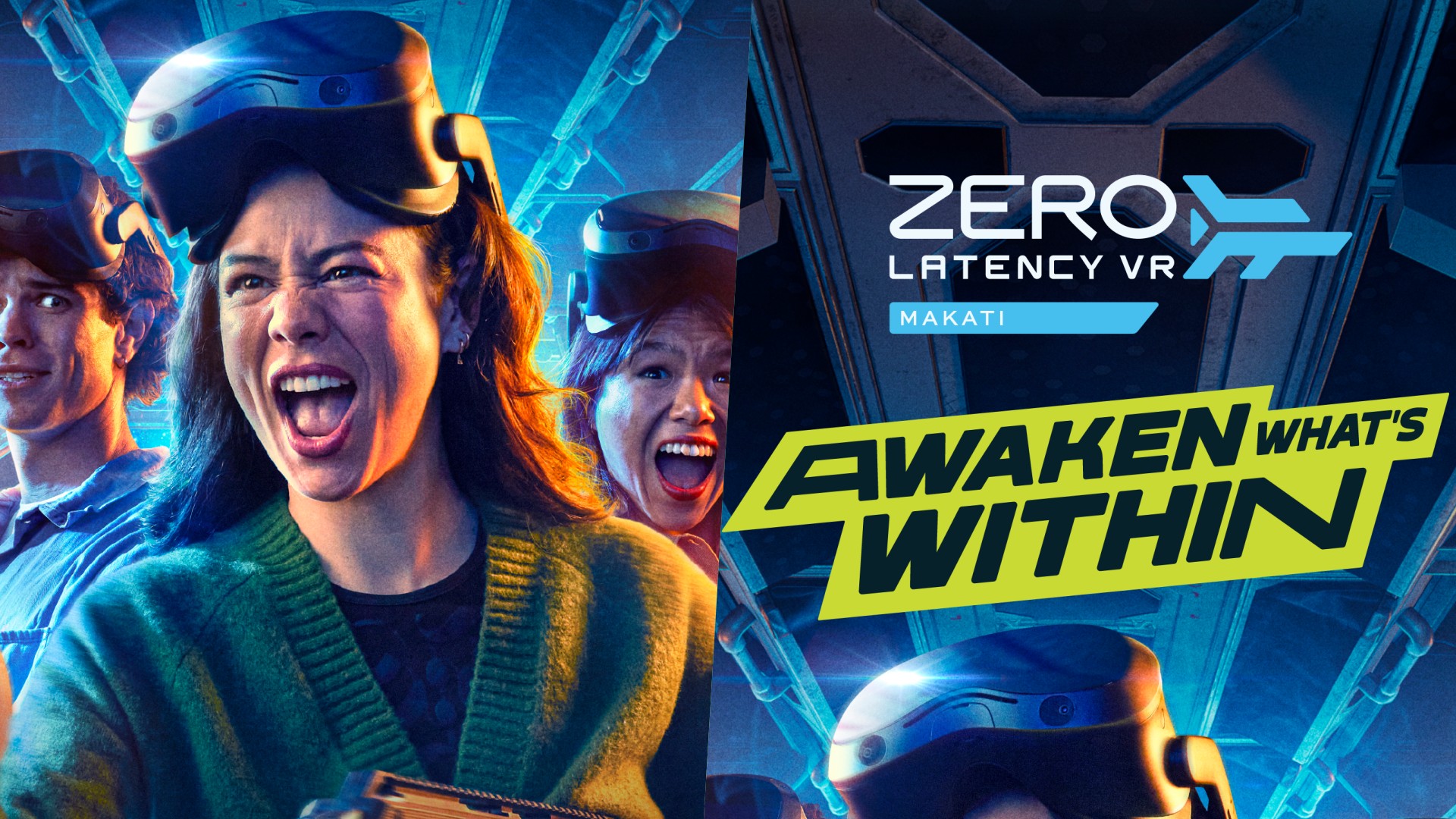
Global free-roam virtual reality brand Zero Latency VR is officially opening its first local venue by the end of July 2026.
The new branch marks the company’s debut in partnership with Third Culture Entertainment, the group behind Film Concerts PH.
The venue brings Zero Latency’s signature large-scale wireless multiplayer VR experiences to a new audience. Players can freely move around inside a shared virtual world while playing side-by-side in teams of up to six people.
According to Third Culture Entertainment founder and CEO Mikhail Schemm, the team has been preparing the launch for months.
“Confirming our first location, with a planned end-of-July opening, is a huge milestone for us,” Schemm shared. “We can’t wait to throw the doors open and let people experience free-roam VR for themselves.”
AAA worlds and multiplayer chaos
At launch, players can jump into several of Zero Latency VR’s most popular original experiences, including Outbreak, Outbreak 2: Mall Mayhem, Haunted, and Undead Arena.
The venue will also feature officially licensed experiences based on major gaming franchises, including Far Cry VR: Dive Into Insanity and Warhammer 40,000: Space Marine VR — Defenders of Avarax.
Future titles expected to arrive globally across Zero Latency locations include Jumanji and Cyberpunk 2077-themed VR experiences.
Each session combines wireless VR gameplay with physical movement, allowing players to walk around freely inside the arena instead of standing in place.
Built for groups and events
Beyond casual play sessions, the venue will also support private group bookings and corporate activities.
The company says the space is designed for birthdays, friend groups, school trips, team-building activities, and private business events.
More details about ticket pricing and the exact opening date are expected in the coming weeks. Waitlist here.
Singapore
Sony’s mobile motion capture system, mocopi, is coming to Singapore
Full-body motion tracking with compatible smartphone or PC
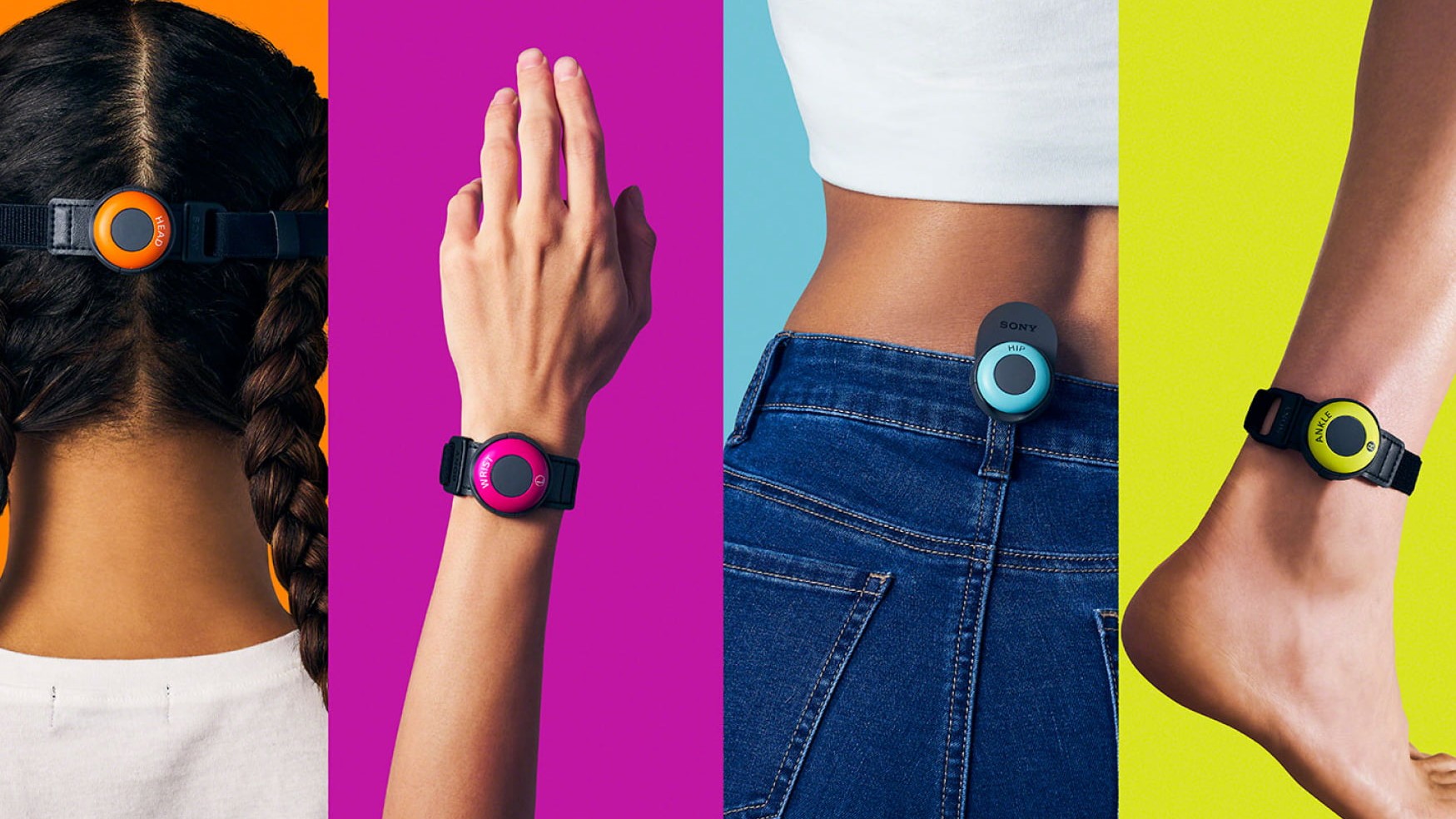
Sony has announced the launch of its mobile motion capture system, mocopi (QM-SS1) in Singapore.
With small and lightweight sensors and dedicated apps available for iOS, Android, and Windows, mocopi enables full-body motion tracking using Sony’s proprietary technologies.
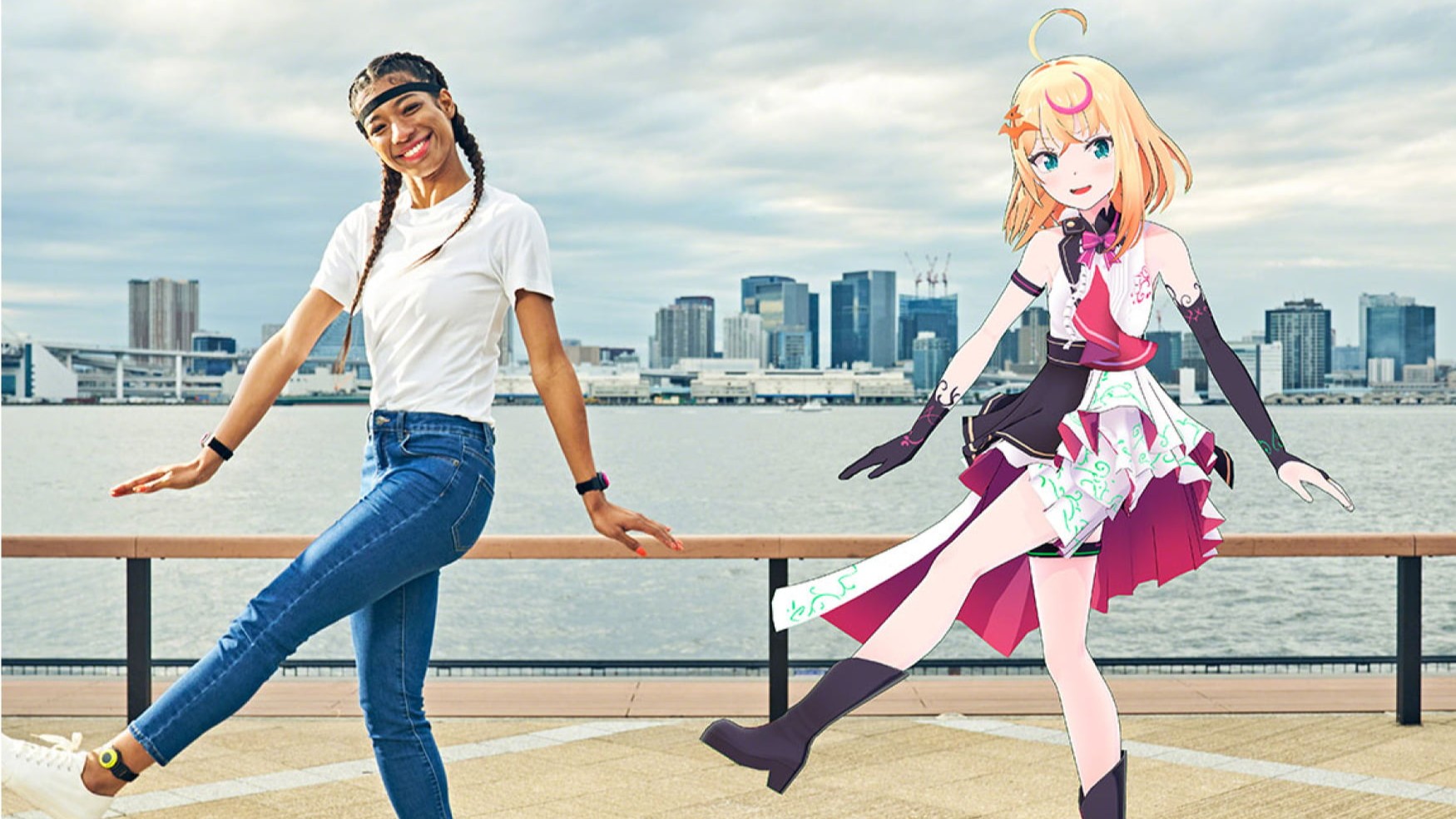
Users can track movements indoors or head outdoors and create own 3D motion content wherever they go.
The small and sleek sensors are driven by Sony’s unique, proprietary algorithm. They fit comfortably on various parts of one’s body. And all users need are compatible smartphones and the mocopi app.
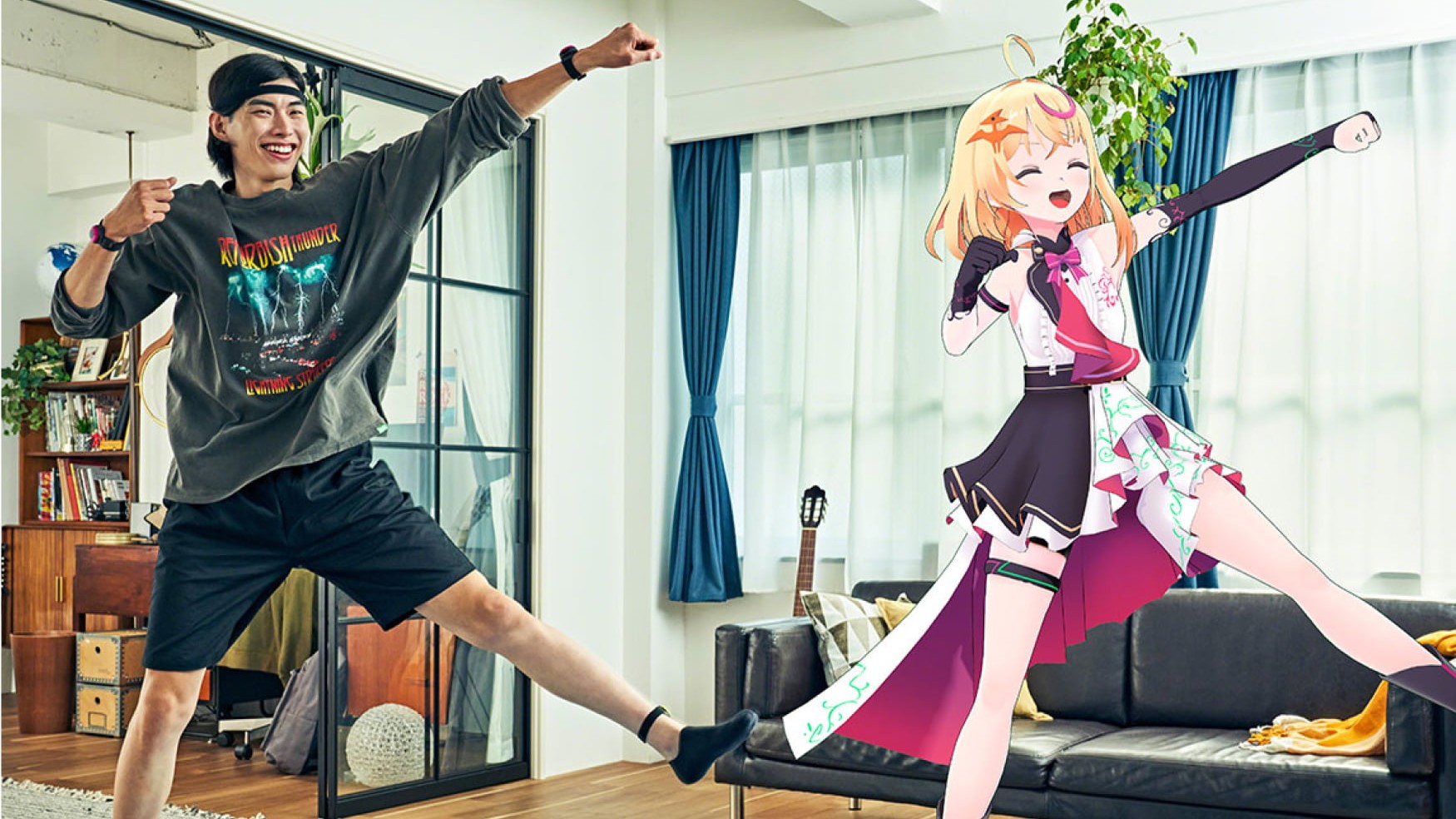
The end-to-end process includes creation, motion data-logging, recording, saving, and finally, transferring.
On the app, users can simply pair the sensors with their phone. Then, after putting sensors on parts like their wrists, ankles, hip, and head, users will only have to calibrate them.
With this system, it’s easier than ever for users to produce content they desire.
In addition, there’s also a mocopi PC app to deliver seamless and efficient motion capture experience for 3D content creators.
They can record in FBX format, in addition to BVH format. Motion data can be synchronized with external data like facial capture or video by adding timecode from time code generators and NTP.
Sony mocopi demo, experience
Starting October 31, Sony Stores in Singapore will feature a dedicated mocopi demo unit. Visitors can dive into the future of engaging and dynamic content creation with the in-store demo.
Furthermore, the Sony Store at 313@somerset lets visitors explore the mocopi Experience Zone. This is designed for creators who want to dive deeper into what mocopi can do.
They can get hands-on with the suite of advanced programs, including the PC app and XYN Motion Studio. This will allow participants to witness how the motion capture system integrates into professional workflows.
mocopi will be available in Singapore from November 2025 for SG$ 599.

realme C100: Enduring and durable in spite of entry-level realities
Enough power but needs more agility


The ASUS ExpertBook Ultra wins you over
The laptop sneaks up on you
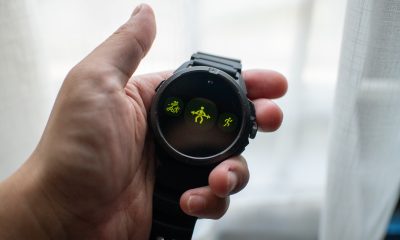

Nexal Watch Sport review: A rugged watch for small budgets
I couldn't believe that watches this good could come for this cheap.

How to set up Apple Pay on your iPhone

Mastercard brings Apple Pay to customers in the Philippines

Visa brings Apple Pay to its customers in the Philippines

DJI Osmo Mobile 8P: From a videographer’s perspective

GadgetSnaps: Westminster Abbey

New York becomes first state to ban smart glasses

Sony launches IER-M500 in-ear monitors

Microsoft dictates that a new Fallout game is coming

HoYo FEST 2026 details announced; tickets on sale from July 16
realme C100: Enduring and durable in spite of entry-level realities


-

 Wearables2 weeks ago
Garmin launches its first screenless fitness band
-
 Hands-On2 weeks ago
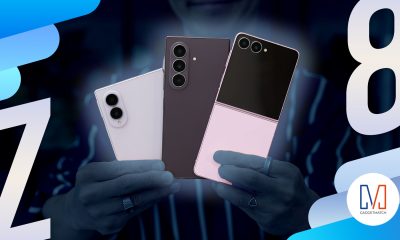
Hands-on: Samsung Galaxy Z Fold8, Flip8, Ultra
-

 Gaming2 weeks ago
NBA 2K27 cover athletes unveiled: Wemby, Clark, DRose
-

 Cameras2 weeks ago
Sony announces new FX5 full-frame camera
-

 Accessories2 weeks ago
CASETiFY revives Spider-Man collection for Brand New Day
-

 Gaming2 weeks ago
FINAL FANTASY X | X-2 HD Remaster launches on Nintendo Switch 2
-
 Computers1 week ago
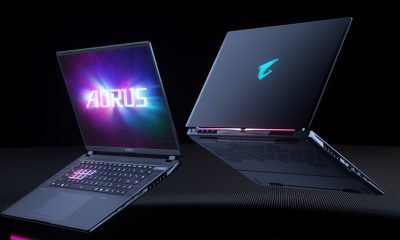
AORUS MASTER 16 Gen 2 2026 AI gaming laptop launches
-
 News2 weeks ago
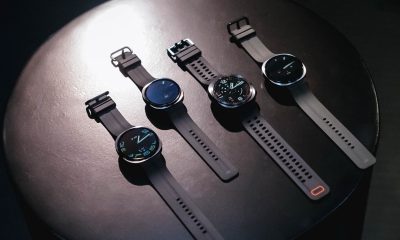
Samsung Galaxy Watch Ultra2 and Watch9: Price, availability in the Philippines