
Wearables
Energy Score on the Galaxy Watch Ultra, Watch7
Health and wellness upgrade

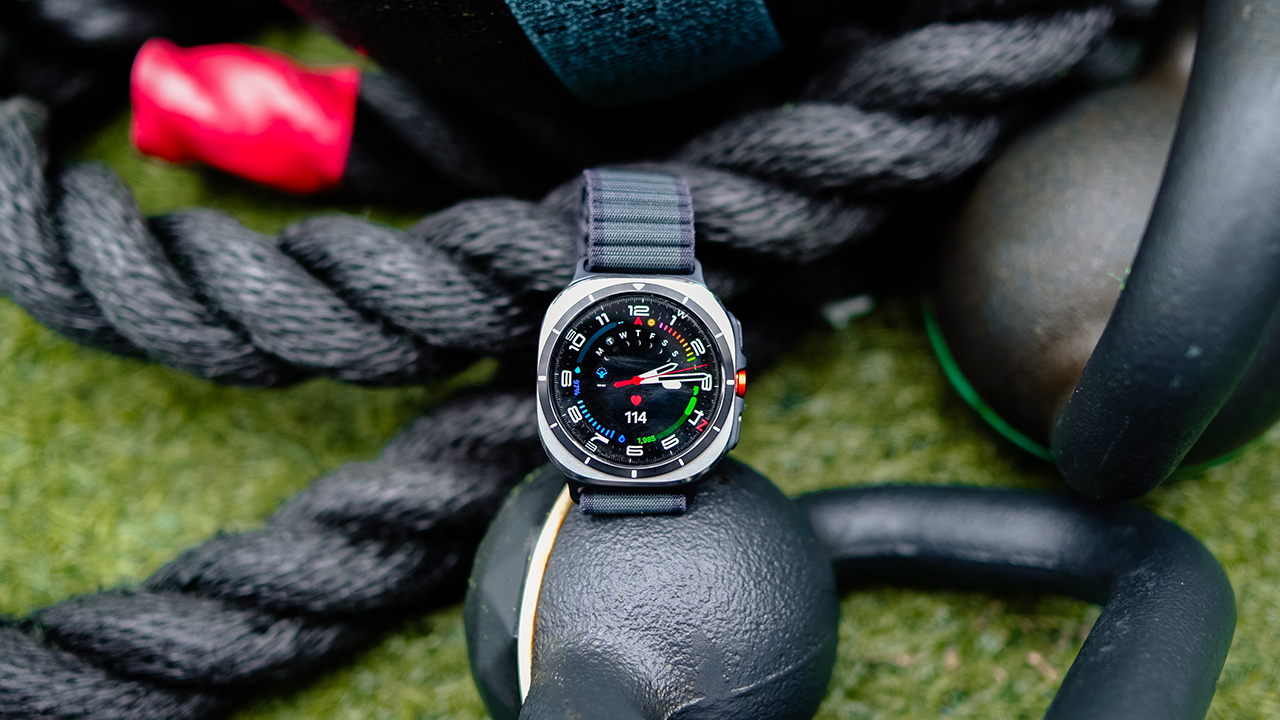
Samsung’s approach to health monitoring, fitness, and overall wellness is evolving. Enabling these changes are the brand new Galaxy Watch Ultra and Galaxy Watch 7 in tandem with the Samsung Health App.
The wearables also got AI support through Samsung Health. Samsung upped the number of LED monitors on both the Galaxy Watch Ultra and the Galaxy Watch7 to make sure data is more accurately captured. This then goes into the Samsung Health app which will now show you an overall Energy Score which is calculated through a combination of your exercises, activities, heart rate, and more.
The higher the Energy Score, the better. Whether you’re using the new Galaxy Watches or even the Galaxy Ring, these metrics are being monitored and recorded so you can make adjustments for a healthier lifestyle.
Galaxy Watch Ultra
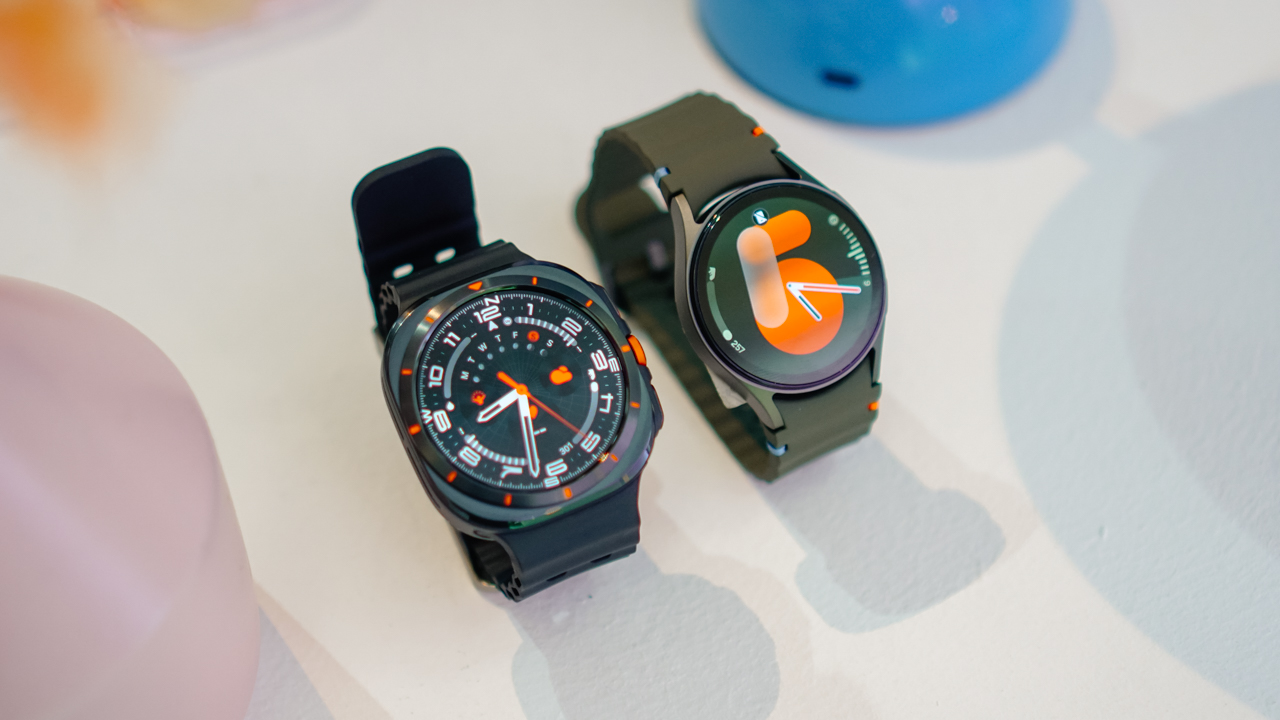
For a personal active performance companion, the Galaxy Watch Ultra is your best bet. Aside from having the Galaxy Watch7’s advanced health monitoring features and powerful hardware, the Watch Ultra variant also supports enhanced fitness experiences.
The watch is built for extreme durability with its 10ATM water resistance and Titanium Grade 4 frame. It can operate at up to 500 meters below sea level, or 9,000 meters above. It can also last up to 100 hours on Power Saving and 48 in Exercise Power Saving.
For high-level athletes, the Watch Ultra features a new Functional Threshold Power (FTP) for cycling power. This is an AI-powered metric that helps athletes unlock their full potential based on their own indicators. The device also has a Personalized HR Zone and Multi-sports tile for multi-course workouts.
Among its other features are Quick Button and Emergency Siren, which are both helpful during workouts.
Galaxy Watch7
Meanwhile, the Galaxy Watch7 is designed to give users a better understanding of themselves. It supports over 100 workouts, and lets users develop active habits with Workout Routine. Body Composition, on the other hand, gives them a comprehensive understanding of their physical bodies.
Likewise new to the Galaxy Watch7 is an advanced AI algorithm, and the De Novo FDA-authorized Sleep Apnea feature. This simple tool checks potential signs for moderate to severe sleep apnea.
Among the smartwatch’s advanced monitoring capabilities are Heart Rate, Irregular Heart Rhythm Notification (IHRN), and Electrocardiogram (ECG). The Watch7’s BioActive Sensor makes tracking these indicators in a more accurate manner possible. Moreover, the device can track advanced glycation end products (AGEs) right from a user’s wrist. AGEs reflect an indication of metabolic health.
The Watch 7 is equipped with a 3nm processor, delivering an even faster performance compared to its predecessor. It is also the first Galaxy product to feature dual-frequency GPS system.
The Galaxy Watch7 starts at US$ 299.99 while the Watch Ultra will retail for US$ 649.99.
Both will be available on Samsung.com, Samsung Experience Stores, and other major retailers. Preorders in the United States will be open by July 10, 2024, with general sales beginning on July 24.
Galaxy Unpacked in Paris
After launching the Galaxy Fold5, Flip5 and more in their home country, South Korea, Samsung decided to go West again in a launch headlined by the Samsung GalaxyZ Fold6 and Galaxy Z Flip6.
Joining the newest Galaxy Z Series are the Galaxy Buds3 series and their exciting new set of wearables: The Galaxy Watch Ultra, Galaxy Watch7, and of course, the Galaxy Ring.
Galaxy AI
All of these devices have some form of Galaxy AI infused into them. For the Galaxy Z Series, everything we saw from the Galaxy S25 Series will come to these devices. There are improvements and new ones.
For instance, there’s an Interpreter app now on the Galaxy Z Series that takes Live Translate to the next level. Live Translate even works on the Galaxy Buds3 Pro. It’s a feature that should be helpful for frequent travelers especially as Samsung intends to expand language support from 16 at launch to over 20 before the end of 2024.
There are also features like Sketch to Image and Portrait Studio that new Galaxy users can certainly have fun with.




Smart Communications is expanding its smartphone-free connectivity options with Apple Watch, letting subscribers stay connected, track their health, and make payments from their wrist.
The latest Apple Watch lineup, including the Apple Watch SE 3, Apple Watch Series 11, and Apple Watch Ultra 3, is now available through Smart Postpaid Plans with Device starting at Plan 999.
The Apple Watch SE 3 starts at P692 per month, while the Apple Watch Series 11 starts at P1,321 per month. The Apple Watch Ultra 3 starts at P2,275 per month. Customers can also choose 0% installment plans through participating bank partners.
Smart Device Link lets Apple Watch users share their primary mobile number and plan with their smartwatch for P199 per month. This allows them to make calls, send texts, and use mobile data even when their iPhone isn’t nearby.
First-time Smart Device Link users can get a free six-month trial until September 30. Smart says activation instructions are available through its website.
Apple Watch
Beyond connectivity, Apple Watch offers health, fitness, safety, and wellness features that vary by model. These include heart rate and sleep tracking, ECG, Sleep Score, workout tracking, Crash Detection, and Emergency SOS.
Users can also make secure, contactless payments directly from their Apple Watch with Apple Pay.
The Apple Watch SE 3 focuses on essential health, fitness, safety, and connectivity features. The Series 11 adds more advanced health and fitness capabilities, while the Ultra 3 is designed for demanding sports and outdoor activities.
Smart 5G further supports connectivity across Apple Watch, iPhone, and other digital services, whether users are at work or on the go.
Smart was also recently recognized by Ookla for having the Best Mobile Video Experience in the Philippines for the first half of 2026. It posted a Video Score of 72.82, the highest among mobile operators in the country.
The Apple Watch SE 3, Series 11, and Ultra 3 are available through Smart’s Postpaid Plans with Device starting at Plan 999 via the Smart Online Store and Smart Stores.
Wearables
The keyword for the Apple Watch Series 12 is heartrate variability
Plus, it has major advancements for Audio Intelligence.

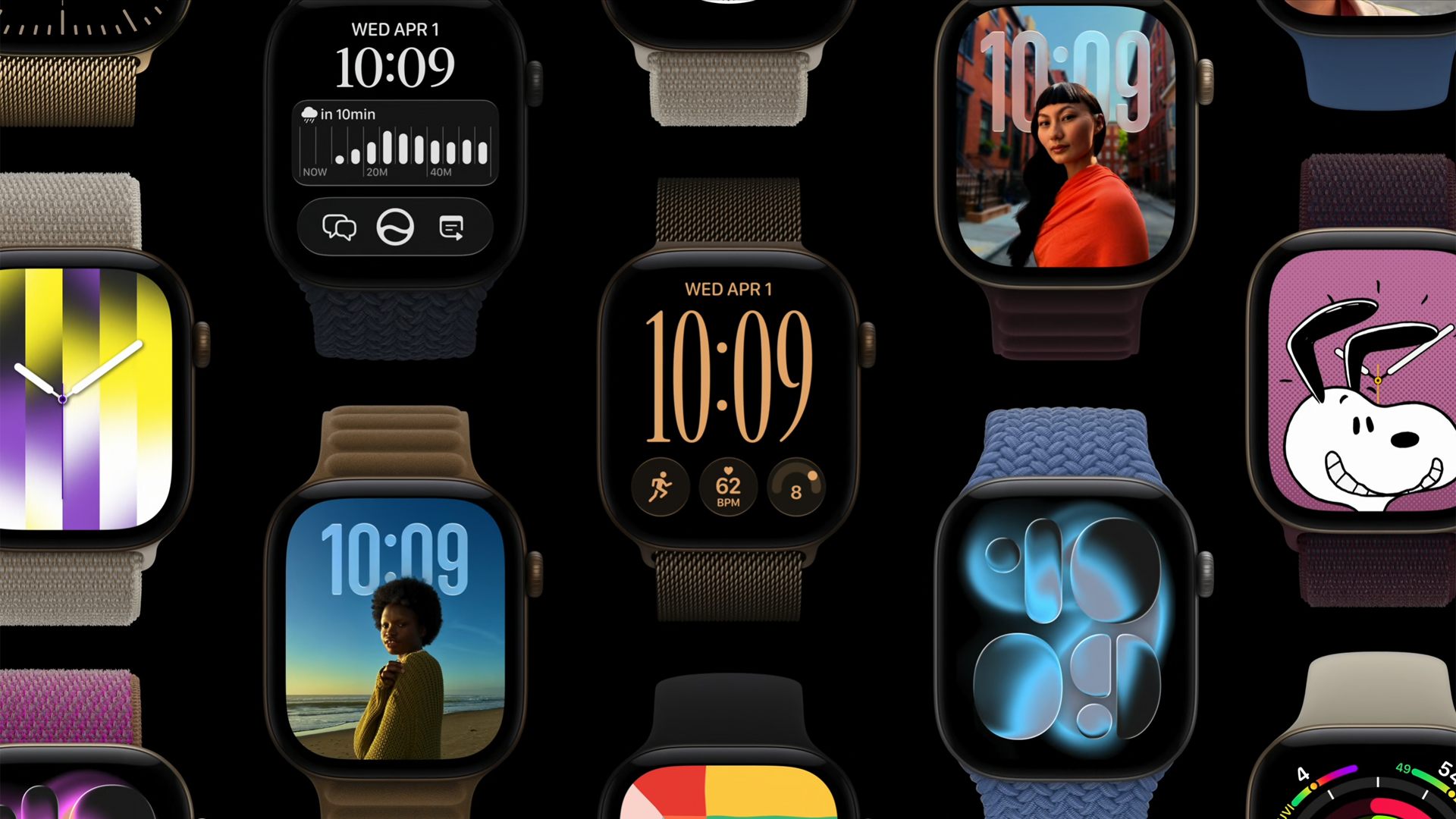
What goes well with a new iPhone? A new Apple Watch, of course.
Complementing the launch of the new iPhone 18 Pro series, Apple has also launched the new Apple Watch Series 12. Rather than completely reinventing the wheel, the new series aims to pack in more features into the wearable we all know and love.
This time, the Apple Watch Series 12 will focus on a key metric, heart rate variability (HRV). Also explaining the importance of tracking HRV, Apple maintains that the new watch is the best wearable for keeping track because it can automatically tell you when you should push and when to relax. Naturally, it can also tell you if something is wrong.
Armed with the new S11 chip, the Apple Watch Series 12 also boasts Siri AI, powered by Apple Intelligence and Audio Intelligence. Besides keeping track of their vitals, the wearable can also be an effective assistant for day-to-day tasks. For example, Live Rewinds tracks the past 15 seconds of a conversation so you could look back if you missed some important bits. Siri Recap then creates highly intelligent summaries of past conversations.
Naturally, you’re also getting the standard array of fitness tracking. The bigger story, however, is a redesigned Health app coming later this year. The new app comes with a Health Age feature which shows how healthy you are, relative to your age.
The watch will last up to 24 hours on a single charge or up to 10 hours during an outdoor workout. Plus, a 15-minute charging sessions gets you 50 percent of battery life back.
Price, availability
The Apple Watch Series 12 comes in a variety of colorway options including dark bronze, black, light gold, and space gray aluminum, and radiant gold and natural titanium. It also comes in pearl white and night blue for the ceramic version.
It starts at US$ 399 and will come out on September 18.
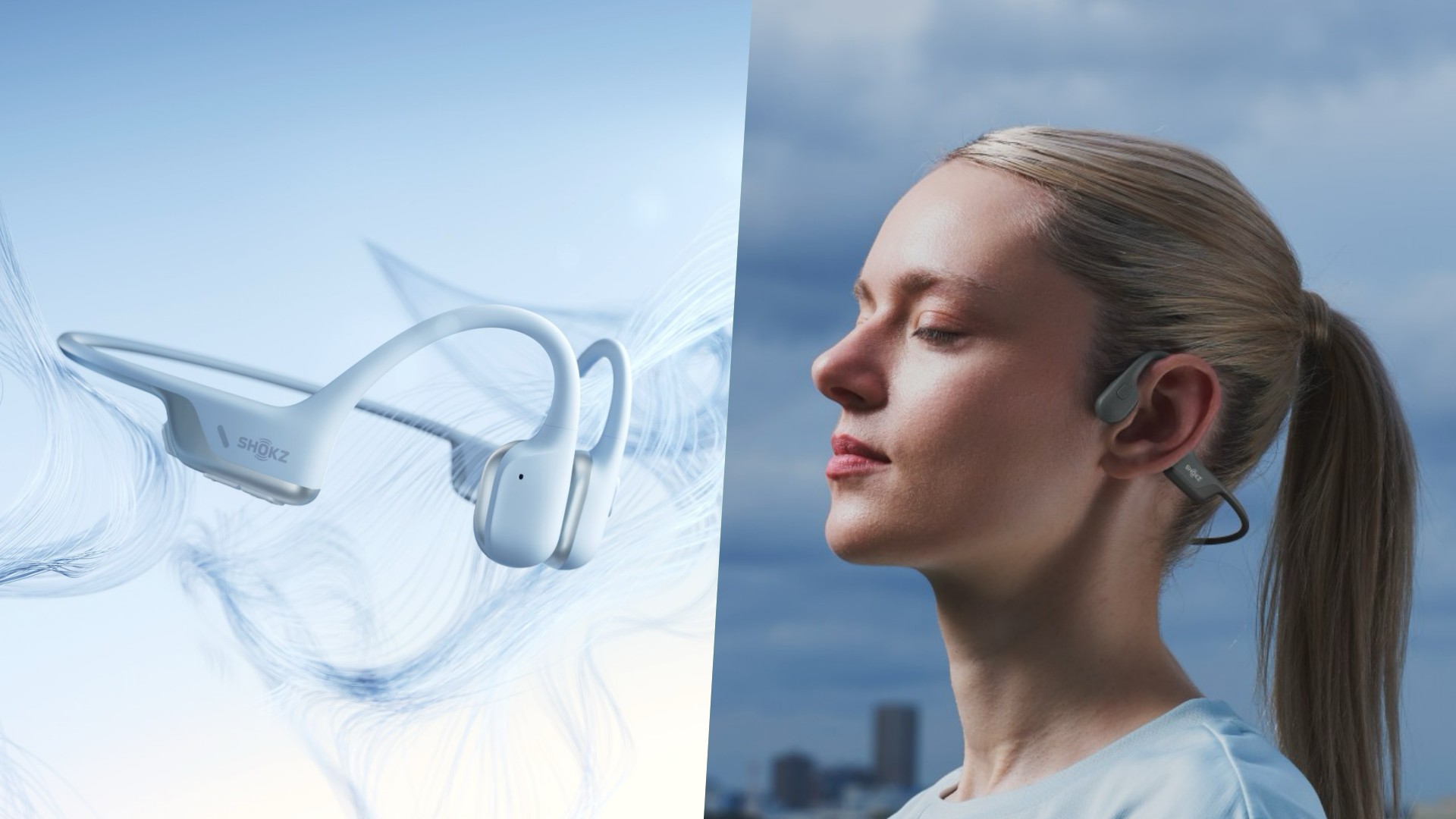
Shokz has launched two new open-ear audio products designed for active lifestyles and everyday use.
The OpenRun Air 2 is a bone conduction sports headphone built for running, cycling, hiking, and outdoor training. The OpenFit Air 2 is a true wireless earbud designed for workouts, commuting, and all-day wear.
Both products keep the ear canal open. This lets users listen to music and take calls while staying aware of their surroundings.
OpenRun Air 2 gets smaller and lighter

The OpenRun Air 2 weighs 26.4 grams. It is also more than 9% smaller than the OpenRun.
Shokz redesigned the ear hooks to follow the natural curve of the ear. The new design distributes pressure more evenly. A forward-shifted center of gravity also helps reduce bounce during movement.
The ear hooks and neckband use a durable memory alloy. This helps keep the headphones secure during activities.
The headphones use Shokz’s PremiumPitch 3.0 bone conduction technology. Its upgraded driver uses an all-metal, dual-coil, dual-reed structure. Shokz says this delivers richer bass, clearer vocals, and a more balanced sound.
Users can also adjust the sound through the Shokz App. It offers four preset EQ modes and two custom EQ profiles.
The OpenRun Air 2 offers up to 10 hours of listening time. That’s 25% longer than the OpenRun. A five-minute Quick Charge can also provide up to two hours of playback.
An IP67 rating protects the headphones from dust and water. The device also uses USB-C charging and physical controls.
For calls, the OpenRun Air 2 uses an AI-powered noise reduction microphone. Shokz says it helps keep calls clear even in windy conditions.
The headphones come in Black and Ice Blue. Both colors are available in Standard and Mini sizes.
OpenFit Air 2 is the lightest OpenFit
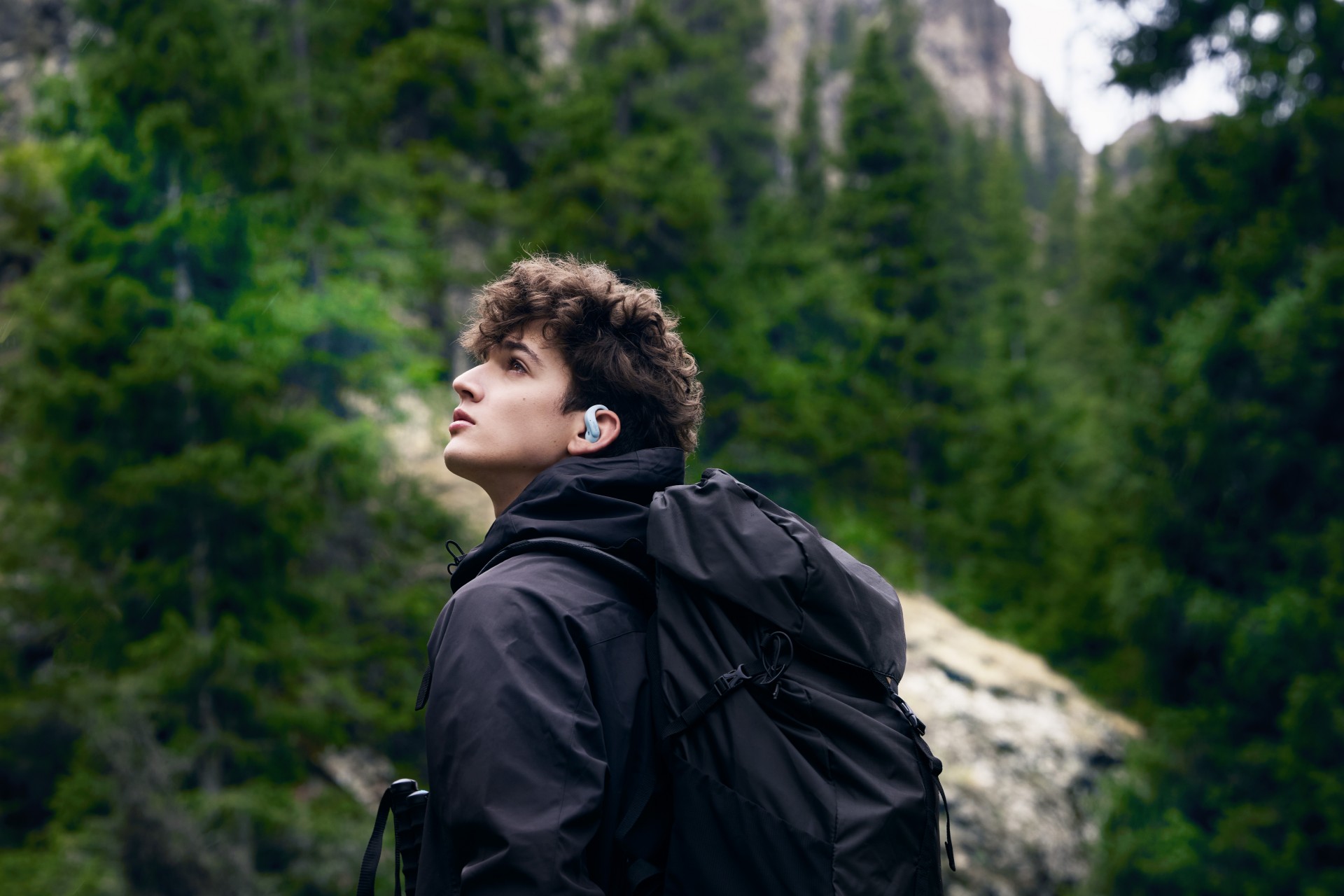
The OpenFit Air 2 weighs 7.2 grams per earbud. Shokz says it is the lightest product in the OpenFit lineup.
The new charging case is 10.5% smaller than the previous generation. The earbuds and case together are also 17.6% lighter.
Shokz redesigned the ear hook with a 0.75mm nickel-titanium alloy frame. This balances flexibility and support during workouts and everyday use.
The open-ear design also reduces pressure and heat buildup inside the ear canal.
For audio, the OpenFit Air 2 uses Shokz’s Bassphere driver and OpenBass 2.0 algorithm. The system uses a dual-driver setup to improve low-frequency performance.
A 30-degree angled speaker directs sound toward the ear. DirectPitch technology also helps reduce sound leakage.
Like the OpenRun Air 2, the OpenFit Air 2 supports four preset EQ modes and two custom profiles through the Shokz App.
The earbuds provide up to eight hours of listening time on a single charge. The charging case extends total battery life to up to 36 hours. A 10-minute quick charge provides up to three hours of playback.
The earbuds also use pressure-sensitive controls designed to reduce accidental inputs from sweat, water droplets, or hair.
Other features include dual microphones with AI noise reduction, IP55 sweat and water resistance, Bluetooth 6.1, Multipoint Pairing, Fast Pair, Swift Pair, customizable controls, and Find My Earbuds through the Shokz App.
The OpenFit Air 2 comes in Black, White, and Ice Blue.
Pricing and availability
The Shokz OpenRun Air 2 and OpenFit Air 2 will be available starting August 27 through Shokz.com and select retailers.
Both products are priced at $129.95 USD and $169.95 CAD.


Marvel’s Wolverine review: When the claws come out
A brutal, cinematic superhero adventure

Setting your bedsheets ablaze with the Lovense Solace Pro
The closest proxy I could find where I'm guilty as sin


Now Playing: Elden Ring Tarnished Edition
Is the Switch 2 port worth the price?

First Look: Apple iPhone Duo

Xbox saves Kojima’s PHYSINT after PlayStation drops support
Marvel’s Wolverine review: When the claws come out

PH to celebrate 1st ever National Cinema Day; movies start at less than $2

New AGON gaming monitor features up to 1000Hz refresh rate

TECNO MEGAPAD 2 review: Eyes on the size

realme 16T 5G with 8000mAh battery, IP69 Pro rating launches in PH

HUAWEI Pura X View is 2026’s first WIDE slab-type smartphone

REDMI reveals the refreshed Note 17 and Note 17 Pro series

REDMI Note 17 Series focuses on long-term reliability


-
 News5 days ago
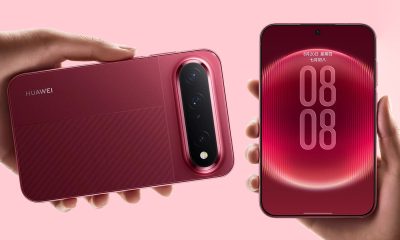
HUAWEI Pura X View is 2026’s first WIDE slab-type smartphone
-

 News5 days ago
The CAMON Slim 5G is TECNO’s latest ultra-slim smartphone
-
 Cameras1 week ago
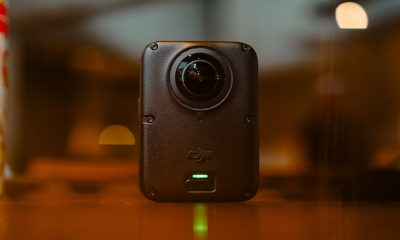
DJI Osmo 360 II review: Going all-in on the ecosystem
-

 Features2 weeks ago
The designated photographer’s new favorite phone: OPPO Reno16 Series 5G
-

 IFA 20261 week ago
TECNO MEGABOOK T15 360 unveiled at IFA 2026
-

 Gaming1 week ago
NBA 2K27 review: A two-way All-Star
-
 Reviews2 weeks ago
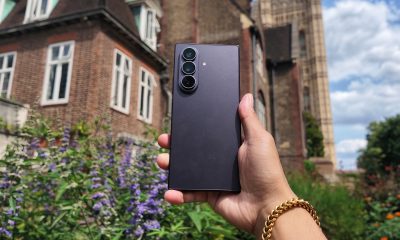
Samsung Galaxy Z Fold8 Ultra review: It’s time to get a foldable
-

 IFA 20261 week ago
TECNO’s POVA 8 Pro gets a stealthy makeover