
Singapore
OPPO Singapore launches Find X8 Series photo contest
‘Find 24-Hour Miracle’

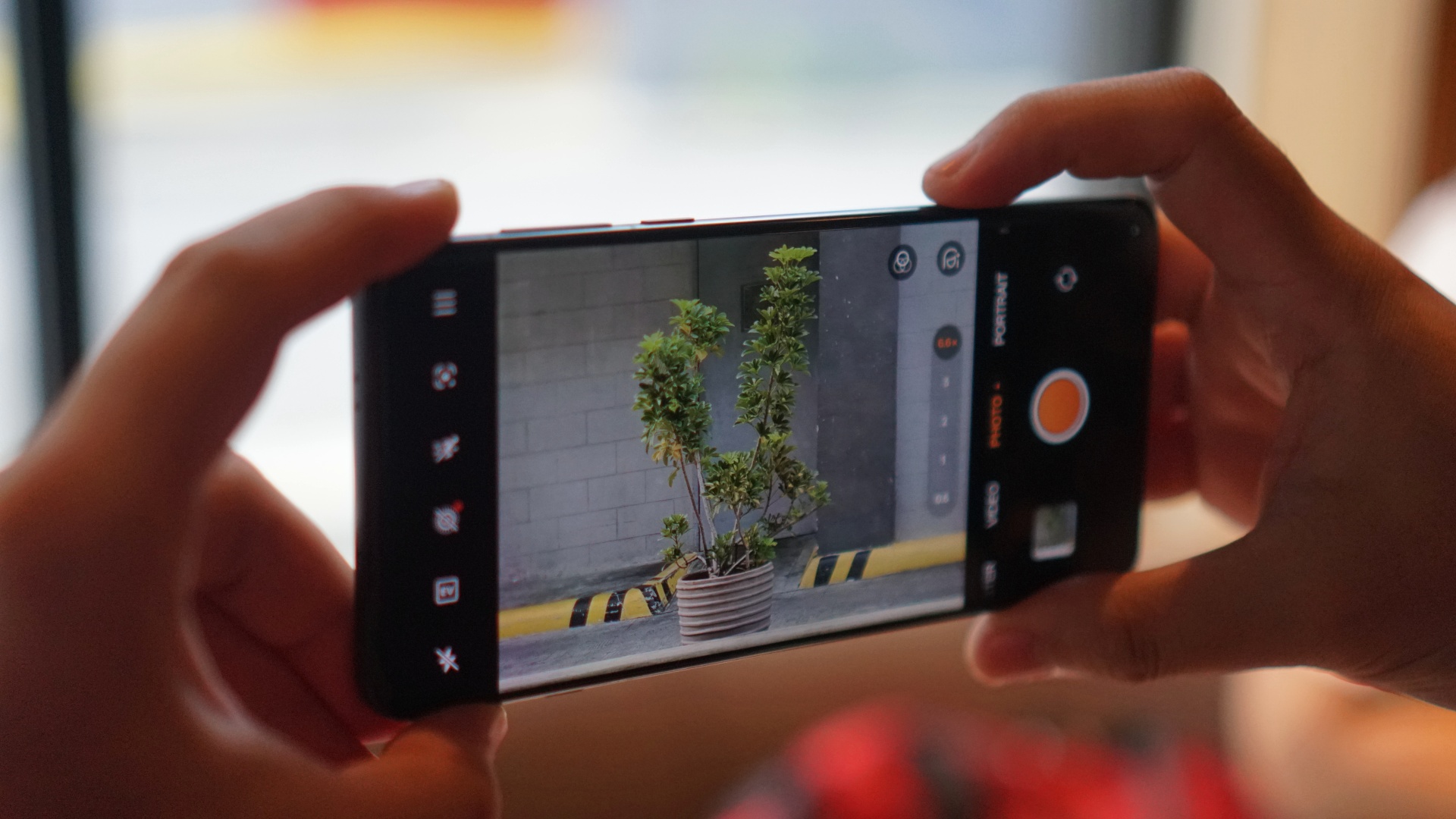
OPPO Singapore is inviting locals to join its photo contest called “Find 24-Hour Miracle” which features the latest OPPO Find X8 Series.
Interested participants can sign up by visiting OPPO’s social media accounts, including Facebook and Instagram, until November 22, 2024. OPPO will then announce the shortlisted participants by November 28.
As part of the challenge, the 20 shortlisted participants will each receive an OPPO Find X8 Pro. They will be tasked to capture the unique beauty and vibrancy of Singapore in just 24 hours.
Specifically, the contestants will need to photograph extraordinary “miracle moments,” hence the name of the contest.
Each participant is encouraged to curate a photo collection that tells their personal 24-hour miracle story. The showcase should reflect the diversity of life across Singapore’s iconic spots and cultural experiences.
To make the photo contest possible, OPPO Singapore teamed up with local artist Romeo Tan and renowned photographer Andy Yong. Documentary photographer Amrita Chandradas also provided her expertise.
The three aforementioned individuals, along with OPPO Director of Image Effect of Cognition Joy Cheng will form the judging panel.
There will be two grand awards: the Best Story Award and the Special Moment Award. The first recognition is for the competitor with the best image collection.
They will take home SG$ 5,000 in cash. Meanwhile, the Special Moment Award recipient will get a Miracle Special Gift Box.



News
iPhone Duo: Price, availability in Singapore
Apple’s first foldable iPhone arrives in Singapore.

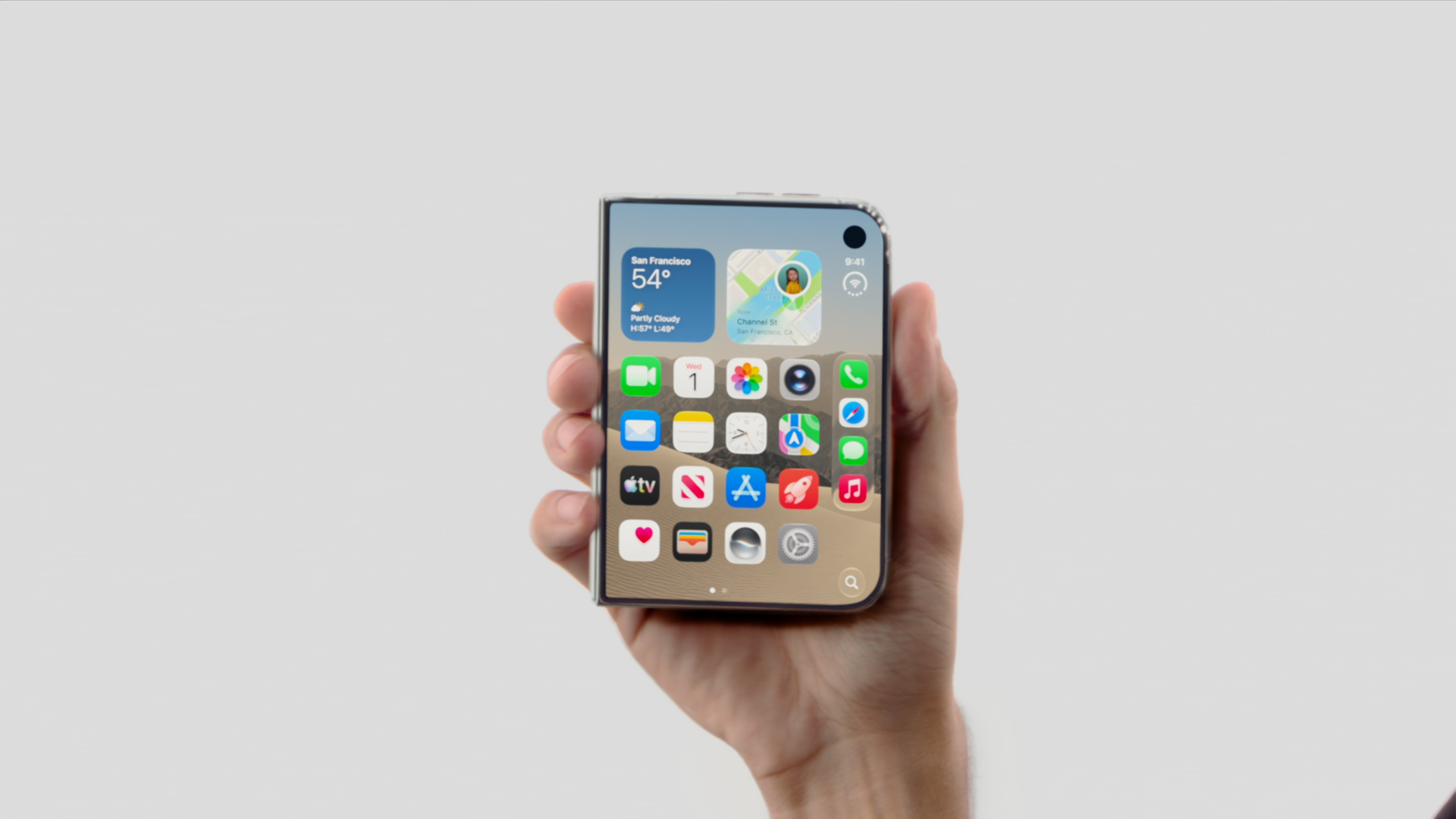
Apple has officially entered the foldable smartphone market with the iPhone Duo, its first-ever foldable iPhone. It uses a passport-style design that opens into a larger display while retaining a conventional smartphone experience when closed.
Price and availability
The iPhone Duo starts at SGD 3,099 in Singapore for the 256GB model.
Here’s the full Singapore pricing:
- 256GB — SGD 3,099
- 512GB — SGD 3,399
- 1TB — SGD 3,999
- 2TB — SGD 4,899
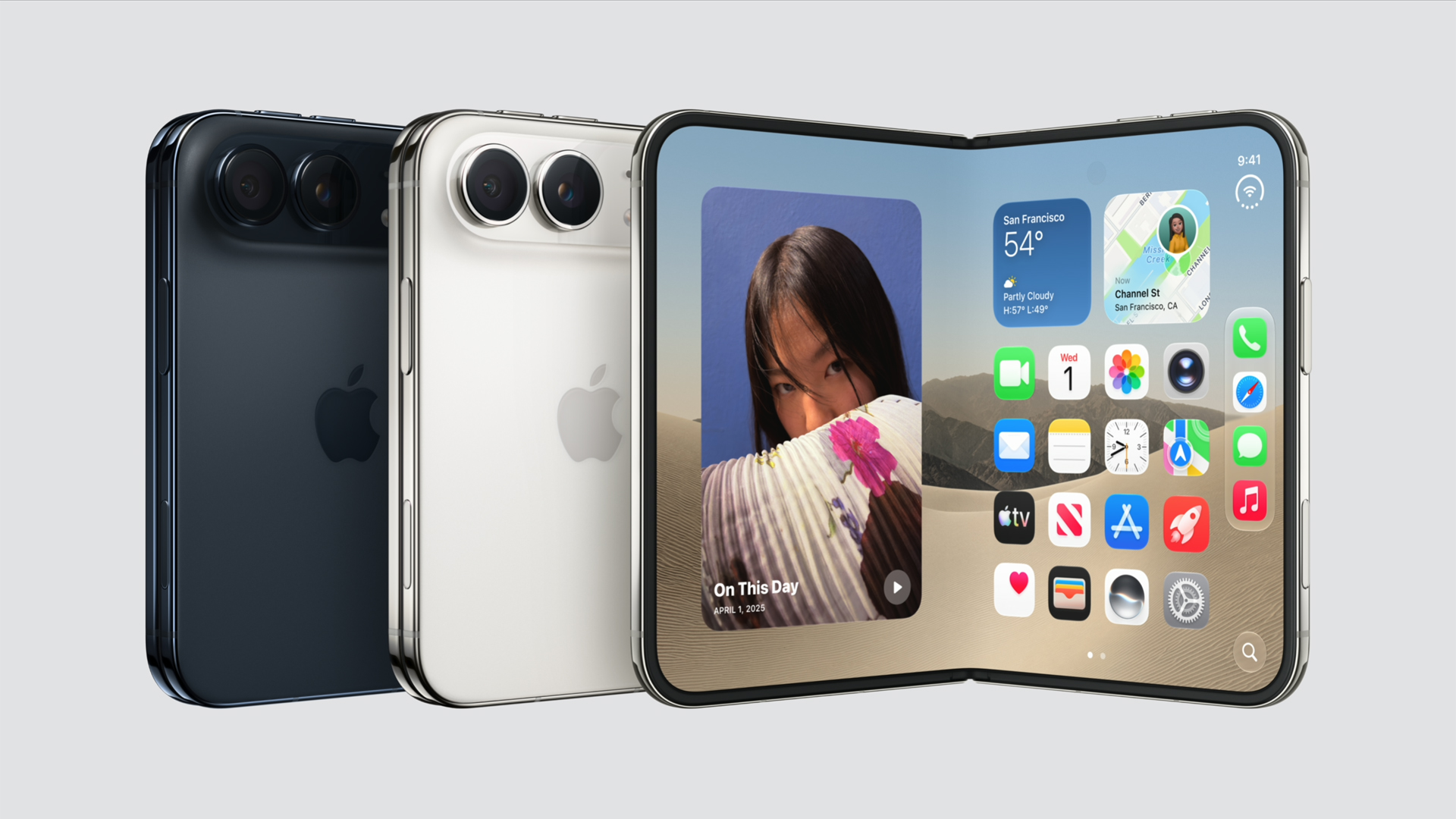
The iPhone Duo comes in Star White and Night Sky. Apple will make it available starting October 23.
A foldable design built around two displays
The iPhone Duo has a 5.4-inch outer display when folded and a 7.6-inch main display when opened. Both displays share the same aspect ratio, allowing iOS to transition smoothly between the two orientations.
The rear chassis uses Ceramic Shield, while the front display gets Ceramic Shield 2. The phone is also IP68-rated for dust and water resistance.
Its hinge uses carbon fiber supports and magnets. Apple also designed the camera plateau with a curved edge that flows into the rear chassis.
A20 Pro powers the foldable experience
The iPhone Duo runs on the A20 Pro, the same chip found in the iPhone 18 Pro series. Apple says it delivers 35 percent better sustained performance than the iPhone 17 Pro.
It also comes with the new C2 cellular modem, which provides up to 50 percent faster uploads. The foldable can be used in different configurations, including tent mode and partially folded like a book.
A 48-megapixel camera system
The iPhone Duo gets a 48-megapixel Fusion Main camera alongside a 12-megapixel 2x telephoto camera. A 12-megapixel Center Stage camera handles selfies and video calls.
Apple also places the front camera under the display for a cleaner inner-screen experience.
Battery life that lasts beyond a day
The iPhone Duo offers up to 31 hours of video playback using its inner display and up to 44 hours when using the outer screen.
Charging is also fast. Apple says a 20-minute charge can replenish half the battery, while a five-minute charge can provide up to five hours of video playback.
Singapore
iPhone 18 Pro series: Price, availability in Singapore
Singapore gets Apple’s latest Pro iPhones this September.
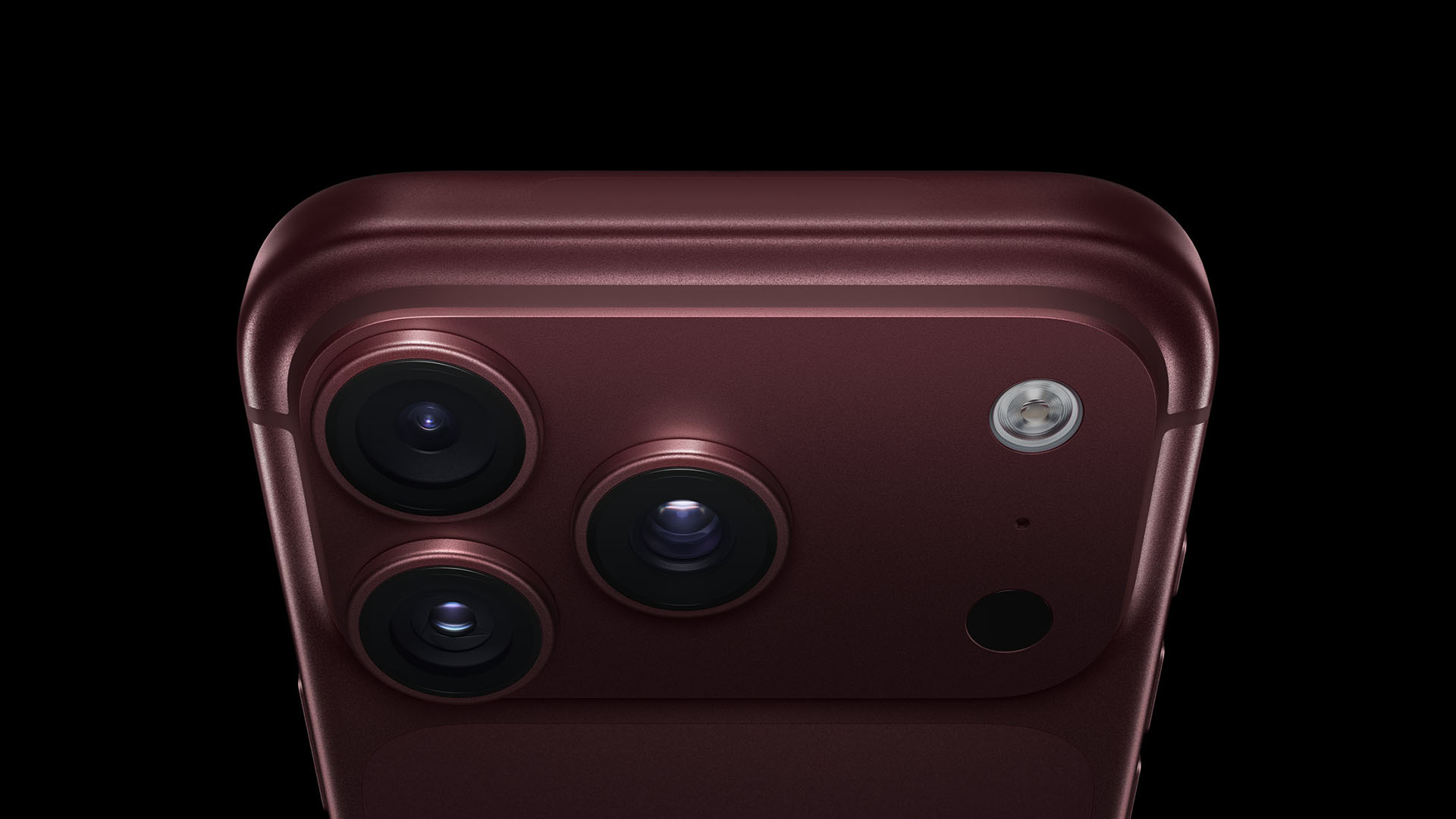
Apple’s latest Pro iPhones are coming to Singapore with upgraded cameras, a new A20 Pro chip, and significantly improved battery life.
Price and availability
The iPhone 18 Pro starts at S$1,899 in Singapore, while the iPhone 18 Pro Max starts at S$2,099.
Both models come with 256GB, 512GB, 1TB, and 2TB storage options. They are available in Black, Silver, Glacier, and Burgundy.
Apple will open pre-orders in Singapore on September 12 at 8PM, with both models going on sale on September 18.
The iPhone 18 Pro and iPhone 18 Pro Max will be available through the Apple Store online, Apple Store locations, and authorized retailers.
Other features and details
The iPhone 18 Pro and Pro Max feature a new 48-megapixel Fusion Main camera with variable aperture. The system can automatically adjust the aperture depending on the scene, giving users more control over how they capture photos.
Apple has also added new Pro controls to the Camera app. The camera system supports cinematic effects, including 4K time-lapse recording.
The two models use Apple’s new A20 Pro chip. It features a six-core CPU that delivers up to 20 percent faster performance, along with a seven-core GPU that offers a 40 percent increase in graphics performance. A new vapor chamber also helps manage heat during demanding workloads.
Both models also get a smaller Dynamic Island and improvements to Apple Intelligence. The updated Siri AI can better understand what users need and provide more personalized assistance.
Battery life also gets a major boost. The iPhone 18 Pro offers up to 36 hours of video playback, while the iPhone 18 Pro Max reaches up to 45 hours. Apple says a 15-minute charge can replenish up to half of the battery.
For the full specifications and features, check out our main iPhone 18 Pro and iPhone 18 Pro Max launch coverage.
Cameras
Sony introduces its 1st Fisheye Zoom G Lens
Broad range for landscapes, architecture, sports, and video production
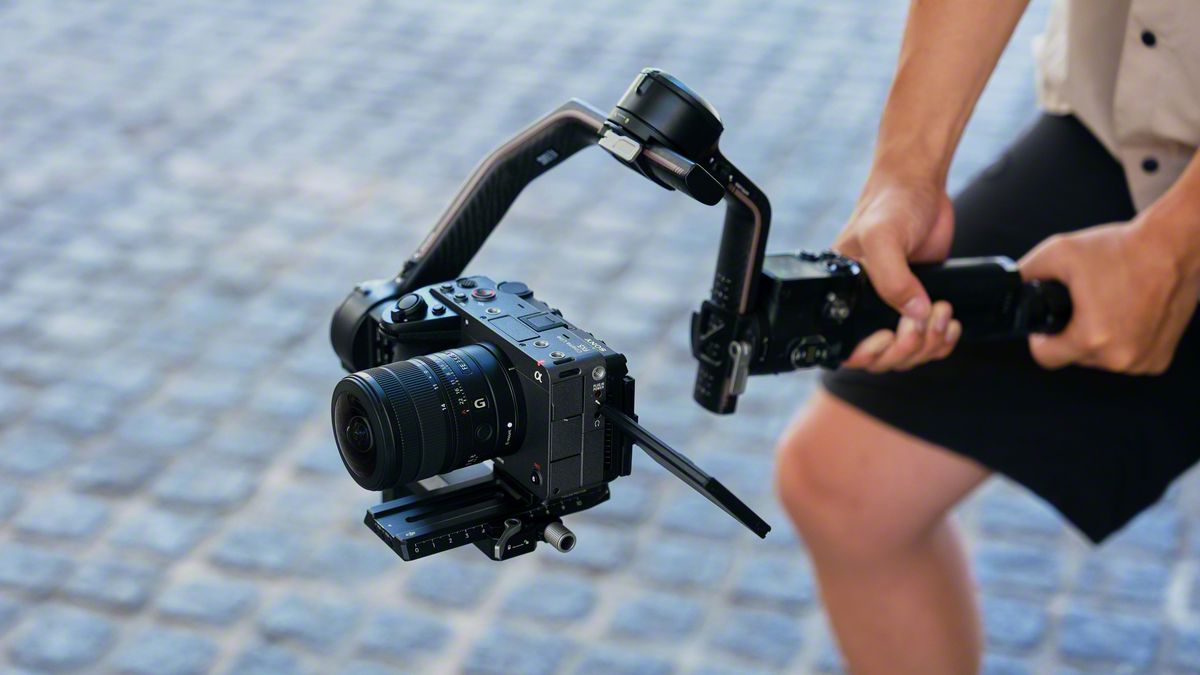
Sony has just launched its first fisheye zoom G Lens for full-frame Alpha E-mount cameras: the Sony FE 8-14mm F3.5 Fisheye G. It will be available from late September for an SRP of US$ 1,599.99 / SG$ 2,049.
The 8 mm to 14 mm zoom focal range covers a broad set of fisheye perspectives in one compact lens.
At 8 mm, the lens shoots circular fisheye with a 180-degree angle of view projected as a circular image on a full-frame sensor.
Meanwhile, at 14 mm, it shoots diagonal fisheye across the full frame with a 180-degree diagonal angle of view.
Users can match the angle of view and composition to the subject and creative intent, across various scenarios like landscapes, architecture, sports, and more.
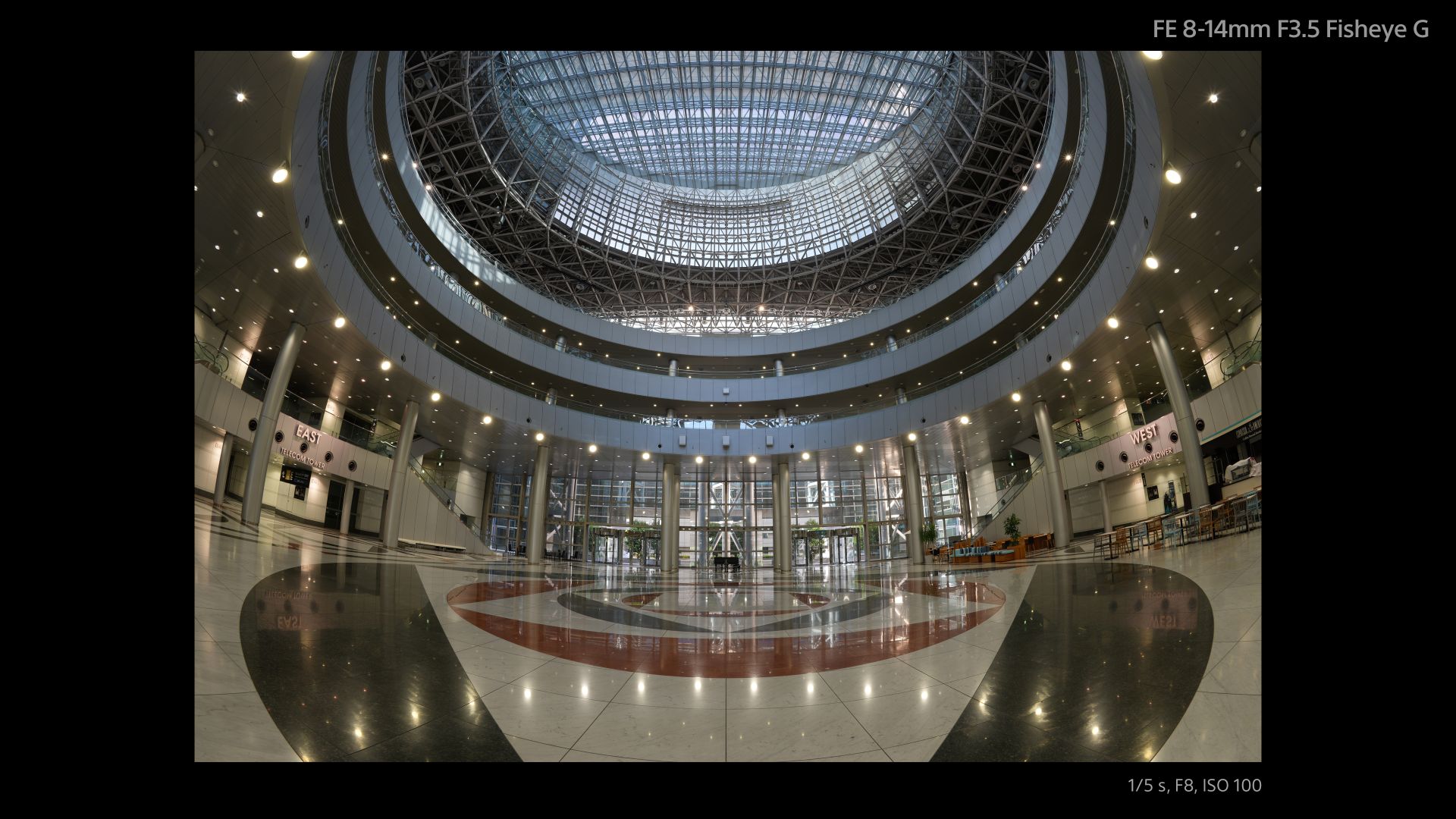
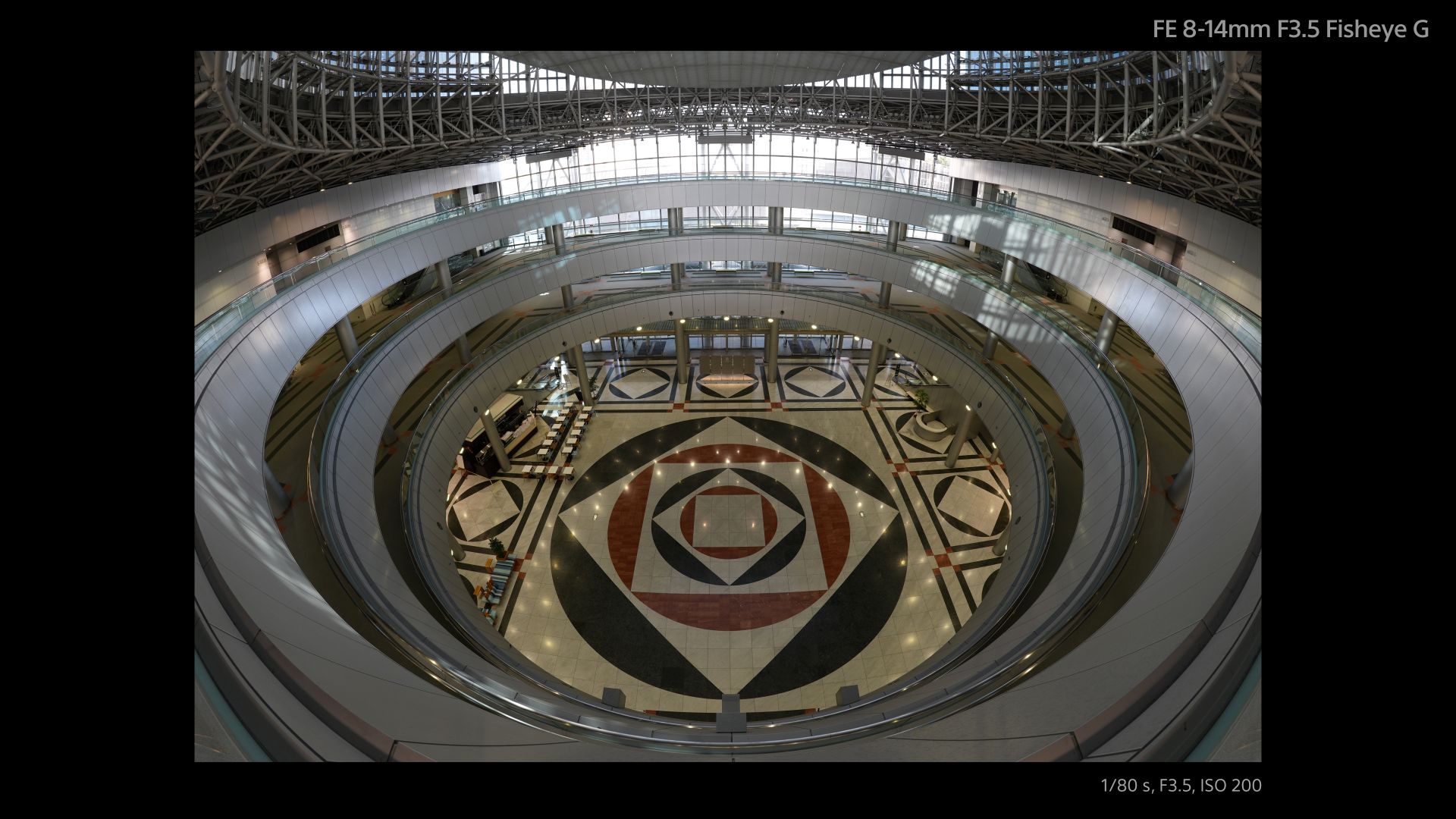
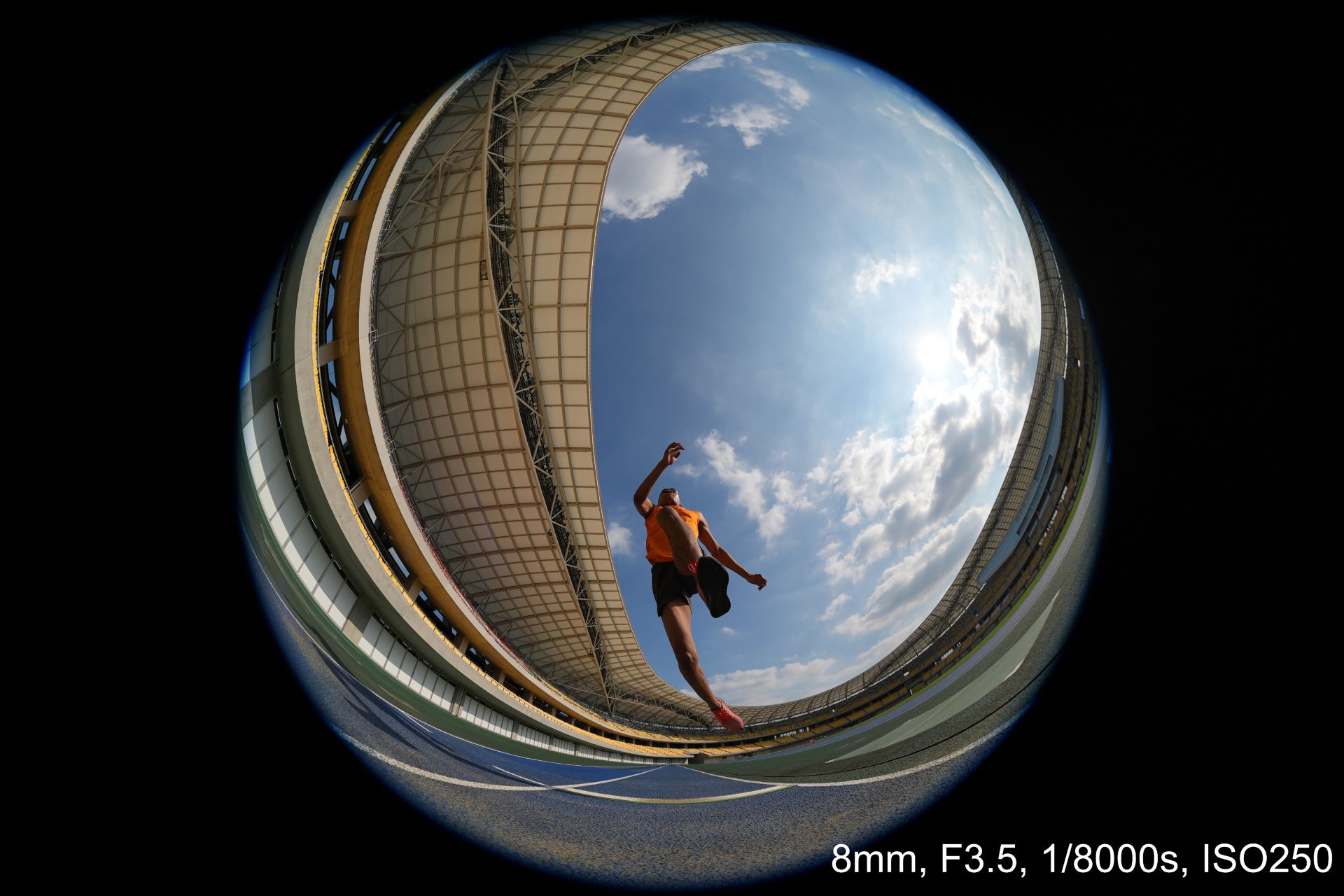
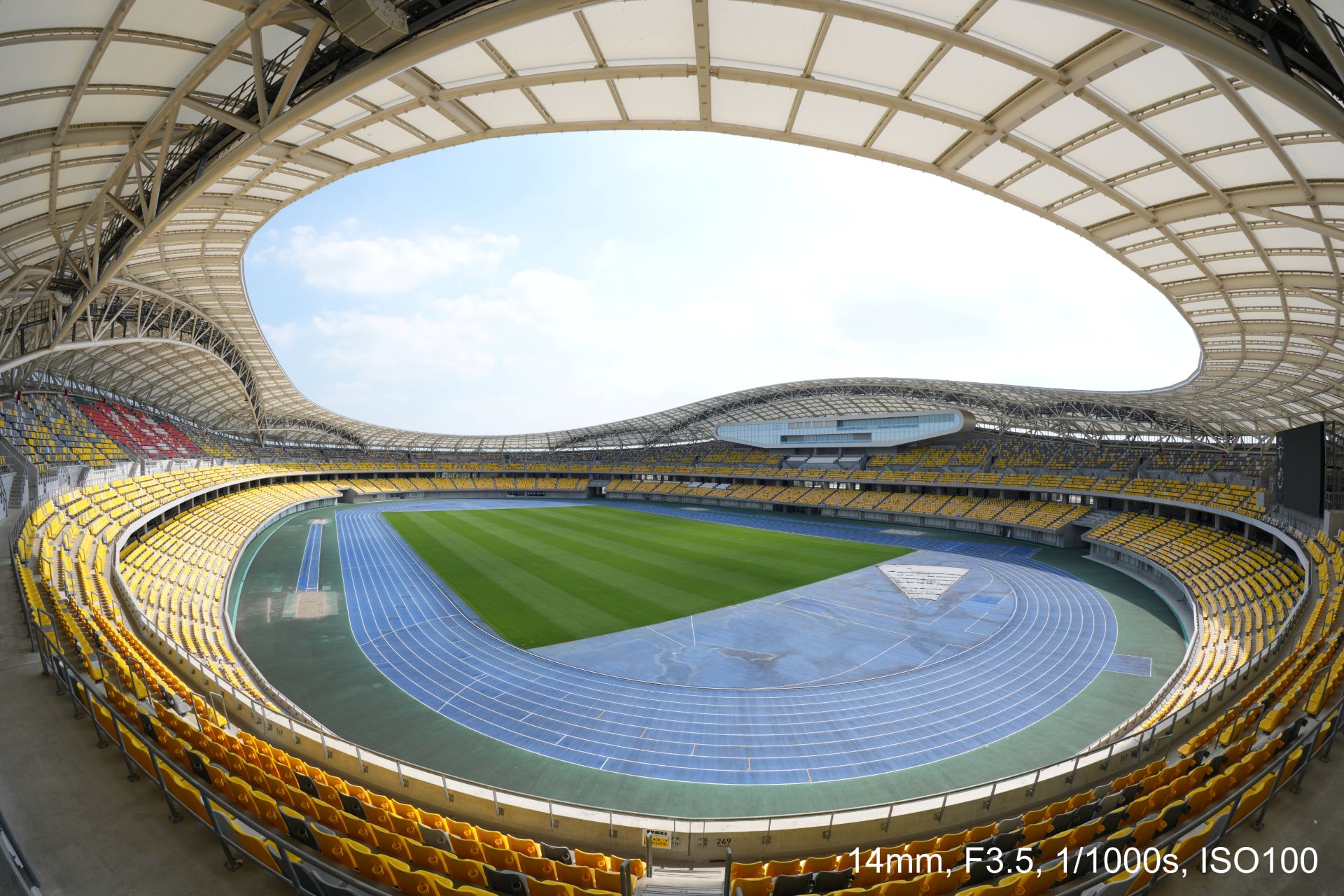


An optical design with ED (extra-low dispersion) glass and aspherical elements suppresses chromatic and other aberrations across the image area.
This enables high resolution throughout the zoom range with fast and precise autofocus and Linear Response MF. All these while suppressing focus breathing and operating quietly for movie production.
Controls include a focus mode switch, zoom lock switch, and an aperture ring with switchable click stops.
A minimum focusing distance of 0.15 meters and maximum magnification of 0.22x at the telephoto end also allow close-up fisheye perspectives both for stills and movies.
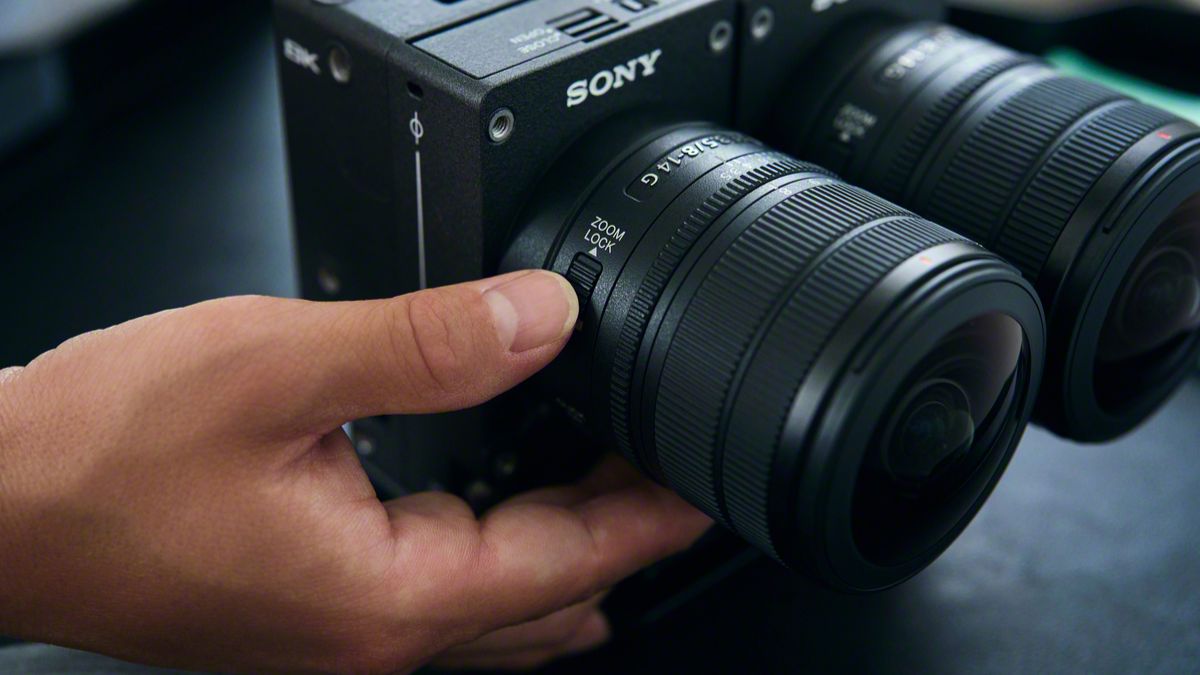
The Sony FE 8-14mm F3.5 Fisheye G measures about 63.1 mm in maximum diameter and 82.8 mm in length.
It weights about 314 grams, giving it mobility for handheld, gimbal, and rig-based shooting. It is also dust and moisture-resistant with a fluorine coating on the front.
In addition, users can opt for a dual-lens configuration with the VENCE Extension System Mini.


Marvel’s Wolverine review: When the claws come out
A brutal, cinematic superhero adventure

Setting your bedsheets ablaze with the Lovense Solace Pro
The closest proxy I could find where I'm guilty as sin


Now Playing: Elden Ring Tarnished Edition
Is the Switch 2 port worth the price?

Apple is reportedly working on its own gaming controllers

BlizzCon 2026 announces World of Warcraft: Forever and Diablo V

Apple iPhone 18 Pro Series Hands-on

Spotlight: Hisense UR8 + RGB MiniLED Explained

First Look: Apple iPhone Duo

TECNO MEGAPAD 2 review: Eyes on the size

realme 16T 5G with 8000mAh battery, IP69 Pro rating launches in PH

HUAWEI Pura X View is 2026’s first WIDE slab-type smartphone

REDMI reveals the refreshed Note 17 and Note 17 Pro series

REDMI Note 17 Series focuses on long-term reliability


-
 News7 days ago
HUAWEI Pura X View is 2026’s first WIDE slab-type smartphone
-

 News1 week ago
The CAMON Slim 5G is TECNO’s latest ultra-slim smartphone
-
 Cameras2 weeks ago
DJI Osmo 360 II review: Going all-in on the ecosystem
-

 IFA 20262 weeks ago
TECNO MEGABOOK T15 360 unveiled at IFA 2026
-

 Gaming2 weeks ago
NBA 2K27 review: A two-way All-Star
-
 Reviews2 weeks ago
Samsung Galaxy Z Fold8 Ultra review: It’s time to get a foldable
-
 News5 days ago
iPhone 18 Pro series: Price, availability in the Philippines
-

 IFA 20261 week ago
TECNO’s POVA 8 Pro gets a stealthy makeover