
Gaming
Civilization VII review: Reinventing the wheel to make it better
Play how you want


Civilization VII is the latest entry in a strategy game series that has existed for decades. As with every entry, the new game reinvents the wheel by introducing new systems and streamlining old ones from the past. If you’re a fan of the series or are curious about all the commotion surrounding this game (especially after the announcement of Jose Rizal as playable leader), Civilization VII is an absolute must-play, and this is why.
What’s new in Civilization VII?
The Civilization franchise is all about building a chosen civilization from the ancient times all the way to the modern period. It’s all about rewriting history to favor yours. However, unlike previous games, Civilization VII is not a straight shot to the finish.
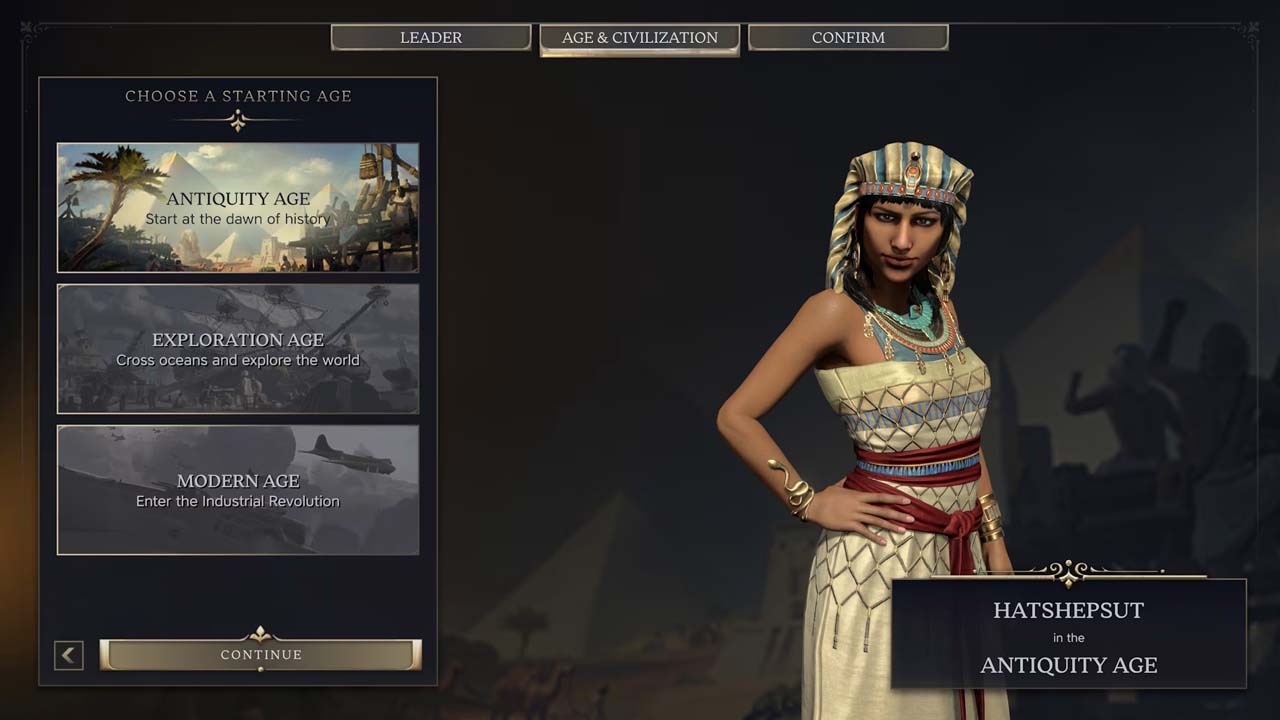
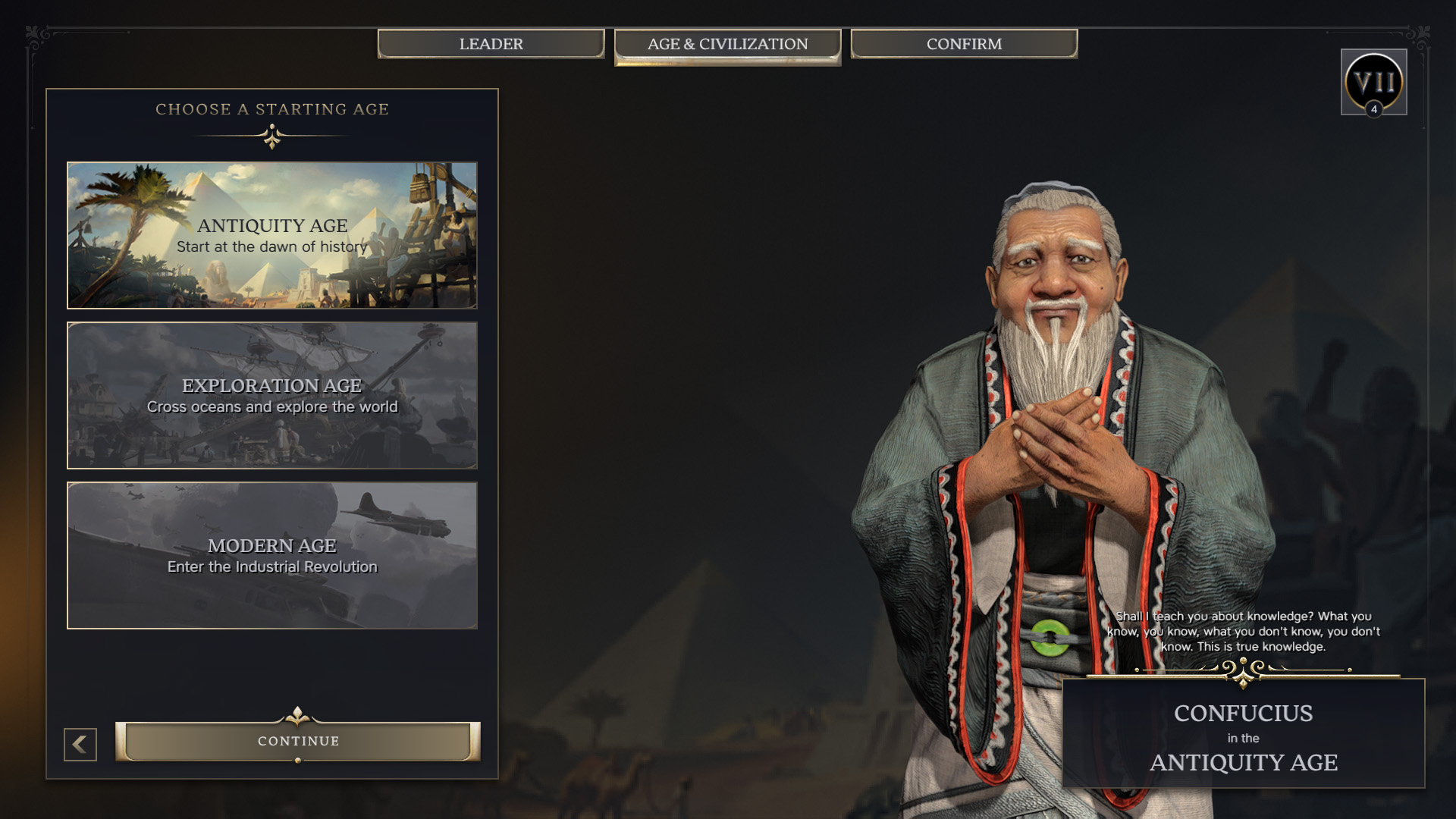
Traditionally, the end of each era flows seamlessly into the next, creating a flowing tapestry across one game. Civilization VII breaks the game into three distinct eras: Antiquity, Exploration, and Modernity. These ages do not flow into one another, though they build each other up. The end of each age comes with its own report. You can take each era as its own game, ending only with victory conditions during the Modern Age.
At the start of a game, you pick a leader, which won’t change after every age. However, you also pick a Civ separately, which does change after an age. This allows for a lot of mixing and matching, depending on your playstyle.
Of course, you can always keep it historical. For example, you can pick three historical dynasties from China through a whole game. You can, however, go in different directions. One of my Jose Rizal runs, for instance, had the Filipino hero lead Native Americans for the first two ages before transitioning into the French Empire for the final one.
Are the Ages a good system?
A common reaction to the new Ages is comparing the system to Humankind, a strategy game that also got inspiration from the Civilization franchise. Personally, it’s hardly a comparison. The new system parses down an absurdly long game into bite-sized chunks I can take one at a time.
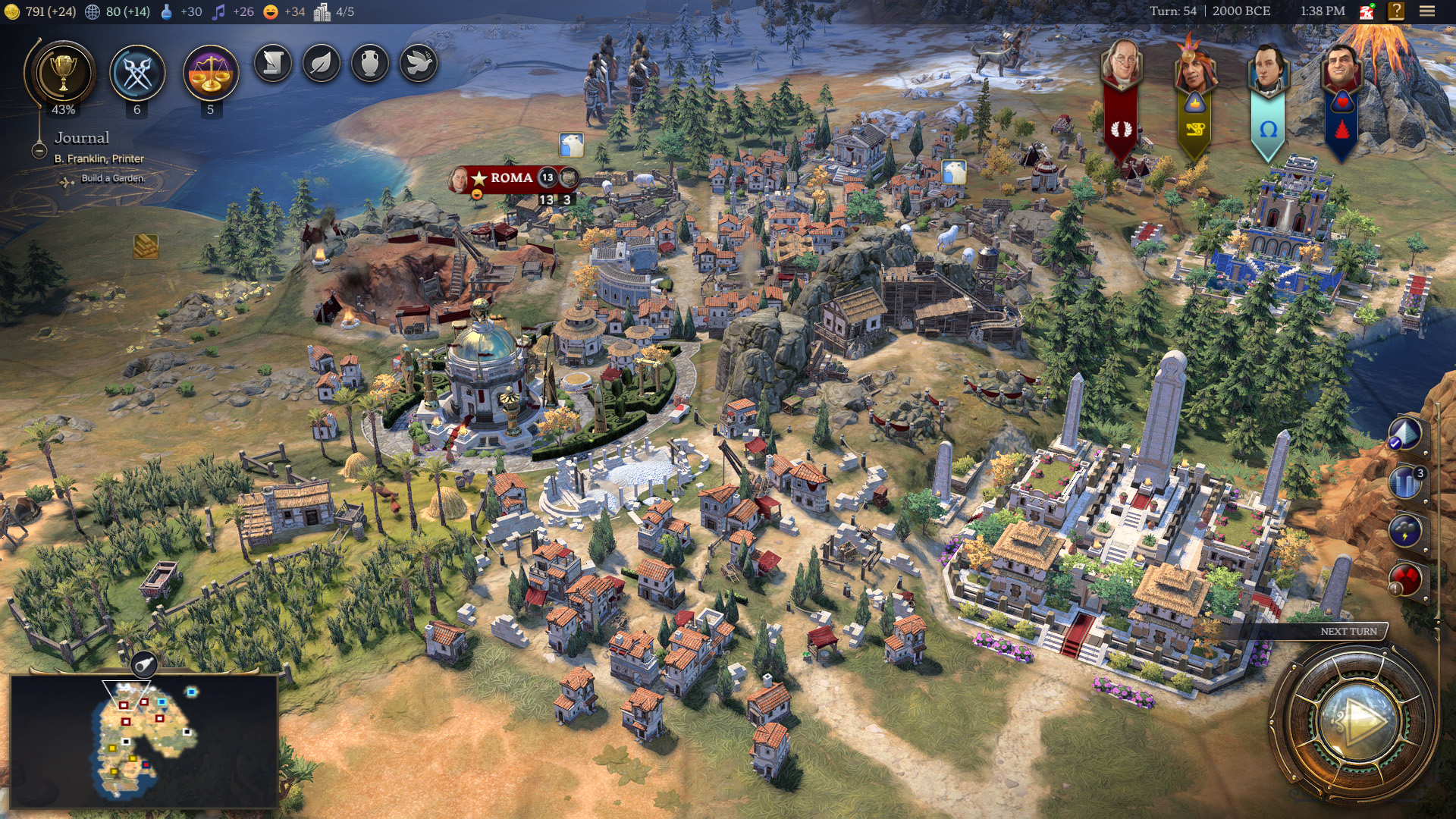
Each age also feels like its own game. They all focus on different things. Longtime fans of the franchise will likely find the most familiarity with the Antiquity Age. The goal is to build your Civ in all the traditional ways: founding starting settlements, researching the most tech, and building the biggest army.
Everything changes starting the Exploration Age, though. The game really wants you to engage as a colonial power.
For context, the game has four Legacy Paths: Cultural, Economic, Military, and Scientific. Fulfilling a Path in the first two ages grant significant boons for the next age. On the other hand, fulfilling a Path during the last age unlocks the respective victory condition. Conversely, failing to do anything significant for a Path at the end will result in a corresponding dark age and a boon that comes with a drawback.
Because each Path has a success condition, it follows that there are ways to win. Unfortunately, this can turn into a limiting factor for some playstyles. For example, two out of four Paths in the Exploration Age rely on colonizing distant lands. If you prefer playing an isolationist, you’re forced to succumb into a dark age for the Modern Age.
It pays to explore and fight
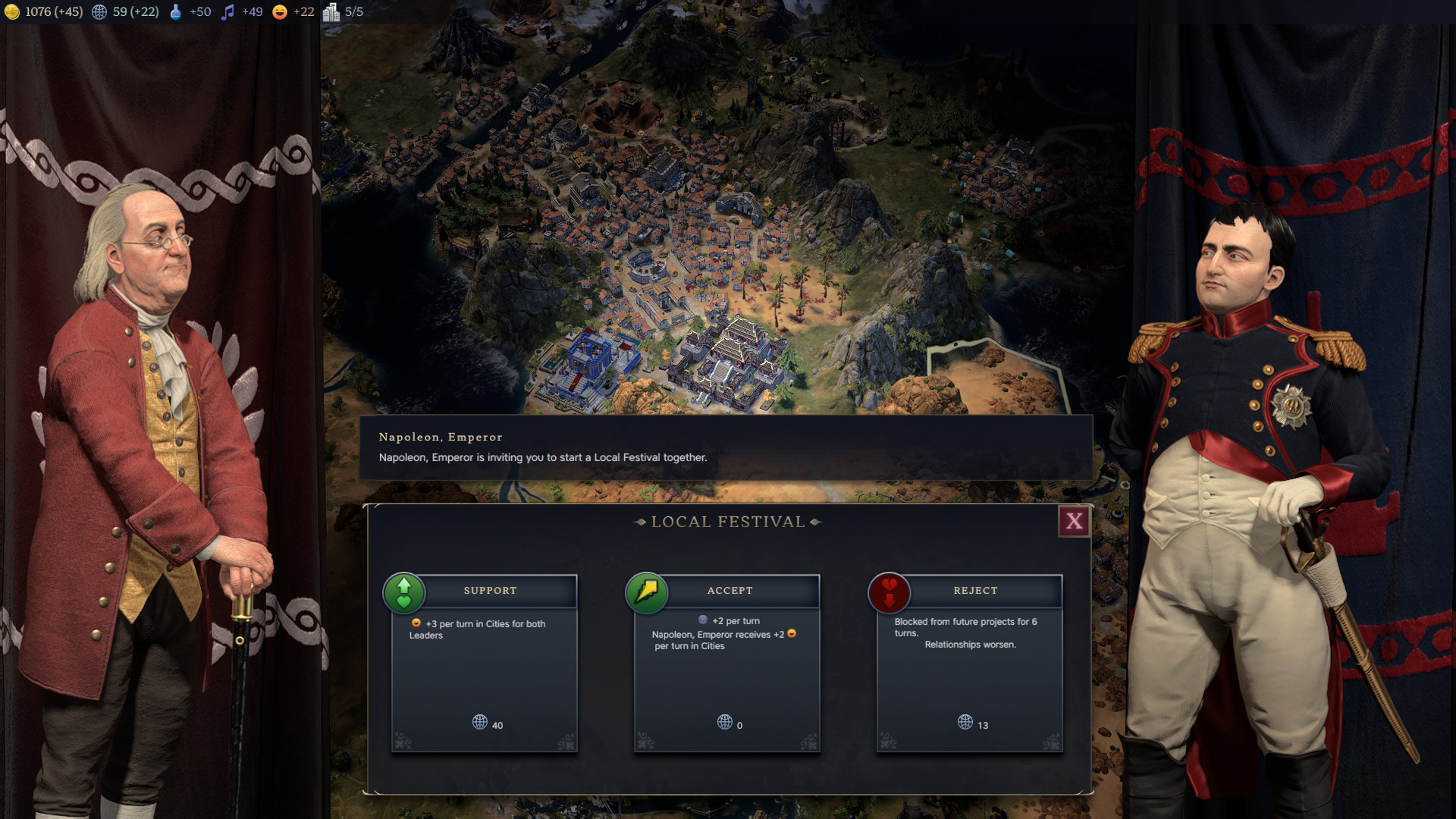
That said, it is a lot of fun to engage in the different systems of Civilization VII. Capturing settlements in distant lands is fun. Managing resources in colonies is fun. Evangelizing your religion to other continents is fun.
Though it feels limiting that turtling playstyles aren’t as incentivized as confrontational ones, it doesn’t feel like a chore to become a warlord or a colonial power. It also helps that the combat has been reworked.
While you can still throw as many units as you can towards a desired settlement, the key to achieving military greatness in Civilization VII is by using trainable army commanders. A replacement for Civilization VI’s Great Generals, the army commander is a unit that can grant bonuses to surrounding units. It is also the only type of unit that can earn experience. Therefore, a seasoned commander provides better bonuses.
Unit and commander placement become necessary strategic options. It’s not enough to completely surround a city. You need to have the right commanders surrounding the right units.
Additionally, war weariness is no longer an afterthought. A poorly supported war results in crippling unhappiness penalties which can (and will) turn your cities against you. Entering a war is now takes more involvement.
Traditionally, I prefer peaceful playstyles. But the complexity of warfare in Civilization VII makes it worthwhile to engage in wars if the time is right.
It also pays to stay and build
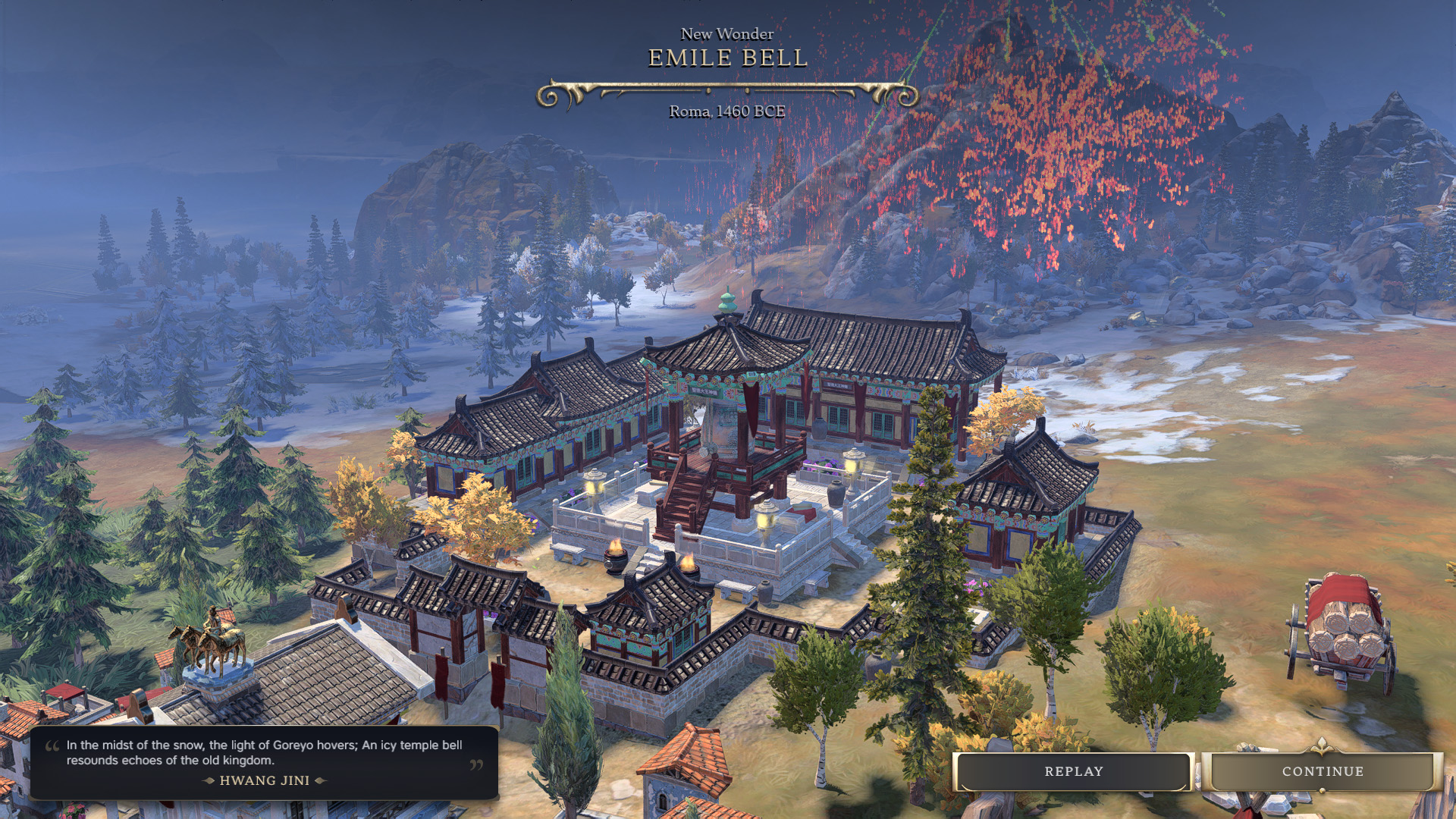
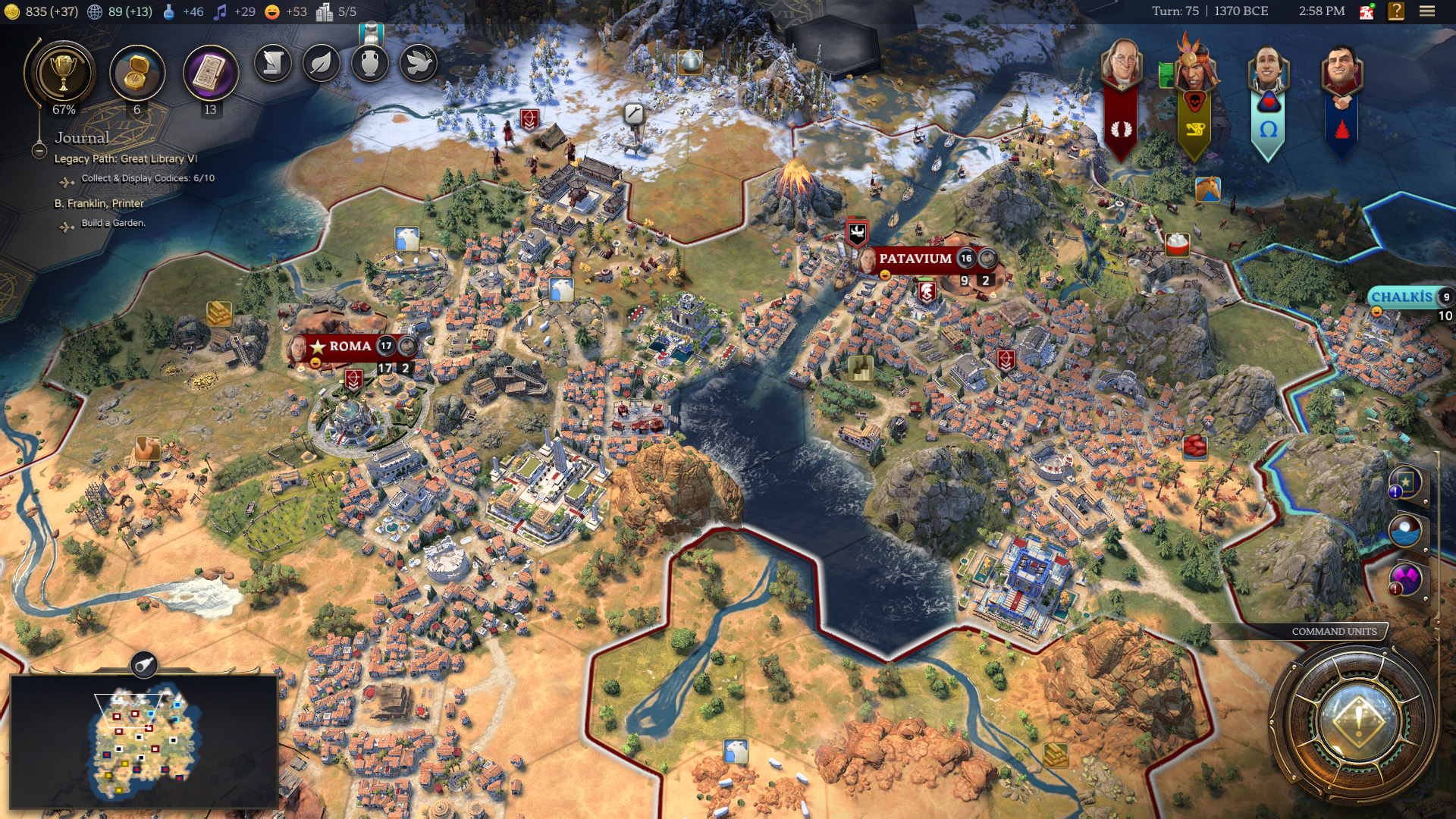
Now, city management also takes more involvement. In the past game, it was all about district placement. In Civilization VII, building placement is still important but you can maximize your yields more by managing how your citizens grow.
For me, this is a much better system, as it forces you to actually look at how your city is growing. Is it maximizing its land area? Should you sacrifice rural growth for urban specialists. Does your city look aesthetically pleasing? It does feel like growing more with your cities, rather than just placing districts for maximized outputs.
A race to the finish
On to the Modern Age. Contrary to the more confrontational Exploration Age, the Modern Age balances it all out with more peaceful ways to win. Except for the Military Legacy Path, all of the Paths don’t need wars to finish.
However, the pace does become frenetic. The game turns into an all-out race to finish a single victory condition. The other players will spam explorers to accumulate enough artifacts for a cultural victory. You’ll need to counter their efforts with your own explorers or rush to get a scientific victory by launching the first manned spaceflight. Alternatively, an economic victory needs a lot of city management, so you’ll need to focus on only that if you’re going for a win in that way.
Regardless, warfare becomes a foregone conclusion. Differing ideologies are the primary causes of war in the Modern Age. A warmongering AI with a different ideology from yours will easily paint you as a military target.
Excited for the future
On its own, Civilization VII is a well-made game. Each age lets different playstyles breathe and have their time in the sun. However, I do wonder if this is the end.
It feels odd that the victory conditions in the Modern Age are chronologically distant. In previous entries to the series, winning a science victory means launching the first mission to an exoplanet. Late game wars also ended with deadly nukes and even death robots.
Civilization VII, on the other hand, does not have nukes. A science victory also stops at sending a manned spaceflight.
All these oddities feel like a foreshadowing for more content and more ages. Currently, the studio has not announced plans for such, but it does make me excited for future updates.

Is Civilization VII your GameMatch?
As a long-time Civilization fan, it’s a no-brainer to suggest this game to other fans of the franchise. However, is it appealing to newcomers?
My answer is yes! Because of the new Legacy Paths, it’s never been easier to get into the franchise. It points players towards the right direction to make the most out of the game’s intricate systems.
Swipe left if you don’t particularly like strategy games. The genre requires a lot of commitment and learning, so those who are more used to plug-and-play mechanics, a Civilization game might not be for you.
Swipe right if you’re looking to sink your teeth into your very first strategy game. Learning labyrinthine systems is rewarding in its own right. Pair it with the feeling of ruling your own kingdom throughout history, and you have a match made in heaven.
Super swipe if you’re a fan of the Civilization franchise and 4X games. Civilization VII is the latest refining of a formula tried and tested for decades. There’s so much familiar with this new game, but there’s also a lot of new mechanics to understand and love.






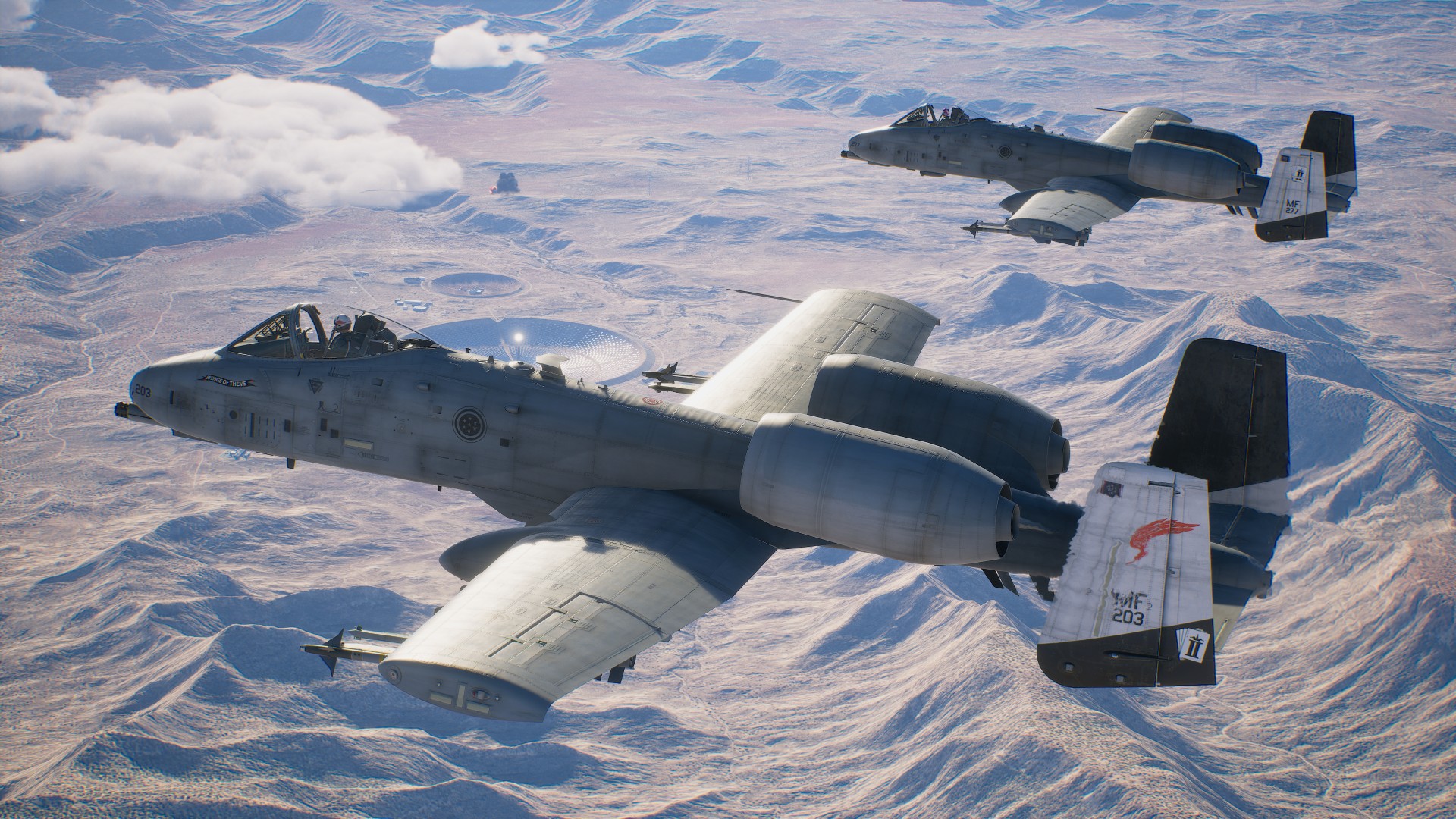
Bandai Namco has confirmed that ACE COMBAT 8: WINGS OF THEVE will launch on October 2, 2026 for PlayStation 5, Xbox Series X|S, and PC via Steam.
The publisher also announced that early access will be available ahead of launch, although specific dates have yet to be revealed.
Alongside the release date announcement, Bandai Namco shared new details on the game’s aircraft roster, gameplay systems, and key characters that players will encounter throughout its campaign.
The latest entry in the long-running flight combat franchise puts players in the role of an ace pilot fighting for the survival of their homeland. The story centers on themes of identity and duty while featuring large-scale aerial battles across a war-torn world.
More than 30 aircraft at launch
ACE COMBAT 8 will feature over 30 aircraft spanning real-world military jets and original fictional designs created specifically for the game.
Aircraft are divided into four categories: fighters, attack aircraft, multi-role aircraft, and electronic warfare aircraft.
Some of the aircraft confirmed so far include the F-14D Super Tomcat fighter jet, the heavily armed A-10C Thunderbolt II attack aircraft, the versatile Mirage 2000-5, and the electronic warfare-focused EA-6B Prowler.
All aircraft come equipped with guided missiles and machine guns as standard weapons. Players can also equip special weapons ranging from multi-target missiles and heavy bombs to advanced laser systems.
A new gameplay feature allows players to bring two types of special weapons into missions, offering more flexibility during combat. However, ammunition remains limited, requiring careful resource management throughout each operation.
Bandai Namco also highlighted a new destruction system where falling wreckage from destroyed enemies can occasionally collide with other targets, triggering chain reactions on the battlefield.
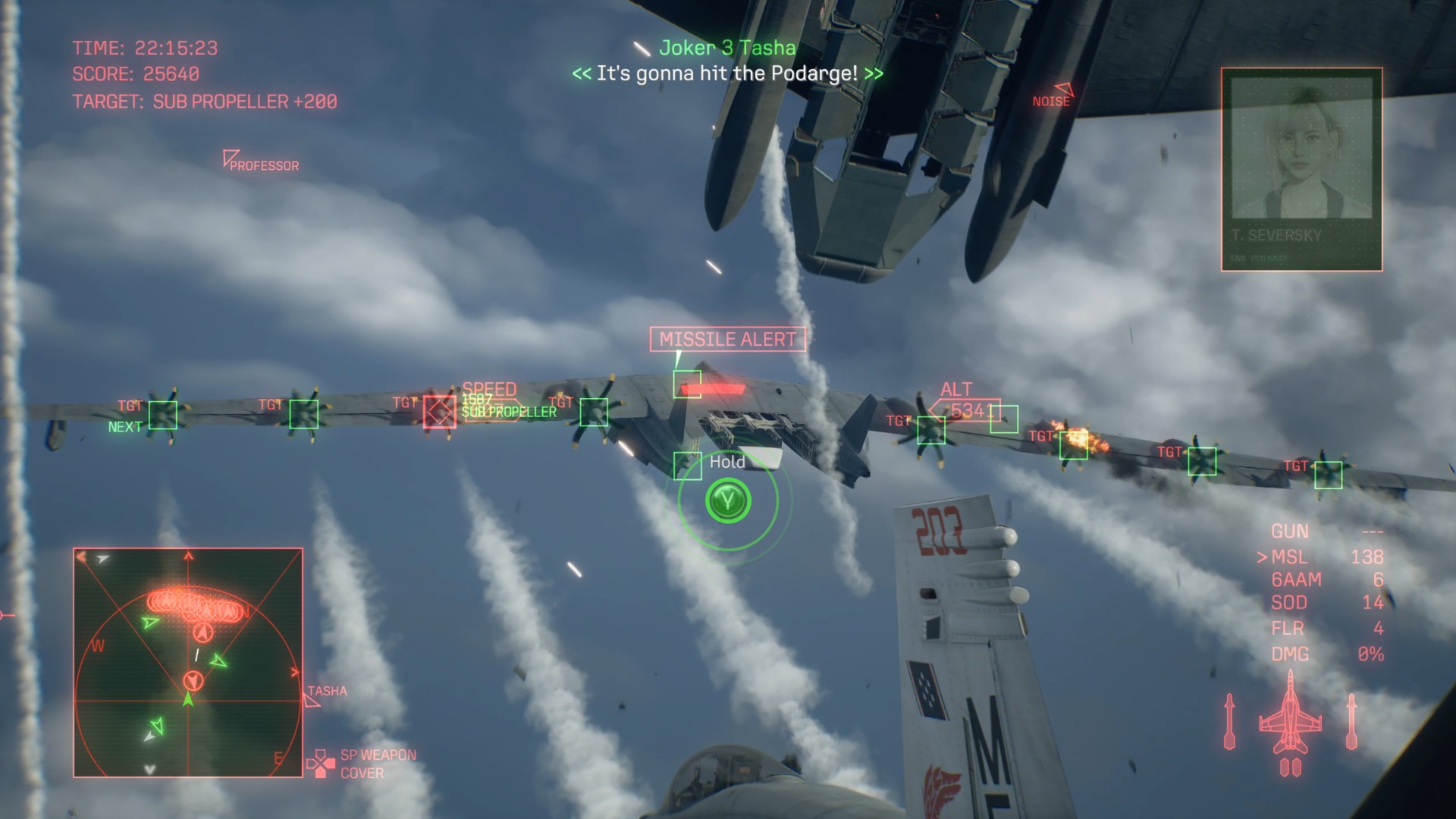
Meet Joker Flight
Players take control of Joker Flight captain Jan Cope, known by the legendary callsign “Wings of Theve.” The campaign follows Joker Flight as its members deepen their bonds amid an escalating conflict.
Key squadron members include Ellington Baxter, Tasha Severskaya, and William “Noise” Coster. Players will also encounter Queen Flight leader Kate Evans, carrier XO Jessica Pike, doctor Adelina Santos, and chief mechanic David Jenkins.
Character designs come from Yusuke Kozaki.
During missions, players can choose squadron compositions and issue commands to wingmen. They can also respond to radio communications using a simple yes-or-no system.
ACE COMBAT Online returns
Bandai Namco also shared new details about ACE COMBAT Online, the game’s multiplayer mode. Players create a mercenary pilot avatar before joining online lobbies. There, they can take part in both cooperative and competitive battles with players worldwide.
More information about ACE COMBAT Online will be revealed at a later date.
ACE COMBAT 8: WINGS OF THEVE launches on October 2, 2026 for PlayStation 5, Xbox Series X|S, and PC via Steam.
Bandai Namco has also confirmed early access ahead of release.

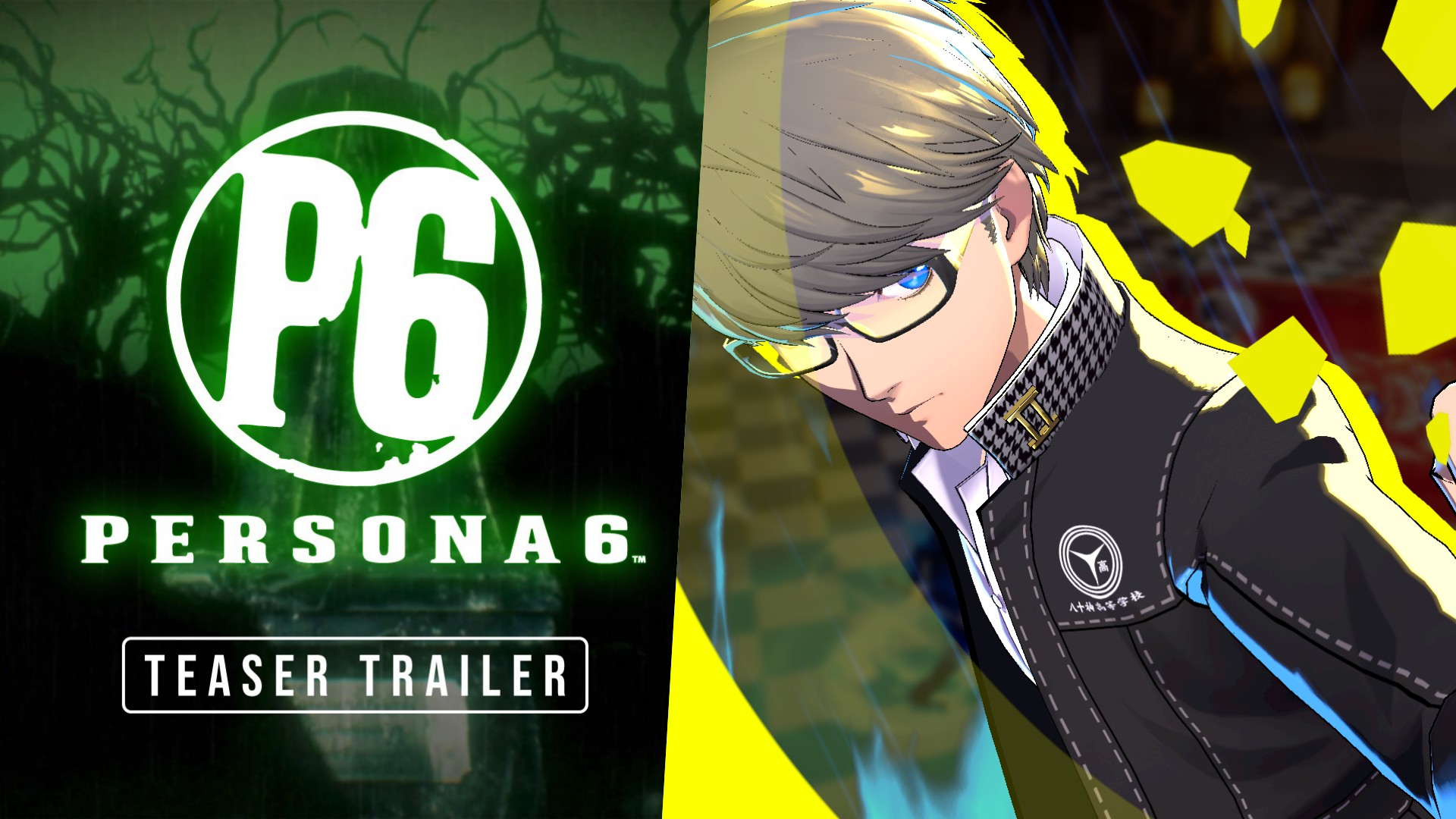
Persona fans have plenty to look forward to. ATLUS has confirmed that Persona 4 Revival will launch on February 18, 2027, while also officially unveiling Persona 6, the next mainline entry in the long-running RPG series.
Both announcements were made during the Xbox Games Showcase. Persona 4 Revival is headed to Xbox Series X|S, Windows, Xbox Game Pass, PlayStation 5, and Steam. Pre-orders are now available through the Microsoft Store. 
Persona 4 Revival is a full remake of Persona 4 Golden. ATLUS says the game features upgraded visuals, a revamped user interface, improved combat systems, enhanced cutscenes, and additional content. The remake aims to serve both returning fans and newcomers experiencing the mystery-filled adventure for the first time.
The story once again takes players to the rural town of Inaba, where a string of murders and disappearances become linked to the mysterious Midnight Channel and a hidden world inside television screens. Players will reunite with familiar characters including the protagonist, Yosuke Hanamura, Chie Satonaka, Yukiko Amagi, and Marie.
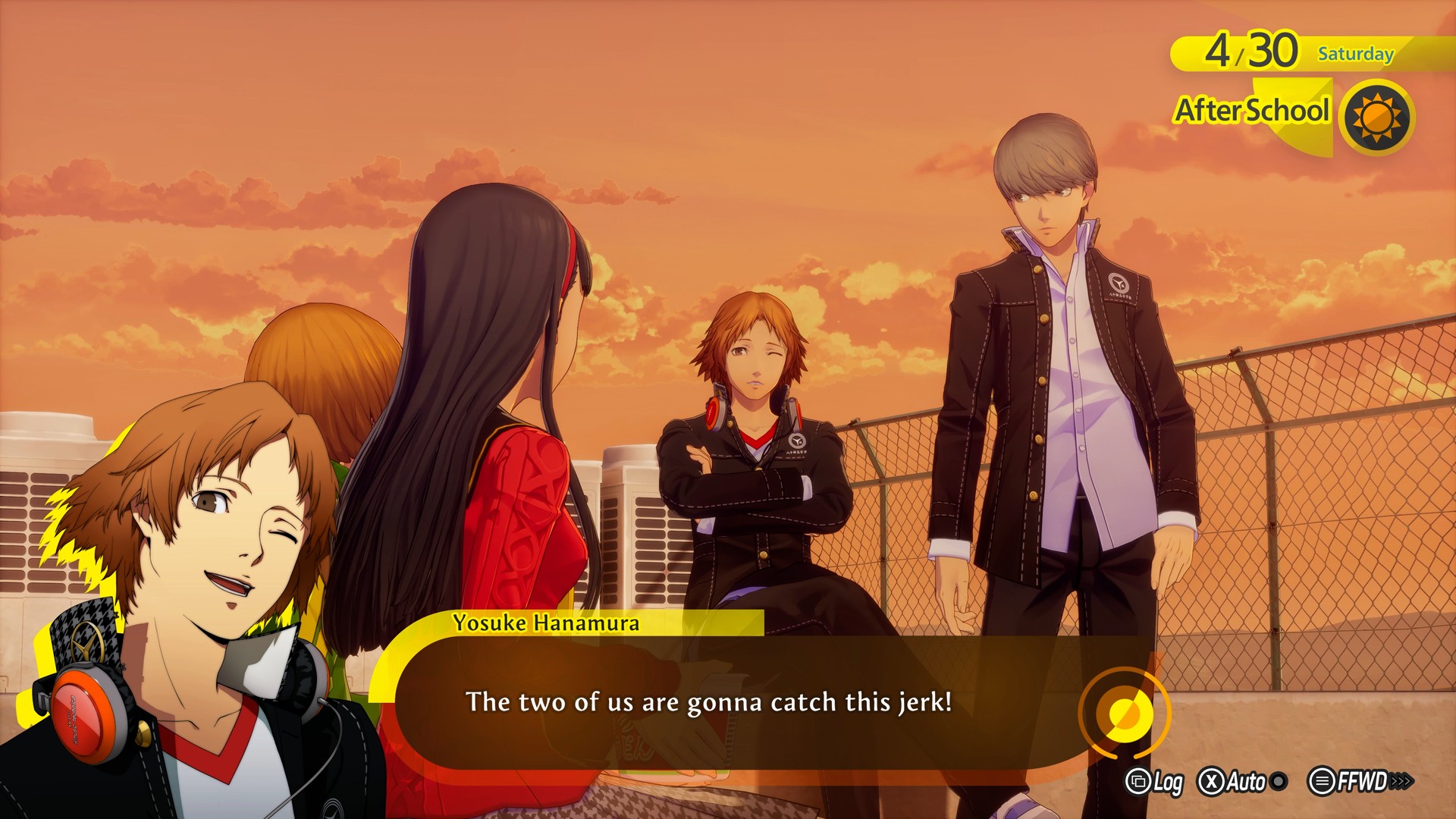
ATLUS also revealed several launch DLC packs. This includes Persona-themed costumes, Persona fusion sets based on Persona 3 Reload and Persona 5 Royal, support items, and additional background music packs.

Limited physical editions will also be available. The Persona 4 Revival Limited Box includes a Shigenori Soejima-designed collector’s box, artbook, T-shirt, phone pouch, costume set, and a physical copy of the game. An Izanagi Edition adds a protagonist and Izanagi figure.
Persona 6 officially revealed
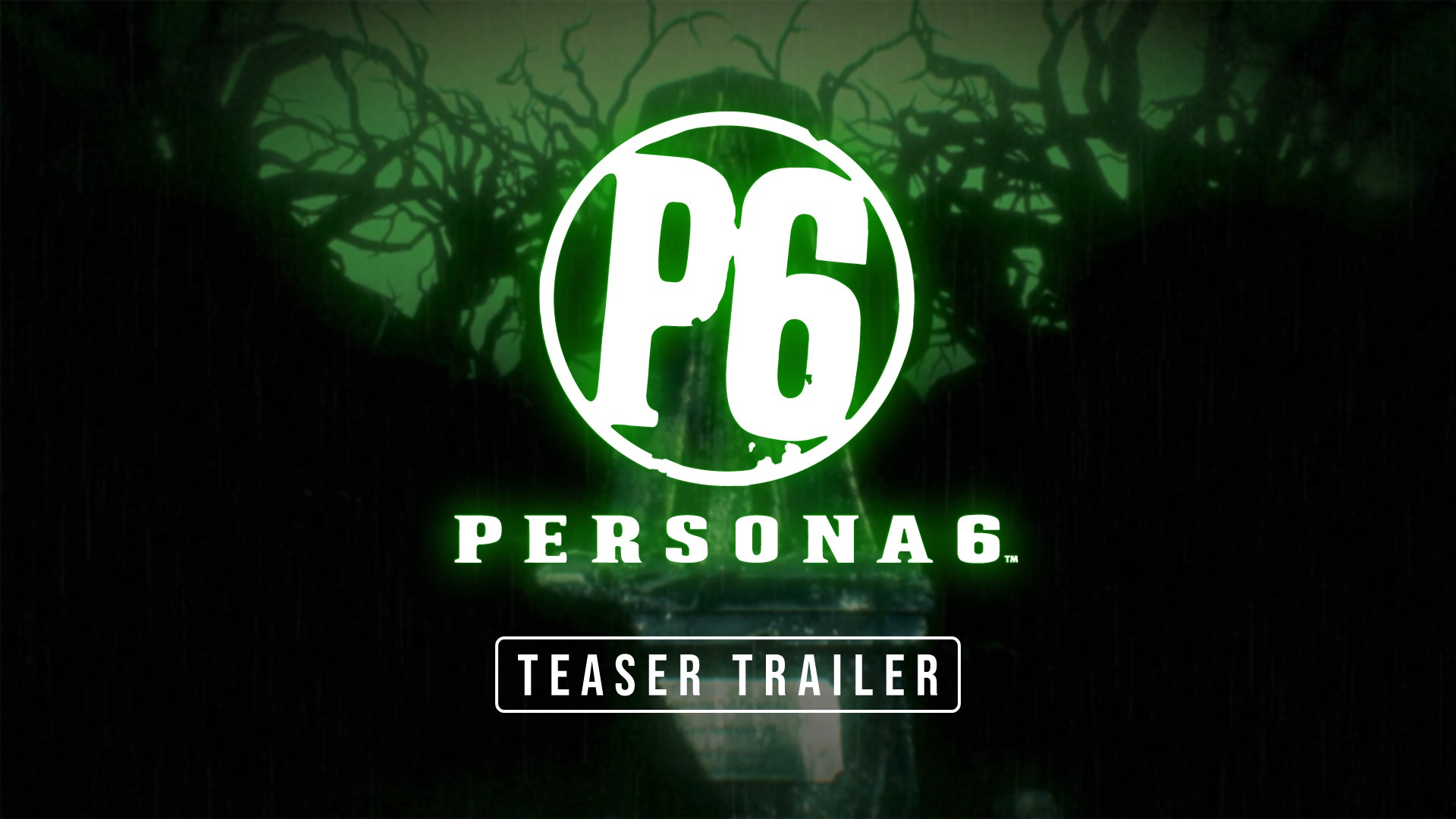
Alongside the remake announcement, ATLUS unveiled Persona 6 with a teaser trailer.
While the company stopped short of announcing a release date, it confirmed that the next mainline Persona title will launch on Xbox Series X|S, Windows, Xbox Game Pass, PlayStation 5, and Steam.
According to ATLUS, Persona 6 will feature an all-new story set in a previously unseen location. The publisher promises new characters, fresh encounters, and the signature blend of social simulation and RPG gameplay that helped define the franchise.
Few additional details were shared, suggesting the game remains early in its marketing cycle.
Persona series reaches 30 million sales
The announcements come as ATLUS celebrates a major milestone for the franchise.
SEGA and ATLUS revealed that the Persona series has now surpassed 30 million units sold worldwide. To mark the occasion, character designer Shigenori Soejima released a commemorative illustration celebrating the series’ 30th anniversary.
With Persona 4 Revival arriving in early 2027 and Persona 6 now officially on the horizon, ATLUS is setting up what could be one of the biggest periods in the franchise’s history.
Headline:
Excerpt:
Meta description:
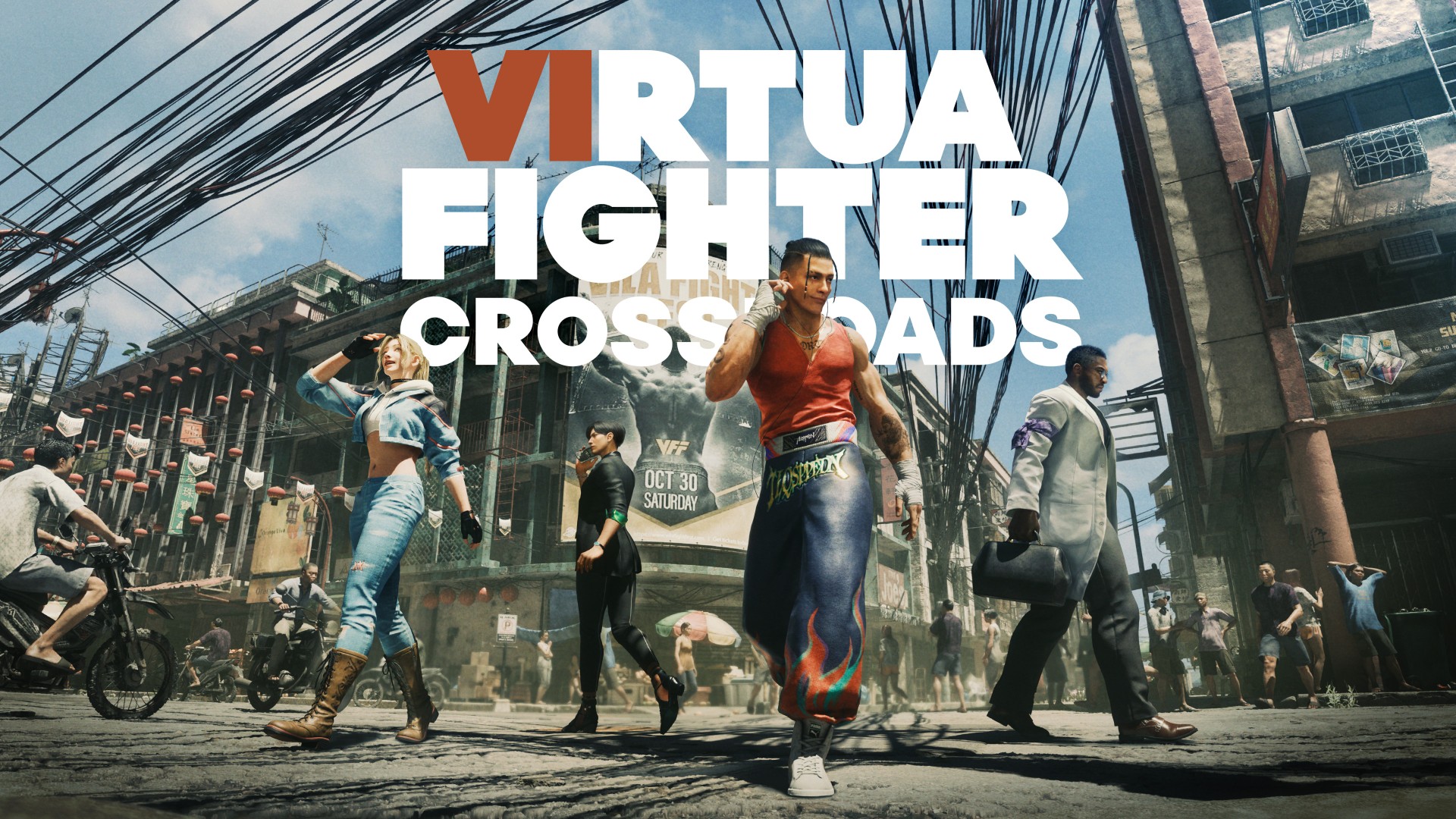
SEGA has officially revealed Virtua Fighter Crossroads, the next mainline game in the long-running fighting franchise.
Previously known as the New Virtua Fighter Project, the title is set to launch in 2027.
The announcement came during Summer Game Fest 2026 in Los Angeles, where SEGA debuted the game’s first reveal trailer.
Players can also watch the archived showcase featuring producer and creative director Riichiro Yamada and members of the development team.
SEGA also released a story trailer focused on Cielo, one of the game’s four protagonists.
A new story-driven direction
According to SEGA, Virtua Fighter Crossroads aims to go beyond traditional fighting game conventions by combining narrative and combat into a single-player adventure.
The story follows four protagonists whose lives and convictions become intertwined. Their paths cross in a tale that blends cinematic storytelling with the series’ signature martial arts combat.
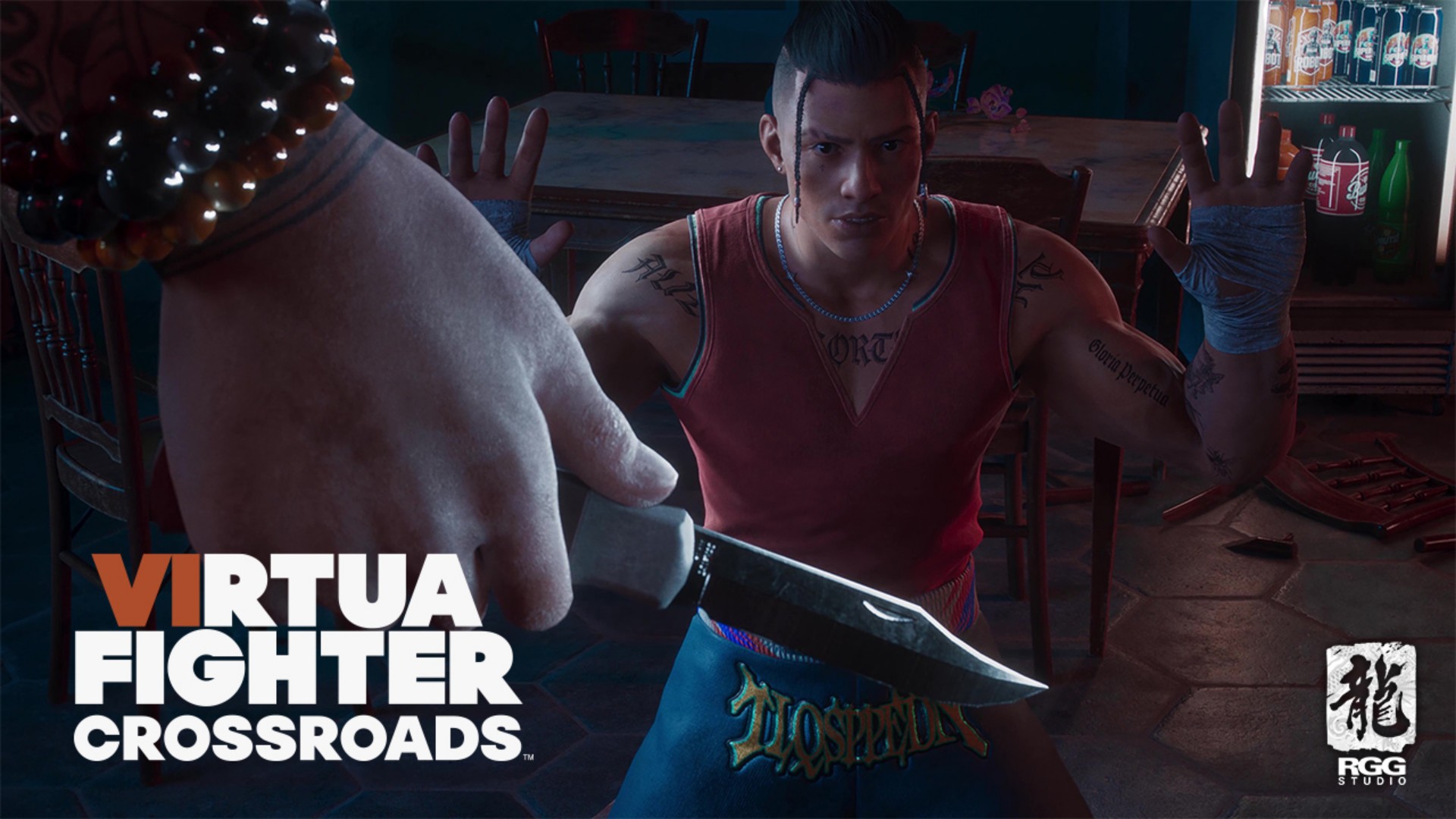
The game takes place in Vilasapara, a fictional Southeast Asian metropolis. Once stabilized by an agreement known as the Arma Carta, the city now faces growing tensions tied to politics, underground fighting, and a mysterious figure known as the Bakunawa Killer.
SEGA says the choices and conflicts surrounding these characters will shape the future of the city.
RGG Studio builds a new city
Vilasapara serves as the game’s central setting and has been created by RGG Studio.
The city features multiple districts, including a walled city center, entertainment zones, and resort areas. Players can explore these locations while uncovering side stories and optional quests connected to the people who live there.

Combat also receives a major overhaul. Story Mode will feature encounters ranging from multi-opponent fights to boss battles that unfold as part of the narrative.
Meanwhile, Battle Mode will allow players to jump directly into one-on-one matches both online and offline.
SEGA says the new entry retains the fluid and technical fighting system the series is known for while introducing greater realism and deeper strategic gameplay.

The company also revealed that the game’s narrative is being developed by a team of international writers who have contributed to other major projects, though specific names were not announced.


Close without crossing: A Xiaomi 17T Pro photo essay
Distance and closeness are not always opposites.


Spring reset: Growing more at home with Auk Mini
From kitchen counter experiment to everyday habit


UGREEN MagFlow Air review: Airy Yet Mighty
Slim and light power bank with a strong suit and core

ACE COMBAT 8: WINGS OF THEVE launches October 2

Buyer’s Guide: Xiaomi Pad 8 Series

Persona 4 Revival arrives Feb 2027, Persona 6 gets first teaser

Virtua Fighter Crossroads launches in 2027

Dune: Awakening is coming to PlayStation 5, Xbox Series X|S

HONOR 600 Pro review

The Infinix GT 50 Pro has the most inspired design for a gaming phone

Sony Xperia 1 VIII arrives with AI Camera Assistant, bigger telephoto sensor

vivo X300 FE review: Don’t judge the camera by its cutout

The UGREEN Nexode Air 65W is the only charger I travel with now


-
Reviews1 week ago
Close without crossing: A Xiaomi 17T Pro photo essay
-

 Deals2 weeks ago
Sony Days 2026: Unmissable deals, exclusive roadshows, and experiences
-

 Accessories1 week ago
UGREEN launches FineTrack Series with Apple Find My support
-

 Philippines1 week ago
Xiaomi 17T series Philippines price, availability, offers
-

 Gaming1 week ago
Acer unveils Predator Atlas 8 handheld with Intel Arc G-Series power
-

 Gaming2 weeks ago
Valve just announced a massive price hike for the Steam Deck
-

 Computex 20261 week ago
ASUS ROG XBOX Ally X20 debuts at COMPUTEX 2026
-
 Gaming1 week ago
Call of Duty: Modern Warfare 4 has been officially announced