
Gaming
Unpacking a multitude of things from The Outer Worlds 2
Now set in another colony far, far away

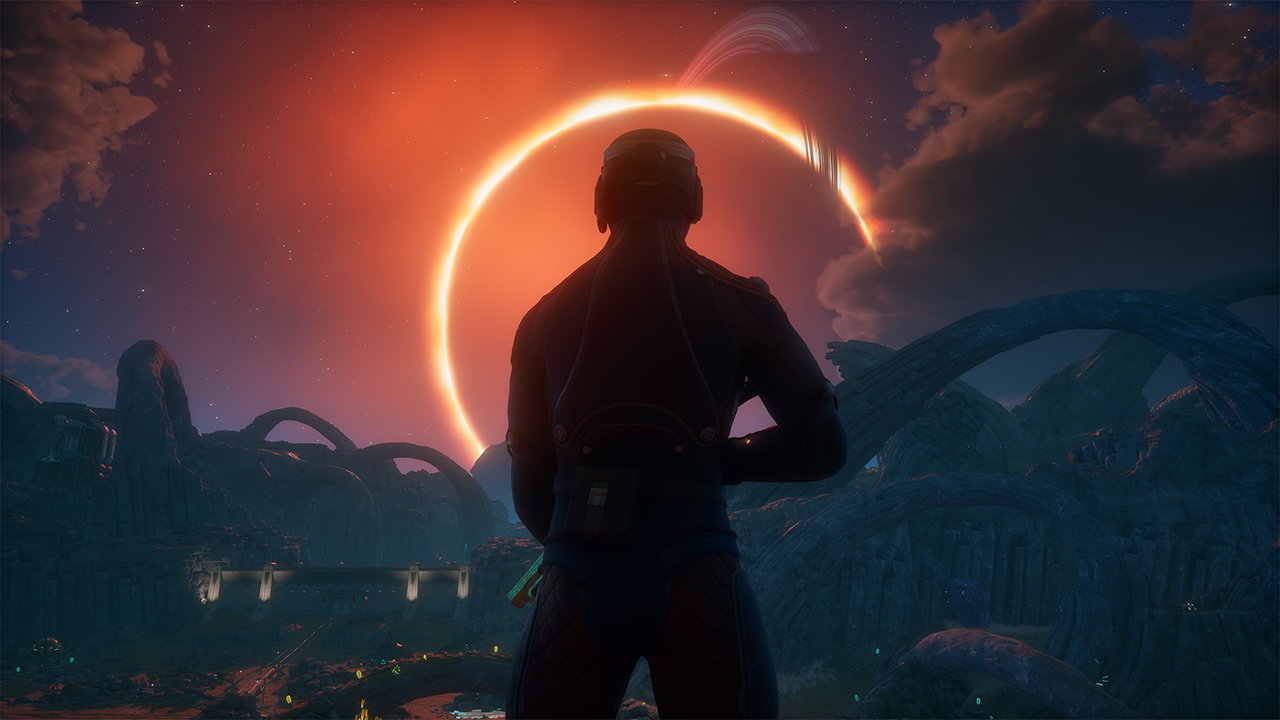
We waited six years for this to happen, and it can’t arrive soon enough. On October 29th, Obsidian Entertainment will take us through a new journey within another colony in alternate Earth and its own set of disasters to mitigate. As a sworn peacekeeper of the Earth and its colonies, you will partake in a grand mission filled with twists, turns, and all-out action into The Outer Worlds 2.
Right before that, though, they were gracious enough to give us a glimpse on the action and chaos to experience in The Outer Worlds 2. In the near 20-25 minutes worth of gameplay, here’s my initial two cents on the much awaited sequel:
Fight or flight, do or die
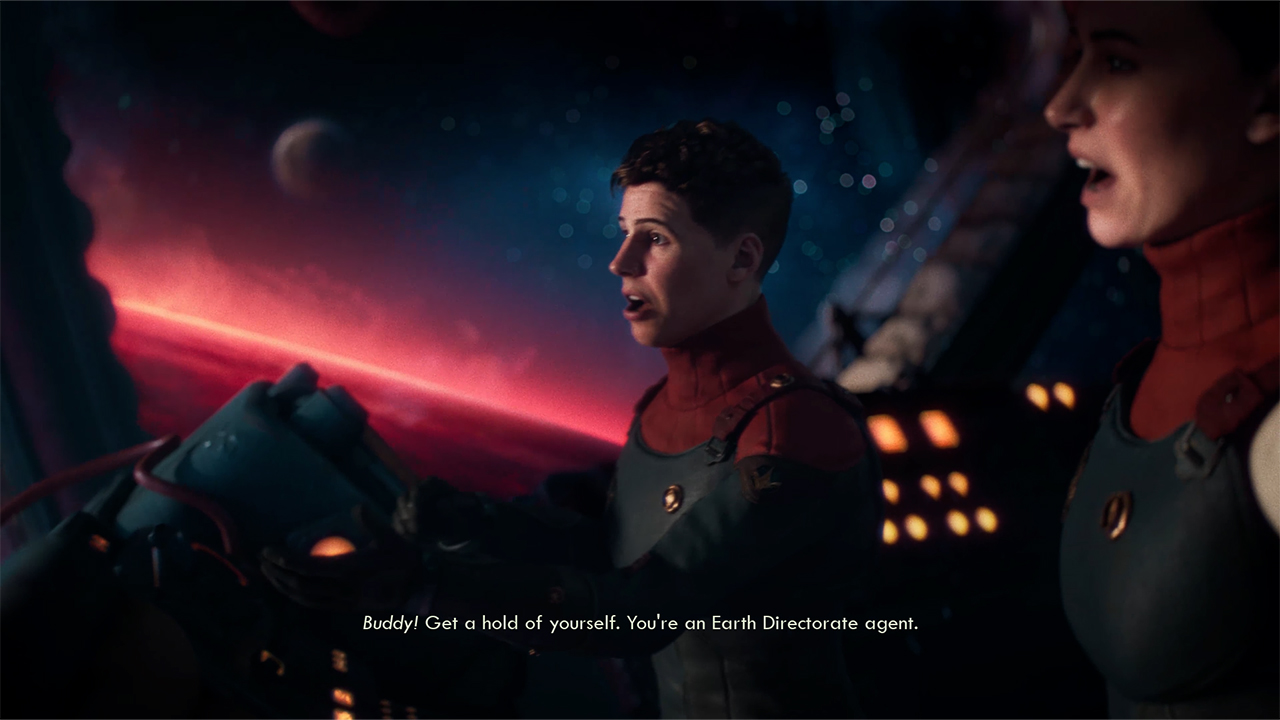
The Outer Worlds 2 returns to its 2019 roots in terms of how you play it — role-playing, NPC shooting, and witty dialoguing. In this game, you play as a member of the Earth Directorate whose main objective is to make sure nothing is amiss between Earth and its colonies. Your task at hand takes you another colony in the realm, Arcadia where you are not particularly welcomed, but a job has to be done.

Throughout the whole preview, it covered all the basic gameplay mechanics: overworld movement, combat, stealth, and inventory management, just to name a few. It didn’t feel any different from how the prequel did it, which is a good thing so as to avoid alienating long-time players too much. Plus, they retained the Tactical Time Dilation module to give you an opportunity to make decisions on the fly with precision.

Conversing with the different characters in the game is also still as dynamic and witty as they could be. Of course, they brought back the skill-based dialoguing in which you can respond to prompts differently depending on your expertise.
Even in the preview, this was a highlight as you can provide insightful observations or simply sweet-talk your way to turn things in your favor. Other skill-based overworld activities are present, so it’s important that players choose their skillsets and upgrades wisely.
More ways to identify yourself
After the opening sequence in the preview, the customization start screen appears and immediately, there are a lot of things to tinker with. Compared to the first game, adjusting every little feature on your character looks and feels more personal and true-to-scale. From facial features to even aging your character ever so slightly, it allows for a ton of creativity to the overall design that wasn’t present before.
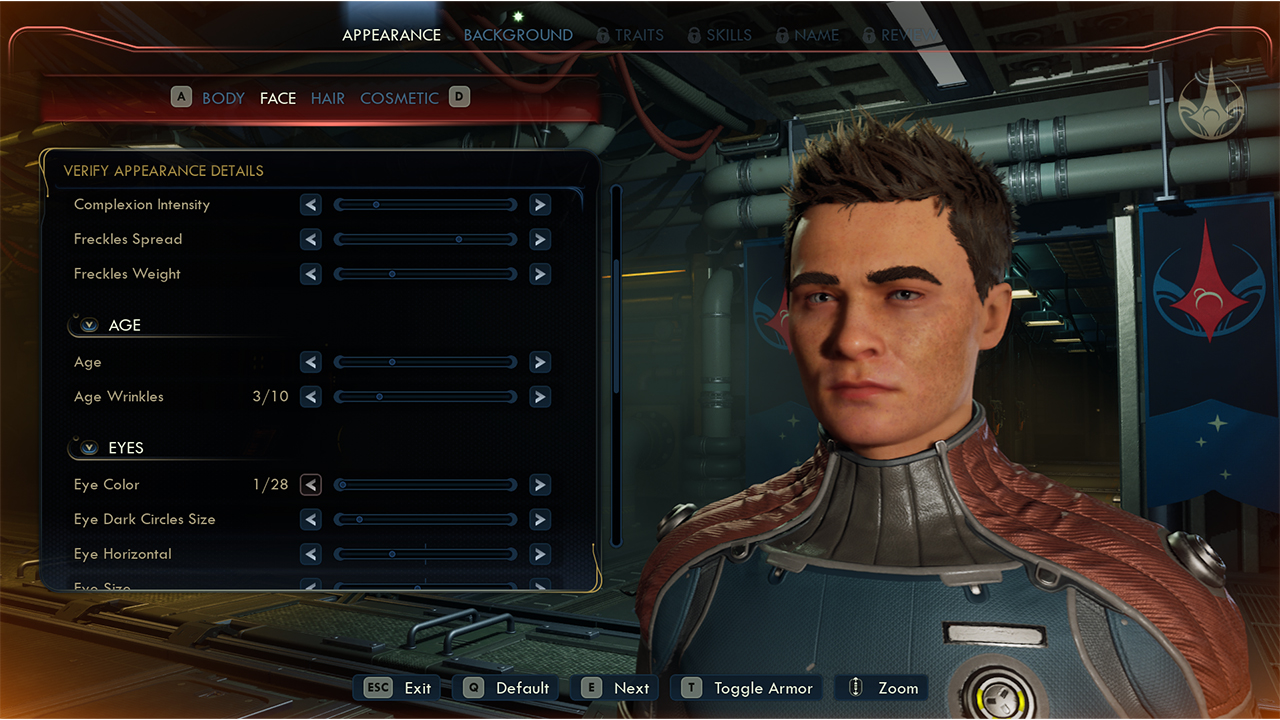
Another thing they improved from its predecessor was assigning a background and, subsequently, traits and set of skills for your desired being. Similar to The Outer Worlds, you dictate your character’s background prior to joining the main faction or entity they represent and the buffs they get along with it.
However, not only did Obsidian expand the backgrounds to account for more potential career paths to get out of, but they made it completely agnostic to the traits you assign. I found that to be a nice touch so that you can’t get locked down to a specific set per career!
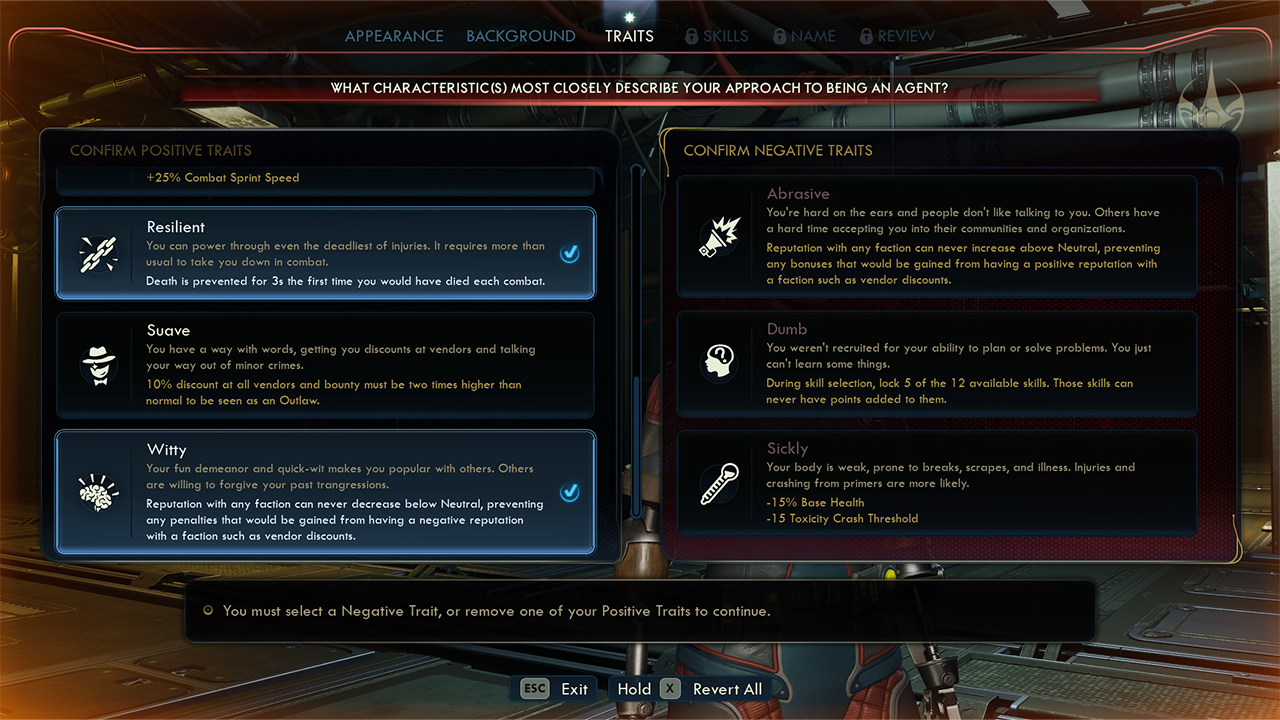
Speaking of those traits, you actually get to choose either one or two positive traits this time around. These positive traits heavily influence the skills you will get at the start, which as mentioned earlier is an integral part of the overworld gameplay.
Along with this, the game also introduced the choice of a negative trait to balance you out whenever you opt to have two positive traits. It’s just their way of reminding you that even in futuristic Earth, nobody’s perfect!
A glimpse of Arcadia
The whole preview takes place in a command outpost in Arcadia, another future Earth colony handled by megacorporations. From the tech rooms to the battle stations, Obsidian made sure to include just a big enough space to battle-test a lot of the mechanics in one go.
The only thing though is that it isn’t as open of a world just yet, especially as the first couple of scenes are held inside your carrier to Arcadia. However, that didn’t stop me from exploring the level as much as possible to find all sorts of ammo, useful items and information to use against the enemies.

While there really isn’t much to show just yet, the game showcases the dreary and techonlogical motifs quite nicely. They did a fantastic job bringing in the Unreal Engine 5 to improve on the overall aesthetic compared to its predecessor. You will also enjoy a ton of the combat sequences without so much as drastically affecting the background.
However, I would like to see more greenery, or at the very least different locations within Arcadia to fully appreciate the graphical work done.
So many features, and more to come?
Admittedly, The Outer Worlds 2 presents itself with the delicate balance of having a lot of features, old and new, intertwined with a faimiliar feel to the frontier you play in. While gameplay options were highly limited, it didn’t stray away too much from its predecessor. Also, customization right out of the box looks a lot more robust, while already making you be a lot more choiceful.
It’s still too early to tell, but there’s still a lot to be excited about the game in the coming weeks. Hopefully the full length version of it will continue the exhilerating action while touching on some hard-hitting social commentary like its predecessor.
The Outer Worlds 2 will be available on October 29, 2025 for the Playstation 5, Xbox Series X|S, and PC on Steam.




Computers
ROG brings out the ultra-stylish G1000 gaming desktop
Plus, here’s a couple of sleek transport options from ROG.

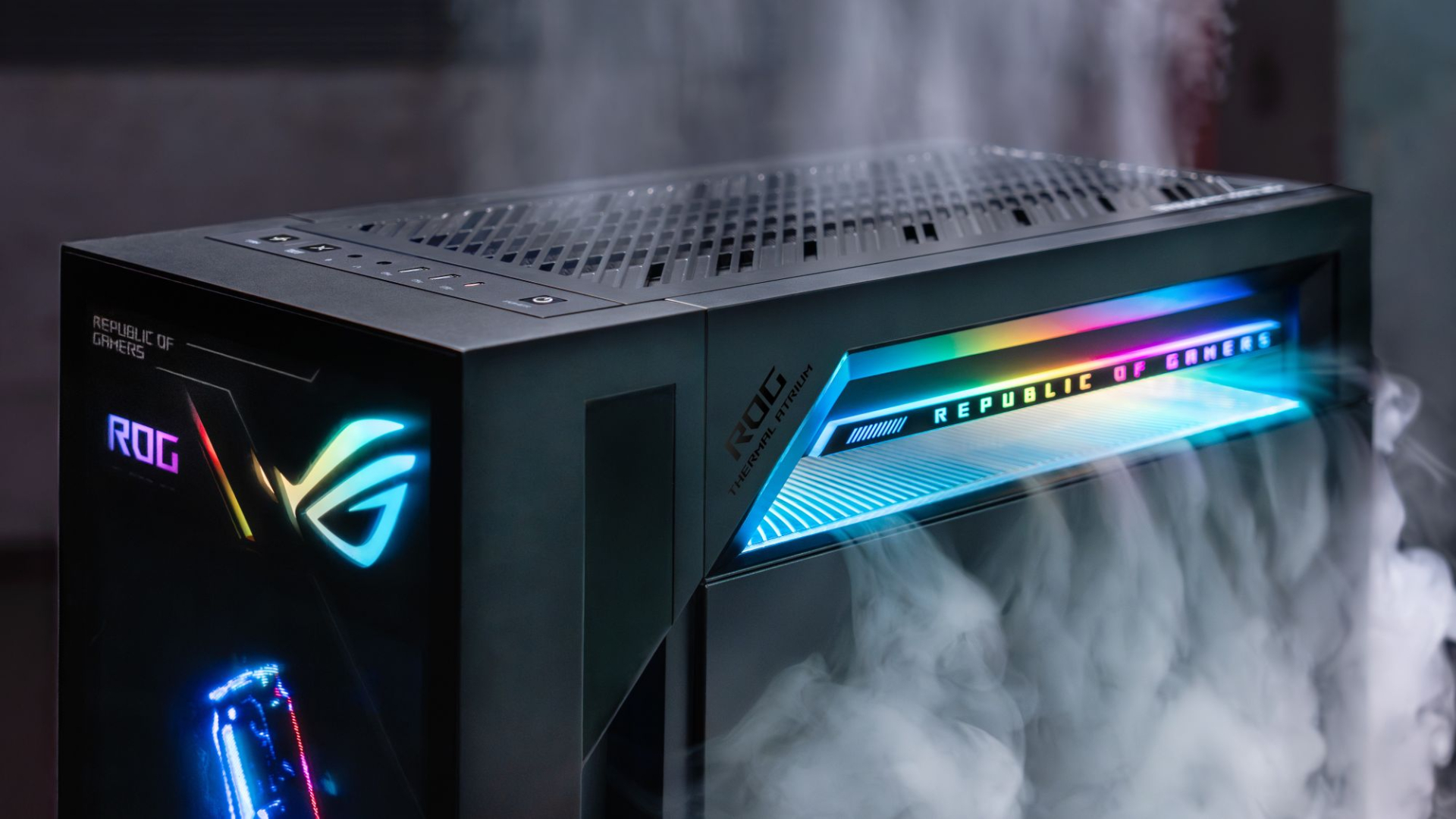
Despite how much higher prices are going today, there are still so many options if you want a PC for yourself. However, only a handful of brands will offer you quite as much style doing so as ASUS. Today, ROG has revealed the new G1000 gaming desktop.
For the first time ever in a prebuilt PC, the ROG G1000 comes with a built-in AniMe Holo, a holographic fan with customizable visuals using Armoury Crate and Aura Sync. Additionally, the holographic fan is inside its own chamber, preventing it from interfering with the main system. Instead, the desktop uses the ROG Thermal Atrium, which uses three fans to channel fresh air through a 420mm AIO liquid cooler.
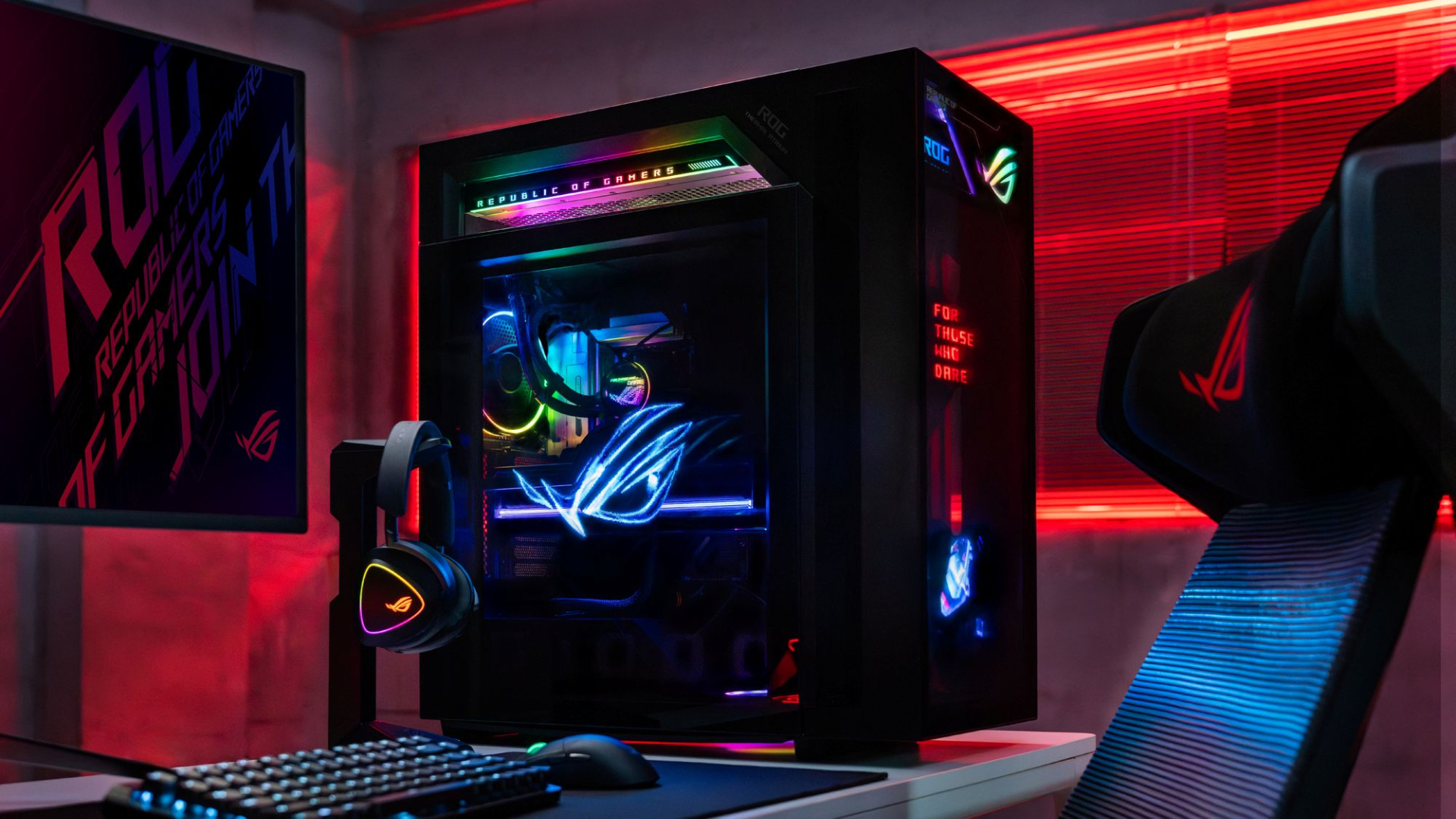
Now, the ROG G1000 isn’t just a pretty face. Inside, the 104L desktop comes with a Ryzen 7 9800X3D processor. It also comes equipped with the ROG Astral GeForce RTX 5080, up to 128GB DDR5 memory, and 1TB SSD for storage. New purchases will also come with a gaming keyboard and mouse, a year of Microsoft 365 Basic, Office Home 2024, and an ASUS No. 1 Quality and Service warranty.
The ROG G1000 will be available from ROG Exclusive Stores and will start at PhP 399,995.
Celebrating ROG at 20
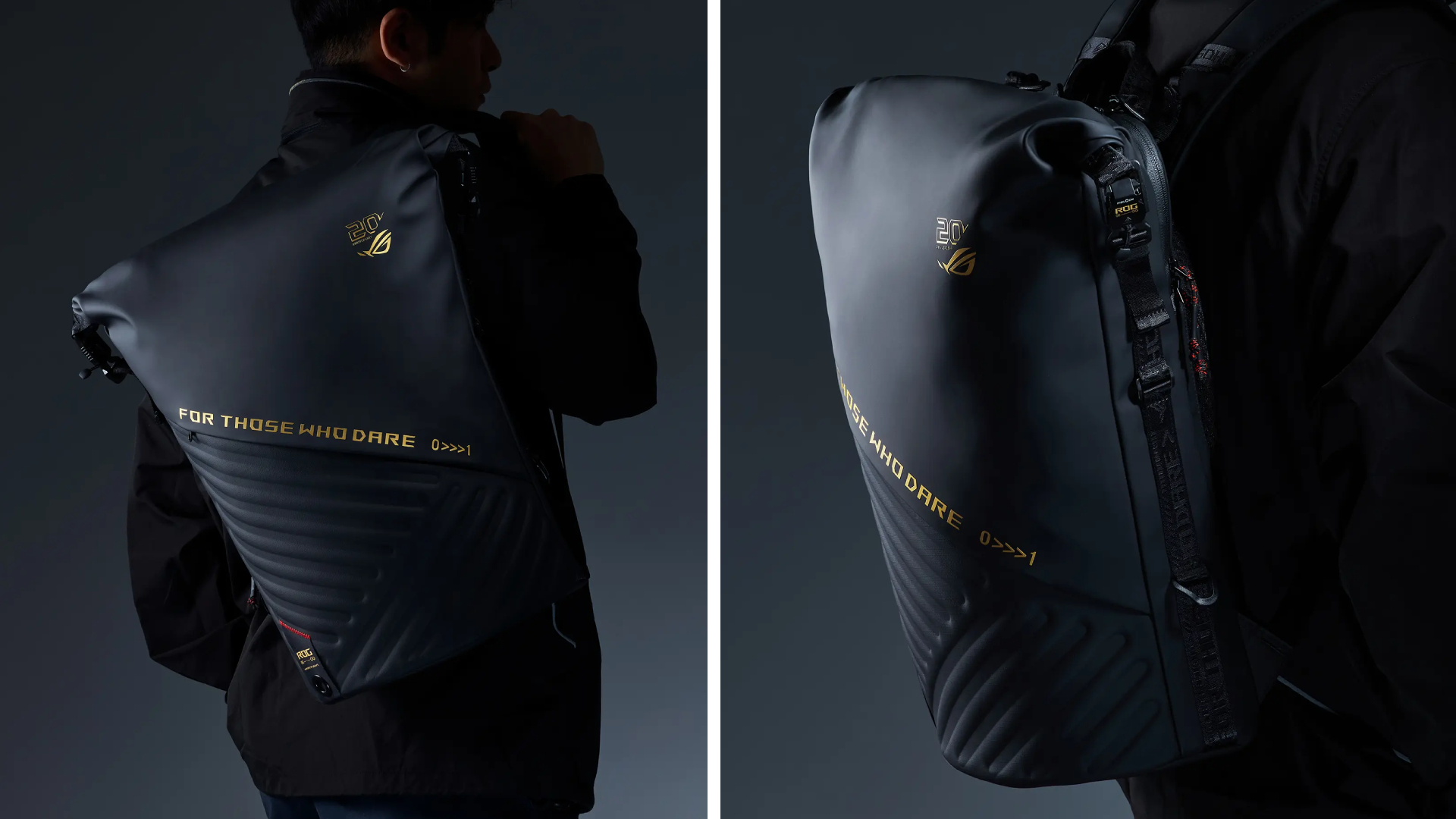
Besides the new desktop, ROG is also launching a couple of storage and transport options for your prized gaming possessions. The ROG SLASH Backpack Edition 20 is a sleek backpack that can fit an 18-inch laptop with enough room for peripherals and accessories. It also comes with a custom FIDLOCK Magnetic quick-release, black-and-translucent-gold buckle. It will be available next quarter for PhP 10,995.
Meanwhile, the ROG SLASH Hard-Case Luggage Edition 20 is designed specifically for transporting your hard-earned gaming devices. The light-but-durable aluminum frame comes with a specialized compartment for laptops, handhelds, and accessories. It also has removalbe foam dividers to better customize the case for your needs. Finally, it has 360-degree silent skate wheels for smoother rolling. The luggage will be available starting next quarter for PhP 15,995.


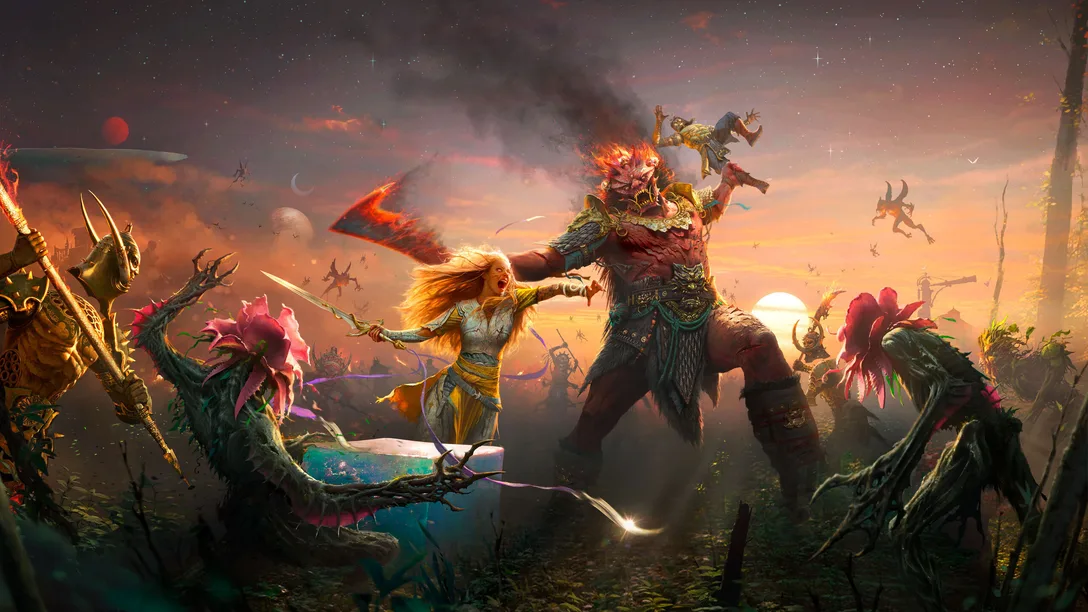
Pre-orders for God of War Laufey pre-orders are now live with new details on editions and Faye’s Serpent Bow. are now live on the PlayStation Store and at participating retailers across Southeast Asia ahead of its February 16, 2027 release on PlayStation 5.
Sony also detailed the game’s pre-order bonuses and Digital Deluxe Edition, alongside new footage and information about Faye’s combat abilities.
Players who pre-order God of War Laufey will receive the Last Wish Armor Set, Phranque Golden Leaves Appearance, and an in-game resource pack. The physical Standard Edition includes these items through a download code.
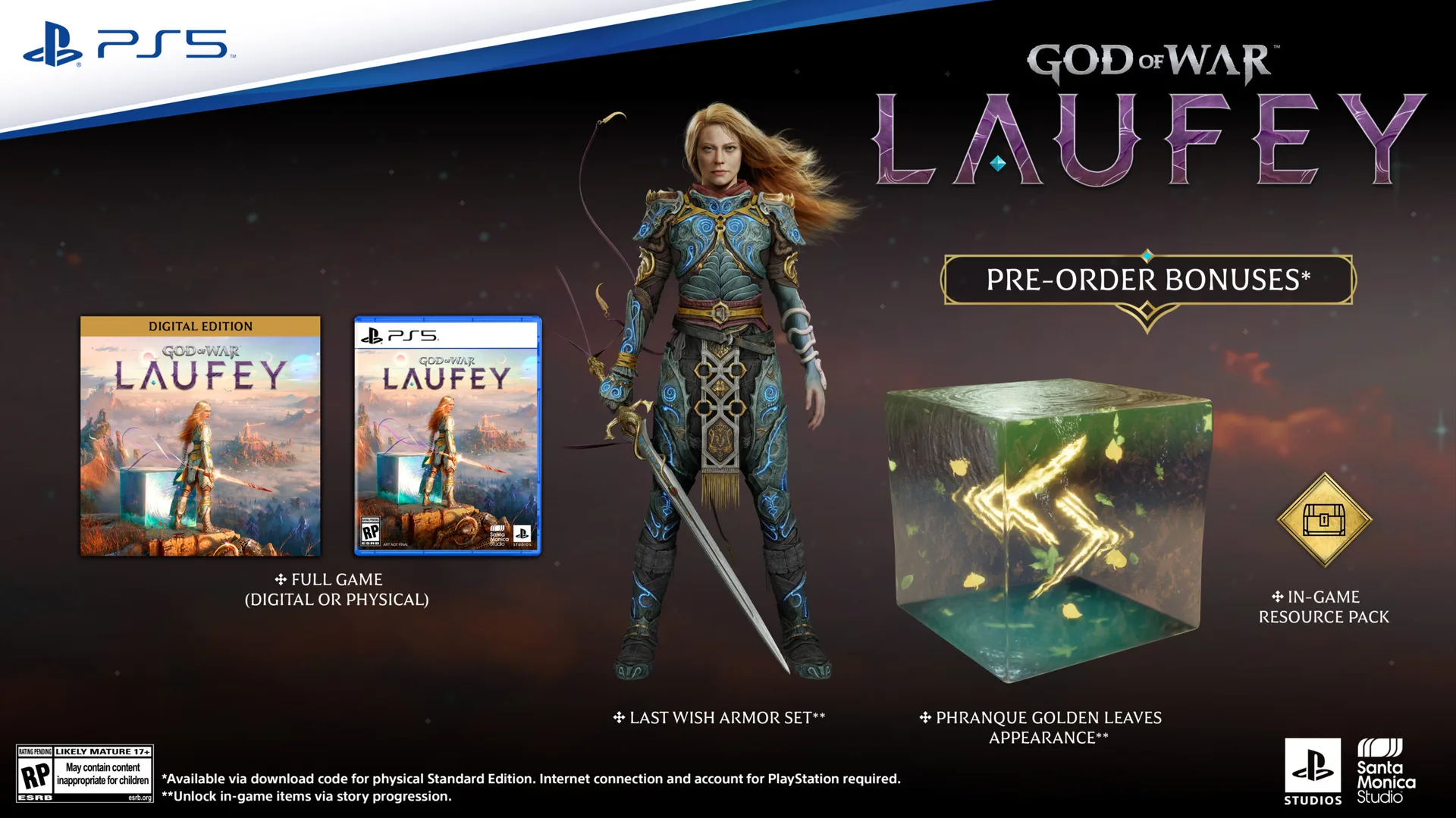
The Digital Deluxe Edition adds the Dark Alchemy Armor Set, Dark Alchemy Blade, Dark Alchemy Bow Scales, Dark Alchemy Catalyst, an in-game resource pack, a digital mini artbook, and the official digital soundtrack.

Faye gets a new weapon
Faye will wield the Serpent Bow, an enchanted weapon that lets her switch between close-range and ranged attacks.
The bow has two firing modes. Full-aim provides more precise shots and greater range, allowing Faye to target specific parts of enemies and charge up to five arrows for a powerful volley. Half-aim switches to a more mobile hip-fire stance for rapid attacks at close range.
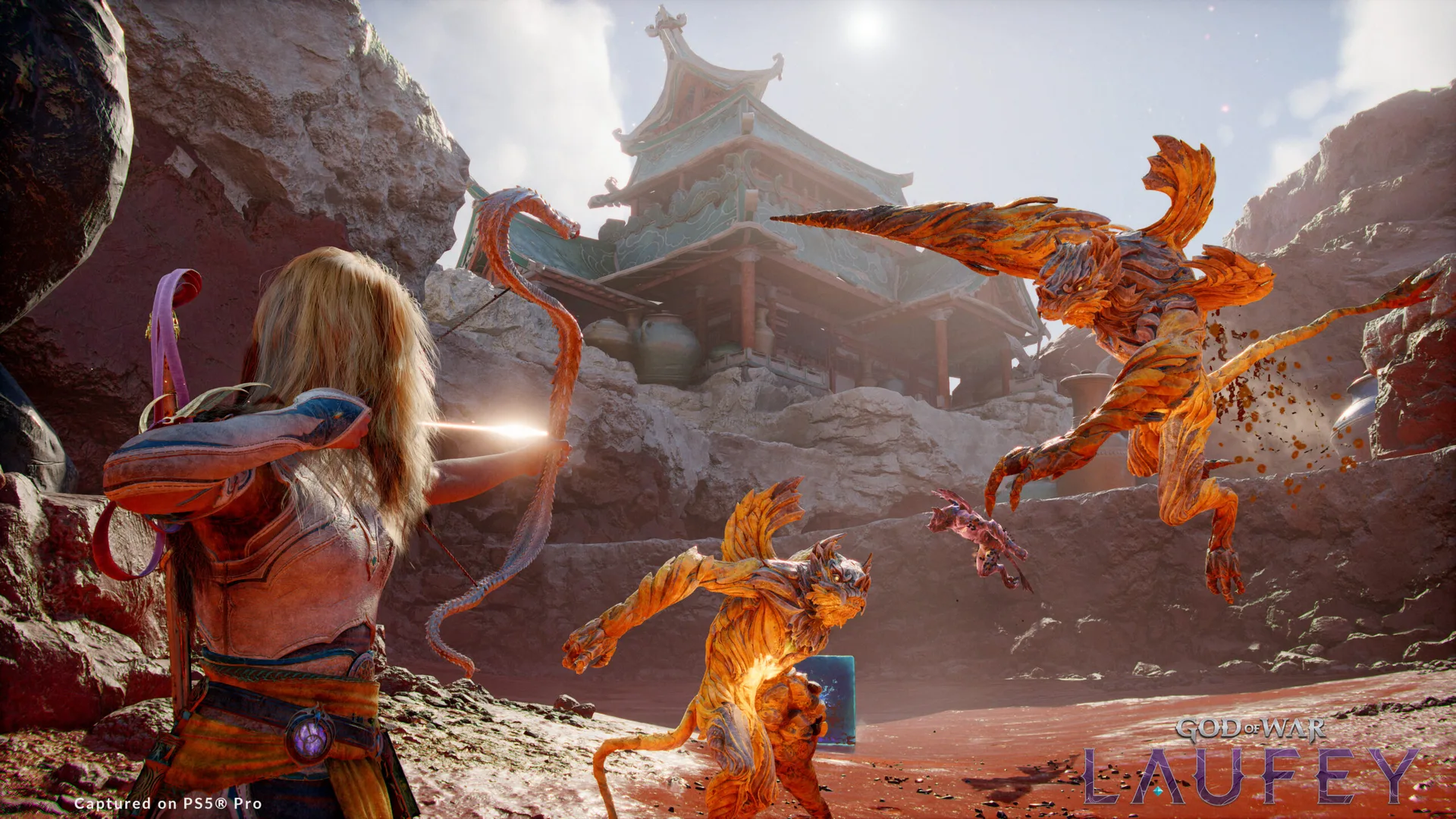
Different arrow types support various combat approaches, including rapid-fire, explosive, and multi-target attacks. Players can also equip different Serpent Scales, which change the bow’s appearance and provide unique perks. Additional skills further expand its capabilities.
Faye’s other equipment can also be customized. Her Blade, Serpent Bow Scales, and Catalysts can be configured to support different playstyles.
God of War Laufey follows Faye after her death as she awakens in the Everywhen, an afterlife where gods and creatures from different mythologies converge. Santa Monica Studio previously revealed that Faye will fight through the realm alongside Phranque and Rue as she searches for a way home.
God of War Laufey launches exclusively on PS5 on February 16, 2027.
I came into ACE Combat 8: Wings of Theve completely blind.
I knew very little about the franchise outside of the fact that it’s a fighter plane game. My entire exposure was limited to a handful of press releases from Bandai Namco and, of course, the noise the pink-haired character made on social media when she was first revealed.
So, I had no idea what to expect when I climbed into the cockpit.
What surprised me most wasn’t the flying. It was everything that happened outside of it.
A surprisingly beautiful presentation
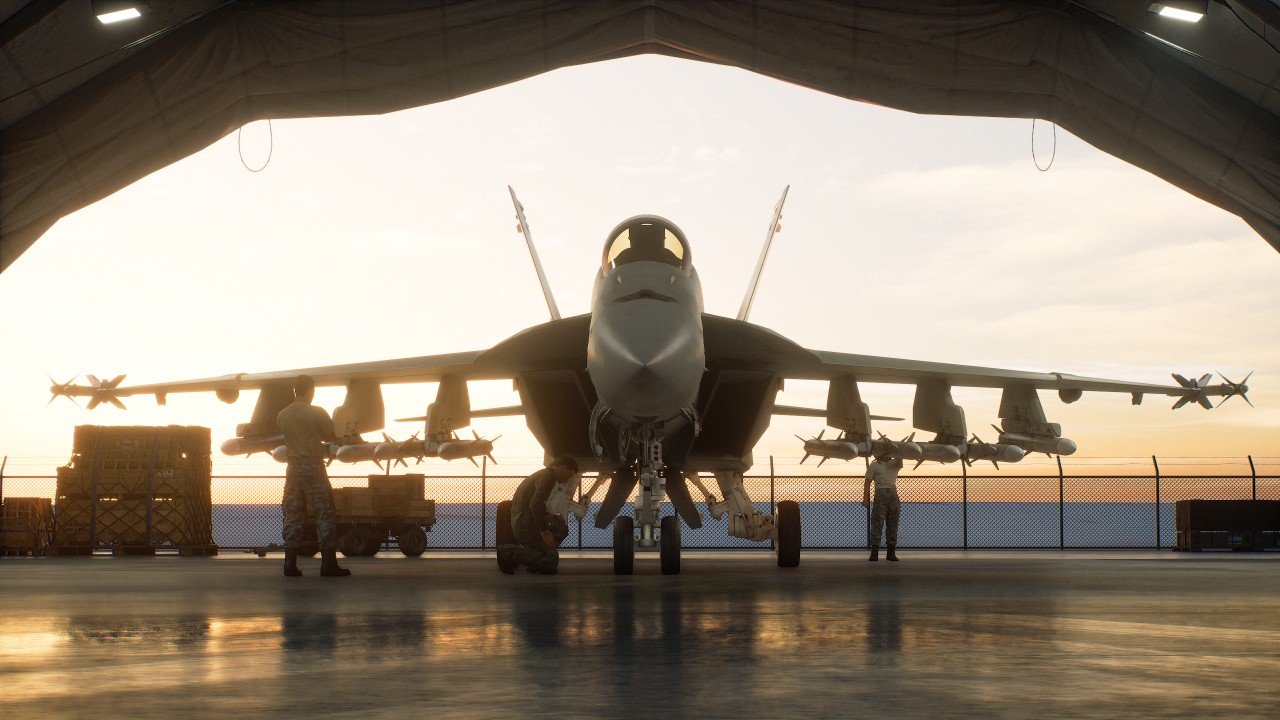
I was floored by the story segments of the game, particularly the visuals and presentation.
A lot of these scenes are presented from a first-person perspective. The characters and environments you interact with are beautifully rendered, and there’s an impressive level of detail to the world around you.
It looks like a AAA game. It just doesn’t move like your typical AAA action game or RPG. That threw me off a bit.

There’s something intentionally different about how ACE Combat 8 presents its story and world. You’re not controlling a character running around a beautifully rendered environment. Instead, you’re mostly observing the world from a grounded first-person perspective before getting back into the cockpit.
It’s an unusual approach, but one I found myself appreciating.
Learning how to fly

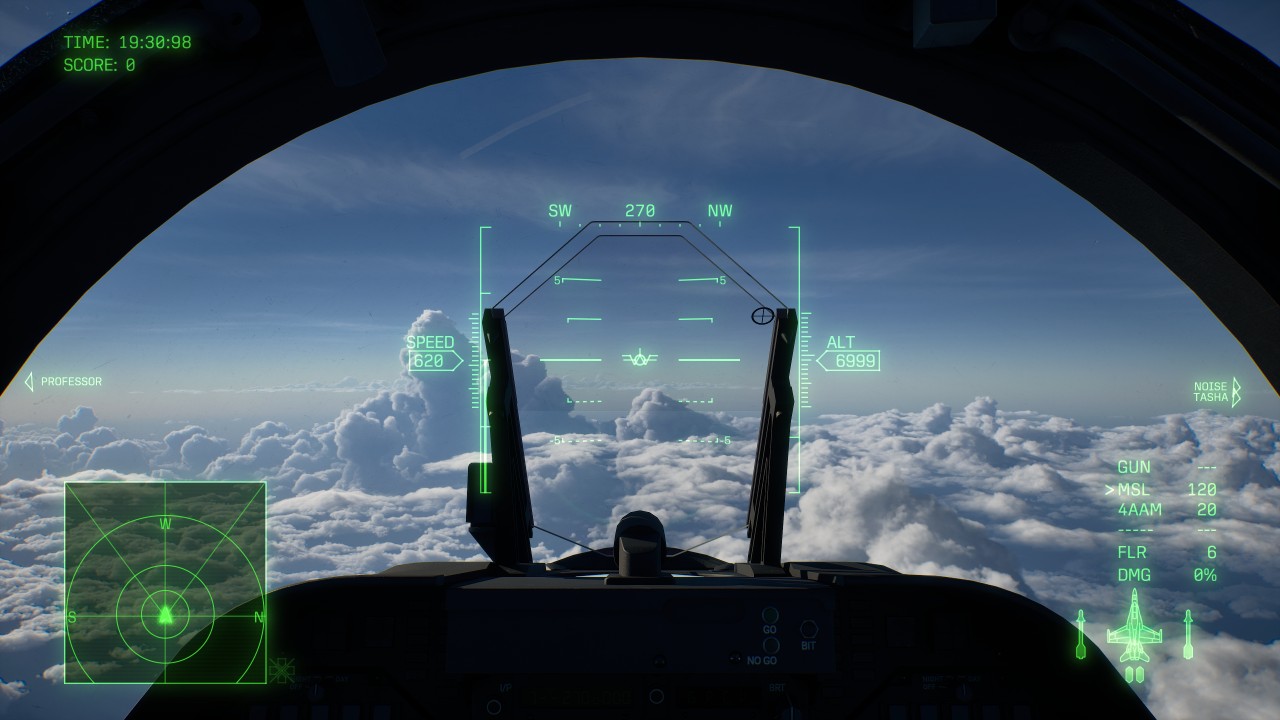
The bigger adjustment was actually flying the plane.
I had trouble getting used to the controls and the structure of the missions. I failed the first one quite a few times because I couldn’t fully understand the radar or the environment I was flying in.
It took plenty of getting used to on my part.
Even after a few hours of play, I can’t say I got fully used to it.
The game offers STANDARD and EXPERT control schemes. STANDARD is designed to be more intuitive, while EXPERT gives you more control over the aircraft through traditional roll-and-pitch inputs.
I still had plenty to learn regardless of the control scheme. There’s a lot of information to process at once: your aircraft’s position, altitude, speed, radar, targets, incoming missiles, objectives, and everything happening around you.
It takes time to develop a feel for how everything moves.
Missions aren’t just about shooting everything
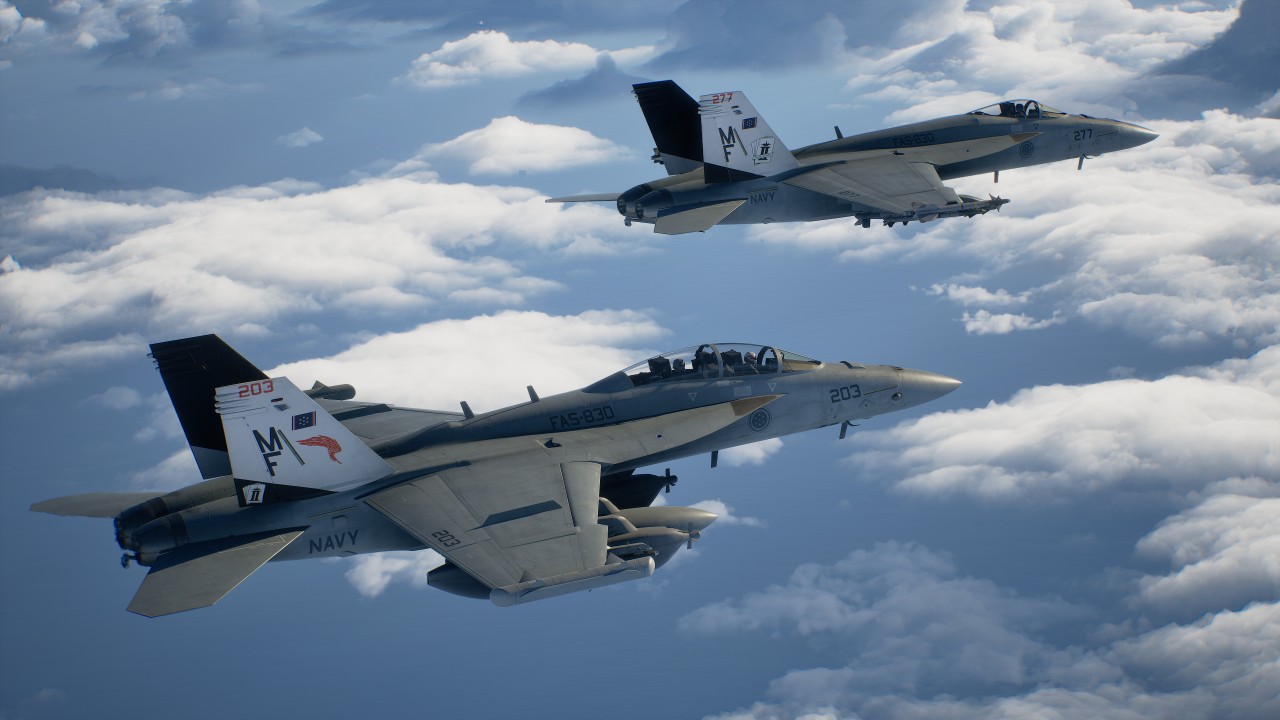
The mission structure is quite specific.
You have to do things a certain way in each mission. It’s not just “blast everything in your path.”
That offered a lot of variety and made the game more engaging.
Some missions asked you to maintain a certain altitude to avoid detection. Others demanded expert flying. Some also felt like full-on aerial combat.
Objectives can range from destroying targets and protecting allies to earning a certain number of points, with some missions changing objectives while you’re already in the air.
That keeps the campaign from feeling like a series of identical dogfights.
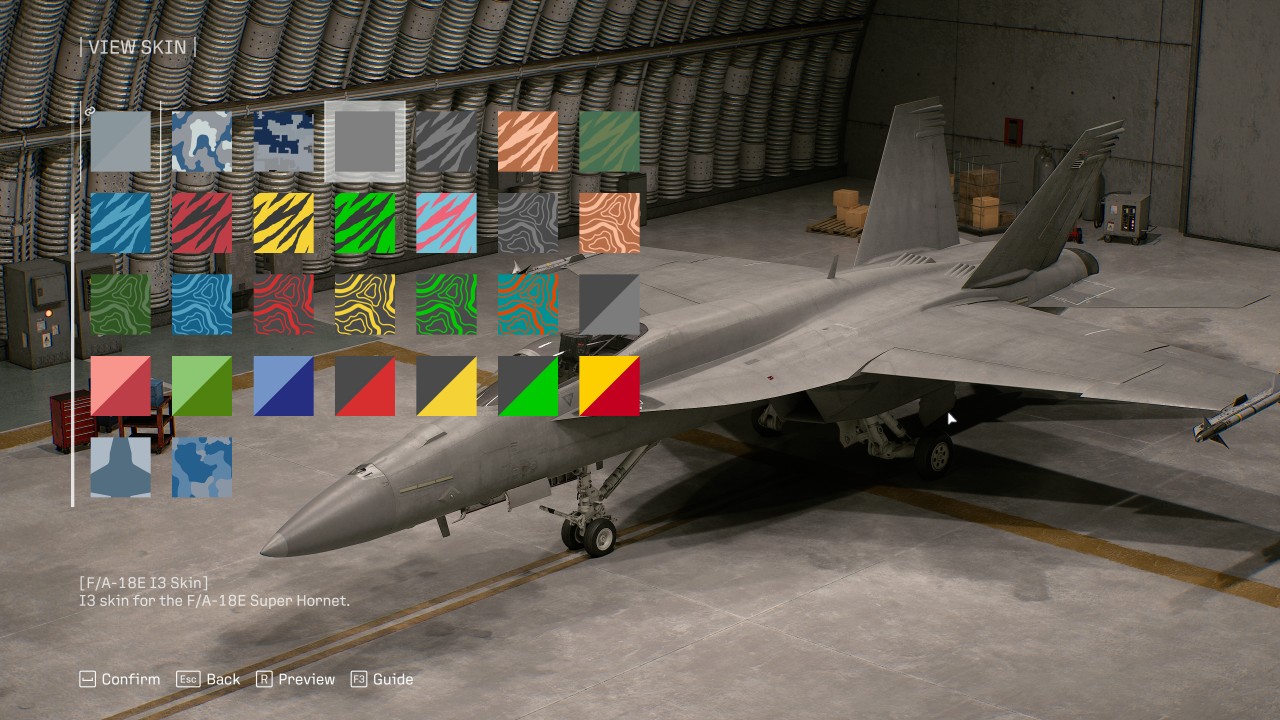
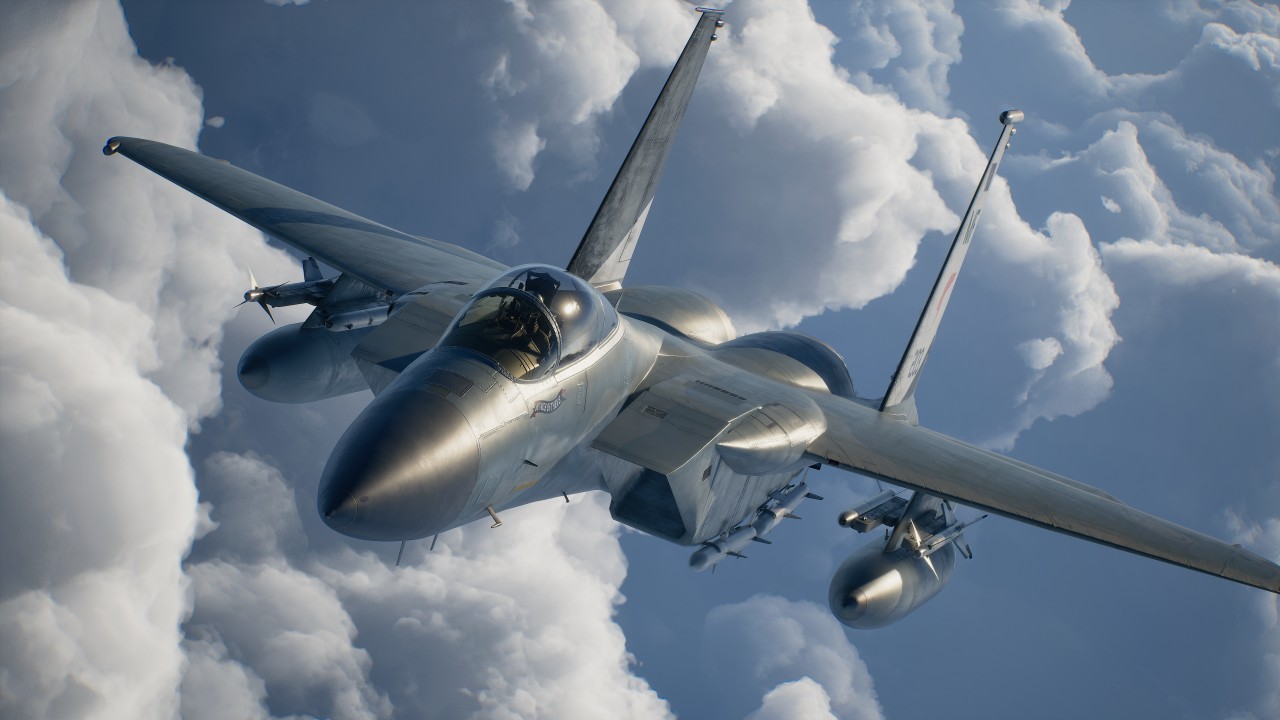
There’s also a progression system built around different aircraft types, including fighters, attackers, multirole aircraft, and electronic warfare planes. More than 30 aircraft are available, with new planes, upgrades, and special weapons unlocked through the Aircraft Tree.
Your choice of aircraft and weapons can also change how you approach a mission. A fighter makes sense when the skies are packed with enemies, while an attacker can be better suited to ground targets. Multirole aircraft offer a middle ground when you’re unsure what you’ll encounter.
Wingman commands add another layer to combat. You can order your pilots to attack, spread out, provide support, or use their special weapons.
The result is a game that asks you to pay attention to what’s happening instead of simply holding down the trigger.
A story worth sticking with
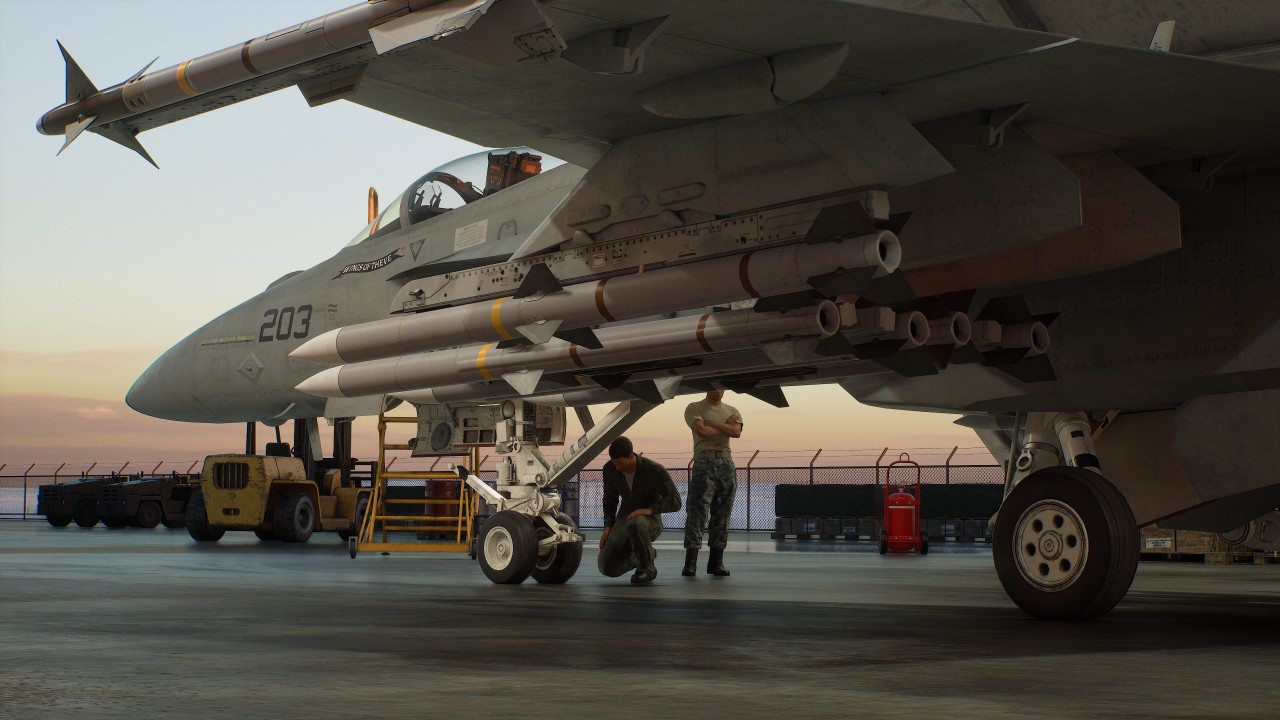
The story I’ve encountered so far isn’t something to write home about.
Its presentation, however, is engaging enough that I feel a lot of people can easily soldier on to see it through to the end.
The first-person story segments, radio chatter, briefings, and events that unfold during missions give the campaign more personality than simply jumping from one dogfight to another.
There’s clearly a larger conflict unfolding, and the game does a good job of making its missions feel like part of something bigger.
The presentation does a lot of the heavy lifting here.
Is ACE COMBAT 8: Wings of Theve your Play Match?
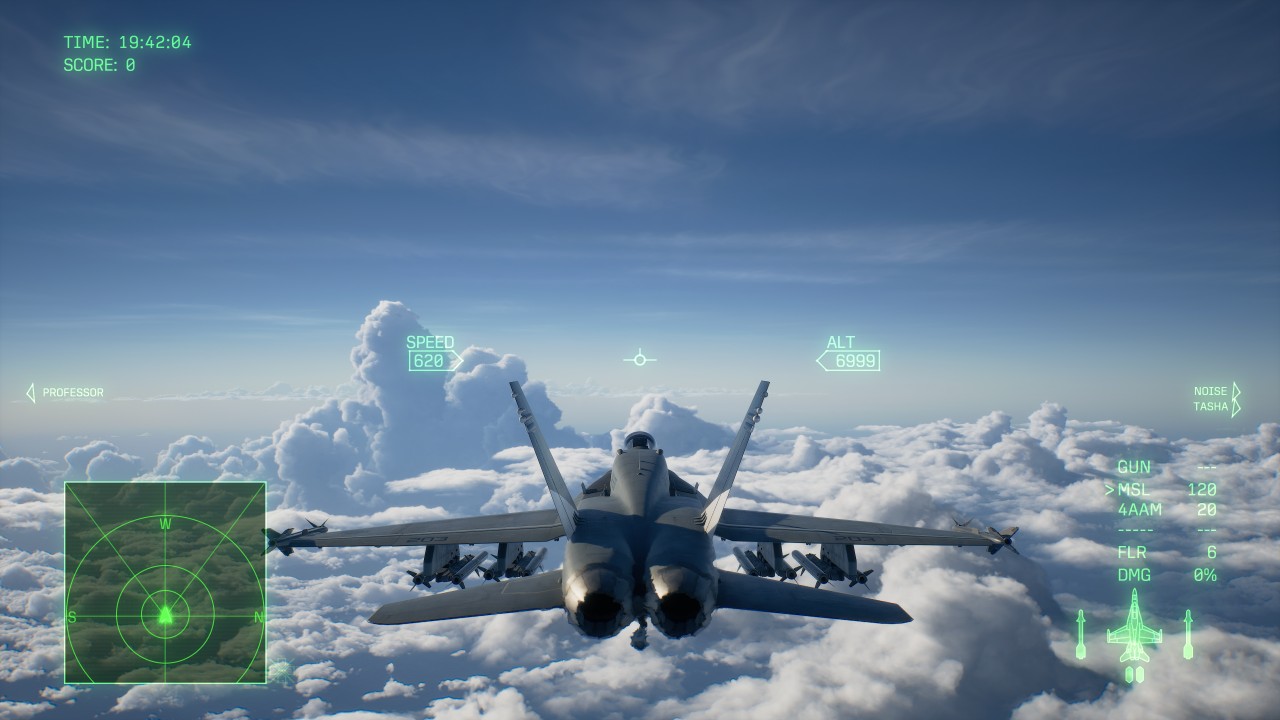
The campaign has 30 missions that run at around 15 minutes each, give or take. Your mileage, naturally, will vary.
For me, those first few hours took longer because I was still trying to figure out how to move, where to look, and what the game actually wanted me to do.
ACE Combat 8 isn’t immediately intuitive if you’re coming into it completely blind like I did. The game does give you training options for practicing flight controls and special weapons, which can help you get comfortable before throwing yourself into tougher missions.
Once things start clicking, though, the experience becomes quite distinct from the type of game most people gravitate towards.
Overall, ACE Combat 8: Wings of Theve feels like a nice break from the usual games where you control a single character and go through linear levels or an open world.
It’s the perfect palette cleanser.
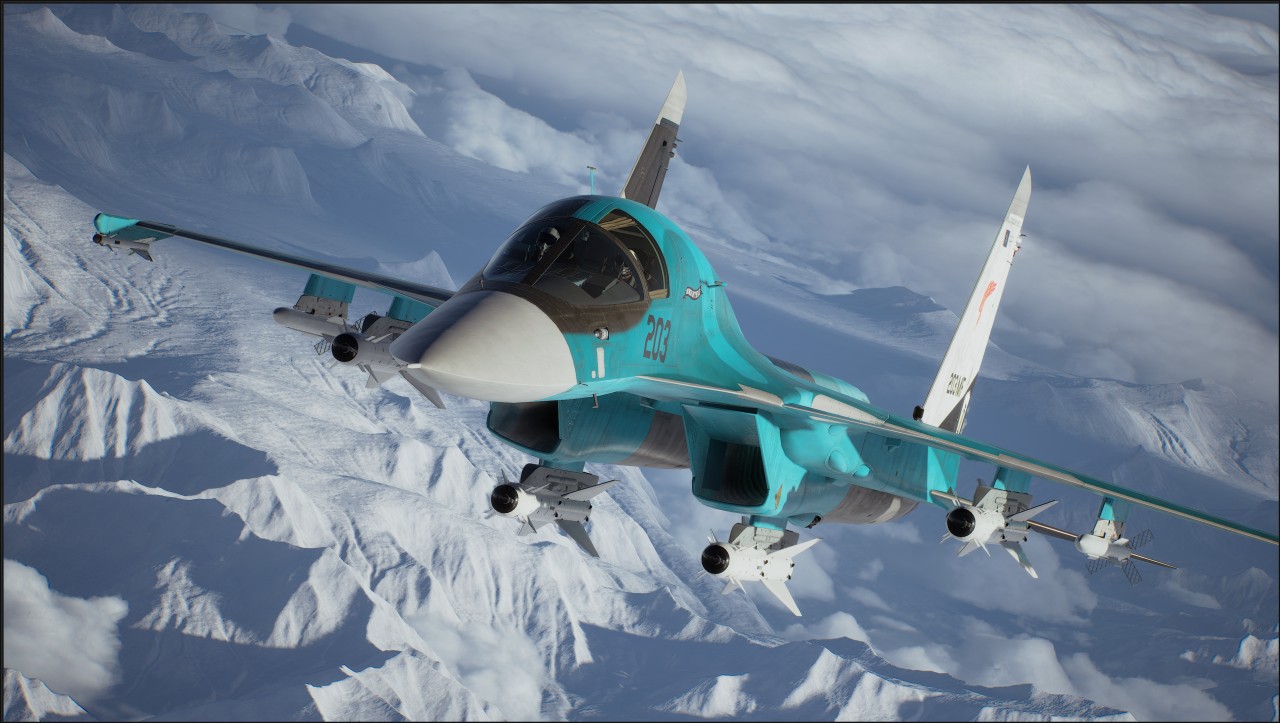
I didn’t expect to spend my first few hours struggling with radar, movement, altitude, and mission objectives. Those struggles also made the moments when I finally understood what I was supposed to do feel more rewarding.
I’m still not fully comfortable in the cockpit.
I’m also ready for another sortie.
Verdict: Swipe Right.




JBL brings a soundtrack to every room

Apple iPhone 18 Pro Series review

UGREEN launches new MagFlow and Nexode Pro charging accessories to Southeast Asia

Apple might not have given up on the Vision Pro yet

ROG brings out the ultra-stylish G1000 gaming desktop

HUAWEI Pura X View is 2026’s first WIDE slab-type smartphone

The CAMON Slim 5G is TECNO’s latest ultra-slim smartphone

iPhone 18 Pro series: Price, availability in the Philippines

DJI Osmo 360 II review: Going all-in on the ecosystem

iPhone 18 Pro series: Price, availability in Singapore


-

 News1 week ago
vivo X500 Series launches with major imaging upgrades
-

 News1 week ago
OPPO Find X10 Pro Max is the first phone with a triple 200MP camera system
-

 Automotive2 days ago
BYD says that way better EV batteries are coming next year
-

 Singapore2 weeks ago
Epson Lifestudio Grand Plus EH-LS970B with 4K projection, more launches
-
 Drones2 weeks ago
DJI Lito X1 review: Is this the best lightweight drone for creators?
-

 News1 week ago
vivo introduces OriginOS 7 with smarter multitasking and AI features
-
 Smartphones4 days ago
When TECNO-logy meets Tonino Lamborghini legacy
-
 Accessories1 week ago
70mai launches the A900 series with 4K front, rear recording