
Features
GadgetSnaps: London
With the Canon EOS R50 V

In recent conversations with some close confidantes, I’ve expressed how I stumbled into a life I didn’t necessarily dream of. My work has taken me to places I never even imagined going to. One of those is London in the United Kingdom. Armed with the CANON EOS R50 V, I asked my friend, Jane, who has lived there for around seven to eight years to show me around.
Being in a new place always feels a little overwhelming. Thankfully, I had a local show me around. I only had two requirements: I wanted to see spots shown on the film Spider-Man: Far From Home (yes, I’m a webhead), and the Big Ben. That’s it. Everything else would be gravy.
And so, our little city trek began.

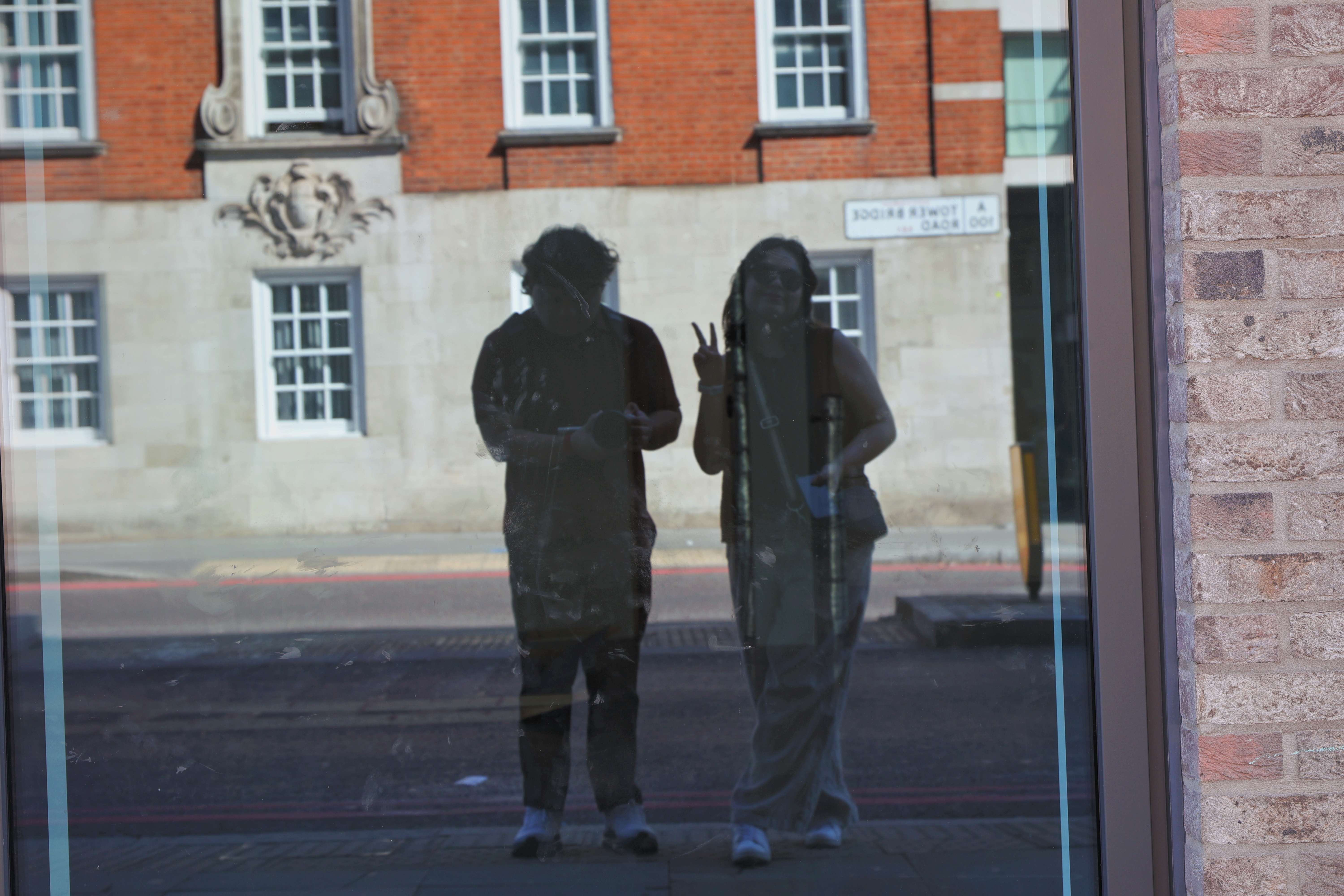
Didn’t realize there was someone looking at the camera when I shot this. Sun was pretty high up that day.
The first thing we spotted from afar is the City Mayor’s office. It’s this oval-looking thing. Definitely not your typical City Hall design.
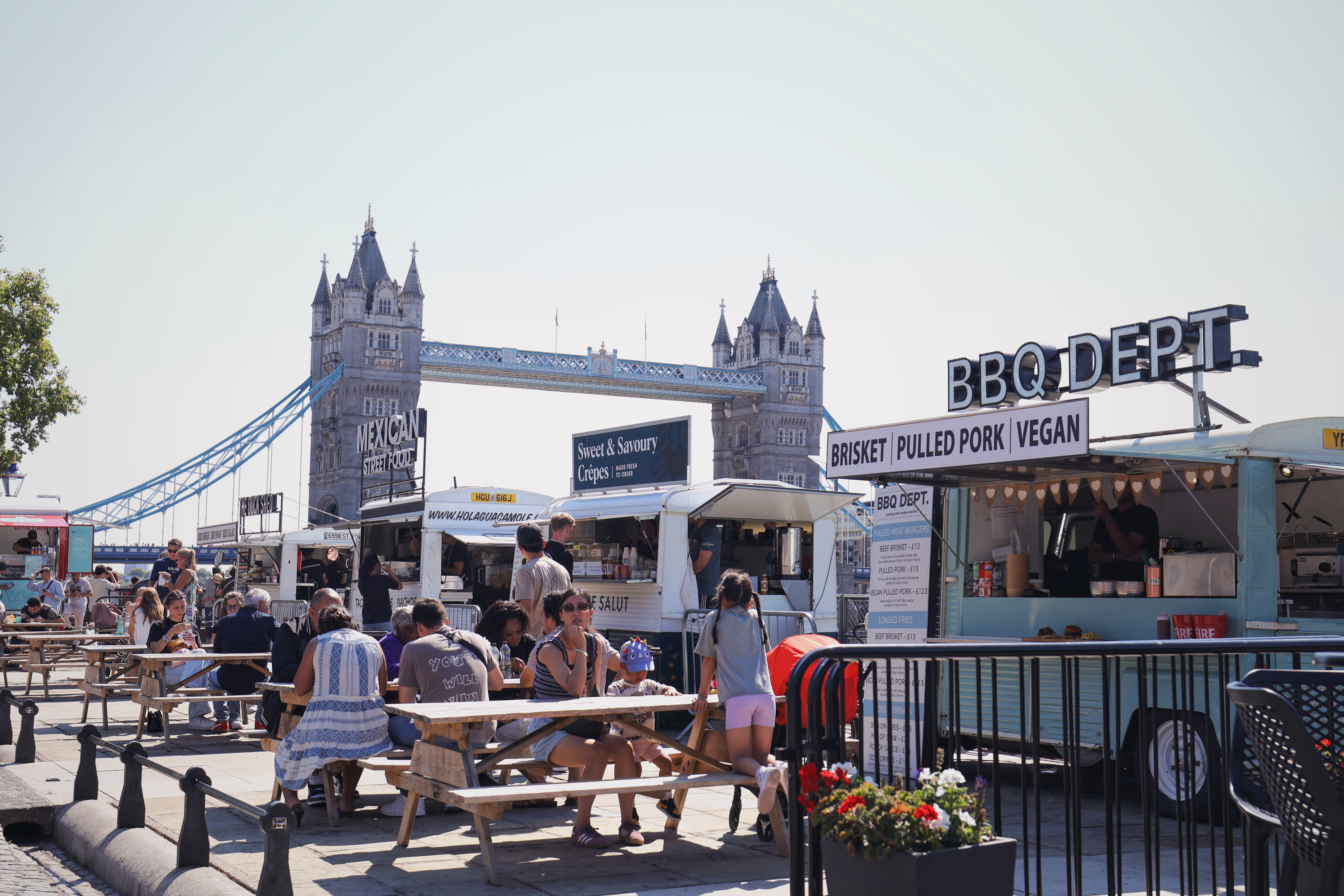 After walking a few spaces, we spot these food trucks with the Tower Bridge in the background. If I remember correctly, Jane told me these food trucks aren’t a permanent fixture here – usually a summer thing.
Spider-Man: Far From Home spots
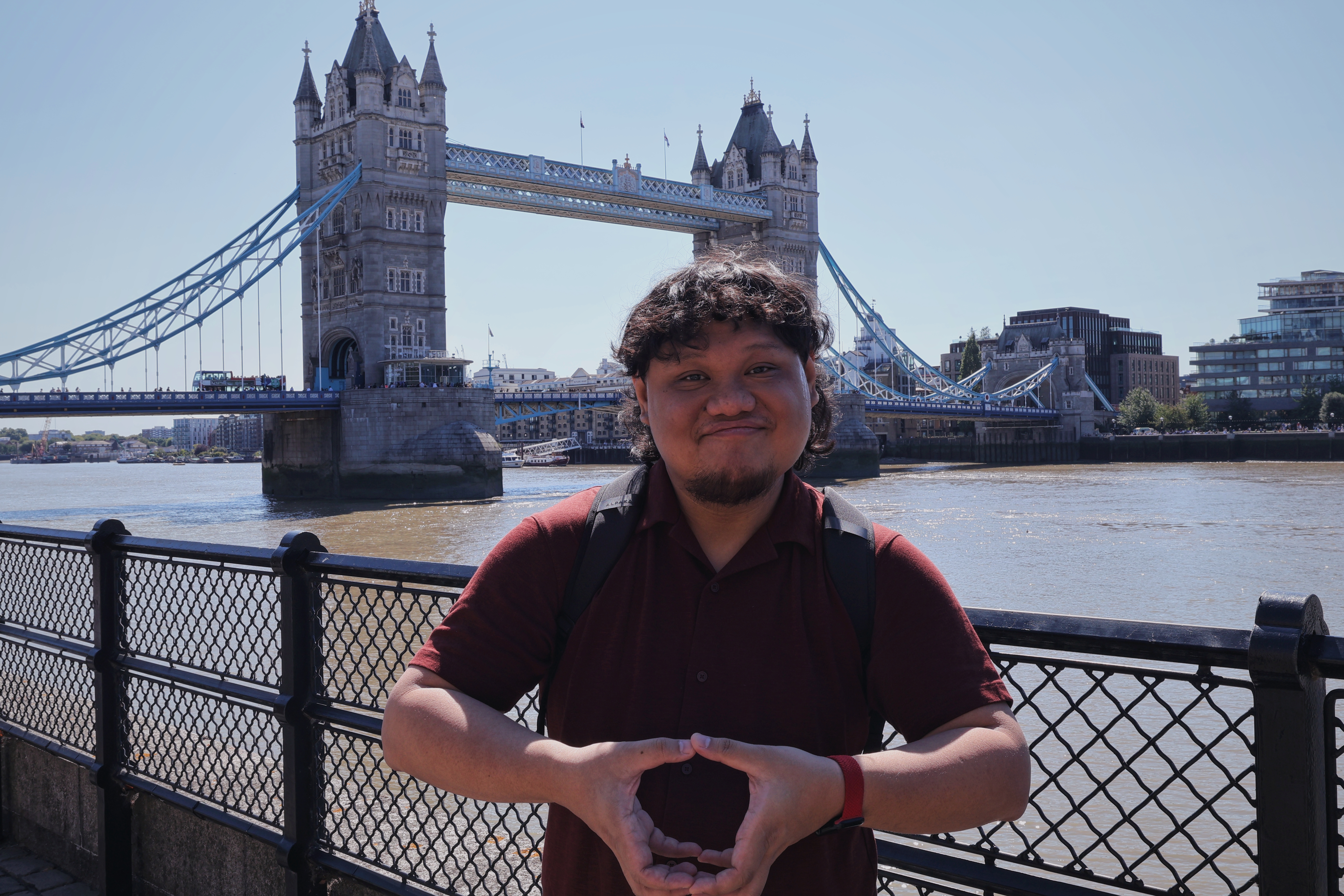
“Monji alji” iykyk
I usually go solo on these foreign city walkabouts. But having a companion meant I could take these touristy photos.
And yes, this is also the bridge in Spidey Far From Home. I was clearly giddy.

Quite close to it – but still not as close as the Far From Home film made it seem – is The Shard.
This was where Fury and Maria Hill (who turned out to be Skrulls) were stationed during the final act of the movie.

I might be mistaken but it was also along this path where we saw the Traitor’s Gate. There were several people taking photos at this area so it’s most certainly a tourist attraction.
It served as the entryway for many Tudor-era prisoners brought to the Tower of London. Originally constructed by Edward I, it functioned as a water gate within St. Thomas’ Tower — a section of the fortress built to offer extra living quarters for the royal family.
Yes, I got that off of Wikipedia. Sue me.

Along the walk we spotted these City Cruises. They looked nice from afar. But I’ve been on something like this before and I was terrified – I’m not exactly fond of being in big-ish bodies of water.
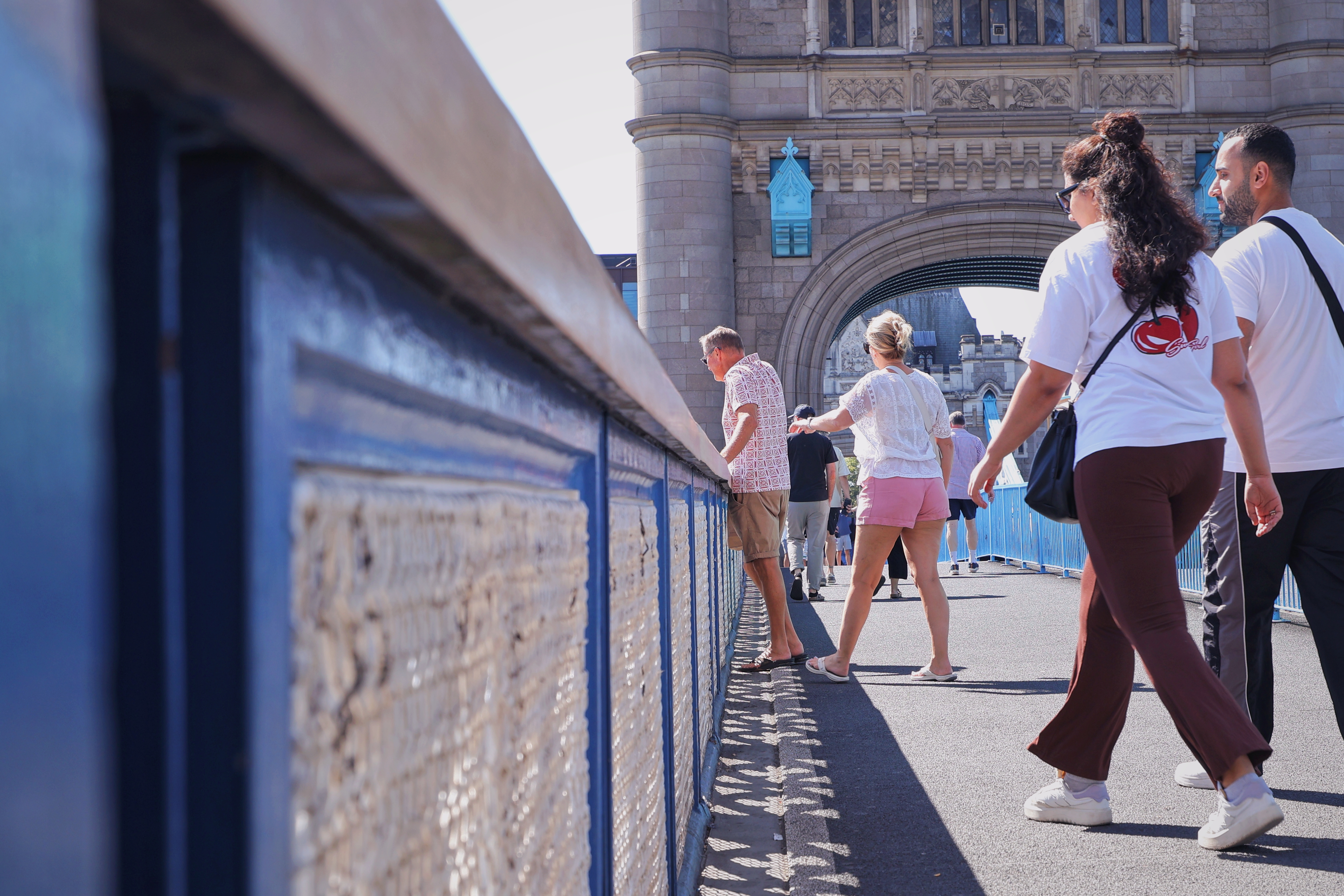
I can’t remember if we crossed or just went by it – but we were on the Tower Bridge. It was filled with people and those double deck buses that I didn’t get a chance to ride.
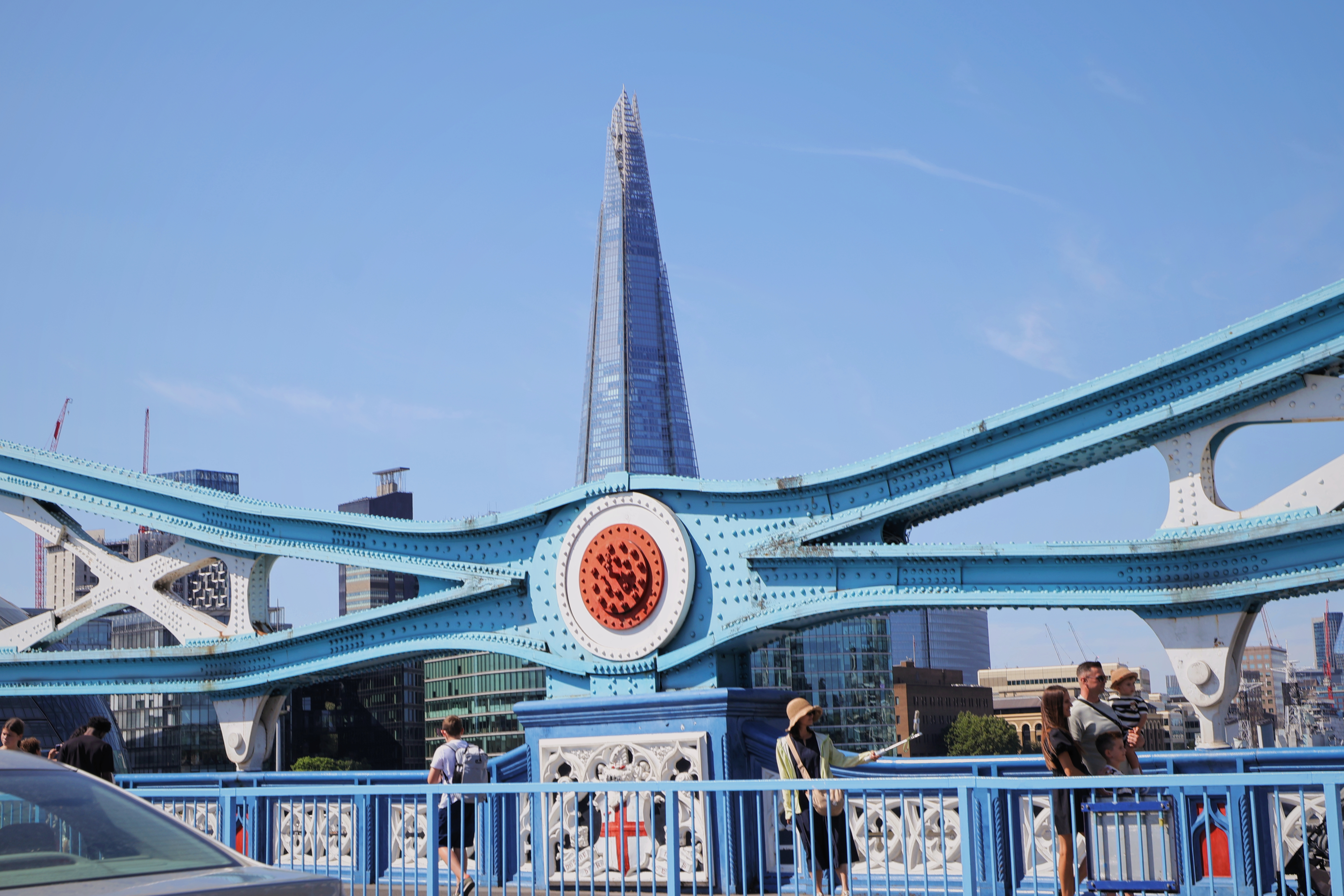
You also get a nice view of The Shard from the Tower Bridge.
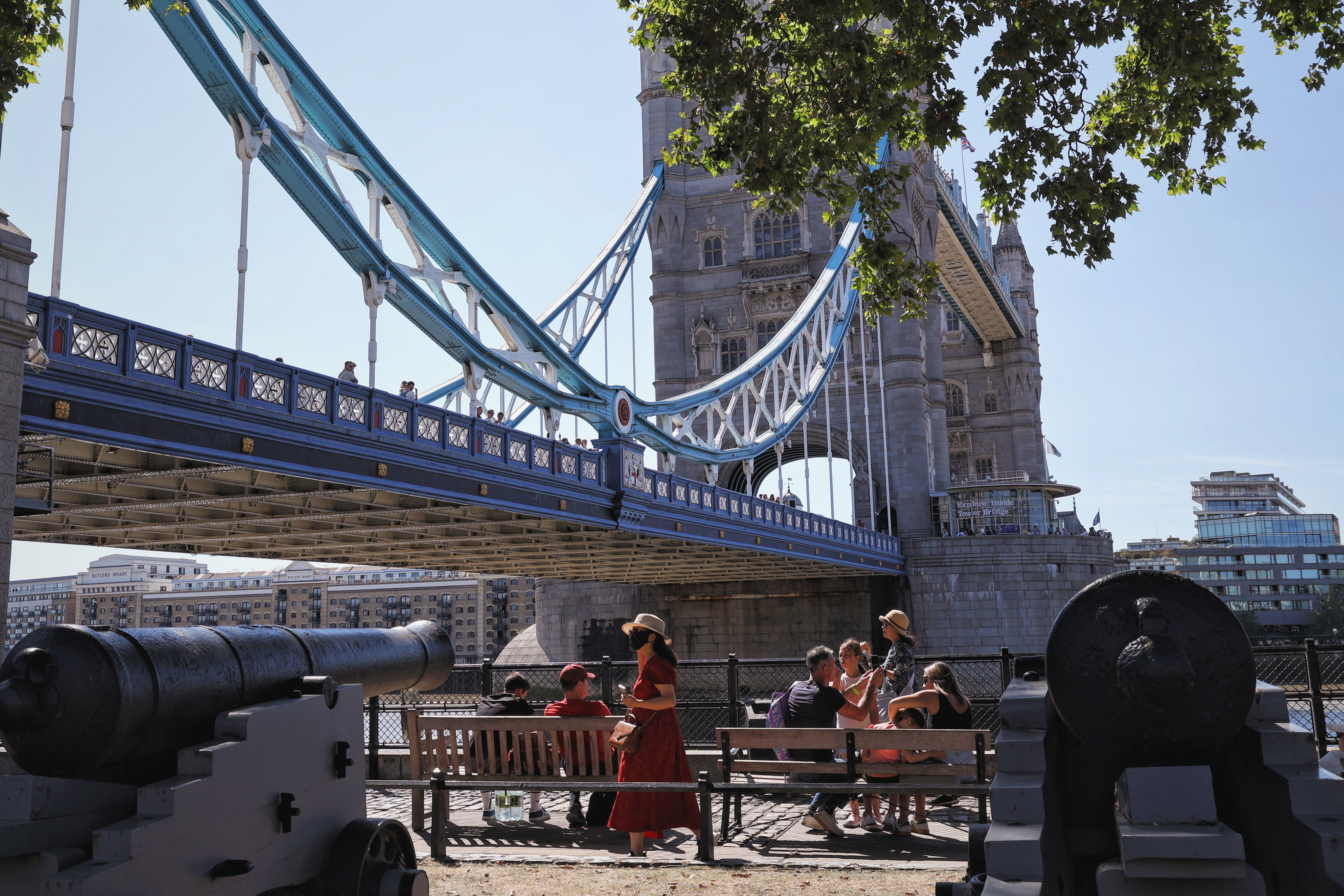
At this point we were already looking for a spot to get some grub. We stopped by a pub but they didn’t have what we wanted to order so we walked some more.
Fish, chips, and more

Along the way, we spotted this residential back alley. I thought the view made for a nice little corner-of-the-city shot.
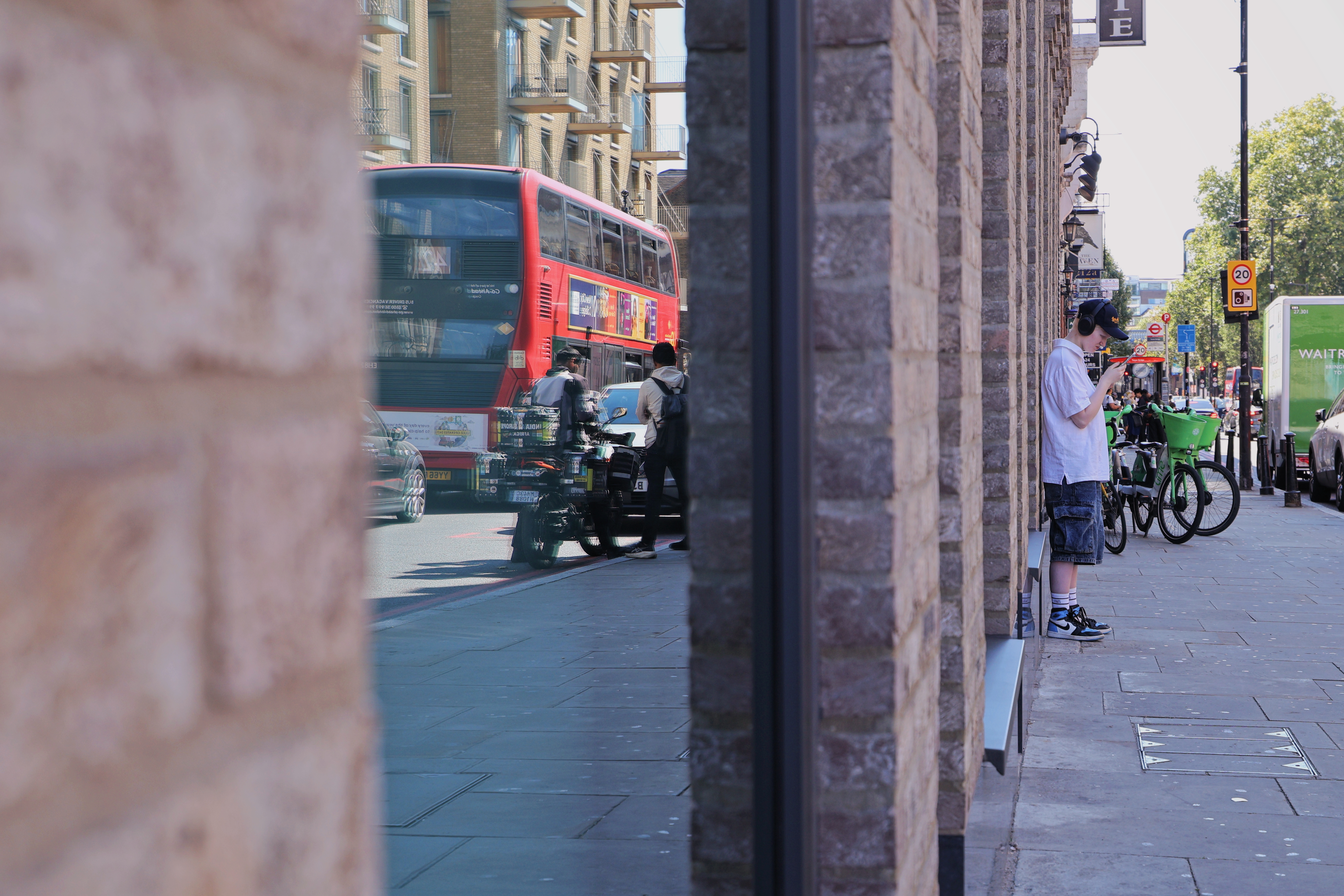
Along the way hunting for a pub that served fish and chips, I shot the photo above. I’m a sucker about the concept of parallel universes and this shot kind of had that vibe. Sorry. Nerd.
View this post on Instagram
We eventually settled here at The Raven.
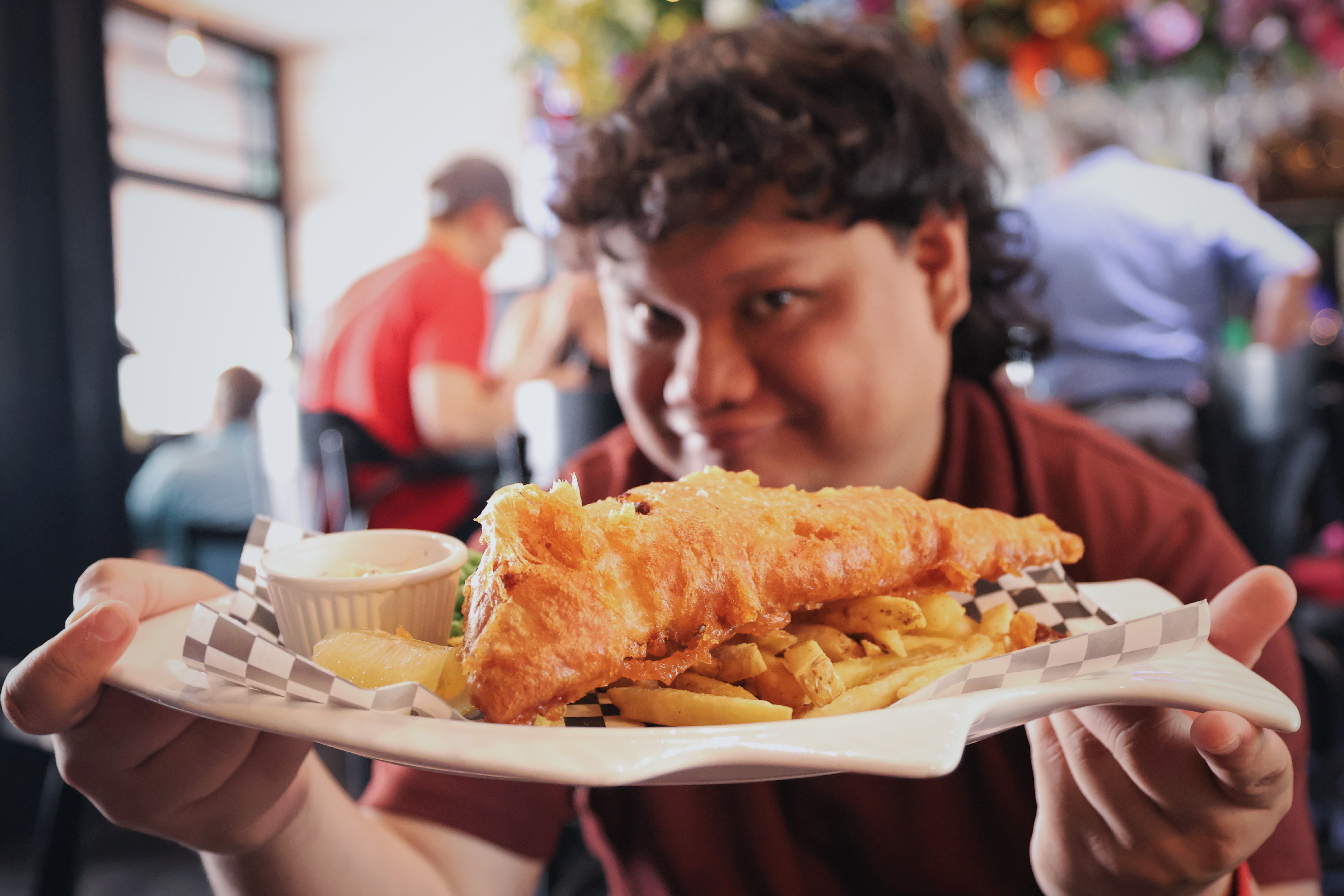
I finally had my first authentic British fish and chips.
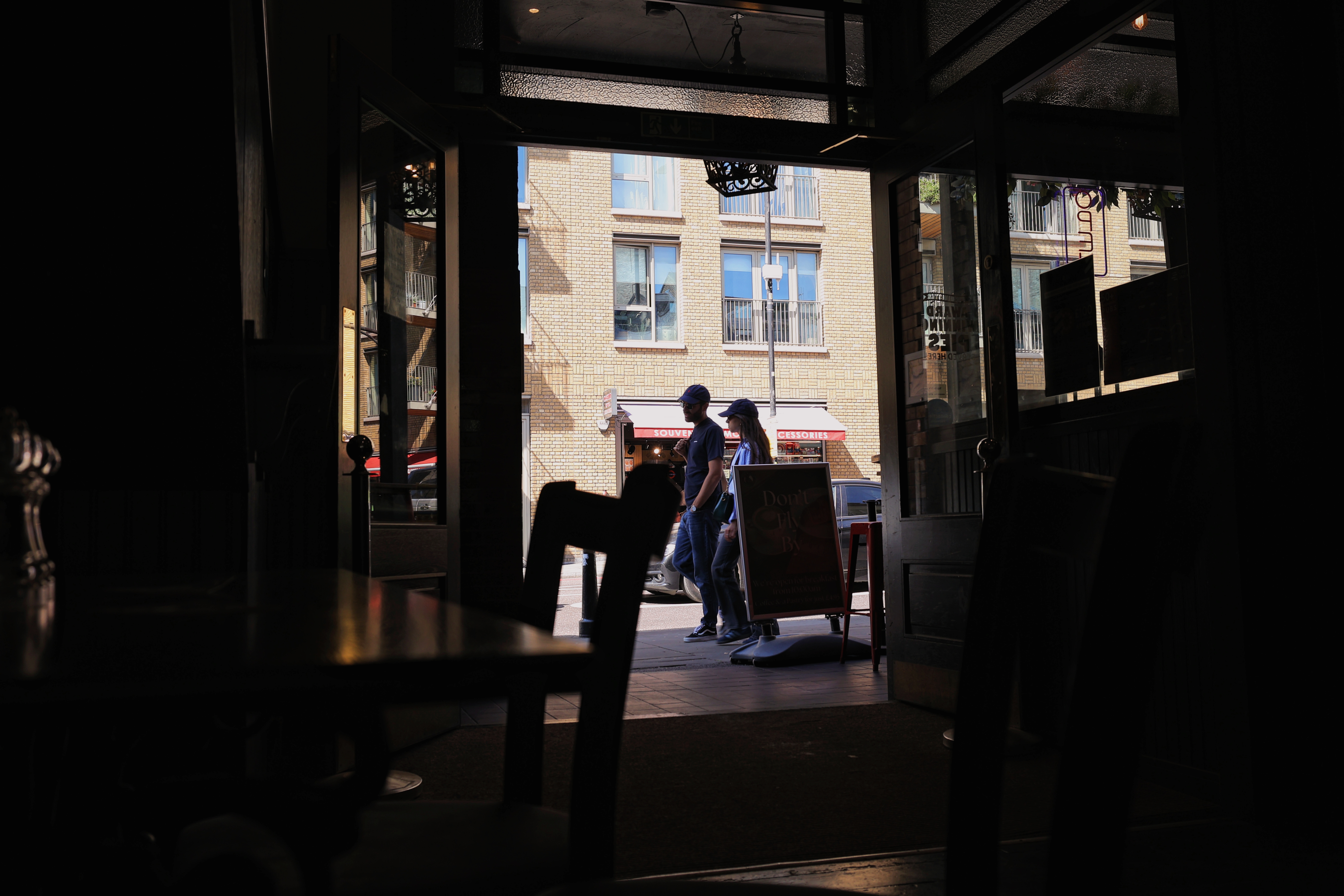
We stayed here for a while before continuing the trek.
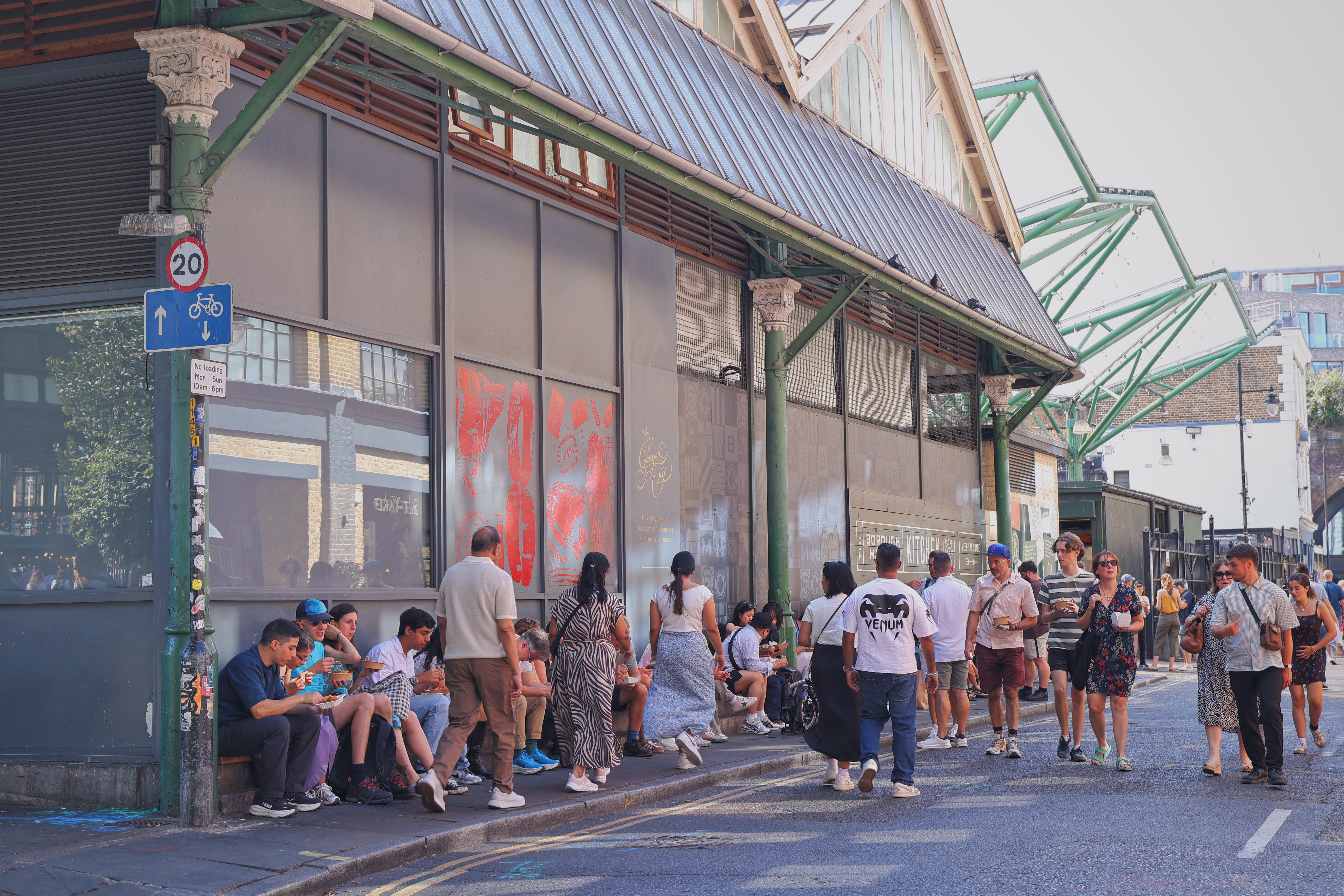
On the way to Big Ben/ Elizabeth Tower, we passed by Borough Market. Although, we didn’t linger too much nor buy anything. But hey, at least I could say I was there.

Around the area is the Clink Prison Museum. A quick Google search says it’s one of the oldest prisons. It’s been around since 1144. Old indeed. There were plenty of these gibbet-type things. That’s how they executed people back then.

Around the bend, there’s this nice view of the Southwark Cathedral. I didn’t want to spontaneously combust so we didn’t go in.
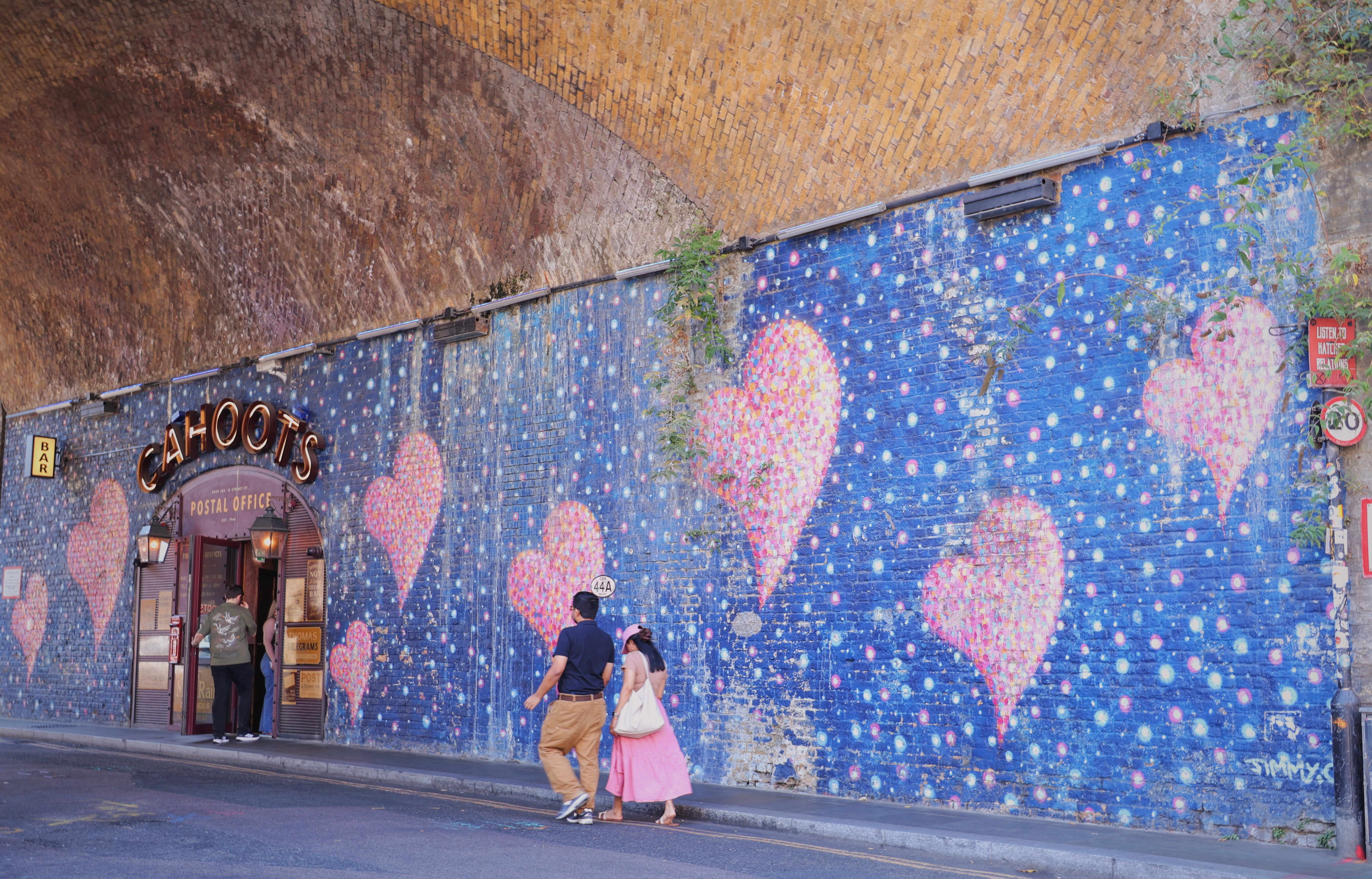
Along the way, we also spotted this wall with heart graffiti. I was lucky enough that a couple seemed to be walking beside it when I took a shot.

Plenty of paces away we came across the Millenium Bridge with St. Paul’s Cathedral in the background. This is easily one of my favorite shots from this walkaround.
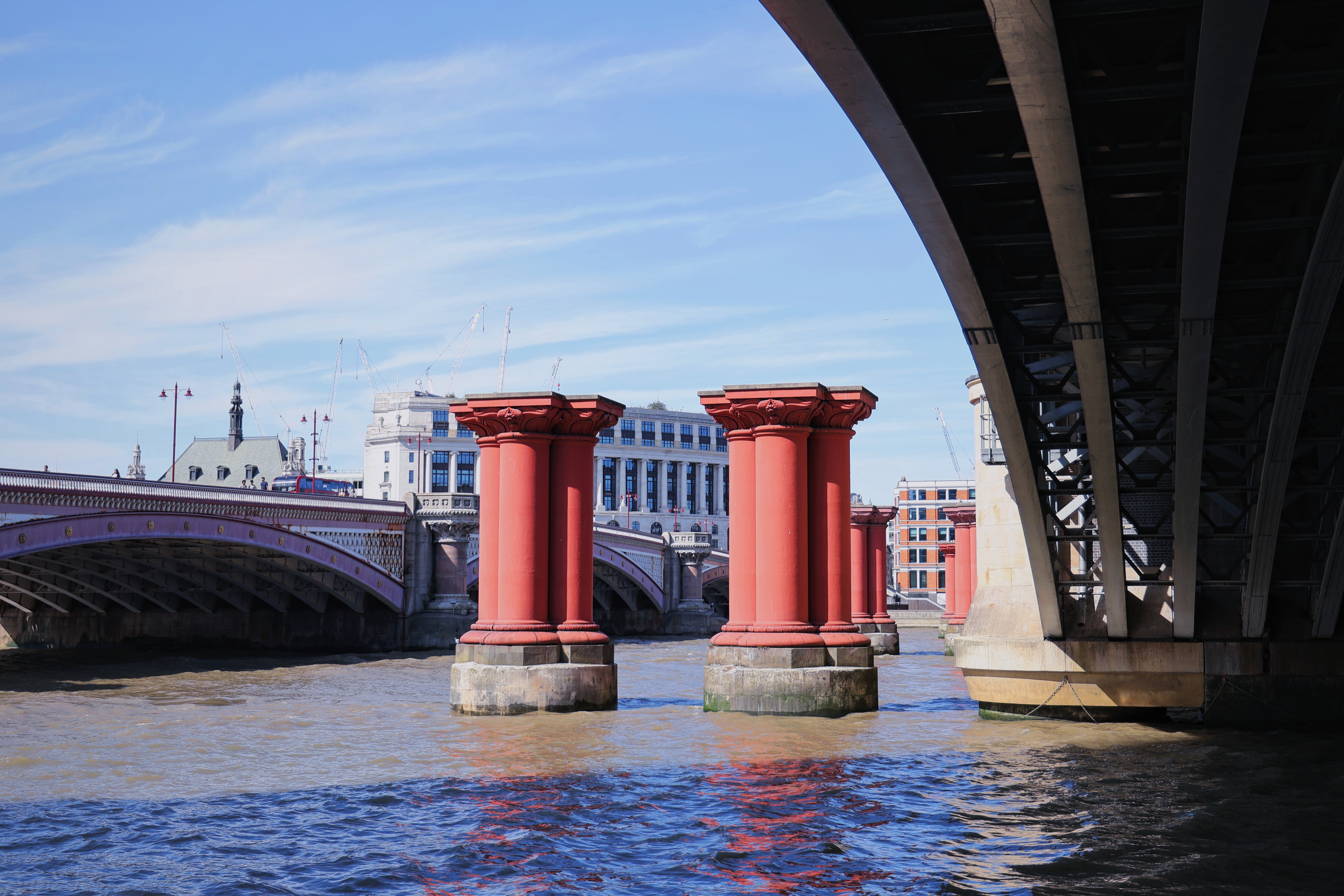
A little further down and we spotted these two red pillars that don’t really connect anywhere. A quick Gemini search told us that these are the remains of the original Blackfriars Railway Bridge.
Right next to it is the current Blackfriars Bridge which has been around since 1869.
Approaching Big Ben


Moving along, we ended up at Regent’s Park where the National Theater is located. Jane tells me this is one of her favorite spots in the city.

Not too far off is the BFI IMAX Cinema in London. The facade of the place is also known for hosting major ads. At the time we walked by, it had Adidas Superstar ads splattered all over.
When the game God of War: Ragnarok came out, this place also had ads for it.
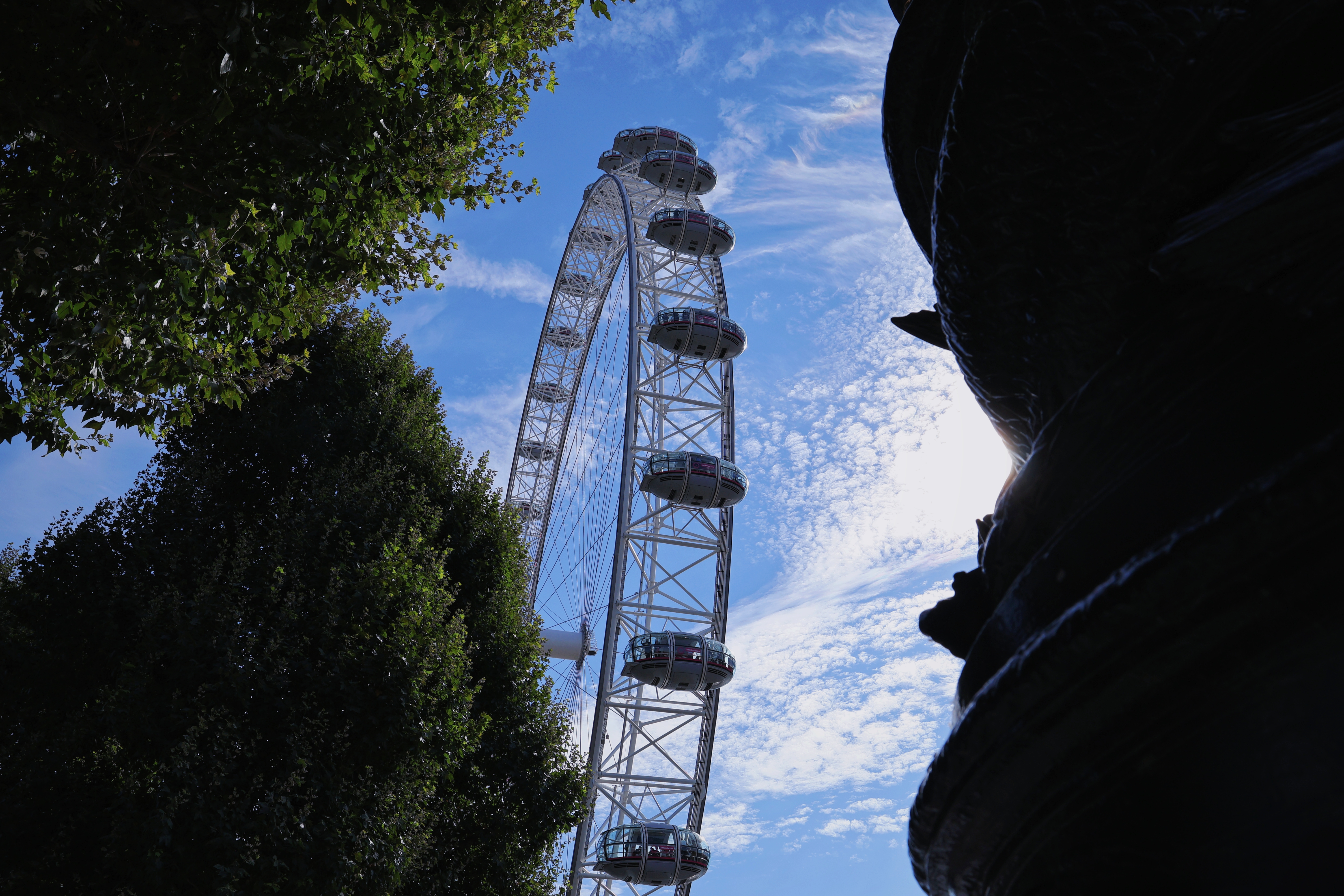
At this point, we were quickly pacing through the spots as we were supposed to meet another friend. We passed through London’s Eye rather quickly. The area had a festive vibe with people gathered around stages.

At long last, we finally made it to Big Ben. This was a nice photo spot right across the Elizabeth Tower which hosts the Big Ben. It’s part of the larger Palace of Westminster.
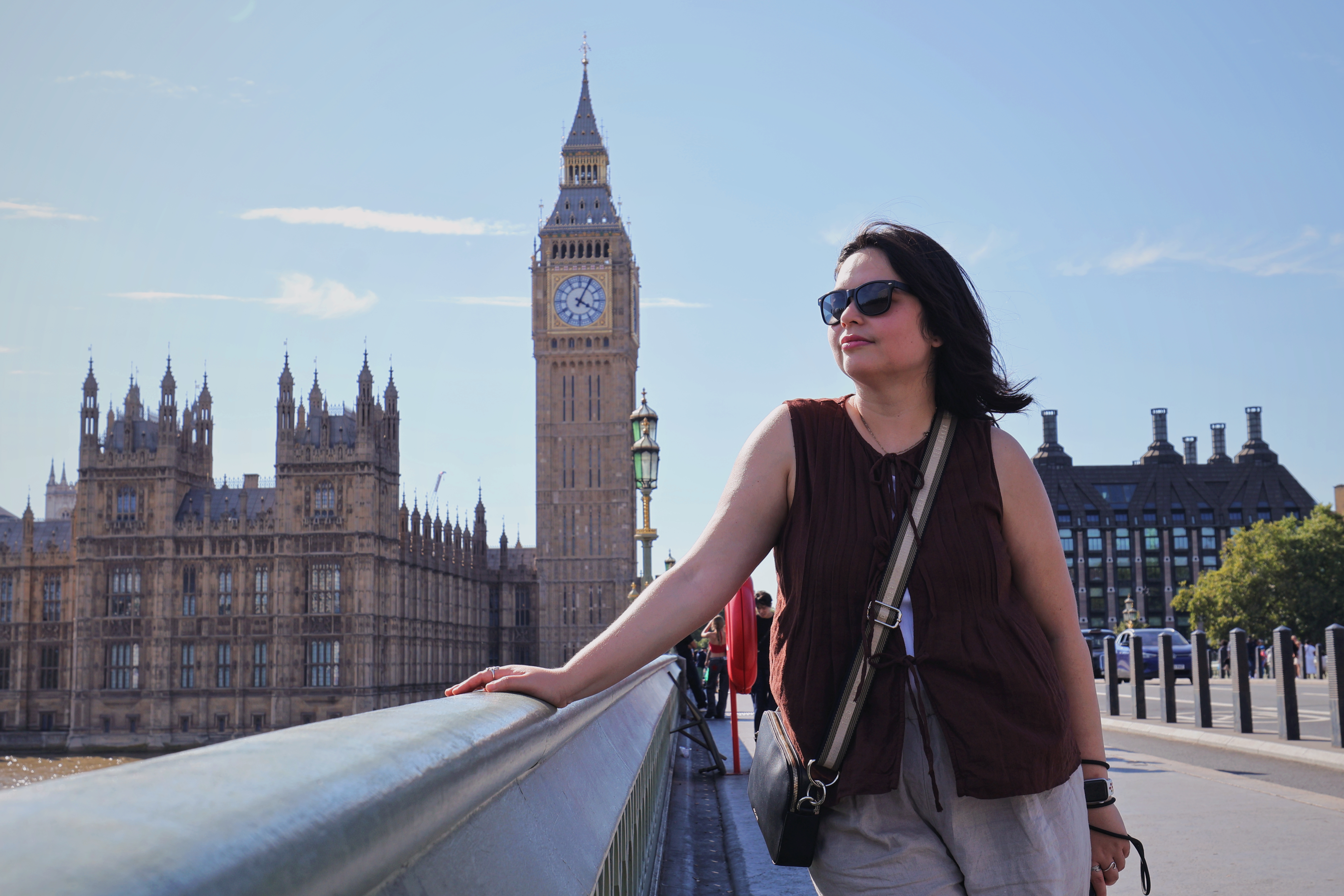

Naturally, we had to take some touristy photos. While making our way across the bridge, “Golden” from KPop Demon Hunters was blasting through the speakers of one of the vendors there. Truly a global phenomenon.

Had a closer look at Big Ben after making our way across. It looked absolutely majestic.
Wrapping up the trek
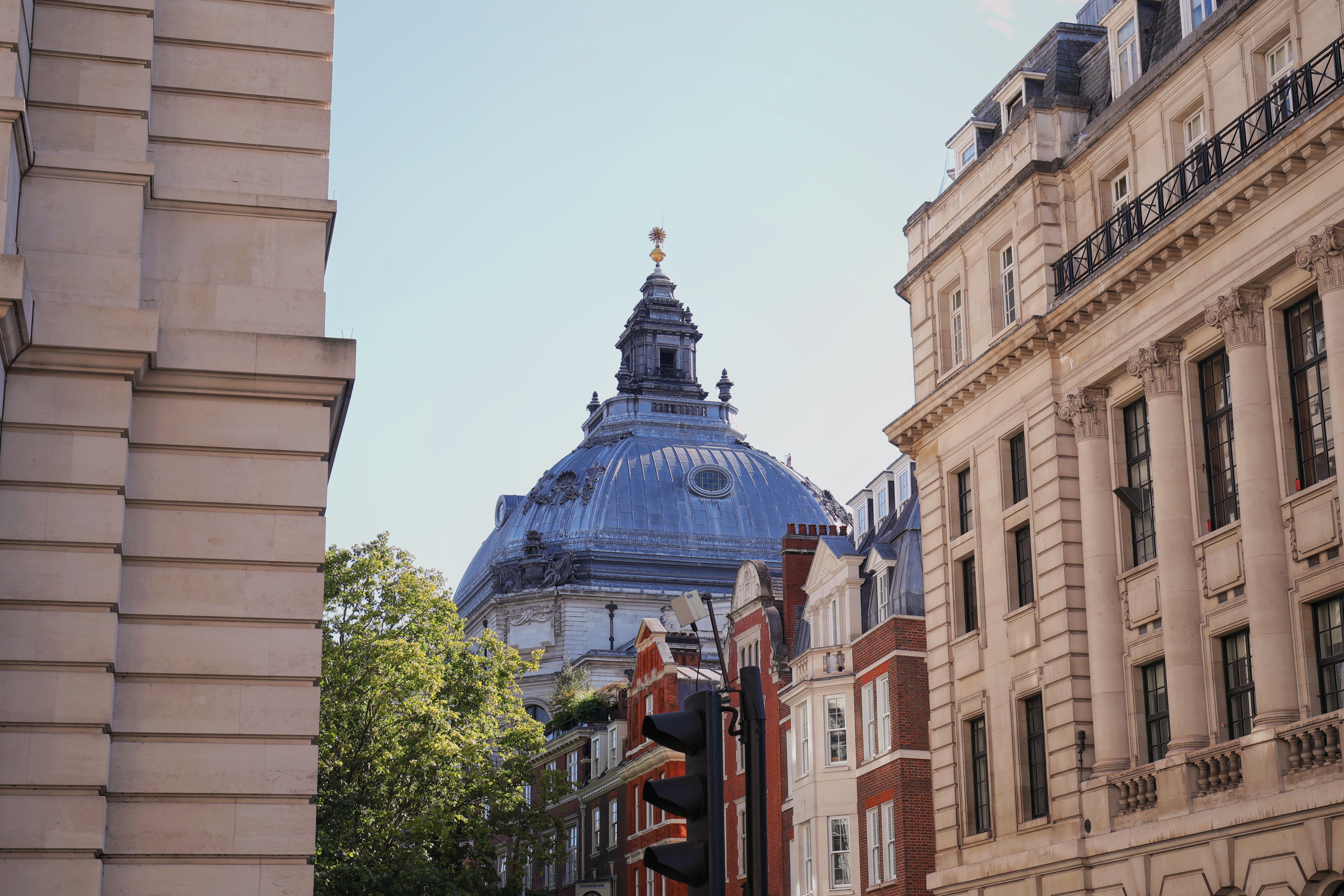
We started making our way to Buckingham Palace after. Before that, I snapped this real quick without realizing that it’s a closer look at St. Paul’s Cathedral.

Buckingham Palace is surrounded by a large area of different parks. I believe this particular spot is already the Buckingham Palace Garden. But there are several parks around it where people run or just spend some quiet time in.
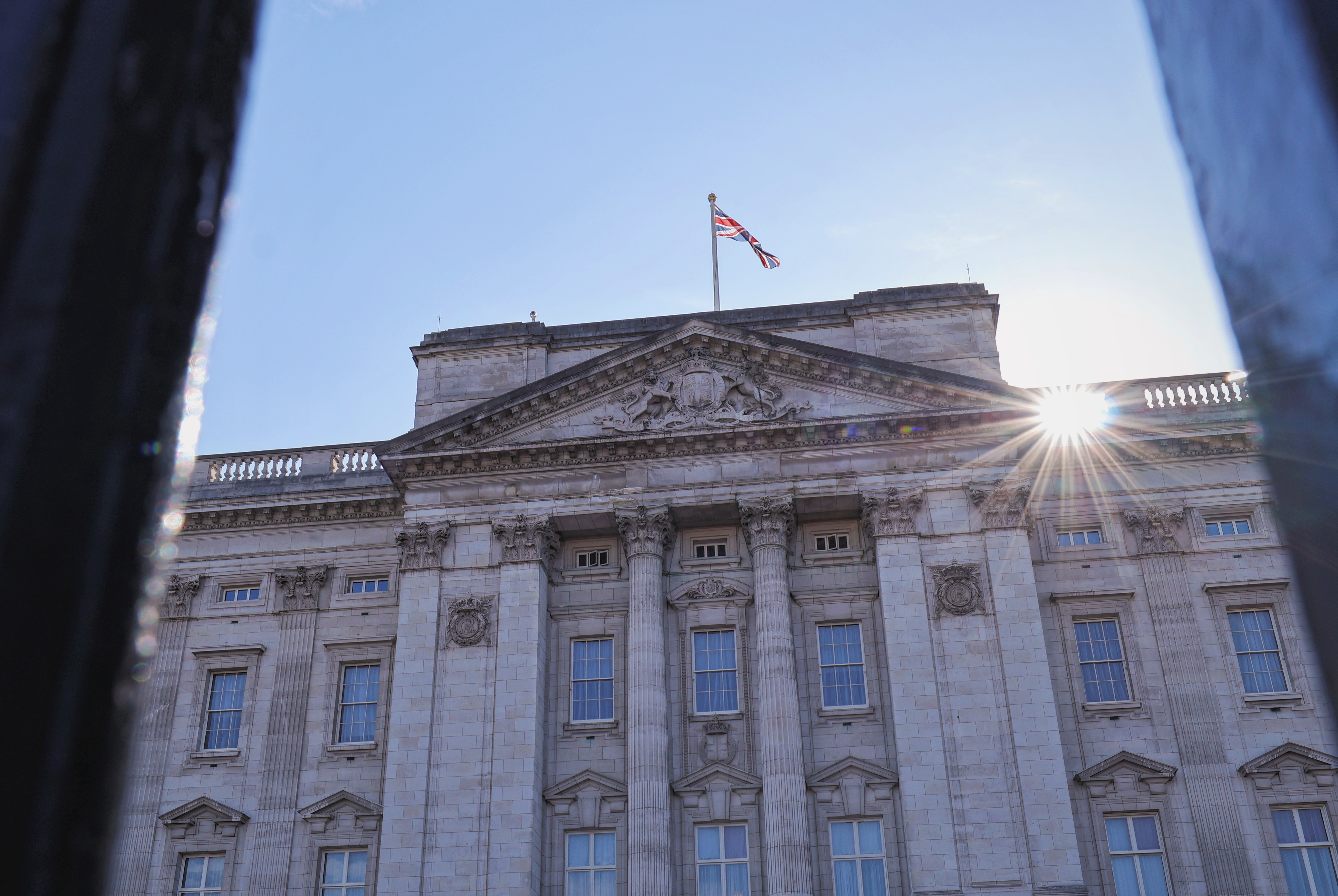
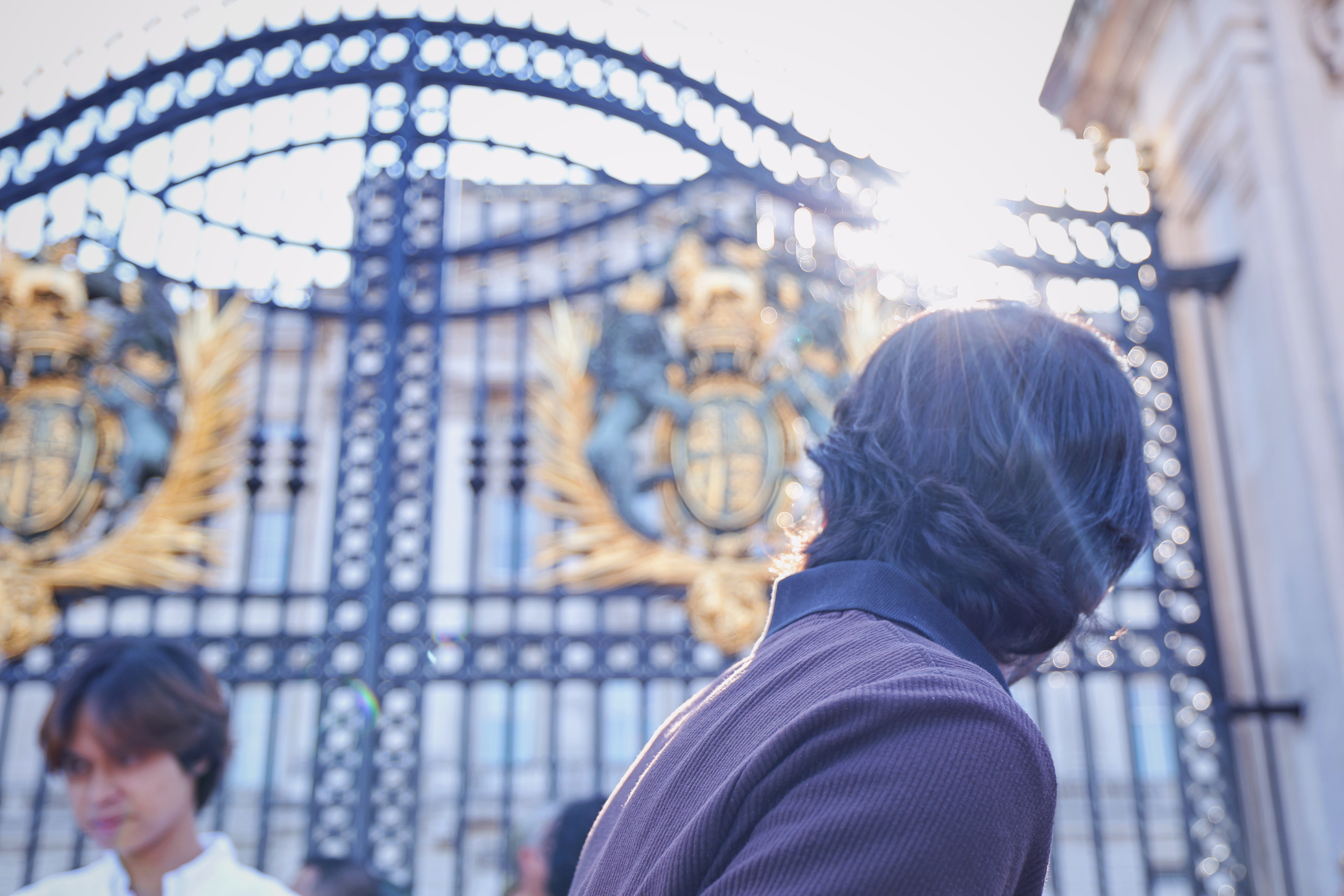
As expected, the Buckingham Palace was filled with people. I couldn’t really get shots I was totally satisfied with so I leave you with this one of the Palace gates.
I went back a few days later to take more photos but this time with the HONOR Magic V5.
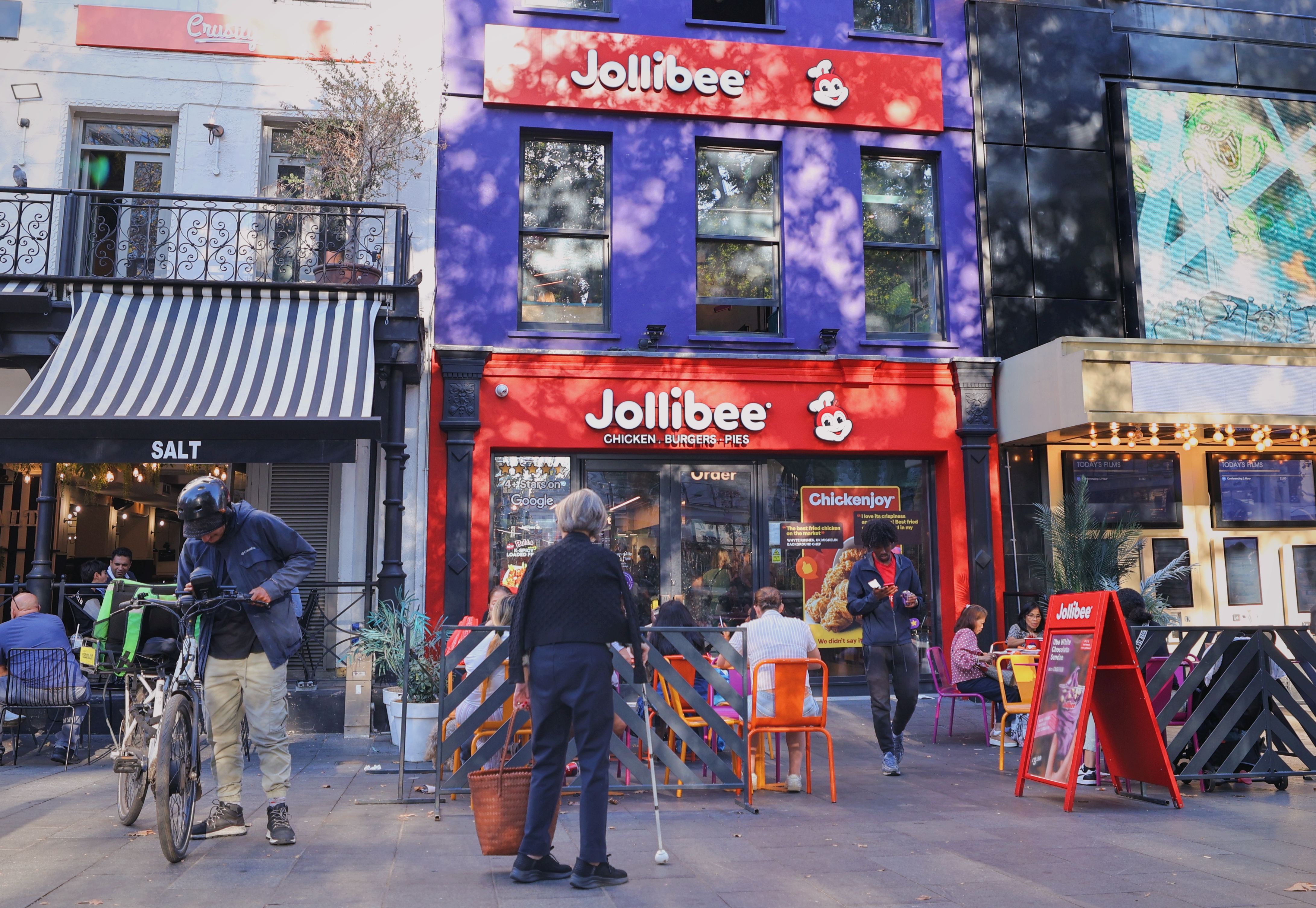
Beeda Beeda even in London
We capped off the trek by meeting with our friend at this familiar place.
There were plenty more shots, spots, and musings that I couldn’t share here. Overall, the CANON EOS R50 V was a very nice companion for travel treks like this.






Apps
Samsung’s bet on the future of connected health: Less data, more action
Inside Samsung’s plan to close the gap between your wearable and your doctor

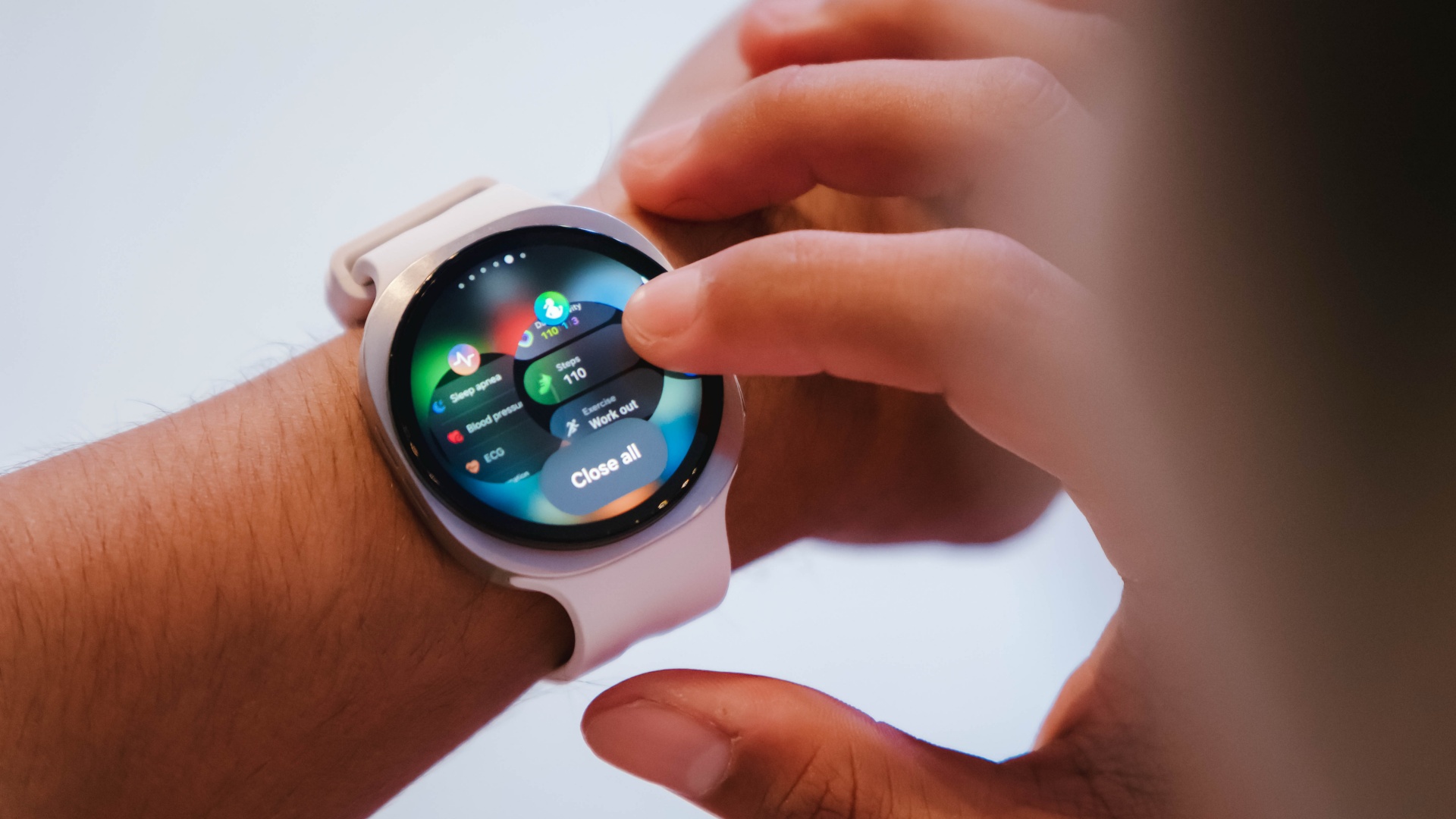
Here’s a paradox worth sitting with: Wearable adoption keeps climbing. A lot of people now walk around with a sensor on their wrist, tracking heart rate, sleep, steps, sometimes ECG. And yet chronic disease rates haven’t moved.
That’s the problem Dr. Hon Pak, Samsung’s Head of Digital Health globally, opened with at a recent panel on the future of connected care. More data hasn’t meant better healthcare. His diagnosis: a first-mile, last-mile issue.
The first mile is that all this wearable data rarely makes it to a doctor in any usable form. The last mile is that even when a doctor says “lose weight, eat better, move more,” that advice tends to dissolve the moment real life takes over.
Picking up kids, caring for parents, getting through a Tuesday, it’s not that people don’t know what to do. It’s that knowing and doing are two different problems.
Samsung’s answer involves three things it says connected care needs to mature: meeting people where they actually are, building enough trust that people rely on the data, and using AI to turn that data into something a person can act on rather than just look at.
The Tuesday evening problem
Karthik Poriya, Head of Product at Samsung Food, framed the everyday failure point clearly. Picture it: long day, you’re tired, staring into the fridge. You’re not reaching for the healthiest option in that moment, you’re reaching for whatever’s fastest and most satisfying.
For years, nutrition tracking has focused on logging what already happened. Poriya’s team wants to intervene right at that decision point instead, pairing Samsung Health’s underlying data (BMI, antioxidant index, glycation markers) with Samsung Food’s recipe index of roughly 40,000 dishes mapped across 34 nutrients, so a health number turns into an actual dinner suggestion rather than another stat to check later.
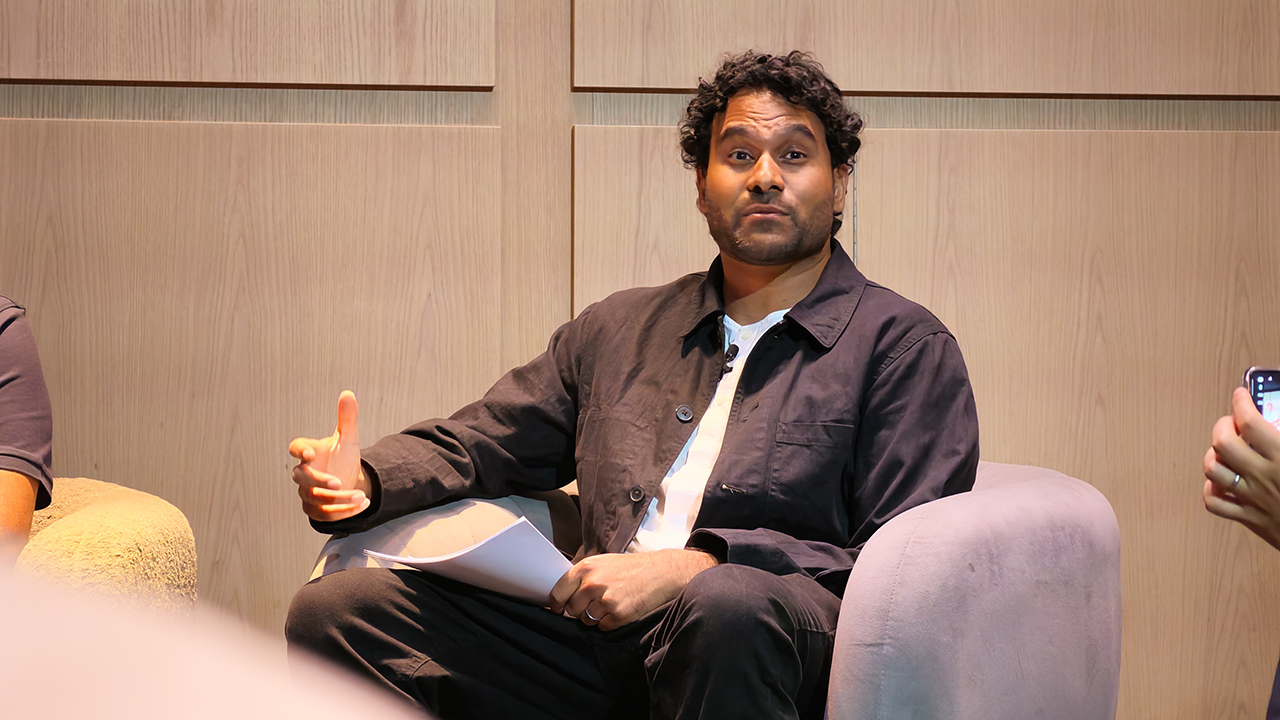
Dr. Pak backed this with a small, concrete example from his own family: moving leftover cheesecake out of eye-level in the fridge and putting washed, sliced carrots there instead.
Kevin Duffy, CEO of connected fitness company iFit, made a similar point about exercise. The most effective tool for sticking to a fitness plan is a personal trainer, he said, citing roughly 80% higher adherence compared to going it alone.
The problem is cost: US$100 an hour or more in a major city puts that out of reach for most people. iFit’s bet is that AI can deliver something closer to a personal trainer’s precision and motivation at a price that isn’t elitist.
Duffy pointed to three reasons his company partners with Samsung specifically: reach (Samsung hardware is already in people’s homes, on their wrists and TVs), access to the biomarker data needed to build an accurate plan, and the fact that fitness goals don’t exist in isolation from sleep and nutrition data.
Trust has to come before any of this works
None of the behavior-change ambitions matter if people don’t trust the data or the company holding it. Rohit R. L., who heads Samsung’s Technology Innovation Lab in the UK, laid out how his team approaches that.
Privacy comes first: Samsung, he said, treats itself as a custodian of user data rather than an owner of it. On top of that sits clinical validation, meaning published, peer-reviewed evidence that a feature actually works in the real world, not just in a lab.
He gave a specific example: Samsung’s ECG and irregular heart rhythm notifications have been clinically validated and cleared by regulators to detect signs of atrial fibrillation. He was careful with the wording there, detect signs of, not diagnose, since that distinction matters both medically and legally.
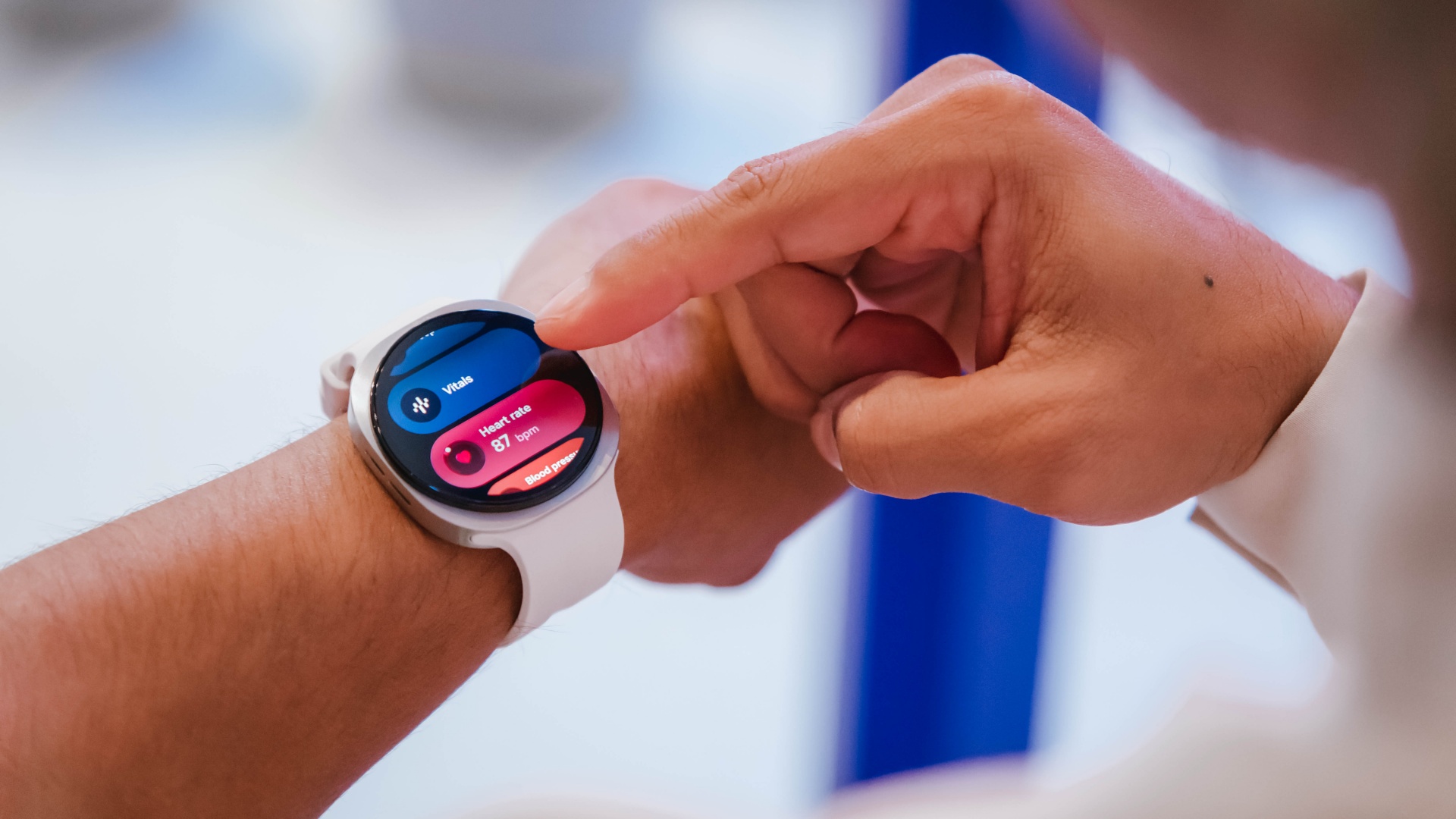
A separate study on fall detection for elderly users turned up a more human finding. The detection algorithm worked well in testing, but in real life people don’t wear their watches around the clock, and falls don’t happen on a schedule.
Dr. Pak drew a useful comparison: nobody tells their MRI technician they’re going to fidget through the scan, but with a wearable, you don’t get to control how or when someone wears it. Real-world validation has to account for that.
On the infrastructure side, Rohit described a three-layer privacy approach: on-device protection through Samsung’s Knox security framework, GDPR-compliant data handling, and alignment with the European Health Data Space, including a decentralized clinical trial system where patient identity stays with the hospital rather than moving to Samsung’s side.
Where AI actually comes in
The most technically dense part of the discussion came from Otavio Penatti, who leads Samsung’s Health AI R&D team in Brazil.
His team works on foundation models, the same category of large-scale AI models trained on unlabeled data that underpin most of today’s popular AI systems. Trained once on a huge amount of sensor data, these models can then be fine-tuned for many specific health applications, which tends to make them more accurate than models built for a single narrow task.
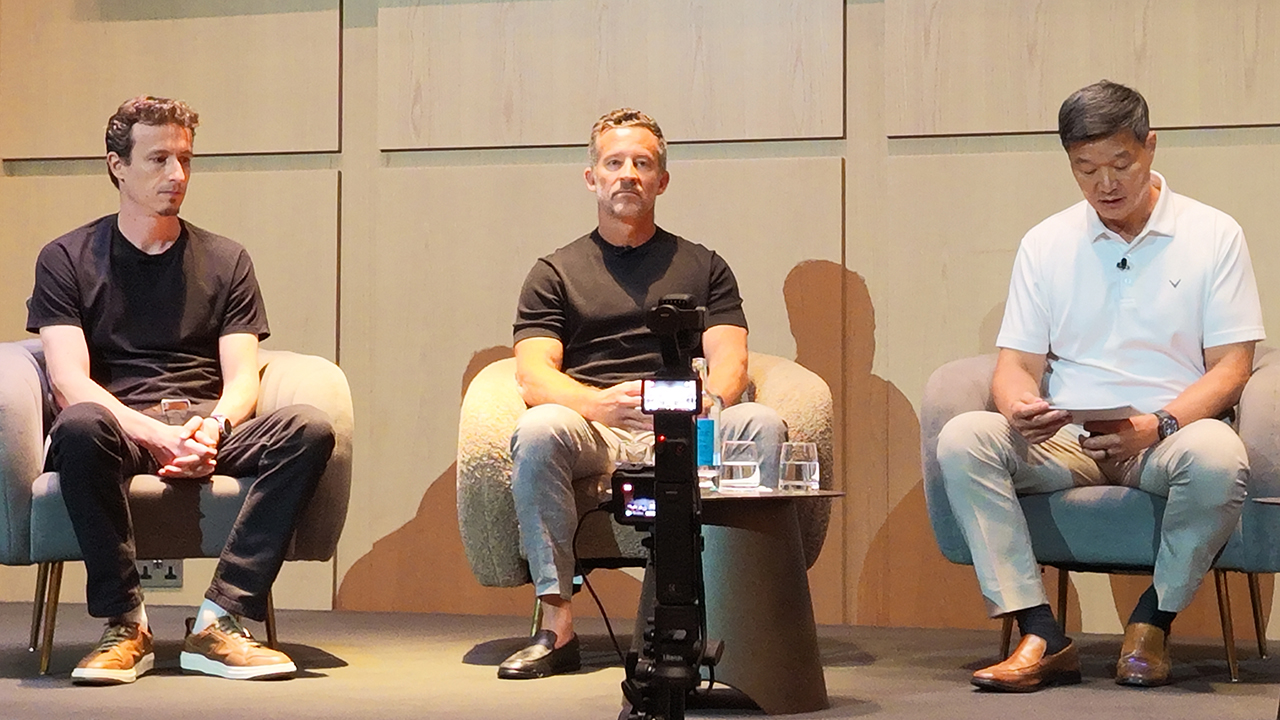
Penatti’s team is training these models on wearable sensor data (PPG, ECG, accelerometer) with the goal of getting the model to, as he put it, understand the body’s own signals well enough to translate them into something useful. Longer term, he sees potential in correlating that sensor data with clinical records to flag disease risk before symptoms show up.
Dr. Pak added a striking data point from Stanford research: a foundation model trained on sleep study data was able to look at just a 24-hour window of sleep and predict risk across more than 130 different diseases.
His takeaway was that the signals for a lot of future health problems are already sitting in the data being collected today, we just don’t yet know how to read all of them.
He closed this part with a number worth sitting with. A recent American Medical Association survey found that 97% of physicians have looked at wearable data at some point. Only 15 to 16% actually use it in day-to-day practice.
The top reason cited wasn’t distrust of the data, it was that the data doesn’t plug into existing clinical workflows. That’s part of why Samsung acquired health data platform Xealth, to build a pipeline that gets wellness data into the systems doctors already use.
Five years out
Asked to look five years ahead, each panelist’s answer tracked closely to their own corner of the problem. Poriya described a proactive dietitian in your pocket, one that doesn’t wait to be asked.

Rohit pointed to connected care that clinicians actually trust and patients fully control. Penatti envisioned AI that continuously links everyday behavior to clinical outcomes, catching problems before they start. Duffy’s version was a constant personal wellness coach, sifting through the data noise to tell you exactly what to do next.
The throughline across all four answers is the same: less raw data, more action. Samsung’s panel made the case that the wearable industry has spent the last decade solving for collection, more sensors, more metrics, more dashboards, while the harder problem, turning that information into something a tired person actually does on a Tuesday night, has barely been touched.
Whether foundation models and better clinical integration actually close that gap is still an open question. But it’s clearly the one Samsung is choosing to spend its next five years on.
Features
Inside London’s biggest Samsung experience space
Samsung KX ignited my grandest domestic fantasies
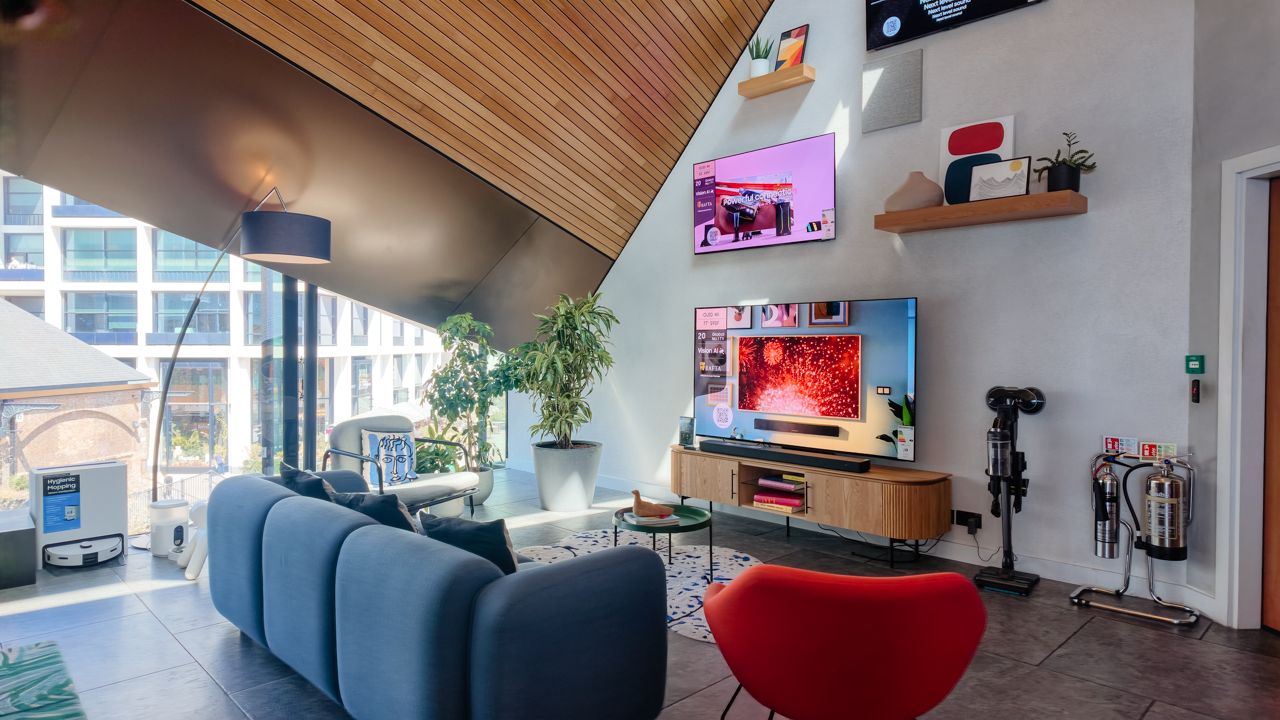
Stepping into King’s Cross following an invigorating stroll past St. Paul’s Cathedral and a quick ride on the Circle Line shifted my mood into pure aspiration.
London bustled around me, and as I approached Coal Drops Yard, I felt a familiar flutter. I caught myself mentally evaluating my outfit and my posture, filled with a sudden desire for my surroundings to match my grandest domestic fantasies.
I walked forward with genuine admiration, unaware that my destination was Samsung KX, the brand’s 20,000 sq ft. experiential flagship store in the UK.
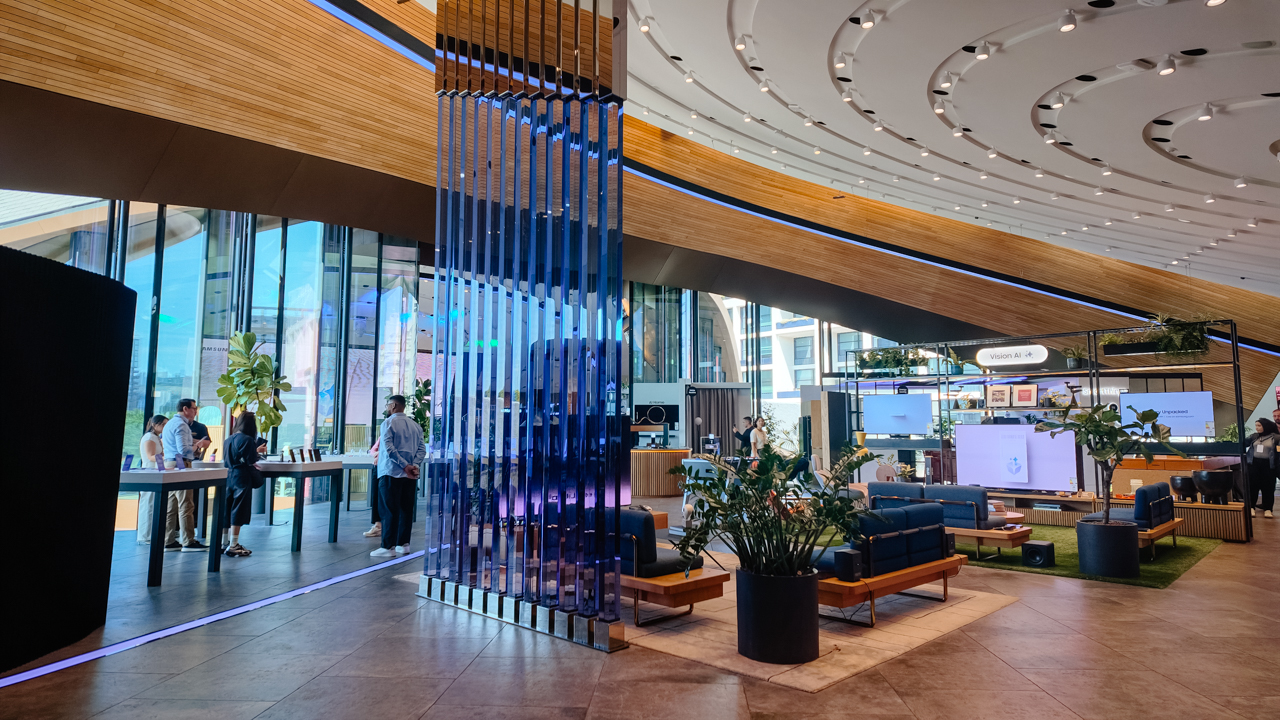
Stepping inside felt like walking into a cathedral of modern design. Massive glass windows bathed the interior in natural light and offered sweeping views of people strolling outside.
They seemed oblivious to the marvels inside, while I stood frozen, already convincing myself I needed every single item on display.
Between workstations and digital playgrounds
The store layout struck an intentional balance between high performance and everyday living. At the heart of the space stood the Samsung Vision AI displays, arranged as a central living room showcase with striking fixtures. It felt like a high-end Mayfair penthouse.

Watching the Vision AI coordinate the living space, I realized true luxury is complex technology operating so seamlessly I never had to think about how it worked.
Beside it, productivity setups featuring the Galaxy XR showed how modern work could blend into personal space just as gracefully.
Further inside, the latest mobile lineup filled the display tables with the Galaxy Z Fold7, the Galaxy Z Flip7, and a curated set of matching accessories. This was before Samsung officially unveiled the next-generation Galaxy Z Fold8 and Z Flip8.
WATCH: Hands-on: Samsung Galaxy Z Fold8, Flip8, Ultra

Beyond the devices, the space opened into a lively hub with a kitchen bar, an event workshop area, and a Gamer Bus parked near a Mobile Gaming Bus Stop.
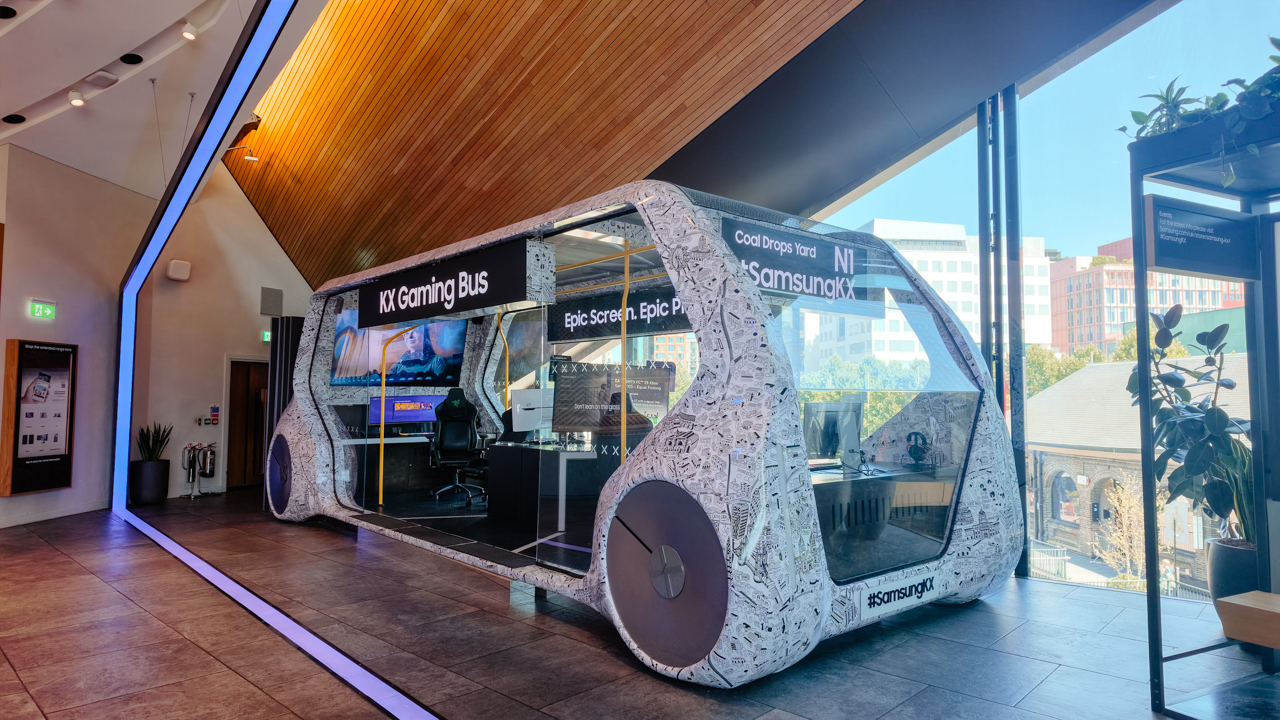
Surrounded by tech journalists comparing specs, I realized high-stakes gaming wasn’t exactly my domain. My idea of extreme competition usually involves bidding wars on vintage decor. Still, I could appreciate the craft behind the setups.
Sanctuary for the aesthetic soul
I gravitated toward the far right of the store, where the smart home ecosystem came alive, skipping the productivity workstations behind the central hub without a second thought.
I’m helpless in front of a bespoke living space that looks like it belongs on the cover of Architectural Digest.
Samsung had divided the smart home section into distinct real-world scenarios, each one showing how connected technology could elevate a different corner of a home.
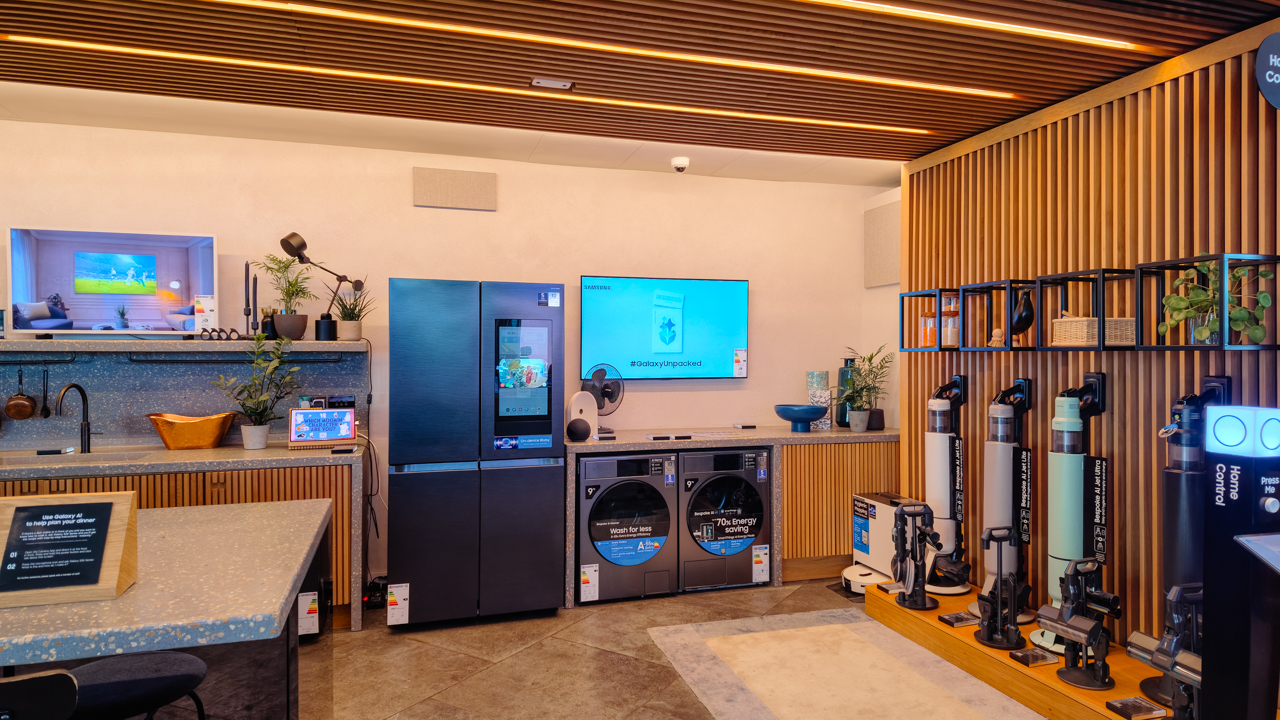
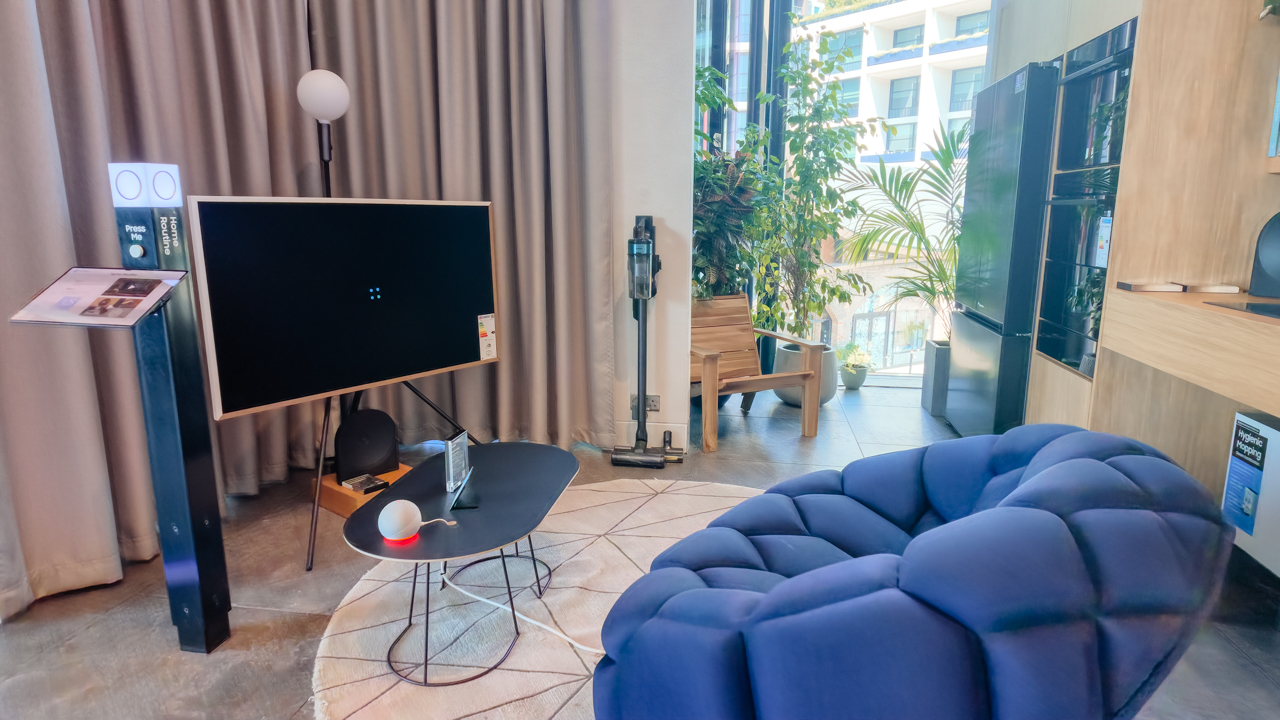
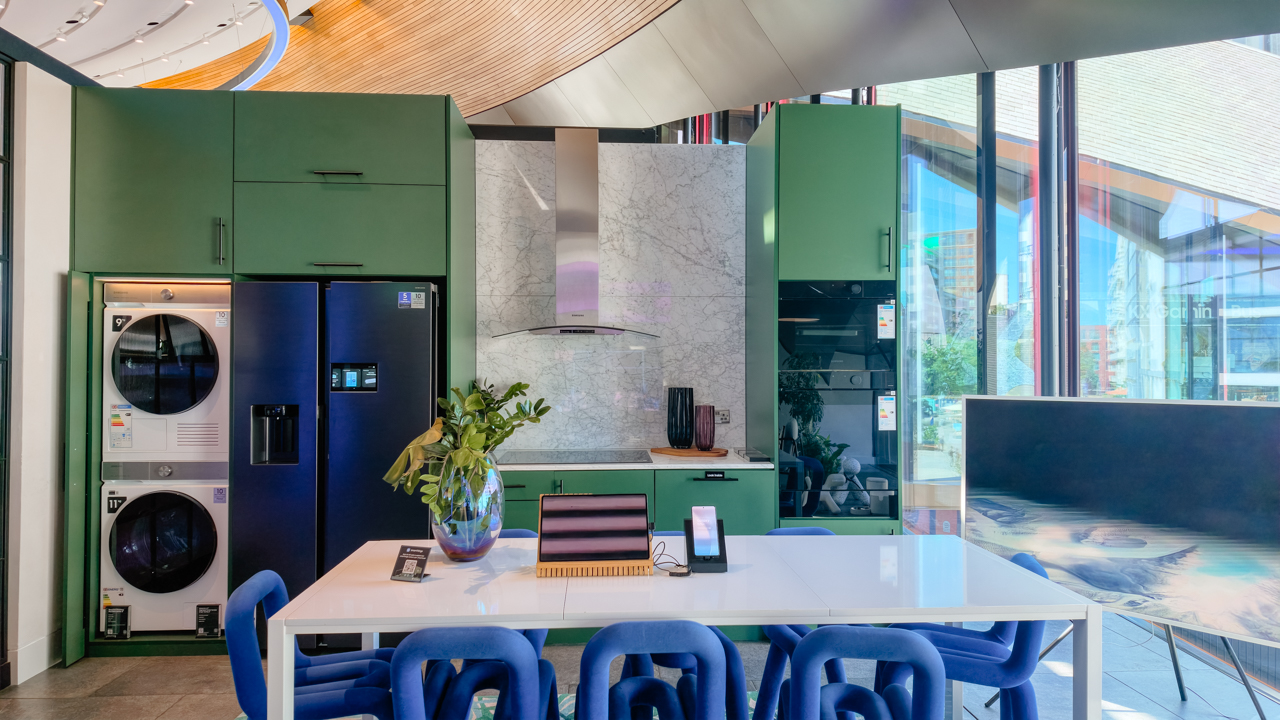
We started in the Smart Kitchen, where the Home Control system was on demo. One press on the panel turned the kitchen into a control room.
The refrigerator screen and the ambient TV both displayed live security feeds from the home CCTV. I envisioned a delightful image of myself entertaining guests while keeping an eye on my front door from the island counter.

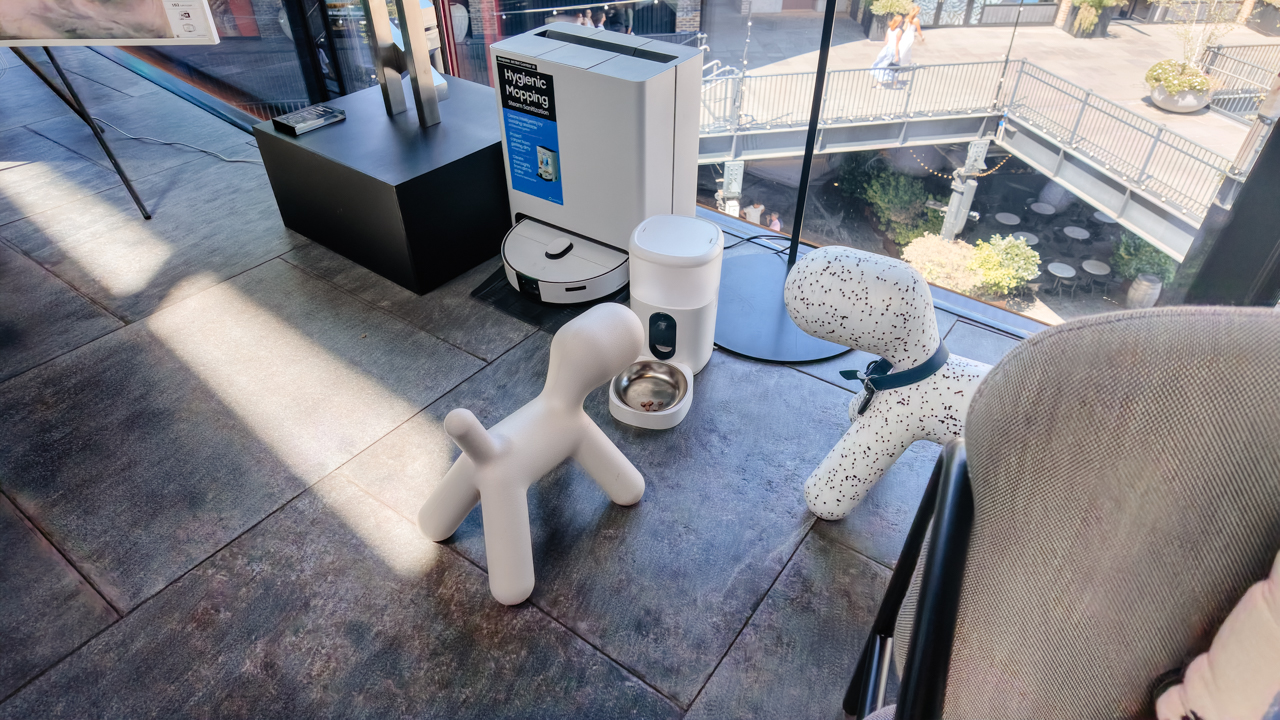
Further in, townhouse-style suites brought the vision to life. There’s a multi-room layout with a dining area, and a garage with integrated laundry along with a dedicated AirDresser.
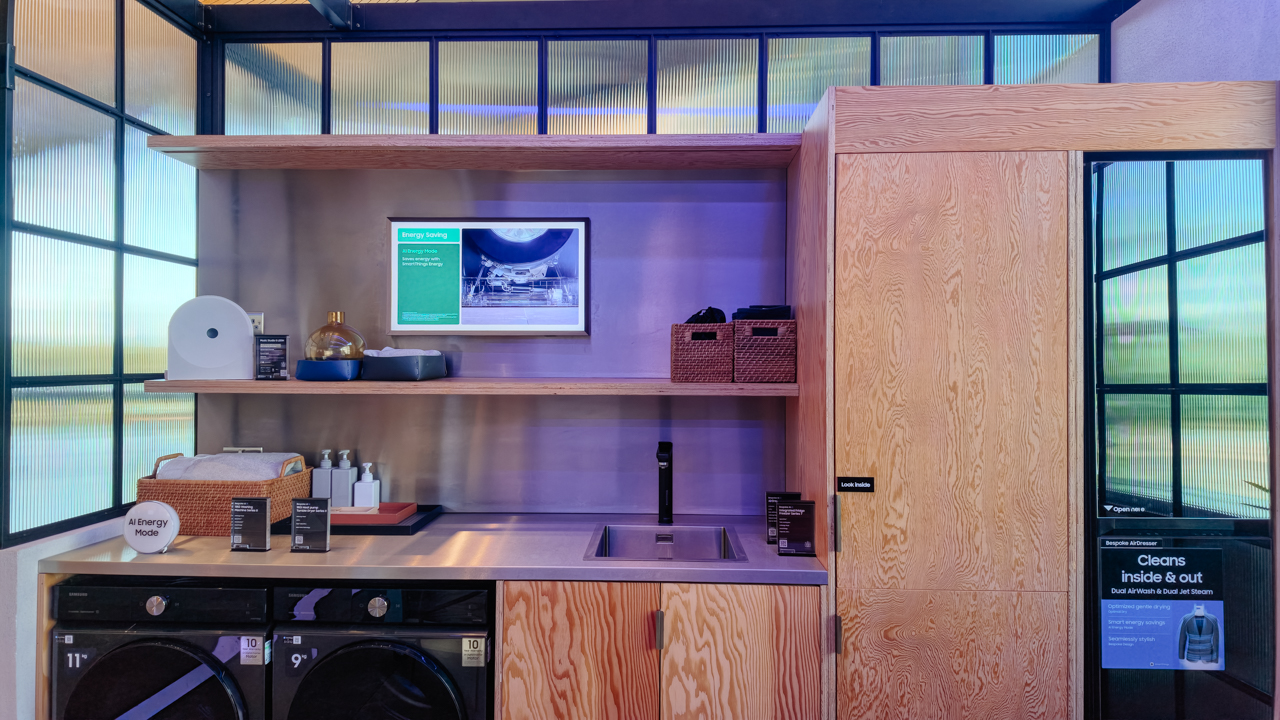
Nearby, a solo living setup demonstrated the Samsung Routine feature. Through SmartThings, it adapts lighting and climate the moment you step through the door.
Where whimsy meets fine art
The highlight of the tour, for me, was a dedicated Moomin zone, showcasing The Frame Pro alongside Samsung’s flagship TVs.
Tove Jansson created the Finnish fairytale trolls in 1945, filling her stories with quiet adventures in Moominvalley. Seeing the illustrations rendered on ultra-high-definition displays made the technology feel closer to gallery art than showroom tech.
View this post on Instagram
I stood there imagining how easily I could switch my living room wall from a classical oil painting to a whimsical illustration, depending on my mood. It proved that modern displays can soften a living space instead of overpowering it.
Walking out of Samsung KX, I realized the tour gave me far more than a look at new gadgets. It sparked a real desire to curate a home that feels smart and beautifully tailored to my life.
Experiencing technology through the lens of design and daily comfort makes me want to dream bigger. To build a space where every moment feels simpler and maybe… a little more elegant.
Hands-On
Hands-on: Samsung Galaxy Z Fold8, Flip8, Ultra
Samsung’s freshest foldables come out of the oven


Three foldables. Three very different people.
Samsung’s Galaxy Z Fold8 Ultra — the productivity maximizer. Heritage form factor, everything cranked to the max.
The Galaxy Z Flip8, pure style. The smallest, loudest, most you one of the bunch.
And finally, the Samsung Galaxy Z Fold8 — the new beginning.
Built for the way most of us actually use our phones: watching, reading, scrolling. The one I keep reaching for and have a feeling THE Michael Josh will be using a lot.
Same family. Three ways to experience it.
Head over to our hands-on video on the latest and greatest Galaxy Z8 family for you to know your best bet.
-

 Wearables2 weeks ago
Garmin launches its first screenless fitness band
-

 Hands-On2 weeks ago
Hands-on: Samsung Galaxy Z Fold8, Flip8, Ultra
-

 Gaming2 weeks ago
NBA 2K27 cover athletes unveiled: Wemby, Clark, DRose
-

 Accessories2 weeks ago
CASETiFY revives Spider-Man collection for Brand New Day
-

 Cameras2 weeks ago
Sony announces new FX5 full-frame camera
-

 Gaming2 weeks ago
FINAL FANTASY X | X-2 HD Remaster launches on Nintendo Switch 2
-

 Computers1 week ago
AORUS MASTER 16 Gen 2 2026 AI gaming laptop launches
-
 News2 weeks ago
Samsung Galaxy Watch Ultra2 and Watch9: Price, availability in the Philippines