
Entertainment
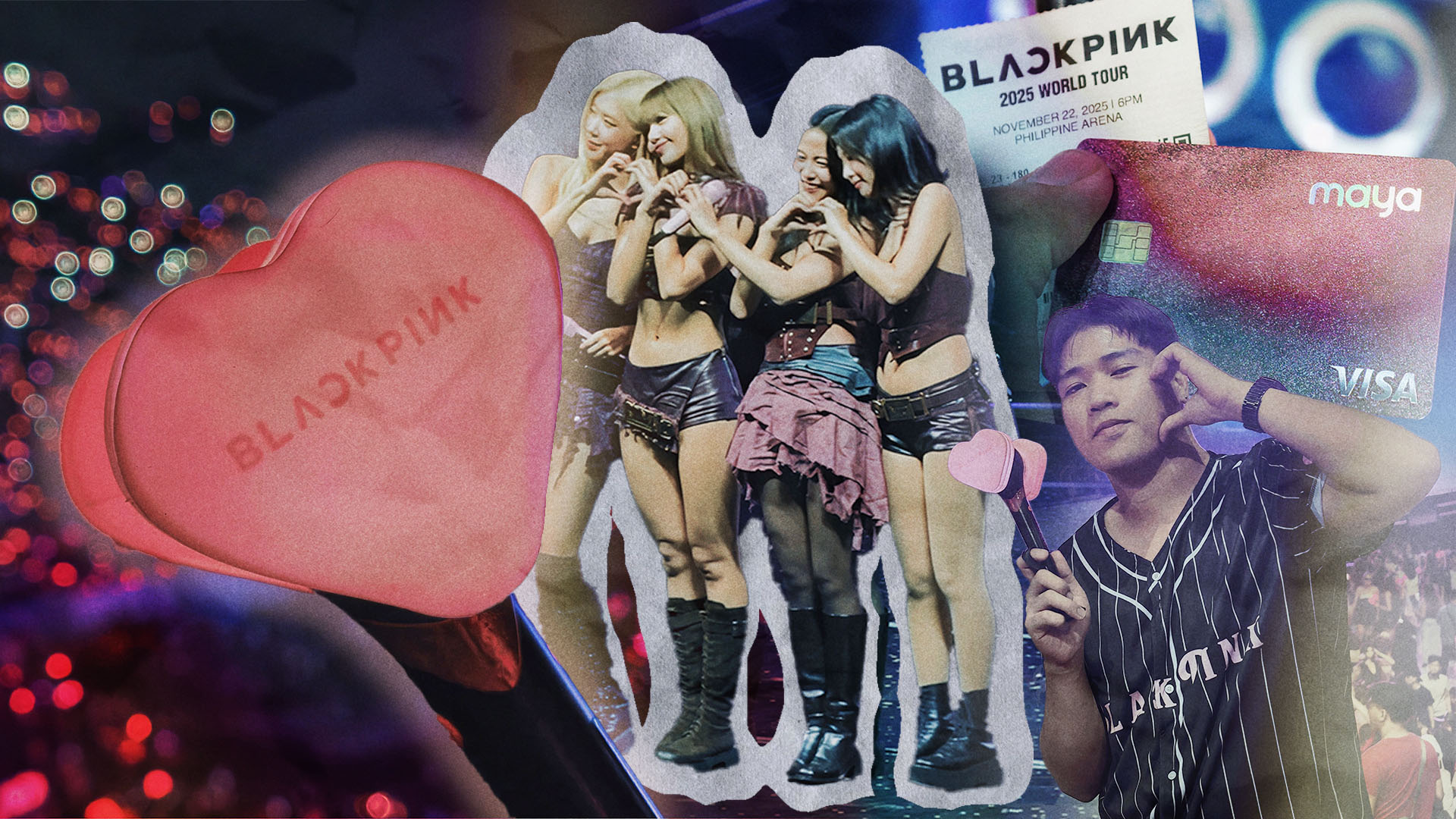
I finally saw BLACKPINK perform live for the first time
A first-hand concert experience of a BLINK after almost a decade of stanning them

I have been yearning to see and hear BLACKPINK perform live since 2016.
My long-time university friends (even acquaintances) can prove how hyped I was during the barrage of BLACKPINK’s first set of debut teasers. That excitement went through the roof the very moment BOOMBAYAH and WHISTLE / 휘파람 (Hwiparam) music videos got out on YouTube.
Honestly, it’s a huge core memory that still lingers to me.
Who’s Next: Pink Punk?! 🩷🤘🏼
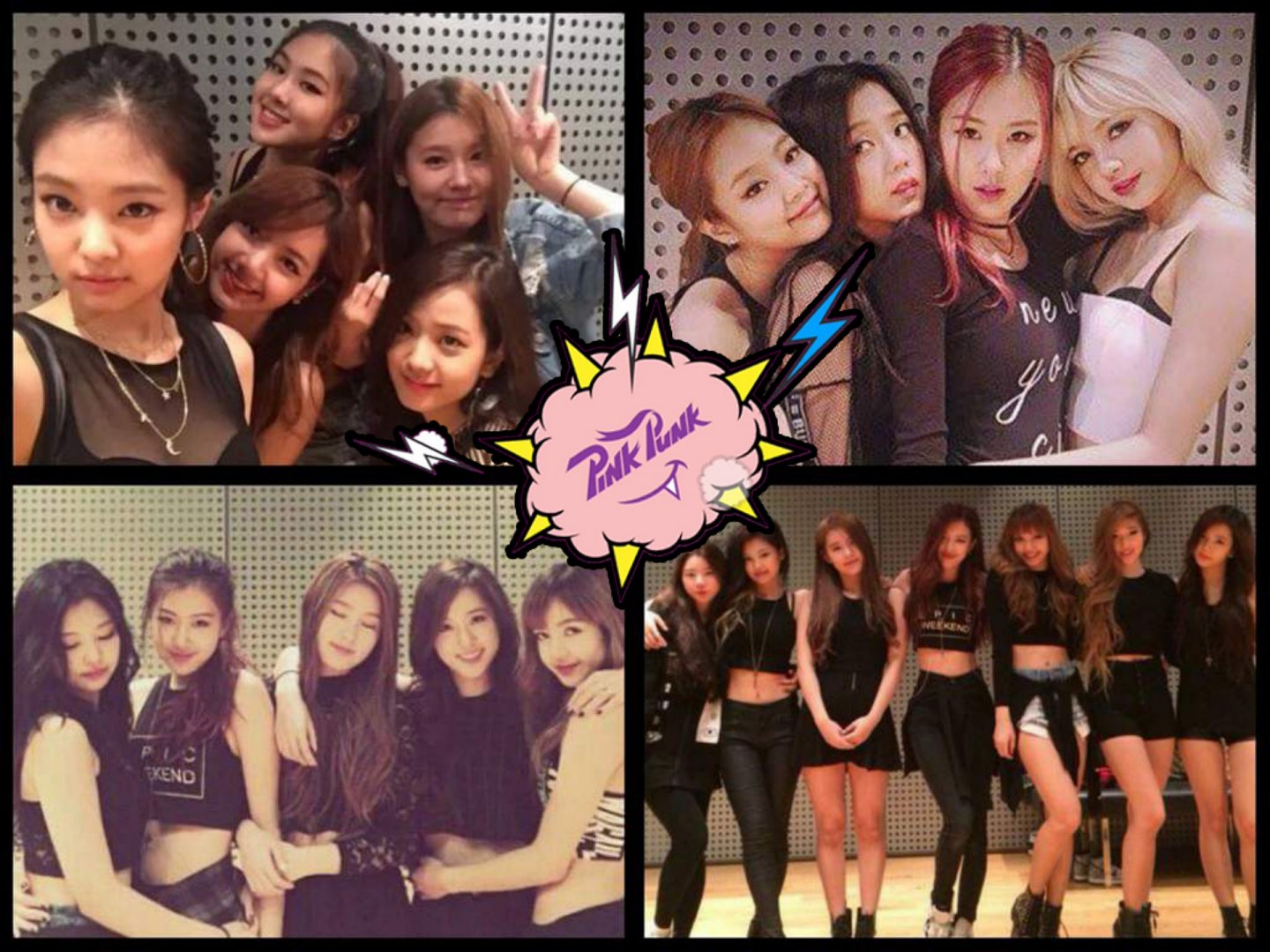
Did you know? BLACKPINK was originally planned as a 9-member girl group dubbed “Pink Punk.”
Not until other trainees left and fate decided to let them be another 4-member girl group of YG Entertainment just after the agency’s first hit girl group, 2NE1.
Backtracking my tweets from my aging K-Pop stan account, I was actually waiting for the group’s highly-anticipated arrival as early as March 2015.
what if that “Who’s next” teaser will be Pink Punk……………………..
— . (@vincenzvangogh) March 24, 2015
* As a refresher, BLACKPINK made their official debut with ‘Square One’ EP last August 8, 2016 — more than a year after I made that tweet.
Again, my inner girl group geekiness speaks out. Other notable trainees include:
The remaining two are now soloists who still have a passion for music:
Near, Far, Wherever You Are 🎶
Despite being a hardcore BLINK since 2016, I only got quite a handful of BLACKPINK-related mementos with me.
For one, there’s the Samsung Galaxy A80 BLACKPINK Edition unboxing we did back in 2019 (which I personally shot and edited).
Last January 2020, two months ahead the lockdown, I was the few chosen ones invited to attend the Korean giant’s ‘Awesome Galaxy’ event in Jakarta, Indonesia.
As unfortunate as it seems, they never performed any songs and only held a mini fan gathering that time. That’s still my closest encounter with the hit 3rd gen K-girl group.
FINALLY: BLACKPINK has appeared on the stage. They will serve as judges for all the BLACKPINK cover groups from Southeast Asia that will perform here tonight at Samsung’s Awesome Live Event.#GalaxyA#GalaxyAwithBlackpink#GalaxyA51#GalaxyA71#AwesomeLive@GadgetMatch pic.twitter.com/wuq57fhWC5
— . (@vincenzvangogh) January 14, 2020
Pandemic halted the world, but it never stopped me from dedicating my very first vivo V-series phone review write-up in relation to BLACKPINK’s first full album promotion during that time.
Five years in, finally, here we are! The much-awaited concert of BLACKPINK is honestly one of the things I least expected to ever see in 2025.
D-DAY = DEADLINE-Day 💅
Longing sentiments aside, THE day has finally arrived.
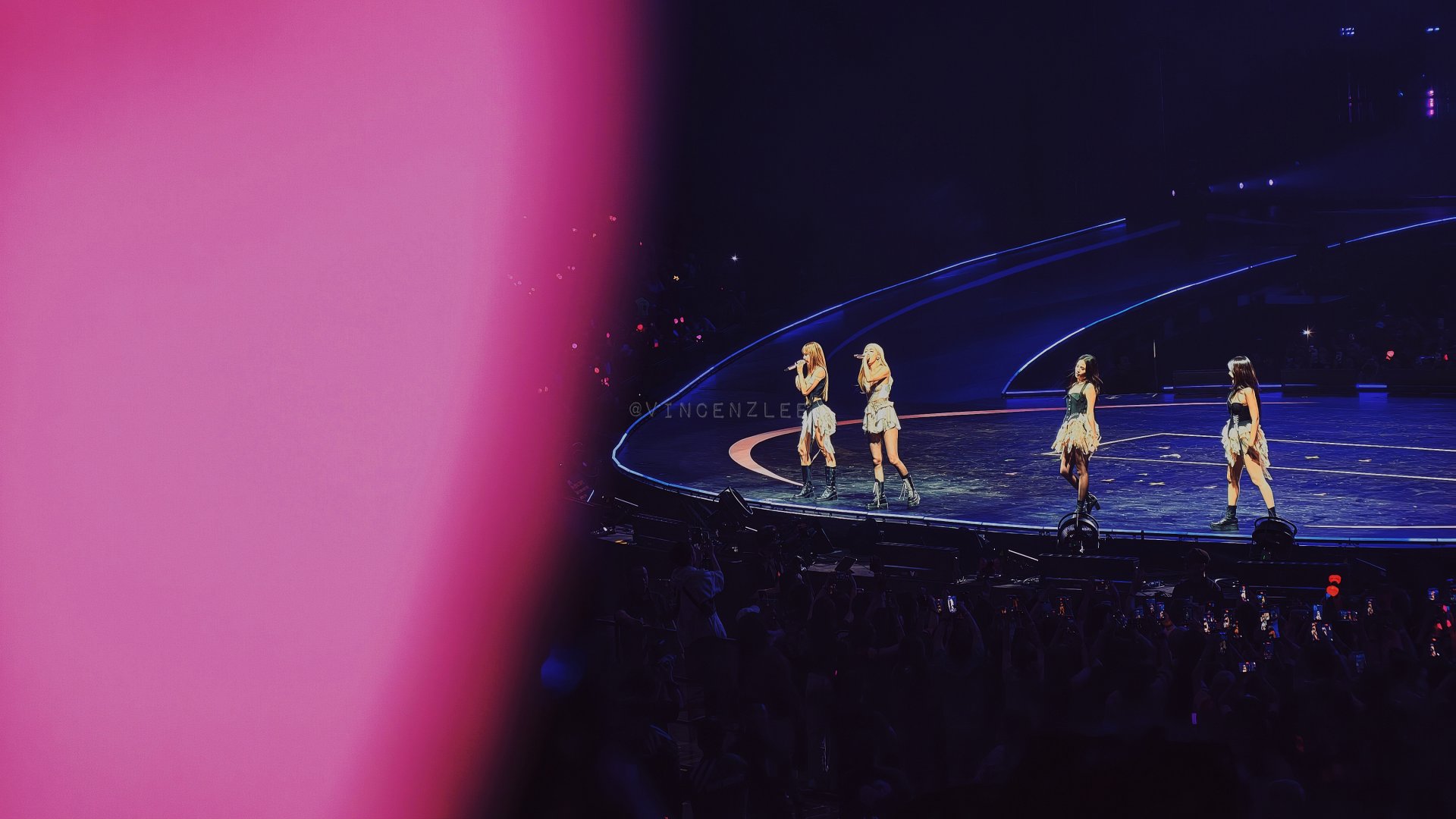
I came to see BLACKPINK’s ‘DEADLINE’ Day 1 Stop at Philippine Arena in Bulacan.

After that dreamy golden hour, the arena’s pink stairs illuminated to showcase the group’s official color. A perfect complement to everyone’s black and pink fits.

No one asked but, I’m the type of person who often goes cashless — or someone who relies heavily on card payments and just keeps a handful of hard cash in my bag’s pockets.
Luckily, the existence of Maya cards (both the Maya Black Credit Card and the glitzy Pink Glitter Edition one) truly helped me replenish and fill-up that pre-concert void.
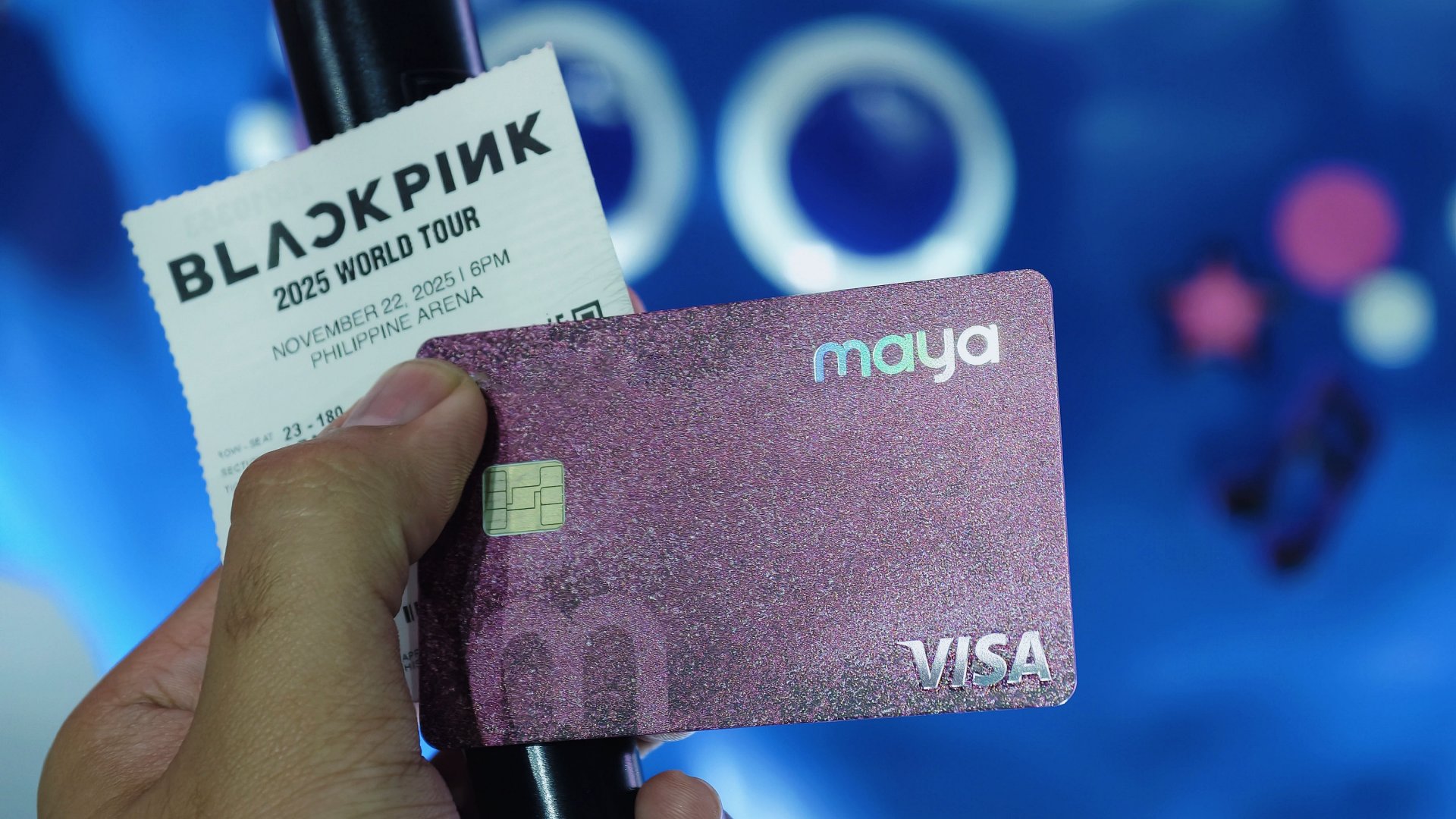
These cards have been helpful along my cashless purchases.
From hydrating myself with water (and iced coffee) after roaming around the arena, all the way to filling my appetite with pizza right before entering my designated concert section and seat, it’s been a hassle-free experience.
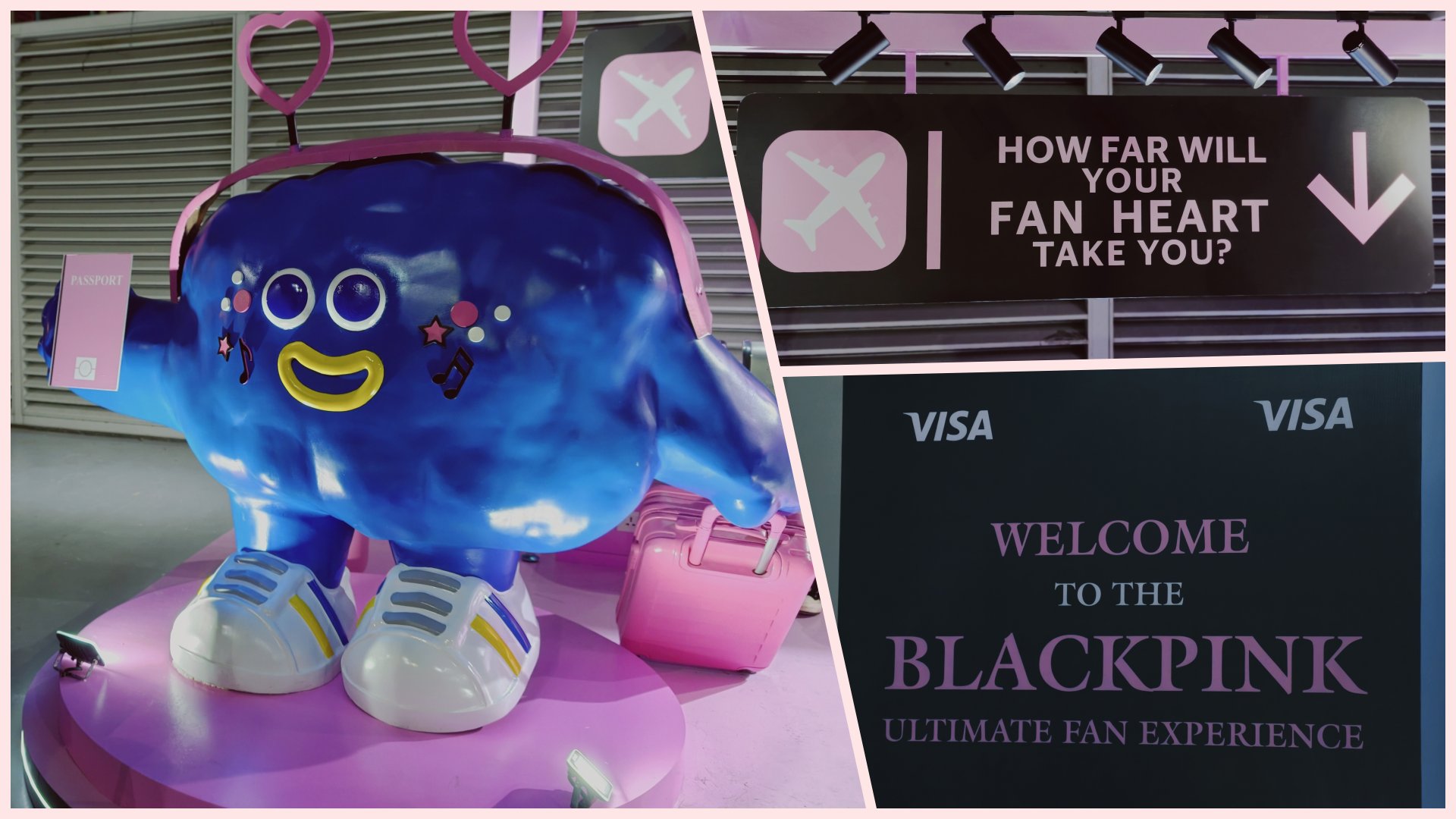
As easy as tapping your card towards the payment terminal, you’re off the hook and free to go whenever, wherever.
There was even a dedicated Visa booth that gave away freebies (such as a portable fan and power bank) just by showing the Maya card/s that you own.

Going beyond the arena’s doors, you’d be greeted by a lot of BLINKs holding their old and new versions of BLACKPINK lightsticks.
During this time, it was still not sinking in to me. I just sat on my assigned seat just so I can fully immerse myself in this massive concert crowd.
BLACK to the PINK 🖤🩷
After waiting for 15 more minutes, the lights and VCR finally went off while BLINKs screamed as loud as they can.
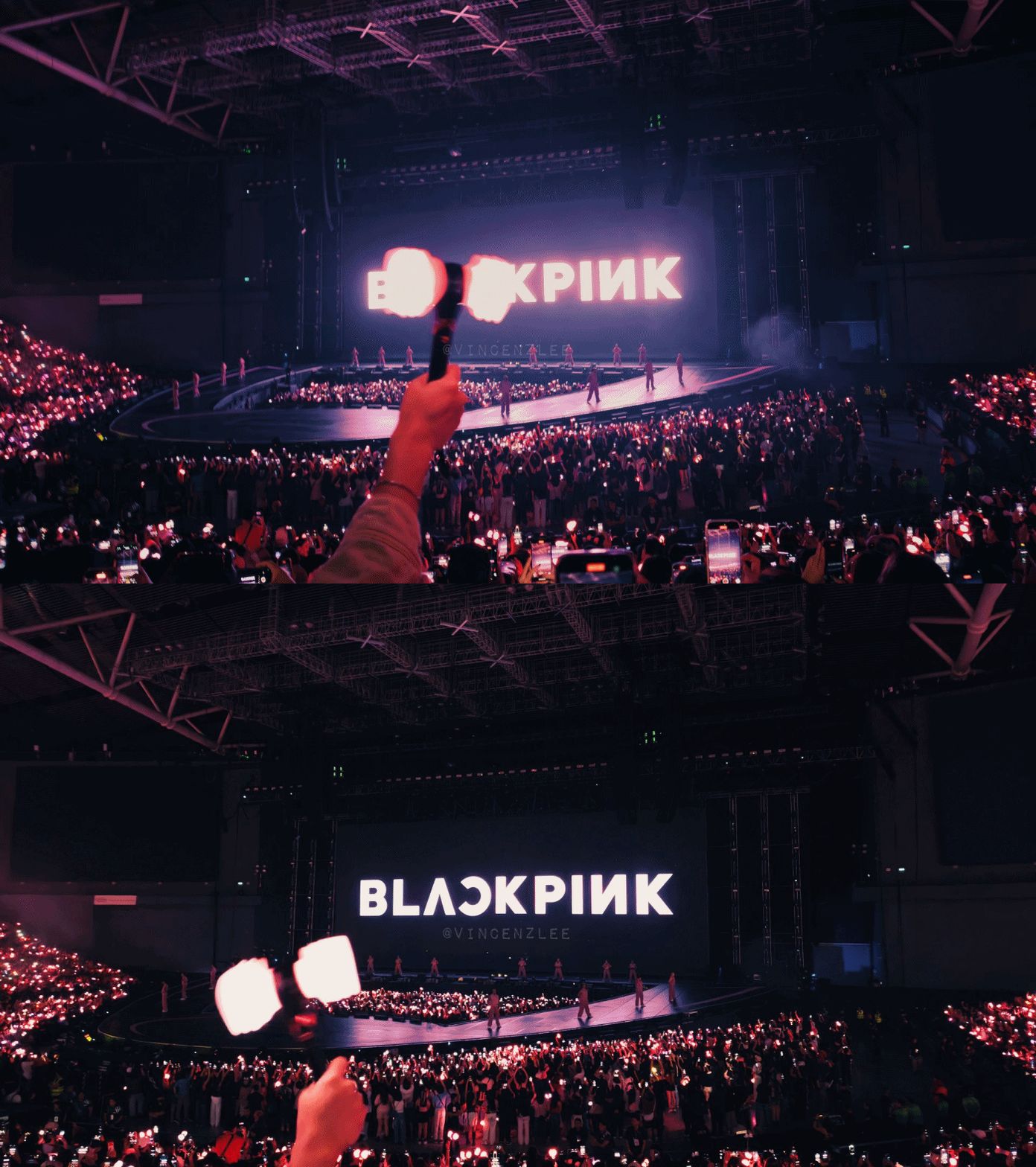
The set was started by the pre-pandemic hit Kill This Love followed by their second to the latest single Pink Venom (which was released three years ago, BTW).
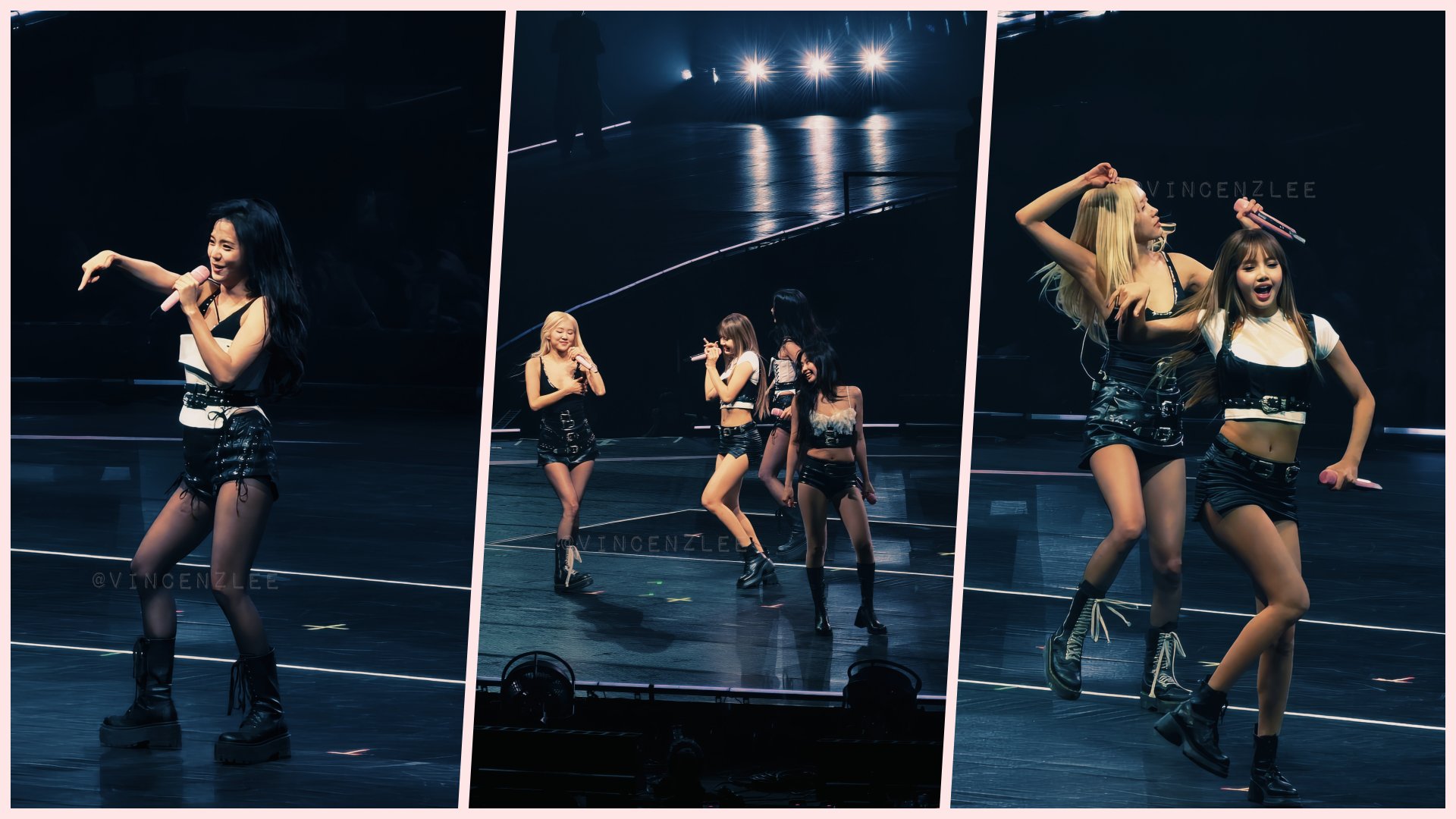
I’m not saying that having a fewer-than-usual discography as a 9-year-old girl group is a good thing.
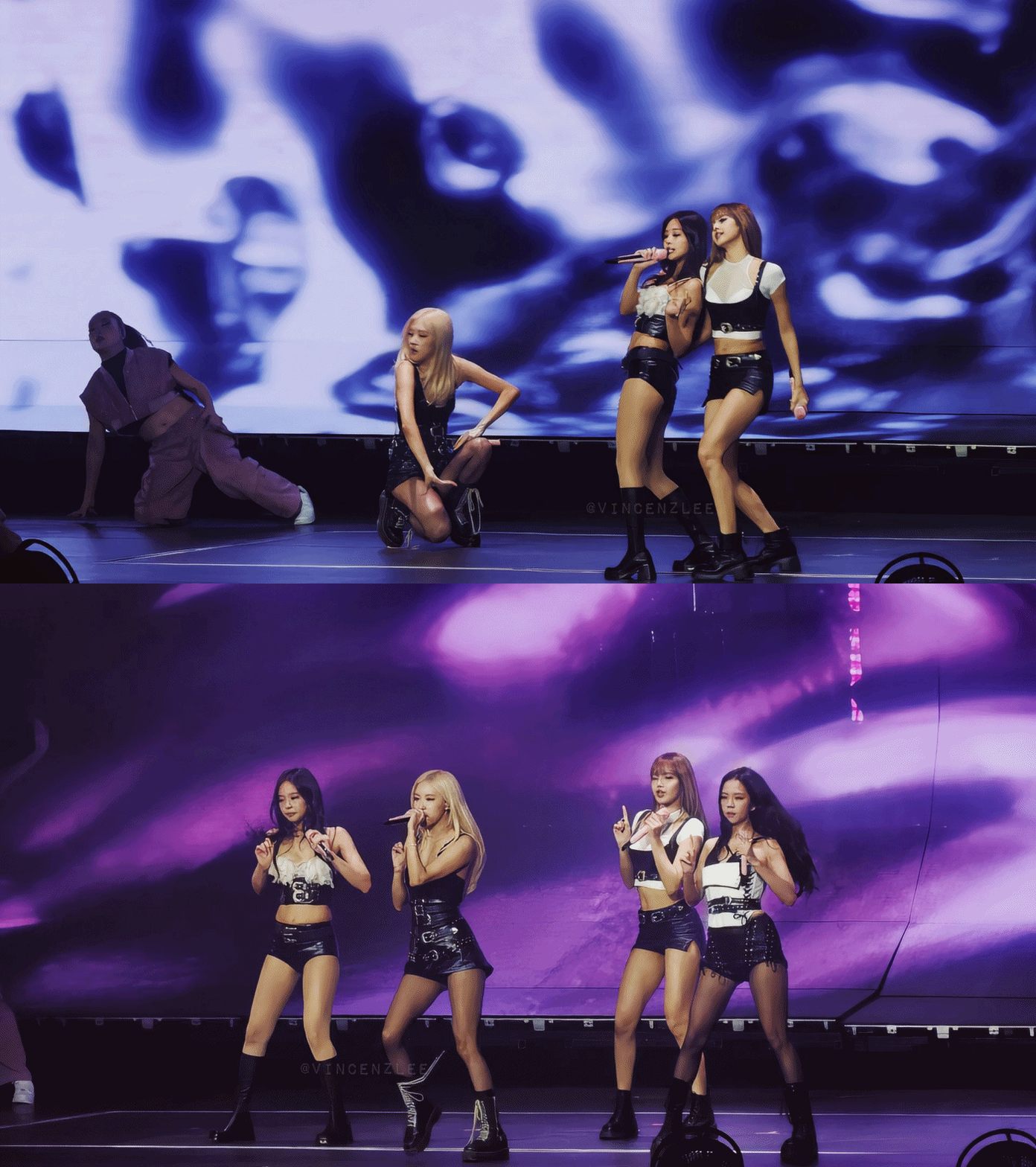
However, BLACKPINK’s ‘DEADLINE’ Tour still made me hear and relive their recent BLACK tracks like and Shut Down alongside classics such as How You Like That together with뚜두뚜두 (DDU-DU DDU-DU),
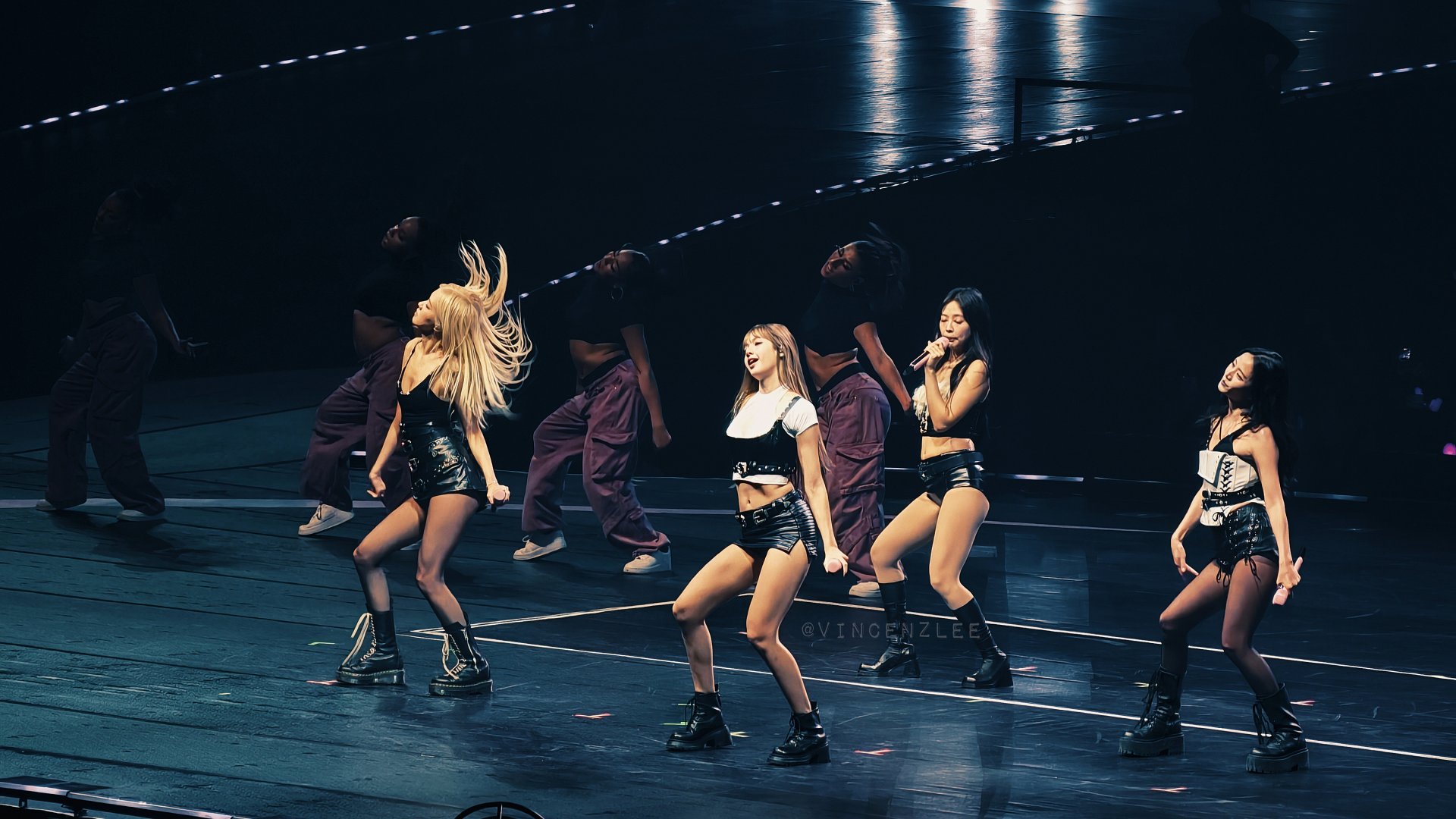
Even BOOMBAYAH was never forgotten — or the banger that made me stan them since the very beginning.

The group’s “Pink Side” was even shown through Lovesick Girls, Forever Young, 불장난 (Playing With Fire), 휘파람 (WHISTLE), even 마지막처럼 (As If It’s Your Last).
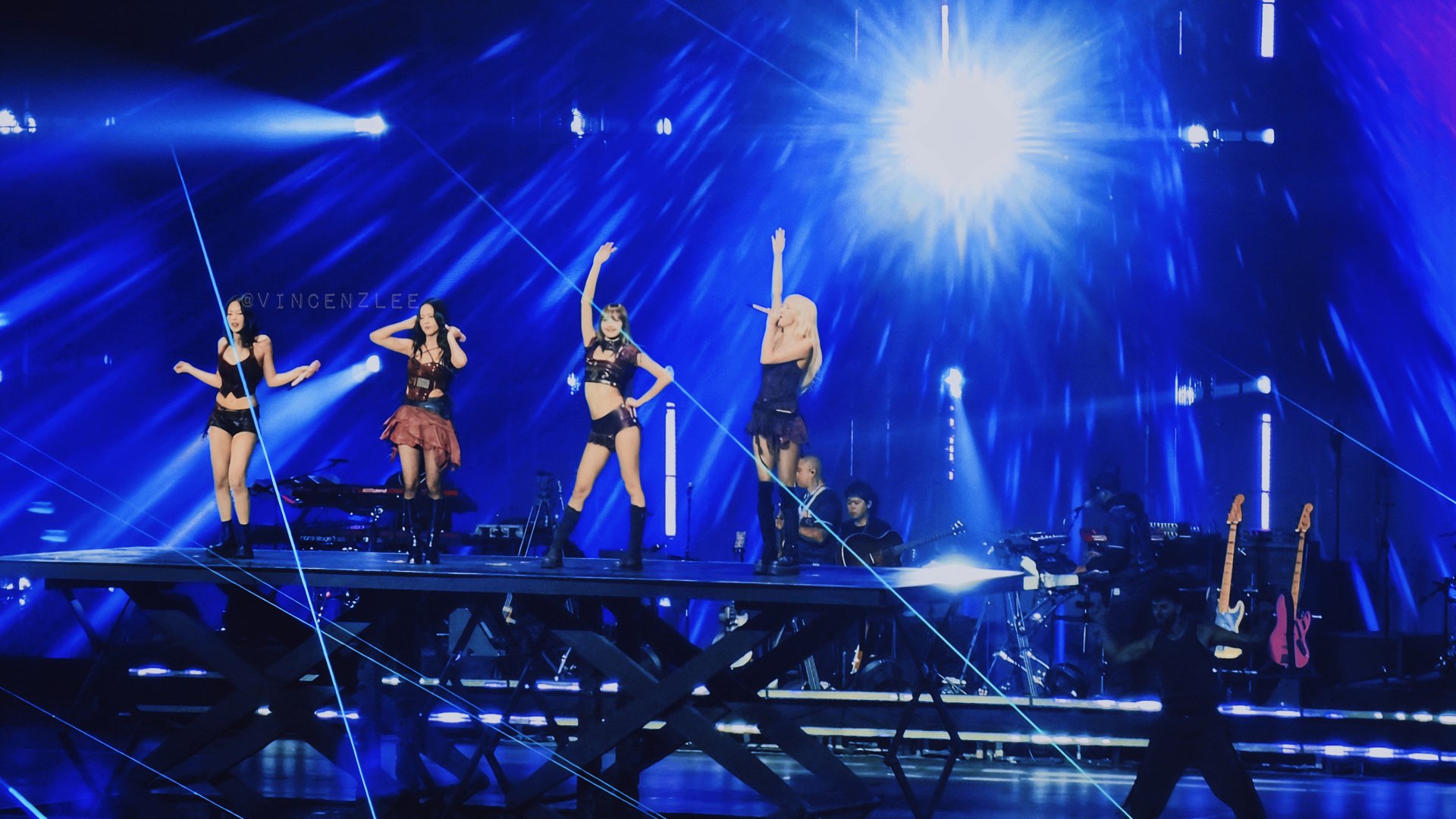
Their latest group release, JUMP, was also included in the setlist.
This is the part where everyone actually had the chance to stand up and jump high in the air — myself included in the narrative.
Un poco loco over solo 🤯
ICYMI, BLACKPINK already left YG Entertainment (their OG agency) and went all-out solo with their respective agencies.
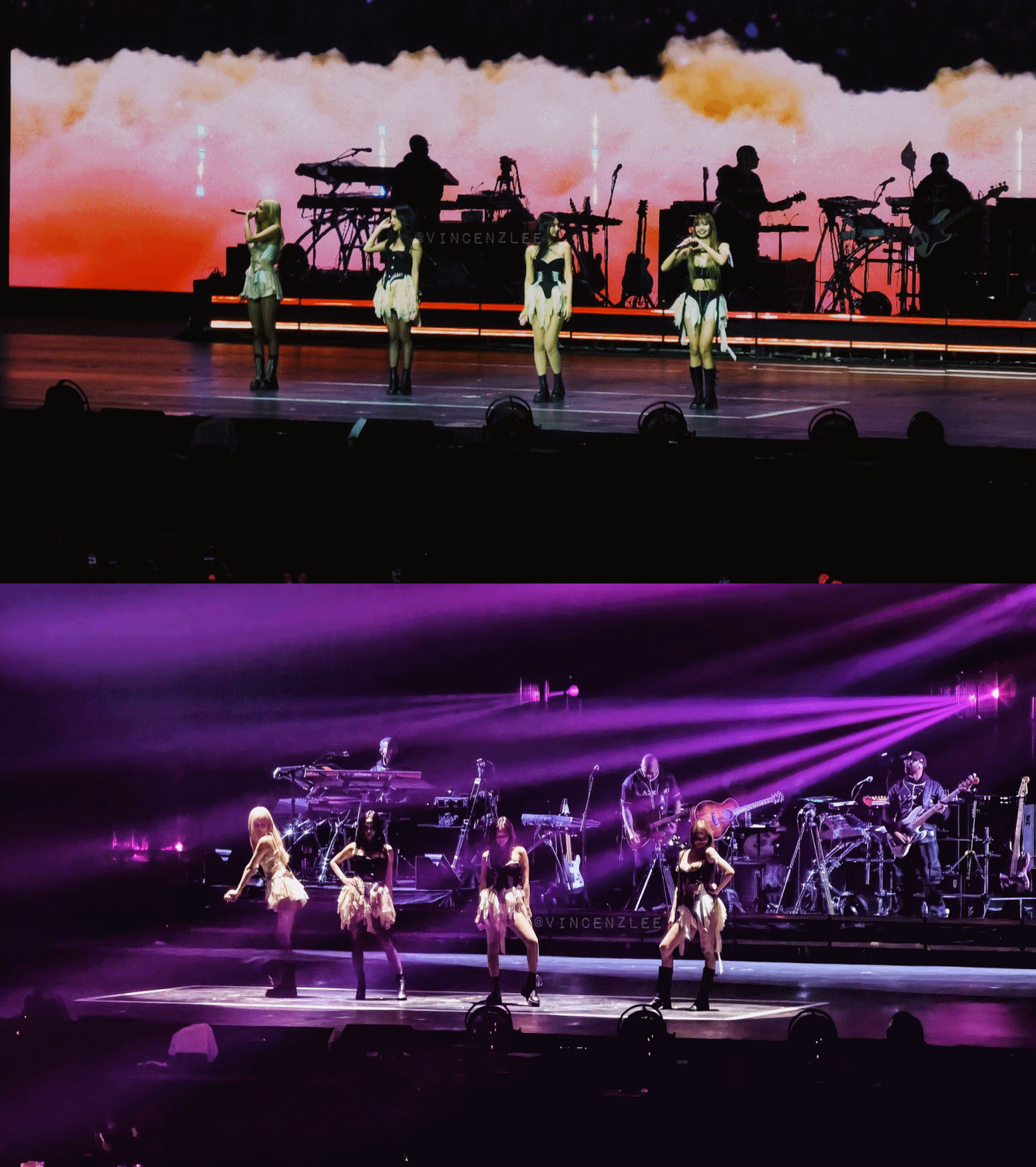
That’s Jennie with ODD ATELIER, Lisa with LLOUD, Jisoo with BLISSOO, and lastly, Rosé with THEBLACKLABEL — which was founded by YG’s former producer, TEDDY, who released all hit songs for one of the biggest girl group acts of K-Pop.
Fortunately, despite separating ways, this DEADLINE tour made it possible to perform all of the members’ latest solo releases.
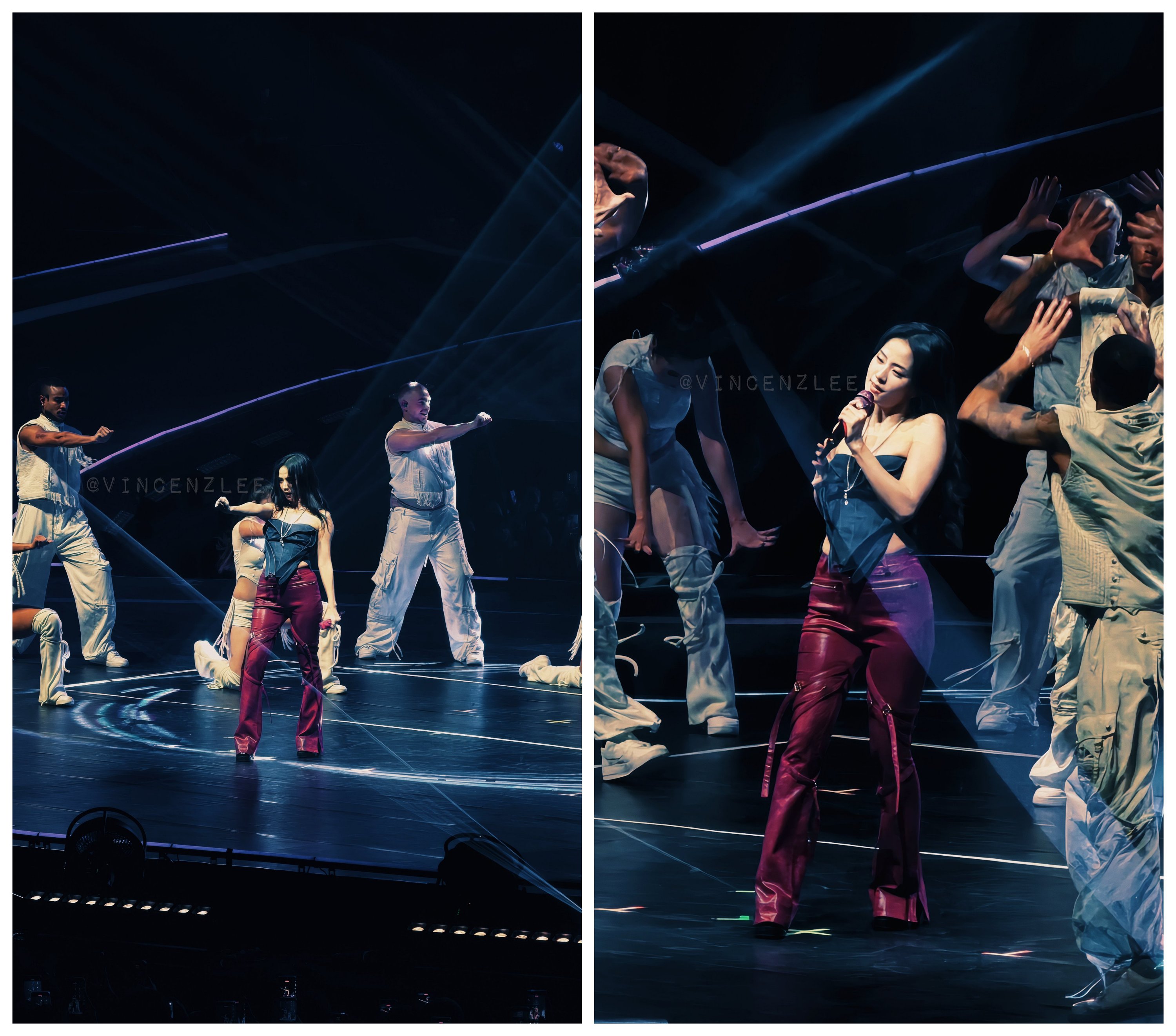
After researching for a bit, I’ve found out that the setlist was NOT fixed / definite in every stop.
DEADLINE’s Act 2 (at least in the first day) was introduced by Jisoo with Hugs & Kisses followed by Earthquake.
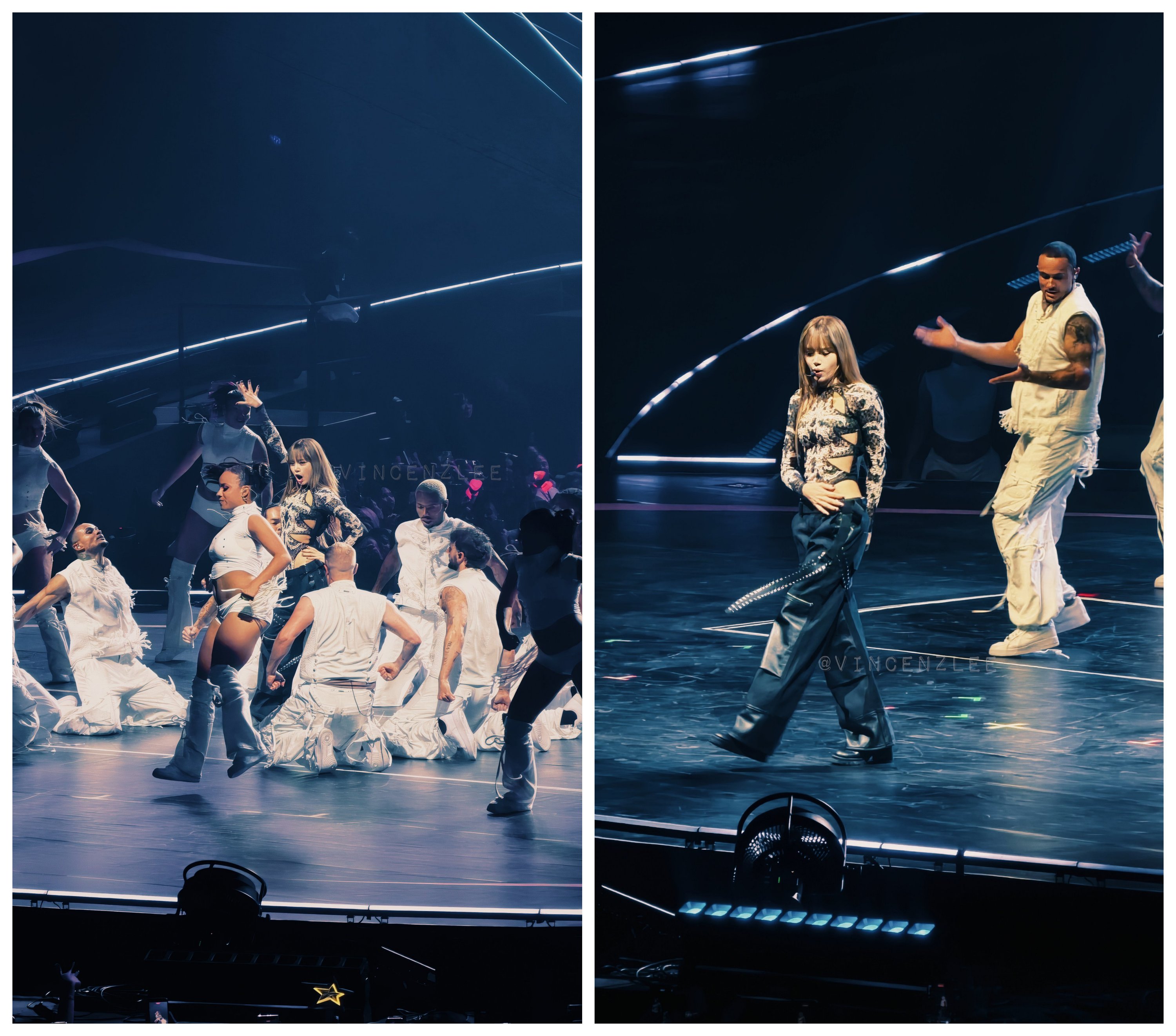
It was then followed by Lisa with When I’m With You and Rockstar.
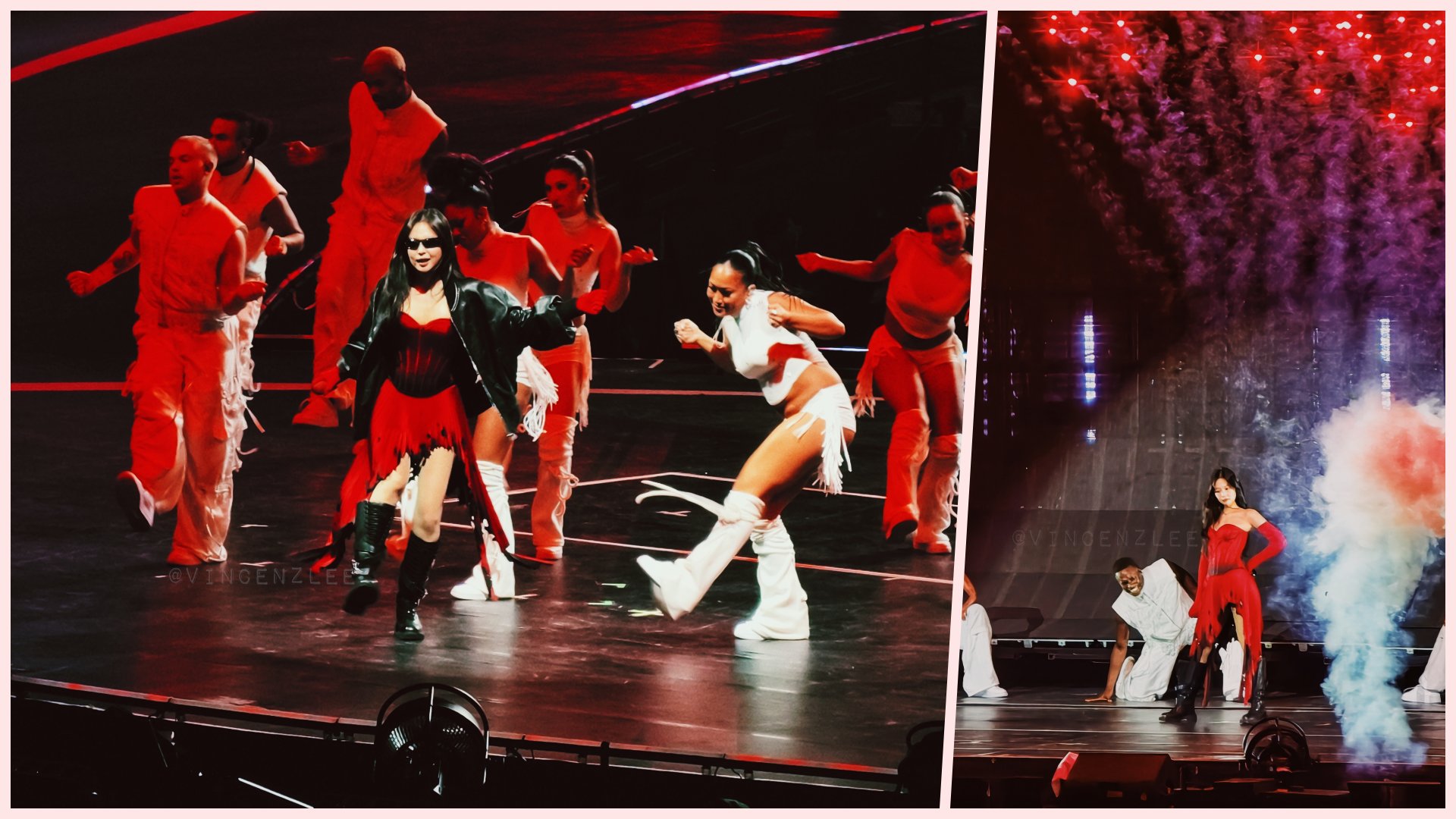
After another OT4 group act, Jennie started Act 4 with the wonder hit Like Jennie mashed alongside ExtraL plus Starlight.
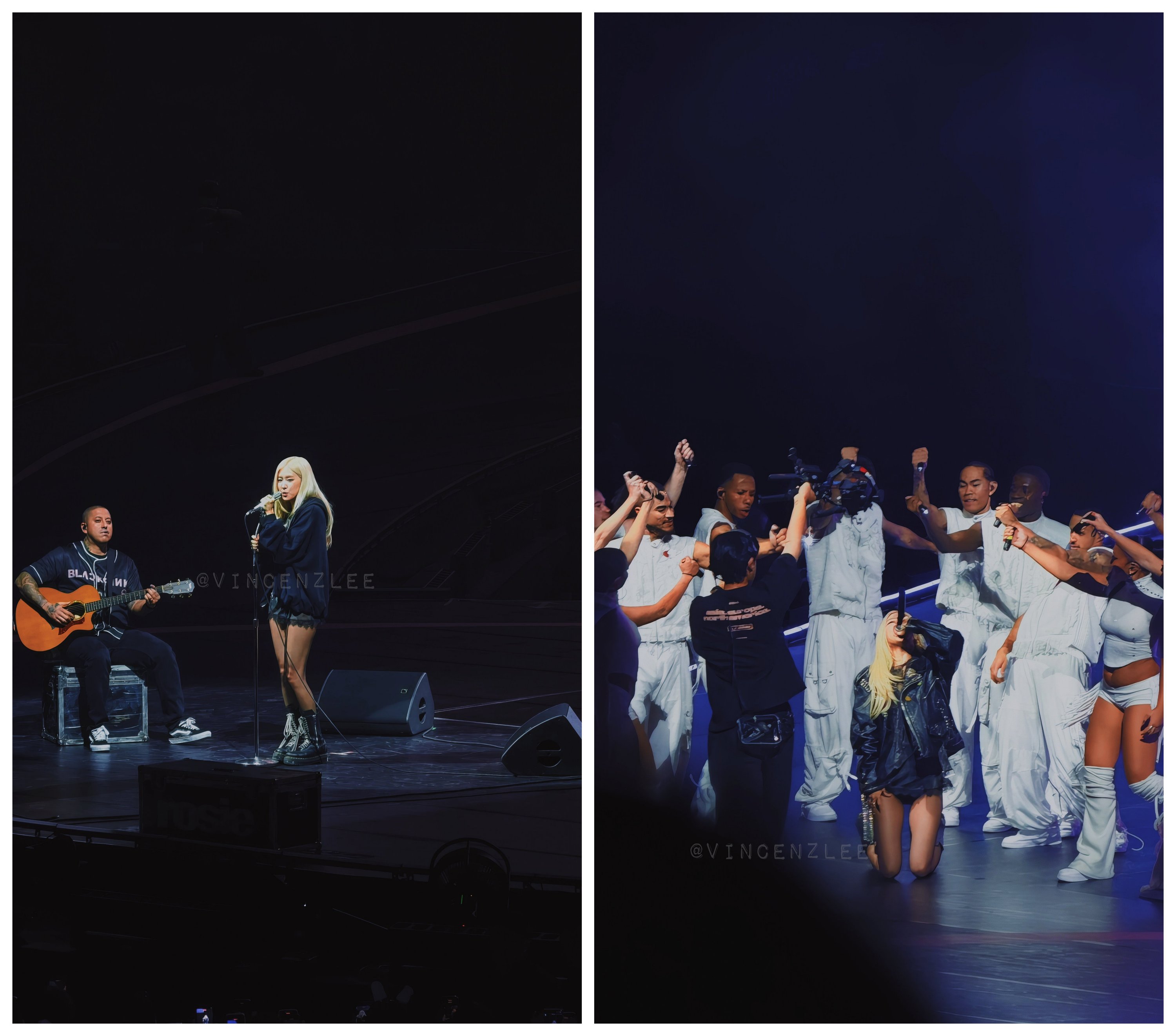
Finally, Rosé (or Rosie) ended the solo act with an acoustic performance of number one girl alongside a band performance of toxic till the end. Of course, APT. was never excluded in this set list as everyone chanted “아파트” (a-pa-teu) so hard and danced like crazy.
En route to the core ➡️
Just when everyone thought it already ended, my gut feeling told me a K-Pop concert wouldn’t be complete without an encore. I was right all along.
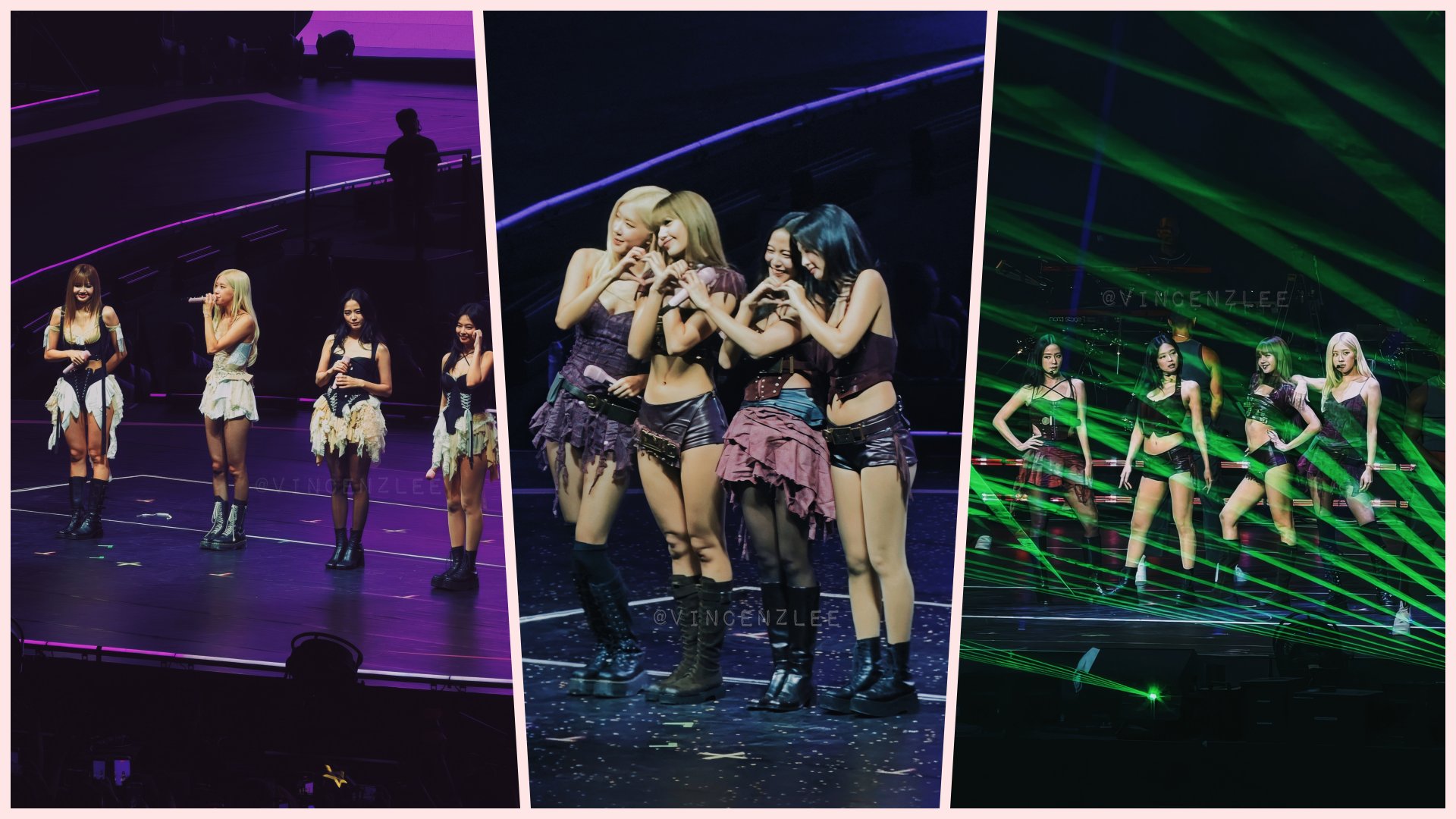
Once again, BLACKPINK shooketh the venue with another JUMP performance. This time, they’ve changed to another set of stage outfits — which looked more comfy and lax for all members.
After some fan service and cute fan interactions, they performed Really. My inner self gasped as it’s actually one of my favorite BLACKPINK b-sides ever.
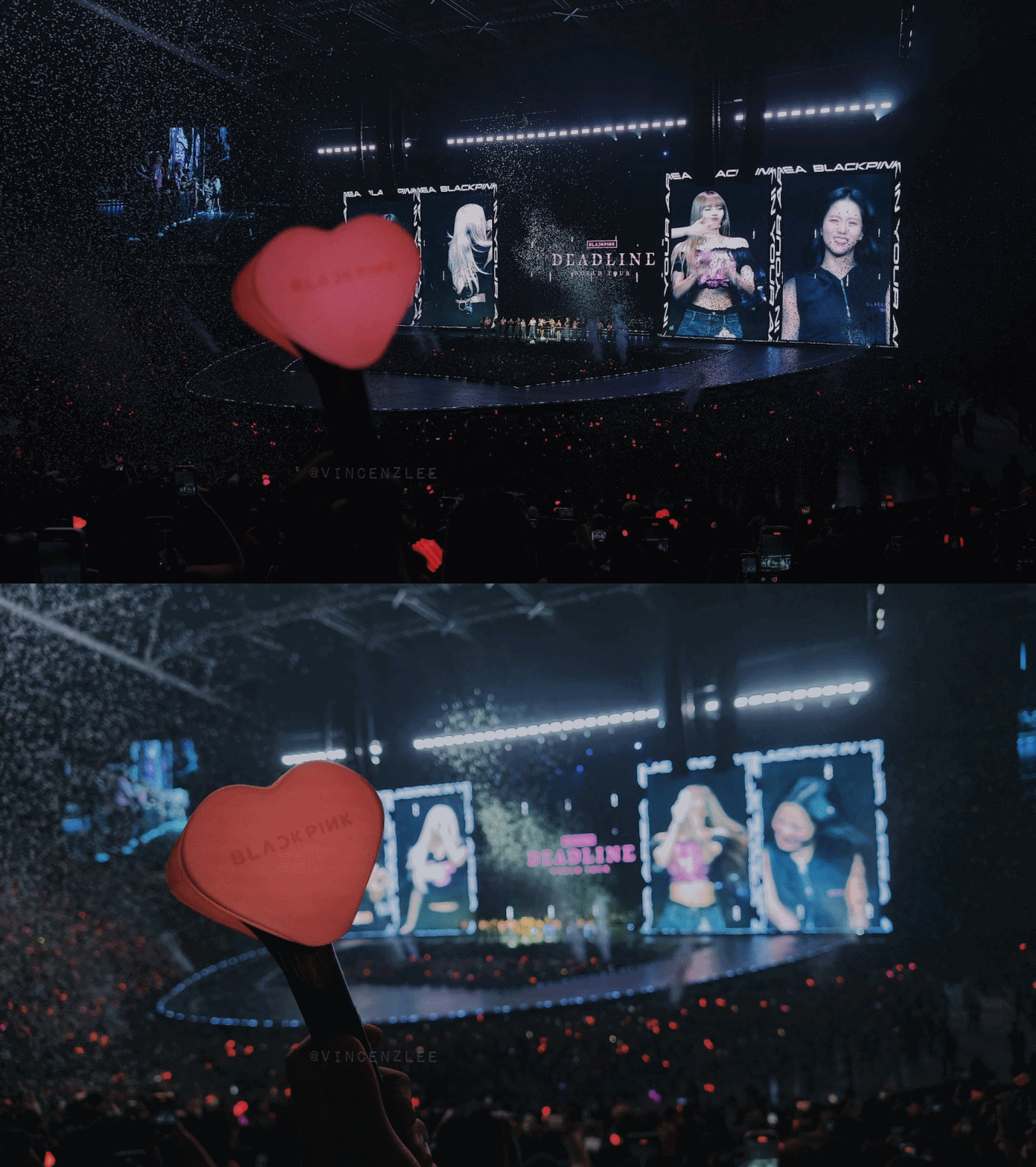
As unfortunate as it gets, they had to end it with See U Later. Maybe that’s a sign that they will come back again — or maybe never?
From Concert Dreams to Reality ✨
I’m an aging veteran K-Pop stan for more than 16 years now.

Admittedly, no matter how dedicated I am when it comes to streaming a lot of groups’ music and performances on several platforms, I’ve never been the concert-goer typa fan.
I’m THAT “broke” type of fan during my elementary, high school, and even university days who relies heavily on granted scholarships. Thus, not having that severe FOMO that most K-Pop fans truly dire and desire.
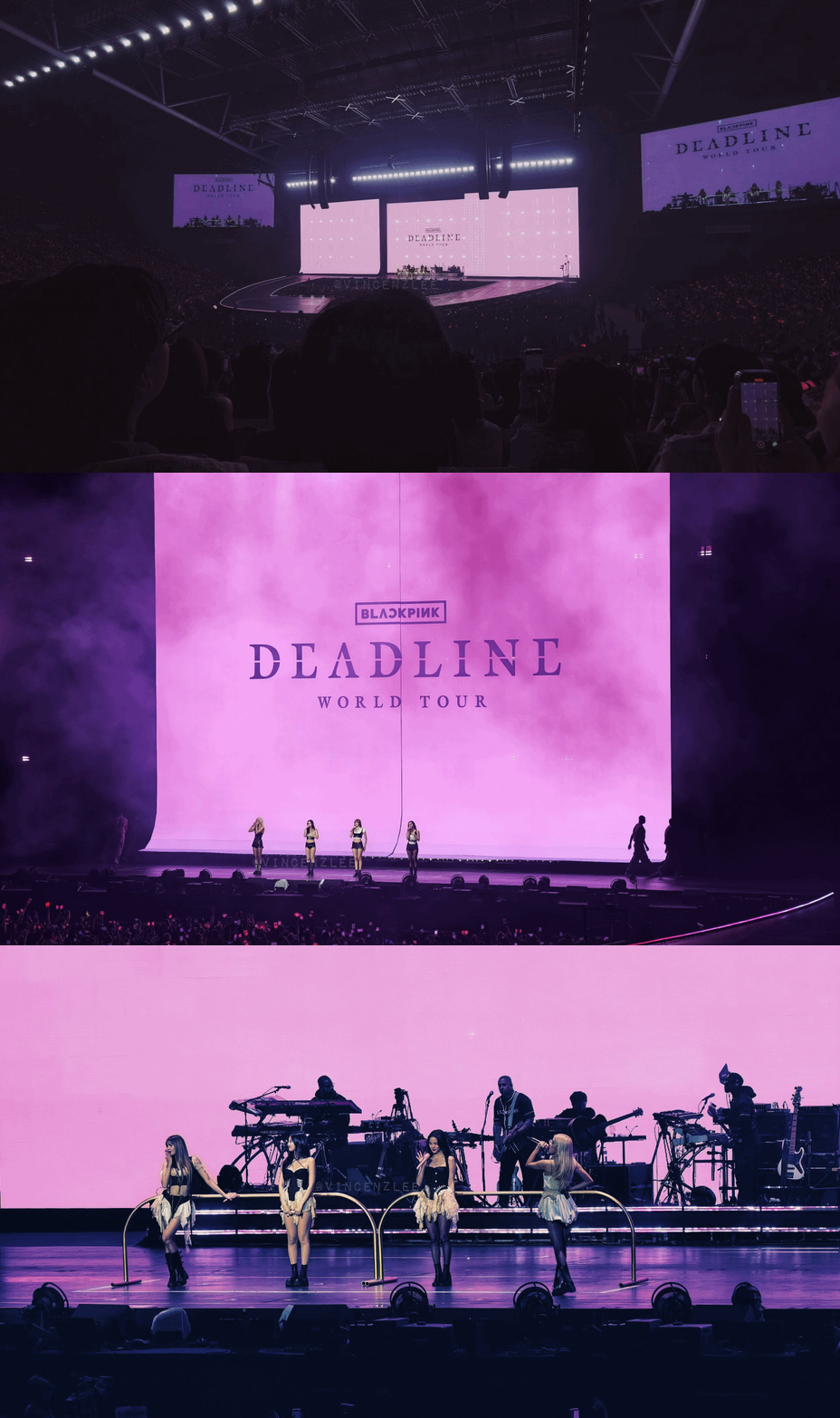
Still, seeing BLACKPINK for the first time ever since I stanned them last August 2016 has always been a long-time dream.
Not only I get to see and hear Jennie, Lisa, Jisoo, and Rosé perform live, I’ve finally crossed out one thing out of my bucket list after nine long years of being a BLINK.
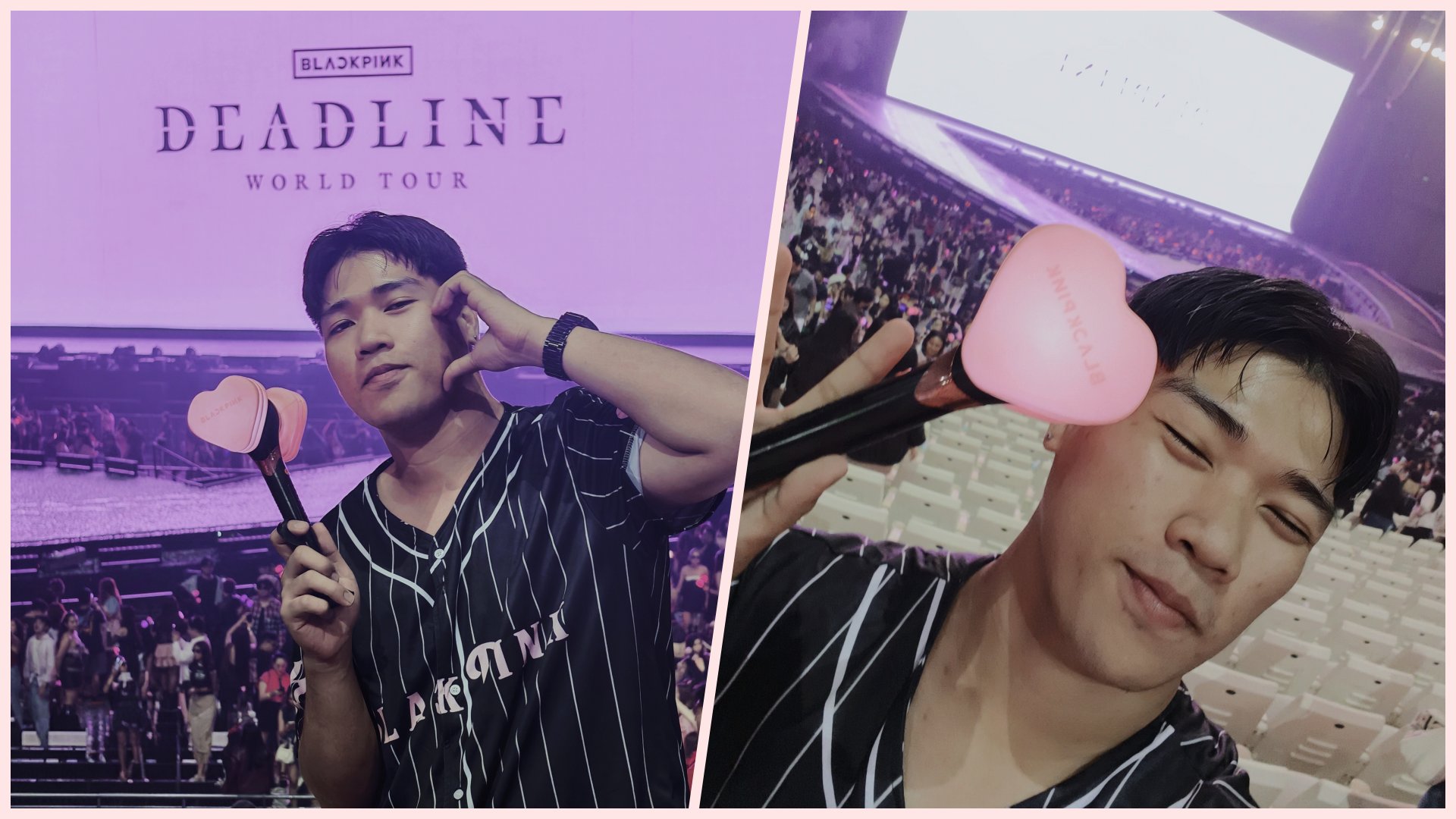
What a way to truly end my year in advance (and belatedly celebrate my birthday more than a month ago 😅).
View this post on Instagram





Entertainment
Street Fighter special look: Blanka vs. Ryu
Jason Momoa, Andrew Koji’s characters face off

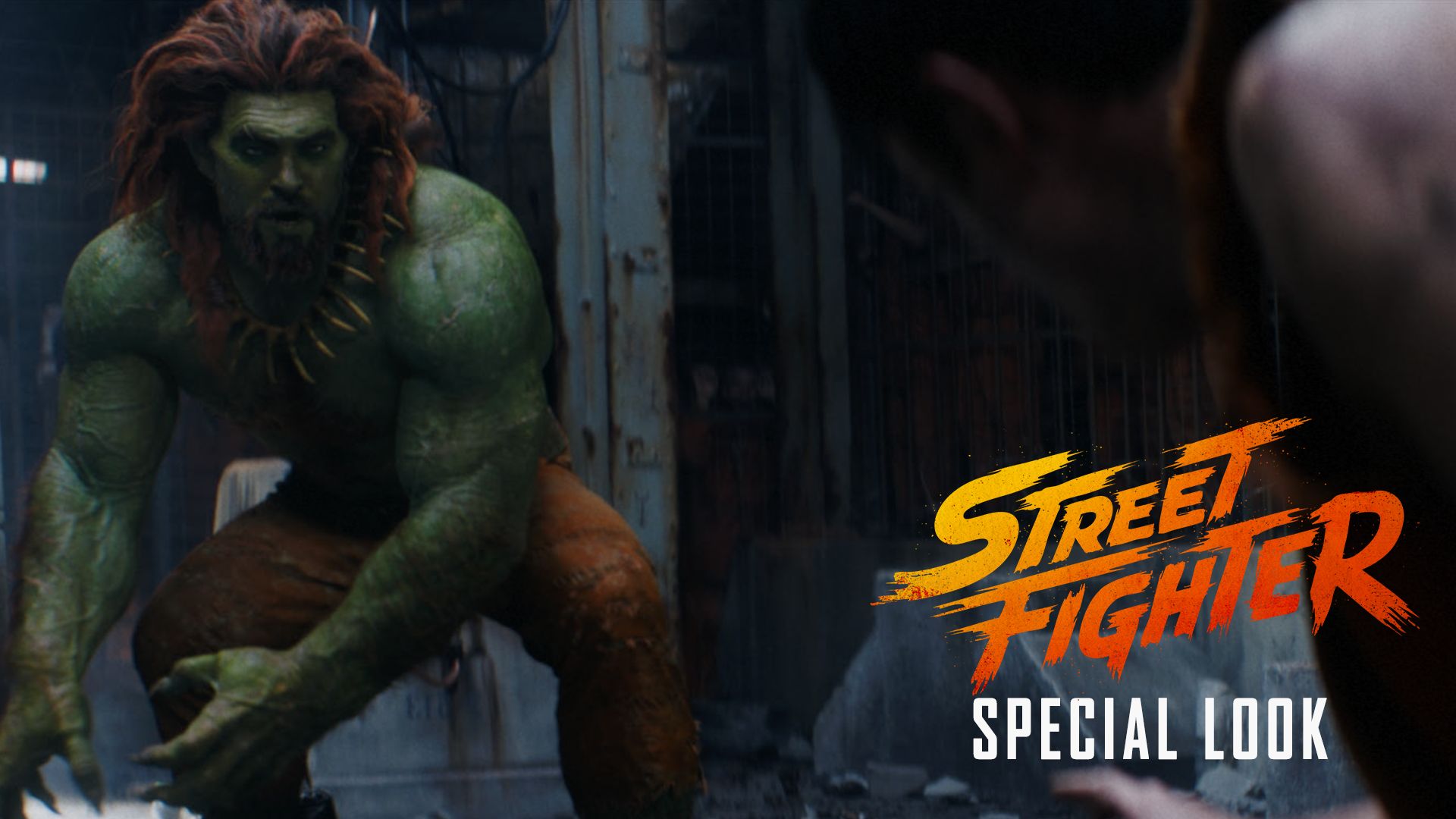
Paramount Pictures has released a new special look for Street Fighter featuring Jason Momoa and Andrew Koji.
The short, minute-long clip shows the actors’ respective characters, Blanka and Ryu, in battle.
It opens with a chained prisoner struck by extreme electrical charges, transforming into the green-skinned, electricity-infused Blanka.
He unleashes a fierce roar. Meanwhile, Ryu drops into a fighting stance, but tells Blanka he does not want to fight him.
Forced to defend himself, Ryu then fires a signature Hadouken fireball towards Blanka, as the teaser cuts to the Street Fighter title card.
Street Fighter debuts in cinemas starting October 14. It is directed by Kitao Sakurai and stars an ensemble cast that includes Noah Centineo as Ken Masters, Callina Liang as Chun-Li, Joe “Roman Reigns” Anoai as Akuma, and Curtis “50 Cent” Jackson as Balrog, among others.
The film is set in 1993 when estranged Street Fighters Ryu and Ken Masters are thrown into combat when Chun-Li recruits them for the next World Warrior Tournament.
Entertainment
Now Playing: Spider-Man: Brand New Day
It’s a must watch for Spidey fans who want to see Peter Parker enter his sad boy era.

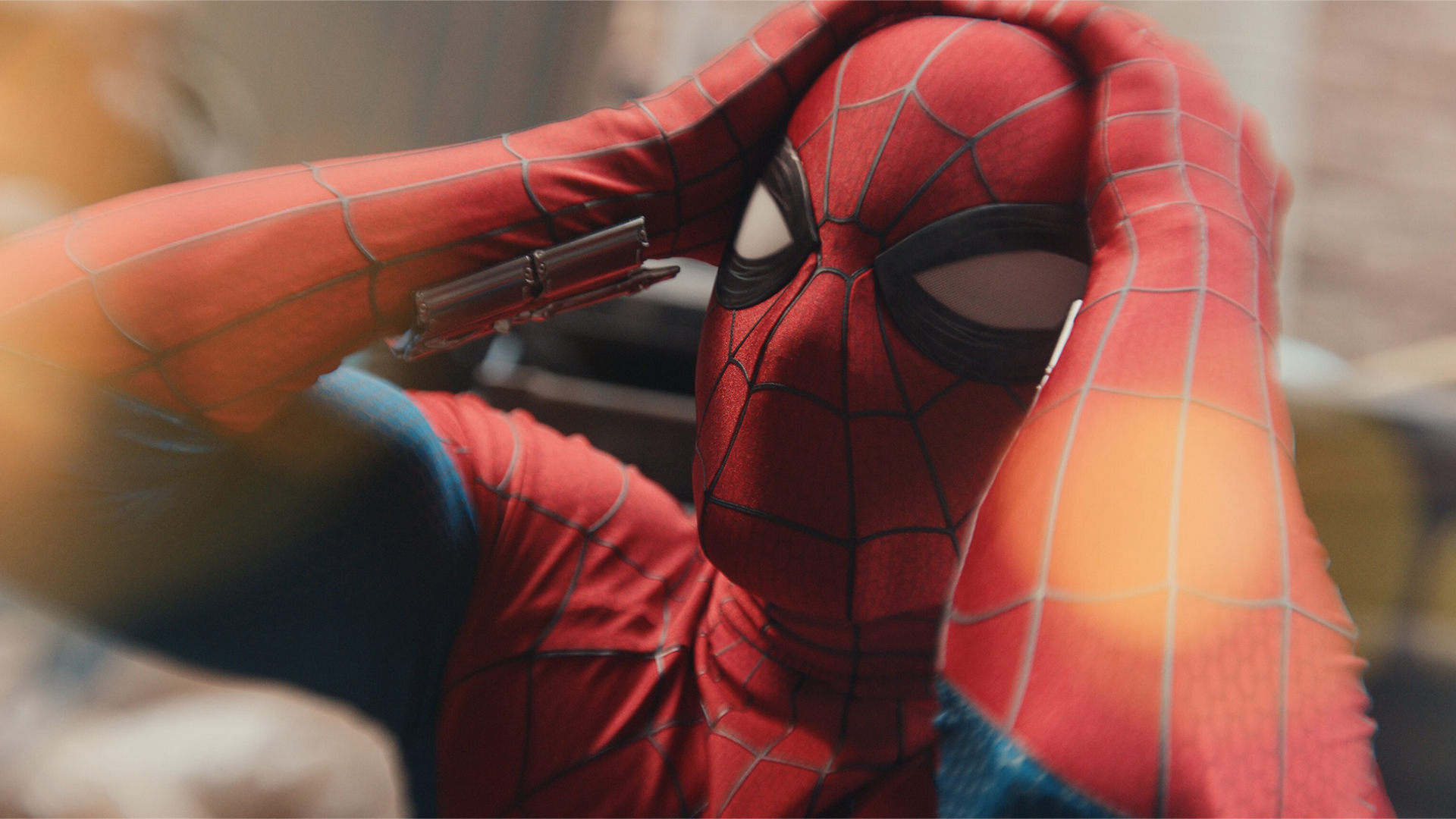
The Holland-led Spider-Man trilogy is one of my favorite franchises in the Marvel Cinematic Universe. Compared to other series with admittedly disjointed plots, all of Spidey’s storylines have a clear thread leading from one to the next. Since the fourth entries after trilogies are historically lackluster, I had a lot of trepidation heading into Spider-Man: Brand New Day.
Thankfully, all those worries were unfounded. Brand New Day follows the same throughline as its predecessors, once again reinforcing Spider-Man as the strongest franchise that Marvel offers fans today.
A brand new day indeed
Coming from No Way Home, Brand New Day still has Peter Parker live a new life as a literal nobody where no one remembers who he is. So begins his existence as just Spider-Man with no friends or family.
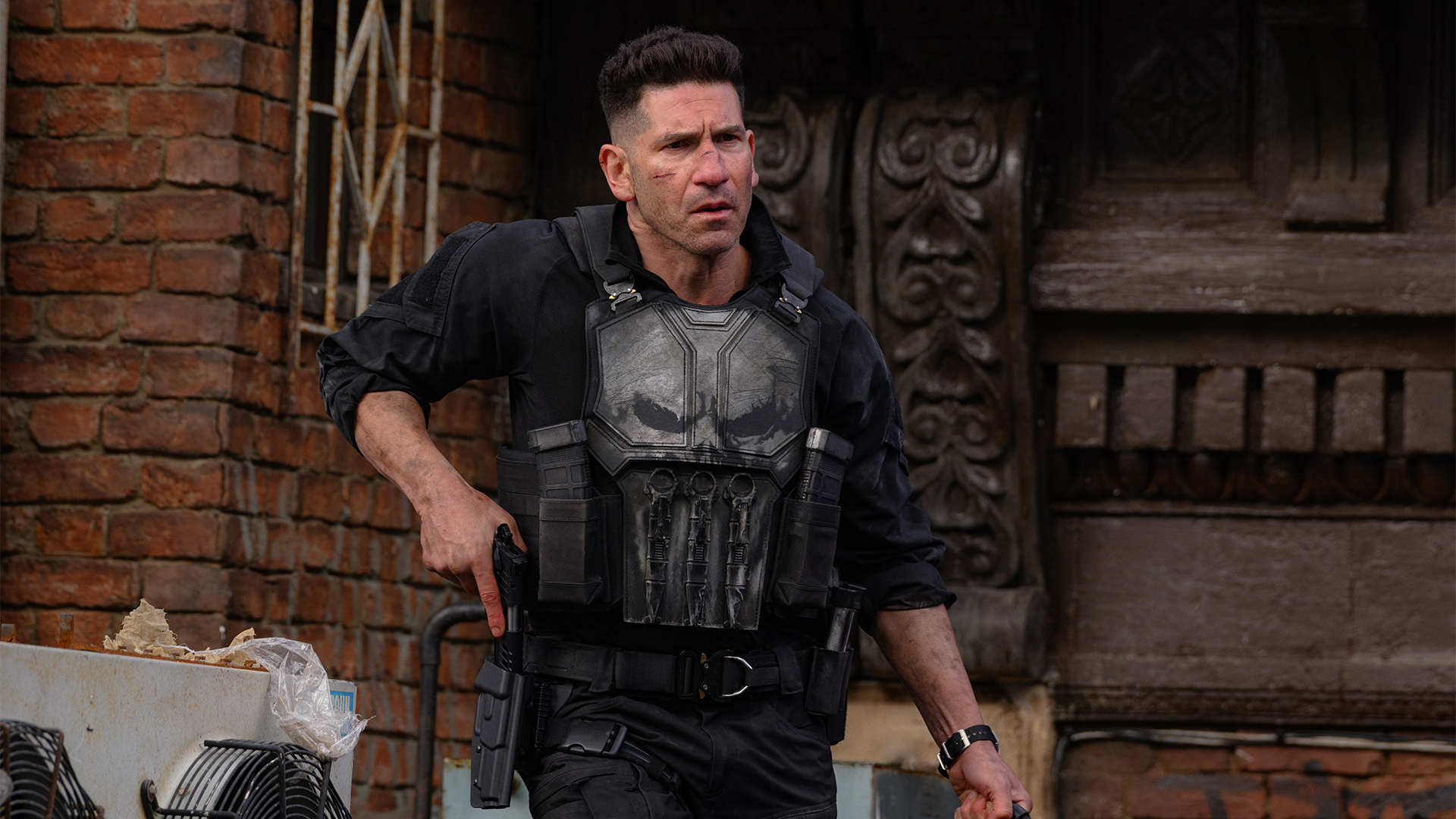
When a new and unseen threat ravages through New York City, Spidey starts to wish that he still had friends to help him out, which leads him on an inevitable collision course with Ned and MJ. Ironically, it also leads him to other characters in the city, including the Hulk and the Punisher.
A cacophony of villains
When I first saw the trailer, I was worried about the astounding number of villains from the get-go. After all, one of the biggest problems in Sam Raimi’s Spider-Man 3, the most maligned entry in Spider-Man movie history, was the villains. Though far from the movie’s biggest problem, having too many bad guys without a solid plot led to its terrible reception. You can see why Brand New Day’s trailer raises some flags.
If you were thinking the same thing, Brand New Day does indeed have a cohesive plot. Everything flows neatly into one another. Each emotional beat of Peter feeling for his solitude mixes well with the action. In here, fight scenes feel like they have a purpose.
And there is a big bad here. It’s not just a collection of guys that Spidey has to go through. That big bad, who shall not be named at this time, doesn’t feel like just a placeholder for Peter’s internal struggles. They have a character of their own and their own struggles to solve. I wouldn’t say they’re at the level of Loki just yet, but they definitely have a better go at it than most of the MCU’s other villains.
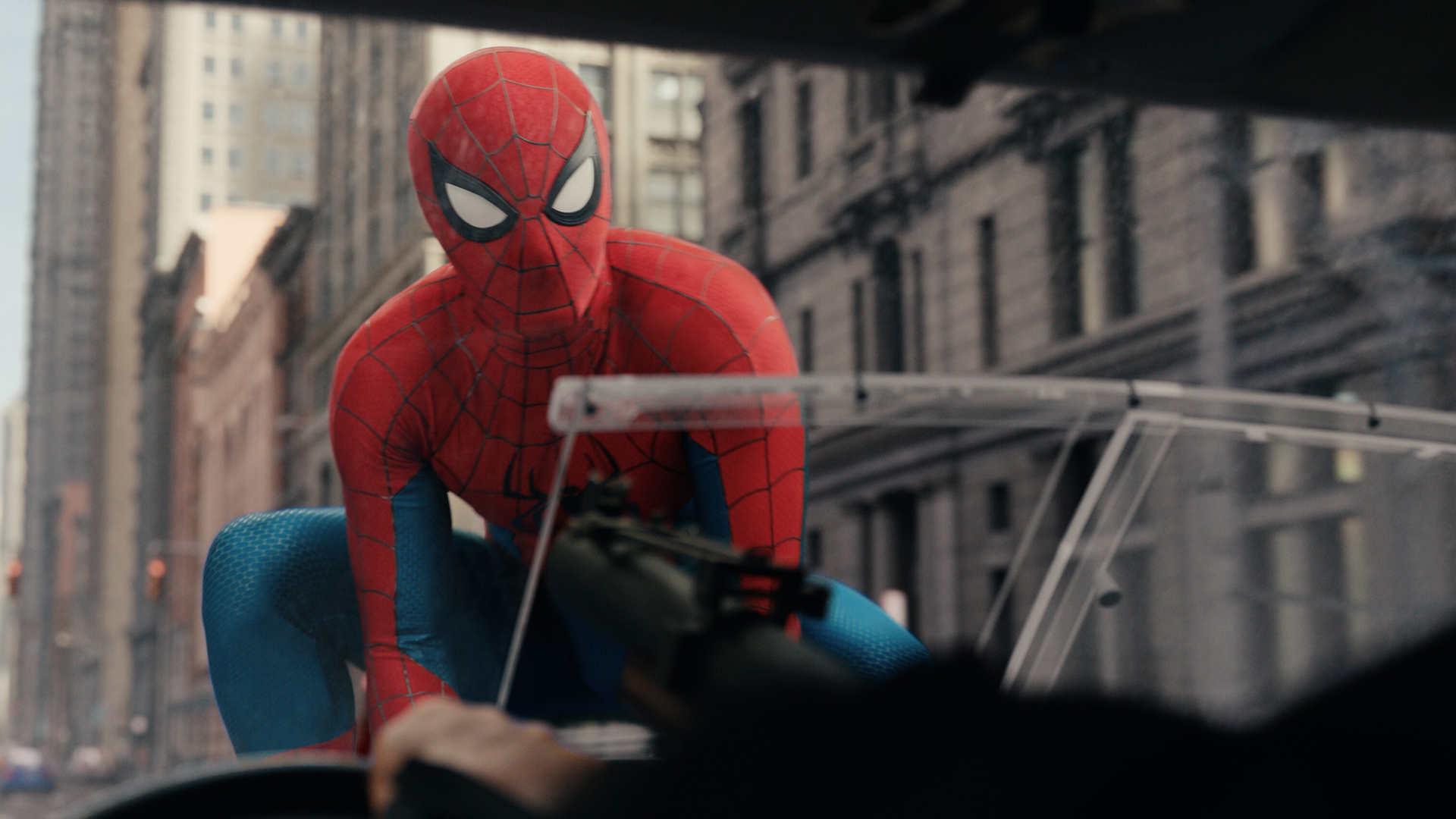
Marvel’s New York City finally debuts
Despite being a prime location since 2012’s Avengers, New York City never really felt like the quintessential city for superheroes in the comics. In the movies, the city was just another city to be ravaged when a new villain comes along.
For the first time, Brand New Day makes the city feel like a lived-in world with a bunch of superheroes living in the neighborhood. And they do pop up.
Does Peter have a scientific problem that only a very specific hero can solve? It’s a good thing Bruce Banner is just around the corner. Does he need some muscle? Well, the Punisher is skulking around somewhere. Plus, there’s even a succinct reason why other superheroes can’t help out.
In this way, Brand New Day presents itself more like a comic book series than a one-off movie. It’s like following the story alone from issue to issue. It’s not the most perfect adaptation of the landmark city, but it goes a long way from just another ravaging of New York.
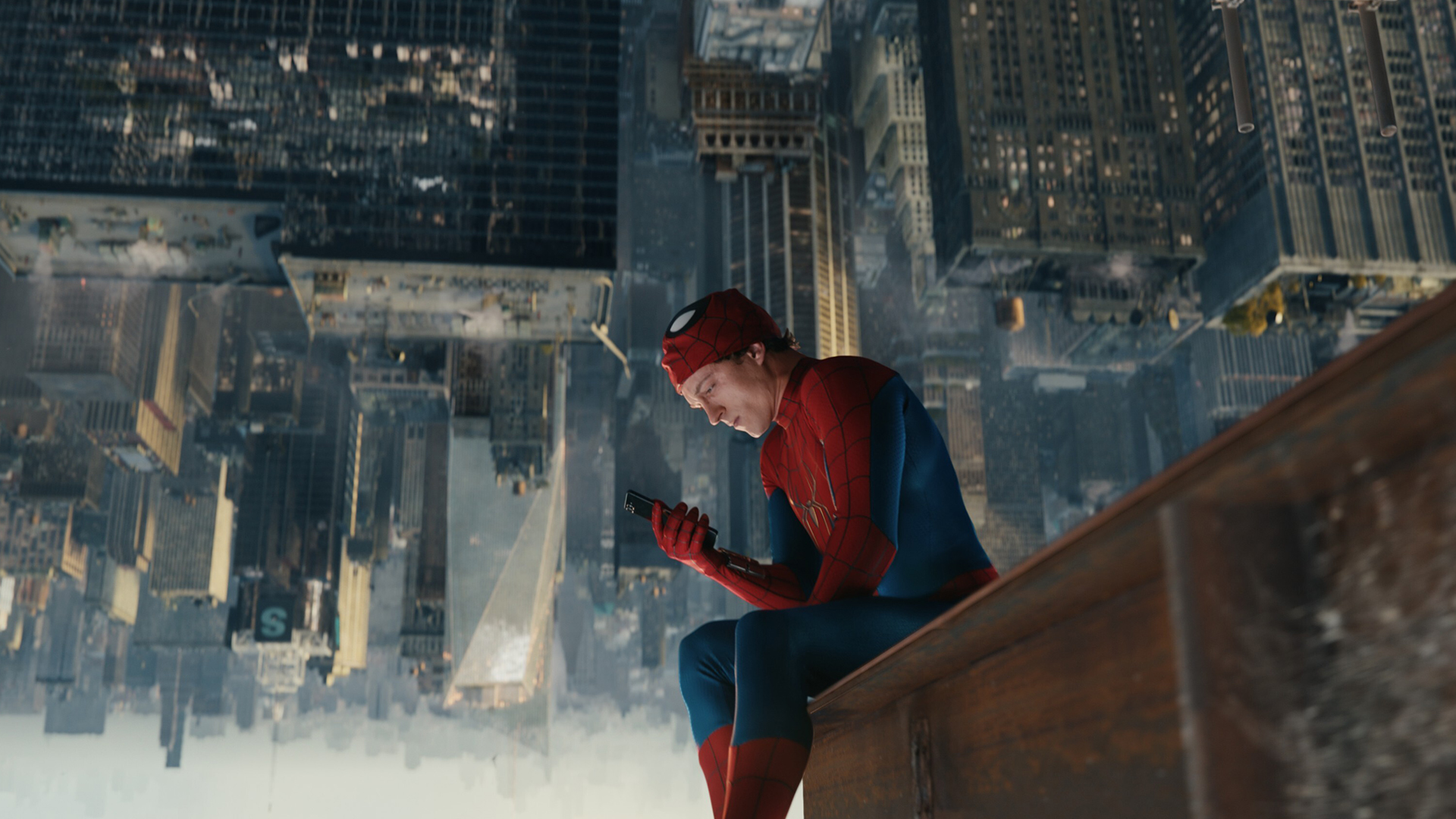
Peter’s sadness
Everything here hinges on Peter’s loneliness. Despite meeting a trove of characters across the cinematic universe, Peter yearns for time with his loved ones. But they’re gone.
Unlike the past three films where he always had someone to go home to, he has no one here. Tony Stark is dead. Aunt May is gone. Happy has gone to parts unknown. Ned and MJ have no memory of him. Brand New Day has a way of making you feel for his aches, whether the way he still keeps track of MJ or some physiological changes as a result of his predicament.
It also helps that the movie’s big bad has similar motivations. Both serve as perfect mirrors against each other, elevating both their stories effectively. And that’s all I’ll say about that.
Spider-Man: Brand New Day is a few steps behind from being a perfect Marvel movie, but it’s still an extremely strong part of the Spider-Man mythos. The trilogy, now quadrilogy, remains Marvel’s most consistent franchises to date. It’s an absolute must-watch.
Entertainment
UNDERTALE: The Determination Symphony hits Makati in October
Determination arrives in October.
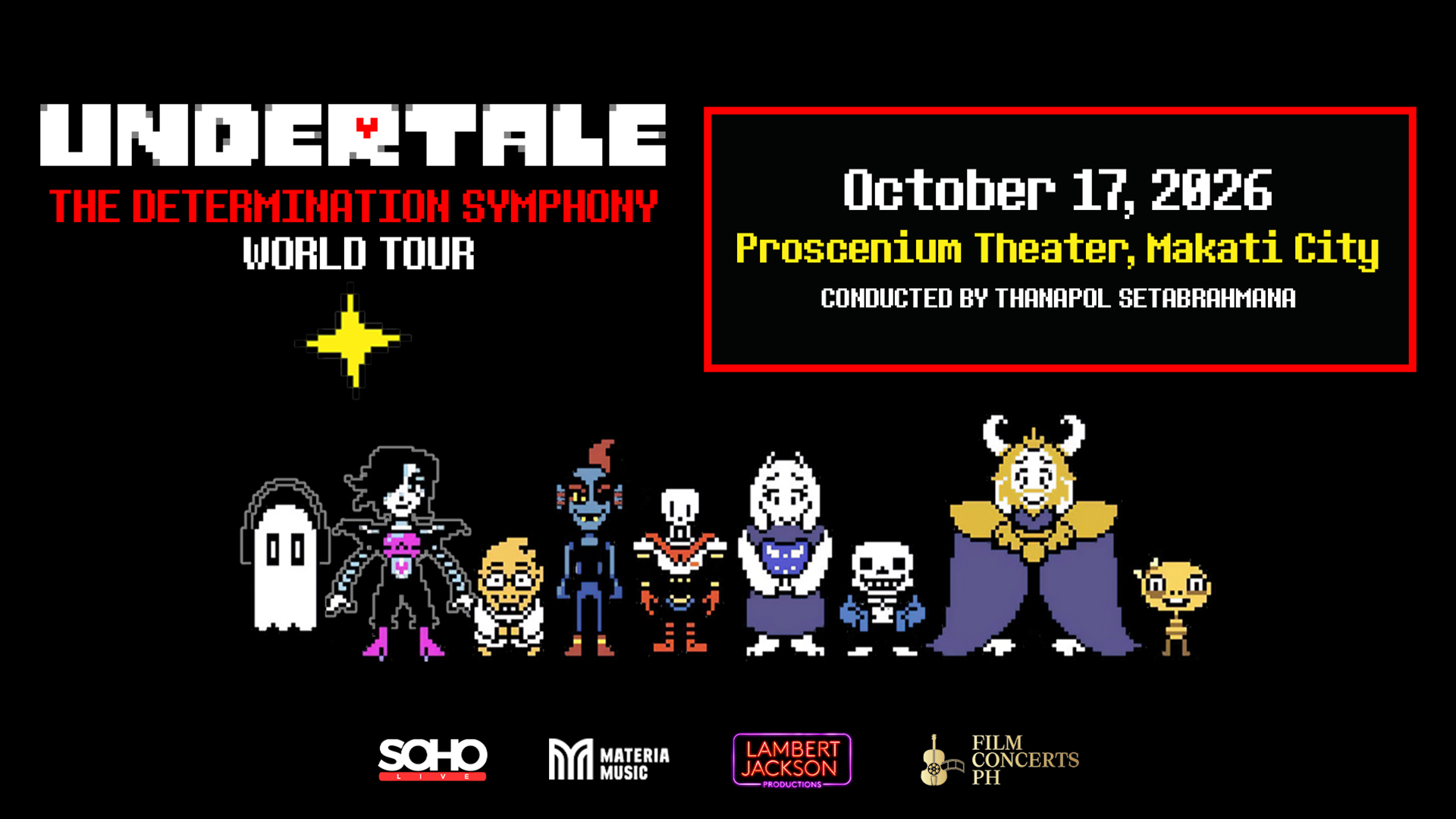
For so small of a game, UNDERTALE quickly made it into the gaming world’s hall of fame. Despite being only a decade old, the small title has had a major influence for modern-day gamers because of its unique gameplay, its lo-fi art, and, of course, its catchy soundtrack. If you’re a fan of UNDERTALE’s soundtrack, a unique concert experience is headed your way.
On October 17, Film Concerts PH, in partnership with SOHO Live, is hosting UNDERTALE: The Determination Symphony at the Proscenium Theater in Rockwell, Makati.
The concert will be performed by the Filharmonika Orchestra and conducted by Thanapol Setabrahmana. Personally curated by creator Toby Fox and developed by Lambert Jackson with Materia Music, the concert experience showcases the game’s most recognizable tunes laid over gameplay footage playing simultaneously. Plus, for the world tour, the experience will have expanded scoring.
In the game, you play as a small child stuck in the mysterious Underground filled with interesting characters and monsters. Unlike traditional RPGs, UNDERTALE asks players to choose between building relationships and chasing after wins. It’s a unique experience that’s defined by whether you chose to make friends or fought your way to the top. It teaches players to value different ways to solve problems, all while showering them with its one-of-a-kind humor.
Pre-sales for the concert, exclusively for members of the Film Concerts PH community, start on August 4. Public sales, however, will start on August 11 via Ticketmelon.
SEE ALSO: The hunt begins: The Witcher in Concert hits Manila with surprises in tow
-
 Hands-On2 weeks ago
Hands-on: Samsung Galaxy Z Fold8, Flip8, Ultra
-

 Gaming2 weeks ago
NBA 2K27 cover athletes unveiled: Wemby, Clark, DRose
-

 Cameras2 weeks ago
Sony announces new FX5 full-frame camera
-

 Accessories2 weeks ago
CASETiFY revives Spider-Man collection for Brand New Day
-
 Gaming2 weeks ago
FINAL FANTASY X | X-2 HD Remaster launches on Nintendo Switch 2
-
 Automotive2 days ago
VinFast debuts two-wheeler models, opens 21 e-motorcycle showrooms
-

 Computers1 week ago
AORUS MASTER 16 Gen 2 2026 AI gaming laptop launches
-

 Computers6 days ago
AMD launches Radeon RX 9050 graphics card