
Wearables
Logitech expands G3 series with G325 LIGHTSPEED
For powerful gaming at home and on-the-go

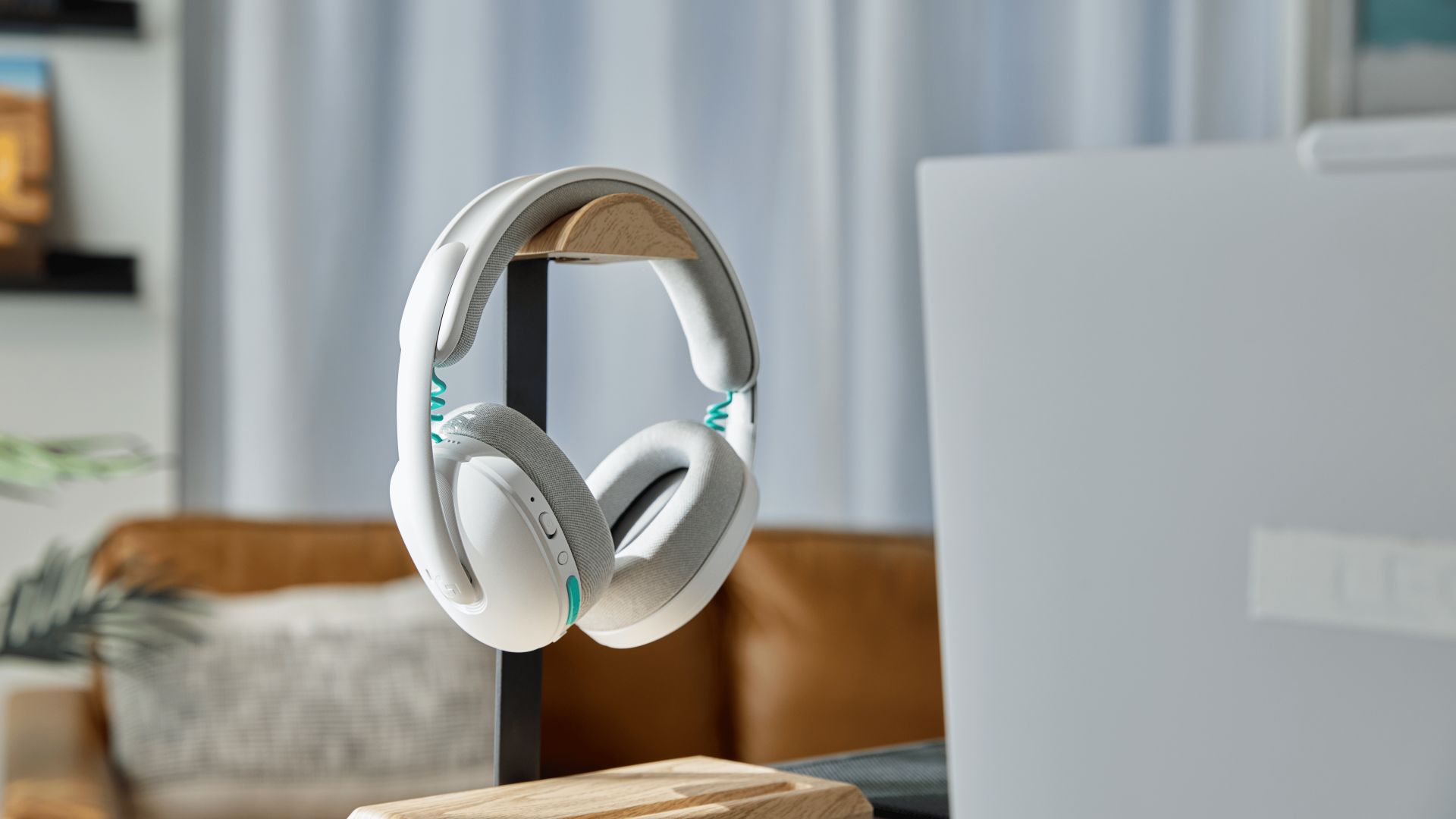
Logitech has expanded its G3 series with the announcement of the G325 LIGHTSPEED wireless gaming headset, available in Black and White colorways.
This powerful gaming headset is designed to support seamless gameplay both at home or on the go. It brings together premium features, including immersive 24-bit audio, flexible connectivity, superior comfort, and long-lasting battery life.
The Logitech G325 LIGHTSPEED is equipped with 32mm audio drivers for 24-bit audio over LIGHTSPEED wireless. This way, users can experience rich, detailed, and dynamic sound with enhanced depth and clarity.
Such audio quality enables detecting in-game subtleties more accurately while also enjoying fuller bass and more immersive soundscapes. A 10-band EQ and game-optimized presets also allow for further personalization. These can all be accessed through the Logitech G HUB software and mobile app.
For comfort, the G325 LIGHTSPEED comes with a modern, close-fit headband design with breathable fabric materials. The dual-layer memory foam ear cups also provide a cushioned and secure fit. These keep users cool and comfortable even during extended wear.
Moreover, the headset comes with a dual beamforming microphone system for clear communication. This makes voices a lot clearer while reducing surrounding background noises, thanks to an integrated AI-powered noise reduction system.
The G325 LIGHTSPEED also supports in impressive wireless range of up to 30 meters, Bluetooth 5.3 connectivity, and over 24 hours of continuous play.
Price, availability
The new Logitech G325 LIGHTSPEED is available at Logitech authorized retail partners. It is priced at US$ 79.99 / £ 69.99 / PhP 5,495.




Hands-On
Apple iPhone 18 Pro Series Hands-on
And everything announced during Apple’s September 2026 Event
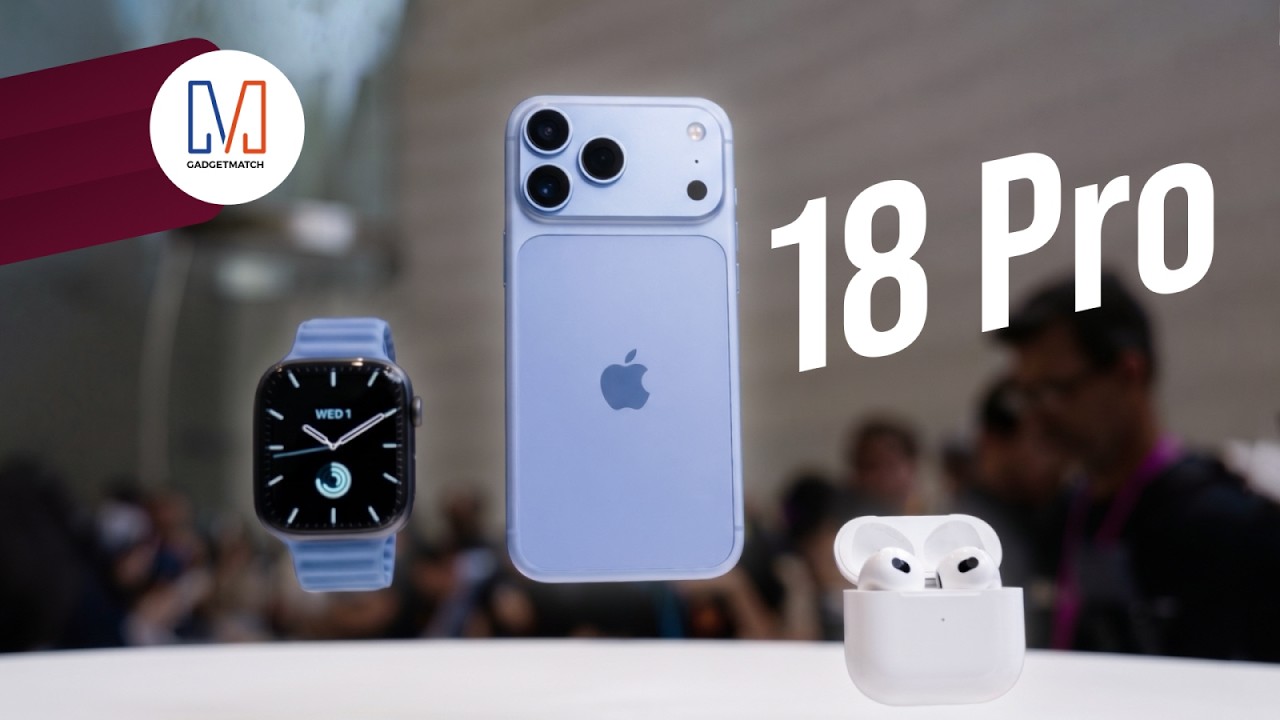
The latest Apple event isn’t just about the shiny new Apple Duo. There’s a lot to talk about!
In this video, we break down everything Apple has announced during their September 2026 keynote.
First, there’s the updated iPhone 18 Pro and 18 Pro Max. That’s alongside their design and color changes, battery and performance improvements. Even that massive camera upgrade.
There’s even the ANC-infused AirPods 5 alongside the newer Apple Watch Series 12 and Apple Watch Ultra 4. Plus, the latest software updates coming to both these wearables.
So, are these worth the upgrade?

Smart Communications is expanding its smartphone-free connectivity options with Apple Watch, letting subscribers stay connected, track their health, and make payments from their wrist.
The latest Apple Watch lineup, including the Apple Watch SE 3, Apple Watch Series 11, and Apple Watch Ultra 3, is now available through Smart Postpaid Plans with Device starting at Plan 999.
The Apple Watch SE 3 starts at P692 per month, while the Apple Watch Series 11 starts at P1,321 per month. The Apple Watch Ultra 3 starts at P2,275 per month. Customers can also choose 0% installment plans through participating bank partners.
Smart Device Link lets Apple Watch users share their primary mobile number and plan with their smartwatch for P199 per month. This allows them to make calls, send texts, and use mobile data even when their iPhone isn’t nearby.
First-time Smart Device Link users can get a free six-month trial until September 30. Smart says activation instructions are available through its website.
Apple Watch
Beyond connectivity, Apple Watch offers health, fitness, safety, and wellness features that vary by model. These include heart rate and sleep tracking, ECG, Sleep Score, workout tracking, Crash Detection, and Emergency SOS.
Users can also make secure, contactless payments directly from their Apple Watch with Apple Pay.
The Apple Watch SE 3 focuses on essential health, fitness, safety, and connectivity features. The Series 11 adds more advanced health and fitness capabilities, while the Ultra 3 is designed for demanding sports and outdoor activities.
Smart 5G further supports connectivity across Apple Watch, iPhone, and other digital services, whether users are at work or on the go.
Smart was also recently recognized by Ookla for having the Best Mobile Video Experience in the Philippines for the first half of 2026. It posted a Video Score of 72.82, the highest among mobile operators in the country.
The Apple Watch SE 3, Series 11, and Ultra 3 are available through Smart’s Postpaid Plans with Device starting at Plan 999 via the Smart Online Store and Smart Stores.
Wearables
The keyword for the Apple Watch Series 12 is heartrate variability
Plus, it has major advancements for Audio Intelligence.

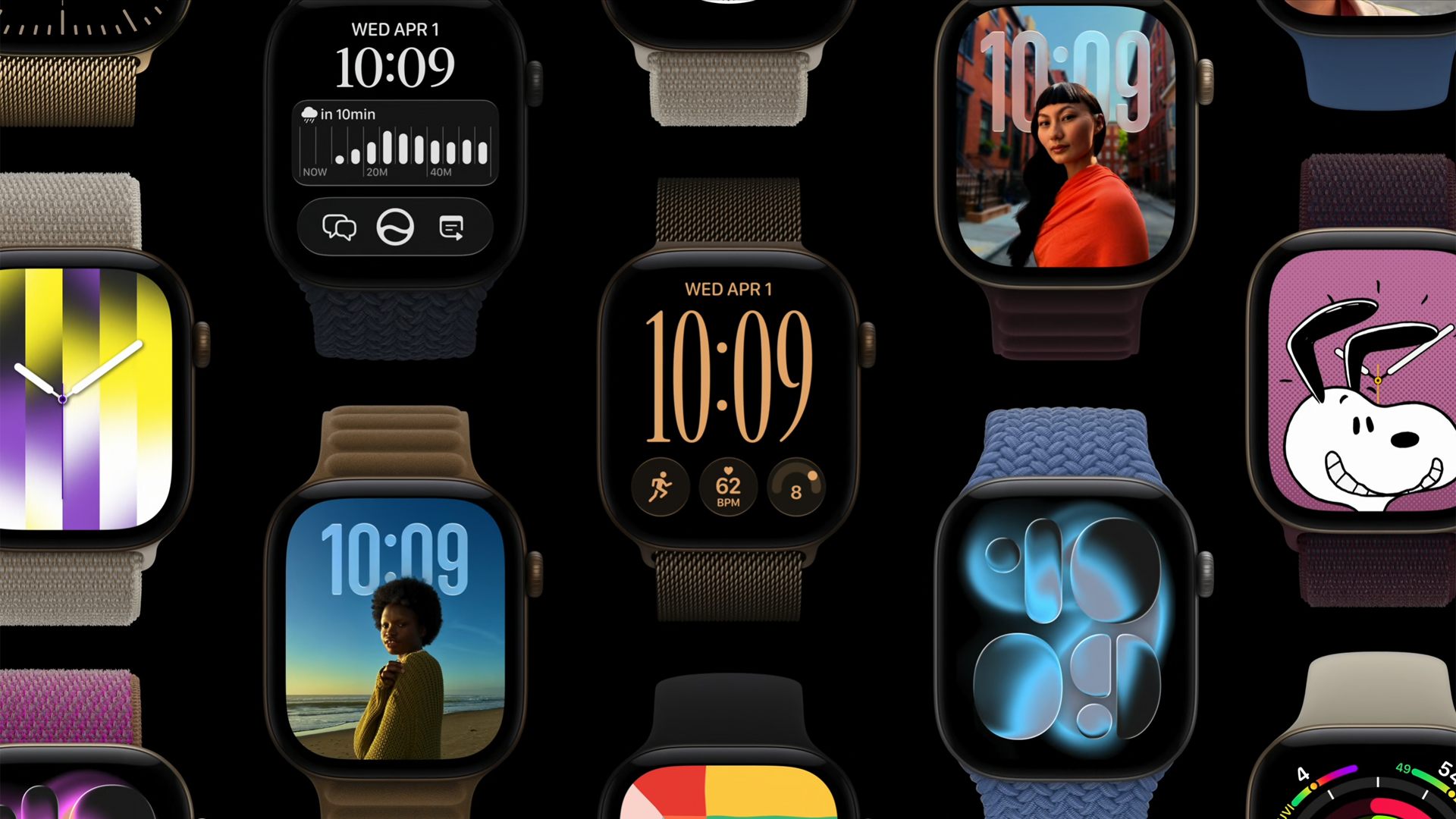
What goes well with a new iPhone? A new Apple Watch, of course.
Complementing the launch of the new iPhone 18 Pro series, Apple has also launched the new Apple Watch Series 12. Rather than completely reinventing the wheel, the new series aims to pack in more features into the wearable we all know and love.
This time, the Apple Watch Series 12 will focus on a key metric, heart rate variability (HRV). Also explaining the importance of tracking HRV, Apple maintains that the new watch is the best wearable for keeping track because it can automatically tell you when you should push and when to relax. Naturally, it can also tell you if something is wrong.
Armed with the new S11 chip, the Apple Watch Series 12 also boasts Siri AI, powered by Apple Intelligence and Audio Intelligence. Besides keeping track of their vitals, the wearable can also be an effective assistant for day-to-day tasks. For example, Live Rewinds tracks the past 15 seconds of a conversation so you could look back if you missed some important bits. Siri Recap then creates highly intelligent summaries of past conversations.
Naturally, you’re also getting the standard array of fitness tracking. The bigger story, however, is a redesigned Health app coming later this year. The new app comes with a Health Age feature which shows how healthy you are, relative to your age.
The watch will last up to 24 hours on a single charge or up to 10 hours during an outdoor workout. Plus, a 15-minute charging sessions gets you 50 percent of battery life back.
Price, availability
The Apple Watch Series 12 comes in a variety of colorway options including dark bronze, black, light gold, and space gray aluminum, and radiant gold and natural titanium. It also comes in pearl white and night blue for the ceramic version.
It starts at US$ 399 and will come out on September 18.


DJI Lito X1 review: Is this the best lightweight drone for creators?
Making a strong case as a travel companion and a capable B-cam!


REDMI Note 17 Pro Max review: A new breed born from AI greed
Welcome to the new normal


Marvel’s Wolverine review: When the claws come out
A brutal, cinematic superhero adventure

vivo introduces OriginOS 7 with smarter multitasking and AI features

vivo X500 Series launches with major imaging upgrades

Manila turns up the volume at COVE

Epson Lifestudio Grand Plus EH-LS970B with 4K projection, more launches

Jackery Explorer 300D: Power and portability in one

realme 16T 5G with 8000mAh battery, IP69 Pro rating launches in PH

HUAWEI Pura X View is 2026’s first WIDE slab-type smartphone

REDMI reveals the refreshed Note 17 and Note 17 Pro series

REDMI Note 17 Series: Price, availability in Singapore

The CAMON Slim 5G is TECNO’s latest ultra-slim smartphone


-
 News2 weeks ago
iPhone 18 Pro series: Price, availability in the Philippines
-
 Singapore2 weeks ago
iPhone 18 Pro series: Price, availability in Singapore
-
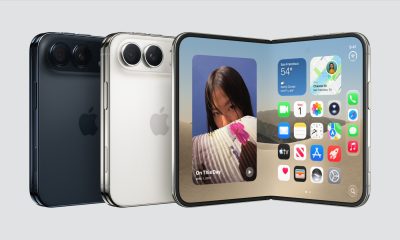
 News2 weeks ago
iPhone Duo: Price, availability in the Philippines
-
 News2 weeks ago
vivo introduces refurbished versions of X300 FE, X300 Ultra for less
-
 News2 weeks ago
iPhone Duo: Price, availability in Singapore
-

 Accessories2 weeks ago
CASETiFY upgrades iPhone 18 cases, teases iPhone Duo lineup
-

 News2 weeks ago
HONOR teases Magic9 Pro Max at Venice
-

 Editors' Choice2 weeks ago
GadgetMatch Awards: Best of IFA 2026