
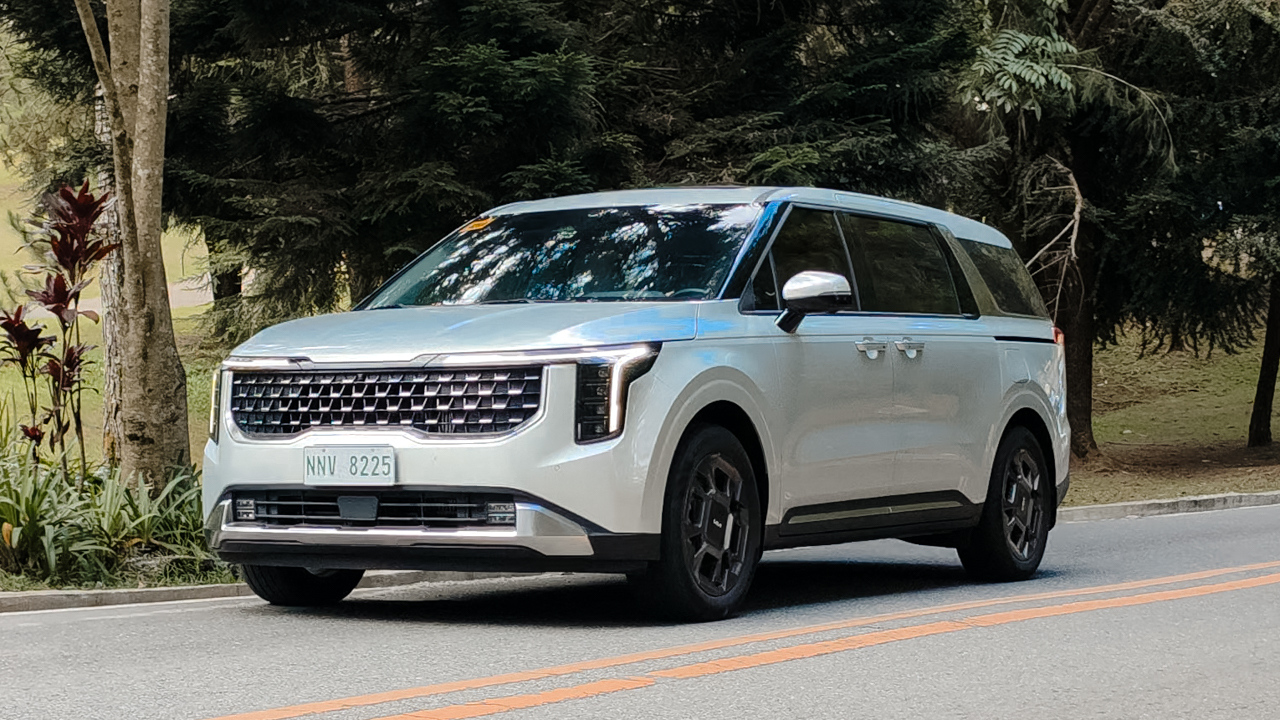


Large vehicles are often accompanied by equally large assumptions.
They’re difficult to maneuver. They’re cumbersome in city traffic. They’re intimidating to park. And while they may offer unparalleled comfort and space, they’re usually accompanied by compromises that drivers simply learn to live with.
After spending five days and approximately 834 kilometers with the Kia Carnival Hybrid—through Metro Manila traffic, airport pickups, the narrow streets of Intramuros, an overnight trip to Anilao, a drive through Tagaytay, and eventually a same-day Manila-Baguio-Manila journey–I came away with one overriding thought:
This thing never felt big. That’s the highest compliment I can give the Kia Carnival Hybrid. It is, in every sense of the phrase, a gentle giant.
First impression
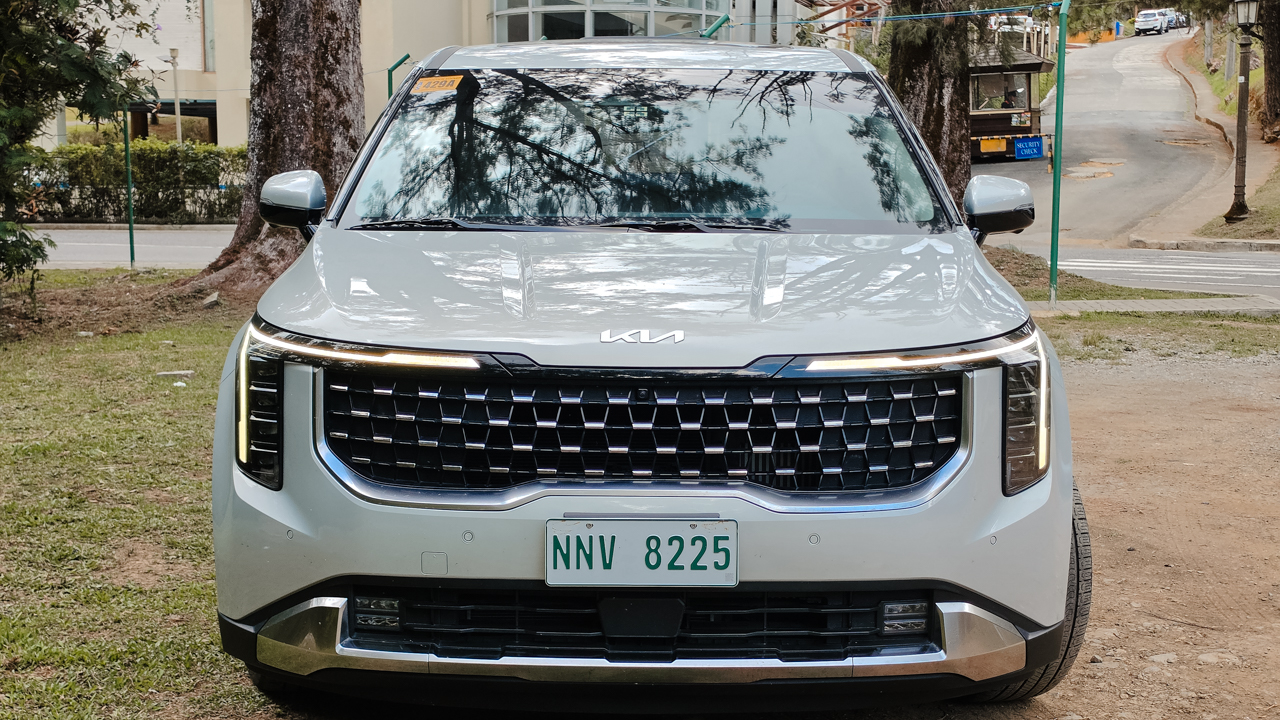
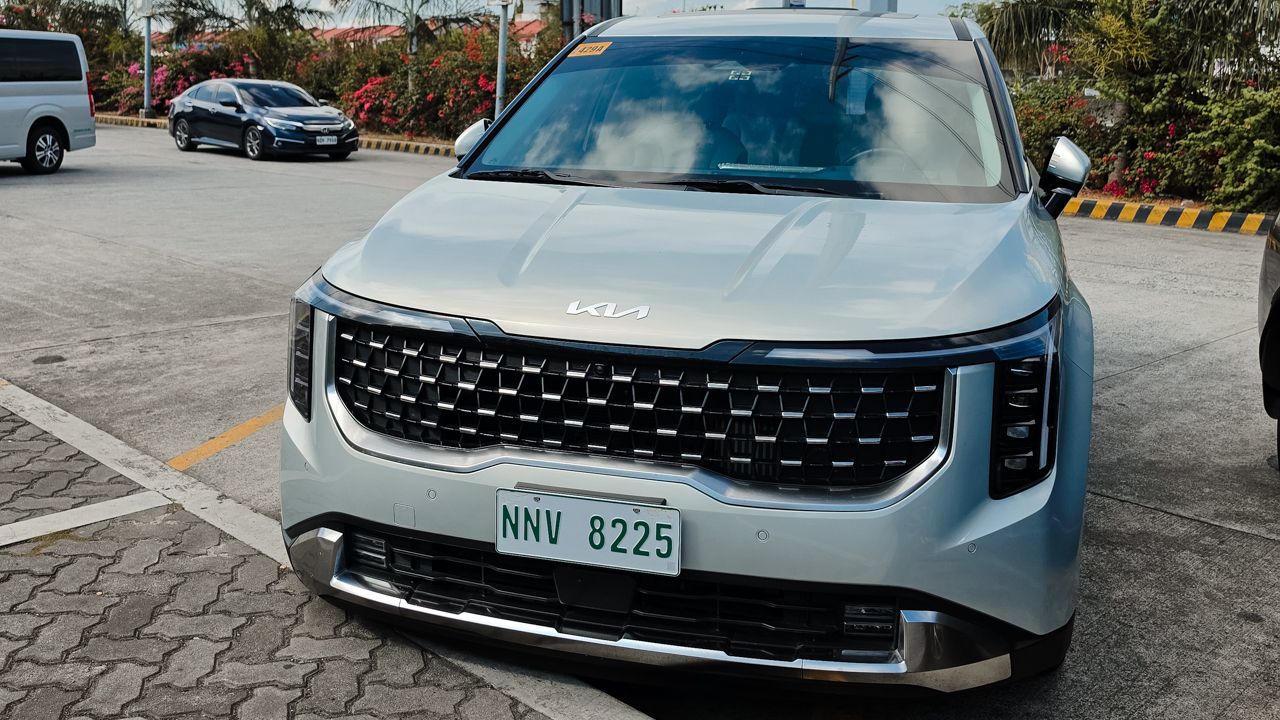
The first time I saw the Carnival, my immediate reaction was simple: It’s huge.
Parked beside most SUVs on Philippine roads, it immediately commands attention. Naturally, I expected the learning curve to be equally significant. After all, this isn’t a compact crossover or even a midsize SUV. This is a full-sized MPV designed to transport families, executives, luggage, and everything in between.
The Manila test
Our first real assignment together involved airport pickup duties in Manila. Anyone who’s done NAIA pickups knows that it’s essentially controlled chaos. Stay too long and you risk antagonizing everyone waiting behind you. Move too slowly and suddenly you’re holding up traffic while trying to get passengers and luggage loaded.
Surprisingly, the Carnival made the entire experience feel effortless.
Loading luggage was quick. Getting passengers in and out was seamless. Visibility was excellent. And despite driving a vehicle this size, I never once felt overwhelmed.
That feeling only continued over the next several days.
If there’s one place that reveals a vehicle’s true character, it’s Metro Manila.
Luxury cars are comfortable on highways. Almost anything can cruise down SCTEX or NLEX. But Manila, with its traffic, narrow roads, old parking structures, and unpredictable flow, has a way of exposing weaknesses quickly. Yet the Carnival continued to surprise me.
We drove through downtown Manila, navigated the narrow streets of Intramuros, and, managed my condos’s notoriously narrow parking facility. There were several moments where I genuinely thought, “This should feel more stressful than it actually does.” But it didn’t.
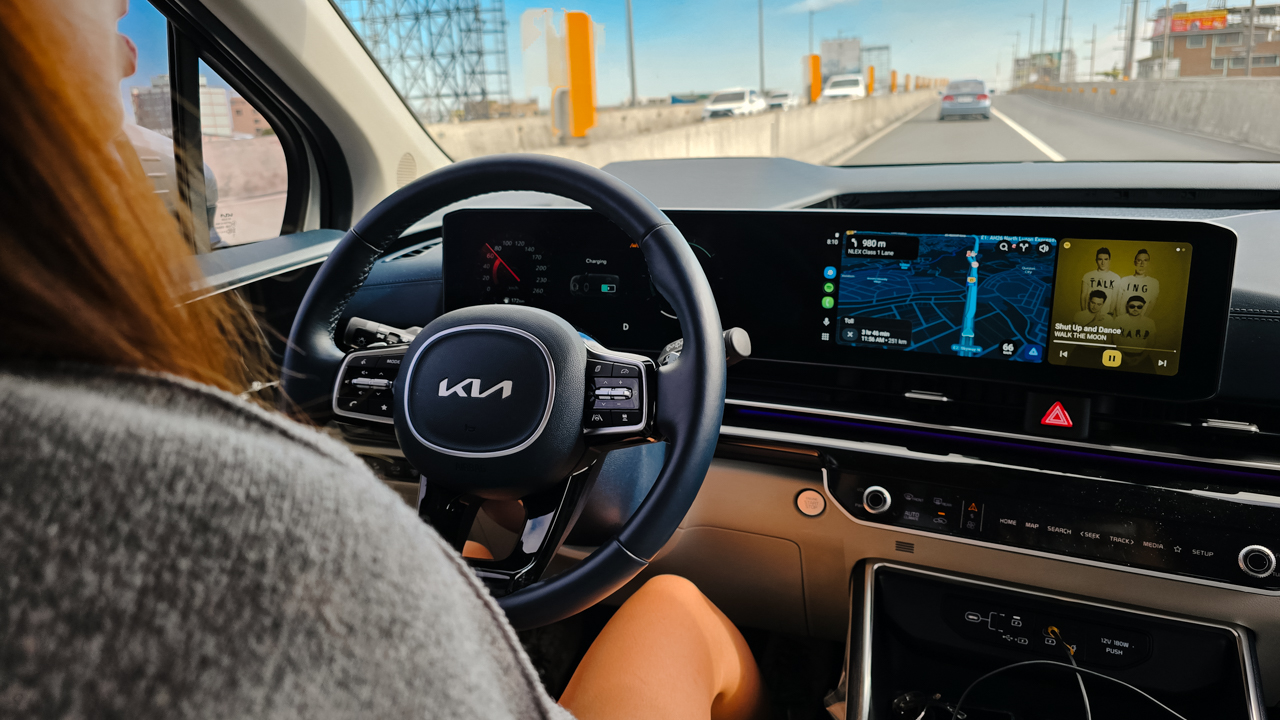
In fact, one of the Carnival’s greatest strengths is its steering.
There’s a confidence and precision to it that completely changes your perception of the vehicle. Rather than feeling like a large van, it feels more like driving a premium sedan or SUV–just one that happens to offer an immense amount of space.
This is exactly why I started calling it a gentle giant.
It possesses all the physical presence of a large luxury people mover, but none of the intimidation that usually comes with one.
Going the distance
With a full tank, we headed south toward Anilao, Batangas, eventually making our way through Tagaytay before returning to Manila. By the end of that journey, we had already covered approximately 311 kilometers.
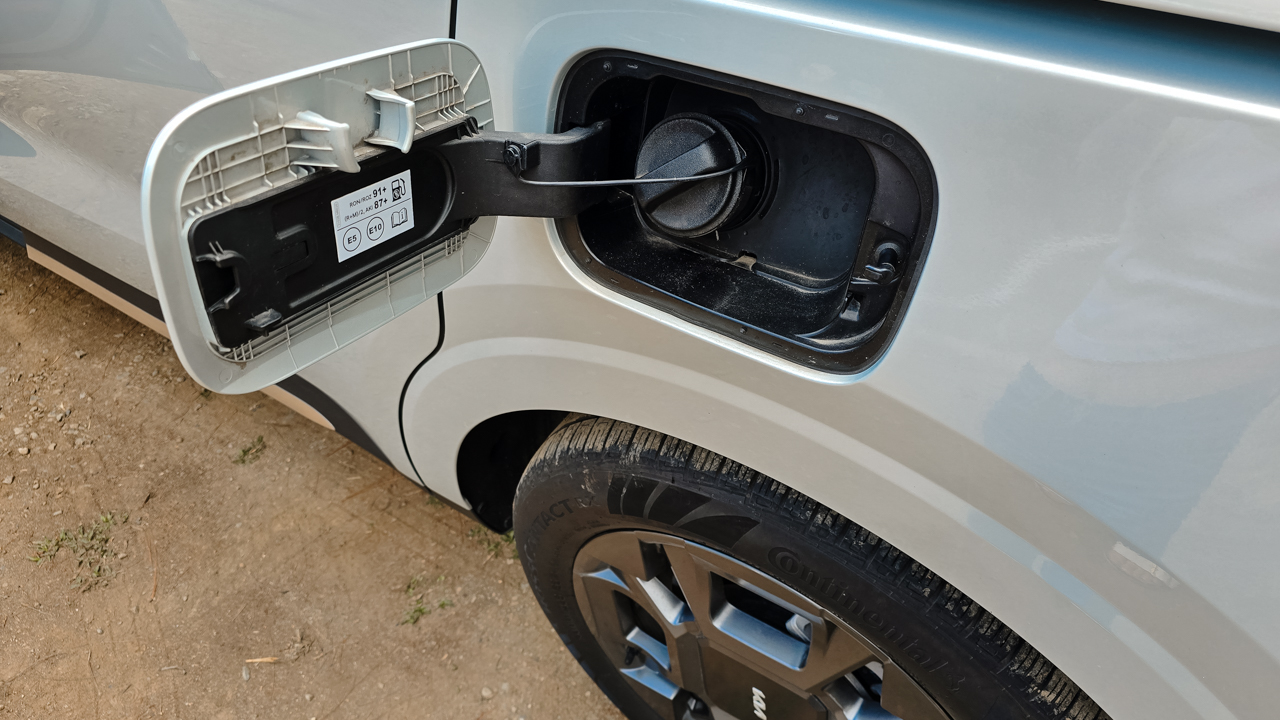
Despite the mileage, fuel consumption was the last thing on my mind.
The hybrid system deserves tremendous credit here because it never feels like it’s trying to prove that it’s a hybrid. It simply works.
The vehicle seamlessly switches between EV mode, charging mode, and hybrid operation, quietly doing its job in the background while maximizing efficiency. Instead of constantly monitoring fuel consumption figures, I found myself simply driving and letting the car manage everything else.
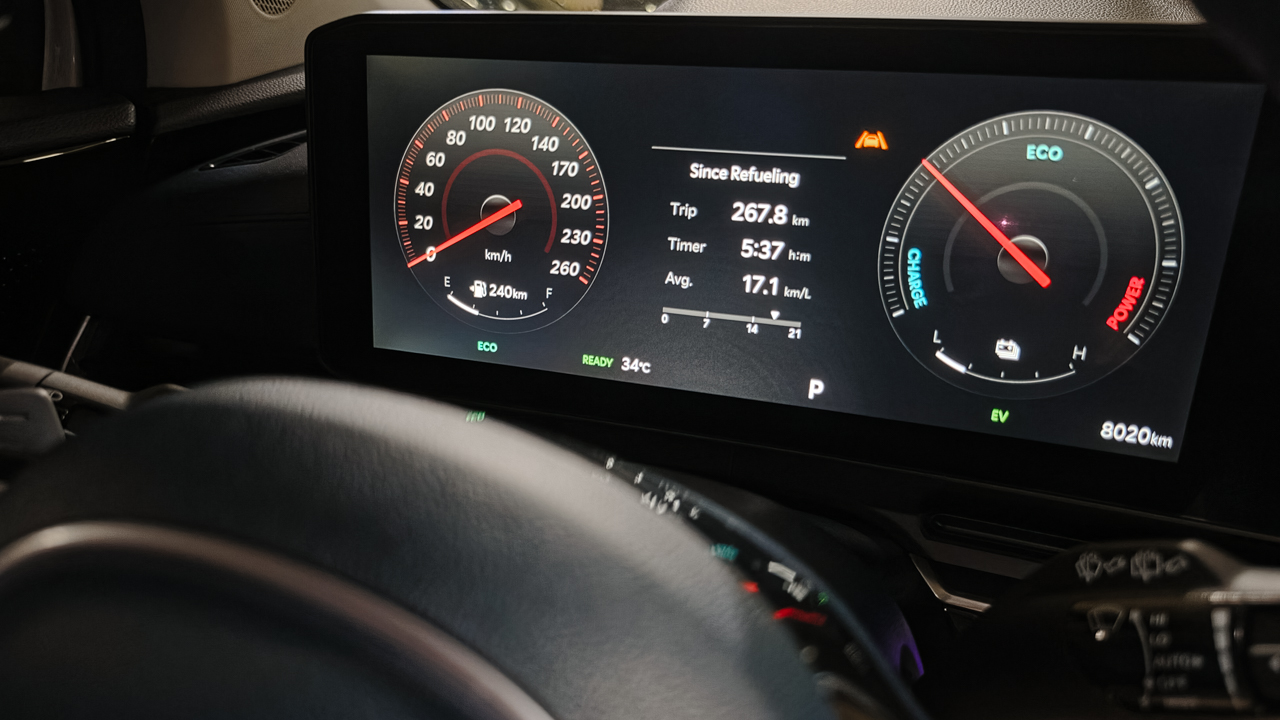
We decided to push the Carnival even further with a same-day Manila-Baguio-and-back drive and added only a total of PhP 5,000 in fuel, at roughly PhP 93 per liter at the height of the fuel crisis in late April 2026. The fuel top-up was enough to cover another estimated 523 kilometers to our drive.
For a vehicle this size, the fuel economy felt genuinely surprising and reassuring.
In today’s environment, where fuel prices remain unpredictable, there’s a certain peace of mind that comes with knowing your large family vehicle isn’t going to punish you every time you decide to take a road trip.
The highs and lows of Baguio
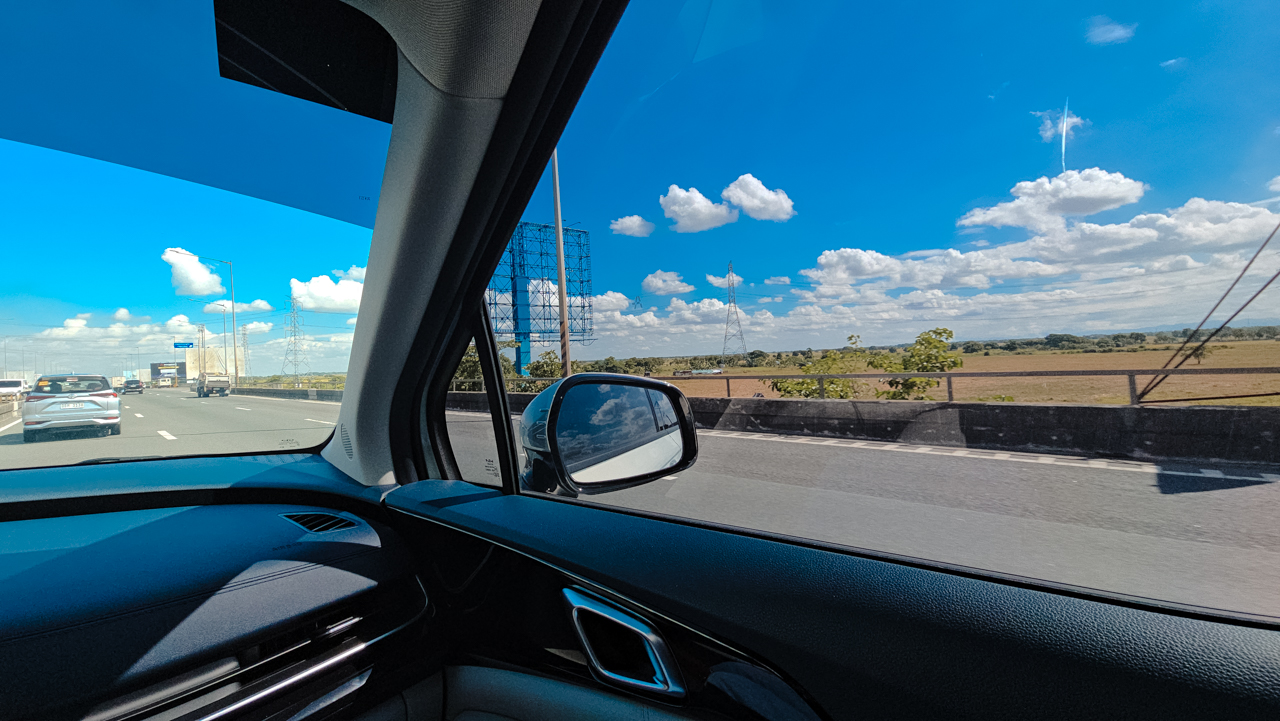
More than the fuel economy, Baguio was surprising.
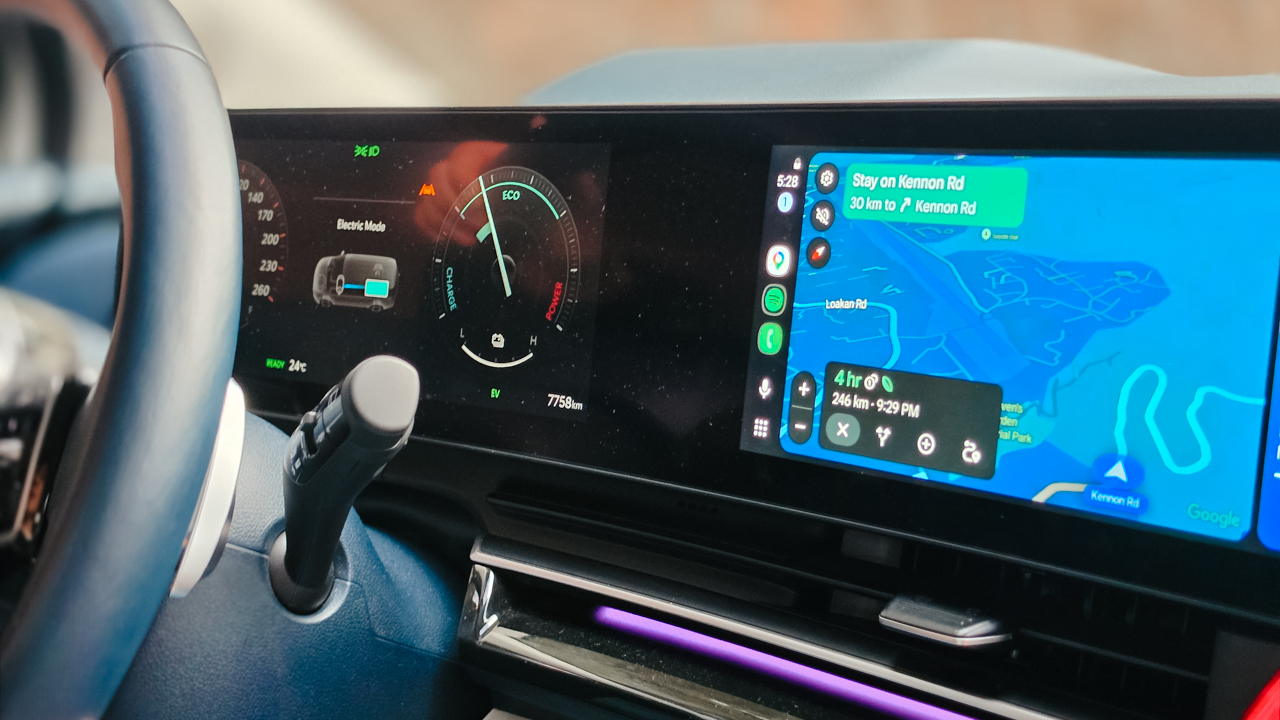
If there’s any route capable of exposing a large vehicle’s weaknesses, it’s the climb to Baguio. Zigzag roads demand confidence, braking performance, power delivery, and steering precision. Large vehicles often reveal their size very quickly in these environments. The Carnival didn’t.
By this point, I had already spent five days behind the wheel, and somewhere along the way, I had stopped thinking about its dimensions entirely.
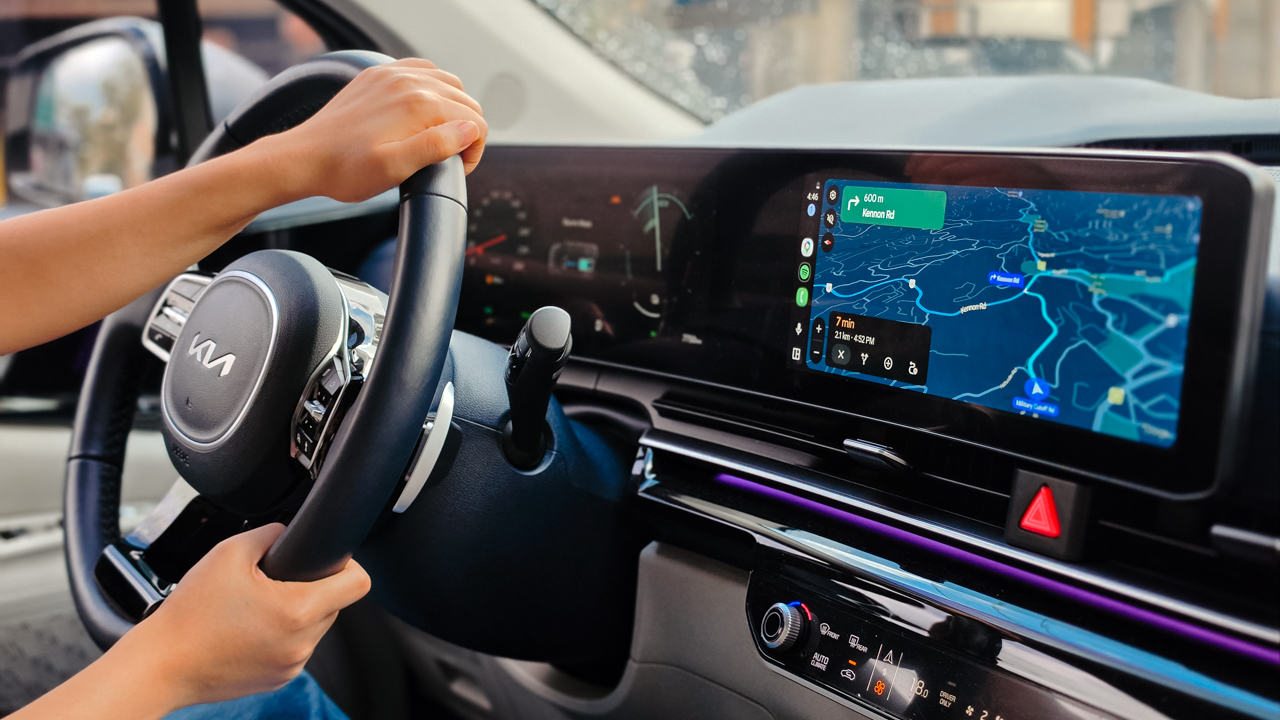
The uphill climbs felt effortless. Overtaking slower vehicles required very little planning. The vehicle remained immensely responsive, and even downhill braking inspired complete confidence. What struck me most was how familiar everything felt. It didn’t feel like I was driving a large MPV through mountain roads. It felt like I was driving in the city.
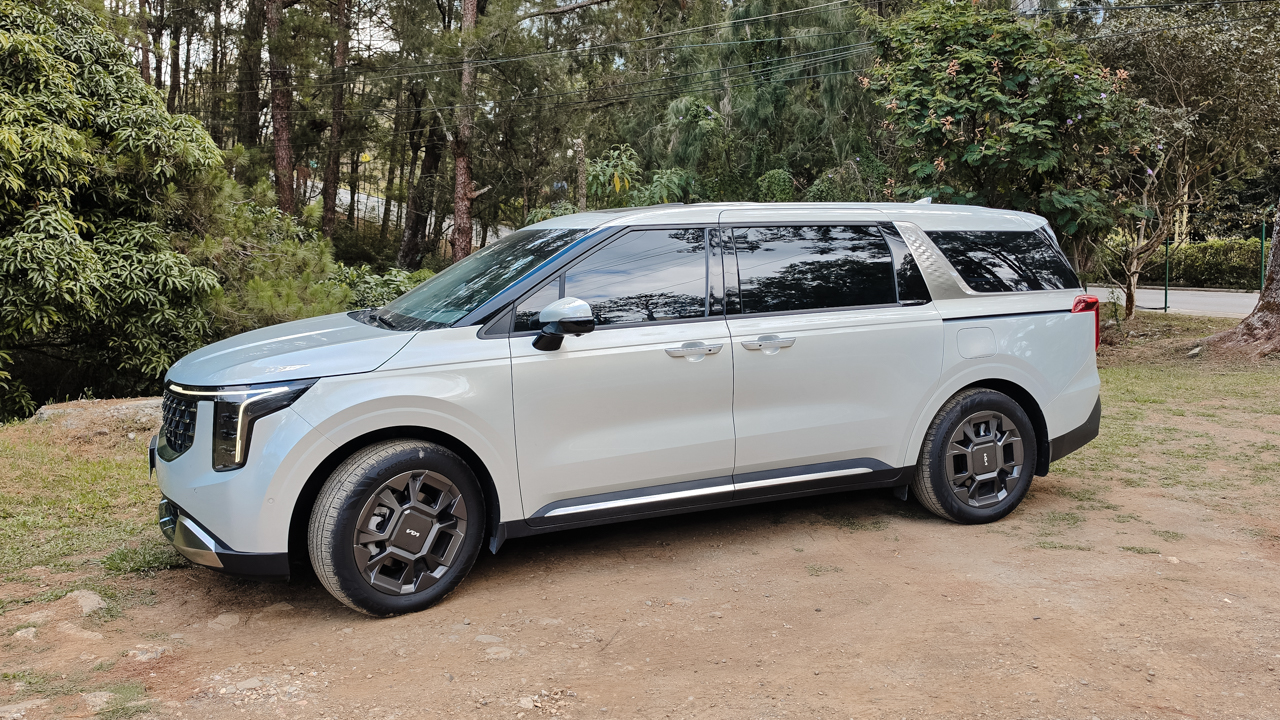
The zigzag roads of Baguio, which can sometimes make even experienced drivers tense up, became surprisingly comfortable. The Carnival remained composed, predictable, and incredibly easy to place on the road.
Business Class on wheels
Inside, the experience was equally impressive. The best comparison I can think of is business-class travel.
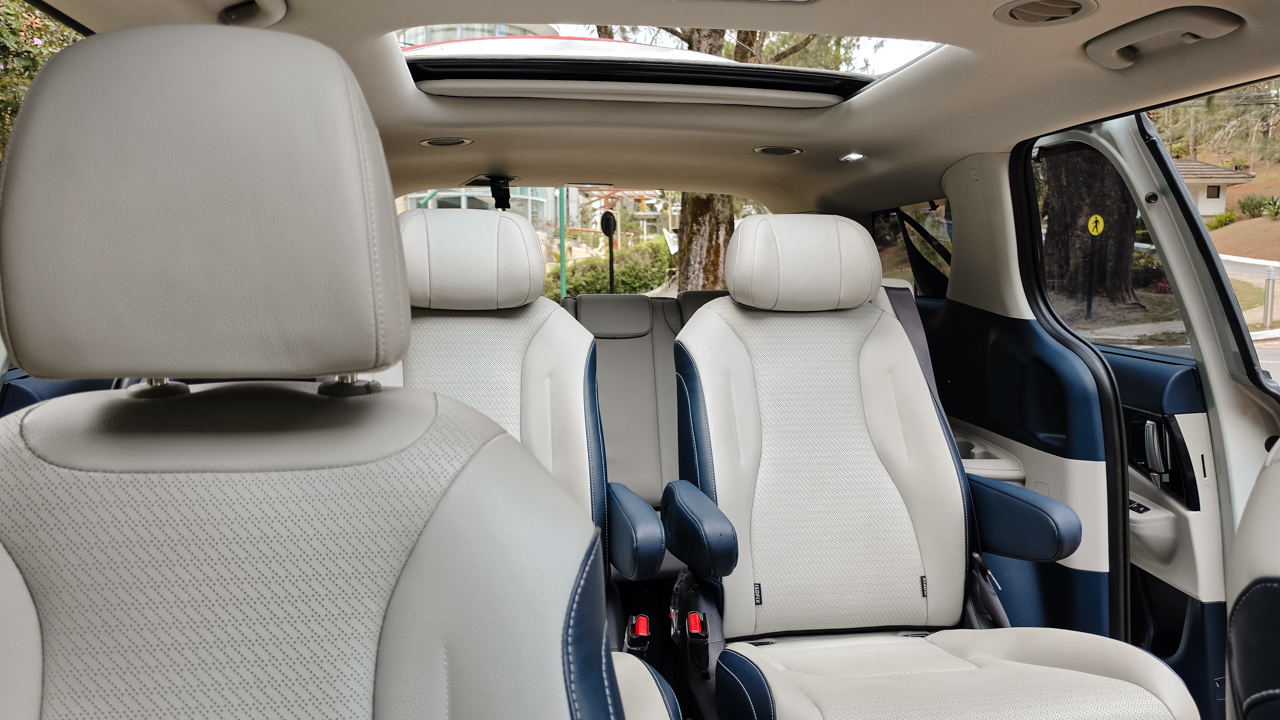
The cabin remains exceptionally quiet whether you’re sitting in Manila traffic, cruising on the expressway, or climbing mountain roads. Conversations happen naturally. Passengers relax. Some simply fall asleep.
Speaking of comfort, the ventilated seats quickly became one of my favorite features. Given how hot Manila has been, they stopped feeling like a luxury feature and started feeling like a necessity.
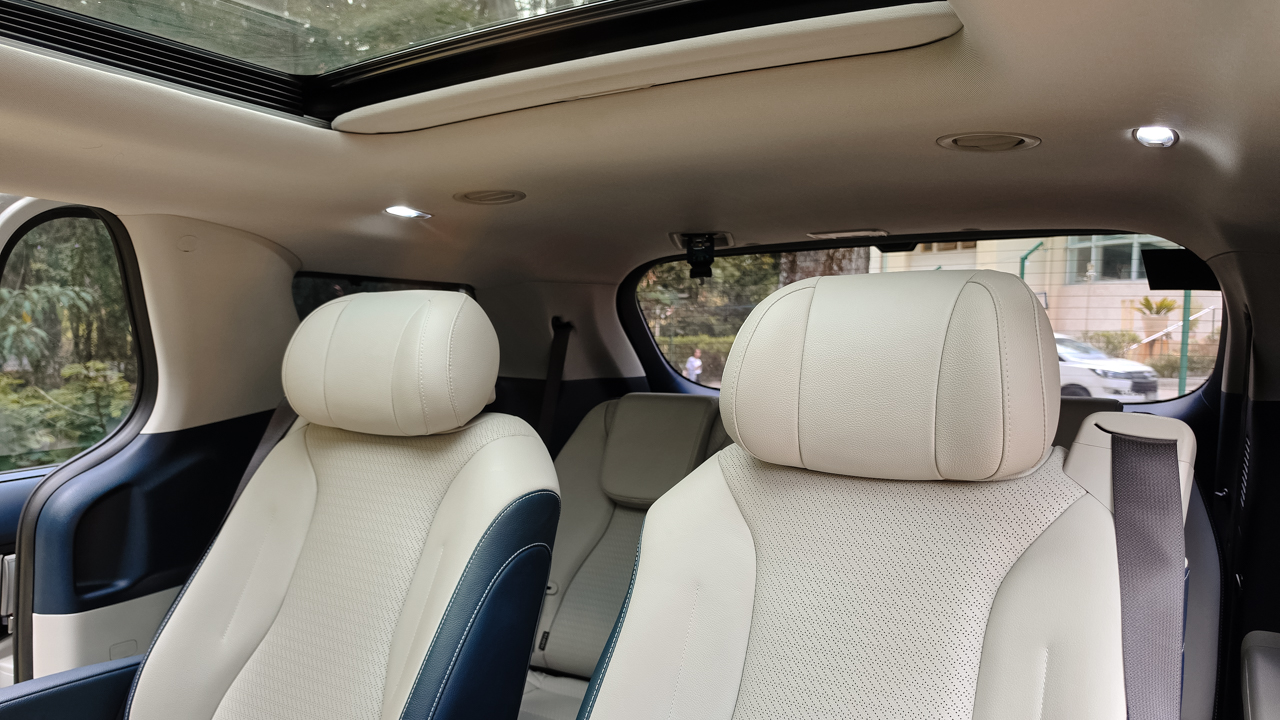
Then, there’s the space. Passengers consistently remarked on how comfortable and relaxed they felt throughout the journey. The amount of room available changes the entire atmosphere inside the vehicle. People stretch out. They settle in. They stop thinking about the drive and simply enjoy the ride.
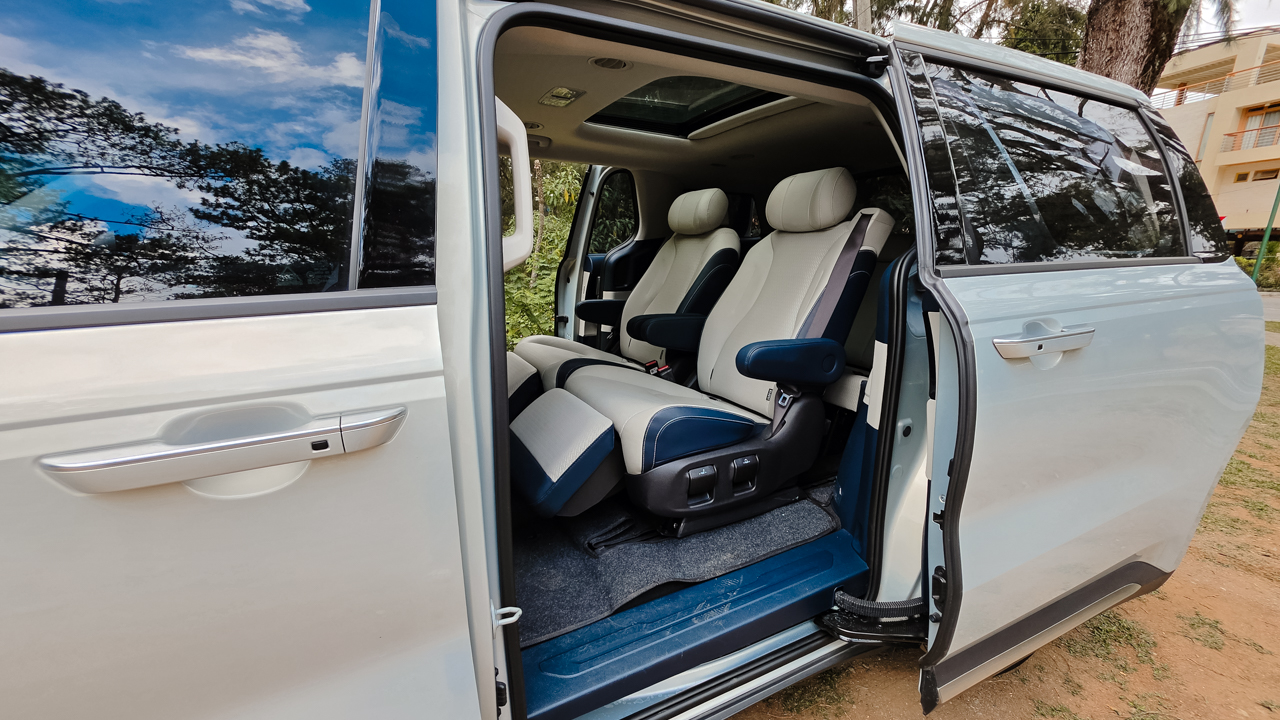
The suspension was impressive. Whether we were on provincial roads, rougher pavement, or highways, there was very little harshness transmitted into the cabin. In fact, there were moments when it became genuinely difficult to distinguish between well-paved roads and rougher sections because the Carnival absorbed imperfections so effectively.
Not perfect, but surprisingly close
Of course, no vehicle is perfect.
The Carnival’s size remains its biggest challenge, particularly when navigating older parking facilities with narrower ramps and tighter spaces. There is an adjustment period during the first few days of ownership.
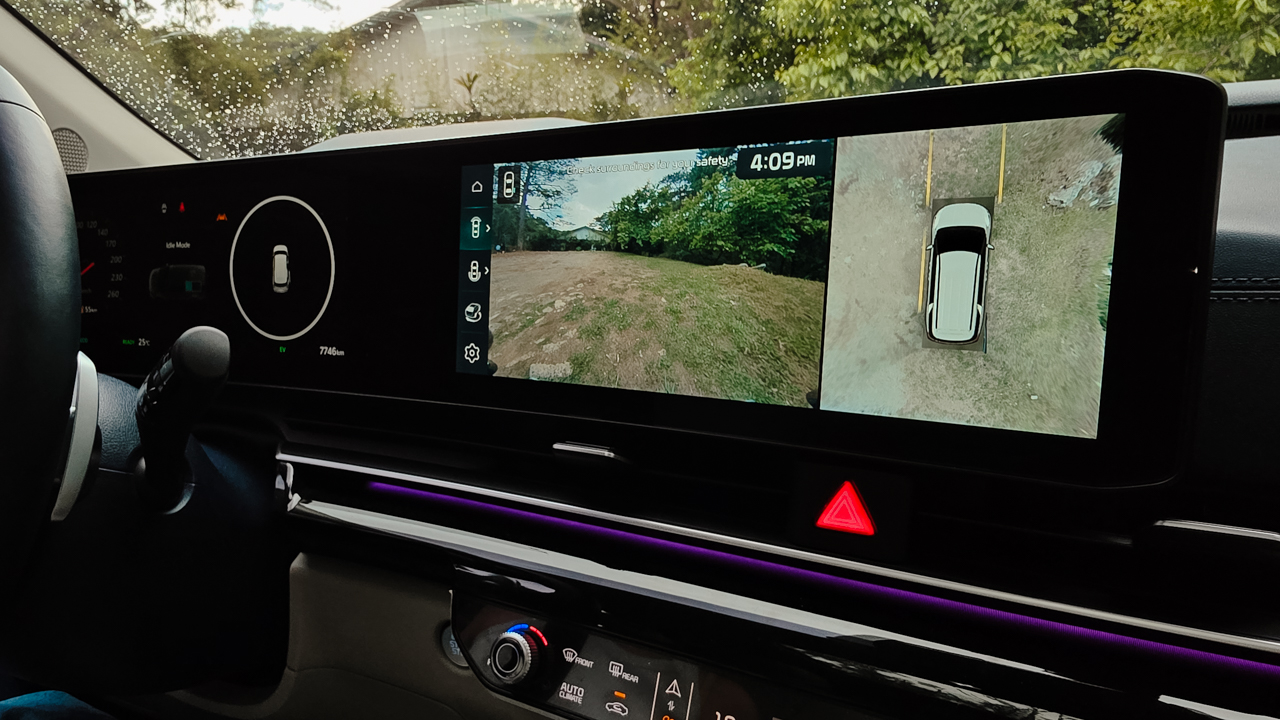
Ironically, however, those moments only reinforced my appreciation for the vehicle’s engineering.
Because despite its dimensions, the Carnival never fought against me. Instead, it consistently worked with me.
After five days, nearly 834 kilometers, city traffic, airport pickups, provincial roads, beaches, mountain passes, and countless opportunities for the Carnival to remind me how large it actually is, I arrived at a surprisingly simple conclusion.
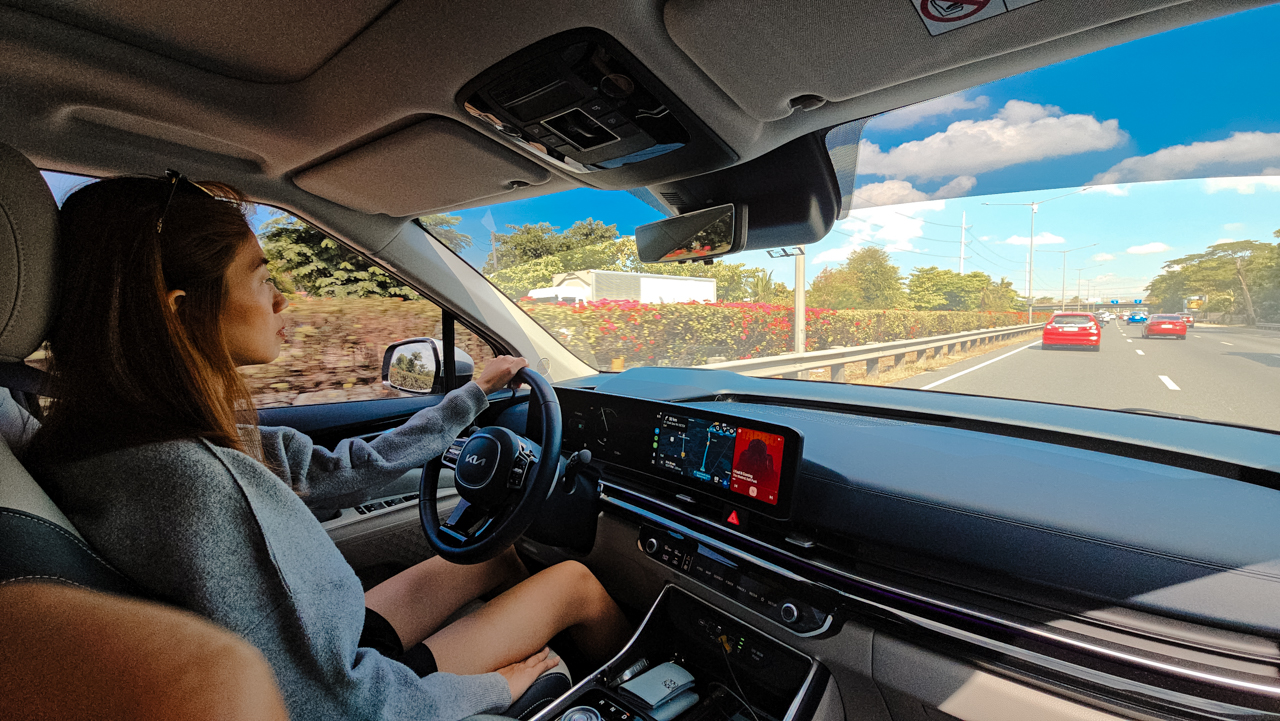
The Kia Carnival Hybrid’s greatest achievement isn’t its luxury, space, or even its impressive fuel efficiency. It’s how naturally it handles almost any driving situation without ever feeling intimidating.
Whether you’re driving it yourself or being driven, navigating through Manila traffic, heading out of town with family and friends, or cruising through the mountains, the Carnival always feels easy to live with. That’s exactly what makes it a gentle giant built for every journey.
Pricing
The Kia Carnival Hybrid is available in the Philippines in two variants:
Kia Carnival 1.6 EX Turbo Hybrid AT – PhP 2,938,000 (approximately US$50,000)
Kia Carnival 1.6 SX+ Turbo Hybrid AT – PhP 3,548,000 (approximately US$60,400)
The Philippine-spec Carnival Hybrid pairs a 1.6-liter turbocharged gasoline engine with an electric motor, delivering a premium people mover that balances strong performance with improved fuel efficiency.




Automotive
Electric luxury reimagined: XPENG launches next-gen EV lineup
XPENG’s PH lineup spans the X9 MPV and the L03, with prices starting at PhP 1,548,000

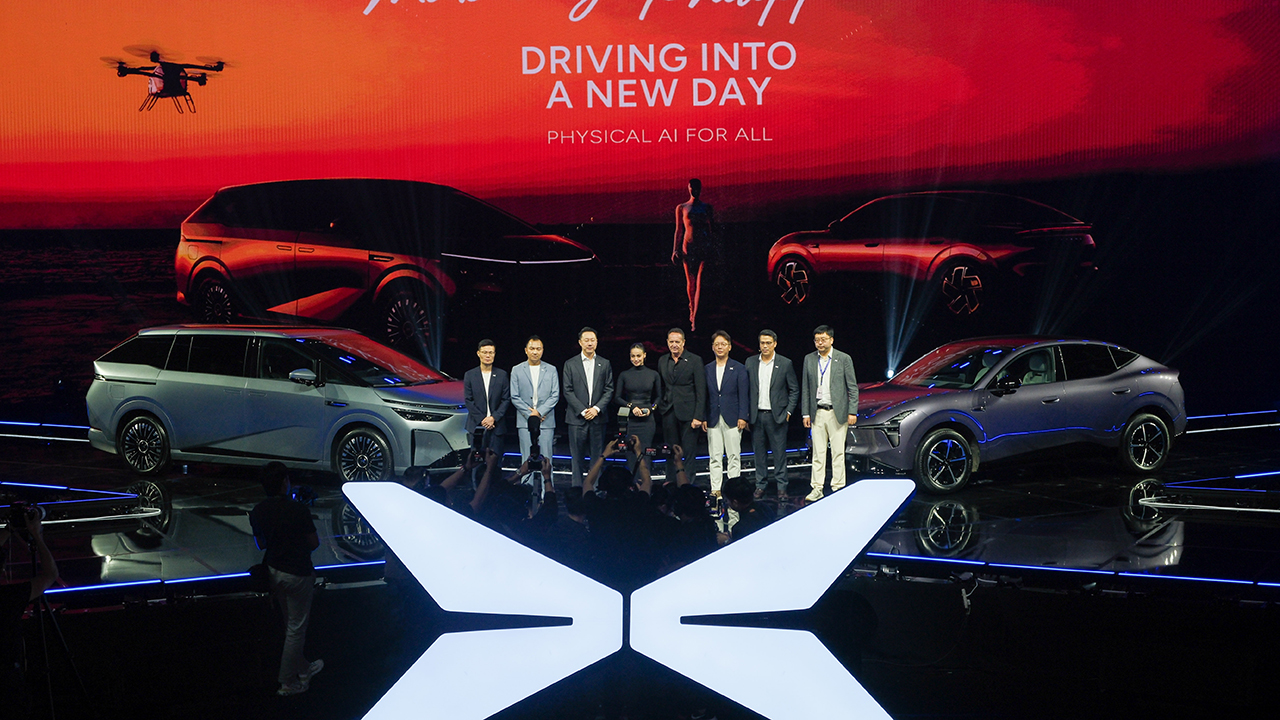
XPENG has officially entered the Philippine EV market. Over 3,000 guests attended the brand’s grand local debut. During the launch event, the automaker introduced a six-variant lineup.
The lineup features the flagship X9 MPV and the sleek L03 SUV Coupé. Prices start at an accessible PhP 1,548,000.
Brand ambassador Anne Curtis joined the celebration on stage, while XPENG showcased its X2 Flying Car and IRON Humanoid Robot. These futuristic displays highlighted the company’s “Physical AI” vision.
XPENG X9: First-class travel for seven
The XPENG X9 serves as the brand’s flagship seven-seater MPV.
It turns luxury mobility into a private lounge experience. Buyers can choose between two Long Range variants. The base X9 Long Range costs PhP 3,858,000. It features zero-gravity second-row seats with a central aisle. This layout ensures quick access to the third row. The Premium Seat Package costs PhP 4,058,000.
It upgrades the middle row to individual captain’s chairs. These chairs feature four-way powered headrests and 16-point massage.
Both variants share identical mechanical hardware. A front-wheel-drive motor produces 235 kW and 450 Nm of torque. A massive 110 kWh battery provides up to 615 km of range.
A compatible DC fast charger boosts power from 10 to 80 percent in 12 minutes. Active rear-wheel steering delivers a tight 5.4-meter turning radius. Dual-chamber air suspension ensures maximum ride comfort.
A powered third row folds completely flat beneath the floor. Color options include Midnight Black, Arctic White, Matte Gray, and Silver Frost. Inside, buyers can select Meteorite Black or Coffee.
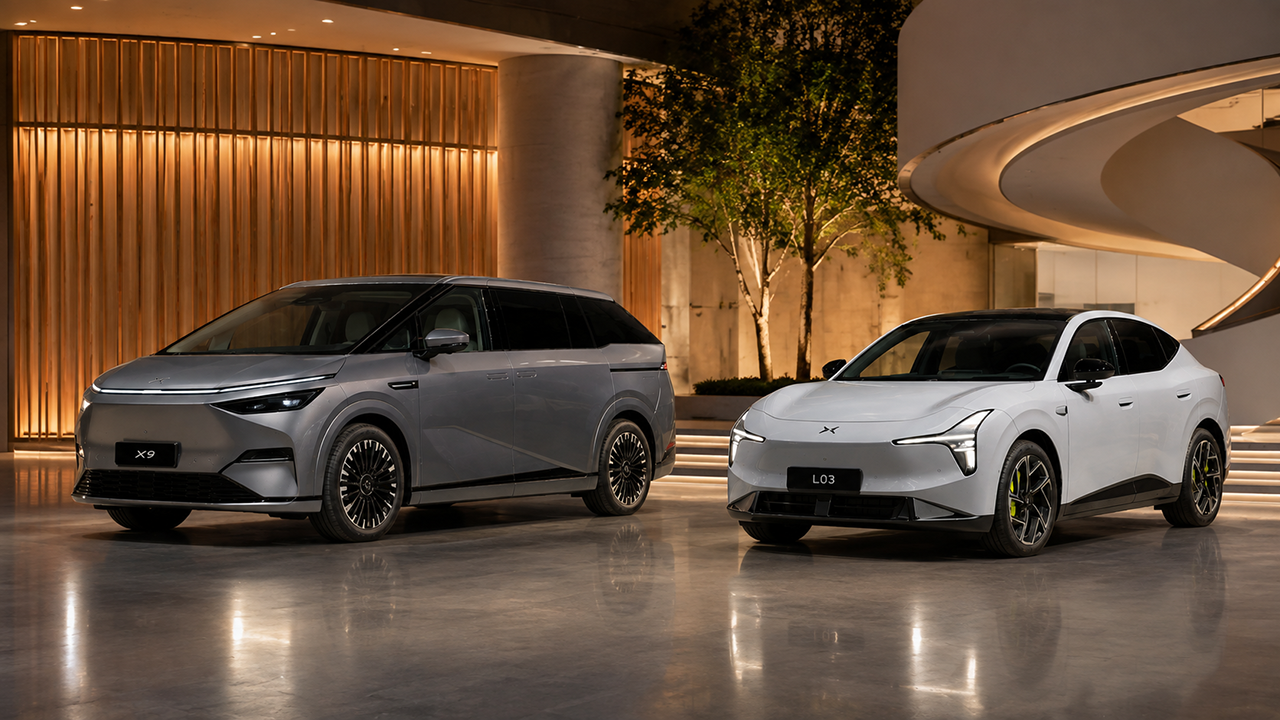
XPENG L03: Sleek versatility meets electric freedom
The L03 SUV Coupé blends striking aesthetics with daily utility. XPENG offers four distinct variants. Three models use pure battery-electric powertrains. One model features a range-extended electric setup (REEV).
The L03 EV Standard Range costs PhP 1,548,000. Its 58.3 kWh battery delivers up to 445 km of range. The L03 EV Long Range costs PhP 1,698,000 and offers up to 520 km.
The top-tier Long Range Ultra costs PhP 2,058,000 with 480 km of range. This Ultra trim adds front-seat massage, upgraded audio, and intelligent driving tech.
The L03 REEV costs PhP 1,598,000. It uses an onboard gas engine as an electric generator. Its 37.2 kWh battery delivers 215 km of pure electric driving. Total WLTP combined range reaches up to 1,017 km.
All L03 models feature rear-wheel drive. Fast charging takes roughly 20 minutes to reach 80 percent. Every model includes a 15.6-inch touchscreen and 539 liters of cargo space.
Available colors include Arctic White, Midnight Black, Rock Gray, Silver Frost, and Phantom Purple.
Ownership packages, reservation details

XPENG pairs each model with generous ownership perks. X9 buyers receive five years of free preventive maintenance. The package includes five years of roadside assistance.
XPENG adds a five-year bumper-to-bumper warranty. An eight-year warranty covers the battery and motor. X9 buyers also receive a complimentary 7kW wall charger.
L03 buyers receive two years of free preventive maintenance. The L03 includes identical roadside, bumper-to-bumper, and battery warranties. L03 EV buyers get a 7kW wall charger. The REEV variant comes with a 3.5 kW portable charger.
Reservations cost PhP 25,000 for the X9 and PhP 10,000 for the L03. Buyers can reserve through @xpengphilippines on social media.
XPENG showrooms in Greenhills, Makati, North EDSA, and Cebu are accepting reservations now. Local customer deliveries will begin in the fourth quarter.
Automotive
BYD says that way better EV batteries are coming next year
Solid-state batteries will debut with higher-end models in 2027.


With gas prices reaching the edges of believability, electric and hybrid vehicles are turning into worthy upgrades. That said, the more casual consumer still has a lot of questions about going electric, primarily about the durability of the battery and range anxiety. Well, a major battery technology upgrade is coming in the next few years, and BYD has just committed to it for next year.
Via the Spanish outlet Carwow, BYD EVP Stella Li confirmed that the company will launch its first vehicle with a solid-state battery in 2027. Now, if you’re a regular consumer, a solid-state battery probably doesn’t make much sense to you. But here’s the basics: it’s smaller, safer, and can last longer on a single charge.
If you’re fine with technical explanations, a solid-state battery uses more solid components, as opposed to the liquid solution used by the current standard of lithium-ion batteries. Because it’s more solid, it has better energy density. Higher energy density means a smaller size is needed to achieve the same battery capacity as modern batteries. In turn, this means that a vehicle can pack more batteries inside, allowing for better capacity. Oh, and let’s not forget that these batteries are generally safer and less prone to incidents.
In the same interview, BYD says that the first model will arrive next year. Unfortunately, because of the battery’s cost to produce, the component will likely debut with the company’s higher-end models. Still, it’s an exciting sight to behold. The electric and hybrid market is already quite the temptation for users, so an even better battery will further push the segment to better heights.
SEE ALSO: BYD adds the facelifted Seal 5 DM-i to its hybrid sedan lineup
Accessories
70mai launches the A900 series with 4K front, rear recording
Two new 4K dual-channel dash cams, both with 4G
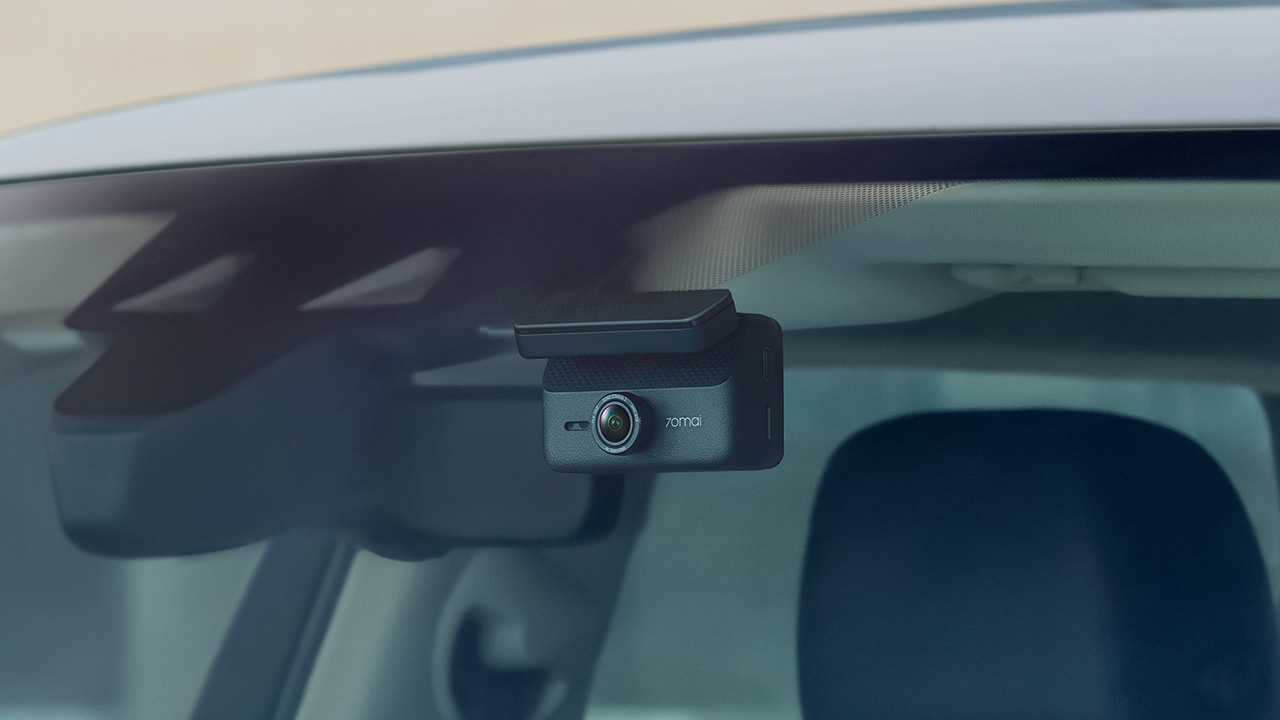
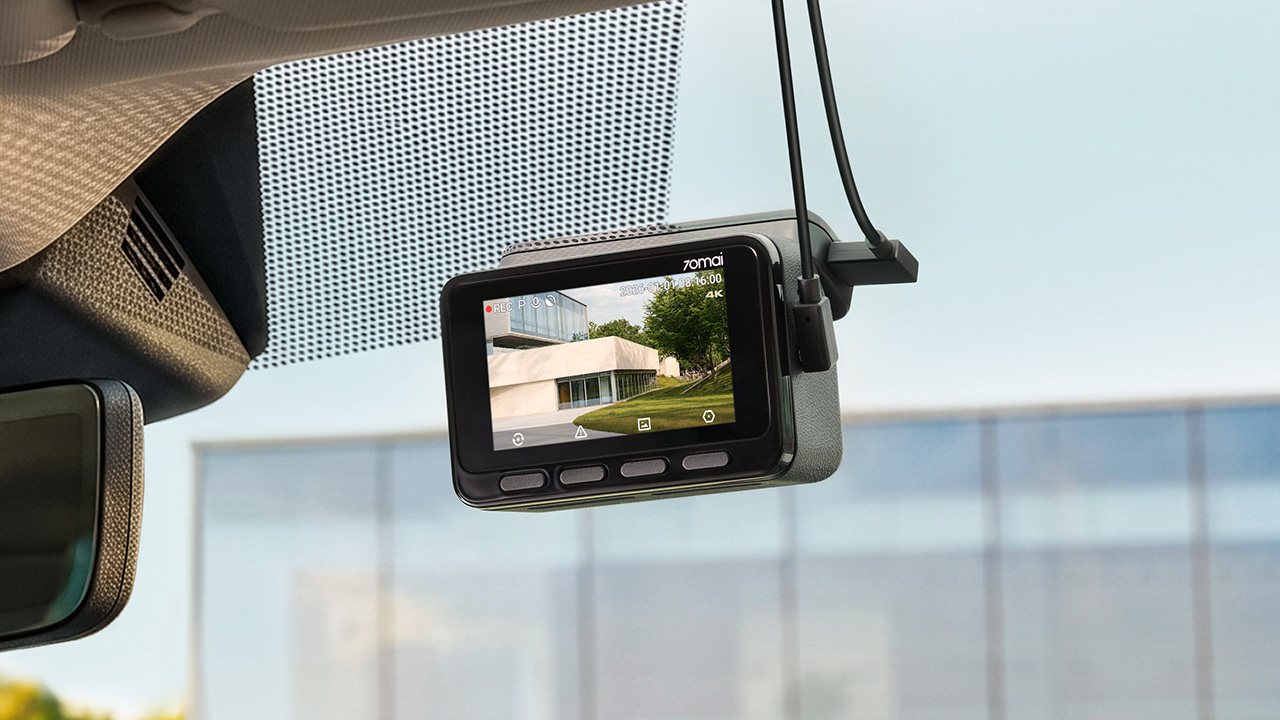
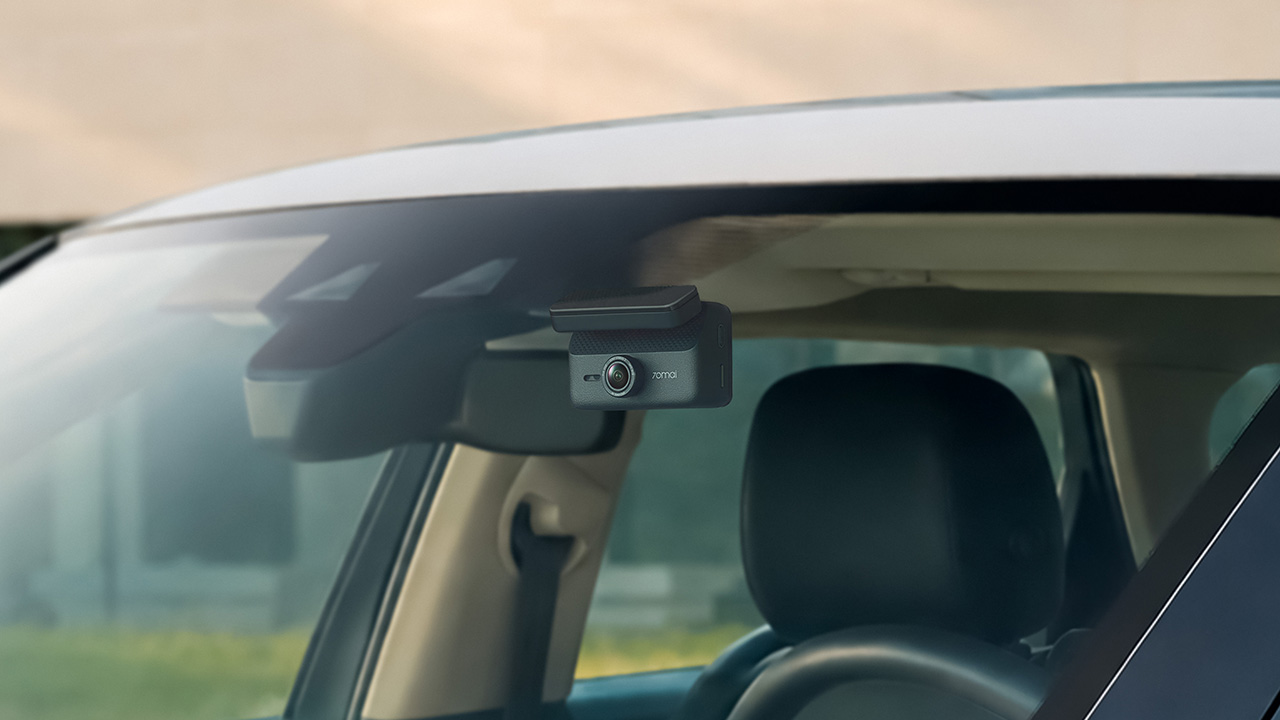
70mai has launched the A900 Series, led by the flagship 70mai Dash Cam 4K A900 Ultra, with the 70mai Dash Cam 4K A900 joining it in the lineup.
Both models record in 4K from the front and rear cameras, and both support 4G, so your footage stays reachable from your phone even when you’re away from the car.
4K recording from both cameras
The A900 Ultra uses dual Sony STARVIS 2 IMX678 sensors to capture clear 4K footage from both directions. As a result, details like license plates and road signs remain sharp.
Smart HDR balances bright and dark areas under shifting light. Users can also adjust color tones and contrast. To keep feeds synced, the rear camera uses LVDS digital transmission. This tech sends a lossless 4K feed with just 20ms of latency.
Handling changing light
Driving into a tunnel or under the shadow of a tall building changes the lighting quickly, and 70mai built three imaging technologies into the A900 Ultra to deal with it.
MaiColor Vivid+ Solution 2.0 is meant to give more natural colors and finer detail, along with smarter scene adaptation. Night Owl Vision 2.0 reduces noise and glare to help with nighttime clarity.
Lumi Vision is made for parking surveillance in near-total darkness, where it automatically adjusts exposure and gain and applies noise reduction. 70mai says this produces clear, full-color footage in extremely low light.
Parking mode and remote access
Smart Parking Guardian Mode 2.0 protects your vehicle while parked. It combines AI motion detection, dual-channel collision detection with pre-recording, and time-lapse options.
The system draws just 5mA on standby to prevent battery drain. For extended coverage, the optional 70mai Battery Pack Mini powers surveillance for up to 30 days.
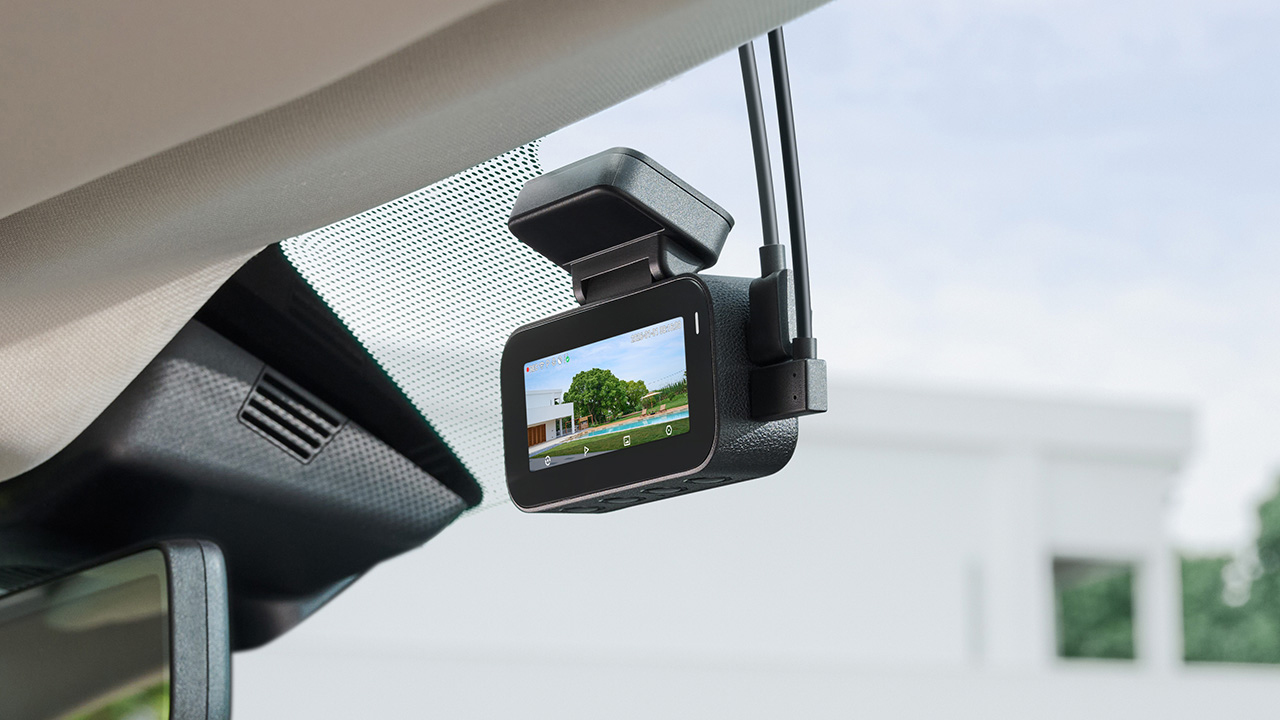
In photo: A900
Pairing the camera with the 4G Hardwire Kit unlocks 70mai 4G Cloud+ 2.0 features on the app. Enhanced Buffered Emergency Recording saves up to 190 seconds before an incident and 30 seconds after.
It automatically uploads this footage to the cloud for immediate remote viewing.
The 70mai Dash Cam 4K A900
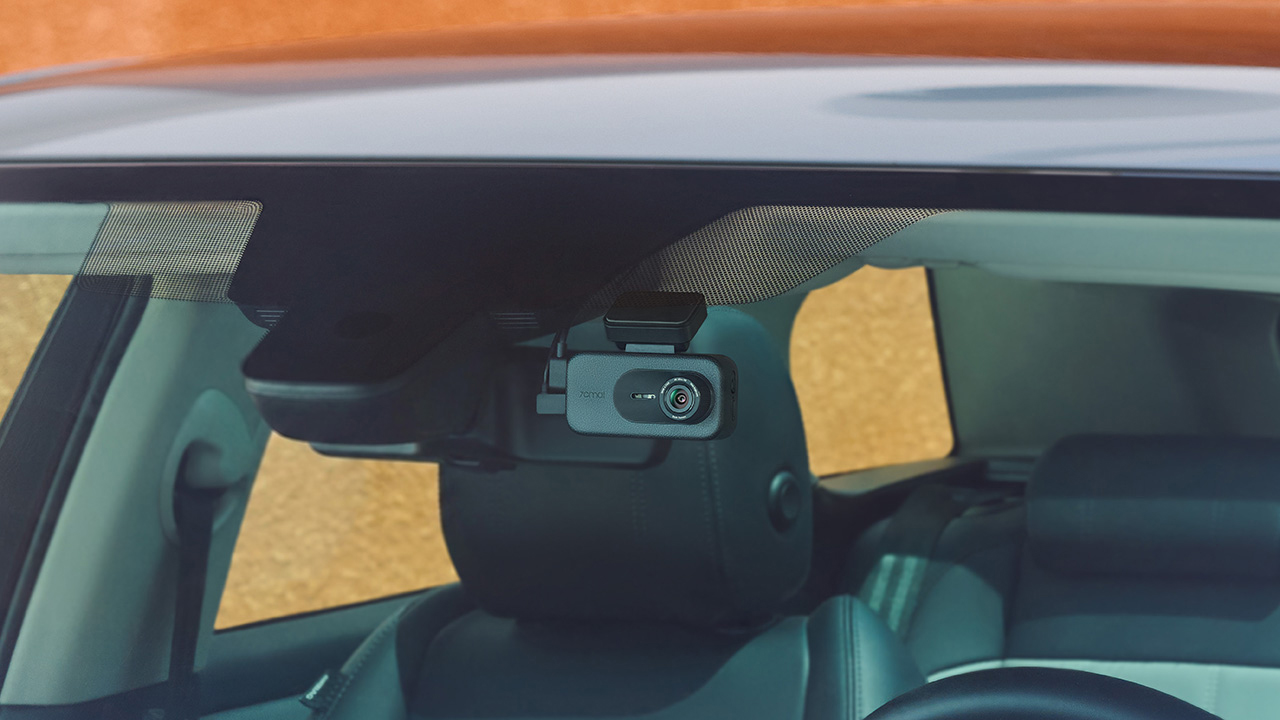
In photo: A900
The A900 sits alongside the Ultra as the more accessible option. It records True 4K HDR at 30FPS from both the front and rear cameras, and Smart HDR can be scheduled to turn on at set times.
Its f/1.55 aperture is meant to help in low light, and 4G Cloud+ 2.0 keeps the dash cam connected to the 70mai App. It’s the model for drivers who want dual-channel recording and 4G connectivity at a lower price.
The 70mai Dash Cam 4K A900 Ultra retails for US$ 300, available for pre-order at US$ 240. Meanwhile, the A900 is priced at US$ 200, currently 20% off at US$ 170.






Linkin Park: Unshatter is the band’s kintsugi

Bambu Lab opens first Authorized Store in the Philippines

Lenovo tech behind DreamWorks Animation hit ‘Forgotten Island’

Samsung joins the clip-on earbud trend with the Galaxy Buds On

vivo X Fold6 makes global debut with 200MP camera and 6900mAh battery

HUAWEI Pura X View is 2026’s first WIDE slab-type smartphone

The CAMON Slim 5G is TECNO’s latest ultra-slim smartphone

iPhone 18 Pro series: Price, availability in the Philippines

vivo X500 Series launches with major imaging upgrades

iPhone 18 Pro series: Price, availability in Singapore


-
 News2 weeks ago
vivo X500 Series launches with major imaging upgrades
-

 News2 weeks ago
OPPO Find X10 Pro Max is the first phone with a triple 200MP camera system
-
 Automotive1 week ago
BYD says that way better EV batteries are coming next year
-

 News2 weeks ago
vivo introduces OriginOS 7 with smarter multitasking and AI features
-

 News7 days ago
HONOR Magic9 Pro Max launches in China with ARRI-powered imaging
-

 Smartphones1 week ago
TECNO CAMON Slim 5G teases an ultra-slim design ahead of launch
-
 Accessories2 weeks ago
70mai launches the A900 series with 4K front, rear recording
-

 Philippines4 days ago
TECNO CAMON Slim 5G: Price, availability in the Philippines