
Gaming
Middle-earth: Shadow of War review — System overload


Three years after Middle-earth: Shadow of Mordor broke ground with how video game systems can tell stories, its sequel Middle-earth: Shadow of War builds on that foundation and more. Do these new layers elevate or encumber the experience?
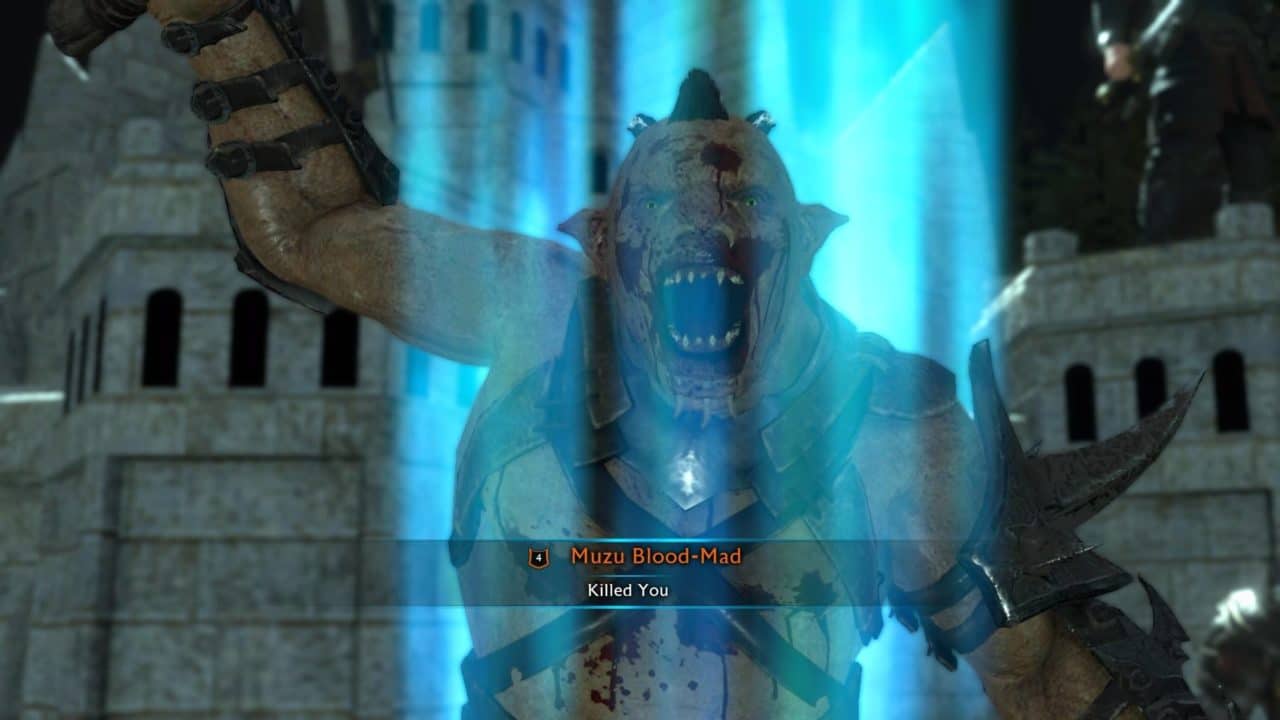
With a twist of his hunky wrists, Ur-Hakon Brawlmaster extinguished Bugu Flame Monger’s ambitions of becoming warchief. The 15-foot Olog berserker separated the fiery terror’s head from his body, showing every orc in the ice cavern Fight Pit of Seregost what he’d do to challengers. It was an impressive audition for a spot in my army that would face Sauron’s siege. Ur-Hakon just didn’t know it yet.
Prestigious legacy
Middle-earth: Shadow of Mordor was a revelation for video games in 2014. On the surface, it looked like a cash-grab mash-up of The Lord of the Rings, Assassin’s Creed, and the Batman: Arkham series. Technically, it was, as it used the LOTR universe as well as the combat and stealth mechanics of the two aforementioned video game franchises.
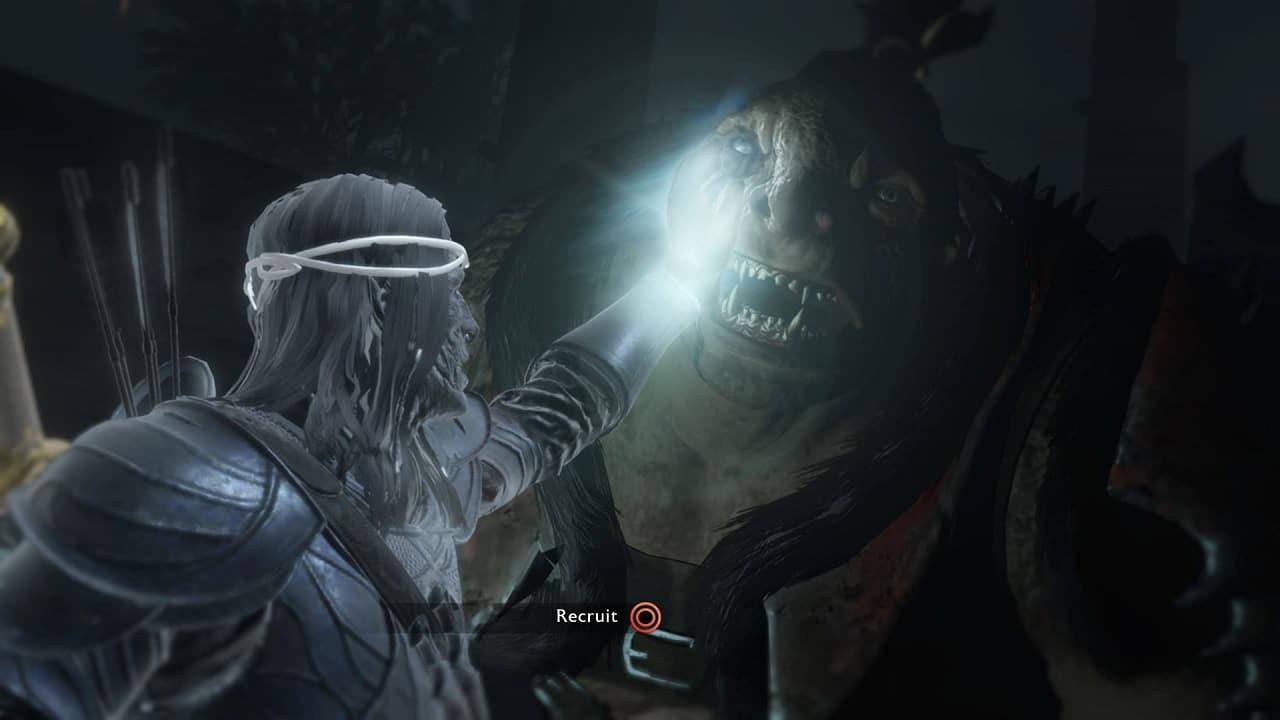
What made it special though was the Nemesis system. Basically, it generated enemy orcs with randomized sets of various strengths and weaknesses that would grow stronger if they killed the player or survived the encounter. They would remember how the encounter with the player ended, commenting on it through voiced dialogue if they’d meet the player again. These orcs would also fight with one another, with or without the player’s input, and the winner would also become stronger.
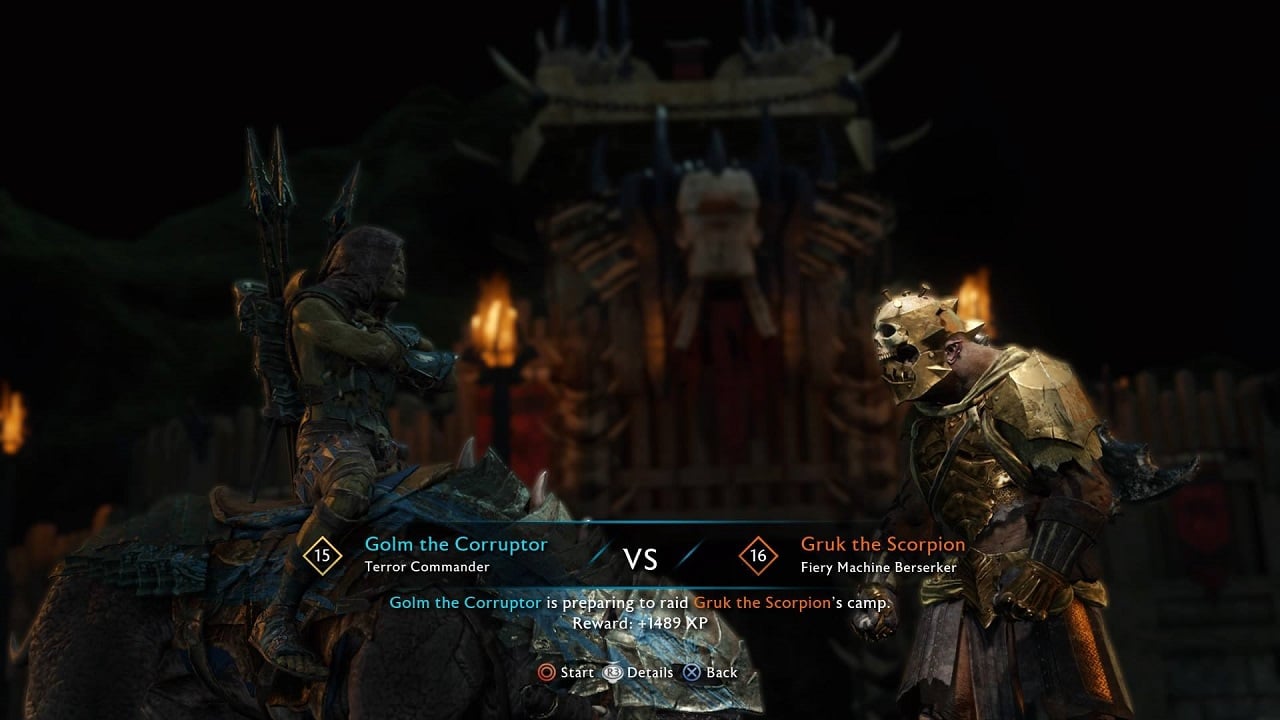
This system facilitated all sorts of unique stories, and was the number one driving force for all the accolades the game received.
The sequel, Middle-earth: Shadow of War, expands on the Nemesis system with a lot more traits assigned to orcs, novel ways they can react to the player’s actions, loot drops, and a whole new fortress capture-and-defend element.
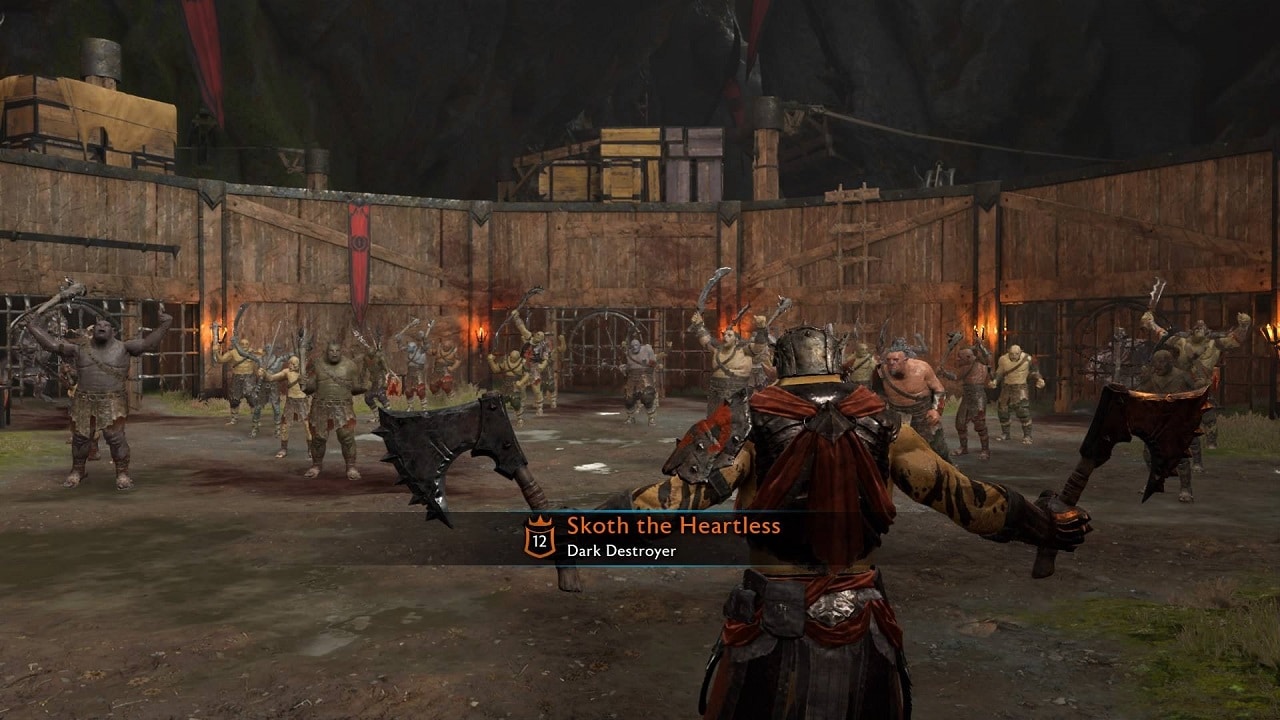
Despite winning with relative ease, Ur-Hakon sustained enough damage in his duel with Bugu that it would not have taken long for me to Dominate him. Just a few more strikes from my sword, and he would’ve been ready to submit and join my legion of mind-controlled orcs. So I leapt into the pit, eager to replace my now headless captain with this hulking behemoth, right into an ambush by Horza, Feral Tracker.
More mechanics
There are four areas to conquer, each with its own host of orcs that have different attributes and equipment they can drop. The gear you can pick up is sorted in a separate menu, listing their statistics along with bonuses you can access by completing small goals and wearing a matching set. Runes can be slotted into your equipment for buffs, and runes of the same kind can be upgraded by combining three similarly leveled runes to form one stronger rune. You have more skills to unlock compared to Shadow of Mordor.
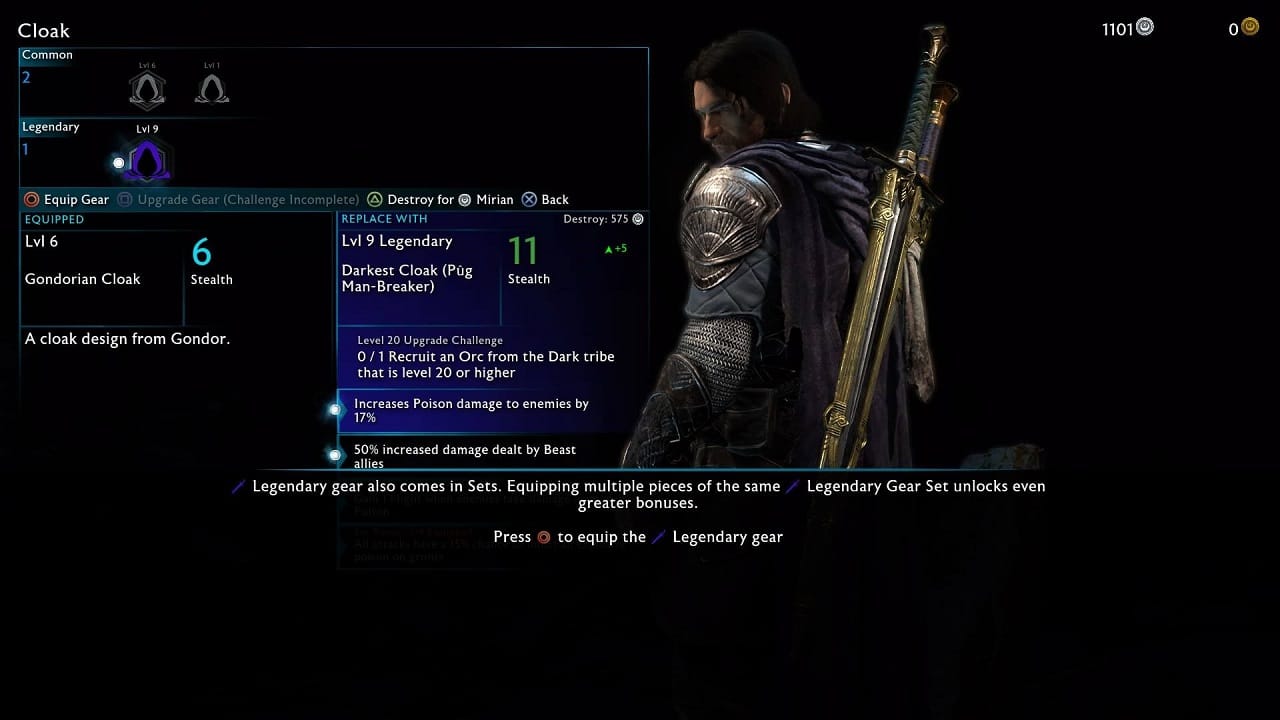
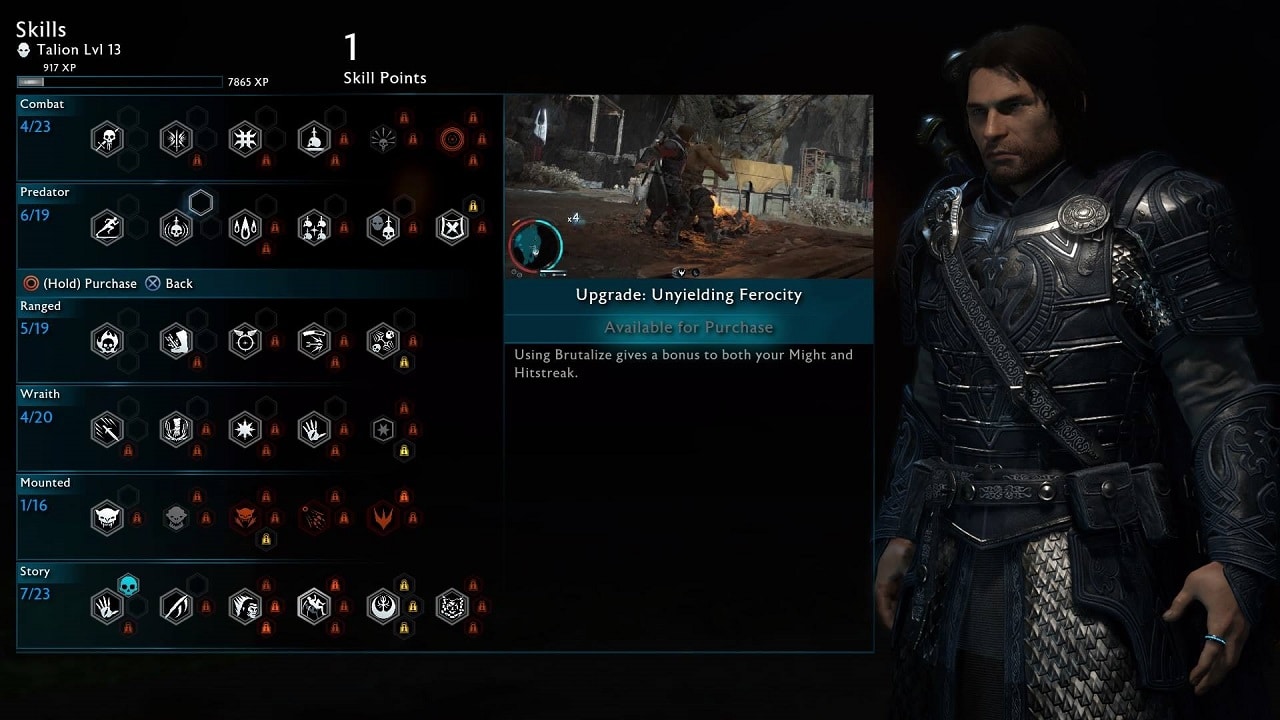
The game introduces these mechanics over time so that it’s not overwhelming. It’s pretty easy to get immersed in exploring how they interlock. Does this polished vitality rune go better with the rare longbow that restores health with every headshot over the regular chest piece that gives a flat increase to your life bar? Would this ability to freeze multiple baddies at once be effective against this orc captain that always has a pack of caragor-riding hunters with him? Perhaps pairing this sickly warchief with an orc bodyguard that gets stronger when poisoned would do well against an enemy orc that can summon venomous spiders for this one fortress siege.
And it’s in those fortress sieges that Shadow of War shines.
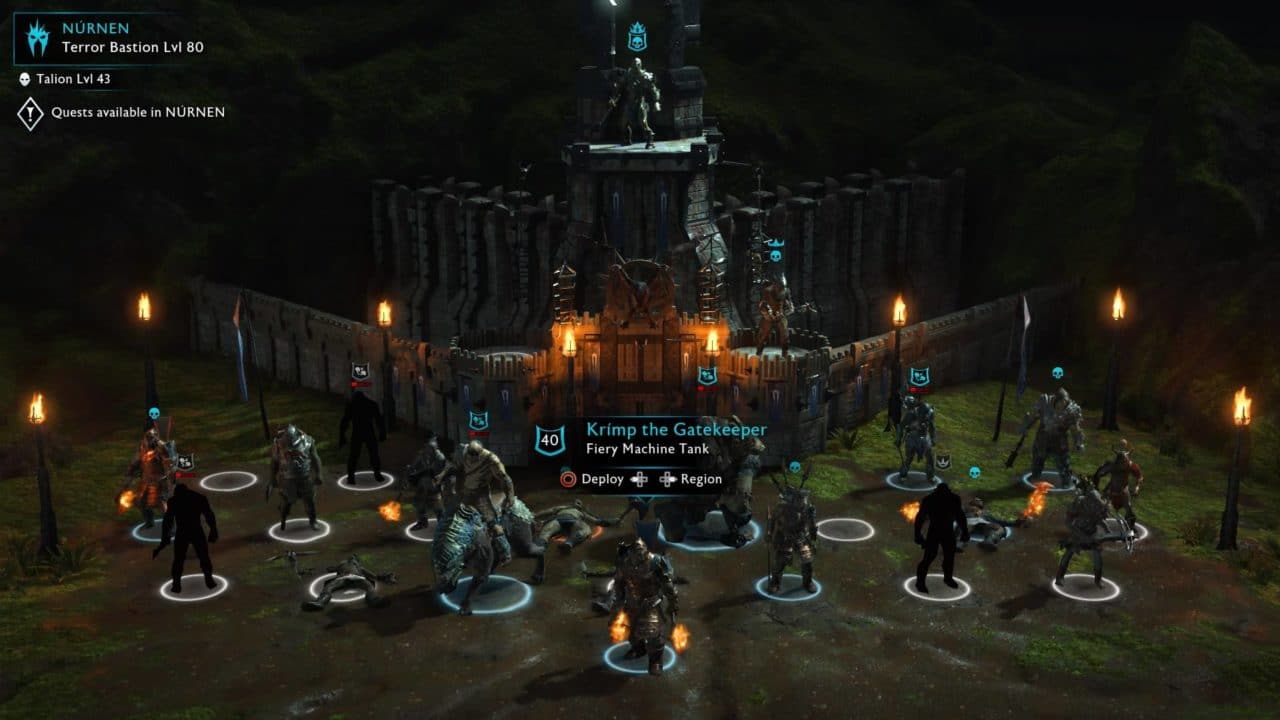
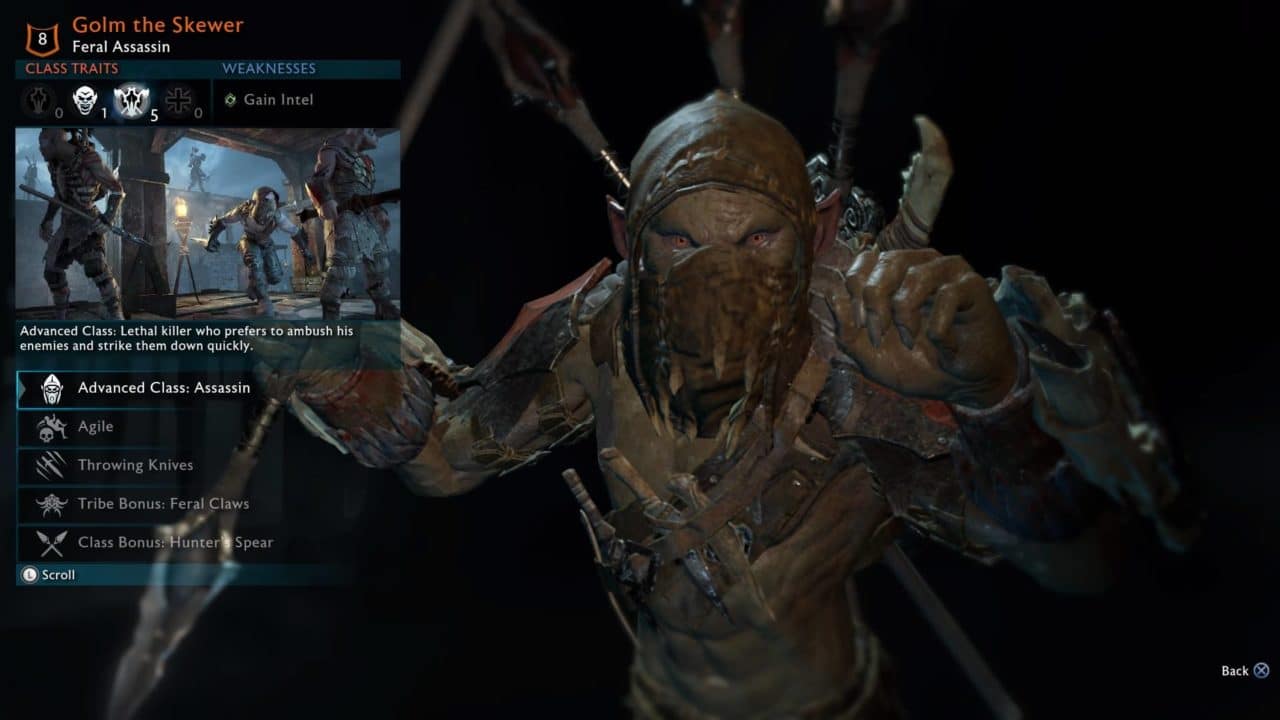
Ur-Hakon’s might should have been mine. Complications by way of several blades to my back courtesy of Horza led to this death. Well, deaths, as I did get rid of the meddling party after chopping off the Feral Tracker’s limbs. Ur-Hakon, taking advantage of the distraction, pummeled me into the ground. “I’ll get him on the next life,” assuring myself upon seeing the Brawlmaster’s power grow for ending me.
Compelling complexity in chaos
Opposing orc forces smash into each other on screen by the dozens. Siege beasts hurl explosives over spiked metal walls. Gigantic Graugs and club-wielding Olog-hai batter the gates as toxic fumes blow out of spouts, choking would-be invaders trying to scale the perimeter. Fire rains from a drake circling the skies. Warchiefs face assault leaders in strategic areas, their powers and weakpoints laid bare in pitched combat.
And there’s you, right in the middle of everything, the one X-factor that can change the tide of battle.
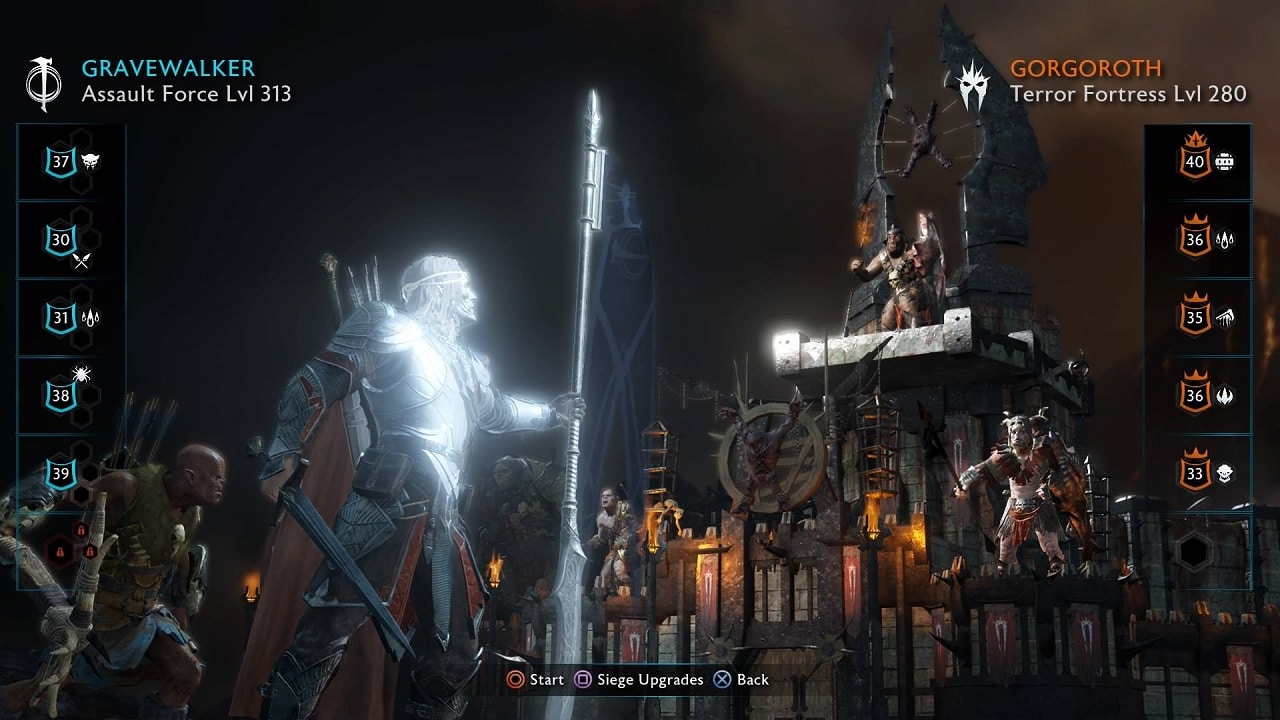
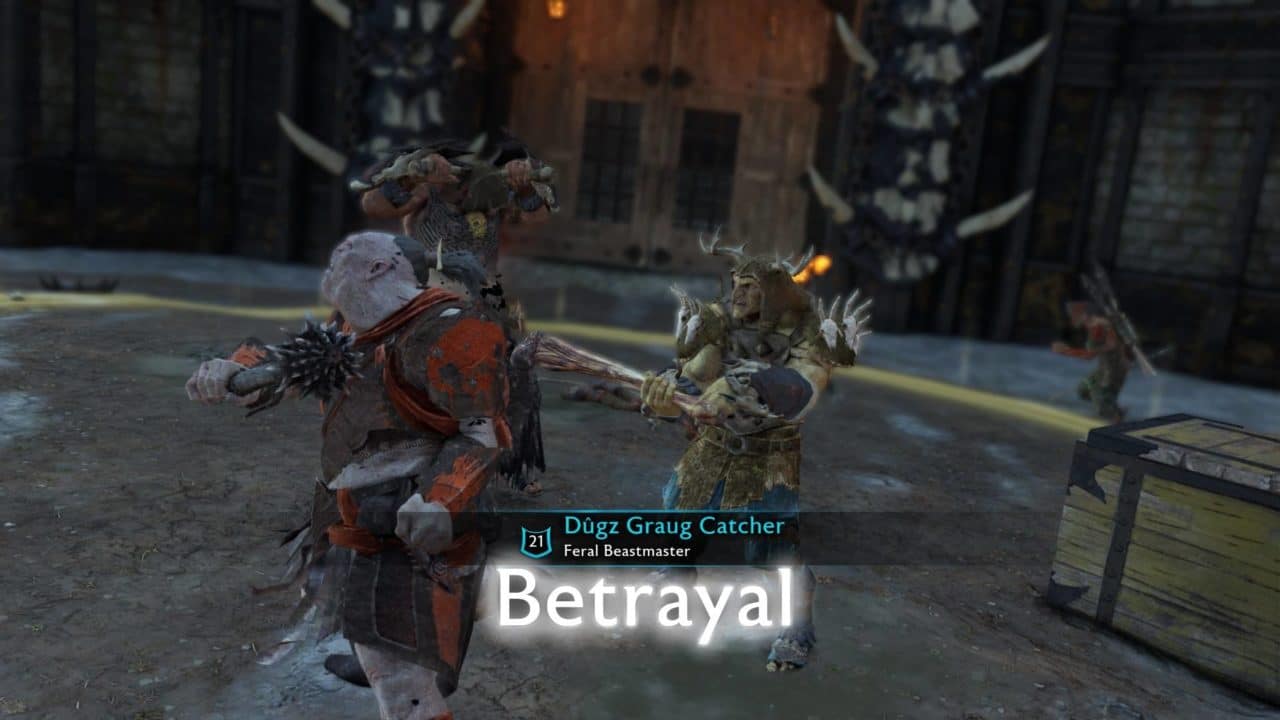
Depending on how much you planned prior to engaging, these sieges can be quick, calculated affairs under 15 minutes or wild and protracted struggles that have you teetering on the edge of defeat for 30 minutes or longer. Whether you’re seeing a sound strategy swiftly executed or barely surviving a slog of a brawl, it can be exhilarating.
Up to a point.
It didn’t take long finding Ur-Hakon at the edges of Seregost’s snow-capped mountains. He was fresh this time, unburdened from the tolls of a pit fight. Before I could get close though, a snarl behind me snapped my attention to Tuka the Machine. I burned him to death once. Half of his face was steel now, and he had a gang to back him up. We fought, unfortunately, in front of Ur-Hakon. The Brawlmaster killed us both.
The weight of war
Beating the game requires you to do about 30 fortress sieges, 20 of which come back-to-back at the end, and that’s if you don’t lose. Of course, each one gets harder than the last, as the orcs you face have progressively higher levels. The higher their levels, the fewer weaknesses they have and the more immunities they possess. By the last 10 sieges, most orc bosses you have to defeat are invulnerable to a lot of techniques and can also kill you in a couple of hits, even when you’ve reached the max level of 60 and have powerful gear.
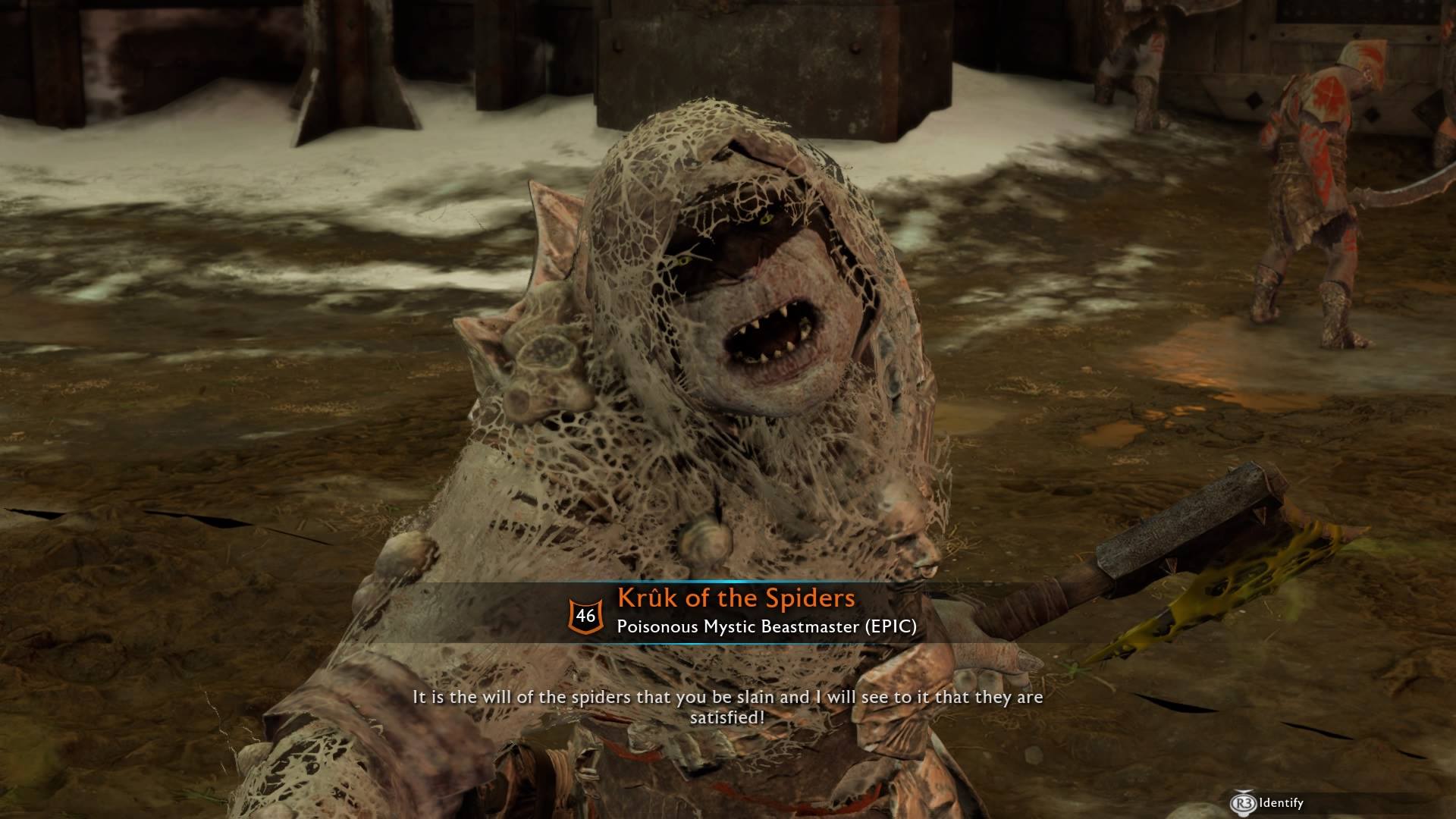
The orcs you’ve put in charge of the fortresses from naturally playing the game get outpaced in level by the enemy orcs when you reach this point, too. How do you keep up?
You either slowly level up your army through the Fight Pits, or you buy loot boxes that contain more appropriately leveled orcs. The former takes forever as you can only do it for one orc at a time, while the latter just feels icky with how blatantly it takes you out of the experience and pressures you to pay up.
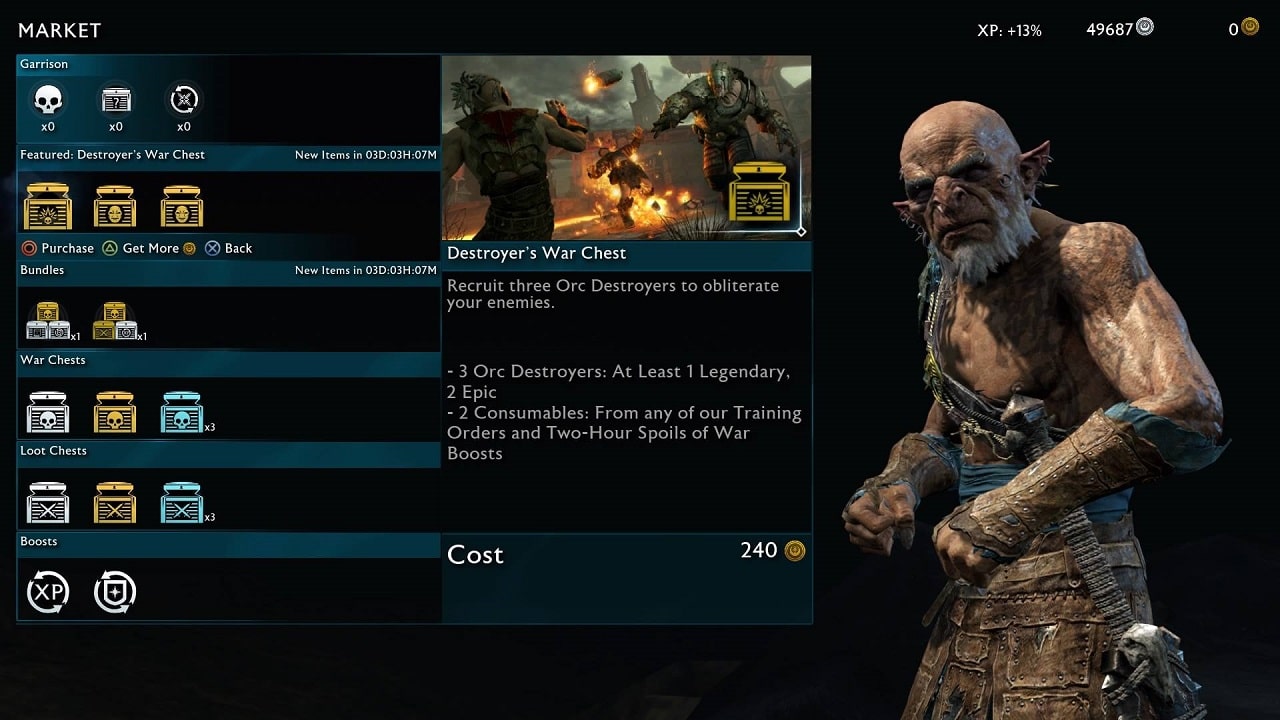
Granted, you can buy a basic loot box with in-game currency that you’ll have probably amassed enough of by this time from completing quests.
Did I mention there are quests?
This was it. I tracked Ur-Hakon to a nearby cavern. There was no one else around to interfere. I would best him in one-on-one combat and have him under my command. I attacked. My sword was but a needle poking at his tough leathery hide. He would not succumb. His brute strength humiliated me. I fell to my knees one last time, his fist raised and ready to crush my skull. It fell past my head, as Stakuga the Knife came to my side at the last second, his blade catching Ur-Hakon’s blow, severing the arm from the elbow down. Stakuga saved me. He demanded a promotion, which I was more than glad to give.
Leaden narrative
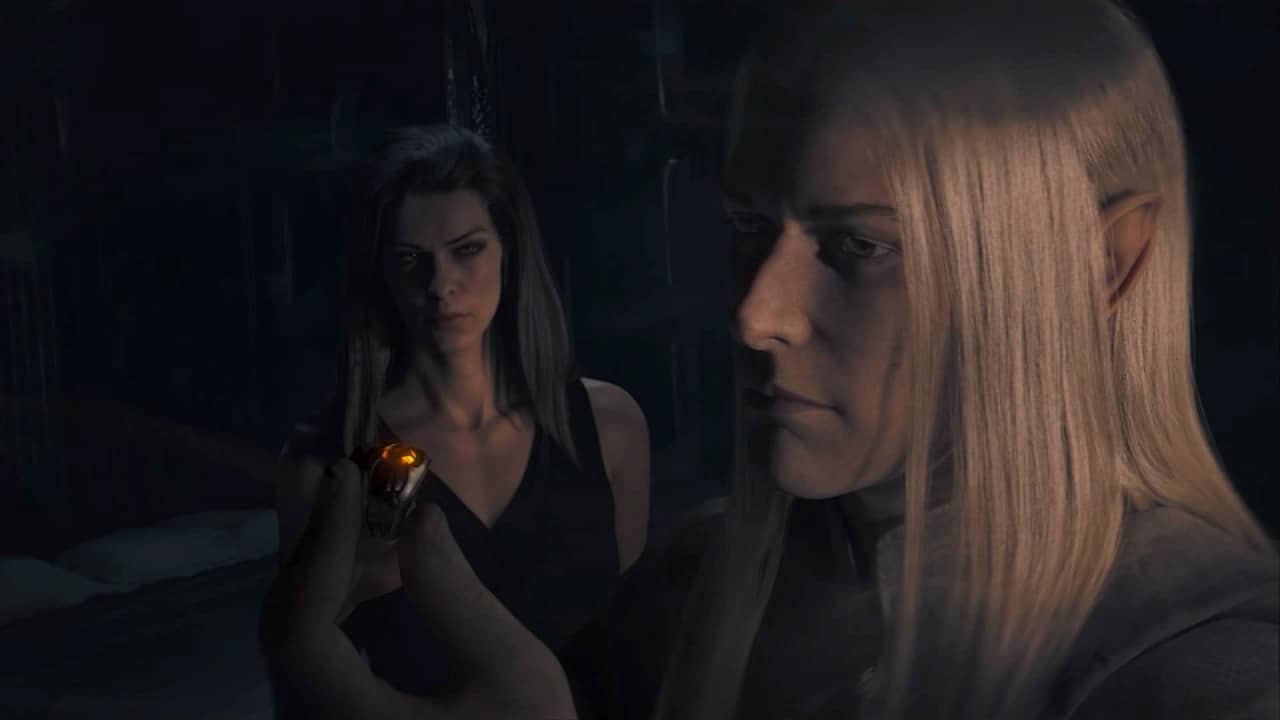
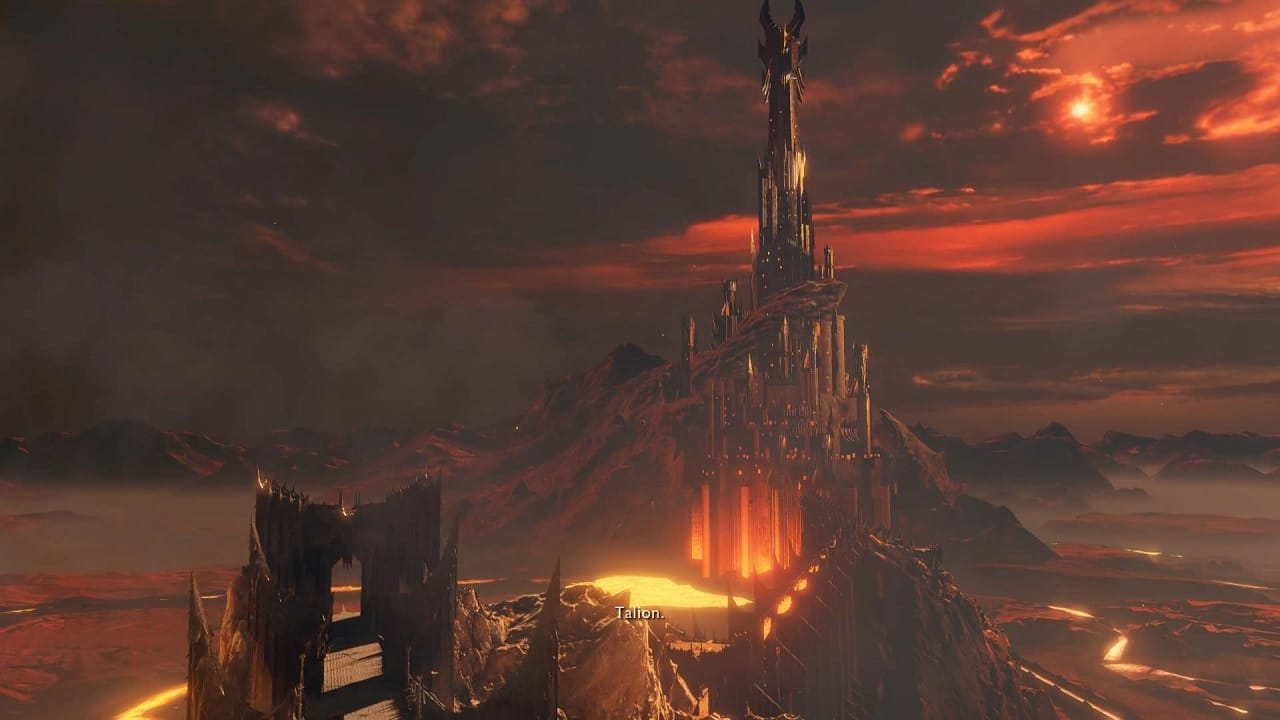
I almost forgot about the quests because of how utterly unremarkable they are. They’re short, plain, and repetitive, asking you to accomplish one or two goals in the most straightforward manner. The Nemesis system doesn’t apply at all. No orcs can wander into the missions you’re on to surprise you. You die, you’re treated to a game over screen. Talion AKA Bargain Bin Boromir is as boring as video game protagonists come, and the rest of the cast is dour and unlikable, save for the handful of orcs that have way too minor roles.


The only notable thing about the narrative is the complete disregard of the canon and tone of the original Lord of the Rings stories. The first game certainly wasn’t the most respectful use of the LOTR license, but Shadow of War straight up retcons the lore to a ridiculous degree. Its attempt at commenting on the nature of evil clashes with how it rewards the player literally enslaving others.
By tying the completion of this forgettable story into the fortress sieges in the final act, Shadow of War burdens the one clearly enjoyable thing about it and turns it into a chore.
There’s fun to be had in Middle-earth: Shadow of War, for sure, but it’s all in the dynamic mechanics divorced from the plot. Feel free to drop it when finishing it starts fatiguing you. That release is worth more than enduring the nigh endless endgame for a predictable ending.
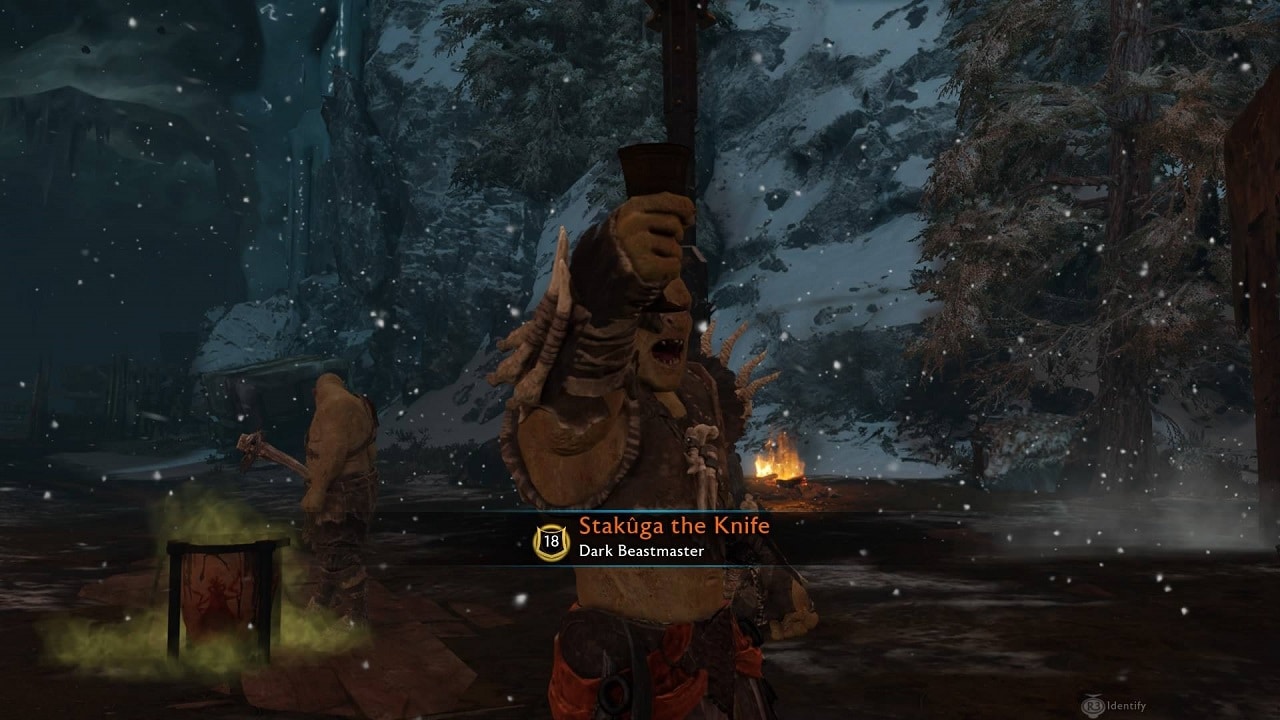
I tasted steel, and then dirt. I got up. Again. I assembled what was left of my troops. That fort in Gorgoroth had to be retaken. I had lain waste to that invading force before that stray arrow caught me in the melee. I only needed to storm the throne room. Stakuga died defending the courtyard. Some nameless goblin cut him down as he ran, afraid for his life. I envied his escape from this mortal coil. I reclaimed the fortress. Four more to go.
SEE ALSO: Indygo: A game that talks about depression
[irp posts=”22702″ name=”Indygo: A game that talks about depression”]

Gaming
Mobile Legends: Bang Bang partners with global fast food giant
Jollibee GameJoy x MLBB combos launched for in-game rewards, collectibles


Mobile Legends: Bang Bang has leveled up its partnership with the Philippines’ leading fast food chain, Jollibee.
MLBB players may have already secured the Jollibee emote on the popular 5-on-5 MOBA title.
And this time, the campaign is rolling out the GameJoy x MLBB Combos, available nationwide at Jollibee stores until August 19.
This seeks to sustain player engagement through a mix of physical hero card collectibles and exclusive in-game rewards available with every GameJoy combo purchase.
The combos are available in five variants, all priced at PhP 169:
- Yumburger
- Jolly Hotdog
- Special Cheesy Yumburger
- Crunchy Chicken Sandwich
- Original Cheesy Yumburger
Each combo comes with fries, a drink, and the Peach Mango Pie.
Customers who avail of these combos will then get a GameJoy x MLBB pack, which includes one physical collectible card and a PIN which can be used to redeem mystery rewards within the title.
Players can expect skins, emotes, fragments, avatar borders, and the sought-after MLBB all-skin unlock.
For Jollibee, the Mobile Legends: Bang Bang collaboration is a follow-up to its GameJoy x Unipin partnership last year, targeting audiences who are into mobile gaming while offering their affordable menu items.
MLBB is the most-played mobile game in the country, so the promo is expecting a warm reception.
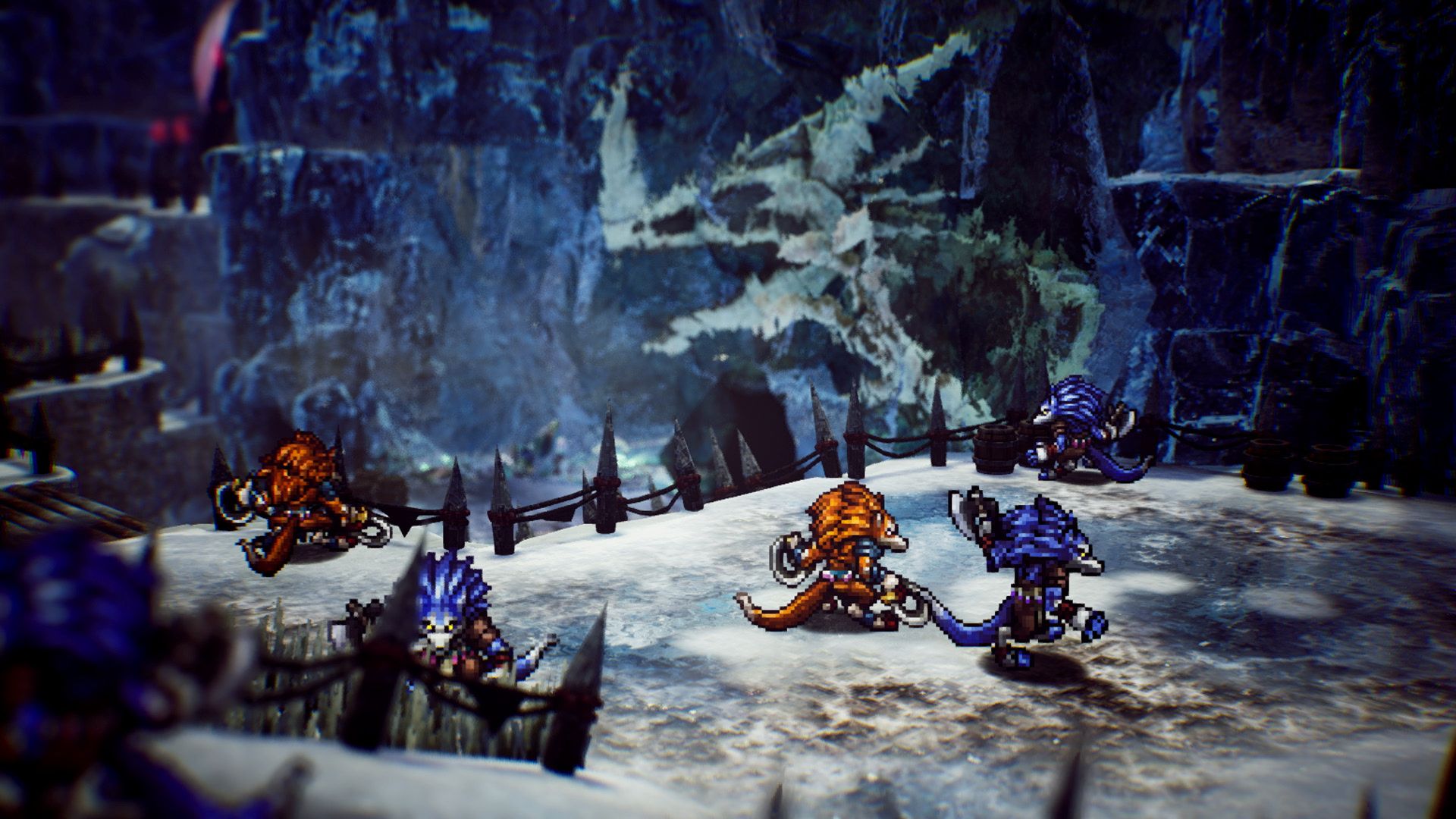
The Adventures of Elliot: The Millennium Tales is set for a Southeast Asia physical edition launch on June 18.
Bandai Namco and Square Enix announced the developed. In addition, digital editions for PlayStation 5, Xbox Series X|S, Steam, and Microsoft Store are now available for pre-order.
Those who place pre-orders will receive Elliot’s Departure Pack, which includes various items that can give the protagonist an edge.
There’s the Departure Brooch accessory, which increases the amount of currency and magicite fragments dropped by enemies. On the other hand, there’s also the Attack Up sword Magicite.
In addition to the standard digital edition, the Digital Deluxe Edition is also available for pre-order, and includes these perks:
- Fairy Bangle accessory
- Cherry Blossom Anklet accessory
- Roselle Ring accessory
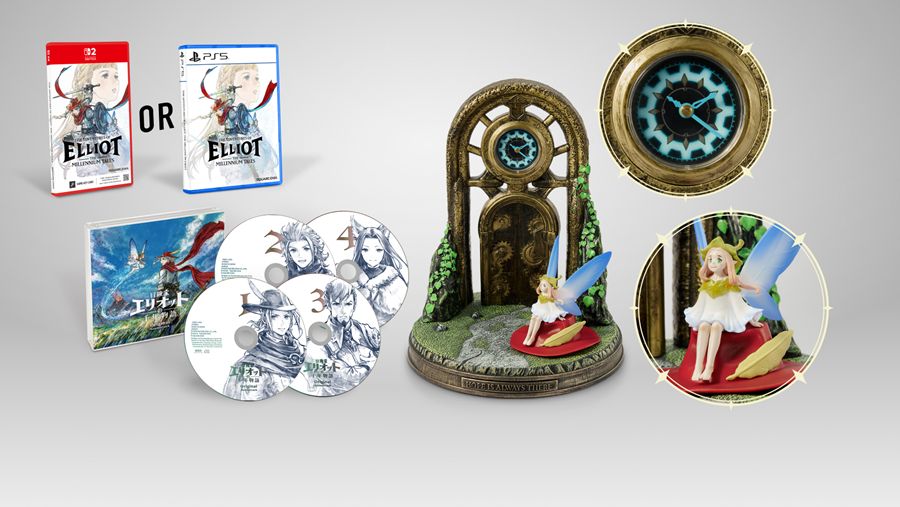
Meanwhile, the physical Collector’s Edition comes with the base game, original soundtrack, and desk clock statue featuring Faie.
In The Adventures of Elliot: The Millennium Tales, the duo of Elliot and Faie traverse a vast world across four ages.
This world is teeming with enemy hordes, hidden caves, and ancient ruins. Elliot can wield seven weapon types, from close-quarters swords to versatile chains and sickles.
Each weapon is customizable through magicite, allowing players to tailor their combat style. On the other hand, Faie’s powerful Magic is formidable in and out of battle.
The title will also feature several new and improved features, based on feedback from the Debut Demo.
This includes faster movement speed, refinements to the weapon shortcut menu, and additional difficulty options.
Gaming
The best Tokyo tour package that is Forza Horizon 6
Discover Japan like a first time traveller

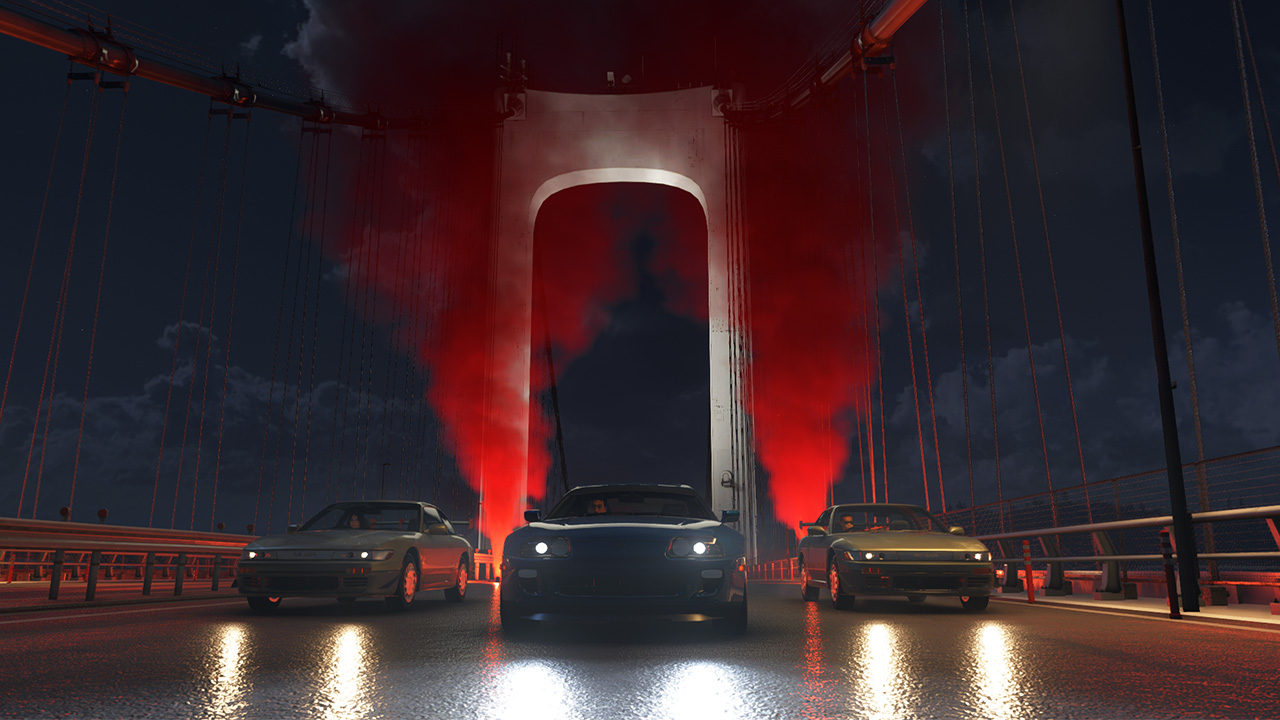
Ever wanted to visit Japan despite an ongoing fuel crisis crippling your total travel budget? Have you ever wanted to visit iconic tourist destinations like Shibuya Crossing or Mt. Fuji? Did you ever have dreams of becoming the drift king like in Fast and the Furious: Tokyo Drift? Well, we have good news for you!
On May 19, you’ll be able to do all three of these things as Playground Games will finally release Forza Horizon 6 across all platforms. From an overall lens, the game is slated to build off the incredible features the franchise is best known for, now in a totally different side of the world. Experience a unique kind of car culture only famously featured within popular movie franchises, while also exploring another side to Tokyo reimagined for both new and returning players to the series.
So come, take advantage of this once in a lifetime tour package, complete with the following amenities suited to hopefully make the trip to Tokyo worth it!
Sight-seeing, your way
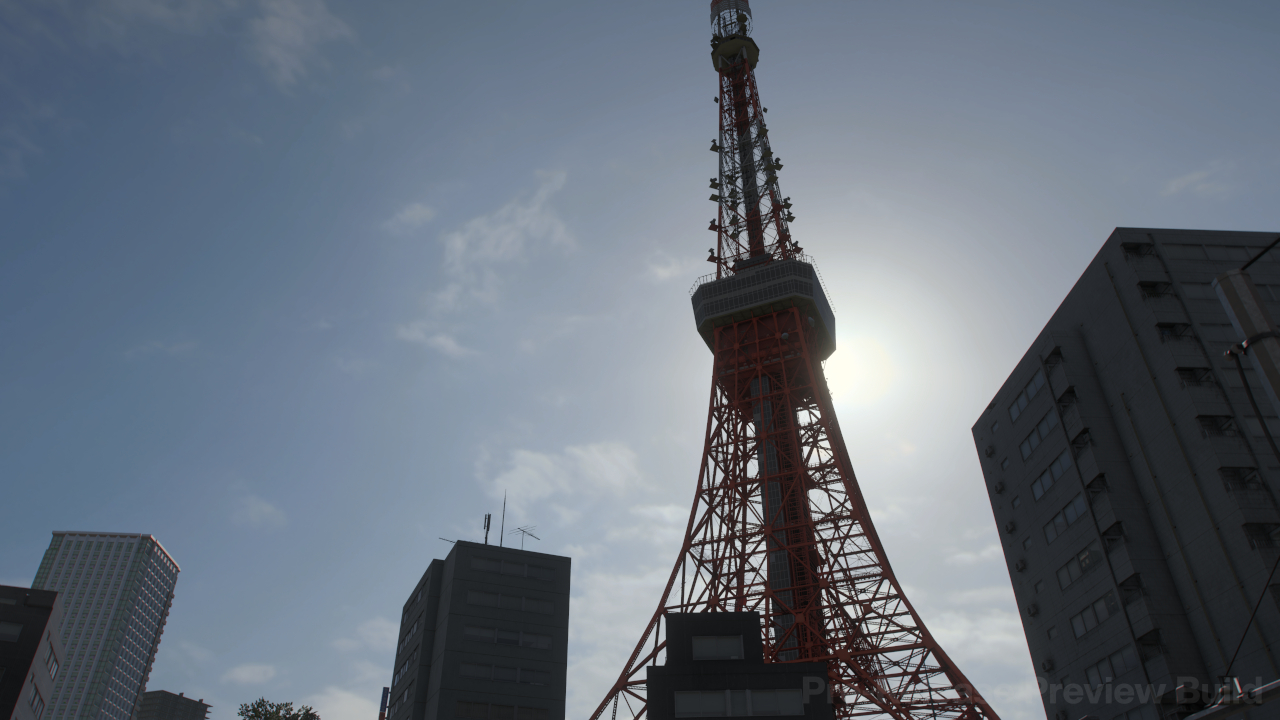
Forza Horizon 6 features a highly populated simulation of Tokyo with tons of activities to do, sights to see, and Horizon events to satisfy your thirst for action. From street racing to experiencing the hustle and bustle of food deliveries, Playground Games wasted no time in nailing most aspects of Japan’s culture. Of course, that also includes popular tourist attractions like Shibuya Crossing, Tokyo Tower and the Rainbow Bridge.
I mentioned in the early preview that the developers divided all of Tokyo into different sections with their own checklists on what to do and things to collect. When looking at the full game, this list is actually a lot more expansive and comes with its own scorecard for exploration called Discover Japan. It’s similar to your Horizon Events progression, right down to the tasks and rewards so the experience wouldn’t be too unfamiliar.
SEE MORE: Forza Horizon 6 already hits the mark
All of these are within your control and pace as you progress deeper into the Horizon Events, with more areas and activities to explore the further along you are. Honestly, it ends up that you’ll accomplish these things fluidly given the amount of driving you’ll be doing so plan your itinerary ahead!
Reimagining Japanese car culture
Speaking of those Horizon Events, the staple of the entire Forza Horizon franchise once again features a unique blend of racing that is authentic to the place it represents. In the case of Japan, that’s basically all the types of races you’ve already seen in most Fast and the Furious movies, especially Tokyo Drift. And yes, you will have access to a plethora of cars that you can finetune to your liking for the best performance in all the races.

Much like in previous games, there are also pockets of events called Stories that venture into specific aspects of Japanese car culture through the lens of the characters in-game. From day-trips to learning how to be a DK or “drift king,” these were designed not only to help with game progression but to expose a culture to those who are only hearing about it now. Also, some of the events can be quite challenging even for returning and experienced players.
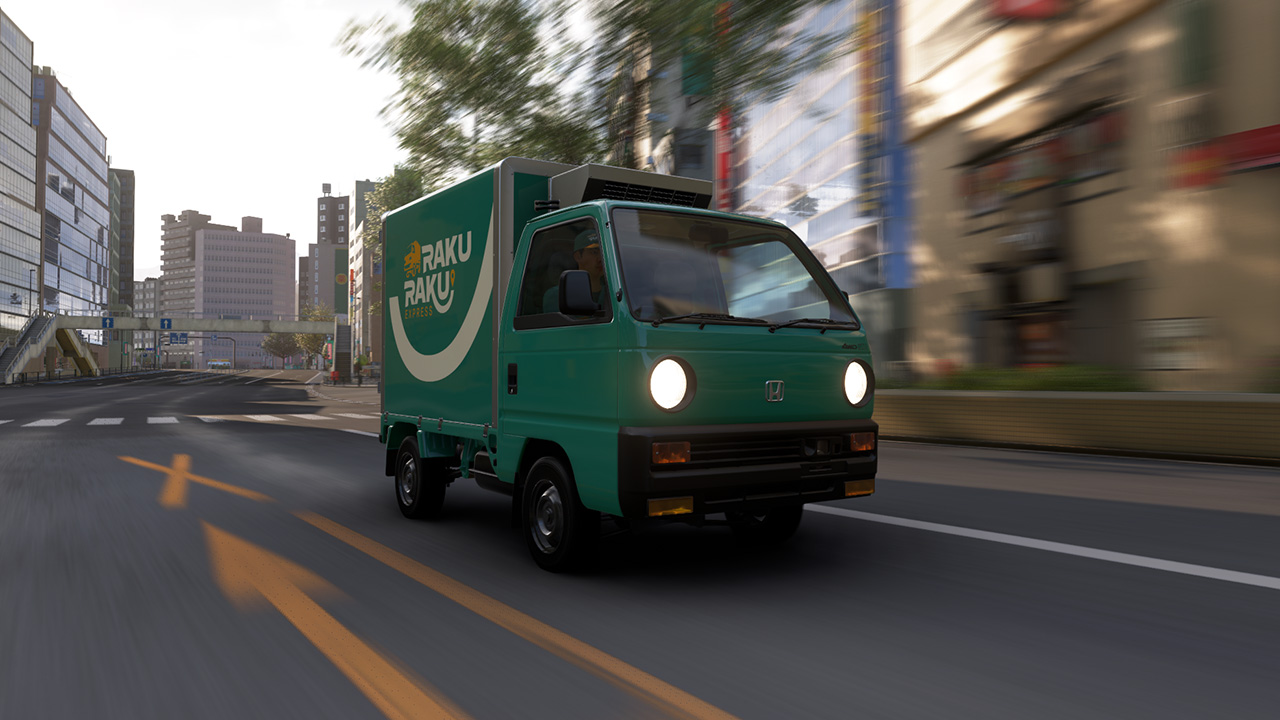
This even extends into multiplayer features and Horizon Stunt Events that allows you to show off your skills and your car collection. Adding in car meets within major POIs on the map was a nice touch in incorporating multiplayer activities beyond the normal racing route. Also, they added the actual Daikoku Car Meet space as a staple to this aspect of Japanese car culture!
Is this your GamingMatch?
In a nutshell, Forza Horizon 6 remains true to its roots, enabling it to bring out the best of Japan in more ways imaginable. Playground Games knew what worked from every other game in the franchise and decided to double down for the better, from mechanics to the improvements. While it had already hit the mark from the preview alone, expanding it further truly made it an exciting release to watch out for.
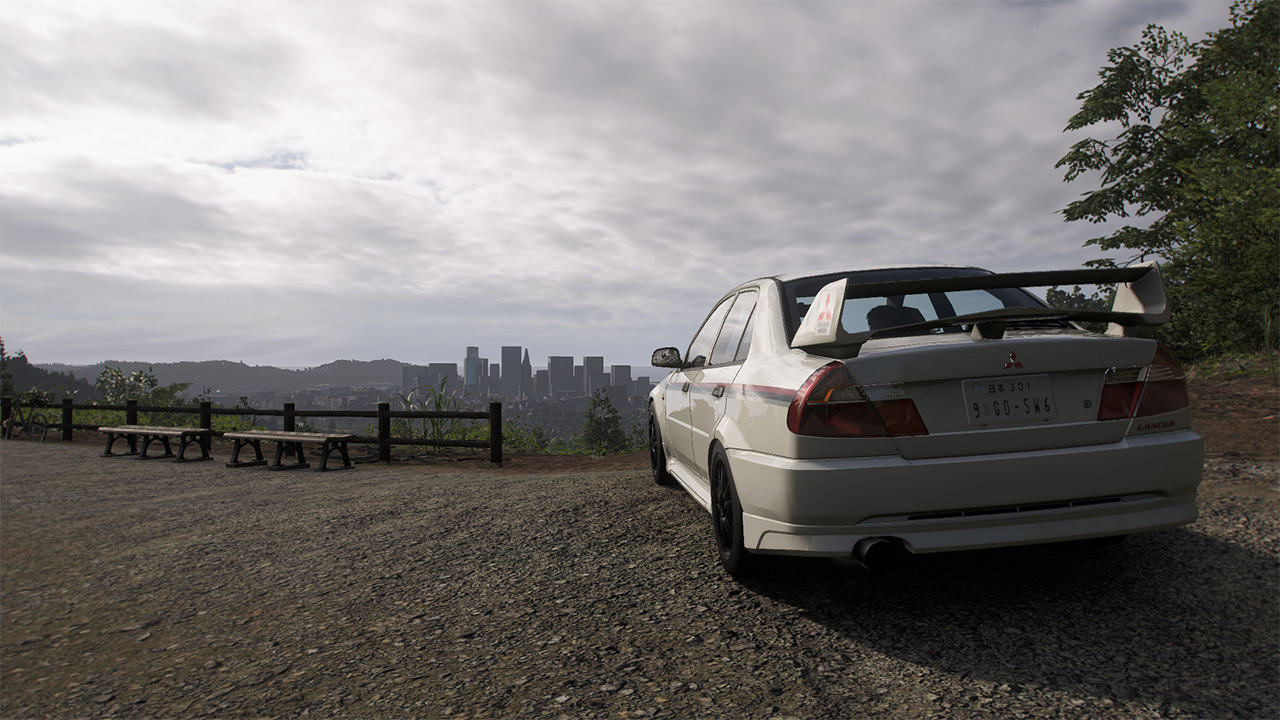
For a game that simply offers a more casual racing experience and pushes the car collect-a-thon a lot more, it is completely decked out with activities galore. Even with some of them feeling repetitive at times, every Horizon event and mode felt just as addictive and unique to play no matter how you want to play them. It’s a formula that encourages experimentation and enables car mastery that is easy to digest, no matter the experience level – and we’re all for it.
This truly feels like an instant Swipe Right for all intents and purposes, and definitely a must-try for anyone who plans to visit or return to Japan for a quick vacation or two. Assuming, of course, that the oil crisis will finally end by then.

HONOR 600 Pro review
For the visionaries who want a flagship experience without the premium price tag.


vivo X300 FE review: Don’t judge the camera by its cutout
A midrange-sized camera bar doesn't mean mid camera performance

PRAGMATA is not for the faint of heart
Already a Game of the Year contender for all the feels

JBL marks 80th anniversary with AI-powered audio ecosystem

Sony unveils the very premium 1000X THE COLLEXION

HOVERAir AQUA: Meet the world’s first 100% waterproof self-flying drone

Now Playing: The Mandalorian and Grogu

Mobile Legends: Bang Bang partners with global fast food giant

HONOR 600 review: A taste of more

ASUS Zenbook S14 (2026) review: The perfect portable buddy

The OPPO Find X9 Ultra is Galaxy S26 Ultra’s biggest enemy

OPPO Find X9 Ultra lands in PH: Price, availability, pre-order perks

Forget the Pro+ and Ultra! HUAWEI unveils the Pura 90 Pro Max


-
 Singapore1 week ago
Sony Xperia 1 VIII arrives with AI Camera Assistant, bigger telephoto sensor
-
Reviews5 days ago
HONOR 600 Pro review
-

 Laptops2 weeks ago
Spotlight: ASUS Zenbook A16
-
Reviews1 week ago
vivo X300 FE review: Don’t judge the camera by its cutout
-

 Automotive2 weeks ago
VinFast VF MPV 7 positioned as practical choice for families
-

 News2 weeks ago
iPhone 17 is the best-selling phone of 2026 so far
-
 News1 week ago
HONOR Magic8 Pro gets Android 17 Beta 3 support early
-
 Gaming2 weeks ago
Stranger Than Heaven is a Yakuza prequel with Snoop Dogg