
Apps
#TBT: RIP, Yahoo. You had a good run


News broke out on Monday that Verizon, one of the giants of the U.S. telecom industry, is acquiring Yahoo for a small fraction of what it was worth during the dot-com boom glory days. Reports said the agreement was worth five billion dollars in cash — which is a lot but still nowhere near Yahoo’s $125-billion valuation in 2000, when it had enough in the coffers to buy Google.
And although the deal has yet to be fully ironed out — it will be completed sometime in 2017 — the death knell has sounded, the fate of an internet pioneer has been decided, and it looks like its next chapter will involve mobile video.
Yahoo, as you and I know it, is no more, even if it retains its name.
(Time for a disclosure: I wrote tech stories for Yahoo Philippines. My partner worked as an editor for the company.)
This isn’t a eulogy for Yahoo; it has historically done well on the stock market. People far smarter than I am said its stock outperformed its contemporaries from a bygone era. Unfortunately, its accomplishments on Wall Street didn’t mean as much to the people in Silicon Valley and to the rest of the world.
We should’t shed a tear for the company, or its investors. We could instead take a nice, casual walk on memory lane.
My early exposure to the web started with Yahoo services: the Yahoo landing page was my Facebook News Feed; the email and chat clients were my Gmail and Messenger and Slack apps; Yahoo Music on the desktop messenger app was my Spotify; Yahoo Groups was my Reddit; and all my searches were done on the Yahoo homepage.
If I wanted to get things done online in the late ’90s, Yahoo was my first click. For the vast majority of the population, including myself, Yahoo wasn’t on the internet, it was the internet.
And I wasn’t alone; my brother, all my friends — we were on the same page. These were innocent times, before hackers and malware coders and trolls and cyberbullies and mean-spirited armchair critics.
I’d be lying to you if I said at that time I thought the status quo would never change, but it did irrevocably. My social circle stopped using Yahoo for anything except to tell the people around them to use Google or Friendster or Napster instead. Being the impressionable youth I was, I gave in and signed out.
Your story is probably different than mine. But the ending is nevertheless familiar: We signed out.
Over the next few months, pundits will argue why Yahoo’s empire crumbled; why Marissa Mayer, the ex-Google executive tasked to lead the company’s comeback efforts, couldn’t keep the roofs and pillars from collapsing; and what could have been done to stop the cracks from showing.
I share the sentiment that it didn’t pivot fast enough to take full advantage of the digital ad market, and that Yahoo couldn’t decide what it wanted to be, even as Google was attempting to usurp its dominance in search. Most damning of all is its failure to act on shifting consumer preferences, the shift from desktop to mobile computing and from websites to apps.
I still have two active Yahoo Mail accounts: There’s one I check less frequently than my Google inbox; the other, I couldn’t care less about — it’s probably full of spam, anyway. That’s about the extent of Yahoo’s influence on my life today, its role reduced to housing possibly malicious emails.
How times have changed.
[irp posts=”8688″ name=”16 biggest hits and misses of 2016″]





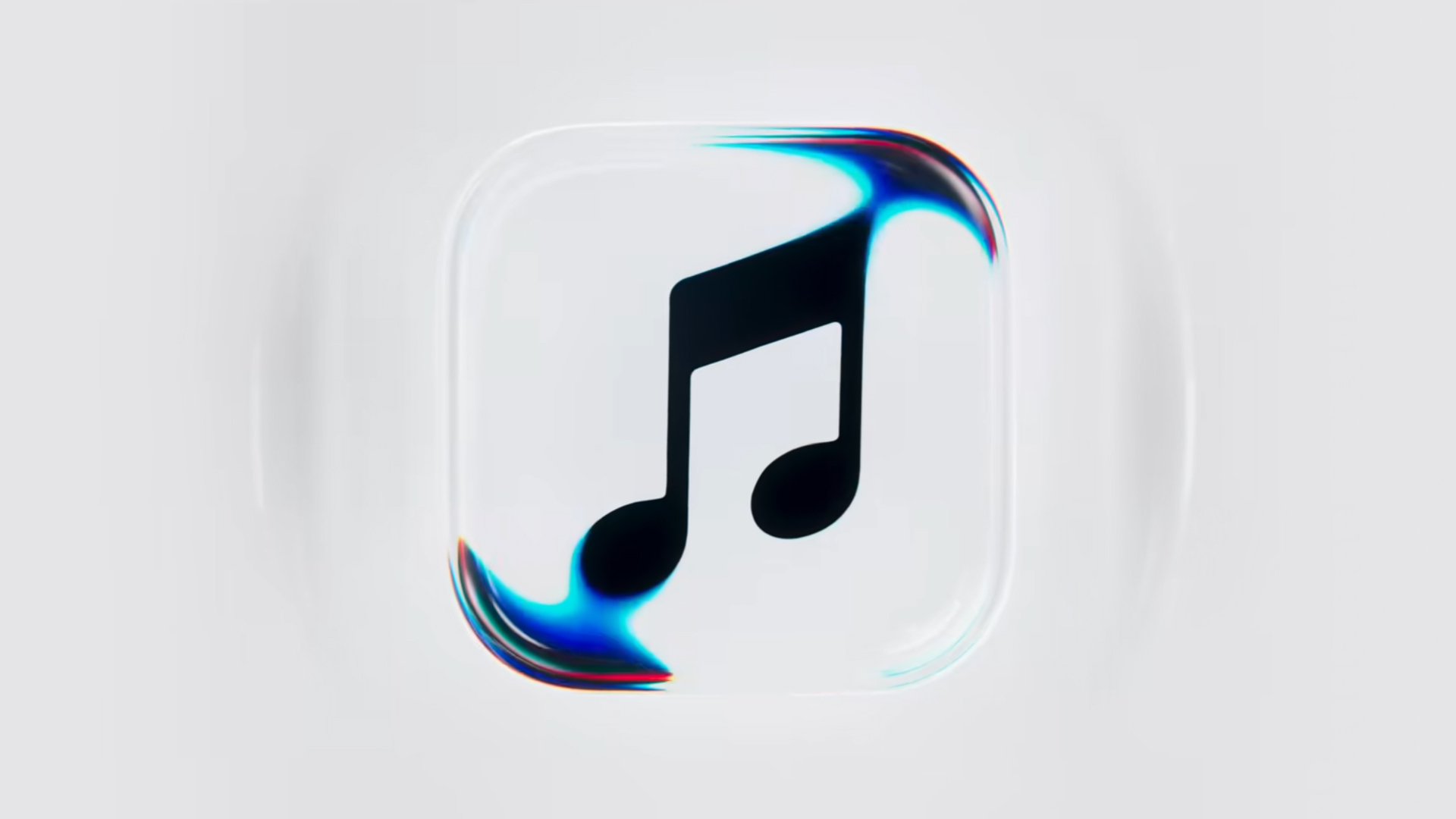
Apple Music is getting a revamp. In one of the tamer things going on with the brand today, Apple has introduced a new design language for its native music streaming platform.
In the midst of all the hubbub surrounding the iPhone Duo, Apple released a change in the visual identity of Apple Music. Rather than a static logo, the platform’s newest evolution offers a dynamic look that melds Liquid Glass and the power of sound together.
Confirmed through a behind-the-scenes video, Apple says that the new aesthetic was made with practical effects. Music producer Fred Again and NEST Acoustics submerged the platform’s logo in a tank of mineral oil and creating ripples with sound. The new language matches well with the chrome aesthetic typical of today’s trends and… well, Liquid Glass, of course.
Apple says that the more ripple-filled version will play before longer content like concert recordings (similar to Netflix’s startup stinger). Meanwhile, a black-and-white version will replace the app’s icon currently colored red and white. Current previews show off a simple logo, but it’s unknown whether Apple is adding a but more elements when the final version drops.
The updated version will debut for users after next week’s iOS 27.2 and macOS 27.2 updates.
SEE ALSO: Apple iPhone Duo Unboxing and Hands-on
Apps
Disney+ strengthens footing as go-to sports streaming app with UFC, NBA, more
ESPN on Disney+ brands itself as ‘new home ground for sports’


Disney+ is strengthening its footing as a go-to sports streaming app as ESPN on Disney+ is now available in the Philippines, one of its markets with a huge sports-loving fanbase.
The launch coincides with a brand new campaign, “Ito ang Homecourt Mo!” (This is your homecourt!), welcoming Filipino fans to a new home ground for games, stories, and moments.
Subscribers can access live events, on-demand replays, studio shows, documentaries and original programming together in one dedicated destination through ESPN on Disney+.
Production and coverage will be led by ESPN, delivering high-quality broadcasts, commentary and expert analysis across the sports season where available, alongside Disney+ general entertainment and family programming.
Following last season’s success, NBA returns to ESPN on Disney+ with matchups during NBA Tip-Off Week.
Christmas Day games will also be available to stream, including the NBA Finals rematch between the New York Knicks and San Antonio Spurs and the Philadelphia 76ers versus the Los Angeles Lakers.
Playoff games through the conference finals shall also be streamed live and on demand.
Meanwhile, the UFC is among some of the new regular sports programs Filipinos can watch on Disney+.
The action kicks off at UFC 333 in Abu Dhabi scheduled on October 25, where two world championship titles are expected to be on the line: UFC featherweight champion Alexander Volkanovski takes on undefeated No. 1-ranked contender Movsar Evloev, and UFC bantamweight champion Petr Yan defends against former champion and No. 1-ranked Merab Dvalishvili.
Alongside live UFC numbered events and UFC Fight Nights, fans will have access to a library of classic fights and curated UFC content.
There will also be the original and and behind-the-scenes programming, including UFC Countdown, UFC Connected, UFC Main Event, UFC Fight Flashback, UFC Reloaded, and ROAD TO UFC.
A new home ground for sports
Other notable sports programming will include the Formula E 2026/27 season, with practice, qualifying and main races across 21 rounds in 13 host cities.
Also available on Disney+ are NCAA events, including March Madness, and Australia’s National Basketball League (NBL), with all games live across the regular season and championship series.
ESPN’s popular 30 for 30 documentaries will continue to be available on the platform. The line-up also features ESPN studio shows, including ESPN FC and Pardon the Interruption.
Apps
GrabCar Group Ride now splits the fare automatically
Passengers stand to save up to 50% compared with booking a solo ride
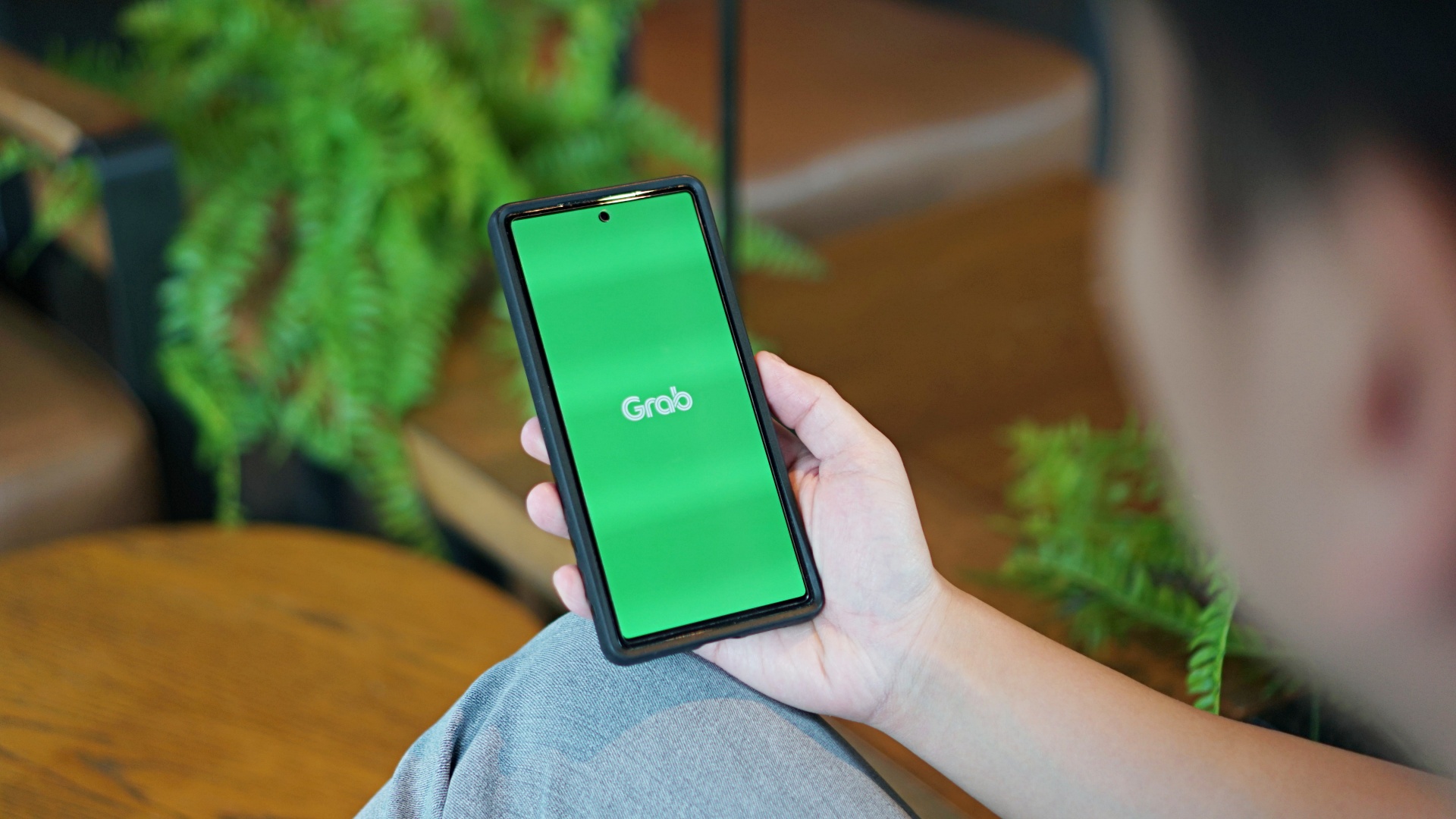
GrabCar Group Ride now splits the fare automatically among passengers, making it simpler to book such ride types.
Each rider can save up to 50% on fare as well when using a group ride, compared with booking a solo ride.
The ride type lets the ride host and up to two friends share one GrabCar, with up to three drop-off points along the way. The more people join, the more affordable the ride becomes for everyone.
Regular ride buddies can also be saved as a group, together with frequent pickup and drop-off pins. This way, repeat bookings take just a few taps.
Such a system is ideal for officemates headed the same way or friends coming home from a night out, as well as plenty of other scenarios.
To book a Group Ride, follow these steps:
- Open the Grab app, tap GrabCar, then select Group Ride
- Enter your pickup point and drop-off
- Share the invite link with up to two friends
- Your friends can add their own drop-off points
- Confirm the booking to split the fare automatically
The GrabCar Group Ride feature is now available in all GrabCar cities nationwide.

HP OMEN Max 16 review: Gamer-maxxing in deep black
Peripherals deemed necessary to max this out

vivo V80 review: Good phone, tough sell
A capable travel companion


Ghost of Yōtei Complete Edition review: More of a great thing
Picking up where Atsu left off

Visa: 79% of Filipinos want to learn about stablecoins

CASETiFY Match: Finding the right case for your Galaxy Z8 Series phone
HP OMEN Max 16 review: Gamer-maxxing in deep black

Google illegally destroys 250,000 trees for a single AI data center

FINAL FANTASY RESONANCE now available across major platforms

TECNO CAMON Slim 5G review: Slim on size, big on surprise

TECNO CAMON Slim 5G: Price, availability in the Philippines

HONOR Magic9 Pro Max launches in China with ARRI-powered imaging

BYD says that way better EV batteries are coming next year

HONOR 600S review


-
 News1 week ago
vivo V80 debuts with ZEISS cameras
-
 Philippines1 week ago
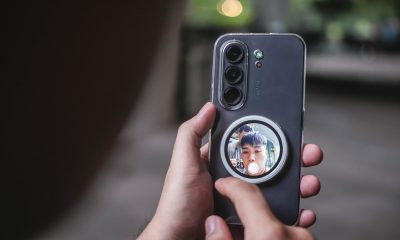
TECNO CAMON Slim 5G gets launch discounts, free MagBadge
-
 News1 week ago
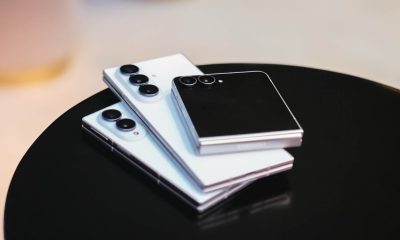
Samsung: Galaxy Z Fold8 demand rose because of iPhone Duo
-
Reviews1 week ago
vivo V80 review: Good phone, tough sell
-
 Features2 weeks ago
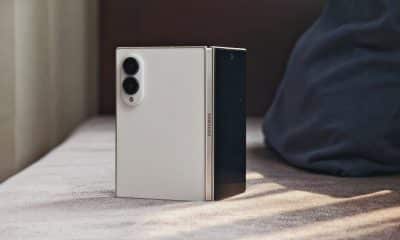
I don’t want a phone that unfolds — the Galaxy Z Fold8 gets why
-
 News5 days ago
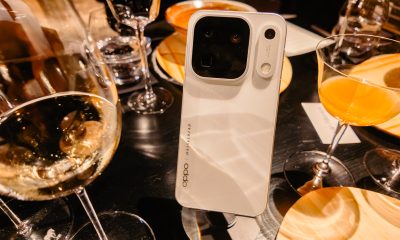
OPPO Find X10 Series: Price, availability in the Philippines
-
 Buyer's Guide1 week ago
iPhone Duo Philippines: Prices, installments, and where to buy
-
 Philippines1 week ago
Smart opens iPhone Duo pre-orders today