
News
Some Huawei phones are showing unwanted ads on lock screens
A way for Huawei to earn money?


While Huawei continues to find ways to fight off the trade ban implemented by the US, a number of Huawei phone owners are expressing their dismay over sudden ads on their lock screens. Huawei doesn’t need more negative publicity right now, but the company decided to push unwanted ads without users’ permission.
Initially reported by Android Police, users in several countries have noticed an ad for Booking.com on the lock screen of their Huawei phones. Surprisingly, some of the devices affected include the flagship models like the Huawei P30 Pro, P20, P20 Lite, P20 Pro, Mate 20 Pro, and Honor 10. Other models are also presumably affected. [Editor’s note: I noticed this on my Mate 20 X, as well.]
Huawei users now have a Reddit thread to talk about this fiasco, and Twitter reports are coming in. Here some of the tweets showing the reported lock screen images:
@Huawei_Europe I just got an add of https://t.co/7GRlpt8z3k on my lockscreen. I am using a Huawei and I am not the only one who gets it. pic.twitter.com/mhfGixcwED
— Ceel Beckers (@BeckersCeel) June 12, 2019
@Huawei_Europe why on earth do I get advertisement on my lockscreen. I need an explanation immediately!!! pic.twitter.com/DZcSKMWldC
— Daniel (@8Candreva7) June 12, 2019
Ah hear… @Huawei why am I now being served ads on my lock screen? Stop it! Moreover @bookingcom what idiot in marketing thought this was ok? #ads #DigitalMarketing #Huawei #measure pic.twitter.com/Ta1lslMwsP
— Dave Rooney (@daverooney) June 13, 2019
@Huawei_Europe Why is there advertisement on my lock screen?! Have I signed up to this in some small print T&C somewhere? pic.twitter.com/w6zS9ysuwk
— RAYZ (@justicefingers) June 12, 2019
It seems like the ads are appearing for device owners who are using the preinstalled landscape background wallpapers. The ads are showing up in certain countries in Europe and South Africa for now.
Huawei phones have a “Magazine unlock” feature that shows a series of curated wallpapers based on the user’s preference. This can be turned off and that should get rid of the advertising. Needless to say, this could be Huawei’s move to earn extra ad cash.
SEE ALSO: Huawei on getting to top spot: ‘This process may take longer’






Laptops
Microsoft gives up on the Copilot+ PC
The company is quietly stepping away from the branding.


The Copilot+ PC is finally coming to an end. After a few years of advertising the lineup as the next big thing, Microsoft is stepping away from the branding.
Through a new interview with Windows Central, Microsoft has confirmed that the company is slowly stepping back from the Copilot+ branding. Despite launching a series of new Surface PCs that fit the bill of such a brand, the company has not affixed any of these devices with the usual branding of the AI-infused series.
“These are not called Copilot+ PCs. They do meet all the requirements of our previous bar for what Copilot+ devices are. We still lean into the narrative around AI on the edge and being able to have a hybrid solution out there,” Microsoft Surface CVP Brett Ostrum said.
Now, the Copilot+ PC programs hasn’t been a massive success for Microsoft. For all the time that it’s been out in the market, the series hasn’t really made much of an impact. TOPS is still a difficult metric to measure. The Copilot button is still one of the most unusable buttons on a modern keyboard. Even worse, Recall, the lineup’s most highly touted feature, crashed and burned practically the same moment it came out because of privacy concerns.
Microsoft had a lot of hopes for the Copilot+ lineup. Prior to today’s deteriorating perceptions about AI, the lineup imagined a string of devices united with a focus on AI-supported performance. However, we know better today. At best, AI PCs provide moderately boosted performance without the need for top-of-the-line hardware. At worse, they’re a privacy nightmare that places an unnecessary burden on the entire industry.
SEE ALSO: Microsoft continues to shove Copilot where it’s not wanted
News
Xiaomi 18 Pro series is launching globally, Xiaomi confirms
Xiaomi’s phone with two screens is finally going global.
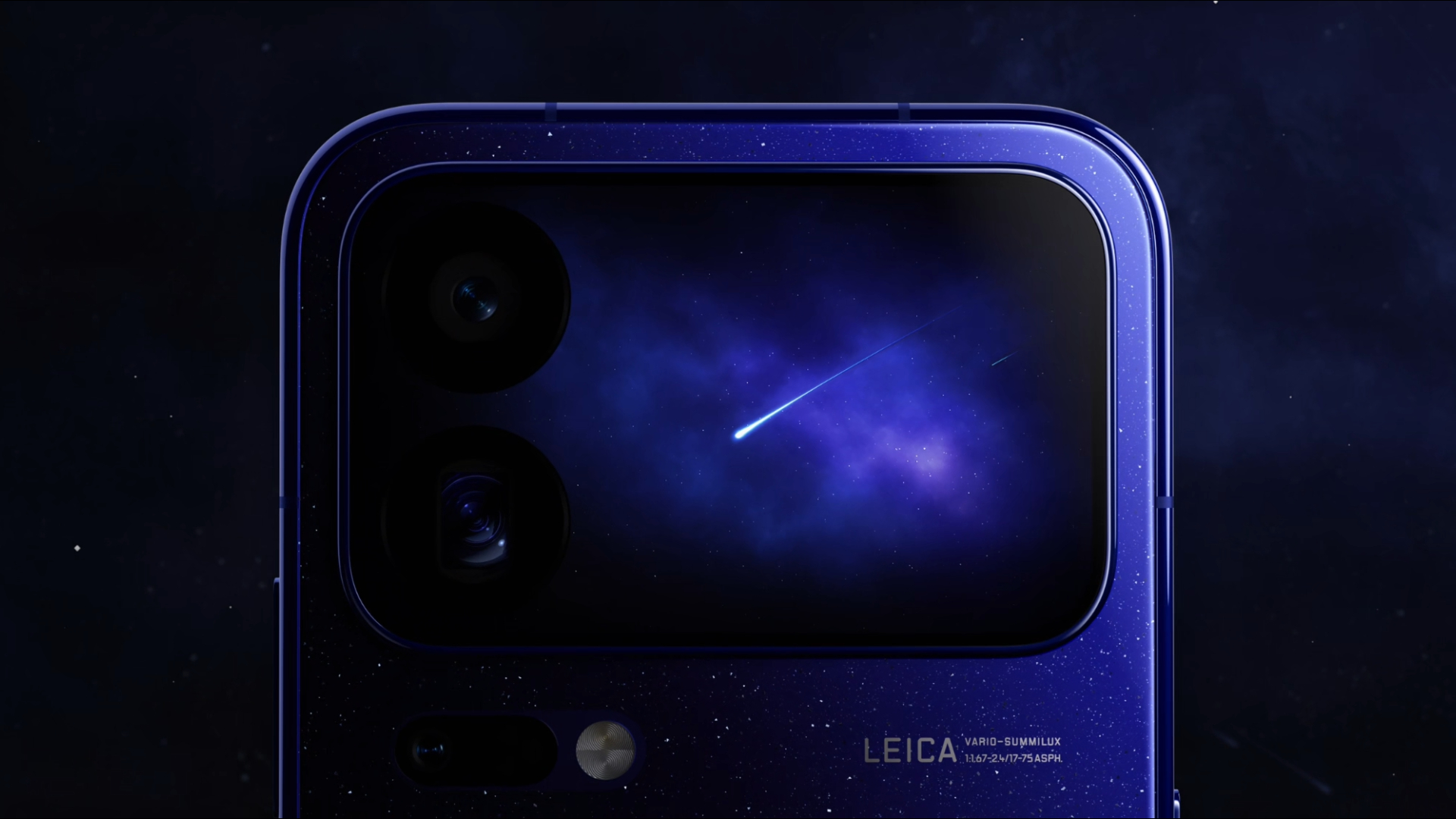
As you can probably read from our reviews, we were impressed with the Xiaomi 17 series. Like previous years, the Chinese brand knows how to make impressive flagships. Unfortunately, despite our raving, the world didn’t get the complete flagship experience because the Xiaomi 17 Pro and Pro Max were exclusive for Chinese users. This year, however, the Xiaomi 18 Pro and Pro Max will finally grace the entire world with their presence.
Recently, Xiaomi unveiled the Xiaomi 18 Pro duo. Normally, the launch of the Pro series doesn’t make waves outside of China because of the exclusive release. However, soon after the series’ debut, Xiaomi CMO Xu Fei officially confirmed that the duo will make a global debut sometime this year.
Now, the launch of the two smartphones should catch your eye. While the regular Xiaomi 18 series belongs to the more traditional form factors for smartphones, the two Pro models feature a smaller 2.7-inch (or a 2.9-inch) LTPO AMOLED rear screen, adding that extra bit of spice even if the phone is facing downwards. Other than that, the series comes with up to a Snapdragon 8 Elite Extreme Gen 6 chipset, up to 16GB of RAM, and up to 1TB of storage. It also features a trio of rear cameras including a 200-megapixel main sensor, a 200-megapixel periscope lens, and a 50-megapixel ultrawide sensor. In front, it has a 50-megapixel selfie shooter. Finally, the series goes up to an 8500mAh battery.
To be clear, there is a chance that the global version won’t match these specs. Regardless, it’s surely an impressive phone when it does launch elsewhere.
Apps
Google Photos can now censor your kid’s face better
The new Redact feature can censor sensitive information.

Censoring photos is heavy work. Either you stick on random emojis or draw an indiscriminate splotch of doodles to cover sensitive information. It’s an imperfect art but an essential one to protect privacy. Today, Google Photos is getting a Redact feature which can censor sensitive bits with pixelated blocks.
An addition to the Markup tool, Redact acts like a nifty pen that can hide information that you don’t want seen. Unlike a ghastly emoji or a splotch, the censored bar mixes better with the surrounding elements. In the example that Google used, a censored license plate blends well with the car it’s attached to, making the photo look more cohesive. Besides license plates, it’s the perfect tool for covering other information like phone numbers, addresses, and the faces of your loved ones.
Google Photos is also rolling out Moods, a set of filters that give photos a nostalgic look, including a 2000s night digicam vibe that’s popular today. There are also 15 new Remix templates to add more creation options.
Both the Redact and the Moods features will roll out to Android users starting today. The new Remix templates, however, will be limited to some countries on both Android and iOS.
SEE ALSO: Google will force Android users to use Gemini next month


TECNO POVA 8 Pro Tonino Lamborghini review
Truly a rare gem in 2026


DJI Lito X1 review: Is this the best lightweight drone for creators?
Making a strong case as a travel companion and a capable B-cam!


REDMI Note 17 Pro Max review: A new breed born from AI greed
Welcome to the new normal

Now Playing: Total War: Warhammer III – Lords of the End Times

Microsoft gives up on the Copilot+ PC

TECNO CAMON Slim 5G teases an ultra-slim design ahead of launch
TECNO POVA 8 Pro Tonino Lamborghini review

When TECNO-logy meets Tonino Lamborghini legacy

realme 16T 5G with 8000mAh battery, IP69 Pro rating launches in PH

HUAWEI Pura X View is 2026’s first WIDE slab-type smartphone

The CAMON Slim 5G is TECNO’s latest ultra-slim smartphone

iPhone 18 Pro series: Price, availability in the Philippines

DJI Osmo 360 II review: Going all-in on the ecosystem


-

 News7 days ago
vivo X500 Series launches with major imaging upgrades
-

 News6 days ago
OPPO Find X10 Pro Max is the first phone with a triple 200MP camera system
-
Reviews2 weeks ago
REDMI Note 17 Pro Max review: A new breed born from AI greed
-

 Singapore1 week ago
Epson Lifestudio Grand Plus EH-LS970B with 4K projection, more launches
-

 News7 days ago
vivo introduces OriginOS 7 with smarter multitasking and AI features
-
Drones2 weeks ago
DJI Lito X1 review: Is this the best lightweight drone for creators?
-

 Gaming2 weeks ago
Valve unveils price of the Steam Frame
-
 Philippines2 weeks ago
REDMI NOTE 17 Series: Price, availability in the Philippines