

Cameras
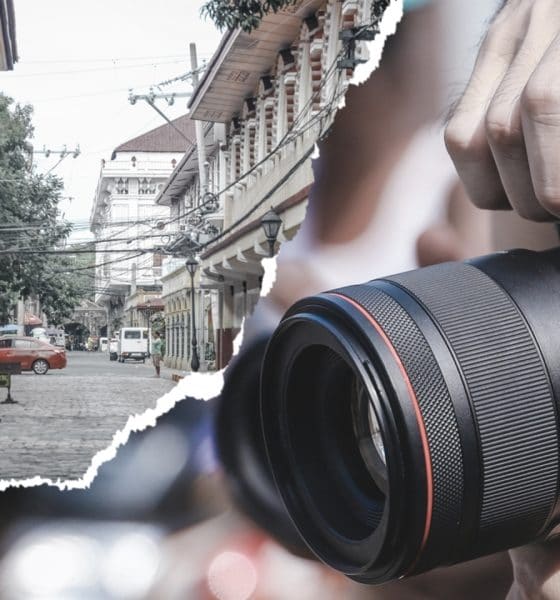
Learning street photography with the Canon EOS RP
A picture is indeed worth a thousand words

Street photography has been around for decades — way back in the early years of World War, famine, hunger, and financial crisis. It even sparked several debates whether it’s legal or ethical to do so. Although these questions remain unanswered, a lot of people have been more invested in street photography lately.
It may have started that way but it didn’t stay for long. Today, it’s not just limited to photojournalists, it even hits casual and creative photographers alike. But the real essence of this photography genre is still intact: it is thrilling, challenging, and takes a lot of patience because it should be candid and in perfect timing, not staged.
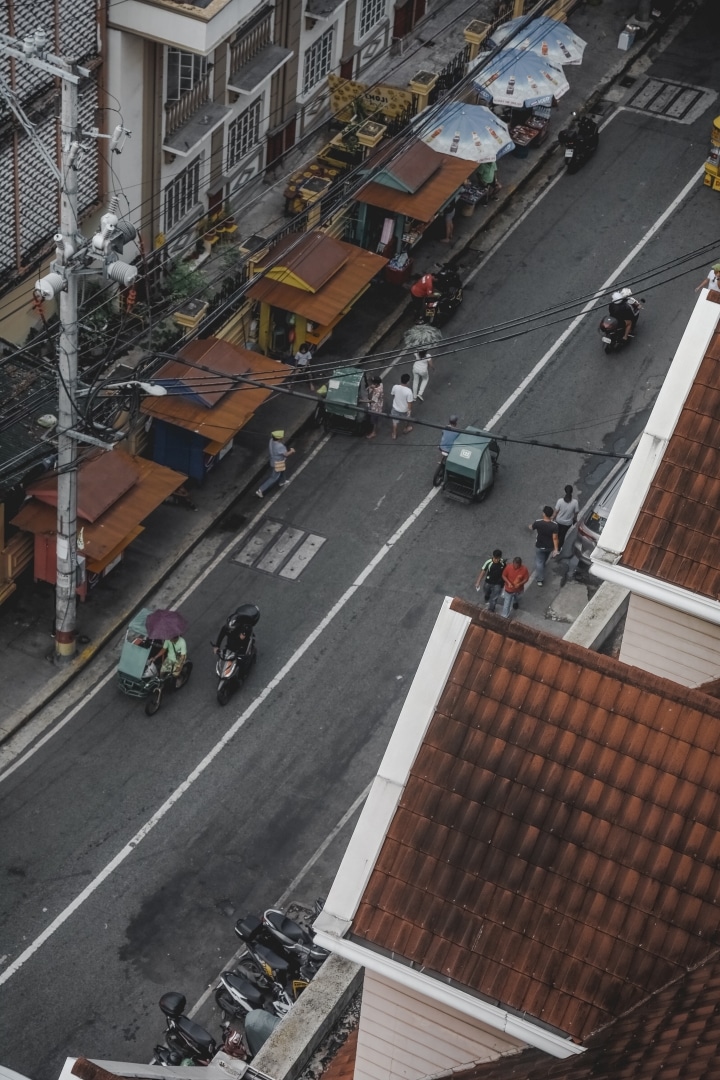

Canon Philippines gave us an opportunity to learn more about shooting in streets with the guide of popular photojournalist, Jilson Tiu. We roamed around the streets of Intramuros and got a glimpse of life inside the walls.
It hasn’t been long since Canon released the EOS RP in the Philippines. Just a refresher, it is the early successor of the EOS R, which is Canon’s first full-frame mirrorless camera. It is also their second mirrorless camera with a smaller body and introduced other cut-down features to make it (a little bit) cheaper.
Canon has come a long way in making and manufacturing cameras. My first camera is a 60D, which was a prosumer king during its time. My initial hands-on with their newest mirrorless camera felt familiar. They have managed to keep the design language in a smaller form factor.
Enough with the technicals. As someone who has been into photography since high school, I can tell that street photography is specifically not my forte. But this doesn’t mean I won’t challenge myself. I learned so many things during this photo walk — so I’m giving you eight tips when shooting around the streets, together with my EOS RP experience.
1. Learn the basics

They are called “basics” for a reason. You should not go to war without learning how to shoot a gun — the same principle applies in photography. Learning how shutter speed, ISO sensitivity, and aperture work before you shoot is essential because you will not (and should not) rely on Auto Mode, especially that you are going to use DSLR or mirrorless cameras when shooting, which is a lot more versatile than using point-and-shoot cameras.
Other photography jargons such as Depth of Field (DOF), focal length, white balance, exposure bracketing, should follow along the way. Composing shots is also part of the basics, including placing subjects within the frame, exercising Rule of Thirds and/or Golden Ratio, and more. With the existence and vastness of the internet, searching for tutorials shouldn’t be a problem for most.
More over, technicals should come along the way. Even the lens you pick affects the quality of shots you take. Prime, kit, telephoto lenses, you name them. Photography isn’t as easy as it seems, but trust me, knowing the basics will be one of your biggest achievements and advances as an aspiring photographer (or photojournalist).
2. Look for human elements

Imagine walking around the streets without any human element, do you think street photography would still make sense? Human element creates several stories in the shots you capture. Street photography isn’t literally talking about capturing the streets, it’s more about capturing the culture between people and the streets you pass by.
One misconception about street photography is when photographers take their posing models as subjects, and street as a background element — put simply, that’s not street photography.
3. Know one’s story
To whoever is reading this, I would admit that I’m socially awkward. A big chunk of me being an introvert holds me back from talking to people. If you are really focused on doing street photography, this tip is very important in establishing connections and making relationships as you shoot more individuals in the long run.
Once you find at least one (or several) human element/s you want to capture, it shouldn’t stop there. Talk to them. Ask them about life, how is their day going, other questions to follow. These questions may sound simple but it helps in creating a sense of belongingness, even if you are both strangers to each other. It would also feel authentic when you talk to them more, even when you are both focused on the different things you’re doing.

Taking the shot above as an example. Although he is busy with his job as a barber, he still entertained our group because we took the initiative to speak with him. Talking to people contributes to the candidness of the photograph. It did not disrupt the things we all did — he even enjoyed the small talk with our group. Let your single photograph say a thousand words to those who will see it.
4. Respect all things around you

Part of having moral ascendancy is respecting each and everything around you — not limited to life forms such as people, animals, and plants, even non-living things alike.
In this particular shot, an old man got mad at our group for suddenly capturing this dog. After trying to ask for permission, he then decided to let us shoot. There are times when people are not amused seeing cameras pointed at them nor at the things they own. If it happens to you, respect their privacy and decision. You should not argue and you definitely need to walk away before you get yourself in trouble.
5. Stop making poverty an aesthetic
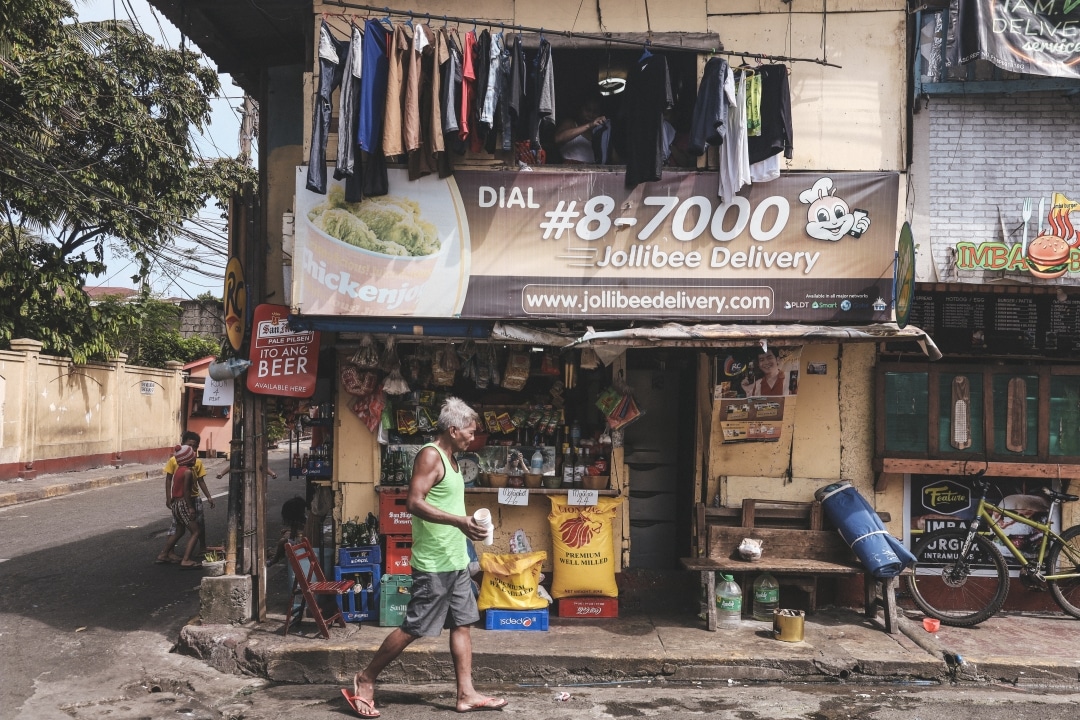
I have seen a lot of street photographers who are making poverty as an aesthetic. In connection to tips two and three, showing one’s respect is not imitating the way they live or how they interact with other people.
Exhibit A: You want to do a staged photoshoot with models pretending they are beggars.
Exhibit B: You were awed when you saw two siblings sleeping along the footbridge. You decided to take photos of them and shared it on Social Media without their consent.
Social Media exposure would raise awareness about their situation, but do you think it would make them happy if they knew they were photographed without consent? If no talk or story-telling happened in between, it is not street photography anymore. The essence of knowing their life nor story never even happened. It is unethical to make one’s living condition a part of your Instagram or Bēhance portfolio — so is exaggerating one’s situation as a staged shoot.
6. Post-processing is normal, #NoFilter shots are not bragging rights
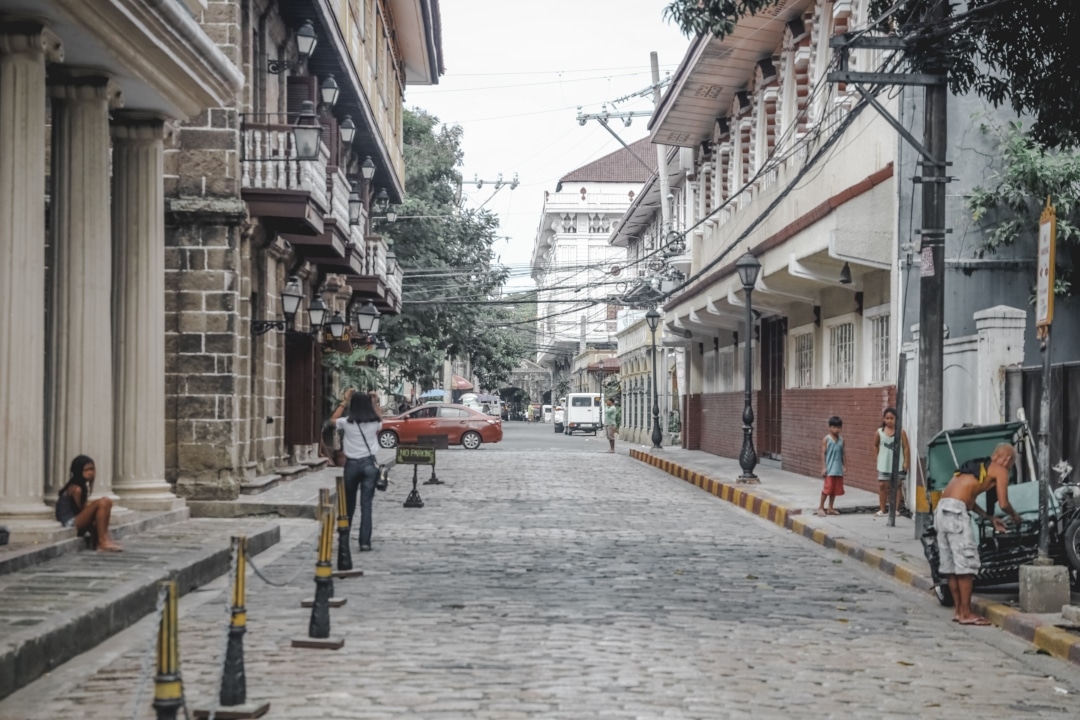
Cameras and lenses are not created equally. Although my experience with the Canon EOS RP is outstanding and its RF 28-70mm f/2L USM lens does the job well, there were times that the shot I took was not aligned to what I wanted the outcome to be.
Post-processing isn’t cheating. There’s nothing wrong with fixing your photography mistake (or worse, a hardware mistake). In fact, it already takes place the moment you press the shutter button on your camera — that is why people should not make #NoFilter shots a big deal. If you are one among the clumsiest users who forgot to set RAW shooting, you have no choice but to stick with your .jpg files.
Let’s say you forgot to adjust the Custom WB (White Balance) while shooting, post-processing apps can help you fix it. You can even do other processing techniques if you want to convey more feelings in your shots. It is a part of experimentation, and the values in each photo you edit are not something that’s always definite.

In this particular photo, I adjusted the curves that helped it achieve a faded look instead of deep shadows, making it feel softer with minimized shadows and contrast. I minimized the highlights because of the harsh sunlight hitting the tile bricks. I also moved the slider to the warmer side for it to look lively. Color science says that photos on the cool side feels melancholic and lifeless.
I suppose not everyone is computer-literate. There are mobile apps you can try when it comes to post-processing your shots — such as VSCO, Snapseed, and Lightroom Mobile, a toned-down version of the PC-based Adobe Lightroom. Take note that mobile apps may have limited functions, especially because they are free.
Reminder: Before all of you use (and abuse) the power of post-processing, you should have already understood the first tip. Not to sound like a broken record but it is about understanding the basics. Nowadays, a lot of people rely on post-processing without knowing the essentials — maybe it’s time to learn them properly.
7. Capture the scenery, too

Imagine you are trying to shoot on top of a building. You peeked at your camera’s viewfinder, adjusted the focal length, and tried fitting human elements within the camera’s frame. Suddenly, you realized that the scenery makes them stand out more — that’s what this tip is for.
Street photography should not be limited to street per se. As long as the background element does not overpower the human element or subject, you are good to go. The lush greenery along this golf course make the golfers stand out more. The differences in their movement make it feel dynamic, candid, and emphasizes their actions of playing golf.
8. Explore unusual elements to shoot
Last but definitely not the least is all about looking for odd elements that will make you and your composition different from others. Staged photographs can be imitated, but not the candid ones. That’s why learning the basics matter, so you can compose shots in a split second — every shot you take makes a lot of difference.

Use juxtaposition when possible in order to convey two contrasting elements in one frame. In the shot above, I was aiming to describe the situation of the Philippines (or other similar nations) today — the biker represents that Filipino citizens are freely moving around, while the window grilles represent that we are restricted to freely express ourselves due to government policies and sanctions (Threat to Press Freedom, anyone?).
I captured more than ten photographs in the same location just to get my desired composition. If you think this goes against the essence of shooting candid photos, it’s not. I do not personally know him nor directed him to pass by. Misconceptions like this can cause trouble among the photography community, and you should avoid that.

Another candid shot I took talks a lot about growing up and getting old. Having the same walking direction between the old man and the children tells us that time is constant. There is nothing that can stop us from accepting more responsibilities and having different kinds of interest as we grow up.
Photography throughout my years
I was born knowing what traditional film cameras look like and how they function. I was even there when VGA, 3-megapixel and 5-megapixel cameras in phones made headlines. Photography has come a long way, and they still keep improving. It’s not even limited to professional cameras anymore that newer smartphones with excellent mobile photography prowess can now be considered as contenders.
As I was saying, street photography is not my forte. But from my experience using the Canon EOS RP coupled with a new RF lens system (vs the old EF lens mount), capturing photos still felt like I was using my old 60D because of the familiar feel and function. After using different cameras throughout my creative journey, Canon still lives up to their name for creating a big name in the camera industry.







Accessories
OBSBOT’s Meet Flip is your next best pocketable 4K webcam
Fold the Flip for further protection
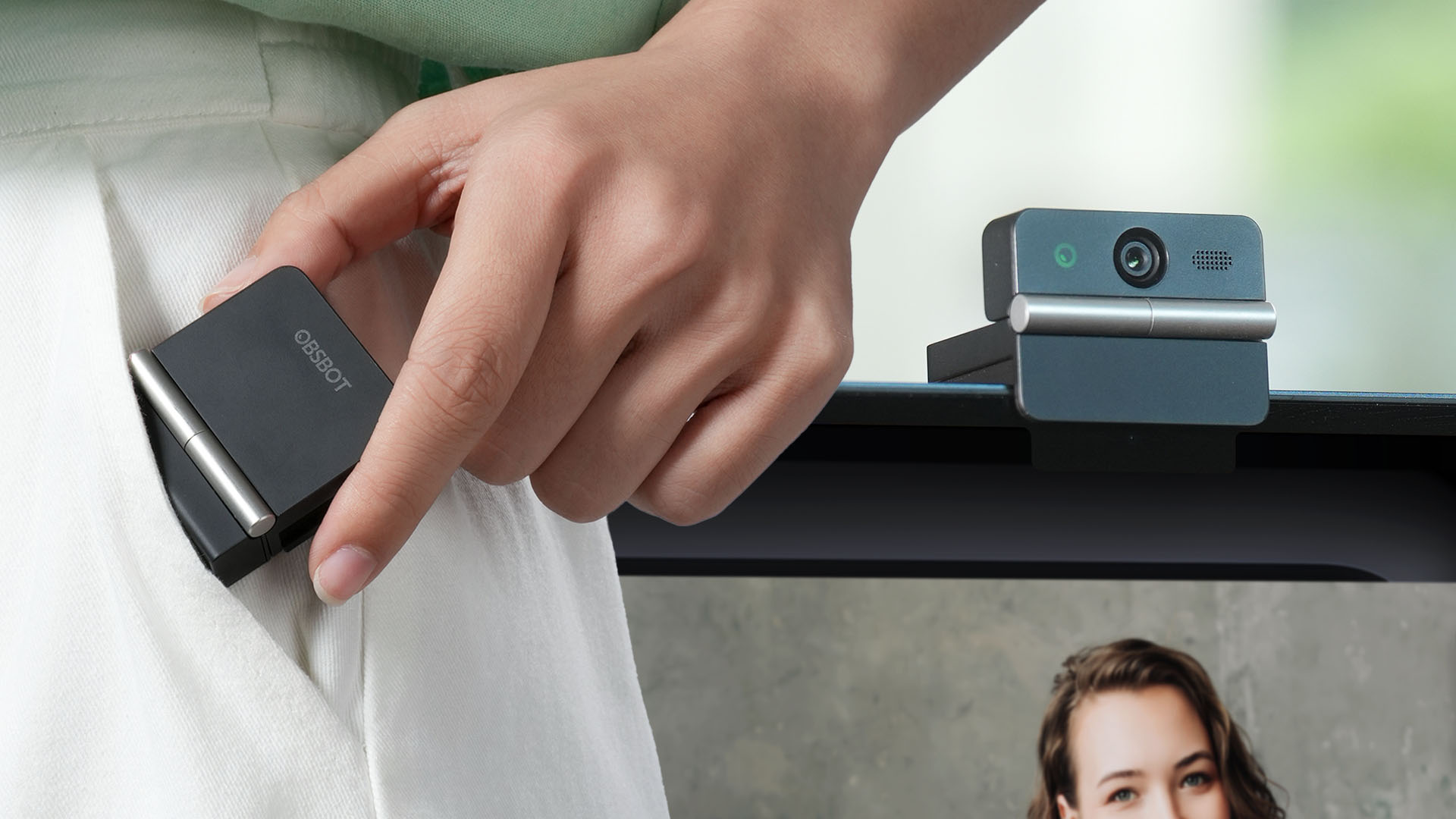
Several months ago, you might remember that OBSBOT revealed the Tiny 3 series of web cameras.
Six months after, they also unveil the all-new Meet Flip. From the name itself, it’s the company’s latest foldable 4K webcam that puts hardware privacy front and center.
Foldable and pocketable
Despite weighing just 37.7 grams, the Meet Flip aims to deliver premium webcam features for all types of users. Be it remote workers, professionals, or content creators.
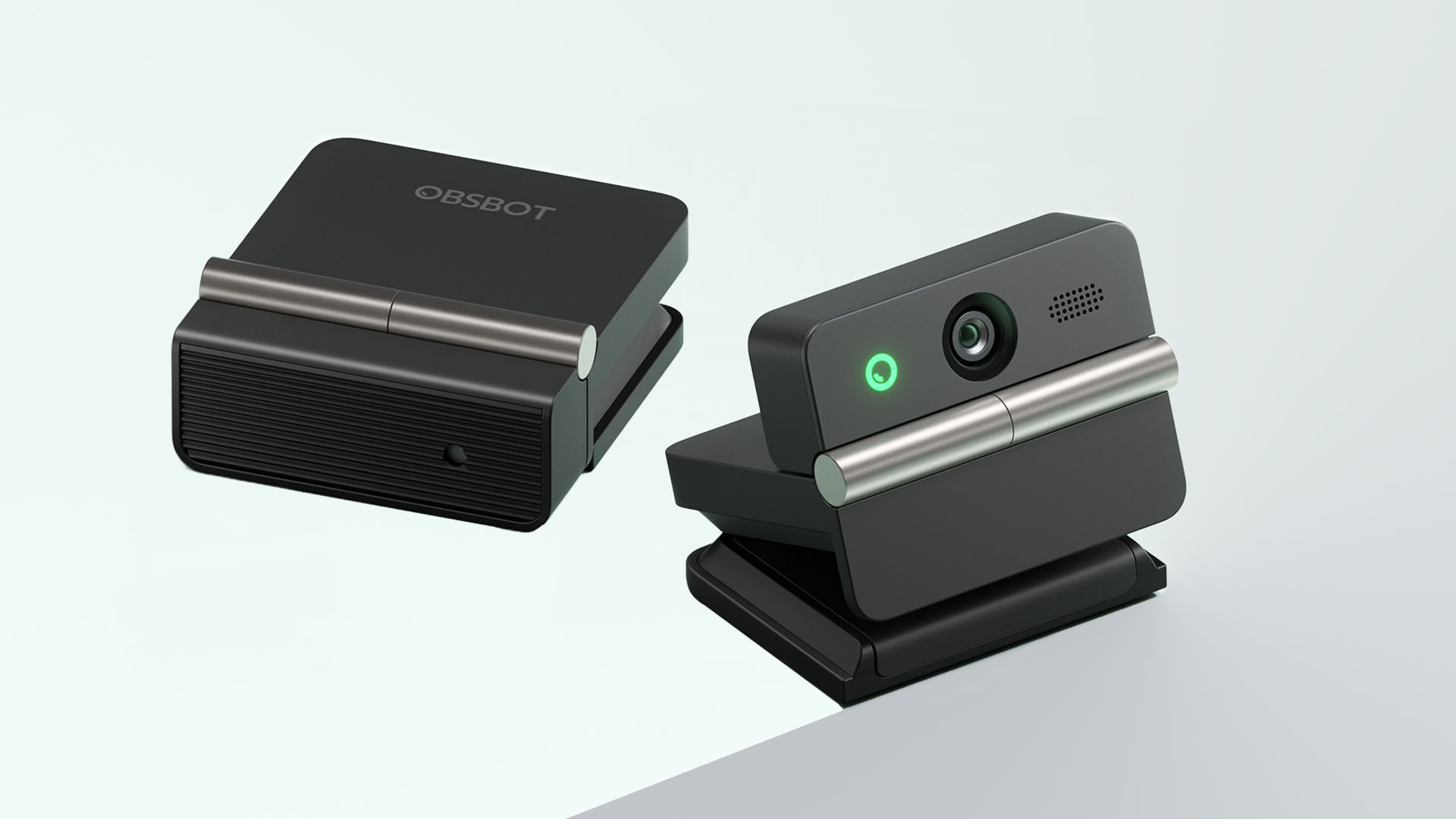
Graphics by Vincenz Lee | GadgetMatch
Undoubtedly, the biggest highlight has got to be the webcam’s folding design. Not only it’s portable, it protects your privacy too.
Closing the device physically blocks the lens, giving users a visual confirmation that the camera is no longer active. When it’s time for a meeting, simply unfold it and it’s ready to go.
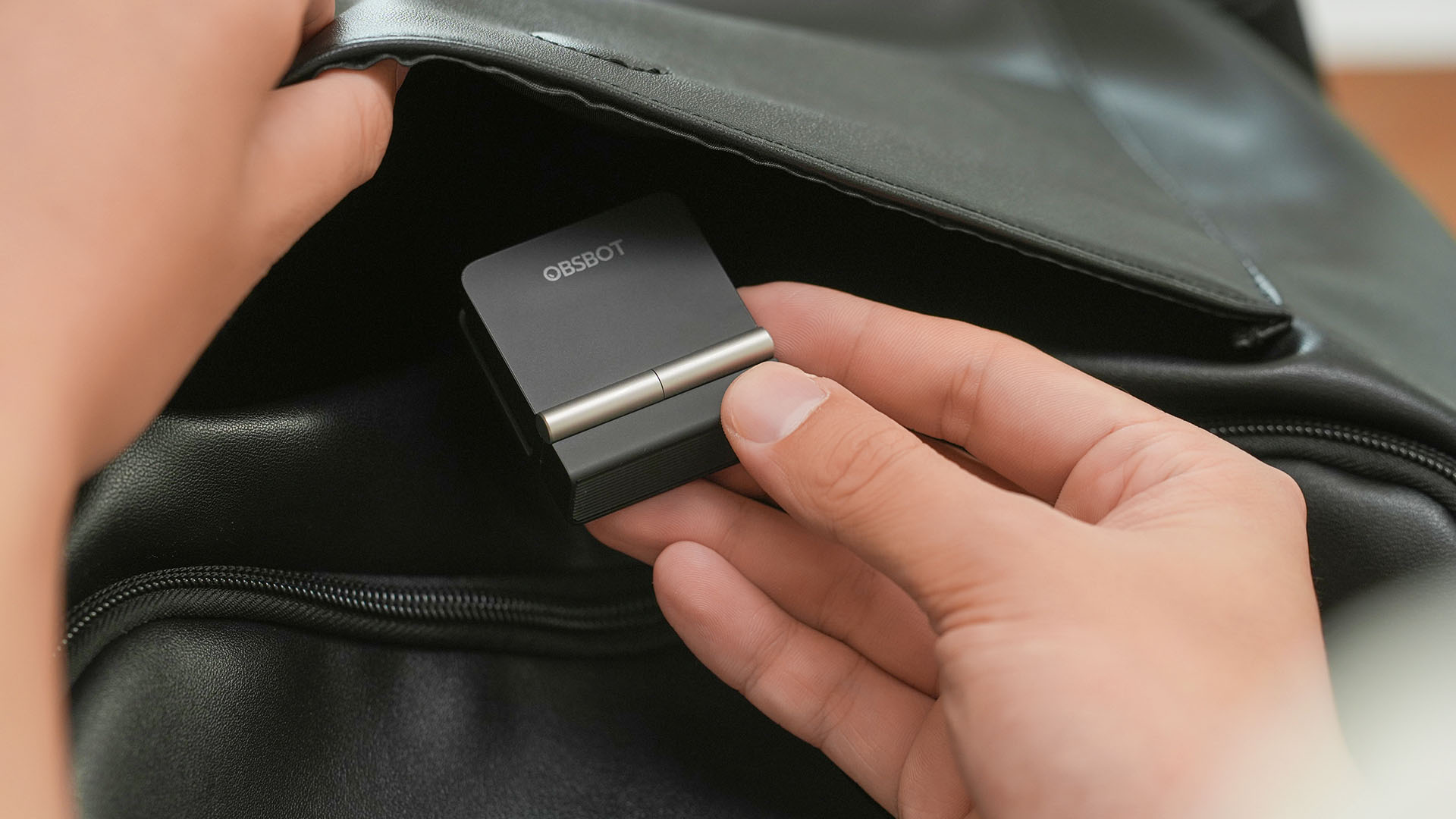
That lightweight body also features a built-in mounting clip that works with laptops, monitors, and tripods. Users can mount it in landscape, portrait, or even upside-down orientations depending on their setup.
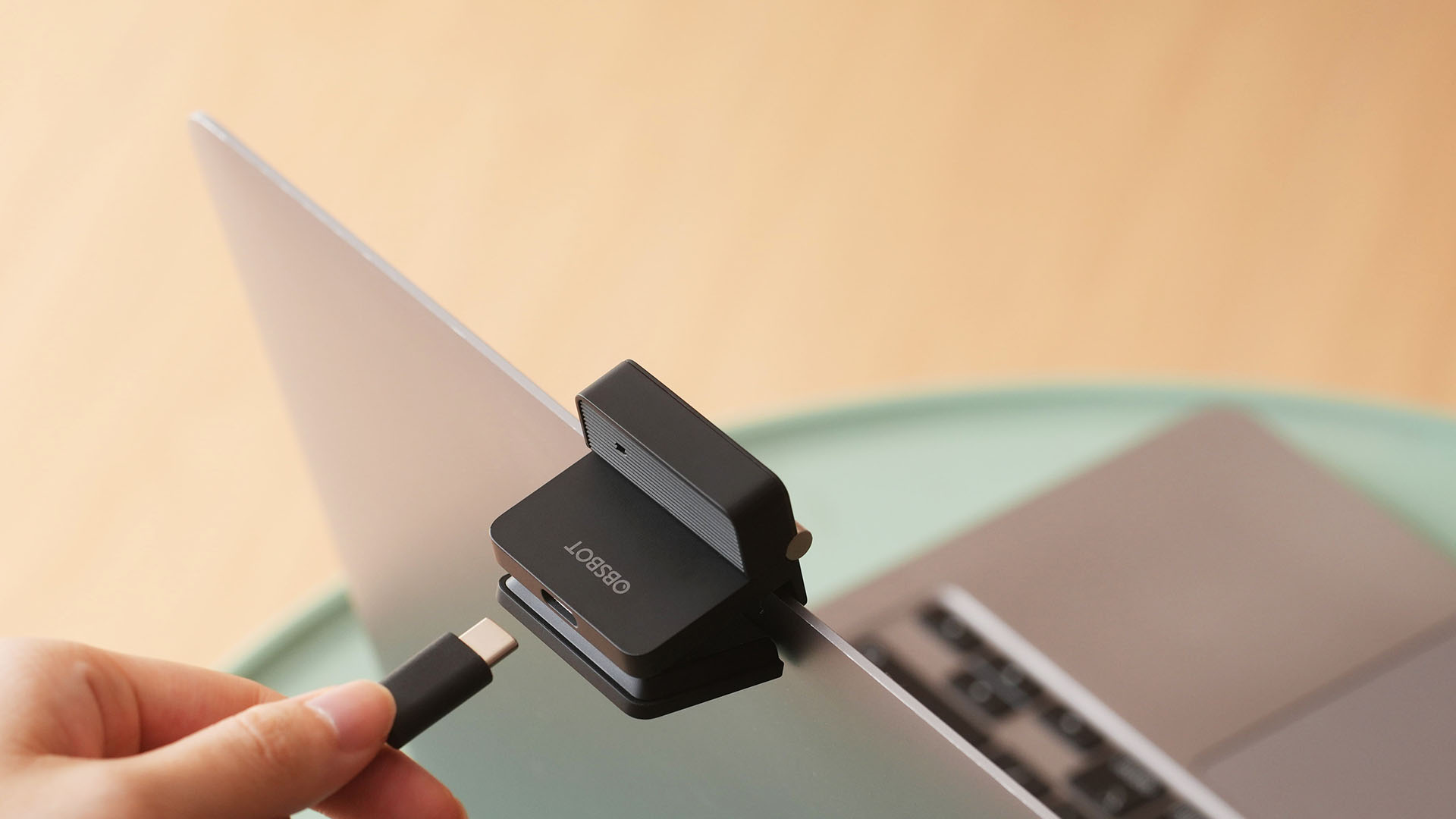
Despite that absurd amount of lightweightness, the OBSBOT Meet Flip is still able to house a 1/2-inch Exmor RS stacked CMOS sensor with Quad Bayer technology. That’s something more commonly found among bigger and higher-end web cameras.

Other camera features include:
- 4K video recording / 30fps
- 1080p recording / up to 60fps
- HDR support for challenging lighting
- Phase Detection Autofocus (PDAF)
- 4x digital zoom
- f/1.8 aperture with ISO 100-6400 support for low-light environments
Beyond just video calls
The OBSBOT Meet Flip isn’t just packed with serious camera hardware, it’s seriously intelligent as well.
The Meet Flip supports AI Auto Framing. This automatically keeps users centered during meetings — regardless if they are presenting alone or with a group. Gesture controls also let users activate framing or adjust zoom without touching the keyboard or mouse.
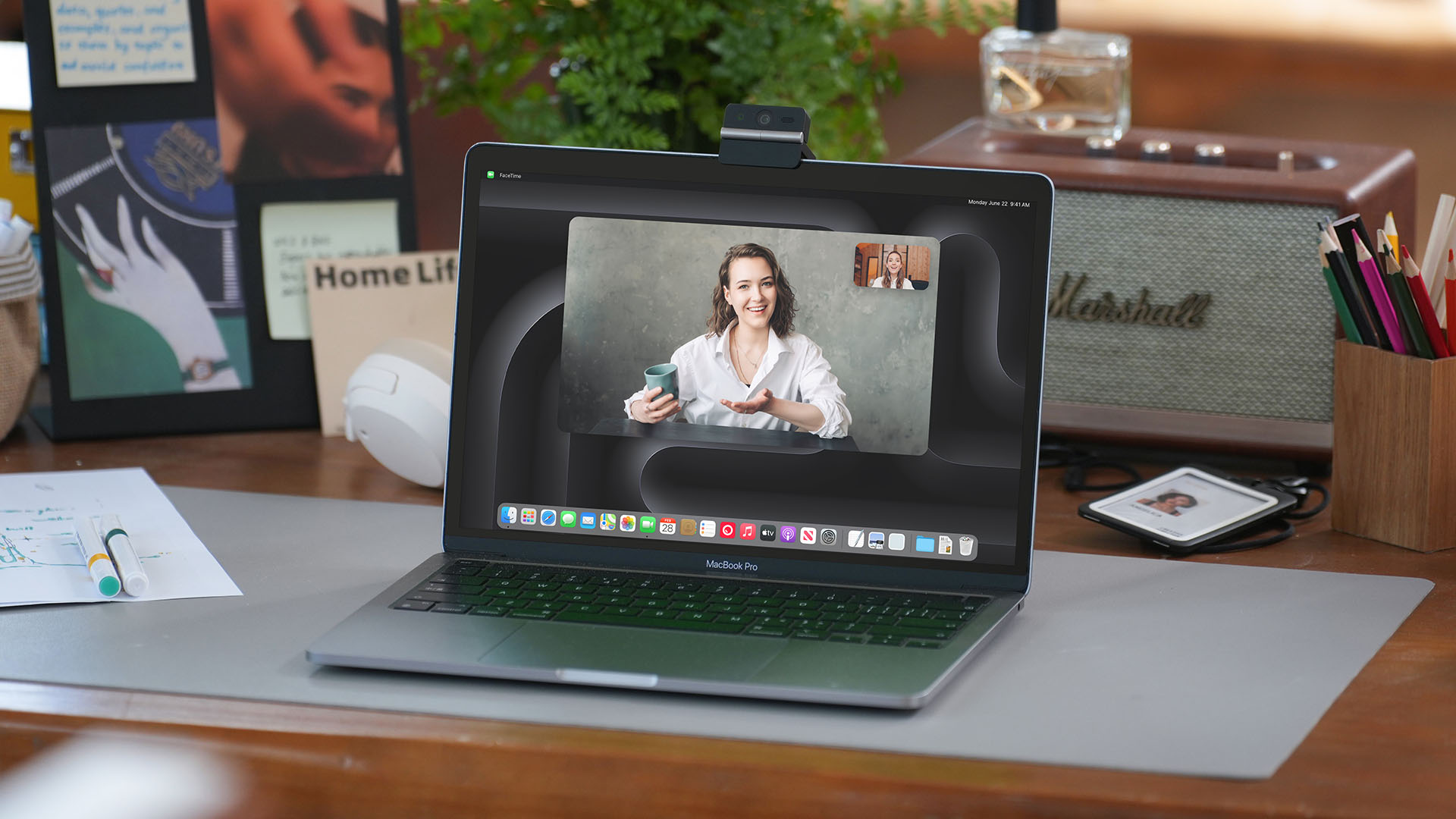
Another standout feature is AI Magic Notes which provides real-time meeting transcription and automatically generates summaries, action items, and key discussion points.
The feature works with Google Meet, Zoom, and Microsoft Teams through OBSBOT Center. Every webcam includes complimentary transcription of 120 minutes.

With that being mentioned, OBSBOT Center also makes users gain access to software features such as background blur, virtual backgrounds, beauty mode, and picture-in-picture overlays for presentations.
Those who want more advanced controls can enable Smart Eye Tracking, teleprompter support, and manual image adjustments.

Audio also gets an upgrade through an intelligent dual-microphone system that offers four recording modes:
- Directional Mode / solo calls
- Dual-Directional Mode / interviews
- Smart Omni Mode / group meetings
- Pure Audio Mode / unprocessed stereo recording
AI Noise Reduction and Automatic Gain Control are also available across most modes to help improve voice clarity.
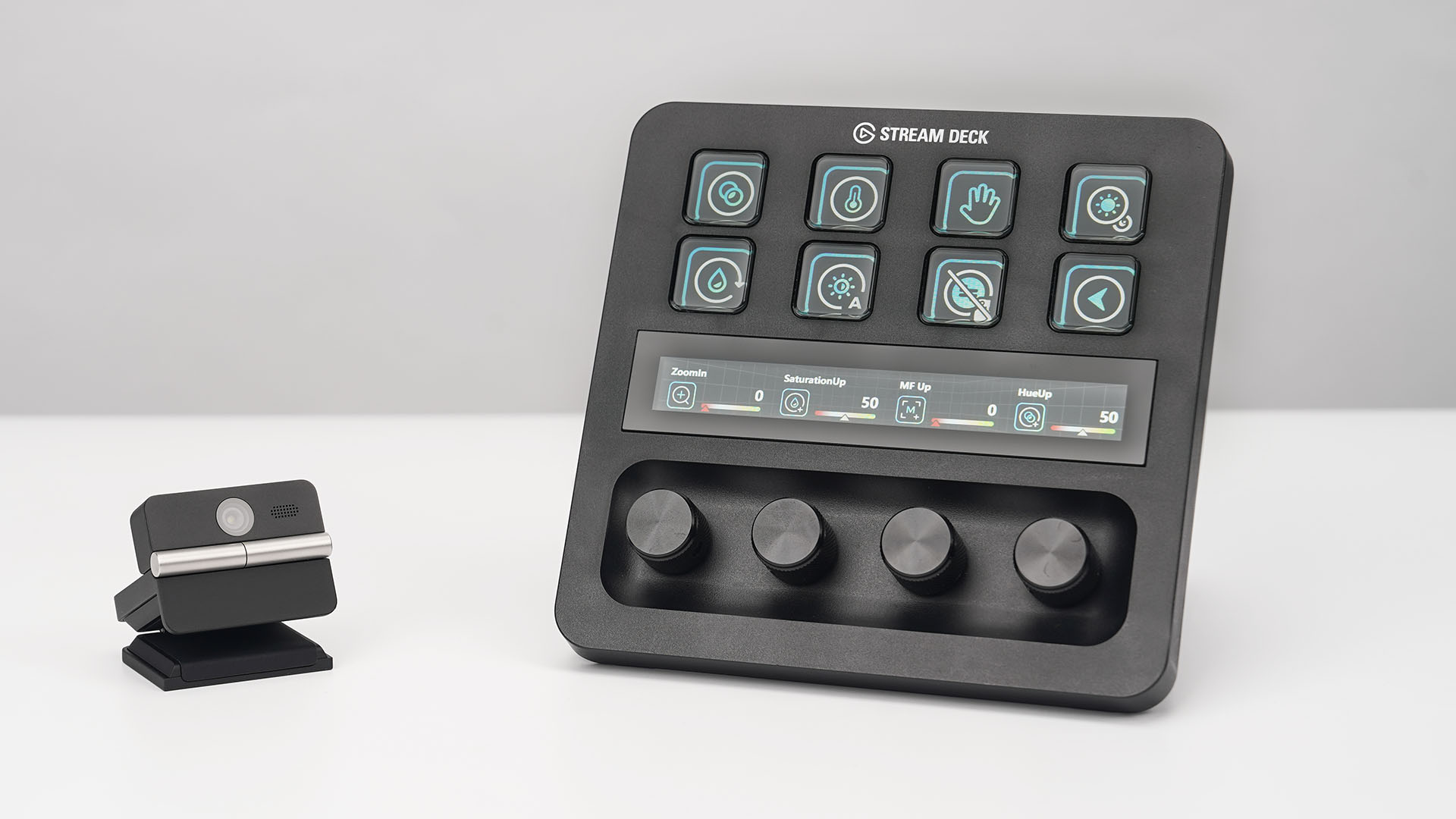
OBSBOT’s Meet Flip is also compatible with mobile devices through the OBSBOT Live app and supports integrations with accessories including Elgato Stream Deck, Nintendo Switch 2, and UVC-to-NDI/HDMI adapters.
Pricing and Availability
The OBSBOT Meet Flip is available starting today for US$119 through OBSBOT’s online store, Amazon US, and select retailers worldwide. Regional pricing may vary.
Cameras
Sony announces new FX5 full-frame camera
Newly-developed sensor, Open Gate recording, more enhanced capabilities

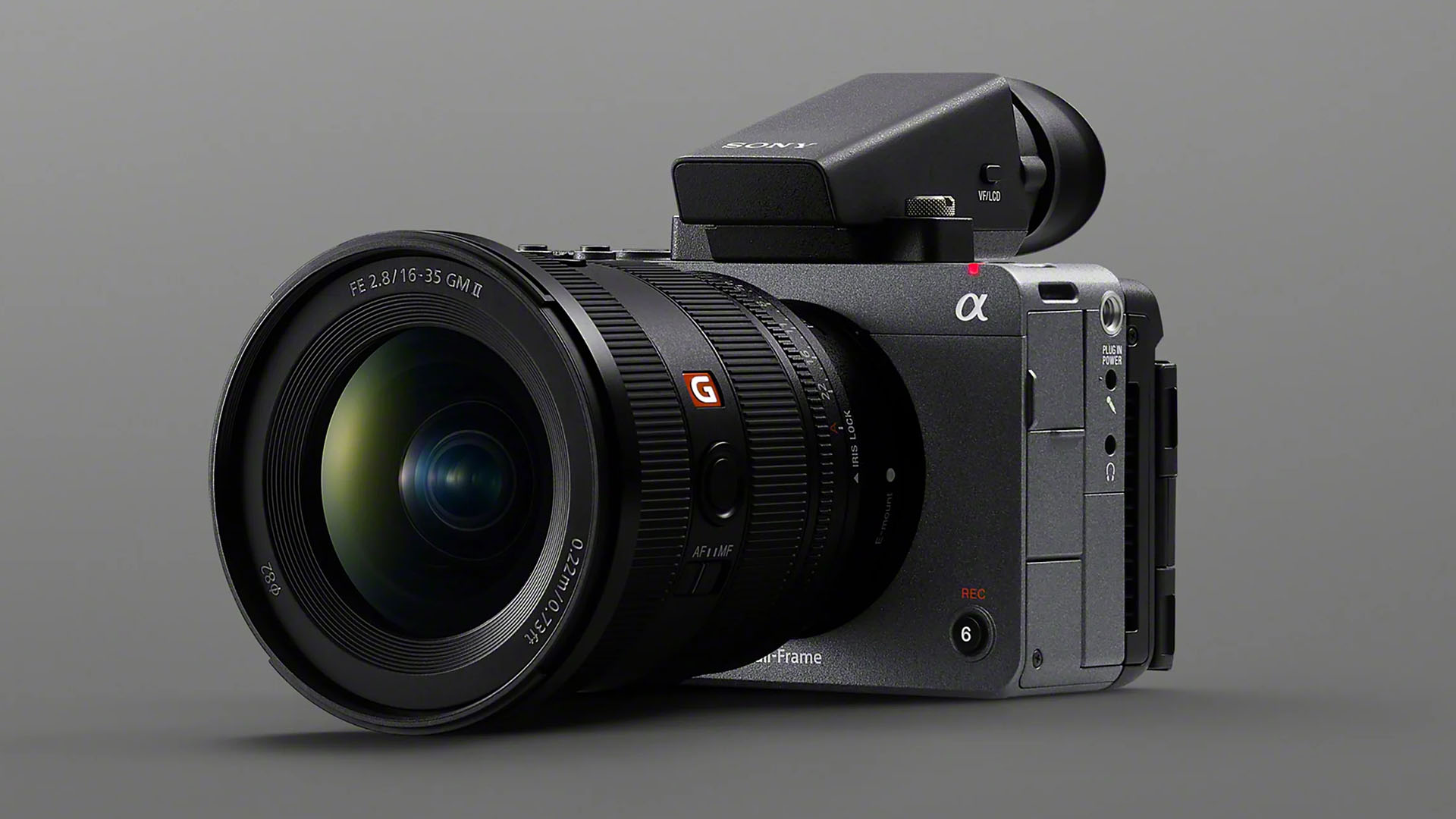
Sony has launched the new FX5 full-frame camera in its Cinema Line series with enhanced capabilities.
The camera is equipped with a newly-developed fully stacked Exmor RS CMOS sensor and the latest high-speed BIONZ XR2 image processing engine, which includes a dedicated AI processing unit.
When shooting in S-Log3, the camera achieves 15+ stops of dynamic range. The broad latitude and low-noise performance enable seamless roll-off from highlights to shadows and natural texture reproduction, even in high-contrast scenes.
Three Base ISOs of ISO 800, ISO 4000, and ISO 12800 enable low-noise image expression under a wide range of conditions.
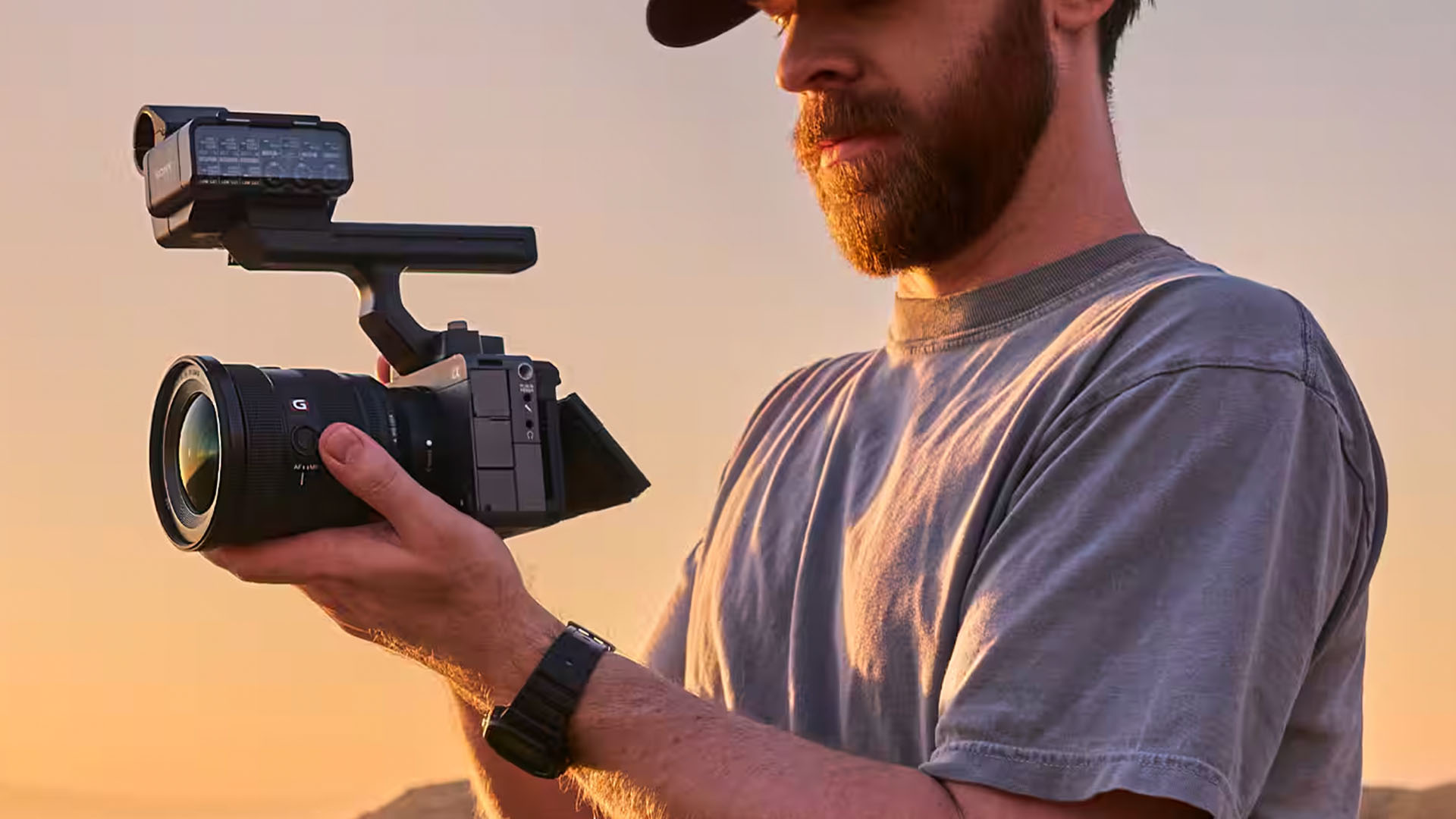
Moreover, Dual Gain Shooting function, supported for the first time in the FX series, maximizes the performance of the image sensor to enable smooth gradation reproduction with even wider latitude, while effectively reducing noise without compromising shadow detail.
For the first time in the Cinema Line FX series, the FX5 supports Open Gate shooting, as well as in-camera recording in X-OCN, Sony’s proprietary RAW format.
This includes a variety of scan modes like 17:9, 16:9, and super 35mm. This allows for flexible angle-of-view selection for the user’s creative intent.
The camera is capable of shooting in 5K at up to 60 frames per second, in 4K up to 120 frames per second and in FHD up to 240 frames per second.
These features bring together the Cinema Line look and operability designed to meet the needs of production environments in a compact, highly portable body.
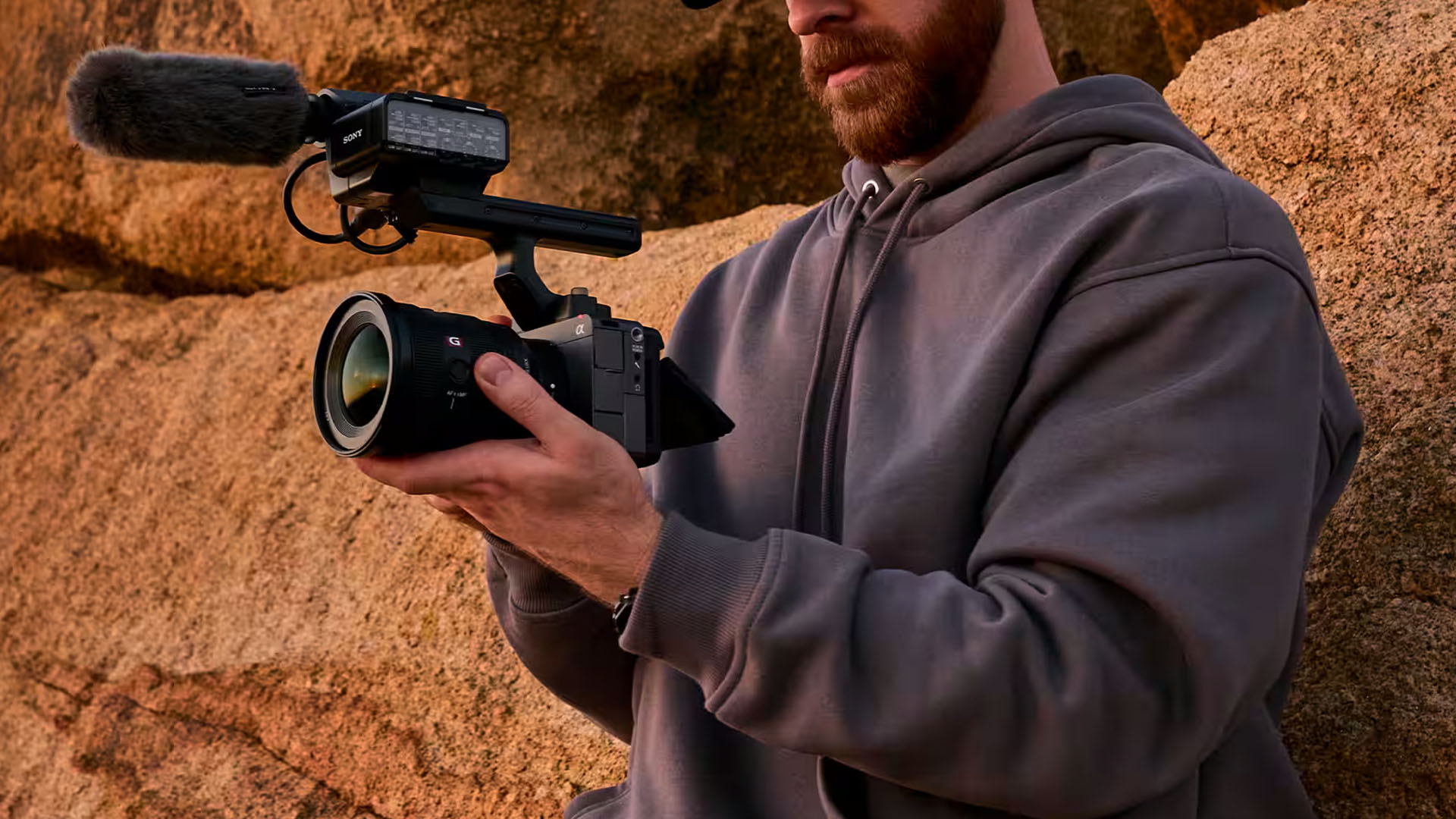
The Sony FX5 will also include two new optional accessories: a detachable OLED viewfinder and an XLR Handle that enables recording in-camera at up to 96 kHz, 32-bit float.
The camera system incorporates expertise that Sony has cultivated through the development of Cinema Line cameras, which have earned high praise from cinematographers and video creators around the world.
Price, availability
The ILME-FX5 with XLR Handle Unit (SG$ 7,199) and ILME-FX5B Body Only (SG$ 6,399) will be available for pre-order until August 9.
The DVF-EL1 OLED Detachable Viewfinder (SG$ 899) and VMC-BNCU1 Timecode Adapter Cable (SG$ 129) will be available after Mid-August.
Meanwhile, the XLR-H2 XLR Handle (SG$ 1,099) will be available by special order.
On July 28, the FX5 will also be on display atThe Arts House At The Old Parliament from 6:00 P.M. to 8:00 P.M., giving creators the chance to experience it for the first time.
Cameras
DJI Osmo Pocket 4P launches with dual lenses and a 1-inch sensor
The biggest upgrade yet to DJI’s compact gimbal camera

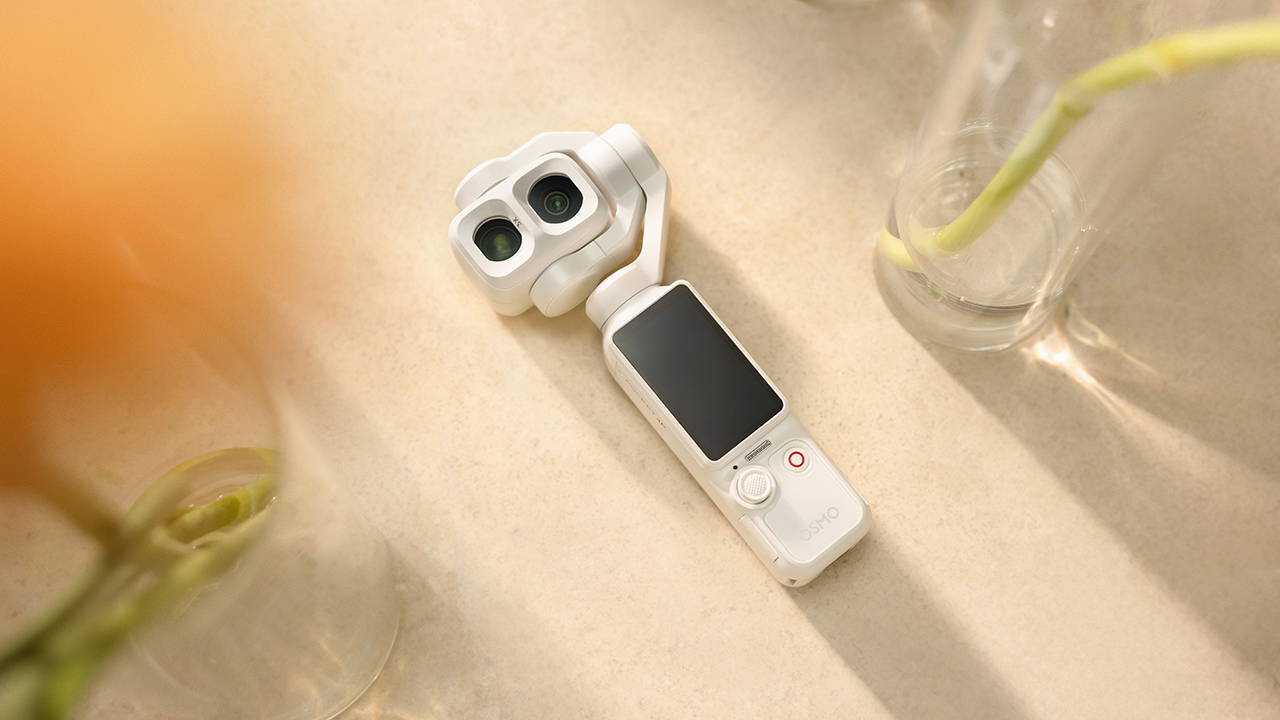
The original Osmo Pocket launched in 2018 as a pocket-sized gimbal camera for people who wanted smooth footage without carrying a full rig. DJI has been building on that idea ever since, and today, with the Osmo Pocket 4P, they made the biggest jump yet.
A significant change
The most significant change in the Osmo Pocket 4P is the introduction of a dual-lens system. While previous Osmo Pocket models limited creators to a single, fixed field of view, the 4P provides two distinct options.
The camera features a wide-angle lens backed by a new 1-inch CMOS sensor alongside a 60mm medium-telephoto portrait lens boasting an f/1.8 aperture and 3x optical zoom. This second lens fundamentally changes how creators shoot on the ground.

At the 60mm focal length, backgrounds compress naturally to separate the subject from the environment without relying on artificial software rendering, offering an invaluable tool for capturing people at events, during travel, or throughout daily life.
The wide lens captures 17 stops of dynamic range through what DJI calls LOFIC technology, which handles high-contrast scenes like backlit windows or golden hour without blowing out the sky or burying the shadows.
Advanced sensor tech, color latitude
For high-contrast environments, the wide-angle lens captures an impressive 17 stops of dynamic range utilizing DJI’s new LOFIC technology.
This hardware addition allows the camera to effortlessly manage difficult lighting scenarios, like backlit windows or golden hour horizons, keeping the sky intact while preventing shadows from turning muddy.
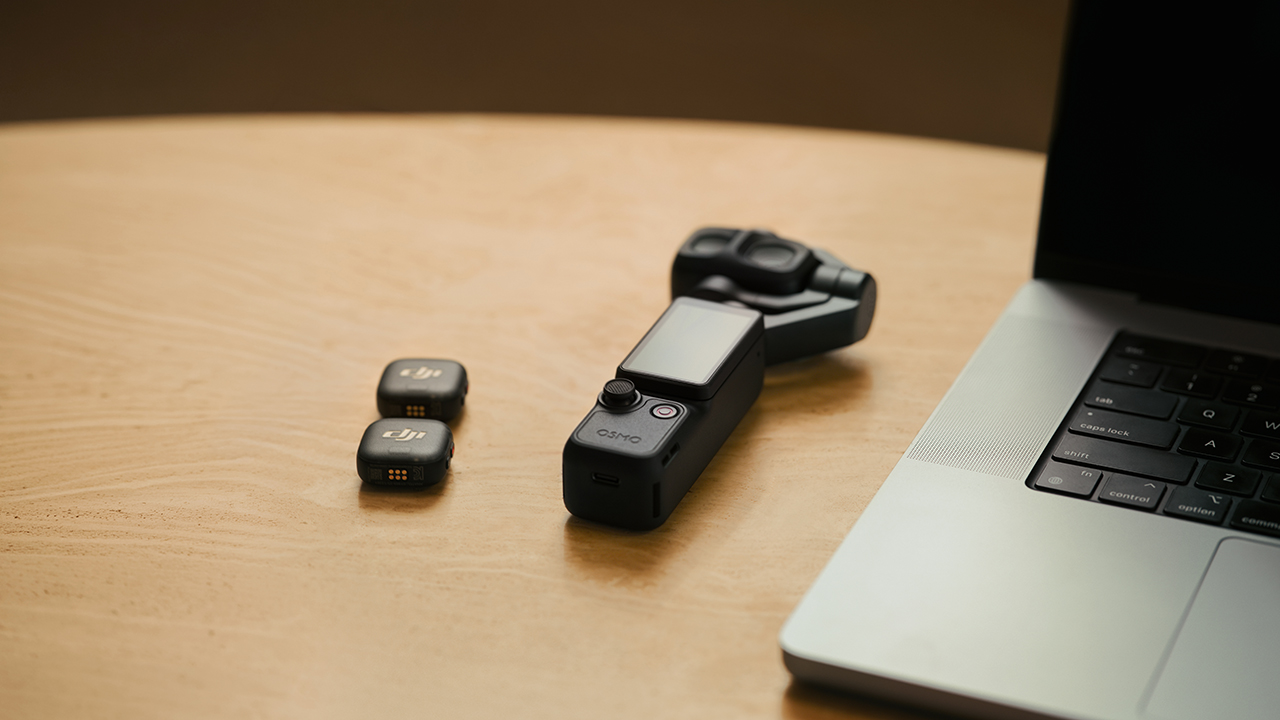
On the color processing side, DJI has introduced a 10-bit D-Log 2 profile capable of recording over a billion colors. This shift provides editors with significantly more latitude to grade footage in post-production, avoiding the limitations of a baked-in, in-camera look.
High-speed motion, smart framing
In terms of capturing motion, the 4P supports 4K slow motion at 240fps, making it ideal for fast-moving subjects that benefit from a stylized, slowed-down perspective.
A slow shutter video mode is also included, allowing users to organically capture light trails in low-light environments. Physical stabilization continues to rely on a mechanical 3-axis gimbal, drawing directly from the heritage of DJI’s professional Ronin systems.
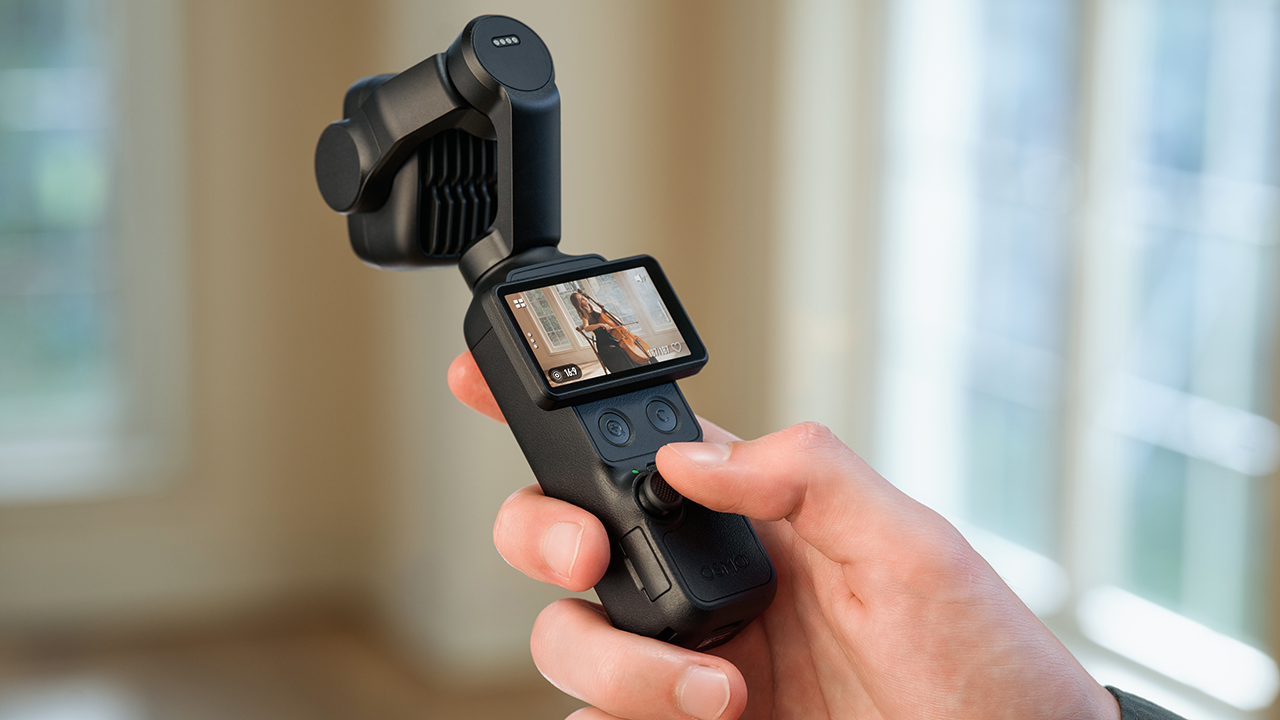
Weighing just 230 grams, the compact unit incorporates ActiveTrack 8.0 to handle automated subject tracking, maintaining precise focus through the entire 12x digital zoom range — a feature that proves essential for solo creators who need the hardware to handle framing duties.
Practical updates for daily use
DJI has also focused heavily on the realities of on-the-go shooting. The 4P introduces gesture controls, letting users trigger subject tracking or start recording without physically touching the device.
A new 4K Live Photo mode automatically captures a 1.5-second clip alongside every still image, while the main sensor allows for high-resolution 37-megapixel photos that offer plenty of room for cropping in post-production.
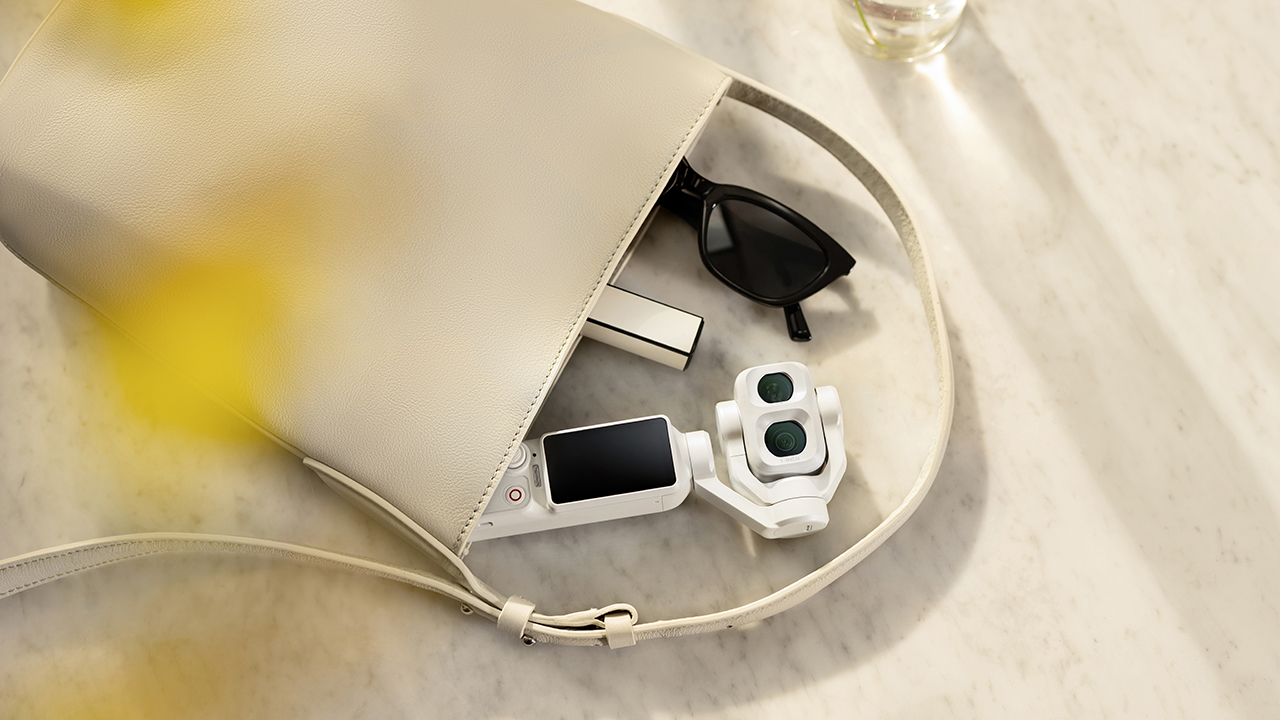
The battery charges from zero to 80 percent in just 18 minutes and delivers up to 210 minutes of runtime on a full charge.
Furthermore, files transfer via USB 3.1 at speeds up to 800 MB/s, ensuring that offloading a full day of content is a near-instant process.
Price, availability
The camera launches in both classic black and pearl white, accompanied by a modular accessory ecosystem and DJI Care Refresh protection plans.

It retails for PhP 37,790 for the DJI Osmo Pocket 4P Standard. Meanwhile, the DJI Osmo Pocket 4P Vlog Combo retails for PhP 42,290.


realme C100: Enduring and durable in spite of entry-level realities
Enough power but needs more agility


The ASUS ExpertBook Ultra wins you over
The laptop sneaks up on you


Nexal Watch Sport review: A rugged watch for small budgets
I couldn't believe that watches this good could come for this cheap.

Peak Design’s new City Line combines minimalism and color

Gangstar Mirage City launches on August 20 with SEA localization

OnePlus officially leaves the United States and Canada

How to set up Apple Pay on your iPhone

Mastercard brings Apple Pay to customers in the Philippines

New York becomes first state to ban smart glasses

Sony launches IER-M500 in-ear monitors

Microsoft dictates that a new Fallout game is coming

HoYo FEST 2026 details announced; tickets on sale from July 16
realme C100: Enduring and durable in spite of entry-level realities


-

 Hands-On2 weeks ago
Hands-on: Samsung Galaxy Z Fold8, Flip8, Ultra
-

 Gaming2 weeks ago
NBA 2K27 cover athletes unveiled: Wemby, Clark, DRose
-

 Cameras2 weeks ago
Sony announces new FX5 full-frame camera
-

 Accessories2 weeks ago
CASETiFY revives Spider-Man collection for Brand New Day
-

 Gaming2 weeks ago
FINAL FANTASY X | X-2 HD Remaster launches on Nintendo Switch 2
-

 Automotive2 days ago
VinFast debuts two-wheeler models, opens 21 e-motorcycle showrooms
-

 Computers2 weeks ago
AORUS MASTER 16 Gen 2 2026 AI gaming laptop launches
-

 Computers6 days ago
AMD launches Radeon RX 9050 graphics card