


Laptops
Apple 13-inch MacBook Pro (2019) review: Slimmer and evermore dependable
An upgrade that allows you to make time for things that are more important

Editing on a 4-year-old laptop that wasn’t made for that purpose will take a toll not just on the machine itself, but on anyone using it. That’s the situation me and my 2015 13-inch MacBook Pro found ourselves in this year. As with any Mac device, it’s still usable if all you have to do is web browsing, word processing, and maybe some minor photo editing.
Pushing an underpowered notebook to do heavy multimedia tasks will suffice for a while but won’t benefit you nor the laptop in the long run. When you find yourself compromising not just speed but creativity, that’s when you know enough is enough. An upgrade is no longer a luxury but a necessity.
Number talk
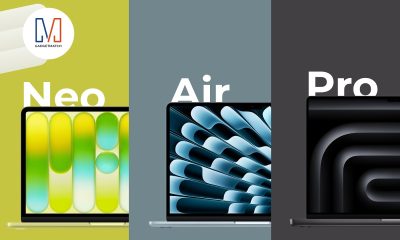
For a little bit more context, the 2019 MacBook Pro that I upgraded to is the 13-inch one — stay with me here — with 256GB SSD storage, powered by the 1.4GHz quad-core 8th-generation Intel Core i5 processor. I know that just sounds like a bunch of words and numbers mixed up, but to help you visualize: it’s the second one in the current 13-inch MacBook Pro lineup:
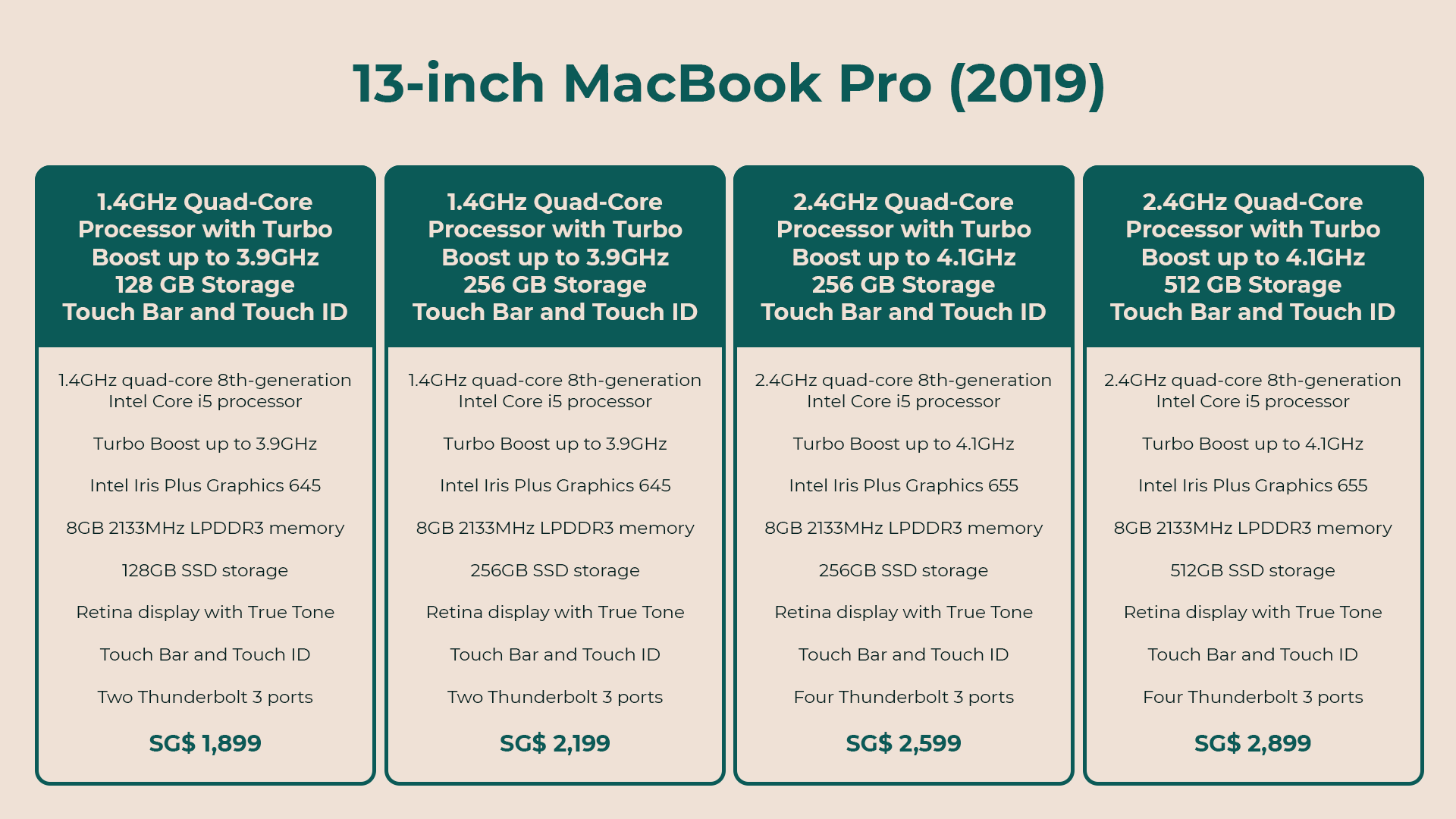
You might be thinking — who would give up a severely underpowered MacBook Pro for yet another Core i5 laptop? I’m well aware there are more much better options, including the last two in the infrographic. If power-hungry tasks like video editing are my only consideration for upgrading, I would have easily gone for the most expensive MacBook Pro. Heck, I would have waited for the cheese grater-looking Mac Pro and set up a workstation at home instead. But aside from performance, portability and price are important to me, too.
Beautiful design in a slimmer body
Laptops are made to be portable. Their very reason for being is to allow the user to get things done despite being away from a power source for extended periods of time. For a girl of average height who carries not just a laptop, but a whole gamut of equipment on a normal work day, the 13-inch MacBook Pro is just the perfect size.

When weighed on its own, the weight difference between the new MacBook Pro and the 2015 model or the 16-inch variant is negligible. When combined with a camera, lenses, tripod, hard drives, at least two smartphones, a bunch of cables, makeup, keys, wallet, and a few documents here and there, it will all feel like a whole day of workout.
The weight Apple shed off by making the new MacBook Pros thinner, no matter how miniscule, matters. As someone who also spent more time at airports than at home for the first half of the year, carrying a slimmer, lighter laptop for the latter half made a lot of difference. Every half pound lost is a half pound off my carry on bag.

I’ve been traveling around Asia and Europe with this thing since September. I’ve carried it with me to cafes, restaurants, airbnbs, hostels, meetings, work events — even to trade shows — and it got the job done without doing damage to my back. I can see myself using the bigger model — eventually, when I’ve managed to exercise my way to a stronger back and upper body.
Not to mention the tall order of finding stylish bags that fit bigger laptops — there’s just not a lot of options for women that not only suits my personal style, but also my budget. I remember using a 15-inch MacBook Pro briefly last year. Having to carry a heavier machine in a utilitarian bag that doesn’t go well with anything bogged me down. It just didn’t let me walk with the same confidence as this more portable laptop in a cute briefcase does. Needless to say, the struggle was real.
Apple took the port out of portable

Whether it’s a smartphone or laptop, making a device less hefty usually means making compromises on things that are essential to the user. Upgrading from the 2015 MacBook Pro meant losing two ports that I use the most when editing videos: the SD card reader and the USB-A port.
There is an easy fix, of course — a dongle — but easy doesn’t come cheap. I’m not gonna lie, having to spend extra on a USB-C dongle to add two ports that used to come free with any laptop purchase does not feel like an upgrade. It’s backwards. I can’t even use any of the accessories that came with my iPhone XS with this laptop — something that iPhone and Mac users used to be able to do with older models.
While I love how thin this laptop is, connecting a dongle to a portable device defeats the purpose of it being, well, portable. It’s not entirely impossible for a laptop to have ports built in and be extra portable at the same time. I’ve seen Windows laptops that are of the same heft, if not thinner, that still managed to include a USB-A port.
Thinner body, better battery
While the lack of ports is a big issue for my workflow, battery life on the new 13-inch MacBook Pro is actually commendable — another thing that normally gets sacrificed when devices become thinner.
It would be unfair to say that the 2019 MacBook Pro lasts longer than the 2015 model. The latter understandably has poorer battery life as it’s been through whatever the equivalent of a world war is when it comes to laptops.

Still, I’m pleased to report that despite losing the extra weight, the 2019 MacBook Pro is so efficient that it lasts me more than a whole work day of writing, managing social media, web browsing, with an hour or two of the Spring Awakening soundtrack in the background.
Whenever I go to the office for our weekly meetings, I find myself never having to take my charger out of my bag. The rest of the team, meanwhile, would take their respective positions beside sockets to plug theirs after just 3-5 hours of use — even when they’re using the newer, high end Windows laptops that they review.

On days when I’m editing, I would normally have to charge the laptop twice as a YouTube video usually takes at least 12 hours to edit. That’s an entire work day of Final Cut Pro X, Adobe Photoshop and After Effects.
Despite my protests against the lack of essential ports on this machine, it needs to be pointed out that the two built in Thunderbolt 3 ports are made equally. This means no matter which port I end up plugging the charger to, it will work as expected. The same goes for external storage devices. This consistency is something you won’t get on other laptops that killed other ports in favor of USB-C.
Charging is also fast — with the bundled 61W adapter, plugging it for 30 minutes charges it from 10% to 42%. It takes just about an hour and 40 minutes to juice up from 10 to 100%, even while I’m writing a full feature article on Notes.
A laptop that can handle video editing, and more
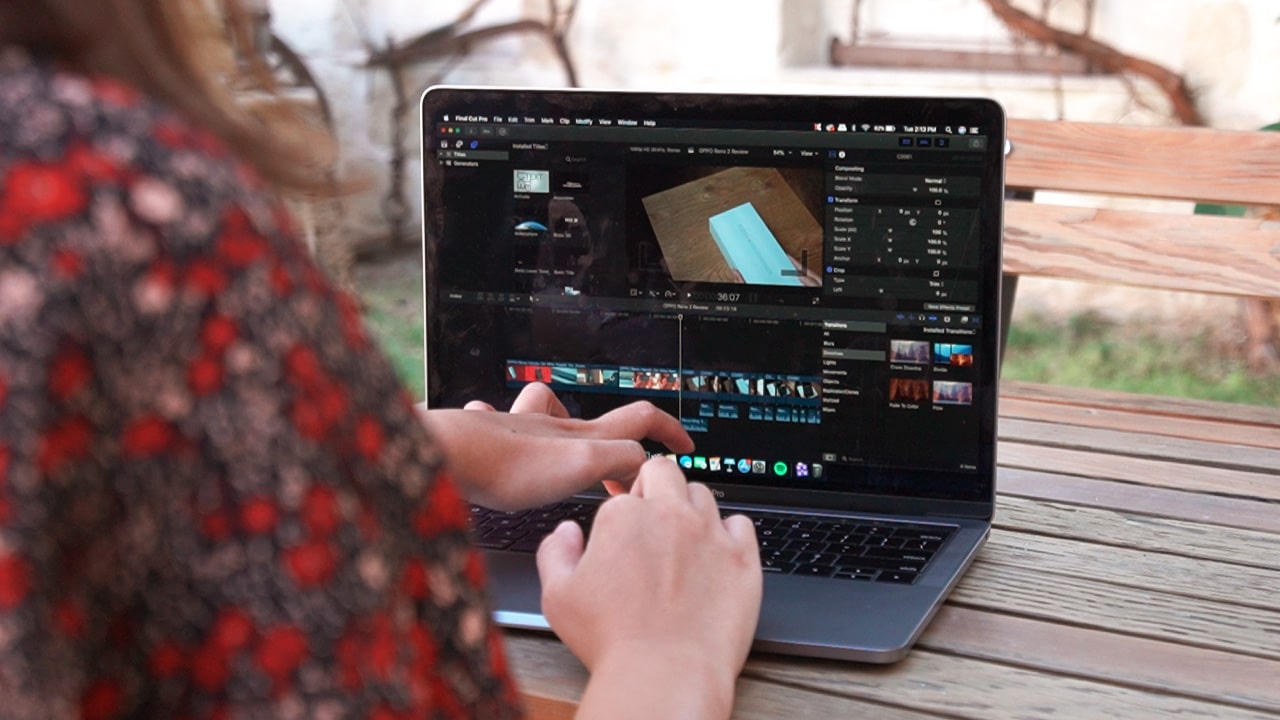
Graphic design, illustration, and video editing are three things I need a laptop for. Other tasks like writing and photo editing I can manage to do on a smartphone, albeit at a slower pace.
Importing even short 1920×1080 clips to FCPX on my older MacBook Pro used to take such a long time, that I can finish reading a news article or browsing latest tweets before the pinwheel disappears. Editing on an underpowered machine didn’t just slow me down — it affected my focus, too.
I remember getting derailed from editing so many times while waiting for clips to render. Then came the time when I couldn’t animate or track even the shortest clips anymore and had to rely on someone else to do it for me. Not being able to execute what I had in mind because my laptop couldn’t handle it was not only frustrating — it was draining.

The 2019 13-inch MacBook Pro surprisingly handles anything I throw at it without hiccups — even when I have three projects on FCPX at the same time, and both Photoshop and After Effects running in the background. That’s something the 2015 model could not handle.
The videos I edit are usually just 1920×1080, but I’ve recently edited a one-minute 4K video and it worked out just fine. FCPX renders fast, exports fast, and doesn’t freeze at the most crucial moments. The bump in power has allowed me to be much more efficient and creative; I’ve been able to experiment without fear of apps crashing or having to wait for things to render.
The infamous keyboard
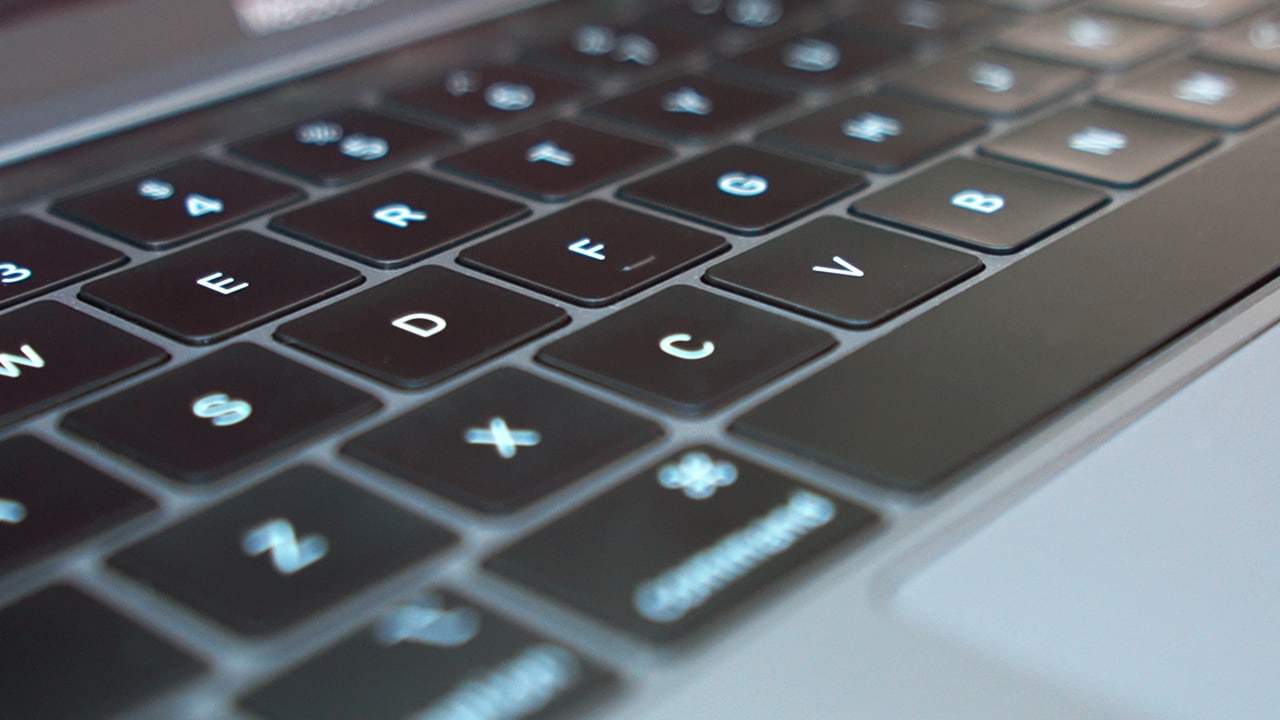
Another design change that allowed this laptop to be so thin is the controversial Butterfly keyboard. I’ve read and heard of complaints about it from so many people. Frankly, it was one of the things I was worried about having encountered that problem on a 2017 model in August.
A reliable keyboard is not just for writing; I use the keys for shortcuts on Photoshop and FCPX as well. Thankfully, I haven’t run into the same problems that plagued 2018 models and older. Any typos made with this thing has nothing but human error to blame. As far as the shorter travel that irks a lot of nitpickers, it’s something that I easily got used to once muscle memory kicked in.
The function keys on the newer MacBook Pro models are also gone. Replacing them is yet another controversial design decision: the Touch Bar. The only time I used any of the function keys was whenever I needed to adjust volume or brightness. I don’t feel like I’m missing out now that they’re gone as I can still do those on the narrow secondary screen that replaced the physical keys.

The Touch Bar still has a long way to go when it comes to functionality. Even when I’m editing videos, I default to keyboard shortcuts instead of the convenient keys that appear on it when I’m on FCPX. Strangely, I find it most useful when I’m on social media duty as suggested emoji are one tap away, eliminating the need to Google them one by one.
The physical power key is also gone — replacing it is a glass button that also doubles as a Touch ID sensor. It’s a tiny life-changing hardware change that I didn’t know I needed. Logging in with just a tap of a finger is not only so much faster, it’s also more secure.
What’s essential is visible to the naked eye
The 13-inch MacBook Pro gives 4K displays on other high-end laptops a run for their money. What Apple proves, time and again, with every piece of hardware they make is that it’s the quality of pixels that matter, and not the number.

Mac displays’ color accuracy has always been unmatched, and the same can be said about this device. The last thing I want is to oversaturate video footage or photos because my laptop display is too dull — a problem I haven’t had since switching to Mac.
While some people would prefer to turn off True Tone when editing photos and videos for better color accuracy, I keep it perpetually turned on. True Tone is designed to make whites easier on the eyes. It adjusts automatically depending on the ambient light.
The display is also bright enough that the only time I crank it up to full brightness is whenever I’m working outdoors — under direct sunlight — which rarely happens anyway. Indoors it stays at around 30-50%, and only 10% at night when I’m winding down before sleep.
Of course, a great display translates to a great Netflix and chill experience. I’m no display expert, but even the gloomiest episodes of The Crown registers as accurately as a colorful animated movie like Frozen. I’m also no audio expert, but the speakers are more than loud enough for my needs.

My only complaint about the display is how easily it picks up grime and fingerprint smudges. It’s not a deal breaker; it’s just the only thing that’s not aesthetically pleasing in an otherwise beautifully designed notebook.
Is this your GadgetMatch?
It’s such a relief when you can just do what you need to do without waiting or worrying. Even when things need to be rushed or they happen at the last minute, I know I can deliver because the 2019 13-inch MacBook Pro can. It’s that capable and reliable.
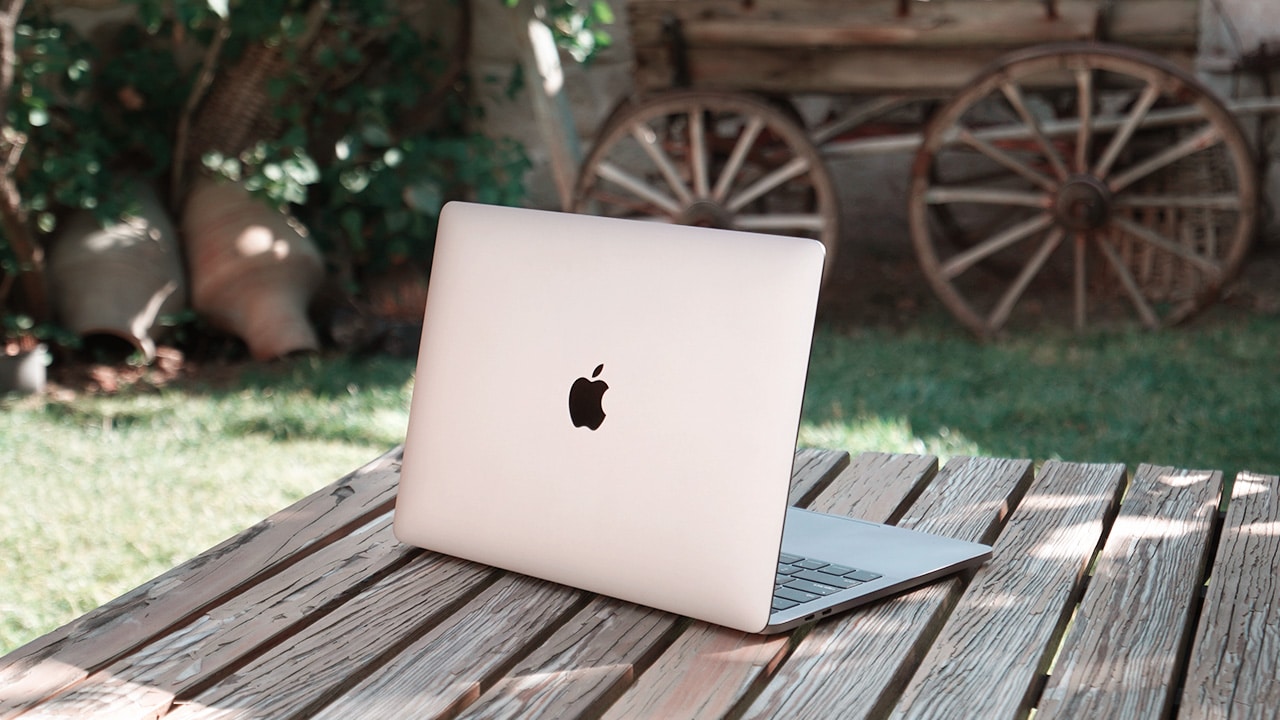
As a Mac user what I appreciate the most about this upgrade is the same thing nitpickers hate about it — its familiarity. The changes between this and the 2015 model are significant enough, but all done in a similar form factor. The slimmer body and its more efficient internals make it feel like what I’m using is new, without having to deal with a learning curve that usually comes with any hardware upgrade.
If you are using a 2015 MacBook Pro or older, and have noticed that it’s slowed you down, consider upgrading to the 2019 MacBook Pro. If you prefer the 13-inch model like me and have an extra SG$ 700 to spend, go all the way and get the maxed out model. You’ll benefit from better speeds, graphics, and more storage. If what you do requires more power, Apple just announced the new 16-inch model that we will also be reviewing shortly.

When life requires you to be on the go, there’s no better machine to help you accomplish your tasks than the 2019 13-inch MacBook Pro. It’s thin, light, and narrow enough to be taken and used anywhere — even on an economy class flight’s tray table — yet powerful enough to execute your creative vision and help you get the job done.
What you’re buying when you get the 13-inch MacBook Pro is not just a new laptop; you’re investing in peace of mind, time, and other resources for matters that are more important. Little by little, it’s created space in my life for more ideas, hobbies, self-care, even in-person interactions, that used to be occupied by waiting for clips to render or images to resize. When you have a tool that’s this dependable, you get to do things you never thought you could do again.





Laptops
30 days later with the ASUS ExpertBook Ultra: Like seeing an ex
Felt exactly as I remembered.

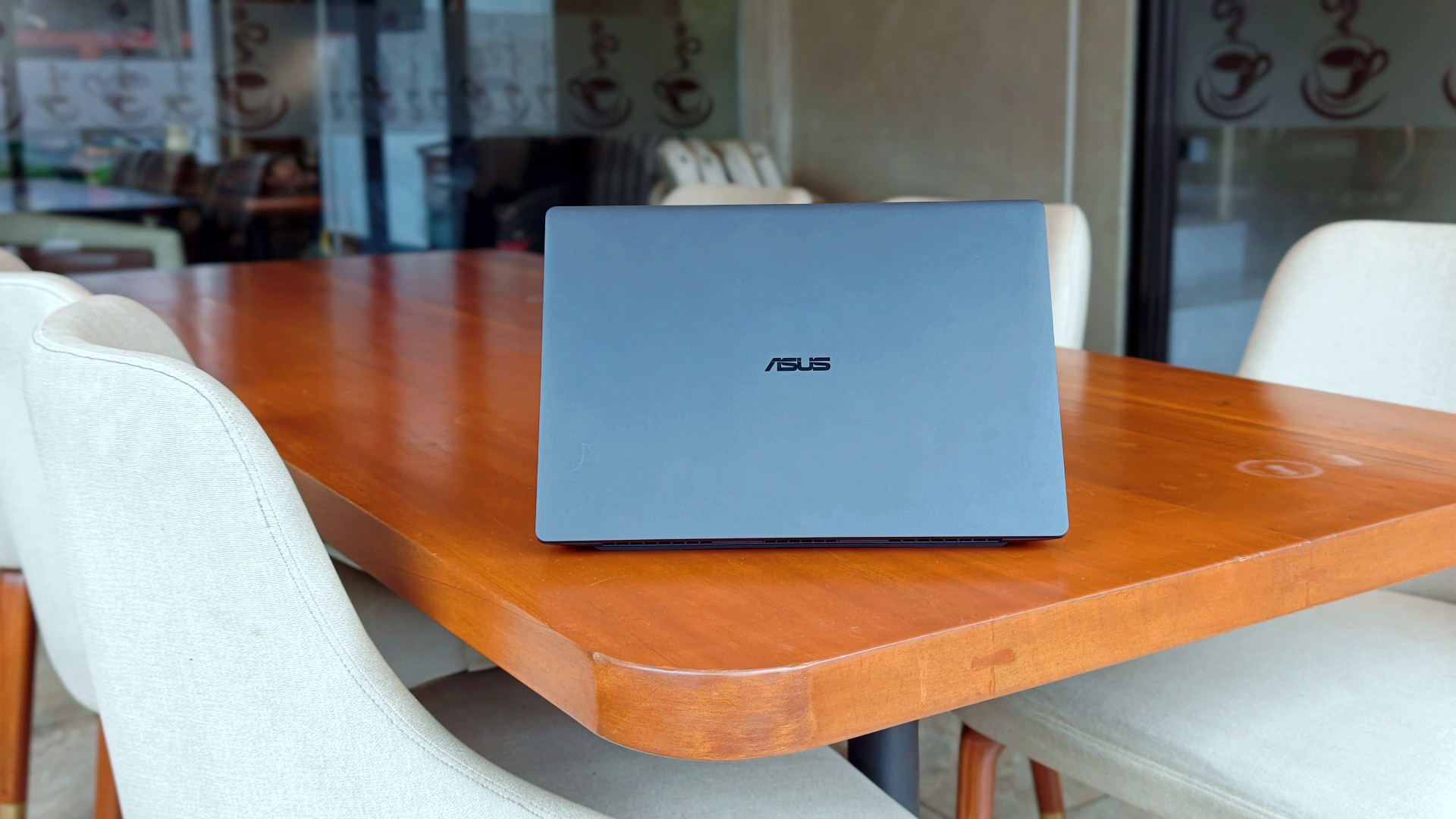
I genuinely thought that was it.
The review was done. The feature was out. ASUS had already collected the laptop. In my head, the campaign was over.
Then, out of nowhere, they sent it back.
Between the original review period and this unexpected encore, I ended up living with the ExpertBook Ultra for close to 30 days.
I wasn’t expecting to spend more time with it, but I certainly wasn’t going to complain. If anything, I just hoped they wouldn’t ask for it back again anytime soon.
Picking it back up felt familiar.
Like seeing an ex.
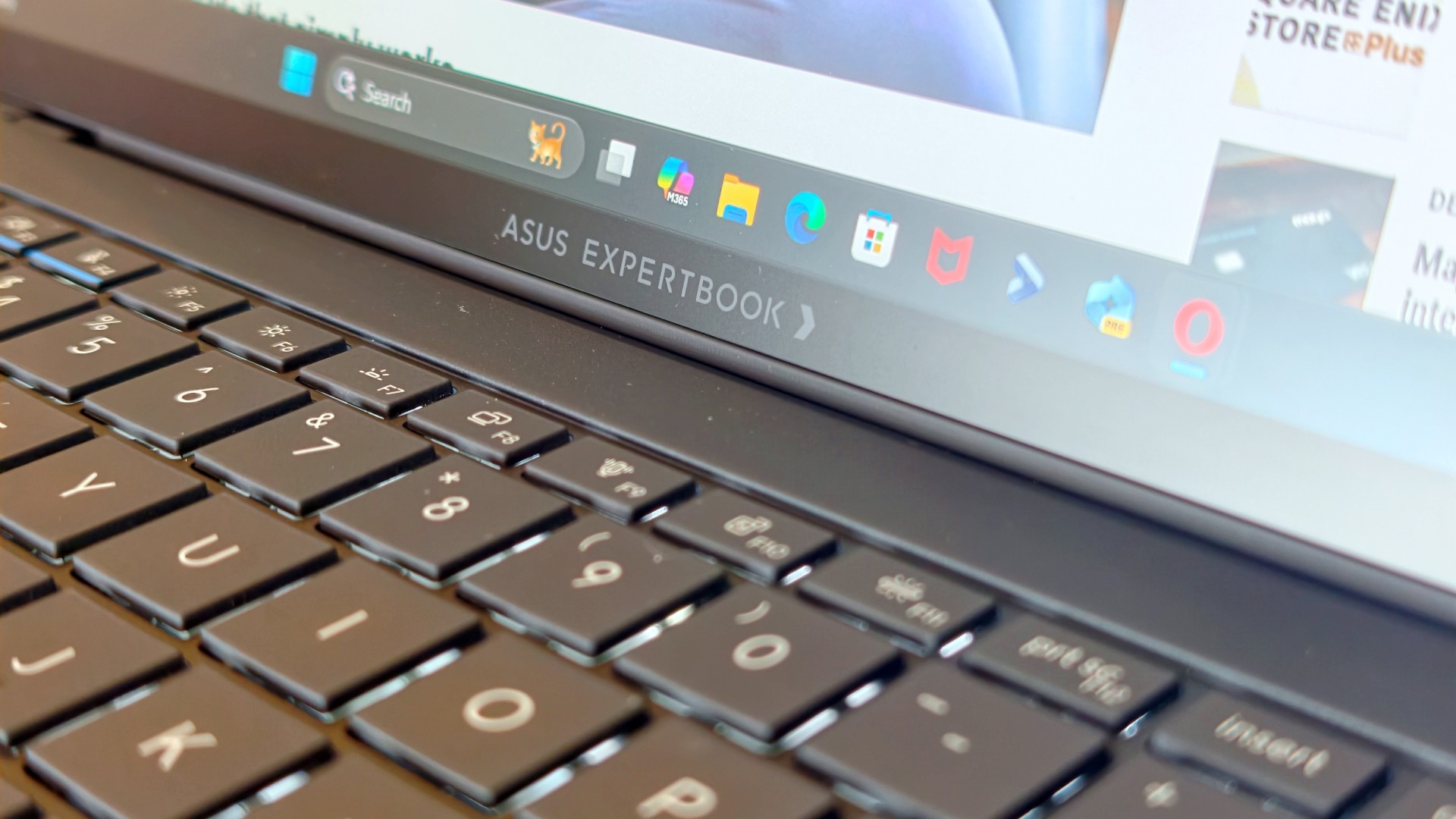
The butterflies came back almost immediately. So did everything I remembered about it.
It also got me thinking.
Maybe the best follow-up to a review isn’t spending another week with a laptop. Maybe it’s asking yourself one simple question:
How much did you actually miss it after it was gone?
That question was surprisingly easy to answer.
It still feels impossibly light
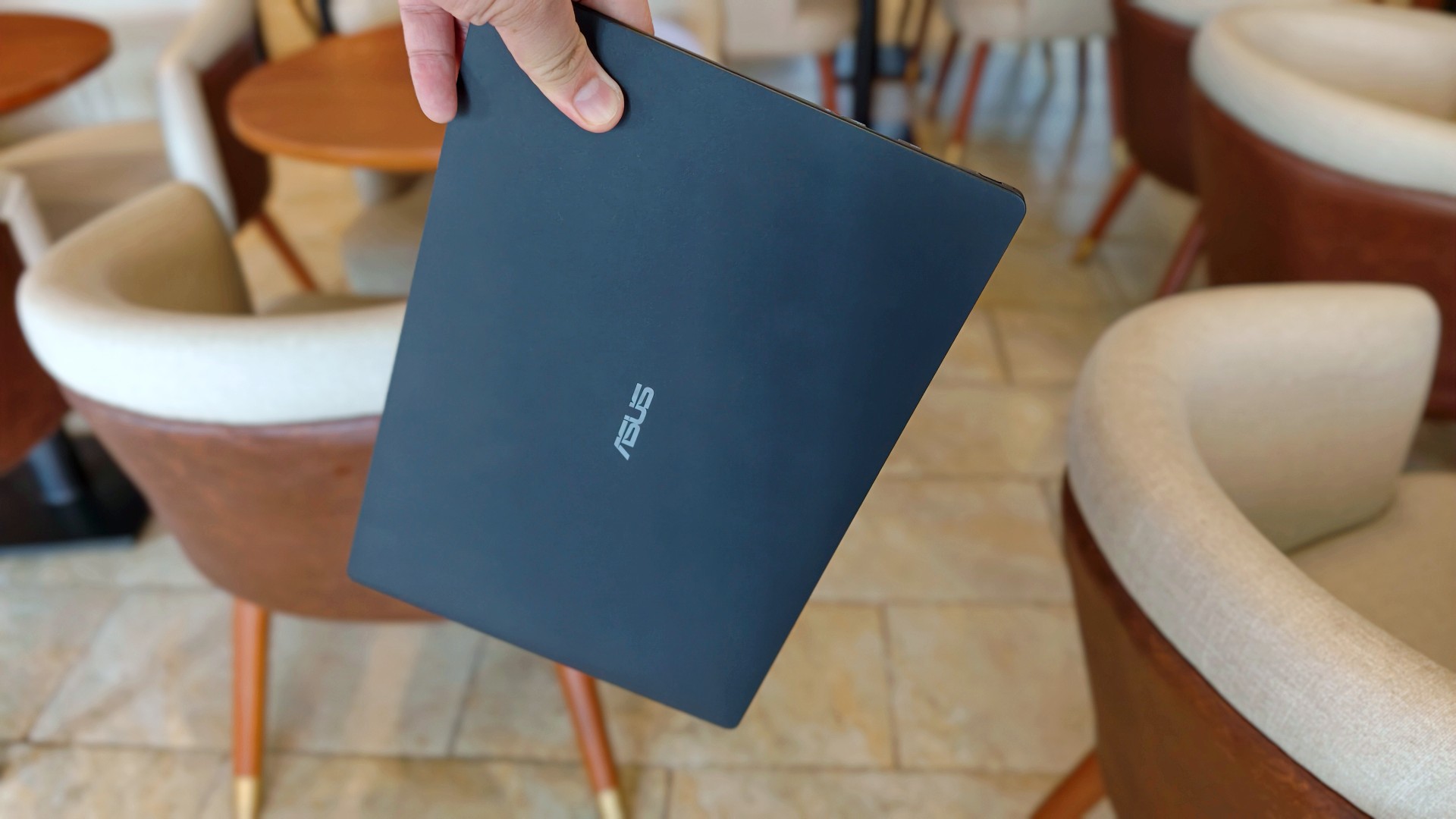
The first thing I noticed wasn’t the display. It wasn’t the keyboard either.
It was the weight.
That became painfully obvious on days when I absolutely had to bring my laptop around. The 0.99kg starting weight really does make a difference when you’re bouncing between cafés, meetings, and wherever else work decides to take you.
So when the ExpertBook Ultra came back, it slipped right back into the same routine. Same cafés. Dinner after. Then back home where work usually followed me all the way to bed.
Most definitely inside the Bravo Tote V2. I upgraded my bag too lol.
The thing I noticed almost immediately wasn’t that it was light. I already knew that. It was how quickly everything came back.
Like we never parted.
The ASUS ExpertBook Ultra is still everything I want my MacBook Pro to look and feel like.
I still have a weird relationship with the Nano Ceramic finish
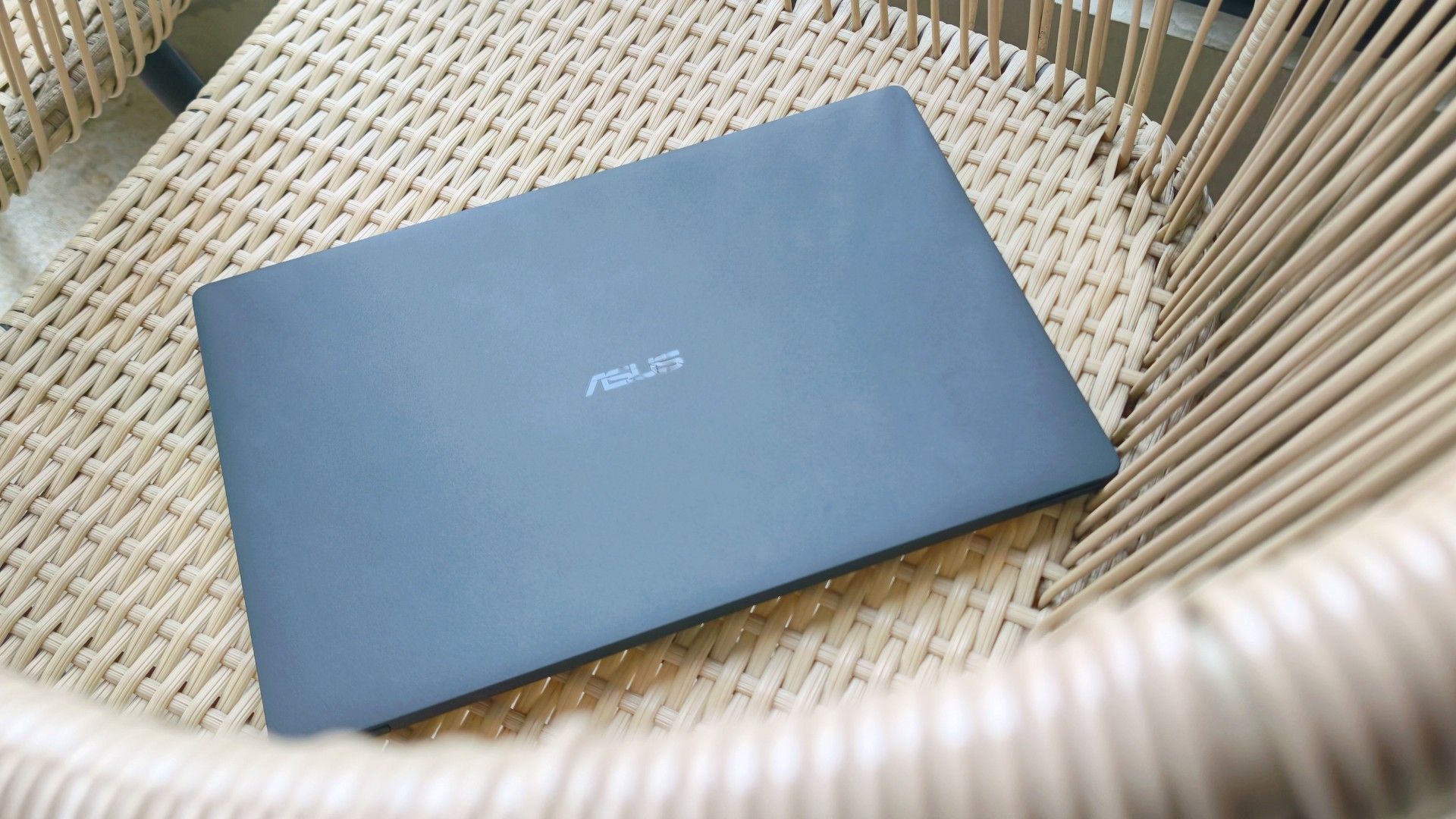
I know this sounds ridiculous, but I still catch myself running my hand across the lid before opening the laptop.
It’s just become part of the ritual.
Pick it up. Marvel at how light it is. Run my hand across the 9H Nano Ceramic finish. Then get to work.
One of the things I wondered after ASUS took the laptop back was whether I’d still care about the finish once the honeymoon phase had worn off. It felt like one of those features that would naturally lose its magic over time.
Apparently not. If anything, the time apart made me appreciate it even more. And as I continued to use it, these words came to mind: “I wish we never parted. I wish you stayed. And I wish you never go away.”
I forgot how much I liked working on it
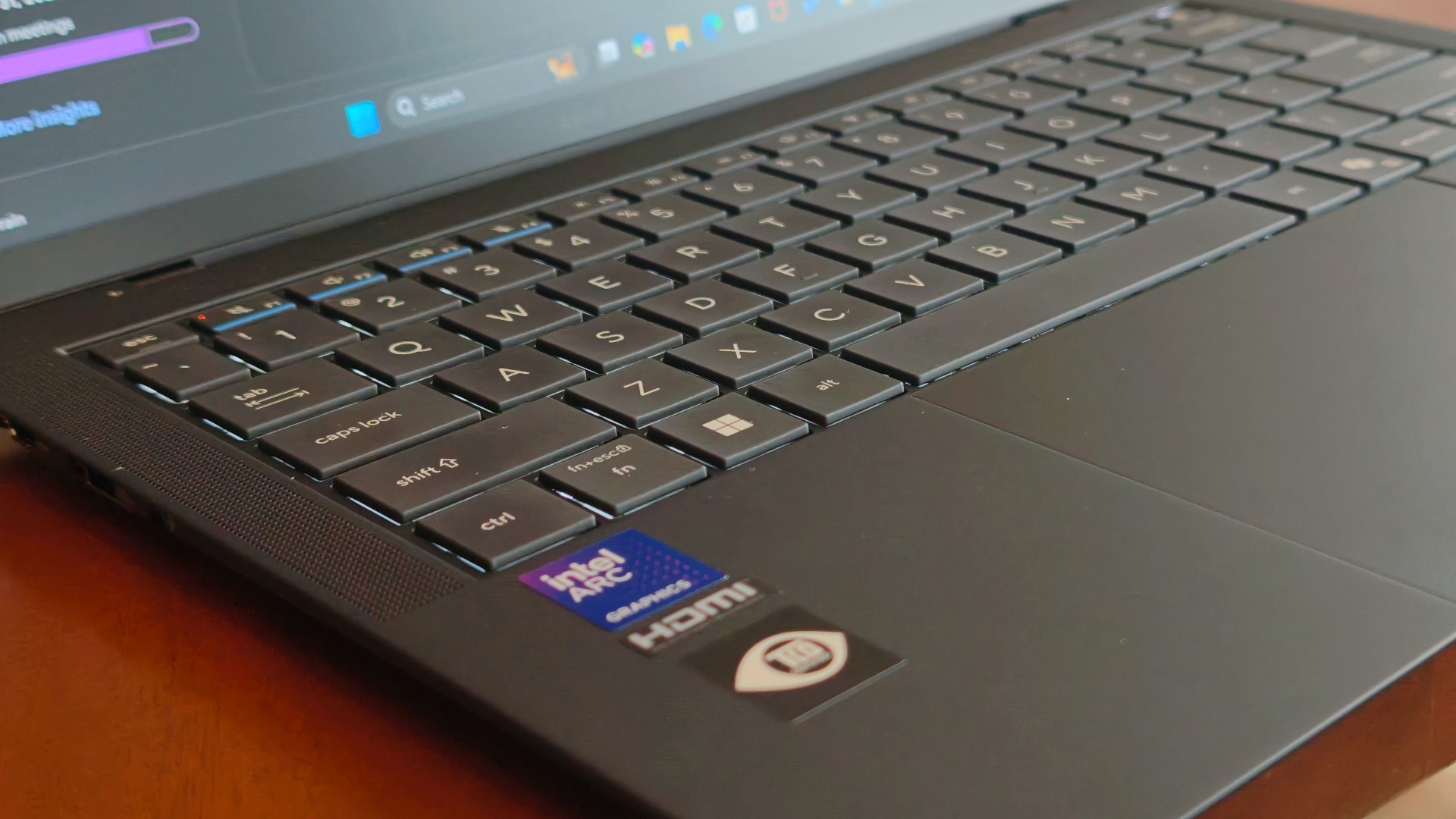
One thing that didn’t change while the ExpertBook Ultra was away was the kind of work I do.
The breadth and depth of it certainly didn’t magically change. I still spent my days coordinating projects, replying to emails, juggling deadlines, and letting ChatGPT help me process unresolved feelings and questionable timing in between writing articles.
That also meant I wasn’t really the target audience for some of the ExpertBook Ultra’s AI for Work features. I appreciated having tools like MyExpert, AI ExpertMeet, and Copilot+ within reach, but my workflow rarely called for them. Most days, I was simply too busy doing the work instead of exploring new ways to do it.
Although, I will say I did a lot more coordination work than the emotionally charged reviews and features I usually enjoy writing.
I also started editing a reel before eventually handing it over to one of our video editors for reasons completely unrelated to the ExpertBook Ultra. Rodneil issue.
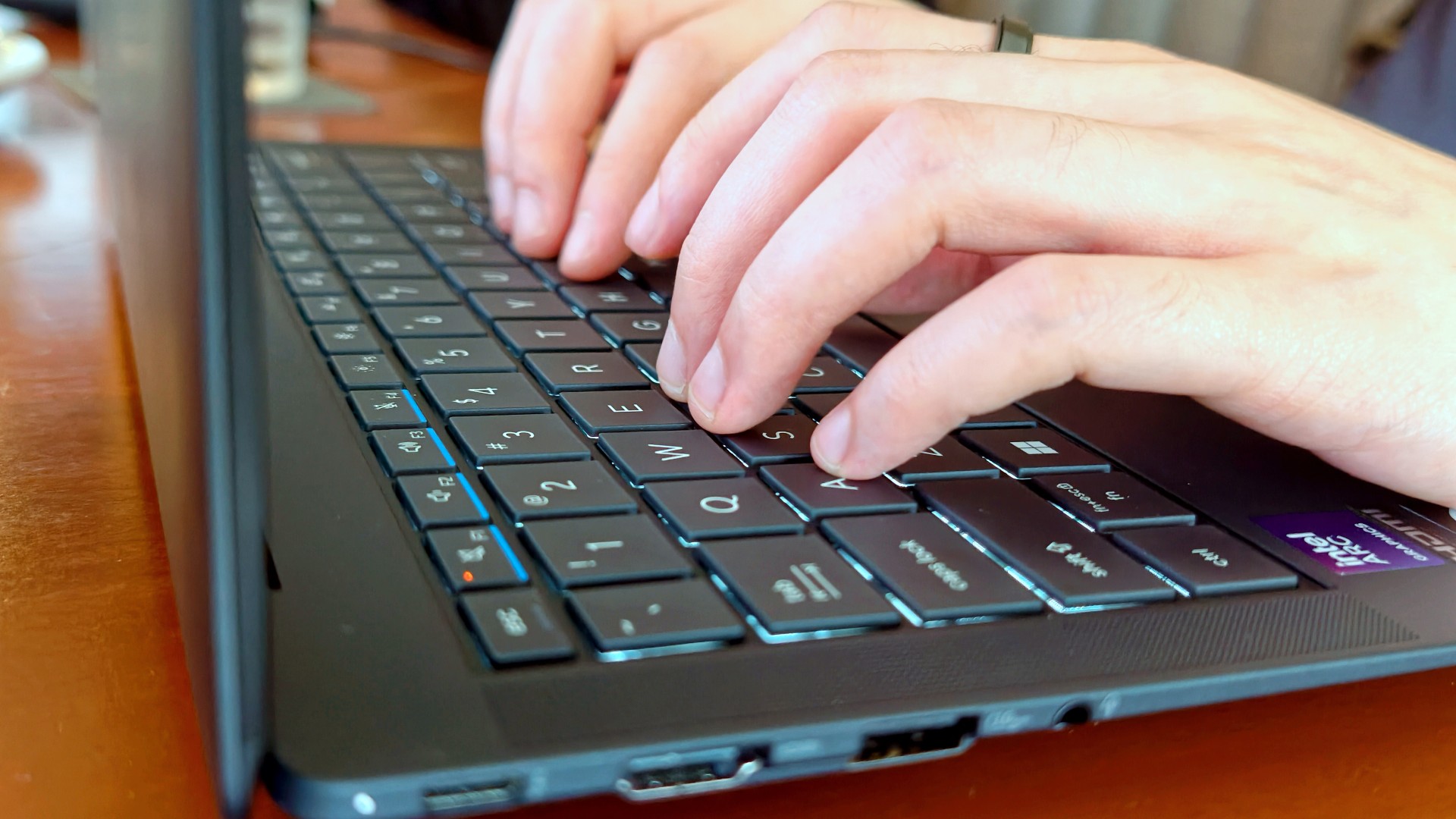
The keyboard, though, was just as lovely as I remembered. The 1.5 mm key travel still struck a nice balance between comfort and responsiveness, while the ASUS ExpertCool keyboard with its Excimer UV coating gave me one less thing to worry about during long workdays.
People often say a good keyboard is one you stop thinking about. I never did.
Every now and then I’d be halfway through an article and randomly catch myself appreciating how good it felt to type on. It’s one of those things you don’t expect to notice after days of use, but somehow you still do.
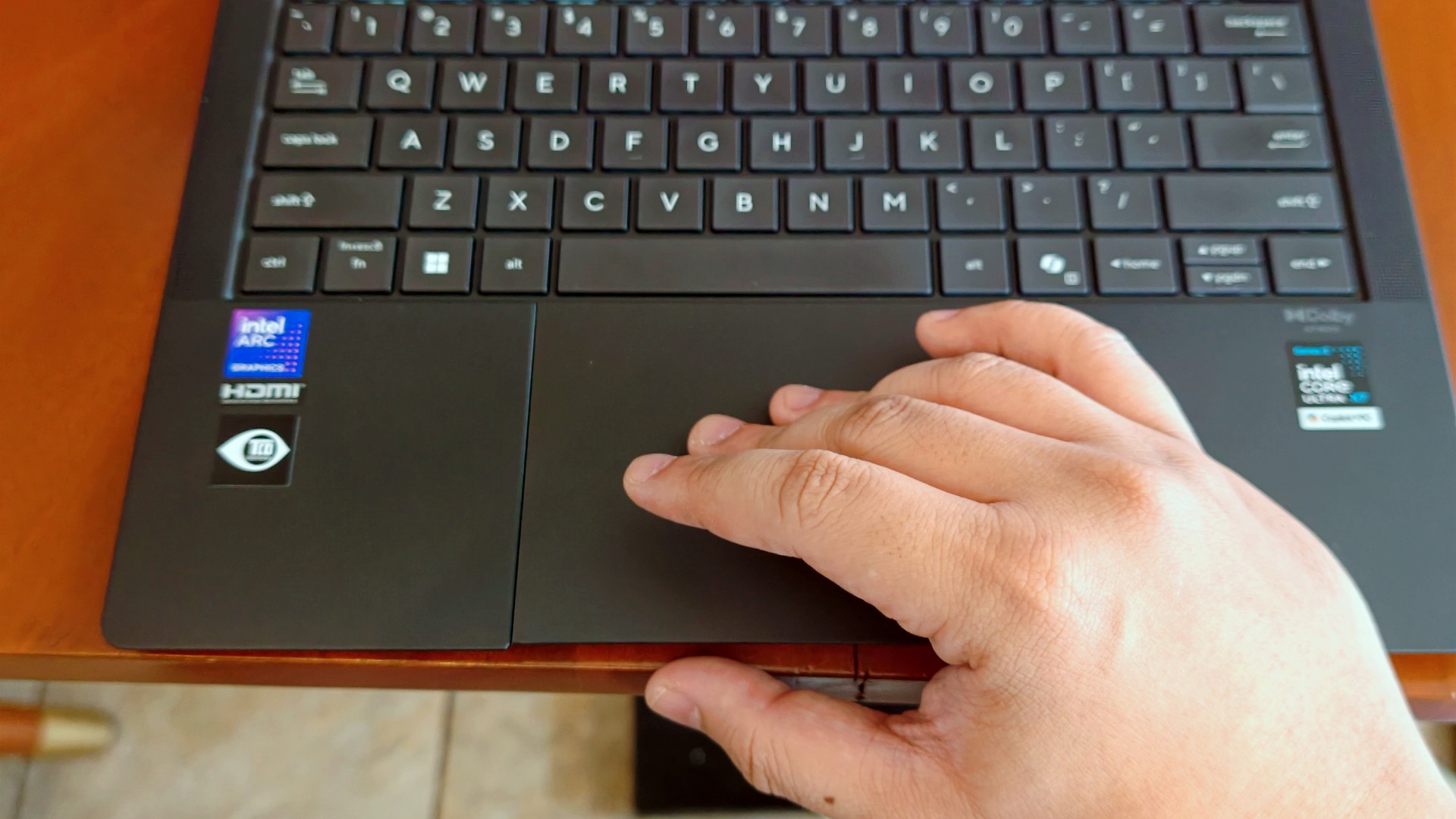
The haptic touchpad, on the other hand, started feeling like it was fighting me a little this time around. I still think that’s more of a software thing than an ASUS thing. If there’s one thing Apple still has over practically everyone else, it’s the MacBook trackpad.
That said, I still never found myself reaching for a mouse.
I got distracted… again (thanks, 3K Tandem OLED)

Eventually, though, my brain would tap out.
That’s usually when I’d stop pretending to be productive and switch to whatever was helping me decompress that week.
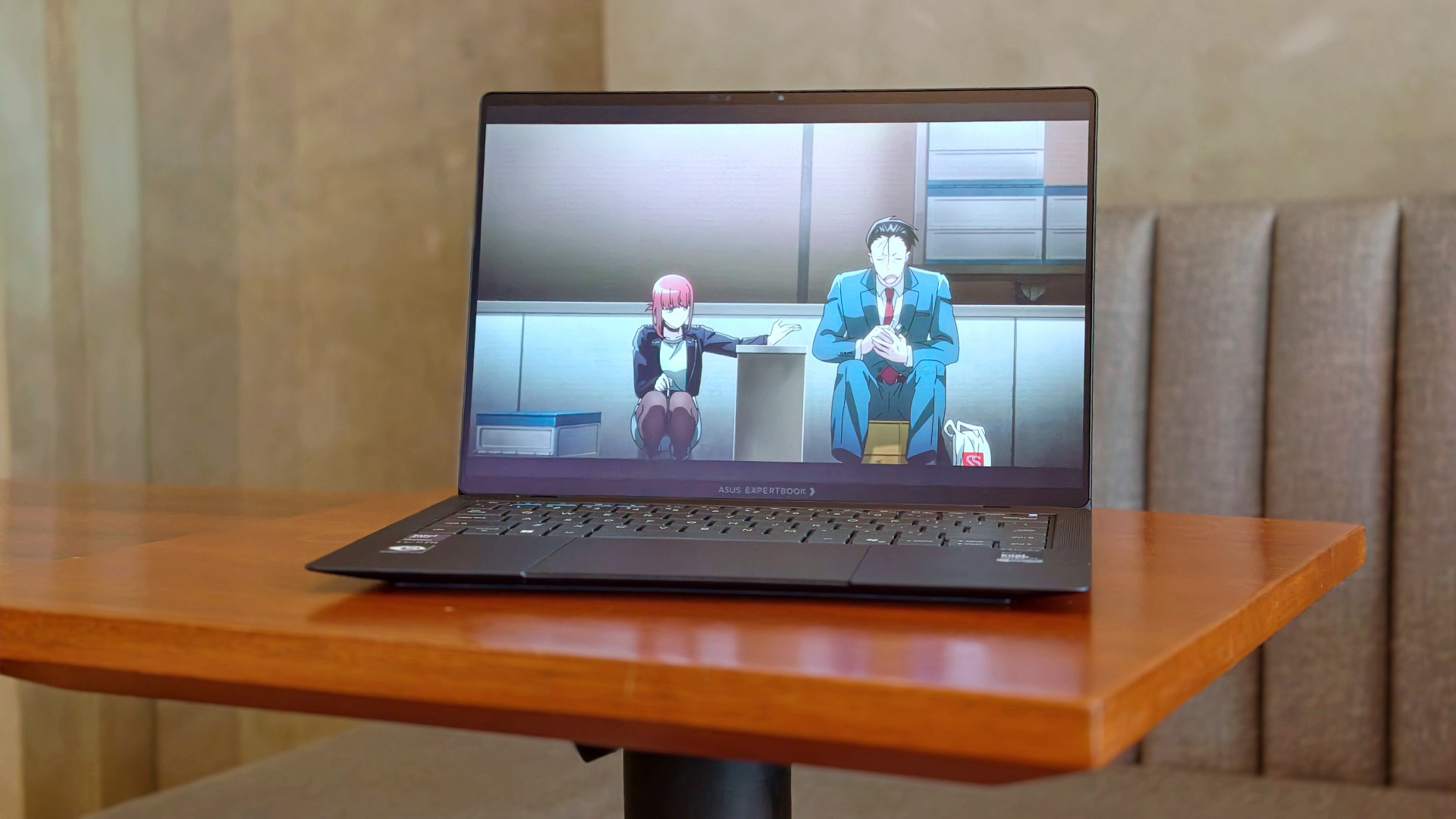
This time, it was See You at Work Tomorrow. I initially watched for second female lead Kang Mina (due for a lead role, btw) but got hooked with the rest of the cast pretty quickly.

I also started Smoking Behind the Supermarket With You. It’s quietly become one of my comfort shows of late.
And naturally, there were the occasional fancams. This time, mostly of Kim Chaewon during LE SSERAFIM’s PUREFLOW concert stops.
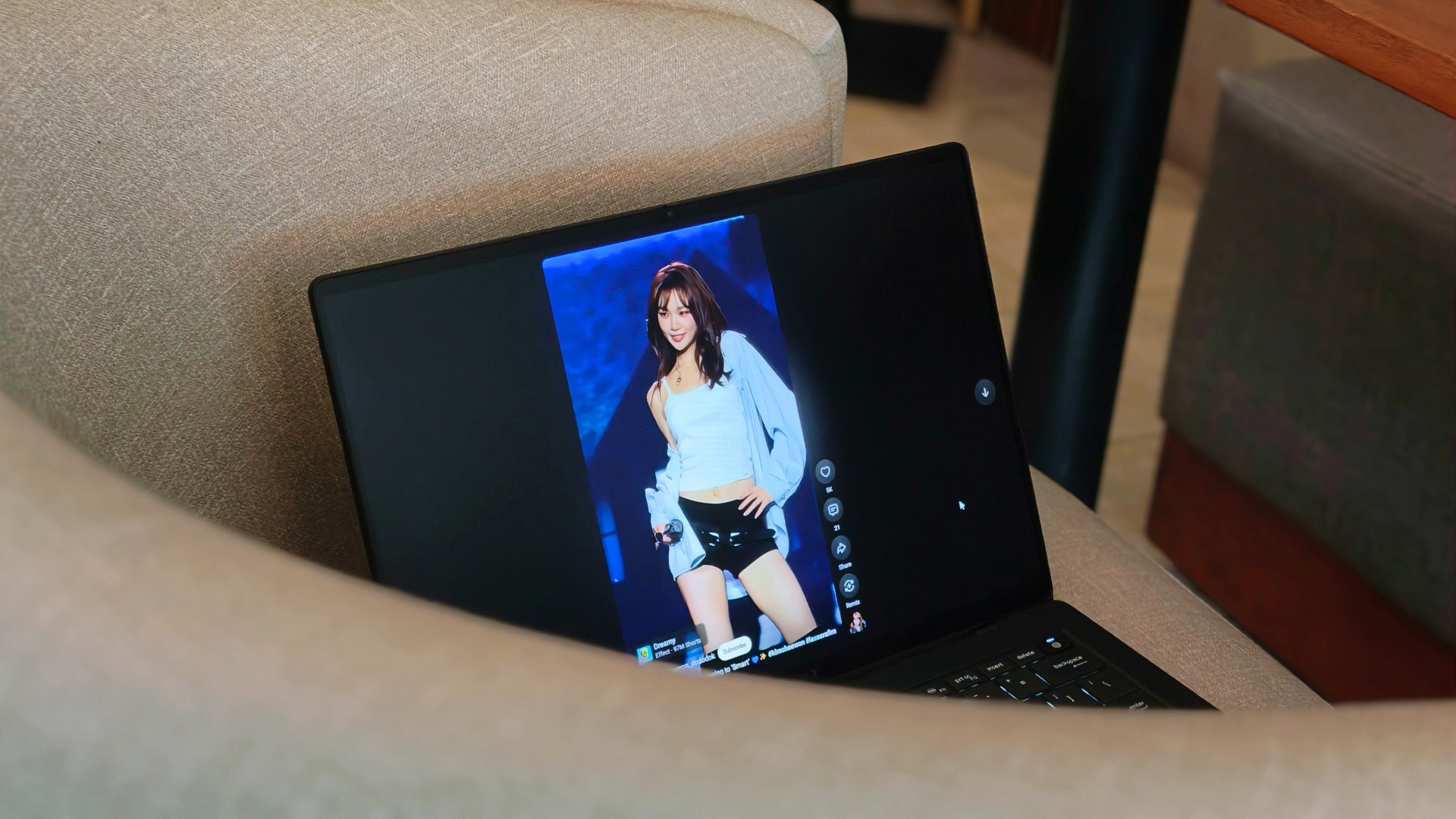
Funny enough, I don’t think I consciously appreciated the 3K Tandem OLED display as much this time around. I think I just got used to how good it looked.
Somewhere between deadlines, comfort shows, anime, and Chaewon fancams, I stopped noticing the display altogether. I just enjoyed whatever happened to be on it.
That’s probably the highest compliment I can give it.
Turns out, I hadn’t changed my mind
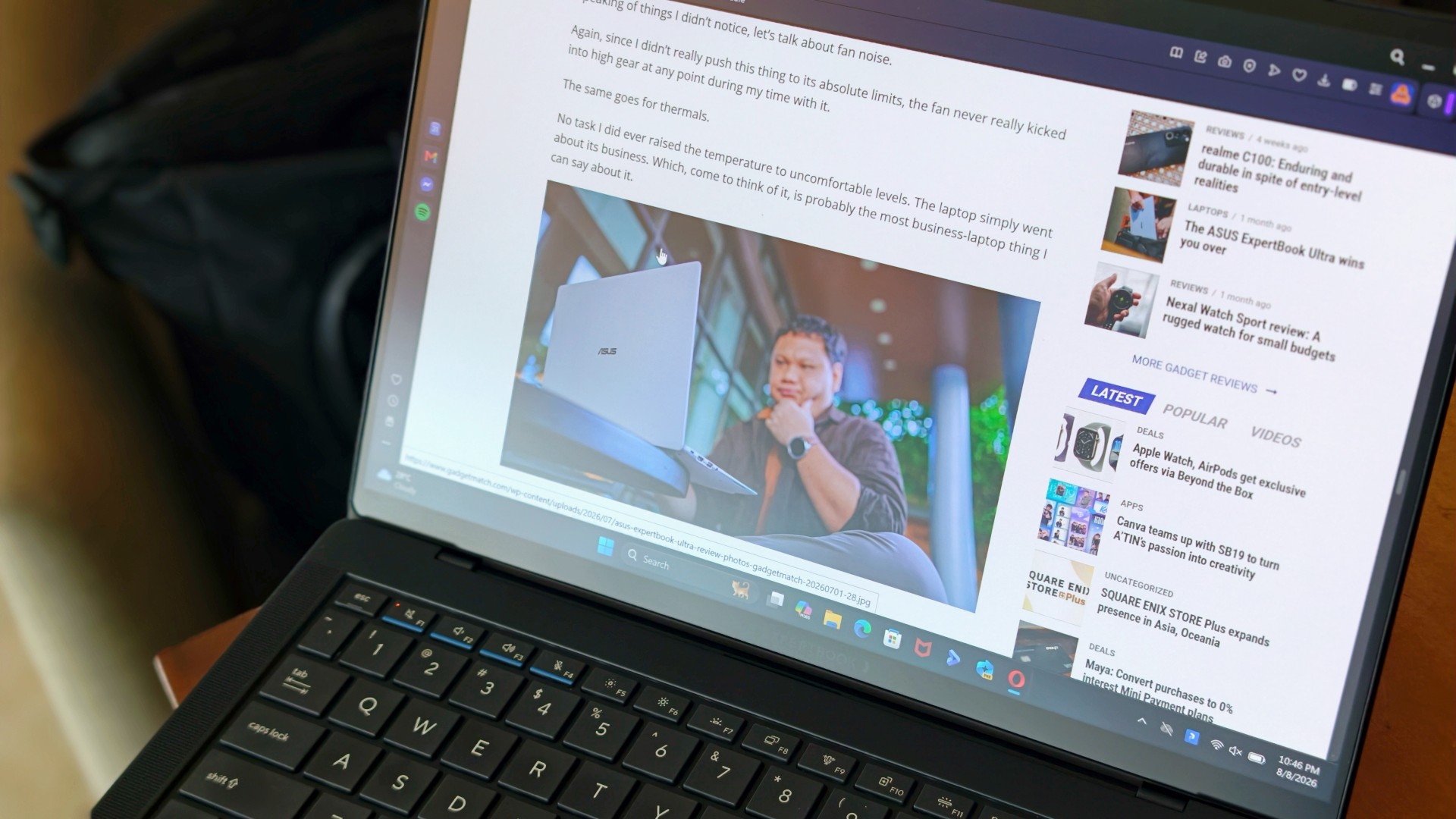
One of the reasons I was genuinely happy the ExpertBook Ultra came back was because I wanted to see whether I’d remembered it too fondly. After all, that’s usually what time does. You remember the good parts, forget the little annoyances, and convince yourself something was better than it actually was.
That never happened here.
If anything, getting the laptop back just reinforced the conclusions I had already come to the first time around. It still feels impossibly light. I still think it’s everything I want my MacBook Pro to look and feel like. And yes, I still wish it ran macOS.
Sorry, Windows.
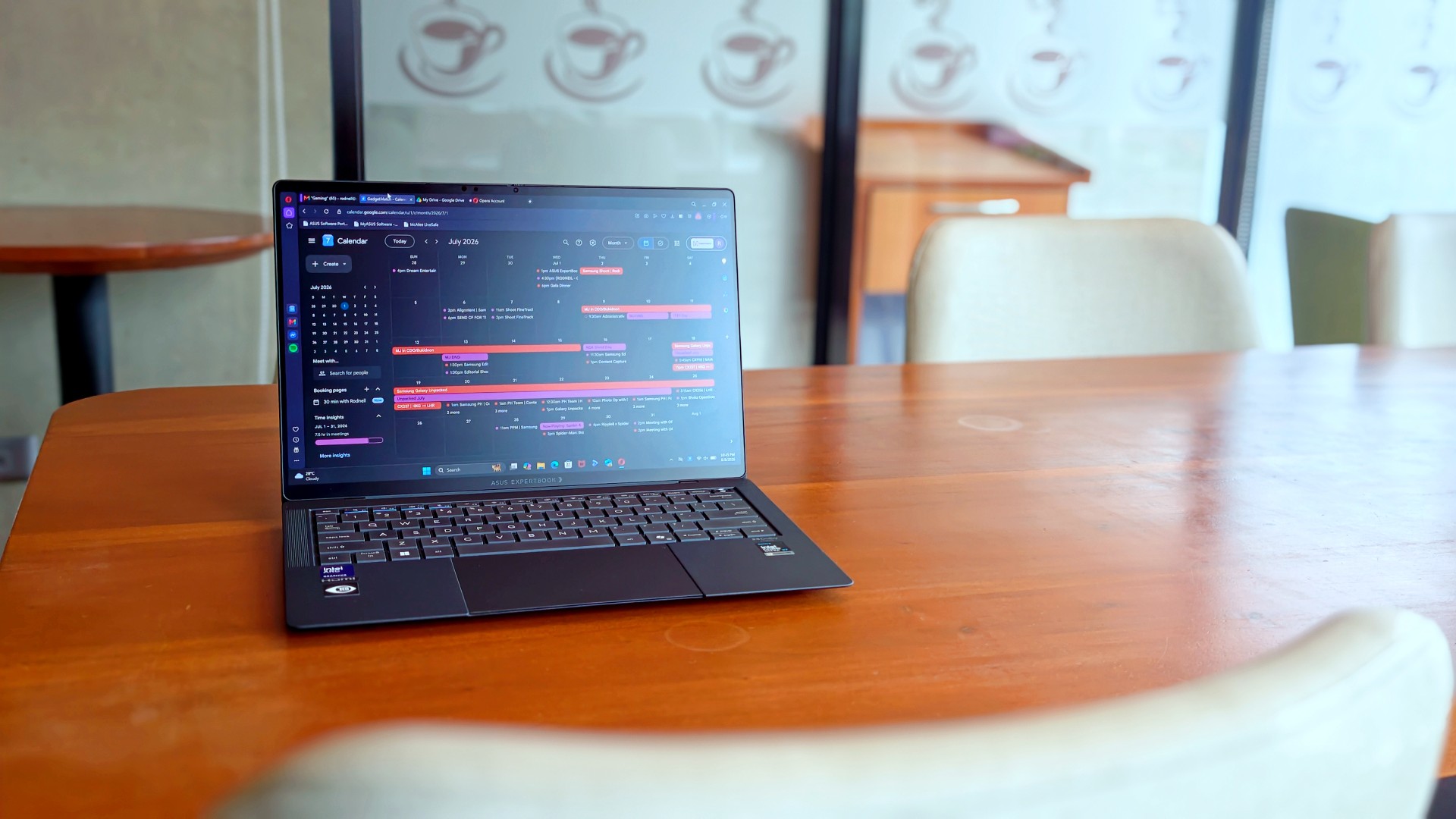
What surprised me more was that I never really found myself looking for reasons to disagree with my original review. I wasn’t paying attention to the little things anymore. Nor was I trying to re-review the laptop or see if I’d somehow missed a fatal flaw the first time around.
I just… used it.
It stopped feeling like a review unit and simply became the laptop I reached for whenever I had work to do or wanted to unwind with a K-drama at the end of the day. Looking back, that’s probably why nothing really changed. I had already formed my opinion. Getting it back just confirmed it.
The person I picture using this laptop also hasn’t changed. It’s still for people who’ve made strides in life and want a machine that reflects where they are while keeping up with everything they’re taking on.
That’s who I pictured when I first wrote about the ExpertBook Ultra.
Funny enough… That’s still who I picture today.
Sometimes the best review begins after the review ends
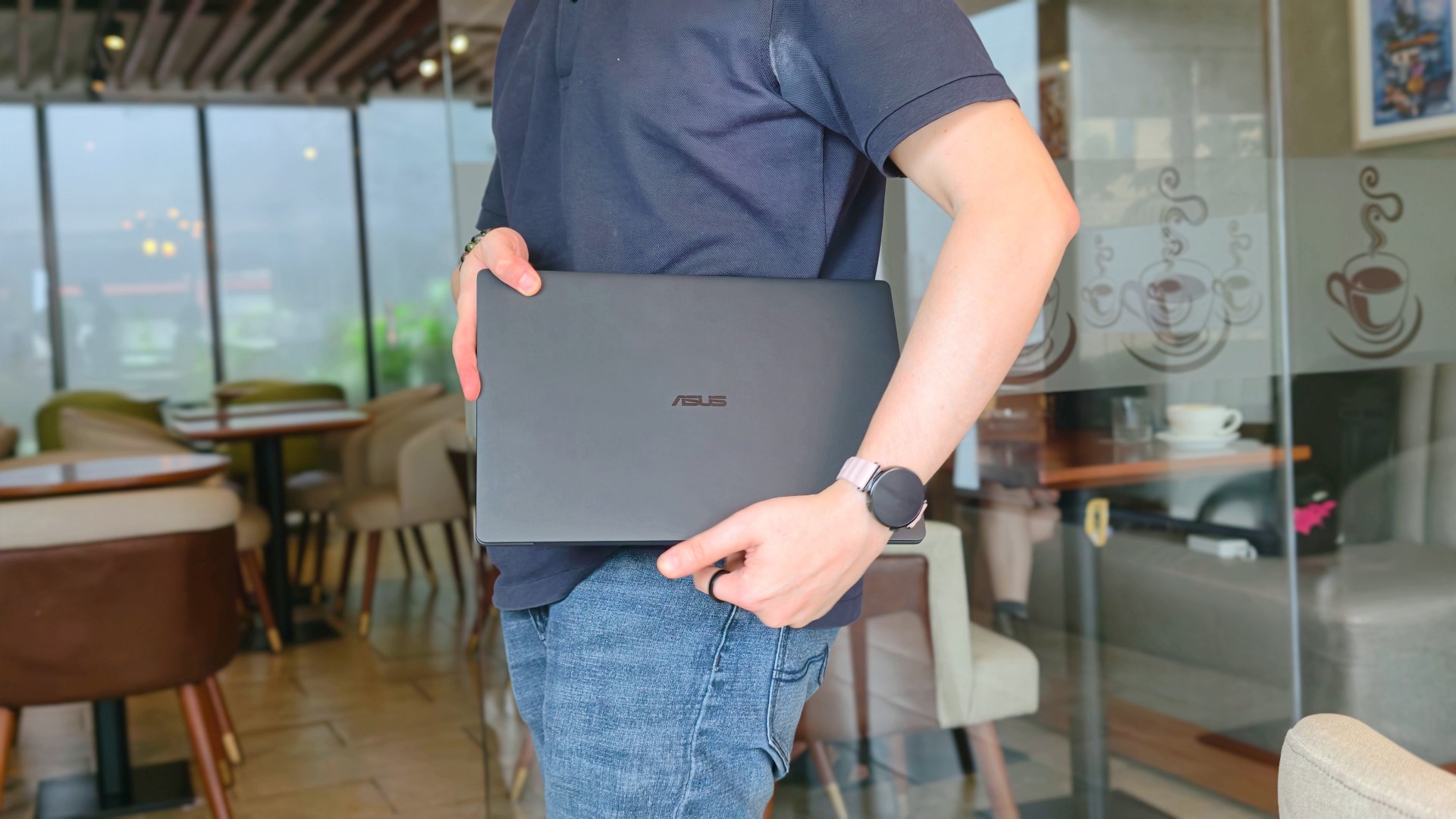
When ASUS took the laptop back, there was actually some relief. It signalled that the campaign was over.
That feeling didn’t last very long.
I couldn’t help but long for it shortly after, especially on days that I absolutely had to bring a laptop around. The weight really does play a big factor during days like this. And as ridiculous as it sounds, I never quite got over the Nano Ceramic finish either.
That’s probably what surprised me the most. Not that I still liked the ExpertBook Ultra. I already knew that.
It was realizing just how much of the experience stayed with me after it was gone.
If you’ve been considering the ExpertBook Ultra, my advice probably hasn’t changed after spending close to 30 days with it. Don’t buy it because it’s the lightest laptop around or because it packs every feature under the sun. Buy it because you want a machine that quietly gets out of your way and lets you focus on the work that matters. That’s what it ended up doing for me.
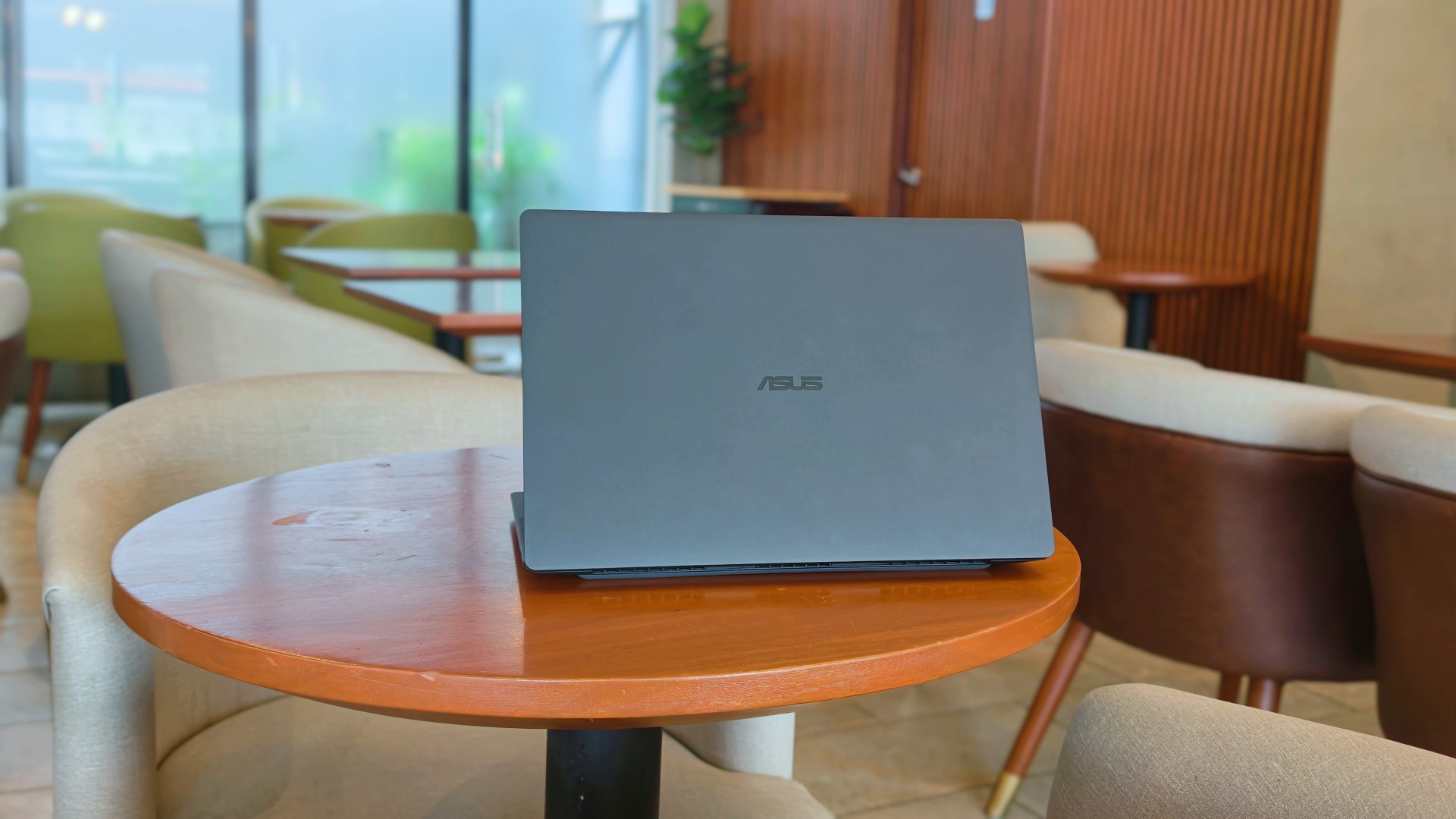
After this reunion, the ASUS ExpertBook Ultra will likely leave me again. Some exes are just like that. They’re meant to be exes.
And while they don’t stay, they leave an imprint on how you go about life moving forward.
I just know some part of me will always look for the best that I’ve found with the ExpertBook Ultra whenever another laptop lands on my desk.
Is that fair? Perhaps not. But it is what it is.
Thinking of making the switch?
If you’ve been considering the ASUS ExpertBook Ultra, ASUS Business Philippines is currently running an Early Bird Bundle Promo until August 31, 2026. Purchase any ASUS ExpertBook Ultra from participating ASUS Expert Stores and select tech retailers to receive over Php 13,000 worth of freebies, including an ASUS 100W GaN Charger and SSI Gift Certificates. (DTI Fair Trade Permit No. FTEB-261070 Series of 2026.)
The ASUS ExpertBook Ultra starts at Php 129,995 and is available through select ASUS authorized stores and tech retailers nationwide.
Every purchase also includes a 3-year battery and charger warranty extension, with upgradeable warranty coverage of up to 5 years, giving you added peace of mind long after you’ve taken it home.
Where to buy:
ASUS ExpertBook Ultra: https://ph.asus.click/ExpertBookUltra-WheretoBuy
ASUS Expert Store – Lazada: https://ph.asus.click/ASUSExpertBookStoreLazada
ASUS Expert Store – Shopee: https://ph.asus.click/ASUSExpertBookStoreShopee
For businesses, ASUS Business Philippines also offers flexible configurations tailored to your organization’s needs. To learn more about volume purchases, visit:
https://ph.asus.click/Business-VolumePurchase

Laptops
ROG STRIX G16 Review: Building for the moment
Setting it up however you want to make the most out of it

As someone who loves to build PCs, gaming laptops do not completely appeal to me as much as it would for other people. Apart from the limited capacity to tinker and upgrade parts, in some cases, gaming performance doesn’t feel the same as an actual desktop PC.
Also, there’s the ever-present concern on its portability given that most gaming laptops come in rather hefty clam shells.
The other thing is that given we now have more portable ways to play the game, gaming laptops feel behind in the game. Handhelds like the ASUS ROG Ally X make it easy to just bring the games with you even if you won’t be able to play all genres anyways.
However, there are still those that dare to take the chance on the clam shell for all the other, non-gaming aspects it excels in.
So, when ROG came to us with the ASUS ROG STRIX G16, I wanted to give it a shot to see if it’s something worth totally investing in.
On paper, it promises to be an excellent device for all of its intended use cases, but you can say that about anything at this point. There has to be something different that truly makes this device worthwhile in 2026.
Performance-maxxing at its finest

If it isn’t obvious yet, I think that this new version of the ROG STRIX G16 performs absolutely well with the hardware it comes with.
Powered by the new Intel Core Ultra 9 and an NVIDIA RTX 5080, it covers every little use case you need it for. Editing spreadsheets, creating videos from scratch, playing RTX-compatible games with high quality details – it honestly can do no wrong.
On the outside, the device sports a 16-inch, 2.5K ROG Nebula Display, maxed out with a refresh rate of 300hz. While it does come in the unorthodox 16:10 aspect ratio, it doesn’t totally ruin the viewing nor gaming experience in my opinion.
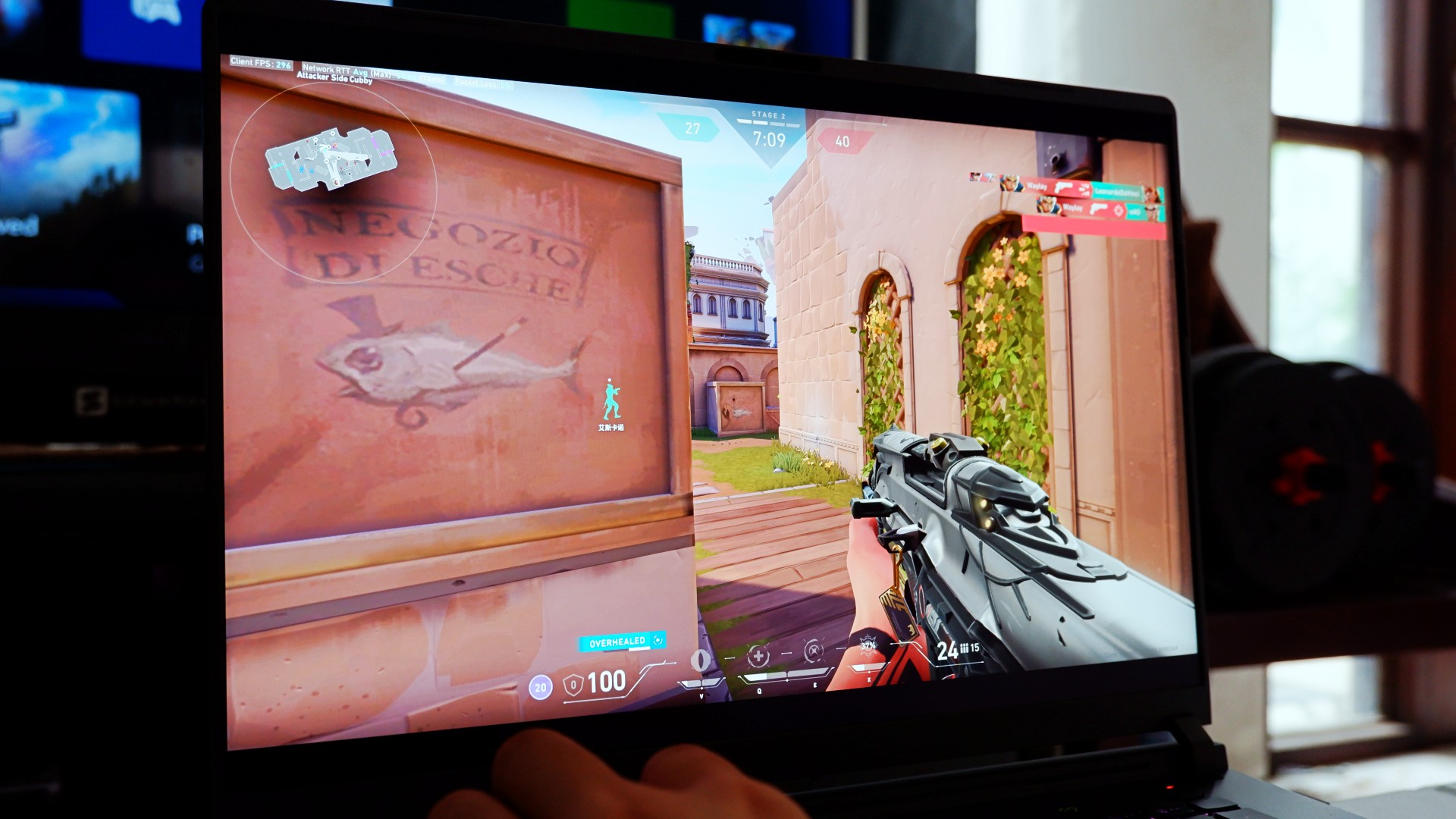
Also, that high enough of a refresh rate already puts this display within the competitive gaming tier of performance. So, expect to hit more headshots when you play on this device, hopefully.
The thing is, for me, this is expected coming out from ASUS ROG. Great internal hardware, matched with the external hardware to maximize the gaming experience – it’s what they’re known for.
At this point, they’ve continuously raised the bar on maxing out gaming and productivity performance that it bears no repeating past this point.
So, what’s new?
Designing the experience your way
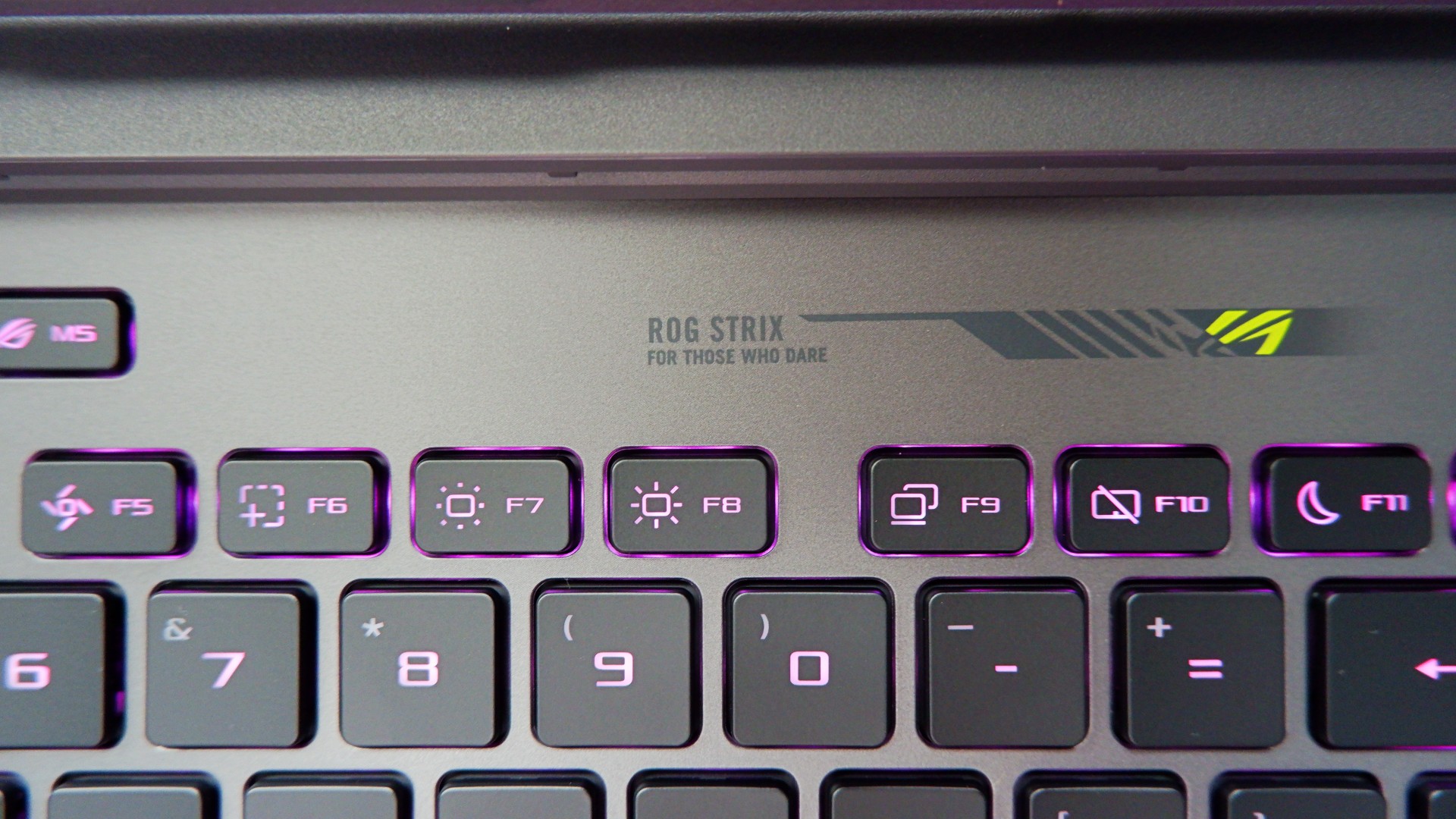
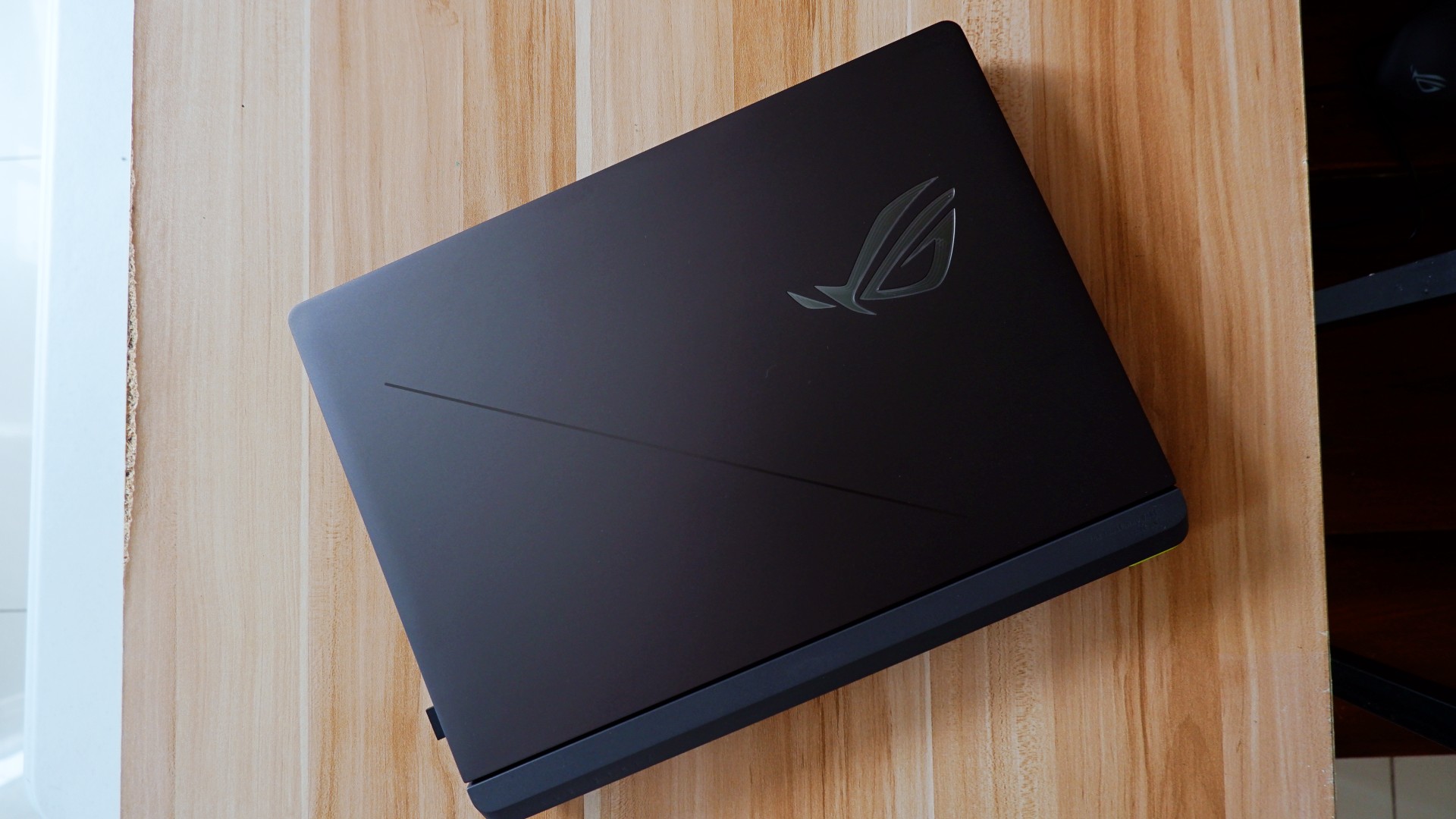
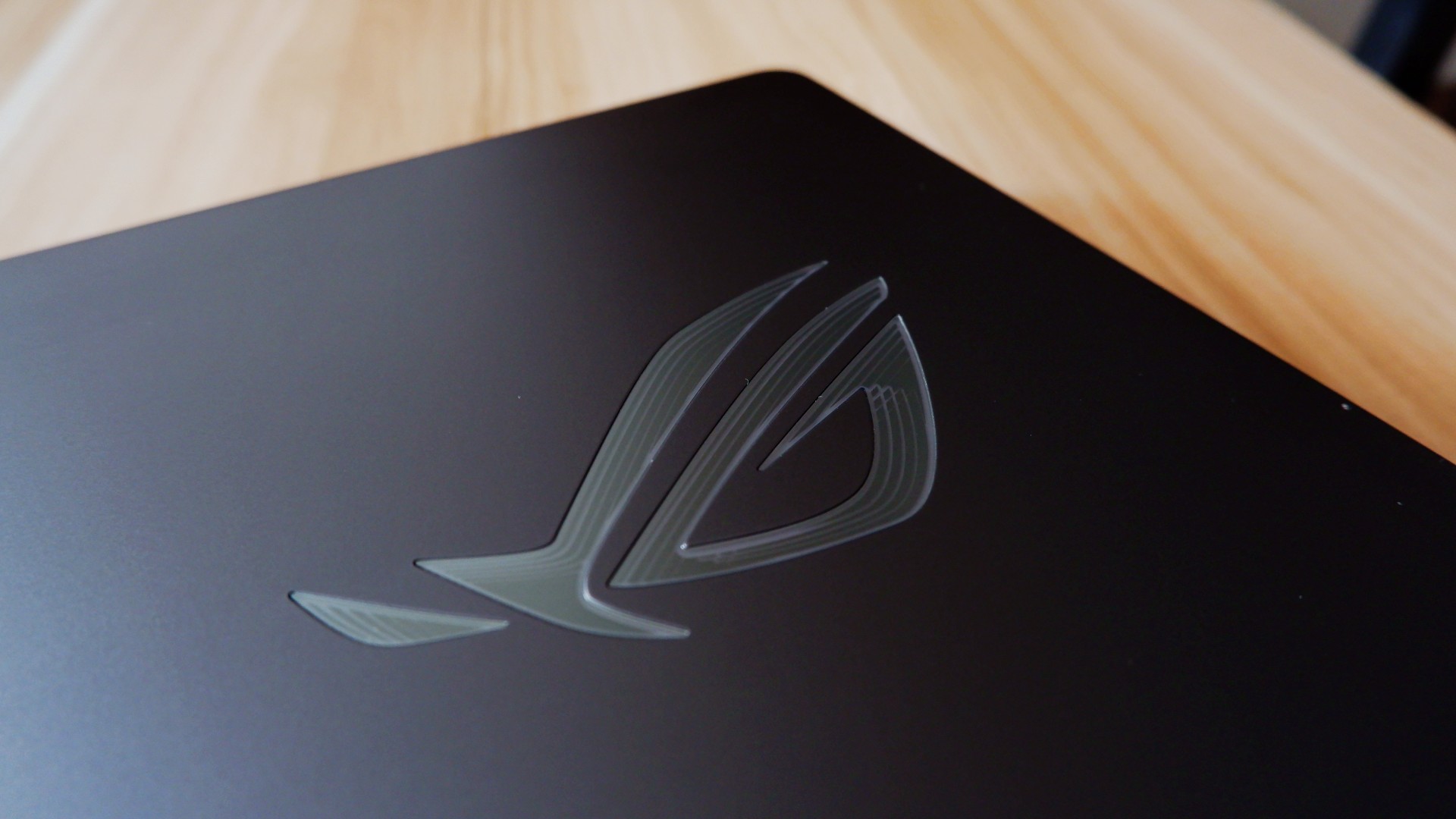
The ROG STRIX G16 for 2026 sports a rather subtle, nearly minimalist physical appearance upon unboxing. Bannered by an LED ROG logo and several nods to their brand messaging, it’s as unassuming as one would expect.
Once you turn it on, you are greeted with the flash of RGB light strips surrounding the keyboard and the underside of the laptop – all fully customizable on Armoury Crate. If you ask me, that’s not even the best part.
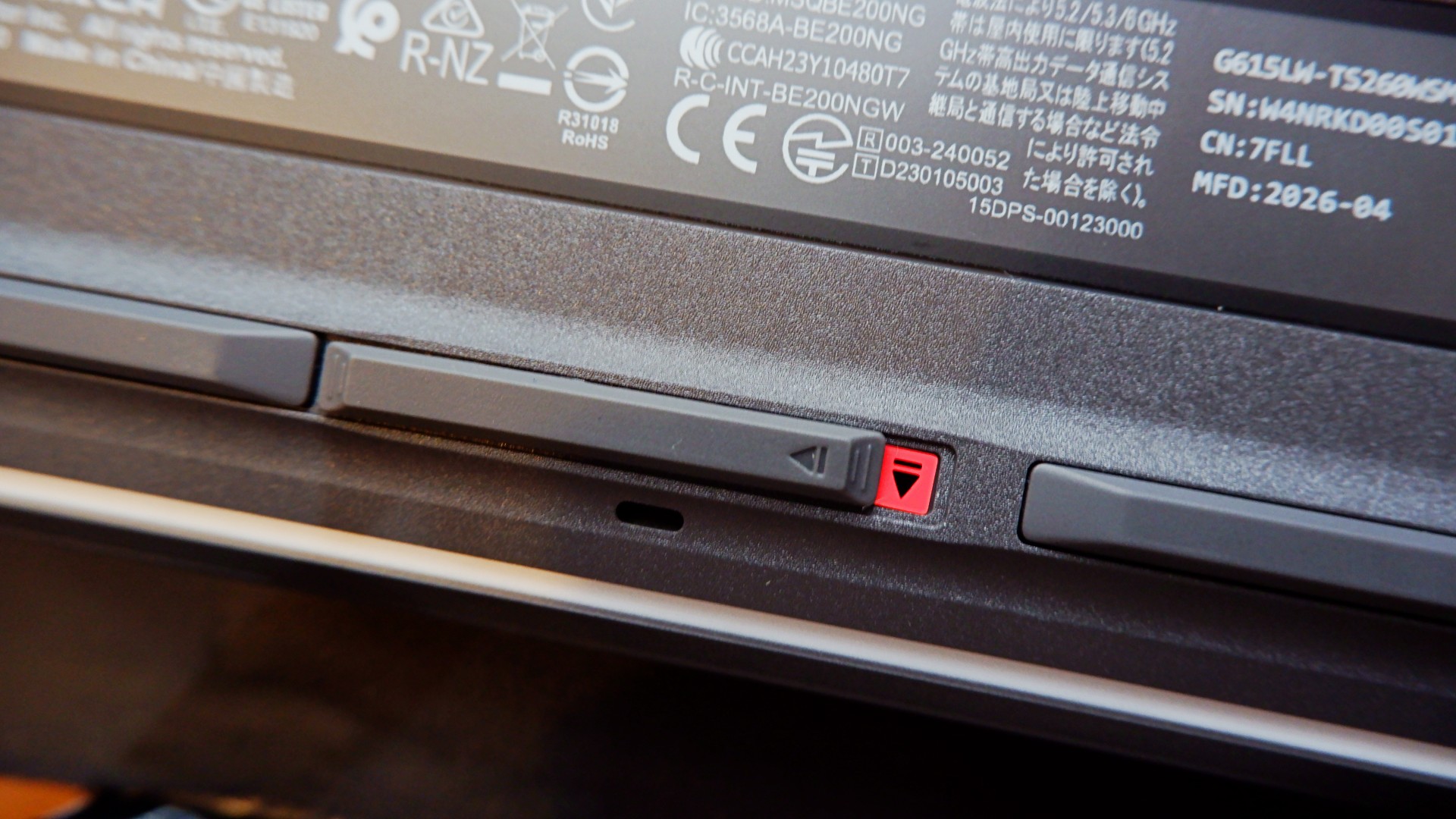
When you flip the device to the underside, you will notice this peg that can pass off as its rubber footing. However, inspect it further and it’s actually a switch that, when slid to the left, unlocks the protective cover of the laptop’s internal hardware.
Once unlocked, it allows you to easily add another M.2 SSD storage or expand your RAM to 64GB, which is a huge deal on its own.
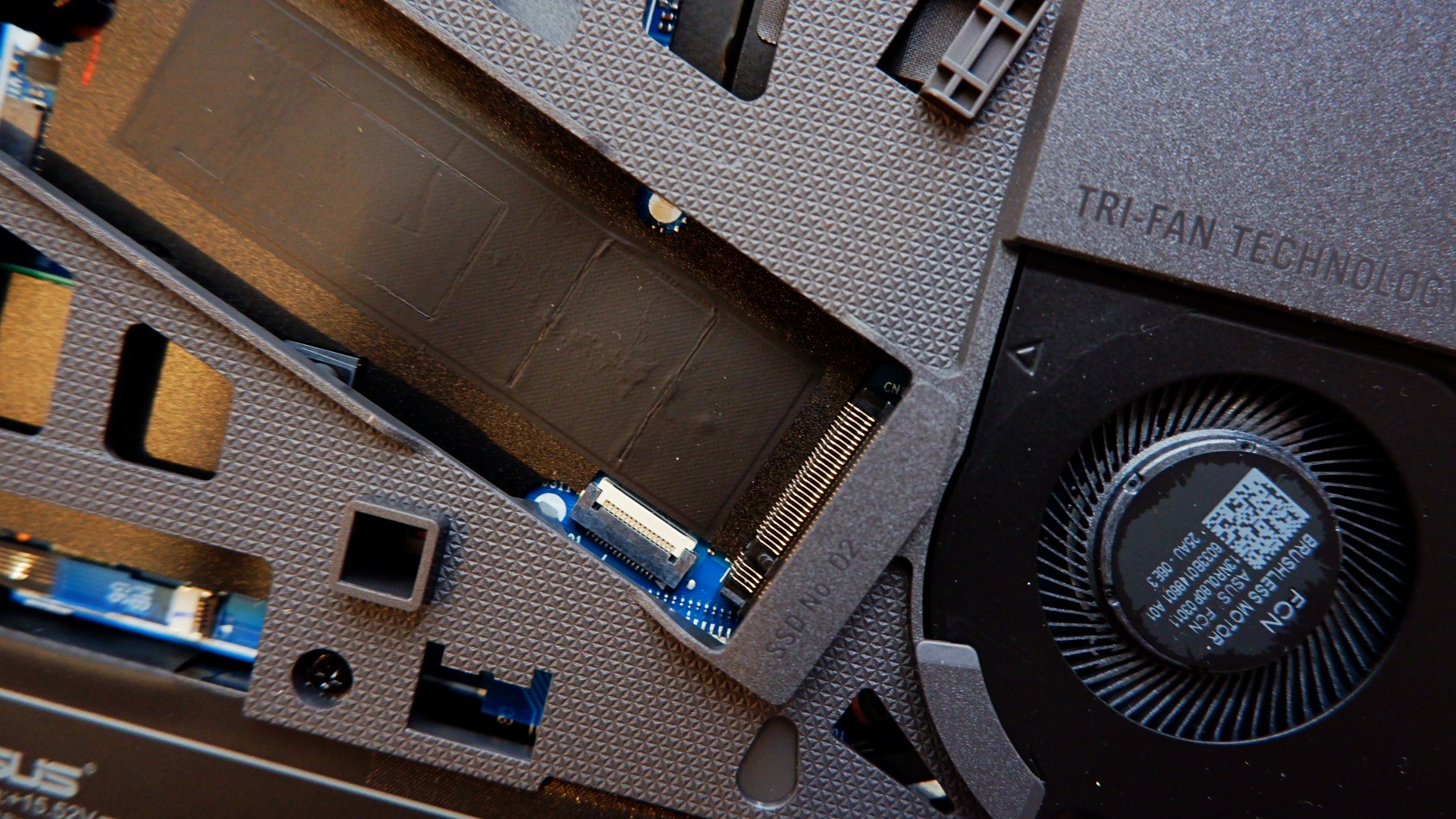
Upgrading your laptop was never this easy nor safe to do, considering that you will normally need to remove the screws and potentially void the warranty. With the ROG STRIX G16, both of those worries are eliminated for you to craft the perfect gaming machine.
The only thing, though, is it’s still a pretty bulky machine that made some weird tweaks to the other components.
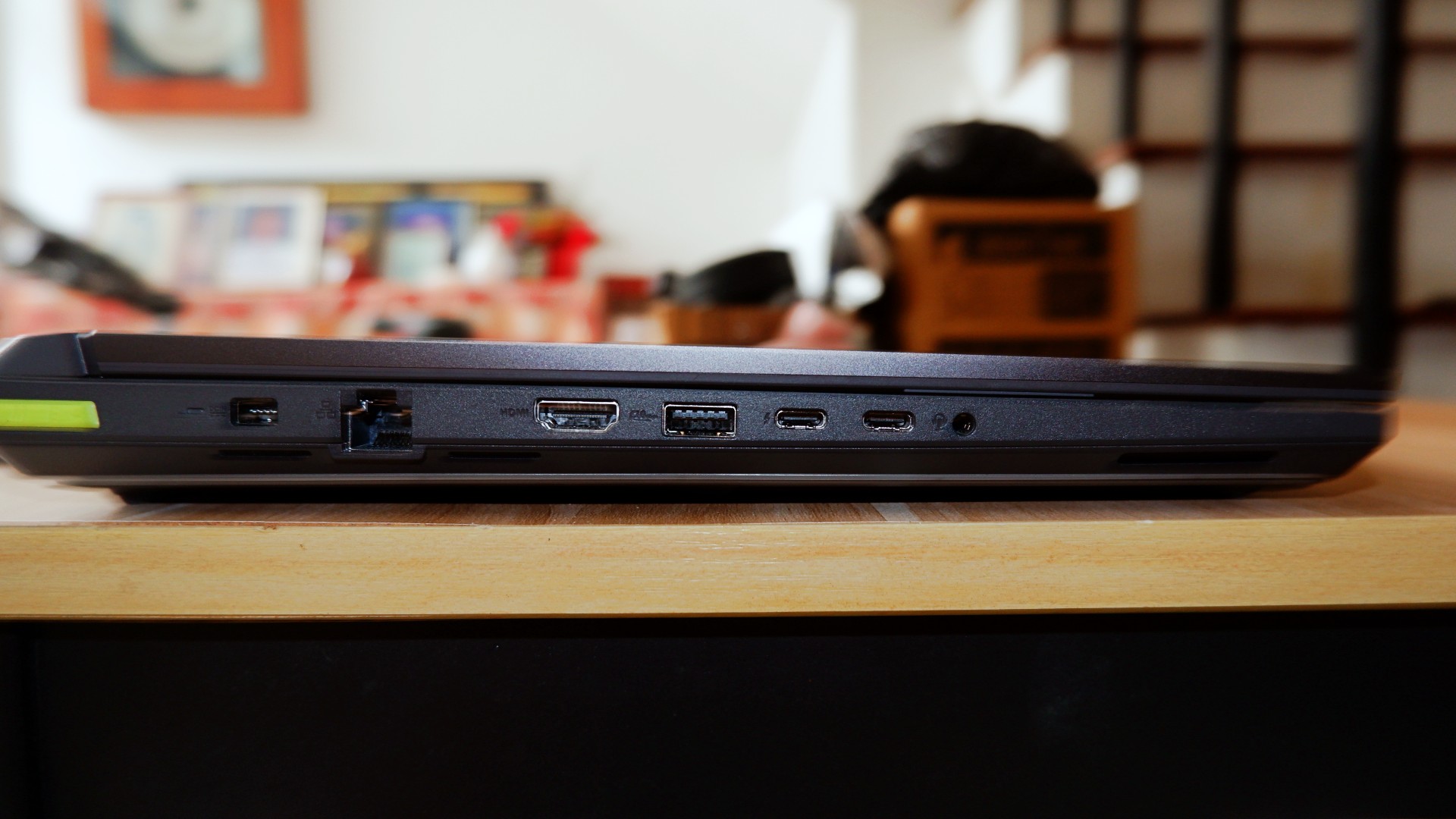
I’m personally not a fan of the unbelievably large trackpad and the somewhat awkward key travel while typing due to the switches being small for my hands. External peripherals are a must, but the components having weird quirks are not a total deal breaker.
No heat in the moment
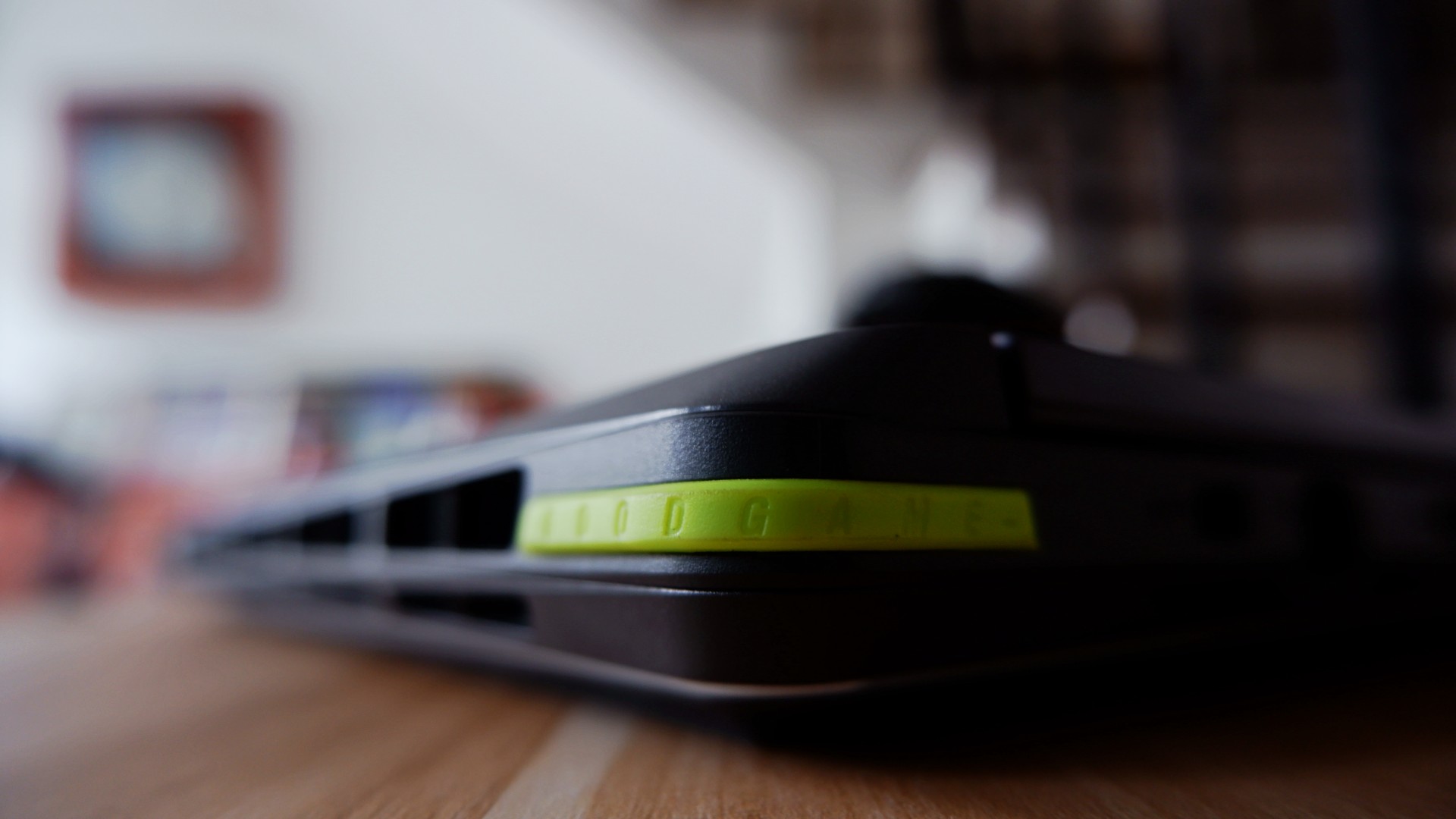
ROG brings its new Intelligent Cooling system that it applied to the 2026 version of the STRIX G16, which promised better heat dissipation on paper. Part of the design choice to accompany this was to open up most ventilation on the rear end, unlike other models that still evenly distributed it to the sides.
This, to me, was a welcomed change especially with Intel chips that typically throttle during intense workloads.
The most obvious pain point I had before was immediately addressed by this new cooling system. Effectively, they made the heat dissipate through one ventilation area so it no longer affects other parts of the laptop to make the experience uncomfortable long term.
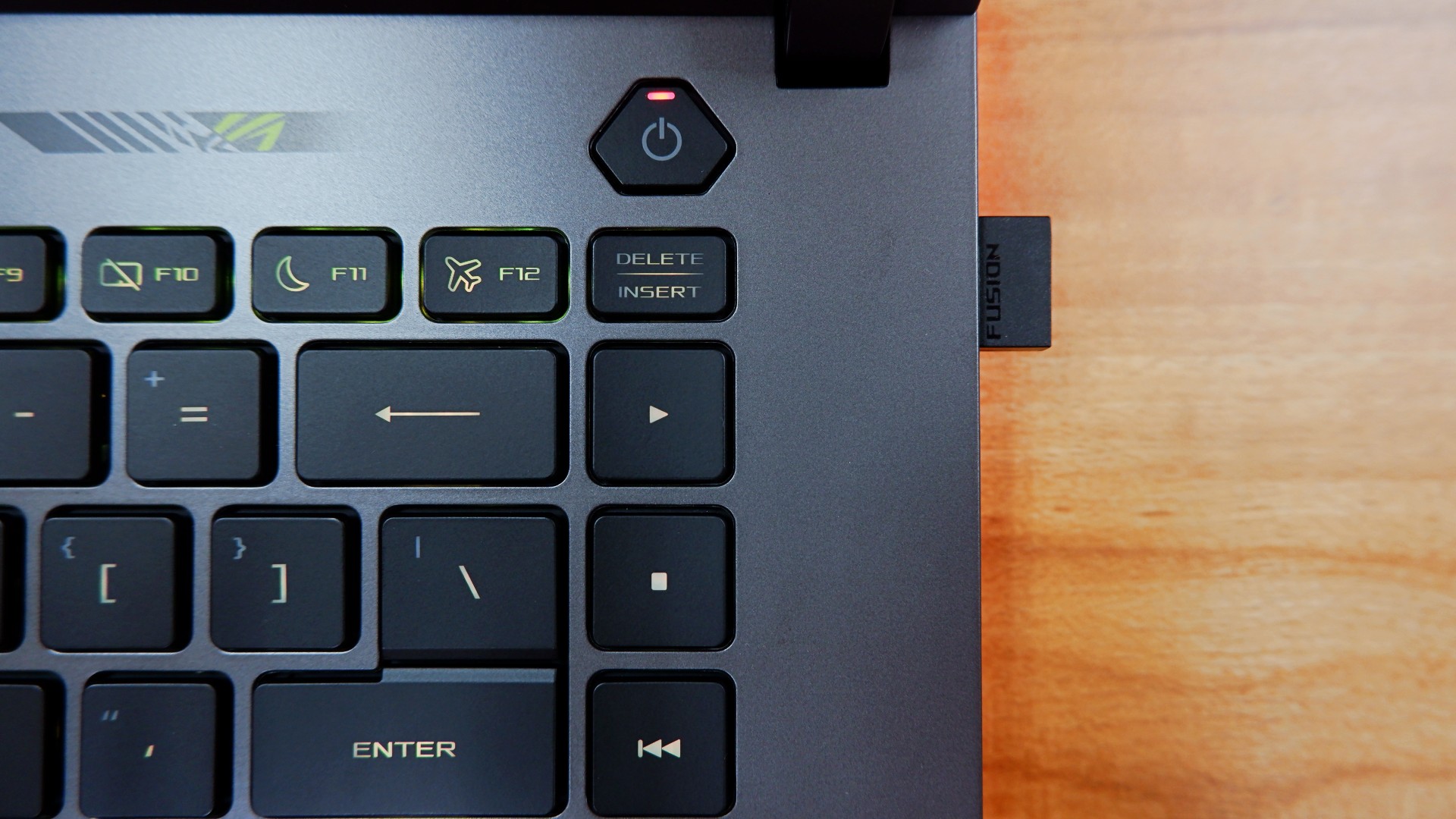
One example of this: the keyboard doesn’t take the heat after three hours of non-stop play on Performance mode while the system is throttling to achieve better frame rates.
Even after I shut down the laptop after use, the underside doesn’t get too warm either. I initially thought it had to be if that was an area you would have easy access to.
Well, I’m glad to never attempt to fry eggs on a laptop ever again, at least!
Battery levels that keep you in the clutch

For a device this powerful, it’s not a surprise to me that the battery drains quickly when you’re on the move. In my regular usage, I tallied around four to five hours before zero, only slightly improved to five and a half when leaving the device idle for a while.
Surprisingly enough, increasing the intensity of the load cuts these numbers only by a bit – clocking in three and a half hours maximum with heavy gaming.
Fortunately enough, the 380W charger charged it back to full at a quicker time and pace as its battery drain time.
Going from none to done took an average of two hours when idle, nearly two and half hours when in use while charging.
To me, this is more than enough time to go on a break when the games are tilting you too much. You can also use the 100W USB-C charger if you want to keep the laptop idle for longer and it will take four hours.
Is the ROG STRIX G16 your GadgetMatch?
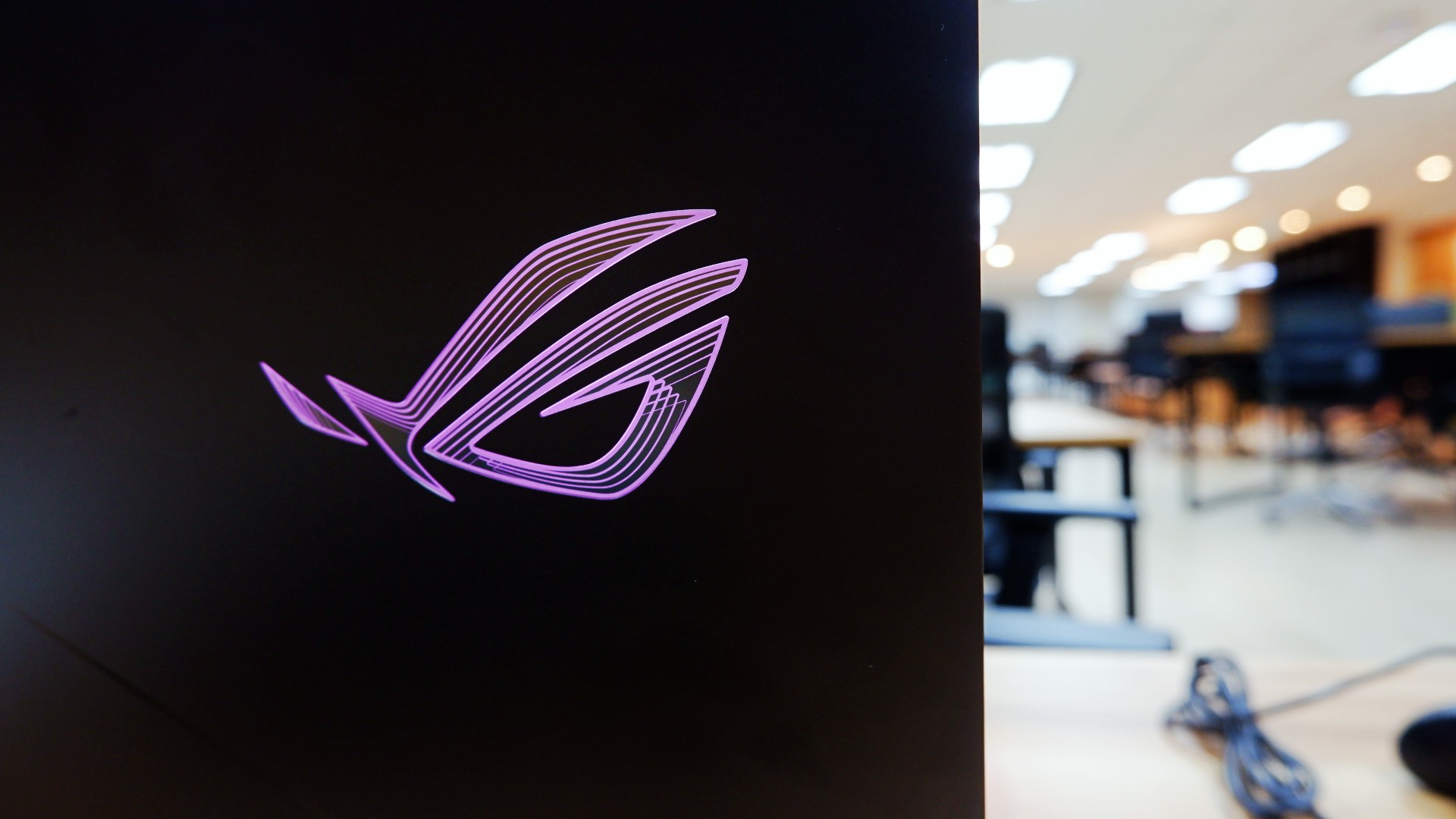
For a laptop priced at a whopping PhP 319,995, the ASUS ROG STRIX G16 is the kind of all-around machine you can build to capture any moment. On its own, the performance truly speaks for itself whether you need it for work in the day or play till the wee hours.
However, when you’re willing to tinker around the machine like I was, you can unlock so much more out of it, especially in the hardware department. It’s a bonus that this machine lets you do it a lot easier without risking any warranties to be voided.
Admittedly, I still have some more questions about the design philosophy and longevity because of the hardware pre-built in.
For one, some design choices truly made it feel like you could only enjoy this with additional peripherals at your disposal. Plus, the battery charges fast to compensate for how quickly it runs out, too.

Although these aren’t deal breakers for me but for others, you might want to take note and try it out too.
Overall, you can’t go wrong with a machine that lets you achieve great performance when you’re willing to dig deeper into it.
As someone who loves to build PCs, this is one of the few gaming laptops that appeals to me while ignoring the obvious dent on my wallet. Even with other options out there, this might just be the one that you can future-proof as long as you can afford to do so!

Apple has introduced Apple Upgrade, a new leasing program that makes it easier to get an iPhone, Mac, iPad, or Apple Watch through monthly payments. The program also gives customers more flexibility to upgrade to newer devices over time.
Apple Upgrade replaces new enrollments for the iPhone Upgrade Program with a single offering that covers four product categories. Apple partnered with Klarna to power the service.
Customers can lease an iPhone or Apple Watch for one or two years. Mac and iPad leases are available for two or three years.
At the end of the lease, customers have three options. They can upgrade to a newer device, purchase the leased device by paying the remaining balance, or return it with no further obligation.
Monthly payments start at US$17.99 for iPhone and US$24.99 for Mac, depending on the selected model and configuration. Customers must also qualify through Klarna before enrolling.
More than iPhones
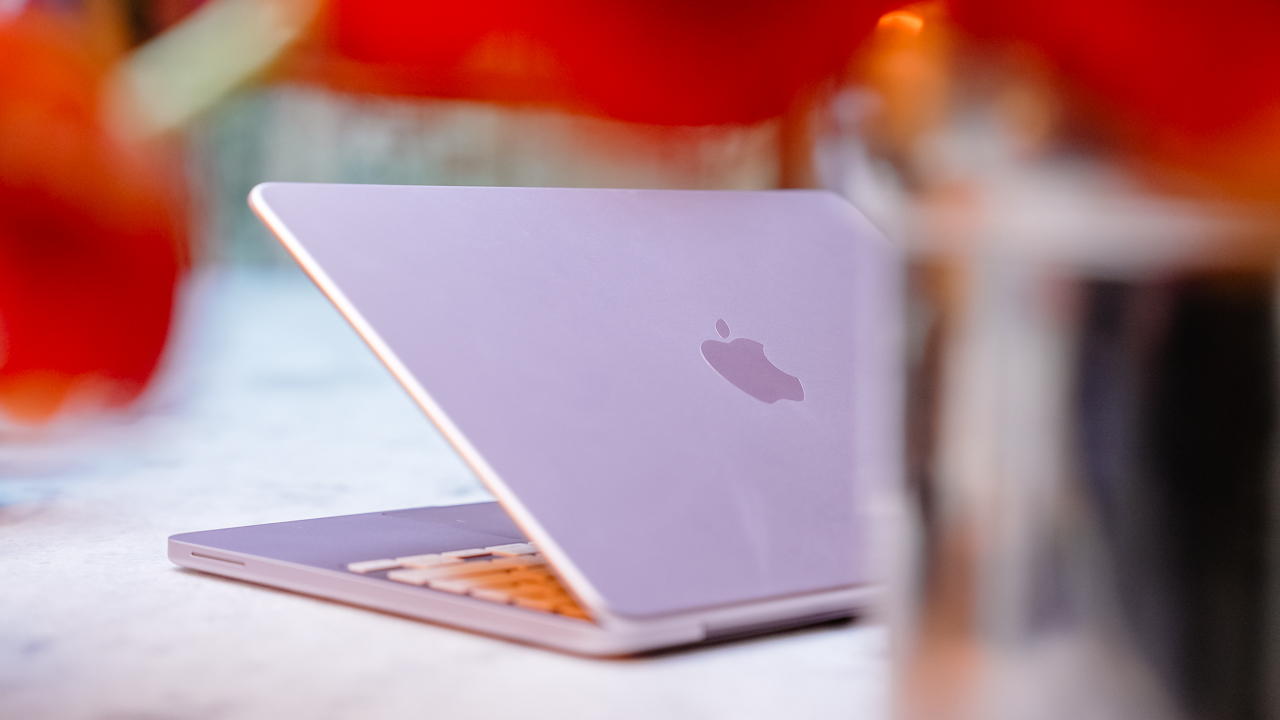
Apple Upgrade expands beyond the company’s previous iPhone-only financing program. It brings iPhone, Mac, iPad, and Apple Watch under one leasing service, making upgrades more consistent across Apple’s hardware lineup.
Customers can manage their lease through Apple, while Klarna handles financing and lease administration. They can also pay off their device early, although additional terms and fees may apply depending on the agreement.
Apple Upgrade is currently available only in the United States. Apple has not announced plans to expand the program to other regions.


30 days later with the ASUS ExpertBook Ultra: Like seeing an ex
Felt exactly as I remembered.

ROG STRIX G16 Review: Building for the moment
Setting it up however you want to make the most out of it

realme C100: Enduring and durable in spite of entry-level realities
Enough power but needs more agility

Getting the latest Samsung Galaxy Z Flip8 at 0% Interest with Maya Mini Payments
30 days later with the ASUS ExpertBook Ultra: Like seeing an ex

TCL expands mobile lineup with latest NXTPAPER series
ROG STRIX G16 Review: Building for the moment

Smart opens HUAWEI Pura 90s Series pre-orders with exclusive freebies

Hands-on: Samsung Galaxy Z Fold8, Flip8, Ultra

Garmin launches its first screenless fitness band

VinFast debuts two-wheeler models, opens 21 e-motorcycle showrooms

Samsung releases teaser with Spider-Man: Brand New Day Easter eggs

Most of the world’s PlayStations will be officially useless by 2028


-
 Automotive1 week ago
VinFast debuts two-wheeler models, opens 21 e-motorcycle showrooms
-

 Computers2 weeks ago
AMD launches Radeon RX 9050 graphics card
-

 Automotive1 week ago
Xiaomi debuts SkyNomad Series featuring new Kunlun platform
-

 News6 days ago
OnePlus officially leaves the United States and Canada
-

 Gaming2 weeks ago
NBA 2K27 gameplay trailer showcases new dunk mechanics, Rucker Park, and more
-

 Gaming1 week ago
Call of Duty: Modern Warfare 4 clip shows Losing Ground 1st look
-
 Automotive2 weeks ago
BYD Atto 2 launches with EV, plug-in hybrid options
-

 Automotive1 week ago
GAC launches new trio of MPVs