
Explainers
SSD and HDD: What’s the difference?

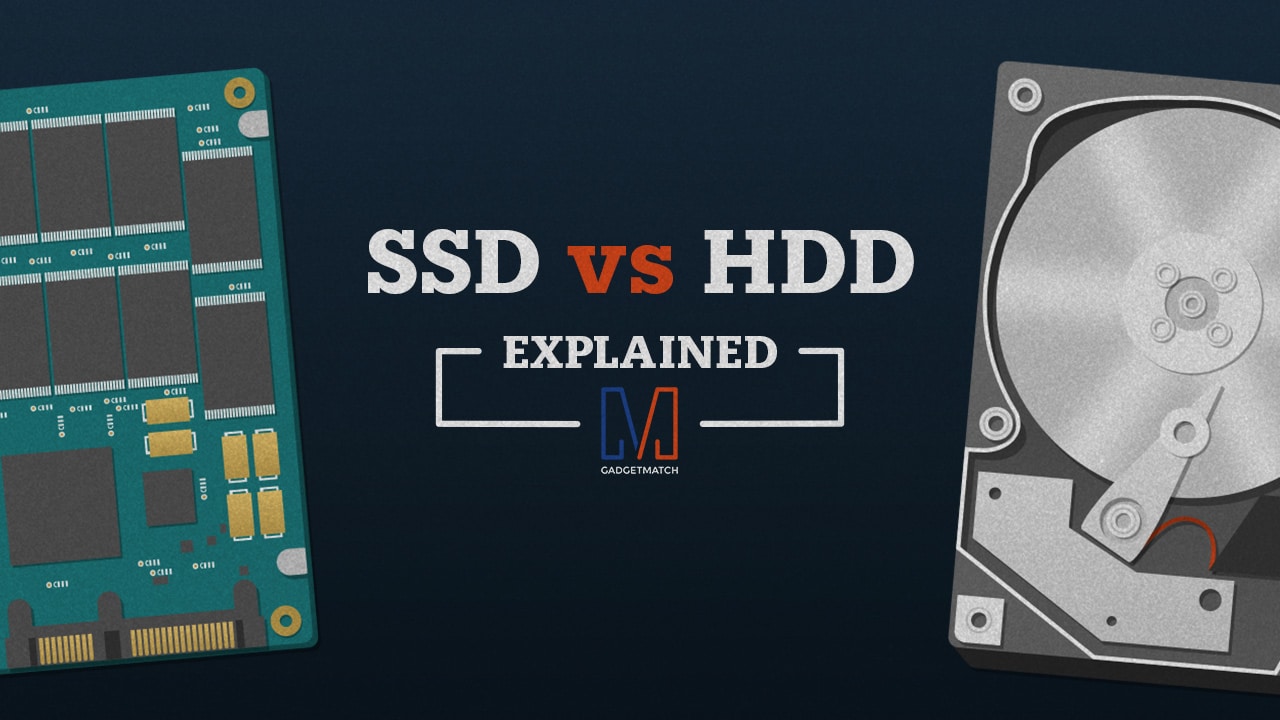
For the past few years, solid-state drives (SSDs) have become quite popular in the computing world, mostly because of how fast they are compared to hard disk drives (HDDs). So, what exactly sets an SSD apart from an HDD?
Nowadays, computers use non-volatile medium for storage, which means data that’s stored in it doesn’t get lost once the computer shuts down. Storage for modern-day computers and notebooks have been handled by hard disk drives for the longest time and it’s only now, with SSDs becoming more affordable, that consumers are seeing a different storage medium in their computers.
Hard disk drives have mechanical parts
If you aren’t familiar, hard disk drives store data on circular disks made up of aluminum, glass, or ceramic that are coated with a magnetic layer, often called platters. Since these platters are responsible for holding the data, the storage capacity of an HDD is dependent on how many platters it has.
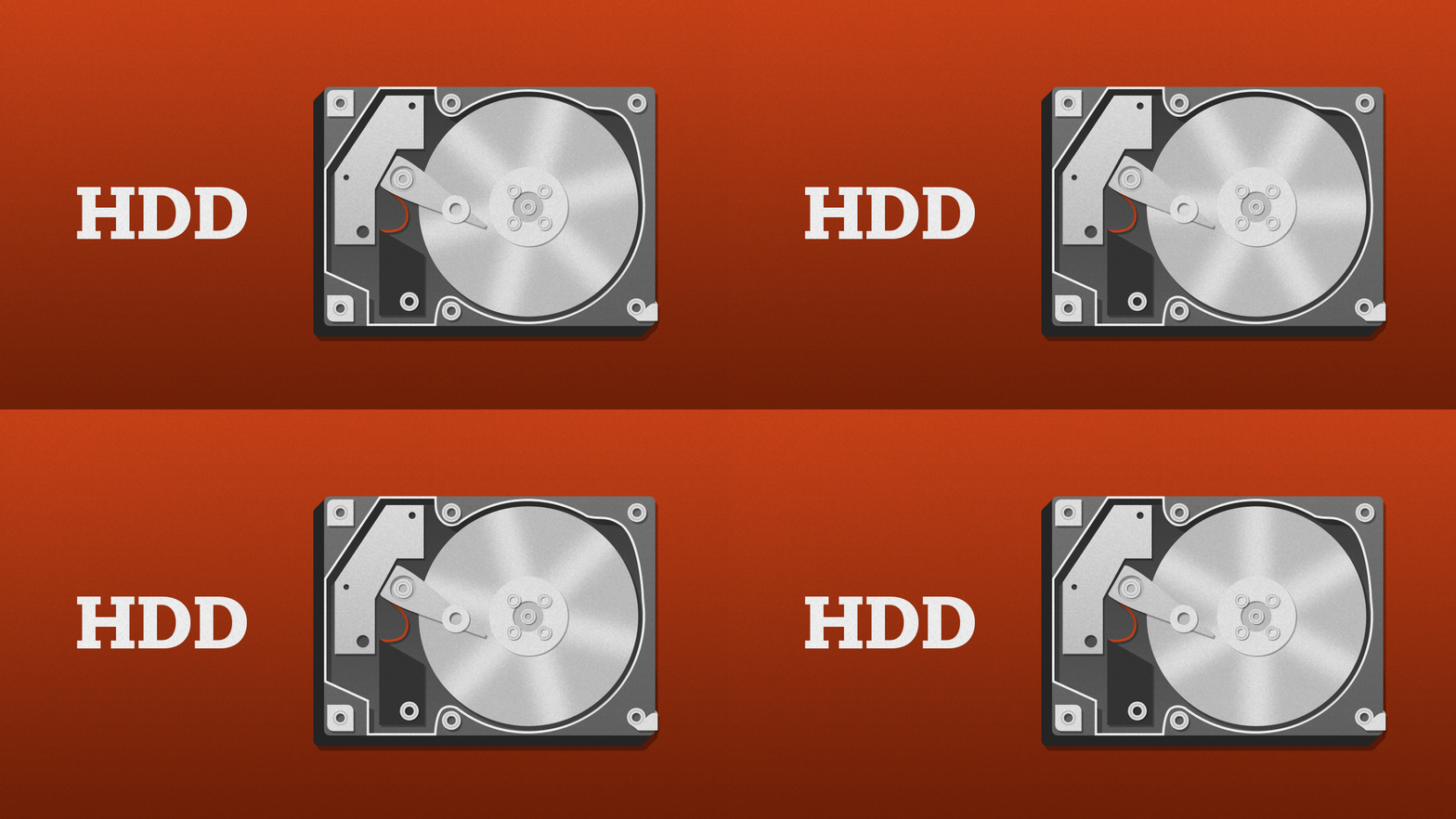
The big disks are the platters and the arm hovering above is the actuator arm.
When the computer’s processor sends out instructions to read and write data, the motor on the drive moves the actuator arm across the platter. At the end of the actuator arm are the read/write heads which are made up of tiny magnets responsible for reading data already stored on the platter or writing new data on the empty spaces on the platter. The combined movement of the actuator arm and the rotation of the platter allows the computer to read and write data, which is kind of like the arm of a record player touching a vinyl record to play music.
Having all these moving parts means an HDD’s read and write speed is dependent on how fast the platters can rotate and how fast the actuator arm can track locations on the platter. These parts can only move up to a certain speed or else they’ll break down, and nobody wants a broken storage device. As with all mechanical parts, heat and noise are by-products of their movements, which is why an HDD can become hot and/or noisy during operation.
Solid-state drives have no moving parts
From its name, an SSD is a drive that uses a type of solid-state storage called flash memory, which is also a non-volatile storage medium, to store and retrieve data. Each flash memory chip found in the circuit board of an SSD contains memory cells that are made up of floating-gate transistors, which are a special type of transistor that can store or discharge an electrical charge in its cage-like part called the floating gate. The storing capability of these transistors is what allows the data to remain, even when there’s no electricity flowing through them.
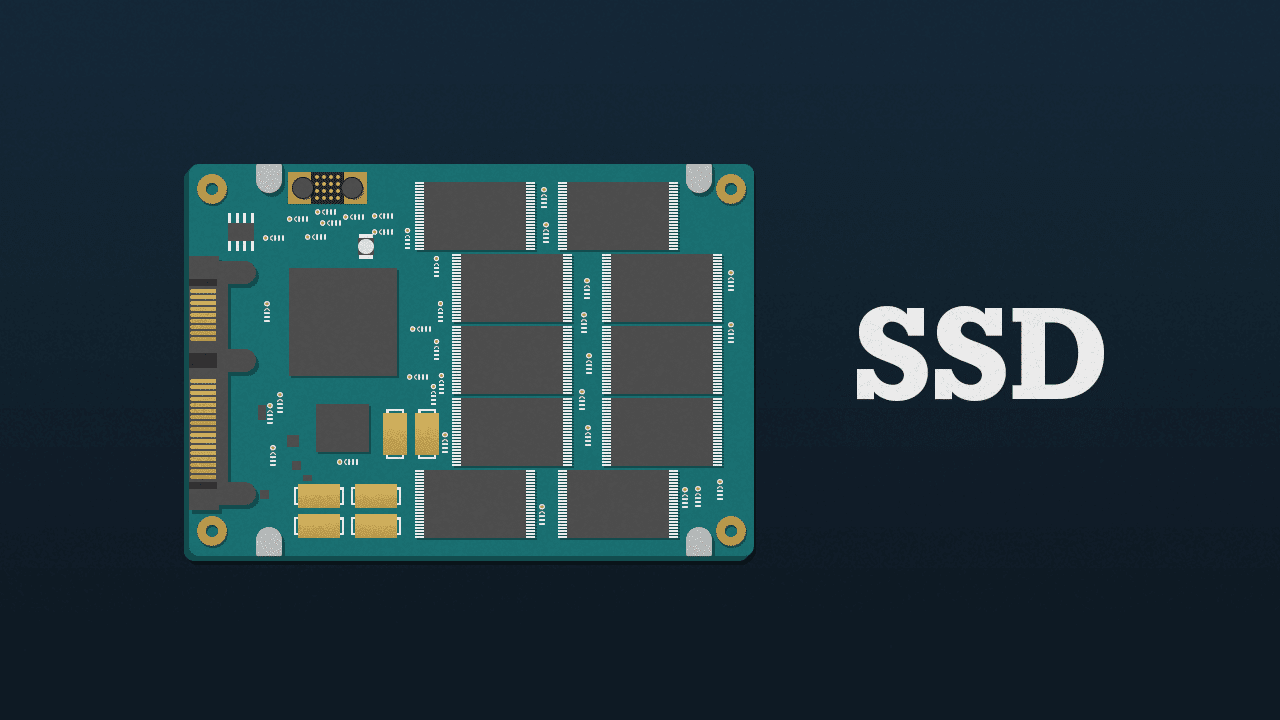
Inside an SSD is a circuit board with a bunch of embedded chips, including the flash memory, controller, and cache.
As mentioned, an SSD doesn’t have moving parts like the actuator arm and motors of an HDD. Instead, it has an embedded processor called a controller. Much like the computer’s processor, the controller does all the heavy lifting, as it’s the one responsible for locating the blocks of memory where data can be read or written to.
This is also the reason why SSDs perform faster than HDDs; since they don’t need to wait for any moving parts to read or write data, the controller just needs to receive the instructions from the computer’s processor and it can start reading or writing data.
SSDs may not suffer from a mechanical breakdown, but they’re far from faultless. Flash memory can only have data written and erased a finite number of times before its cells degrade and become unreliable. This means an SSD can only write a certain amount of data before it fails, which is why SSD specification sheets typically include Terabytes Written (TBW), so consumers know how much data can be written into the drive before it eventually fails. However, SSDs these days can last more than ten years in typical day-to-day usage.
Both storage mediums have pros and cons
So, is a solid-state drive better than a hard disk drive, or vice-versa? Sadly, there’s no simple answer to this question, as it all depends on the needs of the consumer, which usually involves speed and storage capacity.
On one hand, if a person wants faster read/write times, an SSD is the clear winner, but you’ll lose out on storage capacity, since most SSDs today start from 120GB and can only go up to 1TB or 2TB. Mind you, those high-capacity SSDs will surely burn a big hole in your wallet.
On the other hand, if a person values capacity more, an HDD is the better option, with drives typically ranging from 500GB to 6TB of storage capacity for mainstream HDDs. Also, HDDs don’t cost an arm and a leg compared to SSDs if you want to get large-capacity ones.
With these in mind, there’s no stopping consumers from having both an SSD and an HDD in the same system. Setting up an SSD as your main drive with the operating system and other important software, while having a secondary HDD to store all your media and personal files, would net you the best of both worlds: a speedy system boot up without sacrificing storage space.
[irp posts=”2500″ name=”LTE-A Explained”]






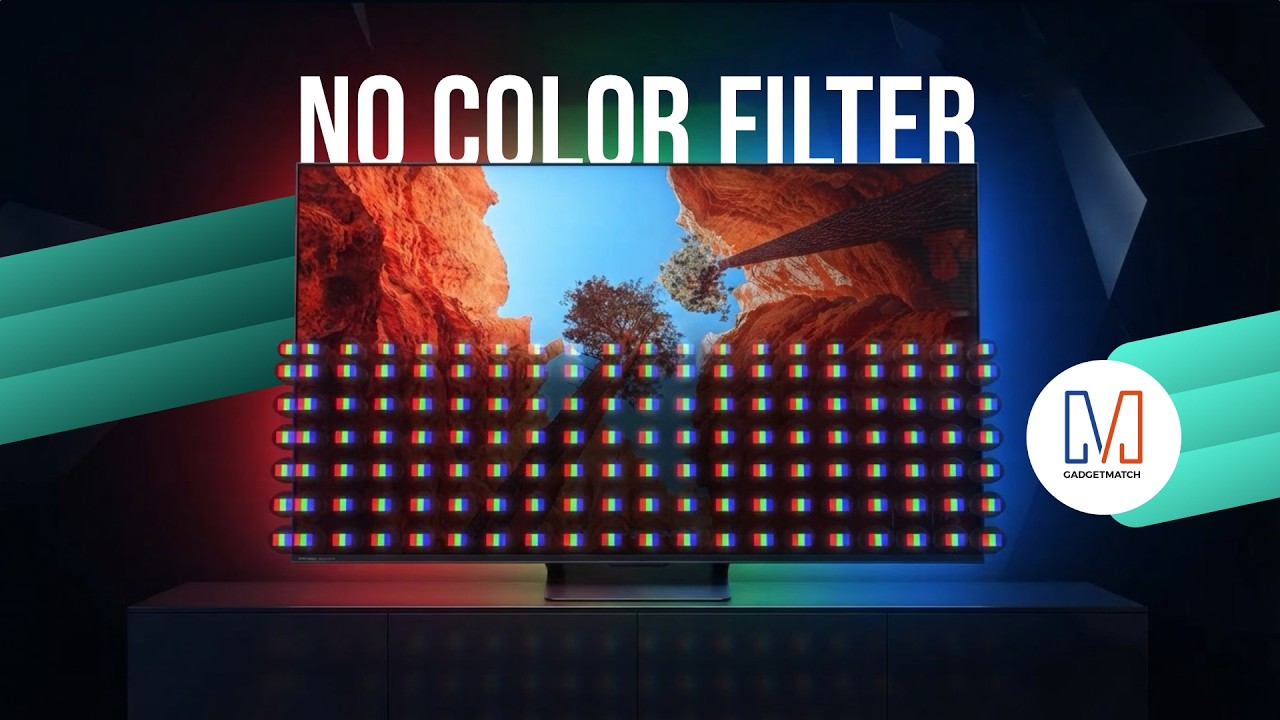
TV technology is changing in a way you can’t see. And it starts with how color itself is made.
Hisense’s new RGB MiniLED technology could change the way we see TVs.
Here’s our spotlight on their latest Hisense UR8 offering.
Check out the Hisense UR8 TV: https://bit.ly/4cxo6xl
Explainers
Everyone’s angry at PlayStation’s new no-disc policy, and this is why
It’s a tragedy for nostalgia, ownership, and preservation.

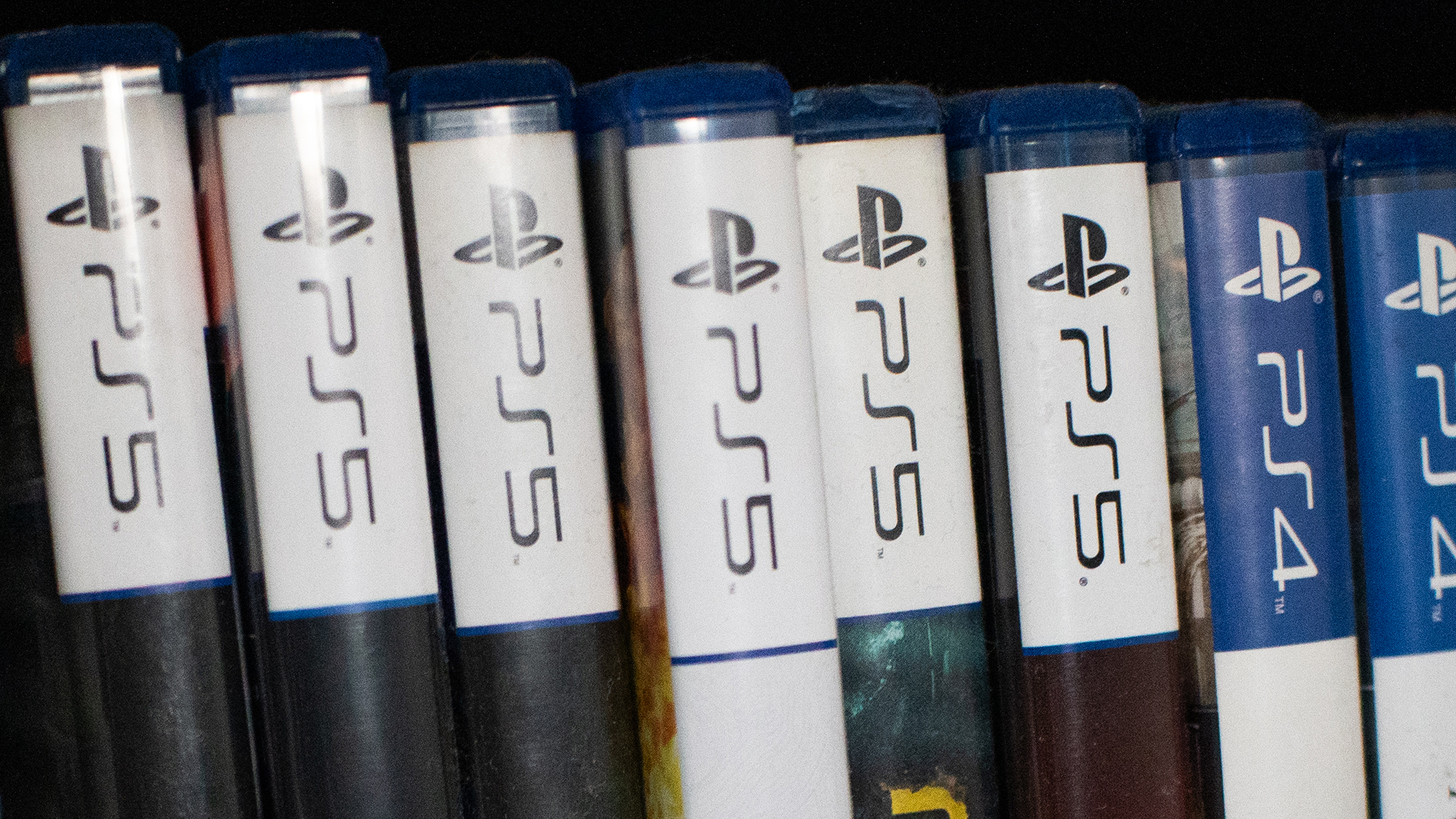
Check in with your gamer friends today. Today, a lot of gamers are up in arms over Sony’s decision to kill the physical game disc starting in 2028. But, if you’re a digital-only gamer or just not a gamer yourself, you might not understand the anger. If you want to understand the ire or just want to relate with your gamer friends, here’s a primer for you.
Ending the era of the physical media
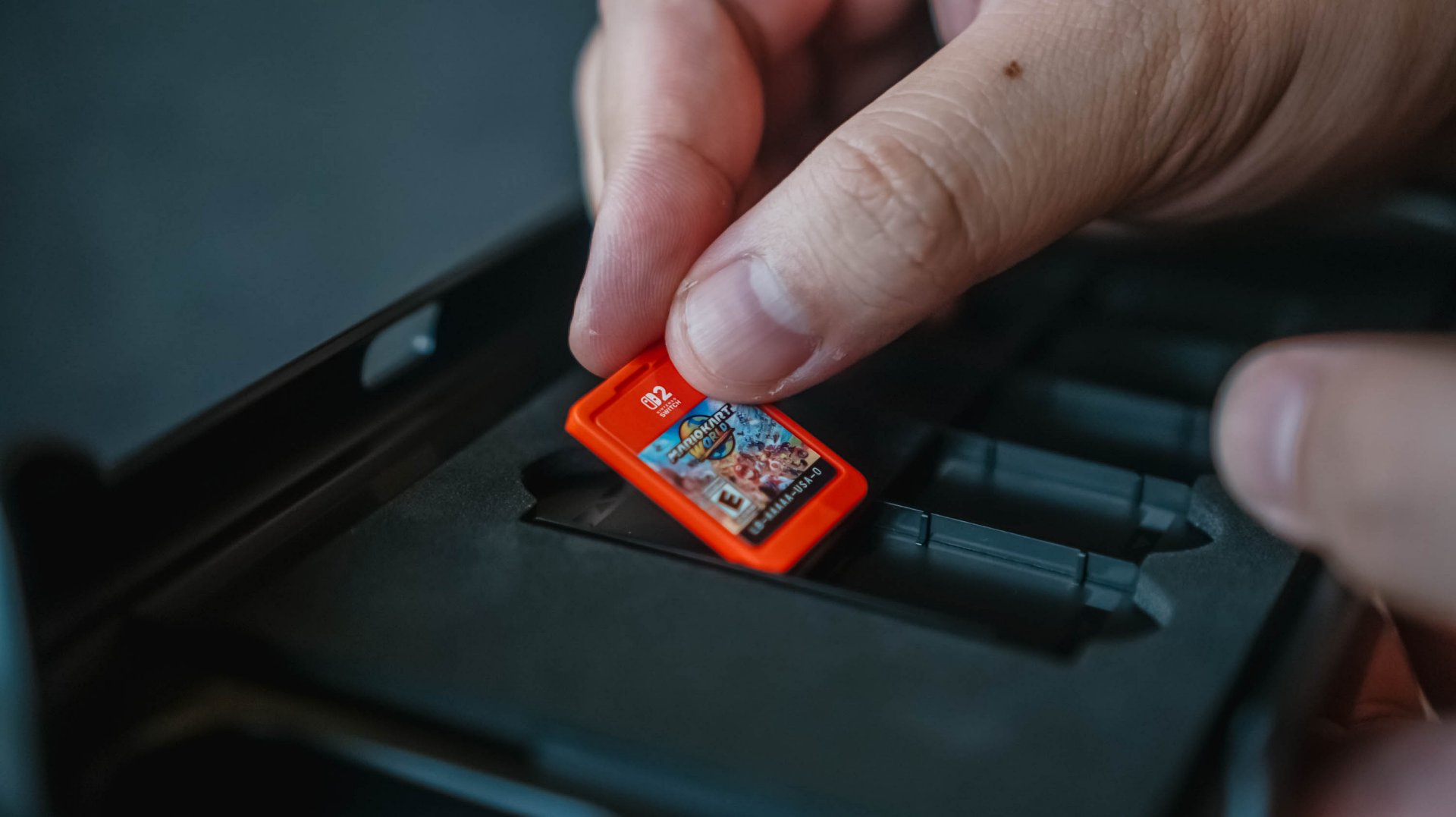
Last year, Nintendo launched the Switch 2. Though the console still has a slot for physical cartridges, the Switch 2 also introduced the Virtual Game Card as a way to digitize your library of games.
Of course, the feature wasn’t positioned as a way to eliminate physical cartridges. In fact, Nintendo just wanted to add the flexibility of physical cartridges to the digital world. In the end, the feature strangely coincided with less cartridges. For example, Pokémon Pokopia, one of the most popular games this year, does not come with a cartridge even if you buy a “physical” copy in a brick-and-mortar store. It was a portent of things to come.
Fast forward to today, Sony has made the monumental decision to stop producing physical game discs starting in 2028. The PlayStation’s future is completely digital.
On a similar note, Microsoft is also experimenting with a disc-to-digital feature. Much like the Nintendo Virtual Game Card, the experiment will digitize libraries and attaches the digital copy to the physical game disc. It sounds awfully like a prelude to killing off the game disc.
Why this matters
The physical disc is synonymous with a simpler time. It represents a time when gamers camped out stores to anticipate midnight releases, when gamers can learn more about their games through an in-box manual, and when gamers can show off their fandom through a beautifully stocked shelf of games.
And yes, that’s part of why this situation sucks, but it’s not the only reason.
If you’re an outsider looking in, this nostalgia factor is the easiest to see. Then again, it’s also the most difficult to relate with, especially if you’ve never had the history of buying physical games.
The more crucial reason — and the one that most people will relate with — is media ownership. By not having a physical copy, you will no longer have ownership of what you bought digitally.
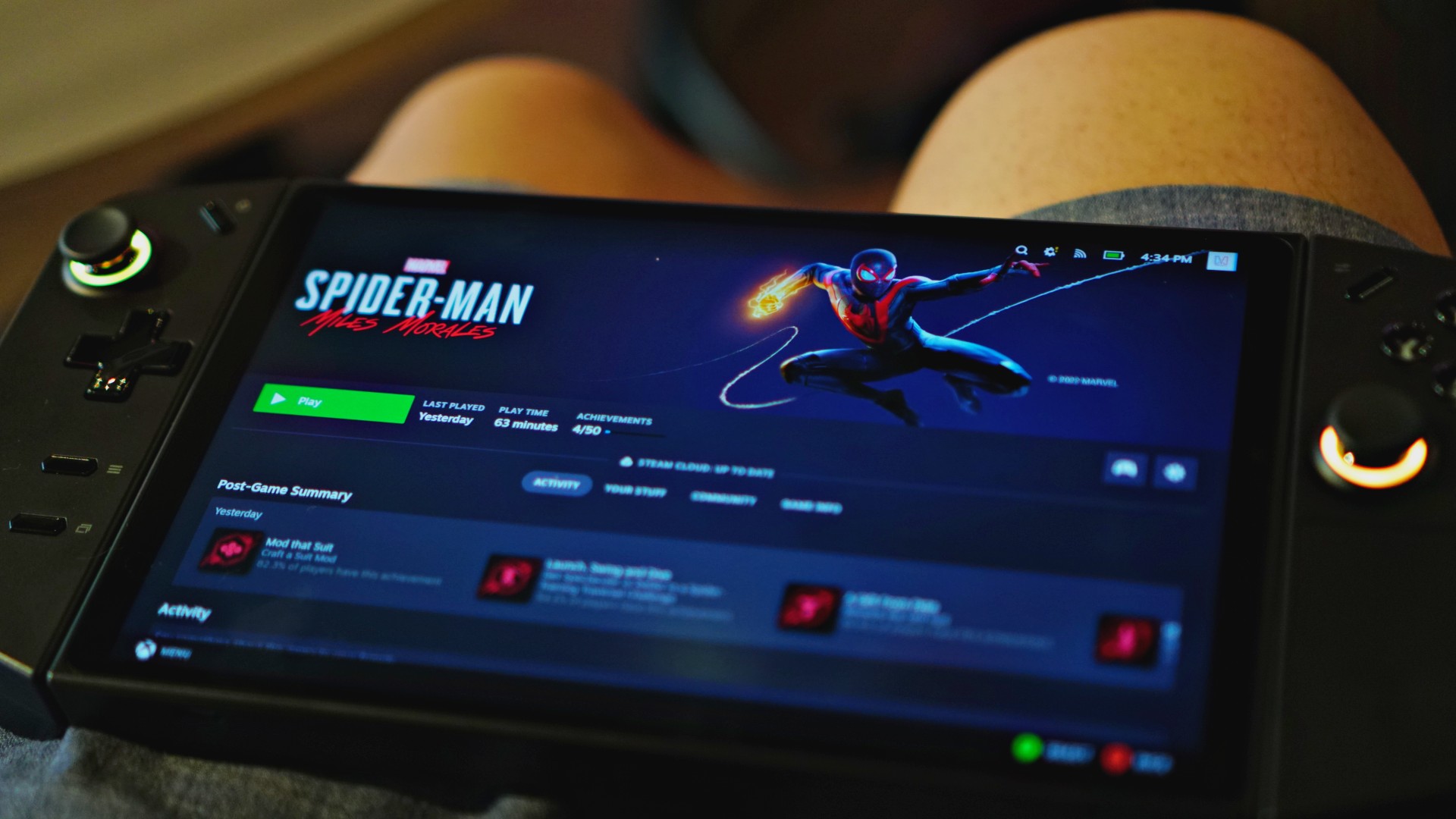
And it’s not an imaginary issue. In 2024, Steam amended its policies to reflect that players do not own the games they buy. Rather, they simply own a license to play the game.
In the same year, Ubisoft delisted The Crew, a sure sign that the new policy means business. Though Steam itself has a relatively good track record of prioritizing its customers, publishers and developers can get rid of games if they choose to.
That limitation doesn’t exist with a physical copy. As long as you have a working disc drive, you can install a game whenever you want, even if the publisher decides to pull it from stores.
Therein lies how much this is a touchy topic. Should you own digital goods in the same way as you own physical ones? If the answer is yes, then selling only the license for the good doesn’t make sense. But if it’s a no, we shouldn’t pay full price for something we don’t own anyway.
Will PlayStation actually delete games?
Now, just because they can, does it mean that they will?
Right now, it’s hard to say. You can certainly go by the optimistic hope that PlayStation would never do something as anti-consumer as that. And yes, there are times when you’d be right.
Plus, there is a good chance that governments, especially those in the European Union, will protect consumers if PlayStation even thinks about deleting a game that others have paid for. Governments have been known to intervene in the past, such as when the EU forced Apple to adopt USB-C as a standard. There are checks and balances available.

Then again, Sony has had recent history of deleting media from a user’s library.
Only a few days ago, PlayStation made headlines for deleting over 500 titles from their library. Starting September 1, users can no longer access movies distributed by Studio Canal, due to licensing agreements. Sony was unapologetic about unceremoniously deleting this content. No refunds, no apologies; just 500 movies, which you thought you bought, gone for good.
No matter how you angle it, Sony’s recent decisions just don’t bode well for media ownership.
You can argue that this is the price we’re paying for not buying enough physical games. Still, losing PlayStation discs, even as an option, is tragic for nostalgia, ownership, and preservation.
The world we live in
Unfortunately, this all comes with precedent. Unless you buy physical games and movies, we already don’t own anything in today’s world.
Outside games, Netflix and Disney+ remove the ownership of movies and shows from us. It’s already common practice for these platforms to remove titles regularly. Some platforms even give you a last chance to catch these titles before they go away. Moreover, they can even restrict access, like with Disney+, if you travel abroad.
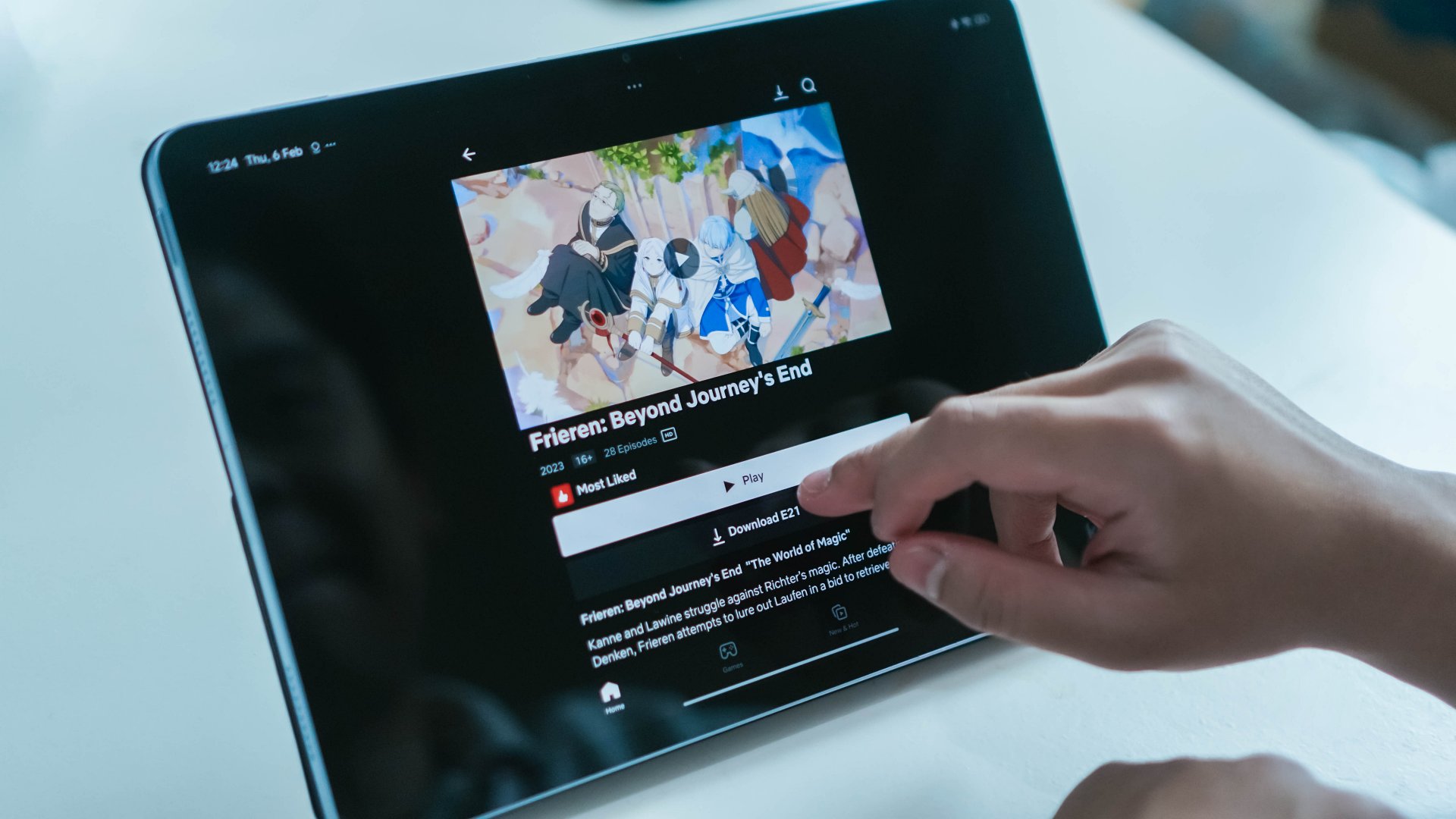
In exchange for convenience, subscription services and digital storefronts have made it all too comfortable to not own media. With a rental service like Netflix, that’s all expected, but we’re now at the inevitable stage when even bought games and movies are at the behest of our corporate overlords.
This is where the fury comes from. Companies are getting more brazen about taking more options from us. Between this and the increasing prices of RAM, it’s getting harder and harder to live as a tech-savvy citizen in today’s age.
Computers
Samsung’s SECRET That Made OLED Even Better
Say hello to the new QD-OLED Penta Tandem display tech by the Korean giant

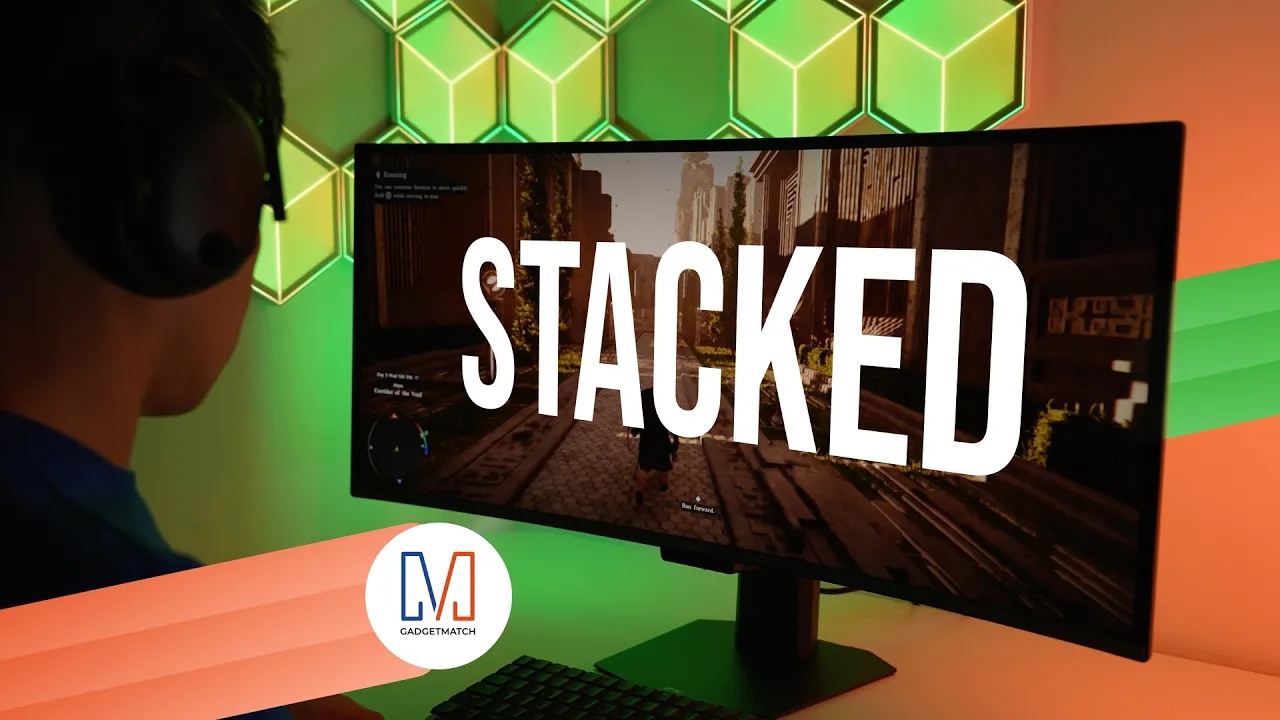
Samsung Display just unveiled QD-OLED Penta Tandem technology. This is a next-generation display structure that stacks five emission layers to improve brightness, efficiency, and overall OLED performance.
In this video, we simplify what Penta Tandem actually is, how it works, and show you two monitors that already have the technology — specifically from MSI and Dell.
For more details, check out Samsung Display here.


REDMI Note 17 Pro Max review: A new breed born from AI greed
Welcome to the new normal


Marvel’s Wolverine review: When the claws come out
A brutal, cinematic superhero adventure


Setting your bedsheets ablaze with the Lovense Solace Pro
The closest proxy I could find where I'm guilty as sin

Ford revs up Truck Month with extended 5-star care offers
REDMI Note 17 Pro Max review: A new breed born from AI greed

REDMI NOTE 17 Series: Price, availability in the Philippines

Max vs 100 will feature Max Verstappen race against 100 go-karters

Apple’s best feature to cure motion sickness is finally on Android

TECNO MEGAPAD 2 review: Eyes on the size

realme 16T 5G with 8000mAh battery, IP69 Pro rating launches in PH

HUAWEI Pura X View is 2026’s first WIDE slab-type smartphone

REDMI reveals the refreshed Note 17 and Note 17 Pro series

REDMI Note 17 Series: Price, availability in Singapore


-
 News1 week ago
HUAWEI Pura X View is 2026’s first WIDE slab-type smartphone
-

 News1 week ago
The CAMON Slim 5G is TECNO’s latest ultra-slim smartphone
-
 Cameras2 weeks ago
DJI Osmo 360 II review: Going all-in on the ecosystem
-
 IFA 20262 weeks ago
TECNO MEGABOOK T15 360 unveiled at IFA 2026
-

 Gaming2 weeks ago
NBA 2K27 review: A two-way All-Star
-
 News7 days ago
iPhone 18 Pro series: Price, availability in the Philippines
-

 IFA 20262 weeks ago
TECNO’s POVA 8 Pro gets a stealthy makeover
-

 Automotive2 weeks ago
Ford’s new Everest lineup brings V6 engine to the top, tech down the line