


Lifestyle
I used the Amazfit T-Rex 3 for my first ultra trail marathon
Endurance tested, mountains conquered

I’ve always been an outdoor junkie. Picture this: skinny little me, standing on my ‘mother mountain,’ as strong winds turned me into a literal paper doll swaying at its peak.
That moment lit a fire in me, realizing there’s something about the trail that gets me. From then on, mountains became my love language.
Over the years, I’ve trekked, hiked, and run through the Philippines’ breathtaking landscapes: volcanoes, ridges, mountain ranges — you name it. But 2024? Oh honey, that year had me doing the unthinkable.
First, I joined a major hike on a last-minute invite — like, a 30-minute heads-up kind of last minute — to conquer six mountains in a day. (We did it under 14 hours.)
We didn’t just hike; we ran the ridges like maniacs, ending up with only 350ml of water left for the final 10K. (Hydration? Who is she?)
View this post on Instagram
But wait, there’s more. I capped off the year with my first ultra-trail marathon at the Cordillera Mountain Ultra. It was a brutal 45KM race through the Cordillera Mountain Range that gave me grit, drama, and some questionable life choices.
I brought along the Amazfit T-Rex 3, and let me tell you, this rugged smartwatch stayed strapped to my wrist like a loyal bestie who wasn’t about to let me quit.
Skeptic to believer
Okay, confession time. When I first got the Amazfit T-Rex 3, I had major trust issues. I mean, I’m a Garmin loyalist through and through, and this was my A-race. I wasn’t just running; I was creating content, people.
My beau needed to see my Strava upload hit 26+ miles, preferably with a side of “Look at me; I’m conquering mountains!”
But here’s the plot twist: I’ve known Amazfit for years through my gig as a lifestyle journalist.
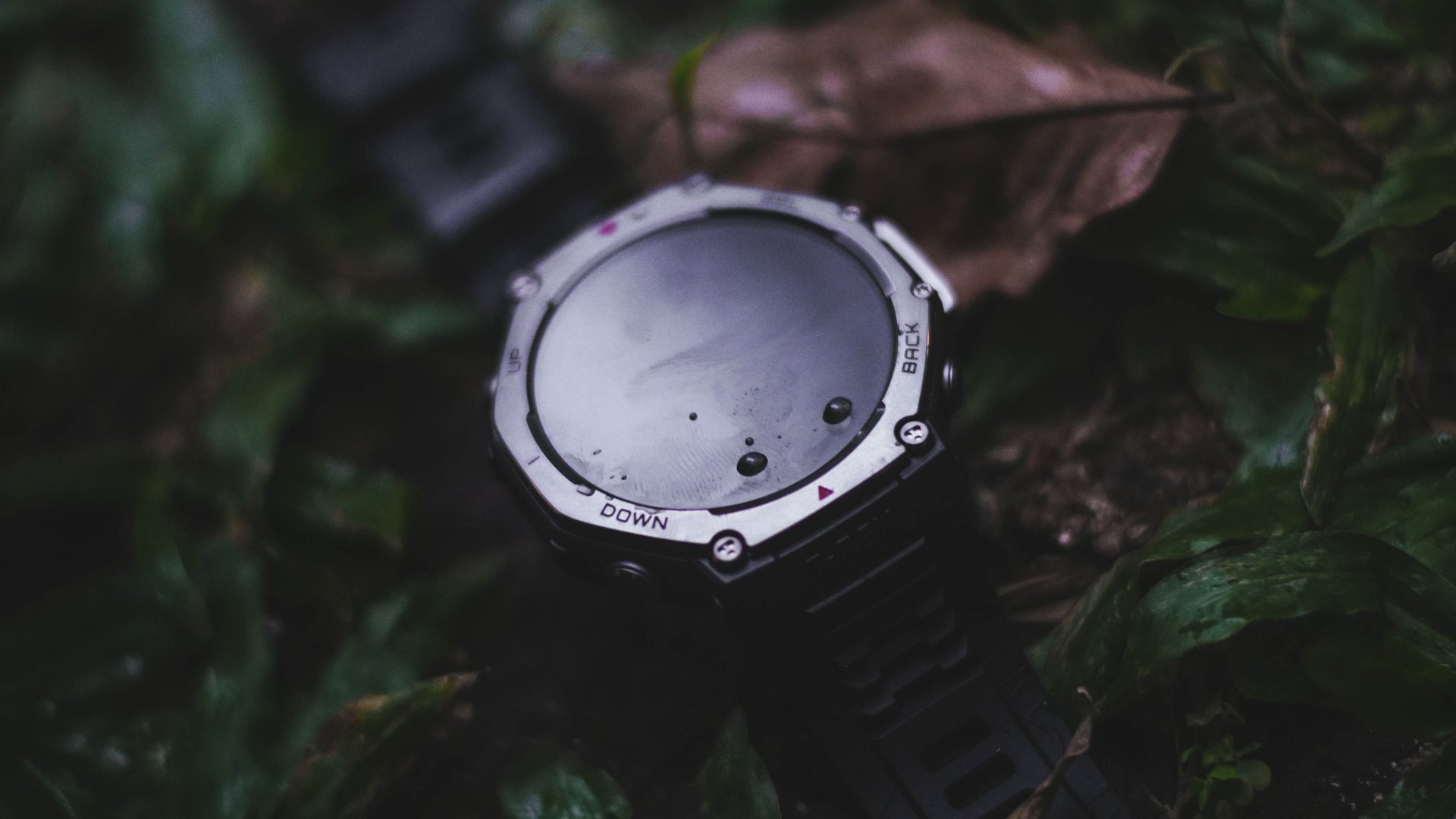
We’ve reviewed them, featured them in GadgetMatch lists, and even had our former writer rave about their models. Yet, I’d never actually tried one myself.
I’ve always been curious about it, especially seeing Spartan athletes crush races with their trusty Amazfit smartwatches.
Even my friend and three-time podium finisher, Spen Manlangit, swore by his experience training with the device, especially for his races won in Malaysia and Indonesia.
So, in a leap of faith, I strapped on the T-Rex 3 and hoped for the best.
View this post on Instagram
Looking tough, looking good
Let’s be honest: outdoor smartwatches often sacrifice style for durability. Not this one, though. The Amazfit T-Rex strikes the balance between being ruggedness and refinement.
Its stainless-steel bezel screams tough, yet the liquid silicone strap wrapped comfortably around my wrist without that icky, itchy feeling.
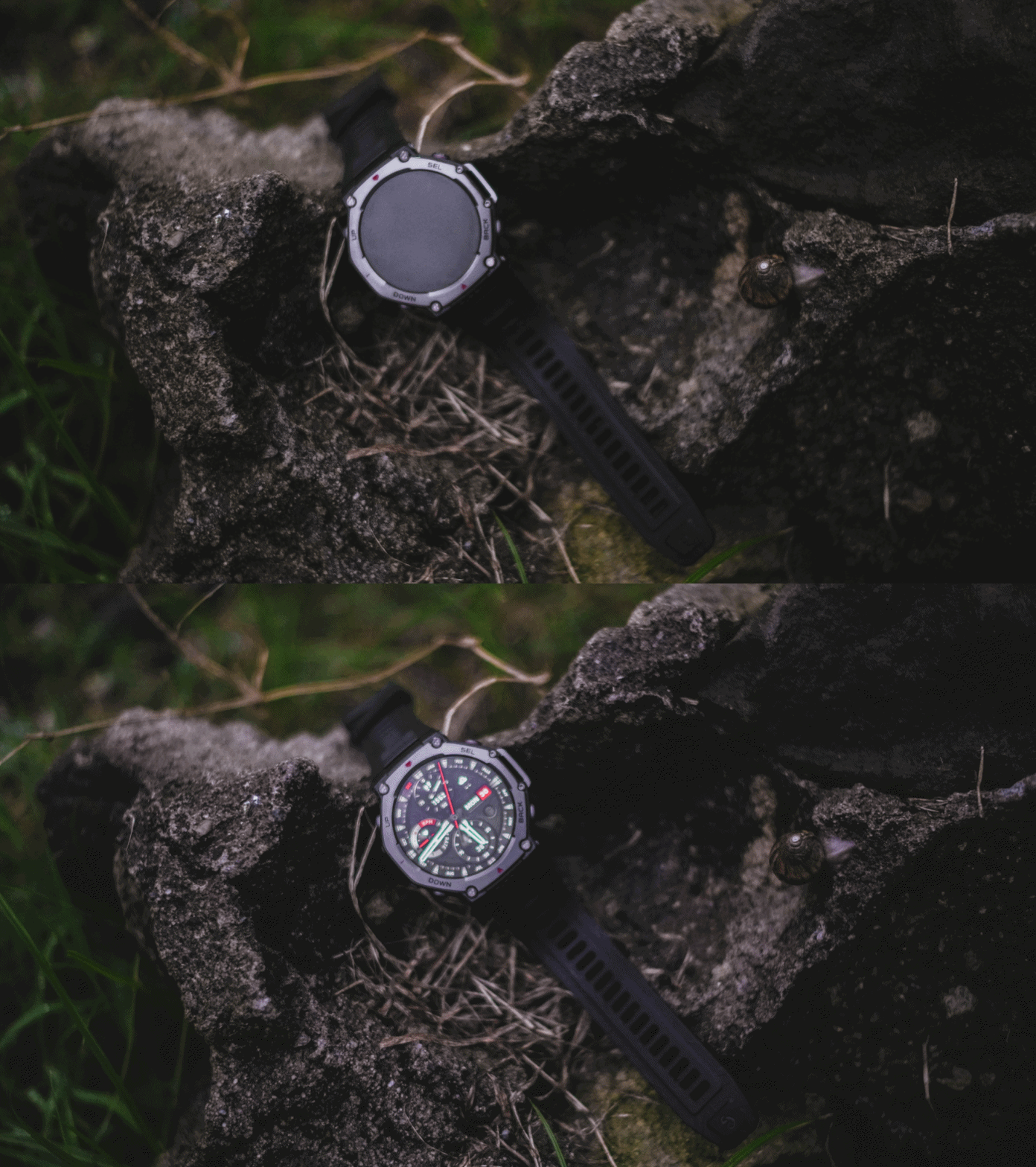
Also, its 1.5-inch AMOLED display was a chef’s kiss. Its 2,000 nits of peak brightness lit up the trail when we arrived at Itogon past midnight.
Forget my headlamp and the watch’s built-in flashlight, its display was my guiding light.
Making it to the first cutoff
Fast forward to race day: I was wearing the Amazfit T-Rex 3 on my right wrist and my trusted Garmin epix Pro (Gen 2) on my left. Yes, double-wristing it like a fitness tech psycho.
When you’re running 45KM in the mountains, you want backups for your backups.

By 3:30 a.m., adrenaline had replaced the smartwatch’s noticeable heft, and I was off — descending from Itogon, Benguet to make my way towards Mt. Ugo.
The first 10 kilometers felt like a dream. My legs were fresh even when the air was cold, and the T-Rex 3 was busy logging my every step.
The first intermediate cutoff for the Cordillera Mountain Ultra loomed at KM15, with a strict five-hour limit.
By KM13, I had already stumbled — literally — after a bad misstep on a steep downhill.
The strain on my knee was starting to catch up as I ascended to Mt. Ugo, and by KM14, I hit the runner’s wall.
Maintaining an impressive 7:00 min/km pace on the punishing terrain left me no time to refuel properly.
My pace tanked, and my knees screamed in protest. Three grueling hours of running the trails had taken their toll. The realization that I still had 32 kilometers to go hit me like a truck.

Yet somehow, I reached the first cutoff in four hours, taking a moment to refuel and reassess after the fall that had strained my knees.
Meeting my first angel
Buoyed by being ahead of schedule, I set off for the grueling 7KM ascent toward the West Summit of Mount Ugo via Tinongdan.
Temperatures dropped to a biting 5°C as I climbed. The sun offered little comfort against the icy winds.
The Amazfit T-Rex 3, however, stayed unbothered, feeding me live altitude updates and heart rate readings as I pressed through the relentless climb.
At KM18, the strain in my kneecap intensified. Still, I pressed on, telling myself I’d rest properly at the summit.

That was when I met Mike Mendoza, a fellow trail runner who seemed to be my guardian angel. Seeing my struggles, he waited for me, constantly checking so that I didn’t veer off the trail, which was a bad habit of mine. I guess I’ve always taken “the road less traveled” too seriously.
After two and a half hours of continuous climbing, we finally reached the KM21 marker at the summit. He was fine, but I was breathless and in pain.
The moment that might’ve ended it all
As we began the descent from the summit, I asked Mike to go ahead without me.

My knees were screaming with every step. The steep, rocky terrain demanded precision, but my legs were unsteady, sliding on loose soil and gravel.
Adding to the challenge was the brutal transition from freezing temperatures at the summit to blistering heat on the open trail.
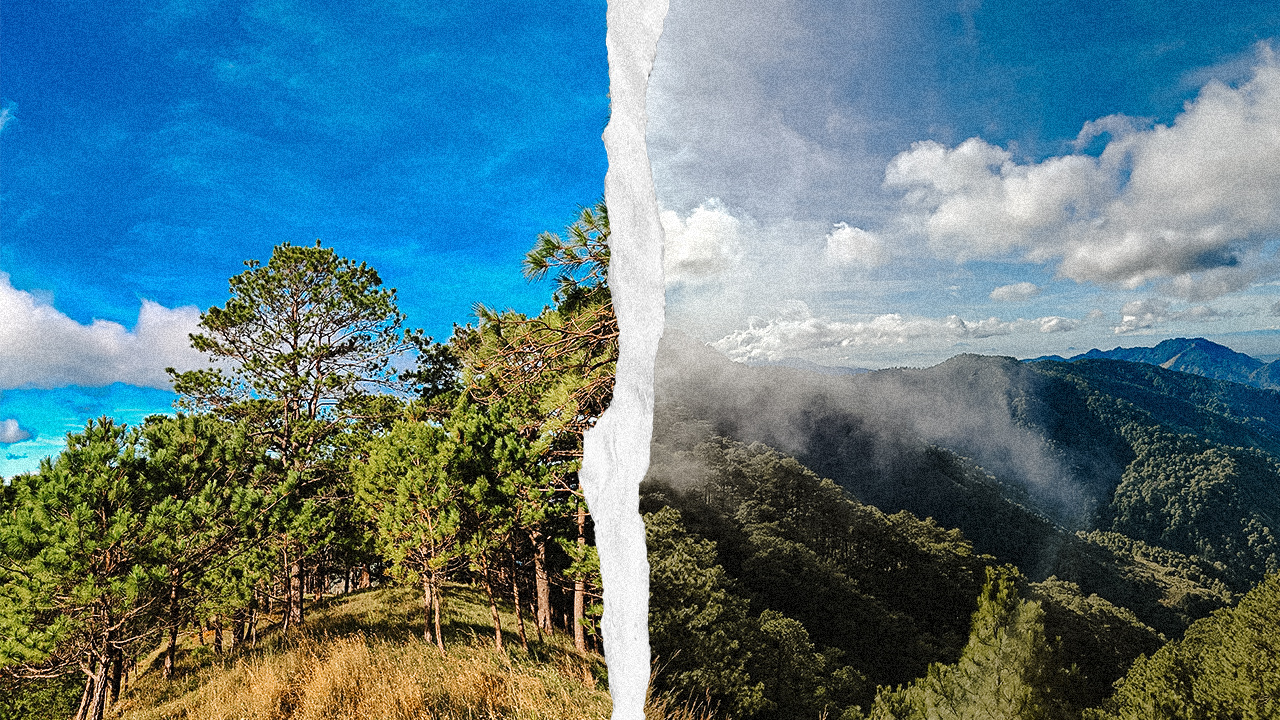
The ridges offered a breathtaking view of the Cordillera Mountain Range, but the relentless descents left me dehydrated and vulnerable. My pace slowed to a cautious crawl to protect my knees.
Meanwhile, the Amazfit T-Rex 3 soldiered on, its battery barely dented even after hours of constant GPS tracking.
Its promised 42-hour battery life in GPS Accurate Mode felt like my one reliable companion.
Then came KM23 — the moment that almost ended it all. A herd of cows (yes, cows) decided that the single-track trail was their runway, and charged at me. In a panic, I veered off the path, slipped, and found myself clinging to my pole near a cliff’s edge.
My trekking pole saved me, while my knees bore my weight. For a moment, I wondered if a dramatic mountain death might actually be better than becoming a cow kebab. Somehow, I survived.
And if you’re asking, no. The T-Rex 3 didn’t record the tumble. But honestly? It’s probably for the best. It securely strapped to my wrist, even as I stumbled through one of the most terrifying moments of my life.

With no cellular reception and no working SOS signal, I was on my own.
I whistled for help for what felt like an eternity until four runners from the summit came to my aid.
Words (and hearts) of gold
April Mae, one of the trail runners who came to my aid, taped my injury. They helped me navigate past the herd of cows (who were still out for blood).
As we approach the second summit at KM3o, I told April that I was ready for a DNF (Did Not Finish). But April encouraged me to keep going, reminding me how much I had already conquered — what was the point of quitting?
Together with Mickey, we summited Mt. Ugo once more to hit the next cutoff at KM30. We reached it with an hour to spare, despite my knee screaming with every step.

Descending Mt. Ugo was pure agony. The pain was so severe that tears streamed down my face as I hobbled through the trail. April and Mickey left to rush to the medics so they can prepare everything I might need. (They were like my angels, I swear.)
Alone again, I relied on the T-Rex 3’s heart rate updates to ground me. “As long as I’m breathing well, I’ll be fine,” I told myself.
By the time I reached the medics at KM 31, both of my knees were in shambles that they had to urge me to stop and call it quits. I refused, remembering April’s words.
Literally gave my blood, sweat, and tears for this
From KM31 to KM40, I fought through the pain, tears streaming down my face as the mountains punished me with relentless descents.

The T-Rex 3, meanwhile, remained my rock: tracking my heart rate, my altitude, and, most importantly, my will to keep going.
At KM43, I met a veteran trail runner who was cruising at his own pace. He saw my struggle and shared words that stayed with me: “You’ve already won. Finishing this is just the cherry on top.”
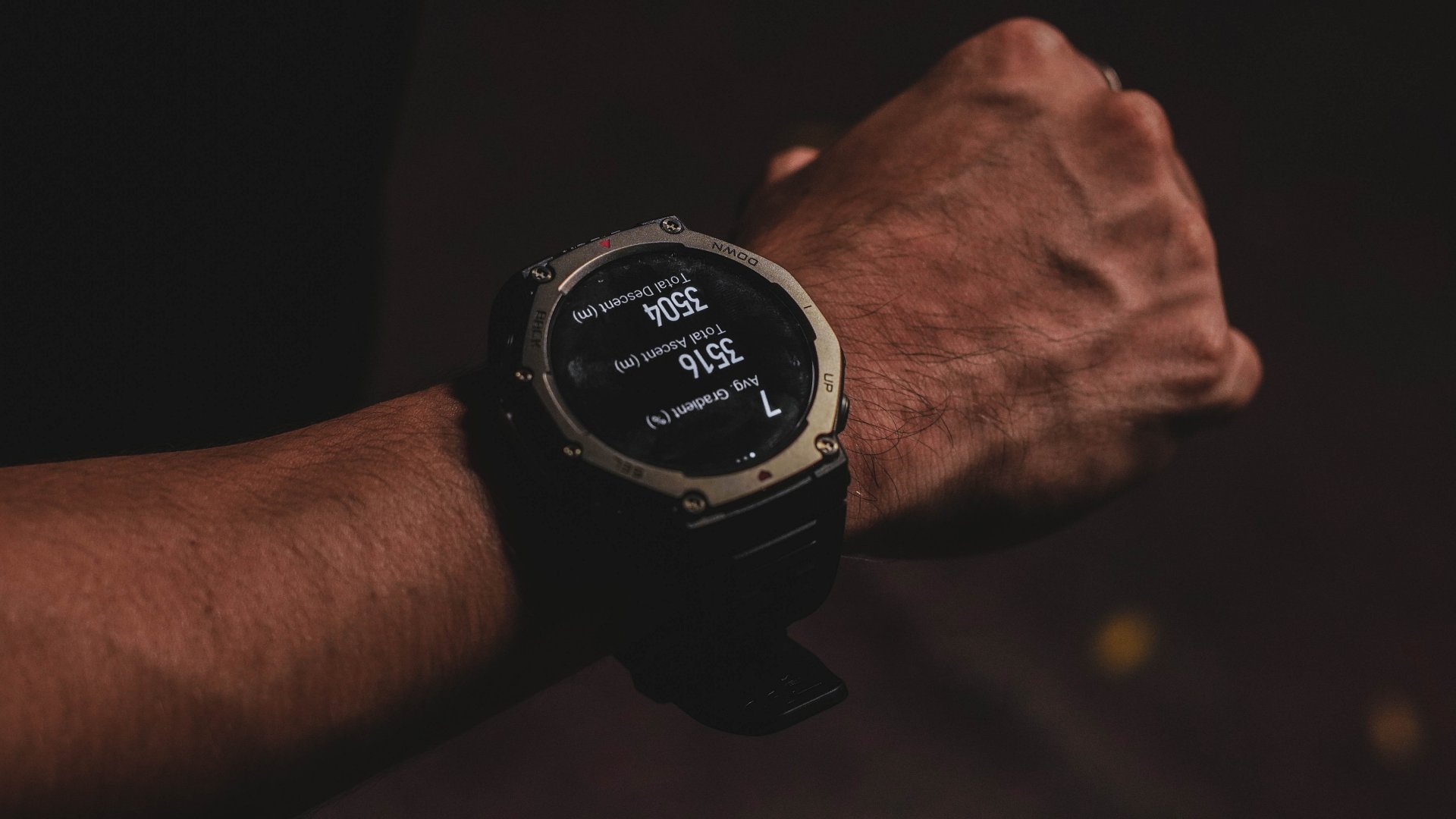
At 13 hours and 42 minutes, with a total elevation gain of 3,500 meters, I crossed the finish line.

Emotions overwhelmed me as my fellow runners greeted me with hugs and cheers. Their pride in me shattered whatever composure I had left, and I let the tears flow freely knowing I’d earned them.
No, I didn’t land a podium finish. I didn’t even have a medal to bite and wear. But I won something far greater: the knowledge that I am relentless, that I can face unimaginable pain and still rise, and that the trail running community is one of the most supportive I’ve ever known.
And more importantly, I had proven to myself that no amount of pain or bad luck could stop me from finishing what I started.
View this post on Instagram
A trusty companion
The Amazfit T-Rex 3 didn’t just survive this ultra-trail marathon with me. It thrived. Its GPS, heart rate monitoring, and rugged build handled every challenge the trail threw at us. And after 13+ hours, the battery still had plenty of juice left. (Still on half battery, like, for real?)
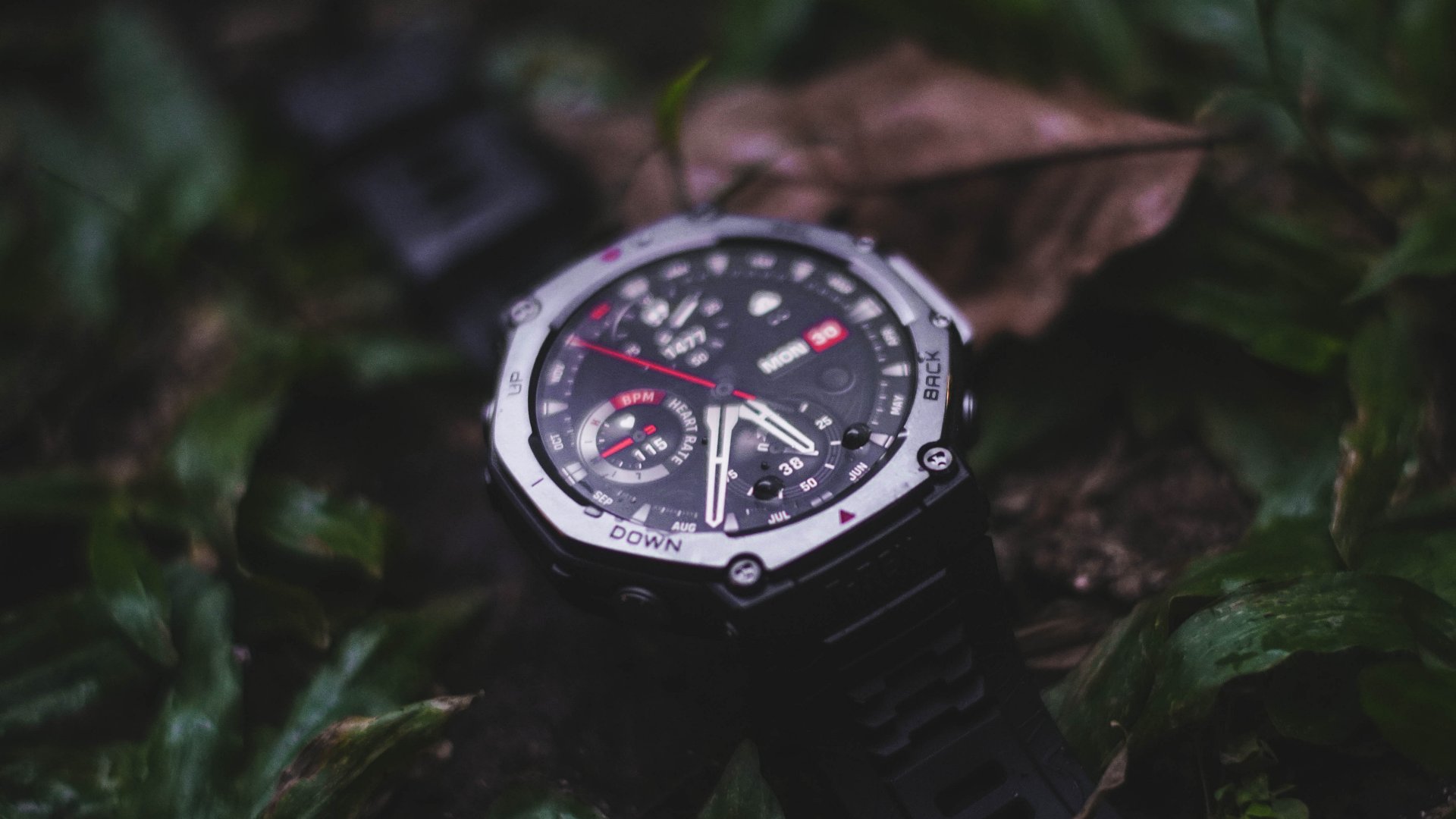
It recorded the most important race yet in my life, while my Garmin’s activity was corrupted. Thankfully, I had the Amazfit T-Rex 3.
At that moment, it wasn’t just a piece of gear; it was a partner in adventure. It was a witness to every tear, fall, and moment of triumph.
So if you’re still looking for a smartwatch that’s built to endure — just like you — then look no more. The Amazfit T-Rex 3 is ready for you and the trails.






Lifestyle
Nike’s Alphafly 4 is built for the part of the marathon ~that actually hurts~
Made to protect your stride when fatigue sets in.
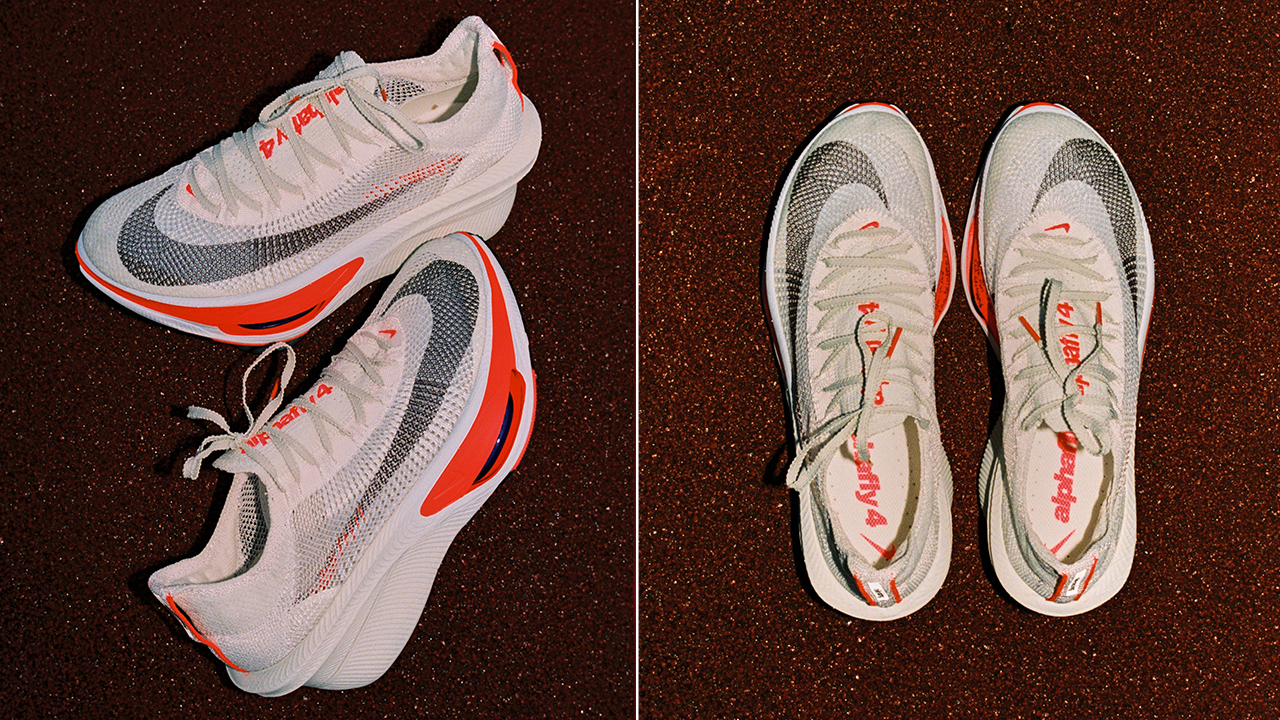
Every marathoner knows the exact moment the race truly begins.
It’s not at the starting line amidst the early morning excitement, but around the 32-kilometer mark, when your legs begin to feel heavy and your form starts to fall apart.
Nike designed its latest marathon racer specifically for that critical window. The Alphafly 4 shifts the focus away from chasing sheer top-end speed, targeting instead the physical breakdown that happens late in a long run.
By studying how fatigue alters a runner’s mechanics over time, Nike rebuilt its flagship distance shoe to help athletes maintain their stride when energy starts to dip.
Holding the line when fatigue sets in
On the road, the shoe operates as a complete, unified system designed to protect your stride.
A redesigned Atomknit upper wraps the foot with breathable support, using targeted midfoot cables and an integrated heel unit to keep your fit secure without adding unnecessary weight or friction over long distances.
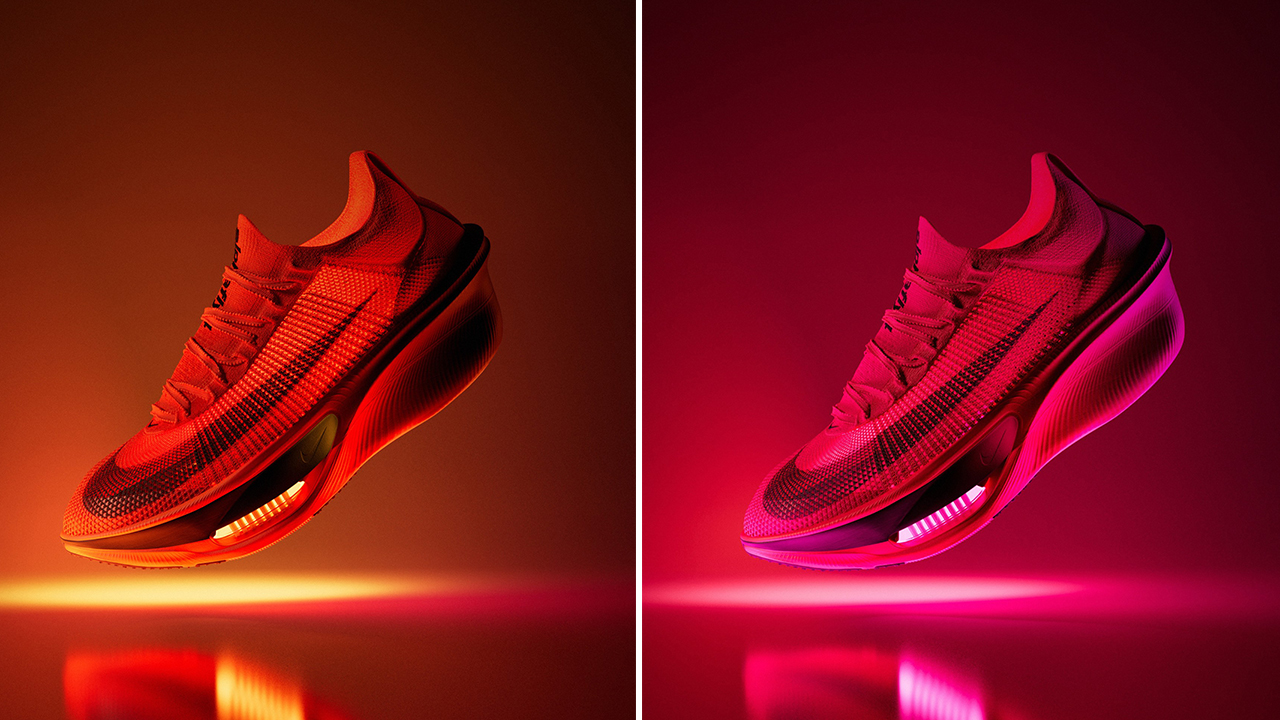
Underfoot, the new ZoomX LT foam layer works alongside Nike’s contoured carbon-fiber Flyplate. The lighter foam returns maximum energy with every footfall, while the plate smooths out your rolling motion.
Together with dual forefoot Air Zoom units and a durable Fast Shot outsole, the setup keeps your cadence consistent and your legs feeling fresh well into the back half of the race.
As Emily Farina from the Nike Sport Research Lab notes, their goal was to help runners stay confident, balanced, and capable from the start line all the way to the finish.
Built on the miles that came before
That focus on real-world endurance stems directly from athlete testing.
Nike developed the shoe using feedback from its Project Dreamweaver initiative and extensive trials with women distance runners, prioritizing stability and comfort alongside high performance.
The lineage carries significant weight. The Alphafly family has grounded some of distance running’s greatest moments, from historic sub-two-hour efforts to major course records.
With the Alphafly 4, that legacy translates directly into everyday marathon training, helping athletes hold their target pace just a little bit longer. Marathoners won’t have to wait long to feel the difference on race day.
The Nike Alphafly 4 drops in an early, limited release on September 17 at nike.com, followed by a wider global release on October 29 online and at select retail stores.
Entertainment
SEGA, Netflix announce Crazy Taxi film adaptation
1st in planned slate of film adaptations, including Sonic and STRANGER THAN HEAVEN


SEGA and Netflix have announced a new Crazy Taxi film adaptation. This will usher in a new collaboration era with the parties also developing adaptations for Sonic and STRANGER THAN HEAVEN.
Such a slate of future adaptations reflects the range of SEGA’s library as it draws on Netflix’s experience bringing beloved game worlds to new audiences.
The first project features Crazy Taxi, which will be written by Dan Gregor and Doug Mand. The beloved writing duo was behind the 2025 reboot of The Naked Gun.
Also on board to help helm the production are the same visionaries behind the Sonic franchise: Neal H. Moritz, Toby Ascher, and Toru Nakahara.
Crazy Taxi has been an arcade hit since 1999, putting players behind the wheel of a fearless cabbie racing the clock through chaotic city streets.
There’s flying off ramps, dodging traffic, and chasing tips with punk-rock energy that has become the series’ signature.
The latest title in the franchise, Crazy Taxi: World Tour, is set for a 2027 release. You can watch its trailer below:
Entertainment
Now Playing: Resident Evil
Horror and comedy join forces in Zach Cregger’s latest masterpiece.

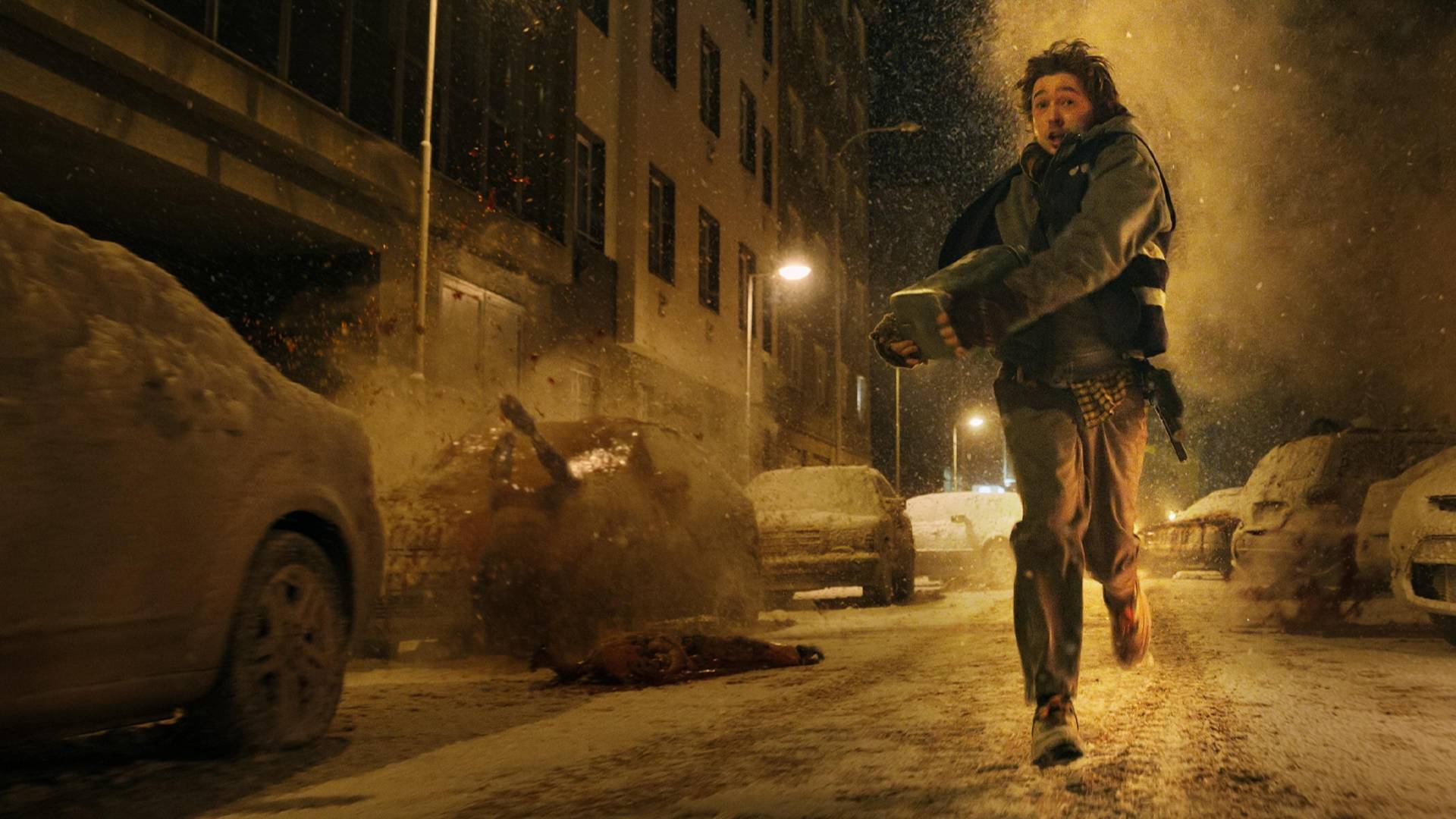
The intersection between horror and comedy is separated by a thin wall of air. In modern times, we’ve seen comedy legends, such as Jordan Peele and John Krasinski, make the successful jump into horror. Some have theorized that laughter is a pain response, which links it to the adrenaline-filled thrill of experiencing horror. Personally, I believe that mastering comedic timing also complements the timing of scary moments in horror. Comedy-trained directors just get it. That’s why the melding of the two genres is always something to look for, and that’s why Zach Cregger’s Resident Evil is a must watch.
Coming from last year’s Weapons, Cregger established himself in the annals of horror history, despite learning the art of filmmaking from cult comedy classics like Miss March and The Whitest Kids U’Know. Weapons (and Barbarian before it) expertly balances the essentials of horror with dark comedy. If you’ve seen either of these movies, then you know what you’re in for with Resident Evil.
Based on the games or the past movies?
Resident Evil is tagged as second reboot of the movie franchise after 2021’s disastrous attempt, starring Kaya Scodelario, which barely registered a hiccup in the oeuvre of Resident Evil films. However, like 2021’s failure, Cregger’s take bases itself primarily on the events of the games, specifically around the plot of Resident Evil 2.
Bryan, a medical courier played by Austin Abrams, is tasked with delivering a top-priority package to Raccoon City. Unbeknownst to him, the way leading into Raccoon City (and the fabled city itself) is already overrun with mutated monstrosities.
And so, Bryan, a courier inexperienced with combat (much less surviving against zombies), must fight his way into the city to deliver his charge.
A worthy protagonist
Over the years, the franchise has seesawed between capable action heroes, like Leon Kennedy, and those who can barely survive, like Biohazard‘s Ethan Winters. On that scale, Bryan falls deeply into Winters’s side of the spectrum. He’s ill-equipped to survive a zombie apocalypse. He even admits that his barebones knowledge of guns comes from videogames. He attempts to shoot locks, thinking they’d work as they do in games. He is not a character you’d want to follow if you’re looking for a gruff man gunning down hordes of zombies with a machine gun.
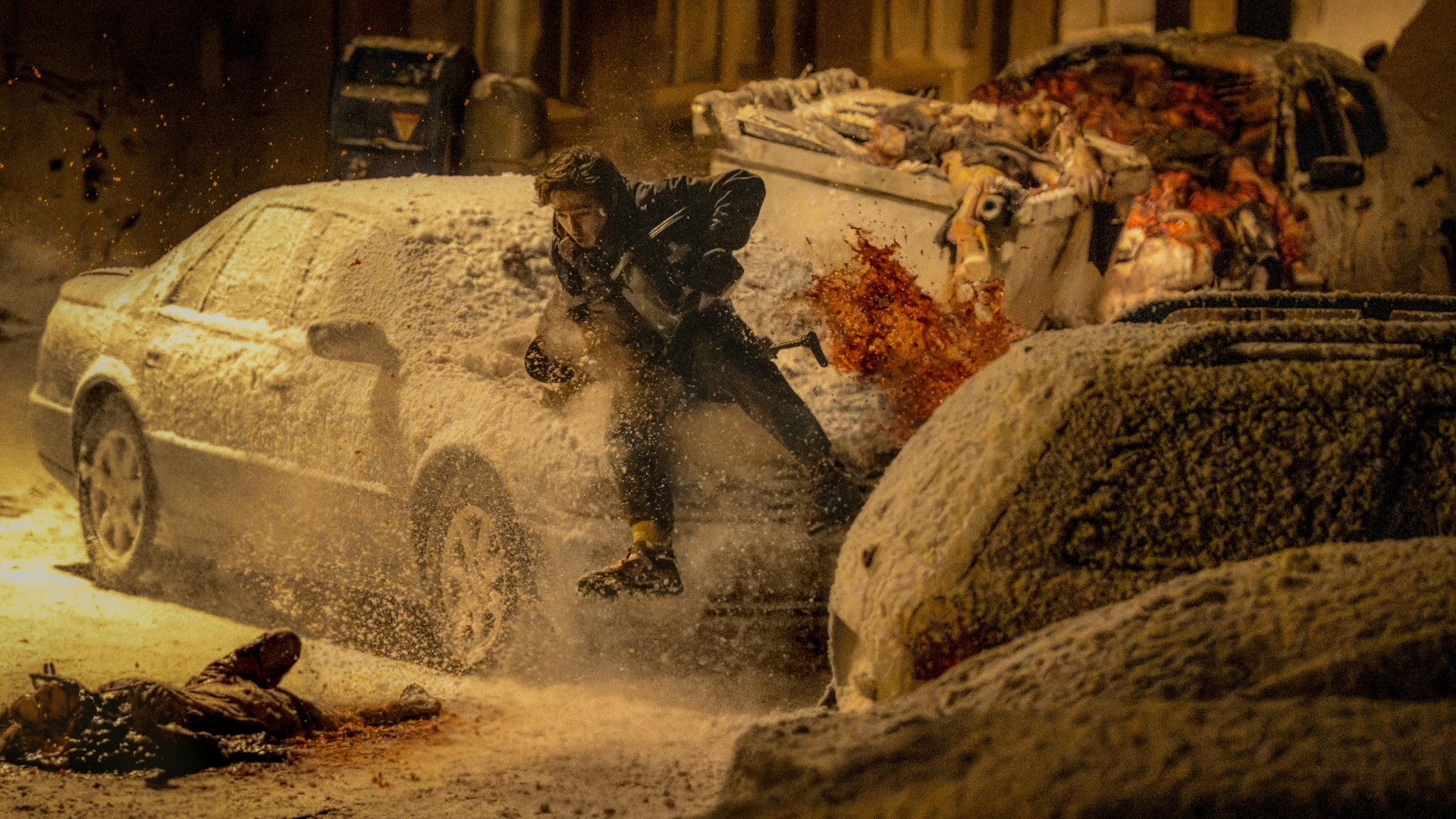
But that’s exactly what makes this horror film worth watching. Bryan is us. Though there were times I was screaming at the screen because he wouldn’t do the obviously logical thing of running away from blatant traps, our fragile protagonist mimics how we would all react in a horrific situation: a deer in the headlights stuck staring.
Every situation feels more frightful. You don’t know how you’d react. He doesn’t know how he’d react. We’re just stuck trailing along for his ride. If he lingers too long looking at a zombie about to bite him, you have no choice but to look along with him. As a horror protagonist, he’s perfect.
When a camera does the work
Of course, inept protagonists aren’t new to horror. Practically all good horror films will feature a helpless hero standing up to the monster. See: the “final girl” era of horror.
Resident Evil elevates this trope by allowing the camera to do the heavy lifting. The film’s expert transitions into first-person perspectives and over-the-shoulder ones amp up the frights. When Bryan sweeps a room with a gun, the camera takes you down to the muzzle. You become the one sweeping along with him. You see the darkness as he does. The style creates an impressive layer of immersion that brings you into his trauma. Plus, if we’re going with comparisons, the transitions feel like a game taking you from a cutscene back into control of your character.
And it’s not just the perspectives, too. The film mimics several tense moments oft found in horror games, like gingerly creeping through a thin ledge when one false move can mean plummeting to your death. Resident Evil also has scenes in a dark tunnel, the sewers, and an overrun hospital. It’s a veritable who’s who of horror settings. But they all just work. It’s like you’re in a Resident Evil game.
When goofy becomes scary
But that’s enough of how the movie was made. How scary is it?
Taking them from their respective contexts, each monster is goofy. There’s an infirm zombie spewing acid bile that Bryan just bullies around. There’s a seemingly innocent young girl with a tentacle foot. There’s a zombie katamari.
And if that’s not enough, the casting is filled with masters of comedic timing like Paul Walter Hauser, Zach Cherry, and Austin Abrams himself. The first two play bumbling representatives of Umbrella Corporation, people who are too incompetent to do their job. Abrams is the bumbling everyman who can’t make heads or tails of what’s happening. Comedy is a living, breathing presence in this film.
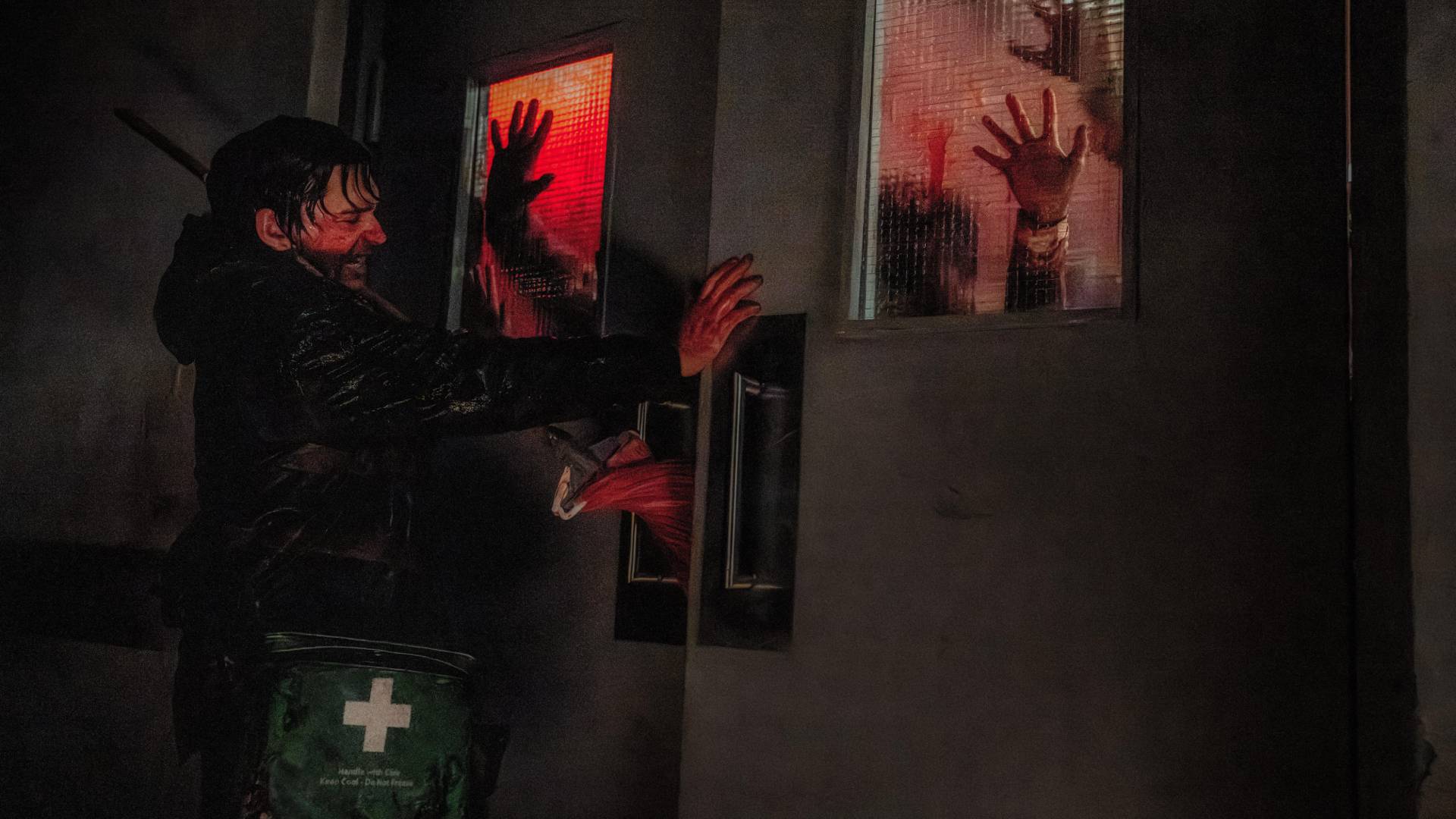
But that’s not to say that this is a comedy film. The horror is still top notch. Cregger just knows how to time everything right.
Unlike modern films today, like in The Conjuring universe, Resident Evil is not a scare-a-minute film. It will not bombard you with jumpscares.
Now, to be fair, there are a fair bit including fakeouts. In fact, under normal circumstances, I’d dislike how many there are. But here, each jumpscare comes with a lengthy period to catch your breath. The film gives you time to relax, to laugh, and, eventually, lower your guard for the next scare. It’s a balanced pace that’s kept up throughout the entire film.
This is exactly how you should pace a horror movie.
Should you watch Resident Evil?
Even with its uniquely comedic style, Resident Evil is one of the most faithful adaptations of a video game I’ve ever seen. Like a game, Cregger’s pacing knows when to let you, the viewer, breathe and when to thrust you back into its monstrosities.
Humor will always go hand in hand with horror. Though the responses to these two categories are technically different, they’re both genres about facing the unexpected. On the box, Resident Evil says that it’s a horror film, but it’s so much more. If you want to laugh, cry, and cower in fear all in the same movie, this is the movie to watch.


DJI Lito X1 review: Is this the best lightweight drone for creators?
Making a strong case as a travel companion and a capable B-cam!


REDMI Note 17 Pro Max review: A new breed born from AI greed
Welcome to the new normal


Marvel’s Wolverine review: When the claws come out
A brutal, cinematic superhero adventure

Epson Lifestudio Grand Plus EH-LS970B with 4K projection, more launches

Jackery Explorer 300D: Power and portability in one

Nike’s Alphafly 4 is built for the part of the marathon ~that actually hurts~

SEGA, Netflix announce Crazy Taxi film adaptation

Smart launches LiveSmart App for exclusive deals

TECNO MEGAPAD 2 review: Eyes on the size

realme 16T 5G with 8000mAh battery, IP69 Pro rating launches in PH

HUAWEI Pura X View is 2026’s first WIDE slab-type smartphone

REDMI reveals the refreshed Note 17 and Note 17 Pro series

REDMI Note 17 Series: Price, availability in Singapore


-
 News2 weeks ago
HUAWEI Pura X View is 2026’s first WIDE slab-type smartphone
-

 News2 weeks ago
The CAMON Slim 5G is TECNO’s latest ultra-slim smartphone
-

 News1 week ago
iPhone 18 Pro series: Price, availability in the Philippines
-

 Singapore1 week ago
iPhone 18 Pro series: Price, availability in Singapore
-

 News1 week ago
iPhone Duo: Price, availability in the Philippines
-
 News2 weeks ago
HUAWEI Mate XT 2 tri-fold launches with Kirin 9050 Pro
-

 News1 week ago
vivo introduces refurbished versions of X300 FE, X300 Ultra for less
-

 News1 week ago
iPhone Duo: Price, availability in Singapore