
Gaming
AMD Radeon RX 6000 Series announced
Undercutting NVIDIA significantly

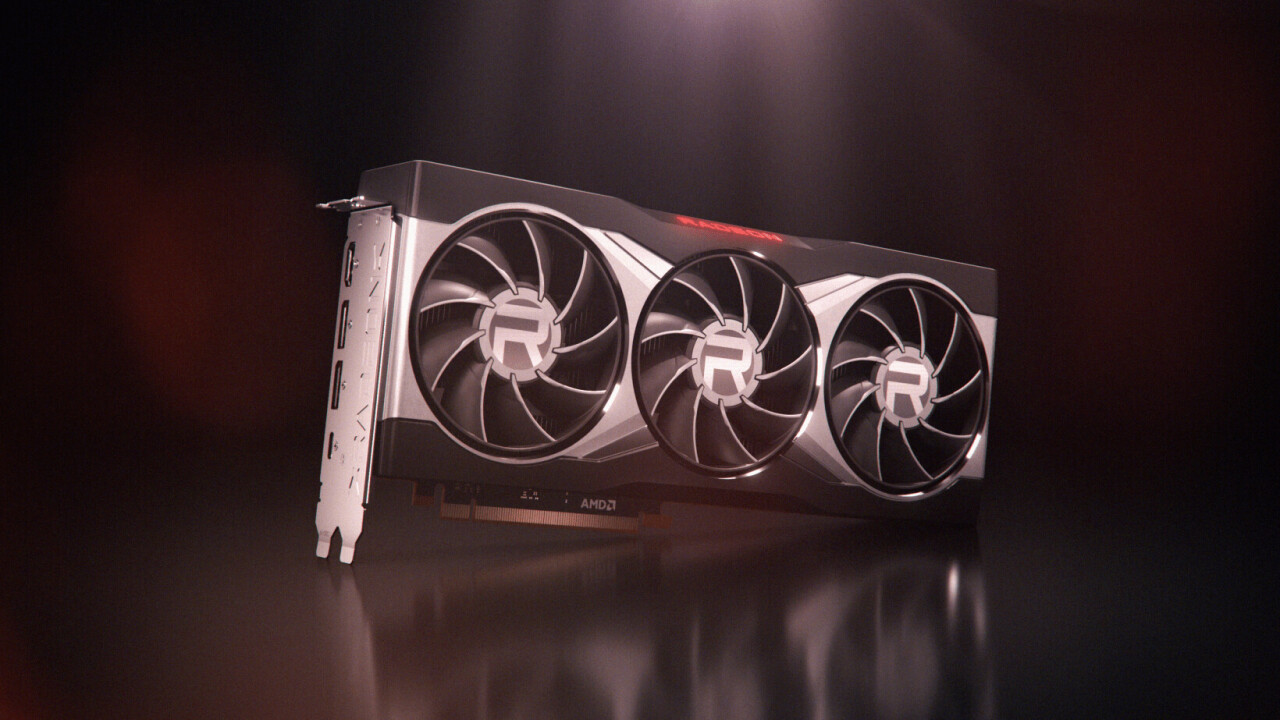
AMD has unveiled three new graphics cards under the Radeon RX 6000 series — AMD Radeon RX 6800, AMD Radeon RX 6800 XT, and the flagship AMD Radeon RX 6900 XT.
The coming months will be fascinating for the gaming community since NVIDIA has announced its new RTX 3000 series, and gaming consoles like Xbox Series X, Xbox Series S, and the PlayStation 5 the stores soon. AMD was playing catch-up for the last few years against NVIDIA, but this could finally change.
AMD Radeon RX 6800 XT
The Radeon RX 6800 XT’s big specs include 72 compute units, 16GB of DDR6 video memory, 2,015MHz game clock, or 2,250MHz boost, and 128MB Infinity Cache. The chipset intends to deliver 4K gaming at the highest settings. It will compete directly with the NVIDIA RTX 3080 while consuming lesser power.
While NVIDIA’s chip costs US$ 699, AMD is going for an aggressive price of US$ 649. Sales of AMD could also rise because the RTX 3080 has been running short on supply and cannot actually fulfill the high demand. AMD can use this supply-chain gap to its benefit.
AMD Radeon RX 6800
On the other hand, the Radeon RX 6800 has 60 compute units, a game clock of 1,815 MHz, and a boost of 2,105 MHz. The cache and memory remain the same as the RX 6800 XT. It’s priced at US$ 579 and goes up against NVIDIA’s RTX 3070 that’s priced at US$ 499.
AMD Radeon RX 6900 XT
Lastly, the AMD Radeon RX 6900 XT leverages the Big Navi GPUs that are based on AMD’s RDNA 2 architecture. It offers up to 65 percent better performance per watt. In terms of technical specs, it has 80 compute units, 2,015 game clock, and 2,250 boost clock.
With a smaller form factor and lower thermal design power, the RX 6900 XT not only seems to be an excellent alternative to RTX 3090 but also cost a lot lesser. It’ll cost US$ 999, a whopping US$ 500 discount from NVIDIA’s marked price. It’ll be available for purchase from December 8.





Gaming
Life is Strange: Reunion now available on consoles and PC
Max and Chloe return for an emotional finale


Bandai Namco Entertainment Asia and Square Enix have officially launched Life is Strange: Reunion, the latest entry in the narrative adventure series. Developed by Deck Nine Games, the title is now available on PlayStation 5, Xbox Series X|S, and PC via Steam and the Microsoft Store. A physical PlayStation 5 edition is also available across Southeast Asia.
The launch comes with an official trailer, marking the return of one of the franchise’s most beloved storylines.
A long-awaited reunion
Set 11 years after the original events, Life is Strange: Reunion brings back Max Caulfield and Chloe Price as they reunite to solve a new timeline-spanning mystery. This time, the stakes center on a devastating inferno threatening Caledon University–Max’s workplace as a photography teacher.
Returning from a trip, Max discovers the campus engulfed in flames, with lives lost across the university. She survives only by using her Rewind ability, a power that allows her to reverse time.
The situation takes an unexpected turn with Chloe’s sudden arrival–an outcome tied to the timeline-merging events of Life is Strange: Double Exposure. Now dealing with fractured memories and an unstable sense of reality, Chloe once again finds herself relying on Max.
Dual perspectives, new gameplay dynamics
For the first time in the series, players can take control of both Max and Chloe, switching perspectives as the story unfolds.
Max’s Rewind power lets players revisit decisions, reshape conversations, and manipulate environments to solve complex, time-based puzzles. Meanwhile, Chloe brings her signature Backtalk ability, allowing her to push conversations in her favor and access situations Max cannot.
This dual-character approach expands both narrative depth and gameplay variety, offering different ways to uncover clues and influence outcomes.
A character-driven finale
Life is Strange: Reunion continues the series’ focus on grounded, emotional storytelling, with choices that carry meaningful consequences. The game builds toward a dramatic climax that aims to close out Max and Chloe’s journey.
As the final chapter in their story, Reunion positions itself as both a continuation and a conclusion–tying together years of narrative threads while delivering a new mystery shaped by time, loss, and choice.
Gaming
Nintendo will make it cheaper to buy digital games than physical
Physical releases will have the same price.

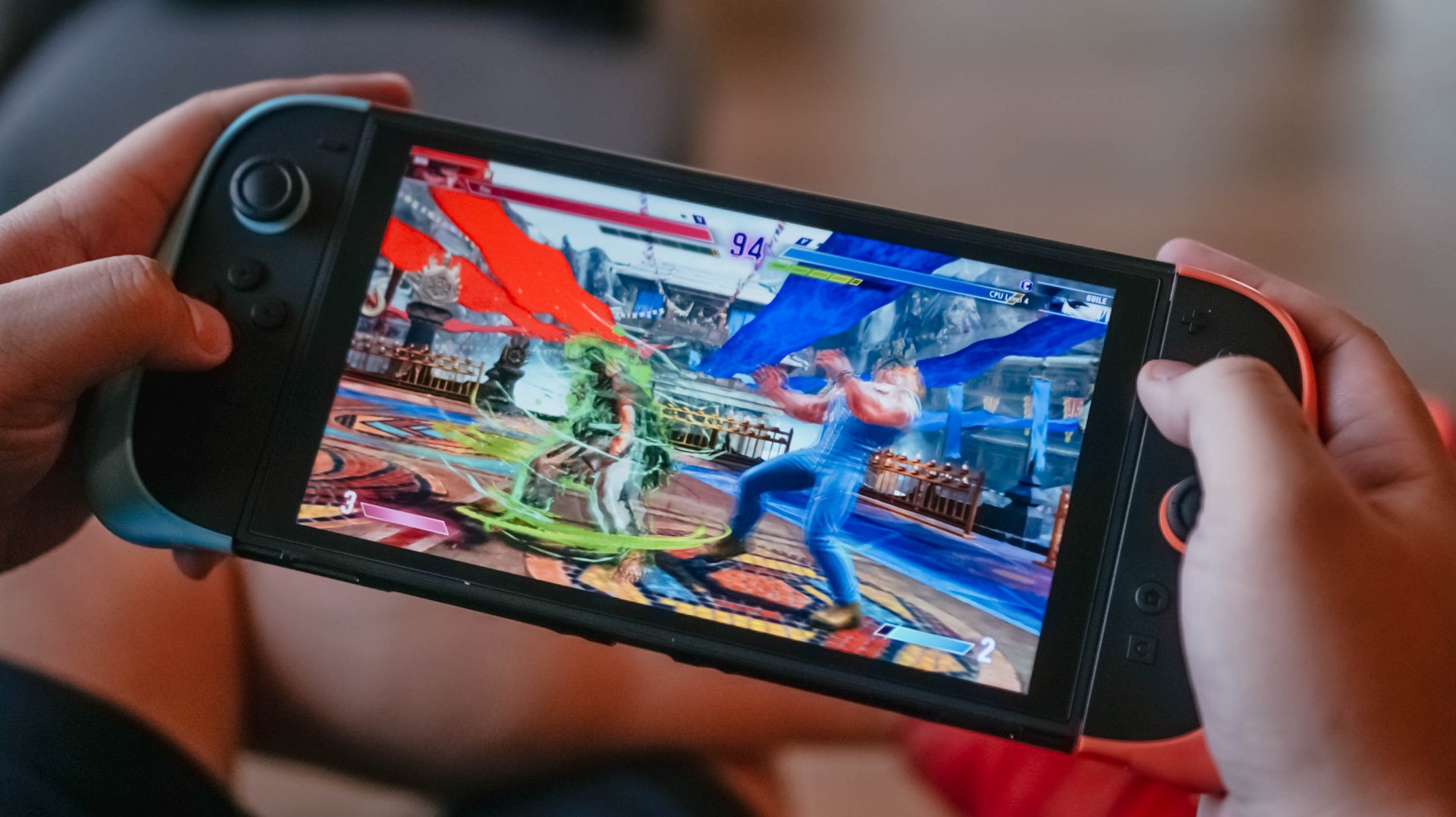
The days of lining up for a newly released game are well and truly over. Though some games still experience shortages in brick-and-mortar stores, such as the widely successful Pokémon Pokopia, gamers can get their titles digitally. Now, Nintendo is making digital releases more enticing by offering a tempting discount on the eShop.
Starting in May, Nintendo will start charging different prices for the physical and digital releases of first-party games. While physical releases will still have the same prices going forward, digital releases via the eShop will enjoy a discount.
The discount, of course, will likely depend on the title itself. Nintendo has already given the upcoming Yoshi and the Mysterious Book as the first example. The new platformer will cost US$ 70 from retailers. However, it will cost only US$ 60 on the digital eShop.
The company says that the new pricing scheme “simply reflects the different costs associated with producing and distributing each format.” With the prices of chips skyrocketing, it’s no surprise that the physical release is more expensive than the digital one.
To be more technical about it, Nintendo has started skipping a physical game card for a while now. The physical release of Pokémon Pokopia, for example, has only a game-key card or a code to download the game. In this format, physical releases are just pretty cases you can display on your shelf.
Also, digital releases do carry the added risk of getting delisted on the whims of the developers, the publishers, or Nintendo itself. It is, however, still a cheaper option, especially in a world where getting any discount is a welcome thought.
SEE ALSO: Nintendo sues the United States

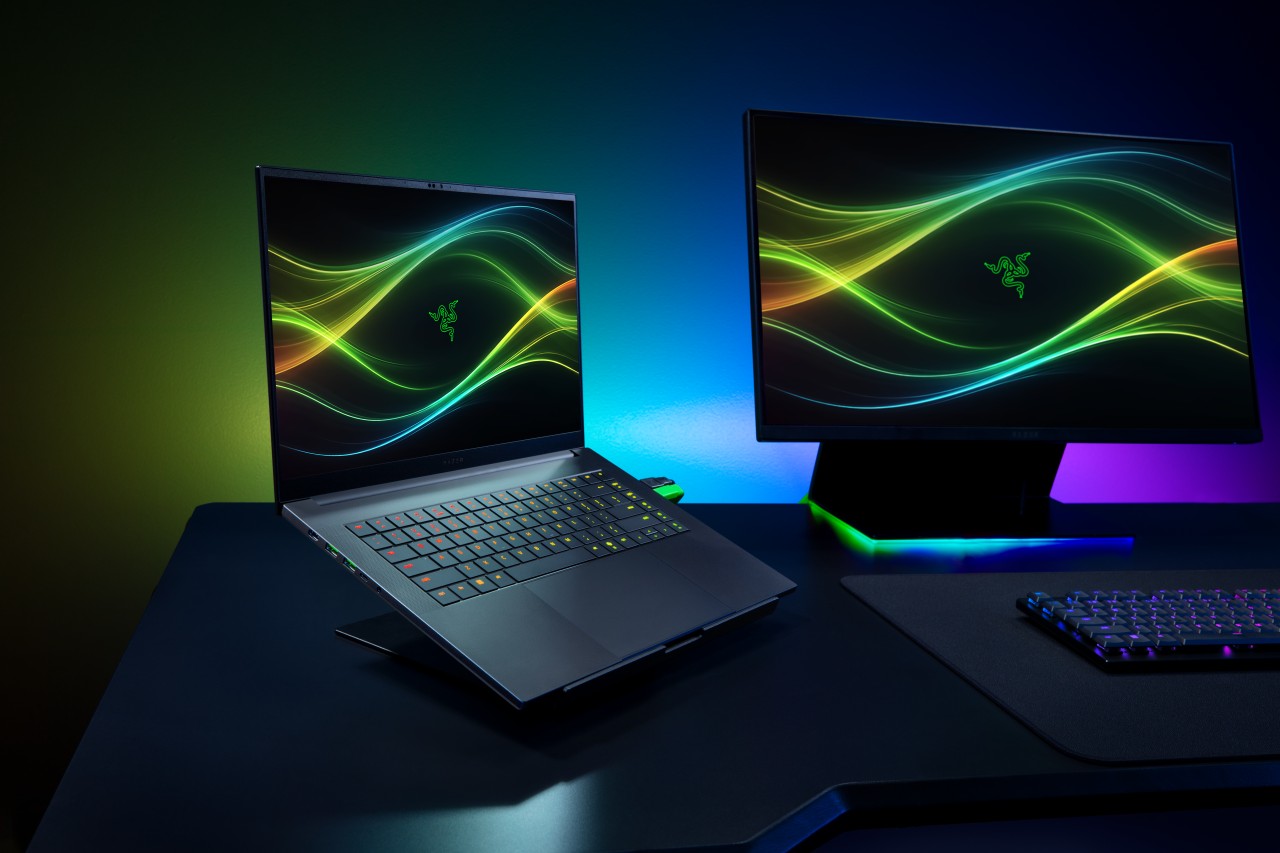
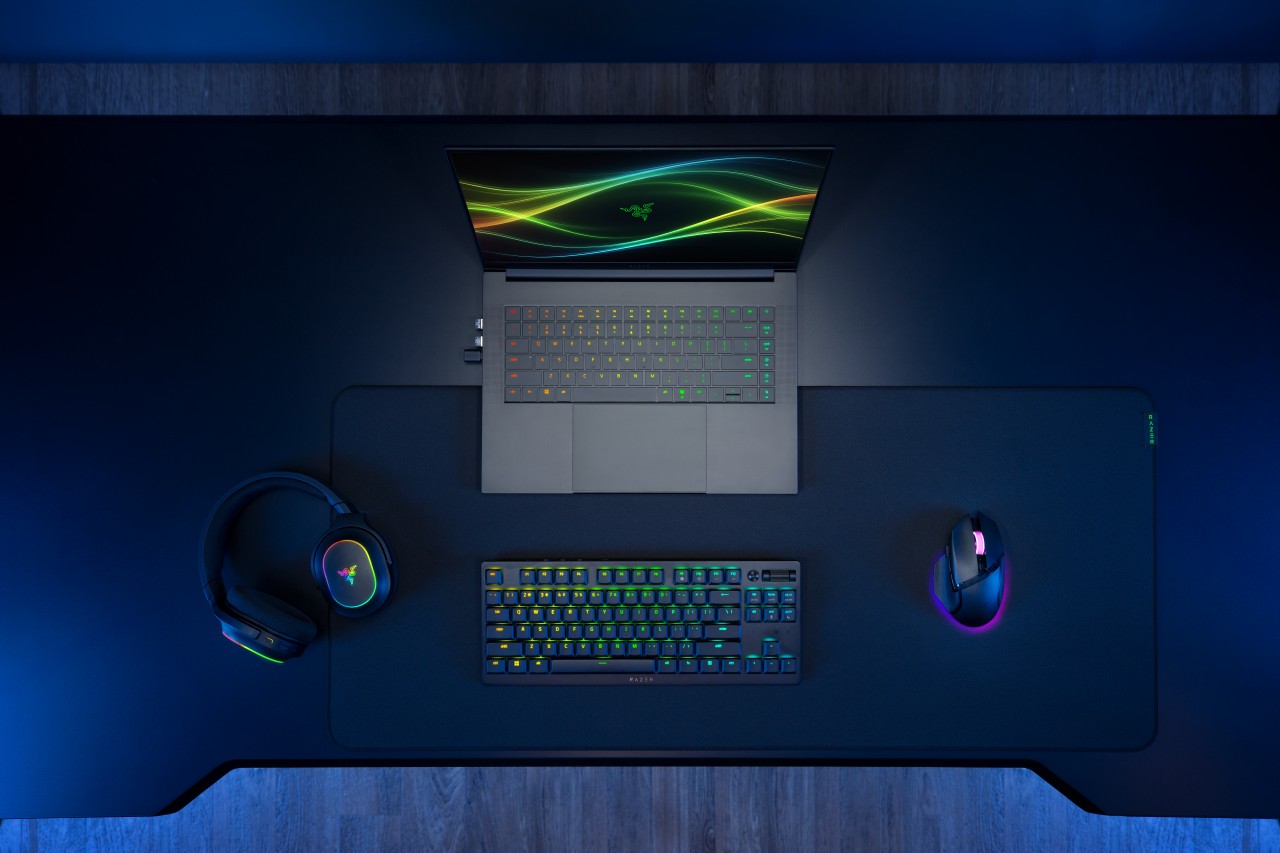
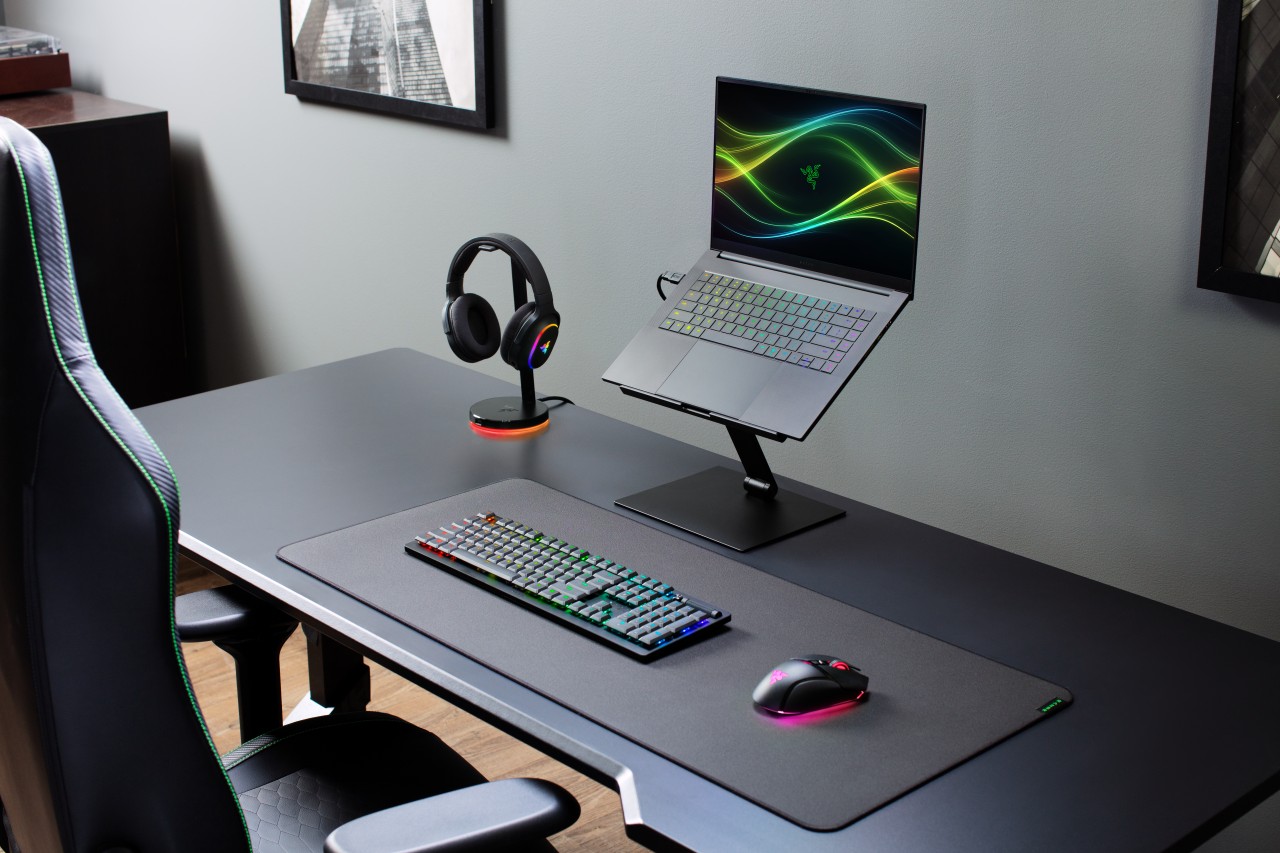
Razer has officially unveiled the 2026 version of its Blade 16, doubling down on what it does best: squeezing high-end performance into an ultra-slim chassis.
This year’s refresh focuses on meaningful internal upgrades. That includes a new Intel Core Ultra 9 processor, faster LPDDR5X memory, and NVIDIA’s latest RTX 50 Series laptop GPUs — all while keeping the Blade 16 as the thinnest gaming laptop in Razer’s lineup.
Performance gets a serious bump
At the core of the new Blade 16 is the Intel Core Ultra 9 386H, featuring 16 cores and up to 4.9GHz boost clock. Razer claims a 33% increase in core count versus the previous generation, translating to stronger performance across gaming, content creation, and AI workloads.
There’s also an integrated NPU capable of up to 50 TOPS, enabling faster on-device AI tasks like image generation and live translation.
Memory gets a notable upgrade too. The Blade 16 now supports up to 64GB of LPDDR5X-9600MHz RAM, which Razer positions as the fastest available in a laptop today. The result: quicker responsiveness for heavy multitasking, creative apps, and AI-assisted workflows.
On the graphics side, NVIDIA’s GeForce RTX 50 Series (Blackwell architecture) brings DLSS 4 and enhanced AI capabilities for both gaming and creator use cases.
Display and design stay premium
Razer isn’t fixing what isn’t broken. The Blade 16 retains its signature CNC-milled aluminum chassis, measuring just 14.9mm thick and weighing around 2.14kg.
The display remains a highlight. You get a 16-inch QHD+ OLED panel with a 240Hz refresh rate, now brighter and certified for VESA DisplayHDR TrueBlack 1000. It supports full DCI-P3 coverage, Calman calibration, and NVIDIA G-SYNC, making it just as suited for creators as it is for competitive gaming.
Battery life and efficiency improve
Despite the performance gains, Razer is also pushing efficiency. Thanks to Intel’s newer architecture and system-level optimizations, the Blade 16 can hit up to 13 hours of productivity use and up to 15 hours of video playback under ideal conditions.
That’s a notable improvement for a machine in this class, especially given its slim form factor.
Connectivity and audio step up
The 2026 Blade 16 gets a future-ready connectivity suite, including Thunderbolt 5, Wi-Fi 7, and Bluetooth 6.0. There’s also a full set of ports, from USB-A to HDMI 2.1 and an SD card reader.
Audio gets an upgrade too. The six-speaker system now supports THX Spatial Audio+ with virtual 7.1.4 surround, aiming to deliver more immersive sound both on speakers and headphones.
Price and availability
The Razer Blade 16 configured with an NVIDIA GeForce RTX 5080 (16GB VRAM) and 32GB LPDDR5X-9600MHz RAM is priced at US$3,499.99 / €3,599.99 MSRP.
It is available now, exclusively via Razer.com and select RazerStores worldwide.
Still the Blade, just sharper
At a glance, the 2026 Blade 16 doesn’t reinvent the formula. But under the hood, it pushes performance, memory speed, and efficiency forward in ways that matter.
It’s still the same idea: a no-compromise gaming laptop that looks like it belongs in a minimalist workspace — just faster, smarter, and a bit more future-proof this time around.


Galaxy Buds4 Pro review: I thought I was done with in-ears
This Buds4 you


WWE 2K26 lets you live out all the fantasy matches you could want
But you have to play for hours and hours to unlock everyone.


The HONOR X8d is serviceable
Steady but slow?

Life is Strange: Reunion now available on consoles and PC

Why this AI-powered eye health exam is the only reading you need this season

DJI officially launches the Avata 360 with 8K immersive imaging

The Changan Eado Plus officially lands in the Philippines

PLDT Home, Samsung team up for exclusive entertainment deals


-

 Reviews1 week ago
POCO X8 Pro Max review: A new beast from the far east
-

 News1 week ago
POCO X8 Pro Series: Price, availability in the Philippines
-

 Reviews1 week ago
POCO X8 Pro Iron Man Edition review: Midrange phone in superhero armor
-

 Automotive2 weeks ago
VinFast extends free unlimited charging in 3 markets amid rising fuel prices
-
Philippines1 week ago
The HONOR X8d is serviceable
-
 Reviews2 weeks ago
Samsung Galaxy S26 Ultra review: A phone you live with
-

 News1 week ago
POCO introduces X8 Pro Series with Dimensity 9500s
-

 Gaming2 weeks ago
NVIDIA’s DLSS 5 can turn your favorite AAA game into AI slop