
Smartphones
ASUS ZenFone 3 unboxing

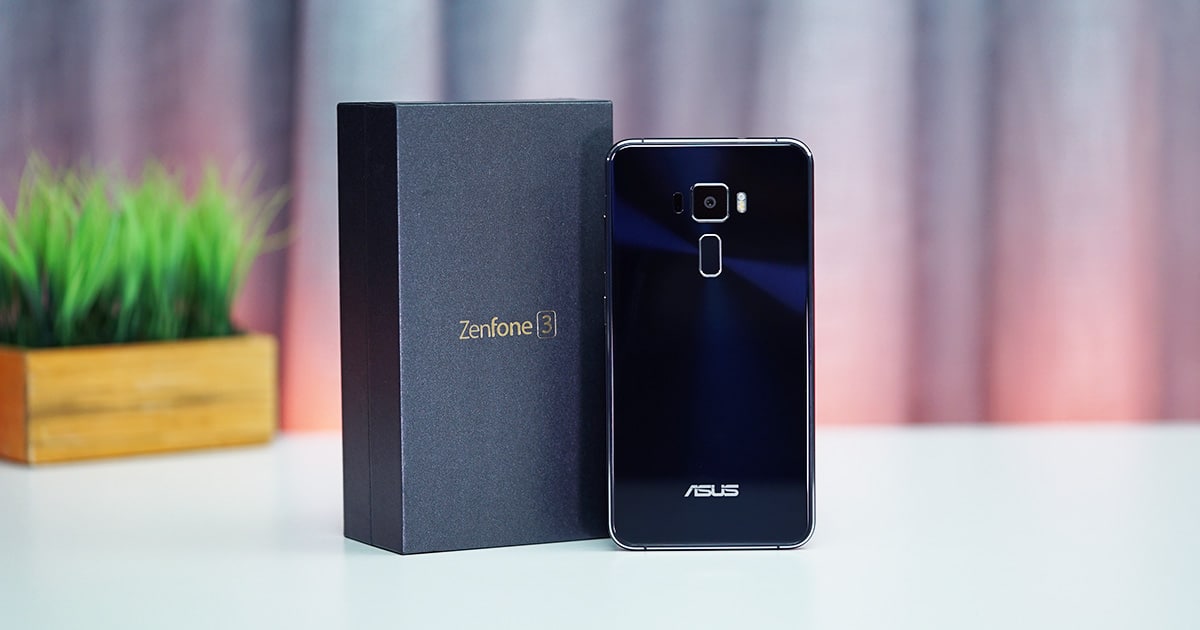
As many of you know, we’re only a few short weeks away from seeing ASUS’ signature smartphone series hit the streets in many parts of the world.
As of this month, it’s reportedly already available in Taiwan, Hong Kong, and Macau. Next up are Indonesia, Malaysia, Thailand, Vietnam, and the Philippines in August. A ZenFone 3 launch event is expected to take place in India sometime in September. Shipments could be headed to Europe, Japan, and the United States later in the year.
The standard ASUS ZenFone 3 comes in two variants: one, a 5.2-inch model with 3GB of RAM and a 2,650mAh battery; the other, a 5.5-incher with 4GB of RAM and a 3,000mAh battery. Each variant is identifiable by a unique model number. But regardless of specifications, the outward appearance has been completely redesigned from the ground up — in lieu of a removable plastic back, there’s curved-edge glass on the front and back and a metal frame that holds the assembly in place.
The ZenFone 3 is far less cumbersome and prettier now, arguably more attractive than the bigger and higher-specced and more expensive ZenFone 3 Ultra and Deluxe models. Its design is proof that ASUS, like Xiaomi and OnePlus and so many other Chinese startups, is also capable of building a premium-feeling phone for less.
More importantly, the ZenFone 3 is a more capable phone than before, housing a new octa-core processor from Qualcomm, as opposed to an Intel chip, which has historically been synonymous with poor heat dissipation and inefficient battery use. We quickly noticed the difference and thanked the heavens ASUS went with a different chip maker this year.
Our immediate takeway from the ASUS ZenFone 3 event was that the Taiwanese manufacturer is well aware of the huge expectations from the public that saw a deluge of quality but affordable smartphones over the past year and a half, hence the guns-blazing approach in 2016. After playing around with the ZenFone 3, we’re convinced ASUS has surpassed its previous feats.
But ASUS doesn’t operate in a vacuum; and more so than ever, the market is seeing brands of all sizes making headlines in the affordable phone segment.
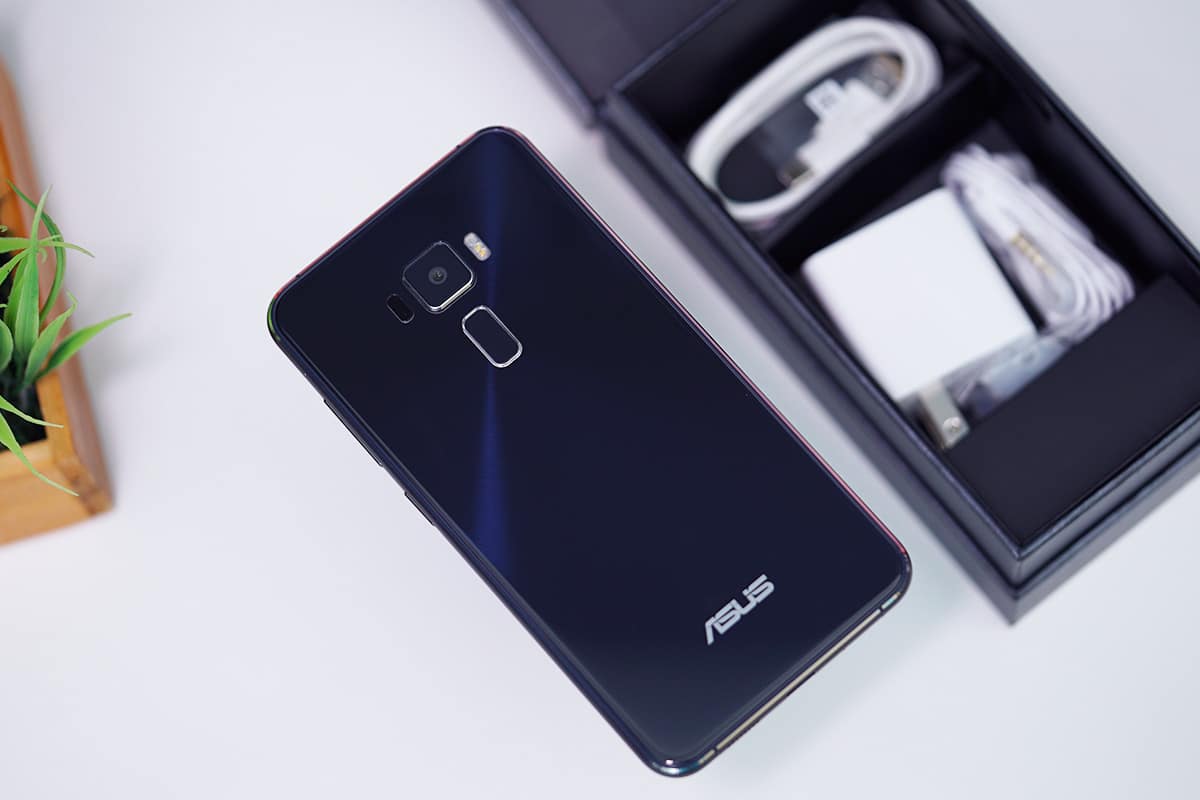
The ASUS ZenFone 3 starts at $249. Check out our unboxing video to see a retail unit in action.
[irp posts=”3880″ name=”ASUS ZenFone 3 review”]






Smartphones
Samsung unveils exclusive Galaxy Z Flip7 Olympic Edition
Supporting athletes at Milano Cortina 2026


Samsung has released an exclusive Galaxy Z Flip7 Olympic Edition, right in time for the Olympic and Paralympic Winter Games Milano Cortina 2026.
The flip-style foldable is exclusively designed for all athletes competing at this year’s games. The worldwide Olympic and Paralympic Partner provided almost 3,800 units for Olympians and Paralympians from about 90 countries.
This special edition device will accompany athletes throughout the Games. The 2026 Winter Olympics runs until February 22 while the 2026 Winter Paralympics will commence from March 6 to 15.
Moreover, the Olympic Edition will be incorporated into official podium moments through the “Victory Selfie”.

This marks the debut of the moment in the Winter Games after being introduced to Paris 2024. It shall be expanded to team sport competitions at Olympic Games in the future.
Athletes from select National Olympic Committees (NOCs) will be able to share more through “Victory Profile” too, another photo series captured with the Galaxy S25 Ultra.
The Galaxy Z Flip7 is an intelligent pocket-sized companion featuring a 50MP wide and 12MP ultra-wide lens.
Its edge-to-edge FlexWindow provides an effortless mobile AI experience as well with Galaxy AI integration.
The foldable also comes with Now Brief, which provides personalized daily updates, Photo Assist for studio-quality enhancements, and Interpreter for real-time translation regardless of network connection.
Galaxy Z Flip7 Olympic Edition

Design wise, the Olympic Edition introduces a look that commemorates athletes’ participation at the Games. The signature blue color covering the back glass aligns with the unique style of Milano Cortina 2026.
The color also reflects the spirit of unity and sportsmanship, as well as the combination of Samsung’s identity and the Italian azure.
A custom gold metal frame symbolizes athletes’ pursuit of excellence, while a clear magnet case with blue circular magnet and gold laurel leaves serve as a motif of victory.
Each device likewise includes special Olympic Games-themed wallpapers created specifically for this year’s sporting event.
Furthermore, the exclusive device comes preloaded with these curated apps and services:
- Galaxy Athlete Card for a digital means for exchanging profiles, collecting cards, and interaction
- 100GB 5G eSIM plus access to digital passes and services in Samsung Wallet
- Athlete365 for performance and mental health support, integrated into Now Brief
- Other apps like the official Olympic Games app, IOC Hotline, and PinQuest
News
TECNO will showcase the CAMON 50 and POVA 8 series at MWC 2026
Alongside a host of new AI Ecosystem products


TECNO is officially heading to this year’s MWC 2026 (Mobile World Congress) in Barcelona, Spain!
Smarter phones, practical AI
Leading TECNO’s MWC lineup is the upcoming CAMON 50 series, the latest update to their imaging-focused smartphone range. TECNO’s new line of smartphones will introduce upgraded AI imaging features that promise smarter scene detection, improved image processing, and more creative shooting options.
TECNO is also positioning the CAMON 50 Series as more than just a camera phone, with AI tools designed to help with content creation and day-to-day tasks.
Also on display is the next generation of the POVA 8 Series. Known for balancing performance and style, the new POVA phones focus on long battery life, smooth everyday performance, and a refreshed design.
Beyond smartphones, TECNO will also showcase its wider ecosystem, including laptops, tablets, and smart accessories. The brand will highlight updates to OneLeap, its cross-device platform that makes it easier to share files and switch tasks across TECNO devices.
A look at what’s next
TECNO will also tease what’s coming next with a set of concept devices and technology prototypes — including the Tri-Fold concept last August 2025.
These concepts explore new form factors, interaction ideas, and imaging technologies, offering a glimpse at how TECNO sees the future of smart devices.

If you’re going, you can visit TECNO’s booth at Hall 7, Stand 7A40 from March 2nd until March 5th, 2026. Expected visitors can try out hands-on AI demos that show how TECNO’s AI features can be used for work, learning, wellness, and entertainment.
News
Report: HONOR tops global smartphone shipment growth in 2025
HONOR also improves overall market share
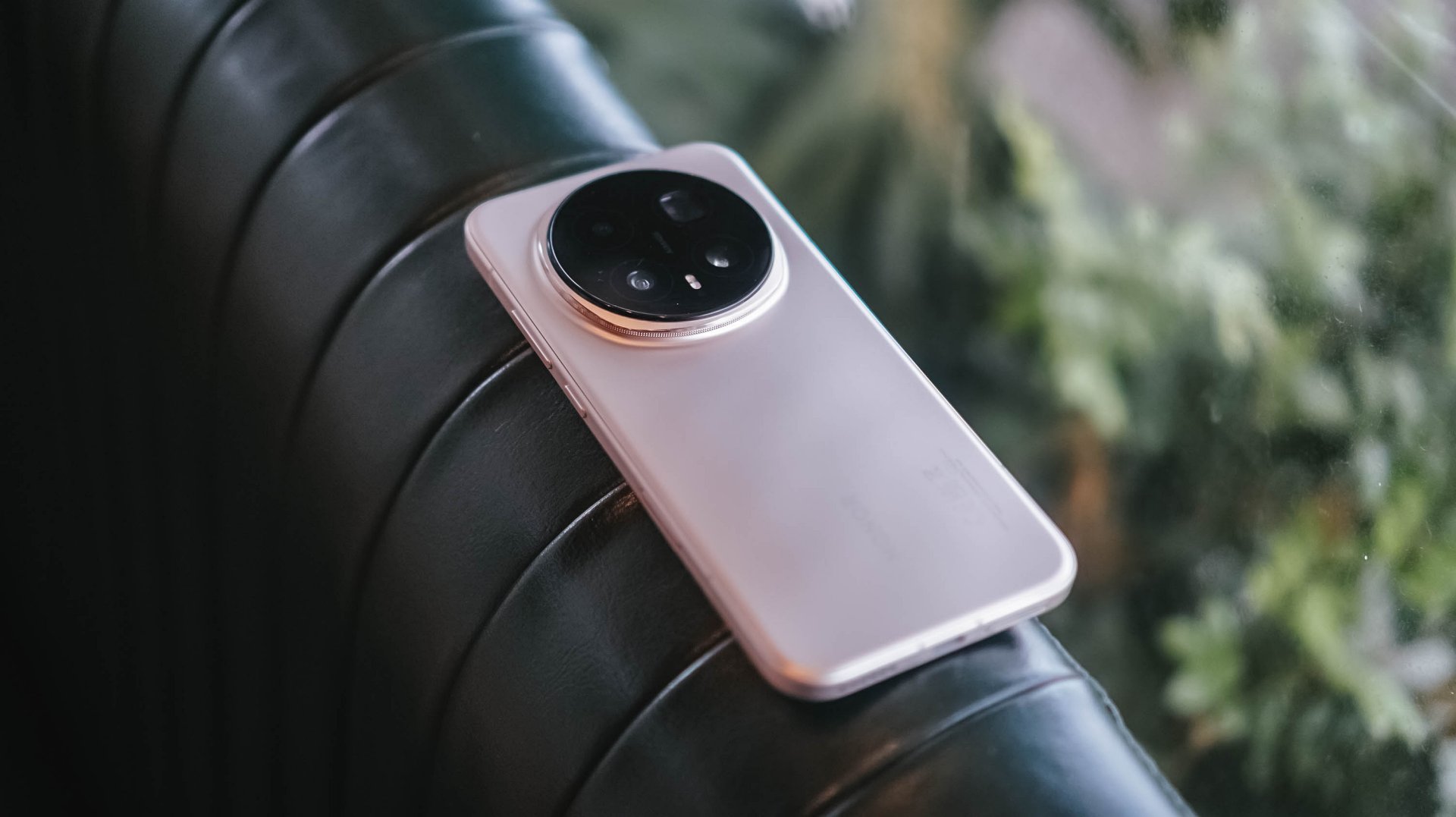
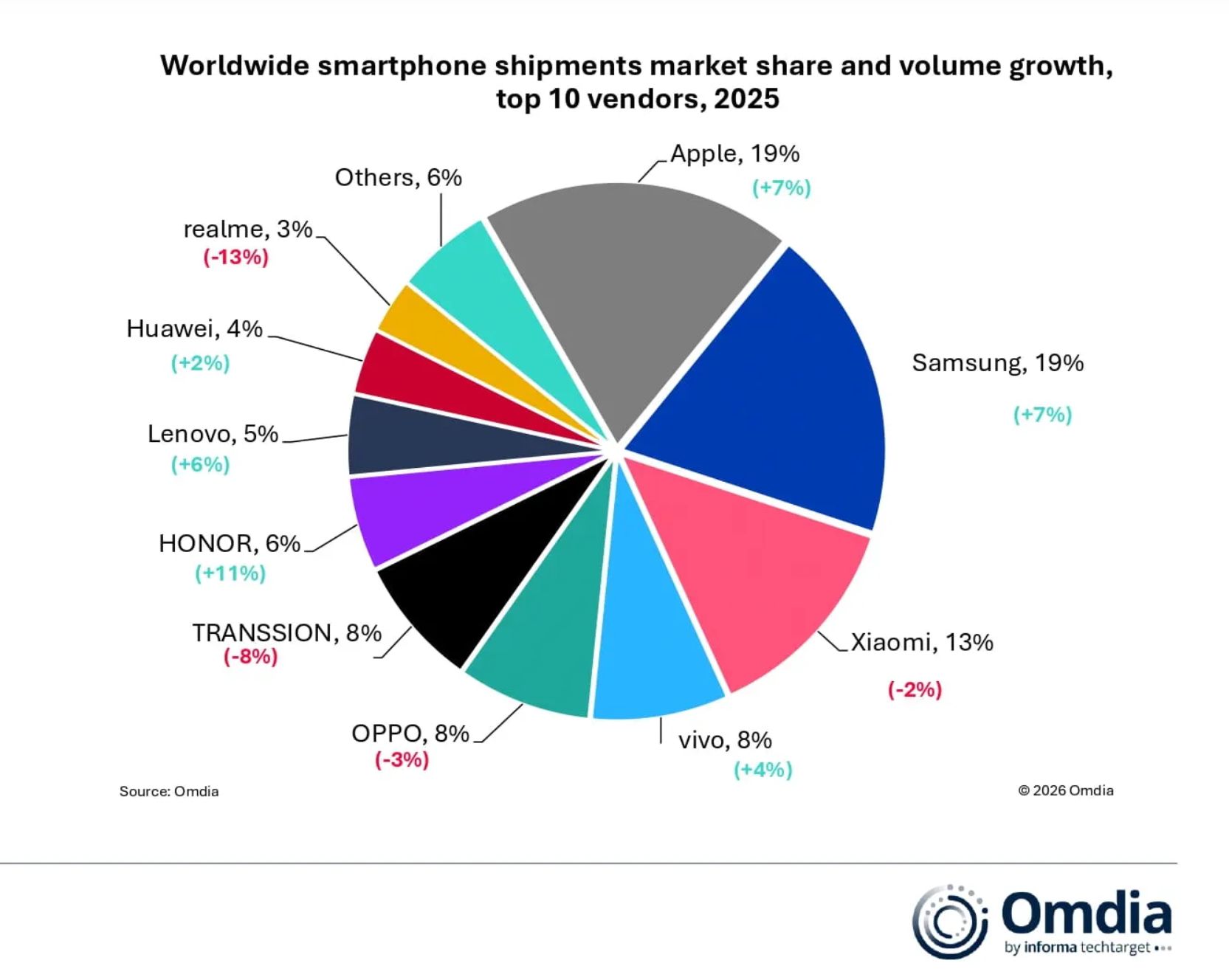
HONOR topped last year’s global smartphone shipment growth, according to an Omdia report. The manufacturer achieved an 11% year-over-year growth, which ranked first among the world’s top 10 smartphone vendors.
Furthermore, as per data from IDC, in the first three quarters of 2025, HONOR also led all top brands in overseas shipment growth across these premium segments:
- Smartphones priced above US$ 300 (premium and upper-mid-tier)
- Tablets in the US$ 300 to US$ 600 price band (upper-mid)
Such growth enabled HONOR to improve their overall market share to 6% in 2025. They’ve already edged Lenovo (5%), HUAWEI (4%), and realme (3%) after a strong calendar year.
Unarguably contributing to their performance are the releases of the flagships HONOR Magic V5 and HONOR Magic7 Pro, as well as mid-rangers like the HONOR 400 series and a handful of HONOR X series devices.
Meanwhile, Transsion, which holds the Infinix, TECNO, and itel brands, have an 8% market share combined, which is the same as OPPO and vivo. Xiaomi is at 13%, while giant players Apple and Samsung both have a 19% market share each.
Building on their growth, HONOR is set to unveil groundbreaking products at MWC 2026 in Barcelona this March.
These include the HONOR Robot Phone and the brand’s latest flagship foldable, the HONOR Magic V6. The impending releases accelerate the momentum of HONOR’s Alpha Plan.


Now Playing: Yakuza Kiwami 3 & Dark Ties
How old should a game be before it gets a remake?


TECNO MEGABOOK K16s 13th review: No-frills beneath those grills
All-around laptop without messing around


My Hero Academia: All’s Justice: A familiar Final War, made playable
Reliving the Final War

Samsung unveils exclusive Galaxy Z Flip7 Olympic Edition

TECNO will showcase the CAMON 50 and POVA 8 series at MWC 2026

Lucky Match: Power Mac Center Valentine’s, Lunar New Year deals
Now Playing: Yakuza Kiwami 3 & Dark Ties

Bandai Namco Brings Digimon Story Time Stranger, Tales of Arise to Switch 2 in 2026

Infinix NOTE Edge debuts: High-end features for accessible pricing

POCO M8 Pro review: Goin’ loco over this POCO

HONOR X9d 5G review: Tougher, more long-lasting and optimized

Redmi Note 15 Pro+ 5G review: The midrange fashion piece

Mijia Smart Audio Glasses review: Immerse yourself in the music


-

 Apps2 weeks ago
Breaking up with Adobe Photoshop after 20 years
-

 Gaming1 week ago
PlayStation, LE SSERAFIM Chaewon team for the ‘Love of Play’ campaign
-

 Automotive2 weeks ago
VinFast updates battery subscription policy for large upfront savings
-

 Gaming2 weeks ago
Xiaomi SU7 Ultra makes Gran Turismo 7 debut
-
 Accessories1 week ago
Sony WF-1000XM6 was accidentally leaked online
-

 Computers2 weeks ago
3D printing made accessible: Bambu Lab moves closer to everyday consumers
-

 Gaming2 weeks ago
Esports Nations Cup 2026 secures US$ 45M funding
-

 Gaming2 weeks ago
CODE VEIN II now available for consoles, PC