


We finally have the retail unit of the ASUS ZenFone 5Z, and this is our unboxing.
First launched four months ago at Mobile World Congress, ASUS’ new flagship smartphone will be rolling out this month to several markets around the world. It’s one of the cheapest Snapdragon 845 smartphones in the market, but is it any good? Or should you just buy the more affordable ZenFone 5?






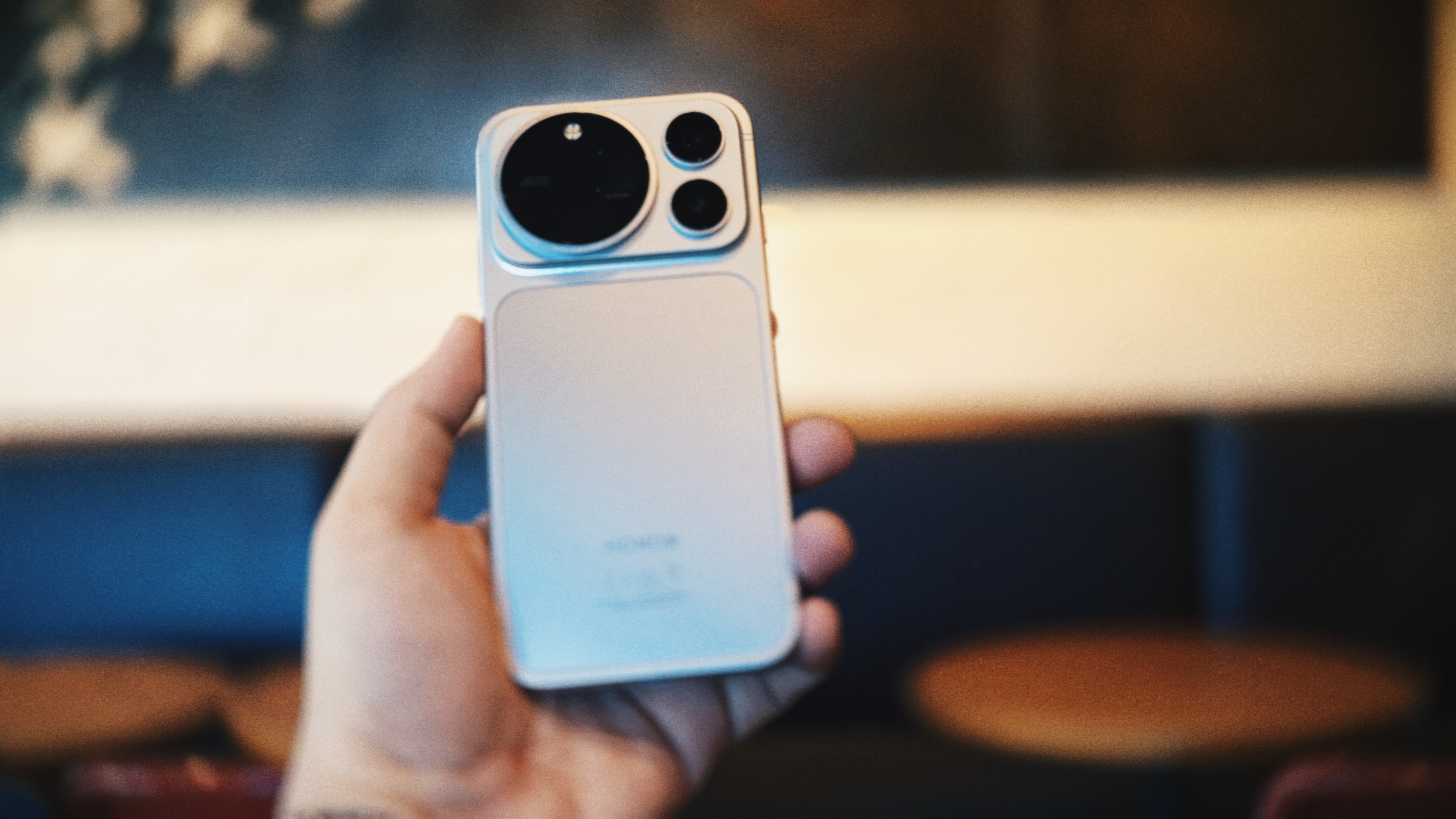
HONOR has launched the Magic9 Pro Max in Malaysia, bringing ARRI-powered cinematic imaging to smartphones. The flagship combines dual 200MP cameras, professional video tools, and an 8,000mAh battery.
The launch also marks the 10th anniversary of the HONOR Magic Series.
An end-to-end ARRI cinema workflow
HONOR developed the Magic9 Pro Max with ARRI, bringing elements of the professional cinema company’s imaging science and color workflow to mobile photography and videography.
The smartphone supports ARRI LogC3, ARRI Wide Gamut 3, and 10-bit color recording. Its ARRI CINEMA Mode captures video at up to 4K 60fps.
The device also supports APV 10-bit 4:2:2 video. HONOR claims the format reduces storage requirements by around 20% compared with ProRes at similar image quality.
Users can choose from 14 ARRI Looks, including two conversion Looks and 12 stylized options. They can also access the broader Look Library, which offers 87 color grades across nine themes. The phone also supports third-party LogC3 LUTs.
Dual 200MP cameras with HONOR Imaging Chip H1
The Magic9 Pro Max features two 200MP cameras. Its main camera uses a 1/1.28-inch sensor, an f/1.57 aperture, and optical image stabilization.
The 200MP telephoto camera uses a 1/1.4-inch sensor and an f/2.6 aperture. Both cameras feature OIS and CIPA 8.0 stabilization.
The phone also has a 50MP ultra-wide camera with an f/2.0 aperture.
HONOR’s Imaging Chip H1 processes images using AI noise reduction in the RAW domain. HONOR claims an 8dB improvement in signal-to-noise ratio and up to 14 stops of cinematic dynamic range.
Cinematic video and professional sound
The Magic9 Pro Max supports video recording at up to 4K 120fps in supported modes.
Cinematic LiveVideo captures three seconds of motion after users hold the shutter. It supports up to 4K resolution, 16:9 and 2.39:1 aspect ratios, ARRI Looks, and optional watermarks.
Magic Color for Video analyzes a reference clip’s color style and applies a coordinated look to new footage.
The phone also features a 55MP square-format front camera. Users can reframe portrait or landscape footage without changing their grip.
HONOR equips the device with four microphones. One directional microphone and three omnidirectional microphones capture audio from selected sources up to 20 meters away.
Users can choose from four directional presets or create custom settings. The system suppresses off-axis noise beyond a ±60-degree range.
The Magic9 Pro Max also features stereo Dual 1216 speakers.
HONOR will offer accessories through its partnership with SmallRig. The lineup includes the G200 teleconverter, which delivers a 200mm equivalent focal length. It measures around 81mm and weighs 88 grams.
The G500 teleconverter extends the phone’s reach to a 500mm equivalent focal length. HONOR claims it offers the longest focal length available for a smartphone teleconverter.
Cinema-inspired design
HONOR draws inspiration from the three-lens turret cameras of classic ARRIFLEX cameras dating back to 1937.
The Magic9 Pro Max adopts a 1+2 camera arrangement and an all-metal unibody design. Its camera module reflects the styling of professional cinema equipment.
Flagship performance and battery
The Magic9 Pro Max runs on Qualcomm’s Snapdragon 8 Elite Extreme Gen 6 processor, built on a 2nm process.
Its Oryon CPU reaches a peak clock speed of 5GHz. Qualcomm claims 13% higher CPU performance, 44% higher GPU performance, and 40% better GPU efficiency.
The Hexagon NPU delivers a claimed 35% performance improvement. Qualcomm also claims a 33% improvement in performance per watt for generative AI workloads.
The phone packs an 8,000mAh battery, rated at 7,745mAh. It supports 100W wired and 80W wireless HONOR SuperCharge.
HONOR also includes its third-generation RF Enhanced Chip C3. Its seven-chip RF architecture improves connectivity and network selection.
The Magic9 Pro Max features a 6.8-inch LTPO OLED display with an anti-reflective coating. HONOR claims the display can reach 10,000 nits peak brightness and reduce reflectance to 1.5%.
The phone also features HONOR NanoCrystal Shield protection and IP68, IP69, and IP69K ratings.
MagicOS 11 adds AI and cross-device features
The Magic9 Pro Max runs MagicOS 11 and introduces an AI Button for shortcuts to AI Screen Suggestions, AI Settings Agent, AI Photos Agent, Google Lens, and AI Memory.
Its Camera Button provides quick access to camera controls and capture.
Google Gemini can also use the phone’s camera and screen context. It can perform supported actions across apps.
MagicOS 11 adds notification summaries and HONOR Connect features. These include compatibility with Apple Watch and AirPods, one-tap sharing with Insta360, and file sharing through an AirDrop-compatible framework.
Price and availability in Malaysia
The HONOR Magic9 Pro Max comes in Shadow Black, Glacier Silver, and Moss Green.
Malaysia gets the 24GB RAM configuration, which includes 12GB of HONOR Turbo RAM, paired with 512GB of storage.
The phone is priced at RM5,999 (approximately US$1,320). It will be available in stores beginning December 4, 2026.
Preorders run from November 24 to December 3. Buyers will receive a bundle worth RM4,009 (approximately US$880), which includes:
- RM300 instant rebate
- RM300 coupon for the Professional Imaging Kit
- Harman Kardon Aura Studio 5 speaker, exclusive to preorder customers
- HONOR Magic9 Pro Max Magnetic Swap Case
- One-year liquid damage, screen, and back cover protection
- One-year extended warranty
- Two-year battery replacement
- Three months of Google AI Pro with 5TB of cloud storage
Customers can preorder through HONOR Experience Stores, the HONOR Malaysia Online Store, and HONOR’s official Shopee, Lazada, and TikTok Shop stores.
The device will also be available through Harvey Norman, Senheng, SenQ, and Urban Republic.

Is the ube-colored Kindle on your Christmas wishlist? As a reader, it absolutely is on mine, despite already having a fully functional Kindle Paperwhite. However, after the iPhone Duo, I think I finally found a way to get past my frankly unnecessary craving… and, well, the Kindle I already use.
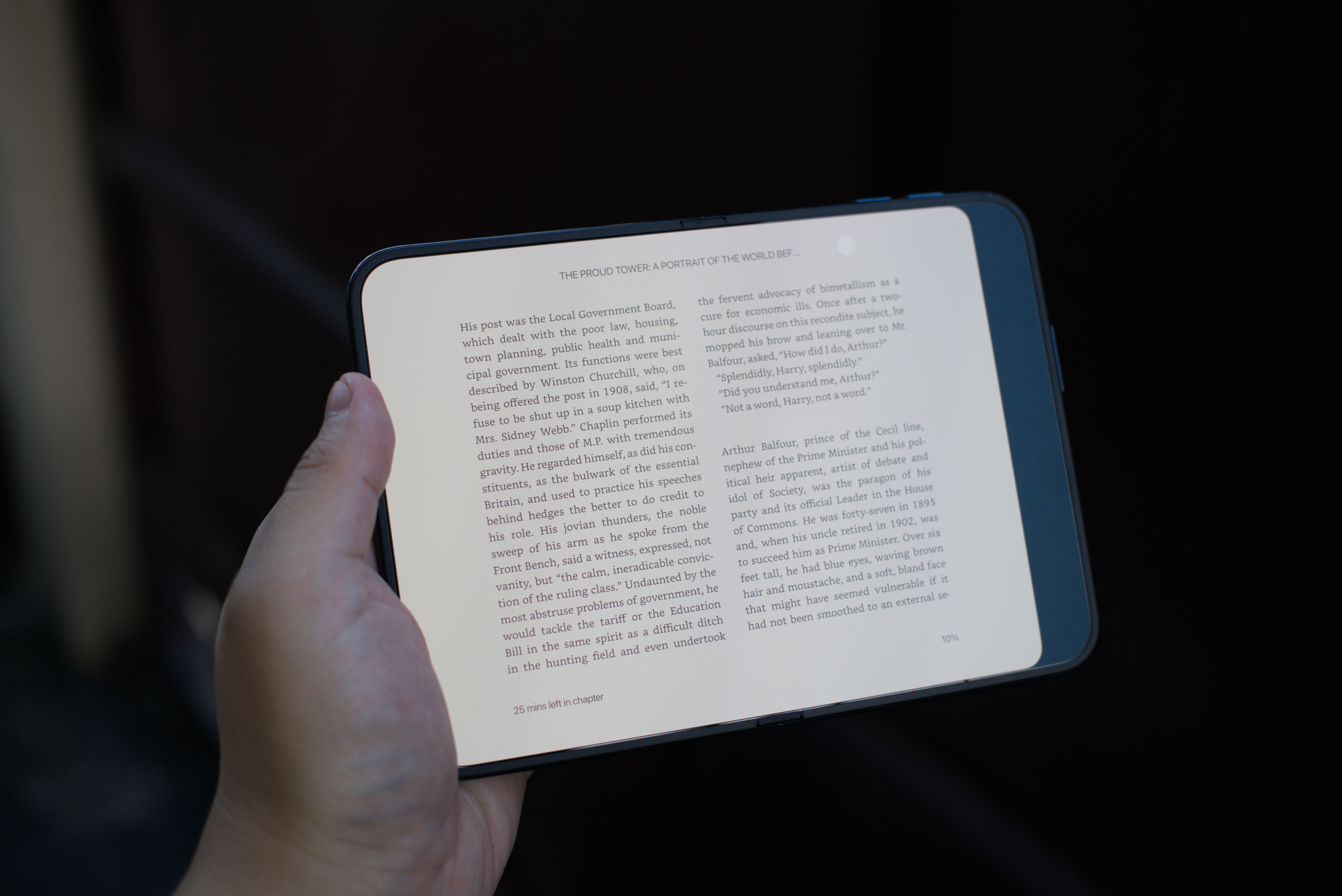
Now, the iPhone Duo has a plethora of features. You can use it as a phone, a mini-workstation, or an on-the-go entertainment device. However, one of the most underrated ways you can use the Duo is as an e-book reader. After all, it folds like a book, so why not use it as a book?
Frankly, a lot of foldable phones today neglect this. For example, I’ve had the Samsung Galaxy Z Fold8 Ultra for a few months now, but it just doesn’t hit as well as an e-book reader. The screen is too glossy, and the size is too large for my tiny hands.
Now, that’s not to say that the Fold8 Ultra is a bad phone. In fact, it’s not.
But the iPhone Duo really changed how I view foldables.
Changing my mind about matte
Passport-style foldables are in. With the regular Fold8, everyone began warming up to a different form factor for foldables. The iPhone Duo made that trend skyrocket even further. It features an immersive transition between states, a satisfying click when closing, and a fresh interface.
Size-wise, the Duo works so well while held completely unfolded, partially folded like a book, or closed. It just fits, even in my small hands.
However, the feature that makes the Duo stand out so much for me is the matte texture on its main screen. Unlike other foldables with their glossy screens, Apple’s foldable comes out of the box with a pleasantly textured screen. You won’t need a separate screen protector anymore.
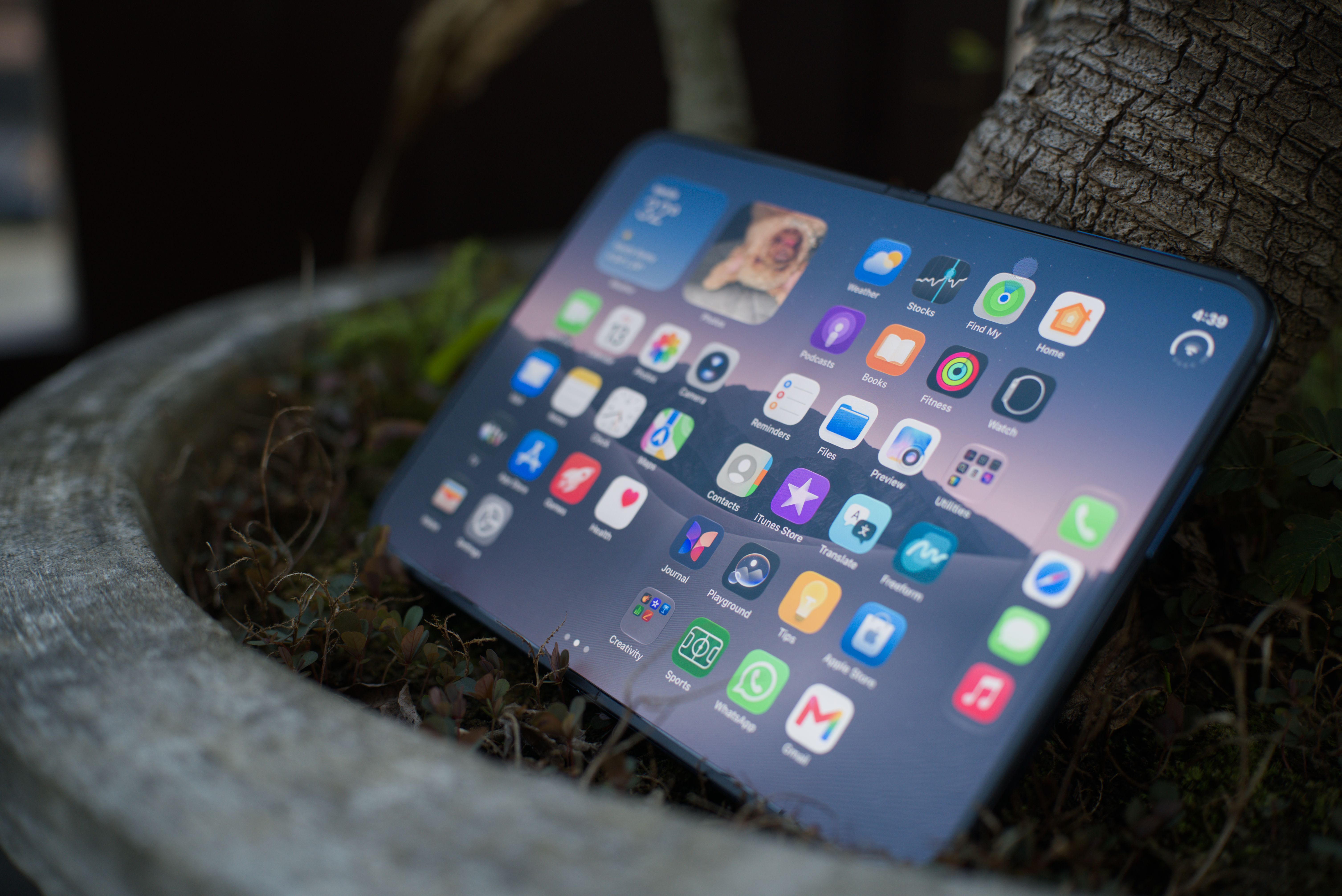
At first, I wasn’t a fan of this texture. It felt cheap. Plus, in my opinion, the flatness of the matte texture clashes with how dynamic Liquid Glass should be.
But that was before.
After using the Duo for weeks, the matte texture just felt natural to the touch. It felt like actual paper. Obviously, my next thought was, “How would Kindle look like on this phone?”
A book in foldable form
The iPhone Duo is built for Kindle. Well, almost.
As with other apps, Kindle isn’t perfectly optimized for the Duo just yet. Initially, I imagined that the app would split the two pages right down the middle or right where the hinge is.
Sadly, it’s not perfect. The right toolbar is still present, moving the split further to the left.
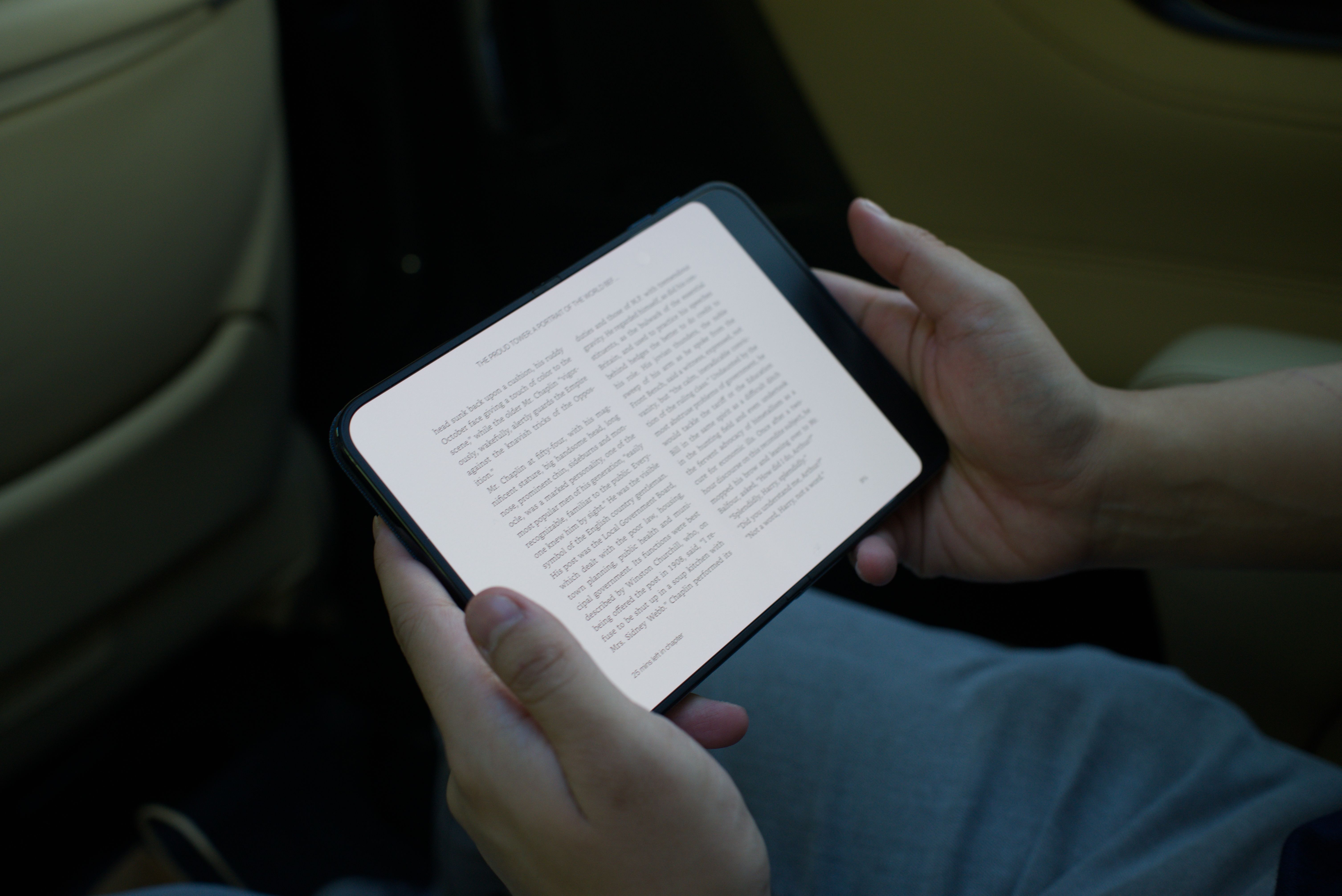
Is this a problem? Strangely, no. It was less of a problem than I imagined it to be. In fact, the slight off-centering might have helped. The black area to the right gives a nice, comfortable area for grip. I don’t have to worry about mistaken inputs.
Now that I’ve thought about it, the area is reminiscent of the Kindle Scribe which has a similar area for grip. And it feels like the Scribe. Holding the phone while reading one-handed or flicking pages with the other feels natural — like this is how e-book readers should be.
Clearer than a Kindle
Besides the arguably better form factor, the iPhone Duo also has a much clearer screen. The 7.6-inch main screen has a 2670 x 1878 resolution at 430ppi. In comparison, the Kindle lineup hovers around 7.0 inches for its screen and tops out at 300ppi.
To be fair, the Kindle has improved by leaps and bounds since its humble beginnings. My Kindle Paperwhite, which I got only a few years ago, is crystal clear and looks like actual words printed on paper.
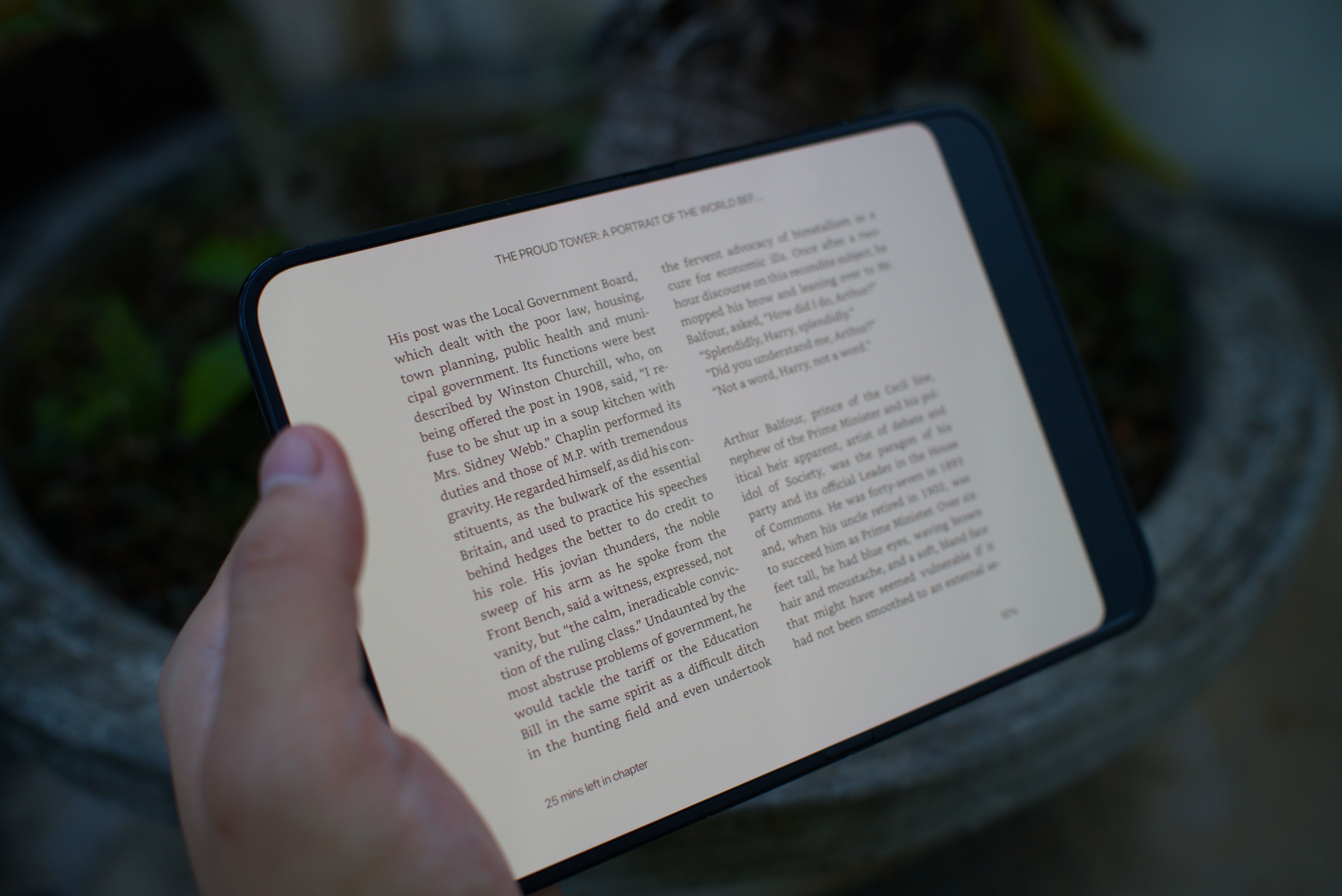
But the numbers don’t lie. The iPhone Duo is much clearer. Yes, technically, it’s still a smartphone screen, but, in all honesty, it feels more like a Kindle screen on steroids.
It also helps that you can customize Kindle’s page colors and the screen’s warmth. I’ve been reading in bed for a week now, but it hasn’t affected my sleep quality at all.
A comic book in foldable form
Besides standard books, the iPhone Duo is also a very effective screen for comics. Despite having a small but convenient size, it’s big enough to let the art and the speech bubbles stand out. I didn’t feel like I needed to zoom in all the time.
Before the Duo, I read my comics on my larger tablet. Though a tablet does afford bigger real estate for reading, the convenience of the Duo ensures that I can keep myself updated with my favorite books while on the go. I don’t need to carry a bulky tablet with me or open up a flashbang every time I read in bed.
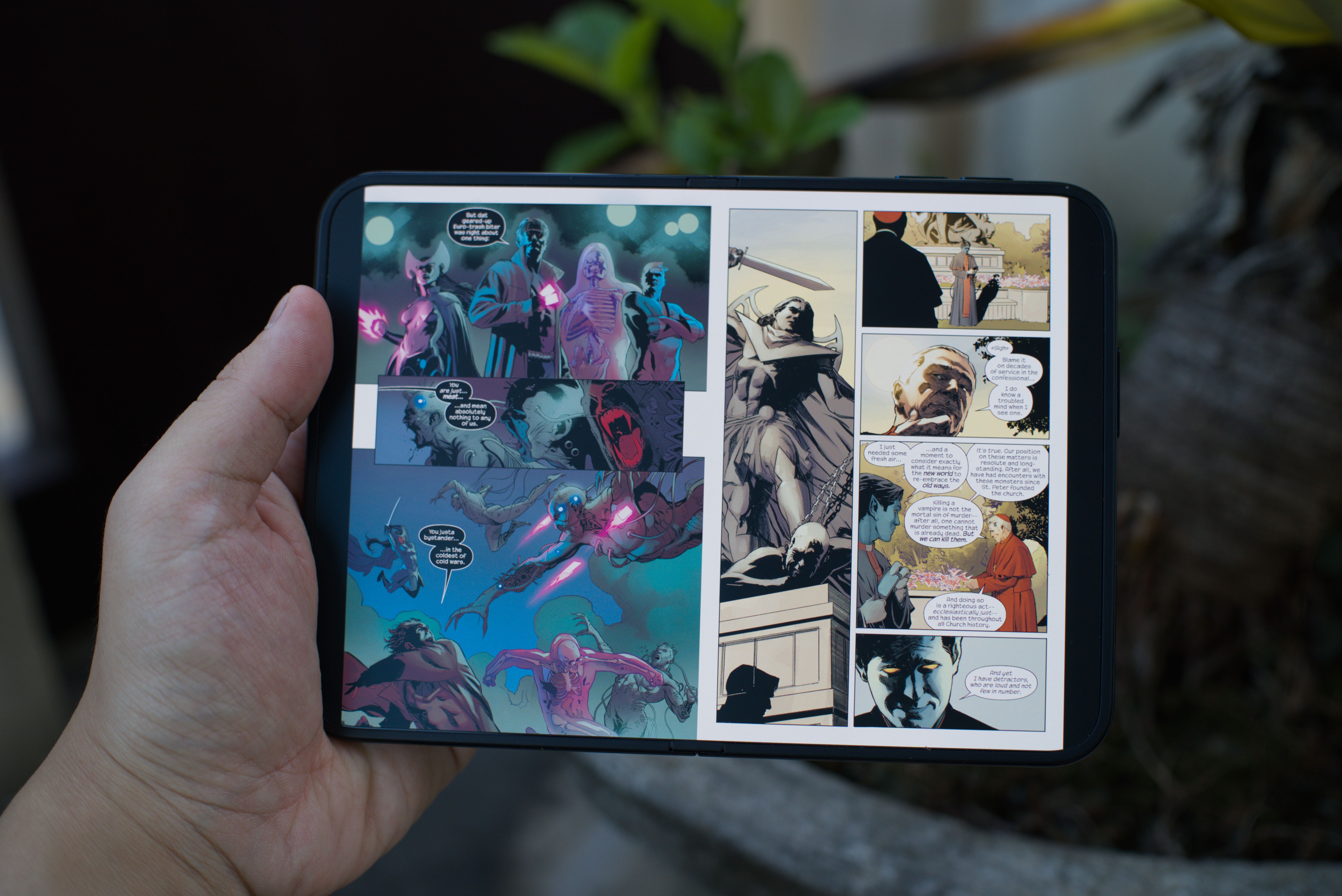
It also helps that the comics app I chose, Panels, is perfectly optimized for the Duo’s screen. The toolbar is gone. While I can excuse the bar for regular book reading, I’d rather than the entire comic page occupy the entire screen.
Now, this isn’t just a glowing endorsement for a singular app. Rather, it’s a notice that optimized apps exist. If you’re patient enough, you can totally find an app that works better for you.
Should you replace your Kindle for an iPhone Duo?
Of course not. If you’re buying the Duo specifically as an e-book reader, you have a lot more money than most of us do. A Kindle (or any other e-reader of your choice) is still more cost efficient than a Duo right now.
If, however, you bought a Duo for what it is — a great foldable smartphone with a lot of bells and whistles — then don’t forget to maximize your investment. The Duo’s capabilities as an e-book reader is severely underrated. And, as they say, if you’ve got it, flaunt it.
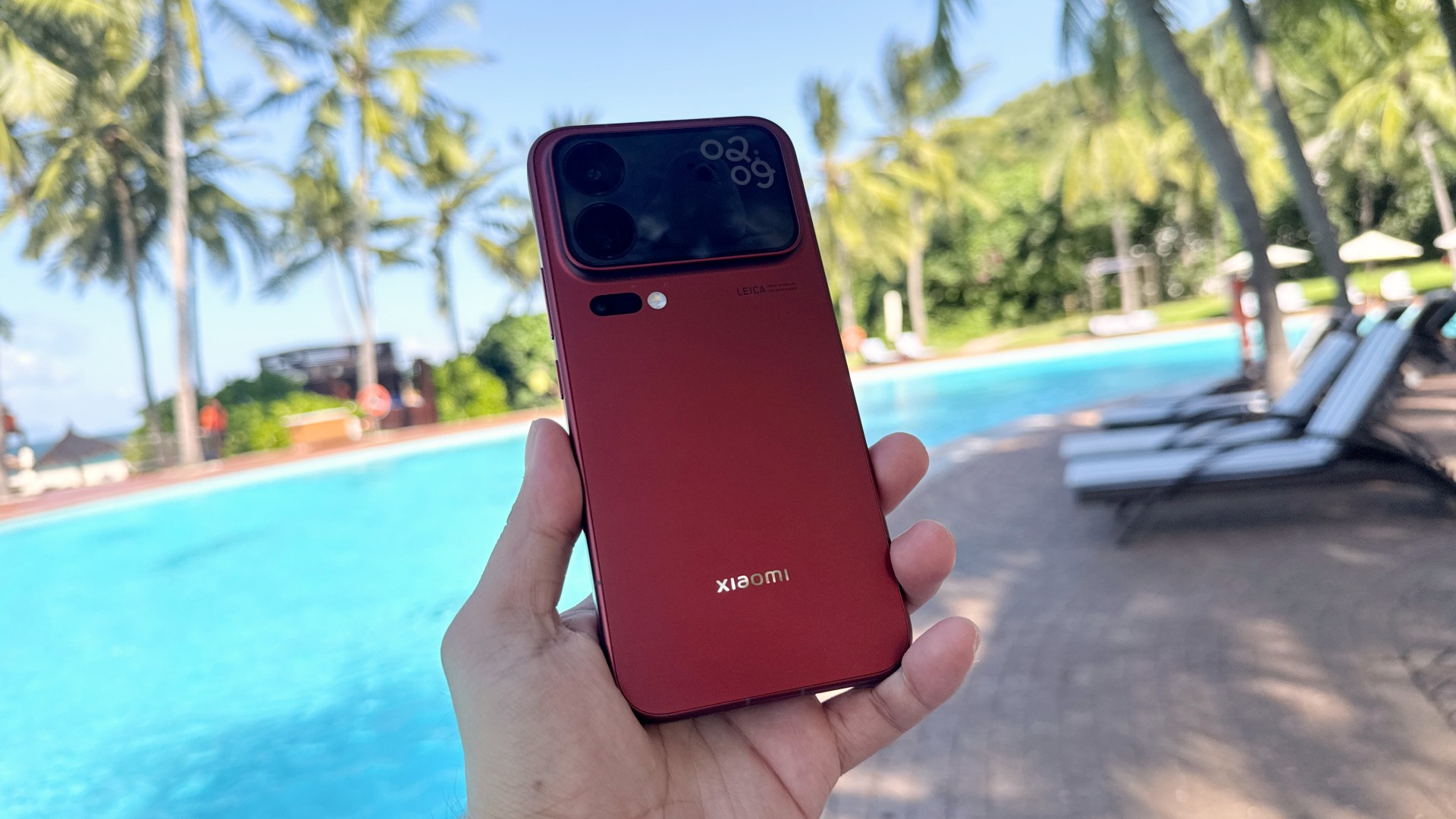
Xiaomi has unveiled the Xiaomi 18 Pro Series globally, introducing two new flagship smartphones with an unusual addition: a display on the back.
The Xiaomi 18 Pro and Xiaomi 18 Pro Max headline the lineup with an AI-enhanced Back Display, a Leica Dual-200MP Camera System, and Qualcomm’s latest Snapdragon 8 Elite mobile platforms. Both phones also introduce Xiaomi Privacy Display technology and new AI-powered features.
The Back Display is the biggest talking point. Built around a custom M11 panel, it offers up to 4,000 nits of peak brightness and a 1-120Hz LTPO refresh rate. It also sits beneath the same sheet of glass as the rear cameras, giving the back of the phone a more seamless appearance.
The rear display does more than show notifications
Xiaomi designed the Back Display to expand what users can do with the rear cameras.
It doubles as a viewfinder for selfies, group photos, and vlogs. When the camera detects more than three people in a group selfie, it automatically switches to an ultra-wide perspective. Users can also record 8K video at up to 30fps with a real-time preview.
Beyond photography, the smaller display can show notifications for calls, maps, ride-hailing services, and food deliveries. Users can pin text and images, including boarding passes and QR codes, for quick reference.
AI brings even more functionality. AI Interpreter supports face-to-face translations in 29 languages, displaying each speaker’s language on their respective side of the phone.
GenAI Apps also introduces vibe coding to smartphones. Users can describe an idea in natural language to create mini apps, with more than 50 preset apps available as starting points. AI Group Photo Wallpapers can also generate composite portraits featuring pets, celebrities, or fictional characters.
Leica brings two 200MP cameras
Photography remains central to the Xiaomi 18 Pro Series.
Both models feature a Leica Dual-200MP Camera System with a 200-megapixel main camera and a 200-megapixel periscope telephoto camera. The main sensor measures 1/1.28 inches, while the telephoto sensor measures 1/1.56 inches.
The Xiaomi 18 Pro Max takes things further with its Light Fusion 960L main sensor, offering up to 16.2EV of dynamic range. Its periscope telephoto camera supports 75mm portraits and up to 150mm optical-level zoom. It also offers 12cm telemacro photography.
The camera experience extends beyond hardware. Essential Moment introduces three photography styles: B&W Film, Iconic CCD, and Modern Vintage. Users can also recreate the optical characteristics of 35mm Documentary and 75mm Portrait lenses.
For video, both smartphones support 4K recording at up to 120fps in Dolby Vision, 10-bit Log, and 8K recording at 30fps.
Snapdragon power meets built-in privacy
The Xiaomi 18 Pro Series runs on Qualcomm’s latest 2nm Snapdragon platforms.
The Xiaomi 18 Pro Max uses the Snapdragon 8 Elite Extreme Gen 6, while the Xiaomi 18 Pro gets the Snapdragon 8 Elite Gen 6. Both feature Qualcomm Oryon CPUs with two prime cores and six performance cores. Their prime cores can reach clock speeds of up to 5GHz.
Xiaomi also introduces its Privacy Display technology, which limits visibility from side angles through dedicated privacy pixels. Privacy Mode can be applied to selected apps, notifications, floating windows, and split-screen views.
Privacy Notice can detect nearby onlookers and alert users through discreet vibrations or Xiaomi HyperIsland. A customizable AI Button also provides quick access to Privacy Mode.
The two phones differ in size and battery capacity. The Xiaomi 18 Pro features a 6.4-inch display and a 6,000mAh battery. The Xiaomi 18 Pro Max has a larger 6.9-inch display and a 7,050mAh battery.
Both support 50W wireless HyperCharge. Wired charging reaches 90W on the Pro and 100W on the Pro Max.
Xiaomi 18 Pro Series price and availability
The Xiaomi 18 Pro and Xiaomi 18 Pro Max come in Black, White, Cosmic Blue, and Velvet Red.
The Xiaomi 18 Pro starts at €1,399, while the Xiaomi 18 Pro Max starts at €1,599.
Xiaomi also lists several storage configurations, with the Pro Max offering up to 16GB RAM and 1TB storage.
Eligible purchases come with promotional benefits, including three months of Google AI Pro, three months of YouTube Premium, four months of Spotify Premium, and a seven- or 14-day iQIYI Standard VIP trial, depending on the offer.


My latest fashion accessory happens to play music
The JBL Soundgear Clips are the finishing touch my outfits needed!


Fujifilm instax Pal 2 review
A tiny digital camera that’s all about the keepsakes.

vivo X500 Pro Max review: 500+ hours later
Is Pro Max the new Ultra?

Smart Postpaid Plans+ offers zero lock-in

HONOR Magic9 Pro Max brings ARRI cinematic imaging to Malaysia
My latest fashion accessory happens to play music

NVIDIA votes unanimously to reinstate Jensen Huang as CEO

Spider-Man: Brand New Day returns to cinemas with new scenes

Your coffee nook is getting a makeover with Starbucks’ holiday collections

Sticker season is back, and so is the planner your ~friends~ might fill in for you

Wild Rift Patch 7.3, celebrates K/DA comeback

ROG G700 review: The best prebuilt PC you can get off the shelf
vivo X500 Pro Max review: 500+ hours later

-
Reviews1 week ago
vivo X500 Pro Max review: 500+ hours later
-

 Gaming5 days ago
Five new (and better) games you can play instead of GTA VI
-
Cameras2 days ago
Fujifilm instax Pal 2 review
-

 Accessories2 weeks ago
Secretlab brings Pikachu, Gengar, and Eevee to its Pokémon gaming chair collection
-

 Smartphones1 week ago
Spotlight: OPPO Find X10 Pro Max
-
 Smartphones5 days ago
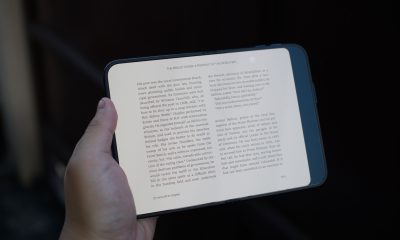
The iPhone Duo is replacing my Kindle
-

 Tablets1 week ago
Infinix XPAD 30 launches, comes with AI features and expansive display
-

 Buyer's Guide1 week ago
Buyer’s Guide: 2026 Amazon Kindle