


Have you ever had those moments in your younger years that hurt you a ton? Have they also happened as you got older and a bit wiser? Such is life on our own planet Earth: full of ups and downs. With each moment, we learn new things about ourselves and from our own shortcomings to become better people. However, there are times when things get too overwhelming.
We all need an escape, no matter how young or old we might be. For the older ones, it’s having some time alone, watching movies or TV shows. With the younger generation, it’s playing video games or window shopping online. For our good friends Leo or Emma, their daring escape from their problems led them to the mysterious world of Balan Wonderworld.
I decided to give this game a shot, seeing as it’s one of those less-hyped titles from Square Enix. I want to know what it could offer to a semi-casual player like myself when I need stress relief. Also, Square Enix loves to draw you in with some lore in between to keep you hooked from start to end.
So, what exactly is happening here?
Balan Wonderworld starts off with a story that provides little context to the main characters. Essentially, you play as either Leo or Emma, two children experiencing some personal troubles. I decided to play as Leo mostly because his opening cutscene was him dancing on the street, which is quite relatable. Apparently, in Leo’s case, a group of equally skilled dancers took notice, but he just shunned them away for unexplainable reasons.
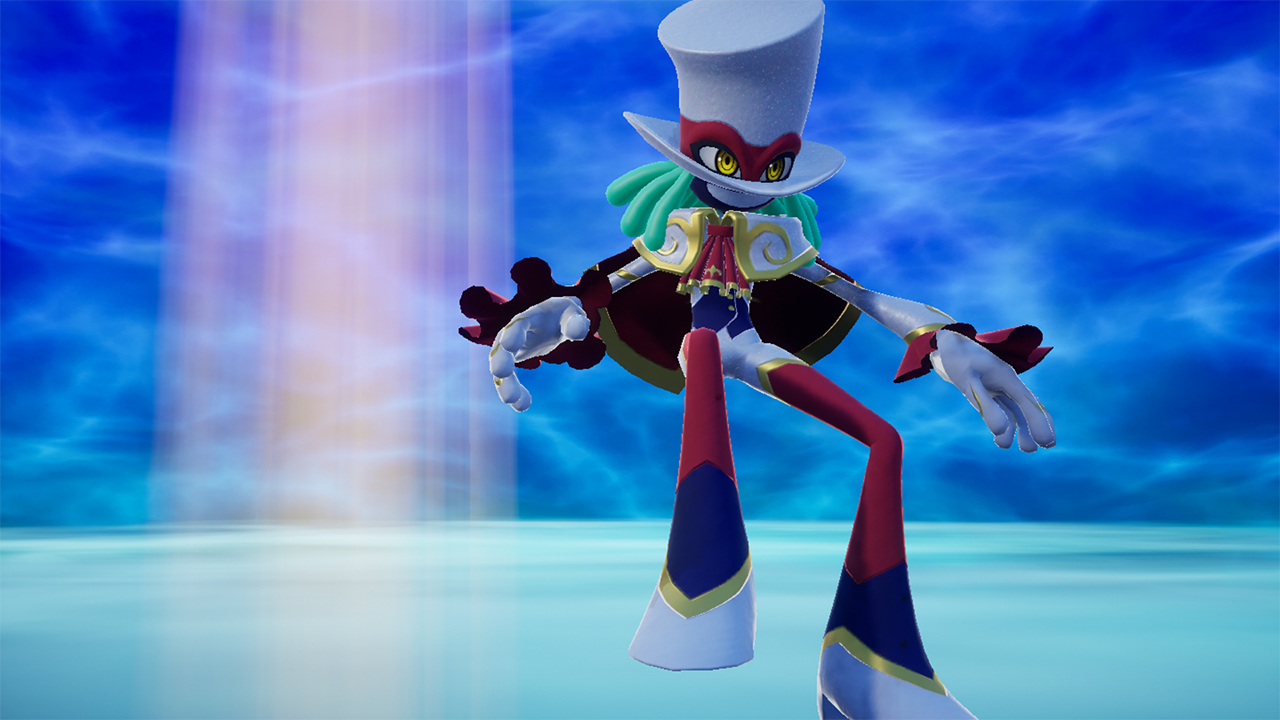
Eventually, he and Emma find themselves in this mysterious theater guarded by Balan, a magician-like figure. According to the game’s lore, the theater only shows up to those who are experiencing troubles in their lives. I guess you could consider Leo/Emma extremely lucky, but they’re also confused as to why they’re in the theater. A few moments later, they find themselves in a magical world behind the theater — essentially pulling a Narnia on you.
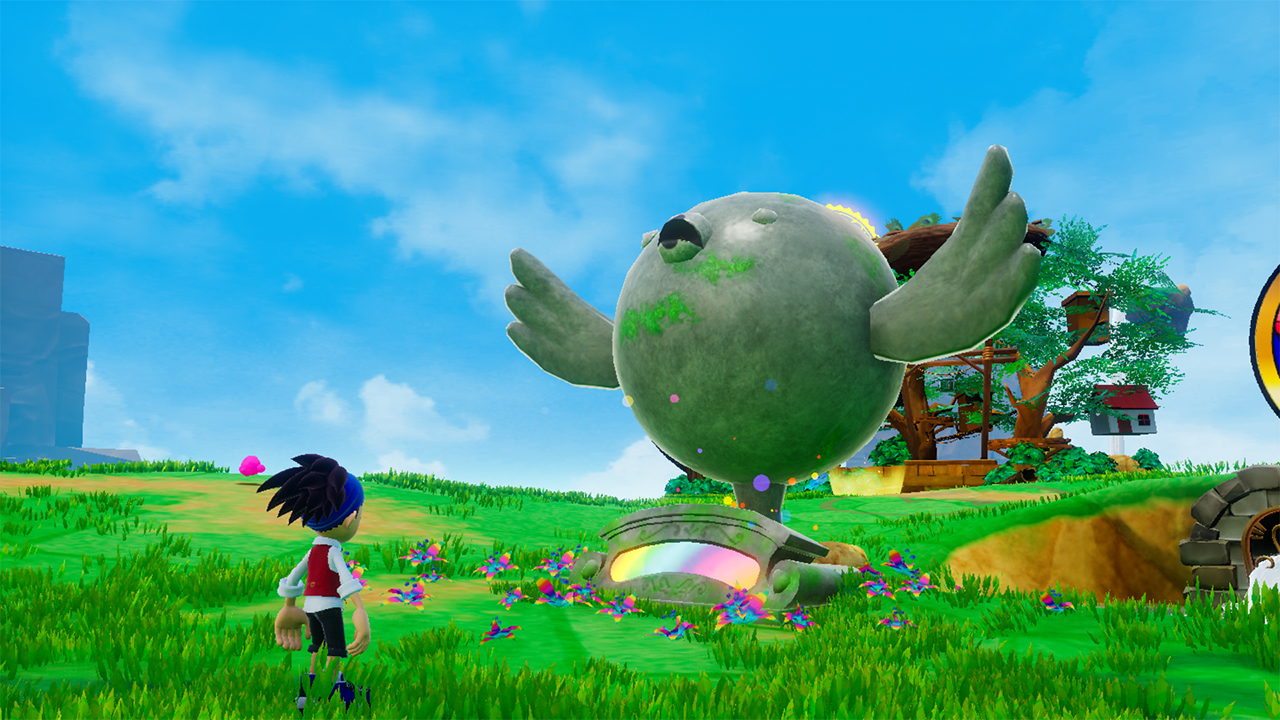
Leo in the Island of Tims
You may be wondering how all of this just happened, and I’m here to tell you that I have no idea. In its early stages, the game doesn’t explain to you a lot of details in hopes of putting the pieces of the story together. As I progressed through the story later on, I’m still trying to understand how these things happened. Not the kind of start I was expecting.
The simplest gameplay mechanic for Square Enix
After the intro cutscene, you find yourself on the Island of Tims, which is pretty empty to start. It’s mostly just grassland with some flowers, lakes, and bridges. Eventually, you will slowly rebuild the Tims Tower, which doesn’t seem that important initially. Part of the rebuild involves the inhabitants of the island: the Tims which aids you for the main completion quest.
Now, this platforming game features twelve Chapters, each with two levels and a boss fight. In all the levels, you only ever need to press one button to get through the entire game: the X button. See, every other button and trigger on your controller allows you to jump and platform around — something the X button does anyway. However, the X button is this game’s primary action button because of another gameplay mechanic.
Collect-a-thon Platformer
In each level, Leo/Emma will collect a set of costumes that grant them special abilities. From jump attacks to increased air time, these costumes allow you to explore the game’s vast stages to look for collectibles for completion. As mentioned earlier, almost all of the abilities are bound to the X button — something you don’t really see with Square Enix’s other prominent titles.
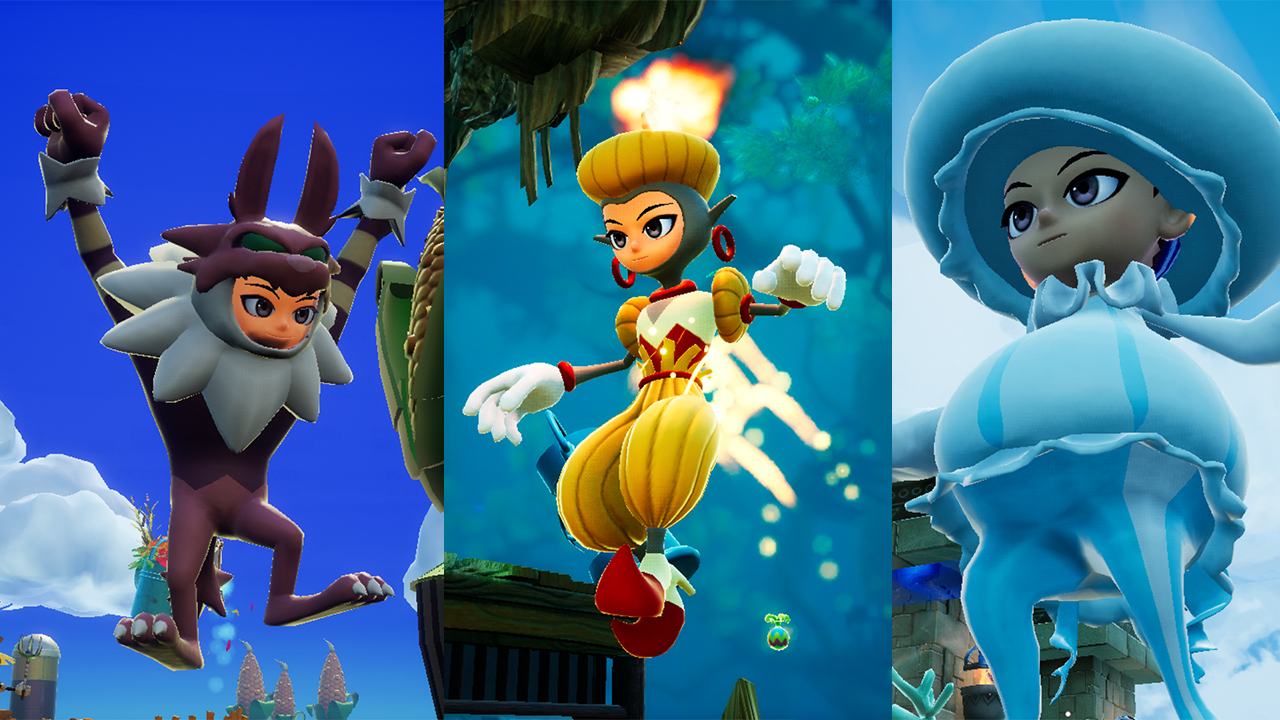
Some of the costumes you will collect throughout the game
Apart from the costumes, you will also collect Drops, Tim Eggs and Balan Statues in each stage. Collecting Drops allows you to grow your Tims to grant you boosts when playing every stage. Meanwhile, collecting a certain number of Balan Statues opens the next set of Chapters and worlds to explore.
As somebody who is fond of stage-by-stage platforming, this was pretty standard stuff even in an open-world setting. Personally, I found myself getting side-tracked with all the collectibles if I wanted to progress further into the game. However, it also makes the game roughly easy to breeze by when you’re not out to complete it. In essence, I felt it doesn’t motivate you enough to complete it 100 percent.
Uncovering your troubles and rising above them
Let’s tackle what I think is the main reason why you found yourself platforming in Balan’s magical world. I mentioned earlier that the character you control is going through some personal issues, and that the magical world showed up for them because of it. With each Chapter, Leo/Emma encounters people who also have undergone some life problems, as well.
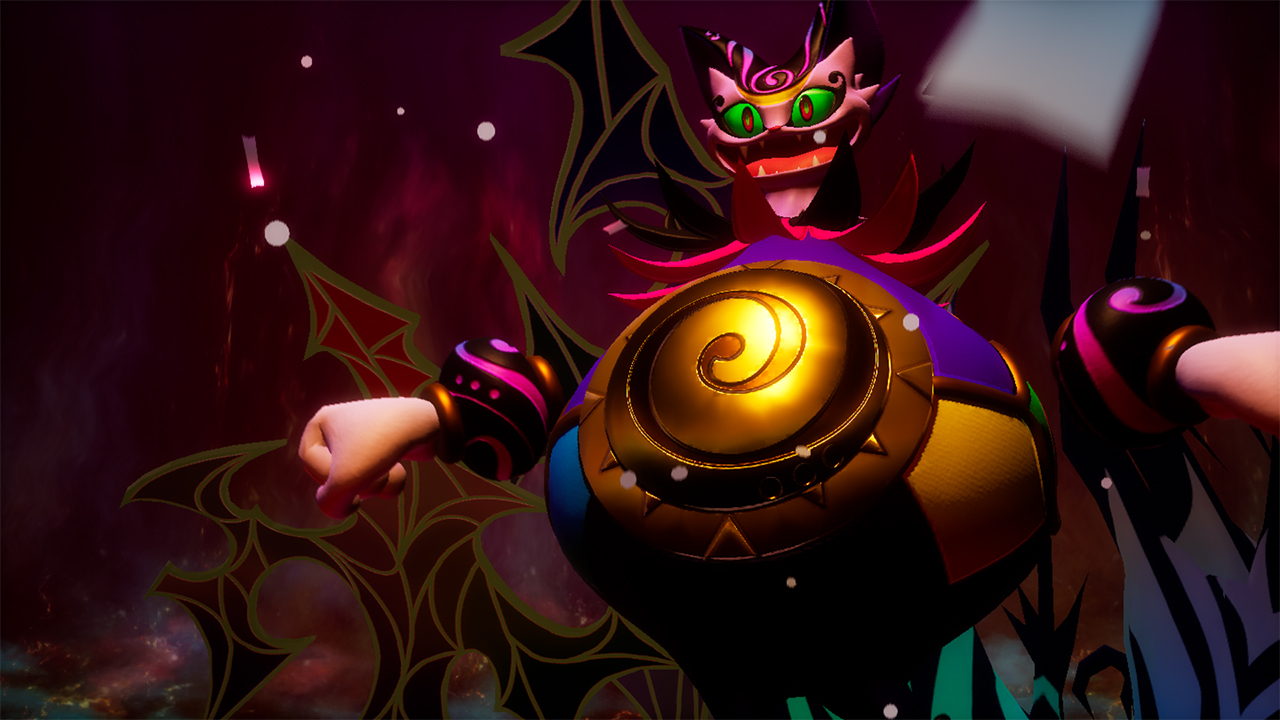
One of the main boss fights in the game
Before each boss fight, a cutscene introduces you to the main story of each person you encounter in the Chapter’s stages. Essentially, it highlights the following aspects: how they started, the rise, and the fall (and eventual shift to the dark side). You are basically tasked to free these people from the Negati, a demon-like presence that is the manifestation of their troubles.

The happy ending in one of the early chapters of the game
After beating each boss, another cutscene starts that shows an epilogue of sorts, detailing the events that happened after you free people of the Negati. You see people get back on their feet, or become more open to other people about their interests. Also, each ending cutscene starts off with a performance with the AI versions of the costumes you collect. I found it quite cheesy and a little extra in some instances.
A game that doesn’t explain much when it should
Everything about Balan Wonderworld made me ask myself, “why is this all happening?” To be honest, I felt that nothing about the game was explained properly the moment you start playing. From the simplistic gameplay mechanic to the storylines in each chapter, it all feels like it lacks purpose. Furthermore, even your role in lifting these people up from their troubles isn’t explained properly.
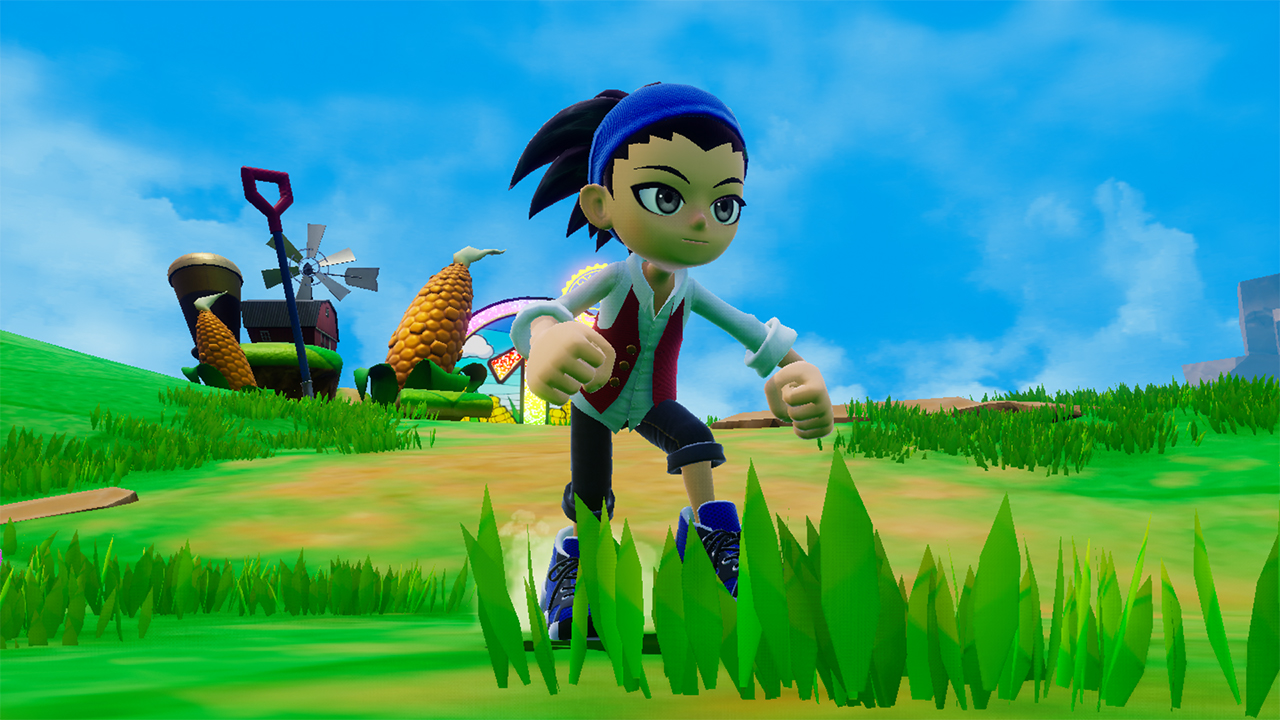
While playing through this game, I got the feeling that this was intended for kids even if some of the issues tackled here applied to adults. In its raw gameplay alone, it’s simple to understand and easy to navigate that even five year olds will get through the mechanics easily. The collect-a-thon element only somewhat adds a level of depth to the overall gameplay.
Gameplay mechanics aside, the entire story behind Balan Wonderworld just happens with little to no context or purpose. You aimlessly go into each Chapter, uncover the story behind each character, beat the demon inside them, and they’re freed of the negativity inside them. If you’re a child playing this game, it’s something that you’ll enjoy. As an adult, however, it doesn’t do much to draw you in for long.





Gaming
Life is Strange: Reunion now available on consoles and PC
Max and Chloe return for an emotional finale

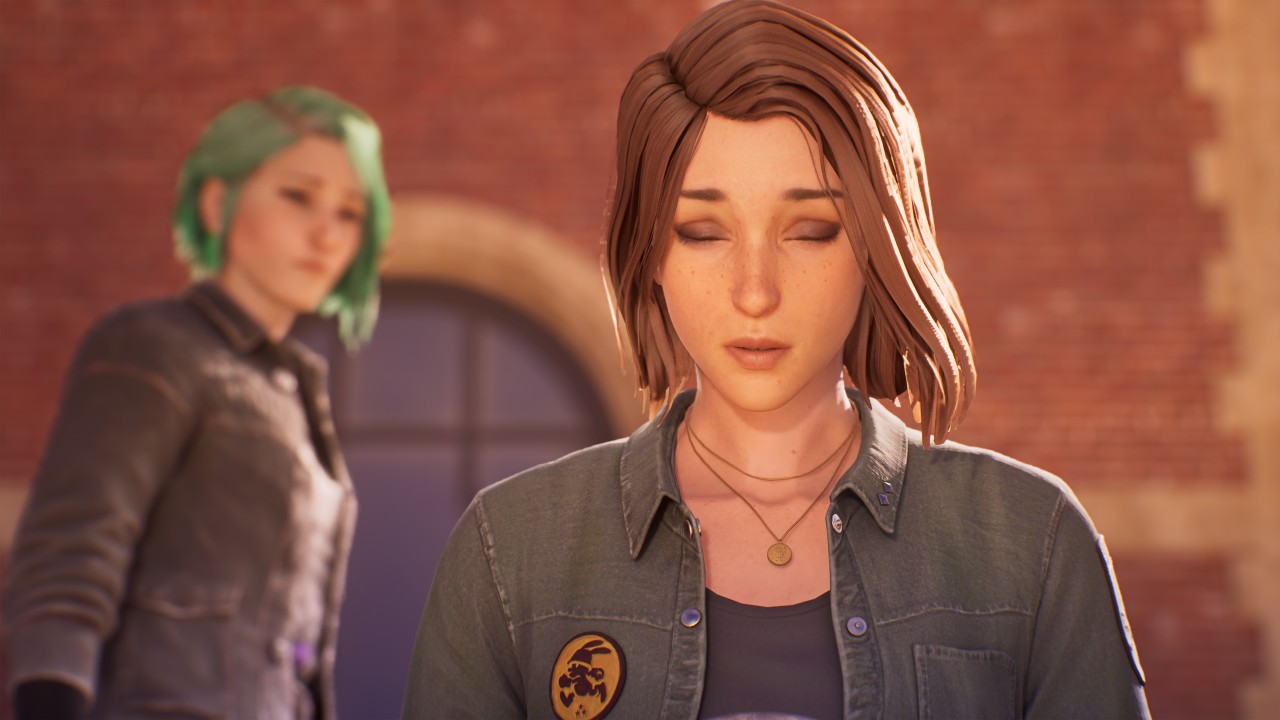
Bandai Namco Entertainment Asia and Square Enix have officially launched Life is Strange: Reunion, the latest entry in the narrative adventure series. Developed by Deck Nine Games, the title is now available on PlayStation 5, Xbox Series X|S, and PC via Steam and the Microsoft Store. A physical PlayStation 5 edition is also available across Southeast Asia.
The launch comes with an official trailer, marking the return of one of the franchise’s most beloved storylines.
A long-awaited reunion
Set 11 years after the original events, Life is Strange: Reunion brings back Max Caulfield and Chloe Price as they reunite to solve a new timeline-spanning mystery. This time, the stakes center on a devastating inferno threatening Caledon University–Max’s workplace as a photography teacher.
Returning from a trip, Max discovers the campus engulfed in flames, with lives lost across the university. She survives only by using her Rewind ability, a power that allows her to reverse time.
The situation takes an unexpected turn with Chloe’s sudden arrival–an outcome tied to the timeline-merging events of Life is Strange: Double Exposure. Now dealing with fractured memories and an unstable sense of reality, Chloe once again finds herself relying on Max.
Dual perspectives, new gameplay dynamics
For the first time in the series, players can take control of both Max and Chloe, switching perspectives as the story unfolds.
Max’s Rewind power lets players revisit decisions, reshape conversations, and manipulate environments to solve complex, time-based puzzles. Meanwhile, Chloe brings her signature Backtalk ability, allowing her to push conversations in her favor and access situations Max cannot.
This dual-character approach expands both narrative depth and gameplay variety, offering different ways to uncover clues and influence outcomes.
A character-driven finale
Life is Strange: Reunion continues the series’ focus on grounded, emotional storytelling, with choices that carry meaningful consequences. The game builds toward a dramatic climax that aims to close out Max and Chloe’s journey.
As the final chapter in their story, Reunion positions itself as both a continuation and a conclusion–tying together years of narrative threads while delivering a new mystery shaped by time, loss, and choice.
Gaming
Nintendo will make it cheaper to buy digital games than physical
Physical releases will have the same price.

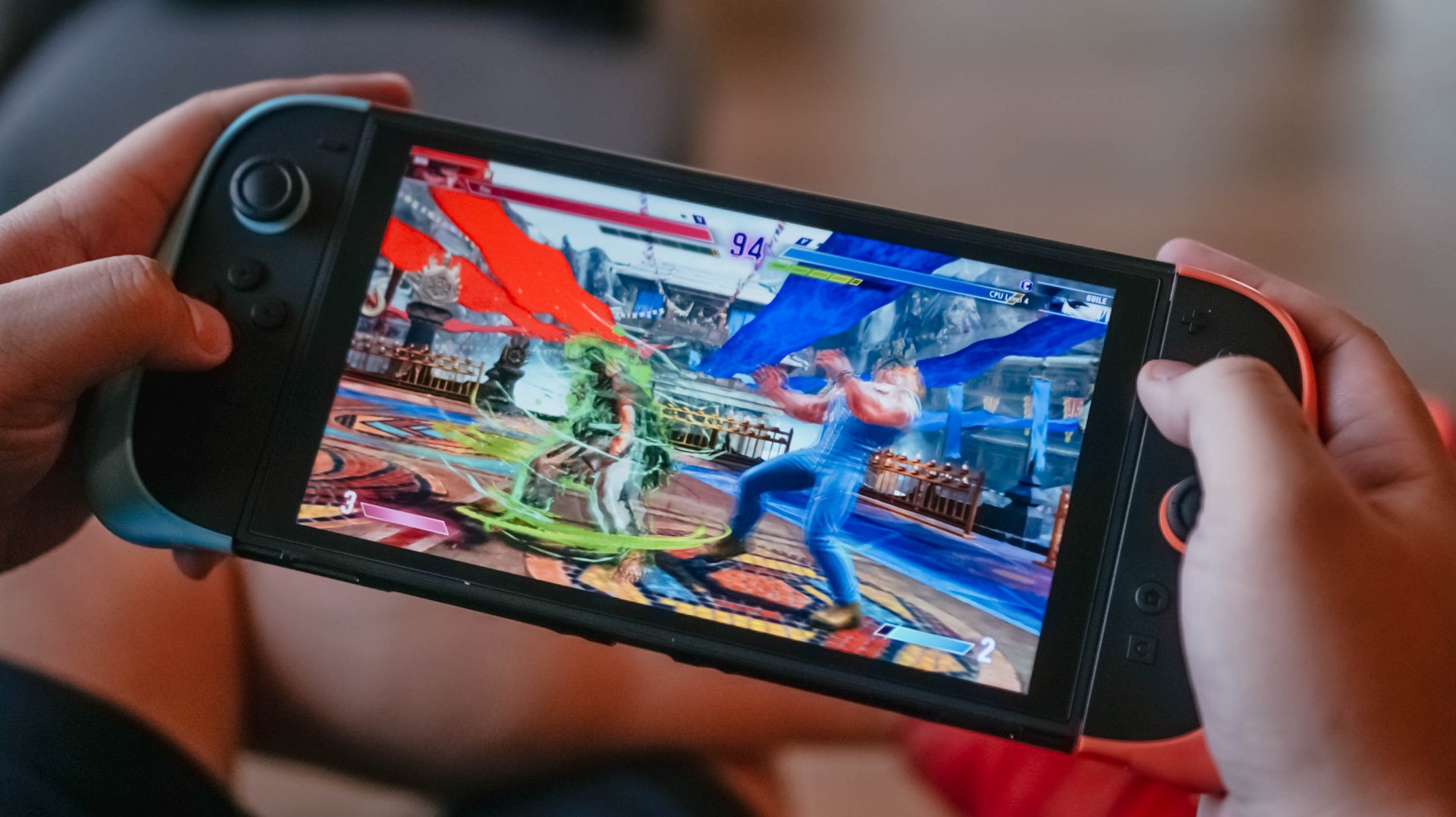
The days of lining up for a newly released game are well and truly over. Though some games still experience shortages in brick-and-mortar stores, such as the widely successful Pokémon Pokopia, gamers can get their titles digitally. Now, Nintendo is making digital releases more enticing by offering a tempting discount on the eShop.
Starting in May, Nintendo will start charging different prices for the physical and digital releases of first-party games. While physical releases will still have the same prices going forward, digital releases via the eShop will enjoy a discount.
The discount, of course, will likely depend on the title itself. Nintendo has already given the upcoming Yoshi and the Mysterious Book as the first example. The new platformer will cost US$ 70 from retailers. However, it will cost only US$ 60 on the digital eShop.
The company says that the new pricing scheme “simply reflects the different costs associated with producing and distributing each format.” With the prices of chips skyrocketing, it’s no surprise that the physical release is more expensive than the digital one.
To be more technical about it, Nintendo has started skipping a physical game card for a while now. The physical release of Pokémon Pokopia, for example, has only a game-key card or a code to download the game. In this format, physical releases are just pretty cases you can display on your shelf.
Also, digital releases do carry the added risk of getting delisted on the whims of the developers, the publishers, or Nintendo itself. It is, however, still a cheaper option, especially in a world where getting any discount is a welcome thought.
SEE ALSO: Nintendo sues the United States

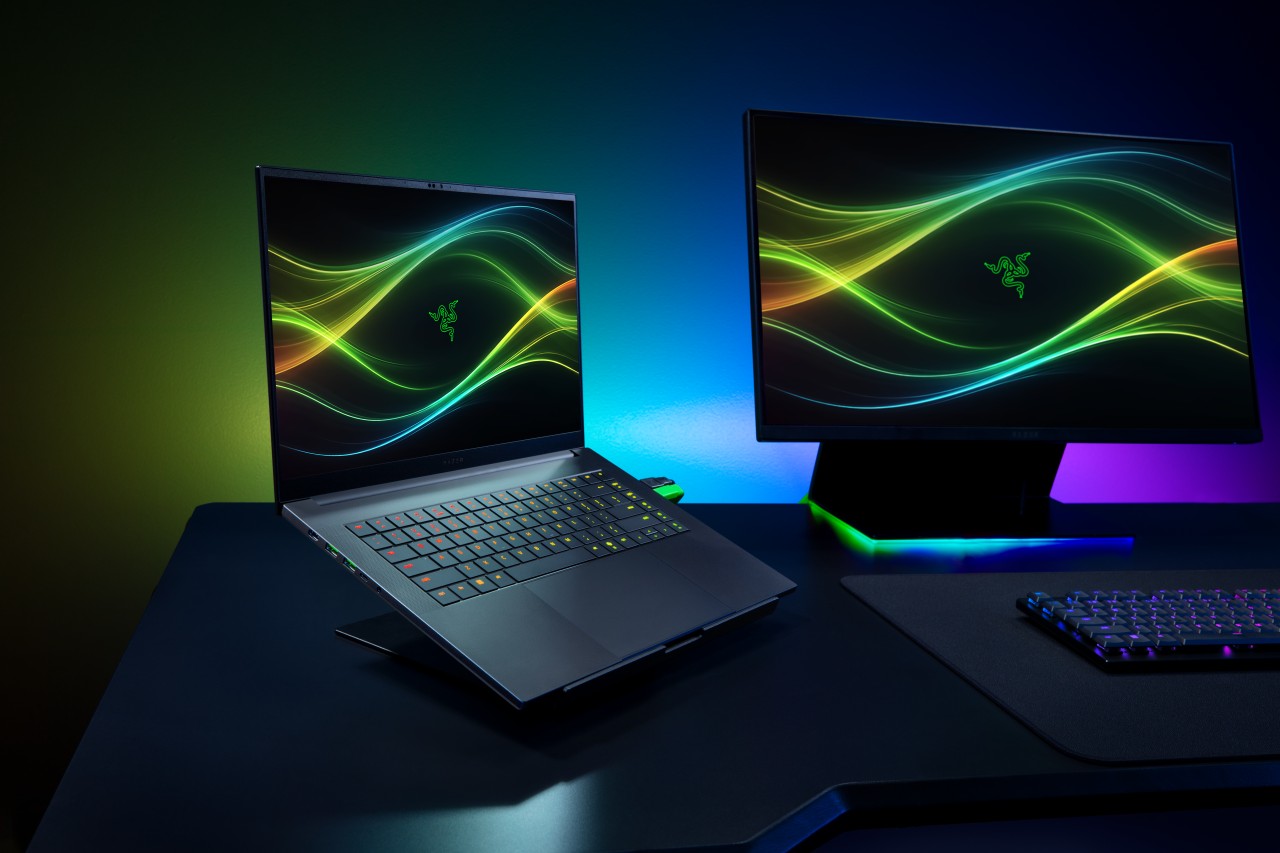
Razer has officially unveiled the 2026 version of its Blade 16, doubling down on what it does best: squeezing high-end performance into an ultra-slim chassis.
This year’s refresh focuses on meaningful internal upgrades. That includes a new Intel Core Ultra 9 processor, faster LPDDR5X memory, and NVIDIA’s latest RTX 50 Series laptop GPUs — all while keeping the Blade 16 as the thinnest gaming laptop in Razer’s lineup.
Performance gets a serious bump
At the core of the new Blade 16 is the Intel Core Ultra 9 386H, featuring 16 cores and up to 4.9GHz boost clock. Razer claims a 33% increase in core count versus the previous generation, translating to stronger performance across gaming, content creation, and AI workloads.
There’s also an integrated NPU capable of up to 50 TOPS, enabling faster on-device AI tasks like image generation and live translation.
Memory gets a notable upgrade too. The Blade 16 now supports up to 64GB of LPDDR5X-9600MHz RAM, which Razer positions as the fastest available in a laptop today. The result: quicker responsiveness for heavy multitasking, creative apps, and AI-assisted workflows.
On the graphics side, NVIDIA’s GeForce RTX 50 Series (Blackwell architecture) brings DLSS 4 and enhanced AI capabilities for both gaming and creator use cases.
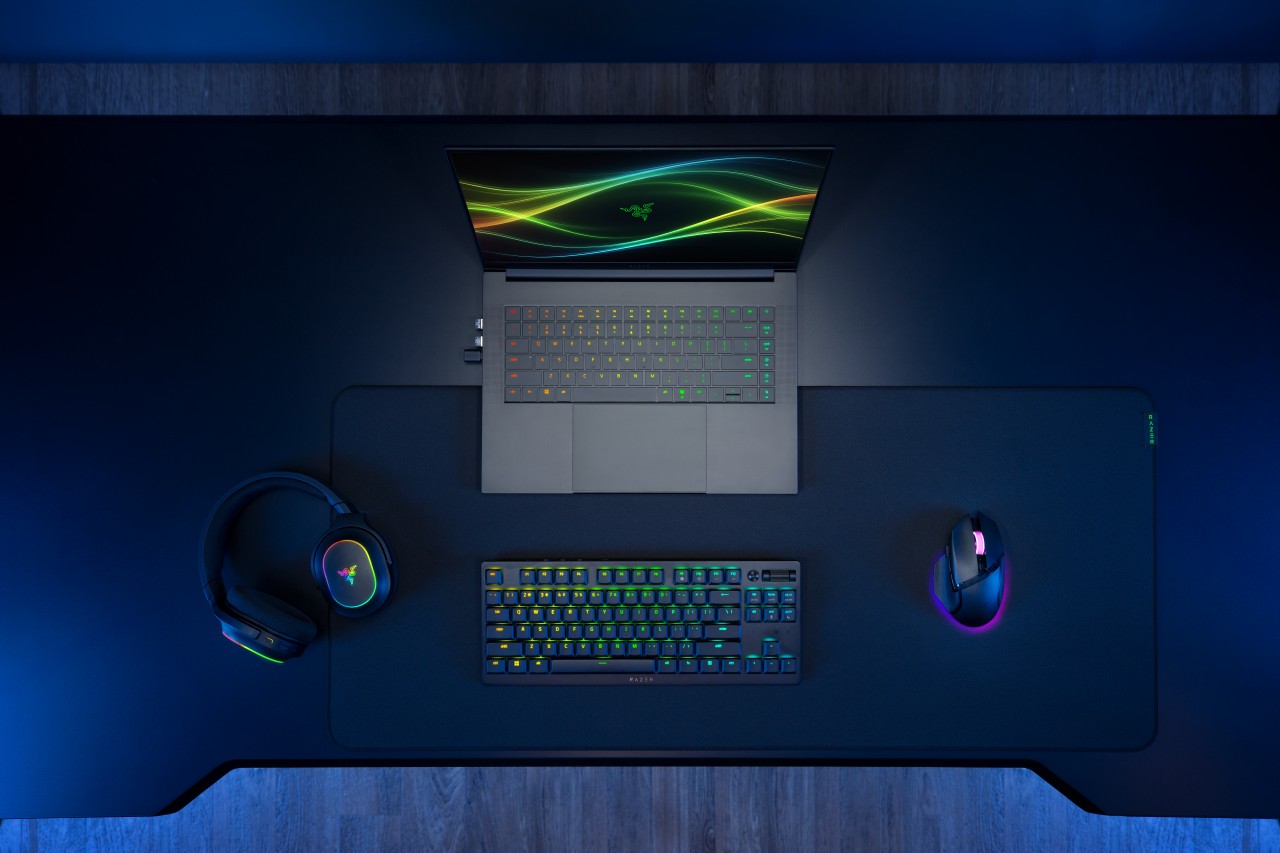
Display and design stay premium
Razer isn’t fixing what isn’t broken. The Blade 16 retains its signature CNC-milled aluminum chassis, measuring just 14.9mm thick and weighing around 2.14kg.
The display remains a highlight. You get a 16-inch QHD+ OLED panel with a 240Hz refresh rate, now brighter and certified for VESA DisplayHDR TrueBlack 1000. It supports full DCI-P3 coverage, Calman calibration, and NVIDIA G-SYNC, making it just as suited for creators as it is for competitive gaming.
Battery life and efficiency improve
Despite the performance gains, Razer is also pushing efficiency. Thanks to Intel’s newer architecture and system-level optimizations, the Blade 16 can hit up to 13 hours of productivity use and up to 15 hours of video playback under ideal conditions.
That’s a notable improvement for a machine in this class, especially given its slim form factor.
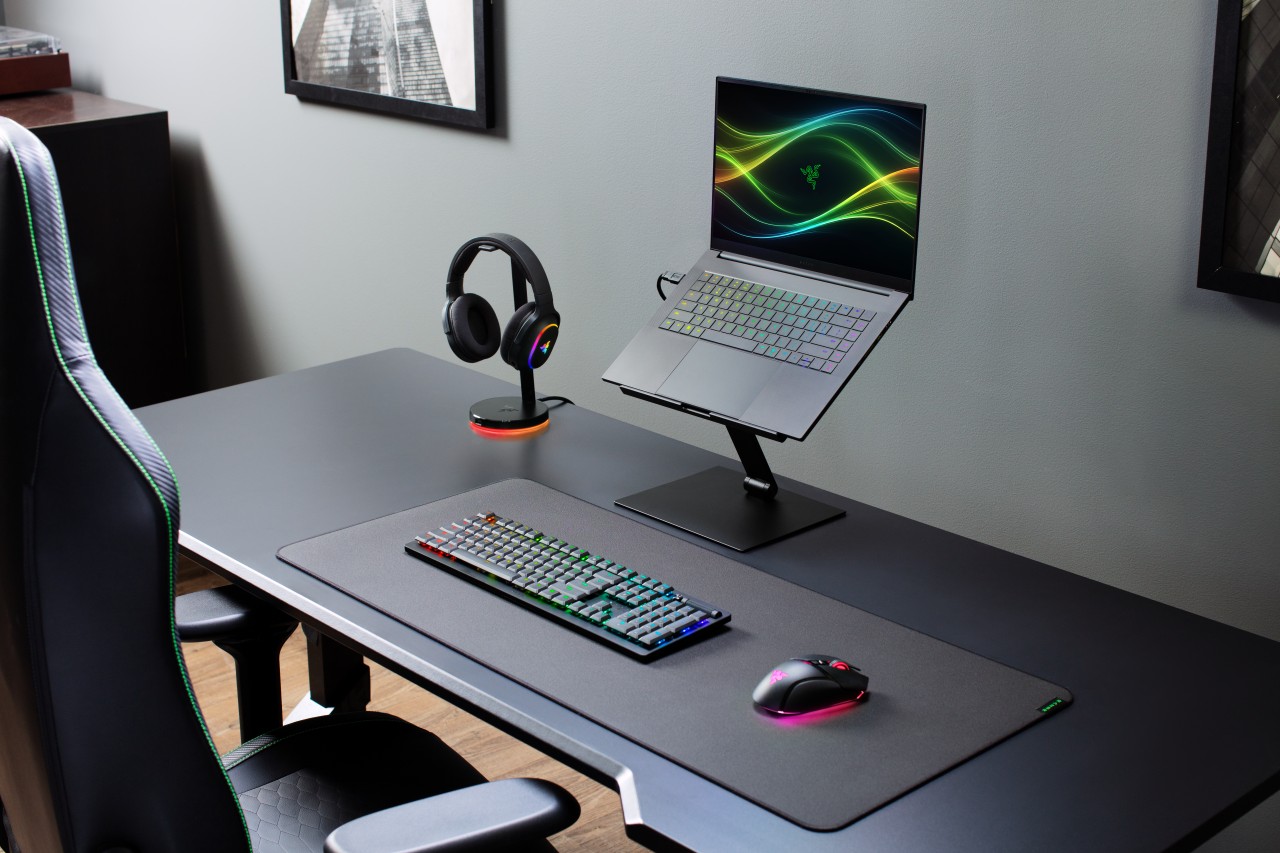
Connectivity and audio step up
The 2026 Blade 16 gets a future-ready connectivity suite, including Thunderbolt 5, Wi-Fi 7, and Bluetooth 6.0. There’s also a full set of ports, from USB-A to HDMI 2.1 and an SD card reader.
Audio gets an upgrade too. The six-speaker system now supports THX Spatial Audio+ with virtual 7.1.4 surround, aiming to deliver more immersive sound both on speakers and headphones.
Price and availability
The Razer Blade 16 configured with an NVIDIA GeForce RTX 5080 (16GB VRAM) and 32GB LPDDR5X-9600MHz RAM is priced at US$3,499.99 / €3,599.99 MSRP.
It is available now, exclusively via Razer.com and select RazerStores worldwide.
Still the Blade, just sharper
At a glance, the 2026 Blade 16 doesn’t reinvent the formula. But under the hood, it pushes performance, memory speed, and efficiency forward in ways that matter.
It’s still the same idea: a no-compromise gaming laptop that looks like it belongs in a minimalist workspace — just faster, smarter, and a bit more future-proof this time around.


Galaxy Buds4 Pro review: I thought I was done with in-ears
This Buds4 you


WWE 2K26 lets you live out all the fantasy matches you could want
But you have to play for hours and hours to unlock everyone.


The HONOR X8d is serviceable
Steady but slow?

Life is Strange: Reunion now available on consoles and PC

Why this AI-powered eye health exam is the only reading you need this season

DJI officially launches the Avata 360 with 8K immersive imaging

The Changan Eado Plus officially lands in the Philippines

PLDT Home, Samsung team up for exclusive entertainment deals


-

 Reviews1 week ago
POCO X8 Pro Max review: A new beast from the far east
-

 News2 weeks ago
POCO X8 Pro Series: Price, availability in the Philippines
-
 Reviews1 week ago
POCO X8 Pro Iron Man Edition review: Midrange phone in superhero armor
-

 Automotive2 weeks ago
VinFast extends free unlimited charging in 3 markets amid rising fuel prices
-
Philippines1 week ago
The HONOR X8d is serviceable
-
 Reviews2 weeks ago
Samsung Galaxy S26 Ultra review: A phone you live with
-

 News2 weeks ago
POCO introduces X8 Pro Series with Dimensity 9500s
-
 Gaming2 weeks ago
NVIDIA’s DLSS 5 can turn your favorite AAA game into AI slop