


If you’re looking for the very best high-end smartphones available, you’ve come to the right place! Every month, GadgetMatch updates this list with the finest devices money can buy, no matter how much they cost.
Updated monthly, this list takes every newly launched flagship costing more than PhP 30,000 into consideration, but doesn’t discount the smartphones that continue to make an impact since their launch last year.
Here they are in no particular order:

Huawei Mate 40 Pro (PhP 55,999)
The Huawei Mate 40 Pro is everything you’ve come to expect from Huawei’s flagship Mate line — fantastic hardware and smart AI. Of course, there is the lingering issue of zero access to Google Mobile Services, but Huawei has done all it can to mitigate this. A change in leadership in the US provides hope but it’s not something we would hang our hats on.
WATCH: Huawei Mate 40 Pro Unboxing and Review

Samsung Galaxy S20 FE (PhP 35,990)
The Samsung Galaxy S20 FE is meant to be a sub-flagship smartphone but its pricing still lands it on our premium category — something we probably need to revisit sooner than later. That said, this is a GadgetMatch favorite. It has all the “necessities” of a flagship smartphone in a plastic, easy-t0-grip build and is just an easy recommendation for people who can’t spend north of PhP 40,000 on a smartphone.

Samsung Galaxy Z Fold2 (PhP 109,990)
This is about as premium and as cutting edge as it gets. Samsung followed up its Galaxy Z Fold with a much more refined and polished Galaxy Z Fold2. It smoothens the rough edges of the first generation device and the result is what probably is the best foldable on the market right now.

iPhone 12 series (starts at PhP 43,990)
Design-wise not much has changed for the iPhones, but that’s not where you should be looking. Not only does the A14 chip deliver the usual performance bump, the cameras are also reportedly better and all these iPhones can now access 5G. It also helps that there’s four of them to choose from so there’s likely an iPhone just for you.
WATCH:
iPhone 12 and iPhone 12 Pro Buyer’s Guide
Unboxing iPhone 12 Mini and iPhone 12 Pro Max

ASUS ROG Phone 3 (PhP 54,995)
ASUS doubled down on everything that made the previous generations of the ROG Phone great and gave us yet another spec-monster. Maxed-out specs, maxed-out mobile gaming. It has more competition in the mobile gaming smartphone space this year, but it’s still firmly ahead of everyone else in the pack.
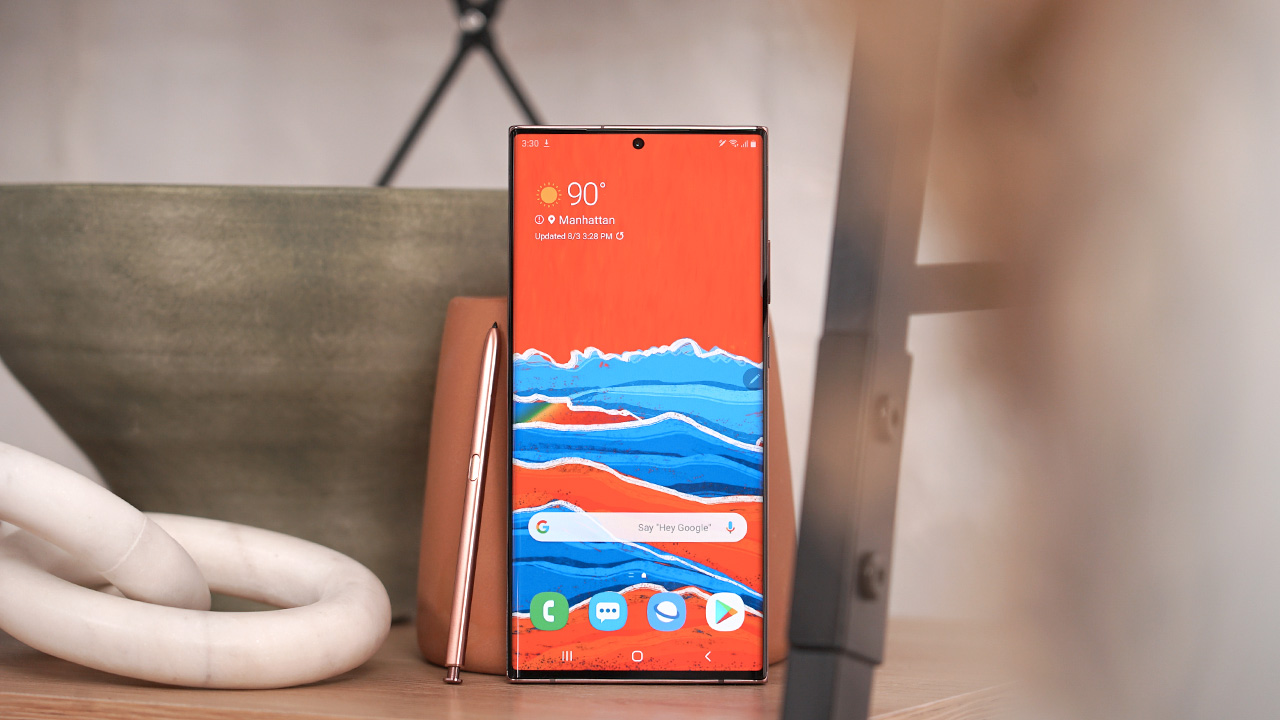
Samsung Galaxy Note 20 Ultra (PhP 67,990)
The Snapdragon 865 Plus vs Exynos 990 hullabaloo notwithstanding, the Samsung Galaxy Note 20 Ultra continues to represent the best that the Galaxy Note line has to offer. The S Pen’s latency has improved and the cameras are a refined version of the S20 Ultra. Galaxy Note loyalists will find that everything they love are still here — improved and refined.
WATCH: Galaxy Note 20 Ultra Review
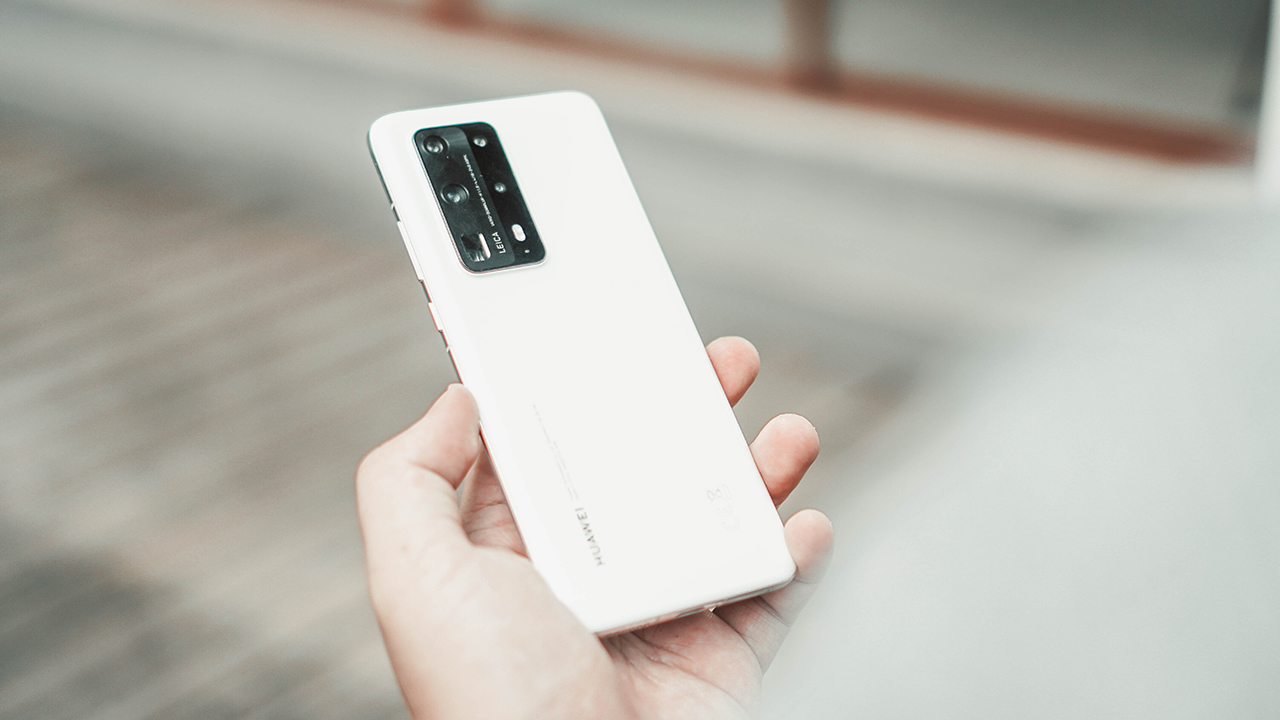
Huawei P40 Pro+ (PhP 69,990)
The term “feels premium” gets thrown around too much needlessly. This phone has a legitimate claim to that. One touch and you’ll feel right away that you’re holding something luxurious. You can’t say that about every phone. Oh and, definitely go for the white one.

OnePlus 8 Pro (PhP 45,990)
OnePlus is now firmly in the premium flagship category. OnePlus phones have traditionally been pretty darn great with a lot of the focus being on just how fast it feels. On the OnePlus 8 series, it addresses a few things that were missing — the addition of wireless charging and an improvement to its long-time “weakpoint”, its cameras.

Huawei P40 Pro (PhP 50,990)
Huawei still has US government and Google problems, but they have come a long way since the ban last year. The company has found ways to bring or at least give you a way to download frequently used apps over to the AppGallery. That, along with their usual top-tier hardware, earns it a spot on this list. You’ll just have to make do with browser versions of certain Google apps for the time being.

vivo X50 Pro (PhP 39,999)
A gimbal system on a smartphone camera? Now that sounds new! Not only did vivo make a flagship-grade smartphone with an innovative camera system, they also made sure all the rear cameras are actually useable. Elsewhere on the phone, it performs day-to-day tasks with ease and also supports 5G connectivity.




Accessories
UGREEN launches new MagFlow and Nexode Pro charging accessories to Southeast Asia
Here to charge your multiple devices rapidly


UGREEN has finally introduced its new MagFlow and Nexode Pro charging accessories to Southeast Asia. These bring faster wireless charging, improved thermal management, and high-power multi-device charging
Nexode Pro 160W Charger + Retractable Cable
First in the list is UGREEN’s Nexode Pro 160W Charger with Retractable Cable.
This charging adapter offers up to a speedy 160W total output across four charging connections.
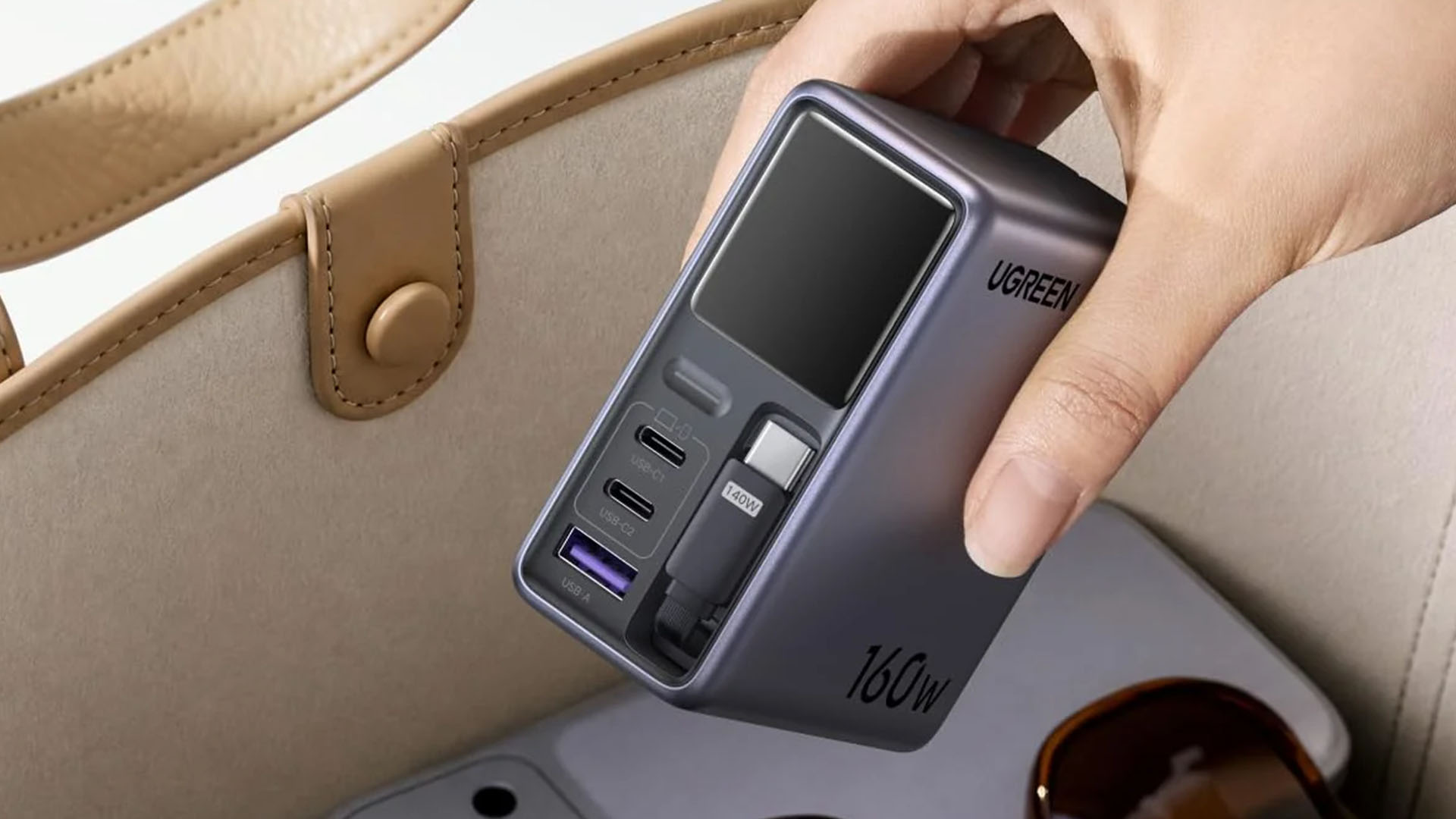
It has three USB-C outputs and one USB-A port, including a built-in 70cm retractable USB-C cable. The USB-C1 port and built-in cable support up to 140W, while USB-C2 supports up to 100W and USB-A reaches 22.5W.
Other features include a smart display, SmartCharge power distribution, GaNInfinity technology, Thermal Guard, OTA updates, and Bluetooth/Wi-Fi connectivity for app-based control.
MagFlow Pro 10,000mAh 25W Magnetic Power Bank
The MagFlow Pro packs a 10,000mAh battery with up to 25W Qi2 wireless charging and 45W USB-C output. Its standout feature is UGREEN’s CryoPulse liquid-cooling system, which uses a visible coolant window and multi-layer heat dissipation to help manage temperatures during wireless charging.
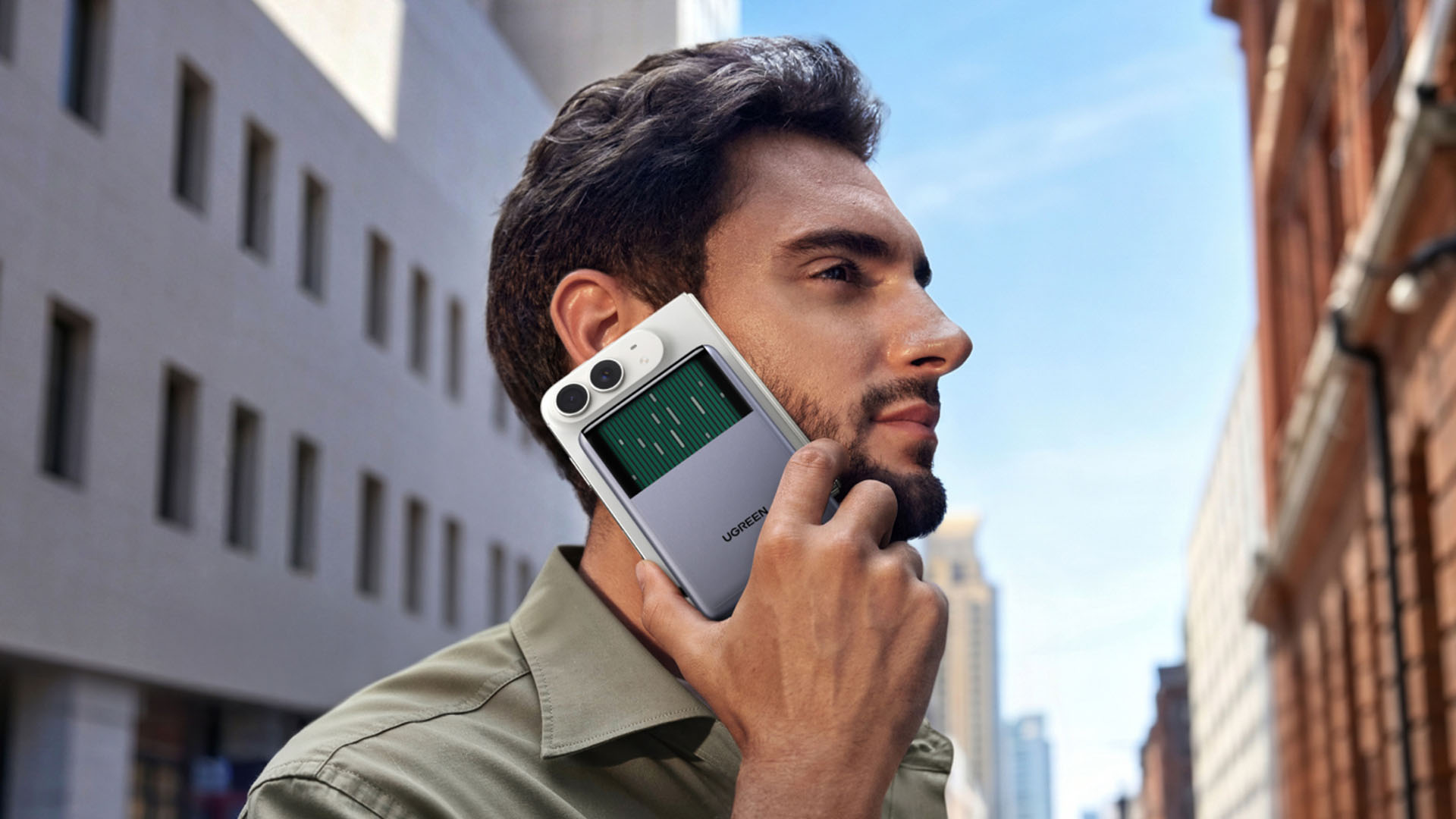
UGREEN says the system can reduce peak phone temperatures by up to 10°C compared to its industry benchmark in testing.
It also features a built-in 45W USB-C cable, USB-C port, charging status display, and 16+1 N52H magnets for a secure magnetic hold.
MagFlow 2-in-1 25W Foldable Wireless Charger
Lastly, the MagFlow 2-in-1 Foldable Magnetic Wireless Charger 25W combines a 25W Qi2 magnetic charging pad with a dedicated earbuds charging area.
It delivers up to 25W to an iPhone and 5W to earbuds, while its foldable design doubles as a phone stand. It also supports simultaneous wireless charging for a phone and AirPods.
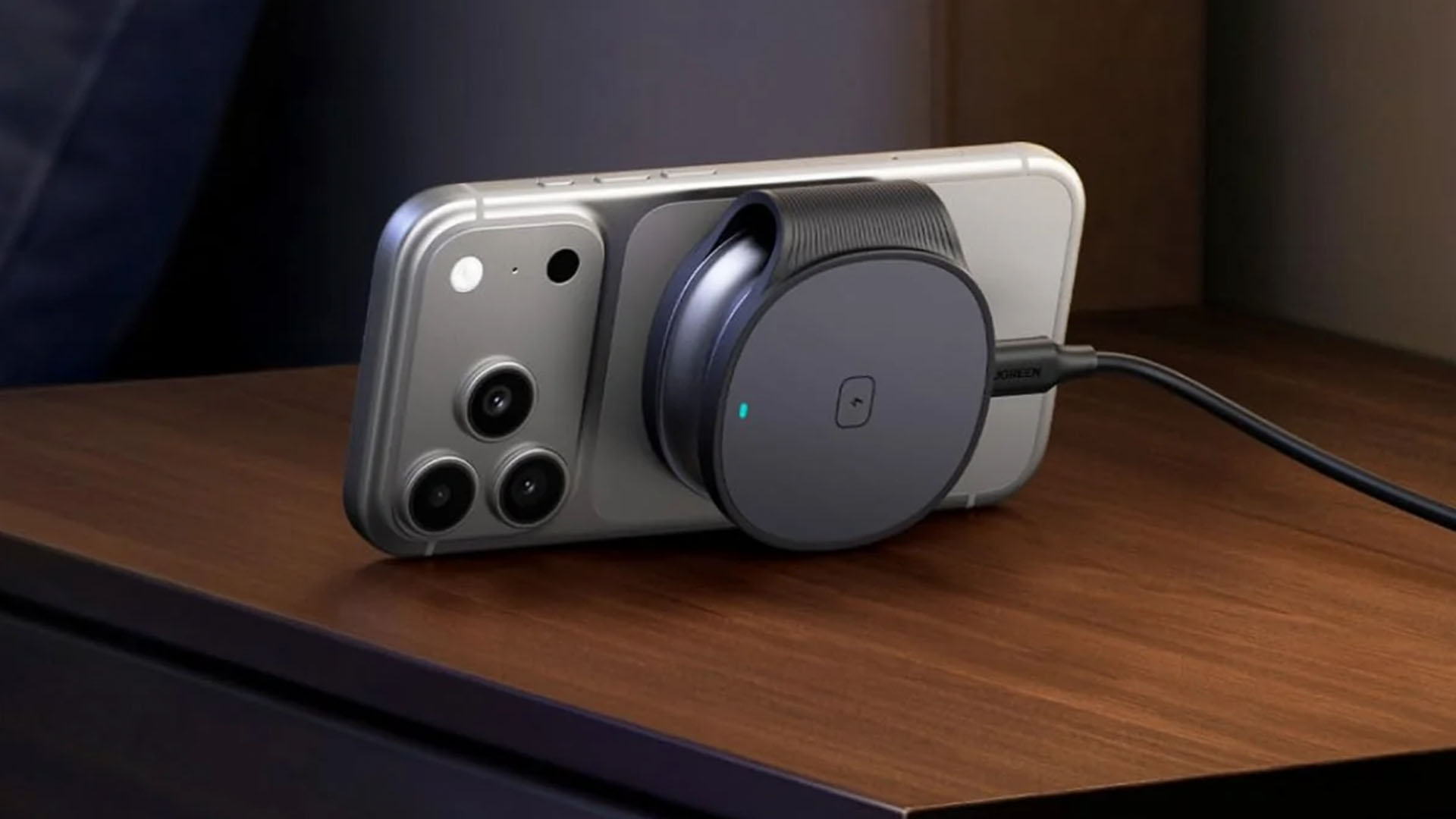
The charger uses 17 N48H magnets for up to 11N of magnetic force and features Thermal Guard temperature monitoring. When folded, it measures 2.37 × 2.86 × 1.05 inches.
Pricing and Availability
As of today (September 30, 2026) all three products are available across major Southeast Asian markets.
Graphics by Vincenz Lee | GadgetMatch
Nexode Pro 160W + Retractable Cable
- Singapore = SG$ 140
- Malaysia = MYR 419
- Vietnam = VND 2,699,000
- Philippines = PhP 4,999
MagFlow Pro 25W 10,000mAh Magnetic Power Bank
- Singapore = SG$ 154
- Malaysia = MYR 479
- Vietnam = VND 3,690,000
- Philippines = PhP 6389
MagFlow 2-in-1 Foldable Magnetic Wireless Charger
- Singapore = SG$ 64.90
- Malaysia = MYR 189
- Thailand = THB 1990
- Vietnam = VND 1,419,000
- Philippines = PHP 2499
Her GadgetMatch
TECNO and Angélica Dass visit the Philippines next for its grand portrait project
100 Faces, 100 Stories

A portrait can show what someone looks like, but what about the story behind the face?
TECNO and visual artist Angélica Dass are exploring that question through “100 Portraits of Becoming,” a two-year global portrait project featuring 100 people across Kenya, the Philippines, Saudi Arabia, Türkiye, and Brazil.
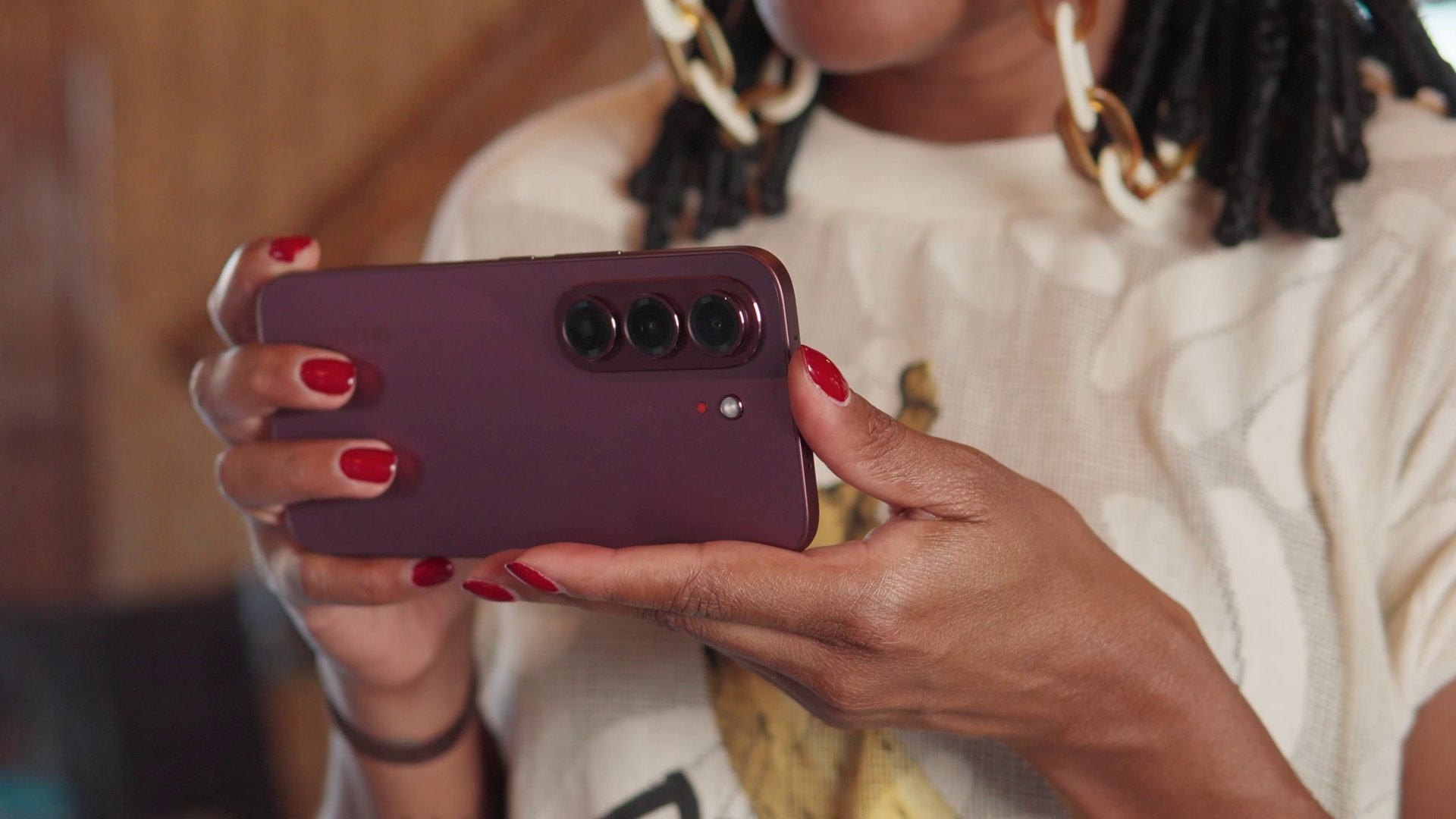
The project begins with 20 portraits from Kenya, each paired with a personal story about identity, choices, change, and growth. Rather than having participants represent an entire culture or generation, the project focuses on their individual experiences.
Beyond inclusive imaging
The project builds on TECNO’s work with Universal Tone, its imaging technology designed to represent diverse skin tones more naturally and accurately.

But “100 Portraits of Becoming” takes that idea further. With AI increasingly involved in capturing, recognizing, and generating images of people, TECNO and Dass want to explore how technology can better represent the individual behind the image.
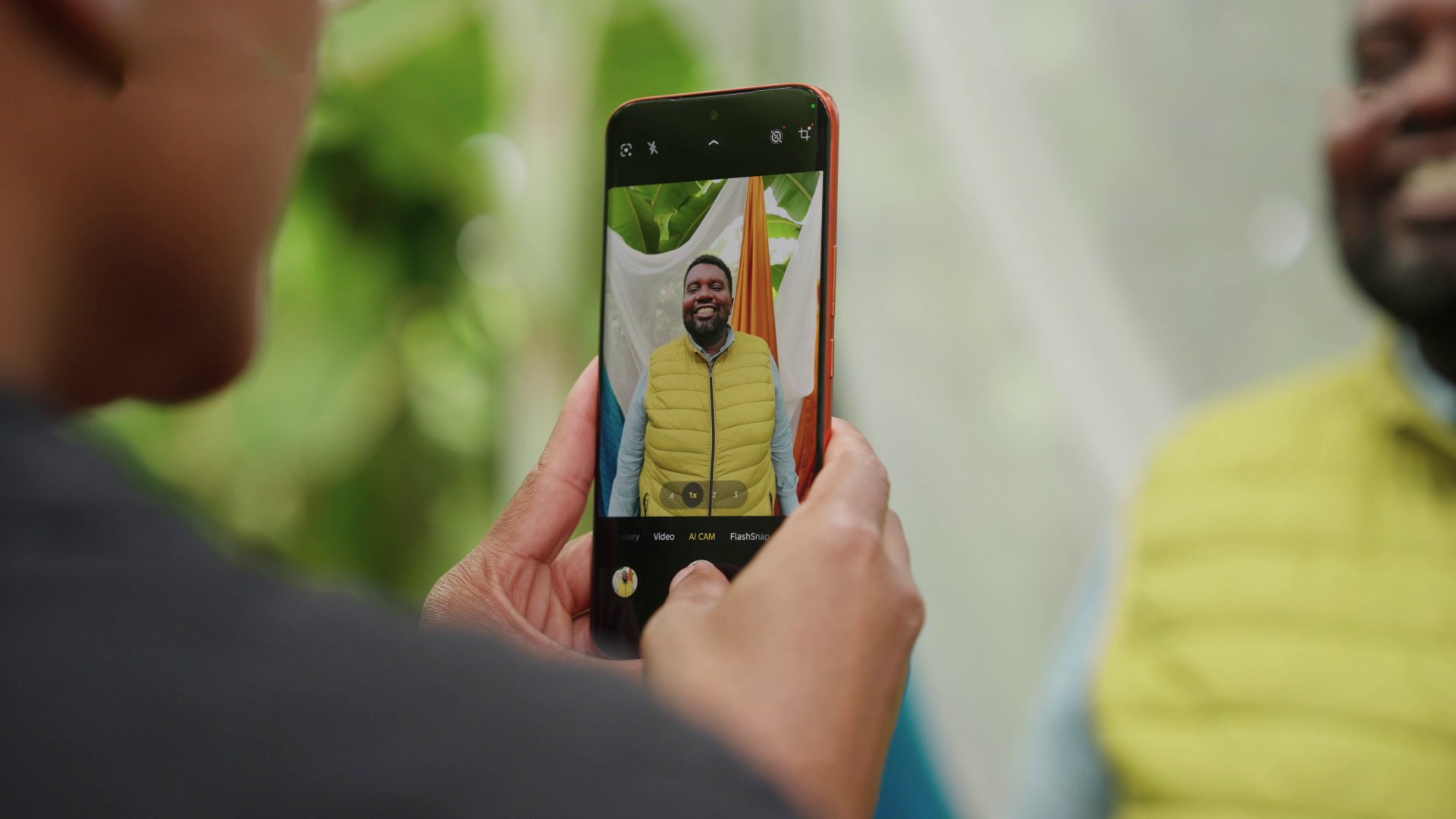
For Dass, meaningful portraiture starts with human connection.
“Meaningful portraits are never created by technology alone.”
She says her experience in Kenya reinforced the importance of trust, listening, and the willingness of people to share their stories.
The Philippines is next
Following Kenya, the project heads to the Philippines for a chapter called “Beyond Many Labels.”
It will feature 20 individuals, including working solo mothers and people whose lives are closely connected to solo parenthood.

Their stories will look beyond labels such as “single mother,” “breadwinner,” and “strong woman,” while exploring their ambitions, relationships, and personal growth.
The chapter will also explore “diskarte” — the ways Filipinos adapt, make choices, and find practical ways forward in everyday life.
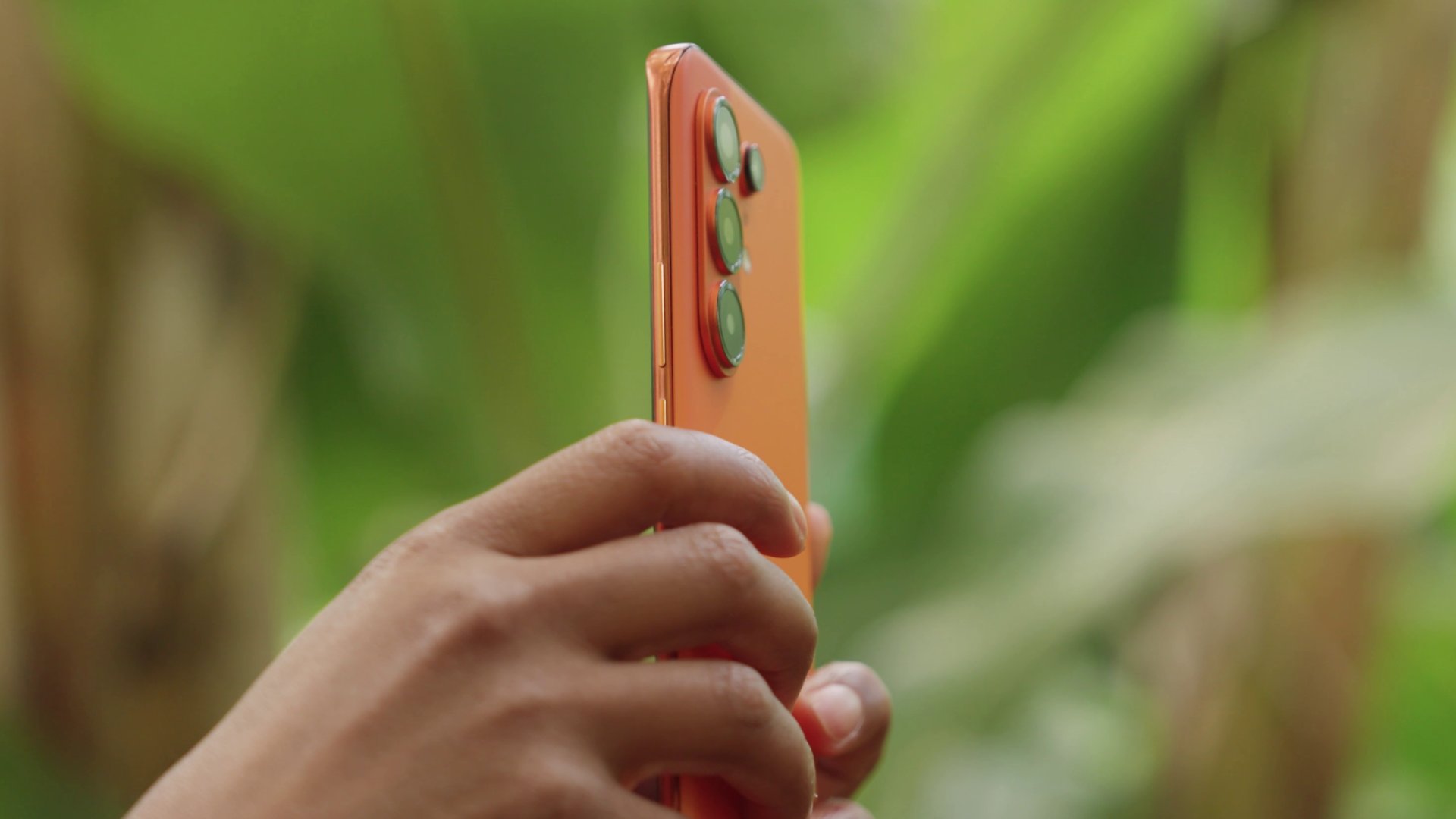
After the Philippines, “100 Portraits of Becoming” will continue to Saudi Arabia, Türkiye, and Brazil.
By the end of the project, TECNO and Dass hope the 100 portraits will offer exactly what the title suggests: 100 different ways of seeing humanity.
Philippines
Globe records fastest average download speed of 2026 in August
Globe’s network performance improves
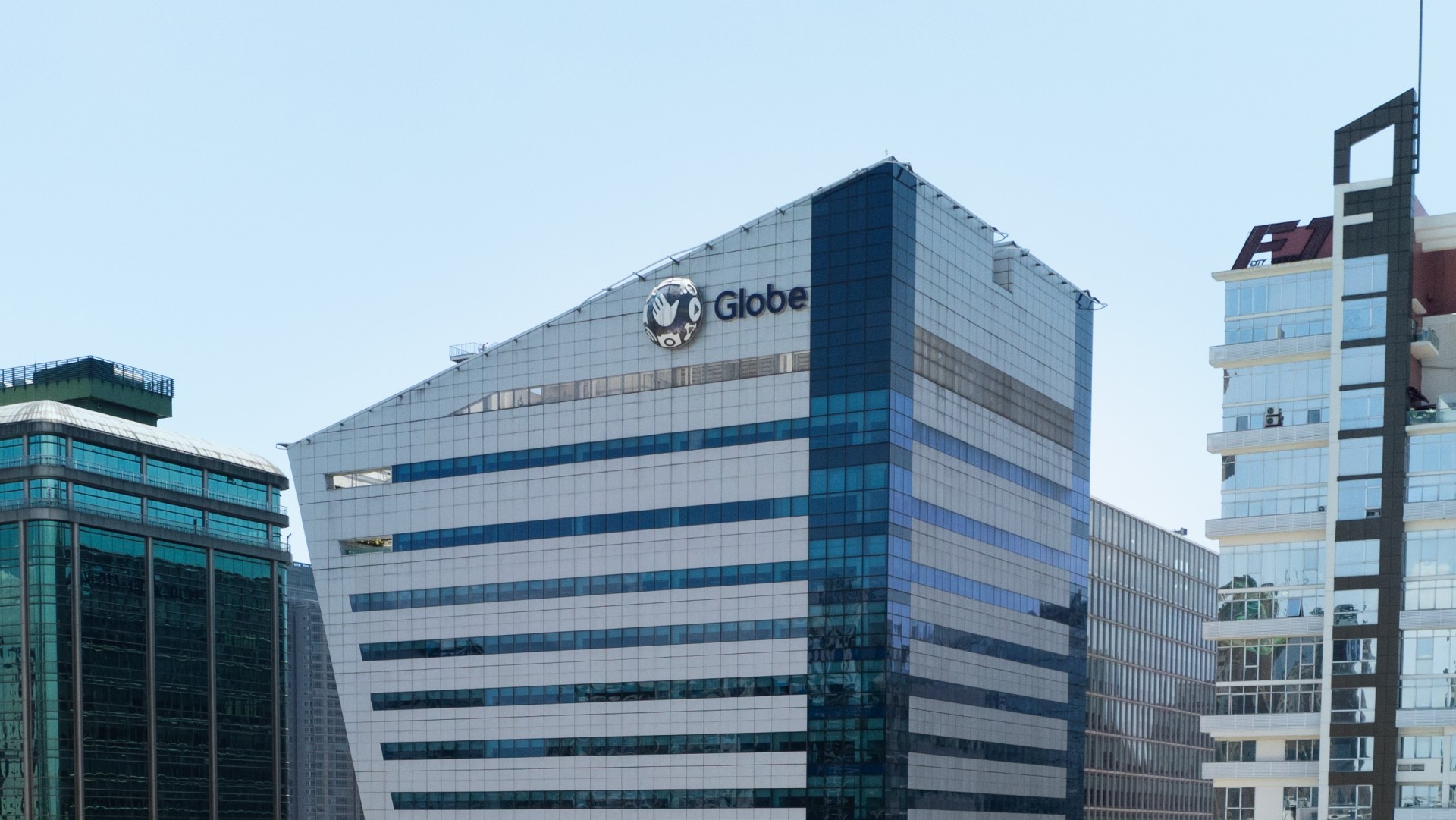
Globe recorded its strongest network performance of 2026 in August, according to the latest Telco Report Card from the Department of Information and Communications Technology (DICT).
The telecommunications company achieved an overall score of 81.5, an increase of 4.4 points from January. Its average download speed also reached 45.9 Mbps, its fastest recorded speed this year.
The figure represents a 5.1% improvement over July and a 26% increase from the 36.5 Mbps recorded in January.
Globe also improved its network quality score from 69.2 to 71.2, while latency remained at 20 milliseconds.
The company attributed these improvements to its continued network investments, technology upgrades, and collaboration with government agencies, including the National Telecommunications Commission (NTC).
Globe invests in network reliability and expansion
Globe allocated PHP 26.3 billion in capital expenditures during the first half of 2026. The company directed 91% of that amount toward data-related initiatives.
Beyond improving download speeds, Globe continues to invest in technologies designed to maintain connectivity during network disruptions.
Its Automated Outage Response technology automatically optimizes nearby cell sites during outages. According to Globe, the system can retain up to 50% of data connectivity during disruptions, compared with less than 10% without the technology.
Globe also expanded its network coverage in underserved communities. In July, the company connected 52 previously unserved Geographically Isolated and Disadvantaged Areas (GIDAs).
This completed its commitment to activate mobile services across all 180 project locations under the DICT’s connectivity initiative.
Meanwhile, Ookla recognized Globe as the Most Consistent Mobile Provider for four consecutive reporting periods, based on Speedtest Intelligence data covering the second half of 2024 through the first half of 2026.
Globe General Counsel Atty. Froilan Castelo emphasized that the company still needs to improve connectivity in communities experiencing unreliable service.
The company plans to continue its network investments and targeted improvements to strengthen service reliability across the Philippines.



UGREEN Nexode Pro 160W review: One mighty brick with a powerful trick

Samsung unveils Galaxy Tab S12 series for work, creativity, and life on the go

JBL brings a soundtrack to every room

Apple iPhone 18 Pro Series review

UGREEN launches new MagFlow and Nexode Pro charging accessories to Southeast Asia

HUAWEI Pura X View is 2026’s first WIDE slab-type smartphone

The CAMON Slim 5G is TECNO’s latest ultra-slim smartphone

iPhone 18 Pro series: Price, availability in the Philippines

DJI Osmo 360 II review: Going all-in on the ecosystem

iPhone 18 Pro series: Price, availability in Singapore


-
 News1 week ago
vivo X500 Series launches with major imaging upgrades
-

 News1 week ago
OPPO Find X10 Pro Max is the first phone with a triple 200MP camera system
-

 Automotive3 days ago
BYD says that way better EV batteries are coming next year
-

 Singapore2 weeks ago
Epson Lifestudio Grand Plus EH-LS970B with 4K projection, more launches
-

 Drones2 weeks ago
DJI Lito X1 review: Is this the best lightweight drone for creators?
-

 News1 week ago
vivo introduces OriginOS 7 with smarter multitasking and AI features
-
 News2 days ago
HONOR Magic9 Pro Max launches in China with ARRI-powered imaging
-
 Smartphones4 days ago
When TECNO-logy meets Tonino Lamborghini legacy