
News
vivo X300 Ultra wants to beat the iPhone 17 Pro Max in pro video
Unleashed alongside the subtly-improved vivo X300s

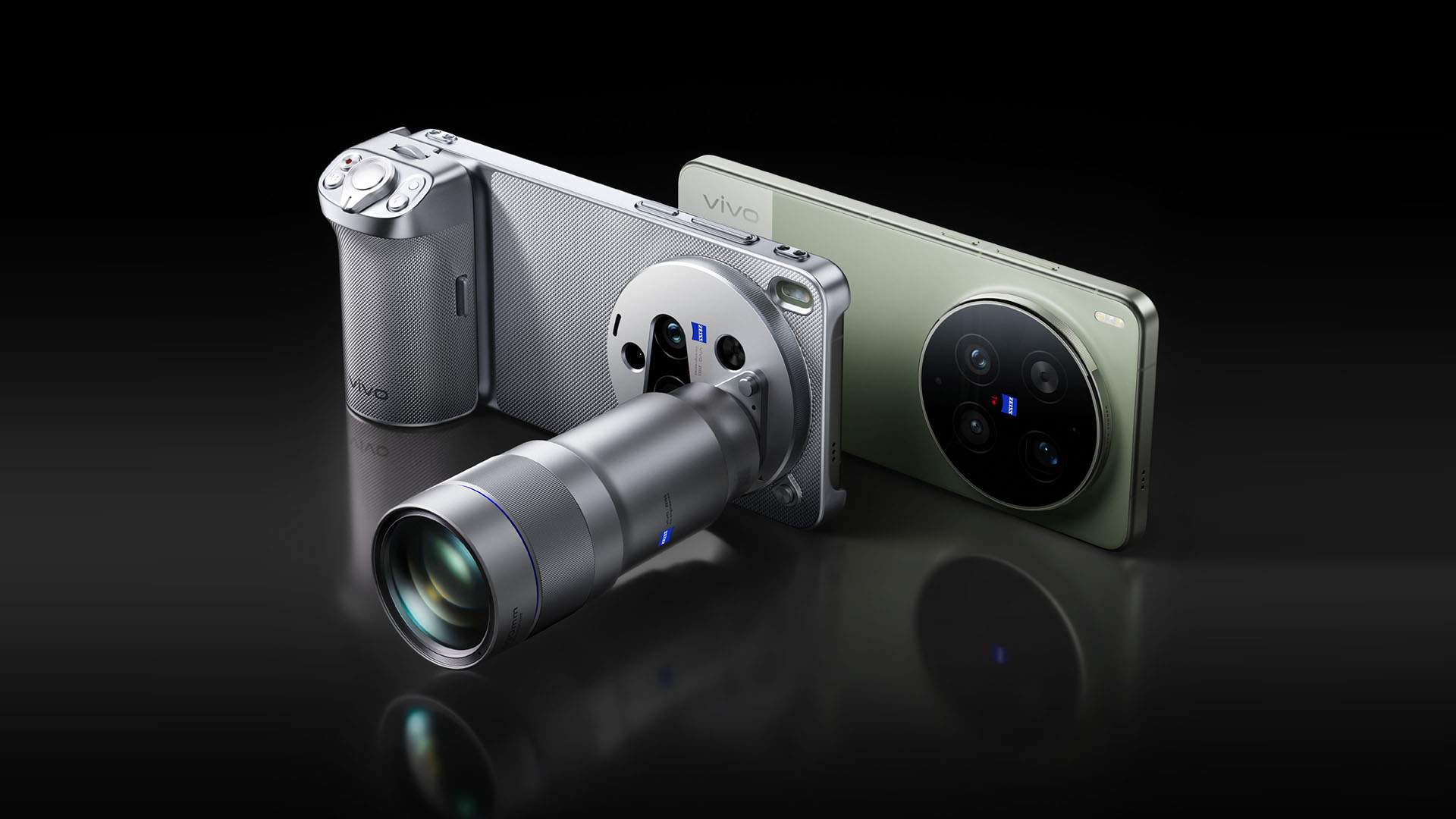
Almost six months after the launch of the vivo X300 and X300 Pro, the Chinese smartphone giant finally unleashes the much-awaited X300 Ultra.
Ultra-impressive camera system
First and foremost, its improved cameras.
Unlike its Pro sibling, the X300 Ultra follows the same configuration as last year’s X200 Ultra. It uses 35mm as its standard focal length instead of the usual 24mm found on most (if not all) smartphones.
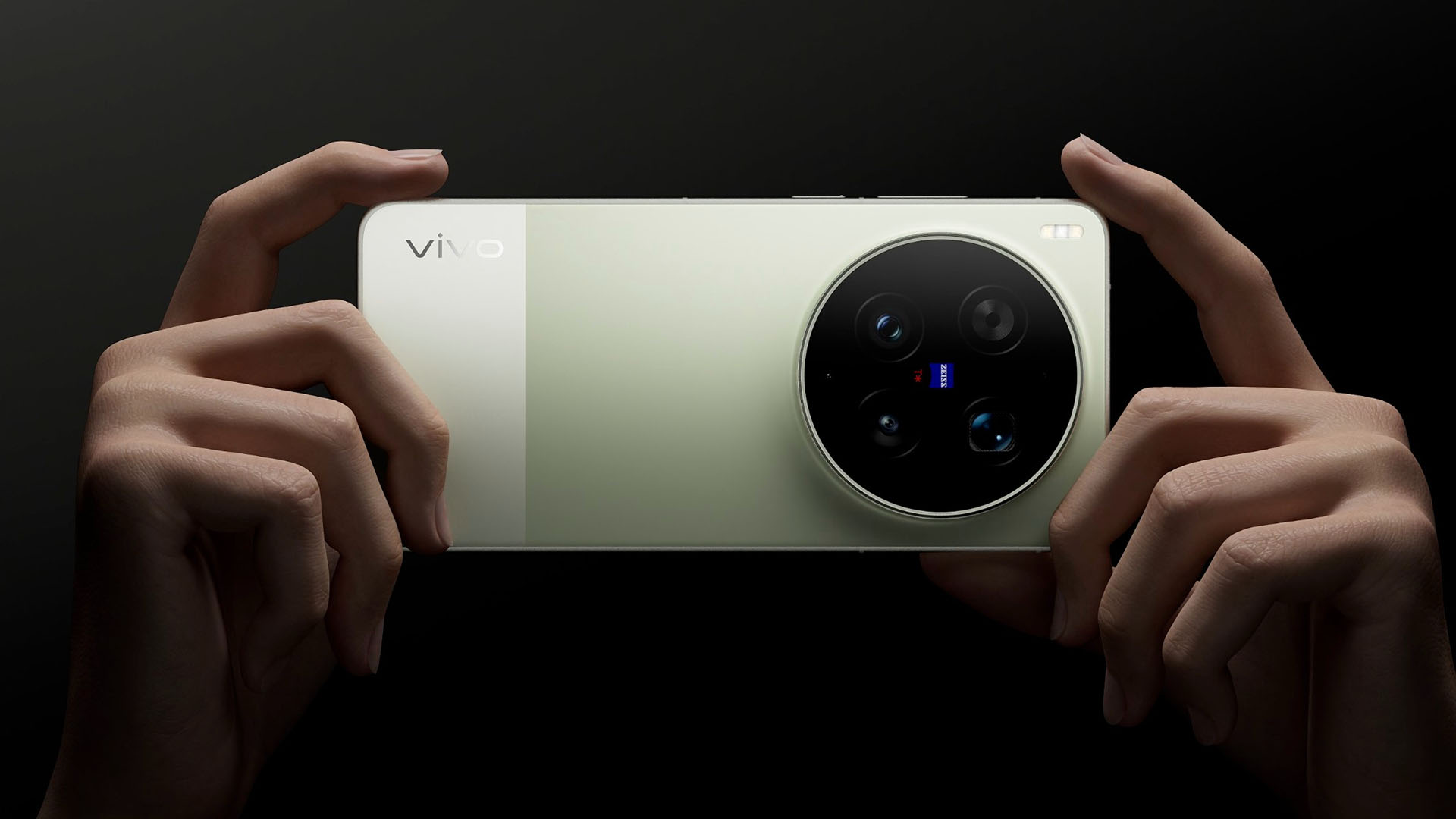
This means the main sensor is locked in at a minimum of 1.5x. Still, it’s been upgraded from 50MP to a whopping 200MP f/1.85 based on a large 1/1.12-inch Sony LYT-901 image sensor.
Meanwhile, shooting at “1x” relies on its 50MP f/2.0 ultra-wide lens based on the 1/1.28-inch Sony LYT-818. While it’s the same as last year’s X200 Ultra, it’s still considerably bigger and better among newer phones in its league.
Definitively, the X300 Ultra also boasts a newer 200MP f/2.67 periscope telephoto shooter using Samsung’s 1/1.4-inch ISOCELL HP0. Optical zoom distance still starts at 3.5x (85mm equivalent) which is similar to the X300 Pro and X200 Ultra.
If that isn’t enough, vivo announces not one, but two new teleconverter lenses.
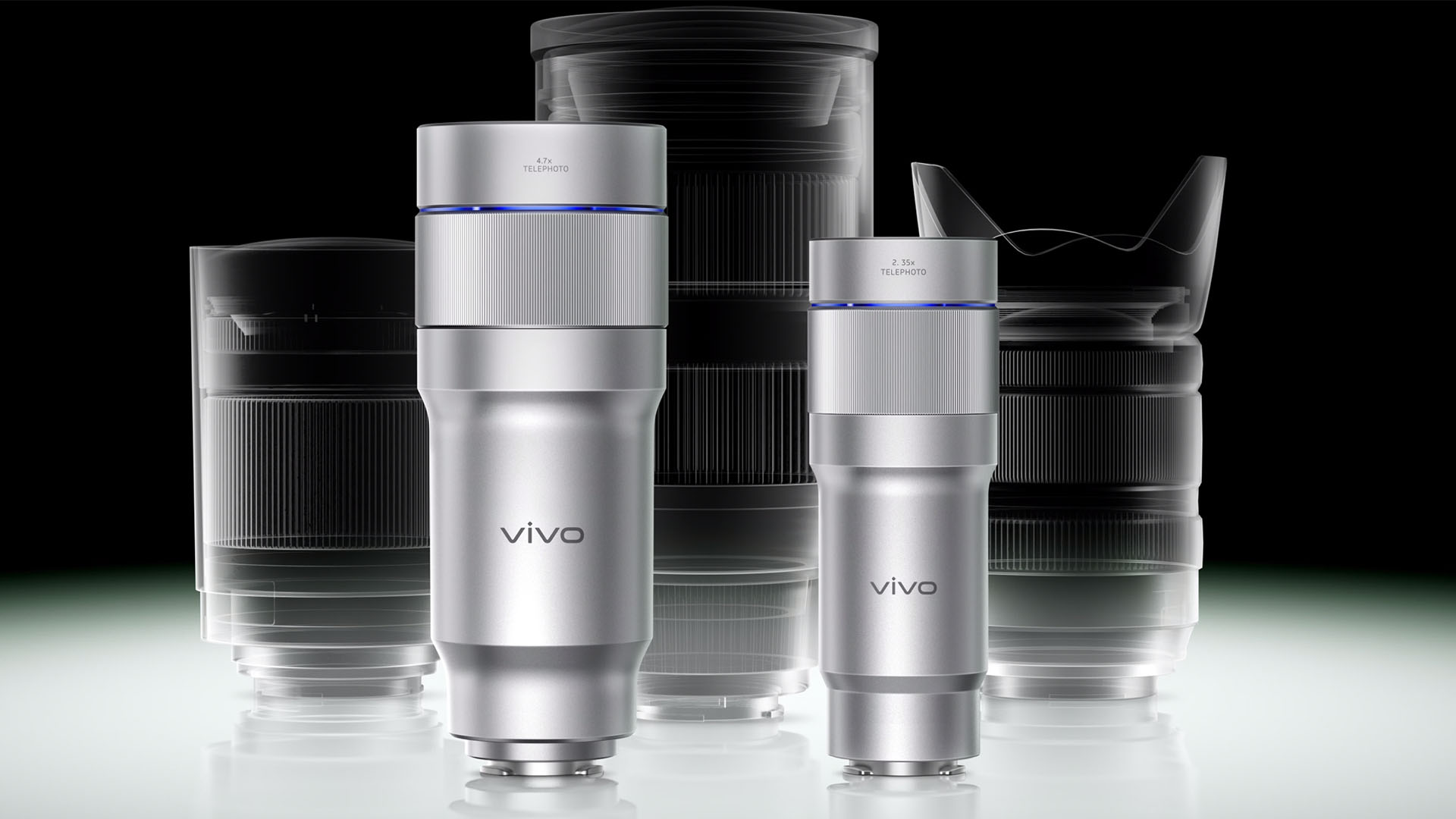
The all-new 400mm G2 Ultra ZEISS Telephoto Extender lens is the longest one in a smartphone so far. Still, vivo has achieved to make it as compact as possible — a tad longer than the former 200mm add-on lens in the X200 Ultra and X300 Pro.
There’s also the upgraded G2 ZEISS Telephoto Extender. It’s shorter and smaller compared to previous generation and comparable to a size of a lipstick (around 96mm in length).
This means better portability while trying to shoot subjects from afar with the same 200mm focal length.
Additionally, the vivo X300 Ultra also has a 5MP f/2.45 multi-spectral sensor that other X300 phones lack. This is basically responsible for making colors more accurate by capturing a wider range of light beyond the usual RGB color spectrum.
Ultra-grade video shooter
One of the highlights of the vivo X300 Ultra focuses on its video shooting prowess that targets Apple’s iPhone 17 Pro Max.
For one, its ultra-wide camera has OIS built-in — a feature often overlooked by other phone makers.
OIS is also enabled when using the said teleconverter lenses.
Graphics by Vincenz Lee | GadgetMatch
Other than that, the X300 Ultra is capable of shooting in both 4K/120fps Dolby Vision and 4K/120fps 10-bit LOG support.
This means prospective users can finally apply LUTs in post (or 3D LUTs in the phone) — much like how videographers and cinematographers do when shooting with their expensive mirrorless cameras.
Even though 10-bit LOG has been around in the recent vivo flagships, only the X300 Ultra can seamlessly switch between all focal lengths while LOG recording is enabled.
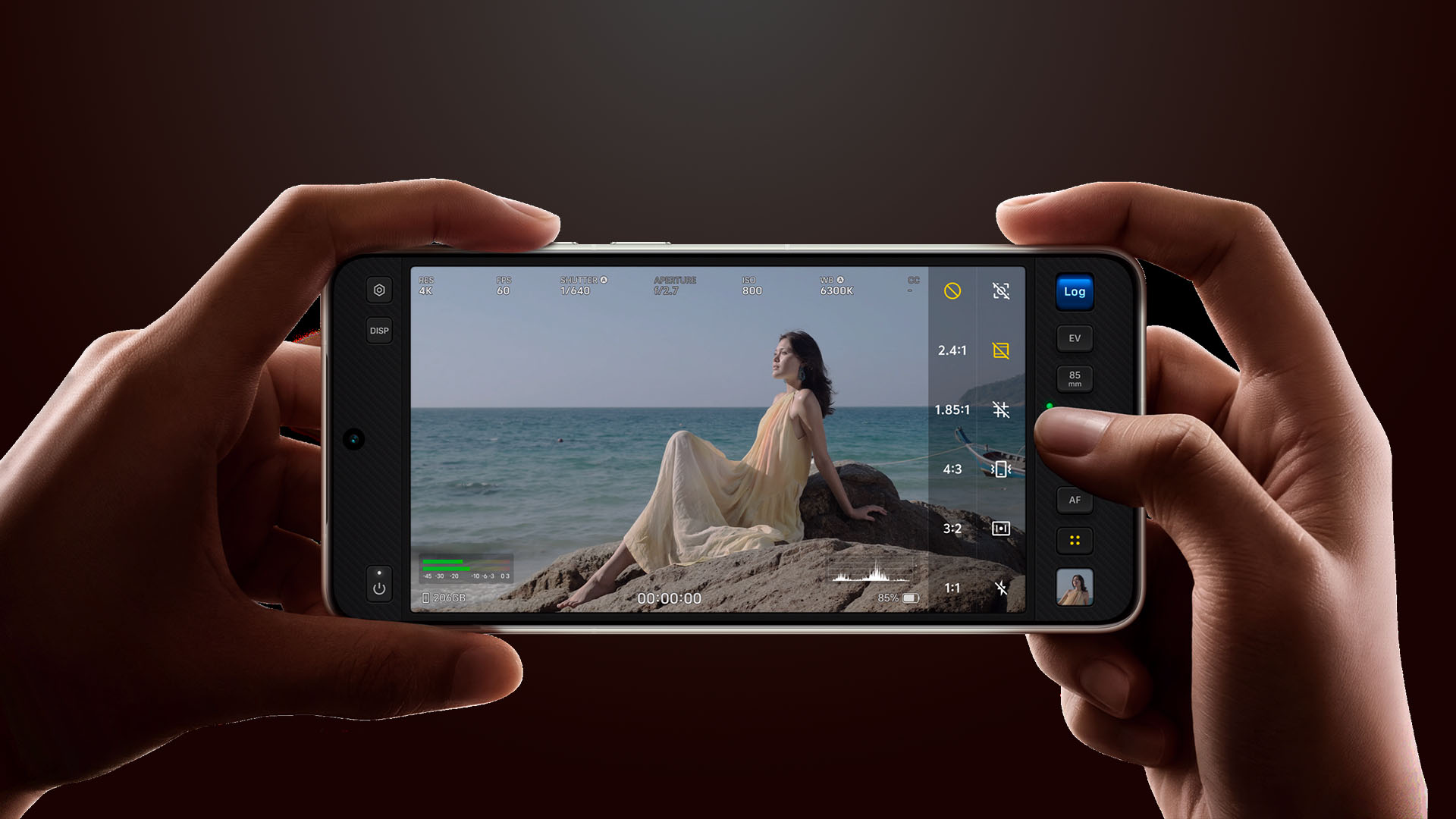
Graphics by Vincenz Lee | GadgetMatch
In line with these, the vivo X300 Ultra also features a new Professional Video Mode in its native camera app.
Ultra-powerful flagship
The vivo X300 Ultra brings some subtle improvements over the former X200 Ultra flagship.
While they both share the same 6.82-inch 8T LTPO AMOLED 2K display, the X300 Ultra has a faster 144Hz refresh rate support versus 120Hz. It’s also now an Ultra XDR screen, thanks to the improved BOE Q10 Plus panel.

Most of all, the X300 Ultra runs the latest 3nm Qualcomm Snapdragon 8 Elite Gen 5 SoC. Despite the shortage of components, the X300 Ultra relies on a speedy UFS 4.1 storage standard while memory is even faster with LPDDR5X Ultra (and Ultra Pro) protocol.
Shockingly though, battery hasn’t been bumped by a lot as the X300 Ultra is only equipped with a 6600mAh battery. While that’s 600mAh more than its predecessor, it’s merely a 90mAh gap versus its Pro sibling.
That slight boost is the same with its wired charging speeds from 90W to 100W FlashCharge.
The Ultra s-idekick
Other than the X300 Ultra, the vivo X300s is also present in the scene. This is a follow-up to last year’s X200s.
It runs MediaTek’s Dimensity 9500 SoC like the vanilla X300 but with a bigger 7100mAh battery (versus 6040mAh). That’s a lot bigger than what the X300 Ultra possesses.
However, the vivo X300s borrows that same 6.78-inch display size as the X300 Pro. This also marks as a departure from that 6.67-inch sweet-spot screen size of the X200s and the “smaller” 6.31-incher X300.
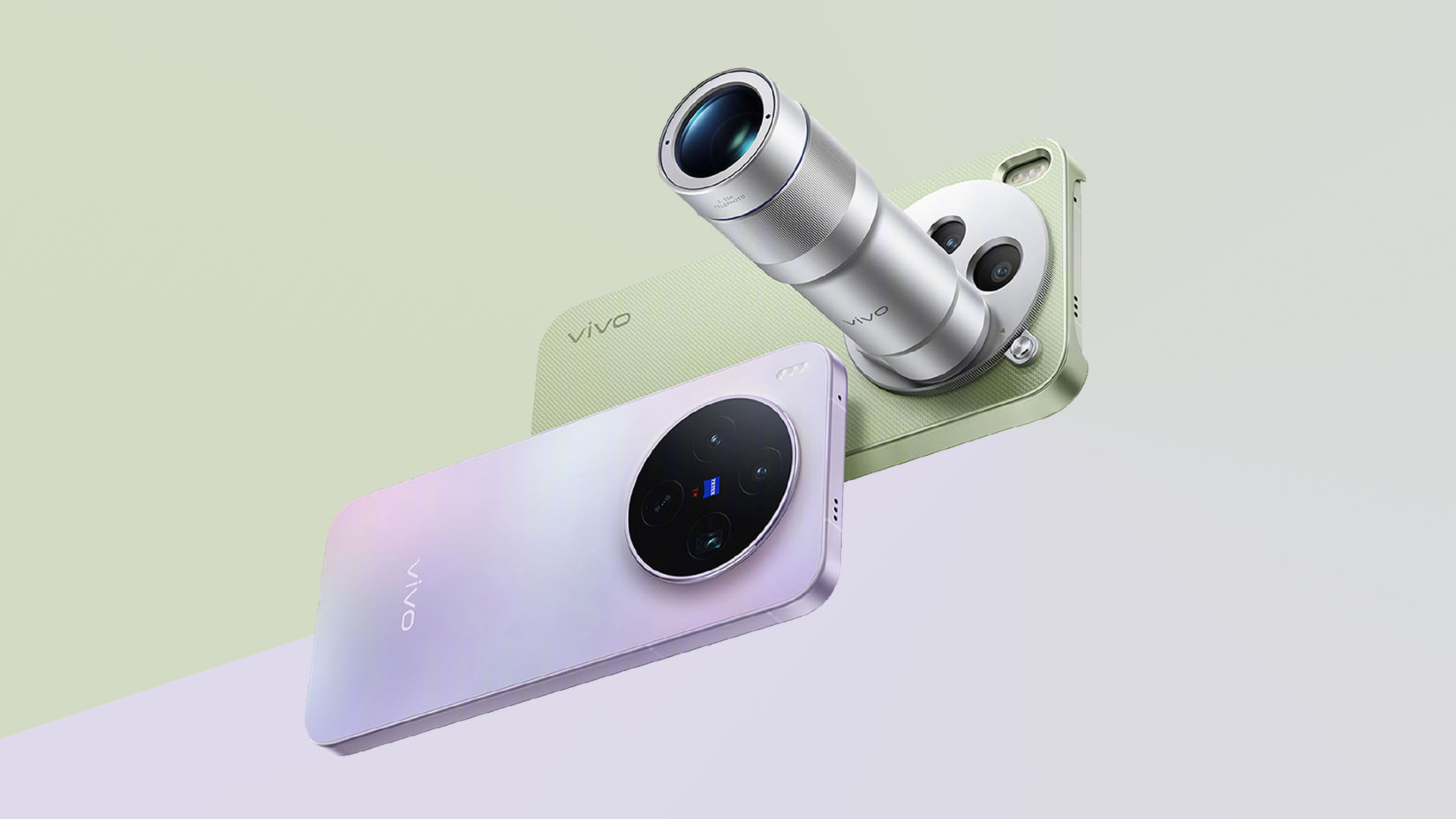
Graphics by Vincenz Lee | GadgetMatch
Cameras are quite indifferent as of the X300. A 200MP main camera based on Samsung ISOCELL HPB with Sony’s LYT-602 sensor for its telephoto module. The improvement though can be seen when using the camera app.
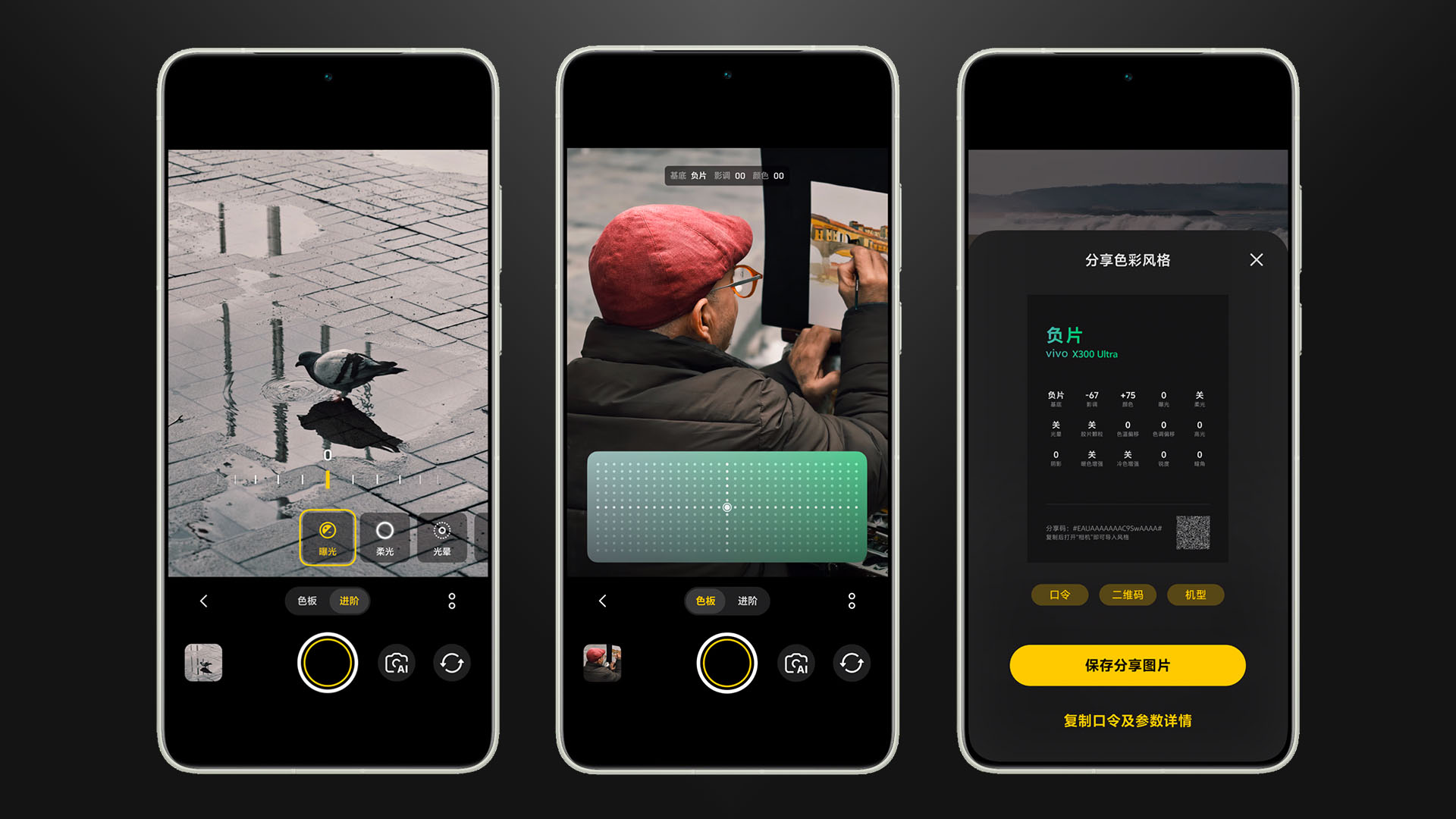
Graphics by Vincenz Lee | GadgetMatch
vivo’s new Blueprint Palette lets you choose a color in a swatch board and save it as a recipe. The user can also adjust settings in real-time — letting you see the look of the image during preview even before hitting the shutter release. The same feat is also found on the X300 Ultra.
And, much like the base X300, the vivo X300s is capable of attaching that 200mm teleconverter lens with its own camera kit — something the X200s cannot achieve at all.
Pricing and Availability
The vivo X300 Ultra and X300s are currently available for pre-orders in China along these colorways and configurations:
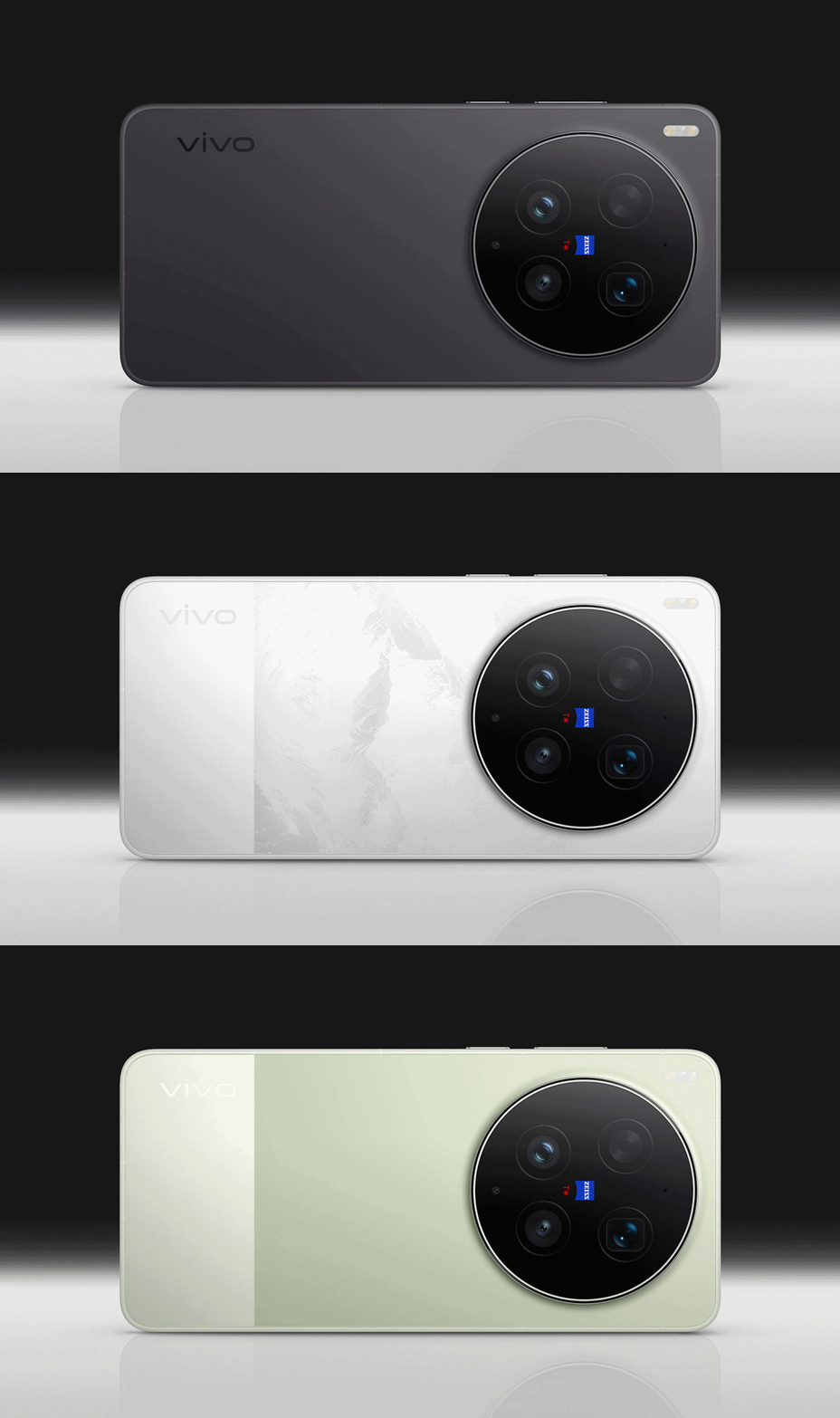
GIF by Vincenz Lee | GadgetMatch
X300 Ultra (Film Green, Silver Tune, Black Ka)
- 12+256GB = CNY 6999 (US$ 980 / EUR 835 / GBP 730 / SG$ 1260 / MYR 4130 / PhP 56,440 / INR 87,110)
- 12+512GB = CNY 7499 (US$ 1100 / EUR 900 / GBP 780 / SG$ 1345 / MYR 4355 / PhP 59,590 / INR 90,980)
- 16+512GB = CNY 7999 (US$ 1115 / EUR 960 / GBP 820 / SG$ 1430 / MYR 4645 / PhP 63,685 / INR 95,930)
- 16+1TB = CNY 8999 (US$ 1260 / EUR 1070 / GBP 920 / SG$ 600 / MYR 5225 / PhP 70,905 / INR 107,700)
X300s (Film Green, Dream Core Purple, Silvery White, Titanium Black)
- 12+256GB = CNY 4999 (US$ 700 / EUR 610 / GBP 530 / SG$ 910 / MYR 2970 / PhP 40,900 / INR 62,260)
- 16+256GB = CNY 5499 (US$ 770 / EUR 660 / GBP 570 / SG$ 985 / MYR 3190 / PhP 43,700 / INR 66,720)
- 16+512GB = CNY 5999 (US$ 845 / EUR 730 / GBP 635 / SG$ 1095 / MYR 3560 / PhP 49,085 / INR 74,715)
- 16+1TB = CNY 6999 (US$ 980 / EUR 835 / GBP 730 / SG$ 1260 / MYR 4130 / PhP 56,440 / INR 87,110)
For the camera enthusiasts…
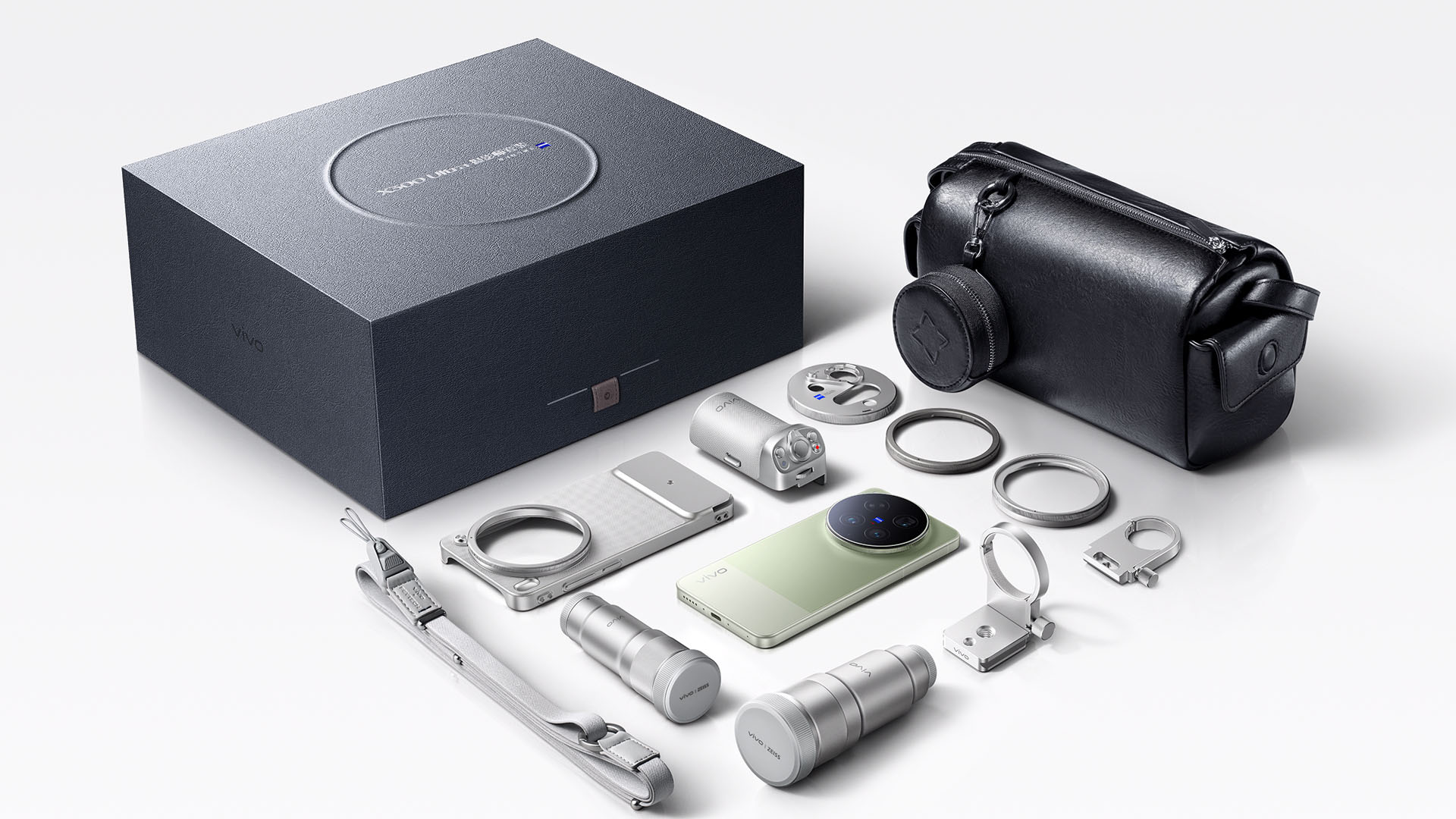
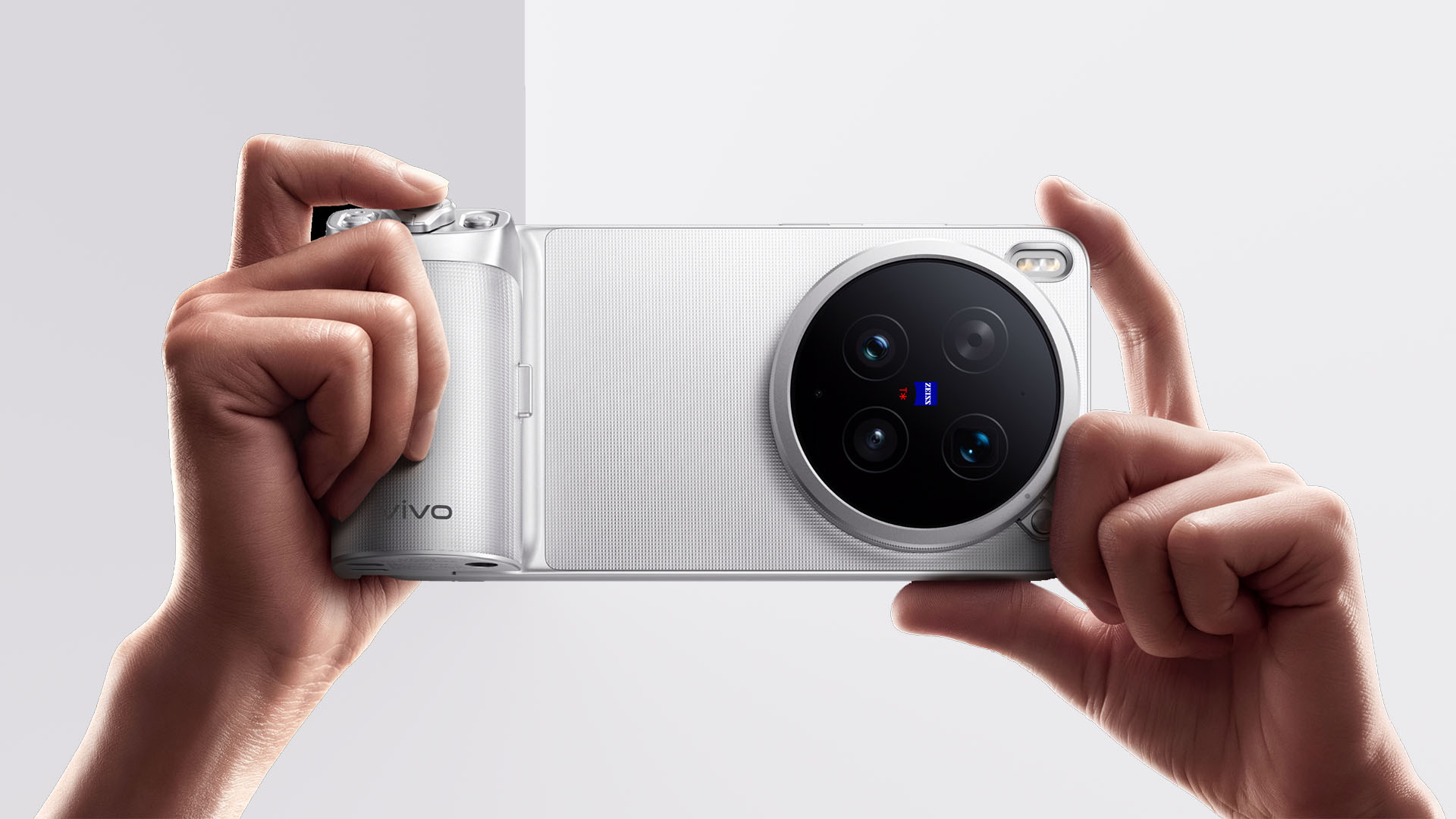
You can buy the vivo X300 Ultra and X300s in their special Photographer Kit Edition with all the accessories bundled:
- X300 Ultra Photographer Kit = CNY 11,999 (US$ 1260 / EUR 1070 / GBP 920 / SG$ 2235 / MYR 6965 / PhP 105,110 / INR 164,550)
- X300s Photographer Kit = CNY 7999 (US$ 1115 / EUR 960 / GBP 820 / SG$ 1430 / MYR 4645 / PhP 63,685 / INR 95,930)
Additionally, separate parts of the kit can also be bought separately:
- Camera Grip = CNY 699 (US$ 101 / EUR 88 / GBP 77 / SG$ 130 / MYR 405 / PhP 6130 / INR 9585)
- SmallRig Case = CNY 1699 (US$ 245 / EUR 215 / GBP 185 / SG$ 320 / MYR 990 / PhP 14,890 / INR 23,300)
- G2 Teleconverter Lens = CNY 1499 (US$ 220 / EUR 190 / GBP 165 / SG$ 280 / MYR 870 / PhP 13,140 / INR 20,560)
- G2 Ultra Teleconverter Lens = CNY 2499 (US$ 360 / EUR 315 / GBP 270 / SG$ 465 / MYR 1450 / PhP 21,900 / INR 34,270)
* These are only rough conversion estimates
As teased way back in MWC 2026, the X300 Ultra is vivo’s first Ultra smartphone to be sold globally. We’ll just have to wait and see which regions will have it.



Her GadgetMatch
TECNO and Angélica Dass visit the Philippines next for its grand portrait project
100 Faces, 100 Stories

A portrait can show what someone looks like, but what about the story behind the face?
TECNO and visual artist Angélica Dass are exploring that question through “100 Portraits of Becoming,” a two-year global portrait project featuring 100 people across Kenya, the Philippines, Saudi Arabia, Türkiye, and Brazil.

The project begins with 20 portraits from Kenya, each paired with a personal story about identity, choices, change, and growth. Rather than having participants represent an entire culture or generation, the project focuses on their individual experiences.
Beyond inclusive imaging
The project builds on TECNO’s work with Universal Tone, its imaging technology designed to represent diverse skin tones more naturally and accurately.

But “100 Portraits of Becoming” takes that idea further. With AI increasingly involved in capturing, recognizing, and generating images of people, TECNO and Dass want to explore how technology can better represent the individual behind the image.

For Dass, meaningful portraiture starts with human connection.
“Meaningful portraits are never created by technology alone.”
She says her experience in Kenya reinforced the importance of trust, listening, and the willingness of people to share their stories.
The Philippines is next
Following Kenya, the project heads to the Philippines for a chapter called “Beyond Many Labels.”
It will feature 20 individuals, including working solo mothers and people whose lives are closely connected to solo parenthood.

Their stories will look beyond labels such as “single mother,” “breadwinner,” and “strong woman,” while exploring their ambitions, relationships, and personal growth.
The chapter will also explore “diskarte” — the ways Filipinos adapt, make choices, and find practical ways forward in everyday life.
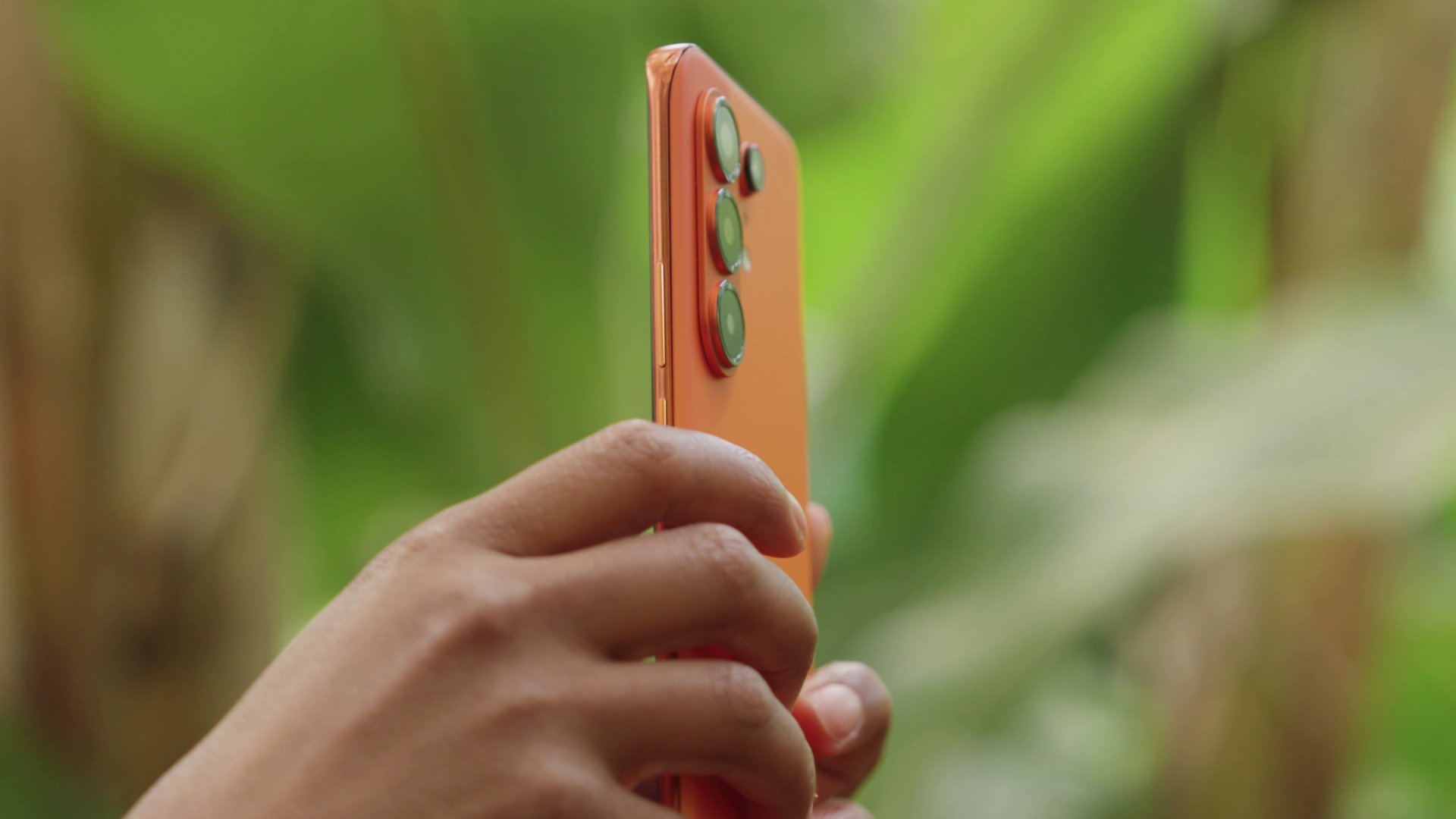
After the Philippines, “100 Portraits of Becoming” will continue to Saudi Arabia, Türkiye, and Brazil.
By the end of the project, TECNO and Dass hope the 100 portraits will offer exactly what the title suggests: 100 different ways of seeing humanity.
Automotive
BYD says that way better EV batteries are coming next year
Solid-state batteries will debut with higher-end models in 2027.


With gas prices reaching the edges of believability, electric and hybrid vehicles are turning into worthy upgrades. That said, the more casual consumer still has a lot of questions about going electric, primarily about the durability of the battery and range anxiety. Well, a major battery technology upgrade is coming in the next few years, and BYD has just committed to it for next year.
Via the Spanish outlet Carwow, BYD EVP Stella Li confirmed that the company will launch its first vehicle with a solid-state battery in 2027. Now, if you’re a regular consumer, a solid-state battery probably doesn’t make much sense to you. But here’s the basics: it’s smaller, safer, and can last longer on a single charge.
If you’re fine with technical explanations, a solid-state battery uses more solid components, as opposed to the liquid solution used by the current standard of lithium-ion batteries. Because it’s more solid, it has better energy density. Higher energy density means a smaller size is needed to achieve the same battery capacity as modern batteries. In turn, this means that a vehicle can pack more batteries inside, allowing for better capacity. Oh, and let’s not forget that these batteries are generally safer and less prone to incidents.
In the same interview, BYD says that the first model will arrive next year. Unfortunately, because of the battery’s cost to produce, the component will likely debut with the company’s higher-end models. Still, it’s an exciting sight to behold. The electric and hybrid market is already quite the temptation for users, so an even better battery will further push the segment to better heights.
SEE ALSO: BYD adds the facelifted Seal 5 DM-i to its hybrid sedan lineup
Laptops
Microsoft gives up on the Copilot+ PC
The company is quietly stepping away from the branding.

The Copilot+ PC is finally coming to an end. After a few years of advertising the lineup as the next big thing, Microsoft is stepping away from the branding.
Through a new interview with Windows Central, Microsoft has confirmed that the company is slowly stepping back from the Copilot+ branding. Despite launching a series of new Surface PCs that fit the bill of such a brand, the company has not affixed any of these devices with the usual branding of the AI-infused series.
“These are not called Copilot+ PCs. They do meet all the requirements of our previous bar for what Copilot+ devices are. We still lean into the narrative around AI on the edge and being able to have a hybrid solution out there,” Microsoft Surface CVP Brett Ostrum said.
Now, the Copilot+ PC programs hasn’t been a massive success for Microsoft. For all the time that it’s been out in the market, the series hasn’t really made much of an impact. TOPS is still a difficult metric to measure. The Copilot button is still one of the most unusable buttons on a modern keyboard. Even worse, Recall, the lineup’s most highly touted feature, crashed and burned practically the same moment it came out because of privacy concerns.
Microsoft had a lot of hopes for the Copilot+ lineup. Prior to today’s deteriorating perceptions about AI, the lineup imagined a string of devices united with a focus on AI-supported performance. However, we know better today. At best, AI PCs provide moderately boosted performance without the need for top-of-the-line hardware. At worse, they’re a privacy nightmare that places an unnecessary burden on the entire industry.
SEE ALSO: Microsoft continues to shove Copilot where it’s not wanted


Now Playing: ACE Combat 8: Wings of Theve
A refreshing change of pace


TECNO POVA 8 Pro Tonino Lamborghini review
Truly a rare gem in 2026


DJI Lito X1 review: Is this the best lightweight drone for creators?
Making a strong case as a travel companion and a capable B-cam!

TECNO and Angélica Dass visit the Philippines next for its grand portrait project

BYD says that way better EV batteries are coming next year

Globe records fastest average download speed of 2026 in August
Now Playing: ACE Combat 8: Wings of Theve

Now Playing: Total War: Warhammer III – Lords of the End Times

HUAWEI Pura X View is 2026’s first WIDE slab-type smartphone

The CAMON Slim 5G is TECNO’s latest ultra-slim smartphone

iPhone 18 Pro series: Price, availability in the Philippines

DJI Osmo 360 II review: Going all-in on the ecosystem

iPhone 18 Pro series: Price, availability in Singapore


-

 News7 days ago
vivo X500 Series launches with major imaging upgrades
-

 News6 days ago
OPPO Find X10 Pro Max is the first phone with a triple 200MP camera system
-

 Reviews2 weeks ago
REDMI Note 17 Pro Max review: A new breed born from AI greed
-

 Singapore1 week ago
Epson Lifestudio Grand Plus EH-LS970B with 4K projection, more launches
-

 News7 days ago
vivo introduces OriginOS 7 with smarter multitasking and AI features
-
Drones2 weeks ago
DJI Lito X1 review: Is this the best lightweight drone for creators?
-

 Gaming2 weeks ago
Valve unveils price of the Steam Frame
-

 Philippines2 weeks ago
REDMI NOTE 17 Series: Price, availability in the Philippines