
Apps
Looking for the best video conferencing service? Here’s a guide
We’ve got you covered for work as well as casual meetings

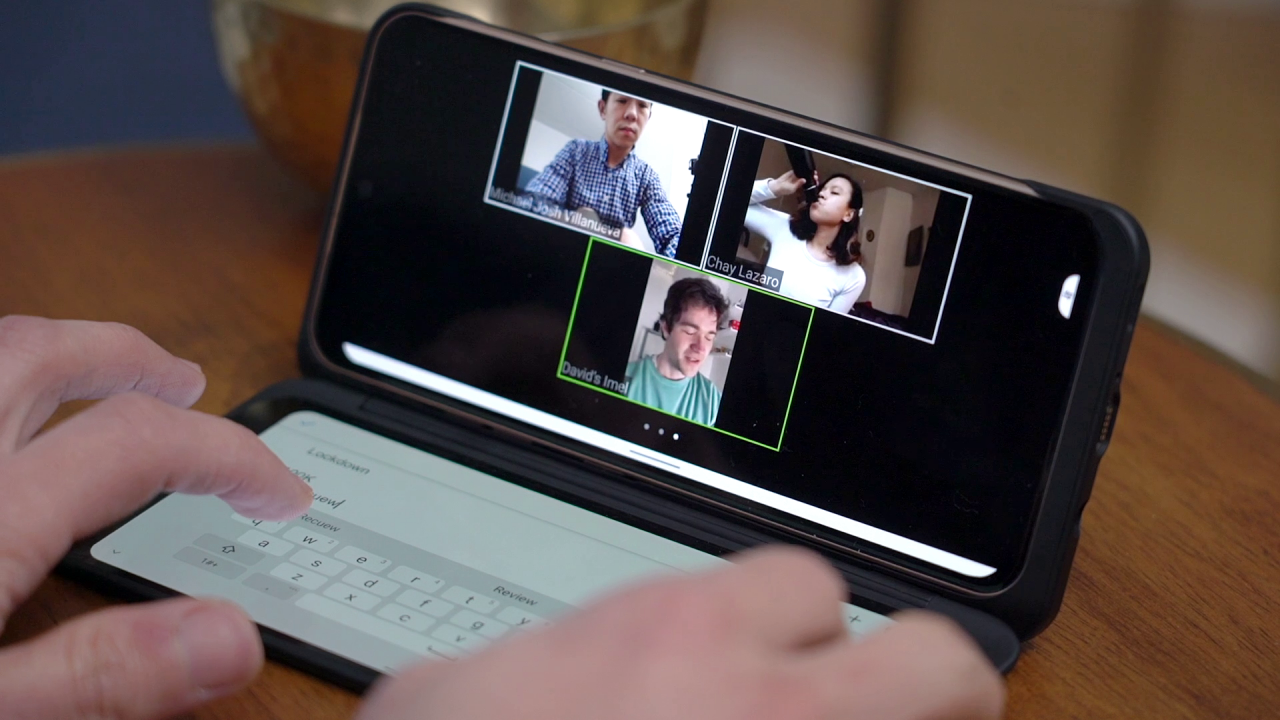
The Coronavirus pandemic has forced everyone indoors and companies are scrambling to adopt the work-from-home model. While larger companies deal directly with service providers under the B2B setup, individuals or smaller teams are having a hard time picking the right video conferencing service or app.
Before we get started, you need to ask yourself about your requirements. How big is your team? How well equipped is your team? Most importantly, how do you intend to use the service?
1. Zoom

However, the service has risen to fame too soon amid the pandemic and couldn’t keep up with stringent safety as well as privacy norms. If your business deals with sensitive information that needs guaranteed protection, we’d suggest staying away from this service for now. But, it isn’t that unsafe to use and is perfect for general domestic as well as business needs.
2. Skype / Microsoft Teams
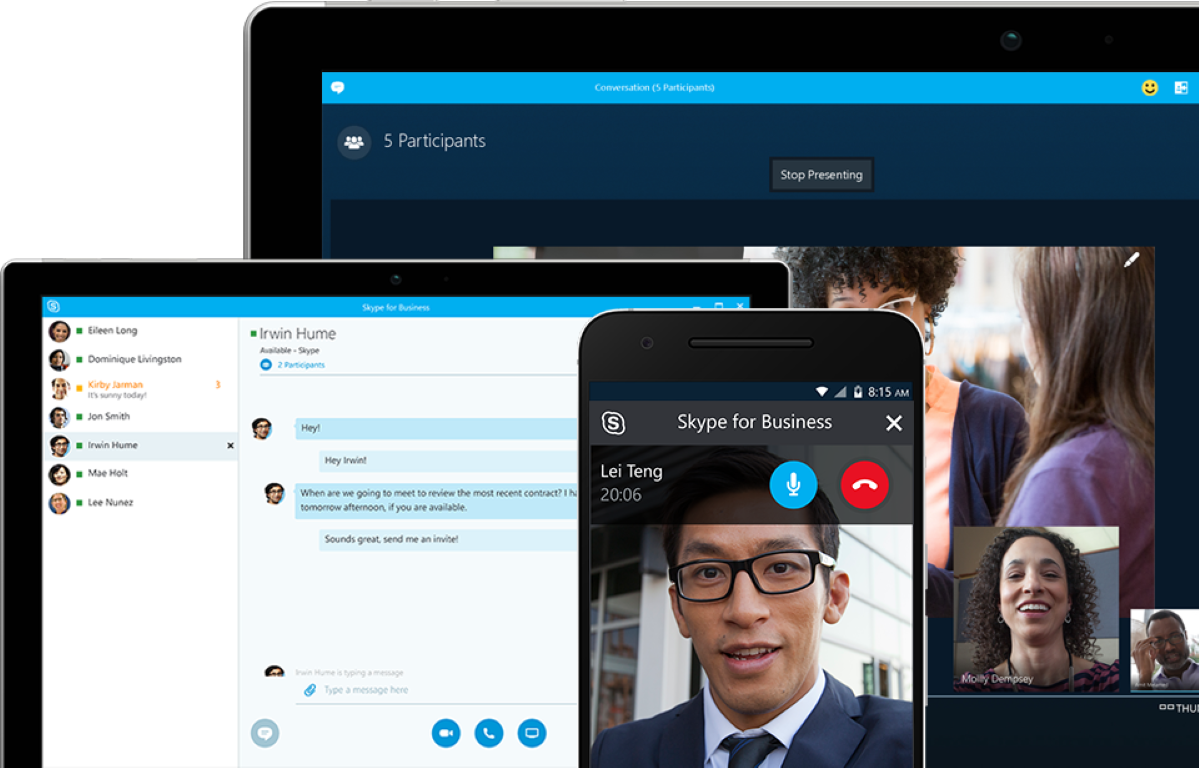
The name is synonymous with video conferencing and pioneered the industry more a decade ago. Now owned by Microsoft, it’s a robust platform that’s well integrated with other Microsoft services like Outlook and even Office. If your workflow is based on the Microsoft ecosystem, this should be your go-to option. However, Skype is limited inherently and recommended for individual or casual meetings with friends and family.
For work or businesses, Microsoft Teams is a collaborating tool like Slack that intends to replace emails and make workplace connectivity even more streamlined. You can add up to 100 participants in one call and that’ll be soon upgraded to 250 in the coming weeks. Both the services have free as well as paid plans depending on the requirement.
3. Google Hangouts / Google Meet
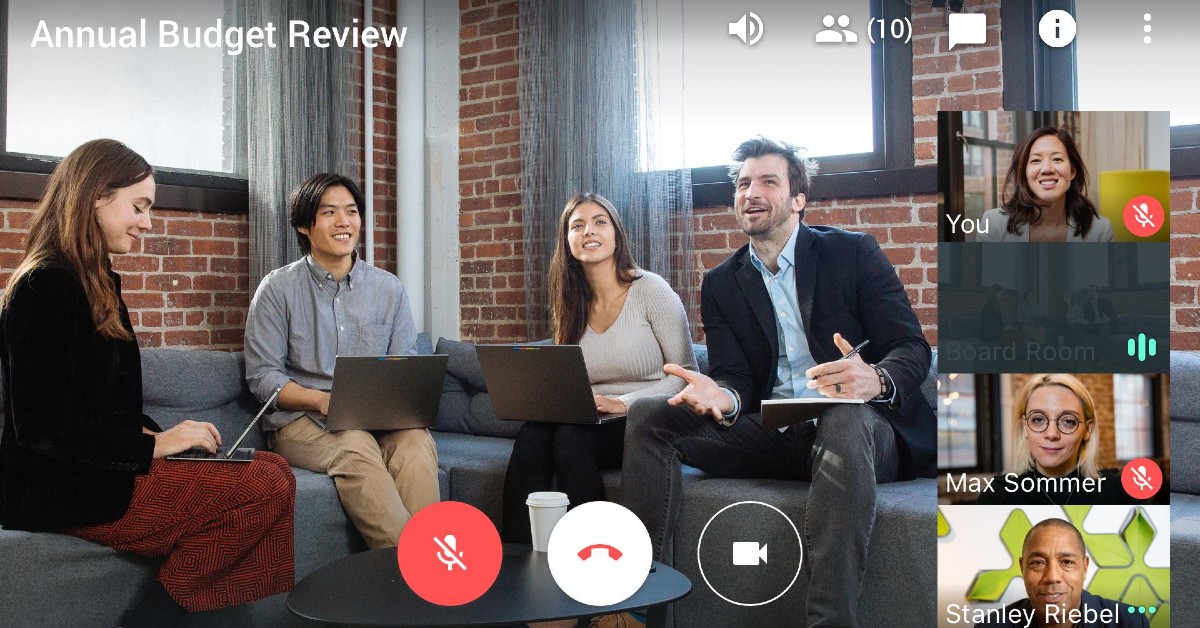
Just like Microsoft’s offering, Google Hangouts has been around for a long time and the go-to option for many. It was designed to offer group video calling, but for domestic or casual use. It’s also deeply integrated into Google’s ecosystem of services and often competes against the companies another offering — Google Duo.
For work or business-related usage, Google was quick to launch Google Meet. In simpler terms, it’s an upgraded version of Google Hangouts and can accommodate up to 100 users at once and has both, paid as well as free plans. However, it’s more generous than Zoom and gives free users a 60-minute usage window than just 40.
4. Facebook Messenger Rooms:

While every tech giant is going after the video-conferencing trend, Facebook felt left out as well and debuted a feature called Messenger Rooms. It allows up to 50 people to take part in a video chat, even if they don’t have Facebook accounts. In line with Facebook’s history with Instagram, it lets you add augmented reality (AR) filters like bunny ears and more.
We’d suggest using this app for casual calls with your friends and acquaintances or hosting informal “rooms” with your colleagues or Meetup events. Facebook’s history with privacy hasn’t been spick-and-span and we don’t encourage enterprises to use this service.
5. WhatsApp / FaceTime:
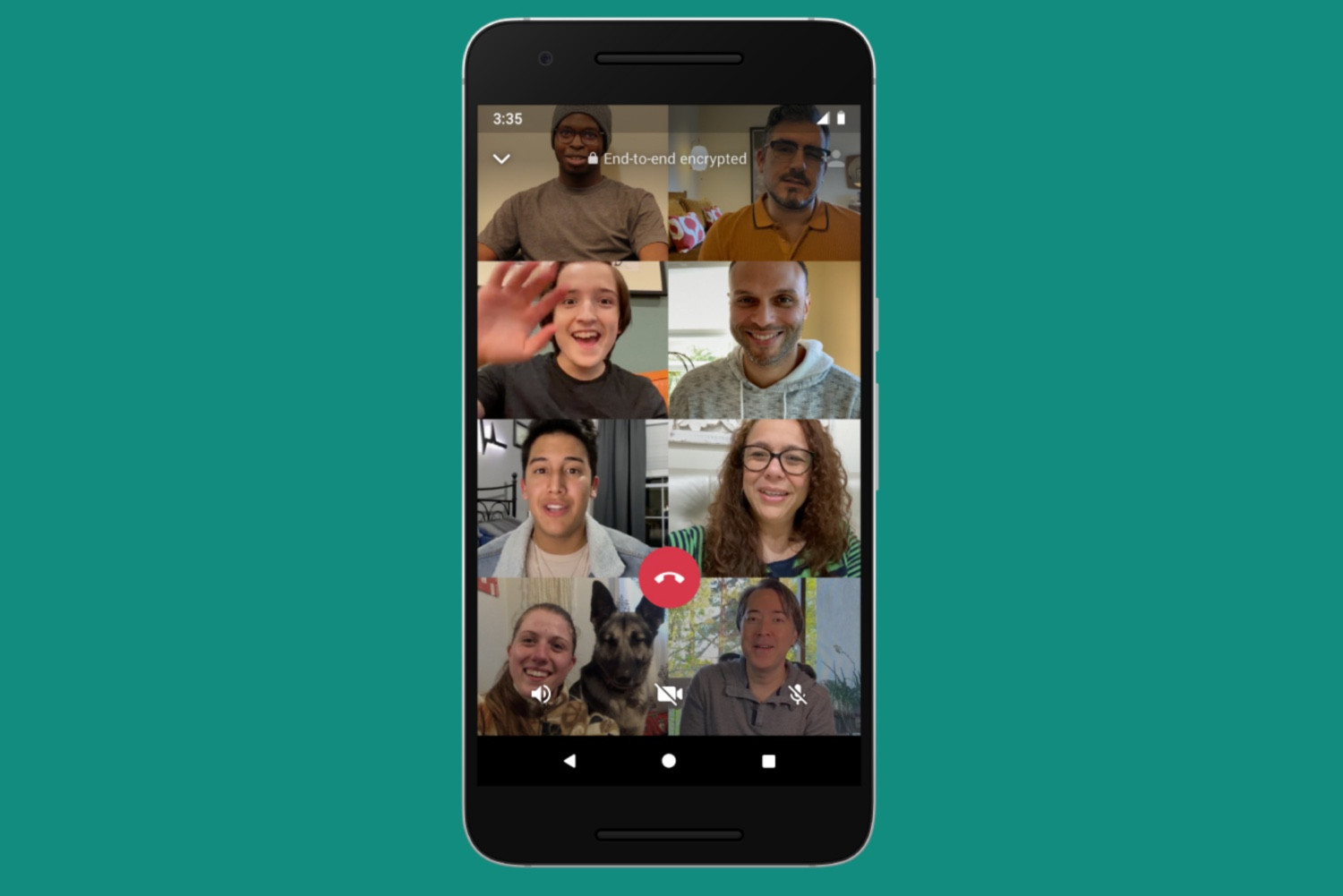
WhatsApp is the most popular instant messaging app and is known for its simplicity yet feature-rich offerings. When compared to the rest of the services, this one lets you add only eight users in a group video call. And, that’s the intended purpose. The app is super casual and best for waking up that one friend who has been sleeping too much during the lockdown.
The same goes for FaceTime, Apple’s in-house messaging, and video calling service. If you’re a micro-team, these solutions would very well work for you. But as you grow, these tools are insufficient to get work done and are standalone apps that offer nothing more than just the basics.




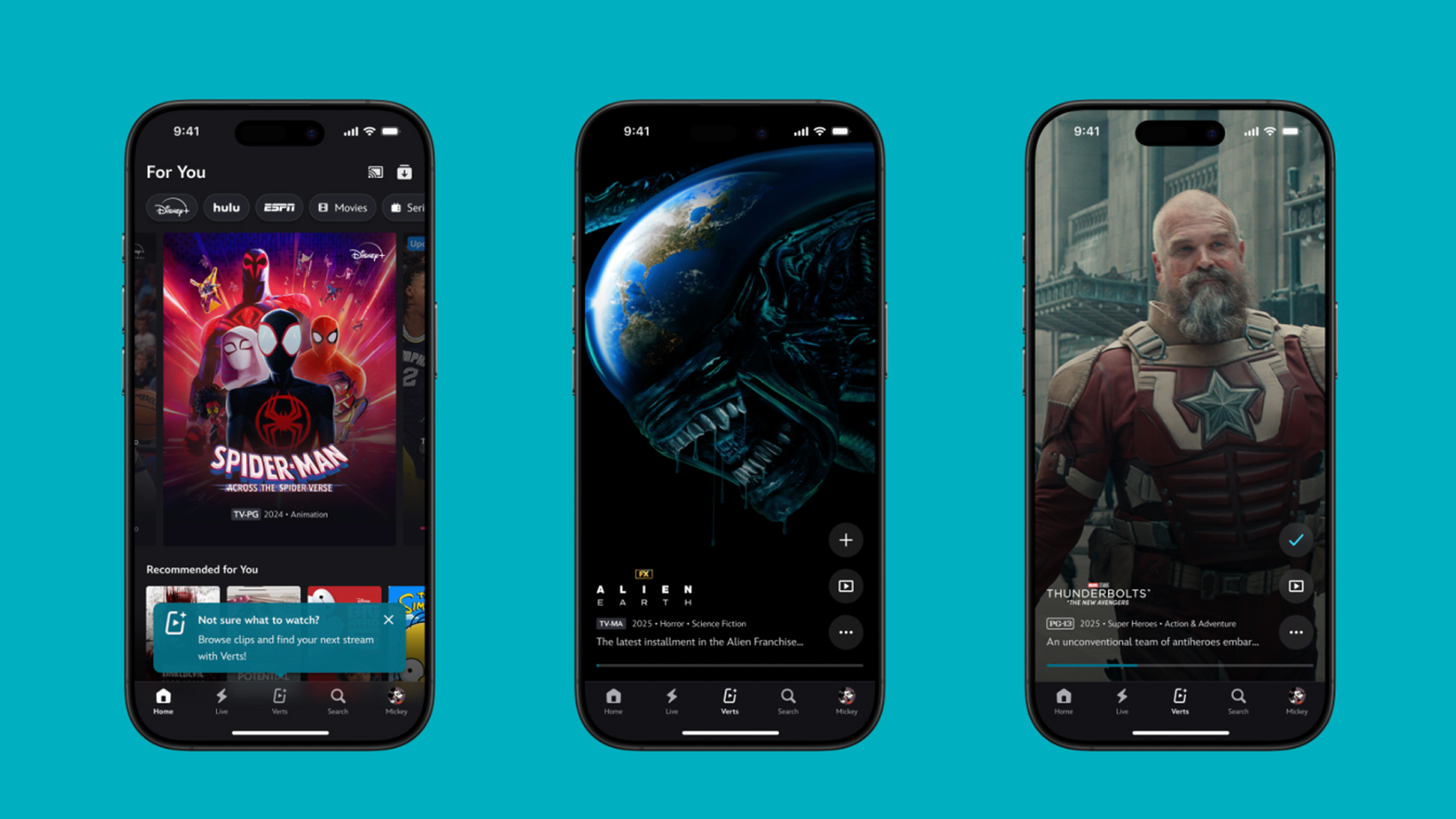
TikTok has changed how we consume media. Everything is now vertical. Even the most established streaming services, often a bastion for traditionally horizontal content, is adopting the different format. Now, Disney+ is getting a vertical feed called Verts.
Like its contemporaries, Verts presents a continuous feed of content but tailored to show the plethora of titles from the Disney+ library. This might include the first scenes of shows or notable highlights. The hope, of course, is to direct users to the longform content.
Directly from the Verts feed, users can easily add the respective title to their watchlist or go straight to the title’s page. In turn, the feed is accessible from the homepage since it has its own tab.
According to Disney, early experiments with the feature have driven engagement to available content. Right now, the feed is mostly for clipping enticing content from shows. However, the platform will experiment further with the format for new ways to tell stories.
Though Verts surely stands for “verticals” in this case, “adverts” might fit better as its full government name. Still, it might be a useful tool if you’re figuring out what to watch for the night.
Currently, Verts is available for Disney+ subscribers in the United States. Disney also has plans to expand the feature to ESPN for sports-related content.
SEE ALSO: Live NBA action on Disney Plus now available in the Philippines

Some of today’s navigation apps are living in the future. Instead of a two-dimensional map, these apps render the user’s surroundings in 3D. It’s a nifty upgrade that helps drivers more accurately visualize directions on the fly. Finally, Google Maps is getting a much-needed upgrade and will take navigation to the third dimension.
In a new update rolling out today, the new Immersive Navigation feature will bring your surroundings to life. The 3D view creates a render of the surrounding buildings, overpasses, and terrain around the car. It takes the guesswork out of navigation by showing precisely where to turn and what landmarks to look out for.
In the same vein, you can now use Street View to preview your destination before you arrive. Google Maps will also highlight your destination’s entrance, side of the street, and nearby parking.
Outside of how the map is visualized, Google Maps is also infusing its service with Gemini. The new Ask Maps feature will let you engage with the app in a conversational manner. For example, if you’re in the middle of a long drive, you can now ask Maps where the best place is to stop over and have a coffee break. Ask Maps will provide directions, a potential itinerary, and even helpful links to book a reservation ahead of time.
Now, availability for both of these features is still a bit limited. Immersive View is rolling out today to compatible devices and vehicles in the United States. Further, availability will expand over the coming months.
Meanwhile, Ask Maps is available now in the United States and India for Android and iOS. A desktop version is coming soon.
SEE ALSO: Google Maps is finally getting a power saving mode
Apps
Apple Music, TikTok launch Play Full Song, a new music discovery experience
Rolling out worldwide exclusively through Apple Music

Ever came across a viral 15 or 30-second music snippet on TikTok that instantly became your jam on repeat?
For years, TikTok has been a regular source of songs that have become part of our playlists. And together with Apple Music, listening to the music you discover has just gotten even easier.
That’s through Play Full Song, a new music discovery experience, which launches exclusively though Apple Music.
With the new feature, Apple Music subscribers can now enjoy full-length tracks that they discover on TikTok. That’s without ever leaving that popular streaming app.
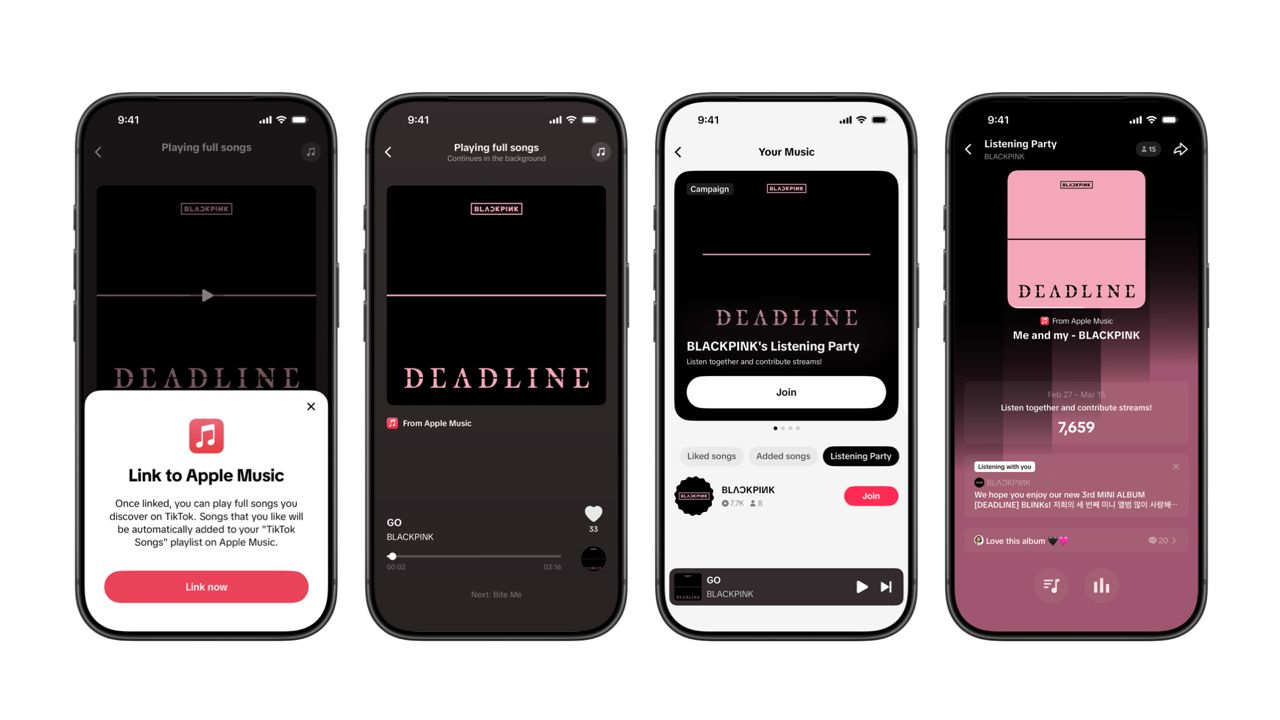
Fans who discover a song that they love on their For You or Sound Detail page can simply tap the Play Full Song button to open up an Apple Music player and enjoy the song in its entirety.
From there, subscribers can continue listening to a personalized stream of recommended songs. That means no more need to switch apps and search separately.
The new Play Full Song experience helps music fans move seamlessly from the moment of discovery to deeper listening. It’s also designed to be instant and all within the same environment.
Moreover, users can also save their favorite songs to Your Music and add them directly to their Apple Music playlists.
Built using Apple’s MusicKit, full-length song playback takes place on Apple Music. This way, streams are paid within the Apple Music service, supporting artists and rights holders while giving fans a smooth, uninterrupted experience.
Listening Party also launched
The feature builds on the success of TikTok’s Add to Music App. This was previously launched to help artists and fans convert discovery on TikTok to a playlist save in Apple Music and other streaming services.
To cap the announcement, TikTok and Apple Music are also introducing Listening Party. This new feature is designed to bring artists and fans together around music.
It creates a shared environment where fans can listen to songs from their favorite artists in real time, interact with each her, and engage directly with the artist during the session.





Now Playing: Hoppers

Jackery SolarSaga series: Free power for small devices

UGREEN adds new Nexode Pro power bank, charger to lineup

nubia to launch new Neo 5 series gaming phones on March 28

SHINOBI: Art of Vengeance’s SEGA Villains Stage out on April 3


-

 Reviews5 days ago
POCO X8 Pro Max review: A new beast from the far east
-

 News5 days ago
POCO X8 Pro Series: Price, availability in the Philippines
-

 Laptops2 weeks ago
Apple MacBook Neo Review
-

 Computers2 weeks ago
GIGABYTE collaborates with Capcom for RE Requiem custom PC
-

 Apps1 week ago
Google Maps is finally getting a 3D mode
-

 Entertainment2 weeks ago
The internet is thirsting over the One Piece Season 2 cast
-

 Features1 week ago
Galaxy AI on the Samsung Galaxy S26 Ultra
-

 Automotive2 weeks ago
BYD is reportedly considering an F1 team