


If you’re into watching movies and TV shows about science fiction, chances are you’ve already heard of or seen the show Black Mirror and its latest episode/movie/game called Bandersnatch. It’s available to stream on Netflix and watching it gives the audience a unique experience in a way that doesn’t follow a linear way of storytelling.
Instead, it gives you the power to choose (using your TV’s remote control, laptop, or smartphone) and decide what happens next in the story. In short, there are many directions the narrative can branch out to and every choice affects what will happen later on.

It’s not the first time a story has been told in this approach, but the implementation in an online streaming service and how the events unfold throughout the episode goes beyond the norm in so many levels. If you’ve seen Bandersnatch, we’re sure there’s a lot you want to talk about. And so do we! This article is a discussion on what we liked and didn’t like.
Of course, there will be spoilers throughout. If you haven’t seen the episode, you may stop reading and watch it first. Or you can just continue on and join in on the fun. All up to you. It’s not like someone from the future is controlling your decisions, right?
Were there any expectations before watching Black Mirror‘s Bandersnatch?
Dan: I have to admit that I was hyped for Bandersnatch. It became sort of a tradition for me to binge watch a new season Black Mirror during the holidays. So, when the news broke about an interactive Black Mirror film, I had high expectations. I expected it to be more complex, but I think it was just enough.
Rodneil: When I played the first three hours of the PlayStation 4 exclusive Detroit: Become Human,my initial thought was that it felt like binging a Netflix series with more involvement from you as the audience. In that regard, I expected Bandersnatch to feel like a game, and it did.
Kevin: I expected it to be a dark, heavy episode since it’s what Black Mirror excels at. As for the interactive experience, I’ve recently tried out Netflix’s Minecraft Story Mode and had a taste of how the system works so I already had an idea of how things will go.

What was your first ending?
Dan: I took the initial offer immediately… It wasn’t done in good judgment. 👀
Rodneil: Same with Dan, haha. My gut said to not take the offer but logically, it felt like a reasonable option. After choosing this “wrong path,” I followed my gut the rest of the way.
Kevin: I took the prescription pills prescribed by my shrink (I’d like to think I’m obedient that way) instead of flushing them down the toilet which resulted in getting a 2/5 stars rating of my game. I went for a different timeline, of course, and corrected that.
Did you make good decisions throughout the story?
Dan: Not really. Instead of thoroughly thinking about which option I choose, I always had the thought that I can repeat and amend a mistake. Also, I thought of it as a video game wherein I have to make sure I explore everything before jumping to the next level.
Kevin: I didn’t want to “shout at dad” let alone “kill dad.” So those decisions led me to a dead end. Then I remembered this is Black Mirror and it probably wanted me to go for a darker path. It did, haha!
Rodneil: I’m not sure about good but I did go with what I thought was the smarter or weirder option.

Do you think your decisions reflect your personality?
Dan: It should. Although, I think I wasn’t properly watching it the first time, so my first choices should not be counted.
Rodneil: For the second ending I got, I would say it did. My usual approach in choose-your-adventure games is to not think too much about my choices and just go with my gut.
Kevin: It did. And as I said earlier, some of those choices led me to a dead end. Others made things more interesting like taking on the therapist Street Fighter style. That was fun to watch.
What was your favorite part from the episode?
Dan: I’d say my favorite part was one of the proper endings where the young Stefan went with her Mommy and they got into the train accident. It was just a flashback, but it affected the current timeline of adult Stefan and he died while sitting on a chair inside his doctor’s office. Being part of the Black Mirror franchise, I find this ending to be the best as it embraces the series’ suspenseful and dark atmosphere.
Kevin: There were actually a lot for me. The conspiracy theories Colin delivered while they were tripping on LSD was so convincing thanks to his acting.
The path where you choose to explain Netflix to Stefan, for me, was just so surreal since I could imagine myself telling someone from the 80s that I’m controlling a fictional character on a TV show. I bet hearing that from someone from the future would totally sound insane — and for us living in the present, it is the reality.
Also, that part when Stefan says something about making the audience think they have free will to choose but in reality, it’s still Stefan giving the scenarios and where they’re heading. It pretty much applies to us, too, thinking we have control over the entire episode when there’s actually a flowchart of things that dictate what we can and cannot do.
Lastly, I’d say I was blown away by how meta the episode can become. One ending goes to follow Colin’s daughter who is now adapting Bandersnatch for Netflix. We see her planning the choices for the actual episode and we’re given one last time to dictate what she does next. Eventually, she destroys her computer which then makes the show nonexistent. Brilliant.
Rodneil: Man, I agree with everything Kevin listed. I enjoyed Colin’s entire “free will” monologue and how meta it was when you’re asked to explain Netflix to Stefan.

Is there anything that you didn’t like about the story or experience?
Dan: As I have mentioned earlier, I was expecting a more in-depth viewer involvement. There were decisions made by the protagonist that I wished I was given the chance to choose. Also, it was not the strongest Black Mirror story. But, overall, Bandersnatch is a showcase of online entertainment. It may not be the most original, but the concept was put to good use.
Rodneil: Nothing in particular. I wasn’t expecting much coming into it. In fact, I didn’t expect the story to be good at all, but after watching, I thought it was a perfect first offering for this kind of format.
Kevin: Dan and I share the same sentiments on the episode not having the strongest story. I mentioned that I expected something heavy before watching it and though some of the endings were indeed dark, it’s not Black-Mirror-Season-One-Episode-One dark that will leave you dumbfounded by the end. I understand that they concentrated more on the interactive part and they did a fantastic job in its entirety.
Will this interactive technology change or affect how we watch movies and TV series in the future?
Dan: A big yes. Like with interactive books, however, it’s not for everyone and it’s not applicable to all titles. I’d love to see a couple of interactive films on Netflix every now and then, especially on the big screen. The genre of Black Mirror is perfect for interactive content, and maybe some other horror or suspense stories. Stretching this out to a series will take a lot of resources, but it’ll be grand.
Rodneil: It will change in that I think other streaming channels and even platforms like YouTube and Facebook will try to integrate this feature. It might be one way to curb piracy. I imagine it will be extremely hard to duplicate this experience. If more good titles make use of this interactive kind of viewing then more people might be enticed to actually pay for streaming services. We’re a long way away from that but this is definitely a step in the right direction.
Kevin: Of course. It has that element that you’re responsible for what happens to the character — whether something good happens to them or you get them killed. It has a different, more personal impact. Also, what Dan and Rodneil said.





I’ve never been the kind of person who stays still for long.
My calendar looks more like a puzzle than a plan. Airports, races, trails, test drives, repeat.
Somewhere between boarding gates and finish lines, I try to squeeze in meetings, shoots, and the occasional night out.
For years, I’ve carried cameras that promised to keep up. They all said the same thing: lightweight, smart.
Yet they always ended up feeling like one more thing to hold. They’re more of a reminder that I was documenting life instead of living it.
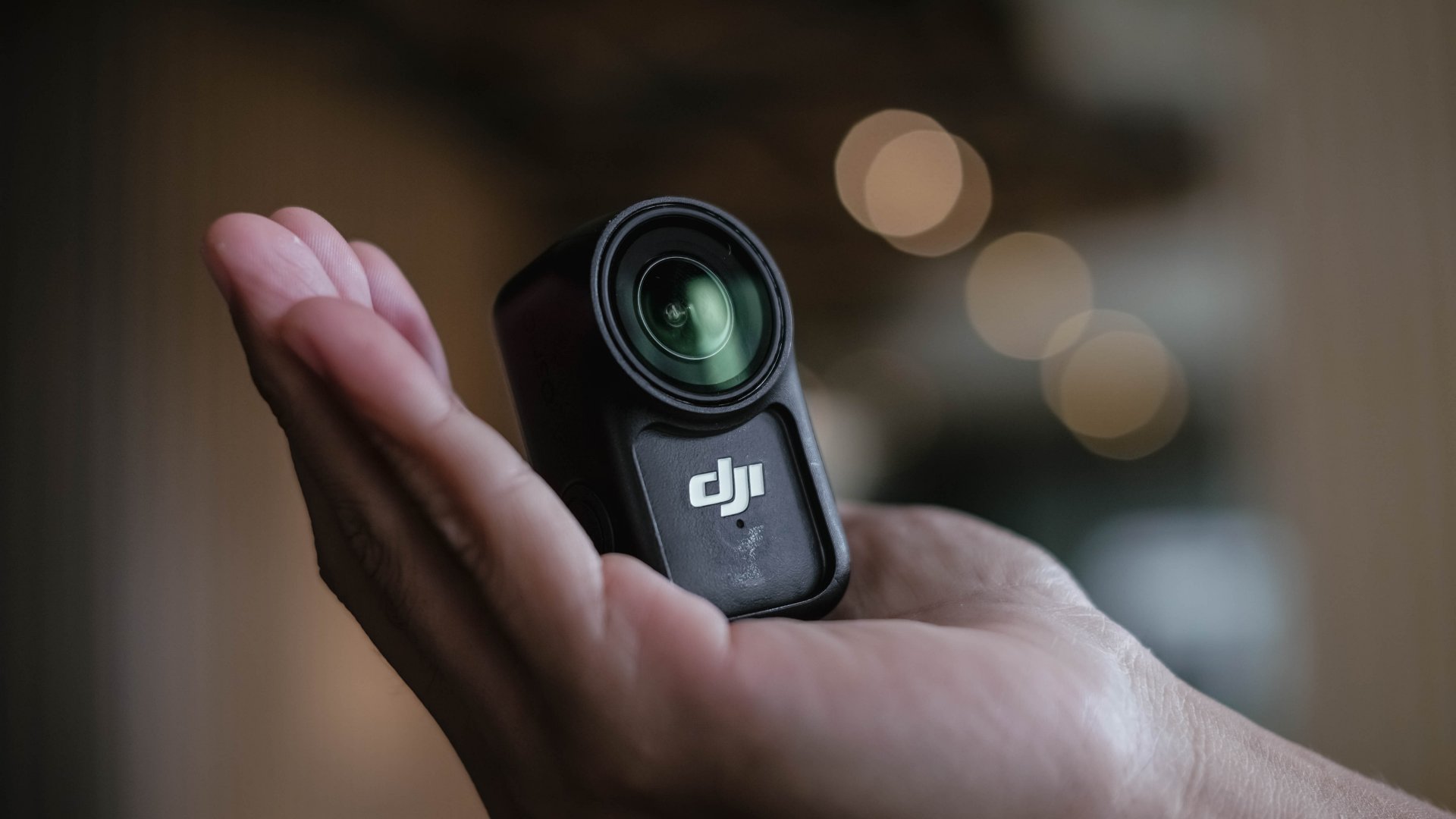
Then the DJI Osmo Nano arrived, right before a flight to Hong Kong. I slipped it into my backpack without much thought.
Somewhere between the terminals of Hong Kong, the beaches of Shenzhen, the streets of Zhengzhou, and the mountain roads of Baguio, this tiny camera became part of my everyday life.

Hanging from a lanyard or docked on a dashboard, it was always ready. It’s strange how something so small can change the way you move through the world.
I stopped worrying about framing the perfect shot and started focusing on feeling the moment.
Made for people on the move
At 52 grams, the Osmo Nano is incredibly light yet feels substantial. It’s the kind of confidence that comes from precision engineering.
The matte finish resists fingerprints and the occasional drop of sweat. Simply put, it’s designed for motion.
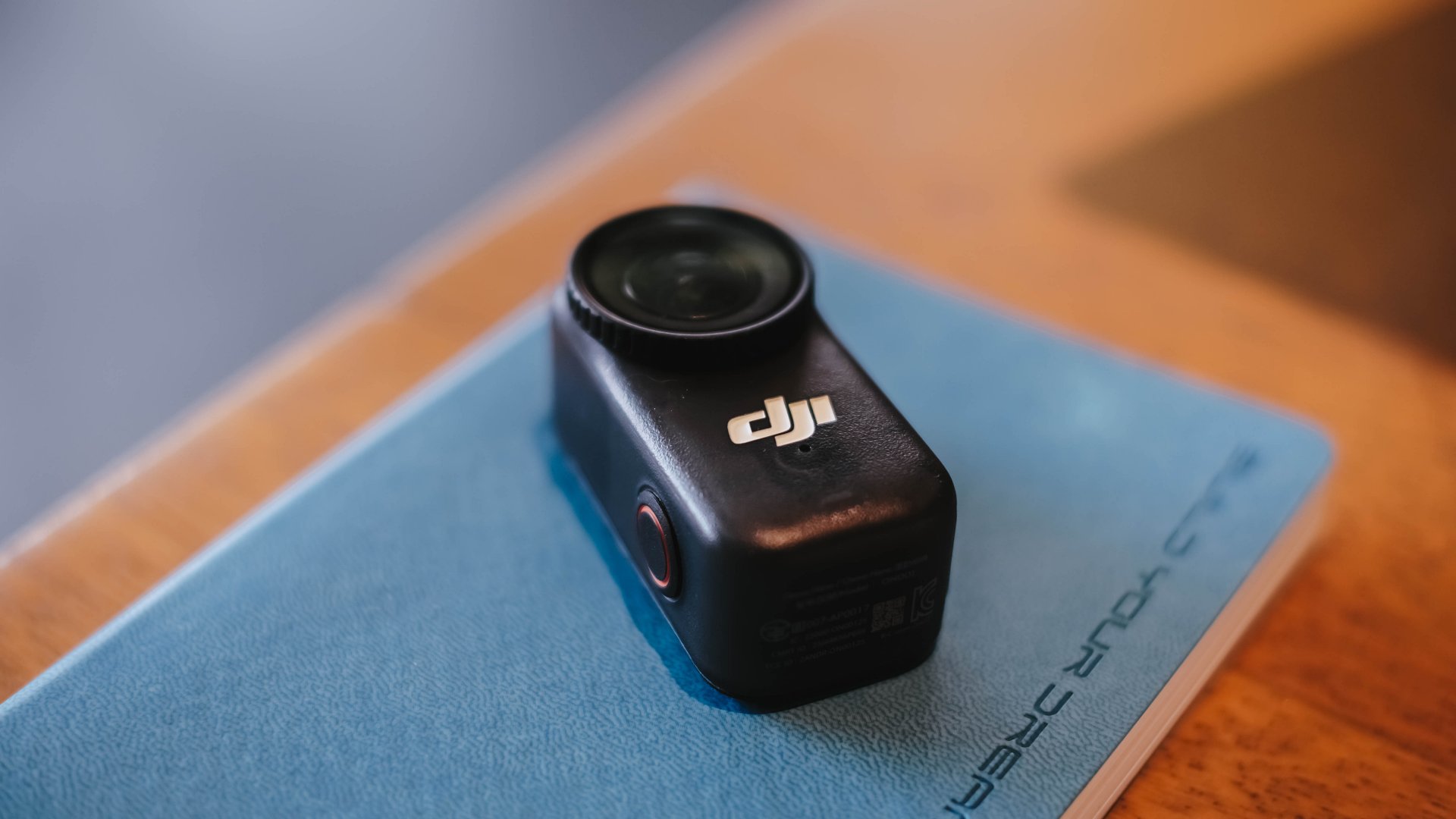
Then there’s the protective case. If there were an award for most underrated accessory, this would win it.
I accidentally dropped the Nano from a floor up and braced for heartbreak, but when I picked it up, both the body and the lens were flawless.
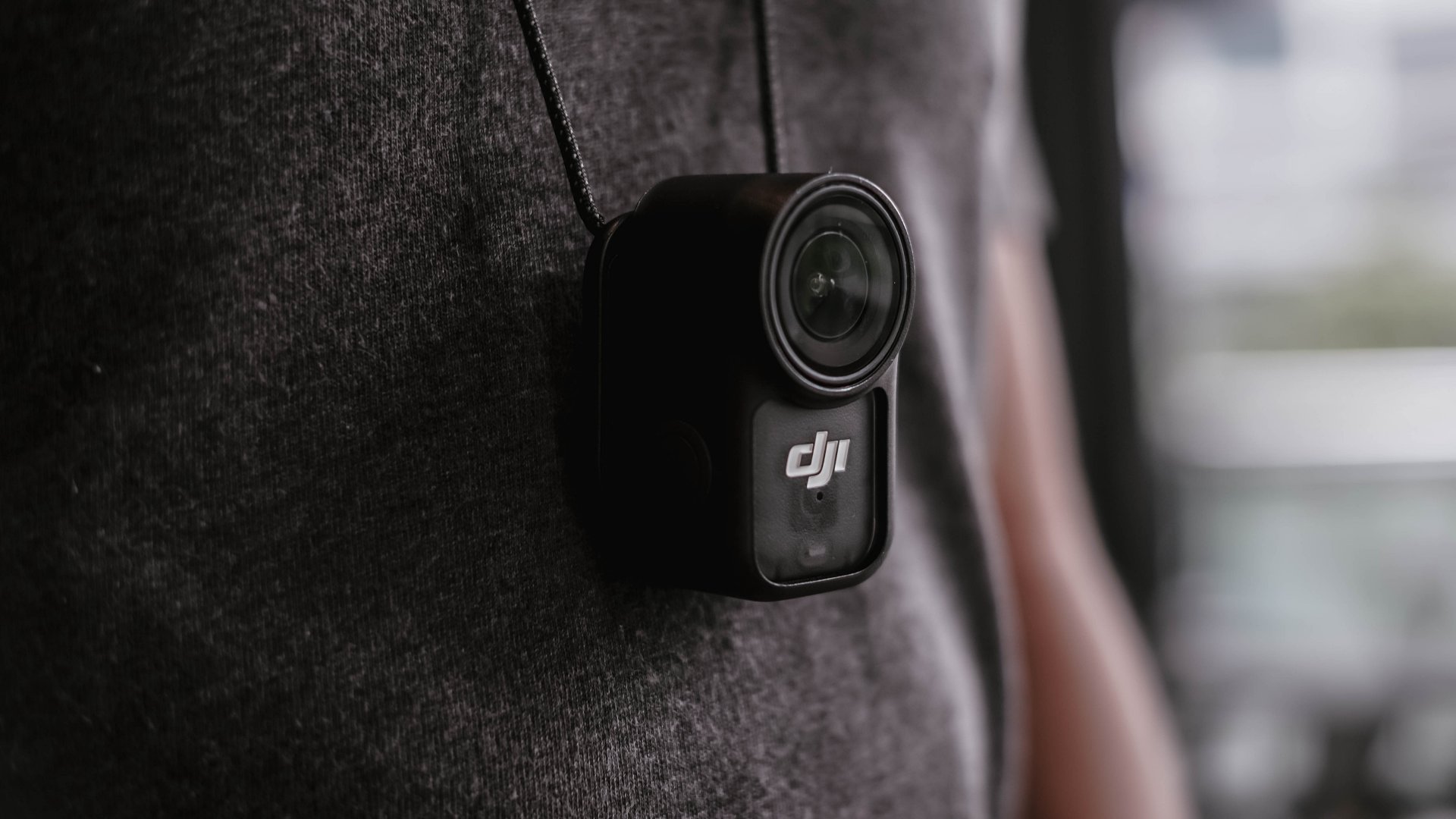
With or without a case, it also looks elegant. It doesn’t scream “camera.” You can clip it on your shirt or cap, and no one gives you a second look.
You can film without disrupting the mood, which gives the footage a sense of authenticity that’s hard to replicate.
A full system in your pocket
The Osmo Nano alone is impressive, but pair it with the Multifunctional Vision Dock and it becomes a complete ecosystem.

I brought it everywhere. In Shenzhen, it sat on the sand while I ran barefoot by the water. In Zhengzhou, it helped me capture temples and tourist sites that looked almost cinematic.
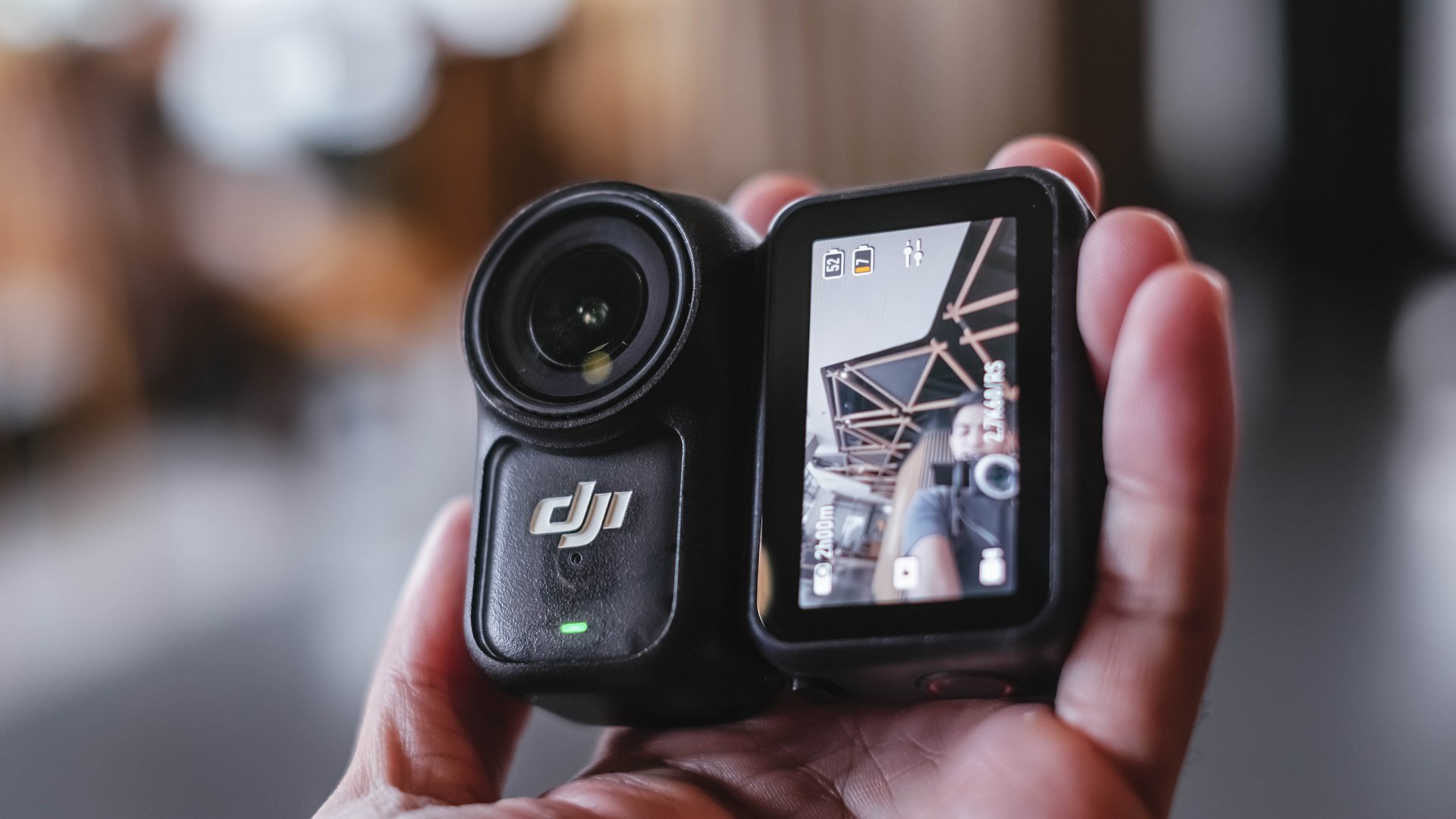
The dock acts like your all-in-one creative base: a power bank, tripod, remote control, and transfer hub built into one piece of aluminum.
It charges the camera to 80% in just 20 minutes, records for up to 200 minutes, and transfers data up to 600MB/s through its microSD slot.
It even doubles as a display for previewing or reviewing clips, which is a rare convenience in a setup this small.
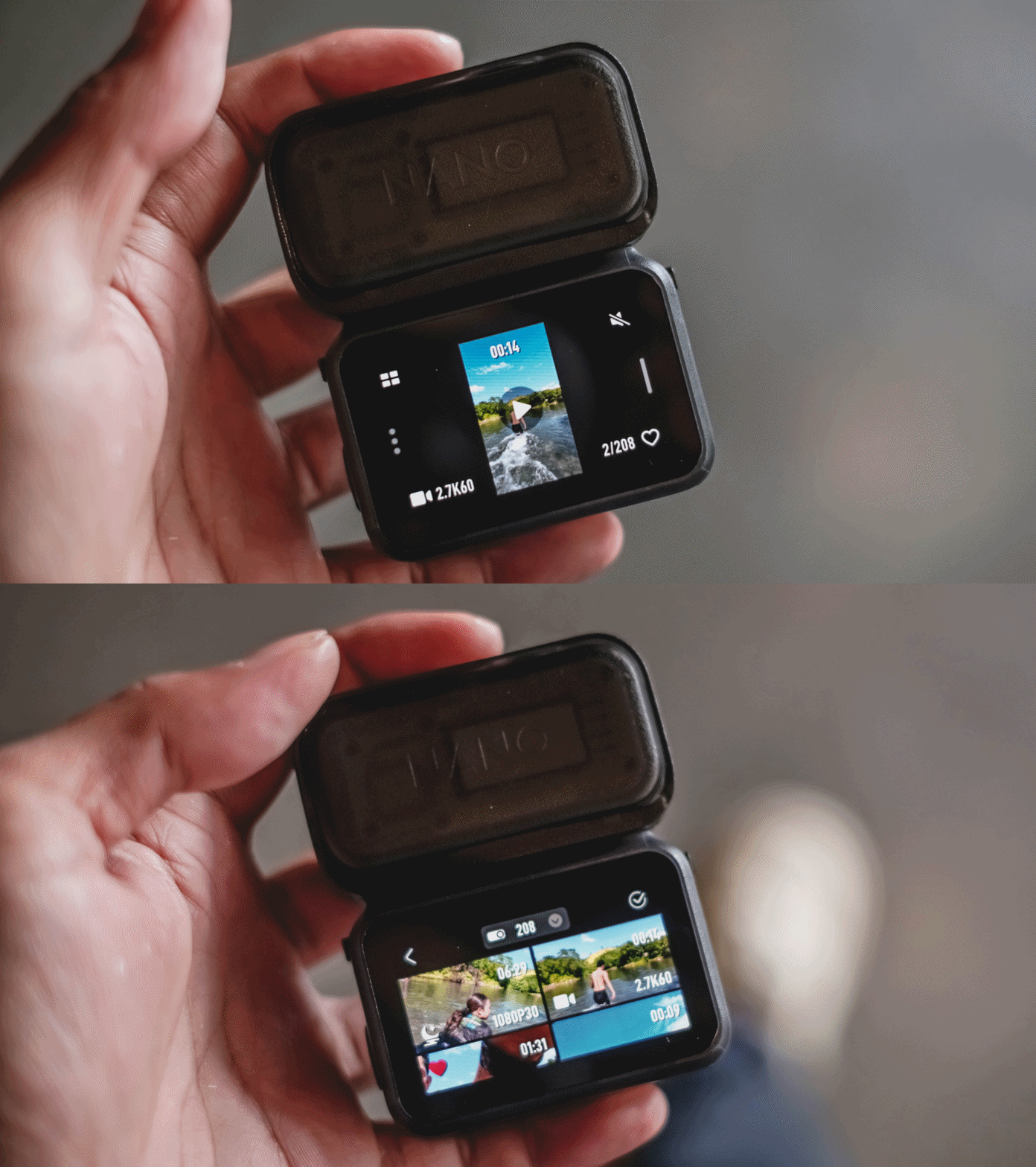
Together, the Nano and the dock feel like the definition of portable professionalism: a setup that fits in your pocket yet never feels like a compromise. It’s everything you need, minus the baggage.
The creative hub
What ties it all together is the DJI Mimo app. It’s the command center that turns the Osmo Nano into an extension of your creative workflow.
Footage syncs automatically, though I wish it keeps the connection longer, as the device kept disconnecting from the app time and time again.
Through the app, you can trim, color-grade, and export straight from your phone. Whether at an airport lounge, a café, or even the backseat of a car, editing feels effortless as long as you don’t use the One-Tap Edit feature.
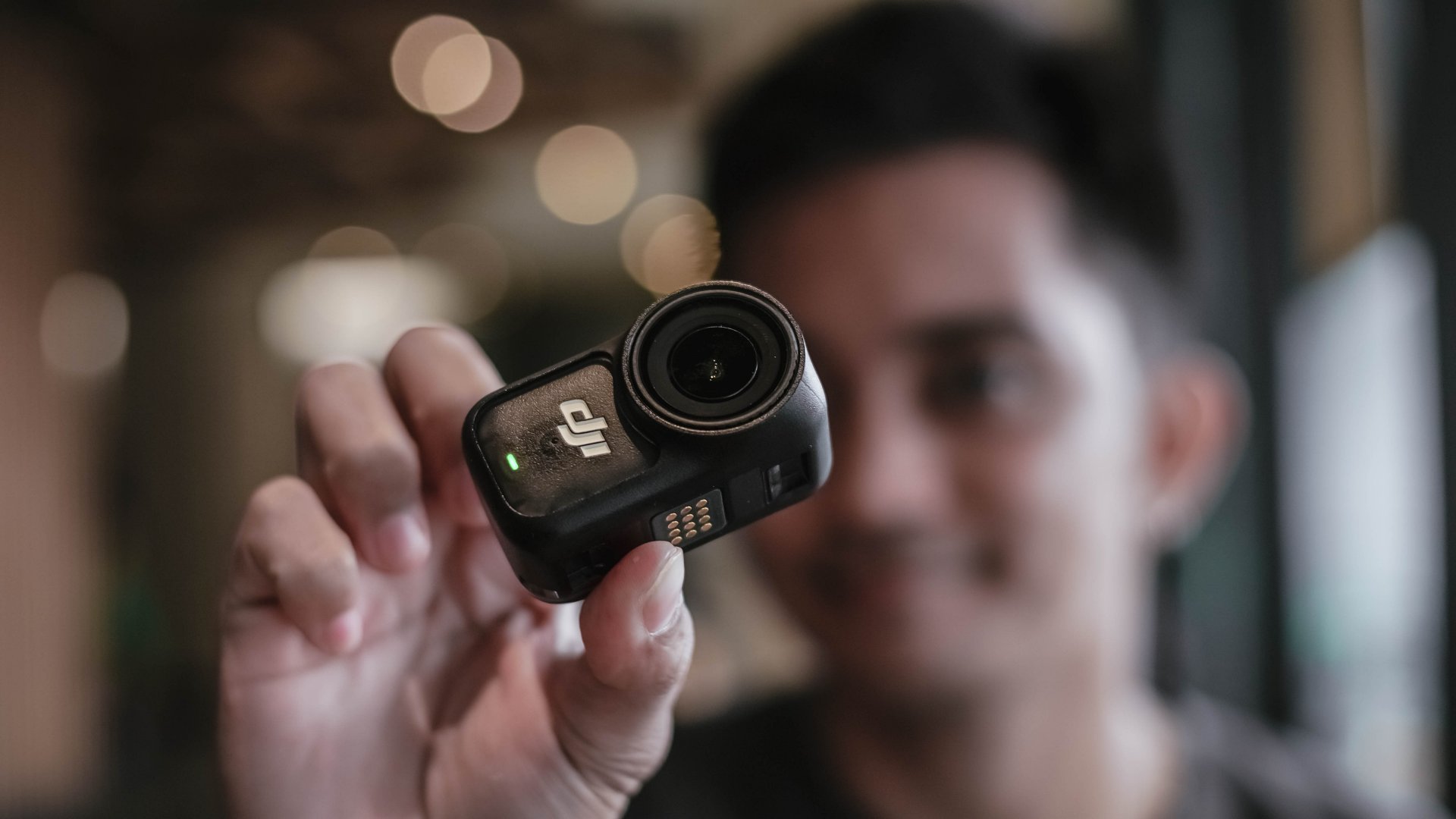
I don’t know how to put it, but using AI to pick the ‘best’ frames doesn’t sit well with me after trying it and seeing its output.
While the frames it picked were ideal, composition-wise, it doesn’t have the emotions needed when producing a video.
Nevertheless, I particularly love how it adapts to my workflow. Syncing large files and previewing high-res clips happens with minimal lag.
For creators who thrive on momentum, that speed is priceless.
Race tracks and road trips
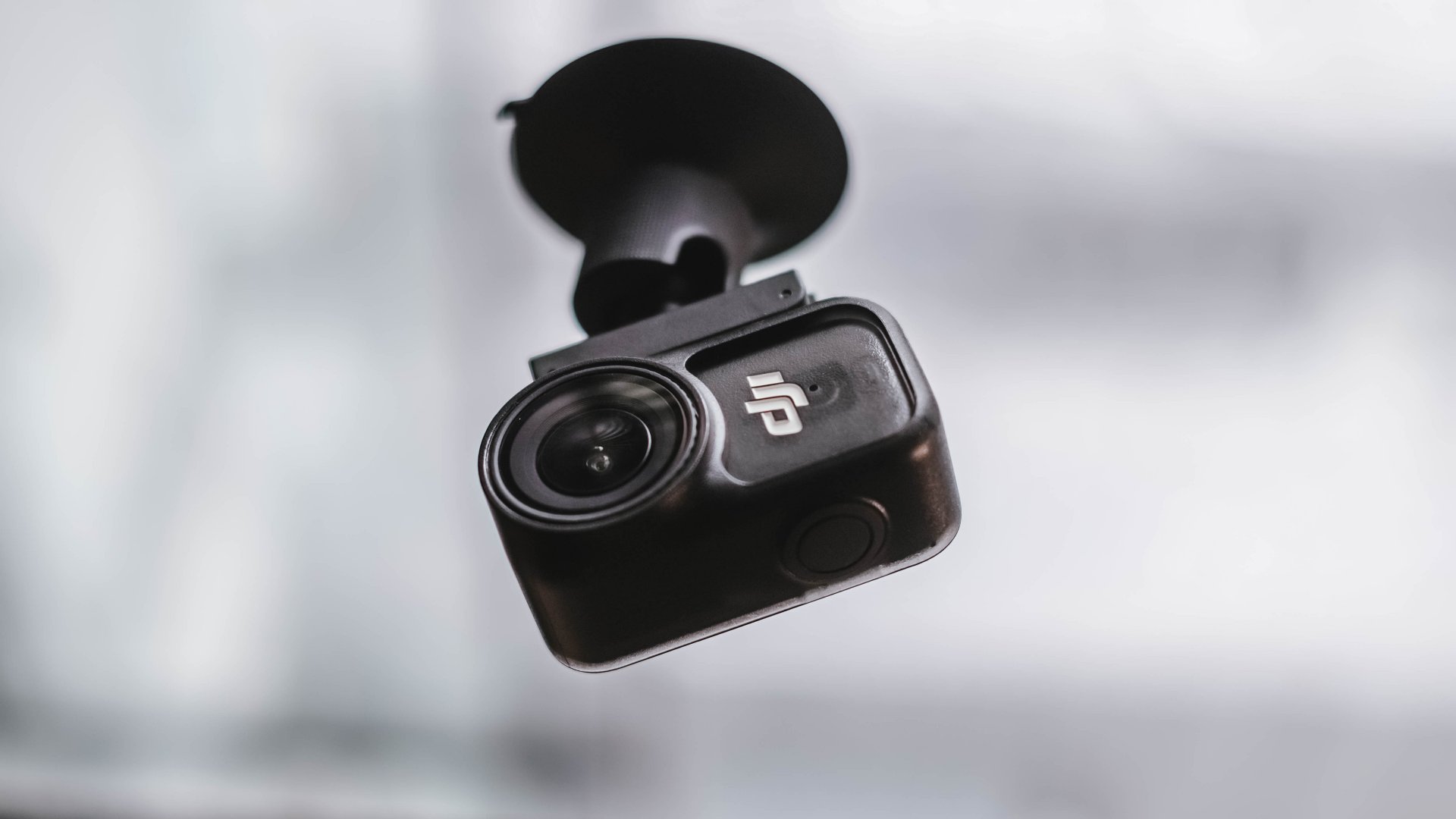
I’ve always believed that motion tells better stories than stillness, that the way a car turns a corner says as much as the driver’s expression.
When I tested cars at the BYD Zhengzhou All-Terrain Circuit, the Osmo Nano was mounted on the Dual-Direction Magnetic Ball-Joint Adapter Mount.

Through rough corners and high-speed bursts, the videos stayed unshaken thanks to RockSteady 3.0 and HorizonBalancing.
The footage looked like something out of a commercial. The 143° ultra-wide lens captured more story.
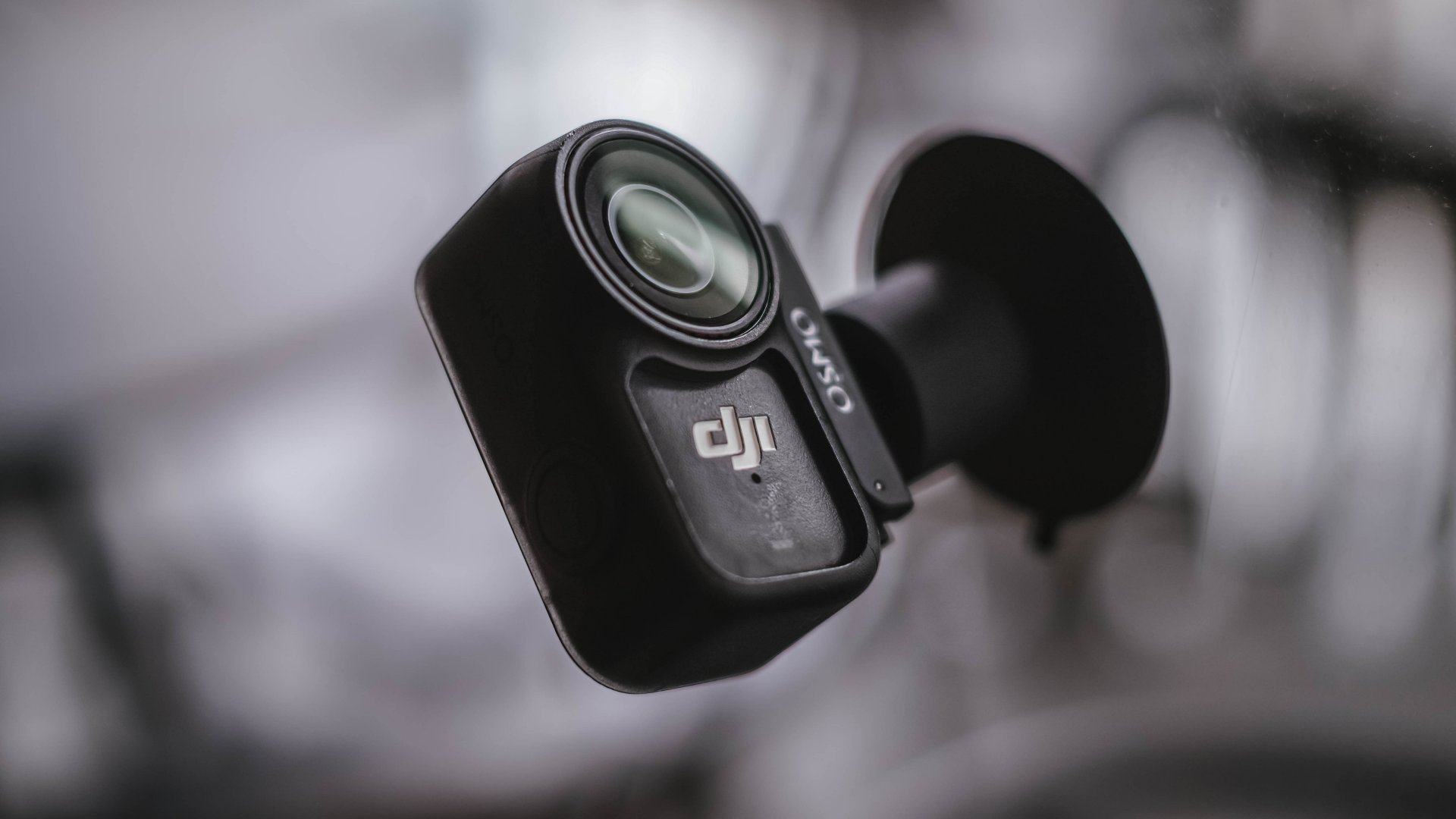
The only drawback was how the Nano tended to overheat during off-road and race track sessions, even after a firmware update.
Even when we were indoors at the BYD Di-Space Museum — a controlled, air-conditioned environment — I had to limit recordings to 2.7K or 1080p instead of 4K to keep recording.
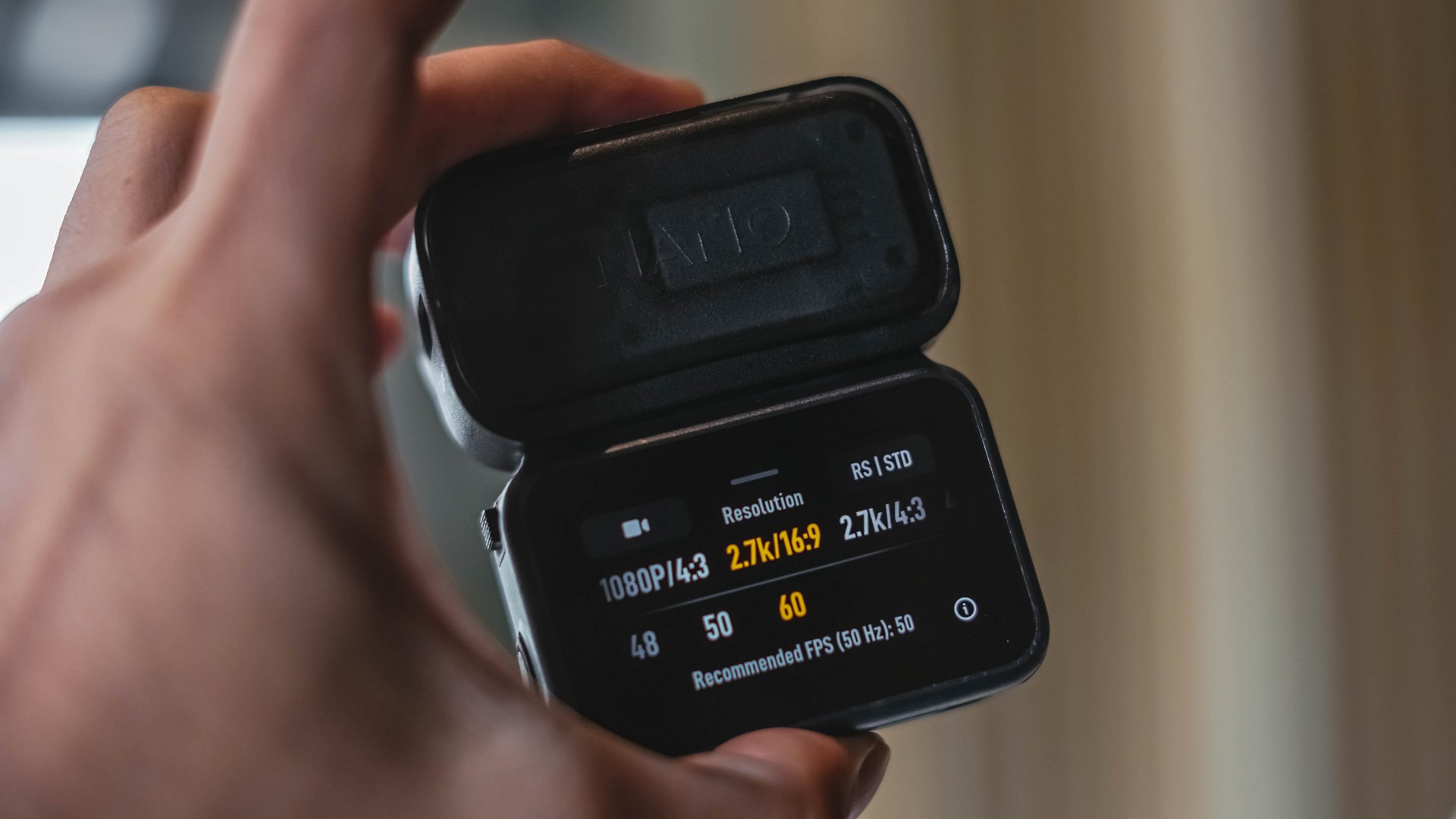
Later, I brought it to Baguio City, driving through pine-covered streets with the Ford Territory Hybrid.
The colors shifted with the light, from deep morning blues to warm golds by afternoon, and the Nano handled it all gracefully. It balanced light and shadow without flattening the details.
In moments where I could lose a shot quickly, I preferred setting color to Auto rather than using D-Log. Though I’m a creative director by profession, I don’t believe in using D-Log unless you can color grade perfectly.
Most creators who insist on it miss the point. It takes away the beauty of capturing things as they are. The Nano’s color quality is good enough to make every frame look polished and accessible.
Never missing a step
Of course, no camera review feels complete until I’ve taken it to the trail.
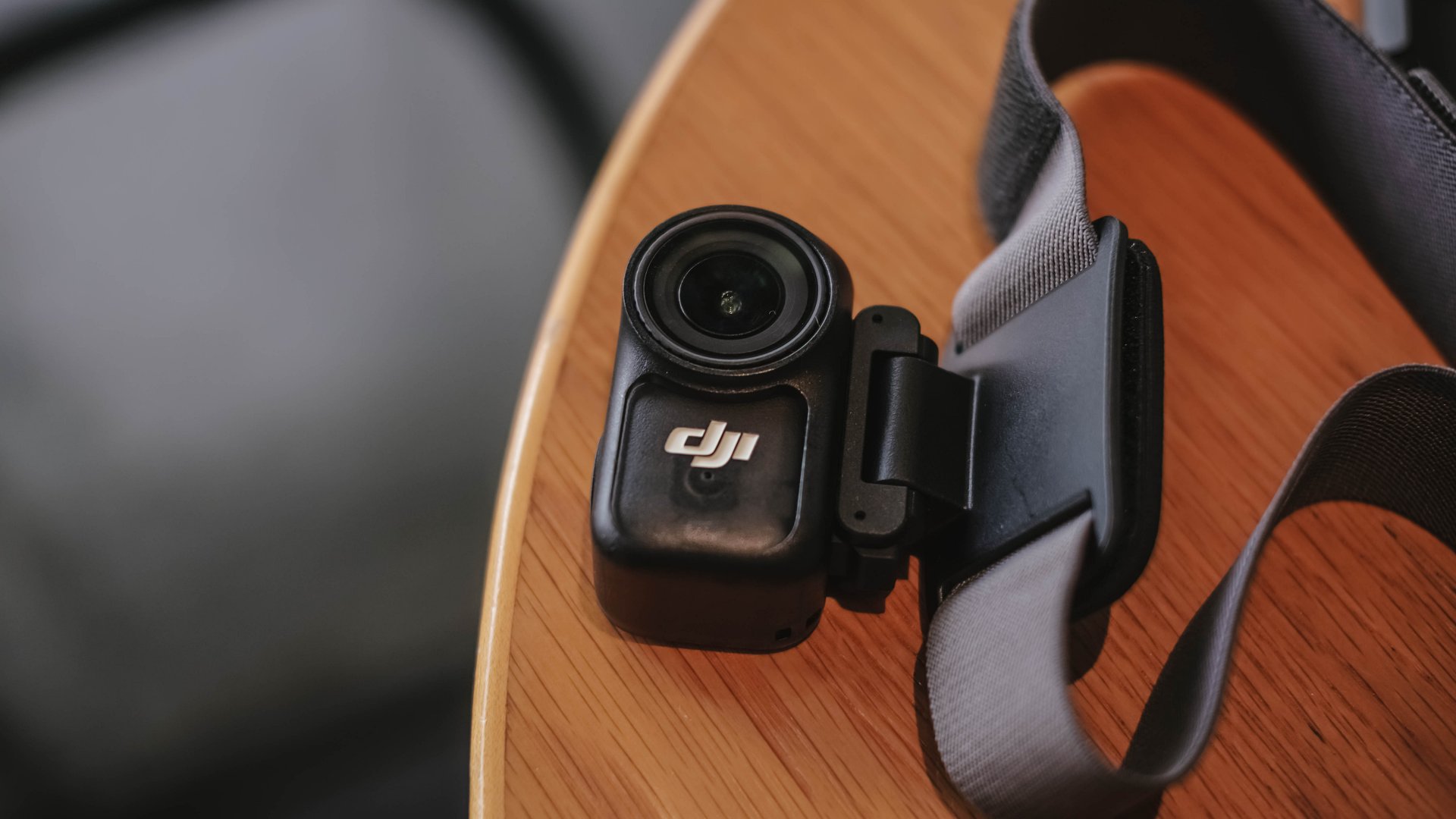
During BGY BYG’s OCR Simulation at Bridgetowne Obstacle Park, I used the Magnetic Headband and Lanyard, swapping between them as I watched participants go through obstacles.
I wanted to see how the Nano handled rain and movement, and it didn’t just survive. It performed well.
Thanks to the 1/1.3-inch CMOS sensor, it captured athletes at dusk with the SuperNight mode assisting in low light. The image quality was good, though not exceptional.
View this post on Instagram
Due to its fixed ultra-wide field of view, versatility remains limited. It doesn’t have a zoom lens, so I had to move closer to the athletes to frame their movements.
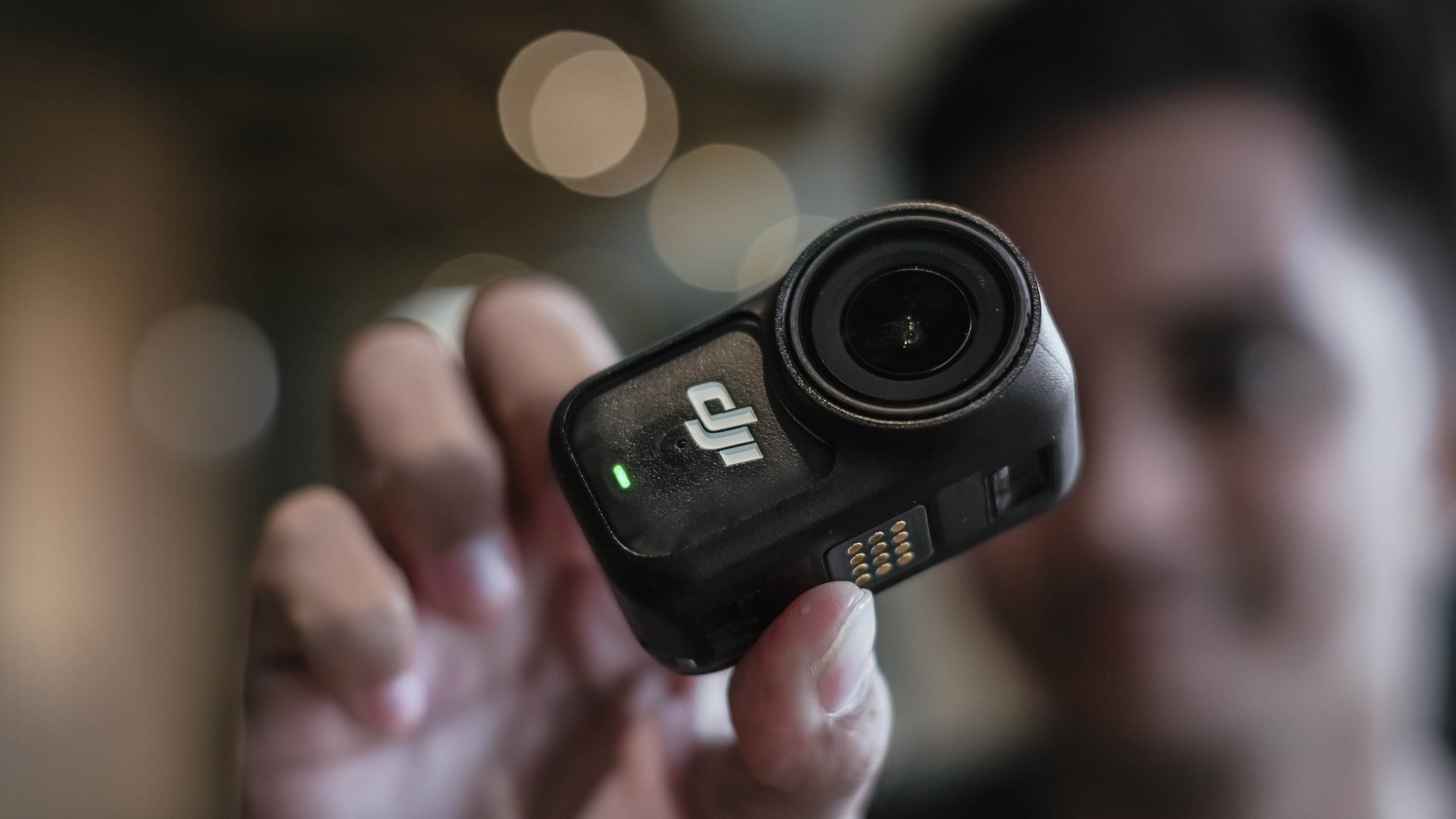
Then came the 32km trail run to Sitio Malasya in Rodriguez, Rizal. The terrain was brutal (as usual) and yet the Nano stayed locked in. I held it by hand without the dock, and the footage I captured became one of my favorites.
It’s rare for an action camera to feel emotional, but the Nano somehow made the footage feel alive.
During the run, the audio also impressed me. The built-in microphones captured ambient sound and reduced wind effectively. For those with DJI Mics, pairing is seamless and doesn’t require receivers.
Maybe next time, I can record a Trail Talks podcast so we don’t get bored running longer distances?
View this post on Instagram
At the end of Sitio Malasya is a raging river, where we stopped to eat and rest. When it drizzled mid-run, I kept recording without worry.
The Nano handled rain and splashes without fogging or glitching. I didn’t feel anxious bringing it into the unpredictable courses of my life.
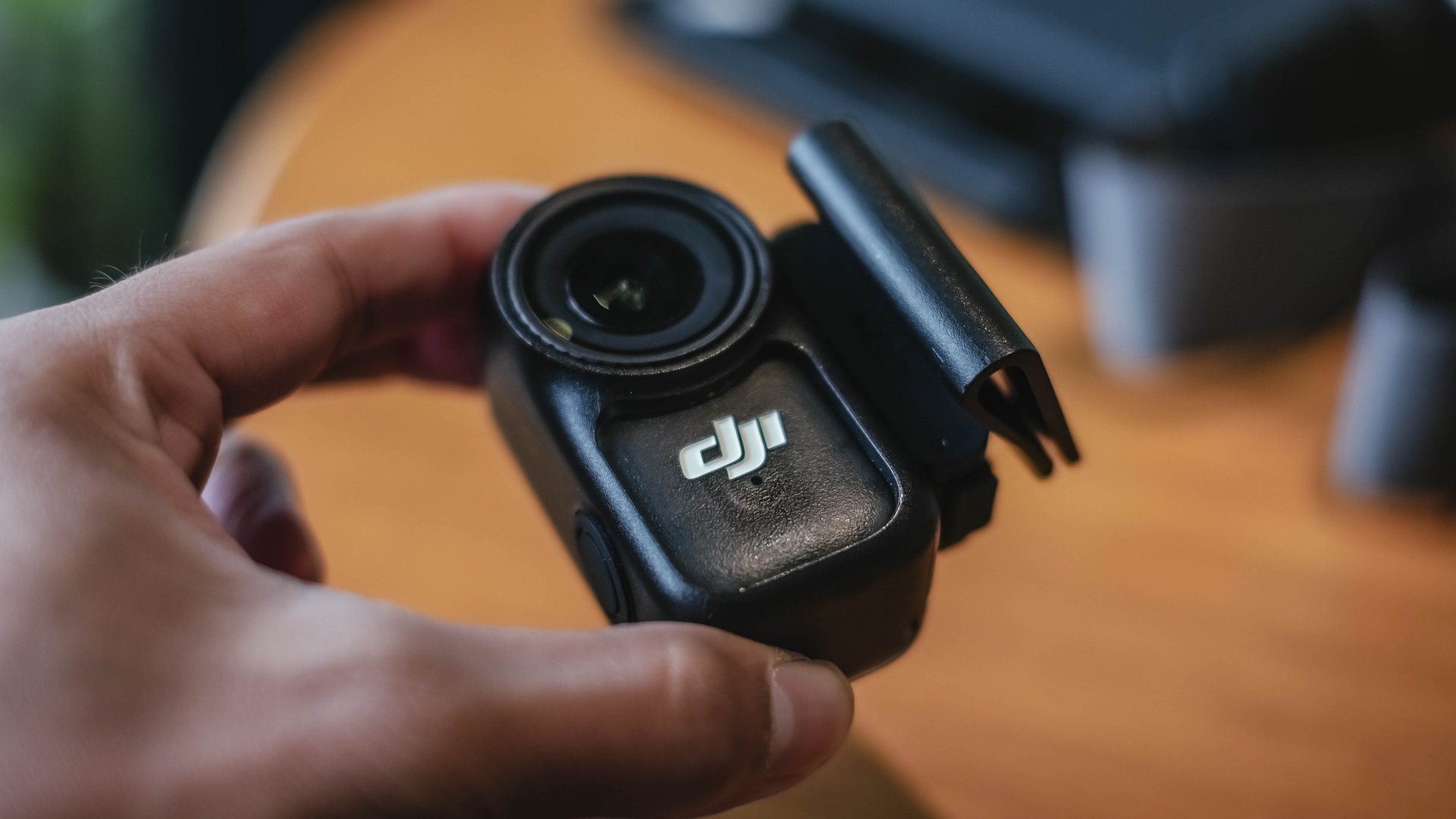
Running back to the jump-off point, I realized the DJI Osmo Nano isn’t just a piece of technology. It’s an adventure companion that understands the tempo of your life.
Unlocking its full potential
Like any performer, the Osmo Nano shines brighter with the right supporting cast.
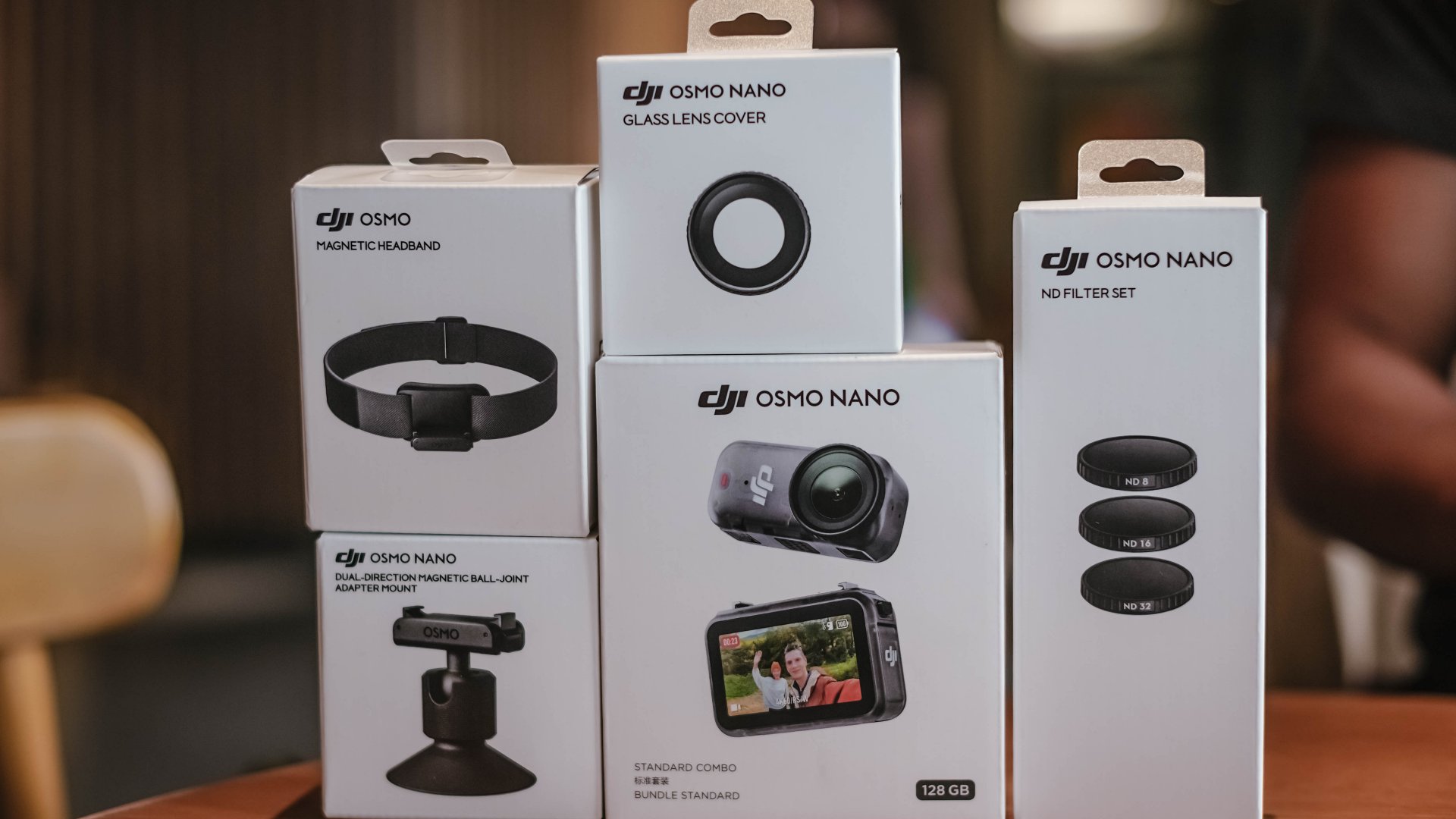
The ND Filter Set is a must for bright outdoor scenes, adding that polished, cinematic tone. The Magnetic Headband is perfect for hands-free capture during workouts or races.
For flexible angles, the Dual-Direction Magnetic Ball-Joint Adapter Mount is my second favorite.
My personal favorite is the Glass Lens Cover. It’s the reason my lens still looks brand new after that dramatic drop.
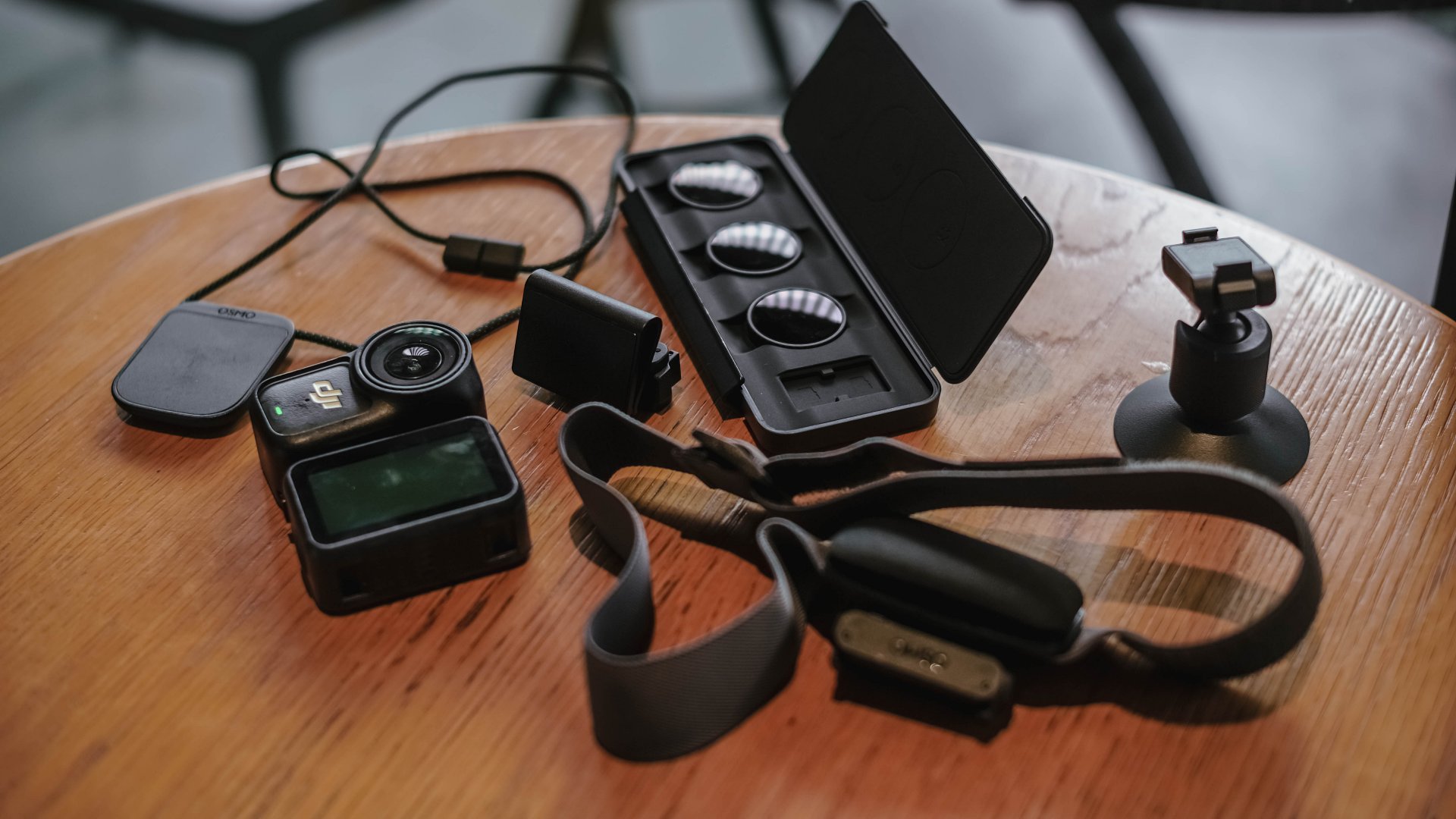
Out of the box, though, the DJI Osmo Nano already comes prepared with the camera, Magnetic Lanyard, Multifunctional Vision Dock, Dual-Direction Magnetic Ball-Joint Adapter Mount, Protective Case, Magnetic Hat Clip, and a USB-C 3.1 cable.
It’s a complete kit that gets you shooting right away. And once you see how capable it is, you’ll want to expand your setup anyway.
Is the DJI Osmo Nano your GadgetMatch?
The DJI Osmo Nano represents freedom. It’s made for people who live on the go, who don’t have time for complex setups but still want cinematic results.
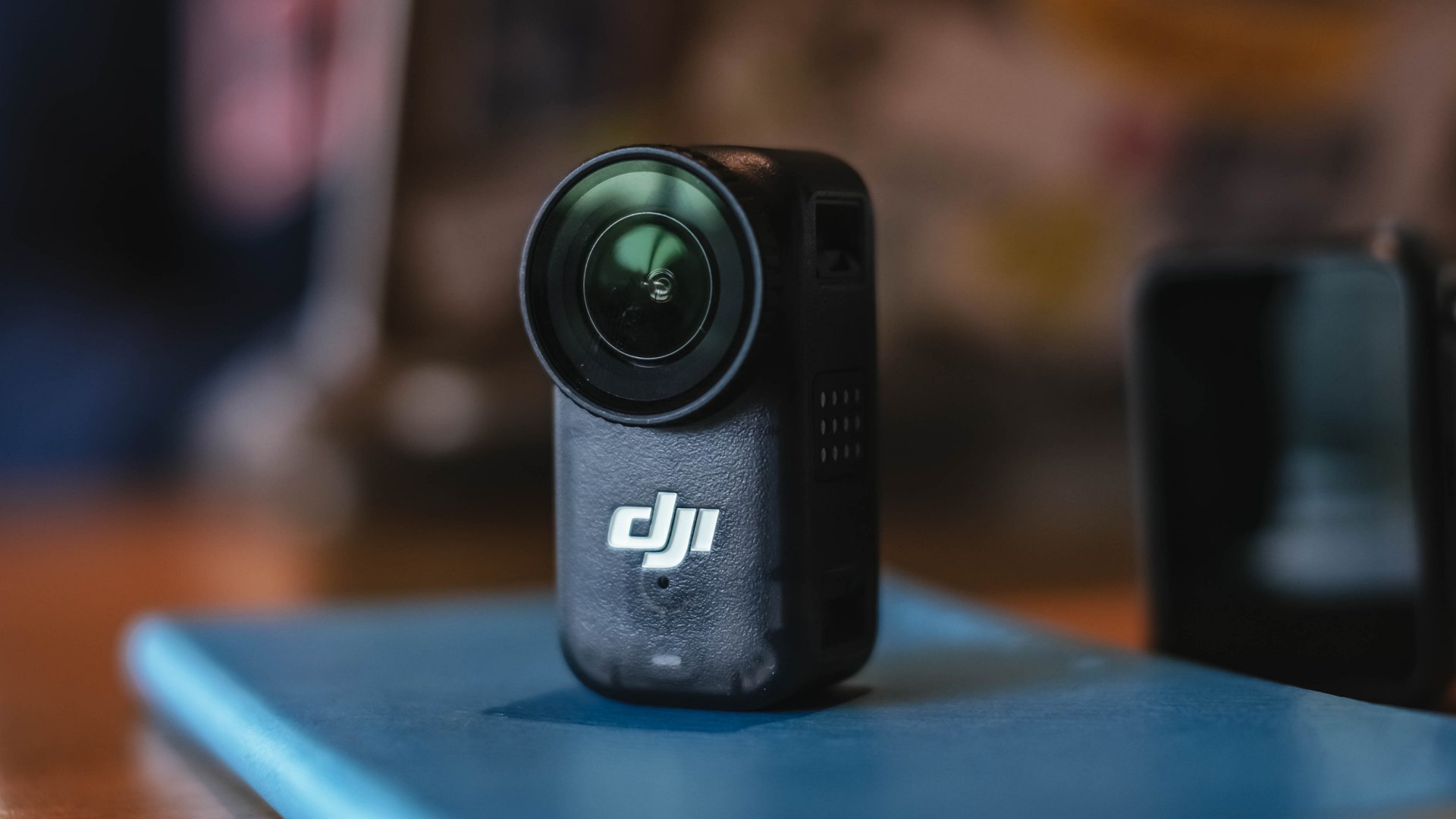
I’ve always believed that the best camera is the one that never slows you down, and the Osmo Nano fits that perfectly. For an athlete and storyteller like me, it’s a Super Swipe.
Even if you’re not living life on the move, it’s still a Swipe Right, especially considering how complete the package is for its price: PhP 15,990 for the 64GB model and PhP 18,390 for the 128GB model.
Think of the stories you’ll tell once you bring it on your next trip. This is why it earns the GadgetMatch Seal of Approval.
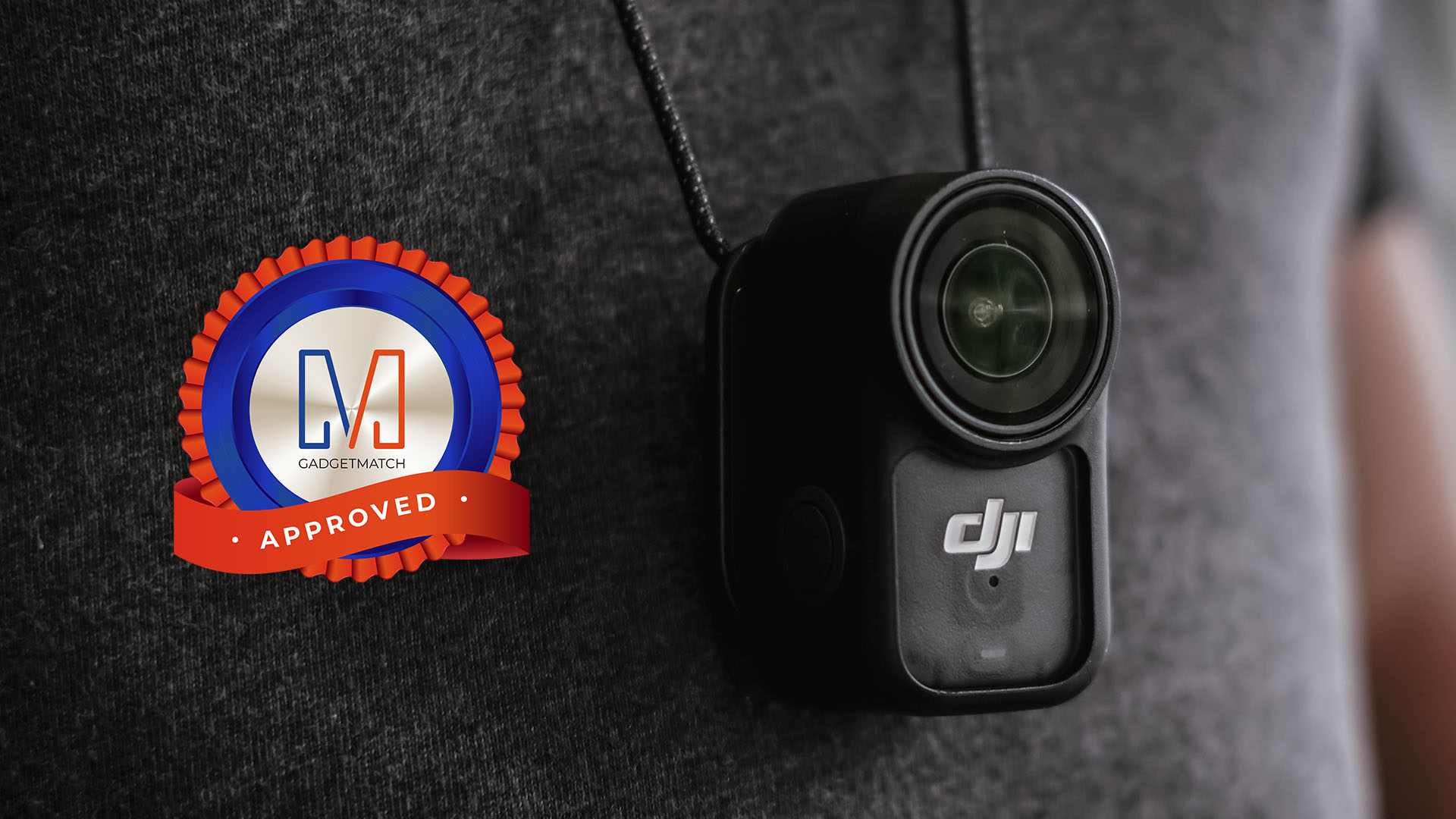
Of course, it’s not flawless. If you expect the same performance, image quality, or versatility of the Osmo Action 5 Pro, Osmo Pocket 3, or even its competitor, the Insta360 Go, you might need to temper your expectations.
But as a new device, the Osmo Nano is promising. So promising that five automotive journalists I was with in Zhengzhou bought one on the spot after seeing mine in action.
If that’s not convincing enough, I don’t know what is. Because right now, as most people see it, the DJI Osmo Nano deserves a spot in your camera arsenal, and perhaps, a place in the story of your life on the move.

A Minecraft Movie was decidedly not for me. However, there’s no denying how much the movie was so effective for younger fans and gamers who grew up with Minecraft. It’s one of the highest-grossing movies this year. Even if I didn’t personally like it, I still consider it a success for videogame adaptations. Now, recognizing the film’s success, Warner Bros. has signed off on a sequel to Jack Black’s blocky caper, as confirmed by Variety.
It’s a mystery where the sequel will take players. Not to spoil anything, but the original movie did end with virtually loose ends neatly tied into a bow. Then again, Minecraft is an endless well of content. Where one story ends, another can just as easily open up in its place. As a game, it’s a completely open sandbox where nothing is limited.
However, to establish continuity, the sequel is reportedly tapping the talents of director Jared Hess once again. Chris Galleta might also come back to write the screenplay.
Interestingly, Jack Black is not confirmed yet. But given how much of a star he was as Steve, it’s hard to imagine a sequel without his energy, so it’s likely that he’s coming back. On a more positive note, Jason Momoa, who co-starred as Garrett Garrison, is expected to co-produce the sequel.
Warner Bros. has currently scheduled the sequel’s premiere on July 23, 2027.
SEE ALSO: Now Playing: A Minecraft Movie
Entertainment
Is this baby Rosalina in The Super Mario Galaxy Movie?
The unnamed baby is wearing the same colors and has a wand.


Less than a month ago, Nintendo announced a sequel to the widely lauded Super Mario Bros. Movie. The upcoming Super Mario Galaxy Movie will take audiences to outer space. It’s based, of course, on the game of the same name. Since the movie is coming out in the first half of 2026, Nintendo doesn’t have a lot of time to hype audiences for the sequel. However, the company might have just sneakily released its first teaser.
Right now, we don’t know much about the sequel’s story. All we know is that most of the main cast is coming back to reprise their roles, including Jack Black as Bowser. However, we still haven’t seen hints of a new character critical to the Galaxy series: Rosalina.
Today, Nintendo posted a mysterious video, titled Close to You, on its social platforms. The four-minute animated video shows an unnamed baby playing in their room. Suddenly, their pacifier starts floating away. The baby tries to get it back, but it floats to a mobile high up above the baby’s crib. The baby then presumably takes their first steps and falls before their mom catches them. Then, the video ends abruptly without so much as a title card.
Though the video is a mystery, there’s a high chance that the baby is Rosalina, Super Mario Galaxy’s space princess. The baby, who is also blonde, is coincidentally wearing the same colors as Rosalina. For a short time, they’re also holding what looks like a wand. Could this be a baby Rosalina?
Unfortunately, we’ll have to wait for Nintendo to confirm the baby’s identity… or even what this video is about. If it is a teaser for the movie, The Super Mario Galaxy Movie premieres on April 3, 2026.
SEE ALSO: I played Mario Kart World and it was a full-throttle race to the finish


The HONOR MagicPad 3 is an almost perfect premium pad partner
Ever-reliable for work, chill, and play BUT with some catch

DJI Osmo Nano review
Fits perfectly into a life that never stays still

TECNO Slim review: Smexy, Antifragile Slab
Being super slim doesn't mean it's super fragile

What to Expect at gamescom asia x Thailand Game Show 2025

Avatar: The Last Airbender is getting a fighting game
The HONOR MagicPad 3 is an almost perfect premium pad partner
DJI Osmo Nano review

Ultimate tag-team: Razer-2XKO Collection arrives

Xiaomi 17 Pro Max takes a jab at Apple’s iPhone 17 Pro Max

Redmi 15C review: Big features on a small budget

Logitech adds comfort and speed to 2025 keyboard, mice lineup

The Xiaomi Pad Mini is discounted until October 13

Xiaomi 15T Pro review: Big battery, clean shots, smooth performance

Unboxing: Ghost of Yotei Collector’s Edition

Unboxing the latest Apple Watch × Hermès

Lenovo Yoga 7i Aura Edition: Ten generations of foldable goodness

21-Day Battery, Pro Sports Tracking: HUAWEI WATCH GT 6 Series

The Glow That Changed Everything + Govee TV Backlight 3 Pro GIVEAWAY
-
 Tablets1 week ago
The Xiaomi Pad Mini is discounted until October 13
-

 Laptops1 week ago
The Lenovo Yoga 7i Aura Edition gets it right after ten generations
-
 Deals1 week ago
The new Lenovo Legion Tab comes with a free GameSir G8+ this month
-

 Reviews1 week ago
vivo X200 Pro review: 200+ Days After
-

 News1 week ago
realme 15T also releasing on October 8
-

 Gaming2 weeks ago
Digimon Story Time Stranger: Back to the digital past
-
 Gaming1 week ago
realme 15 Pro named official M7 World Championship gaming phone
-
 Gaming2 weeks ago
Unboxing: Ghost of Yotei Collector’s Edition