
News
Why Blackout Tuesday matters and how you can help
What happened last Tuesday?


I thought Instagram was glitching at first. At midnight on Tuesday, my Instagram feed started flooding with nondescript black squares. At first, none of the posts had any caption or any explanation whatsoever. I was confused. However, as the hour grew longer, the hashtag finally made its long-awaited debut: #BlackoutTuesday.
On every social media possible, everyone participated in the growing online trend. Celebrities. Personalities. Streamers. Creators. Organizations. Companies. African Americans. Asians. Caucasians. Everyone participated in Blackout Tuesday.
What is it? What did it mean? Was it a true way to support the ongoing Black Lives Matter movement? Or was it a PR move designed for those who don’t want to participate in demonstrations?
The black square
By now, the black square (or circle for Facebook) is no stranger to the online world. During tense political upheavals, the iconic image makes an appearance, heralding everyone’s support or opposition towards a specific political stance or event.
Remember the controversial Marcos burial a few years ago? Opposers posted black profile photos with the caption: Marcos is not a hero. It was also used to protest the cybercrime law years ago. Regardless of what it specifically protested, the black image is always a political statement.
In this case, the black square is a symbol of protest against the wrongful murder of George Floyd, an African American man, under the custody of a white police officer in Minnesota, sparking a new #BlackLivesMatter movement. Since the incident, peaceful protests and violent riots have erupted all over the US. In the online world, famous personalities with a platform have used their audiences to spread awareness on the issue. For days, social media was dominated by the #BlackLivesMatter conversation.
On Tuesday, social media took a different direction. Rather than spreading more awareness and furthering the conversation, everyone posted the black square, marking the return of the iconic image. However, this time, the image wasn’t just a political statement. Rather, the online activity had a deeper function.
After flooding social media with the nondescript black squares, the posters ceased all activity on social media for the day. The #BlackoutTuesday movement intended to allow more important voices to be heard. By silencing their voices, they allowed black people more control over the conversation for the day.
In similar fashion, some companies have postponed their long-awaited events to allow the protest to dominate social media. Music streaming services have also reduced their services in a similar #TheShowMustBePaused movement.
On Tuesday, June 2nd, Apple Music will observe Black Out Tuesday. We will use this day to reflect and plan actions to support Black artists, Black creators, and Black communities. #TheShowMustBePaused #BlackLivesMatter pic.twitter.com/xkvn31DpYc
— Apple Music (@AppleMusic) June 2, 2020
It was more than a political statement. It was a call for others to keep quiet and listen to those who had a stronger authority to speak on trauma, racism, and discrimination.
#BlackoutTuesday versus #BlackLivesMatter
Unfortunately, the movement had its drawbacks. At first, participants conjoined both #BlackoutTuesday and #BlackLivesMatter into the same post, creating a strange problem for the protest.
Now, hashtags aren’t just a clever way to add a quirky subtitle for a social media post. They can also help users follow a certain trend. When they search #BlackLivesMatter on Twitter, for example, they can see other posts with the same hashtag.
Naturally, when people searched for #BlackLivesMatter posts on Tuesday, they ran into a strange sight: an overwhelming wall of black. Ironically, in Blackout Tuesday’s attempt to silence all unimportant voices, it flooded social media in a downpour of posts without a voice. Others have also called it a desperate attempt at virtue signaling, a PR move.
Halfway through the day, #BlackLivesMatter protestors urged #BlackoutTuesday posters to stop incorporating both hashtags into the same post. However, it wasn’t to dissociate the movement from Blackout Tuesday, Rather, the guidance was to steer the movement in the right direction.
For all the good intentions that the black squares had, it was truly just a good-natured post. Besides telling posters to stop using both hashtags, Black Lives Matter supporters shared different ways to help the movement beyond the black square or the hashtag.
Beyond the hashtag
Blackout Tuesday is just one part of the ongoing #BlackLivesMatter protests. As the black squares end their one-day effectivity, the call for further action rises to the fore. How can we help the protests from miles away?
First of all, the easiest way is to keep the conversation alive. Blackout Tuesday (or even Black Lives Matter) is not just a one-day event. Neither is it just a purely American concern. The conversation will always be as relevant as it is today and as it is in the US. It is not just a racial war. Wherever discrimination is present, whether it’s race or class, the spirit of Black Lives Matter should always prevail.
Secondly, if you have means to do so, you can always donate to relevant, anti-discrimination foundations or funds. Naturally, donating to a cause in another continent might be too much to ask. However, discrimination happens everywhere. You can still donate or help various causes in your own backyard.
If you don’t have the money or would rather stay at home, YouTube creators have found a revolutionary way to help the cause from afar. Posted first by YouTuber Zoe Amira, these hour-long videos contain art and performances from black artists. However, rather than just an awareness tool, these videos are jampacked with ads. The creators will donate all of the ad revenue to Black Lives Matter funds and foundations. Of course, you’ll have to turn off ad blocker for the duration of the entire video. At the very least, you can mute the browser tab; however, be careful not to mute the YouTube player itself as it nullifies ad revenue.
If you can’t do any of these, the least you can do is to just listen. Everyone has a responsibility to hear out and understand different voices in the racial debate. At this point, either from miles away or right on your backyard, listening is our only way to understand the plights of other people suffering worse things than us.
SEE ALSO: Facebook employees walk out to protest against Trump





Gaming
Nintendo will make it cheaper to buy digital games than physical
Physical releases will have the same price.
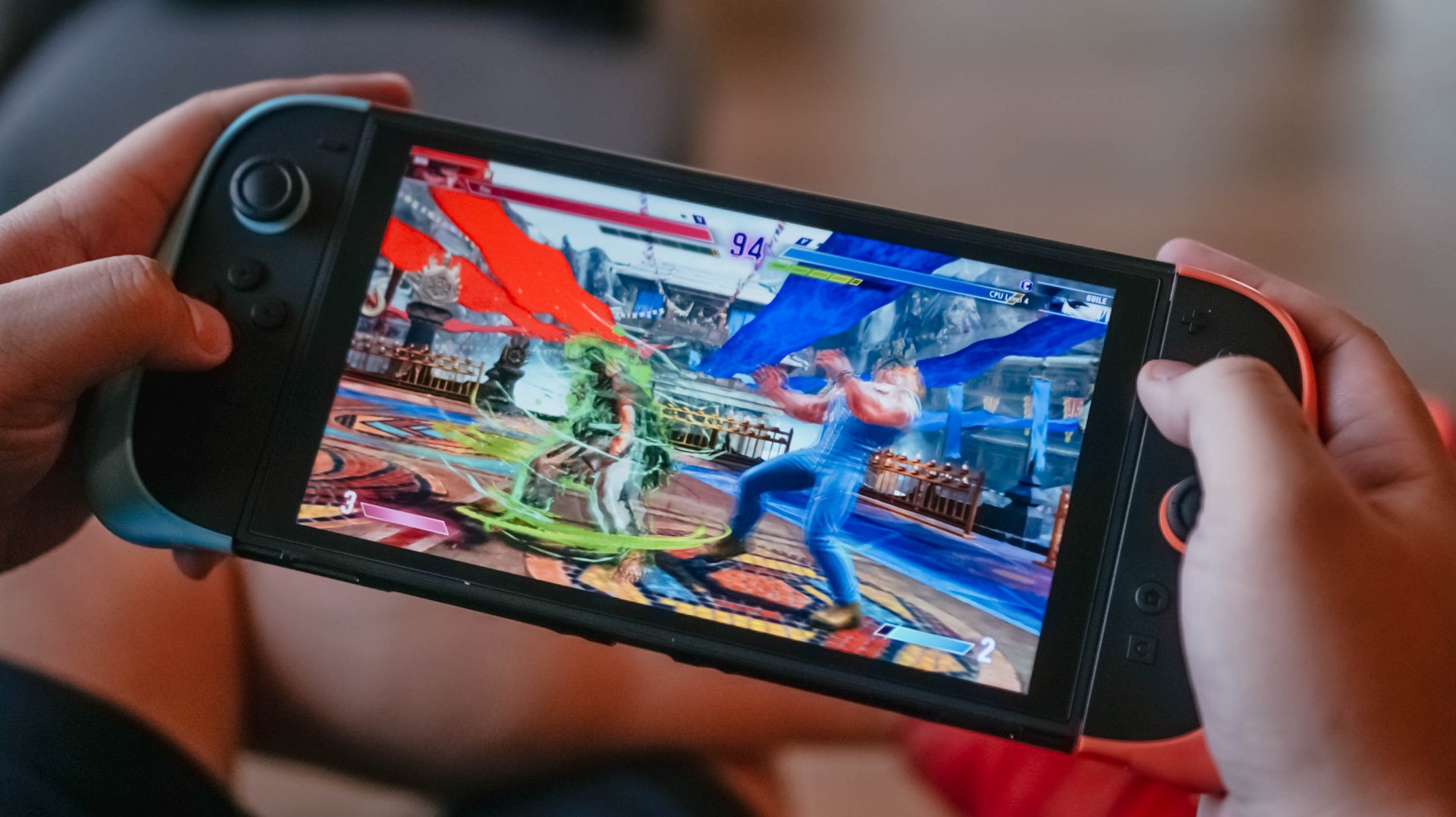
The days of lining up for a newly released game are well and truly over. Though some games still experience shortages in brick-and-mortar stores, such as the widely successful Pokémon Pokopia, gamers can get their titles digitally. Now, Nintendo is making digital releases more enticing by offering a tempting discount on the eShop.
Starting in May, Nintendo will start charging different prices for the physical and digital releases of first-party games. While physical releases will still have the same prices going forward, digital releases via the eShop will enjoy a discount.
The discount, of course, will likely depend on the title itself. Nintendo has already given the upcoming Yoshi and the Mysterious Book as the first example. The new platformer will cost US$ 70 from retailers. However, it will cost only US$ 60 on the digital eShop.
The company says that the new pricing scheme “simply reflects the different costs associated with producing and distributing each format.” With the prices of chips skyrocketing, it’s no surprise that the physical release is more expensive than the digital one.
To be more technical about it, Nintendo has started skipping a physical game card for a while now. The physical release of Pokémon Pokopia, for example, has only a game-key card or a code to download the game. In this format, physical releases are just pretty cases you can display on your shelf.
Also, digital releases do carry the added risk of getting delisted on the whims of the developers, the publishers, or Nintendo itself. It is, however, still a cheaper option, especially in a world where getting any discount is a welcome thought.
SEE ALSO: Nintendo sues the United States
Luxury Smart Home
Sony brings cinema home with new BRAVIA 3 II TV, BRAVIA Theatre lineup
Full cinema-style experience


Sony is expanding its home entertainment push with a new range of BRAVIA Theatre audio products and the BRAVIA 3 II TV. The lineup aims to make a full cinema-style experience more accessible. That’s true whether you’re starting with a soundbar or building a complete surround setup.
Soundbars designed to fill the room
Leading the audio lineup is the BRAVIA Theatre Bar 7, a compact yet powerful soundbar built with nine speaker units. It includes up-firing and side speakers. These work alongside Sony’s 360 Spatial Sound Mapping to create a wider, more immersive sound field from a single unit. Room calibration further optimizes audio based on your space. There are also optional subwoofers and rear speakers unlock deeper bass and fuller surround.
For a more accessible option, the BRAVIA Theatre Bar 5 offers a 3.1-channel setup with a wireless subwoofer. It focuses on delivering clear dialogue and strong bass, using S-Force PRO Front Surround and Vertical Surround Engine to simulate a three-dimensional listening experience.
Both soundbars support Dolby Atmos and DTS:X, integrate with compatible BRAVIA TVs for unified control, and can be managed via the BRAVIA Connect app.
Expanding the surround experience
Sony is also introducing a set of optional speakers designed to complete the home cinema setup. The BRAVIA Theatre Sub 9 and Sub 8 deliver deep, room-filling bass, with the Sub 9 featuring dual opposing drivers to reduce distortion. Notably, the lineup now supports dual subwoofer configurations for the first time.
Meanwhile, the BRAVIA Theatre Rear 9 adds height and depth to rear channels through its up-firing speaker. This helps create a more convincing surround environment when paired with compatible soundbars.
A bigger screen to match
Alongside the audio products, Sony is rolling out the BRAVIA 3 II, a mid-tier TV available in sizes up to 100 inches. Powered by the XR Processor and XR Triluminos Pro, it aims to deliver natural colors, strong contrast, and refined detail.
The TV supports Dolby Vision, Dolby Atmos, and DTS:X, and is also positioned as a capable gaming display. It comes with 4K at 120Hz and four HDMI 2.1 ports. Sony is also introducing a new Inclusive Remote with improved button layout and a Remote Finder feature for easier accessibility.
Price and availability
In Singapore, the BRAVIA Theatre Bar 7 will be available starting May 2026. Suggested retail price is SGD 1,299. Meanwhile, the BRAVIA Theatre Bar 5 follows in June 2026 at SGD 599.
The BRAVIA Theatre Sub 9, Sub 8, and Rear 9 will arrive in July 2026, priced at SGD 1,099, SGD 799, and SGD 899, respectively.
The BRAVIA 3 II TV will be available from June 2026 in sizes ranging from 43 inches to 100 inches, with pricing starting at SGD 1,499.
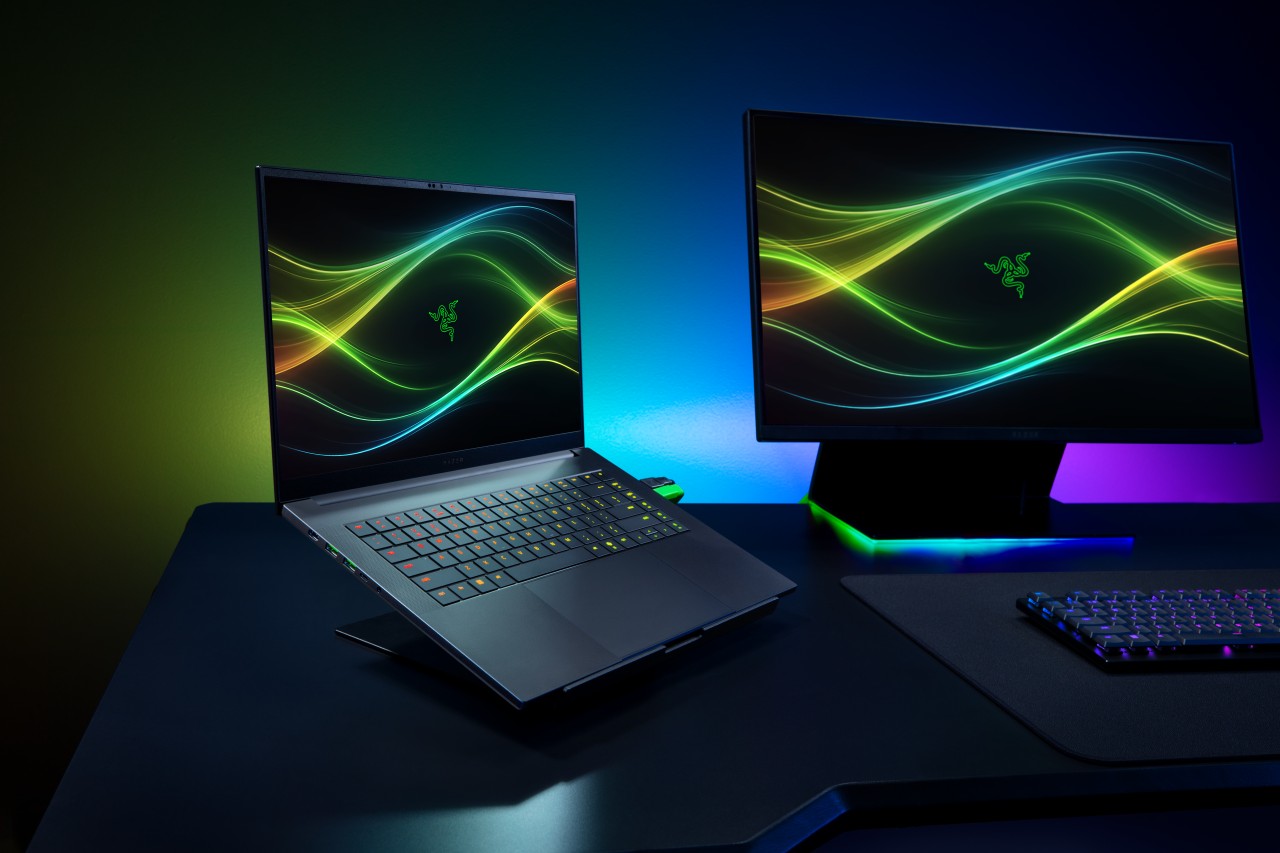
Razer has officially unveiled the 2026 version of its Blade 16, doubling down on what it does best: squeezing high-end performance into an ultra-slim chassis.
This year’s refresh focuses on meaningful internal upgrades. That includes a new Intel Core Ultra 9 processor, faster LPDDR5X memory, and NVIDIA’s latest RTX 50 Series laptop GPUs — all while keeping the Blade 16 as the thinnest gaming laptop in Razer’s lineup.
Performance gets a serious bump
At the core of the new Blade 16 is the Intel Core Ultra 9 386H, featuring 16 cores and up to 4.9GHz boost clock. Razer claims a 33% increase in core count versus the previous generation, translating to stronger performance across gaming, content creation, and AI workloads.
There’s also an integrated NPU capable of up to 50 TOPS, enabling faster on-device AI tasks like image generation and live translation.
Memory gets a notable upgrade too. The Blade 16 now supports up to 64GB of LPDDR5X-9600MHz RAM, which Razer positions as the fastest available in a laptop today. The result: quicker responsiveness for heavy multitasking, creative apps, and AI-assisted workflows.
On the graphics side, NVIDIA’s GeForce RTX 50 Series (Blackwell architecture) brings DLSS 4 and enhanced AI capabilities for both gaming and creator use cases.
Display and design stay premium
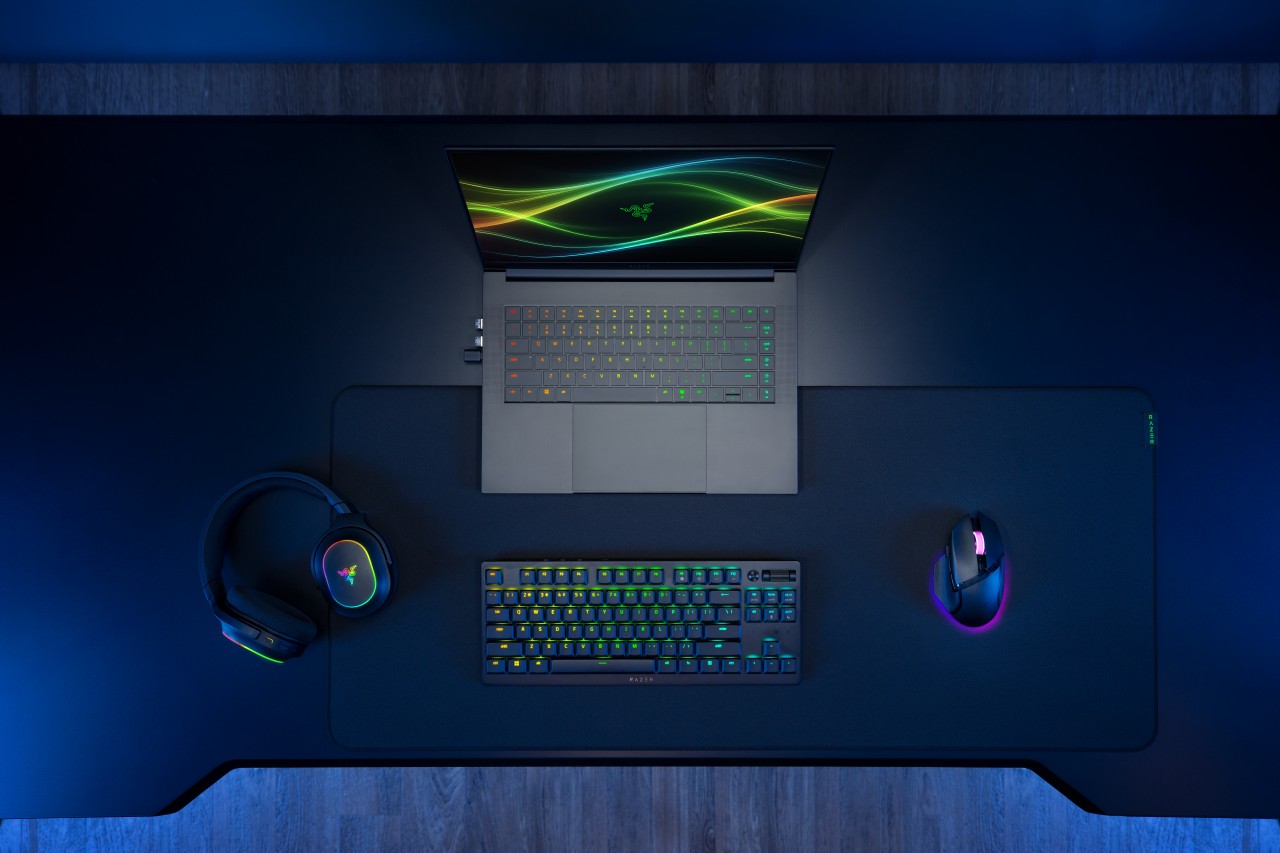
Razer isn’t fixing what isn’t broken. The Blade 16 retains its signature CNC-milled aluminum chassis, measuring just 14.9mm thick and weighing around 2.14kg.
The display remains a highlight. You get a 16-inch QHD+ OLED panel with a 240Hz refresh rate, now brighter and certified for VESA DisplayHDR TrueBlack 1000. It supports full DCI-P3 coverage, Calman calibration, and NVIDIA G-SYNC, making it just as suited for creators as it is for competitive gaming.
Battery life and efficiency improve
Despite the performance gains, Razer is also pushing efficiency. Thanks to Intel’s newer architecture and system-level optimizations, the Blade 16 can hit up to 13 hours of productivity use and up to 15 hours of video playback under ideal conditions.
That’s a notable improvement for a machine in this class, especially given its slim form factor.
Connectivity and audio step up
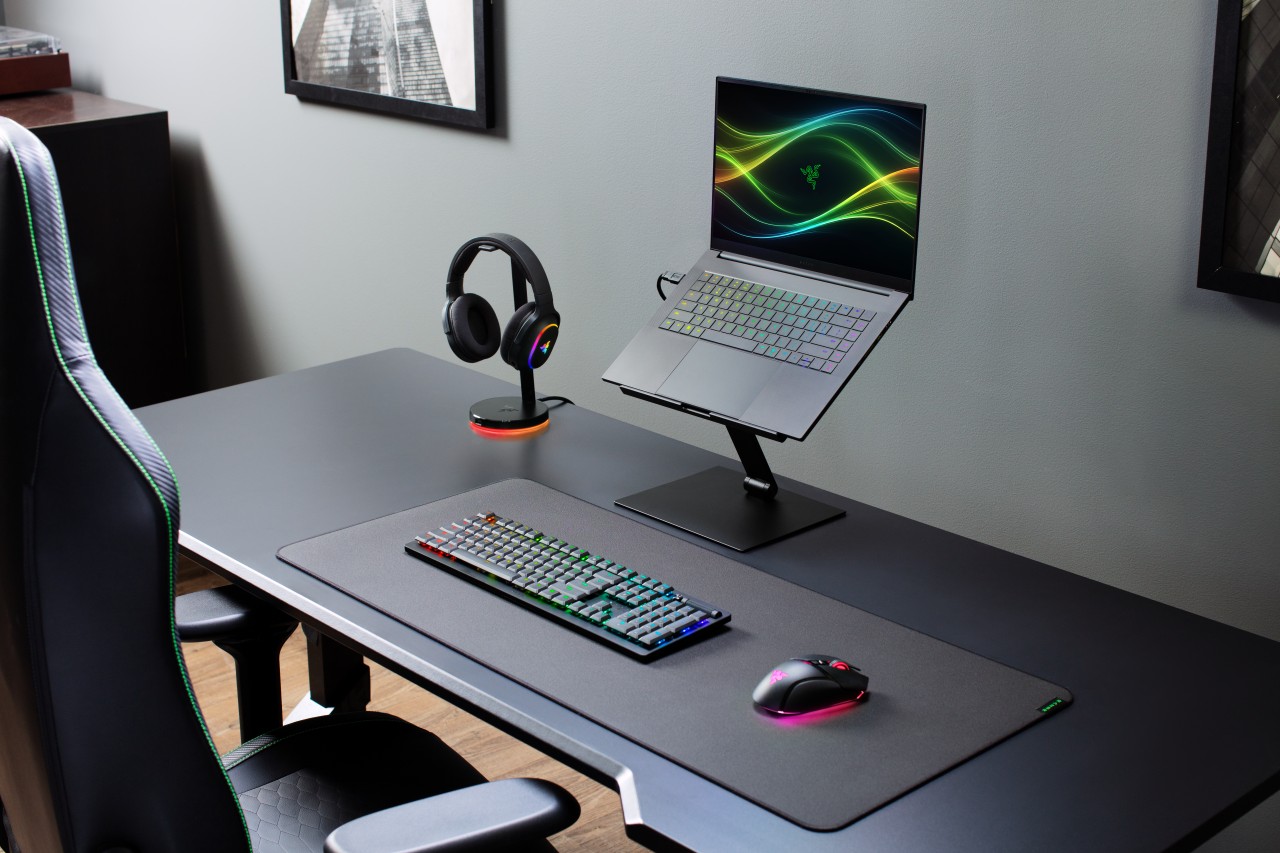
The 2026 Blade 16 gets a future-ready connectivity suite, including Thunderbolt 5, Wi-Fi 7, and Bluetooth 6.0. There’s also a full set of ports, from USB-A to HDMI 2.1 and an SD card reader.
Audio gets an upgrade too. The six-speaker system now supports THX Spatial Audio+ with virtual 7.1.4 surround, aiming to deliver more immersive sound both on speakers and headphones.
Price and availability
The Razer Blade 16 configured with an NVIDIA GeForce RTX 5080 (16GB VRAM) and 32GB LPDDR5X-9600MHz RAM is priced at US$3,499.99 / €3,599.99 MSRP.
It is available now, exclusively via Razer.com and select RazerStores worldwide.
Still the Blade, just sharper
At a glance, the 2026 Blade 16 doesn’t reinvent the formula. But under the hood, it pushes performance, memory speed, and efficiency forward in ways that matter.
It’s still the same idea: a no-compromise gaming laptop that looks like it belongs in a minimalist workspace — just faster, smarter, and a bit more future-proof this time around.


Galaxy Buds4 Pro review: I thought I was done with in-ears
This Buds4 you


WWE 2K26 lets you live out all the fantasy matches you could want
But you have to play for hours and hours to unlock everyone.


The HONOR X8d is serviceable
Steady but slow?

Nintendo will make it cheaper to buy digital games than physical

Sony brings cinema home with new BRAVIA 3 II TV, BRAVIA Theatre lineup

Razer Blade 16 (2026) packs more cores, faster memory

Forgotten Island is an upcoming film based on Filipino culture

Razer sharpens its competitive edge with Viper V4 Pro and Gigantus V2 Pro


-

 Reviews1 week ago
POCO X8 Pro Max review: A new beast from the far east
-

 News1 week ago
POCO X8 Pro Series: Price, availability in the Philippines
-

 Laptops2 weeks ago
Apple MacBook Neo Review
-

 Features2 weeks ago
Galaxy AI on the Samsung Galaxy S26 Ultra
-

 Apps2 weeks ago
Google Maps is finally getting a 3D mode
-
 Reviews1 week ago
POCO X8 Pro Iron Man Edition review: Midrange phone in superhero armor
-
 Reviews1 week ago
Samsung Galaxy S26 Ultra review: A phone you live with
-
 Gaming1 week ago
NVIDIA’s DLSS 5 can turn your favorite AAA game into AI slop