



It’s been close to two months, for most markets, since the all-new PlayStation Plus subscriptions launched. Being in a launch market, I have personally had it for over two months now. Even then, I still see plenty of people confused and frequently asking about which Tier they should subscribe to. My goal is to help you figure it out for yourself.
The three tiers

There are three tiers, with the highest tier’s name changing depending on what region you’re in. They are as follows: Essential, Extra, and then Premium or Deluxe.
Essential is what the entire PlayStation Plus subscription used to be. The benefits are online multiplayer, cloud save files, and monthly free games.
Extra is a step above Essential. With it, you gain access to a catalog of PlayStation 4 (PS4) games. These include exclusives like Marvel’s Spider-Man Remastered, God of War, Uncharted 4: A Thief’s End, and many more. In this tier, you’ll also find older titles but remastered for the PS4 like The Last of Us (PS3), Final Fantasy X-X2 (PS2), Final Fantasy VII (PS1), and more.
Now this is where it gets sort of tricky. Emphasis on sort of. You only really need to know what Region your account is registered under. Personally, I have one for R3 (Singapore) and another for R1 (USA). If you find the Regions confusing, this guide from GameOne is pretty helpful.
An easy way to check is to just fire up your console and go to the PlayStation Plus section. Depending on your region, you’ll see either Premium or Deluxe there. So, what’s the difference?
Deluxe has all the benefits of Essential and Extra but adds a Classics Catalog. At launch, these included PS1 titles like Tekken 2 and Ape Escape. But most recently, it’s now included remasters of Batman Arkham City and Arkham Asylum. The remasters are for PS4 but the original games were initially released on the PlayStation 3 (PS3).
Premium, meanwhile, has all the benefits of the aforementioned along with the ability to cloud stream games. This is crucial especially for some PS3 titles that never had any PS4 remasters.
In this tier, you also curiously get Game Trials. It lets you play a portion of what is usually a AAA title. If it piques your interest, you can buy the game digitally and your progress will carry over.
Nobody asked but I think this should have been added, instead, to the Essential tier. If the idea is to sell more games, wouldn’t it be better to put the trials at a tier that most people will likely subscribe to? PlayStation, I hope you reconsider.
How much are they?

Here’s the pricing for key markets:
Essential
- United States — US$ 14.99 monthly / US$ 39.99 quarterly / US$ 99.99 yearly
- Singapore — SG$ 13.90 monthly / SG$ 35.90 quarterly / SG$ 89.90 yearly
- Hong Kong — HK$ 75 monthly / HK$ 215 quarterly / HK$ 515 yearly
- Malaysia — MYR 44 monthly / MYR 114 quarterly / MYR 269 yearly
Extra
- United States — US$ 14.99 monthly / US$ 39.99 quarterly / US$ 99.99 yearly
- Singapore — SG$ 13.90 monthly / SG$ 35.90 quarterly / SG$ 89.90 yearly
- Hong Kong — HK$ 75 monthly / HK$ 215 quarterly / HK$ 515 yearly
- Malaysia — MYR 44 monthly / MYR 114 quarterly / MYR 269 yearly
Deluxe
- Singapore — SG$ 15.90 monthly / SG$ 40.90 quarterly / SG$ 103.90 yearly
- Hong Kong — HK$ 85 monthly / HK$ 239 quarterly / HK$ 599 yearly
- Malaysia — MYR 50 monthly / MYR 130 quarterly / MYR 309 yearly
Premium
- United States — US$ 17.99 monthly / US$ 49.99 quarterly / US$ 119.99 yearly
- United Kingdom — £13.49 monthly / £39.99 quarterly / £99.99 yearly
- Japan — ¥1,550 – monthly / ¥4,300 – quarterly / ¥10,250 yearly
If you’re starting from scratch – meaning no prior subscription, those are the pricings you’re looking at.
However, if you have an existing PlayStation Plus subscription the amount will be prorated. But what does that mean?
Here’s an example:

Before the all-new PlayStation Plus Subscription kicked in, I had a PS Plus subscription that goes all the way to December 2022. That means I essentially have an existing subscription with the value of seven (7) months of PS Plus Essential which amounts to SG$ 97.3.
Had I started from scratch, I would have had to pay seven (7) months of PS Plus Deluxe which costs SG$ 111.3.
But thanks to my existing PS Plus Essential credits, I only paid SG$ 14 to go Deluxe for the rest of my subscription.
Still confusing? Essentially, I didn’t have to pay the full amount of the yearly Deluxe subscription. I only had to pay for the upgrade to Deluxe that covers the duration of my subscription.
And there’s really no other way to do it. PlayStation will automatically prorate your existing subscription to whichever tier you’re upgrading to.
How to buy?
You can simply upload your debit or credit card information directly to your account. It should be seamless in most countries. If you’re in the Philippines, here’s a helpful guide from Ungeek.
Alternatively, you can opt to buy PlayStation Network (PSN) credits from authorized stores and sellers.
Which one should you actually buy?

This depends entirely on your needs, the type of games you play, and naturally, your budget.
For instance, I initially was only going to upgrade to Extra because I wasn’t really interested in the Classic titles available at launch. But a pretty little angel offered to cover for the Deluxe subscription. And I’m grateful, because now, I’m able to play Batman Return to Arkham: Arkham City, Syphon Filter, as well as the original Resident Evil game. Totally lied about that last one as I’ve been avoiding horror games since Silent Hill gave me nightmares wayback when. I digress.
If you’re the multiplayer type, you’re definitely gonna want to get at least the Essential tier as it’s required for online multiplayer. These are games like Call of Duty, Fortnite, and even sports ones like NBA 2K and FIFA.
Essential is also great if you’re the type who can wait. The monthly games are definitely a mixed bag, but every now and then they’ll throw in games you meant to buy but never did for whatever reason. That happened to me with titles like Persona 5 Striker, Judgment, Crash Bandicoot 4: It’s About Time, and many others.
Premium, if you have access to it, offers classic titles as well as access to cloud stream PS3 titles. That last one isn’t available in any other tier.
What’s the best value?

Again, this really depends on the type of gamer you are and the number of hours you can spend gaming. But generally speaking, I personally think the Extra tier offers the best bang for your buck.
Not only do you get free monthly games, you also have access to some pretty rad PS4 titles. And just recently, it also gave us access to a much anticipated and now thoroughly beloved indie title – Stray.
Premium and Deluxe are great. But given the available titles as of writing, these two tiers are more of a luxury at this point.
Other things to keep in mind

Games come and go. After all, nothing lasts forever. Unlike the free monthly games available on the Essential tier, you won’t have access to certain titles once they’re pulled out.
It’s still early in the subscription’s lifespan so no major titles have left yet. But eventually, there will be games that won’t be available anymore for one reason or another.
So, if you’re subscribed to whatever Tier and a game you really like becomes available. Hop on it as soon as you can because you never know when it’ll go away.
Happy gaming!





Buyer's Guide
iPhone Duo Philippines: Prices, installments, and where to buy
Compare prices and payment options
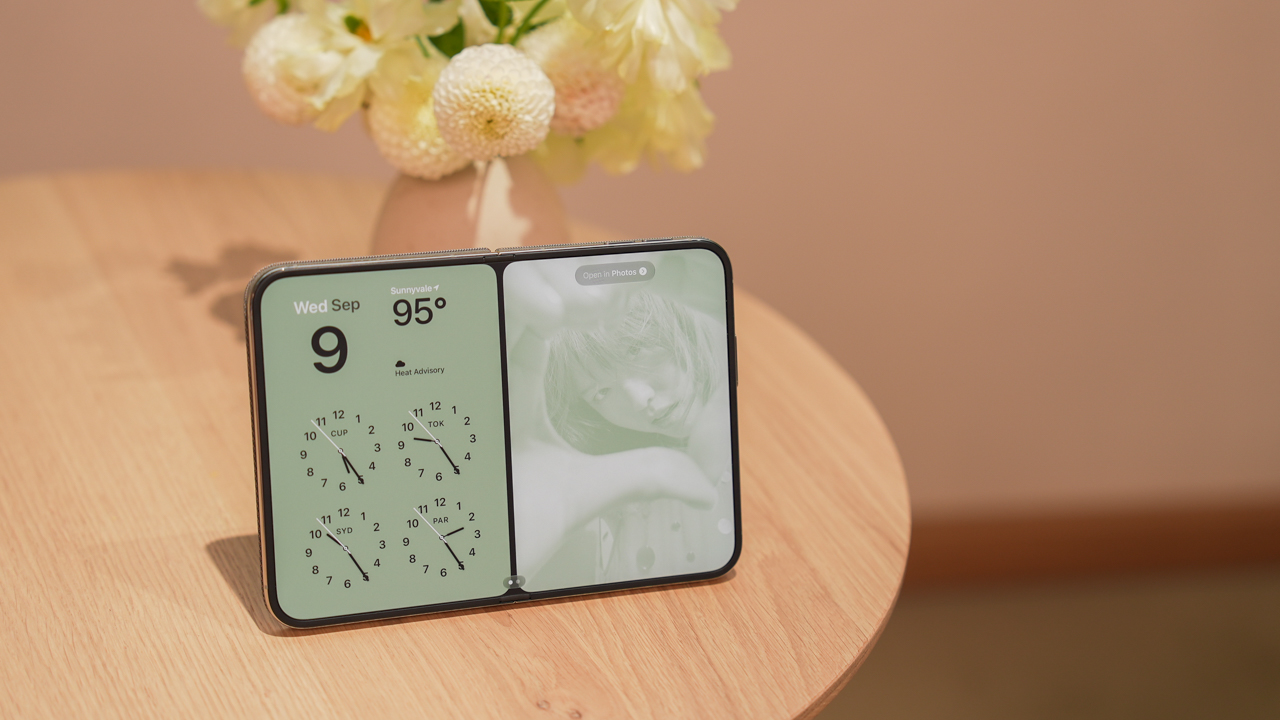
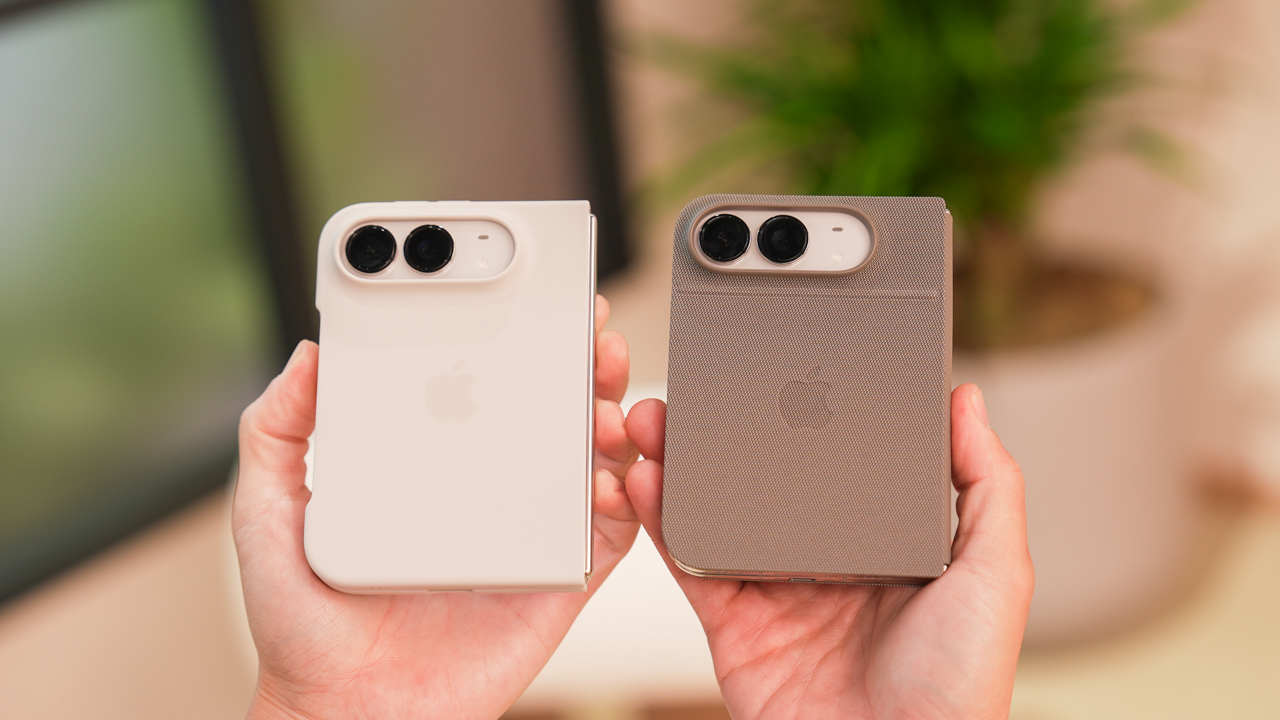
The iPhone Duo is now available for pre-order in the Philippines. Apple’s first foldable iPhone comes in four storage configurations, with promotional prices ranging from PhP 159,990 to PhP 254,990.
But which model should you buy, and where should you get it?
Several authorized retailers offer discounted launch prices, 0% credit card installments, and pre-order bundles. Eligible bank promotions can also reduce the price by thousands of pesos.
Here’s what you need to know before ordering.
iPhone Duo Philippines price list
| Storage | Regular SRP | Promotional price |
|---|---|---|
| 256GB | PhP 170,990 | PhP 159,990 |
| 512GB | PhP 187,990 | PhP 175,990 |
| 1TB | PhP 221,990 | PhP 207,990 |
| 2TB | PhP 271,990 | PhP 254,990 |
The promotional prices are based on Power Mac Center’s published exclusive launch offer. Other retailers may have different payment requirements or participating bank promotions.
Prices reflect Power Mac Center’s published exclusive launch offer and may differ across retailers. We’ll update this guide as we verify each store’s latest offers.
Pre-orders run from October 16 to 29, 2026, ahead of the October 30 launch.
Which storage should you buy? Get the 512GB
Our recommendation is simple: skip the 256GB and get the 512GB iPhone Duo.
At PhP 159,990, the 256GB version is already an expensive purchase. While it offers enough storage for everyday tasks, it could become restrictive as your photo library, videos, games, and downloaded files grow.
The 512GB model costs PhP 16,000 more under the promotional pricing. That buys twice the storage capacity without the significantly larger price jump to 1TB.
Spread across 24 months, the difference is approximately PhP 667 per month.
For a phone this expensive, we’d rather pay that difference than constantly manage storage or rely on cloud subscriptions.
The 1TB and 2TB configurations remain options for people who regularly shoot large amounts of video or need substantial offline storage. However, most buyers won’t need to spend that much.
The 512GB iPhone Duo offers the best balance of storage and price.
Where to buy the iPhone Duo in the Philippines
Power Mac Center
Power Mac Center offers the iPhone Duo 512GB at an exclusive launch price of PhP 175,990.
Its published installment options include:
| Term | Monthly payment |
|---|---|
| 24 months at 0% | PhP 7,332.92 |
| 36 months at 0% | PhP 4,888.61 |
The 24-month option is available with credit cards and Home Credit under the published offer. The 36-month option is subject to eligible bank cards and promotional periods.
Installment amounts are based on Power Mac Center’s published promotional pricing and applicable 0% installment terms. Actual payments depend on the eligible card and transaction. We’ll update this section as we verify the latest terms.
Power Mac Center also operates UpTrade, which lets customers trade in eligible devices toward a new purchase.
Beyond the Box
Beyond the Box offers iPhone Duo pre-orders with installment options of 3, 6, 12, 24, and 36 months at participating physical stores. Online payment options differ.
Using the PhP 175,990 promotional price as a comparison, a 0% installment would cost:
| Term | Monthly payment |
|---|---|
| 12 months | PhP 14,665.83 |
| 24 months | PhP 7,332.92 |
| 36 months | PhP 4,888.61 |
Monthly payments are illustrative calculations based on the PhP 175,990 promotional price, assuming 0% interest and no additional fees. Confirm the final price and available installment terms with Beyond the Box before purchasing. We’ll update this section once the retailer confirms its current offers.
Beyond the Box also advertises a pre-order accessory bundle worth over PhP 22,000 at listed retail prices. It includes a Speck case, Urbanista speaker, Function101 charger, Momax speaker flask, Bellroy tech kit, and other accessories.
The retailer says qualifying pre-orders receive the gift bundle, subject to availability. Buyers can also explore its BoxTrade program.
Digital Walker
Digital Walker participates in iPhone Duo pre-orders and selected bank promotions.
Using the PhP 175,990 promotional price as a comparison, the illustrative monthly payments would be:
| Term | Monthly payment |
|---|---|
| 12 months at 0% | PhP 14,665.83 |
| 24 months at 0% | PhP 7,332.92 |
These are calculated examples, not confirmed Digital Walker quotations. Actual pricing depends on the final transaction, participating bank, and installment terms. We’ll update this section when the retailer confirms its current offers.
Digital Walker also participates in the Live Beyond Grand Raffle, which gives qualifying iPhone Duo purchases a chance to win an exclusive dinner for two at Toyo Eatery. The raffle is a chance to win, not a guaranteed purchase benefit.
Digimap
Digimap offers the iPhone Duo through its retail channels, with participating bank promotions and its DigiTrade program.
Metrobank lists Digimap among its participating retailers offering special iPhone Duo cash pricing.
For the 512GB model, the reference promotional price is PhP 175,990. At 0% interest, that would equal PhP 14,665.83 monthly over 12 months or PhP 7,332.92 over 24 months.
These amounts are illustrative calculations, not verified Digimap installment quotations. Digimap’s exact installment amounts and applicable terms have not yet been independently verified. We’ll update this section once the retailer confirms its current offers.
Buyers should compare the final cash price against available credit card installment offers. Trade-in credits may also reduce the amount payable, depending on the assessed value of the device.
The Loop
The Loop participates in several iPhone Duo bank promotions, including an offer from Security Bank.
The retailer’s reference promotional price for the 512GB model is PhP 175,990. At 0% interest, the illustrative payments would be:
| Term | Monthly payment |
|---|---|
| 12 months | PhP 14,665.83 |
| 24 months | PhP 7,332.92 |
These are calculated examples based on the reference promotional price, not confirmed quotations from The Loop. Actual payments depend on eligible bank cards and transaction terms. We’ll update this section as we verify the latest offers.
The Loop also participates in bank-specific discounts. Buyers should check whether their card qualifies and whether the discount can be combined with other retailer offers.
Bank discounts can make a difference
Security Bank currently advertises a PhP 5,000 discount on qualifying iPhone Duo purchases at participating retailers, including Power Mac Center, Beyond the Box, Digital Walker, and The Loop.
For the 512GB model, that brings the promotional reference price from PhP 175,990 to PhP 170,990.
| Installment term | Monthly payment |
|---|---|
| 12 months at 0% | PhP 14,249.17 |
| 24 months at 0% | PhP 7,124.58 |
| 36 months at 0% | PhP 4,749.72 |
Monthly payments are calculated from the PhP 170,990 discounted price, assuming an eligible 0% installment transaction with no additional fees. The discount is subject to the bank’s promotional terms and participating merchant conditions. We’ll update this section if the offer changes.
EastWest also advertises savings of up to PhP 17,000 on qualifying iPhone Duo purchases at Power Mac Center and The Loop. Its promotion includes 0% installment options for 12 or 24 months, with the final discount depending on the applicable terms.
Metrobank separately lists iPhone Duo offers at Power Mac Center, The Loop, Beyond the Box, Digital Walker, and Digimap. Benefits differ by merchant and transaction.
Before choosing a payment method, check the final amount payable. Some bank offers cannot be combined with other promotions.
Postpaid options: Smart and Globe
Smart Communications
Smart offers the iPhone Duo through Postpaid Plans+ 1999, with advertised monthly payments starting at PhP 6,304.
The offer includes an open-line device, a choice of Unli App bundle, 12 months of UNLI 5G, and high-priority network access.
Customers who qualify for the pre-order promotion can also receive 18GB of additional Open Access Data valid for three months, a PhP 5,000 voucher for select Smart accessories, and 18% off select Digimap accessories.
Online pre-orders also qualify for a complimentary AirTag, subject to the offer’s conditions.
Smart supports zero-interest credit card installments over 24 months with select banks. Renewing subscribers may qualify for 36-month device payments charged to their postpaid bill.
Advertised monthly payments and promotional benefits are subject to Smart’s eligibility requirements and offer conditions. The total cost depends on the selected device configuration and plan. We’ll update this section as we verify the complete cost breakdown.
Globe Telecom
Globe also offers Apple devices through its postpaid channels.
However, we have not independently verified a complete iPhone Duo price and installment breakdown for its current GPlan offers.
Buyers considering Globe should compare the device cashout, monthly plan fee, contract duration, and total payable amount against the outright retail price.
Globe’s current iPhone Duo device pricing and installment terms have not yet been independently verified. We’ll update this section when the relevant details are available.
Should you trade in your old phone?
Trading in an existing device can reduce the cost of upgrading.
Power Mac Center, Beyond the Box, and Digimap operate trade-in programs. However, final valuations depend on the device’s condition, storage, and assessment results.
Before committing, compare the assessed trade-in value against potential private-sale prices. Also check whether a trade-in bonus can be combined with the promotional price and bank discounts.
What should you check before buying?
Before placing an order, keep these points in mind:
- Final price: Confirm the amount you’ll actually pay after eligible discounts.
- Installments: Compare total cost, monthly payments, and any additional fees.
- Freebies: Check which gifts are guaranteed and whether they’re subject to availability.
- Stock: Confirm the availability of your preferred storage configuration and color.
- Trade-ins: Ask for the final assessed value and any promotional bonus.
- Warranty: Understand the standard warranty and any optional protection plan.
- Network compatibility: Confirm eSIM support if you’re keeping your existing number.
- Delivery: Ask when your order is expected to arrive, particularly if the model is on back order.
Is the iPhone Duo worth buying?
The iPhone Duo starts at PhP 159,990, putting it firmly in premium flagship territory. Its foldable design offers a larger screen for viewing content, gaming, and multitasking while retaining a compact outer display when closed.
For most buyers, we’d recommend the 512GB model at PhP 175,990. It offers twice the base storage for PhP 16,000 more, without the much larger price jump to 1TB.
Power Mac Center currently provides one of the clearest published installment schedules, while Beyond the Box offers a substantial pre-order accessory bundle.
Security Bank cardholders should pay particular attention to the PhP 5,000 discount available at participating retailers. Smart is another option for buyers who already want a postpaid subscription, although its total contract cost deserves closer examination.
Ultimately, compare the final amount payable, not just the advertised monthly payment. The right offer should give you the storage you need without unnecessary charges or restrictions.
Last updated: October 17, 2026. We are verifying retailer-specific prices, installment terms, trade-in offers, and freebies. This guide will be updated as additional details are confirmed.

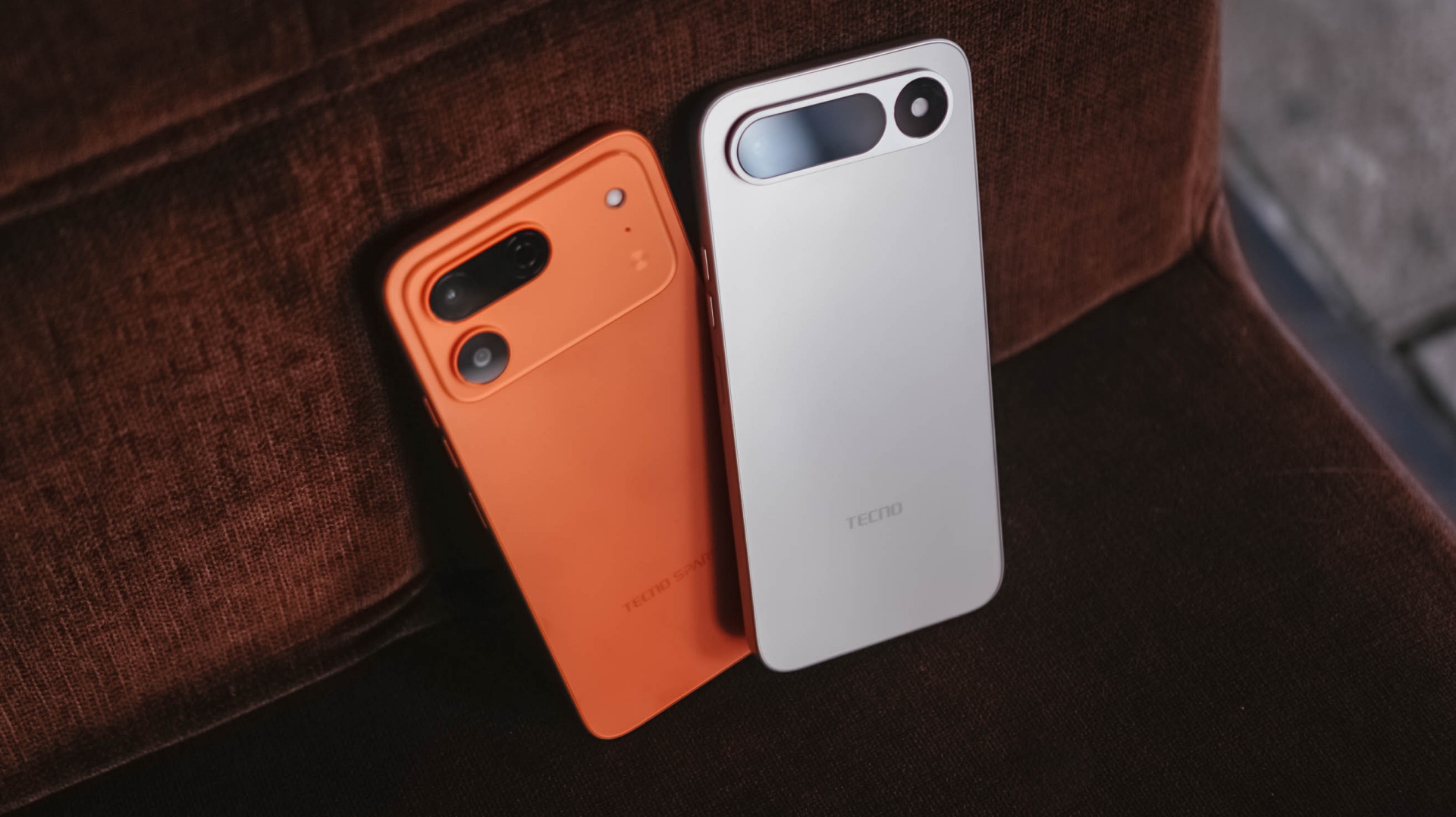
Within two months, TECNO separately launched the SPARK 50 Pro and SPARK 50 5G.
Clearly, the uprising brand aims to target consumers who want to buy a shiny new smartphone within their means. This also meant budget buyers might get confused which to get between the two.
Interested yet still confused? Read more to know which SPARK is your GadgetMatch.
Design
While design is (and will always be) subjective, the design of the TECNO SPARK 50 Pro and SPARK 50 5G are on two different sides of the coin.
The newer SPARK 50 Pro is offered in stronger color choices — from Midnight Blue to the Dynamic Orange I own. Albeit, there are the less flashy Ink Black, Titanium Grey, and Cloud White shades.

On the other hand, the SPARK 50 5G has classier colorways: Champagne Gold, Mint Green and Fantasy Purple. That’s alongside the subdued Ink Black and Titanium Grey options.

Personally, the SPARK 50 5G’s clean-looking horizontal camera bar design was the clear giveaway. While the SPARK 50 Pro is a bit slimmer at 7.8mm, the SPARK 50 5G is still comfortable to hold despite being thicker at 8.18mm.
Furthermore, the Champagne Gold unit I rock looks more premium and doesn’t try to be in with the unnecessary “orange” trend.
Editor’s Choice: SPARK 50 5G
Durability
Usually, design and durability coincide with one another. But, that’s not always the case.
Despite the SPARK 50 5G having an aviation-grade body, it only has an IP64 rating. It can withstand dust particles but, only water splashes and light sprays. Good to note though that it is MIL-STD-810H compliant.
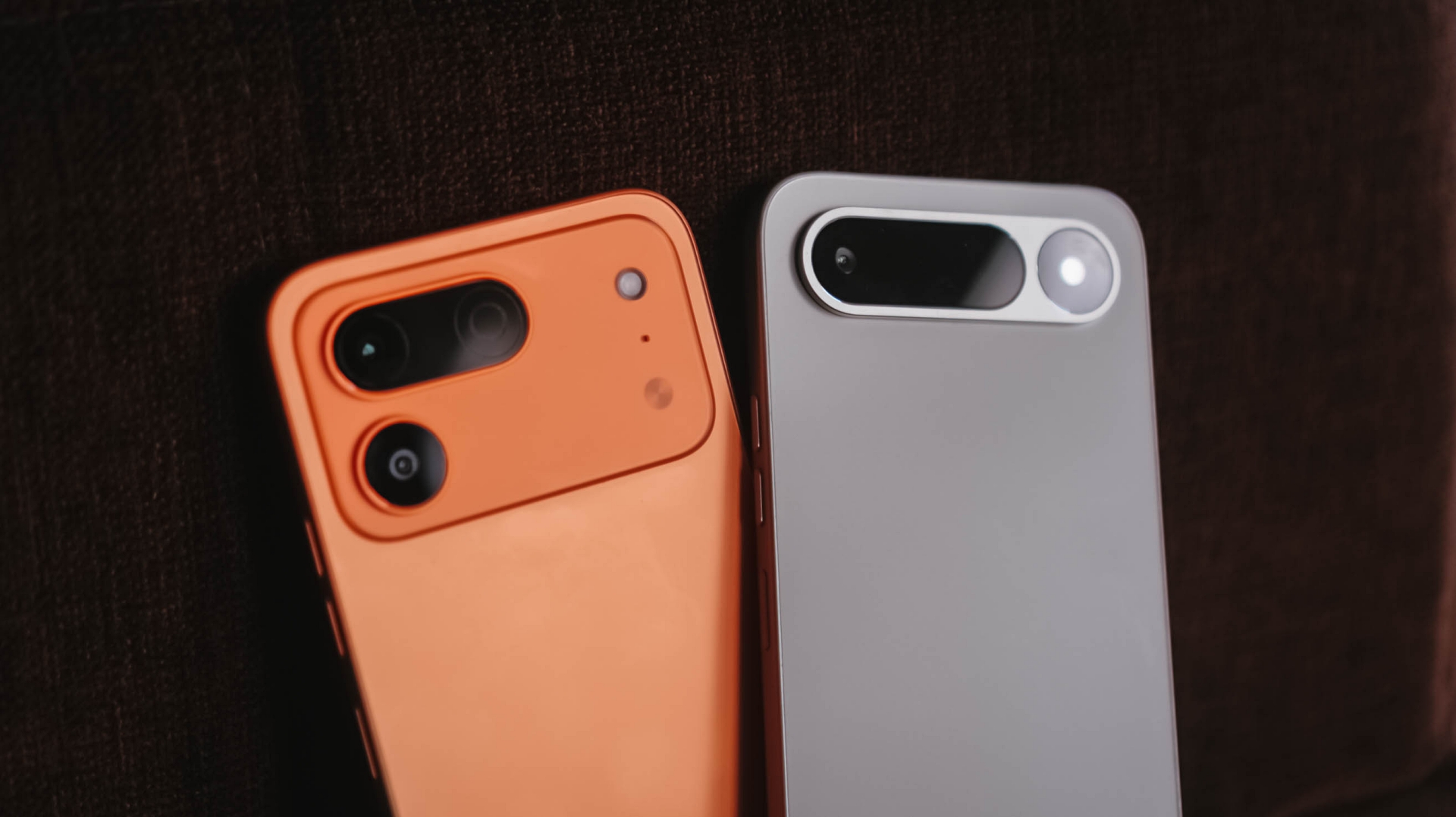
Meanwhile, the less premium-looking SPARK 50 Pro actually boasts the sturdier IP68 and IP69 water and resistance ratings. This means it can withstand dust, water immersion, and even stronger, high-pressure sprays.
This makes the SPARK 50 Pro one of the few phones to have an IP rating previously limited to flagships and higher-end midrangers.
Editor’s Choice: SPARK 50 Pro
Audiovisual
Both the SPARK 50 Pro and SPARK 50 5G share a 6.78-inch IPS LCD display. Both are also 720p in resolution and refresh rate maxes out at 120Hz.
Obviously, these phones don’t have the best in class displays. But, for such segment and price, having such display tech alongside a punch-hole cutout (instead of a raindrop notch) means a lot.

Stereo speakers are also powered by DTS sound. Undoubtedly, these two phones are like identical twins in this segment.
The only thing that the SPARK 50 5G has the upper-hand is none other than its inclusion of 3.5mm audio jack that the SPARK 50 Pro lacks. Still beneficial for people who fully rely on wired audio.
Editor’s Choice: SPARK 50 5G
Performance
While the front part is harder to distinguish from one another, each inner core is what separates these phones apart.
The TECNO SPARK 50 5G is powered by the MediaTek’s Dimensity 6400 SoC.
Of course, it’s not the most powerful out there. But, for its league, it’s a capable chipset that can multitask and run most game titles. Even 5G support never forgotten.
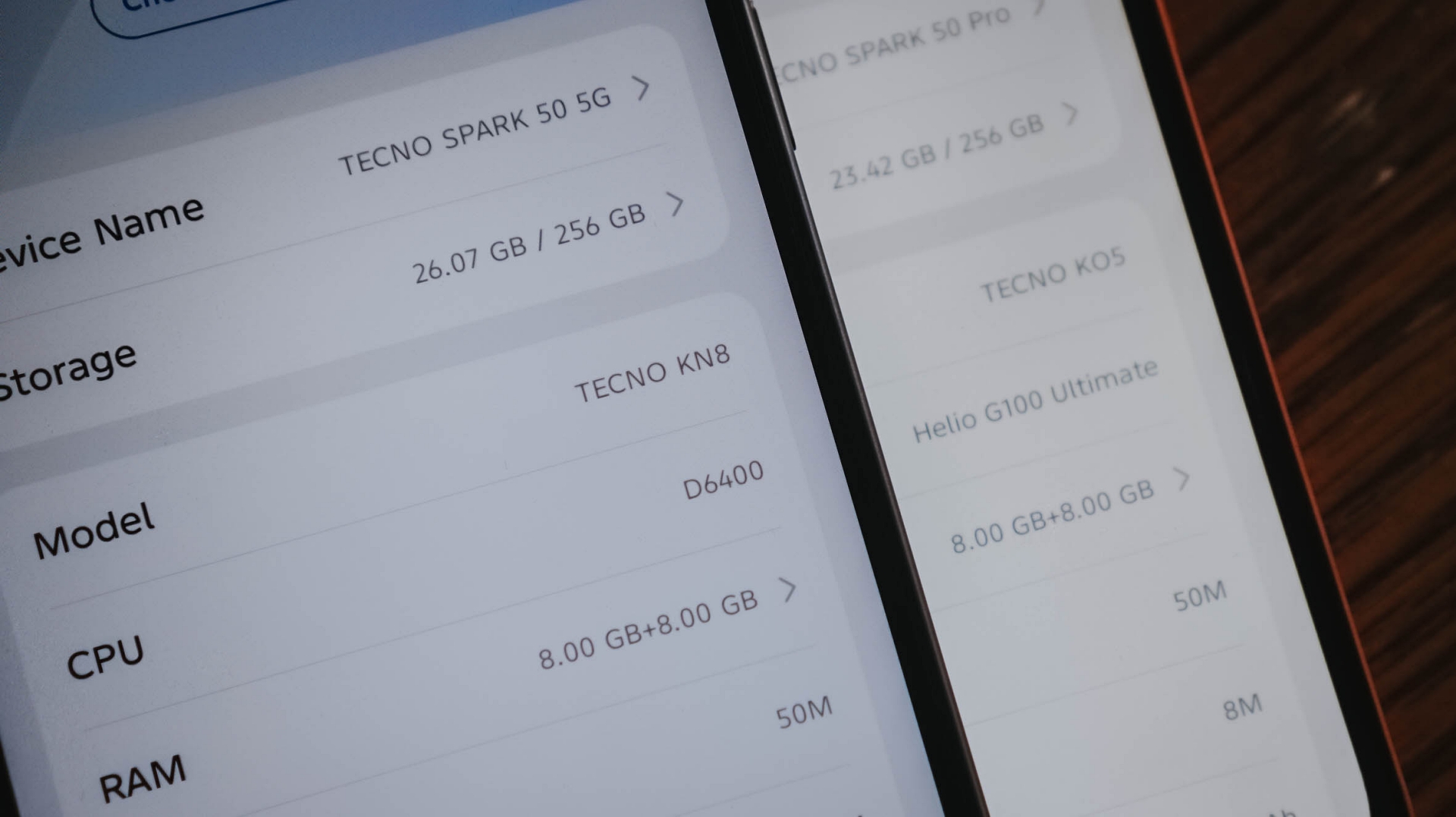
Meanwhile, the SPARK 50 Pro, despite having that “Pro” superlative, only runs the Dimensity G100 Ultimate. CPU speeds are obviously lower. Worse? It’s only limited to 4G speeds.
On the positive note, it gives better camera support.
Memory sizes are available in 4,6, and 8GB with storage options in either 128 or 256GB. Fortunately, these phones still have a dedicated microSD slot.
Editor’s Choice: SPARK 50 5G
Camera
With the camera talk already mentioned, most would think that the 50MP main rear camera of the SPARK 50 Pro and SPARK 50 5G are just the same. Well, they’re not.
Photography duties of the SPARK 50 Pro are mainly handled by Sony’s LYTIA 600 (or LYT-600) image sensor. For reference, that’s the same image sensor found on most modern midrangers.
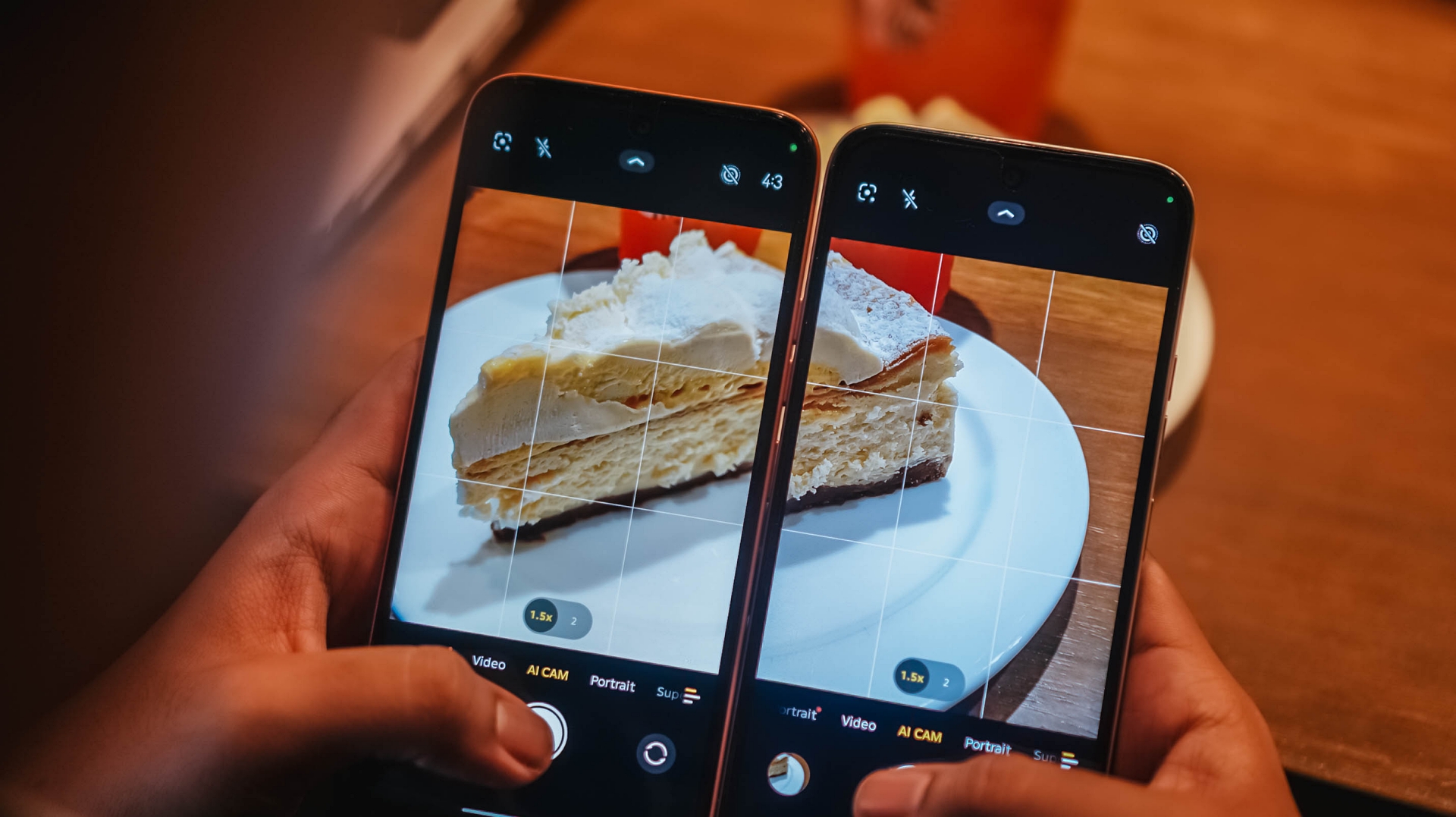
The SPARK 50 5G uses an older Sony Exmor sensor. Aperture slightly differ at f/1.9 and f/1.8 respectively.
For further context, here’s how the two smartphones produce photos.
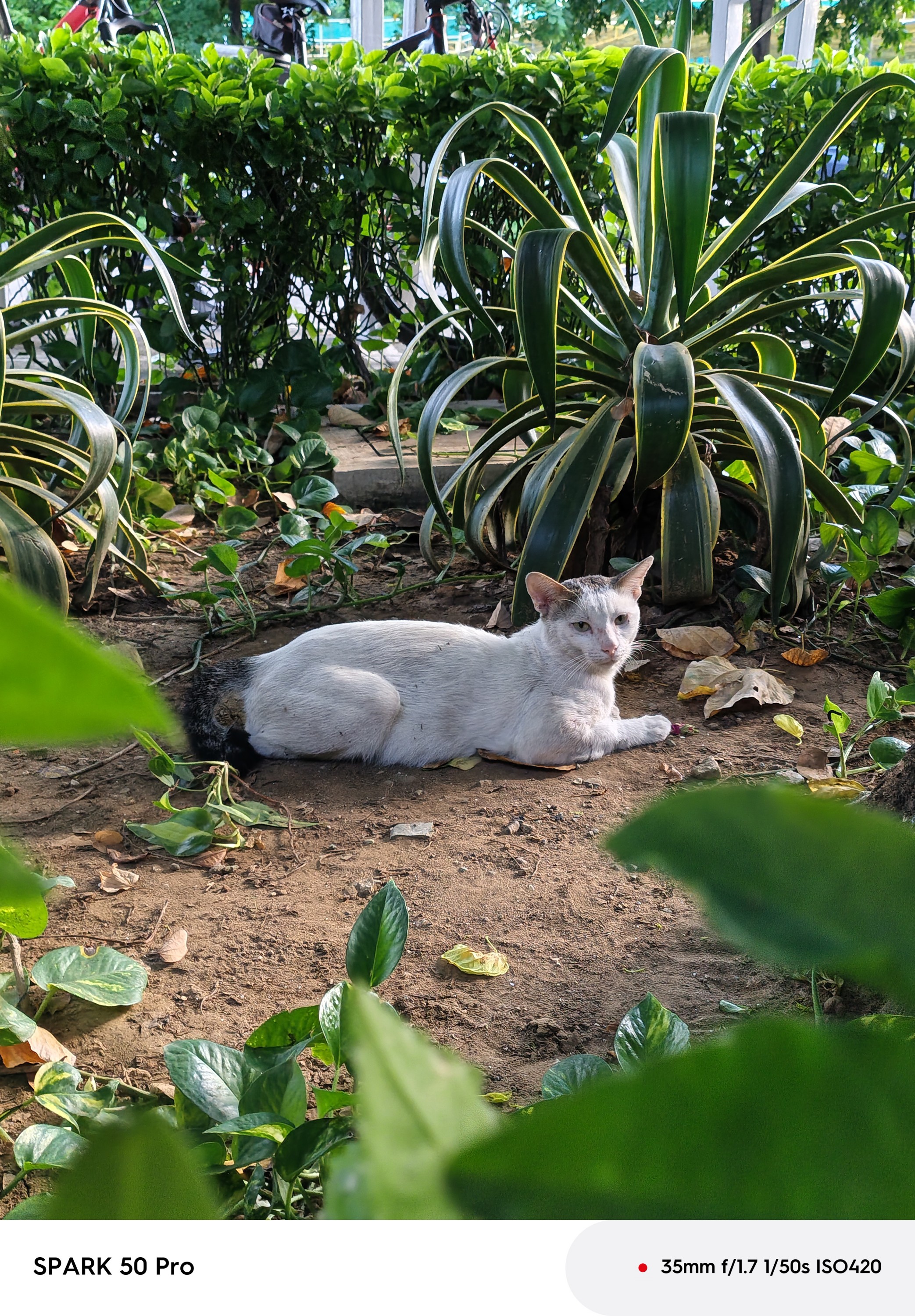





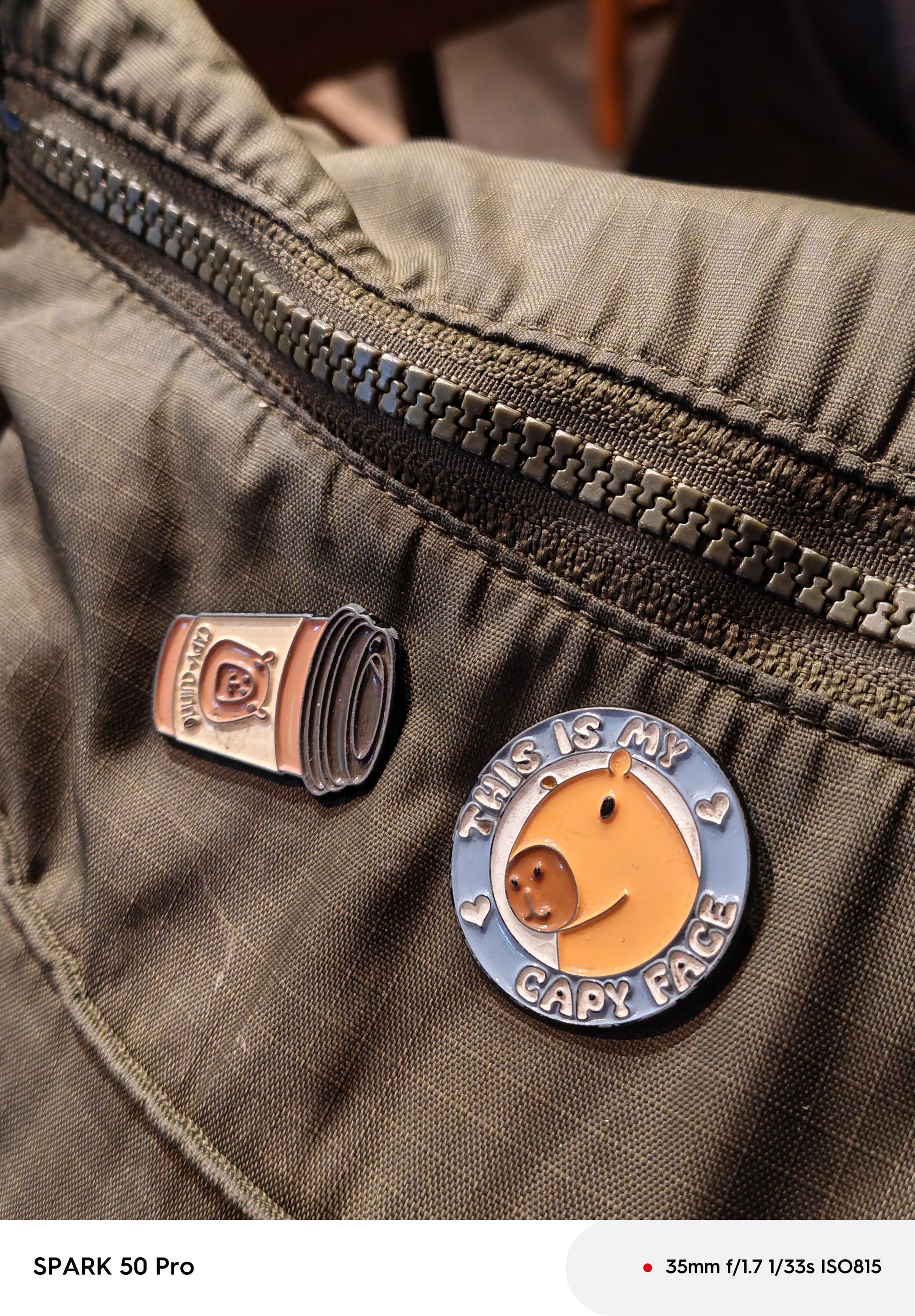



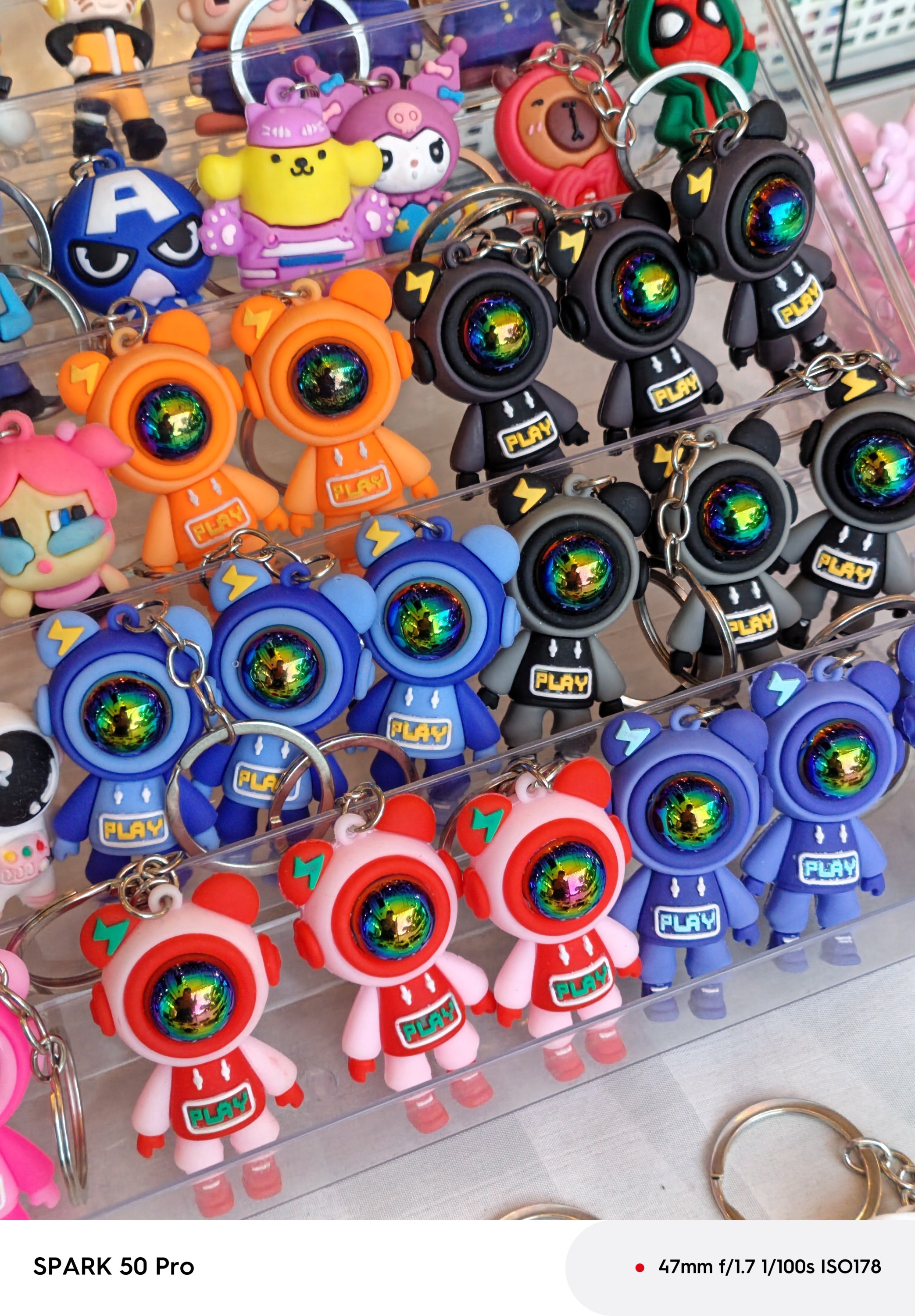
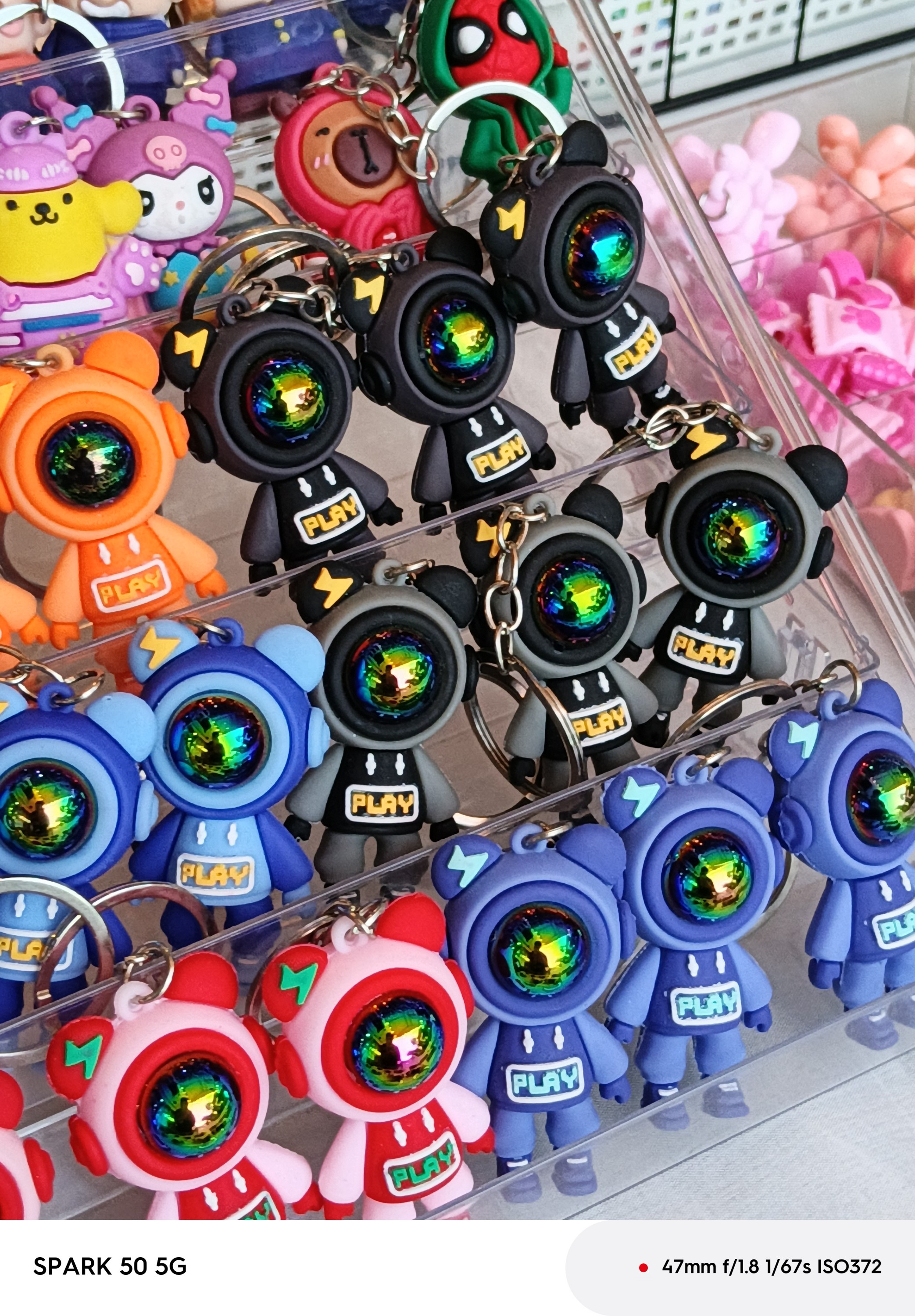










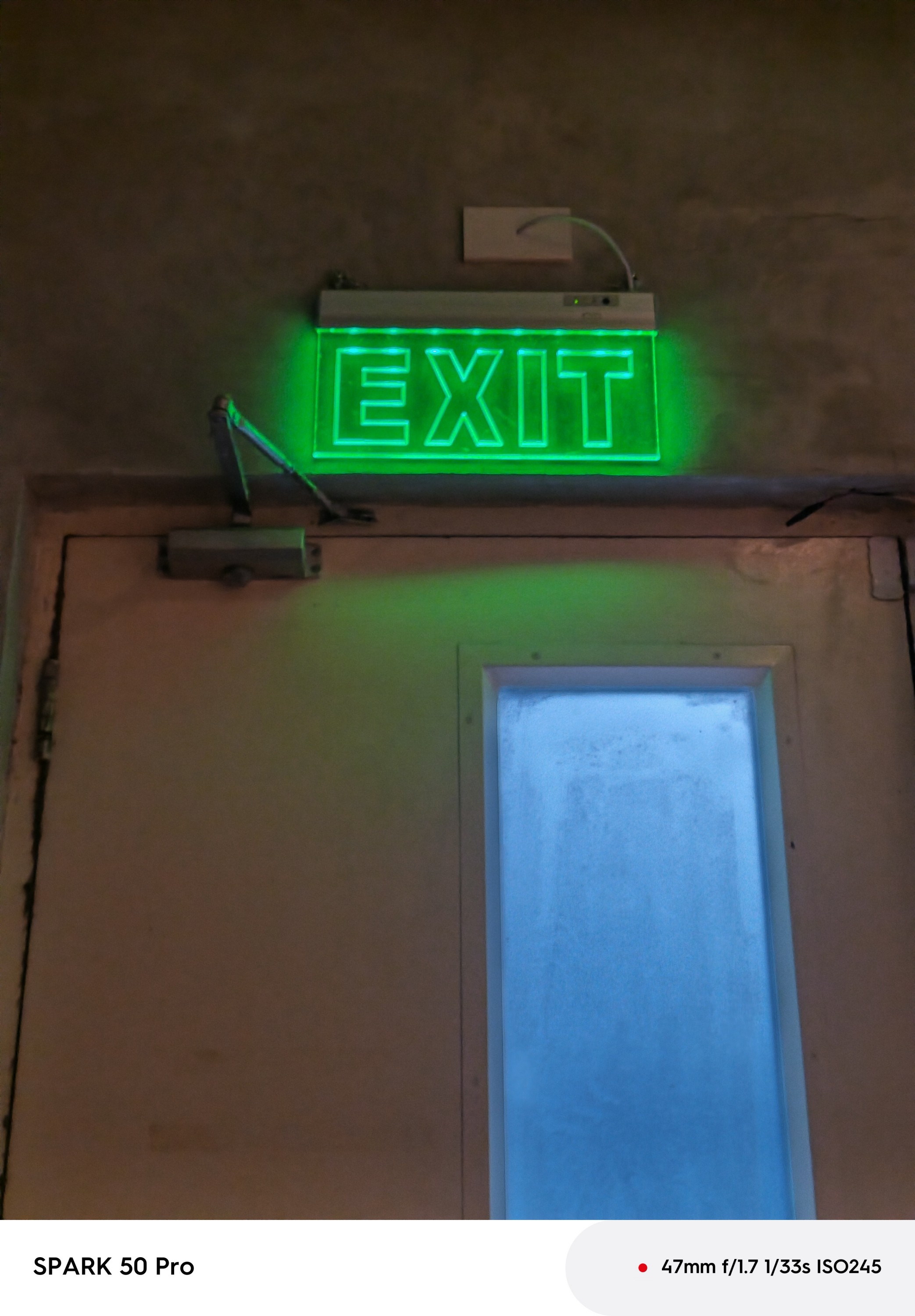
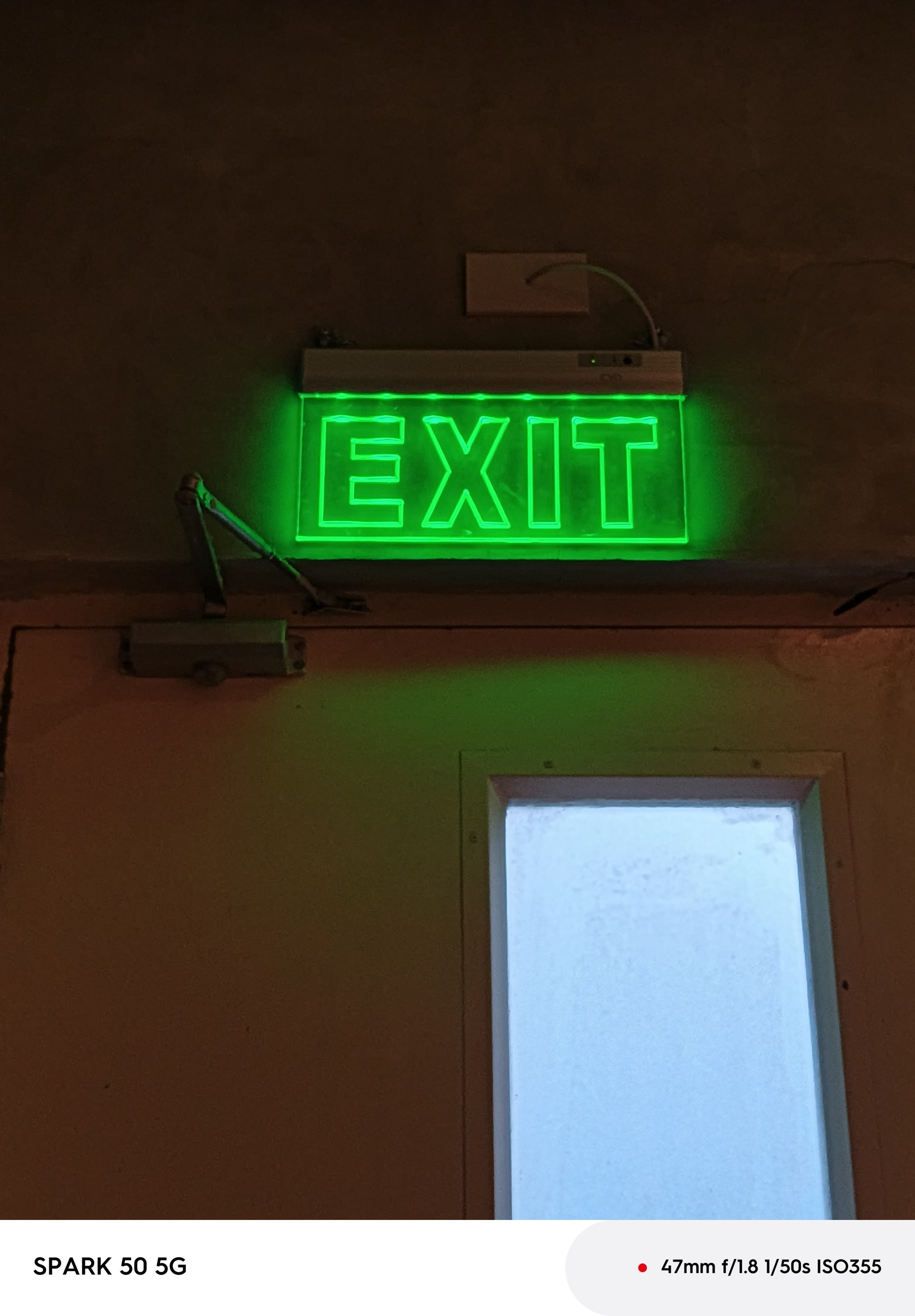
To compensate for that, the SPARK 50 5G tends to over-sharpen and color boost its photo output over SPARK 50 Pro’s natural image rendering.
The SPARK 50 Pro also has a better-looking bokeh falloff than its 5G counterpart.
Editor’s Choice: SPARK 50 Pro
Power
Finally, the highlight of both phones: battery capacity.
ICYMI, the TECNO SPARK 50 Pro has two versions: a single-cell 5600mAh model and a bigger 6000mAh dual-cell version.
The SPARK 50 5G takes it up a notch with an even bigger 6500mAh capacity.

Although that is only a 500mAh (or 900mAh) discrepancy, that battery boost still means a lot for an every day user.
Charging-wise, the SPARK 50 Pro has a faster 60W speed over the regular 45W charging in the 5G version.
IMHO, I would still choose a bigger battery over faster charging speeds. Still, it’s great to have both in a single package.
Editor’s Choice: SPARK 50 5G
Which afforda-phone SPARKs more joy?
If we are going to tally the scores, the clear afforda-phone choice is none other than the TECNO SPARK 50 5G.
It ticks 4 out of 6 boxes — from that classier design to its beastly battery despite that thin chassis. Even better, a 5G-capable chipset and 3.5mm audio jack inclusion that the “Pro” variant simply lacks.
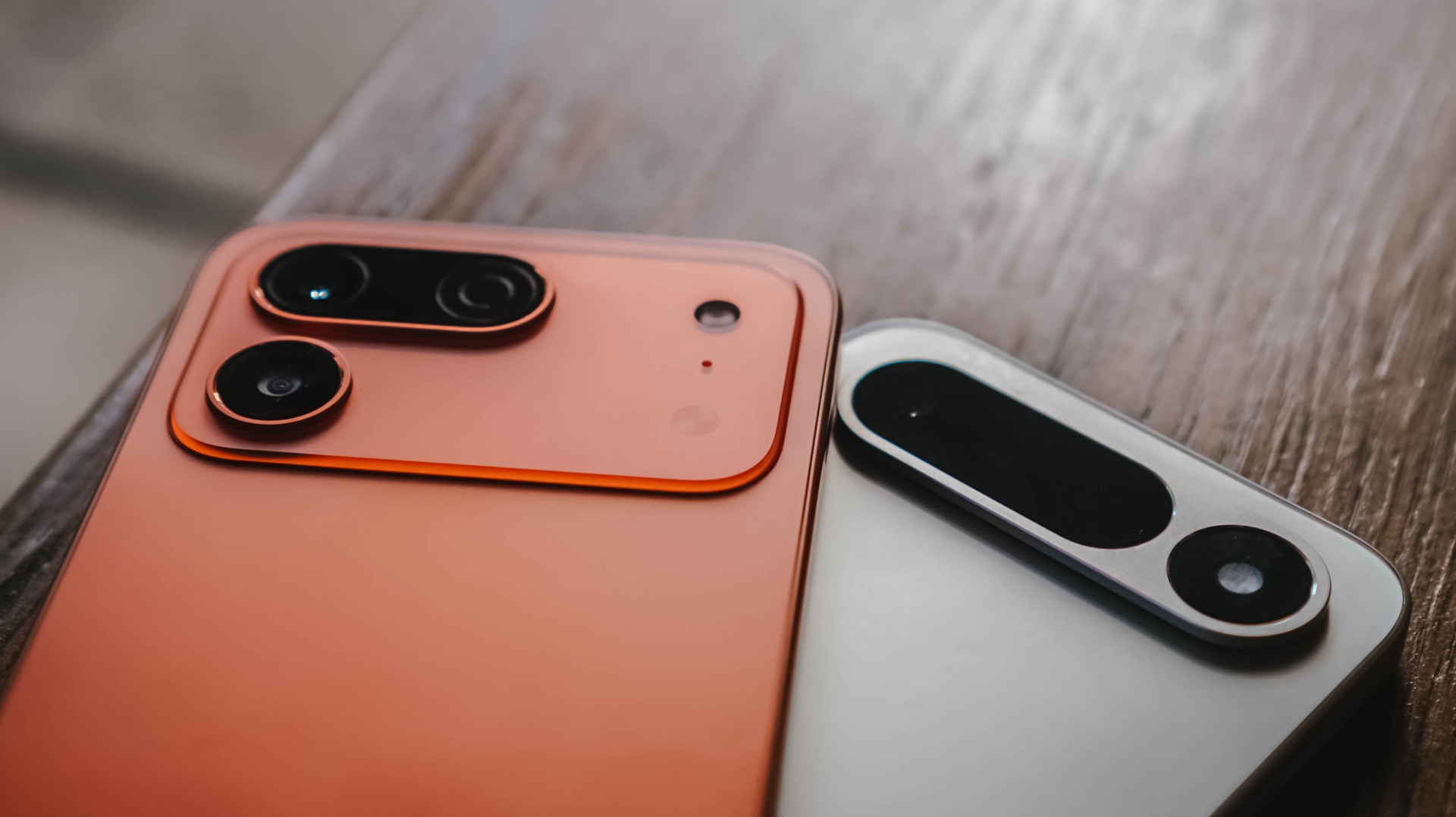
However, that doesn’t mean the SPARK 50 Pro is lackluster.
If you value the cameras and durability more than anything else, the TECNO SPARK 50 Pro is clearly the one you should get.
At the end of the day, it all boils down to how much of your hard-earned savings you are willing to let go.

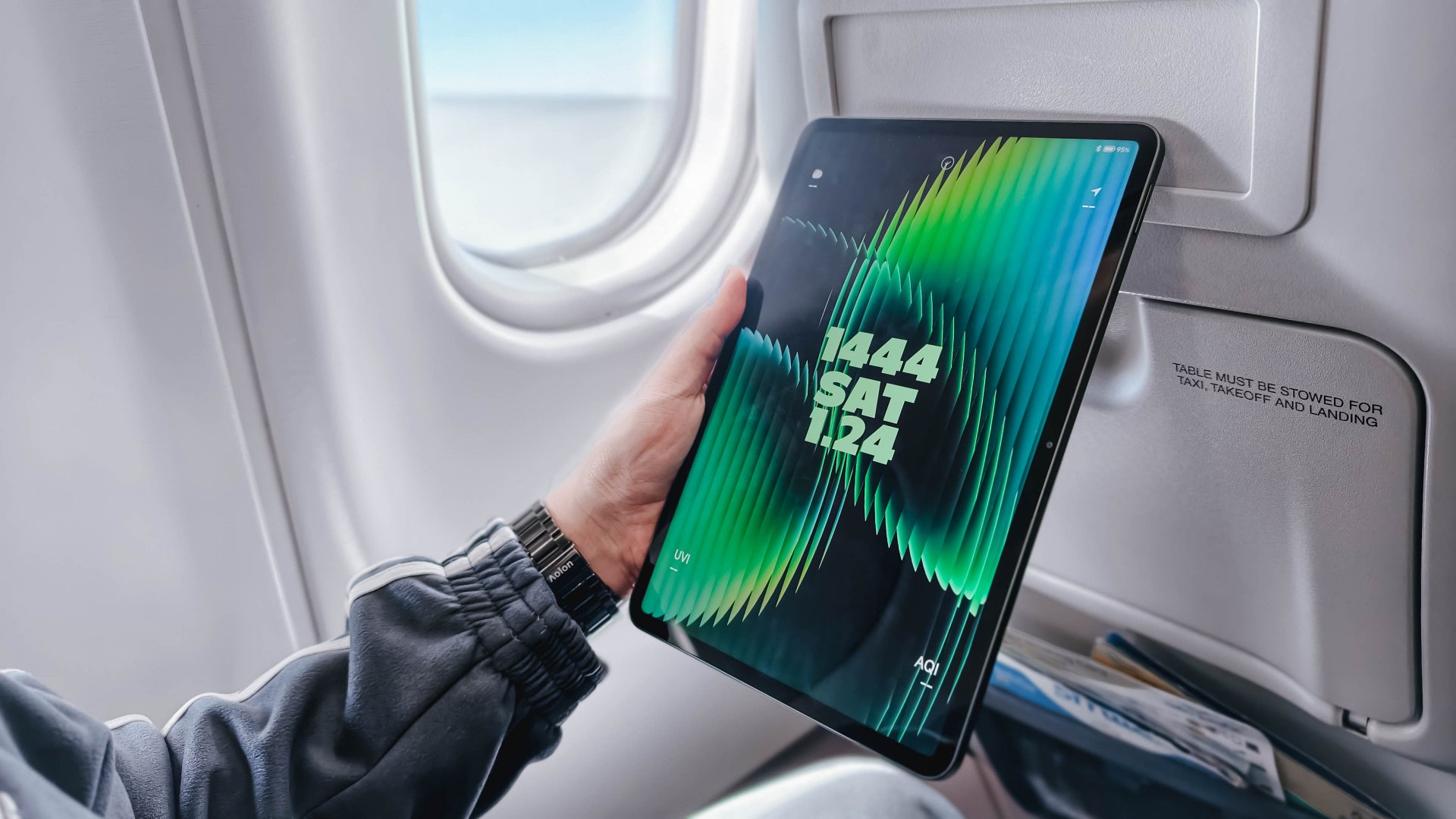
Choosing between the Xiaomi Pad 8 and the Xiaomi Pad 8 Pro feels like picking between a “sweet treat” and a “full-course meal.”
It’s deciding between a reliable travel companion and a specialized workstation. Both tablets rock a slim 5.8mm profile and a manageable 485-gram weight, and a 9200mAh battery.
However, under the hood, they are playing in different leagues. Especially since the “Pro” moniker adds serious muscle to the internals, and a solution for that glossy screen distraction.
Specs at a glance
| Product | Xiaomi Pad 8 | Xiaomi Pad 8 Pro |
| Processor | Snapdragon 8s Gen 4 (4nm) | Snapdragon 8 Elite (3nm) |
| Display | 11.2″ 3.2K IPS LCD (144Hz) | 11.2″ 3.2K IPS LCD (144Hz) |
| Surface | Ultra-Glossy Glass | Optional Matte Nano-Texture |
| Storage/RAM | Up to 12GB LPDDR5X / 256GB | Up to 16GB LPDDR5T / 512GB |
| Rear Camera | 13MP | 50MP |
| Front Camera | 8MP | 32MP |
| Charging | 45W Turbo Charge | 67W HyperCharge |
| Pricing | Starts at PhP 20,999 | Starts at PhP 38,999 |
Why you should pick the Xiaomi Pad 8
The standard Pad 8 is that “Goldilocks” device, hitting that sweet spot between price and premium hardware.
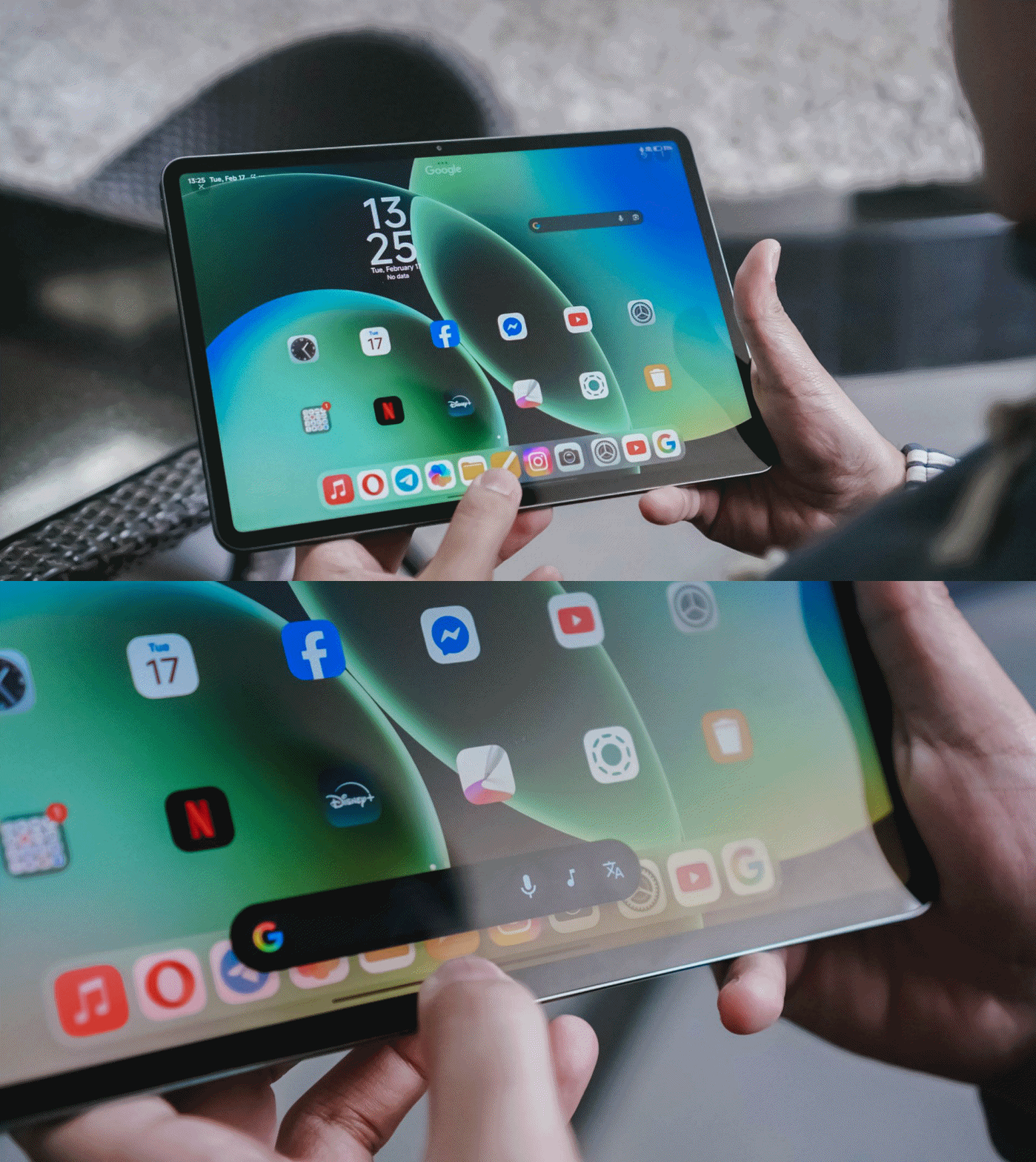
It’s ideal if your tablet usage is centered on media consumption and light productivity. Since it shares the same 11.2-inch screen size as the Pro, it fits perfectly on an airplane tray table, making it a dream for frequent flyers.
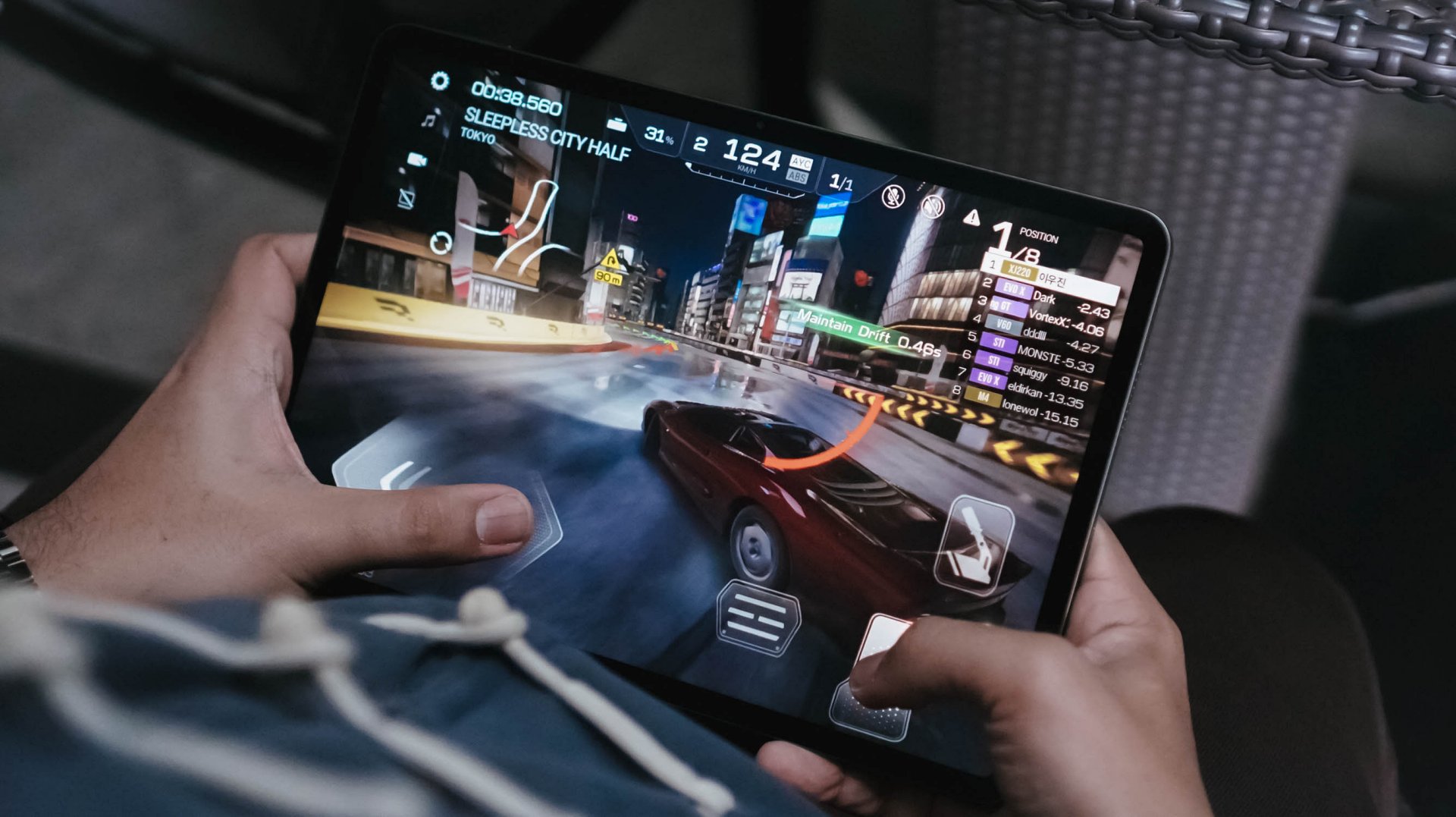
The Snapdragon 8s Gen 4 is no slouch; it still runs titles like Racing Master at 60fps on Ultra-High settings. If you’re a fan of XG or KiiiKiii, you’ll appreciate the quad-speaker setup and Hi-Res Audio support without needing to pay the “Pro” tax.
It’s the smart choice for those who want a capable second screen to complement their main laptop.
Why you should level up to the Xiaomi Pad 8 Pro
The “Pro” is for those who found the standard model’s limitations — like the glossy screen reflections or the 128GB storage ceiling — to be a dealbreaker.
The biggest upgrade is the Snapdragon 8 Elite, a powerhouse chip that turns the tablet into a legitimate workstation for video editing in CapCut or heavy multitasking in HyperOS 3.0.

Beyond power, the Pro version offers a Matte Glass Edition, which completely solves the “reflection” issue that can ruin your movie sessions or drawing time under bright lights.
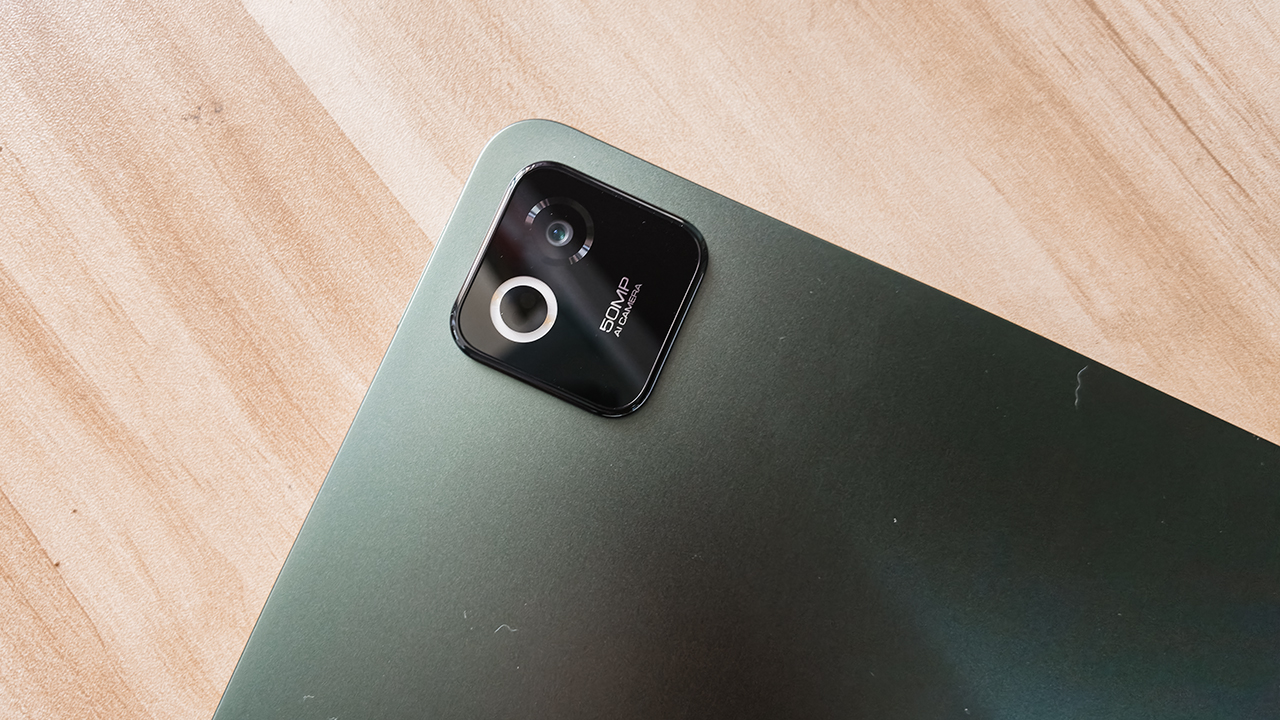
You also get significantly better cameras, such as a 32-megapixel front sensor for professional-looking video calls. There’s also a 50-megapixel rear camera for high-res document scanning.
Finally, the 67W HyperCharge means you spend less time tethered to a wall and more time being productive.
Which Xiaomi Pad is your GadgetMatch?
Swipe Right on the Xiaomi Pad 8 if you want the best value for your money.
It’s thin, light, and powerful enough for 90% of users. It handles gaming, writing, and music playback with ease, making it a worthy recipient of a seal of approval for anyone on a budget.
Just be sure to skip the 128GB entry model and go for the 256GB version to ensure you get those faster storage speeds.

Swipe Right on the Xiaomi Pad 8 Pro if you are a “power user” who hates screen glare. If you plan to use the Focus Pen Pro for serious creative work or need 512GB of space for a massive game library, the Pro is worth the extra investment.
It’s a high-speed machine that charges faster, captures better photos, and runs every app with flagship-level fluidness.
The Xiaomi Pad 8 starts at PhP 20,999 with Normal Keyboard while the Xiaomi Pad 8 Pro starts at PhP 38,999 with Touch Keyboard. Both tablets come with free Focus Pen Pro.


HP OMEN Max 16 review: Gamer-maxxing in deep black
Peripherals deemed necessary to max this out

vivo V80 review: Good phone, tough sell
A capable travel companion


Ghost of Yōtei Complete Edition review: More of a great thing
Picking up where Atsu left off

Visa: 79% of Filipinos want to learn about stablecoins

CASETiFY Match: Finding the right case for your Galaxy Z8 Series phone
HP OMEN Max 16 review: Gamer-maxxing in deep black

Google illegally destroys 250,000 trees for a single AI data center

FINAL FANTASY RESONANCE now available across major platforms

TECNO CAMON Slim 5G review: Slim on size, big on surprise

TECNO CAMON Slim 5G: Price, availability in the Philippines

HONOR Magic9 Pro Max launches in China with ARRI-powered imaging

BYD says that way better EV batteries are coming next year

TECNO CAMON Slim 5G teases an ultra-slim design ahead of launch


-

 Gaming2 weeks ago
Dragon’s Dogma 2: Dark Arisen launches with new Official Pawns
-

 News1 week ago
vivo V80 debuts with ZEISS cameras
-
 Deals2 weeks ago
Score PhP 22,000 in guaranteed freebies when you pre-order the iPhone 18 Pro at Beyond the Box
-

 Philippines1 week ago
TECNO CAMON Slim 5G gets launch discounts, free MagBadge
-

 Wearables2 weeks ago
Garmin Approach S72 brings swing metrics, green reading to your wrist
-
 News1 week ago
Samsung: Galaxy Z Fold8 demand rose because of iPhone Duo
-

 Features1 week ago
I don’t want a phone that unfolds — the Galaxy Z Fold8 gets why
-
Reviews6 days ago
vivo V80 review: Good phone, tough sell