
Cameras
Canon finally brings the EOS 90D and M6 Mark II to the Philippines
The Canon refresh we’ve all been waiting for


It was not too long ago when Canon Philippines announced EOS RP, their second full-frame mirrorless camera at a cheaper price. This time, Canon unveiled not just one, but two cameras — the Canon EOS 90D, successor to the EOS 80D from three years ago, and the EOS M6 Mark II, successor to 2017’s EOS M6.
Don’t confuse yourself

If you are confused with Canon’s camera lineup, here’s how you can differentiate them easily: Four and three-digit Canon DSLRs are for starters. Two-digit units are prosumer APS-C cameras, while one-digit models (except 6D and 7D) are full-frame DSLRs for professionals. 6D and 7D are for professionals too, just with cropped APS-C sensors.
Meanwhile, the M and R-series are Canon’s mirrorless line. In a nutshell, the M-series are shipped with APS-C sensors while the latter are equipped with full-frame sensors.
What’s new?
The Canon EOS 90D and M6 Mark II live up to their midrange powerhouse title by bringing significant upgrades over their predecessors. They both feature a larger 32.5-megapixel APS-C sensor (versus 24.2-megapixel sensor) with a newer DIGIC 8 processor.

Another major upgrade is the ability to capture 4K UHD videos. The previous models can only shoot Full HD videos in certain frame rates. The new models can also now shoot in Full HD 120p for slow-motion and/or smoother videos.
Canon has also thought of shooting better in lowlight scenarios. The lowest intensity limit can be lowered down to EV -5, which allows sharper and vivid photographs even in dark scenarios. ISO sensitivity also goes up to 25,600 in stills and 12,800 in videos.
What’s different?
As said earlier, they can both shoot 4K videos, but here’s the catch: The EOS 90D can shoot in 30p or 25p, either cropped or uncropped. The M6 Mark II is limited to 30p with no cropped option in tow.
Canon also highlights faster focus and continuous shooting speeds with these cameras. You can shoot as fast as 1/16000 sec for both cameras via electronic shutter, but only 1/4000 sec in mechanical shutter in M6 Mark II, unlike 90D’s 1/8000 sec.
The 90D has up to 10fps in viewfinder shooting (either fixed AF or AF tracking), 11fps during Live View shooting (but with fixed AF) and 7fps during Live View plus AF tracking. On he M6 Mark II, you can shoot up to 14fps, plus up to 30fps in RAW burst shooting.
Hardware-wise, the EOS 90D brings another multi-controller joystick along with the existing multi-controller to provide better tactile when it comes to selecting points when focusing a subject on screen. The M6 Mark II only relies on touch controls, plus a touch and drag function as well.

Although there is no significant difference with the equipped 3-inch Vari-angle touch LCD monitors, the EOS 90D has a Zero Lag optical viewfinder, while the M6 Mark II has none. You can buy an optional viewfinder separately, just like in the previous M6. The Eye AF (autofocus) also works both on the viewfinder and Live View with the 90D.
Major difference goes to lens choices. You can choose a wide variety of EF-S lenses for the 90D, just like what any other two-digit models can have. The M6 Mark II relies on EF-M lenses, something you can only use for Canon’s mirrorless mount. The EOS R and RP relies on newer RF lenses, while the professional DSLRs are stuck with EF lenses.
What should you get?
These cameras are not built for the same market. The EOS 90D goes for prosumers who would love to take their camera in action. The 90D is built not just for speed, but also for durability. Its dust and drip proofing make this camera a triumphant in build quality.
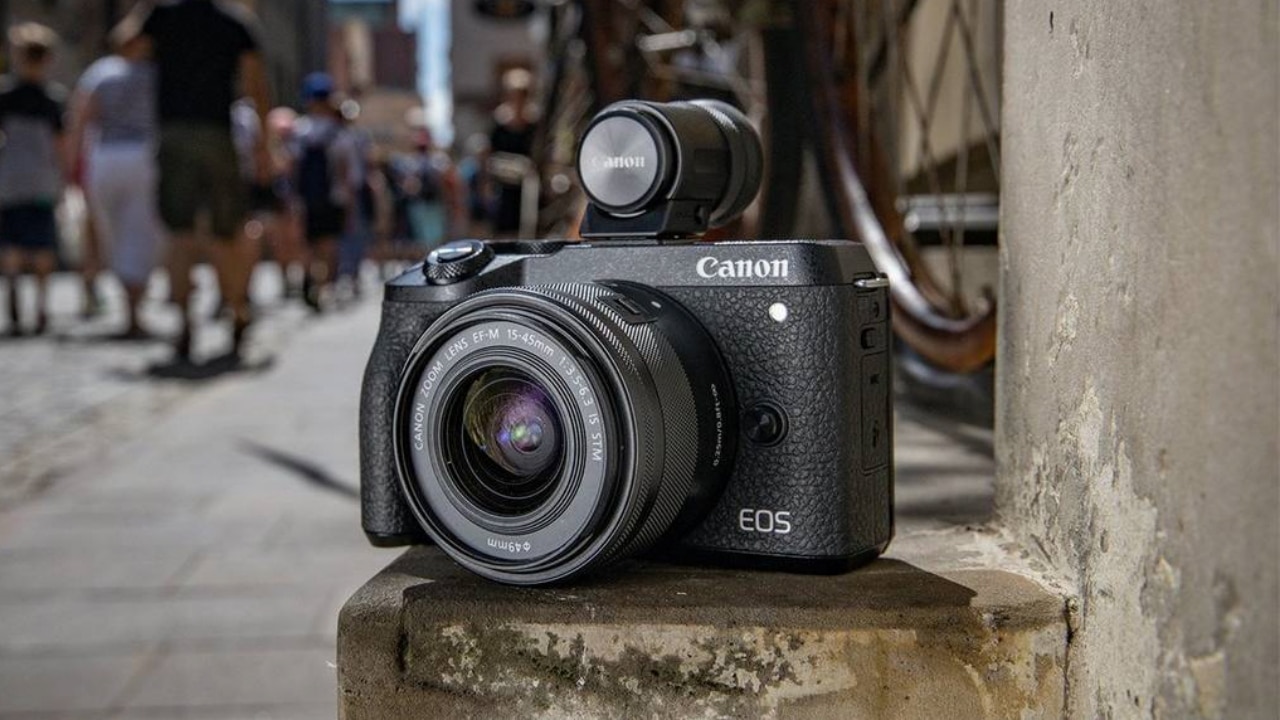
Canon EOS M6 Mark II
On the other hand, the EOS M6 Mark II is particularly for consumers who would love to get most of the newest camera features without compromising size and heft. It’s a versatile camera in a more stylish and compact form.
Pricing and availability
Both cameras will be available across all authorized Canon Dealers nationwide starting on October 10. The Canon EOS 90D retails for:
- PhP 74,498 (body only)
- PhP 81,998 (with 18-55mm IS STM lens); and
- PhP 94,498 (with 18-135mm IS USM lens)
While the EOS M6 Mark II pricing is as follows:
- PhP 56,998 (body only)
- PhP 62,998 (with 15-45mm kit lens); and
- PhP 81,998 (with 18-150mm kit lens)
Promos will also apply to early buyers from October 4th until the 31st:
- A free TIMEX Marathon Watch
- PhP 4,000 discount on EVF-DC2 viewfinder (SRP PhP 11,998) for M6 Mark II buyers
- PhP 1,000-worth Canon Red App points; and
- Free pass to Canon PhotoMarathon 2019
Registering through Canon’s Red App will not only give you these promos, but also incentives such as 2-year extended warranty, unlimited CMOS cleaning for one year, free trial of lenses up to 3x, earn points to claim gifts and vouchers, and the ability to join and avail Canon-exclusive programs in the Philippines.







Cameras
Canon PhotoMarathon returns, introduces video, open categories
Happening on April 18 in BGC, Taguig


The Canon PhotoMarathon is officially returning this year and is introducing more categories for enthusiasts to join in.
The 2026 edition, the 19th in the Philippines, will happen on April 18 at the BGC Amphitheater in Taguig City.
For the first time, Canon is opening the competition to non-Canon users. Even those with just smartphones can register. The brand has also added a video category.
Here’s a quick breakdown of the contest categories and their corresponding prizes:
Main Category (Photo)
- Open to Canon users only
- Prize: Canon EOS R6 Mark III with RF24-105mm f/4-7.1 IS STM
Open Category (Photo)
- Open to all camera brands
- Prize: Canon EOS R8 with 24-50mm
Video Category
- Open to all camera brands
- Canon Prize winner: Canon EOS R50 V
- Non-Canon Prize winner: Canon Powershot V1
The full mechanics will be announced on the day of the competition itself to make it even more challenging for those taking part.
To join, simply download the Canon PH Delightful app, create an account, go to the Events tab and select the Canon PhotoMarathon banner. Registration is already open.
To build up hype for the upcoming event, Canon will host photowalks, school tours, and regional tours leading up to the PhotoMarathon.
These are designed to engage photographers at every skill level. Admission is free and open to all digital camera users.
Cameras
Canon EOS C50 cinema camera price in the Philippines
Smallest, lightest cinema camera made for today’s filmmakers, creators

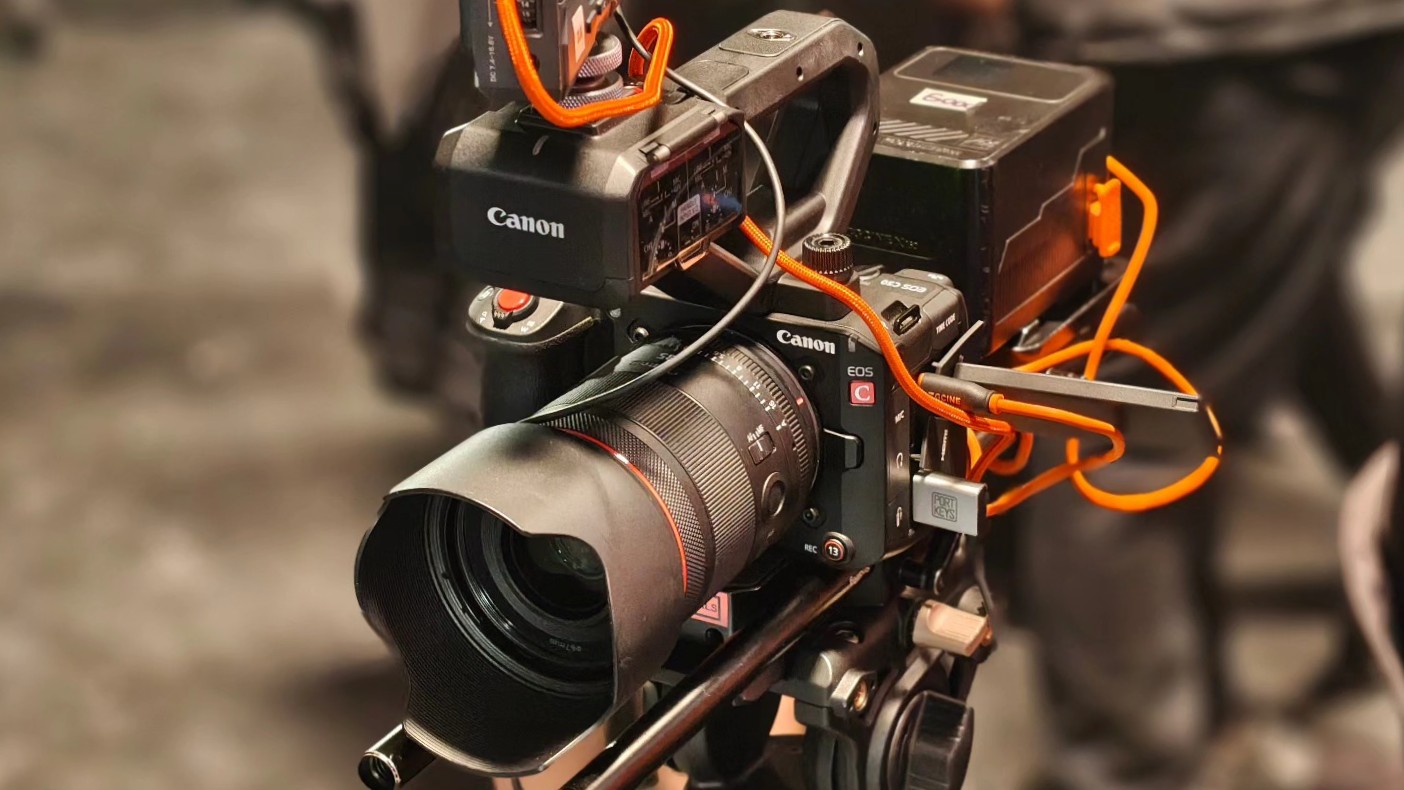
Canon Philippines is capping the year strong with the release of the Canon EOS C50 in the market. The cinema camera is priced at PhP 189,998 for the body along with an XLR handle.
The Canon EOS C50 is designed for both filmmakers and creators who need mobility and professional-grade quality.
It has the same 3:2 Open Gate recording feature also on the EOS R6 Mark III, which gives users flexibility for post-production.
Creators can extract full 4K footage along with cropped 2K vertical or square versions from the same capture with the Simultaneous Crop Recording feature.
This is ideal for producing multi-platform content, like 16:9 landscape videos for YouTube then vertical shortform videos for social media.
Also, an added edge is the up to 7K 60p RAW recording capability on the C50, compared to just 7K 30p for the Mark III.
Filmmakers can also record at up to 4K 120fps should they need high frame rate captures. Recording in 4:2:2 10-bit is also available for rich color and flexibility in post-production.
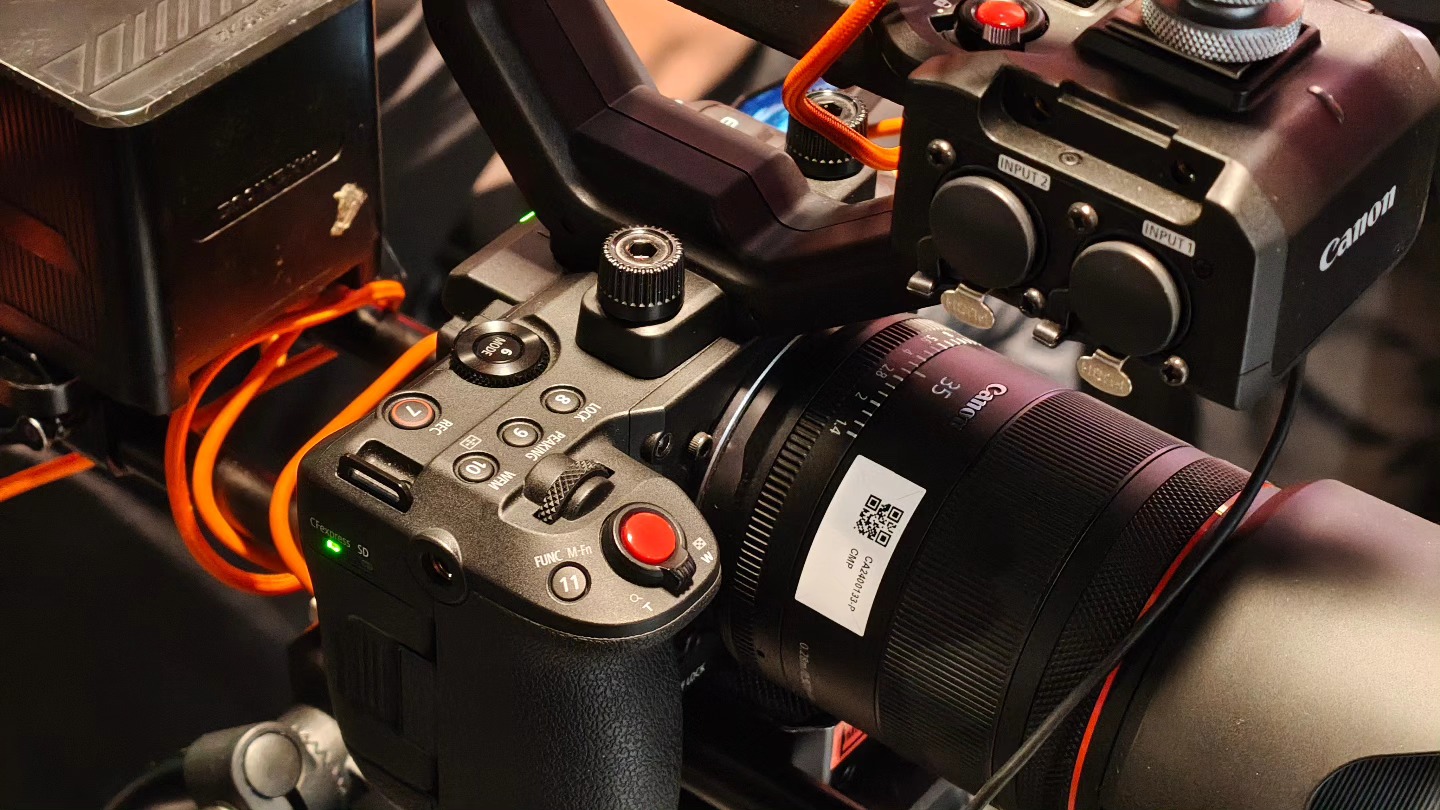
In addition, the EOS C50 features dual CFexpress and SD card slots. 7K RAW can be saved to CFexpress while other formats can be saved to the SD card.
Different format, resolutions, and color sampling can be assigned for backup, distribution, or quicker edit-ready files.
Photo performance
For stills, users can take advantage of the 32MP CMOS sensor for capturing up to 40 shots per second (with electronic shutter).
The camera also supports pre-continuous shooting and AF performance improvements with its Dual Pixel CMOS AF II.
Enhancements include Auto setting, animals, vehicle priority, and eye AF, as well as the new left/right priority.
Moreover, the camera features Dual-Base ISO with Auto Selection, automatically switching between ISO 400 and ISO 3200 depending on the scene.
This ensures the highest signal-to-noise ratio while maintaining a wide dynamic range. Users can also manual select the ISO to match lighting conditions.
Professional interface
Onto its controls, the EOS C50 has a TIME CODE terminal, which is perfect for seamless multi-camera setups. It also features two XLR terminals and a handy control dial for professional audio input.
There are 14 assignable buttons, each thoughtfully positioned for quick, instinctive access while filming. There are about 100 customizable functions available so the camera can match a user’s workflow.
During the launch event, Canon Philippines demonstrated a wide range of scenarios for the EOS C50, including multi-angle live broadcasts with just one camera.

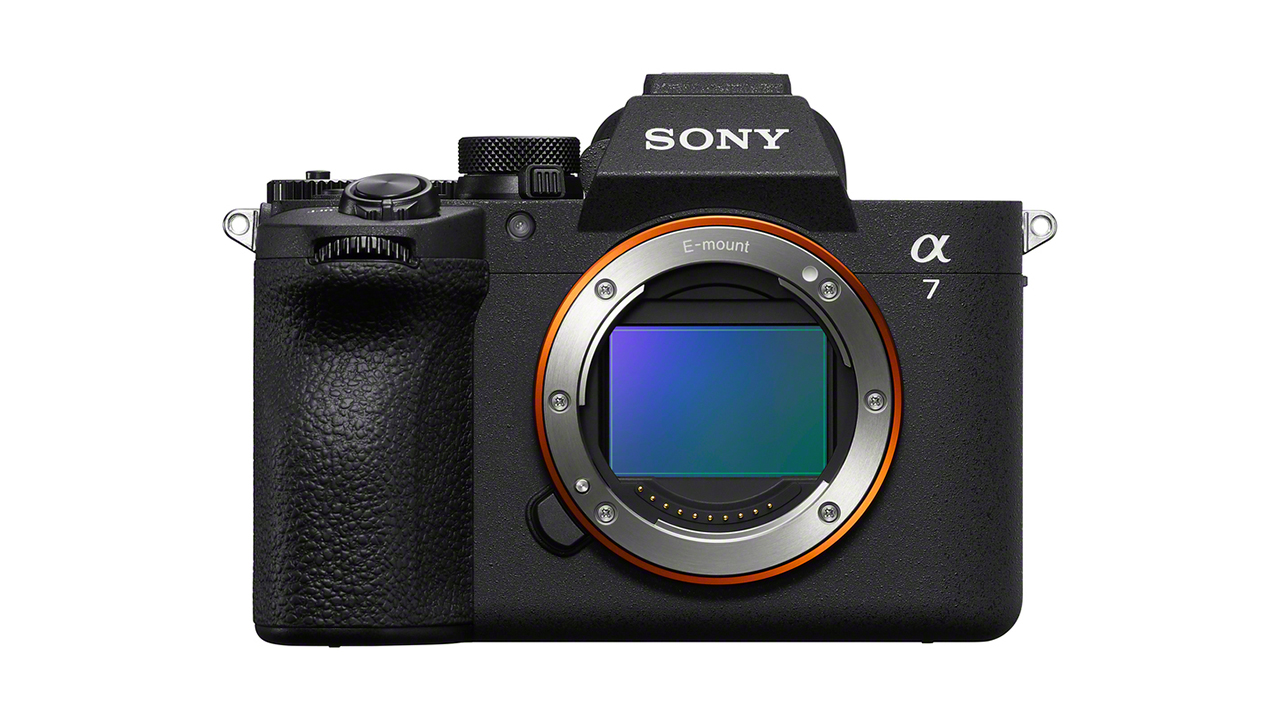
Are you still wondering what to get yourself for Christmas? If you have a good amount of leftover money after shopping for everyone else, Sony has a new camera just for you. Right on the cusp of the holiday season, the Sony Alpha 7 V is here.
The Sony Alpha 7 V is the fifth generation of the aforementioned series. The full-frame mirrorless camera uses a partially stacked Exmor RS CMOS image sensor to take photos with 33.0 effective megapixels.
Further, the new BIONZ XR2 image processing engine uses the Alpha series’ AI technology to deliver better imaging, Real-time Recognition Auto-Focus, and Real-time Tracking. To add to this, Sony is also launching the FE 28-70mm F3.5-5.6 OSS II full-frame zoom lens to support the camera.
For connectivity, the camera supports Wi-Fi 6E GHZ for data transfers. It also supports USB-C connections for wired transfers.
To ease usage no matter the scenario, the Alpha 7 V comes with vertical format support and an adjustable electronic shutter sound. It also has a 4-axis multi-angle monitor for shooting in various angles. Finally, it has a better grip for stability.
For those long shoots, the camera has better power management. It also has a Monitor Low Bright mode to preserve the battery.
The Sony Alpha 7 V body is available from the end of December. Meanwhile, the kit and the lens will be available on February 2026. The body costs SGD 3,699. From now until December 31, customers will get a free 240GB CEA-G Series CFexpress Type A memory card.
SEE ALSO: Sony’s mobile motion capture system, mocopi, is coming to Singapore


My Hero Academia: All’s Justice: A familiar Final War, made playable
Reliving the Final War


nubia V80 Max: Long battery, marginal upgrades, casual budget phone
Upgrades here and there, but is the price increase worth it?


Breaking up with Adobe Photoshop after 20 years
Wedding planning and Apple Creator Studio made me realize it was time

HONMA x HUAWEI WATCH GT 6 Pro for golf launches
My Hero Academia: All’s Justice: A familiar Final War, made playable

AMD teases next-gen Xbox coming in 2027

Overwatch reinvents itself with a new story and five new heroes

What a day at Masungi GeoReserve taught me about a smartphone’s durability

HONOR X9d 5G launches in the Philippines: Price, preorder, availability

Infinix NOTE Edge debuts: High-end features for accessible pricing

POCO M8 Pro review: Goin’ loco over this POCO

HONOR Magic8 Pro review: What sorcery is this?

Redmi Note 15 Pro+ 5G review: The midrange fashion piece


-

 Gaming2 weeks ago
Now playing: Final Fantasy VII Remake INTERGRADE on Switch 2
-

 Gaming2 weeks ago
Forza Horizon 6 launches on May 19
-

 Gaming2 weeks ago
Nintendo’s latest toy is Super Mario Wonder’s Talking Flower
-

 Gaming2 weeks ago
You can now race as teams in Mario Kart World’s Knockout Tour
-

 News2 weeks ago
nubia joins durability competition with launch of V80 Max
-

 Gaming1 week ago
New DRAGON BALL game project “AGE 1000” for 2027 announced
-
Apps6 days ago
Breaking up with Adobe Photoshop after 20 years
-

 Gaming1 week ago
Blizzard will host four major game showcases starting this week