
Automotive
Car Tech at CES 2016


Heading into CES 2016 we knew there was going to be a lot of new tech for automotives. True enough, there hasn’t been any shortage of car tech whether it’s already functional or something that could possibly hit the road in the future.
Speaking of the future, that’s exactly what’s written all over the Faraday Future’s (FF) FFZero1 – a concept electric car that looks like something Bruce Wayne would drive when he’s out fighting crime.
The FFZero1 on display is nearly as real as the Batmobile. It’s just a concept car and was used primarily to showcase what FF is potentially capable of.
Something useful
Here’s a perfect example of technology making life easier for people – especially for the non car-savvy drivers. Hyundai went out of its way to build an augmented reality app for owners of its cars. Aptly called Virtual Guide, the app will walkthrough the user on how to perform basic car maintenance tasks.
Fire up Virtual Guide and point it to any part of the car and it’ll show digital dots for certain parts of the car. Tap on the dot to get a step-by-step maintenance walkthrough or how-to use if you’re inside the car.
https://youtube.com/watch?v=kf-wvrfK3-c
It would be really nice if this piece of tech also makes its way onto other car manufacturers. And just imagine what the experience would be like with Microsoft’s augmented reality project Holo Lens.
Taking helping to another level
And since we’re talking about helping, that’s exactly what Ford and drone maker DJI is doing as it’s developing a vehicle-to-drone communication tech to help the United Nations in disaster relief aid.
This should allow responders to drive near a disaster-hit area, park in a safe place and then the car’s driver can launch and pilot the drone to scout and map the area while looking out for survivors all while staying at the driver’s seat.
[fb_pe url=”https://www.facebook.com/gizmodo/posts/10153835593248967″ bottom=”30″]
Ford imagines the technology can also be used for purposes other than disaster relief saying the agriculture and construction sectors can also benefit from this tech under development.
More from Ford
Ford is also looking into integrating its vehicles with Amazon Echo and Wink. What will it do? Ford sees the possibility of car owners remotely starting and/or unlocking their cars, remotely checking fuel status as well as checking the car’s location. The integration also allows other nifty features like opening the garage door from the car.
What’s here and now for the company? Ford announced all of its cars that will be released this year will be compatible with either Apple CarPlay and Android Auto. Ford car owners can pair their smartphones to the car’s dashboard for a smart experience inside the vehicle.
That’s it for now on car tech at CES 2016. Follow us on all our platforms for more updates!
YouTube: http://youtube.com/gadgetmatch
Facebook: http://www.facebook.com/gadgetmatch
Instagram: http://www.instagram.com/gadgetmatch
Twitter: http://www.twitter.com/gadgetmatch
Periscope: http://periscope.tv/gadgetmatch
Snapchat: gadgetmatch
Viber Public Chat: viber.com/gadgetmatch
[irp posts=”743″ name=”Quirky Tech at CES 2016: Robots, Smart Fridges, Other Smart Things”]







Accessories
70mai launches the A900 series with 4K front, rear recording
Two new 4K dual-channel dash cams, both with 4G

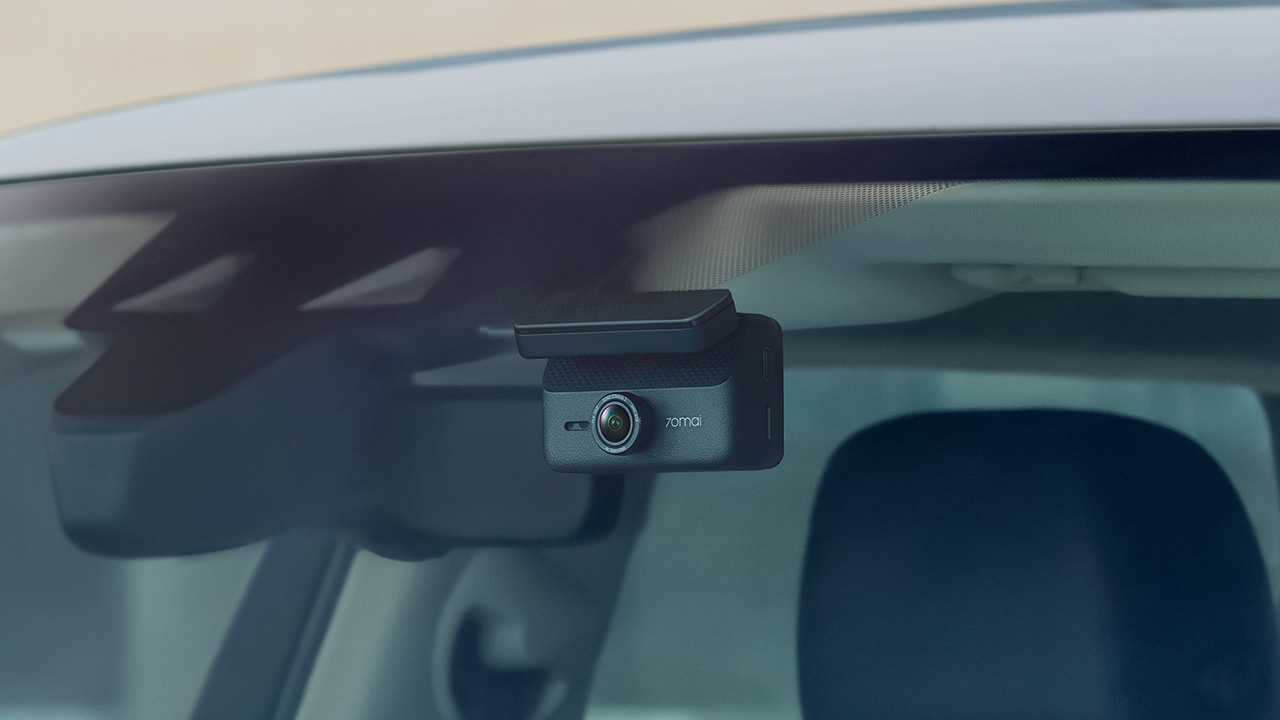
70mai has launched the A900 Series, led by the flagship 70mai Dash Cam 4K A900 Ultra, with the 70mai Dash Cam 4K A900 joining it in the lineup.
Both models record in 4K from the front and rear cameras, and both support 4G, so your footage stays reachable from your phone even when you’re away from the car.
4K recording from both cameras
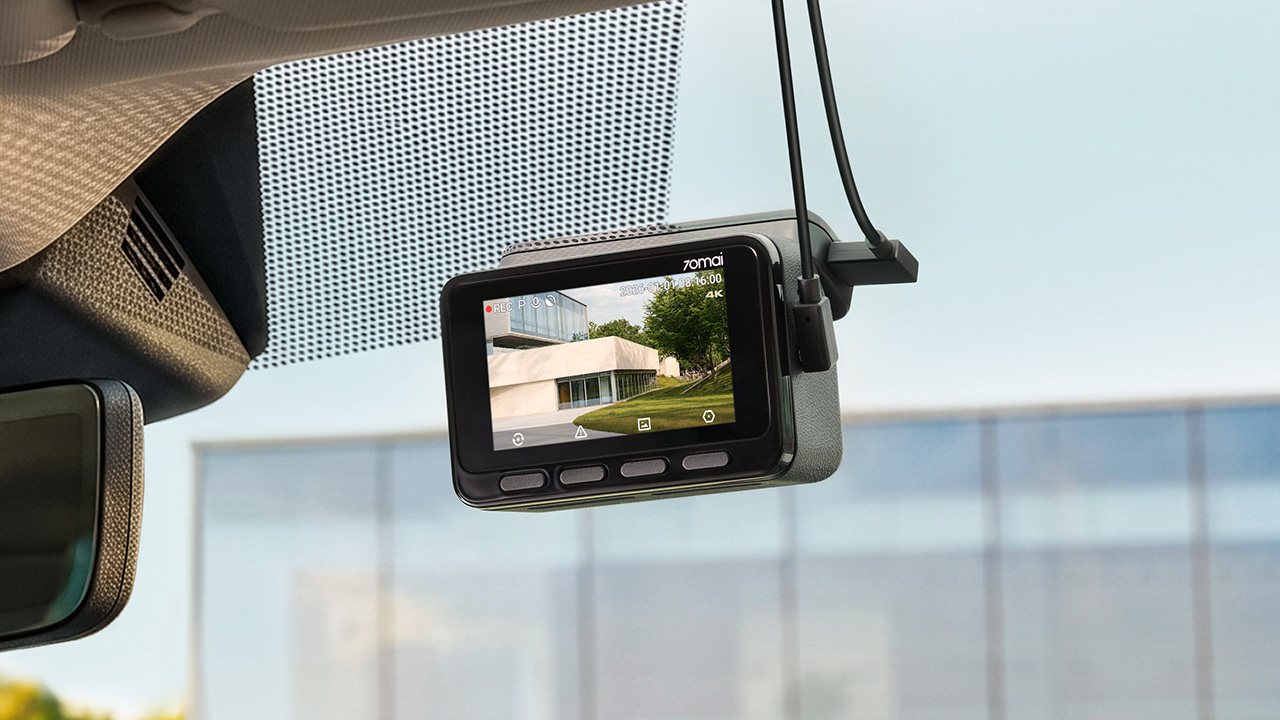
The A900 Ultra uses dual Sony STARVIS 2 IMX678 sensors to capture clear 4K footage from both directions. As a result, details like license plates and road signs remain sharp.
Smart HDR balances bright and dark areas under shifting light. Users can also adjust color tones and contrast. To keep feeds synced, the rear camera uses LVDS digital transmission. This tech sends a lossless 4K feed with just 20ms of latency.
Handling changing light
Driving into a tunnel or under the shadow of a tall building changes the lighting quickly, and 70mai built three imaging technologies into the A900 Ultra to deal with it.
MaiColor Vivid+ Solution 2.0 is meant to give more natural colors and finer detail, along with smarter scene adaptation. Night Owl Vision 2.0 reduces noise and glare to help with nighttime clarity.
Lumi Vision is made for parking surveillance in near-total darkness, where it automatically adjusts exposure and gain and applies noise reduction. 70mai says this produces clear, full-color footage in extremely low light.
Parking mode and remote access
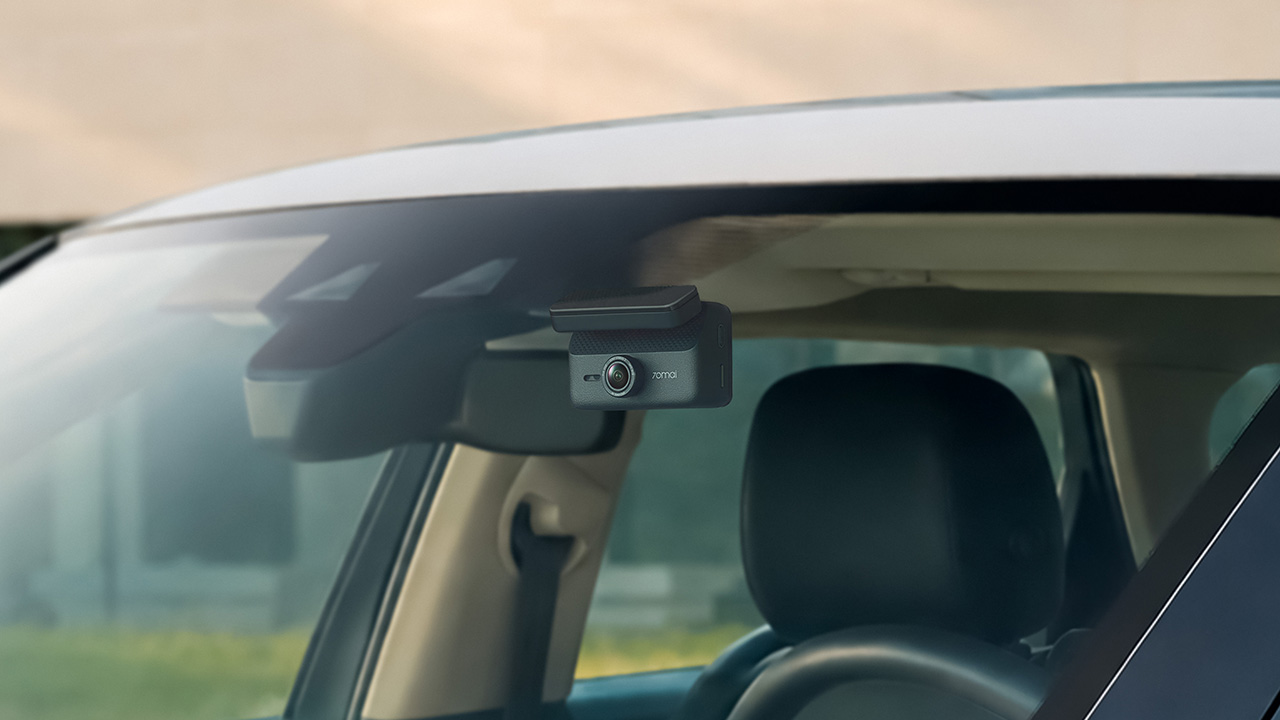
Smart Parking Guardian Mode 2.0 protects your vehicle while parked. It combines AI motion detection, dual-channel collision detection with pre-recording, and time-lapse options.
The system draws just 5mA on standby to prevent battery drain. For extended coverage, the optional 70mai Battery Pack Mini powers surveillance for up to 30 days.
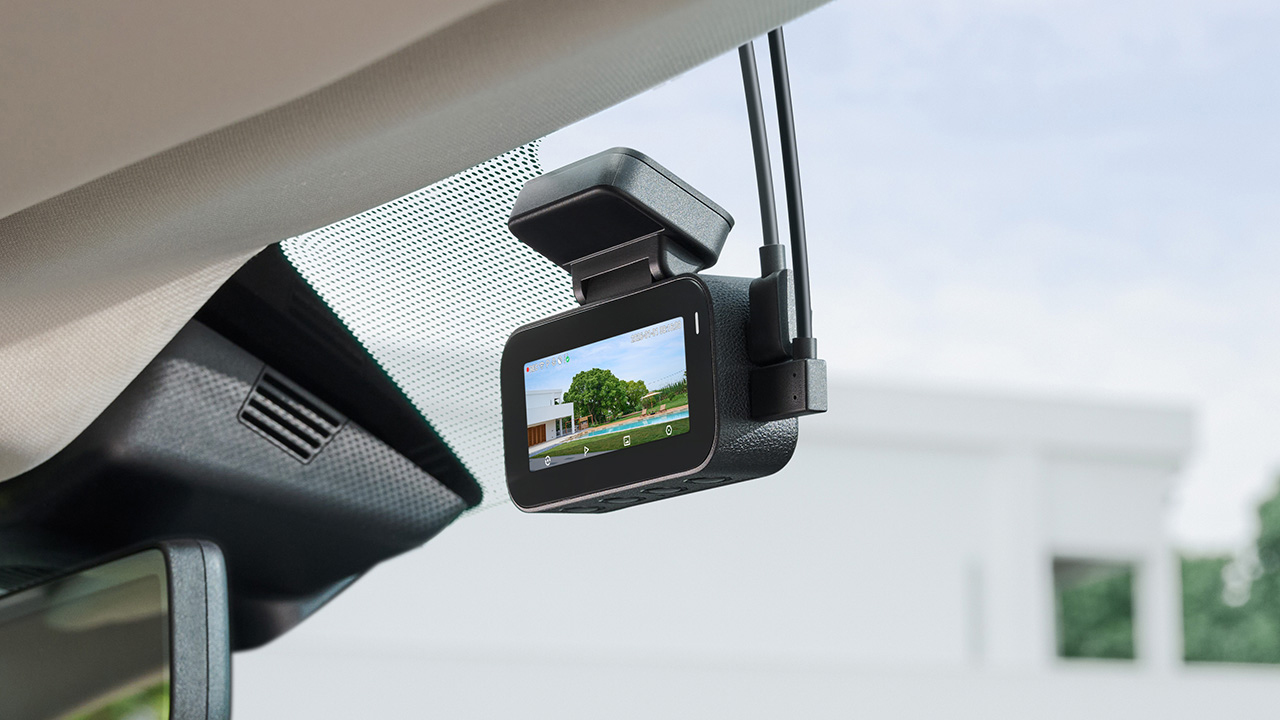
In photo: A900
Pairing the camera with the 4G Hardwire Kit unlocks 70mai 4G Cloud+ 2.0 features on the app. Enhanced Buffered Emergency Recording saves up to 190 seconds before an incident and 30 seconds after.
It automatically uploads this footage to the cloud for immediate remote viewing.
The 70mai Dash Cam 4K A900
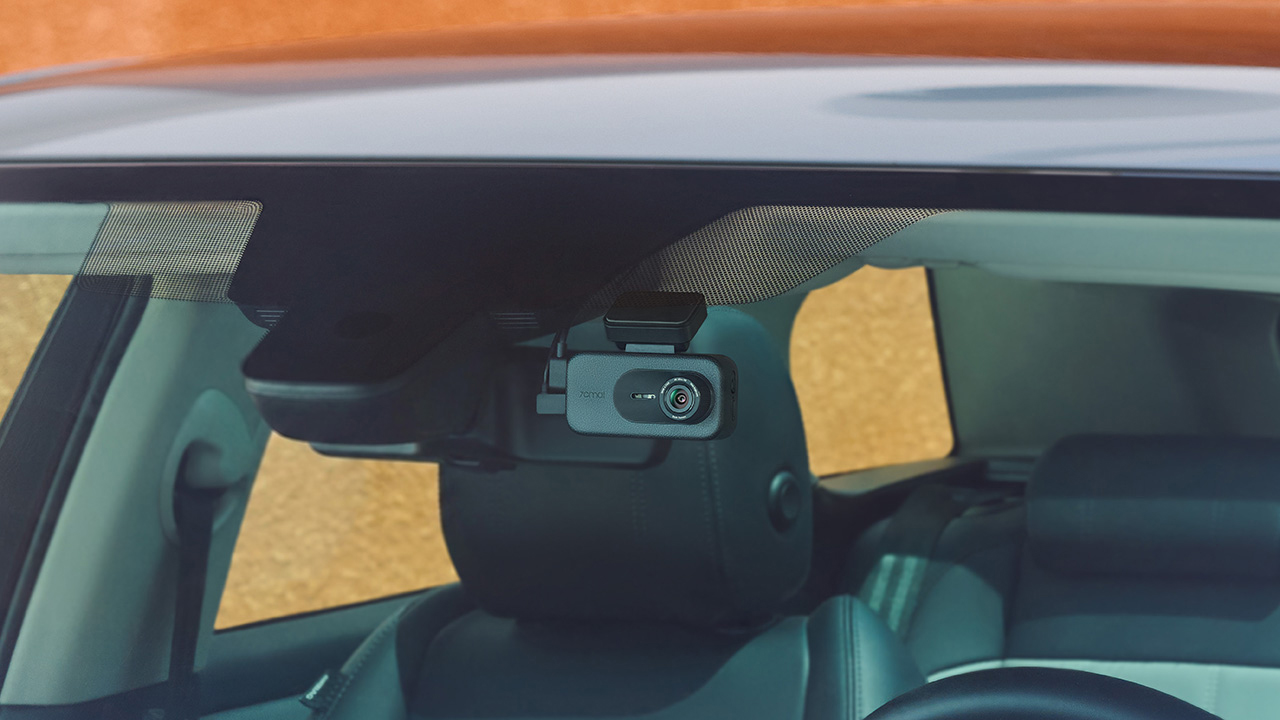
In photo: A900
The A900 sits alongside the Ultra as the more accessible option. It records True 4K HDR at 30FPS from both the front and rear cameras, and Smart HDR can be scheduled to turn on at set times.
Its f/1.55 aperture is meant to help in low light, and 4G Cloud+ 2.0 keeps the dash cam connected to the 70mai App. It’s the model for drivers who want dual-channel recording and 4G connectivity at a lower price.
The 70mai Dash Cam 4K A900 Ultra retails for US$ 300, available for pre-order at US$ 240. Meanwhile, the A900 is priced at US$ 200, currently 20% off at US$ 170.
Automotive
The Kia EV3 brings gallery-worthy design in a compact electric form
The 2025 World Car of the Year turns daily driving into functional art.
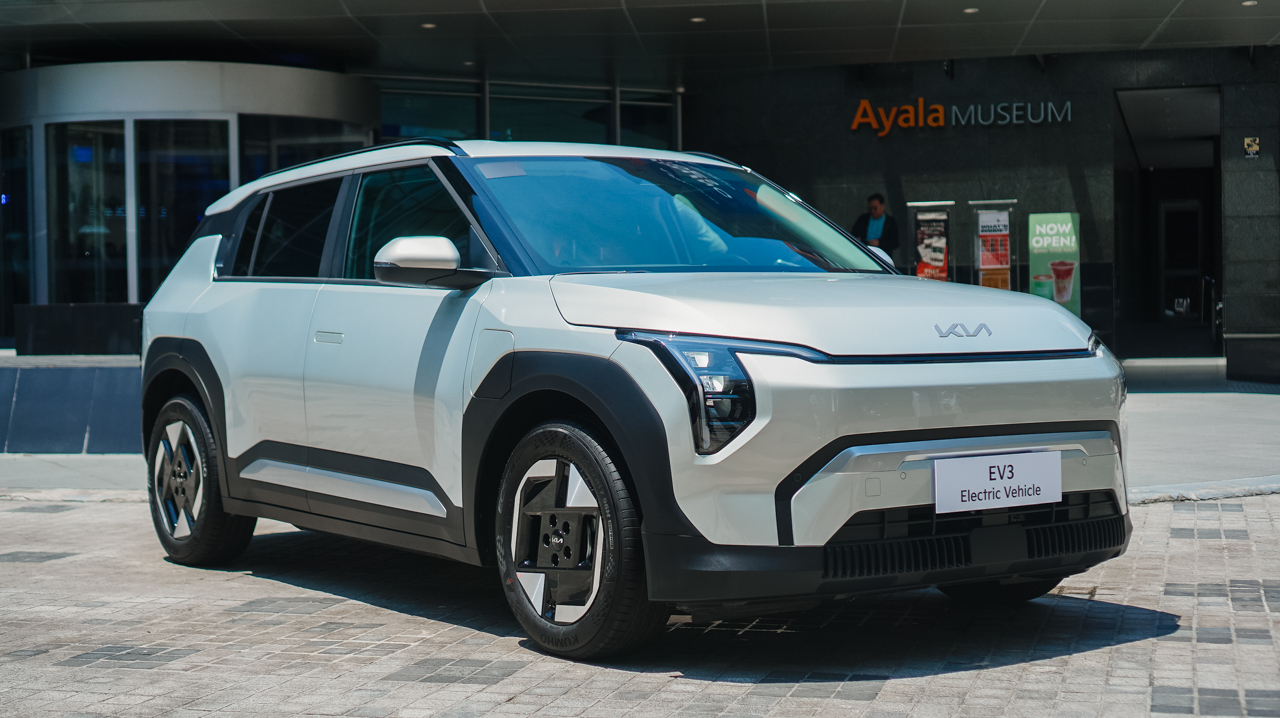
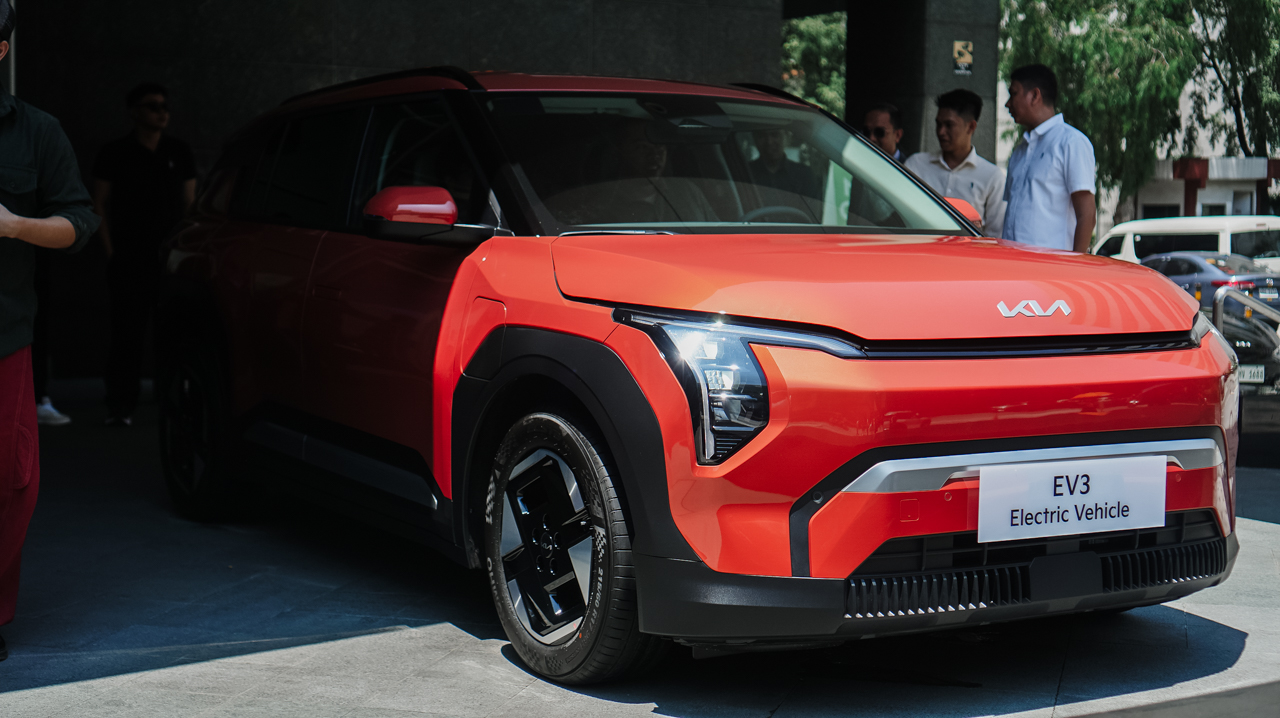
The all-new Kia EV3 officially debuted against the architectural backdrop of the Ayala Museum.
Named the 2025 World Car of the Year, the compact electric SUV redefines daily driving as functional art. It also holds prestigious Red Dot “Best of the Best” and iF Design awards.
Sculpted like a modern piece of design
The EV3 shares the forward-thinking design philosophy of the acclaimed EV5 and EV9.
Its exterior features an evolved Digital Tiger Face paired with signature LED lighting. Sculpted geometric surfaces and flush door handles maintain a smooth silhouette.
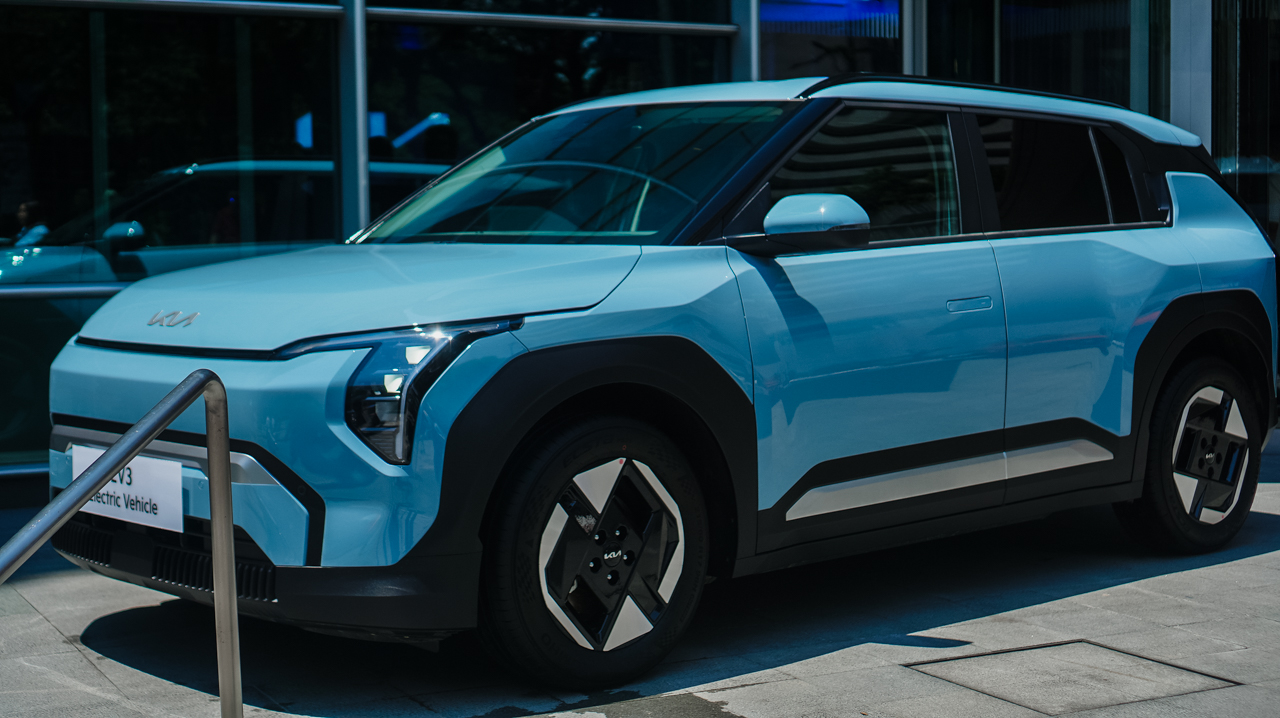
A tailored rear spoiler, roof rails, and 17-inch alloy wheels complete the profile. The result looks composed and elegant, especially when parked outside a contemporary gallery.
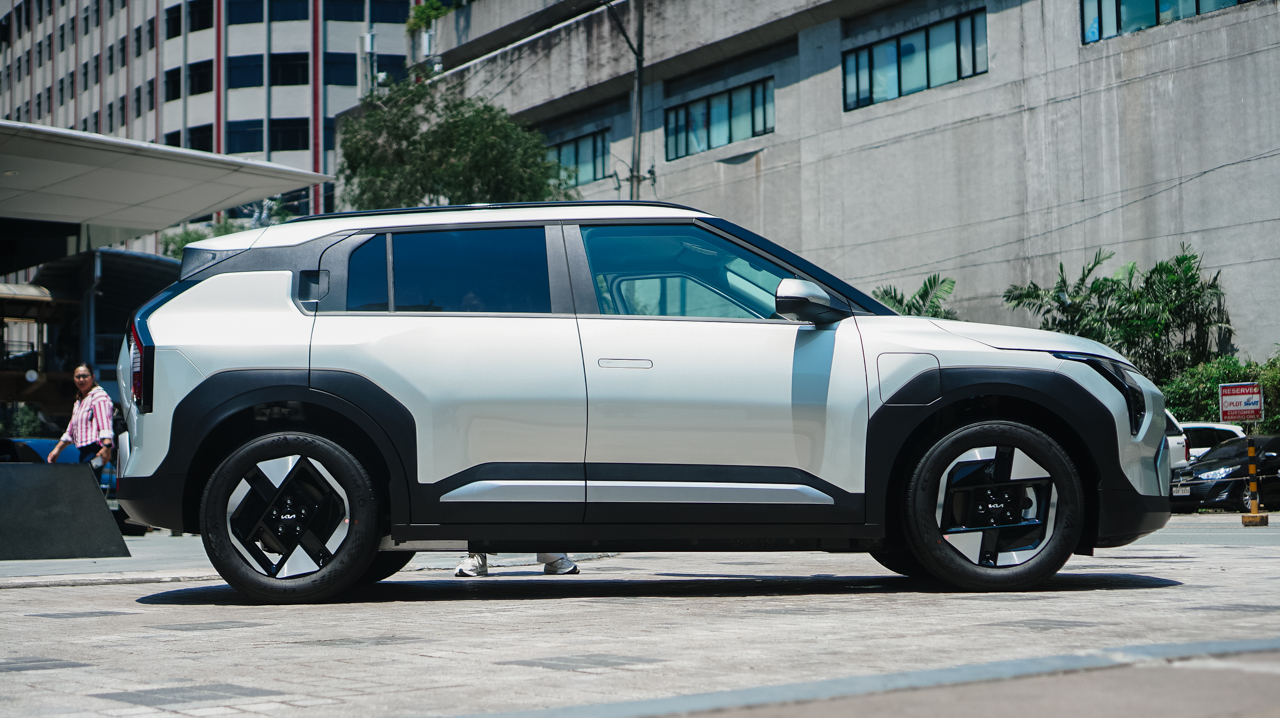
Beneath its sculpted skin lies instant, whisper-quiet electric power. A front-mounted motor generates 204 PS and 283 Nm of torque.
A 58.3 kWh battery delivers up to 511 kilometers of range on a single charge (NEDC). Replenishing energy fits seamlessly into a busy lifestyle.
Standard 11 kW AC charging goes from 10 to 80 percent in roughly 5 hours and 20 minutes. Meanwhile, 350 kW DC Fast Charging restores the same charge in just 29 minutes.
A digital sanctuary, literally
Inside, the cabin opens into a clean, modern sanctuary.
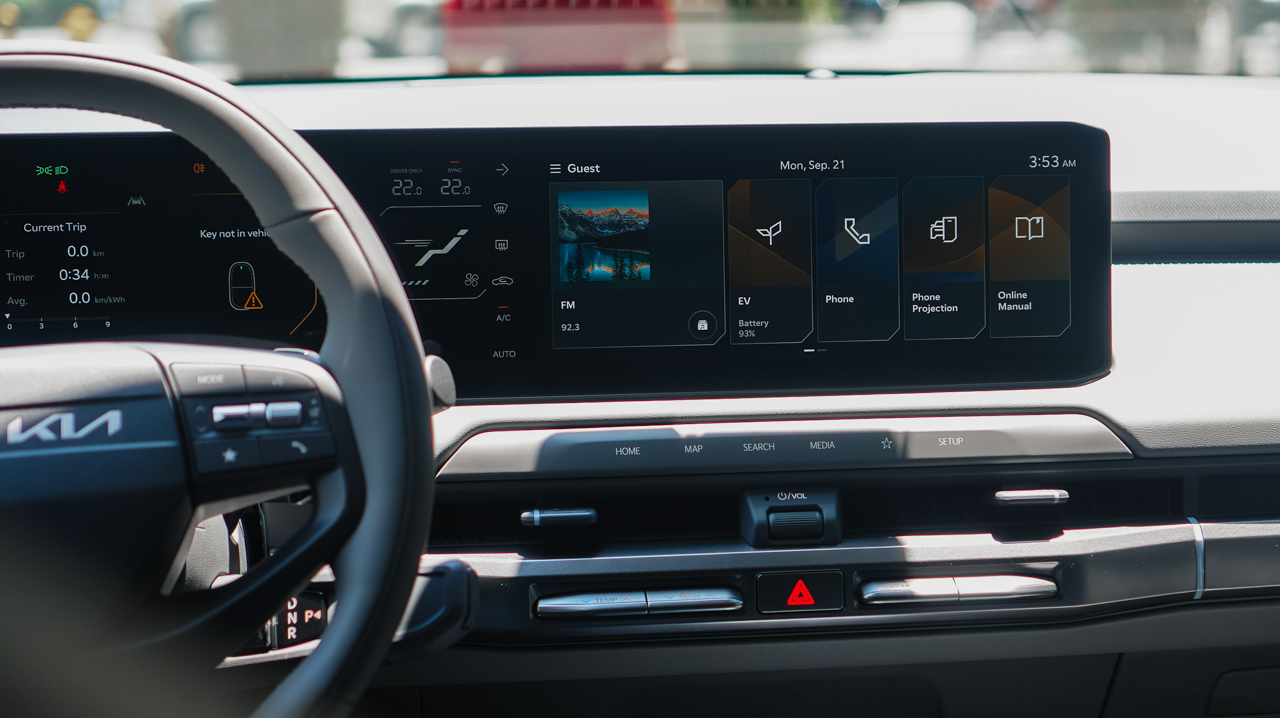
A striking 30-inch Triple Panoramic Display centers the dashboard. It unifies the instrument cluster, climate settings, and infotainment beneath one sweeping glass surface.
Leather upholstery and an eight-way power driver’s seat prioritize comfort, and the power lumbar support ensures relaxed driving on longer journeys.

There’s also a sliding central console tray that creates an adaptable workspace on the go. On another note, connectivity remains effortless throughout the interior space. The system supports wireless Apple CarPlay and Android Auto.
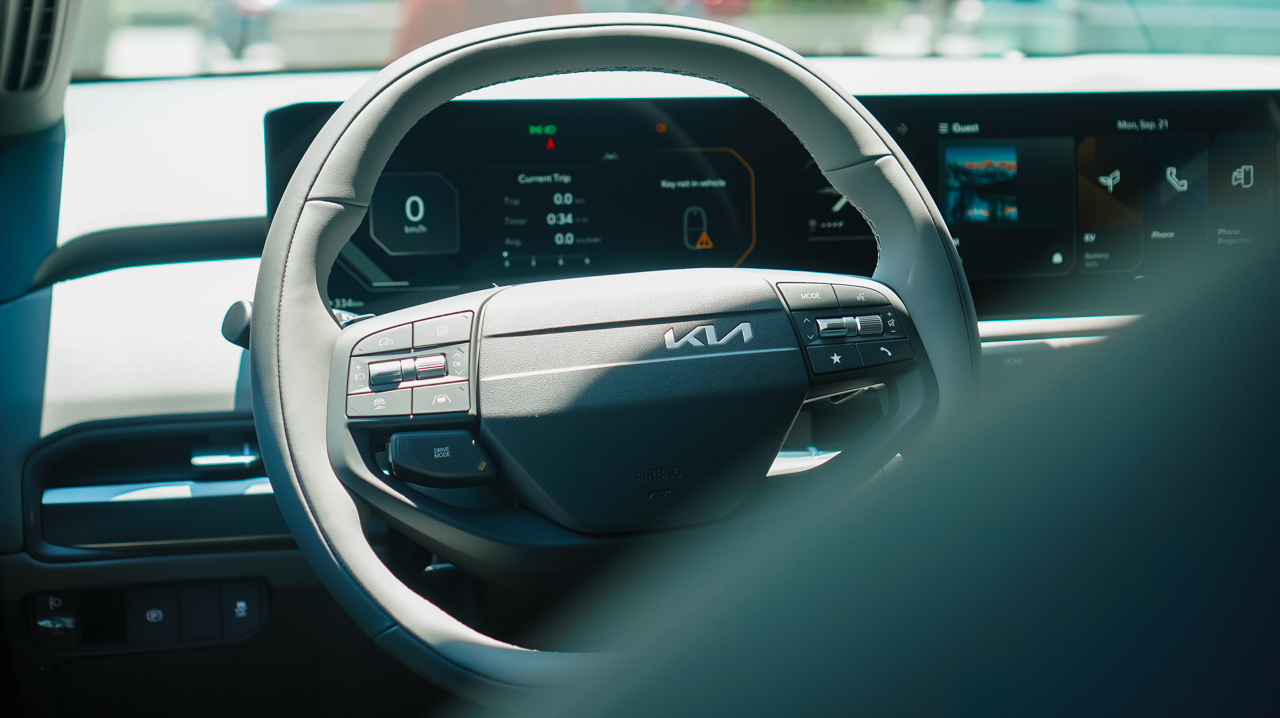
Additionally, dual wireless charging pads, five USB-C ports, and six speakers keep devices powered and entertained. For weekend getaways, 60:40 split-folding rear seats easily expand cargo capacity.
Intuitive safety
Intelligent peace of mind comes standard through the Kia DriveWise suite.
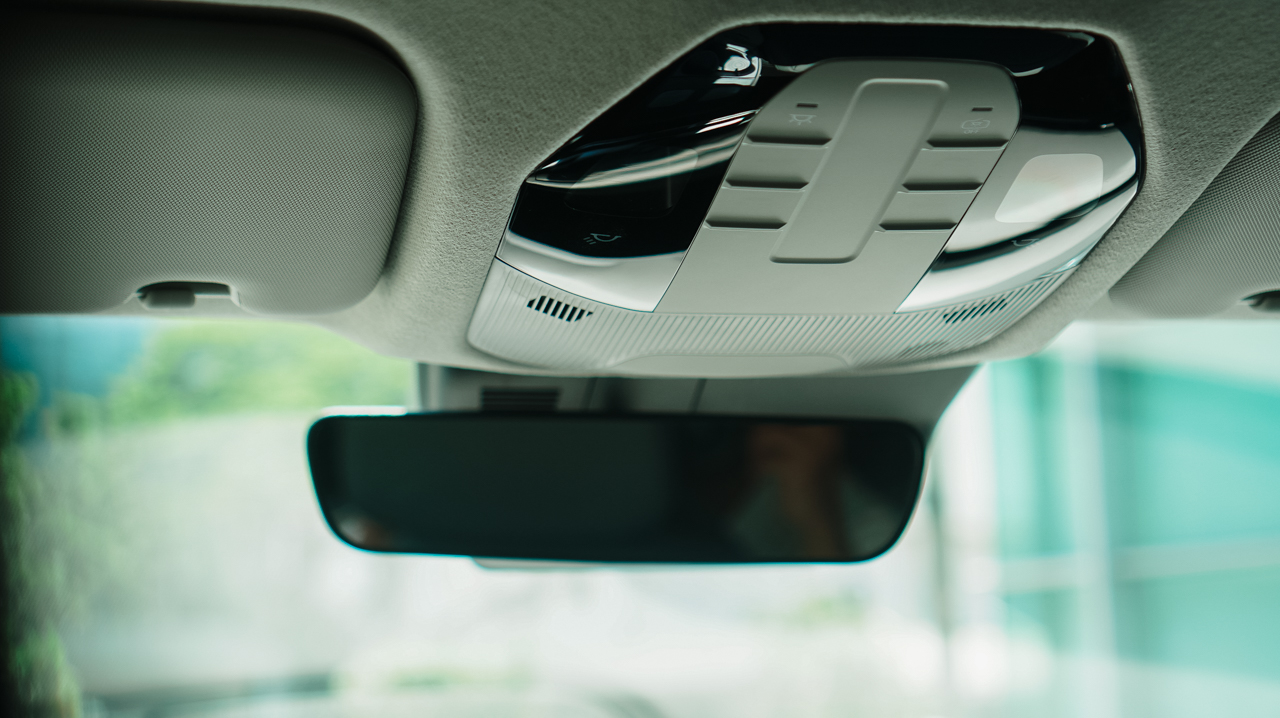
Active features include Advanced Smart Cruise Control and Forward Collision Avoidance with Autonomous Emergency Braking.
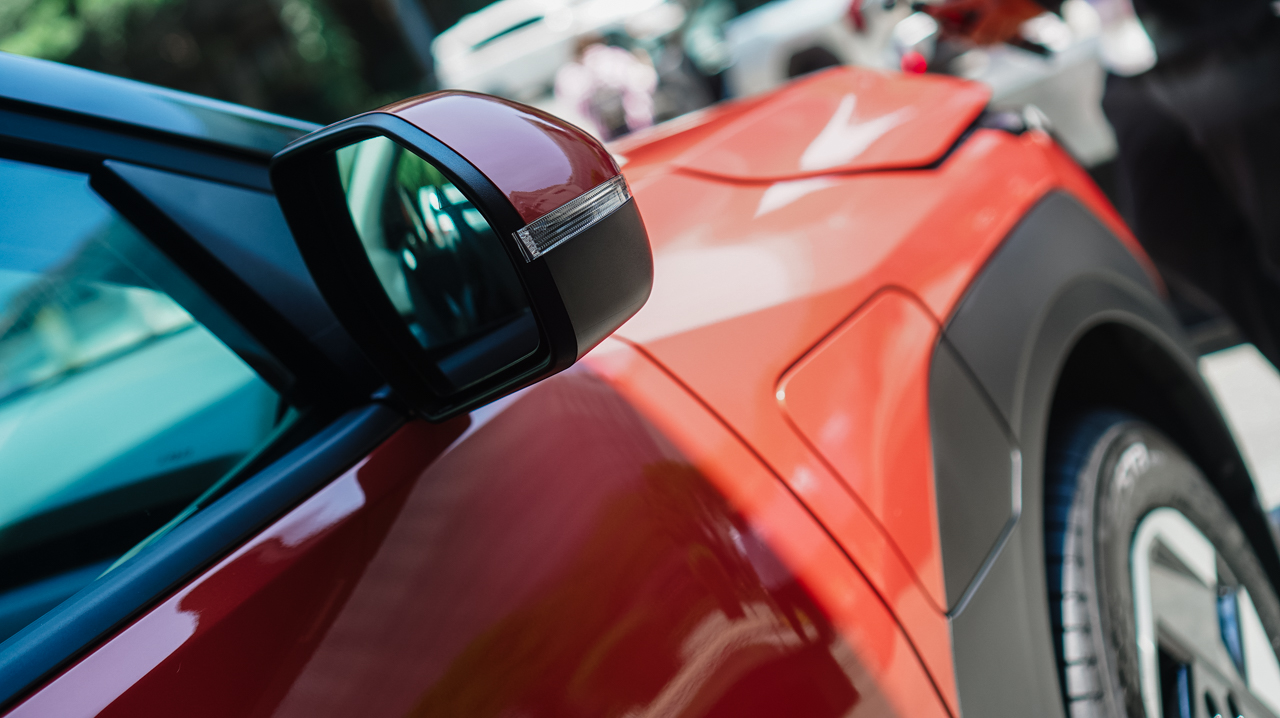
Lane Keeping Assist, Lane Following Assist, Blindspot Safety Warning, and Rear Cross Traffic Safety assist at every turn.
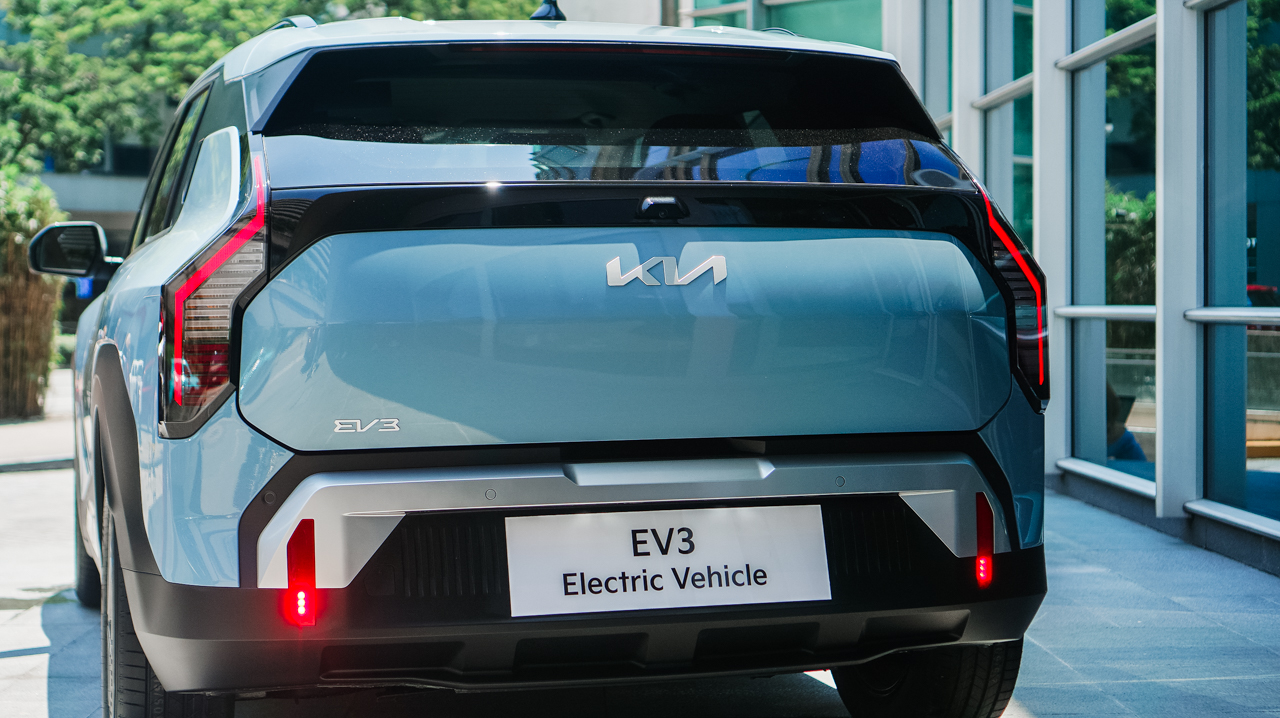
Seven airbags protect the front, side, and curtain areas. Electronic Stability Control, Hill-Start Assist, parking sensors, and a rear-view camera complete the protective core.
Price, availability
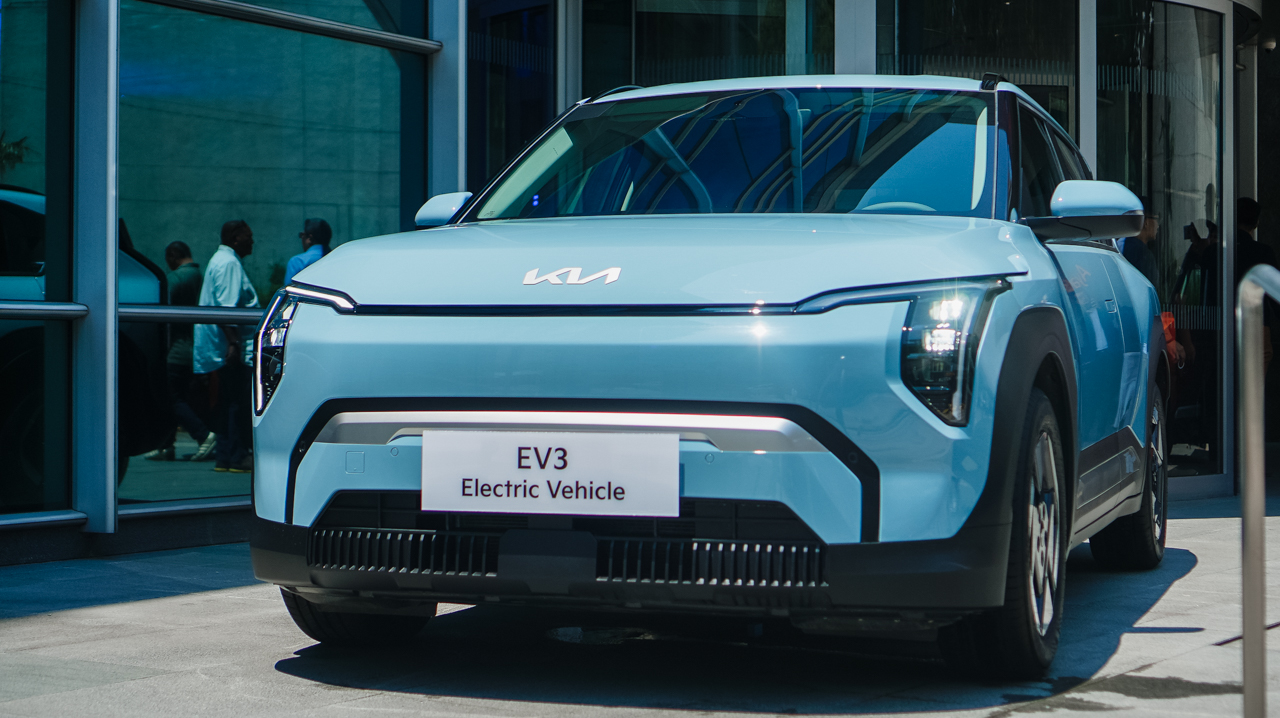
The Kia EV3 starts at PhP 1,898,000, inclusive of a home wall charger. An introductory offer reduces the price to PhP 1,868,000, saving early buyers PhP 30,000. Reservations also include five years of free Preventive Maintenance Service.
Kia provides a five-year or 160,000-kilometer vehicle warranty. The high-voltage battery carries an eight-year or 160,000-kilometer warranty.
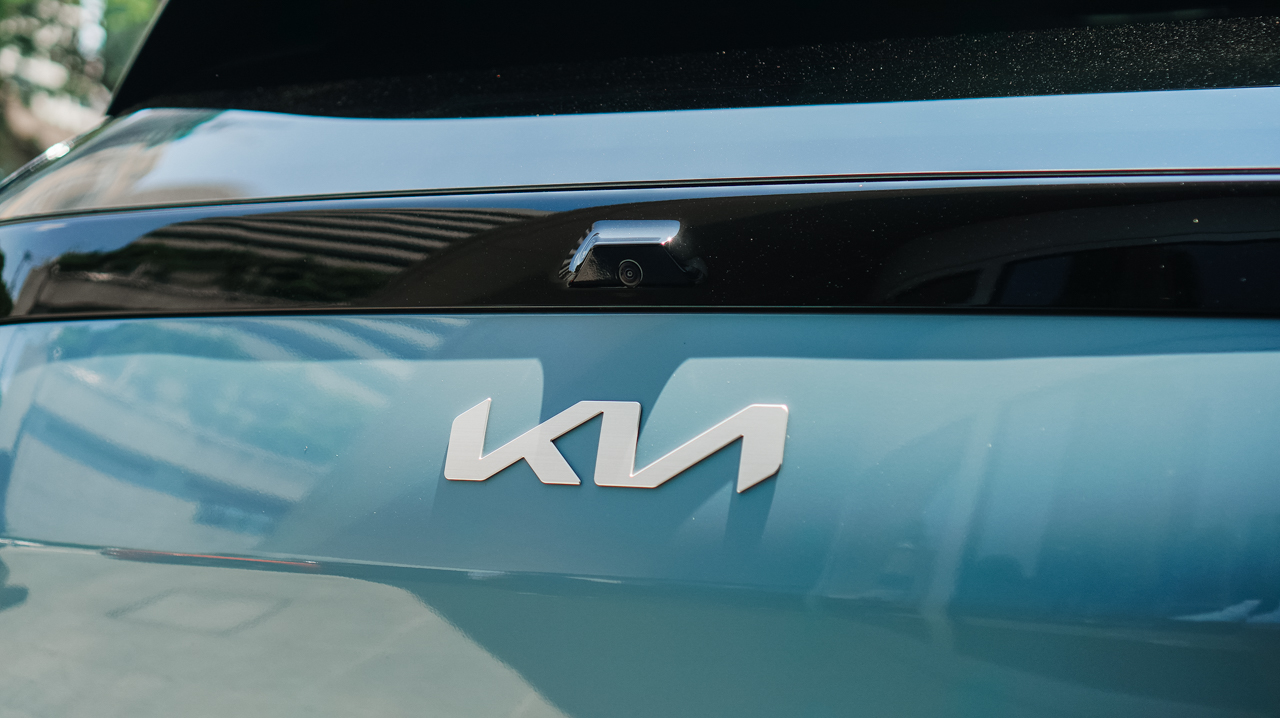
The EV3 comes in seven curated exterior colors. Options include Aventurine Green, Snow White Pearl, Aurora Black, Terra Cotta, Frost Blue, Shale Grey, and Ivory Silver.
Automotive
Ford revs up Truck Month with extended 5-star care offers
Explore exclusive cash discounts, flexible downpayment plans, and showroom activations in the Philippines.
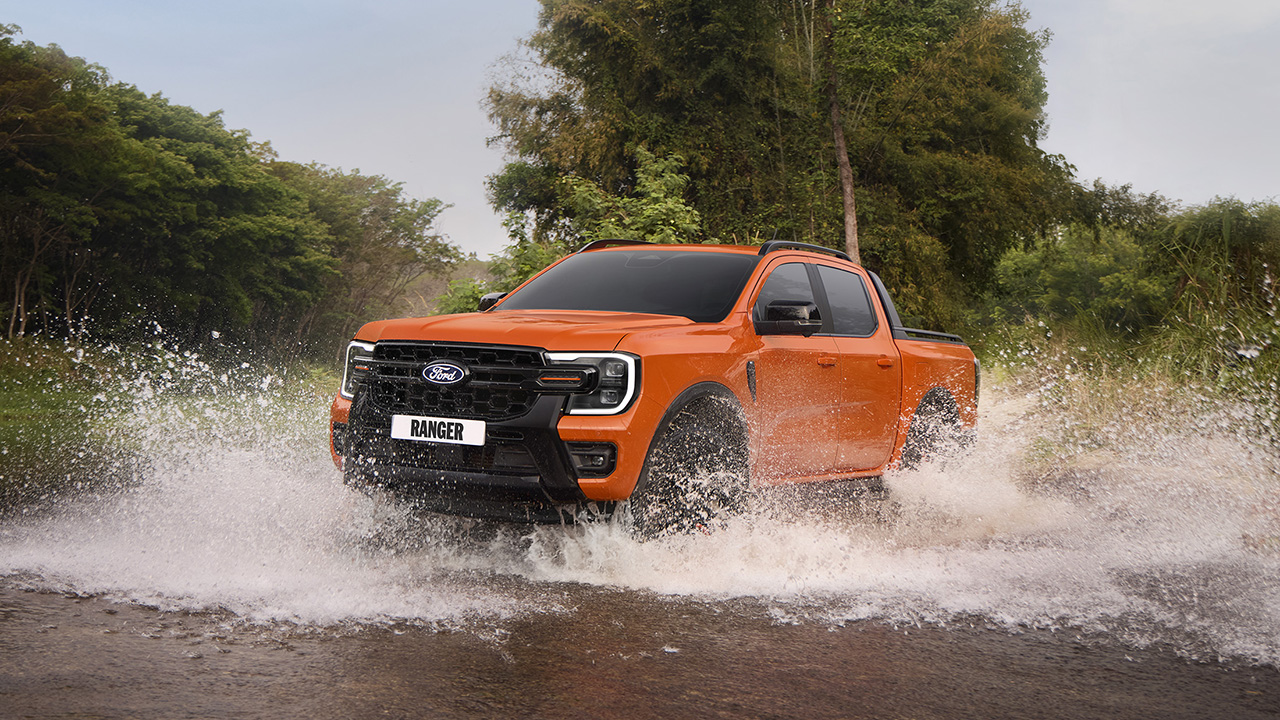
Ford Philippines brings back its annual Truck Month this September, pairing special financing and cash savings with extended service coverage across the updated Ranger and Everest lineups.
The month-long program shifts the focus toward long-term ownership peace of mind. This ensures drivers feel supported well beyond the showroom floor.
Comprehensive coverage for every journey
For drivers who view their truck or SUV as an essential partner for travel and daily routines, maintenance clarity brings genuine confidence.
Select variants in the lineup now include Ford’s 5-Star Care Package, bundling a five-year warranty, five-year scheduled service plan, and five-year roadside assistance.
Flagship performance models built for challenging roads, including the Ranger Raptor 3.0L V6, Ranger Wildtrak X 3.0L V6, and Ranger Wildtrak 3.0L V6, pair this complete service coverage with PhP 20,000 in cash savings. On another note, the Raptor 3.0L V6 also offers a PhP 150,000 all-in downpayment option.
Versatile family vehicles receive identical long-term backing, with the Everest Platinum 3.0L V6, Everest Wildtrak 2.0L, Everest Sport+ 2.0L, and Everest Active 2.0L all bundling the five-year care plan. Meanwhile, the Everest Wildtrak 2.0L Turbo includes an additional PhP 20,000 cash discount.
Financing designed around daily routines
Flexibility plays a central role in fitting a vehicle into personal budgets and busy lifestyles.
For the first time, the practical Ranger XLS 4×2 introduces access to the 5-Star Care Package, allowing buyers to select between long-term maintenance coverage, a PhP 50,000 cash discount, or a PhP 49,000 all-in downpayment.
Drivers drawn to the Ranger Sport 4×2 can opt for a PhP 59,000 all-in downpayment or zero percent interest financing. By providing multiple ownership paths, Ford aligns purchase incentive options directly with driver priorities, prioritizing lasting value throughout the lifetime of the vehicle.
Bringing the experience to dealerships and malls
The Truck Month celebration extends further with the Super September event, taking place from September 16 to 20 across nationwide dealerships and key shopping centers.
Customers who reserve any Ford vehicle during this five-day showcase receive an extra PhP 20,000 in cash savings on top of ongoing Truck Month offers.
Display venues including Virra Mall Greenhills, SM Southmall, SM Seaside Cebu, Robinsons Dumaguete, and SM City Sta. Rosa feature interactive showroom activities and refreshments, offering drivers an accessible way to explore their next vehicle companion.


DJI Lito X1 review: Is this the best lightweight drone for creators?
Making a strong case as a travel companion and a capable B-cam!


REDMI Note 17 Pro Max review: A new breed born from AI greed
Welcome to the new normal


Marvel’s Wolverine review: When the claws come out
A brutal, cinematic superhero adventure

CRISIS CORE -FINAL FANTASY VII- REUNION physical edition now available for Switch 2

Smart launches AI.Smart, an affordable AI workspace

A Discord ban won’t save your kids

When your body talks, the Galaxy ecosystem listens

Power Mac Center SM Aura is now an Apple Premium Partner store

realme 16T 5G with 8000mAh battery, IP69 Pro rating launches in PH

HUAWEI Pura X View is 2026’s first WIDE slab-type smartphone

REDMI reveals the refreshed Note 17 and Note 17 Pro series

REDMI Note 17 Series: Price, availability in Singapore

The CAMON Slim 5G is TECNO’s latest ultra-slim smartphone


-

 News3 days ago
vivo X500 Series launches with major imaging upgrades
-

 Hands-On2 weeks ago
Apple iPhone 18 Pro Series Hands-on
-

 Gaming2 weeks ago
BlizzCon 2026 announces World of Warcraft: Forever and Diablo V
-

 Singapore5 days ago
Epson Lifestudio Grand Plus EH-LS970B with 4K projection, more launches
-
Reviews1 week ago
REDMI Note 17 Pro Max review: A new breed born from AI greed
-

 First Look2 weeks ago
First Look: Apple iPhone Duo
-

 News2 days ago
OPPO Find X10 Pro Max is the first phone with a triple 200MP camera system
-

 Gaming1 week ago
Valve unveils price of the Steam Frame