
Explainers
Basics of cryptocurrency: Risks and benefits
Should you buy in on the craze?


For a while, cryptocurrencies became the talk of the town across the internet. People all over the world saw the potential of what is essentially “virtual money,” starting a frenzy of investments, theories, and yes, memes — particularly towards one of the more popular cryptocurrencies, Bitcoin.
But do we really understand the power these cryptocurrencies yield, and how such power can affect the whole world over?
What are cryptocurrencies?
Cryptocurrencies are virtual currencies that are exchanged online with no interference from anyone, not even the government. These currencies, through their language of cryptography, contain secured information and are exchanged through a recording system known as a blockchain.
No one regulates the exchanges and no one controls how much of the cryptocurrency should be out there, but the blockchain keeps all of the exchanges transparent and fair for everyone. Think of it as openly sharing your share of a pizza to a friend in exchange for money, with your other friends keeping track of the exchange. Your friends make sure that you have a slice of pizza to give, your friend has the money he promised you, and that these items are actually from each of you and not from someone else.

Because of the creation of numerous cryptocurrencies all over the internet, a virtual market has been created for people who are interested and invested in these virtual currencies to trade among themselves. Groups of people have also made an effort to produce their own cryptocurrencies from their computers through cryptomining. Cryptomining, much like regular mining, is creating cryptocurrency tokens (an online version of coins) and putting them into the blockchain to be traded; it’s printing your own money, except it’s done from a computer and shared online.
In Bitcoin, for example: People who want to contribute to its blockchain to earn some share of the cryptocurrency would go through activities such as cryptomining. Despite it being one of the primary activities for creating and gaining Bitcoin, it’s also one of the more expensive ways of doing so since most cryptomining setups require computers with the most up-to-date hardware and processing speeds. Any person who wishes to do cryptomining would spend a ton of money just for the necessary hardware — all just to mine their own Bitcoin.
Where did the hype come from?
The tailend of 2017 (October to December) saw people get into a frenzy towards cryptocurrencies and its perceived value — a frenzy driven by growing interest. People had started to not only be invested (pun intended) in learning about cryptocurrencies in general, but they also searched “Bitcoin” a whole lot.
With more people understanding cryptocurrencies, investments towards such virtual currencies (particularly towards Bitcoin) increased, thereby expanding the market by a whopping 1,200 percent. Imagine getting 15,000 shares on your Facebook post about your dog within two days – that’s how quickly it blew up.

Another phenomenon that contributed to the rise of cryptocurrencies is the creation of initial coin offerings (ICO). An ICO is a public, unregulated way of earning funds for cryptocurrencies and is widely used by startups to bypass the usual fundraising activities for capital; ICOs are much like crowdfunding (such as Kickstarter or GoFundMe), except no one controls how the funding goes.
ICOs are usually distributed in Bitcoins; these will be used to start projects or applications that people create but initially have no money to operate. Because people have new ideas and the Internet is one of the faster ways to have the idea develop and spread all over, more and more people would go through ICOs to fund their projects instead of getting bank loans or using their own money.
Effects of cryptocurrencies
The impact of these cryptocurrencies take on a grand scale, especially from an economic context. People continually join the hype towards cryptocurrencies, so much so that it drives demand for them. Participating in online trading for cryptocurrencies is faster than those in the stock market, and is easily accessible by people since it is unregulated.
As such, governments are pushing for cryptocurrencies as a means for payment to add convenience for customers, especially those with plans to go paperless with their money. The Indian government, for example, is learning to embrace Bitcoin within their monetary system after taking in measures against tax evasion in black markets; they are also looking into regulating Bitcoin and other cryptocurrencies as well in the near future.

The risk of partaking in cryptocurrencies lies in its greatest feature: an organic form of virtual currency. Because no entity has any control of cryptocurrencies — including governments — these virtual currencies are prone to online attacks (most common form of attack: hacking), which rapidly hamper their growth and reduce their value significantly. With a large number of people currently trading cryptocurrencies online, the risk of hackers increases significantly, causing these people to lose more money when worse comes to worst.
Another threat posed by its greatest feature is that people would abuse the high interest rates and entice new investors to purchase tokens. Because there is no body to regulate the trading online, people engage in scams to take advantage of new investors who are not guided properly in the virtual currency market — despite it being heavily secured by cryptography.
Participating in the schemes makes the trade unfair, even with efforts to make things equal for everyone. One example is the Bitcoin Savings and Trust Ponzi scheme in 2011, which was shut down in 2012 due to the perpetrator, Trendon Shavers, being accused of raising 700,000 BTC — all from new investors who didn’t know any better.
Cryptocurrencies at present
At the moment, Bitcoin remains to be the top-traded cryptocurrency within the market, valued at US$ 151.1 billion — in spite of its decline over the past few months. Countries are starting to either accept Bitcoin as part of their national economies or reject Bitcoin and its risks. Litecoin, which was dubbed as an alternative to Bitcoin, is not performing as well as Bitcoin within the past month, culminating in a so-far failing venture with digital wallet service Abra. Ethereum, one of Bitcoin’s closest competitors, has quickly risen due to its value to customers.
There are countries in the world that think that cryptocurrencies can bring them out of total economic collapse and keep the country afloat. Venezuela, for instance had released its own cryptocurrency, Petro, after its own national currency lost its value. Other struggling nations such as Iran and Turkey are looking to follow suit, but would need enough investment to get the necessary equipment for creating their own cryptocurrencies.
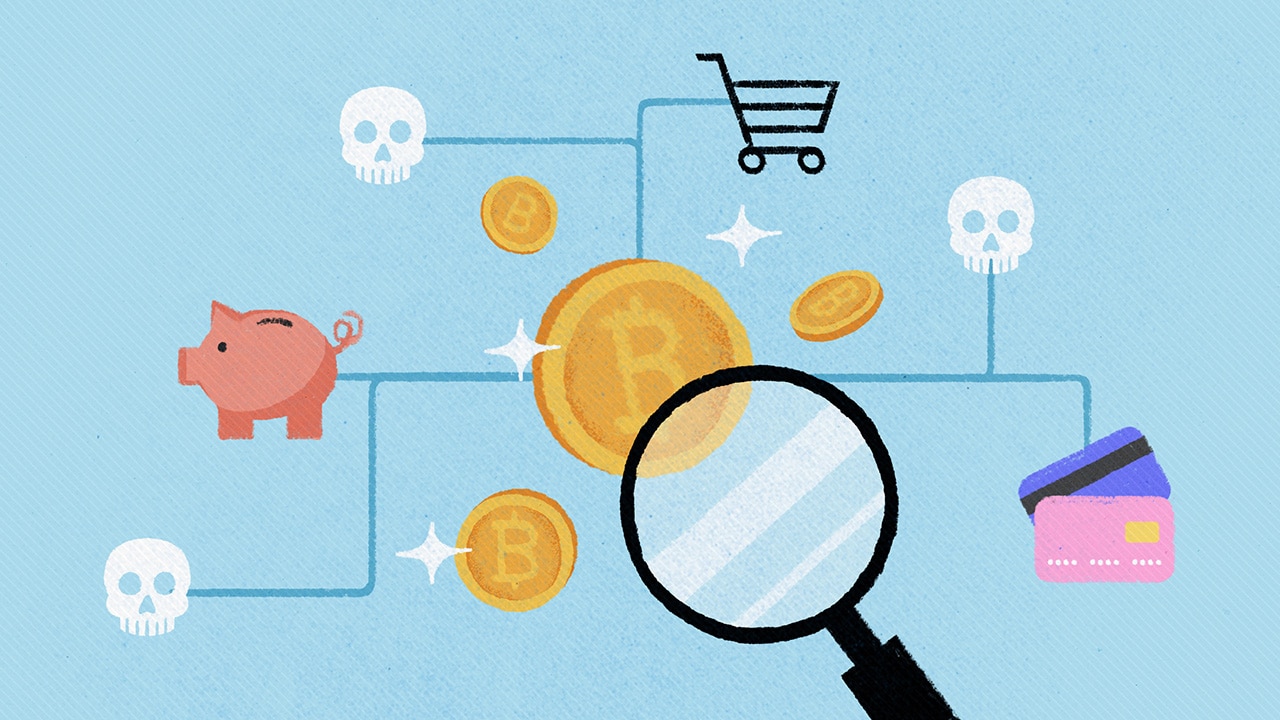
Should you be worried? Do your research, familiarize yourselves with terminologies used in the world of cryptocurrencies, and always proceed with caution.
Even with the possibility of countries going paperless with their currencies, there are some that still fear its effects and have not wholeheartedly embraced cryptocurrencies. Despite the aforementioned efforts from the Indian government to shift to cryptocurrency-based payment methods, the Reserve Bank still finds engaging in cryptocurrencies illegal, to the point of barring banks from engaging in them. Reports of ransomware spreading in the United States, hacking computers used for mining Bitcoin raise security concerns for people investing in Bitcoin.
Should you be worried?
Whether you are currently investing in cryptocurrencies or not, the risks of such virtual currencies will remain to be there as long as other people keep increasing their investments towards them. The value of these cryptocurrencies continue to be unstable to this day, especially with the hype slowly dying down due to people learning more and more about cryptocurrencies and their possible (and real) dangers.
The call for people who wish to invest in these cryptocurrencies is to practice caution. Do some research, get to know more about the terminologies used in the world of cryptocurrencies, look at news reports — with the internet at your disposal, it’s better to know what you’re getting into, should you want to get into it. Anyone who wishes to create their own cryptocurrency might want to start saving up as early as now for all the hardware.
Should you be worried? Yes, to an extent, but it helps to be prepared.








TV technology is changing in a way you can’t see. And it starts with how color itself is made.
Hisense’s new RGB MiniLED technology could change the way we see TVs.
Here’s our spotlight on their latest Hisense UR8 offering.
Check out the Hisense UR8 TV: https://bit.ly/4cxo6xl
Explainers
Everyone’s angry at PlayStation’s new no-disc policy, and this is why
It’s a tragedy for nostalgia, ownership, and preservation.


Check in with your gamer friends today. Today, a lot of gamers are up in arms over Sony’s decision to kill the physical game disc starting in 2028. But, if you’re a digital-only gamer or just not a gamer yourself, you might not understand the anger. If you want to understand the ire or just want to relate with your gamer friends, here’s a primer for you.
Ending the era of the physical media
Last year, Nintendo launched the Switch 2. Though the console still has a slot for physical cartridges, the Switch 2 also introduced the Virtual Game Card as a way to digitize your library of games.
Of course, the feature wasn’t positioned as a way to eliminate physical cartridges. In fact, Nintendo just wanted to add the flexibility of physical cartridges to the digital world. In the end, the feature strangely coincided with less cartridges. For example, Pokémon Pokopia, one of the most popular games this year, does not come with a cartridge even if you buy a “physical” copy in a brick-and-mortar store. It was a portent of things to come.
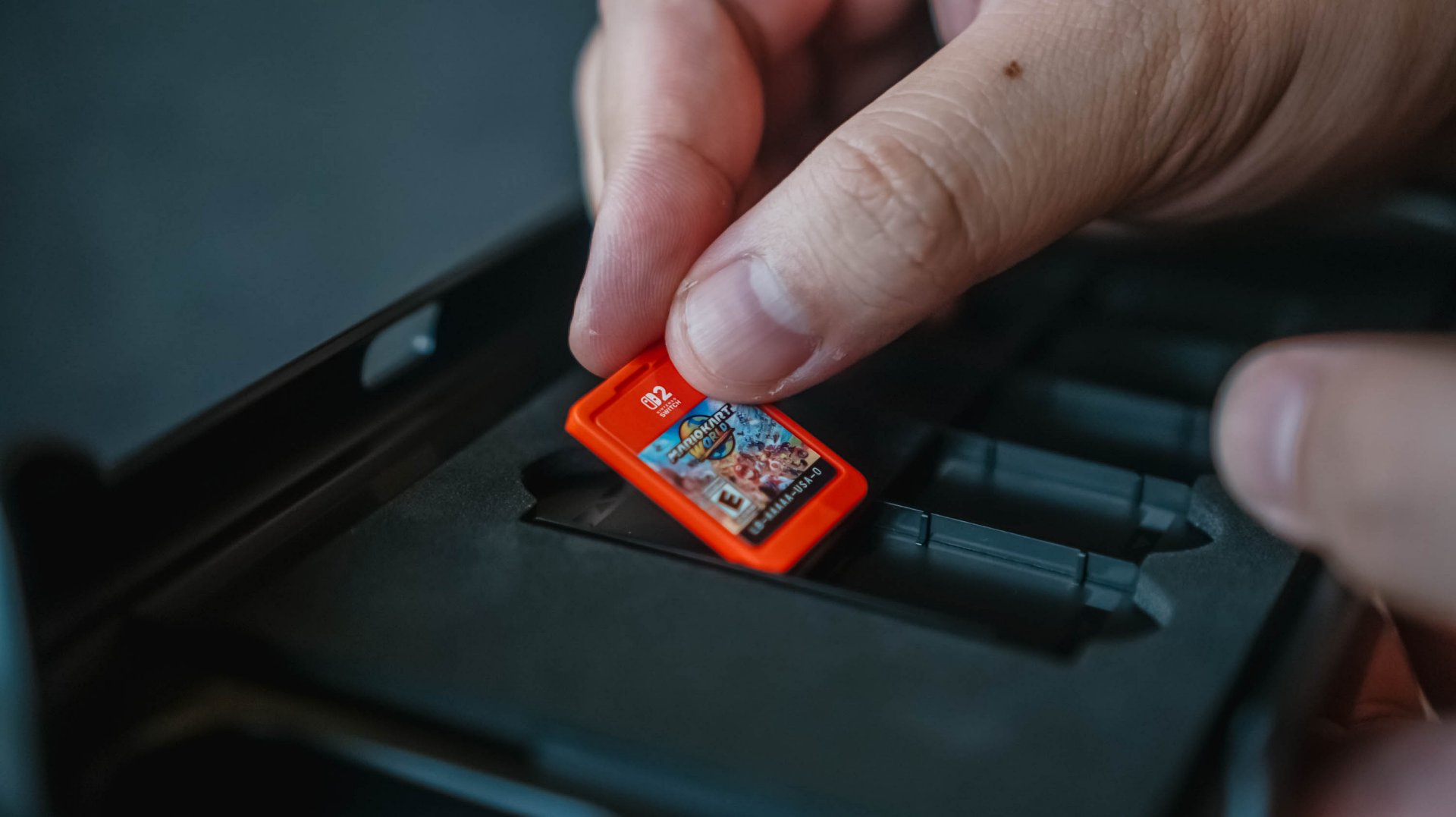
Fast forward to today, Sony has made the monumental decision to stop producing physical game discs starting in 2028. The PlayStation’s future is completely digital.
On a similar note, Microsoft is also experimenting with a disc-to-digital feature. Much like the Nintendo Virtual Game Card, the experiment will digitize libraries and attaches the digital copy to the physical game disc. It sounds awfully like a prelude to killing off the game disc.
Why this matters
The physical disc is synonymous with a simpler time. It represents a time when gamers camped out stores to anticipate midnight releases, when gamers can learn more about their games through an in-box manual, and when gamers can show off their fandom through a beautifully stocked shelf of games.
And yes, that’s part of why this situation sucks, but it’s not the only reason.
If you’re an outsider looking in, this nostalgia factor is the easiest to see. Then again, it’s also the most difficult to relate with, especially if you’ve never had the history of buying physical games.
The more crucial reason — and the one that most people will relate with — is media ownership. By not having a physical copy, you will no longer have ownership of what you bought digitally.
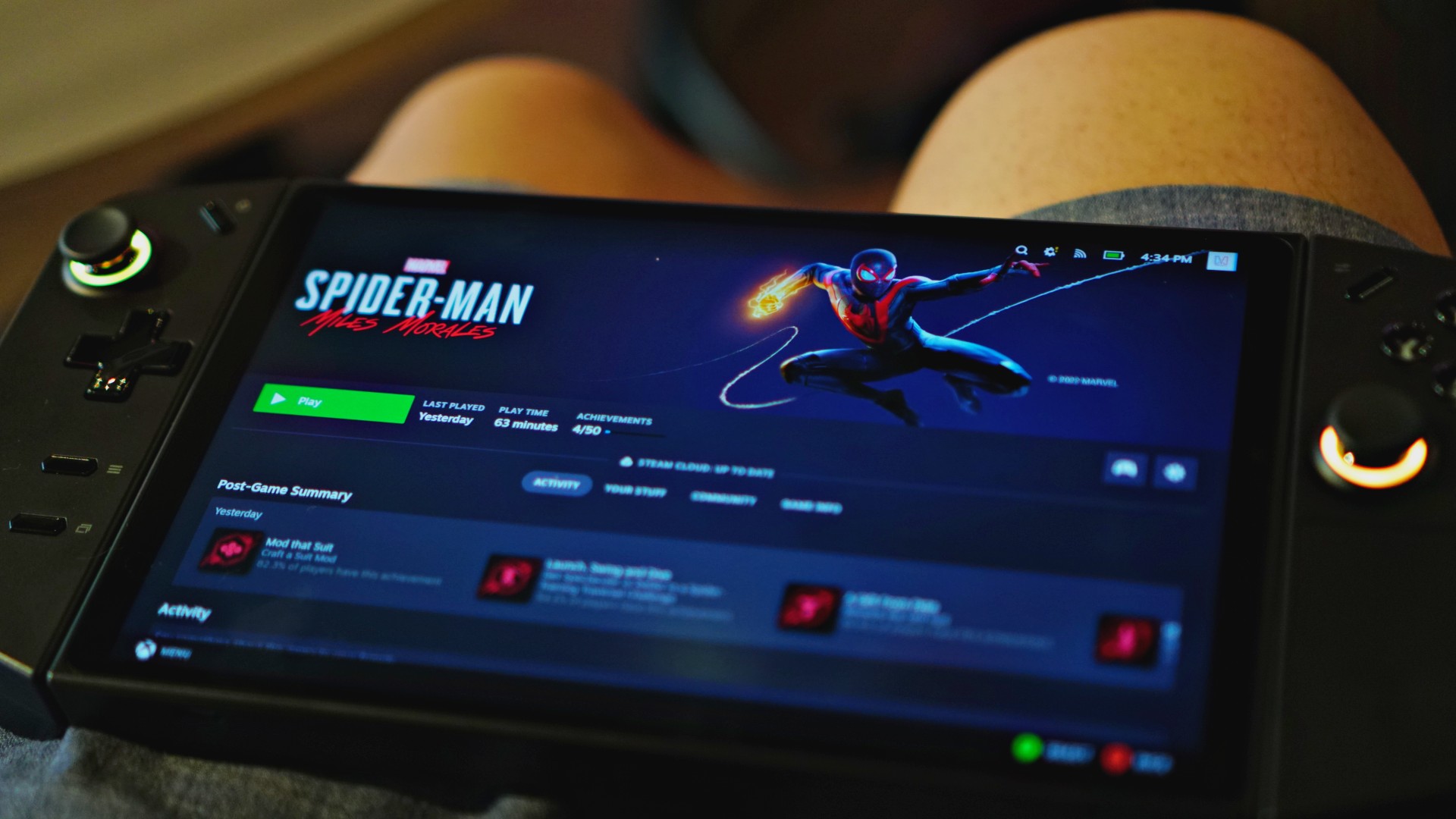
And it’s not an imaginary issue. In 2024, Steam amended its policies to reflect that players do not own the games they buy. Rather, they simply own a license to play the game.
In the same year, Ubisoft delisted The Crew, a sure sign that the new policy means business. Though Steam itself has a relatively good track record of prioritizing its customers, publishers and developers can get rid of games if they choose to.
That limitation doesn’t exist with a physical copy. As long as you have a working disc drive, you can install a game whenever you want, even if the publisher decides to pull it from stores.
Therein lies how much this is a touchy topic. Should you own digital goods in the same way as you own physical ones? If the answer is yes, then selling only the license for the good doesn’t make sense. But if it’s a no, we shouldn’t pay full price for something we don’t own anyway.
Will PlayStation actually delete games?
Now, just because they can, does it mean that they will?
Right now, it’s hard to say. You can certainly go by the optimistic hope that PlayStation would never do something as anti-consumer as that. And yes, there are times when you’d be right.
Plus, there is a good chance that governments, especially those in the European Union, will protect consumers if PlayStation even thinks about deleting a game that others have paid for. Governments have been known to intervene in the past, such as when the EU forced Apple to adopt USB-C as a standard. There are checks and balances available.

Then again, Sony has had recent history of deleting media from a user’s library.
Only a few days ago, PlayStation made headlines for deleting over 500 titles from their library. Starting September 1, users can no longer access movies distributed by Studio Canal, due to licensing agreements. Sony was unapologetic about unceremoniously deleting this content. No refunds, no apologies; just 500 movies, which you thought you bought, gone for good.
No matter how you angle it, Sony’s recent decisions just don’t bode well for media ownership.
You can argue that this is the price we’re paying for not buying enough physical games. Still, losing PlayStation discs, even as an option, is tragic for nostalgia, ownership, and preservation.
The world we live in
Unfortunately, this all comes with precedent. Unless you buy physical games and movies, we already don’t own anything in today’s world.
Outside games, Netflix and Disney+ remove the ownership of movies and shows from us. It’s already common practice for these platforms to remove titles regularly. Some platforms even give you a last chance to catch these titles before they go away. Moreover, they can even restrict access, like with Disney+, if you travel abroad.
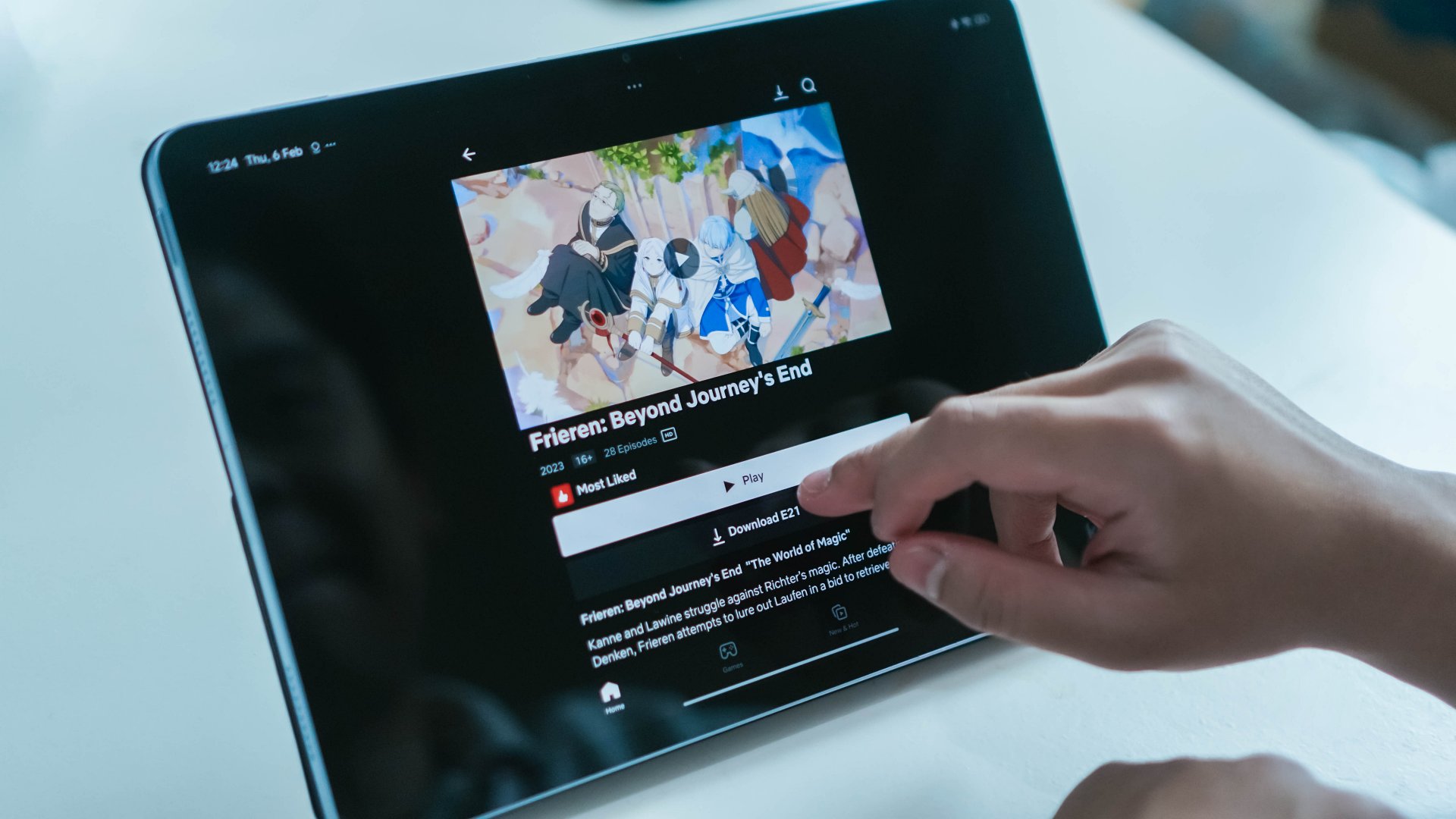
In exchange for convenience, subscription services and digital storefronts have made it all too comfortable to not own media. With a rental service like Netflix, that’s all expected, but we’re now at the inevitable stage when even bought games and movies are at the behest of our corporate overlords.
This is where the fury comes from. Companies are getting more brazen about taking more options from us. Between this and the increasing prices of RAM, it’s getting harder and harder to live as a tech-savvy citizen in today’s age.
Computers
Samsung’s SECRET That Made OLED Even Better
Say hello to the new QD-OLED Penta Tandem display tech by the Korean giant

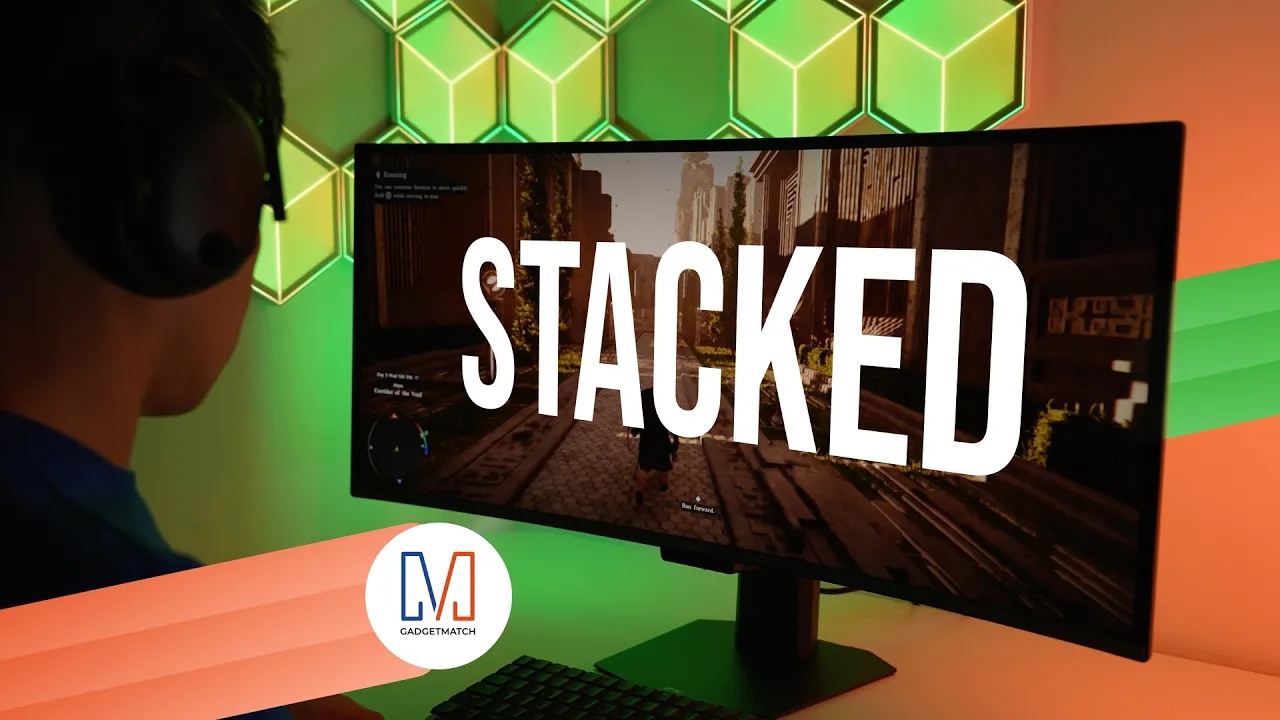
Samsung Display just unveiled QD-OLED Penta Tandem technology. This is a next-generation display structure that stacks five emission layers to improve brightness, efficiency, and overall OLED performance.
In this video, we simplify what Penta Tandem actually is, how it works, and show you two monitors that already have the technology — specifically from MSI and Dell.
For more details, check out Samsung Display here.


DJI Lito X1 review: Is this the best lightweight drone for creators?
Making a strong case as a travel companion and a capable B-cam!


REDMI Note 17 Pro Max review: A new breed born from AI greed
Welcome to the new normal


Marvel’s Wolverine review: When the claws come out
A brutal, cinematic superhero adventure

CRISIS CORE -FINAL FANTASY VII- REUNION physical edition now available for Switch 2

Smart launches AI.Smart, an affordable AI workspace

A Discord ban won’t save your kids

When your body talks, the Galaxy ecosystem listens

Power Mac Center SM Aura is now an Apple Premium Partner store

realme 16T 5G with 8000mAh battery, IP69 Pro rating launches in PH

HUAWEI Pura X View is 2026’s first WIDE slab-type smartphone

REDMI reveals the refreshed Note 17 and Note 17 Pro series

REDMI Note 17 Series: Price, availability in Singapore

The CAMON Slim 5G is TECNO’s latest ultra-slim smartphone


-

 News3 days ago
vivo X500 Series launches with major imaging upgrades
-

 Hands-On2 weeks ago
Apple iPhone 18 Pro Series Hands-on
-
Gaming2 weeks ago
Marvel’s Wolverine review: When the claws come out
-

 Gaming1 week ago
BlizzCon 2026 announces World of Warcraft: Forever and Diablo V
-

 Singapore5 days ago
Epson Lifestudio Grand Plus EH-LS970B with 4K projection, more launches
-
Reviews1 week ago
REDMI Note 17 Pro Max review: A new breed born from AI greed
-

 First Look2 weeks ago
First Look: Apple iPhone Duo
-

 Gaming1 week ago
Valve unveils price of the Steam Frame